Your curated collection of saved posts and media
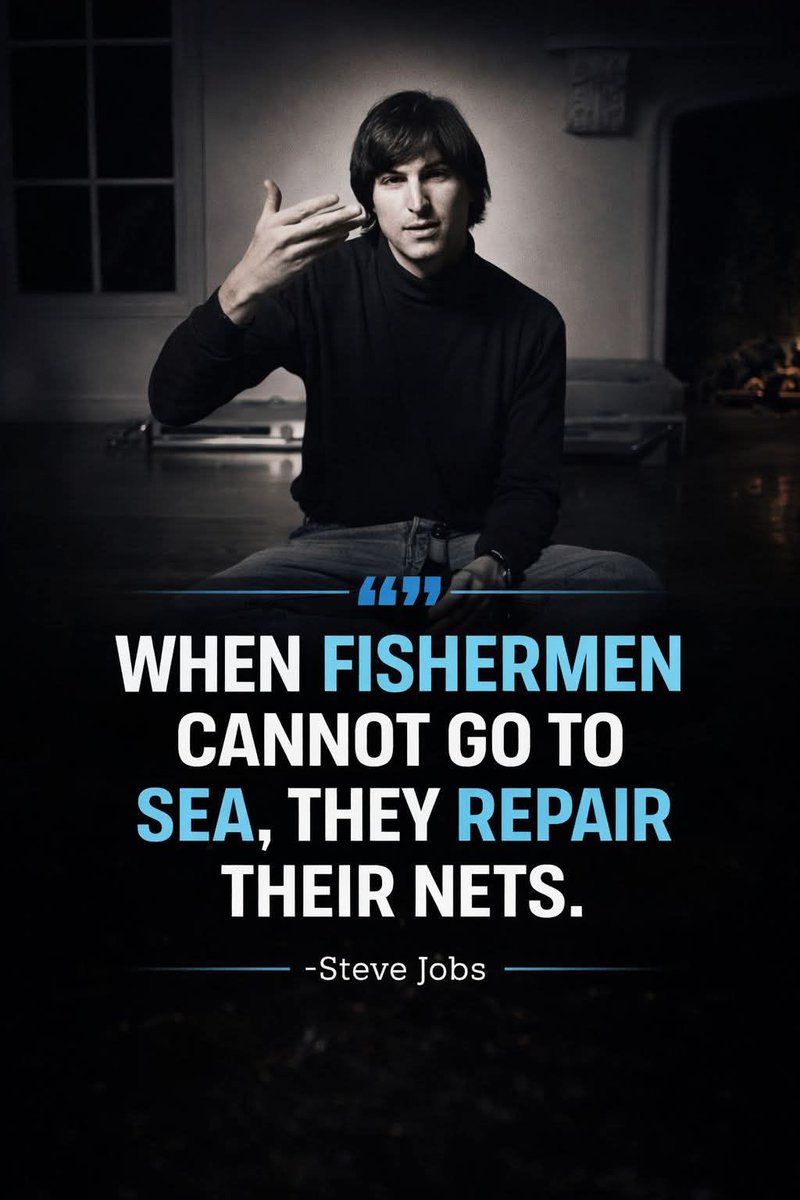
- Steve Jobs https://t.co/bNC7bV57oK
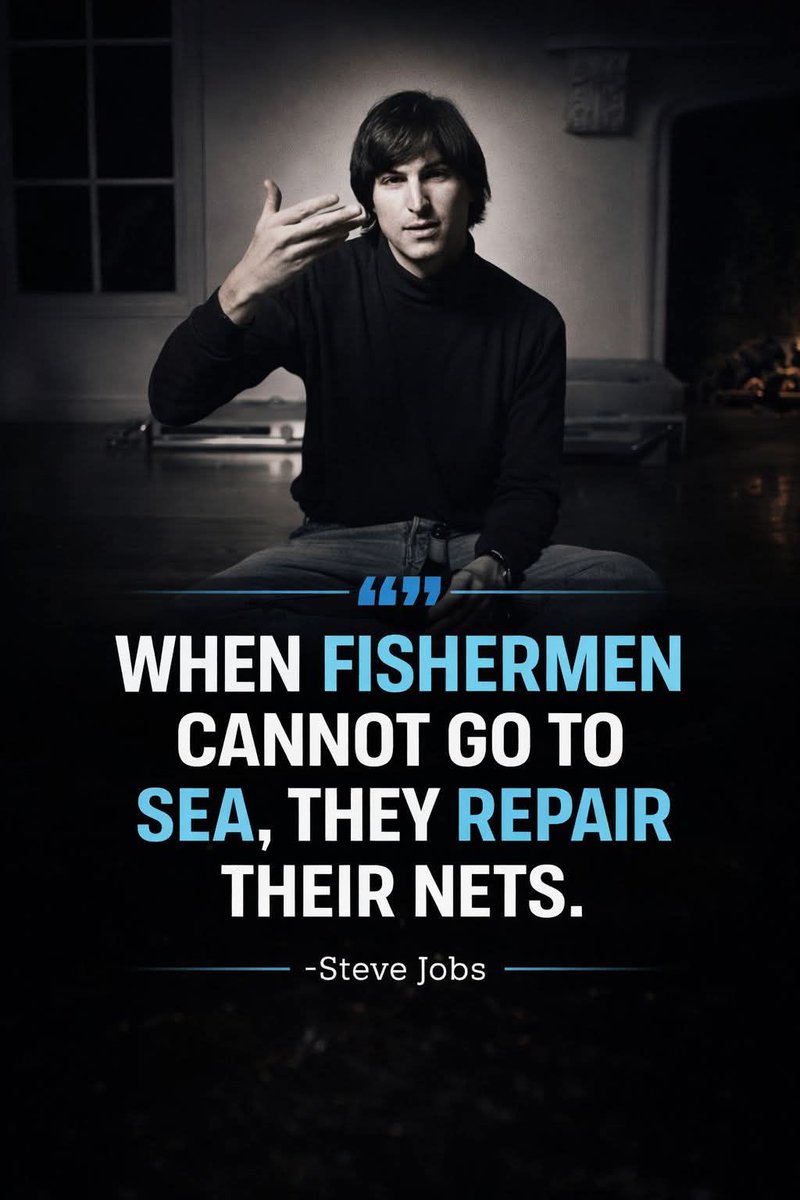
- Steve Jobs https://t.co/bNC7bV57oK
Paid Partnership with Siemens. ANYmal uses LiDAR to build precise, high-resolution 3D models of entire industrial facilities. That digital map becomes the foundation for smarter inspection planning and asset management. Find out more from @Siemens at Hannover Messe, April 20-24, Hall 27. #SIE_HM #HM26
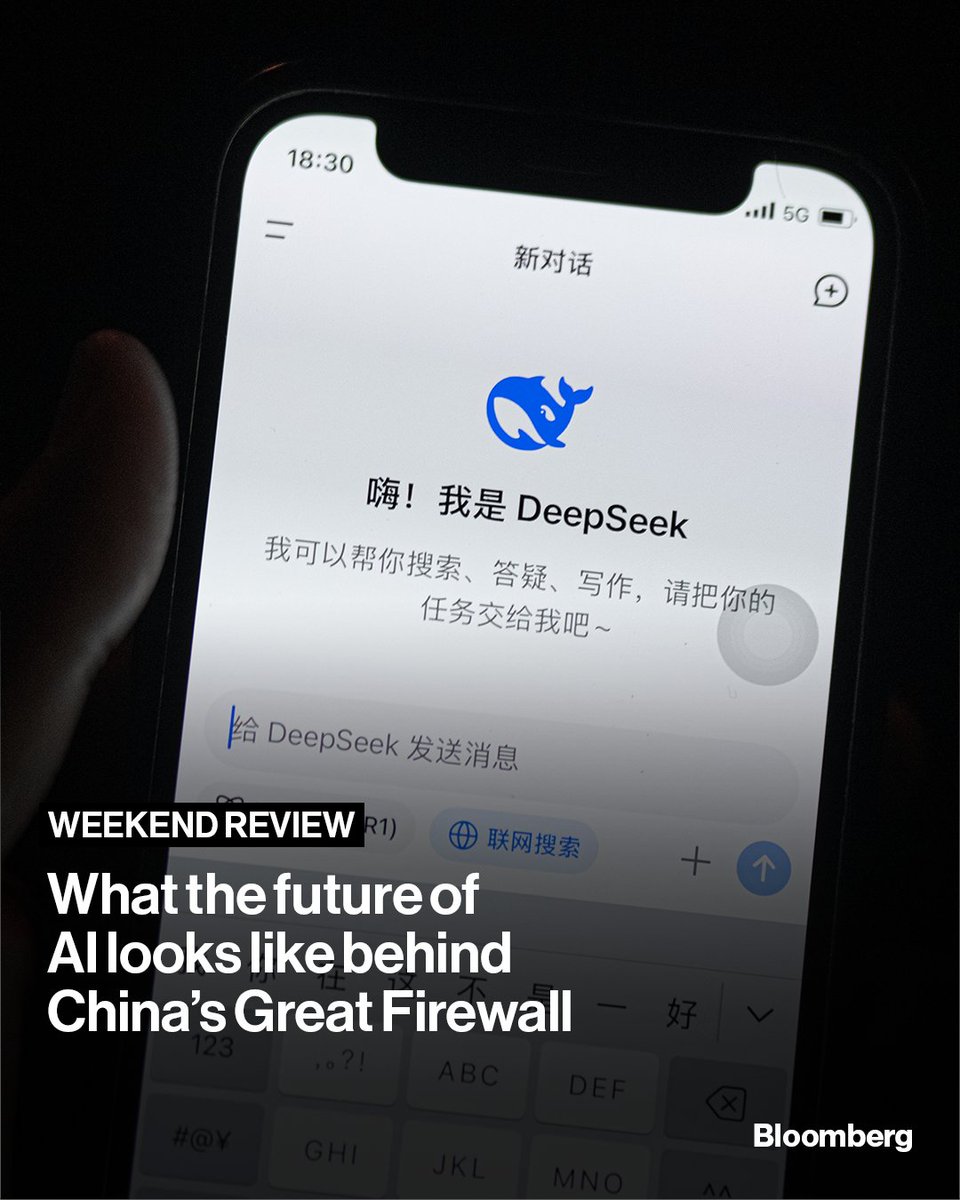
China’s internet was never fully free — but never fully controlled either. "The Wall Dancers" traces how freedom and state control evolved online — a dynamic that may influence the artificial intelligence race. Read more: https://t.co/uamQJJr0Qc 📷️: Bloomberg https://t.co/q9V7gXmfB7
Most professionals are about to be blindsided by the biggest shift in the history of work. Jensen Huang just told you exactly how to survive it. He said the single most important thing any student or professional can do right now is learn how to interact with AI, not just use it, but master it.
Airbnb CEO: entrepreneurs must be willing to be misunderstood https://t.co/Xk4of8Jn3A
Airbnb CEO: entrepreneurs must be willing to be misunderstood https://t.co/Xk4of8Jn3A
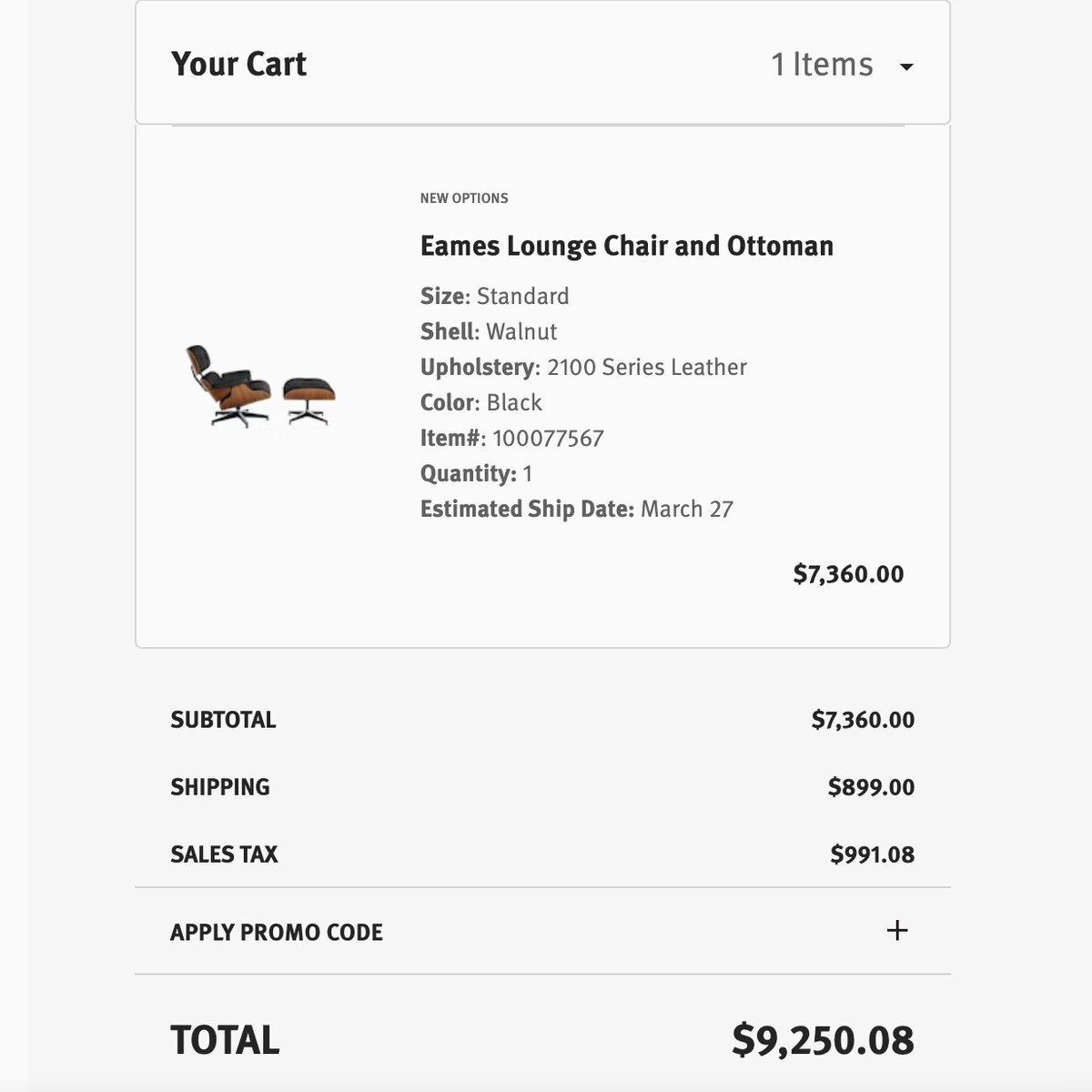
@kwuchu Just get it this chair holds value better than most my angel checks. https://t.co/GvNJT0ywO9

This is the reason federalism is so important. Individual states can become tyrannical but America still has an escape hatch that ensures the future of the whole country. If federalism fails, America does too. We must protect Texas and Florida with all our being. https://t.co/ZaqdUZEwMQ
@LorenaSGonzalez Message received

A Seattle man who shot and killed an eight-month pregnant Korean-American woman and nearly killed her husband when they were driving to work has been found not guilty by reason of insanity. Cordell Goosby m—rdered Elina Kwon and her unborn baby in June 2023 when they were stopped at a red light. Prosecutors did not charge him for killing the baby due to concerns about protecting abortion in the liberal state. After hearing testimony from defense medical experts that Goosby was "insane" at the time of the shootings, the prosecution agreed to have the case ended through the not guilty motion. Goosby will be committed to an institution and regularly evaluated to see if he is fit to be released to the public. https://t.co/eruxyD5BQB


expensive tastes suck! https://t.co/CUhhrIQovI
Chibi movie posters are here ↓ https://t.co/6iGfgST1jY

https://t.co/sCyao5tu2P
A mobile game ended up shaping real-world AI. Data from Pokémon Go players helped train navigation systems for delivery robots, turning millions of everyday movements into useful signals for how machines move through cities. It is a reminder that some of the most valuable AI training data is created without people even realizing it. https://t.co/6mzJp7Eamr @cnnbusiness

What started as a late-night idea turned into npmx: a fast, modern browser for the npm registry. Two weeks later? Over 1,000 contributions. 👀 Here's the story on this (overnight?) open source success. ▶️ https://t.co/nfG4PxPOfC
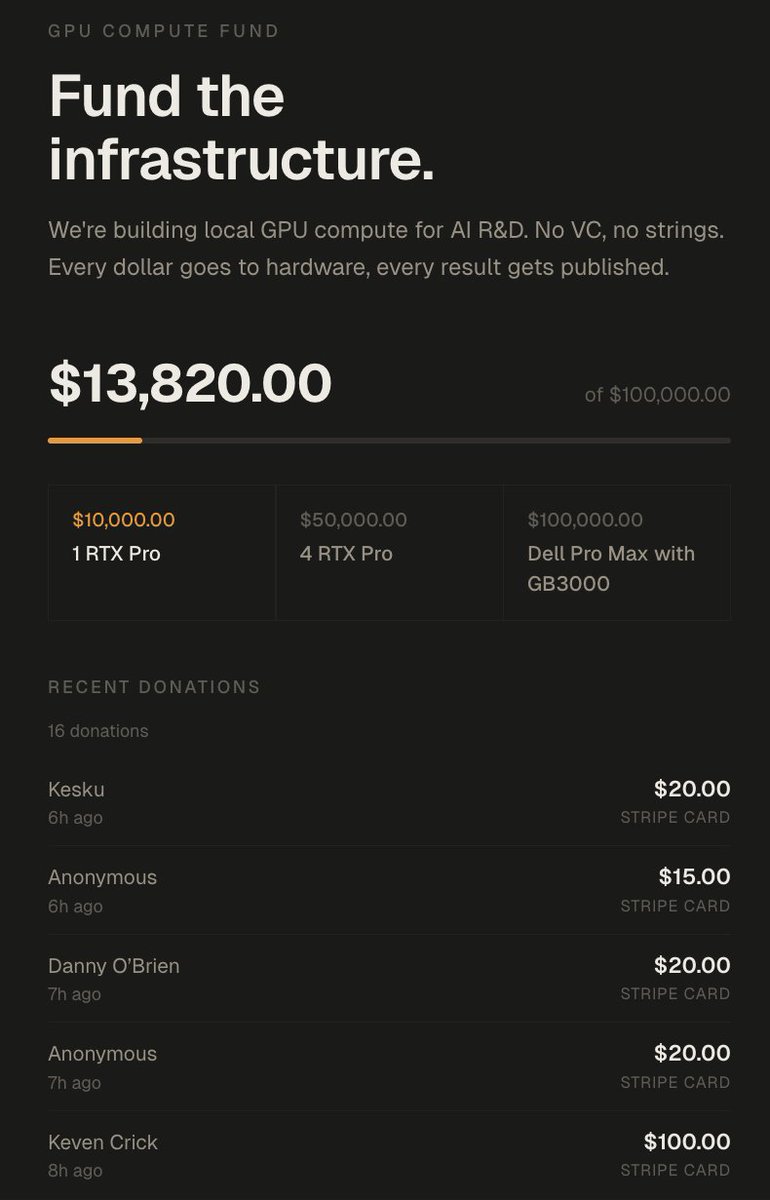
In 72 hours I got over 100k of value 1. Lambda gave me 5000$ credits in compute 2. Nvidia offered me 8x H100s on the cloud (20$/h) idk for how long but assuming 2 weeks that'd be 5000$~ 3. TNG technology offered me 2 weeks of B200s which is something like 12000$ in compute 4. A kind person offered me 100k in GCP credits (enough to train a 27B if you do it right) 5. Framework offered to mail me a desktop computer 6. We got 14,000$ in donations which will go to buying 2x RTX Pro 6000s (bringing me up to 384GB VRAM) 7. I got over 6M impressions which based on my RPM would be 1500$ over my 500$~ usual per pay period 8. I have gained 17,000~ followers, over doubling my follower count 9. 17 subscribers on X + 700 on youtube. The total value of all this approaches at minimum 50,000$~ and closer to 150,000$ if I leverage it all. --------------------- What I'll be doing with all this: Eric is an incredibly driven researcher I have been bouncing ideas off of over the last month. Him and I have been tackling the idea of getting massive models to fit on relatively cheap memory. The idea is taking advantage of different forms of memory, in combination with expert saliency scoring, to offload specific expert groupings to different memory tiers. For the MoEs I've tested over my entire AI session history about 37.5% of the model is responsible for 95% of token routing. So we can offload 62.5% of an LLM onto SSD/NVMe/CPU/Cheap VRAM this should theoretically result in minimal latency added if we can select the right experts. We can combine this with paged swapping to further accelerate the prompt processing, if done right we are looking at very very decent performance for massive unquantisation & unpruned LLMs. You can get DeepSeek-v3.2-speciale at full intelligence with decent tokens/s as long as you have enough vram to host the core 20-40% of the model and enough ram or SSD to host the rest. Add quantisation to the mix and you can basically have decent speeds and intelligence with just 5-10% of the model's size in vram (+ you need some for context) The funds will be used to push this to it's limits. ----------------- There's also tons of research that you can quantise a model drastically, then distill from the original BF16 or make a LoRA to align it back to the original mostly. This will be added to the pipeline too. ------------------ All this will be built out here: https://t.co/rHQUFdGfy4 you will be able to take any MoE and shove it in here, and with only 24GB and enough RAM/NVMe to compress it down. it'll be slow as hell but it will work with little tinkering. ------------------ Lastly I will be looking into either a full training run from scratch -> or just post-training on an open AMERICAN base model - a research model - an openclaw/nanoclaw/hermes model - a browser-use model To prove that this can be done. -------------------- I will be bad at all of it, and doubt I will get beyond the best small models from 6 months ago, but I want to prove it's no boogeyman impossible task to everyone who says otherwise. -------------------- By the end of the year: 1. I will have 1 model I trained in some capacity be on the top 5 at either pinchbench, browseruse, or research. 2. My github will have a master repo which combines all my work into reusable generalised scripts to help you do that same. 3. The largest public comparative dataset for all MoE quantisations, prunes, benchmarks, costs, hardware requirements. -------------------------- A lot of this will be lead by Eric, who I will tag in the next post. I want to say thank you to everyone who has supported me, I have gotten a lot of comments stating: 1. I'm crazy, stupid, or both 2. I'm wasting my time, no one cares about this 3. This is not a real issue I believe the amount of interest and support I've received says it all. https://t.co/aSLDkVhawQ

You can just shoot things. https://t.co/7omFv4mFe1
@zaachsiieegeel Awesome 🚀 We are rapidly improving: https://t.co/biadKxzubv and you'll see a lot more here in the next few weeks! Contributions welcome 🤗

@ZackKorman Hi Zach, To clarify our approach: OpenShell uses a zero-trust policy to give enterprises maximum control. NemoClaw, however, is designed as an open reference. It’s in alpha, clearly stated in the repo, We’re building this project in the open to get feedback from early adopters and the security ecosystem. NemoClaw provides a baseline security setting that users can customize for their specific use case—much like adjusting security preferences in an OS. We appreciate your feedback and we've applied a fix while we continue to harden this while in alpha: if you have additional feedback, please don’t hesitate to share https://t.co/yV0C0Mbul0 https://t.co/mdaEKUIsW6
The people who get smarter with AI are not just using it more. They are thinking about how they think. Metacognition, the ability to question your own assumptions, revisit ideas and refine your thinking, is what separates shallow use from real leverage. It turns AI from a tool that gives answers into a partner that improves how you reason. The difference is subtle but powerful. Instead of asking for answers, they keep asking what they might be missing. https://t.co/uK5DJmjkBE @fortunemagazine @davidrock101
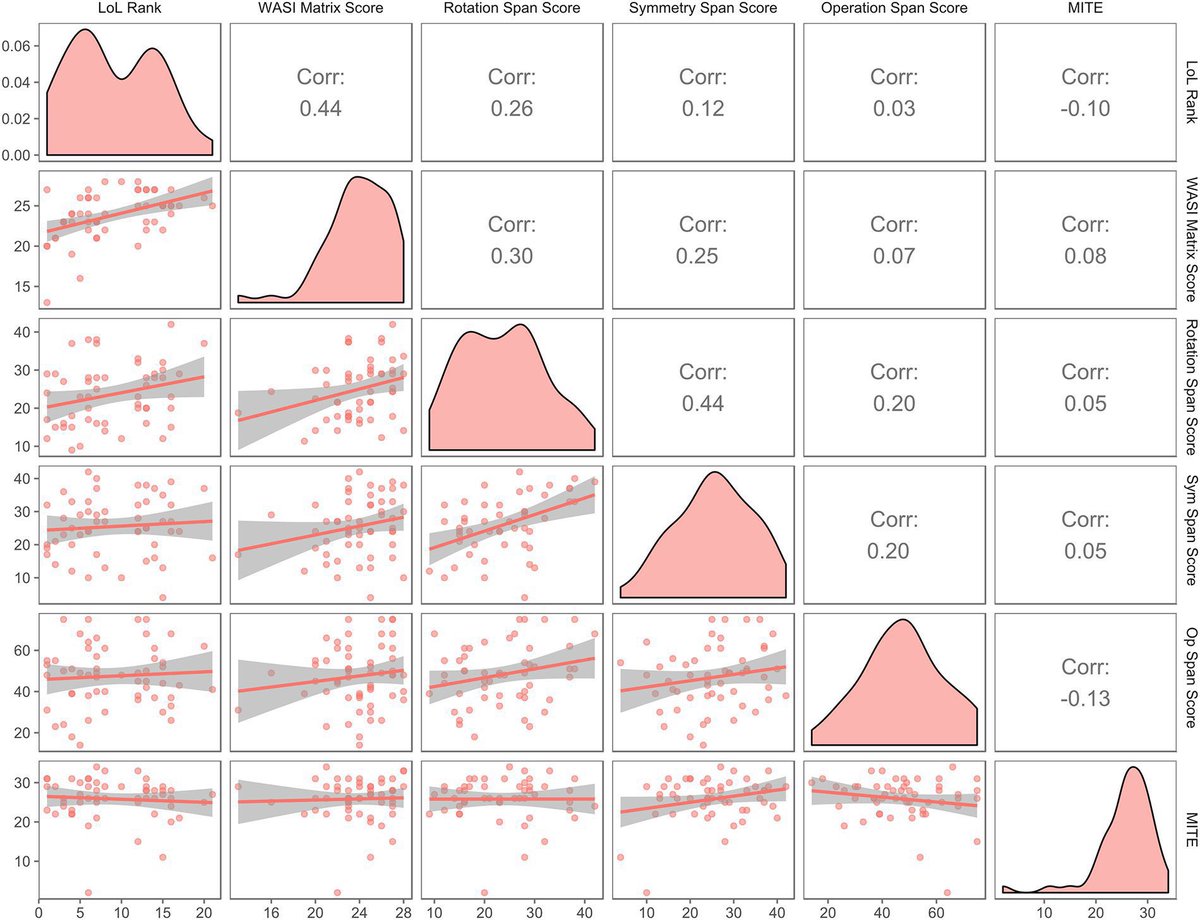
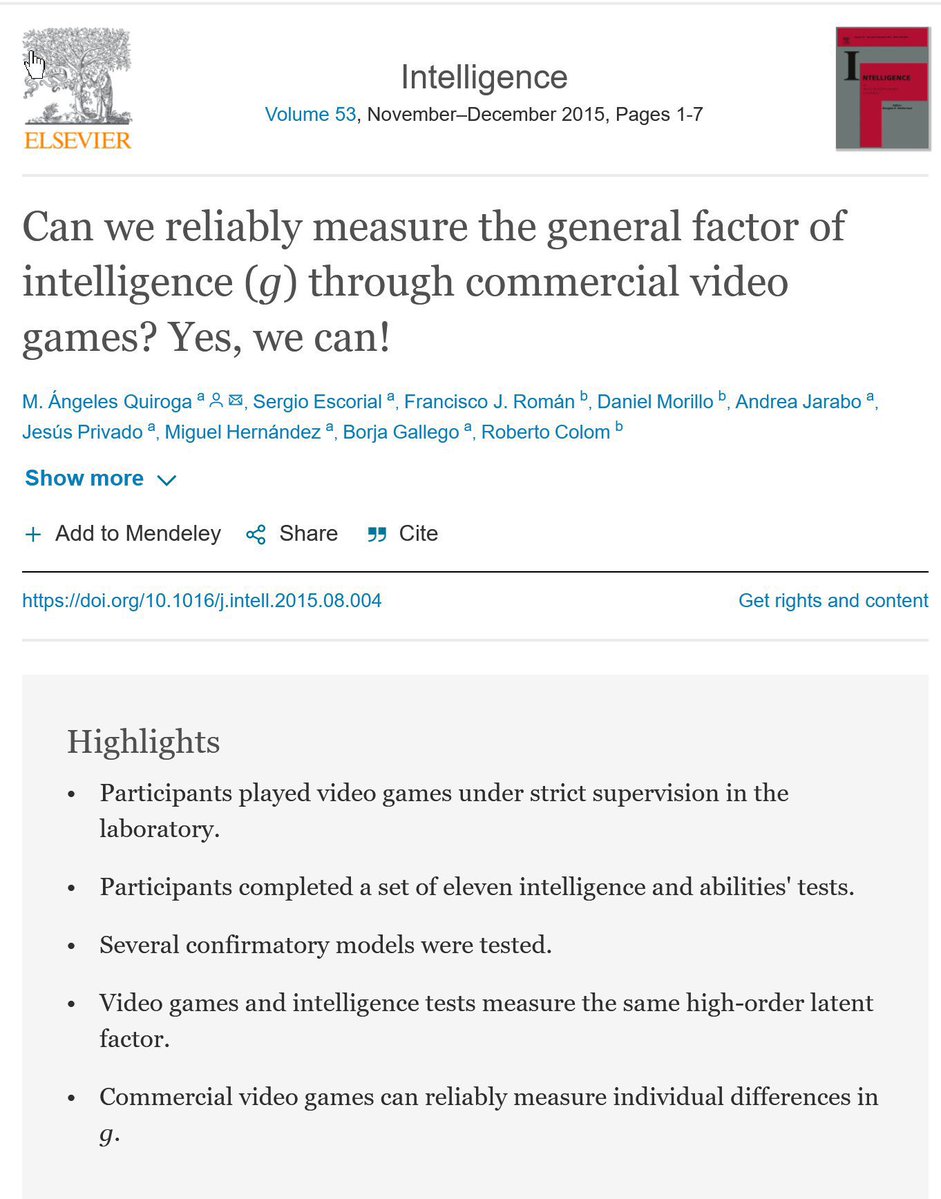
Also performance in MOBAs like League of Legends correlates with IQ but performance in FPSs like Battlefield 3, Destiny, etc. don't show the same correlation with intelligence. And guild leaders in World of Warcraft were more likely to be good leaders in real life https://t.co/gWVvxtrviy
time to follow: https://t.co/wPHHa7hIsw https://t.co/D1W3XgB5Am
M2.7 open weights coming in ~2 weeks. still actively iterating just updated a new version on yesterday — noticeably better on OpenClaw.

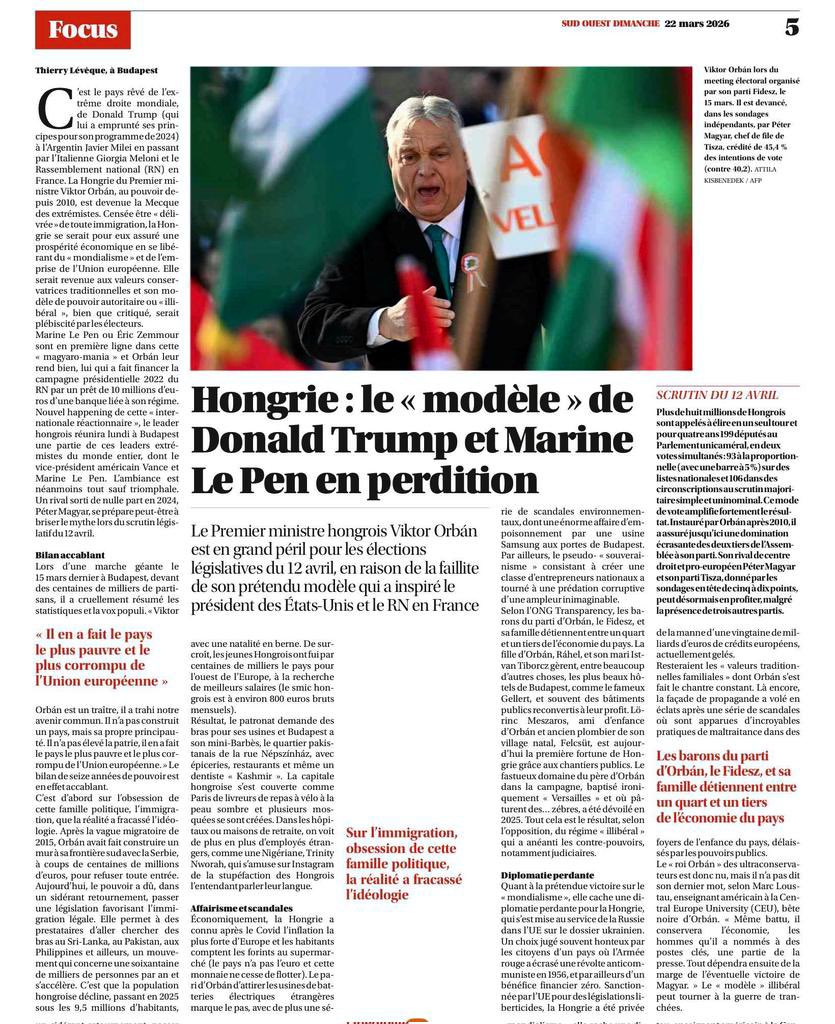
Ah la Hongrie de Viktor Orbán : ce pays tant cité en exemple par le RN de @MLP_officiel et @J_Bardella est devenu le pays le plus pauvre et le plus corrompu de l’Union européenne. https://t.co/48QxDLvDuK
@jxnlco Hey Jason, honored to be asked! I'm proudly a part of Codex OSS program and one major feature of ast-grep was iterated by GPT5.4 extra-high and me! Thank again for @OpenAI's support https://t.co/0HNMlXxUaE
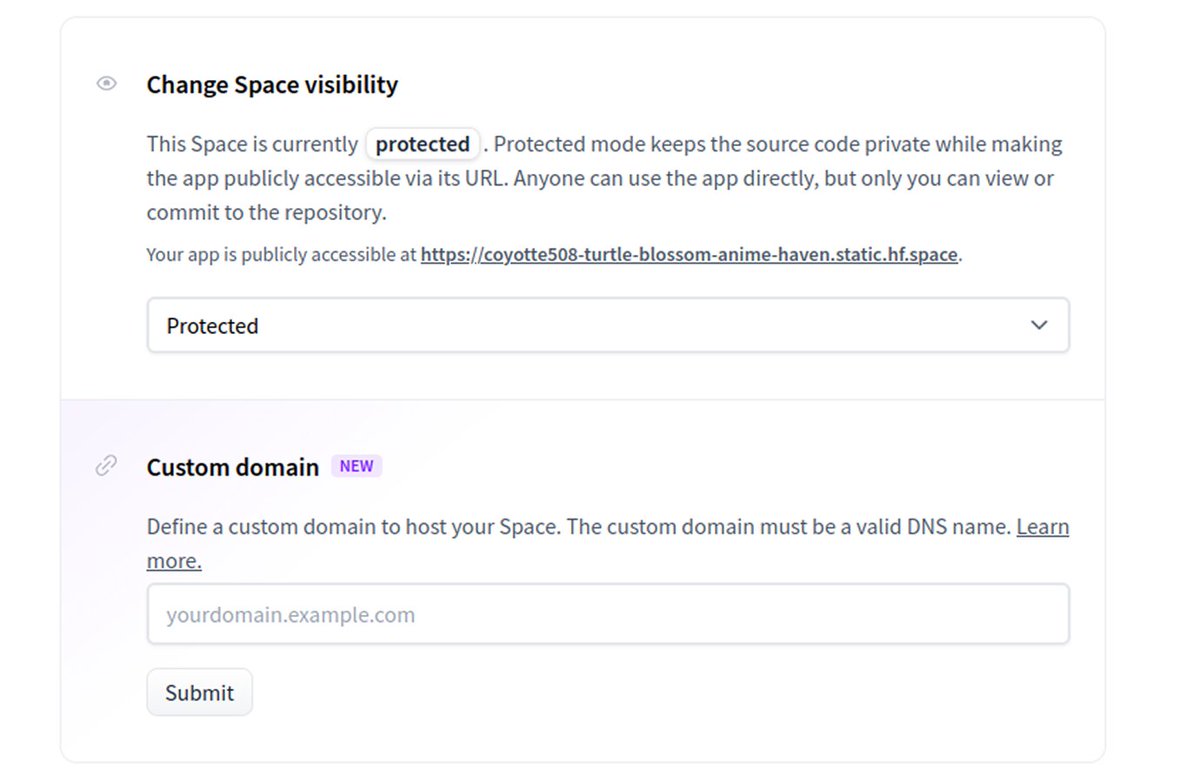
Protected Spaces with Public URLs now available on Hugging Face You can now set your Spaces to protected, making them private on Hugging Face while still keeping their URL publicly accessible This is useful for deploying production-ready demos or internal tools without exposing model weights, prompts, or proprietary logic Combined with custom domains you can also host your website on Hugging Face changelog: https://t.co/vhtsahGxnY

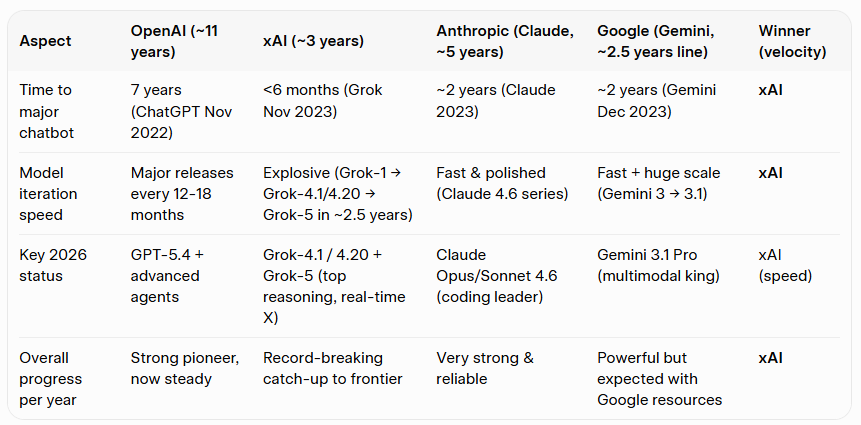
Did you know that xAI has developed faster with Grok than all other AI relative to its young age? xAI / Grok is the overall winner in velocity! Here's an example, but it's the same with all other AI companies. https://t.co/fLA4VtpA0v
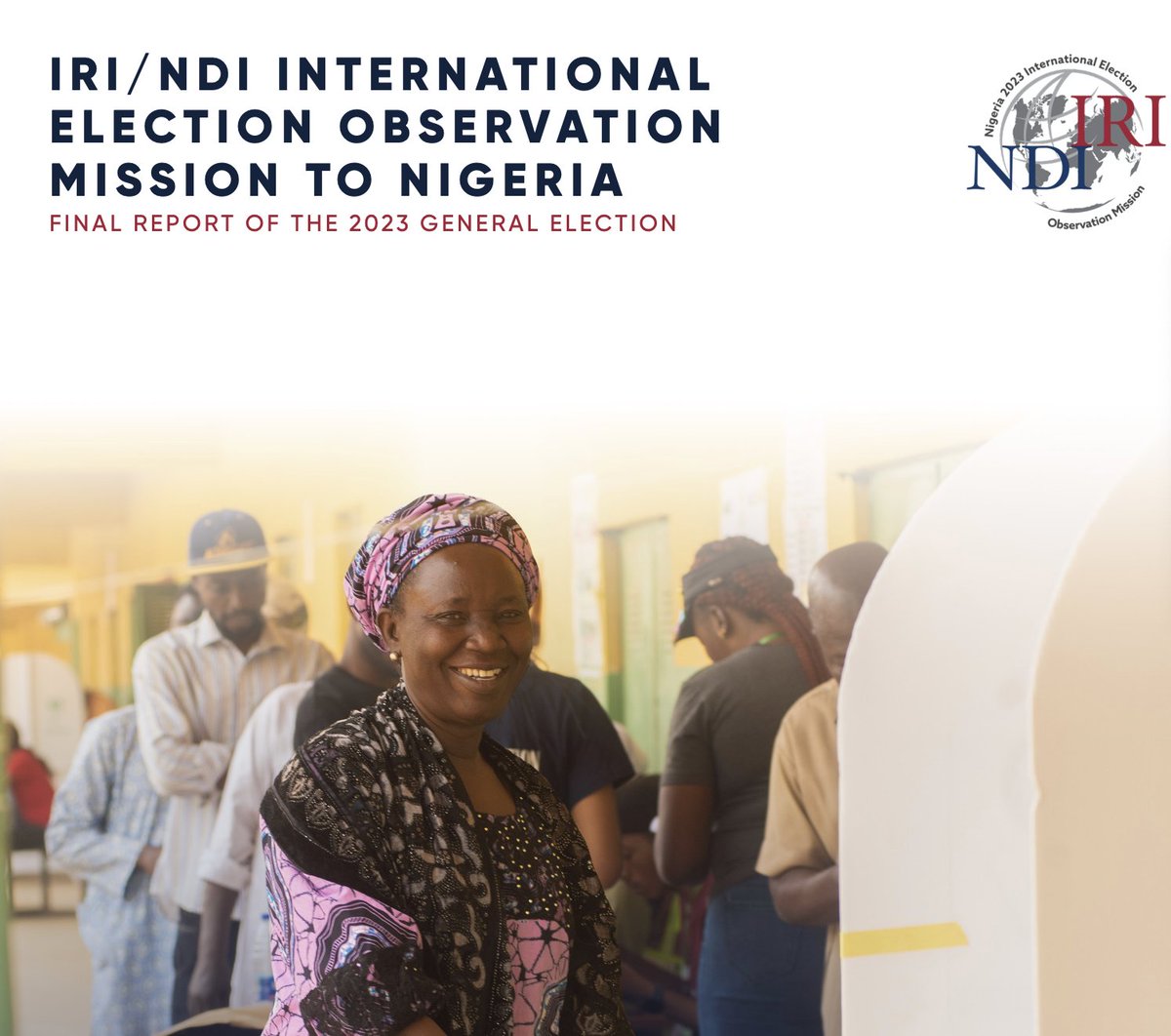
🧵 THREAD: Democrats TEACH voter identification and election integrity ... just not in America The Democratic Party has an international arm called the National Democratic Institute (NDI). It's funded by $181M/year in US tax dollars. Its board includes Stacey Abrams, Donna Brazile, and Tom Daschle. But in regards to today's SAVE America Act debate... did you know that the NDI has taught and supervised election processes all over the world? For 40 years, NDI has told every developing country on earth that voter ID is essential for election integrity. They've recommended biometric systems... yes, that's right, NDI recommended biometric systems, which goes way beyond SAVE America Act! They praised fingerprint verification. Tracked ID card issuance rates. Meanwhile, Democrats call the SAVE Act "Jim Crow 2.0." Same party. Same people. Opposite positions. As always, patience as I pull together the thread 👇
At 24 years old, SpaceX is already one of the largest & most *capital-efficient* companies ever built: SpaceX: ~$12B raised → $1.25T Val (target $1.75T IPO) OpenAI: ~$170B raised → $840B Val (target $1T IPO) SpaceX Financial Profile (Over 1 Year): 2025: $350B → 2026: $1.25T Valuation March 2025: $350B val, SpaceX had raised only ~$10B over 23 years, remarkably modest for its scale & valuation, +was already cash flow positive FY 2025: Generated about $8 billion in profit on $15-$16B of revenue, driven primarily by @Starlink's satellite internet service, which accounts for between 50% - 80% of total revenue (Reuters) February 2, 2026: $1.25T valuation, all-stock acquisition of xAI. Deal valued standalone SpaceX at ~$1 trillion & xAI at $250 billion. Widely reported as the largest M&A transaction in history. March 2026: @elonmusk announces SpaceXAI + Tesla TERAFAB Project, goal to reach a trillion watts of compute/year 2026: Targeting ~$1.75 trillion IPO Note: @xai (now part of @SpaceX) has reportedly raised ~$42B total (PitchBook). Combined, that’s ~$54B total capital against a ~$1.25T valuation. Figures based on recent public reporting; estimates may vary. Christian Garrett (@CGarrett_15) of @137ventures
It’s actually insane what SpaceX is doing to the space industry right now In 1981, it cost ~$65,000 to put 1 kg into orbit For 50 years, the industry accepted this as the standard. Reusable rockets were "impossible" Then one company - led by a man obsessed with getting humanity
Tonight Cybertruck powered these massive laser beams pointed into space for the Terafab event in Austin, Texas. Great pics @AdanGuajardo 🔥 https://t.co/nD12zvEiWd
TERAFAB: The next step to becoming a galactic civilization https://t.co/8CFa2OBxLr

The Cherry Blossoms are in ELONgation! 🌸 https://t.co/hOz2rgyRR9
ATTENTION EVERYONE! We have Peduncle Elongation. I repeat, Stage 4: Peduncle Elongation. The cherry blossoms have reached the 4th of 6 stages on the path to Peak Bloom. 🌸🌸🌸🌸/🌸🌸 Follow the blossoms online at https://t.co/h04Gu0ksc1 #BloomWatch #CherryBlossom #WashingtonDC https://