Your curated collection of saved posts and media
Introducing the Google Workspace CLI: https://t.co/8yWtbxiVPp - built for humans and agents. Google Drive, Gmail, Calendar, and every Workspace API. 40+ agent skills included.
Introducing the Google Workspace CLI: https://t.co/8yWtbxiVPp - built for humans and agents. Google Drive, Gmail, Calendar, and every Workspace API. 40+ agent skills included.
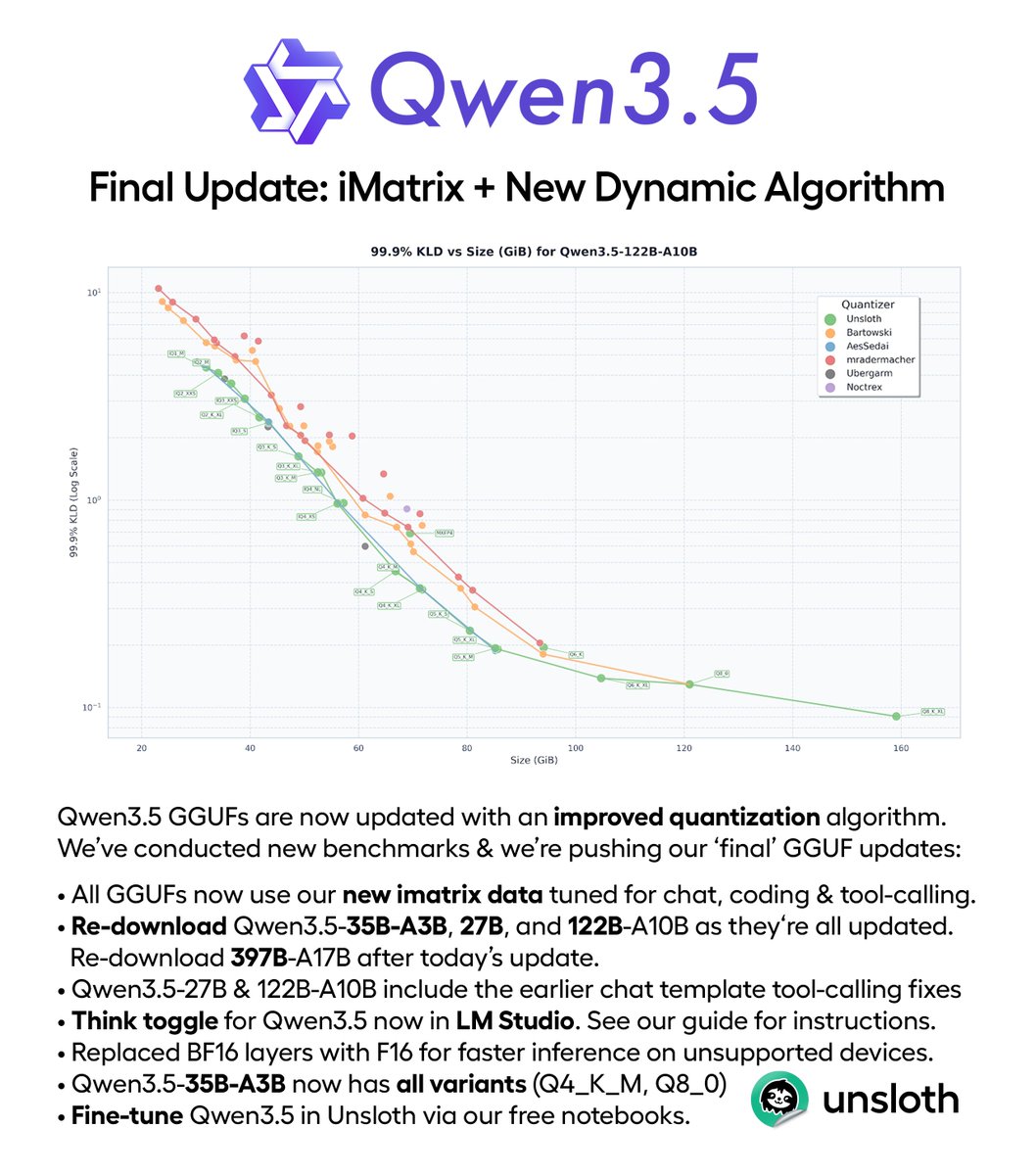
We're releasing our final update to Qwen3.5 GGUFs for improved performance. - Qwen3.5 GGUFs now use our new iMatrix data for better chat, coding & tool use. - New improved quant algorithm - Re-download 35B, 27B, 122B GGUFs: https://t.co/7Jmp13uYfU Guide: https://t.co/wjS1lMnbNp https://t.co/6lZKT6CSFf
Watch the trailer for #TheTestaments, a new story set within the world of The Handmaid’s Tale. Join this new generation of powerful young women. Streaming April 8 on @hulu and Hulu on Disney+. https://t.co/9Rr2lHV6gI
It's time to choose your own destiny. #TheTestaments premieres April 8 on @hulu and Hulu on Disney+. https://t.co/y7RDrDN2UZ

🔥 Qwen 3.5 Series GPTQ-Int4 weights are live. Native vLLM & SGLang support. ⚡️ Less VRAM. Faster inference. Run powerful models on limited-GPU setups. 👇 Grab the weights + example code: Hugging Face: https://t.co/3MSb7miq68 ModelScope: https://t.co/LGHruBHP6Q
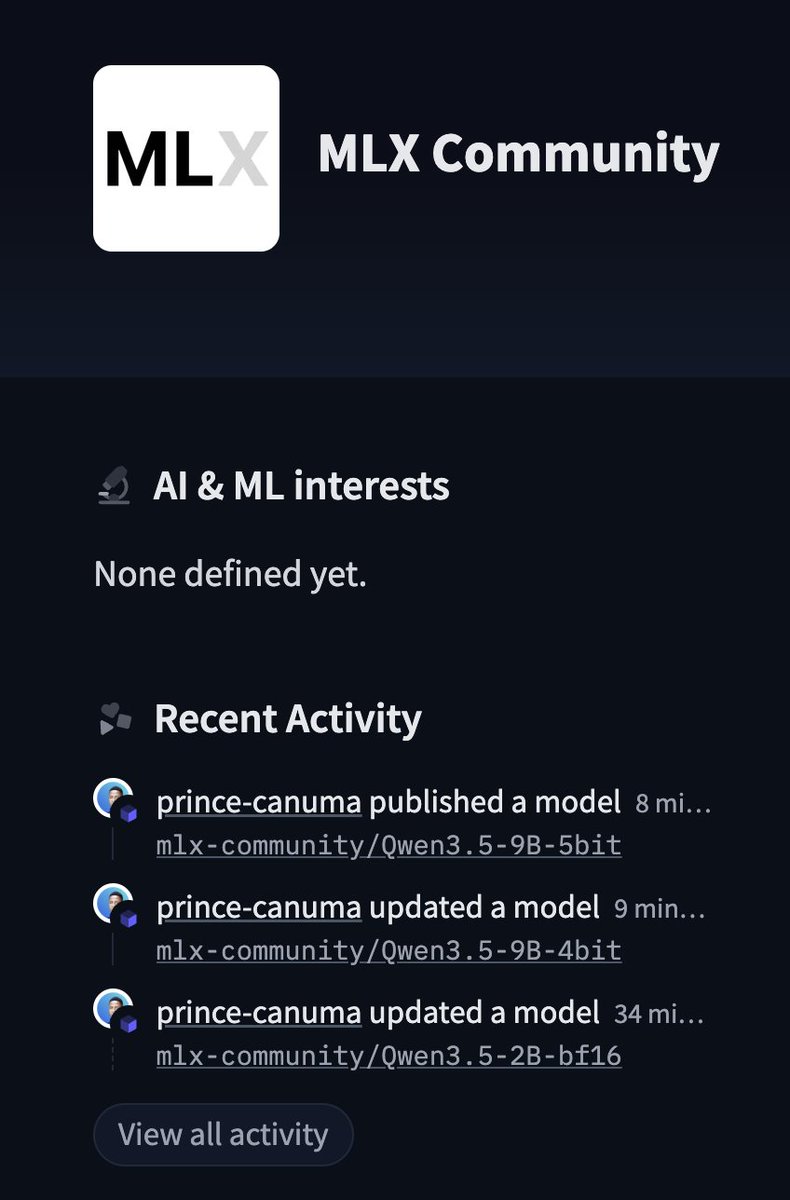
already on mlx :) https://t.co/NXxd7hAWMh
🚀 Introducing the Qwen 3.5 Small Model Series Qwen3.5-0.8B · Qwen3.5-2B · Qwen3.5-4B · Qwen3.5-9B ✨ More intelligence, less compute. These small models are built on the same Qwen3.5 foundation — native multimodal, improved architecture, scaled RL: • 0.8B / 2B → tiny, fast, great
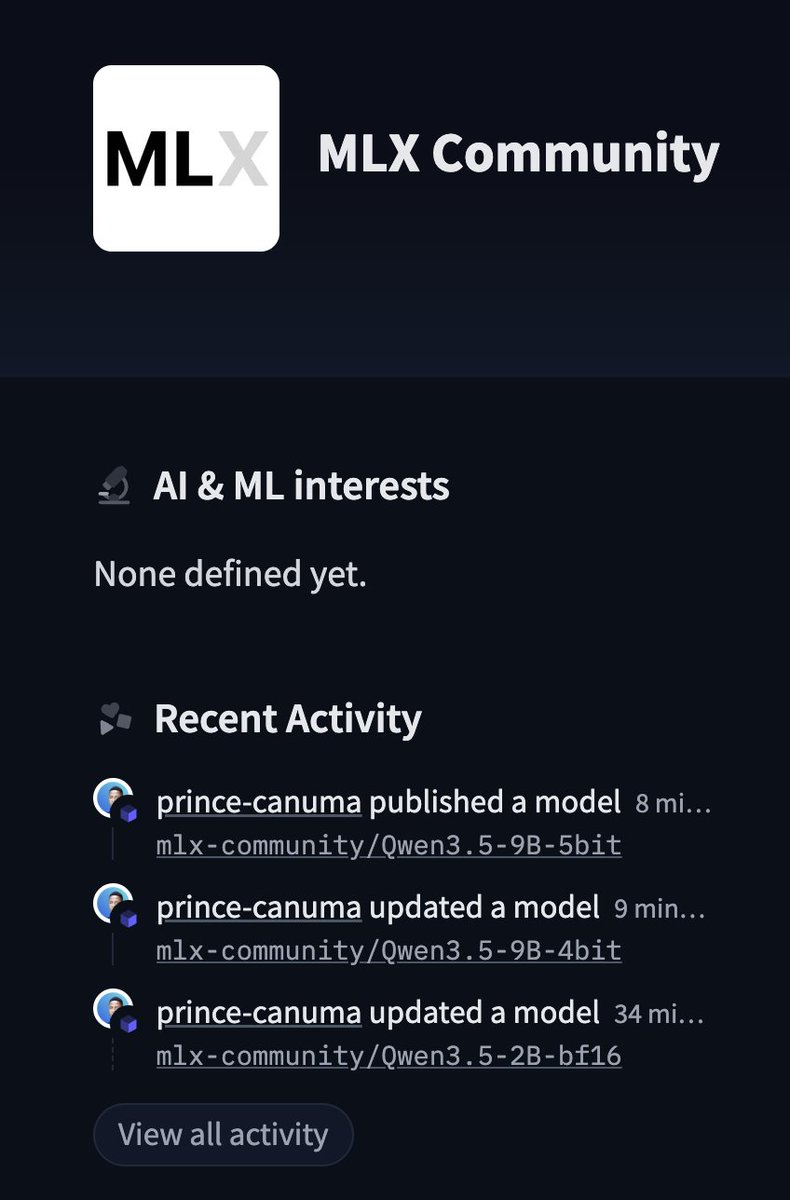
already on mlx :) https://t.co/NXxd7hAWMh
Meet GLM-4.7-Flash-Claude-Opus-4.5-High-Reasoning-Distill: a distilled powerhouse that brings elite reasoning to local machines. This GGUF model delivers Claude-level intelligence in a compact package, perfect for developers wanting high-performance AI without cloud costs. https://t.co/Q0HCPTI2oe
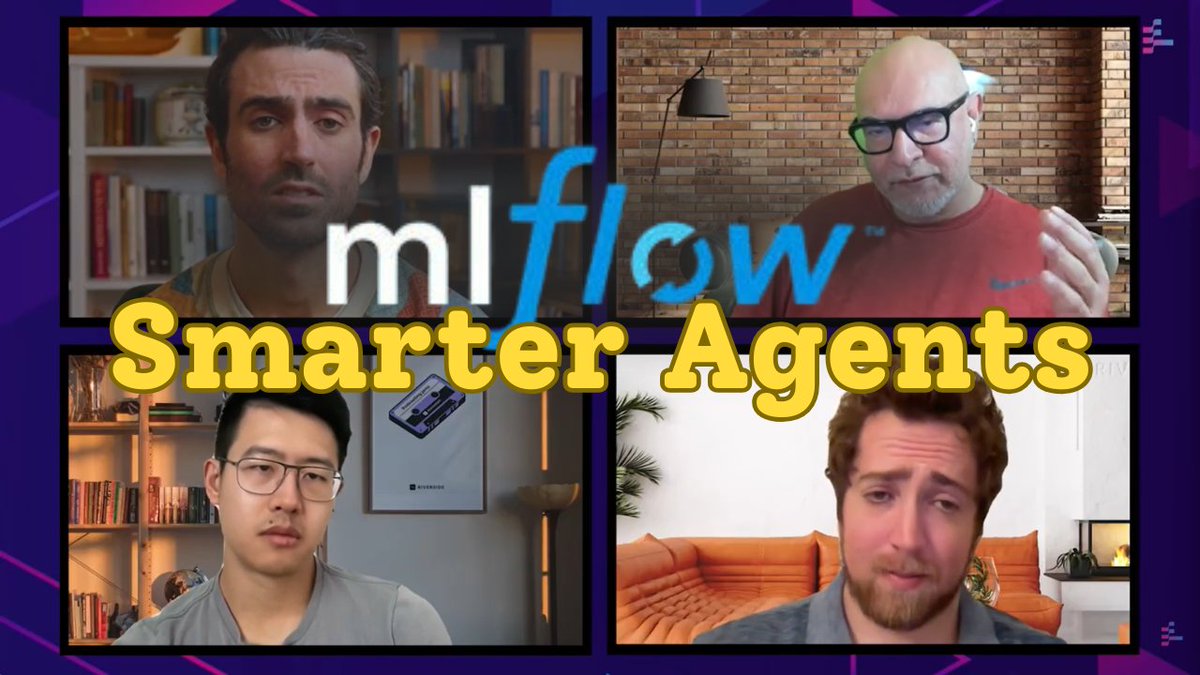
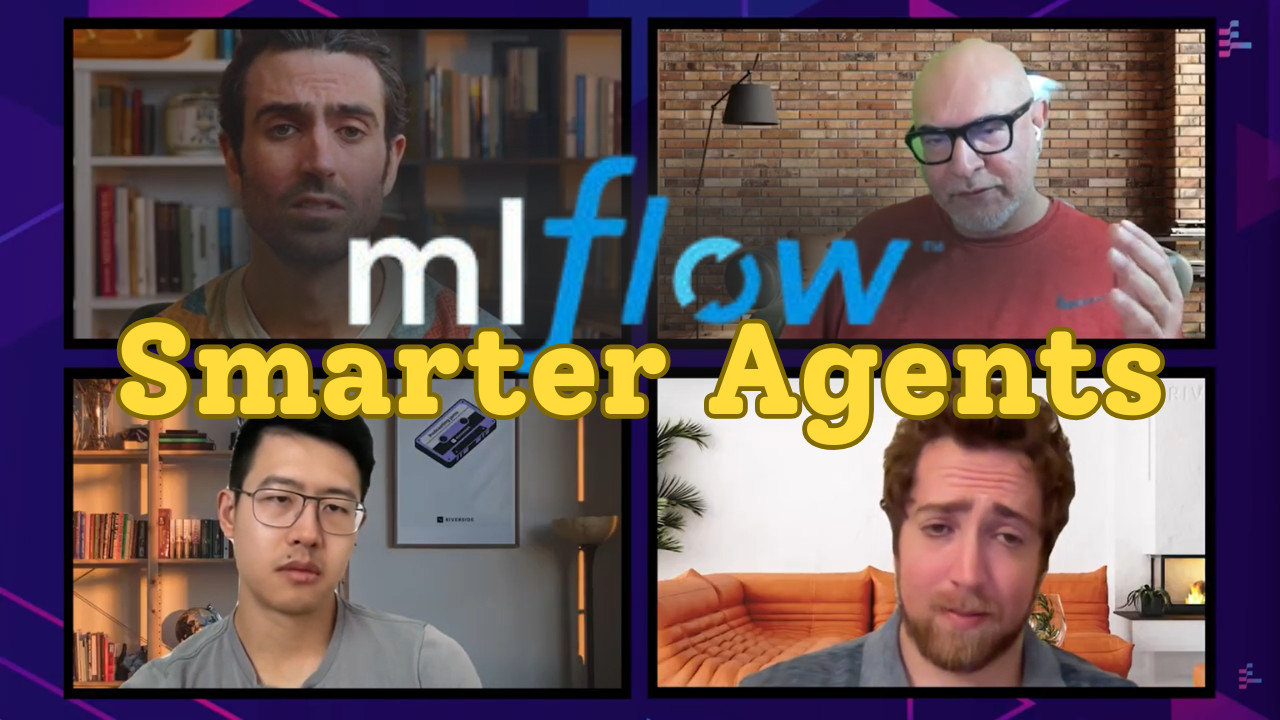
Back in January, the MLflow team sat down with @mlopscommunity to discuss why MLflow is being rebuilt for the "AI Engineer" era. As more teams move toward autonomous agents, this conversation is more relevant than ever. The highlights: 🔹 𝗧𝗵𝗲 𝗚𝗲𝗻𝗔𝗜 𝗣𝗶𝘃𝗼𝘁: Why MLflow is being rebuilt for agents and real production systems. 🔹 𝗧𝗵𝗲 𝗠𝗲𝘀𝘀𝘆 𝗥𝗲𝗮𝗹𝗶𝘁𝘆: Tackling evals, risky memory management, and governance that actually works. 🔹 𝗧𝗵𝗲 𝗙𝘂𝘁𝘂𝗿𝗲: Why MLflow remains the leading open-source standard for the next generation of AI. Don't build the next generation of AI on a legacy stack. 📺 Watch: https://t.co/TpLzUGNei0 🎧 Listen: https://t.co/VABLK7jqcC #MLflow #GenAI #LLMOps #AgenticAI
Claude Code acabou de lancar Voice Mode. Voce fala. O agente de IA codifica. "/voice" pra ativar. Rollout pra 5% dos usuarios agora, expandindo nas proximas semanas. Hoje: KREA AI Voice no iPad. Claude Code Voice no terminal. A era da programacao por voz chegou. https://t.co/9adiksDX0r
Comprehensive Python API for Google NotebookLM. Full programmatic access to NotebookLM's features—including capabilities the web UI doesn't expose—from Python or the command line. https://t.co/5YQhAKiGuD
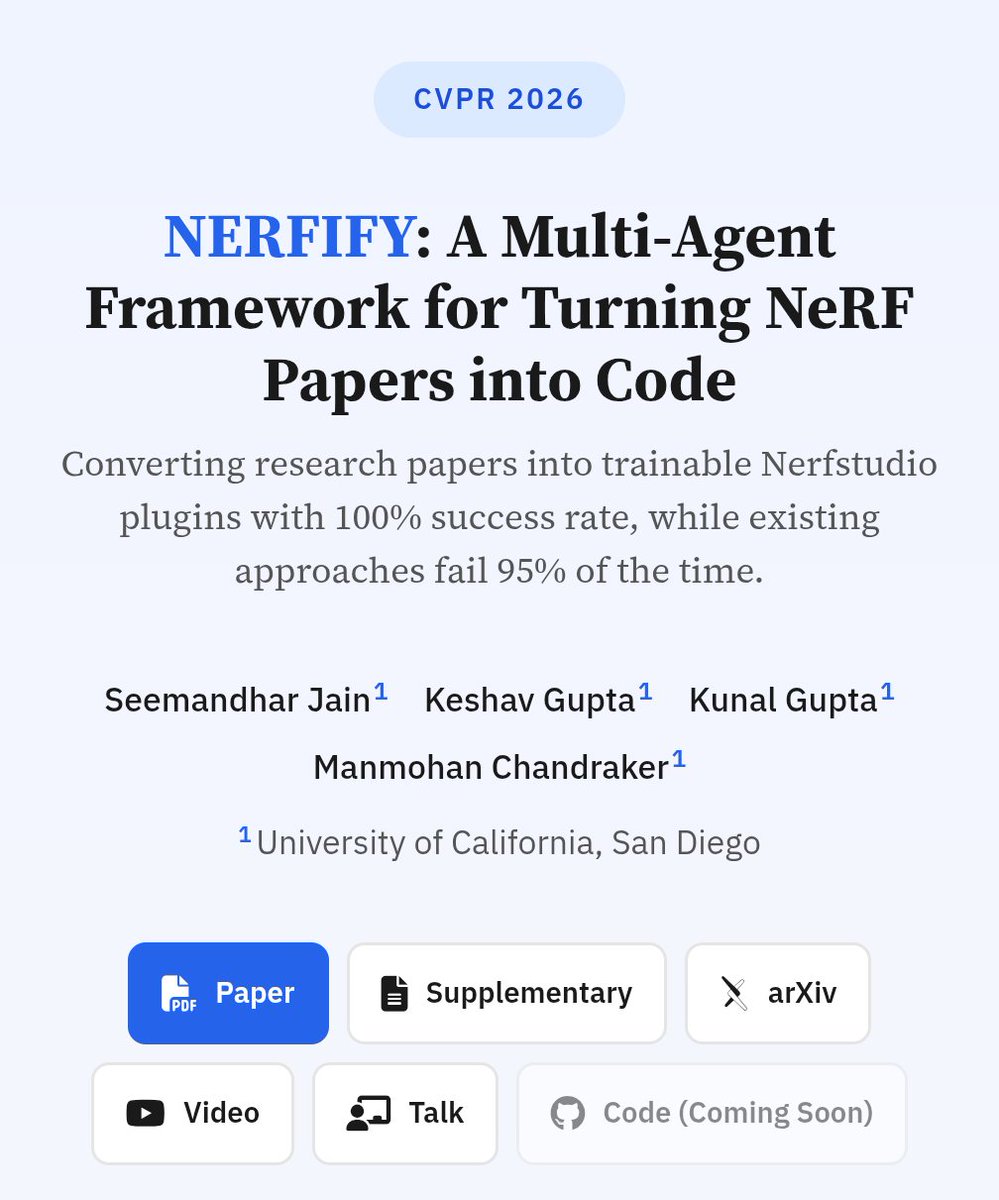
One of the more interesting and thought provoking research papers I've seen in a while. A system for reading and reimplementing NeRF papers, and it seems to work very well. Pretty easy to extrapolate out from here to what CVPR 2027 papers will look like. https://t.co/gokzG27mIT https://t.co/jPpRESdKkd
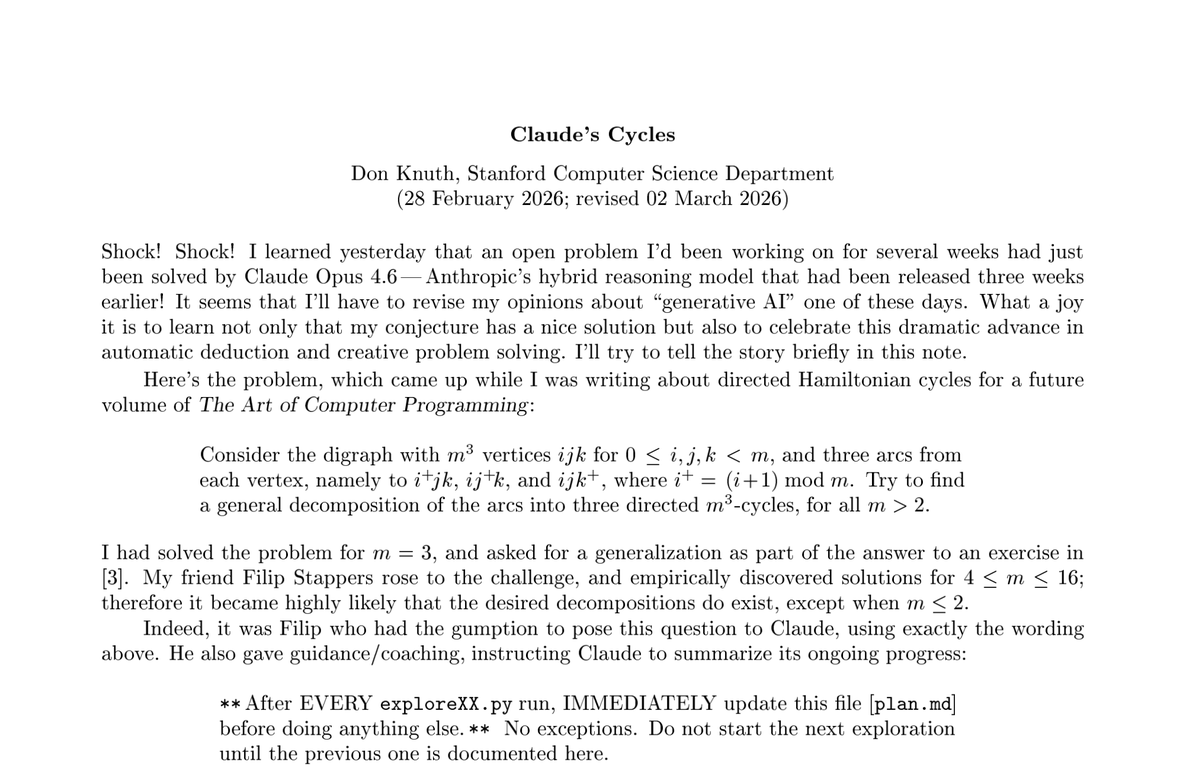
The legendary Donald Knuth just witnessed something remarkable. 🔥🔥🔥 After 30 years, a problem he posed about Hamiltonian cycle decompositions in a 3-dimensional Cayley digraph has finally been cracked. And the solver? Not a PhD student. Not a research group. Not a math department.
zoe was burning 24M+ opus tokens/day monitoring agents that weren't running. replaced her cron with a 2-layer system: - bash pre-check, zero tokens when idle - webhook fires opus only when needed. ~95% token reduction and more reliable output. details below. (set up a cron to watch this performance, if it works well I'll double down on this event driven stack, seems like the future)

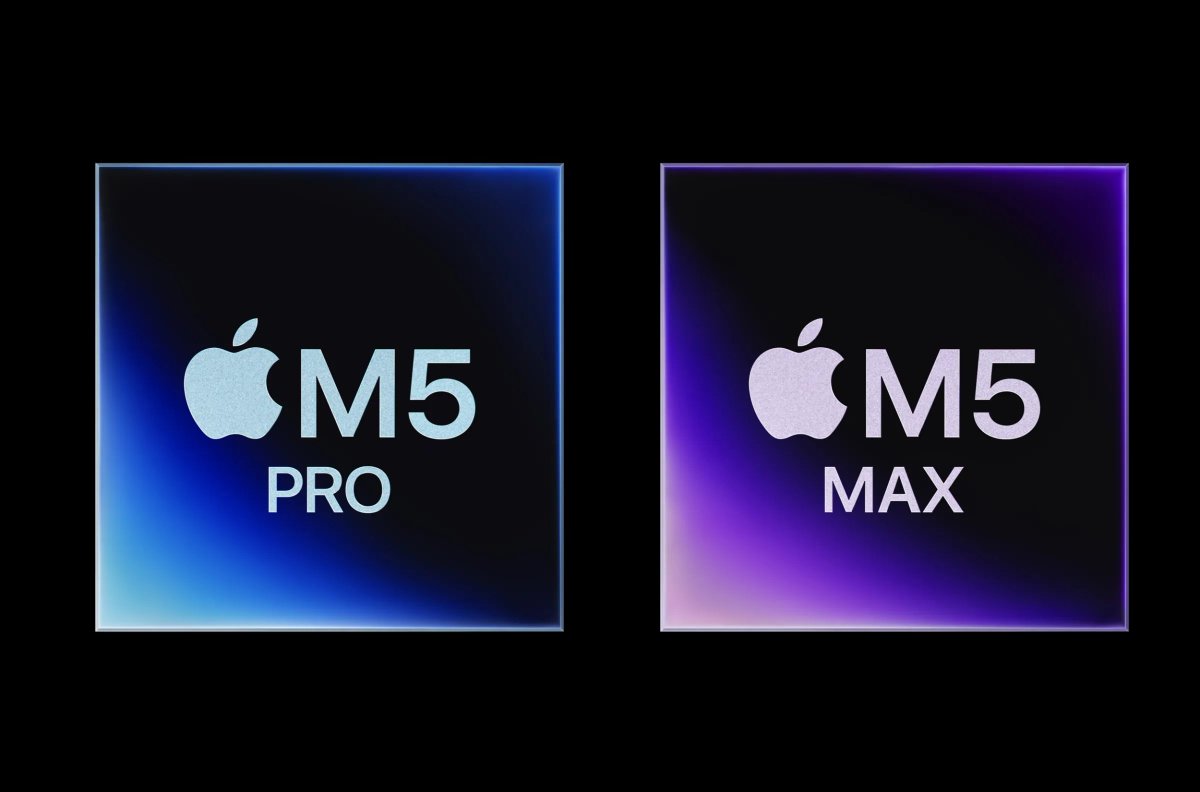
i find it fucking hilarious how Apple "failing" at AI is now the exact reason they're about to win it: - watched everyone else burn $1.4T+ building models... then picked the winner (gemini) to use for... $1B - while everyone fights to grow users, apple flips a switch and 2.5 billion devices get AI siri tmrw. - $150B to splurge on the device / app layer. zero competition (because everyones spent their cash). - while openAI charges $200/mo subscriptions, Apple lets you run models on-device (cheaper, faster, private, personal) - while openAI struggles to build an AI device, Apple just dropped 5 powered by the best AI chips for hand-held devices. they "lost" the model race because they didn't need to win it in the first place greatest to (accidentally) ever do it.

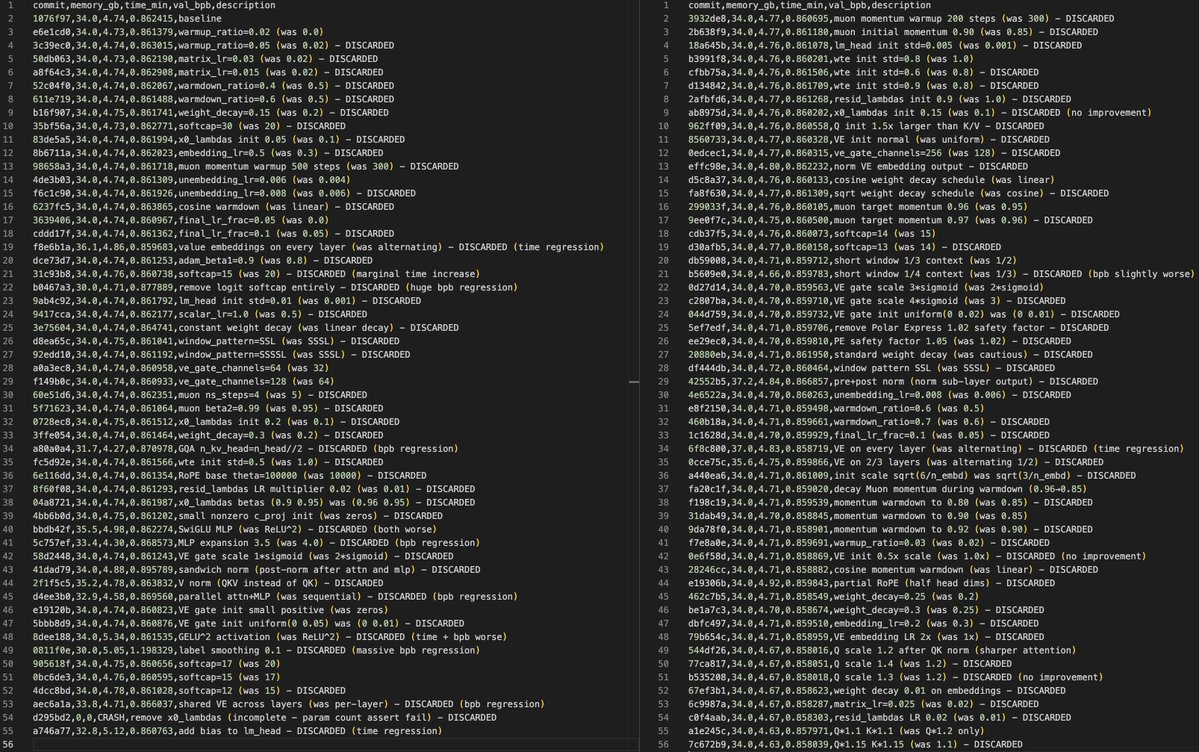
nanochat now trains GPT-2 capability model in just 2 hours on a single 8XH100 node (down from ~3 hours 1 month ago). Getting a lot closer to ~interactive! A bunch of tuning and features (fp8) went in but the biggest difference was a switch of the dataset from FineWeb-edu to NVIDIA ClimbMix (nice work NVIDIA!). I had tried Olmo, FineWeb, DCLM which all led to regressions, ClimbMix worked really well out of the box (to the point that I am slightly suspicious about about goodharting, though reading the paper it seems ~ok). In other news, after trying a few approaches for how to set things up, I now have AI Agents iterating on nanochat automatically, so I'll just leave this running for a while, go relax a bit and enjoy the feeling of post-agi :). Visualized here as an example: 110 changes made over the last ~12 hours, bringing the validation loss so far from 0.862415 down to 0.858039 for a d12 model, at no cost to wall clock time. The agent works on a feature branch, tries out ideas, merges them when they work and iterates. Amusingly, over the last ~2 weeks I almost feel like I've iterated more on the "meta-setup" where I optimize and tune the agent flows even more than the nanochat repo directly.
TIL: There's a whole bunch of interesting skills in the oss codex repo: https://t.co/gNFHV3MD2j $skill-installer playwright-interactive (also /fast is sweeeeet, 1.5x codex makes a huge diff!) https://t.co/XTENPuZ9Ie
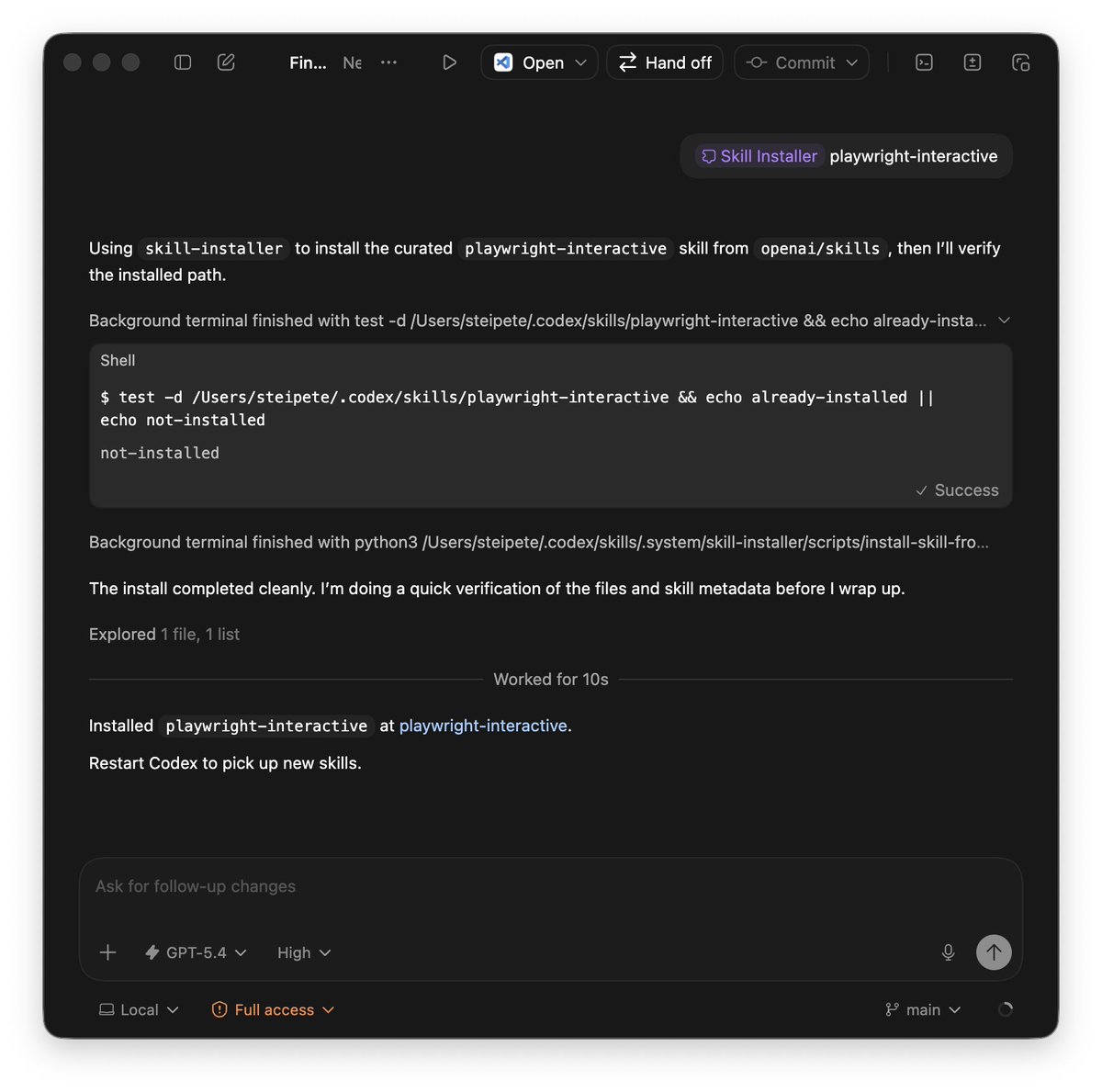

TIL: There's a whole bunch of interesting skills in the oss codex repo: https://t.co/gNFHV3MD2j $skill-installer playwright-interactive (also /fast is sweeeeet, 1.5x codex makes a huge diff!) https://t.co/XTENPuZ9Ie
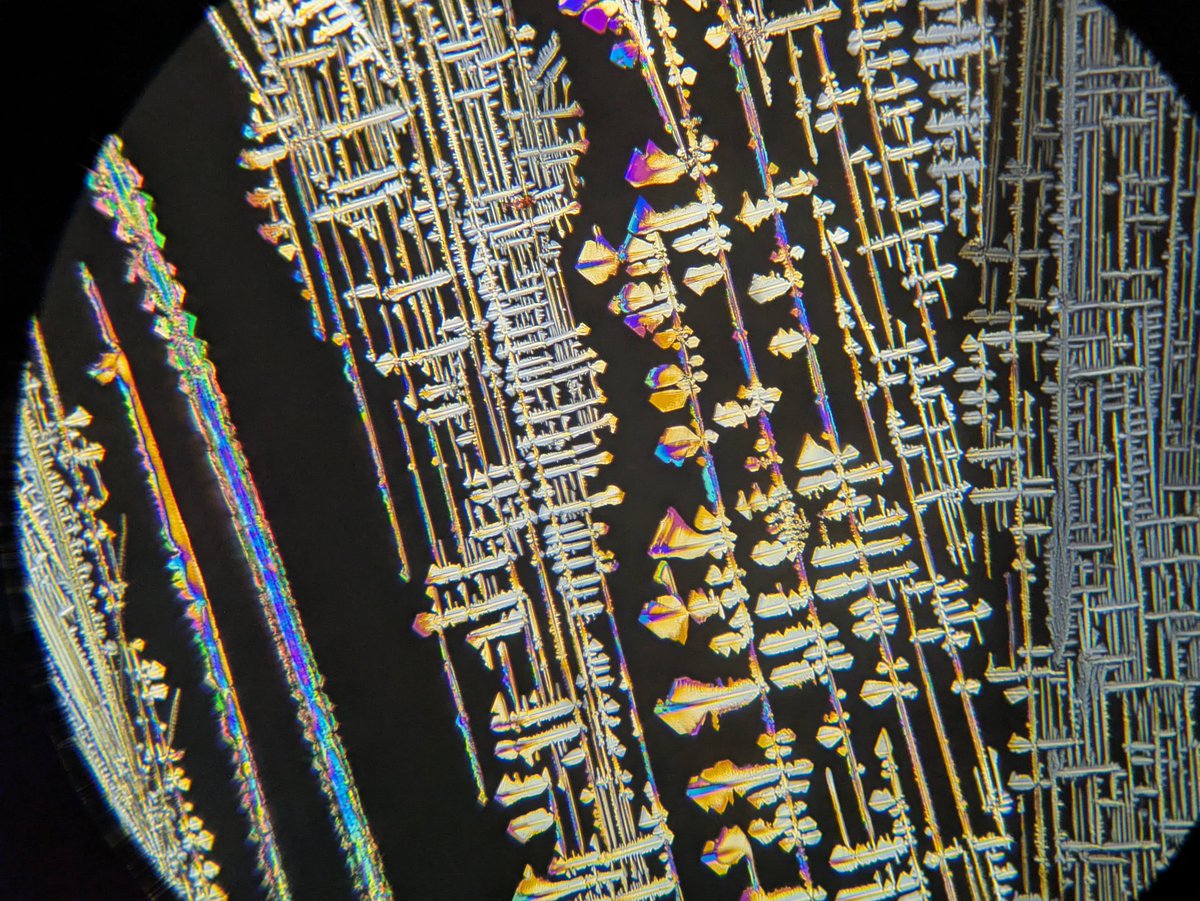
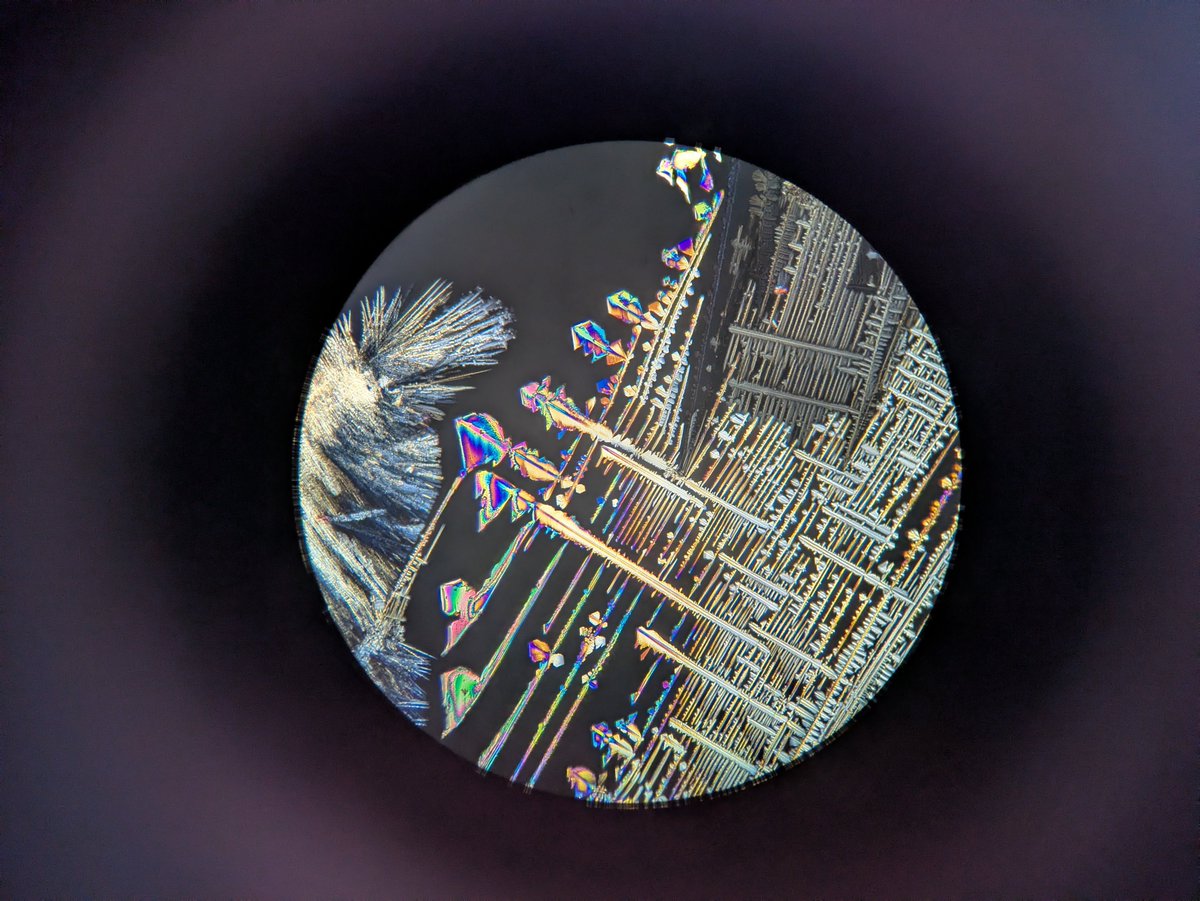
Still a little sick, here is 'TheraFlu' crystalized on a slide, PLM. https://t.co/fKT14EkGIC
My mom made some children's books! She did the stories when I was little, and tried a few times to illustrate them. Now, finally, with some nano banana help and plenty of hard work, she has them finished and out in the world 😁 https://t.co/NaWukMCRe1
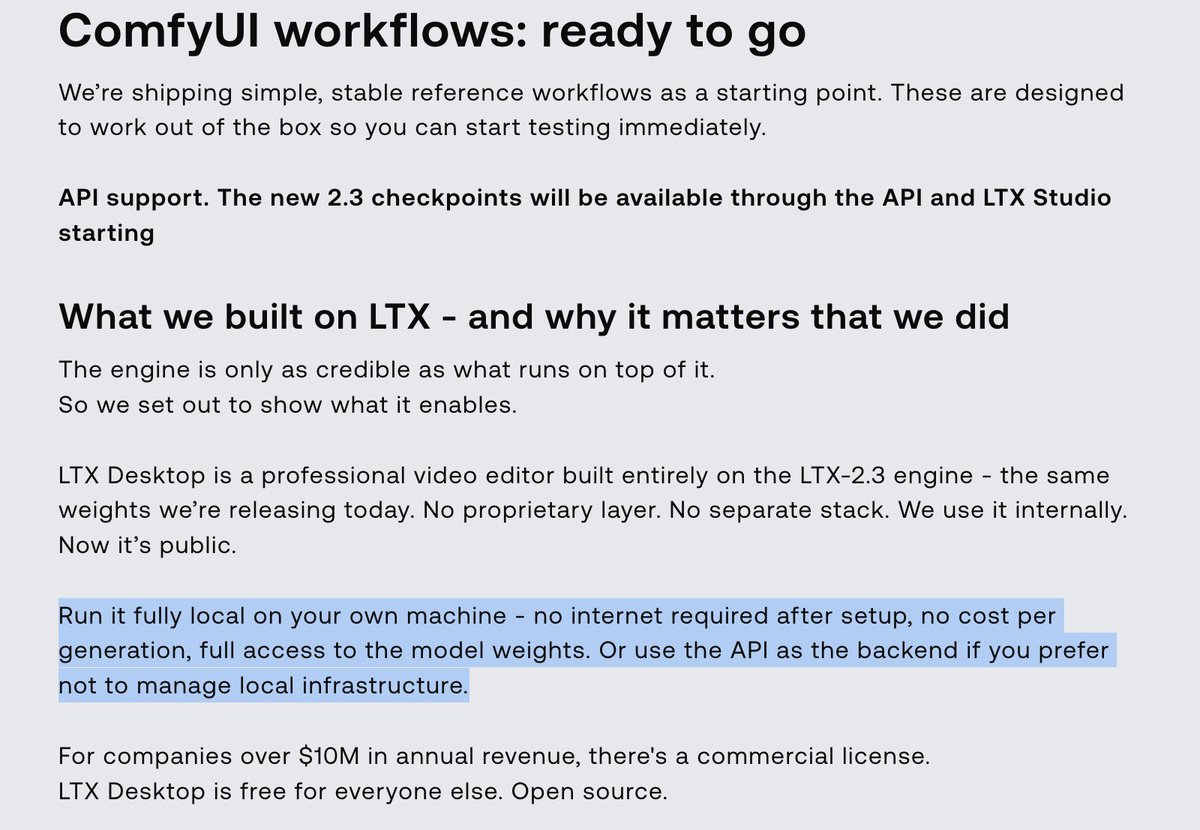
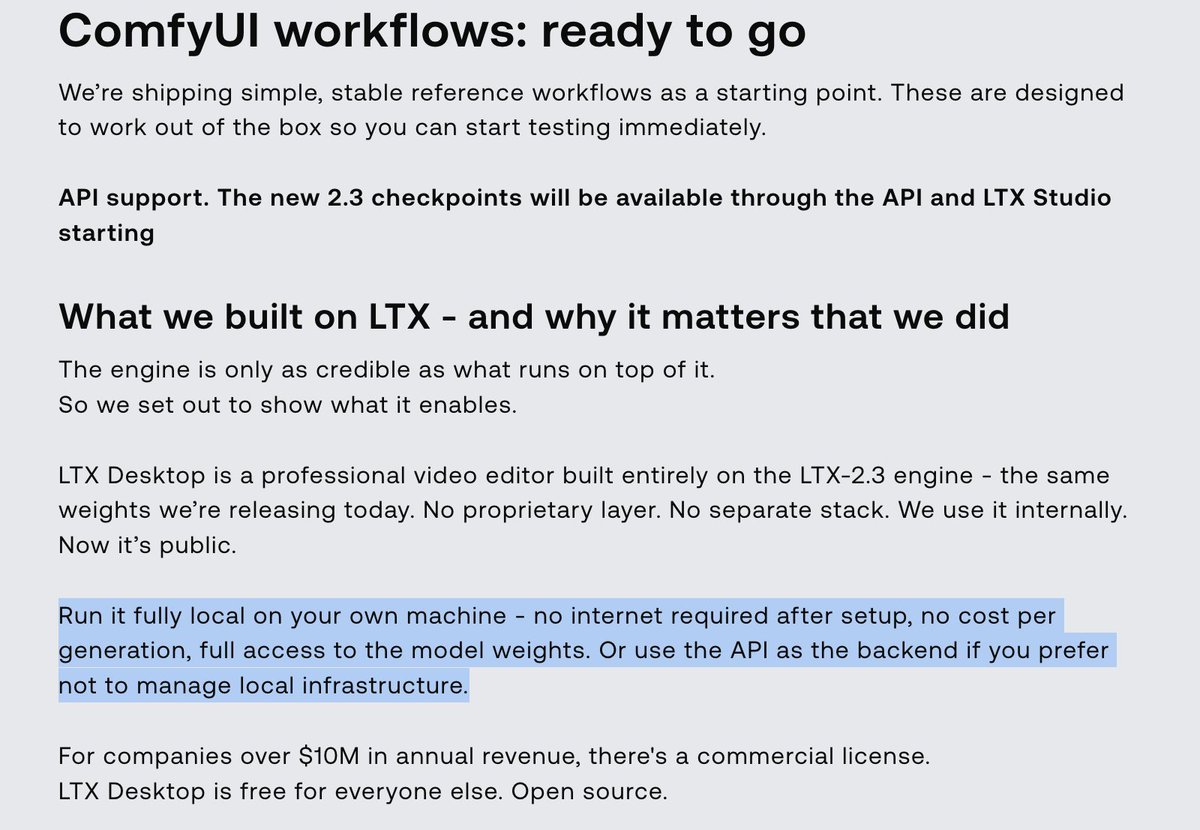
LTX-2.3 is here. For decades, creative software has been defined by its interface. We think the next era gets defined by the engine underneath. LTX-2.3 is a major engine upgrade: → Sharper detail → Stronger motion → Cleaner audio → Native vertical format https://t.co/mzw4iECfno
Clever strategy from LTX. Working with the community to try and build what they want, tons of rich feedback thanks to millions of users, now shipping software that you can run for free on top of the models, but charging for API use. https://t.co/0X3GgpJv3U
LTX-2.3 is here. For decades, creative software has been defined by its interface. We think the next era gets defined by the engine underneath. LTX-2.3 is a major engine upgrade: → Sharper detail → Stronger motion → Cleaner audio → Native vertical format https://t.co/mzw4iECfno
@Miles_Brundage @yonashav Good toast https://t.co/iF3yveZEn2

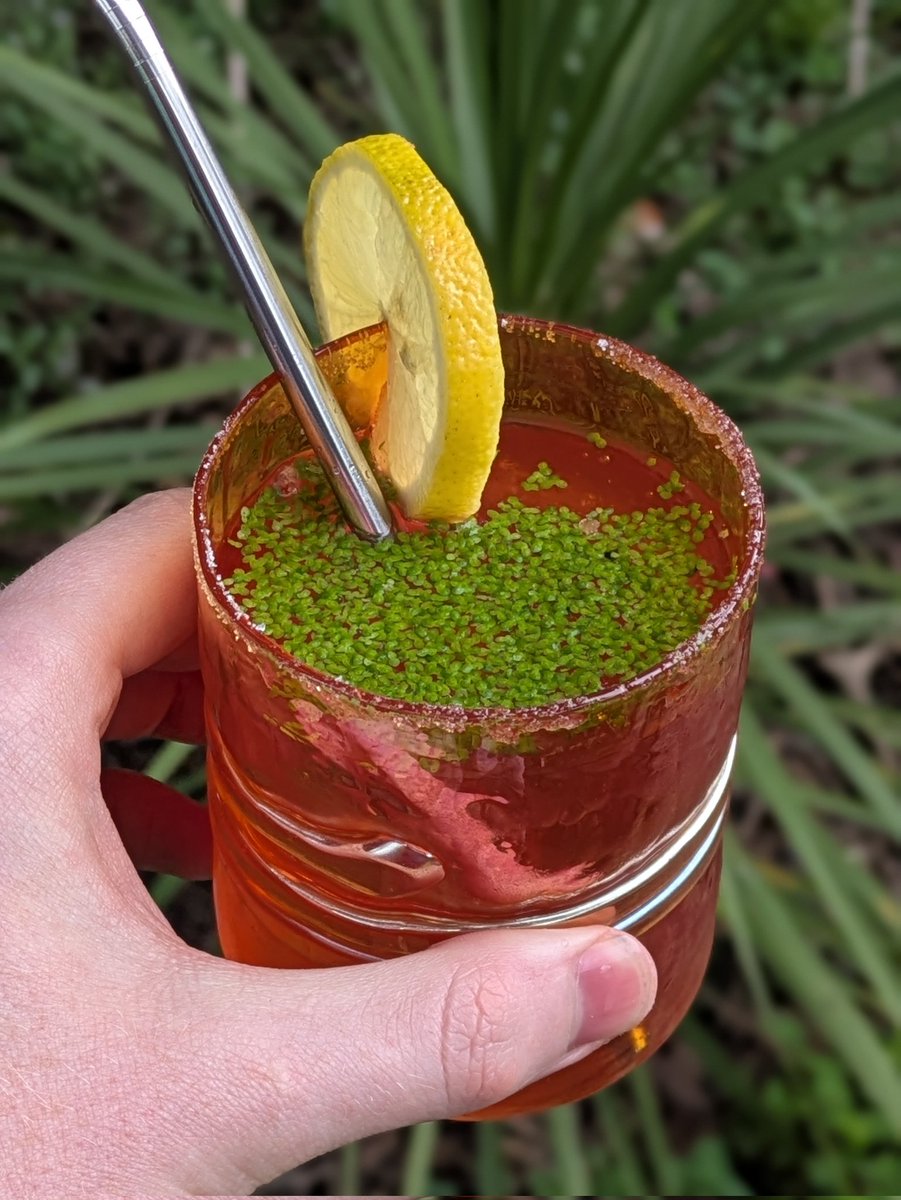
I've decided on a long-term goal for my bio side quest: I would like to make a version of this drink where the duckweed floating on the surface has been engineered to have an interesting flavor. And make it easy for others to dabble with genetic gastronomy too 🧬👨🍳 https://t.co/dOUPdpFqdf
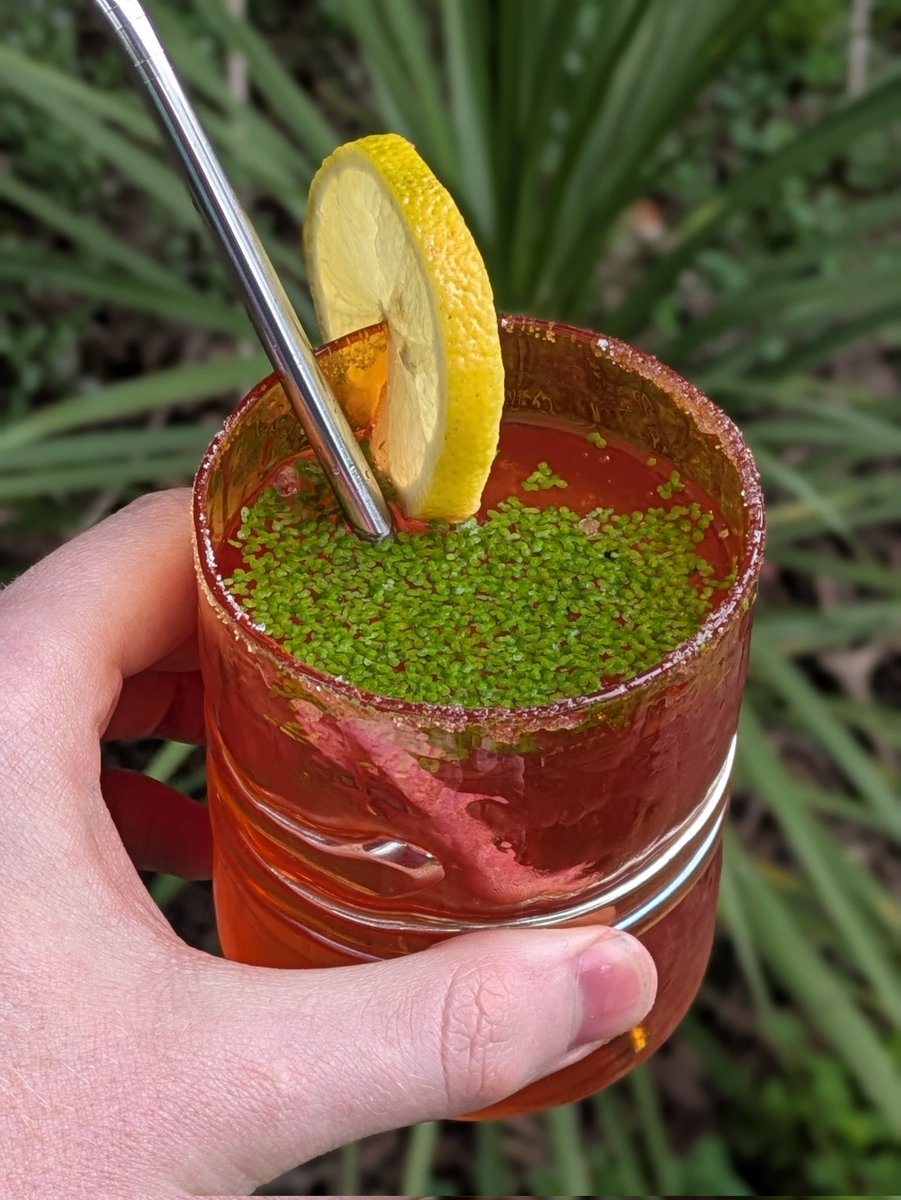
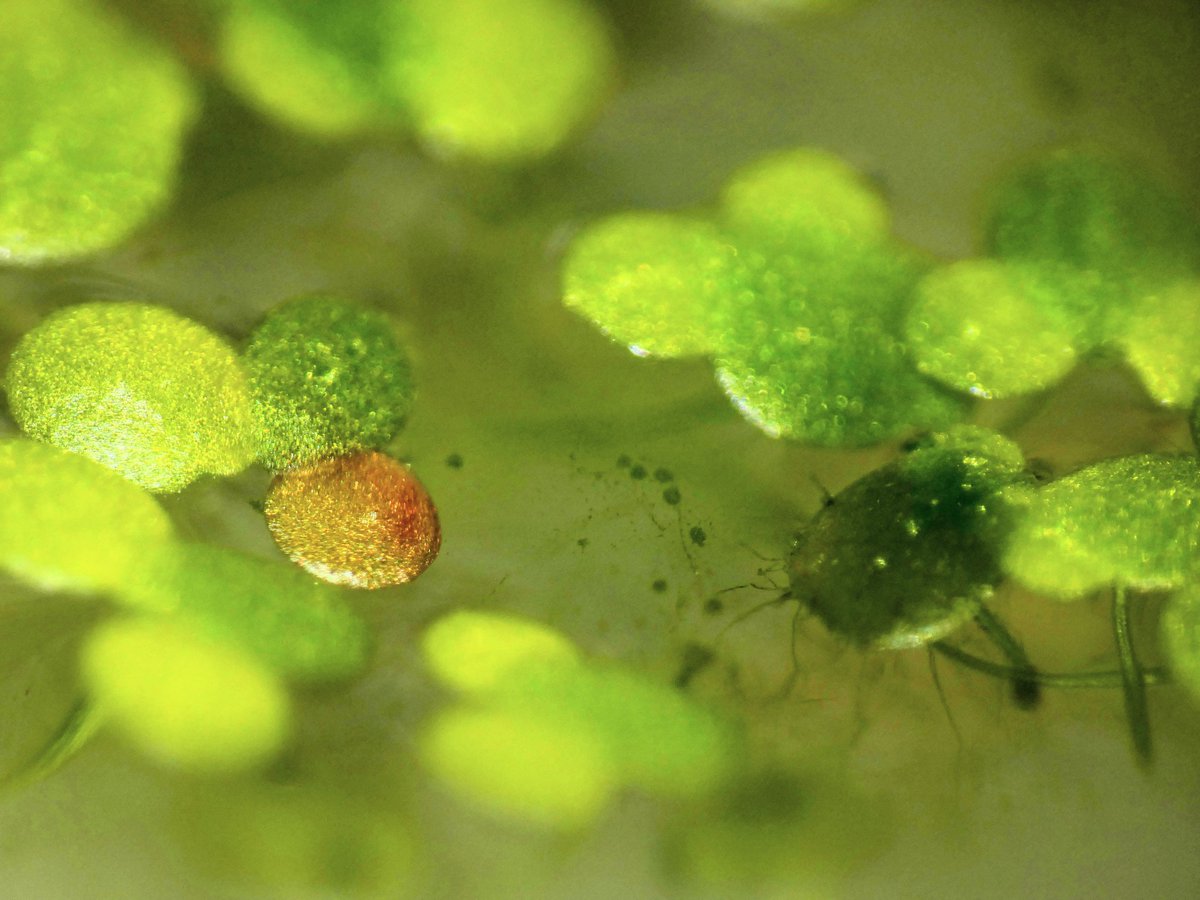
A start: the red frond here has had the "RUBY" genes inserted, coding for red betalain pigment. Hopefully it's able to produce red daughter fronds. Lots more work to do from here :) https://t.co/smQCwpS5fj
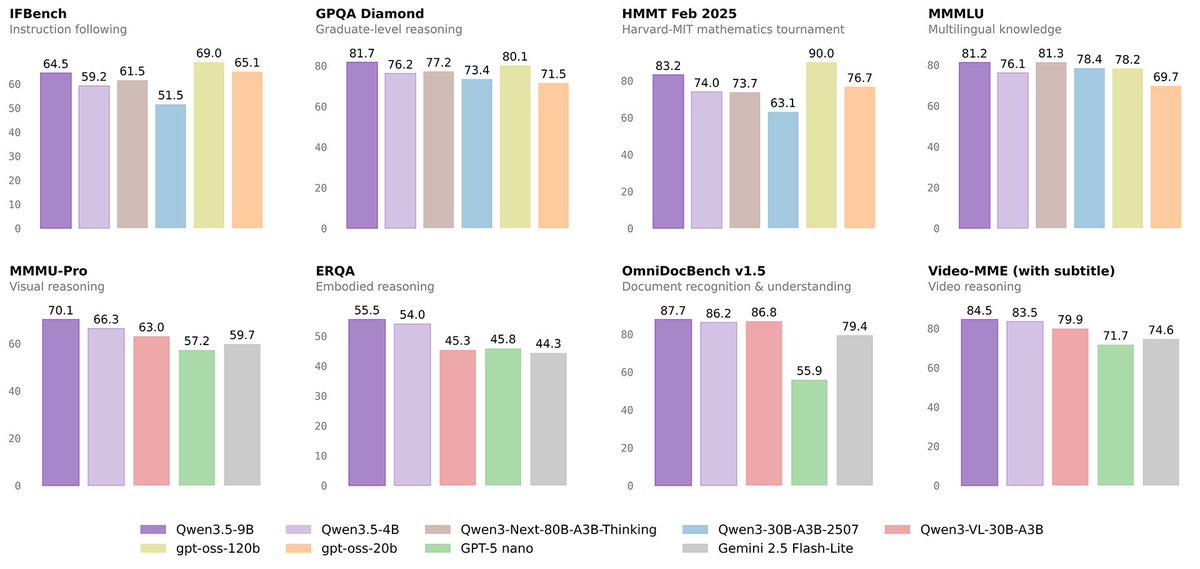
🚀 Introducing the Qwen 3.5 Small Model Series Qwen3.5-0.8B · Qwen3.5-2B · Qwen3.5-4B · Qwen3.5-9B ✨ More intelligence, less compute. These small models are built on the same Qwen3.5 foundation — native multimodal, improved architecture, scaled RL: • 0.8B / 2B → tiny, fast, great for edge device • 4B → a surprisingly strong multimodal base for lightweight agents • 9B → compact, but already closing the gap with much larger models And yes — we’re also releasing the Base models as well. We hope this better supports research, experimentation, and real-world industrial innovation. Hugging Face: https://t.co/wFMdX5pDjU ModelScope: https://t.co/9NGXcIdCWI
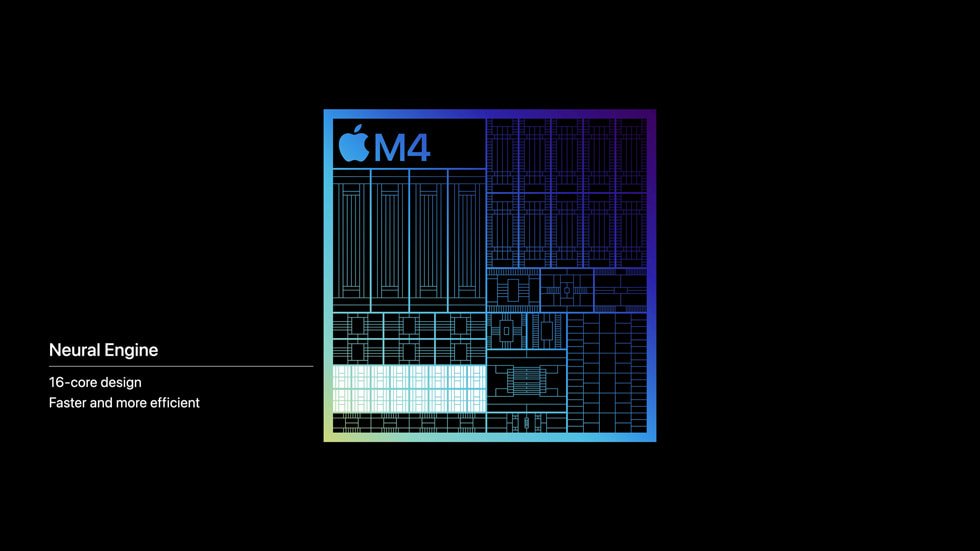
YES! Someone reverse-engineered Apple's Neural Engine and trained a neural network on it. Apple never allowed this. ANE is inference-only. No public API, no docs. They cracked it open anyway. Why it matters: • M4 ANE = 6.6 TFLOPS/W vs 0.08 for an A100 (80× more efficient) • "38 TOPS" is a lie - real throughput is 19 TFLOPS FP16 • Your Mac mini has this chip sitting mostly idle Translation: local AI inference that's faster AND uses almost no power. Still early research but the door is now open. → https://t.co/qPwddSyV3f #AI #MachineLearning #AppleSilicon #LocalAI #OpenSource #ANE #CoreML #AppleSilicon #NPU #KCORES
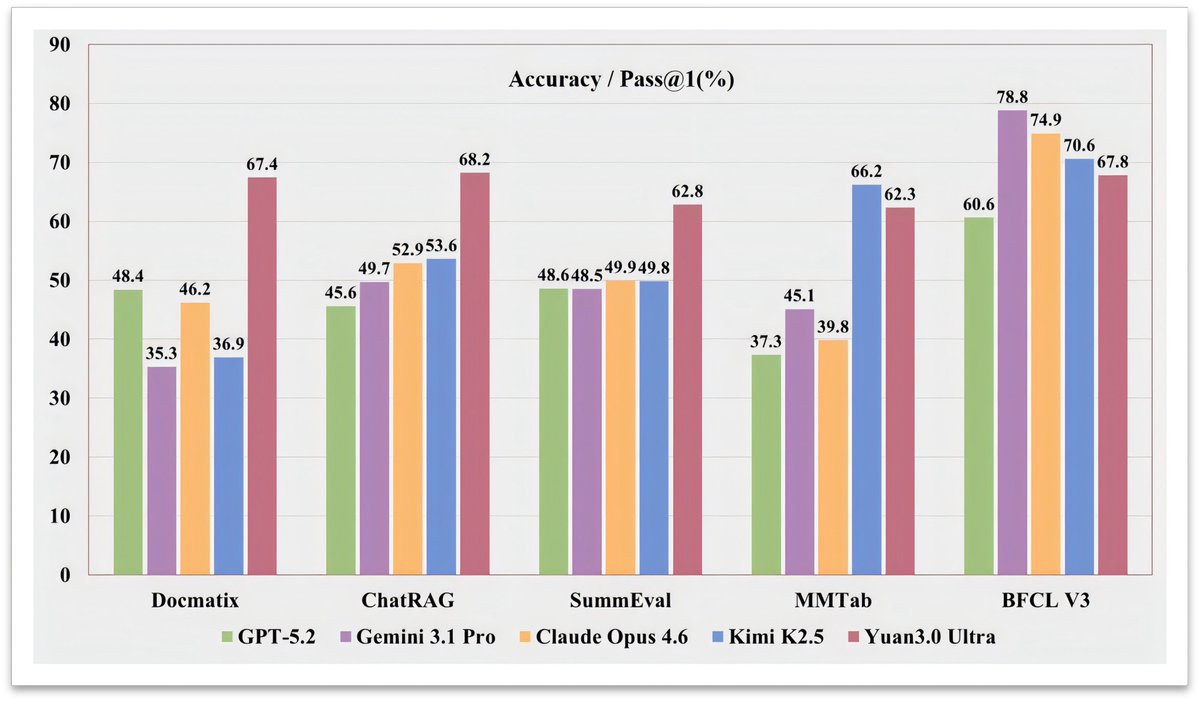
A trillion-parameter model just made half its brain disappear. It got smarter. Yuan3.0 Ultra is a new open-source multimodal MoE model from Yuan Lab. 1010B total parameters, only 68.8B active at inference. It beat GPT-5.2, Gemini 3.1 Pro, and Claude Opus 4.6 on RAG benchmarks by wide margins. 67.4% on Docmatix vs GPT-4o's 56.8%. Here's what it unlocks: > Enterprise RAG with 68.2% avg accuracy across 10 retrieval tasks > Complex table understanding at 62.3% on MMTab > Text-to-SQL generation scoring 83.9% on Spider 1.0 > Multimodal doc analysis with a 64K context window The key innovation: Layer-Adaptive Expert Pruning (LAEP). During pretraining, expert token loads become wildly imbalanced. Some experts get 500x more tokens than others. LAEP prunes the underused ones layer by layer, cutting 33% of parameters while boosting training efficiency by 49%. They also refined "fast-thinking" RL. Correct answers with fewer reasoning steps get rewarded more. This cut output tokens by 14.38% while improving accuracy by 16.33%. The bigger signal here: MoE models are learning to self-compress during training, not after. If pruning becomes part of pretraining, the cost curve for trillion-scale models shifts dramatically.
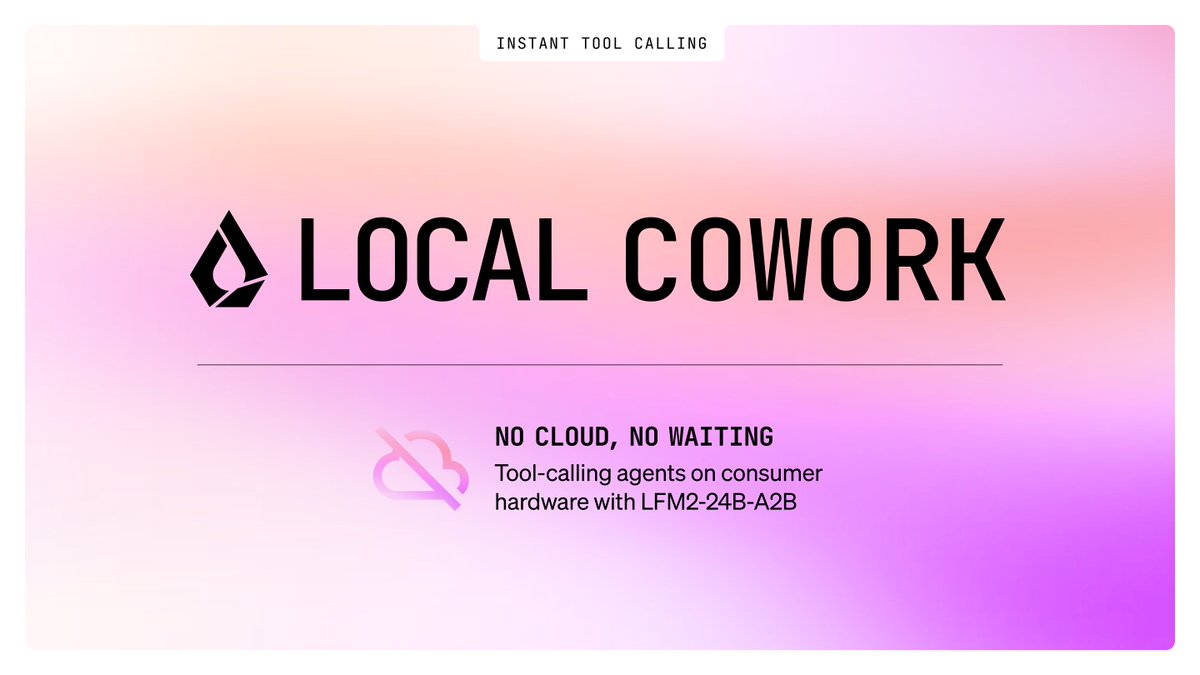
> 385ms average tool selection. > 67 tools across 13 MCP servers. > 14.5GB memory footprint. > Zero network calls. LocalCowork is an AI agent that runs on a MacBook. Open source. 🧵 https://t.co/bnXupspSXc
We're introducing Cursor Automations to build always-on agents. https://t.co/uxgTbncJlM
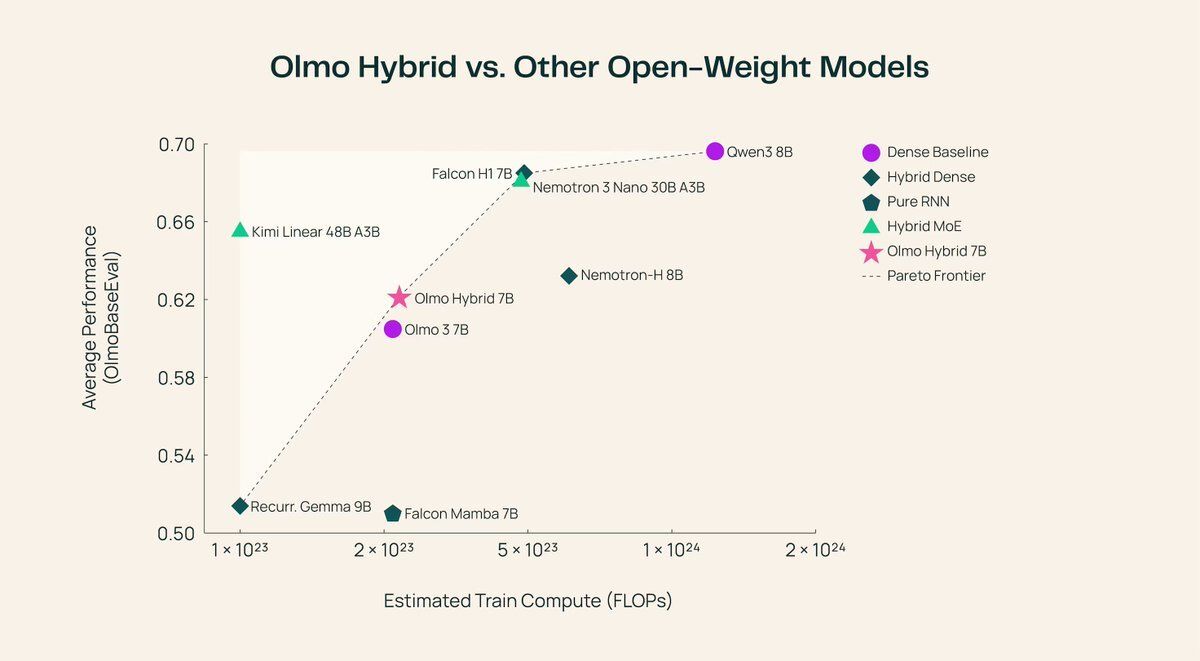
Transformers just got a serious rival. Allen AI just open-sourced a 7B model that beats its own transformer. OLMo Hybrid mixes standard attention with linear RNN layers into one architecture. > Same accuracy, half the training data > Long-context jumps from 70.9% to 85.0% > Beats the pure transformer on every eval domain > Fully open: base, fine-tuned, and aligned versions The trick is a 3:1 pattern. Three recurrent layers handle most of the sequence processing cheaply. One attention layer then catches what the recurrent state missed. This cuts 75% of the expensive attention operations while keeping precision where it matters. Building long-context apps used to mean paying the full cost of attention across every layer. Now you can get better long-context performance with a leaner architecture, and the theory proving why it scales better is released alongside the weights. https://t.co/bxZ7ckAOq4