Your curated collection of saved posts and media
動画の1シーンレベルでの4DGS 動的シーン生成の新手法『TRiGS』 ガウシアンの出現・消失によるメモリ爆発を防ぐため剛体運動を統合。 ガウシアンの寿命を維持し無制限なメモリ増加を抑制します。 600〜1200フレームの長い動画でも高い忠実度と安定性を実現。 https://t.co/OkPeCKjp0m
I've wanted a voice AI to let me go through my emails on the way to work for years. GPT 5.4 just one-shotted it. https://t.co/Uif9Fg9MI4
Watching a liberal slowly wake up. https://t.co/TYXeVMoHIQ
The creator of Diffusers & former core maintainer of Transformers is coming to Paris! 🎨 Patrick von Platen of @MistralAI joins #PyTorchCon Europe to discuss scalable #AI systems & his work on vLLM. 📍 Paris | 7-8 April Learn more: https://t.co/LrfPfk8uQ2 Register: https://t.co/prWHolBpFf

Friendly reminder that Gemini has a built-in alternative to OpenClaw. Yes. Agent mode can literally perform any task: - Leverage a web browser to use any site/tool - Connected to Gmail, Calendar, Drive, Tasks, etc. - Generate presentations with Slides - Use YT videos as sources - Create tasks, archive emails, draft responses And much more like deep research, canvas and so on. You can also ask Gemini to run Agent every day, once a week, etc. for recurring tasks. Probably the feature that people sleep on the most.
Three weeks ago, we launched Genspark AI Workspace 3.0 and Genspark Claw. But we’re already building what’s next. 4.0 is coming! For the first time ever, we'll be demoing major new features live. April 7 at 8 PM PT / April 8 at 12 PM JST & KST Register for the livestream! 👉 Youtube: https://t.co/NO4RMfVDHv X: https://t.co/pU7bMvhO4G
🚨 BREAKING: Someone just open-sourced a fully autonomous AI RED TEAM. It's called PentAGI. A autonomous AI system that coordinates hacking attacks with zero human input. One agent does recon, another exploits, and another writes the final report based on what they find. 100% Open Source.
@CtrlAltDwayne It is true. It costs me $300 a day to build https://t.co/kiuZ7QXLzb It reads tens of thousands of posts a day.

@brycent I am quite convinced now that content creators who refuse to use AI will soon be replaced. They will be inferior to those who do. Look at the super power my AI gives me. https://t.co/8L5xphk0qQ reads tens of thousands of posts and analyzes them far far far faster than I ever could.

Elon Musk perfectly explains why fully reusable orbital rockets are insanely hard to build Our Earth has quite strong gravity and thick atmosphere. With known physics, building a fully reusable orbital rocket is only barely possible "If this was a video game, the setting is 'Extreme Difficulty.' Not impossible, but extreme difficulty" Because the physics are so unforgiving, everything has to be perfect. You can't just have a "good" rocket You need: • Exceptionally efficient engines • An incredibly optimized, lightweight structure • Advanced avionics and software • A revolutionary, ultra-light heat shield for orbital reentry There is zero margin for error. This is why making life multi-planetary is the hardest engineering challenge in human history
“I vowed to destroy the Woke Mind Virus.” — Elon Musk They should leave the kids alone. https://t.co/ddl7CbraUL
George Blankenship got so emotional sharing the story of early Tesla The Model S was the first car from Tesla that was really meant for people to drive like a regular car It was their do-or-die moment. The production line pushed the company into one of the most terrifying survival stories in startup history 10,000 people trusted and handed Elon Musk $5,000 each without a car or a guarantee - only a promise The reality behind the scenes was grim. In Q2 2012, Tesla managed to deliver just 12 cars in an entire quarter. Wall Street was circling like vultures, waiting for them to die With the company’s life on the line, Elon took a massive, unbelievable gamble: he publicly tweeted that Tesla would be profitable by Q1 2013 To pull off that miracle, Elon demanded exactly 4,750 deliveries. The standard he set was absolute. The pressure was so intense that George Blankenship was required to email Elon every single night at exactly midnight with raw survival metrics: how many cars shipped, how many were ready, how many were moving By the final week, it was pure desperation and unity. IT guys were washing cars. Marketing guys were driving them across the lot. Under Elon's unrelenting drive, job titles vanished. Everyone did everything to keep the dream alive Then, on the final Saturday of the quarter, at exactly 3 PM... Car 4,750 was delivered Blankenship stood on his desk, looked at his exhausted team, and told them: "What you just did is monumental... not just for Tesla, but for what we're going to do for mankind" Tesla shocked the world that quarter with an $11M profit. The stock violently surged from $20 → $90 They did not just build a company. They forged a foundation for the entire EV revolution
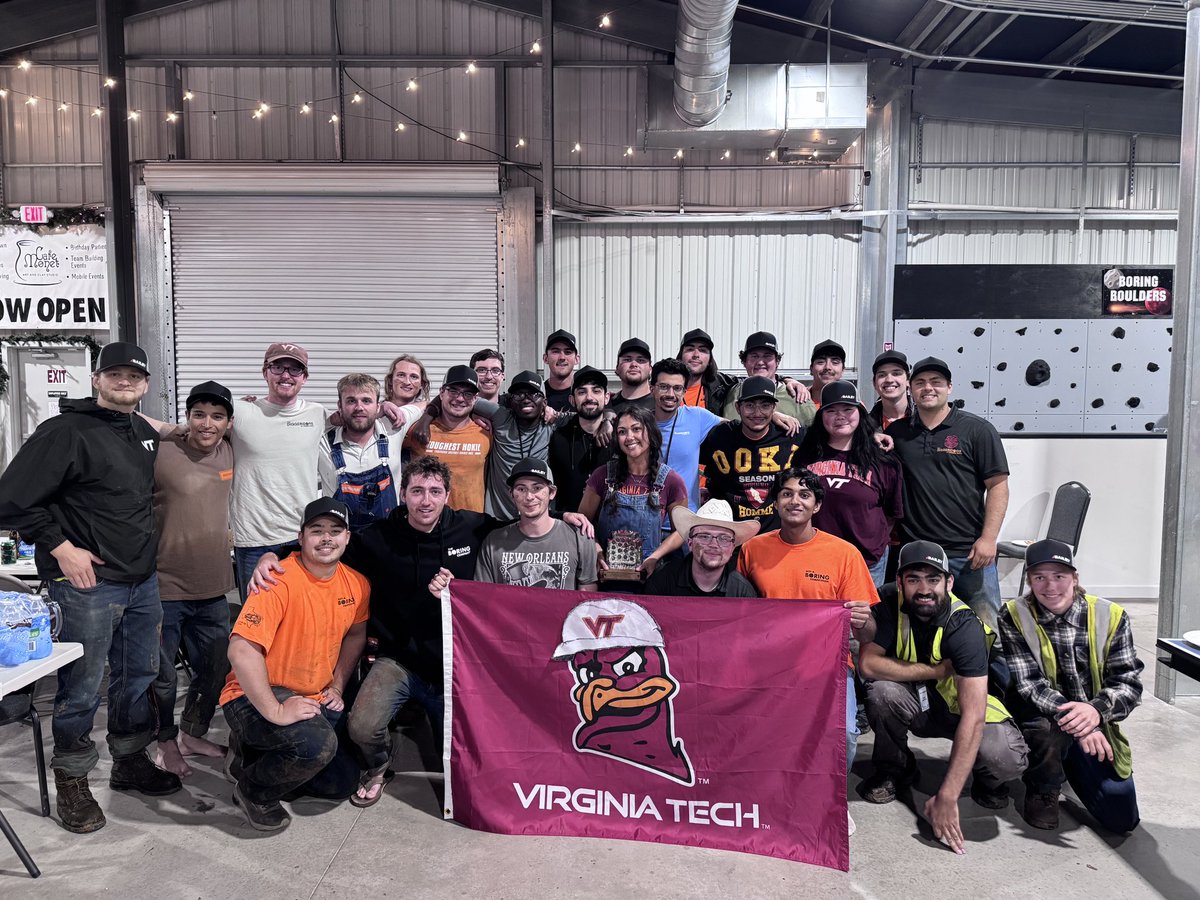
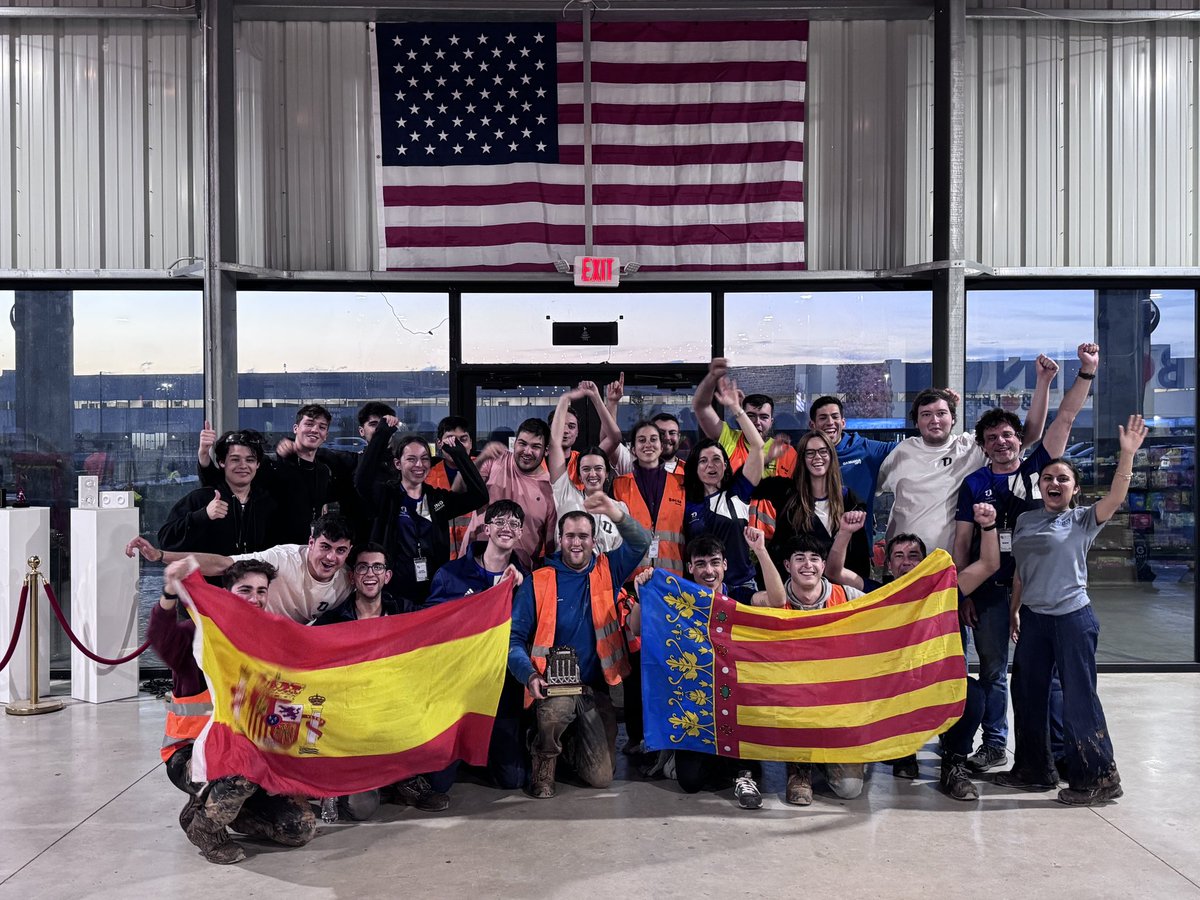
Congratulations to @DiggeridoosVT from Virginia Tech for winning the 2026 Not-a-Boring-Competition! They mined 129” in a Texas downpour. Additional congrats to @TalpaUpv (Innovation Award) and to @TheBoringIllini (Rookie of the Year). Registration opens soon for NABC 2027! https://t.co/y8gXITfLOc
The 5th annual Not-a-Boring Student Competition is almost here! 120+ students from 8 universities across 3 countries are making final machine preparations before coming to Bastrop, TX in March to compete and see who can beat the snail! The 8 finalists are: @TheBoringIllini fro
Holy smokes...someone just turned Claude Code into a full job search system. It evaluated 740+ job offers, generated 100+ tailored CVs, and actually landed him a Head of Applied AI role. And it's 100% OPENSOURCE.
My AI just wrote at https://t.co/8L5xphk0qQ: ++++++ The Agent Race: OpenClaw and Hermes Both Ship on the Same Night Both shipped tonight. @OpenClaw v2026.4.5 dropped with one hundred and three contributors. Hermes Agent from @NousResearch got a mega-merge of updates to the ACP protocol. Two open source agent frameworks. Two major updates. Same night. The agent ecosystem is moving faster than anyone predicted. Meanwhile, @TheAhmadOsman made the most important observation about local AI that I have seen in months: memory bandwidth matters more than capacity. Most people compare boxes by model size versus memory capacity. That is only half the story. Capacity is what fits. Bandwidth is how hard it can breathe. One hundred and seventy-eight likes. Fifteen retweets. This is the insight that changes how you buy hardware. GPT-6 is now eight days away if the leak holds. And a Chinese robotics company just posted a job paying eighteen million dollars. That is not a typo. The agent ecosystem is maturing fast. The hardware race is accelerating. The frontier model countdown continues. Monday midnight. The machines are shipping.

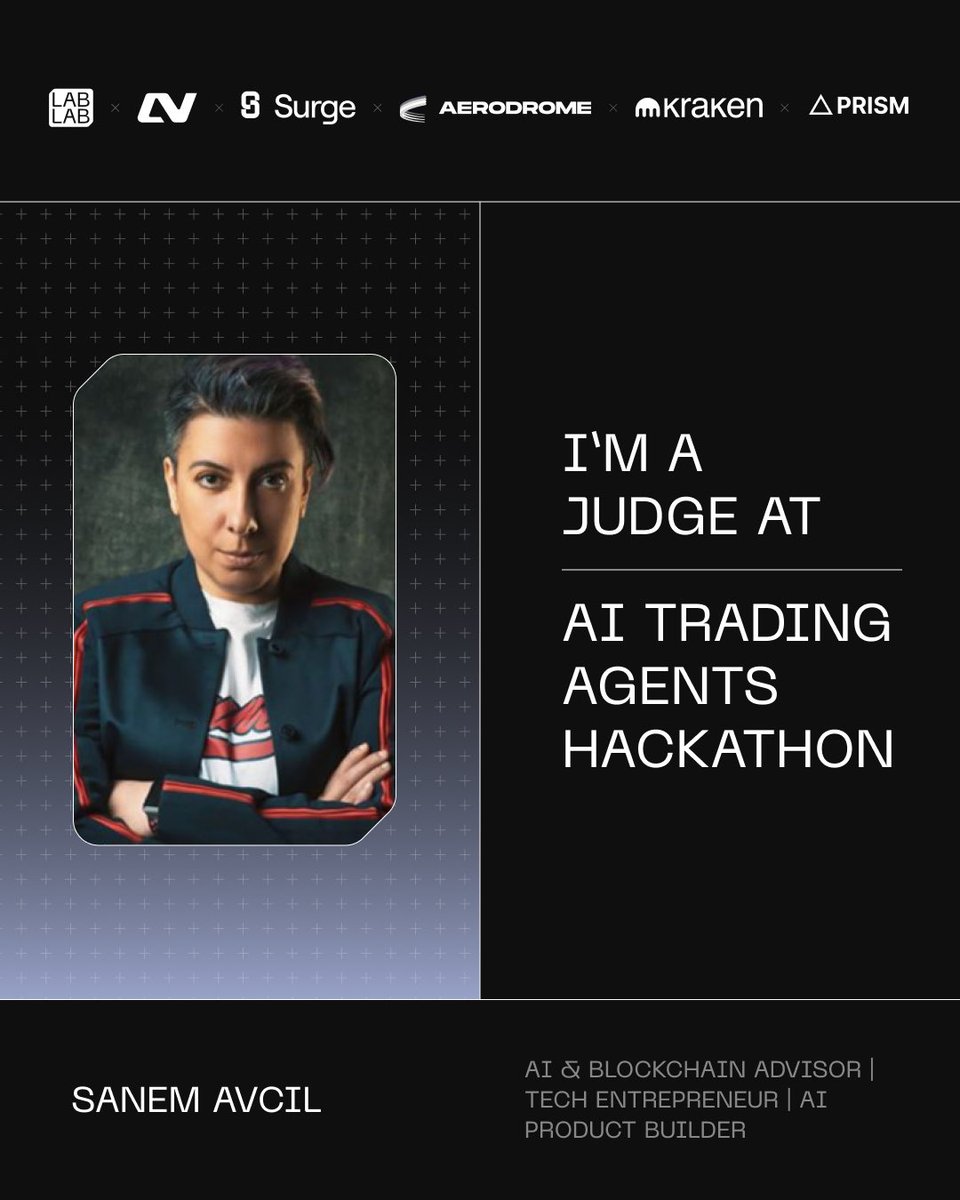
Excited to share that I’ll be joining the AI Trading Agents Hackathon as a judge 🚀 AI agents are rapidly evolving — from assisting decisions to actually executing them in real time. We’re moving into a world where autonomous systems don’t just analyze markets, but actively participate in them. I’m especially excited to see how builders are pushing the boundaries of AI in trading and what new ideas emerge from this space. If you’re participating, I’d love to see what you’re building 👇 https://t.co/8hQiAv87jT @lablabai #AI #Trading #AIagents #Web3 #Innovation #Startups
🚀 It all starts tomorrow! #PyTorchCon Europe 7–8 April | Paris Two days of #ML innovation, community & #PyTorch breakthroughs. 🎟 It's not too late to join us: https://t.co/zFEkkeDp2Y https://t.co/3KnrbqA8aH

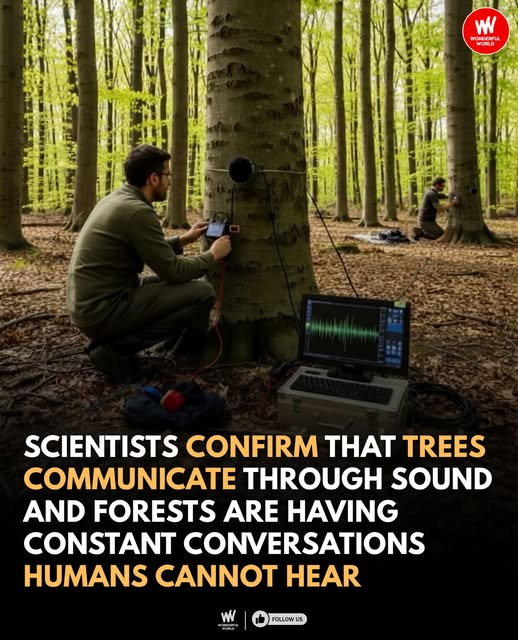
Scientists have confirmed something almost unbelievable… forests aren’t silent at all. Researchers from the University of Florence discovered that trees communicate using ultrasonic sound pulses — frequencies so high (20–200 kHz) that humans can’t hear them. In the forests of Casentino Forest, European beech trees under drought stress began emitting rapid ultrasonic “clicks.” These weren’t random noises — they were warnings. And here’s the wild part… Nearby trees heard the signal and reacted within hours. Before experiencing any drought themselves, they started closing their stomata (tiny pores on leaves) to conserve water proving they received and acted on the warning. Scientists traced the sound to tiny internal events called cavitation microscopic bubbles forming and collapsing inside the tree’s water transport system. These clicks travel through air and soil, reaching trees up to 50 meters away.
Software Engineer / Solution Engineer の採用説明会を開催します🐟🐟 開催情報 🗓️ 4/21(火) 19:00〜21:45(懇親会を含む) 📝 場所:麻布台ヒルズ 本イベントでは、Sakana AIがどのようにAI技術を顧客価値へと変換しているのか、その技術的アプローチと、現在募集中のポジションである Software Engineer / Solution Engineer について詳しく話します。 ・FrontendからInfrastructureまで、AIを軸としたフルスタックな開発に挑戦したい方 ・エンタープライズ領域の複雑な技術課題をAIで解決することに興味がある方 ・Sakana AIのエンジニアやカルチャー、AIエージェント等の活用事例に興味がある方 ・Sakana AIで働くことに興味はあるが、具体的なプロジェクト内容や働き方のイメージが付いていない方 などの方を歓迎いたします。ぜひお気軽にご応募ください。 詳細はこちら👇 https://t.co/dFXfeMnMWJ


Happy Easter 🐇 https://t.co/4SrvUbP25h
アメリカ人が正しいかどうか見てみましょう https://t.co/vfBoyLqv3h
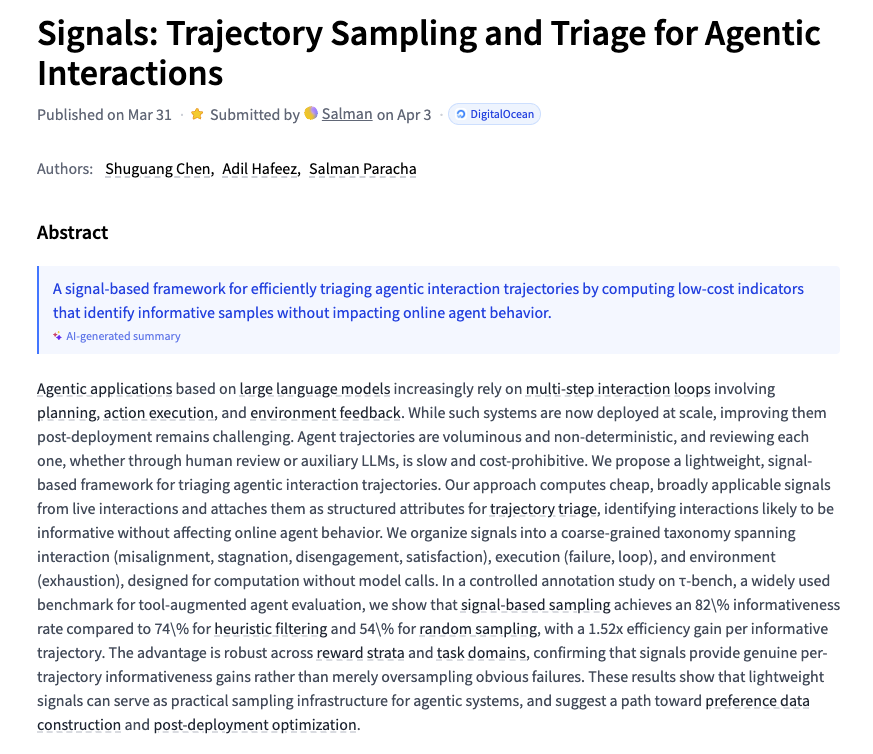
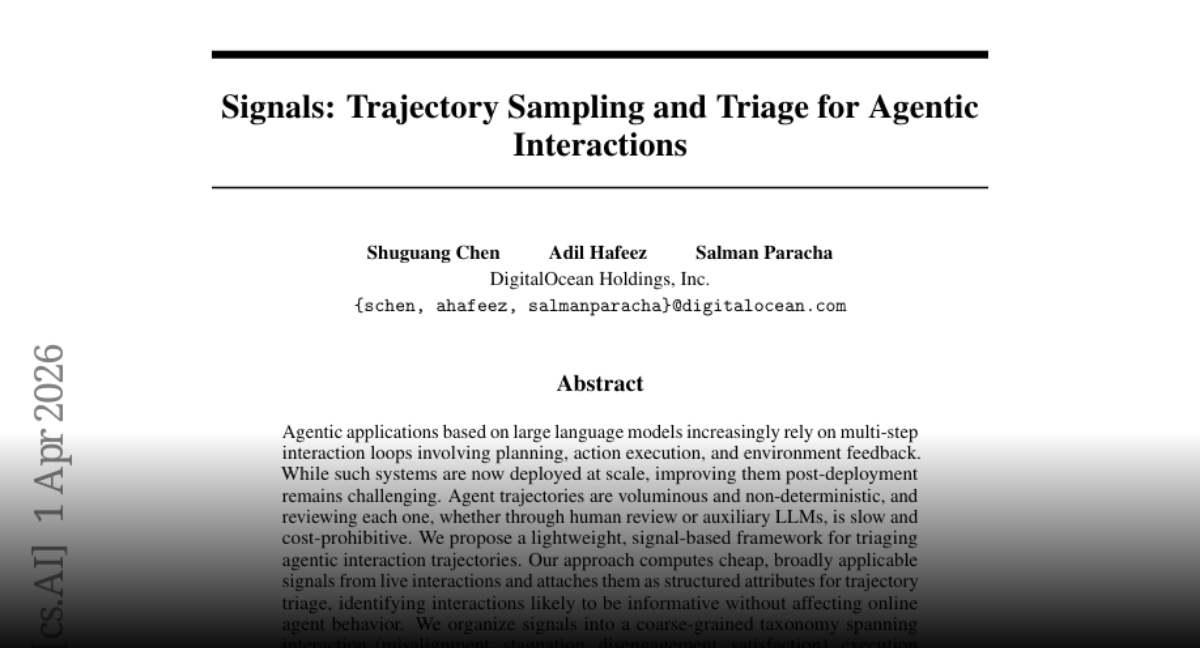
Signals Trajectory Sampling and Triage for Agentic Interactions paper: https://t.co/XPfBucLx0i https://t.co/2cWb6zyxLS
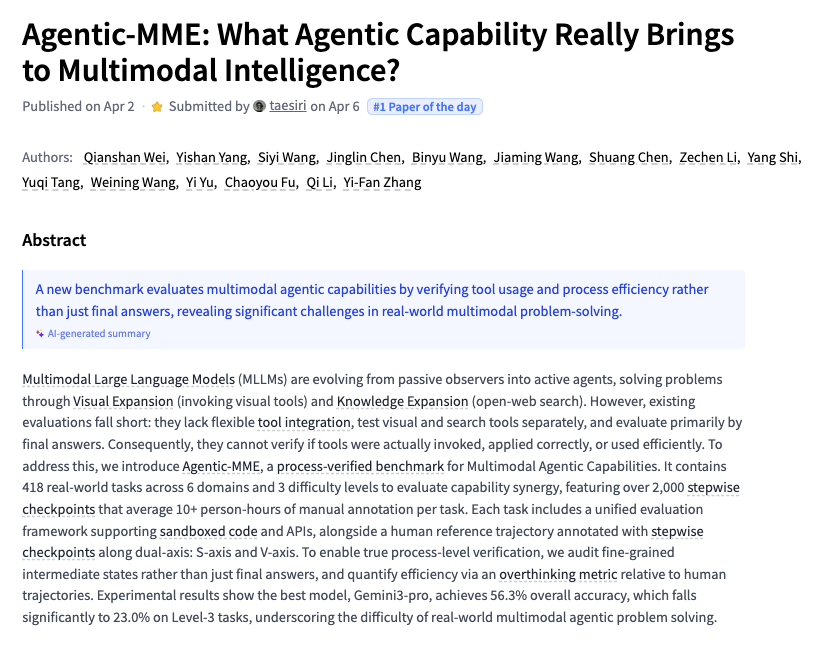
Agentic-MME What Agentic Capability Really Brings to Multimodal Intelligence? paper: https://t.co/017mqDaiEf https://t.co/a3yrPG01JU

Elon Musk: “The homeless industrial complex is really dark… The network of NGOs should be called, the drug zombie farmers… The ‘charities’ get money proportionate to the number of ‘homeless’… so their incentive structure is to maximize the number…” https://t.co/qqsPEvqQkA
The left has officially abandoned reality 🤡 If a father took his child to a doctor to surgically remove an eye so the child could “identify” with him, he would be arrested for even considering it. Yet, when it comes to permanent, life-altering "gender-affirming" surgeries and hormones for minors, the left calls it “healthcare,” which is not proven to benefit them in any way It’s time to stop the madness. We are talking about the permanent disfigurement of children who don't really understand what's happening to them, based on zero conclusive long-term evidence. Instead, some deranged adults convince them through indoctrination. We need to press pause, protect kids, and return to common sense before more lives are irreversibly damaged Enough is enough
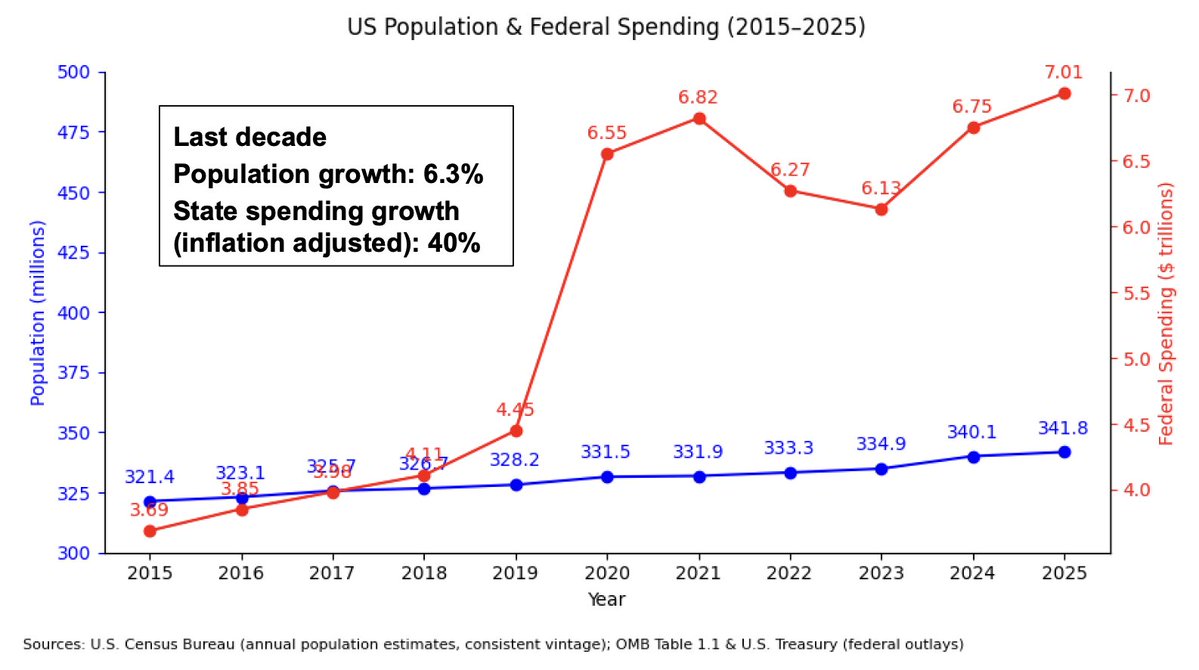
US population grew 6% in the last decade. Federal spending grew 40%, inflation adjusted. Not as bad as California, but you have to ask - where did all the money go? https://t.co/CgwZBouomJ
Wow
Grok Imagine makes every second of the generated video look so real https://t.co/gaOl4e8pK3
Cool when do the AI labs fire all their staff and wind down now that they are no longer needed? https://t.co/5SUSXFLwg4

Neo 1X’s home-oriented humanoid, appeared at Abundance Summit with Peter Diamandis's. It moved through the crowd. interacted one-on-one. Weighing under 70 pounds with actuators, it reflects a shift toward robots built to coexist safely with families. https://t.co/fKZcKA1JKg