Your curated collection of saved posts and media
People joking that NYC are going to ban free legal advice from books next... Don't realize NYC already banned free legal advice from newspapers and radio in 1936! via our newest substack: https://t.co/sMuleH0Y2p https://t.co/WVh3jz3giy

His predictions weren't "premature." They were just wrong. They didn't happen, and they never will. https://t.co/0ECSQtkzL4

💯 https://t.co/BYoaTiZMQa
Gn, 𝕏..·˚ ༘ ☾ ⋆。˚ ☄︎ Grok Imagine "extend from frame" 30 second continuous video.💫 https://t.co/XHrdpXhnZA
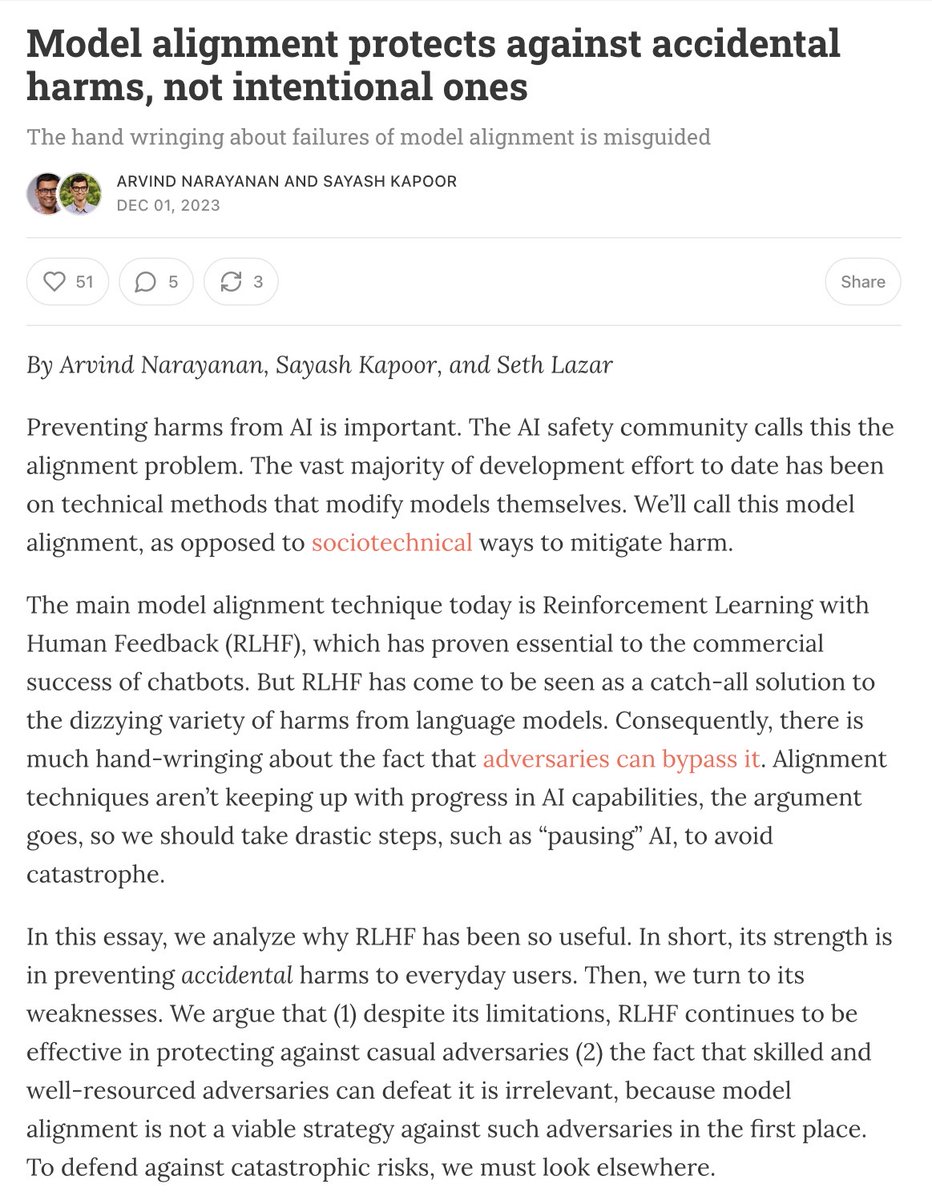
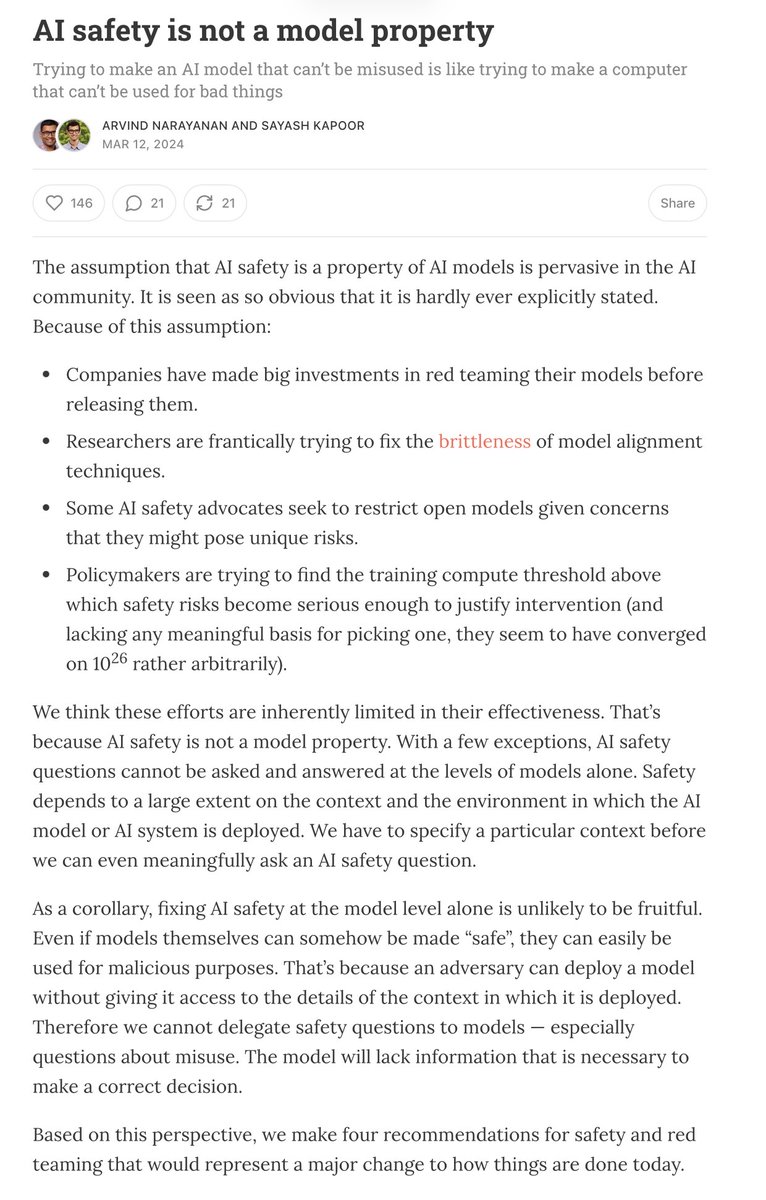
What is the role of model alignment for AI safety? - Model alignment is effective against accidental harms, not intentional ones - Important questions about AI safety can’t be asked and answered at the levels of models. In other words, *AI safety is not a model property* https://t.co/H6SyuWF4CJ
As I’ve said before I think this raises deep questions about the theory of behavior that underpins the existing approach to AI safety. Is the idea to deter the typical user who isn’t very determined and might not know Pliny exists? Or is the idea to prevent worst case outcomes?
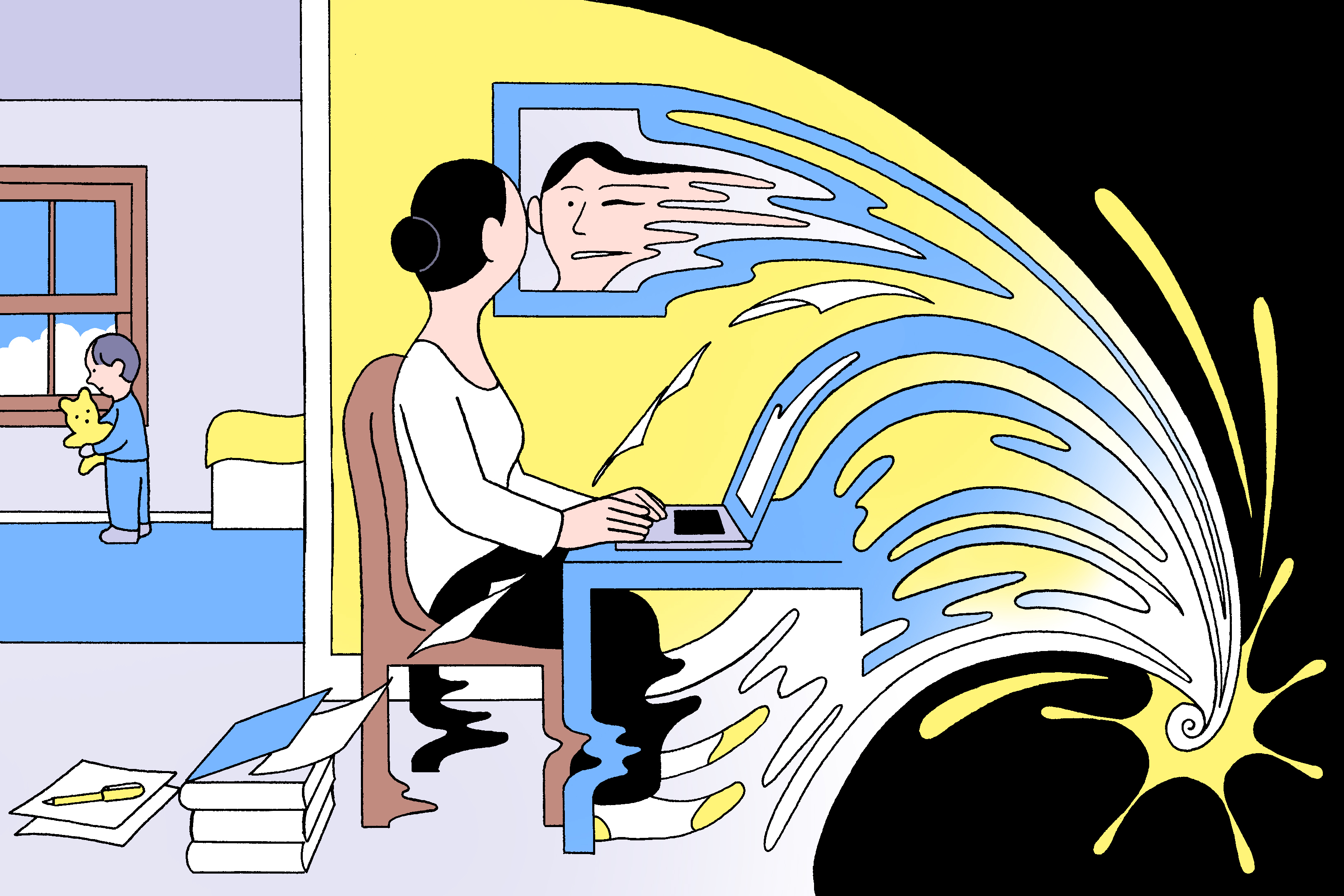
AI is running into an unexpected wall: gamers. Some venture investors say they’re “shocked and sad” by how strongly the gaming community is pushing back against AI. For many players, the concern isn’t the technology itself, it’s the fear of job losses and creative work being replaced. Will gaming become the first industry where the AI backlash seriously slows adoption? https://t.co/mjxmUER05U @Kotaku

AI is moving fast and many people are asking the wrong question. It’s not about quitting the job you love or everyone suddenly becoming a plumber. The real shift is this: AI will change how we work far more than what we do. Which professions do you think will evolve the most rather than disappear? https://t.co/Rlqoti6wSQ @SigalSamuel @voxdotcom
United Airlines is showing a @Starlink commercial during the flight. https://t.co/vnyoNA4N0U
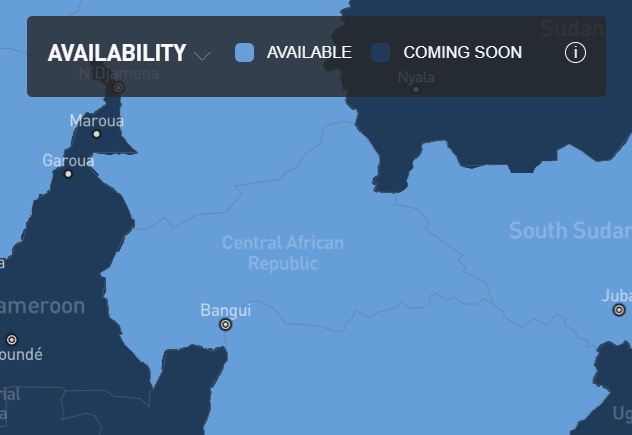
Starlink's high-speed, low-latency internet is now available in the Central African Republic! 🛰️🇨🇫❤️ → https://t.co/ZpPgNQjcfE https://t.co/WvgEOHRAoV
Elon Musk tells his favorite joke about economists😂 https://t.co/gat9kWrmeT
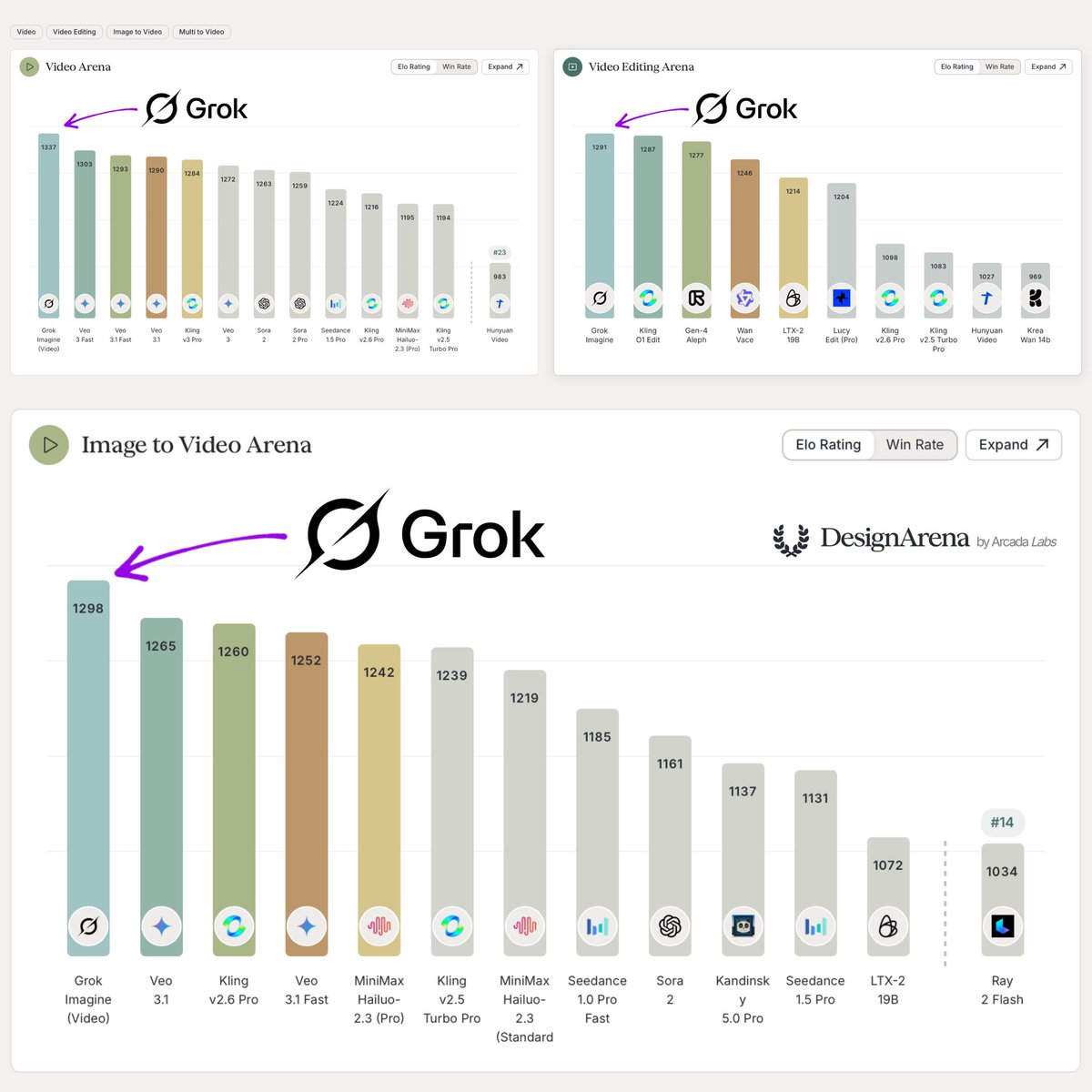
xAI's Grok Imagine just took over the entire DesignArena Video leaderboard - not one, but THREE #1 rankings → #1 Video Arena - Elo 1337, a 33-point gap over #2 → #1 Image to Video Arena - Elo 1298, beating Google Veo 3.1, Kling & Sora → #1 Video Editing Arena - Elo 1291 It’s wild, xAI was nowhere in the video space a few months ago, and now it's #1 across various benchmarks Grok Imagine's rate of progress is in a league of its own
🚀 Put your brand in front of the #PyTorch community. Sponsor #PyTorchCon Europe, 7–8 April in Paris, and connect with the researchers, engineers & #ML leaders building the next generation of #AI. Showcase your tech. Meet top talent. Build real partnerships. 🤝 Explore opportunities: https://t.co/TOXQ19R04e

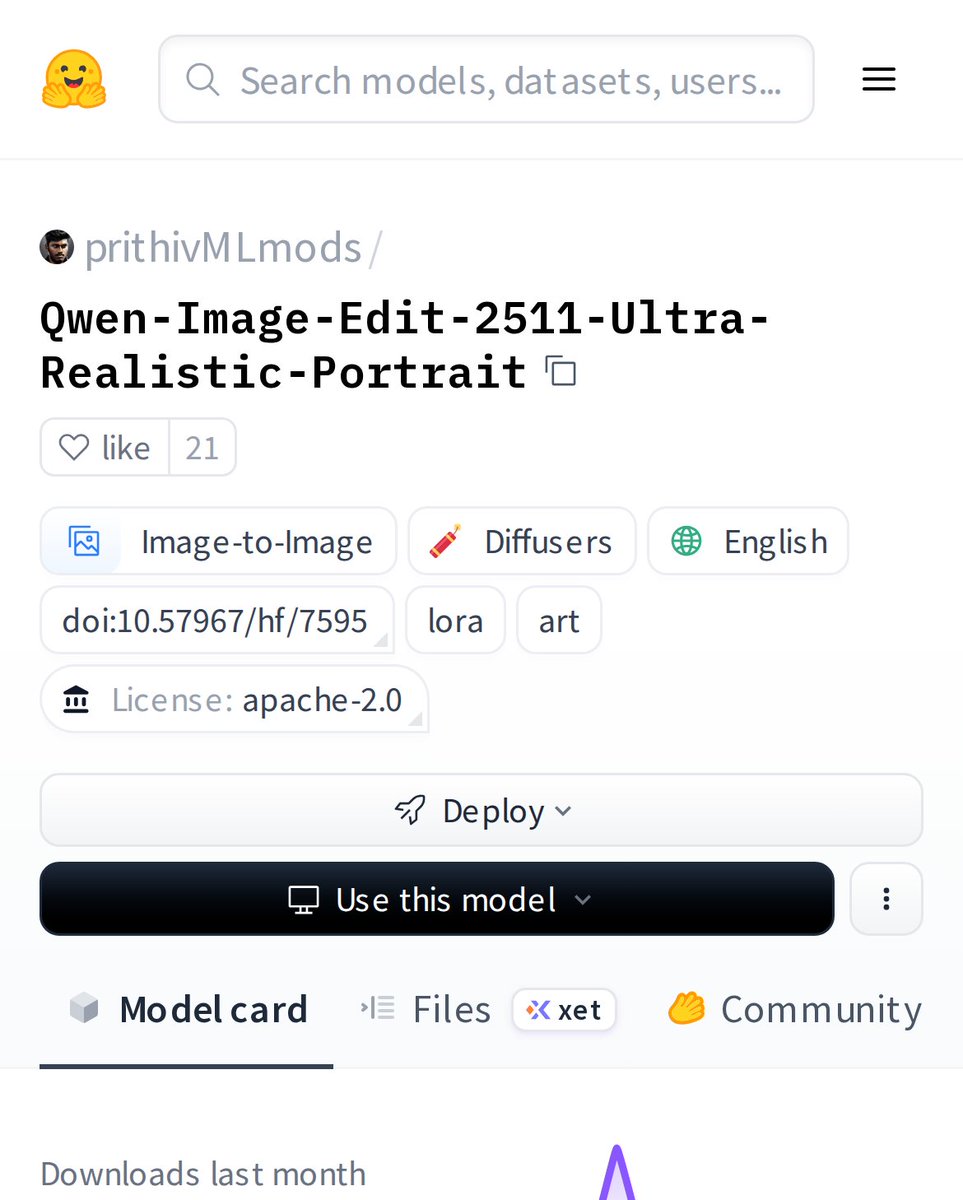
Meet a game-changer for portrait artists and photographers. This AI model transforms ordinary photos into ultra-realistic portraits with stunning detail. It's not just another filter, it's a professional-grade image-to-image pipeline that understands human features. https://t.co/4r6oA4SjJp
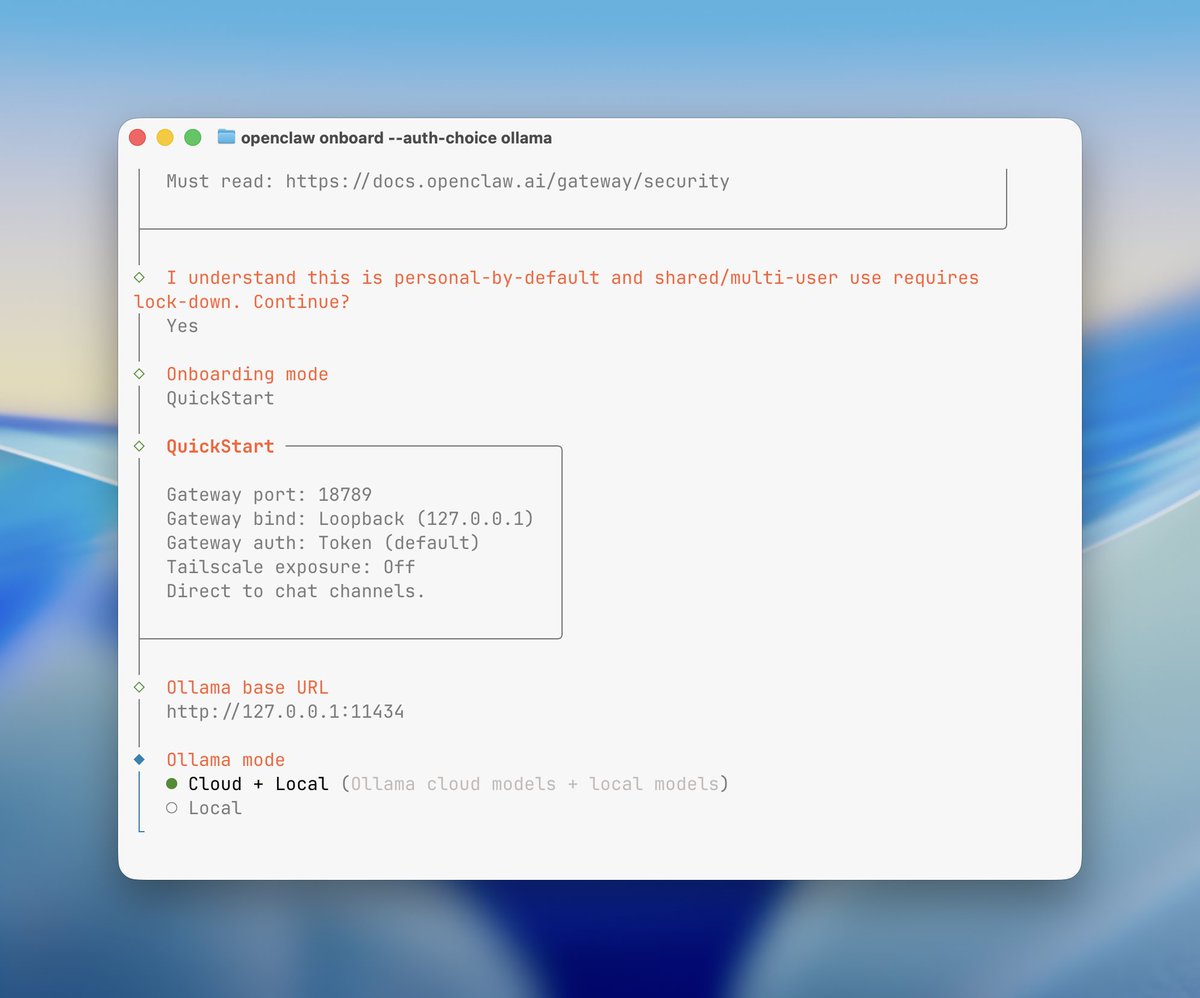
Ollama is now an official provider for OpenClaw. openclaw onboard --auth-choice ollama All models from Ollama will work seamlessly with OpenClaw. 🦞 Use it for the tasks you want, all from your chat app. Thank you @steipete for helping and reviewing. 🦞
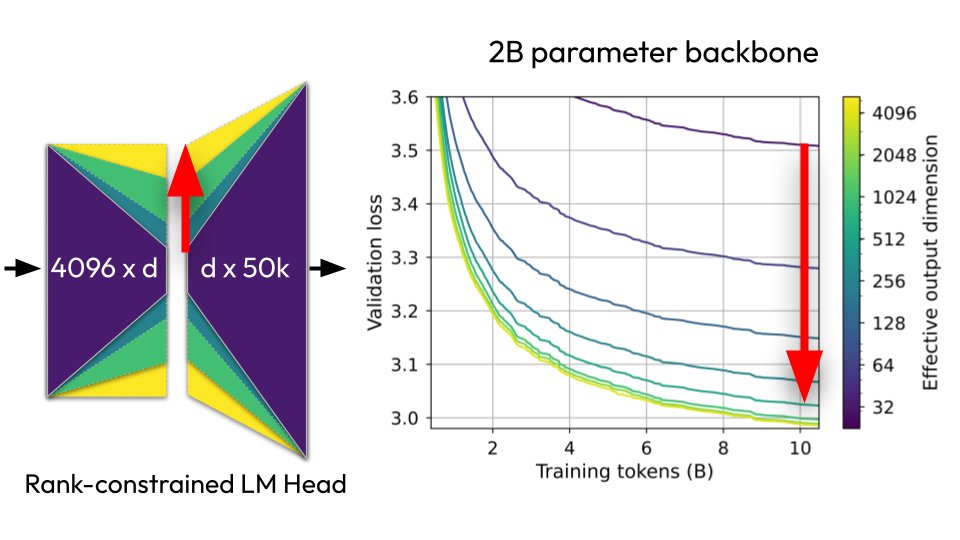
🧵New paper: "Lost in Backpropagation: The LM Head is a Gradient Bottleneck" The output layer of LLMs destroys 95-99% of your training signal during backpropagation, and this significantly slows down pretraining 👇 https://t.co/lnbGfesIFA
Sakana AIの技術を、金融機関などの「最も難易度の高い」エンタープライズ環境へ実装する。そんなチャレンジングな課題に挑む Solution Engineer を募集します🐟 https://t.co/DsnSEJjcoq 閉域網やレガシー基盤の厳しい制約を突破し、自ら手を動かしてAI導入をリードするポジションです。現場の リアルな課題を Applied Team に還元し、私たちの進化を加速させてくれる方をお待ちしています! ハードな技術課題にワクワクする方、ぜひご応募ください。
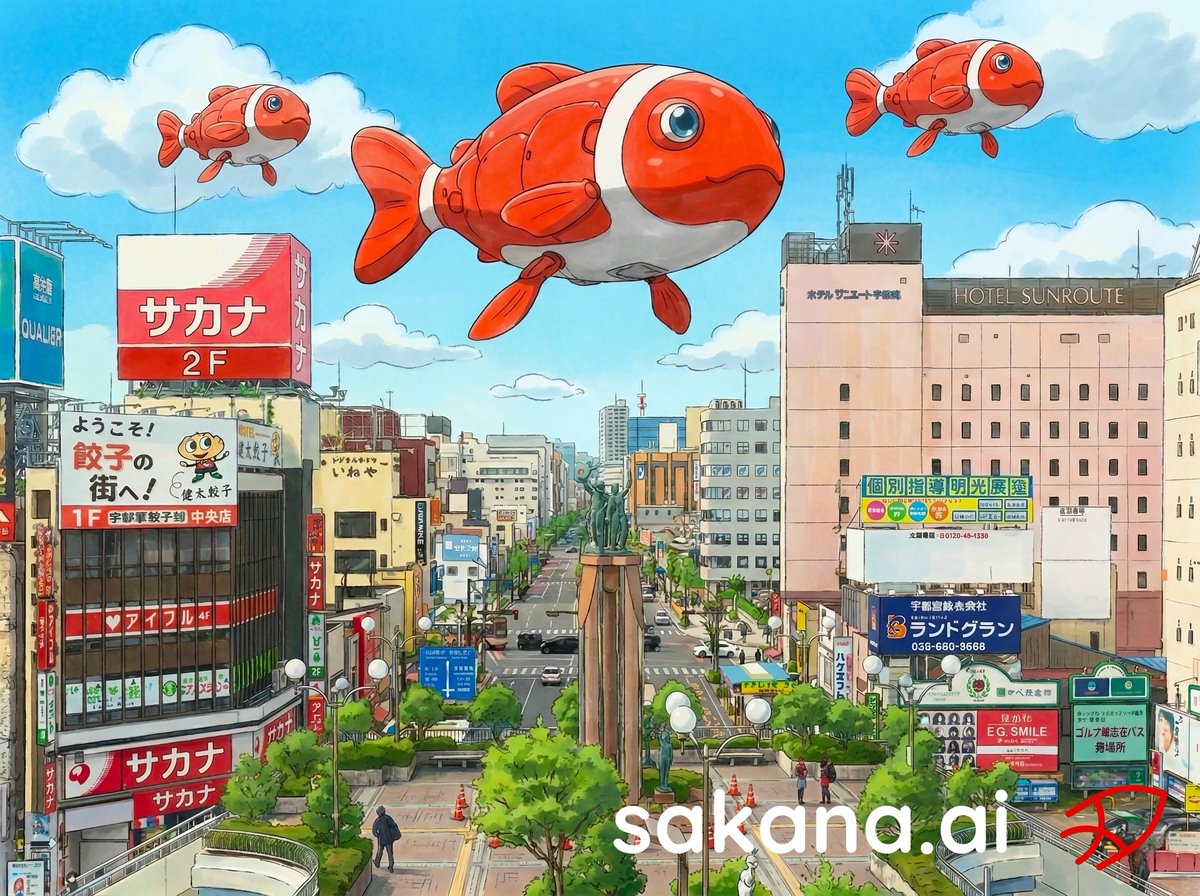
Sakana AIの技術を、金融機関などの「最も難易度の高い」エンタープライズ環境へ実装する。そんなチャレンジングな課題に挑む Solution Engineer を募集します🐟 https://t.co/DsnSEJjcoq 閉域網やレガシー基盤の厳しい制約を突破し、自ら手を動かしてAI導入をリードするポジションです。現場の リアルな課題を Applied Team に還元し、私たちの進化を加速させてくれる方をお待ちしています! ハードな技術課題にワクワクする方、ぜひご応募ください。
We’ve raised $4.1M to let AI find the right job for everyone. So today, we’re launching TAL. 3 years and 1M+ users on Grapevine taught us this: The internet today works for companies. Not for talent. Job boards, applications, resumes, ats. The system was built to help companies process people. But people are not pipelines. You are not a resume. You are not an application. You are not a candidate. You are talent. TAL is your talent agent.
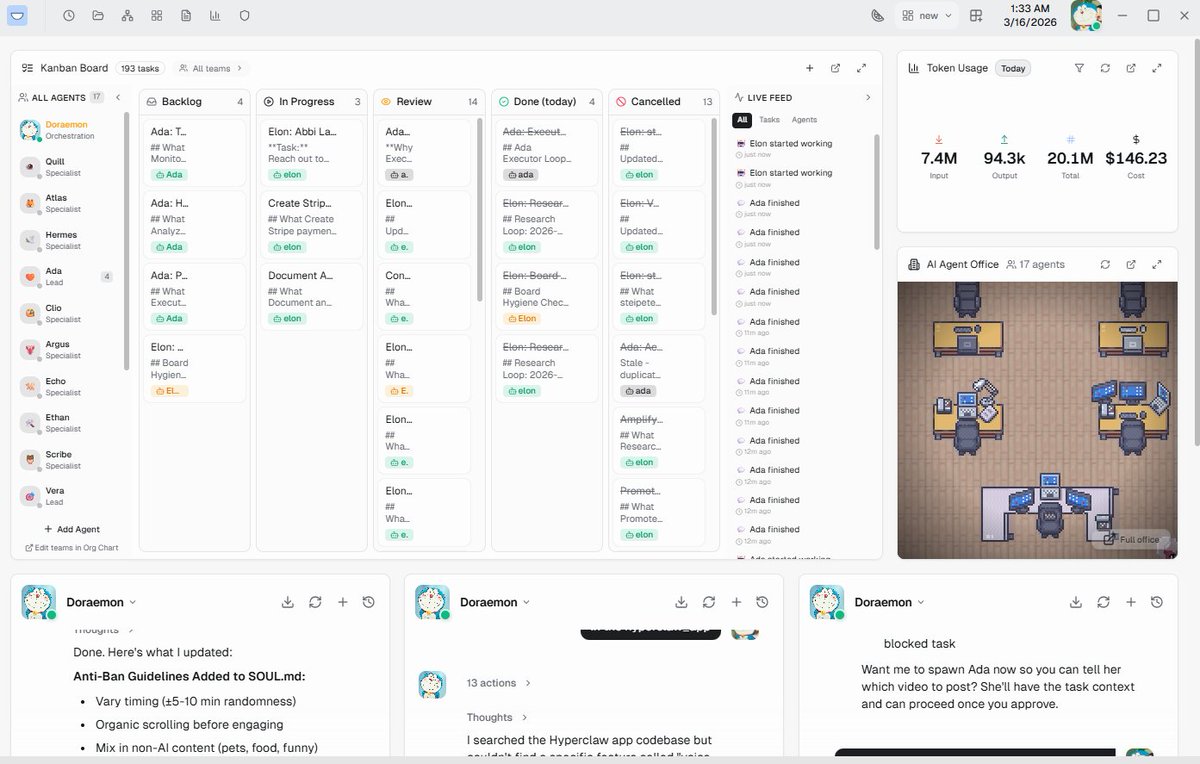
It's finally happening. OpenClaw Mission Control just went multi-device. This changes everything about how you'll run your agents. Your M4 Mac Mini at home, your laptop at the coffee shop, your phone on the move-all commanding the same autonomous workforce. Open Beta drops very soon. Who's ready to architect their own AI empire? 🙋♂️
#Sponsored by OPSWAT Most ICS security programs focus on endpoints. The actual attack vector is data flow. Files transferred by USB, email attachment, or network connection. Shifting from endpoint protection to data flow protection is one of the most underrated moves in OT security today. https://t.co/MML3z3IwJm #opswat_ics #OTSecurity

We brought snowboarding to SF Generate infinite VR slopes and shred them with a smart sole controlled snowboarder (or arrow keys if you don’t have the hardware) Works on desktop, VR, android phones, with and without the snowboard :D Cool tech from @theworldlabs @Pico_Studio and @BrilliantSole @ConcreteSciFi @spenceryang @fdotinc
Just visited Joshua Tree and stood on the exact rock used for the Vision Pro environment scan 🌴 The rocks lined up perfectly I genuinely couldn’t tell where reality ended and visionOS began... One of the most surreal experiences I’ve had 🤯 Apple absolutely nailed it. 🙌🏻 https://t.co/WGxoiCWao0
Do you want a 3D character interacting with an object/pet/another person, following a desired action? Presenting Hoi3DGen: Generating High-Quality Human-Object-Interactions in 3D. Project: https://t.co/EE87KSjQCX Code: https://t.co/ddpLjciTWC https://t.co/QPTyXw45kk

Tech companies keep blaming layoffs on AI. But the data suggests something more structural: the traditional workplace pyramid is flattening. Routine analytical and administrative work, once done by large junior teams, is increasingly handled by AI, while experienced professionals who use these tools become far more productive. So the real question isn’t mass job loss. It’s whether AI is shrinking the entry level of the workforce. What happens to the career ladder if the first rung disappears? https://t.co/Ov6E3kbvqB @ConversationUS @ConversationEDU

Marc Andreessen on the future of AI: AI model companies may own everything "And then there's a rotation from software into hardware. It's possible all the value accrues to the chips, and the energy, and then software is all open source." https://t.co/S09rVda609
ServiceNow CEO Bill McDermott's argument why AI can not replace them.🤔 AI identifies issues but cannot fix it. Says with 80B workflows across legacy systems, ServiceNow is the "do-it" layer, the "last mile". Says the market is missing this execution gap https://t.co/vO5h4l3hDX
Yann LeCun says today's humanoid robot demos look impressive, but the robots are very stupid in the real world "the missing piece is not hardware; it is AI that can't reason, plan, or adapt like humans" Robot companies are betting AI will make them smart enough to sell at scale within 3-5 years It's a big bet
Charlie Munger On Wealth: 10 Hard Truths About Money Most People Don’t Want To Hear https://t.co/nbDYQBQi3R

Charlie Munger On Wealth: 10 Hard Truths About Money Most People Don’t Want To Hear https://t.co/nbDYQBQi3R