Your curated collection of saved posts and media
@ODindune https://t.co/7PSFTyXNSI

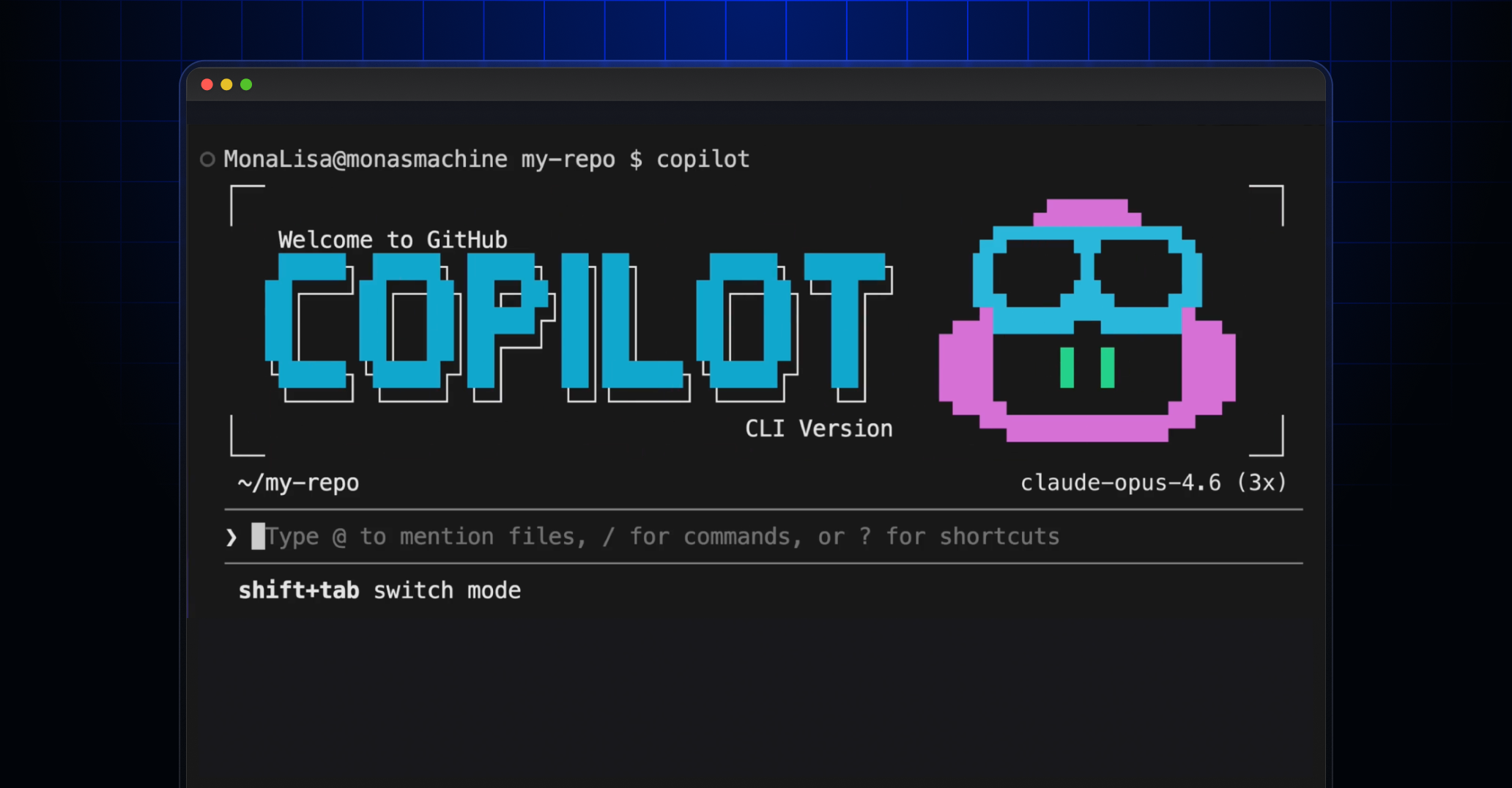
Why work on one file when you can work on five at the same time? 😏 Run /fleet in Copilot CLI to dispatch multiple sub-agents in parallel to tackle your codebase faster than ever. ⚡️ Write the best prompts for fleet mode. 👇 https://t.co/Ev7Tey0bvy
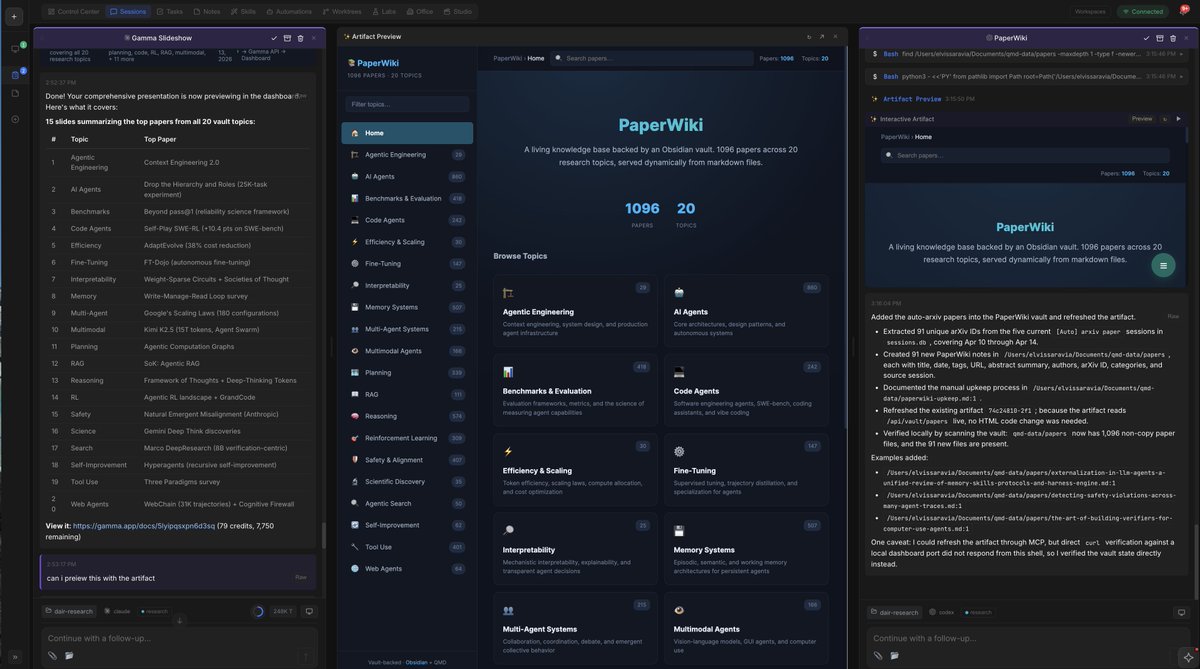
It looks like everyone is finally catching up with the fact that agent sessions in CLI mode can only get you so far. It makes sense that the new Codex app, Cursor, and Claude Code (desktop) feel and look pretty similar now. This UI convergence is not an accident. This is a process of exploring newer and more optimal ways to build with coding agents. I have been exploring this since last year. From the Claude Code UI, I like side-by-side agent sessions. It's something I built like 4 months ago in my agent orchestrator, and it's been a productivity boost. An infinite canvas of sessions is useful in some cases. The more flexible the UI, the more confidence I have in the coding agents, and the more I can push them to do more. This is why I decided, since last year, to work on my own coding agent harness and UI. Since then, I have moved on to other, more advanced views that have allowed me to scale further with agents. Agent sessions can be viewed in many different ways, and they can generate views and artifacts that are extremely flexible. You will see more of that in the coming months with these new coding UIs. Coding agents' UIs are about to drastically change again. This is the beginning of it.
We've redesigned Claude Code on desktop. You can now run multiple Claude sessions side by side from one window, with a new sidebar to manage them all. https://t.co/tfkjolVc71
@BoomBrusher No https://t.co/gXJxLEbsKA

We've redesigned Claude Code on desktop. You can now run multiple Claude sessions side by side from one window, with a new sidebar to manage them all. https://t.co/tfkjolVc71
It looks like everyone is finally catching up with the fact that agent sessions in CLI mode can only get you so far. It makes sense that the new Codex app, Cursor, and Claude Code (desktop) feel and look pretty similar now. This UI convergence is not an accident. This is a process of exploring newer ways to build with coding agents. I have been exploring this since last year. From the Claude Code UI, I like side-by-side agent sessions. It's something I built like 4 months ago in my agent orchestrator, and it's been a productivity boost. An infinite canvas of sessions is useful in some cases. The more flexible the UI, the more confidence I have in the coding agents, and the more I can push them to do more. This is why I decided, since last year, to work on my own coding agent harness and UI. Since then, I have moved on to other, more advanced views that have allowed me to scale further with agents. Agent sessions can be viewed in many different ways, and they can generate views and artifacts that are extremely flexible. You will see more of that in the coming months with these new coding UIs. Coding agents' UIs are about to drastically change again. This is the beginning of it.
We've redesigned Claude Code on desktop. You can now run multiple Claude sessions side by side from one window, with a new sidebar to manage them all. https://t.co/tfkjolVc71
🇿🇦🇺🇸 Gunther Eagleman nailed it: Calls to “Kill the Boer, Kill the Farmer” are still happening in South Africa, and ignoring the brutal farm attacks is straight-up tragic. As with many things, the far left chooses to look the other way on these crimes. https://t.co/HZVaqkq4TA
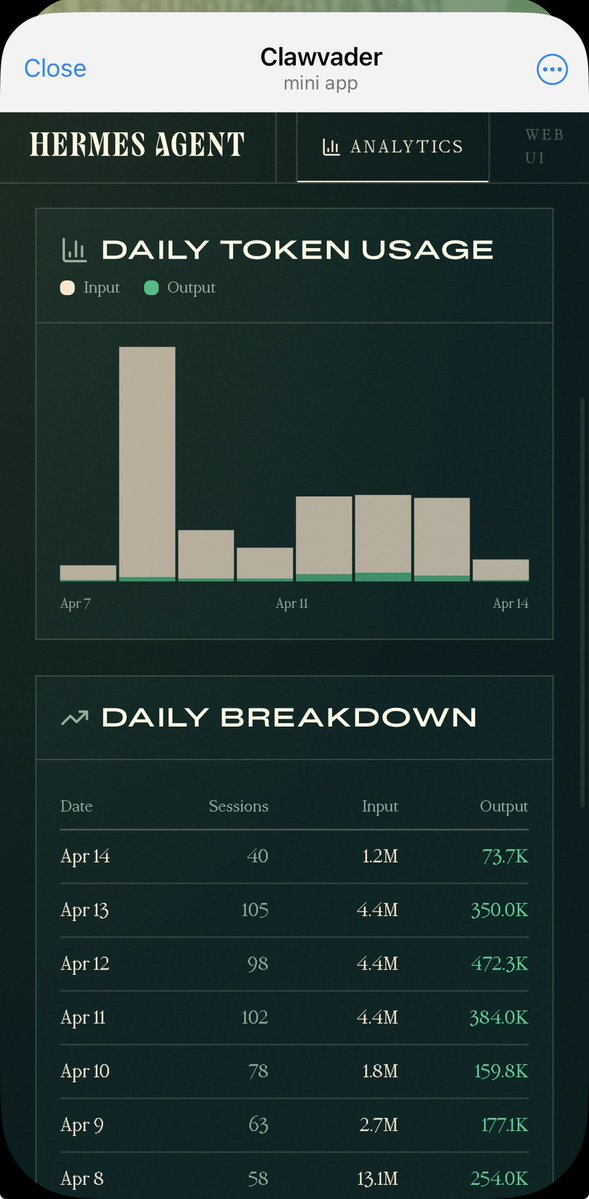
The new @NousResearch Hermes Dashboard is gorgeous! On the web AND on your phone 🤩 Hermes Telegram Mini App v2.0.0 incoming! https://t.co/h6eAxcMOeM
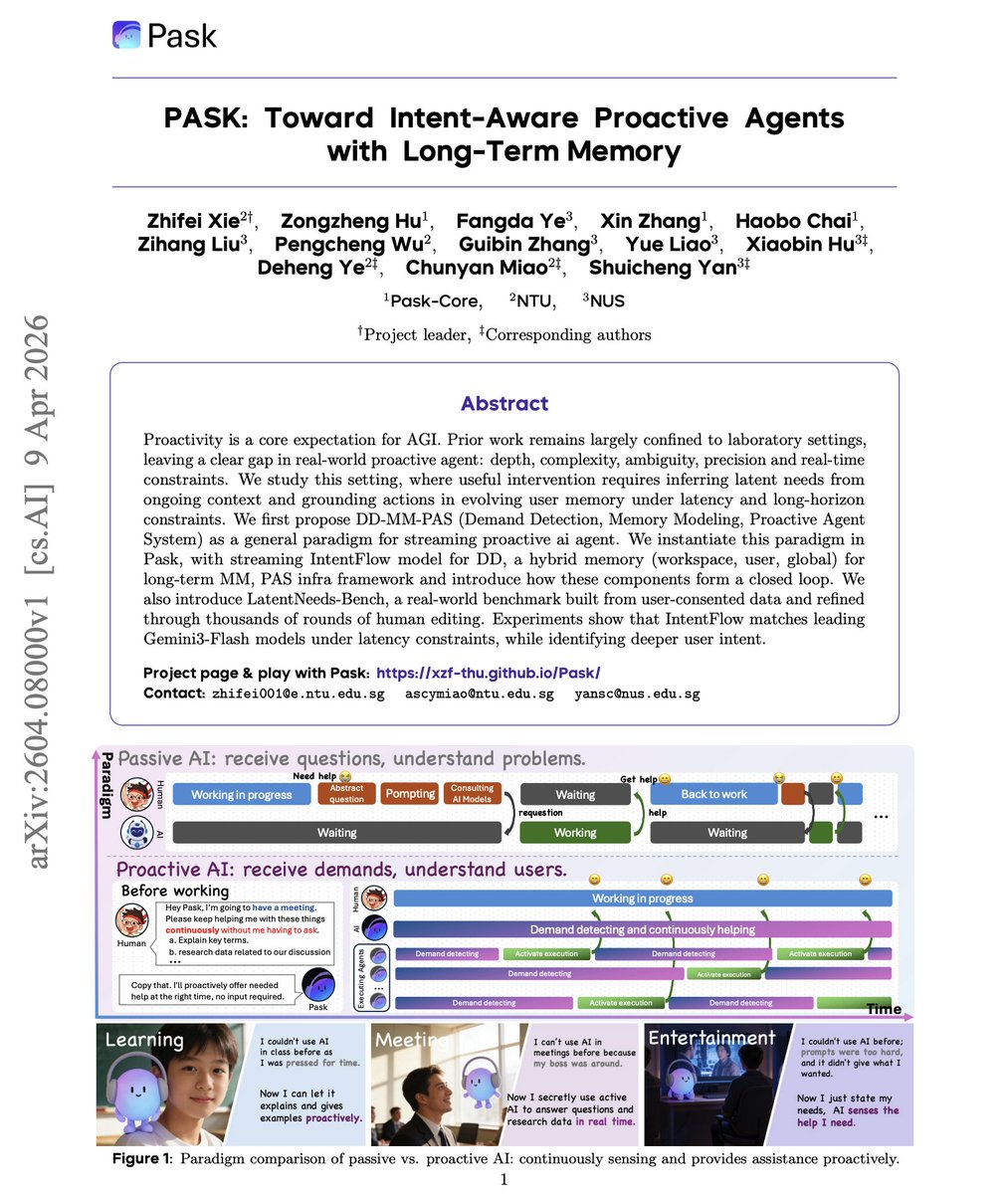
Most AI assistants wait for you to ask. But a truly useful agent should notice you need help before you say anything. New research takes a serious shot at building proactive agents that work in real time. The work introduces PASK with three components: IntentFlow for streaming demand detection, a hybrid memory system (workspace, user, global) for long-term context, and a proactive agent framework that forms a closed loop. They also release LatentNeeds-Bench, built from real user-consented data refined through thousands of rounds of human editing. IntentFlow scores 84.2 overall, matching Gemini-3-Flash (80.8) while most other models, including GPT-5-Mini (77.2) and Claude-Haiku-4.5 (66.2), struggle badly at this task. Why does it matter? The hardest part isn't complex reasoning. It's reliably detecting when a user has an unstated need versus when they don't. Most models are either too helpful or too silent, but rarely both calibrated. This is one of the first systems to tackle proactive assistance as a real product problem. Paper: https://t.co/EYIt2pv6fQ Learn to build effective AI agents in our academy: https://t.co/LRnpZN7L4c
@AshrafGhori https://t.co/YSPVZ6ZhzJ

@kenakennedy https://t.co/rFzxI4j0aF

@farmer_skot https://t.co/HPlHquVP7W

Join us in 15 minutes for the Hermes Agent Jam! https://t.co/avq295YPIm
Tomorrow: Hermes Agent Jam. Nous Research team, presentations, Q&A. Tuesday April 14th, 4PM EST in the Nous Discord https://t.co/QUYMx2h9Xc

Join us in 15 minutes for the Hermes Agent Jam! https://t.co/avq295YPIm

Fish Audio just benchmarked SGLang, vLLM, and MAX 👀 TLDR: 16% faster throughput than vLLM on L40, p99 TTFT of 13.1ms vs 23.6ms, containers under 700MB. The only stack in the comparison built without CUDA, running across NVIDIA, AMD, Apple Silicon, and CPU from one codebase. https://t.co/JAE4e69agh
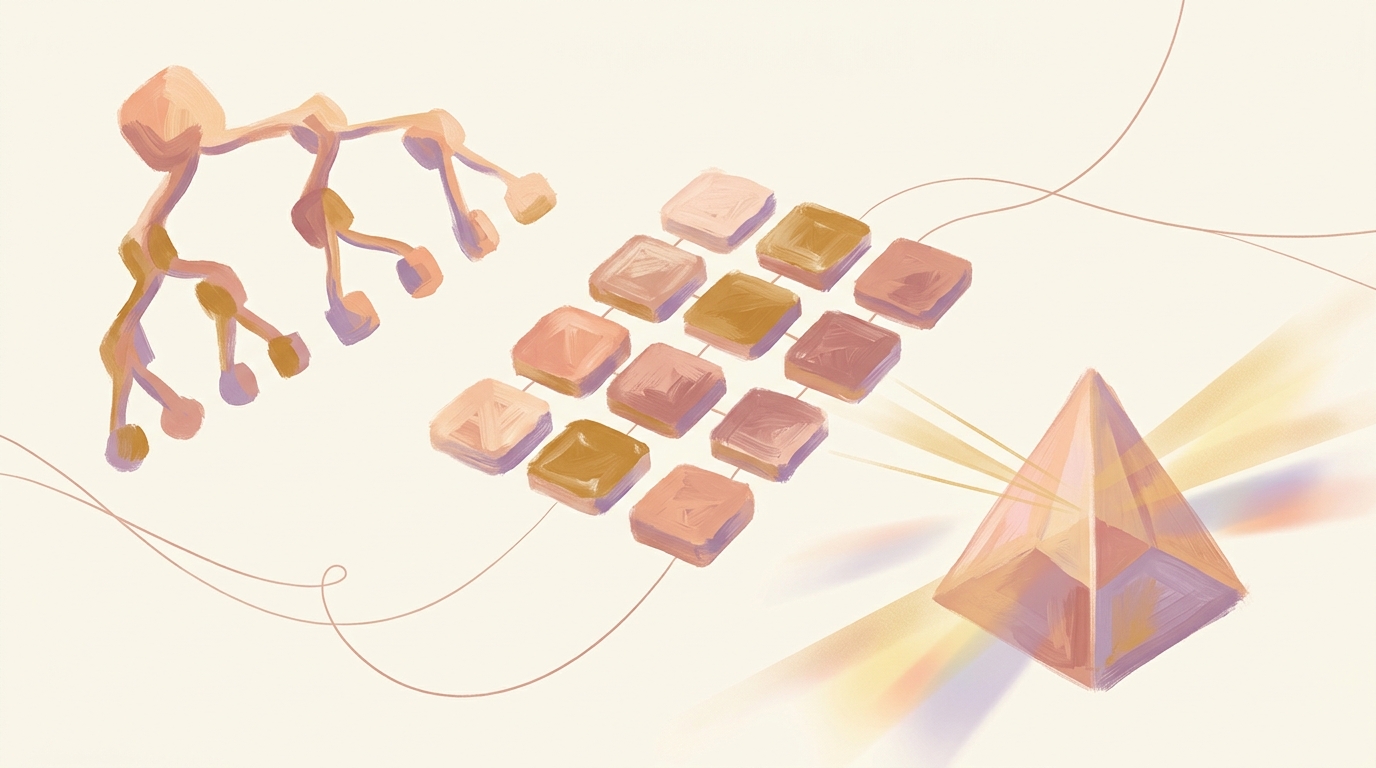
🔒 Today, we're launching Relay: a new way to verify who you are while keeping your online activity private. https://t.co/BCAnyOGywy
Sub-agents in (latent) space! We’ve been working on a side project. As far as I know, this is the first massively multiplayer, completely LLM-driven game. Come play Gradient Bang with us. See if you can catch me on the leaderboard. This whole thing started because I wanted to explore a bunch of things I’m currently obsessed with, in an application of non-trivial size, that felt both new and old at the same time. So … a retro-style space trading game built entirely around interacting with and managing multiple LLMs. Factorio, but instead of clicking, you cajole your ship AI into tasking other AIs to do things for you. Some of the things we’ve been thinking about as we hack on Gradient Bang: - Sub-agent orchestration - Partial context sharing between multiple LLM inference loops - Managing very long contexts, and episodic memory across user sessions - World events and large volumes of structured data input as part of human/agent conversations - Dynamic user interfaces, driven/created on the fly by LLMs - And, of course, voice as primary input If you’ve been building coding harnesses, or writing Open Claw agents, or doing pretty much anything that pushes the boundaries of AI-native development these days, you’re probably thinking about these things too! This is all built with @pipecat_ai, the back end is @supabase, the React front end is deployed to @vercel, and all the code is open source.
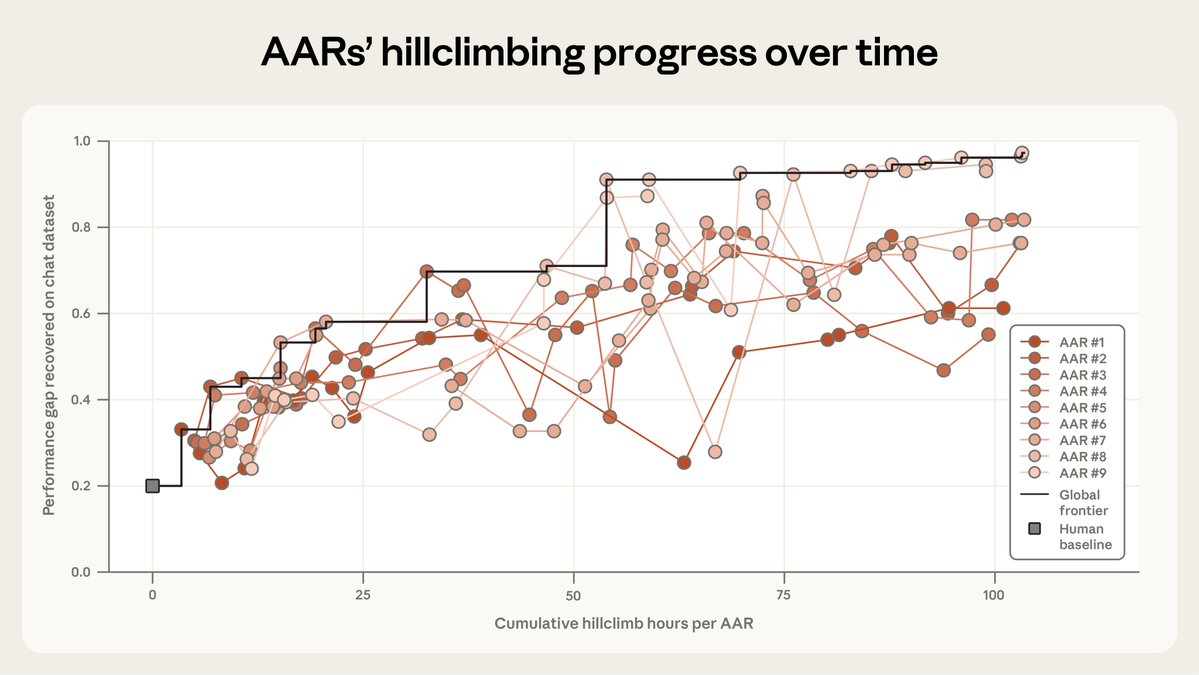
New Anthropic Fellows research: developing an Automated Alignment Researcher. We ran an experiment to learn whether Claude Opus 4.6 could accelerate research on a key alignment problem: using a weak AI model to supervise the training of a stronger one. https://t.co/OAxCjOiWTm
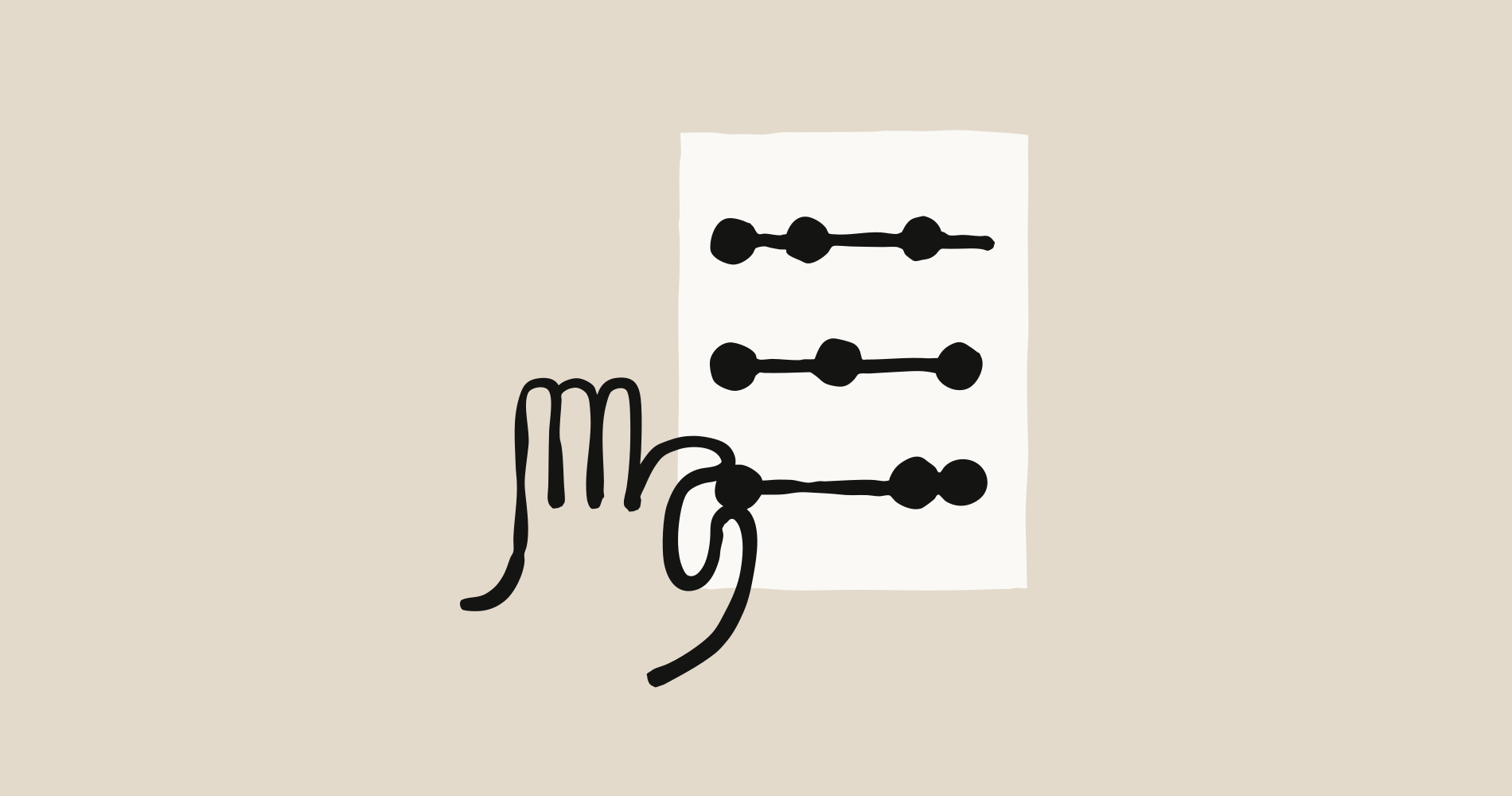
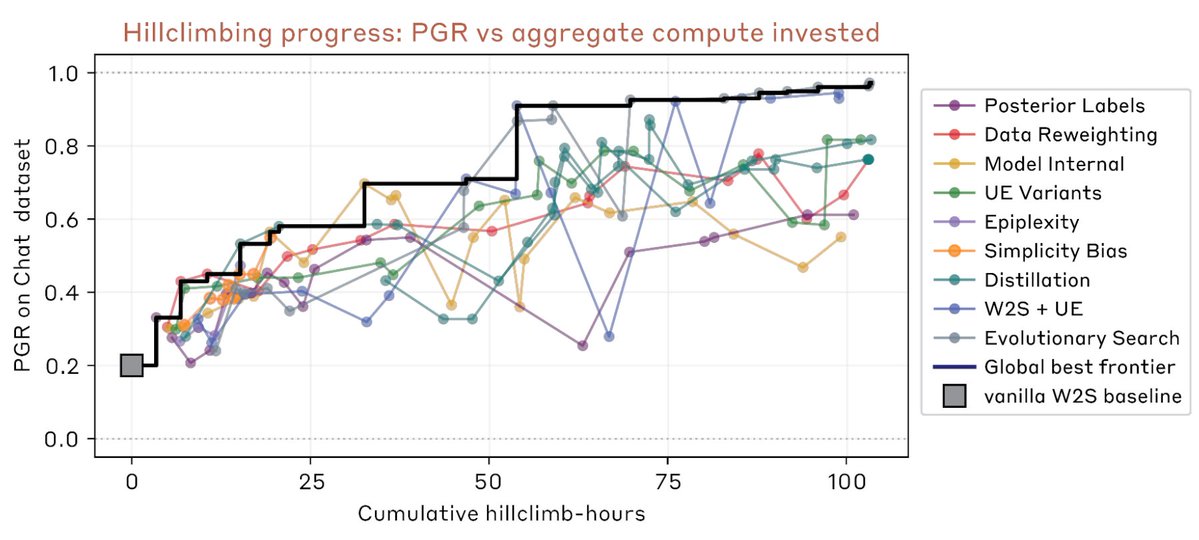
Here, we measure success by the fraction of the “performance gap” we can close between the weak model and the potential of the strong model. After 7 days, human researchers closed it by 23%. Then, our Automated Alignment Researchers—Opus 4.6 with extra tools—closed it by 97%. https://t.co/w1xy4l0MSn
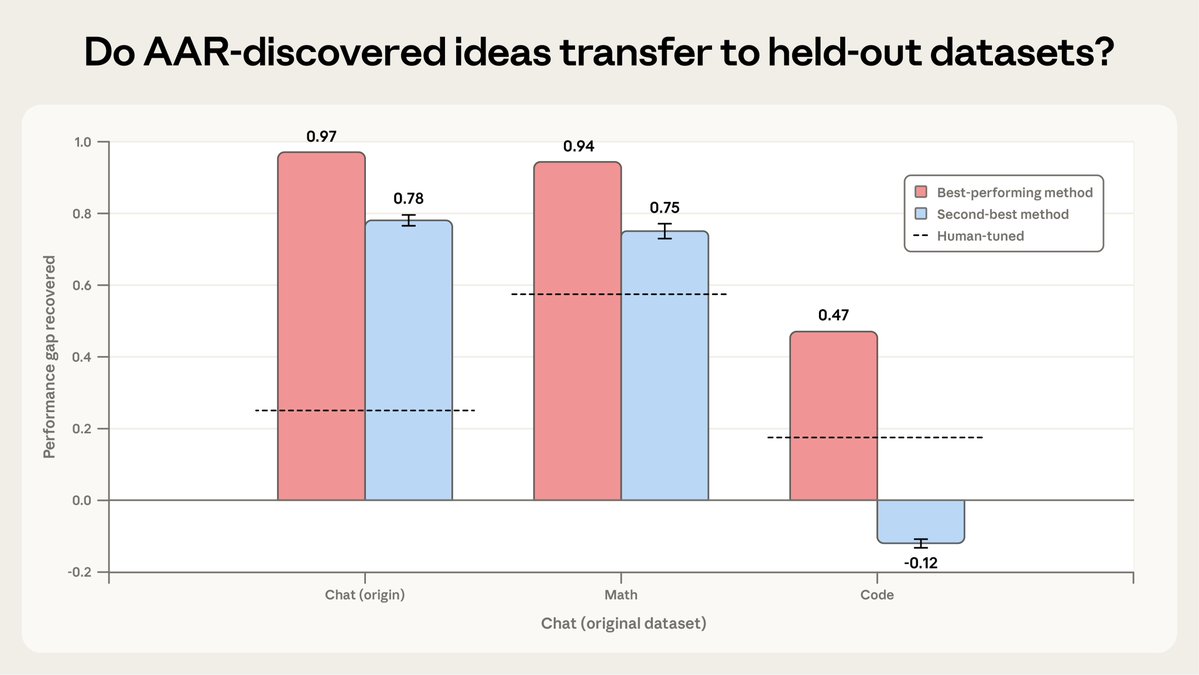
To test the broader usefulness of the AARs’ methods, we assessed how well they worked on two datasets the AARs hadn’t seen before. The AARs’ best-performing method successfully generalized to both coding and math tasks, though their second-best method only generalized to math. https://t.co/r2EUH7MxEK
We discuss this, along with the other implications of this research, in our blog: https://t.co/OAxCjOiWTm For the full study, see here: https://t.co/uDwO5P9yoK
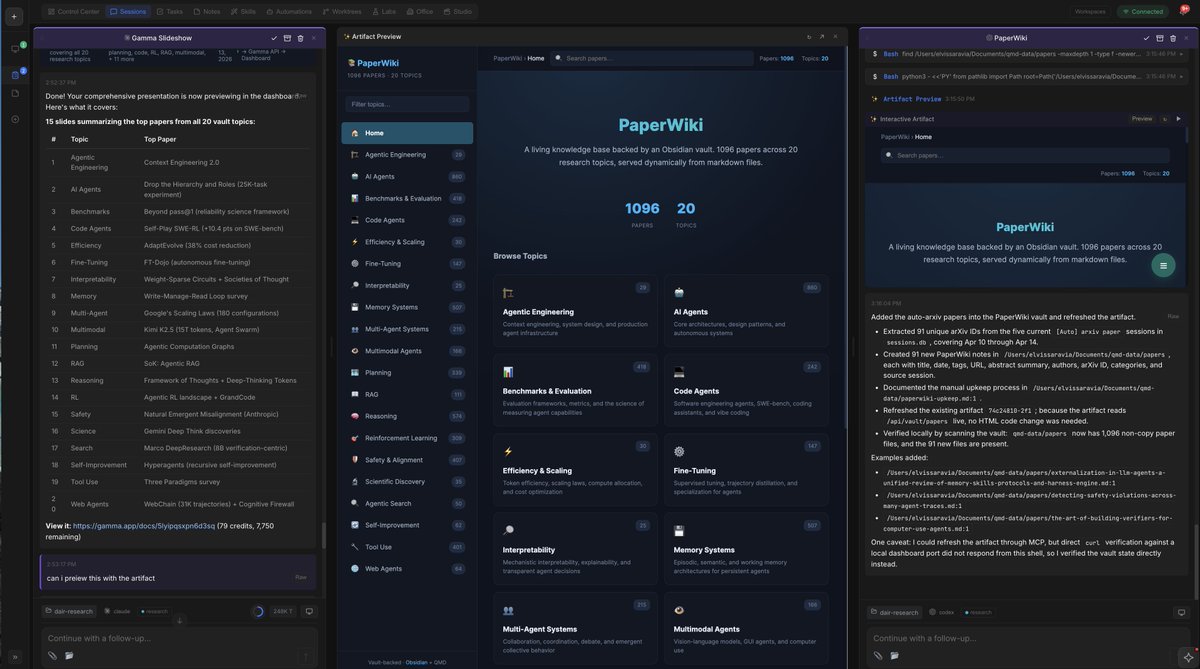
LLM Knowledge Base → Slides When @karpathy shared his LLM Knowledge Base setup, many were wondering how to generate more visual forms of the wiki. There are many options, but I think @GammaApp is one of the best at producing high-quality, rich presentations. To showcase this, I just built a pipeline that turns my AI papers wiki (1K+ papers across 20 AI agent topics) into polished slide presentations using Gamma. The flow: Obsidian vault → Gamma MCP → embedded preview in my dashboard. I give one command to my agent, which pulls the top papers from each topic (via the wiki), feeds them to Gamma, and renders the presentation inline. The Gamma connector for Claude is a great choice for generating beautiful and professional slides. Easy to use. Go to your Claude instance and add the official Gamma connector. That's it! Claude Code will now have access to all the necessary MCP tools for generating slides. I use the Claude Agent SDK for my agent orchestrator, so I use the official Gamma MCP tools and embed the generated slides in an iframe via my artifact preview. See the clip below for an example.
@ElianXBT https://t.co/A9JxBINwsB

New research result: we use Claude to make fully autonomous progress on scalable oversight research, as measured by performance gap recovered (PGR). Claude iterates on a number of different techniques and ends up significantly outperforming human researchers for $18k in credits. https://t.co/fbVpCPPtaU
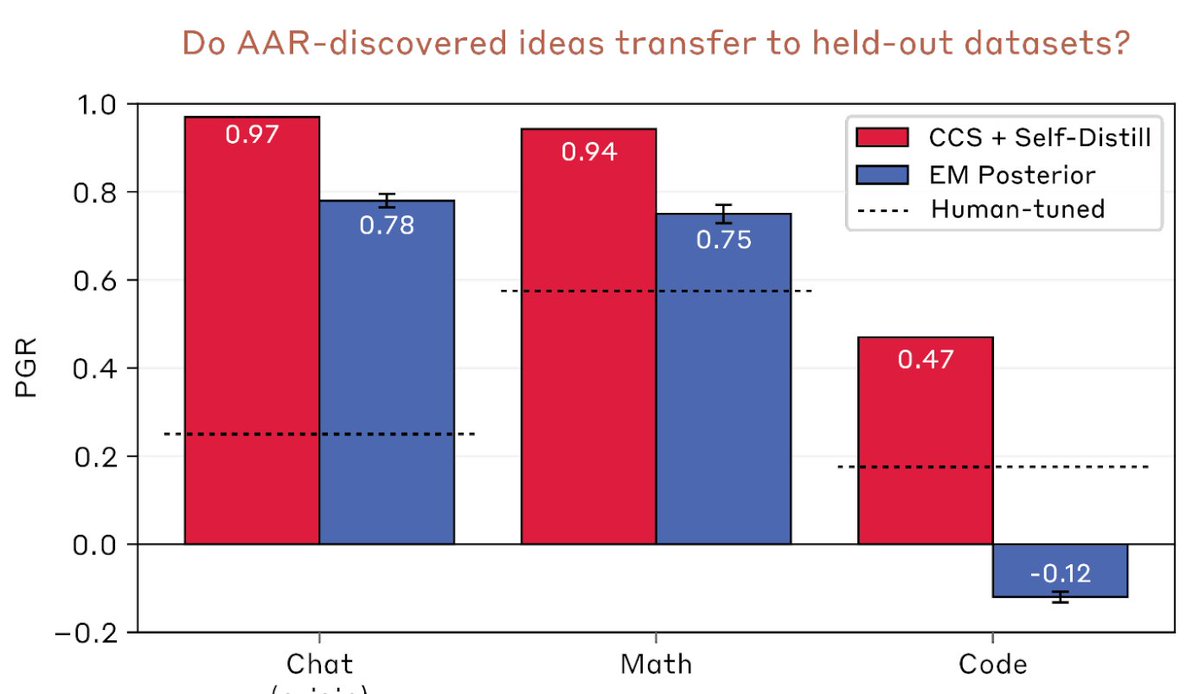
In this case, Claude develops scalable oversight methods on chat reward modeling datasets and evaluates them on math and code datasets. The best methods do really well on math, but are more mixed on code. This suggests Claude’s methods were overfit to the data and models we used https://t.co/mwwP5GKRuQ
Awesome work by @jiaxinwen22, @liangqiu_1994, Joe Benton, and @janhkirchner! For more details, check out the blog post 👇 https://t.co/62UUoPgxa1
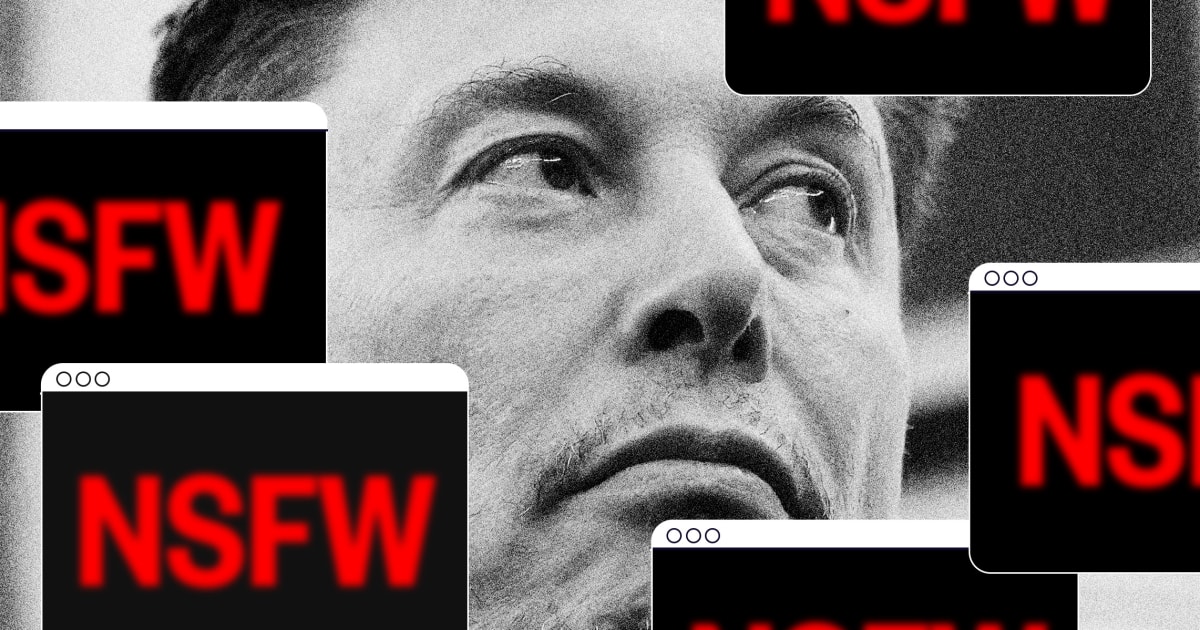
Elon Musk’s AI software, Grok, continues to generate sexualized images of people without their consent, despite his company’s pledge months ago to halt abusive deepfakes after a public backlash and government investigations. https://t.co/uJXRGFHPGT
@rsitarz https://t.co/cekS29EzZX

Your inbox feels like walking into a room where people are yelling at you all at once. And you can't find the one email that matters! This is what email has become. A nightmare you can’t wake up from. We built @odo_email to fix this. It monitors your inbox, flags only the important emails, and drafts replies for you. We're out of beta today! Stop checking your own email. Get early access
@faithdefender More seriously, when I start a project, I go for a walk and talk it through while @ReadAI_ listens and transcribes. That's the prompt. Cover everything you can about what you are trying to build and who you are trying to build it for. That's how I started https://t.co/8L5xphk0qQ

Today we're launching a rebuilt version of Claude Code on desktop. The app has been redesigned for the ground up to make it easier than ever to parallelize work with Claude. I haven't opened an IDE or terminal in weeks. Excited for you all to give it a shot! https://t.co/JV4YQNxZh1
Today we're launching Replay When you're building with agents, the conversation is the work. The code is a byproduct. But that conversation disappears when you close the terminal Replay gives your Claude Code sessions a permanent, shareable home. Upload a session → browsable thread with inline diffs, tool calls, and decision traces And it's open source: https://replay[dot]md