Your curated collection of saved posts and media
This entire scene was made using @Grok Grok Imagine 1.5 is on another level. 🔥 https://t.co/zzcTzx1KvC
https://t.co/ccSbMfxMu2
24 hours left to nominate yourself or someone else as a PyTorch Foundation Ambassador🔥 The PyTorch Foundation Ambassador Program highlights and supports passionate community leaders who organize events, create technical content, mentor new users, and contribute to the open source ecosystem. As we continue to expand representation across local PyTorch communities, we especially welcome applications from contributors in Africa, Latin America, the Middle East, Oceania, Southeast Asia, and Eastern Europe. Learn more and apply before June 18, 2026 - link in comments.

Falcon 9 launches from pad 40 in Florida https://t.co/DswQicc5TM


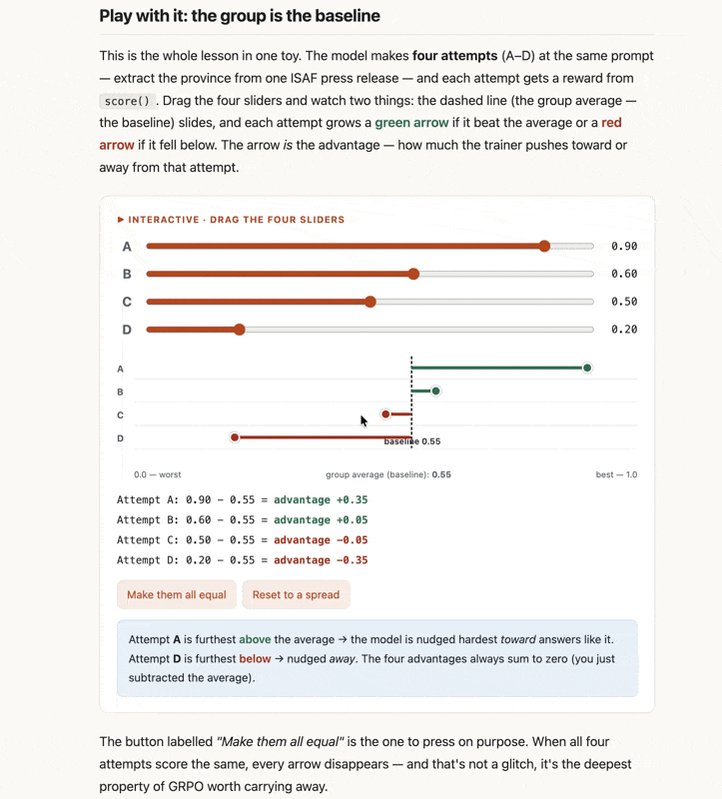
Doing a bit of a self-study RL course at the moment and one of the really useful tweaks I always have my 'teacher' do is to revisit the early @fastdotai lessons from @jeremyphoward and to really live up to those invitations to make things interactive, to get a sense for how things work intuitively. In the GIF I recorded below, you can see we have a whole bunch of playgrounds designed to help me understand how GRPO works. An important starting point for me is to get a rough mental model for how the algorithm works and these widgets help a LOT. ("show the whole game, then learn the rules as you need them")
All these videos were created using Grok Imagine 1.5 Big upgrade. Huge jump in quality. 🚀 https://t.co/jWroTLlqHv
Asmongold gives his BASED opinion, says: "You're not being oppressed by the top 2% of society. You're being oppressed by the bottom 2% of society instead 👀 "People ain't gunna like this one: the bottom 2% of society have caused all of the manifest problems in your lives” https://t.co/OQWk4jm92H
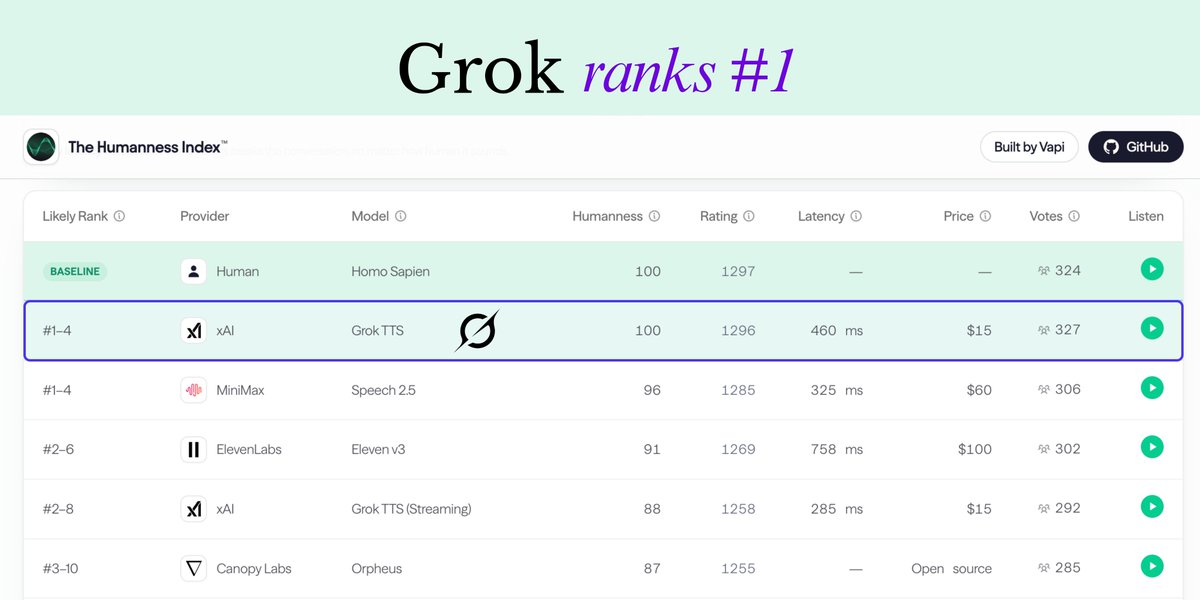
Grok Voice just ranked #1 on Vapi’s Humanness Index and it's scary good That is a huge deal This benchmark is simple: Listeners hear blind same-voice battles and pick which voice sounds more human Grok TTS scored 100 in humanness matching the human baseline That means Grok is reaching human-level voice quality on one of the most important benchmarks for real AI agents And Grok is doing this at $15 per 1M characters, while major competitors listed on the leaderboard are charging $60–$100 xAI is building world's best voice layers for real AI agents
NEWS: SpaceX will break its own news on X, not on newswires, an SEC filing shows The company named its X account @SpaceX as an official disclosure channel. Its investor page at https://t.co/cMAaS410q4 is the other. SpaceX says it will skip wire services like Business Wire and PR Newswire. It tells investors to follow @SpaceX for material updates.


When professional skeptics start changing their views, it's worth paying attention. Anthropic researcher Nicholas Carlini built his reputation questioning claims about AI and cybersecurity. Now he is warning that the capabilities of the latest models are advancing faster than many expected. Sometimes the most important signal is not a new technology. It is an expert changing their mind.
More than 200 of the world's elites registered for a retreat whose agenda runs from panels on cult-building and sex to prepping for World War III. An associated app offers matchmaking. https://t.co/ib53DjHHE6
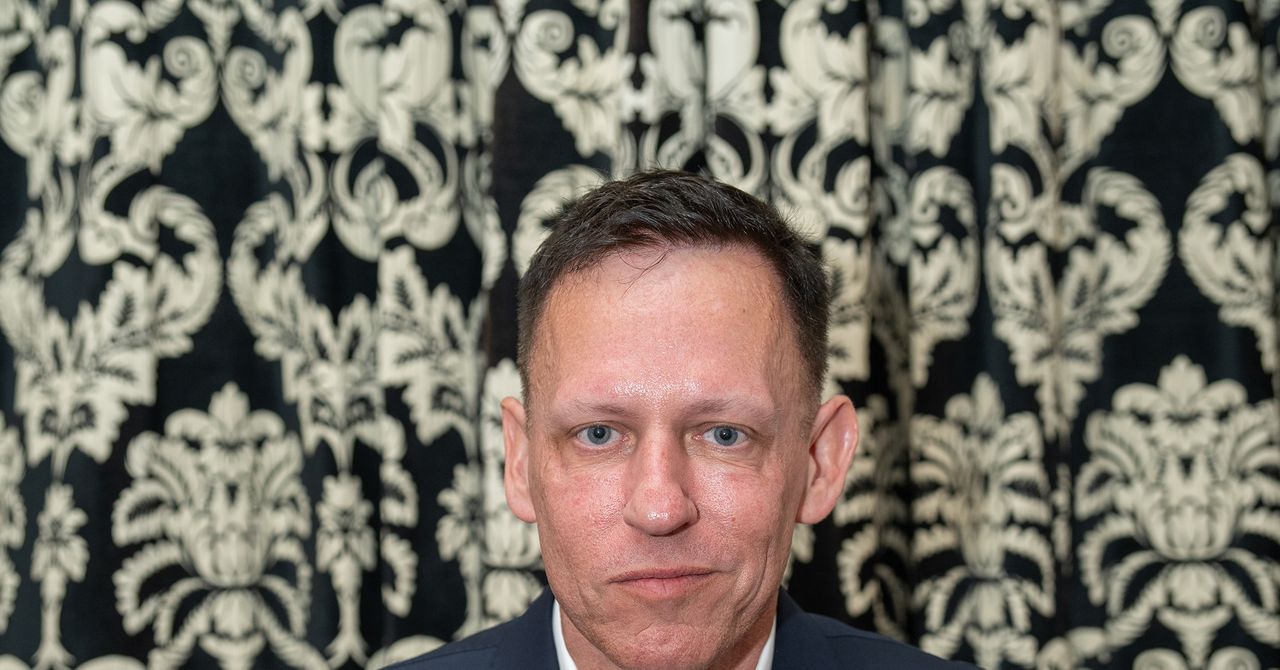
@tobieapb @Clara_Gold Thanks! Life is funny. More on the cult: https://t.co/t7wjNT4HfB
Laughed at this article about rich Silicon Valley nerds going to panels on cult building and prepping for WWIII. My mom joined a Montana Survivalist Cult back in 1988. Scobles are always ahead. :-) The cult had something like 60,000 members, most of whom were college educat

Grok Imagine Video 1.5 is here Our new image-to-video model with sharper realism, better physics and faster generations 🧵 https://t.co/zGhs9czkC5 https://t.co/9X4YicpMH8

🚀 Announcing the X API Exhibit! A new dedicated space where developers can publish and showcase the apps they’ve built with the X API. We’ll review submissions and select high-quality developer apps to be included in the initial showcase. Apply here: https://t.co/YmqpxTh3BO https://t.co/ScKoCpJfWB
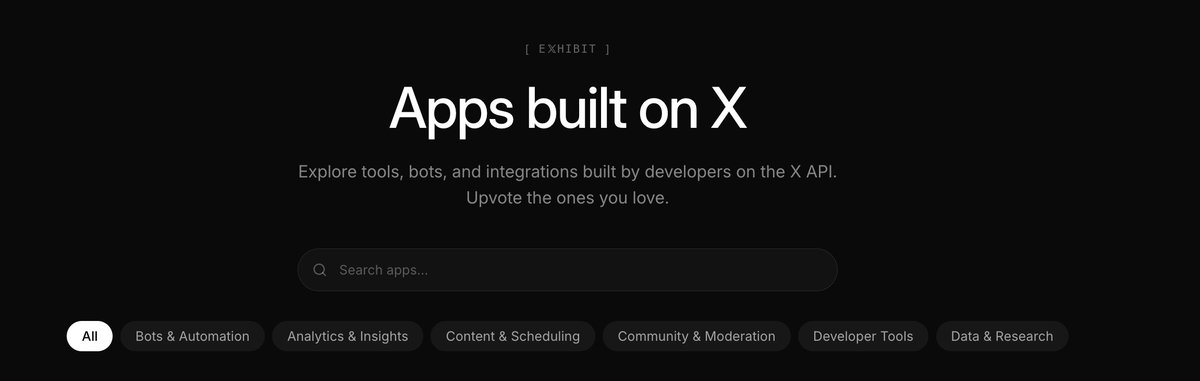

Of course I entered https://t.co/kiuZ7QXLzb (it is built wholly on the X API, gathers 30,000 posts a day via the API and then analyzes them for AI news).
🚀 Announcing the X API Exhibit! A new dedicated space where developers can publish and showcase the apps they’ve built with the X API. We’ll review submissions and select high-quality developer apps to be included in the initial showcase. Apply here: https://t.co/YmqpxTh3BO ht

@autonomous_labs @Kickstarter And if you are locked out, my AI reads the AI community on X for you: https://t.co/kiuZ7QXLzb

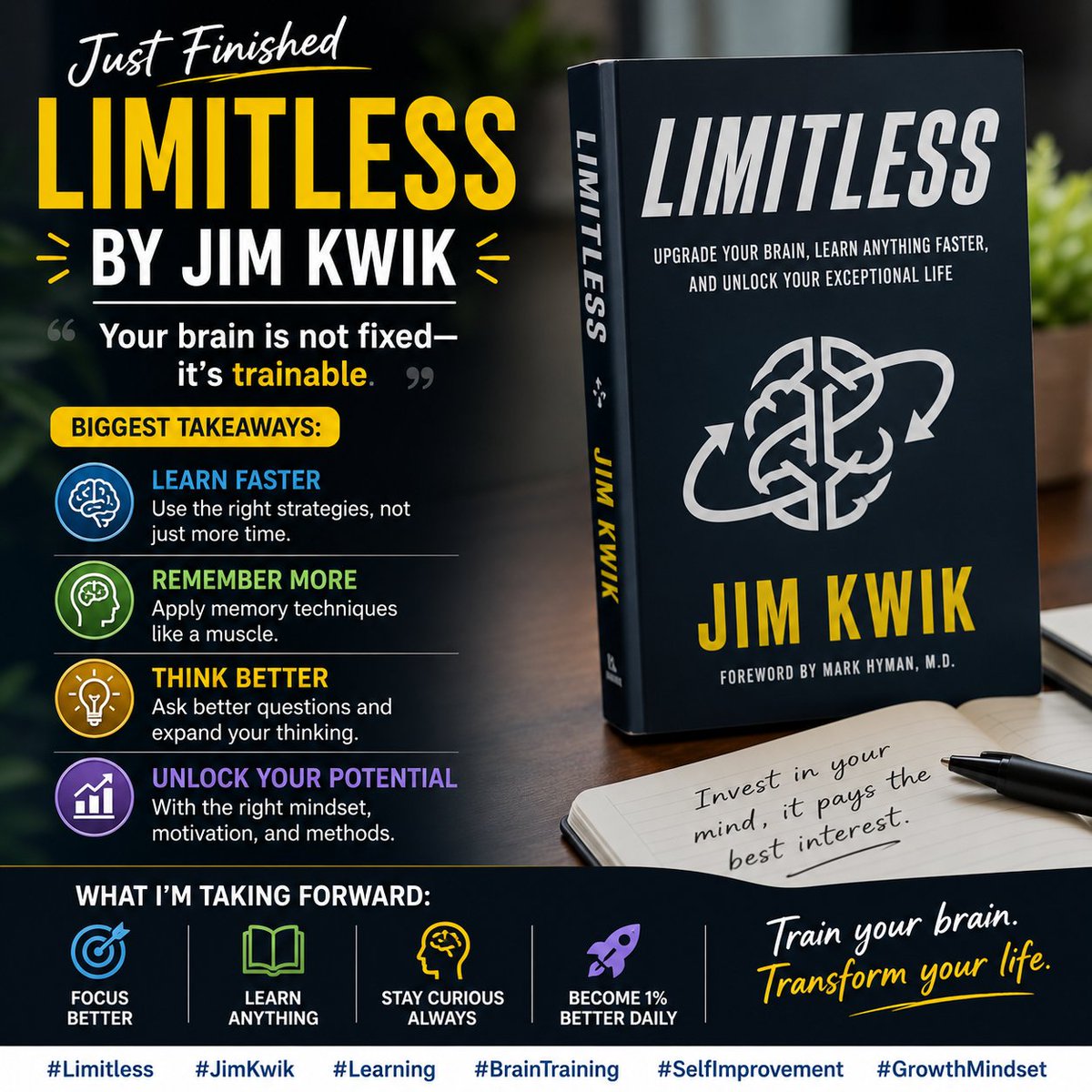
Just finished reading #Limitless by @jimkwik Biggest lesson: Your brain is not fixed, it's trainable. Learn faster, remember more, think better, and unlock your full potential through mindset, motivation, and methods. What's your favourite learning technique? #Learning #Read https://t.co/LVBVu1kewl
Excited to share that Grok 4.3 from @elonmusk's @xai is now available on Amazon Bedrock. Customers pick the right model for the right job, and we keep making that easier: https://t.co/N2Fbeg7CIA https://t.co/p9qS6Qq6Rq

The “white supremacist KKK” who burned a cross in Chicago is a Leftist anti-Trump Asian dude Another hoax. Every. Single. Time. https://t.co/JhaSL4dLYz

@ConradEduard yes; this is from me, jan 2024 https://t.co/o8t9lKygrH
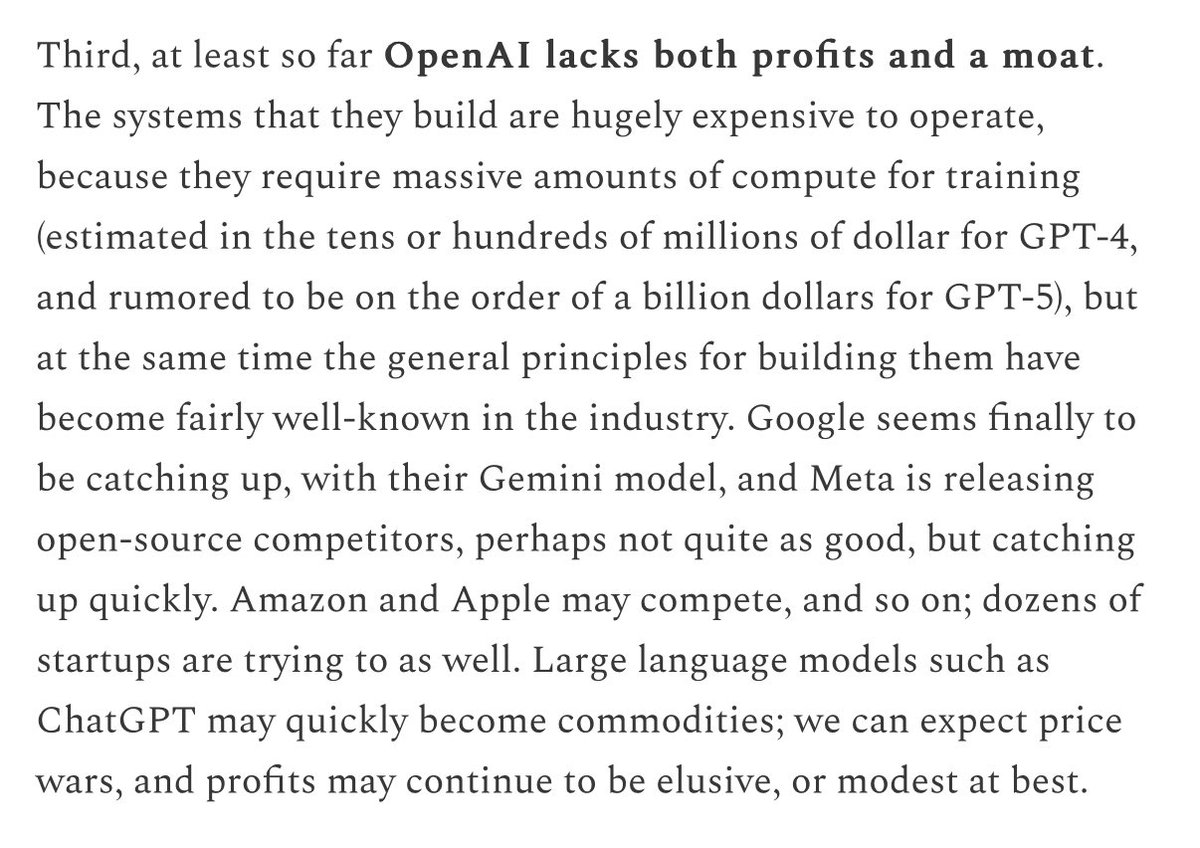
@XDevelopers I have two: https://t.co/kiuZ7QXLzb and https://t.co/7zoNtoVpaO

https://t.co/3pkQAgYRnU
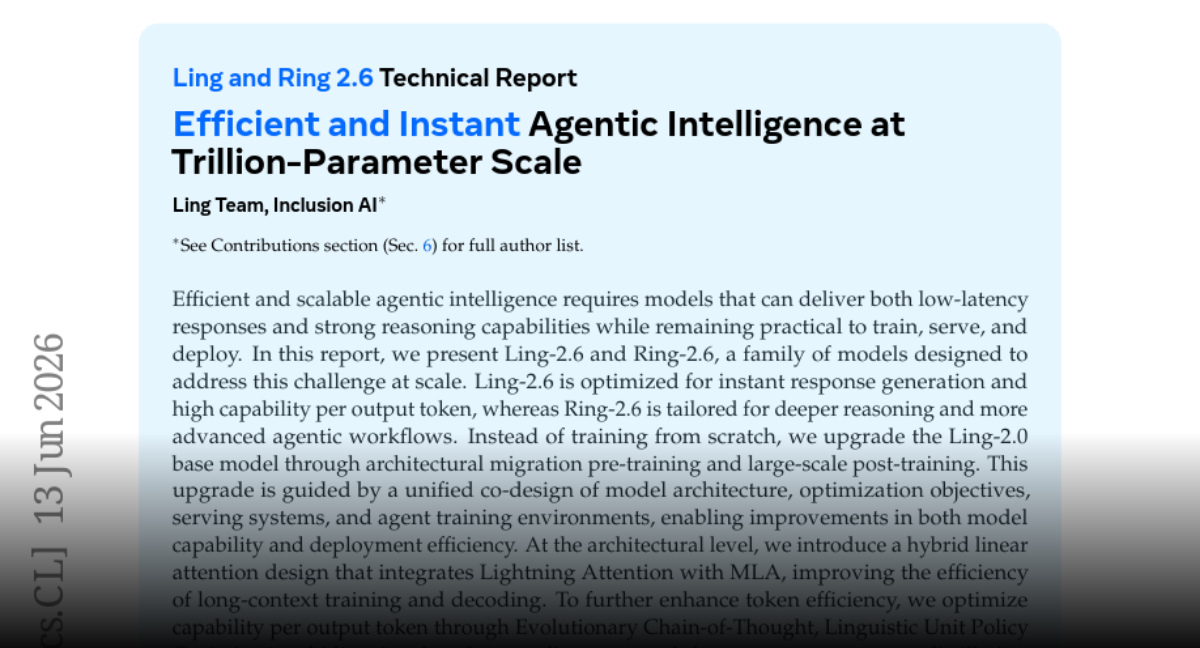
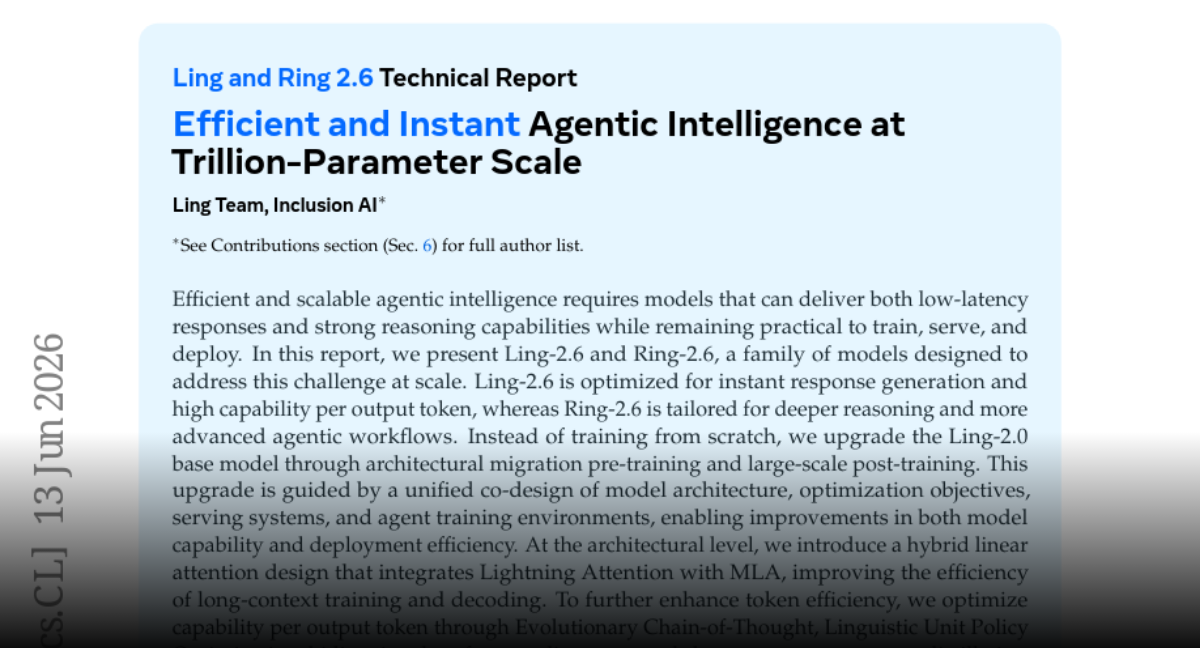
Ling & Ring 2.6 technical report is out, with two open-weight base models. We co-design model + system across architecture, training, and agentic capability: • 7:1 hybrid linear attention • KPop for stable agentic RL: SWE-bench Verified 76.28% • ~4× token efficiency https://
https://t.co/3pkQAgYRnU
New post: Huge technological revolutions aren't usually positive for those living through them - and this bodes poorly for AI even if it is a normal technology. https://t.co/R0G1lHThlk
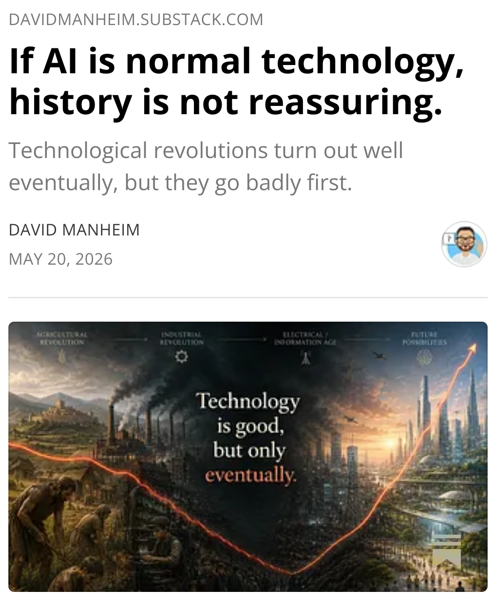
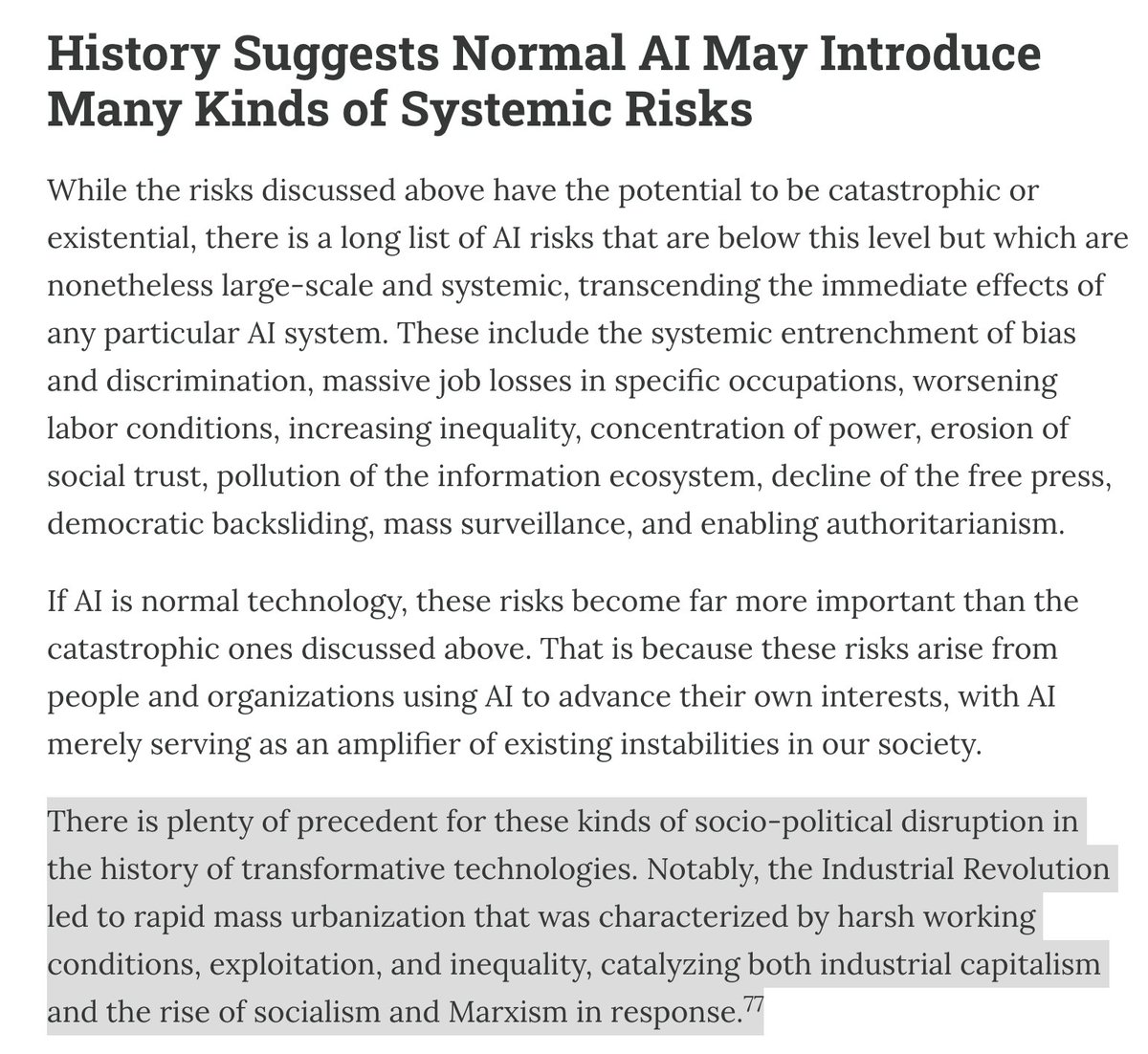
Not only is this largely consistent with our views, it is a big part of the reason why we wrote AI as Normal Technology in the first place! Past technological revolutions led to a lot of misery in the short term, and maybe we can do better this time if we more proactively address these "normal" harms.
New post: Huge technological revolutions aren't usually positive for those living through them - and this bodes poorly for AI even if it is a normal technology. https://t.co/R0G1lHThlk
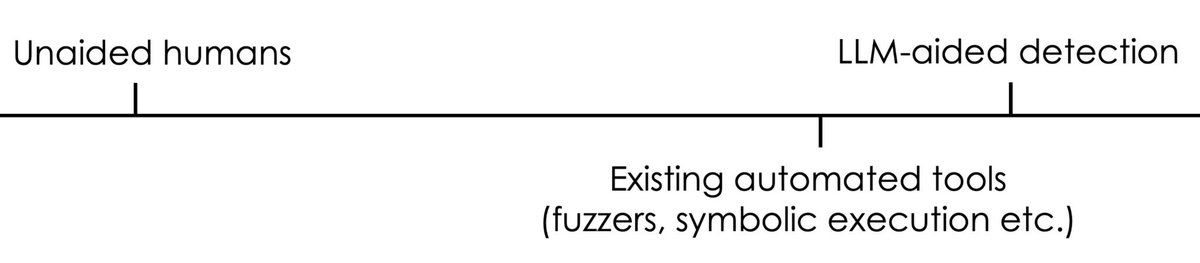
Eight key points from the most recent essay in the “AI as Normal Technology” series by @sayashk and me. Do AI Risks Require Extraordinary Government Intervention? 1. There is general consensus that AI is so far a “normal” general purpose technology when it comes to its economic and labor market impacts, but there is debate about whether its safety risks are so abnormal as to warrant extraordinary government responses. 2. What are these “extraordinary” government interventions that are problematic in a liberal democracy? They tend to (1) be based on anticipated harms rather than realized or demonstrated ones (2) impose burdens on actors not directly responsible for the harms (3) enacted with unilateral authority, bypassing the normal process of governance. 3. Voluntary commitments and export controls are relatively modest interventions. But we must recognize that the most they can accomplish is buy us a few months of time. Unlike nuclear nonproliferation, AI lacks a physical bottleneck like enriched uranium. 4. So AI nonproliferation risks creating a slippery slope as AI capabilities continue to advance. We might quickly enter a state where governments exercise control over what AI research and products can be shared publicly. Advocates for nonproliferation must state what their bright lines are — otherwise it’s reasonable for skeptics to assume that there will be escalating calls for more authoritarian interventions down the line. 5. Nonproliferation is brittle because it relies on a single chokepoint. The dam will break — it’s a matter of when, not if. Our preferred approach is resilience, which distributes defenses across society. 6. While LLM-aided cyber-vulnerability detection is powerful, it is not as if we have superhuman vulnerability detection for the first time! This stylized spectrum of vulnerability detection capability (see image) illustrates that we crossed that point long ago. And we managed to navigate the transition without imposing any restrictions on the tools. Today we use them effectively for defensive purposes. Of course, the transition wasn’t smooth or painless. 7. A resilience approach to AI cyberrisk would emphasize things like AI-assisted red-teaming not just for tech companies, but for schools, hospitals, power grids, small businesses, and government systems that currently lack the capacity for defense. 8. But if resilience is so helpful, why haven't we prioritized it already? The problem is we are not great at normal policymaking. It requires polycentric governance in which many decision-makers work harmoniously together. This is a tough sell given that state capacity in the United States has been hobbled by decades of accumulating veto points and creeping proceduralism. As a result, unilateral actions by the executive branch are often seen as the way out for developing and enforcing AI policy. So we understand why extraordinary government interventions are tempting. But AI is not the last digital technology that will pose major risks, nor is this the last round of AI capability improvements. Getting our policy act together is hard, but important—not just to address the current challenges, but for all future responses to technology-enabled harms, and for the democratic process to work more generally. Full essay published on the @knightcolumbia website: https://t.co/H2Ep0CFv1E
Whatever AI sceptics say, LLMs really can reason. They're not just doing an imitation that looks like reasoning, it's the real deal. But even though they are able to reason, sometimes they won't! If you ask an LLM a question it can't answer, sometimes it will just try to imitate reasoning without doing it. The chain of thought looks basically indistinguishable from actual reasoning. But under the hood something very different is going on. @TrentonBricken talked with me about what work on circuits inside LLMs has revealed: