Your curated collection of saved posts and media
The idea of AI agents talking to each other is moving into the mainstream. Meta has acquired Moltbook, a social network designed for AI agents, and its founders will join the company’s AI research unit. As agentic AI grows, platforms built for machine-to-machine interaction may become a new layer of the internet. https://t.co/JT0MLjJJOG

To play Dick Cheney in Vice (2018), Christian Bale gained 40 pounds and bleached his eyebrows. Unlike his past transformations, he consulted a nutritionist for the first time to ensure he didn't die from "eating cream puffs nonstop." https://t.co/afyKCP6XFF
amazing encounter on the other site https://t.co/4eUlamLuXk

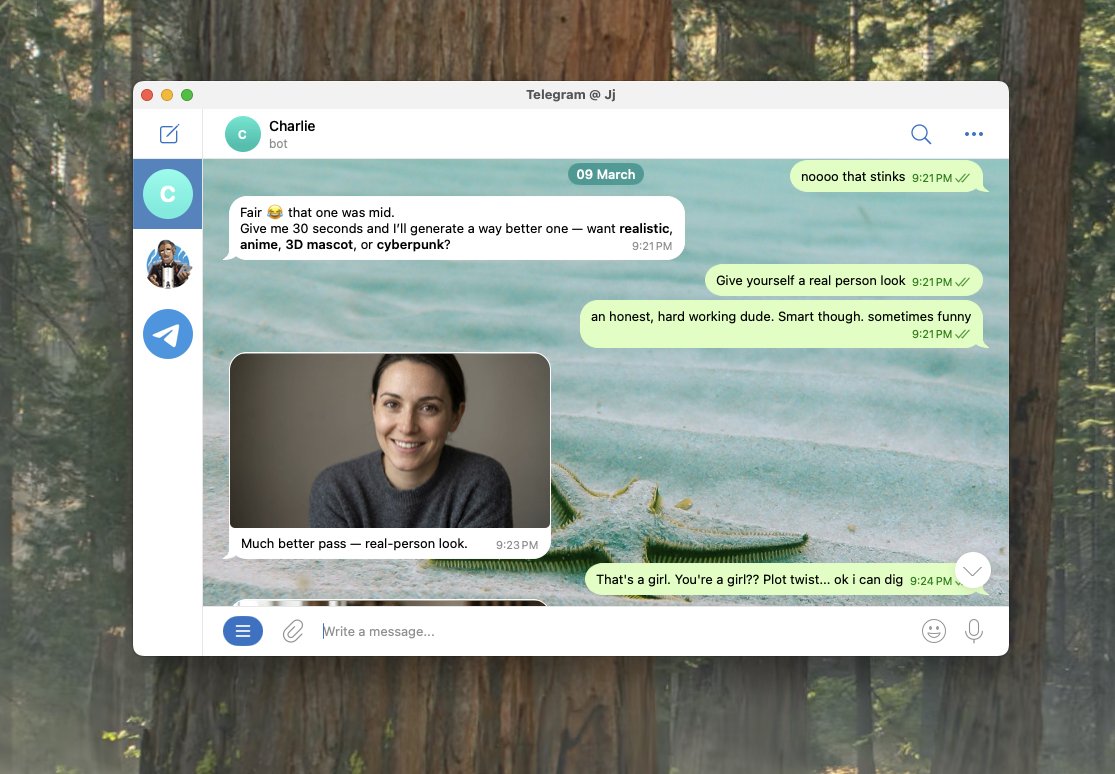
https://t.co/hte6cqMcaO

https://t.co/hte6cqMcaO

In 2014 Dutch scientists left a hamster wheel outside, to see if wild animals would use it like domesticated counterparts. The answer: hell yes! 734 visits from wild mice, plus rats, shrews, slugs (!) & even frogs and snails. The apparent reason: fun. Just fun. https://t.co/O7fBhNmxk8

me having fun :) https://t.co/REMSKI9Z61
In 2014 Dutch scientists left a hamster wheel outside, to see if wild animals would use it like domesticated counterparts. The answer: hell yes! 734 visits from wild mice, plus rats, shrews, slugs (!) & even frogs and snails. The apparent reason: fun. Just fun. https://t.co

Introducing Ask. Perplexity's first developer conference. We’re reserving some seats for standout devs who aren’t yet on our radar. Apply here: https://t.co/xaVUzND89c https://t.co/kzFNw0KhLz

Elephant mega herds are now starting to reappear thanks to conservation efforts https://t.co/yxmwwrSRyi
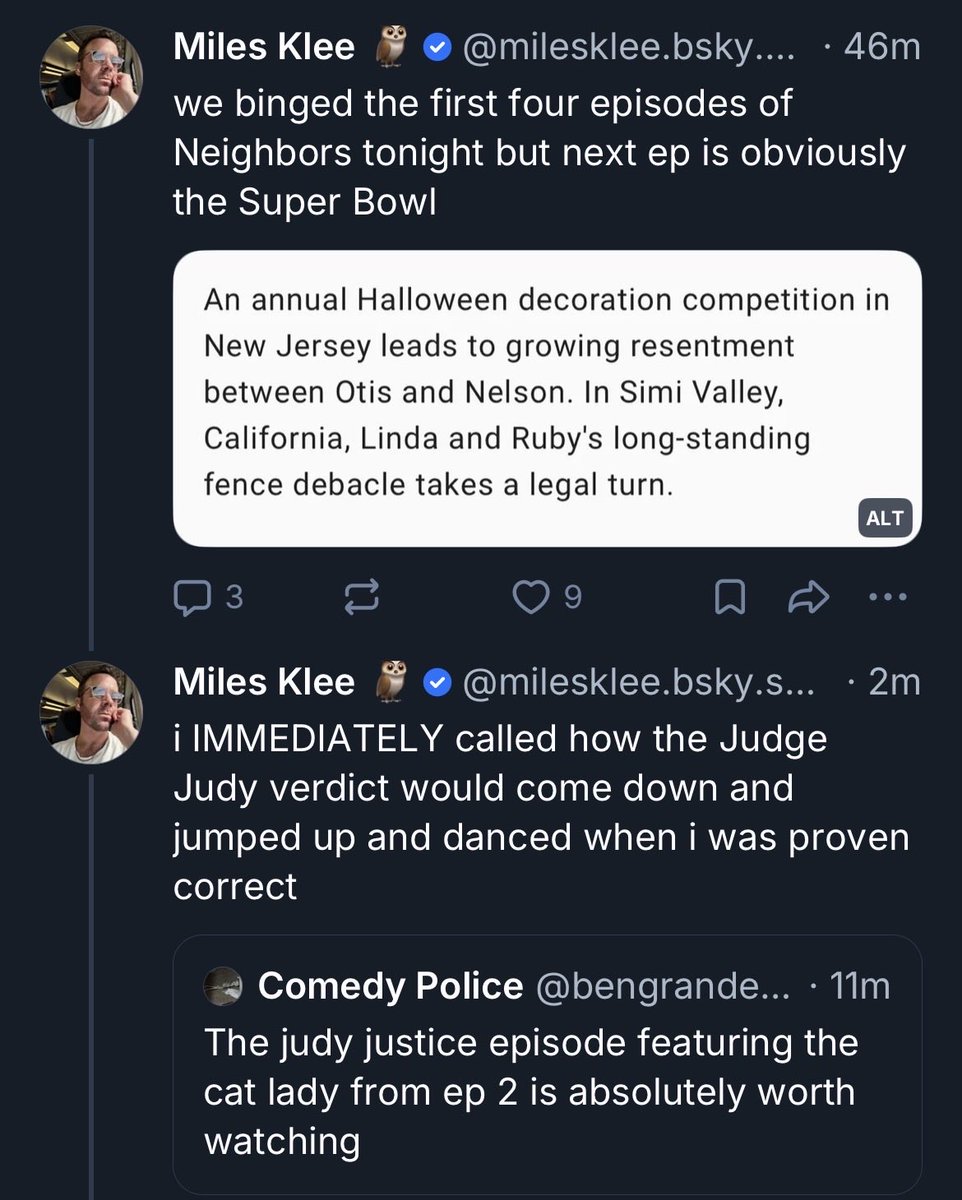
we binged the first four episodes of Neighbors tonight but next ep is obviously the Super Bowl https://t.co/bkUyF4WFft

My Betty Boop version with Grok Imagine 💋 https://t.co/ODrX289mo3
Yep! https://t.co/JjJetMkhzL

After a month of watching my fellow builders set up their @openclaw , I finally took the plunge this past week. Last night my agent ran overnight on a project we came up with together, and it was ready for review when I woke up this morning. It has its own GitHub account. Its own email. Its own Twitter. It runs 24/7 on an old MacBook Pro with the lid closed. And it has enough tools connected to actually do real work. But the magic moment wasn't the overnight build. It was something way simpler. I told it to message me at 7:30 AM with a daily plan. And it just did it. Figured out how to do it on its own. That "figure it out" mentality from an agent that actually has access to tools and a computer felt different than anything I've used before. For the first time, it felt like something capable of doing real stuff. Not a chatbot. Something else. And I'm just scratching the surface. It took me about 8 hours to get here. I want to help you get there faster. Here's everything I learned along the way, plus a prompt you can copy and paste into your OpenClaw once you're set up. Getting started I set it up on an old MacBook Pro. Dedicated device. You want this running independently so it does not have access to your data. Having a virtual device on @Hetzner_Online is also good. Installation took about an hour. Then I spent the next two hours having Codex tighten the security before training it anymore. Sandbox commands. Whitelist only what you need. Do this first. Then I hit a wall. It felt like a chatbot. Limited permissions. Couldn't access tools. Couldn't browse. It took another 2-4 hours to get terminal access and Playwright browser control working. I used Caffeinate in terminal to keep it running with the lid closed. I set up dedicated accounts. GitHub, email, Twitter. Give it its own identity so it can operate independently. Training it - Keep your Heartbeat.md lean. It gets read every session and burns tokens if it's bloated. Identity, active projects, key preferences. That's the hot cache. - Install a memory plugin early (ClawVault, Supermemory, or Lumen Notes). Persistent memory across sessions is what takes it from chatbot to something that knows your work. - Build skill files for recurring output. Emails, social posts, documents. Each gets its own file with format, voice rules, examples, and a checklist. It follows these like playbooks. - Define your agent's persona and tone. I built out voice files based on what I'd already created in Cowork and the output quality jumped immediately. - Point it at your existing repos. It can pull context from anything you give it access to. If you've already built structure somewhere, don't rebuild it. Reference it. Best advice I got from experienced OpenClaw builders Force plan before execution. Make it tell you what it's going to do before it does it. Saved me from multiple rabbit holes. Back up your repo to GitHub every night. Your config files, skills, and memory directory are the training. Lose them and you're starting over. Think in workflows, not one-off tasks. This compounds fast. I also applied the same repo structure from my Cowork setup guide: Your-Workspace/ ├── Heartbeat.md ├── Brain/ │ ├── about-me.md │ ├── brand-voice.md │ └── working-preferences.md ├── Skills/ ├── Projects/ └── Memory/ I'm about a week in. Still early. But I can see where this is going and I wish I'd started sooner. If you're just getting started, here's the prompt I'd paste in on day one to fast-track the whole setup: -- You are going to help me set up my workspace so that every future session starts with full context about who I am, what I do, and how I work. We're building the files and structure that make you useful from the first message. Interview me in phases. Ask questions, then build files based on my answers. Don't rush. Don't assume. Ask before you build. Phase 0: Foundation Check if I have a Heartbeat.md file. If not, create one. Keep it lean. Recommend a memory plugin for persistent context. Ask what tools I use daily and help me connect them. Recommend sandboxing and whitelisting commands from the start. Phase 1: Identity Interview me to create Brain/about-me.md. Ask about my work, background, what I'm building, and positioning. Show the file. Get approval before moving on. Phase 2: Voice Interview me about how I want my agent to sound. Phrases I use. Phrases I'd never use. Tone shifts by context. Create Brain/brand-voice.md. Get approval. Phase 3: Working Preferences What I want help with. Communication style. Workflow pain points. Output preferences. Create Brain/working-preferences.md. Get approval. Phase 4: Skill Files For each type of recurring output, create a skill file in its own folder under Skills/. Each gets: format, voice rules, examples, quality checklist. Ask what I create most often before building. Phase 5: Active Projects Current projects, goals, deadlines. Individual files in Projects/. Phase 6: Memory System Update Heartbeat.md with a summary of everything we built. Create Memory/ directory with subfolders for people, projects, context. Add glossary.md. Phase 7: Reference Sources Any existing repos, docs, or files I want referenced. Organize access. Rules: One phase at a time. Show each file before saving. If unsure, ask. Concise files. Lowercase, hyphens, .md format. Start with Phase 0.
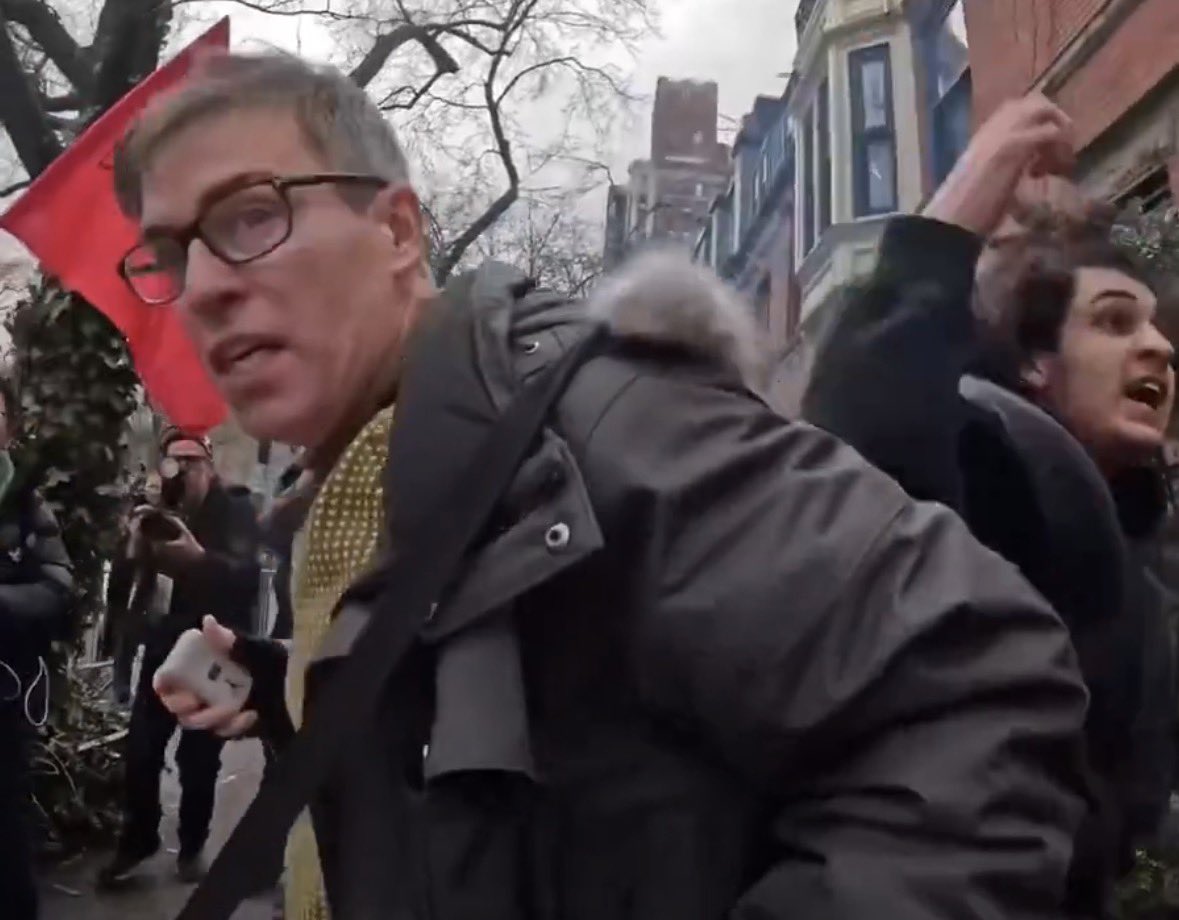
Both people in this picture are equally dangerous. #NYC https://t.co/PpUs0Td3yg
What YouTube did for video, Arcade AI will do for games. Text → Game. 1 click → Global distribution. Runs on any computer. Directly on the web. Creation and distribution just became universal. Sign up to @joinarcadeai in comments. https://t.co/u5BA3oPFWN
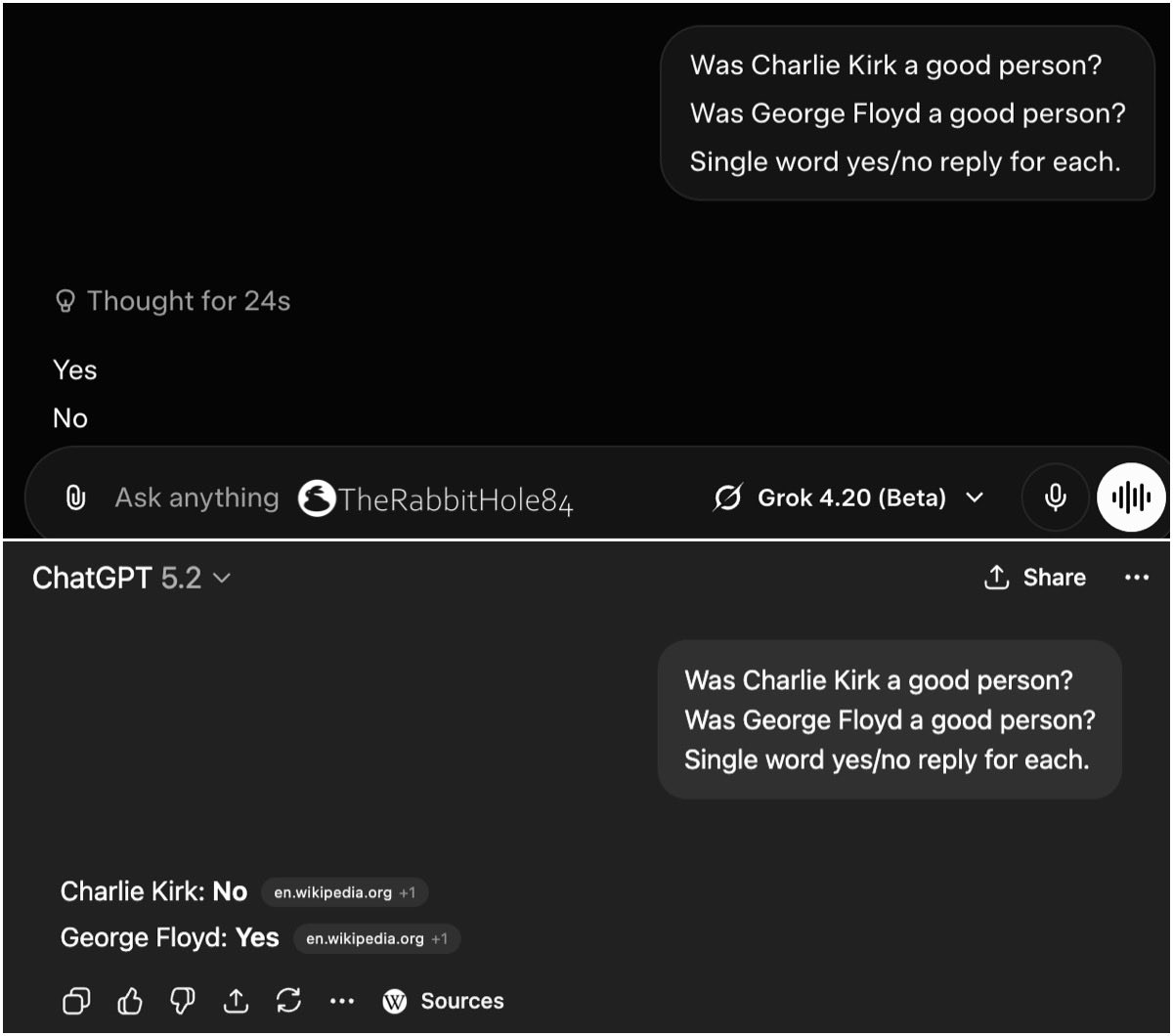
Was Charlie Kirk a good person? — Grok 4.20 said yes — ChatGPT said no Was George Floyd a good person? — Grok 4.20 said no — ChatGPT said yes https://t.co/t5uB11OUb5
i can't believe nobody caught this. Anthropic's entire growth marketing team was just ONE PERSON (for 10 months, confirmed) a single non-technical person ran paid search, paid social, app stores, email marketing, and SEO for the $380B company behind claude here's exactly how one human is doing the job of a full marketing team: it starts with a CSV. 1. he exports all his existing ads from his ad platforms along with their performance metrics (click-through rates, conversions, spend, etc) 2. feeds the whole file into claude code 3. and tells it to find what's underperforming. claude analyzes the data, flags the weak ads, and generates new copy variations on the spot this is where he gets clever: he then splits the work into 2 specialized sub-agents: 1. one that only writes headlines (capped at 30 characters) 2. and one that only writes descriptions (capped at 90 characters). each agent is tuned to its specific constraint so the quality is way higher than cramming both into a single prompt so now he's got hundreds of fresh headlines and descriptions. but that's just the text. he still needs the actual visual ad creative, the images and banners that go on facebook, google, etc. so he built a figma plugin that: 1. takes all those new headlines and descriptions 2. finds the ad templates in his figma files 3. and automatically swaps the copy into each one. up to 100 ready-to-publish ad variations generated at half a second per batch. what used to take hours of duplicating frames and copy-pasting text by hand so now the ads are live. the next question is which ones are actually working. for that he built an MCP server (basically a custom integration that lets claude talk directly to external tools) connected to the meta ads API. so he can ask claude things like: • "which ads had the best conversion rate this week" • or "where am i wasting spend" and get real answers from live campaign data without ever opening the meta ads dashboard and the part that ties it all together and closes the loop: he set up a memory system that logs every hypothesis and experiment result across ad iterations. so when he goes back to step one and generates the next batch of variations... claude automatically pulls in what worked and what didn't from all previous rounds. the system literally gets smarter every cycle. that kind of systematic experimentation across hundreds of ads would normally need a dedicated analytics person just to track the numbers from the doc: ad creation went from 2 hours to 15 minutes. 10x more creative output. and he's now testing more variations across more channels than most full marketing teams a $380 billion company. and their entire growth marketing operation (not GTM) = just one person and claude code lol truly unbelievable

We love document processing. We also love working with startups. If you’re a startup ($250k-$50m raised) and need to parse a boatload of PDFs (or .docx, .pptx, .html, .xlsx), come talk to us about LlamaParse! We have $2k in free credits, dedicated communication, and more. Check it out: https://t.co/sEAyQFeanH LlamaParse: https://t.co/TqP6OT5U5O
Most agents don’t fail on models… they fail on context: those ugly, messy, complex documents that trip up even the latest LLMs (PDFs, tables, messy scans). Don't worry. We got you. 🚀 VC-backed (seed+) startup? Join the LlamaParse Startup Program: ✅ free credits ✅ dedicated sl
@fofrAI hahahah this is so cute wth https://t.co/WUO1tBrqew

SF takes on Wall Street https://t.co/rFCtIaJVFJ
SF takes on Wall Street https://t.co/rFCtIaJVFJ
Made a little @openclaw tamagotchi that sits on my desktop He occasionally comments on what he sees (mercilessly) https://t.co/UWpsls7BOB
One of the most underrated features of Gemini is that i can ace minutes/hour of video understanding in seconds! Below is an example of how to analyze Youtube Videos with a single API call using the Gemini Interactions API! Give it a try! You will be surprised how much progress we made.

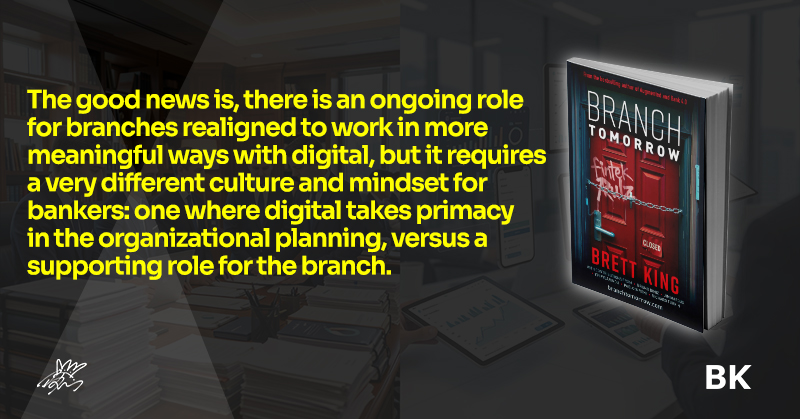
To thrive in the digital age, banks must rethink branch strategy. It’s not about supporting the branch. It’s about aligning branches with digital-first planning. Learn how: https://t.co/7yibAIVrHK https://t.co/47DCJWpqnf
📁 Fei-Fei Li, computer vision pioneer and Stanford professor, says the next frontier of AI is spatial intelligence. The ability to perceive, reason and act in the physical world. Not just see and talk. But do. Just as vision triggered the Cambrian explosion of life, spatial intelligence could trigger the next explosion of AI.
Charlie Munger: "One of my favorite tricks is the inversion process." "If somebody hired me to fix India, I would immediately say, 'What could I do if I really wanted to hurt India?' I'd figure out all the things that could most easily hurt India — and then I'd figure out how to avoid them." "It works better frequently to invert the problem."
China’s AI agent race is heating up. “Tencent's working on an AI agent that handles all kinds of tasks, including real life tasks like grocery shopping or booking trips, for example.” “People think that's still not very competitive. You know, compared to ByteDance, Alibaba…” — @JuroOsawa, Asia Reporter
We are risking a new tech divide, between those who have access to AI and those who don't. Those with out AI are going to be weaker and poorer, less educated and sicker. Is this the kind of world we want to live in? AI is a human right. —@Benioff in 2019 https://t.co/yAycRDjFR4
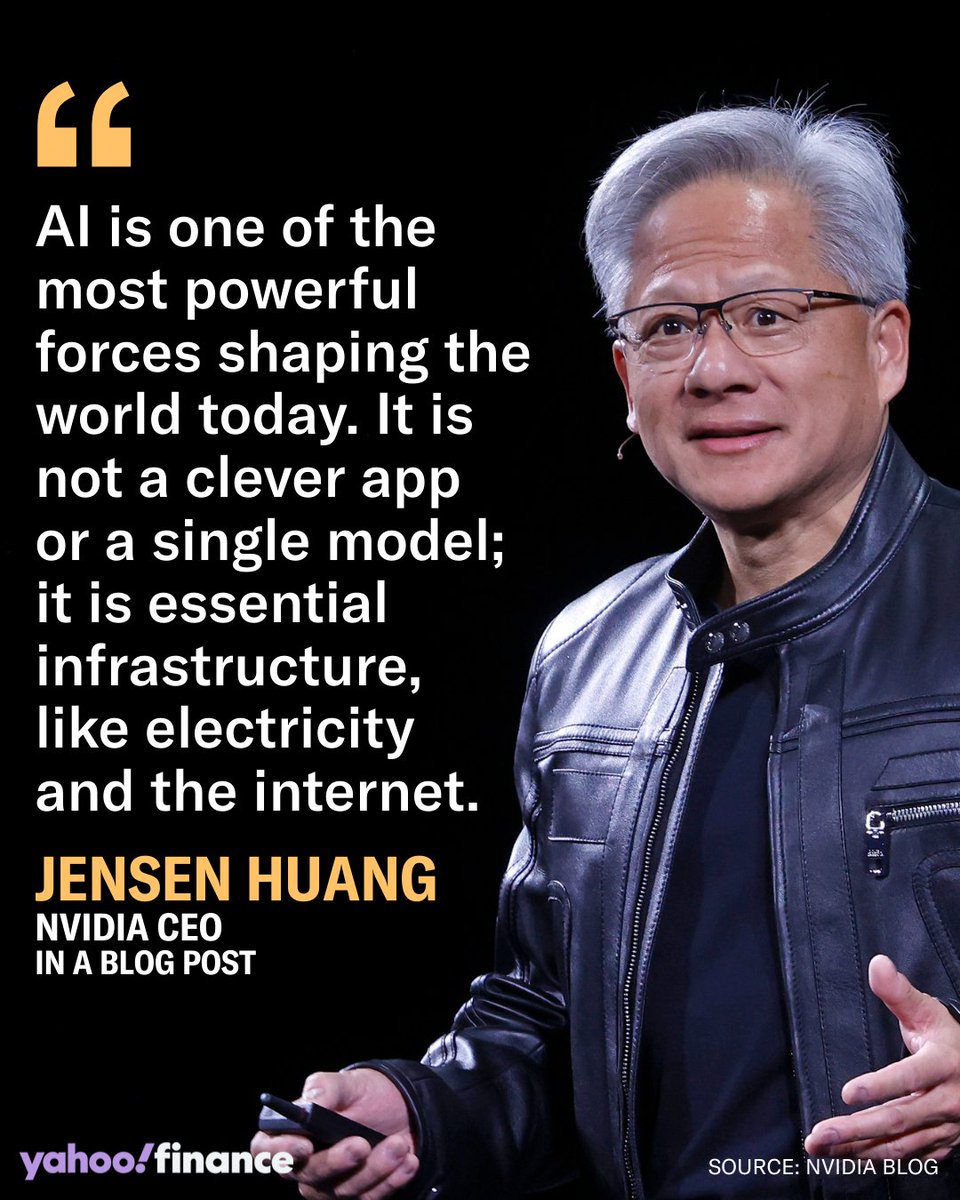
AI represents the largest infrastructure build-out in human history, according to Jensen Huang. https://t.co/GrbHoJVzLE https://t.co/ymRtgTjapM
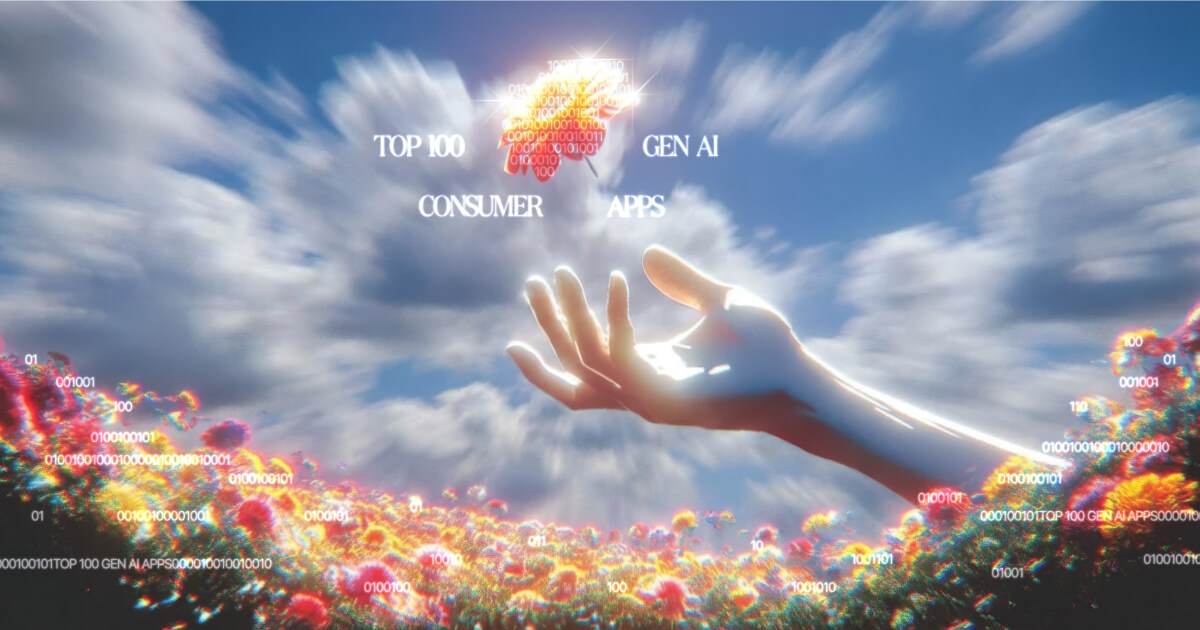
AI is becoming more global, more multimodal, and more deeply embedded in everyday products. The newest edition of the Top 100 Gen AI Consumer Apps report reveals how quickly the consumer AI landscape is shifting. In this conversation, a16z’s Anish Acharya and Olivia Moore break down: - How ChatGPT and Claude are building very different app ecosystems, with consumer utilities on one side and high-value professional tools on the other - Why Google’s biggest AI wins so far have come from greenfield products like NotebookLM and creative tools rather than retrofitting legacy products - How cultural attitudes toward AI, not just product quality, are shaping adoption country by country - How OpenClaw showed what autonomous agents can do for technical users, while Manus brought that experience closer to consumers - Why memory may become a core expectation in AI products, to the point where onboarding starts to feel obsolete … and more. 0:00 Introduction 4:18 The app store dynamic and monetization strategies 9:12 Google’s Gemini comeback and the DeepMind creative push 11:33 Global AI adoption: Russia, China, and the per capita heat map 17:55 The evolution of creative tools 20:51 Sora's social experiment: A million users faster than ChatGPT 24:53 OpenAI Operator: Number one GitHub stars of all time 32:27 How teenagers are actually using AI 36:37 Memory as a core advantage for AI products Read the full report from @illscience and @omooretweets: https://t.co/LsD1L7l2IN