Your curated collection of saved posts and media
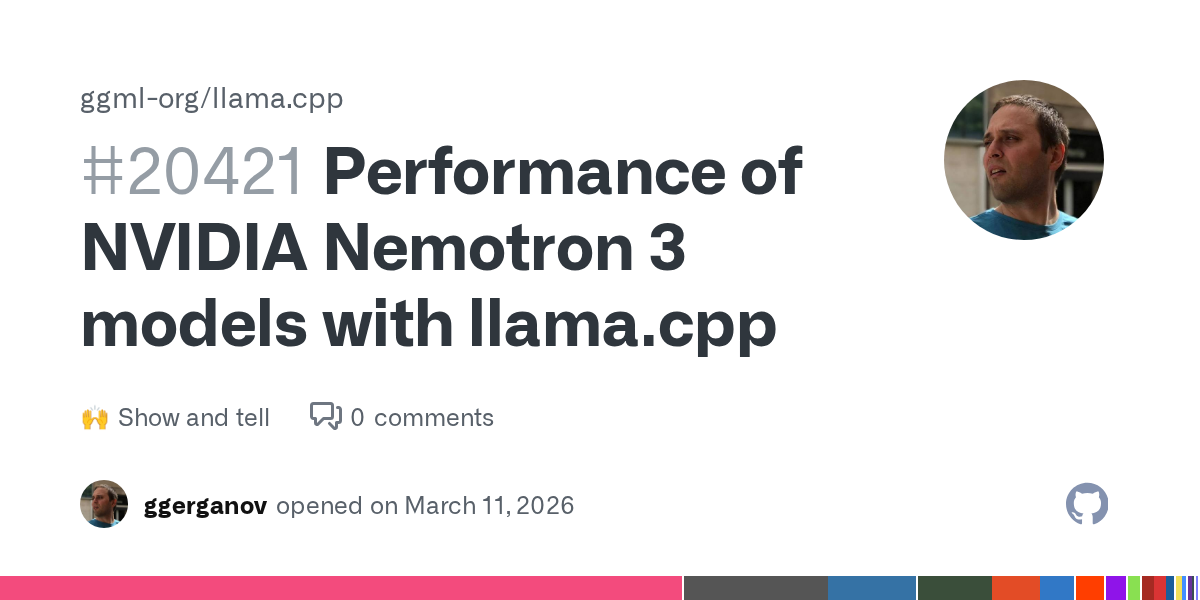
GGUF model on Hugging Face: https://t.co/0XP7qr5s6P Find initial llama.cpp performance metrics at: https://t.co/lRWuzlmsGV
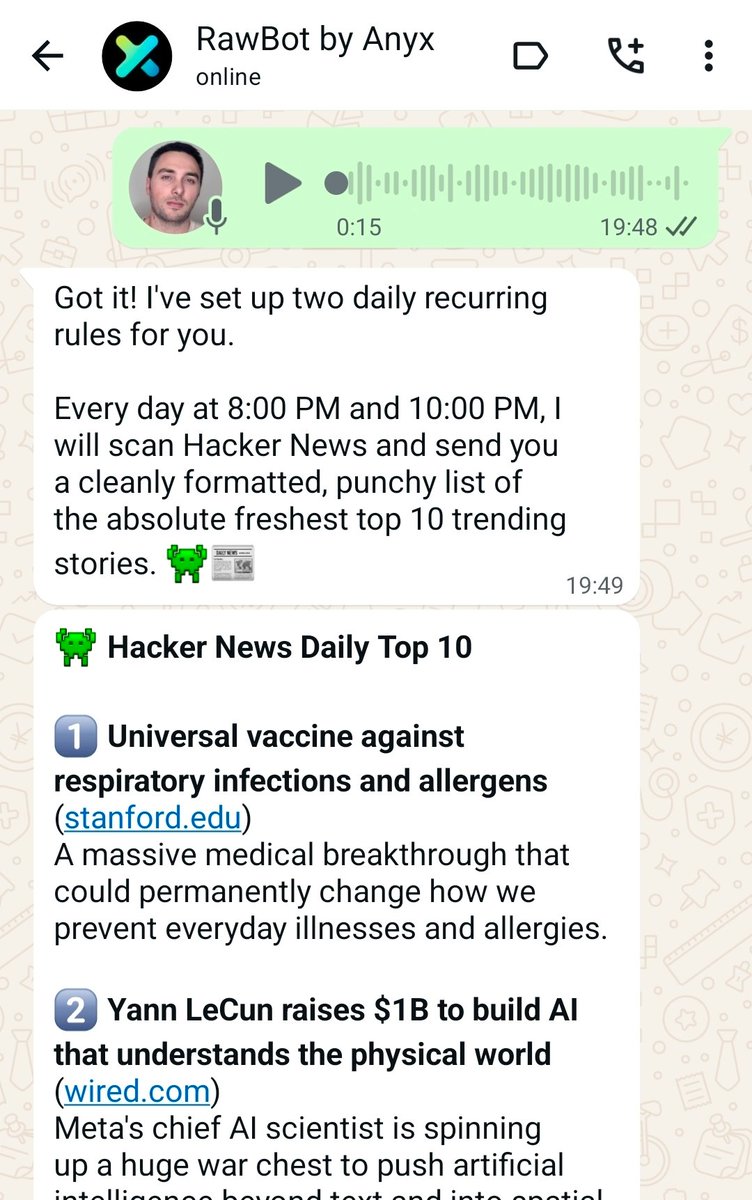
Sent a 15-second voice note to my WhatsApp AI Co-worker. Now I get a cleanly formatted, highly curated feed of the top 10 Hacker News stories sent to me every single night at 8:00 PM. No more doom-scrolling required. The signal comes straight to me. You don't need any technical skills, servers, or complex automations... It's fully managed and secured. Just log in and talk with Anyx in WhatsApp, in any language. It has you covered out of the box with reminders, deep integrations, live research, and proactive tasks handled automatically—it's the real AI Co-worker in your pocket. Building your own autonomous media feed with Anyx is basically a superpower. 👾🚀
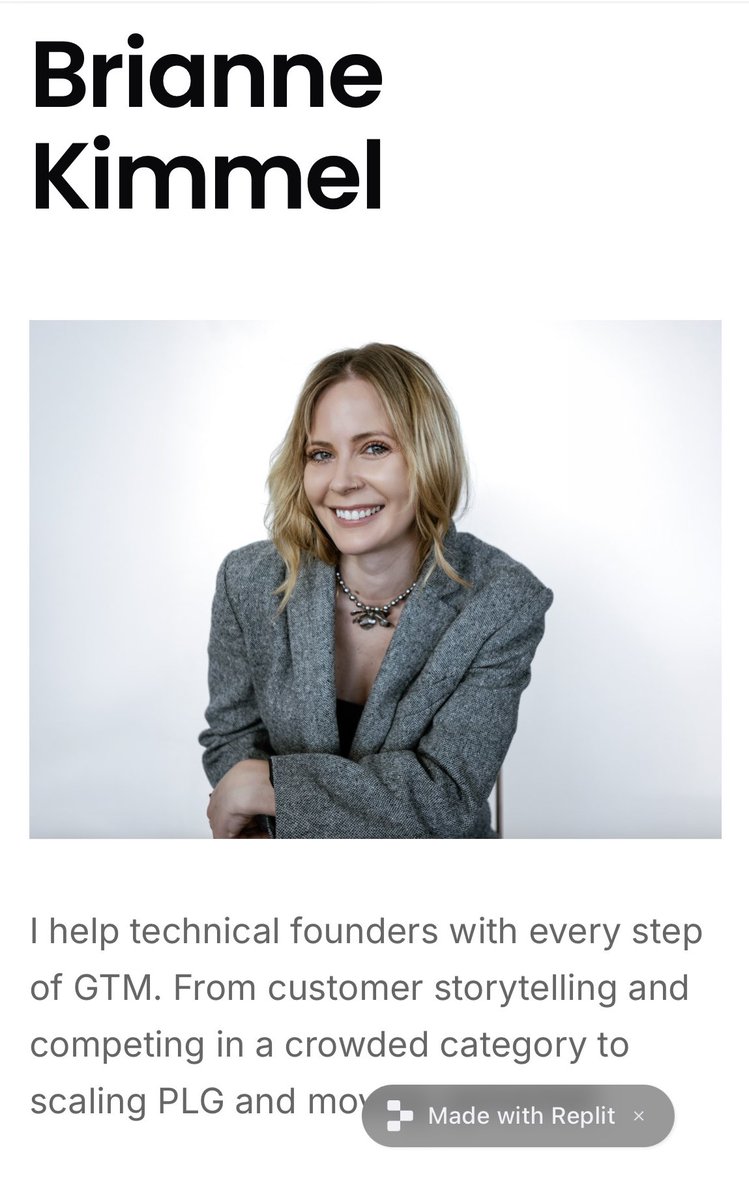
Whipped up a website for my advising and consulting in less than 20 minutes using new Replit Agent 4. Feels like any project on the back burner can now get done on your lunch break. https://t.co/JlVrN8lgAt https://t.co/s4Fs0SvkC9
Introducing FREE TaxPass from @fondocom We've helped thousands of startups like Legora, Cursor, ElevenLabs, and PostHog get their corporate taxes filed Startups shouldn’t have to juggle bookkeeping and tax filings with different providers Starting today, when you sign up for monthly bookkeeping, your first year of corporate taxes are filed for free (save $1,950+): • Delaware Franchise Tax • Federal Corporate Tax (Form 1120) • 1 State Corporate Tax filing We’ll also handle Form 5472 if you’re an international founder. All filed by our CPA-led team. If you’re a Delaware C-Corp and haven’t filed yet: https://t.co/3aKOWBI9Hj
🔥 Excited to launch a multi-year partnership bringing Fireworks AI to Microsoft Azure Foundry. At @FireworksAI_HQ, our mission is simple: make the world’s best AI models run faster, smarter, and reliably at scale. Over the past year we’ve helped teams move generative AI from demos to real production systems - copilots, agents, and beyond. By bringing Fireworks directly onto @Azure , developers and enterprises can now run high-performance inference for leading open models inside the Azure ecosystem they already trust for security, compliance, and global scale. For us, this partnership is about one thing: removing the friction between great models and real products. Together, we provide a complete catalog of state‑of‑the‑art open models, all on a platform built to operate and optimized for production quality! More details 👉 https://t.co/SF9SjETWrt
I’m really excited about our new paper! I think we will ultimately need to draw on expertise from both law and AI to get alignment right, and this paper lays out that vision in more detail. As an aside, my PhD thesis was titled ‘Aligning law, policy, and machine learning for responsible real-world deployments’ for a reason. I think this is a very important area, and I’m excited to see so many excellent researchers working together to move it forward.
A must-read blog from Jensen Huang, founder and CEO of NVIDIA. This is what GTC will explore next week. Hope to see you there! https://t.co/UxENbUVLve
🚀 Big moment for the future of gaming. Thrilled to partner with @Xbox and @asha_shar on Project Helix, a multi-year deep co-engineering partnership driving next-gen performance, breakthrough graphics, and compatibility with your existing Xbox game library. Powering the experience: super excited to unveil @AMD FSR Diamond, designed to be natively optimized for Project Helix and deeply integrated into the GDK: • Built for next-gen neural rendering • Next-gen ML-based upscaling • New ML-based multi-frame generation • Next-gen Ray Regeneration for RT & Path Tracing Thank you @Microsoft and Xbox team for an epic engineering collaboration. 20+ years of innovation and we’re pushing it further than ever. FSR Diamond opens up a new dimension of innovation. More to come. Let’s go 🧬
Ya'll need to stop doing this https://t.co/2vwnAZ1FqM
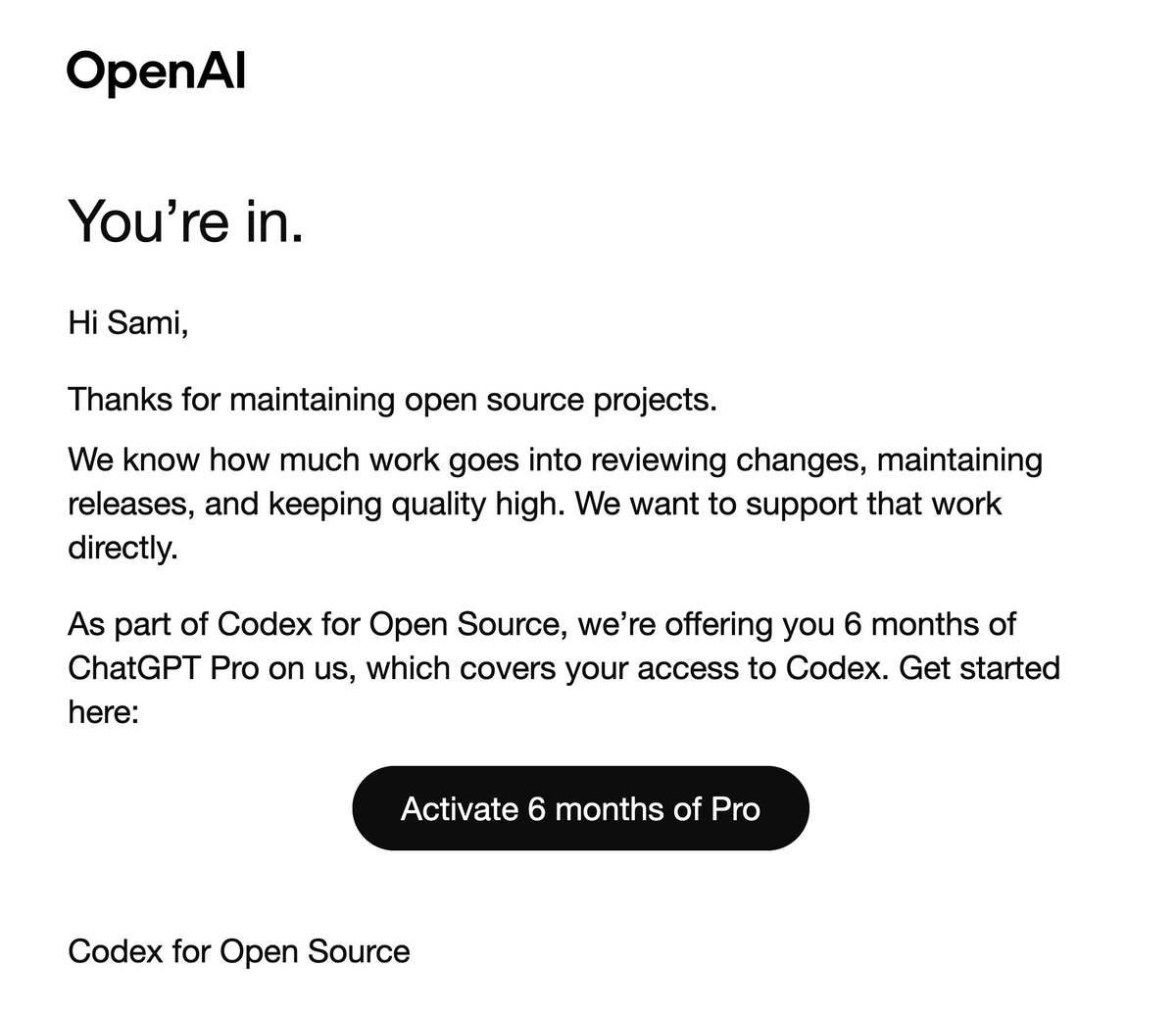
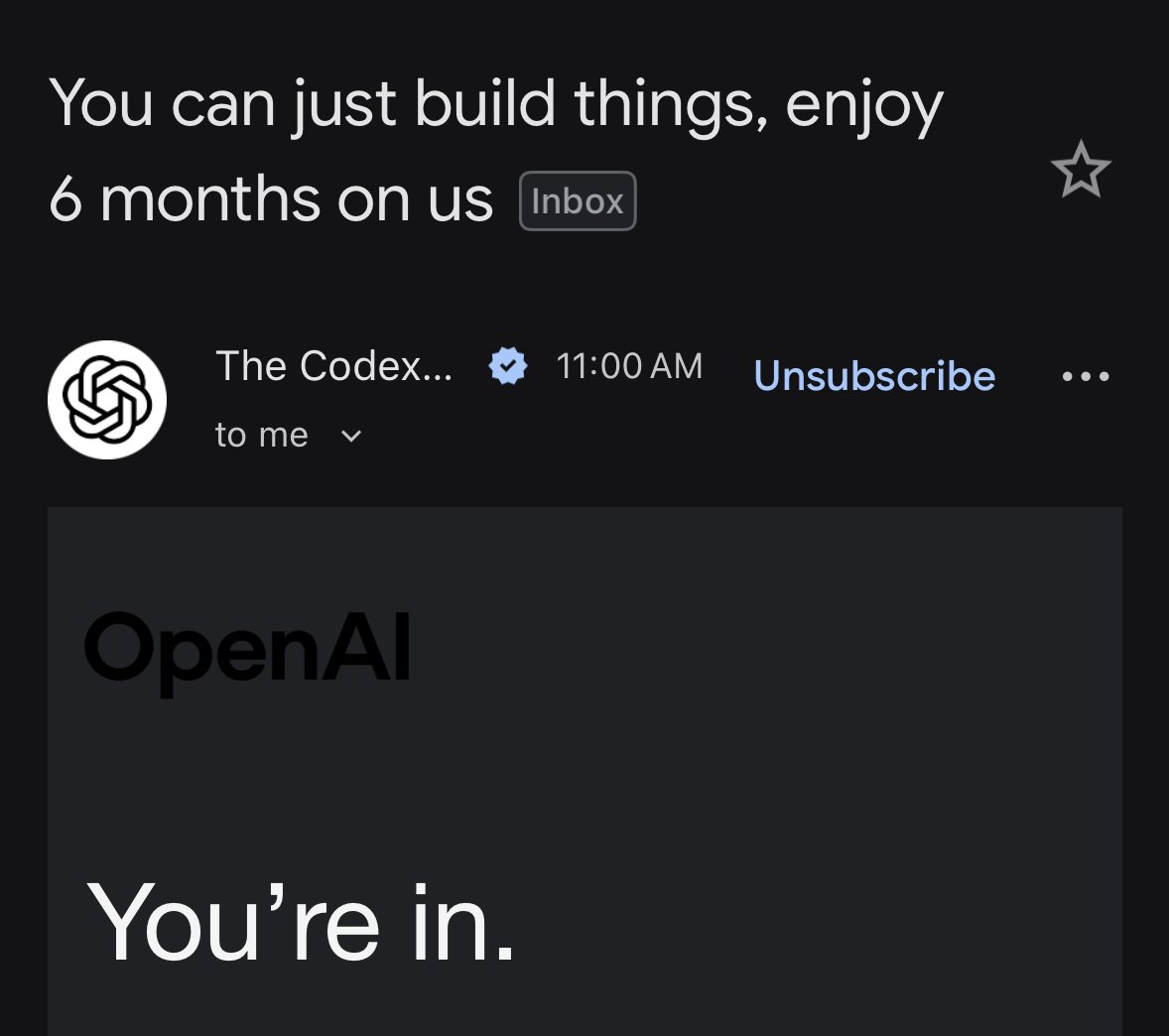
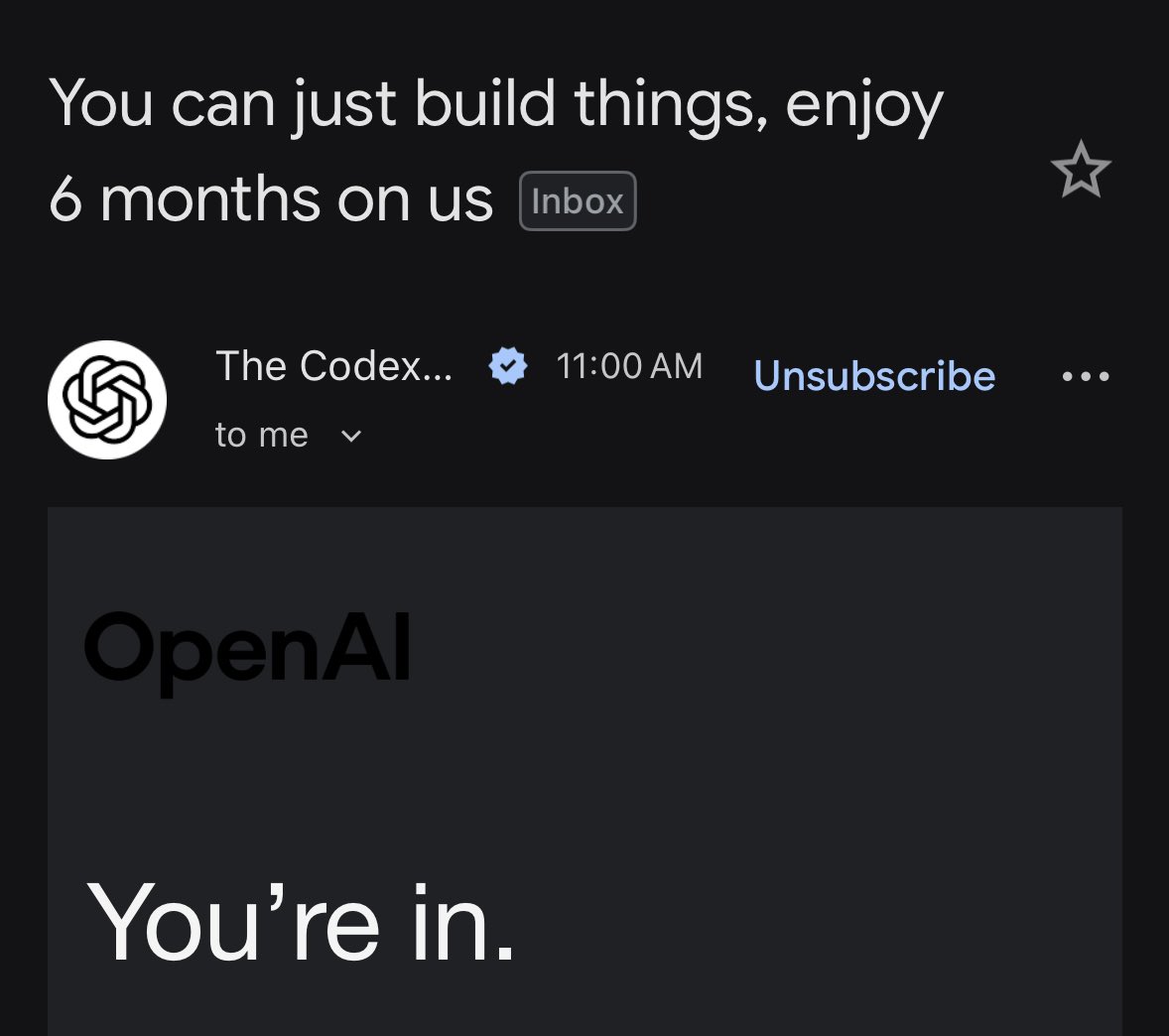
OMFG thanks so much @OpenAIDevs 😭 https://t.co/ovNsbtYGvJ
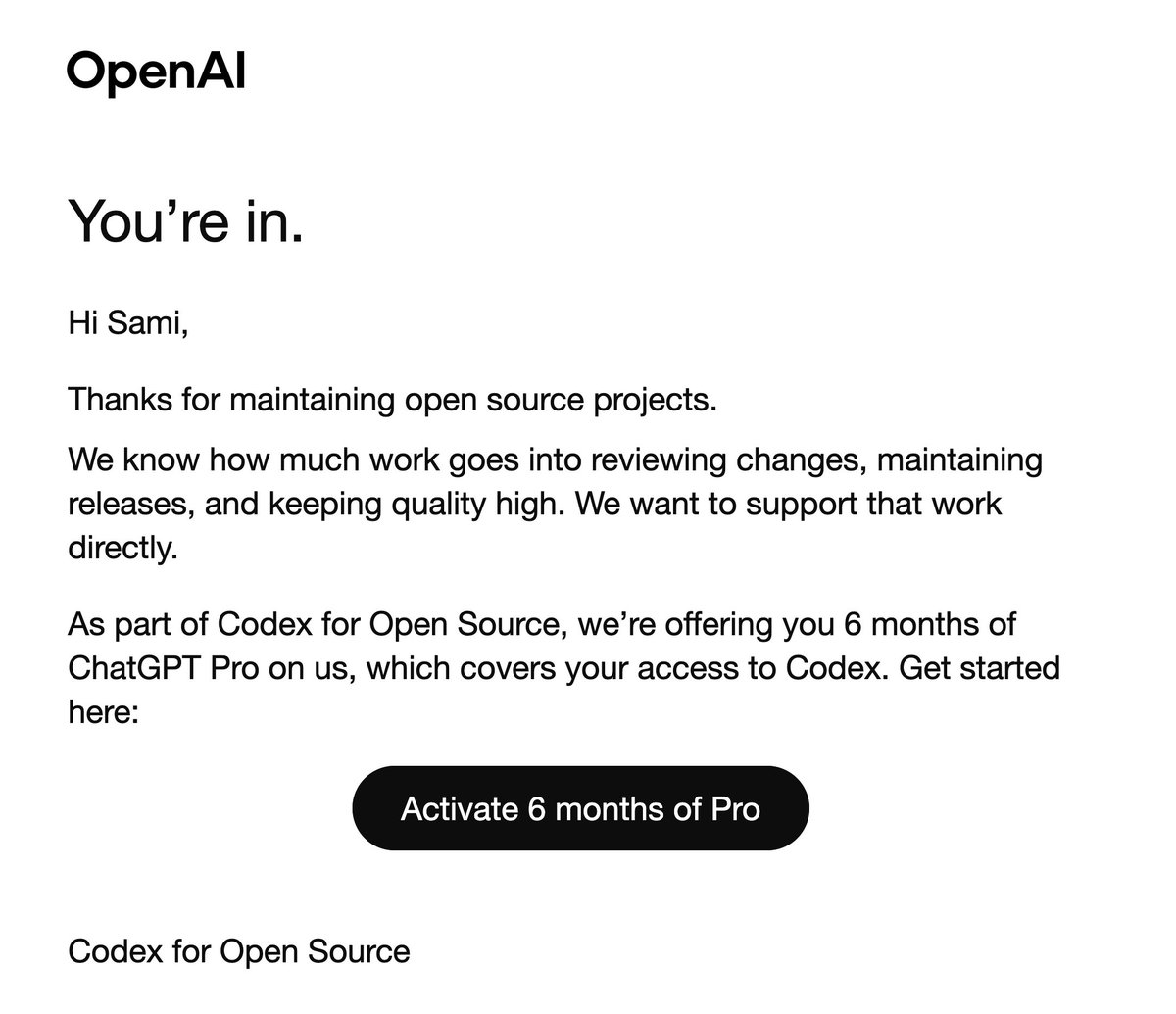
OMFG thanks so much @OpenAIDevs 😭 https://t.co/ovNsbtYGvJ
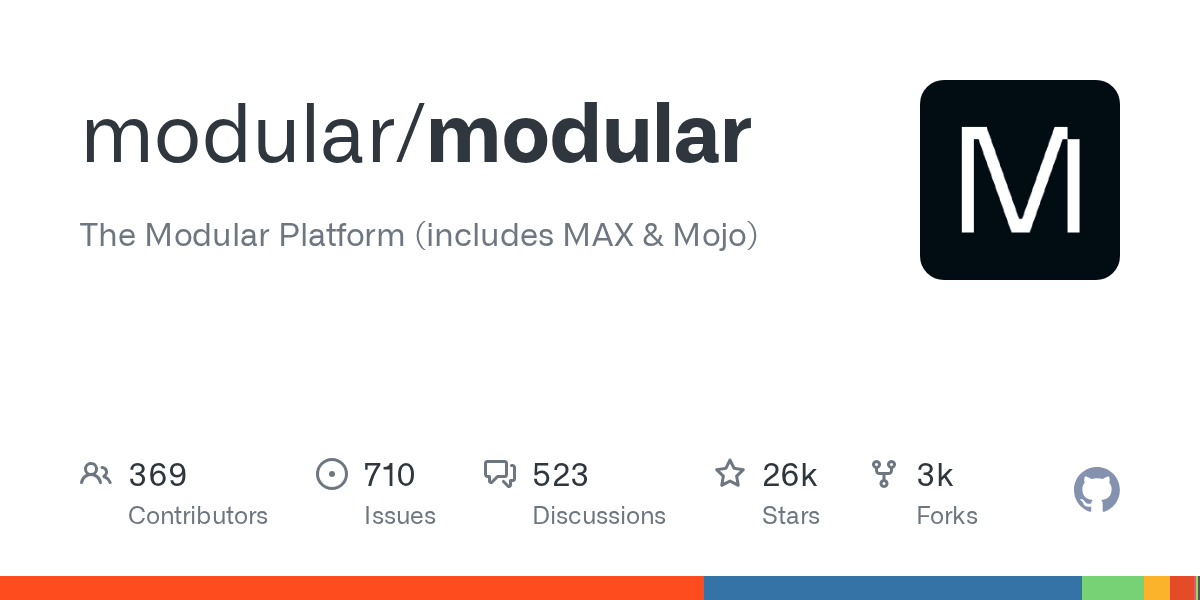
What does AI-assisted GPU kernel development actually look like? We used Cursor and Claude to port NVIDIA's CUTLASS Blackwell conv2d to Mojo 🔥 in one session. 90% matmul reuse, ~770 lines, 6.6x faster than cuDNN on B200 GPUs. All kernels in the Modular repo: https://t.co/Hv6x9rKTeS
I left NotebookLM a few months ago to solve a bigger problem in learning. Today, as the first step, we are launching @WonderingApp for early access. It's Duolingo for anything — turning any topic into a guided path with bite-size visual lessons that can fit into your busy schedule. But you don't sacrifice depth/effectiveness for convenience: Total Control: You decide how deep you want to go, how difficult the material should be, and how personalized the experience feels. Active Learning: We provide the tools you need to practice, test your understanding, and actually apply what you’ve learned. Long-term Mastery: It’s built to help you truly remember and master any subject, not just skim the surface.
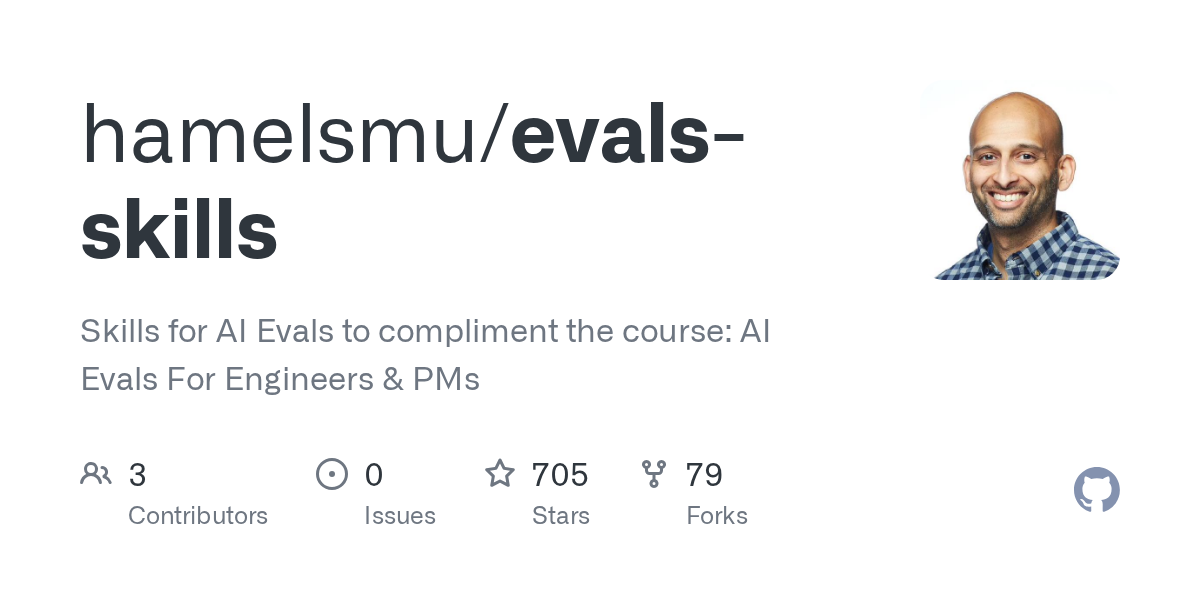
Check out these evals-skills from @HamelHusain: https://t.co/68piUhVf6h You can use skills like write-judge-prompt to critique and improve your LLM-as-a-judge prompts, like making sure they're pass/fail instead of 1-5 scale. https://t.co/gX5dMjCPgB
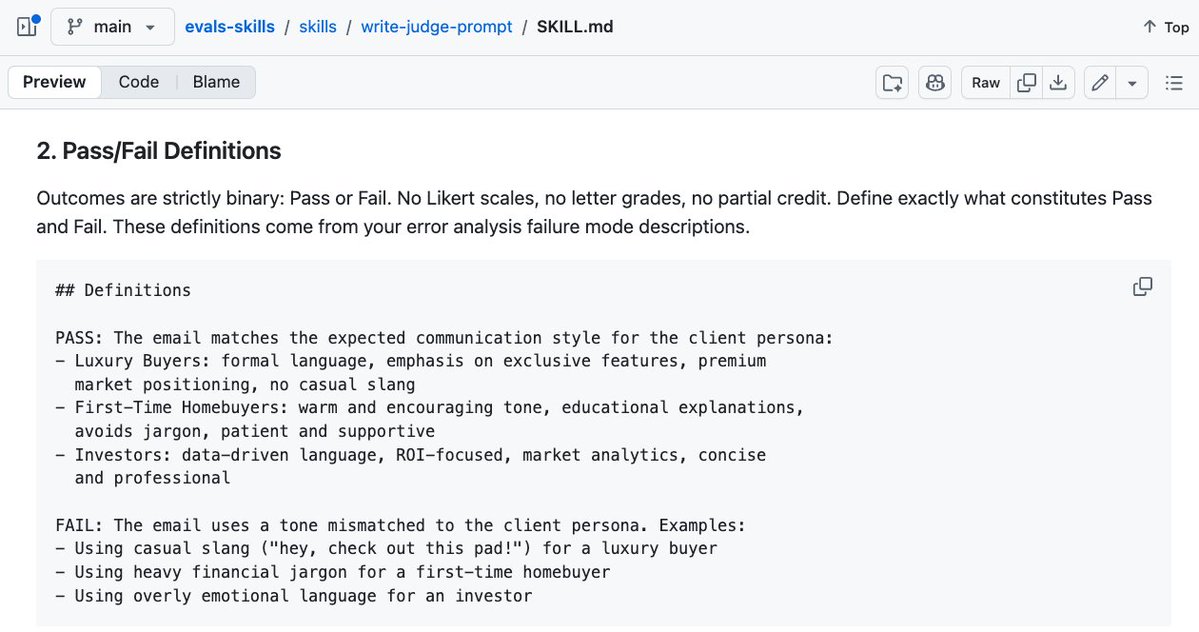
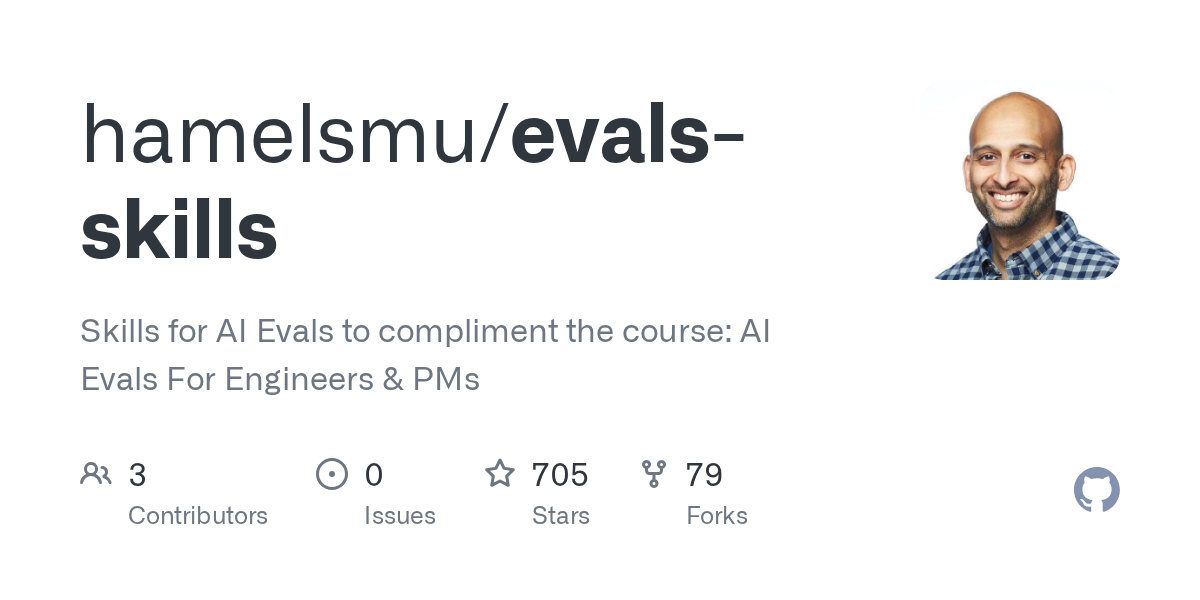
Check out these evals-skills from @HamelHusain: https://t.co/68piUhVf6h You can use skills like write-judge-prompt to critique and improve your LLM-as-a-judge prompts, like making sure they're pass/fail instead of 1-5 scale. https://t.co/gX5dMjCPgB
I can't explain how happy I am right now. Thank you!!! @OpenAI @jxnlco https://t.co/pHjHmY8Wbx
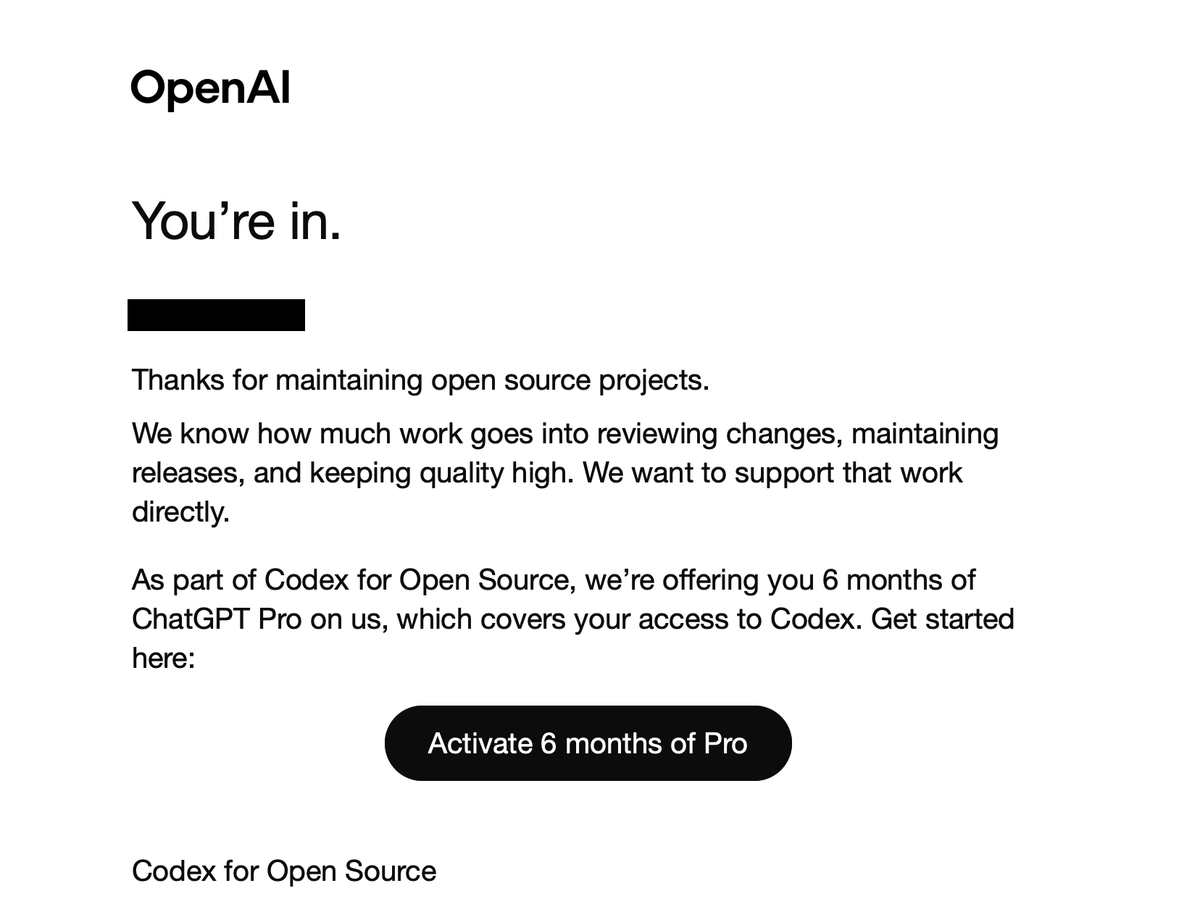
I can't explain how happy I am right now. Thank you!!! @OpenAI @jxnlco https://t.co/pHjHmY8Wbx
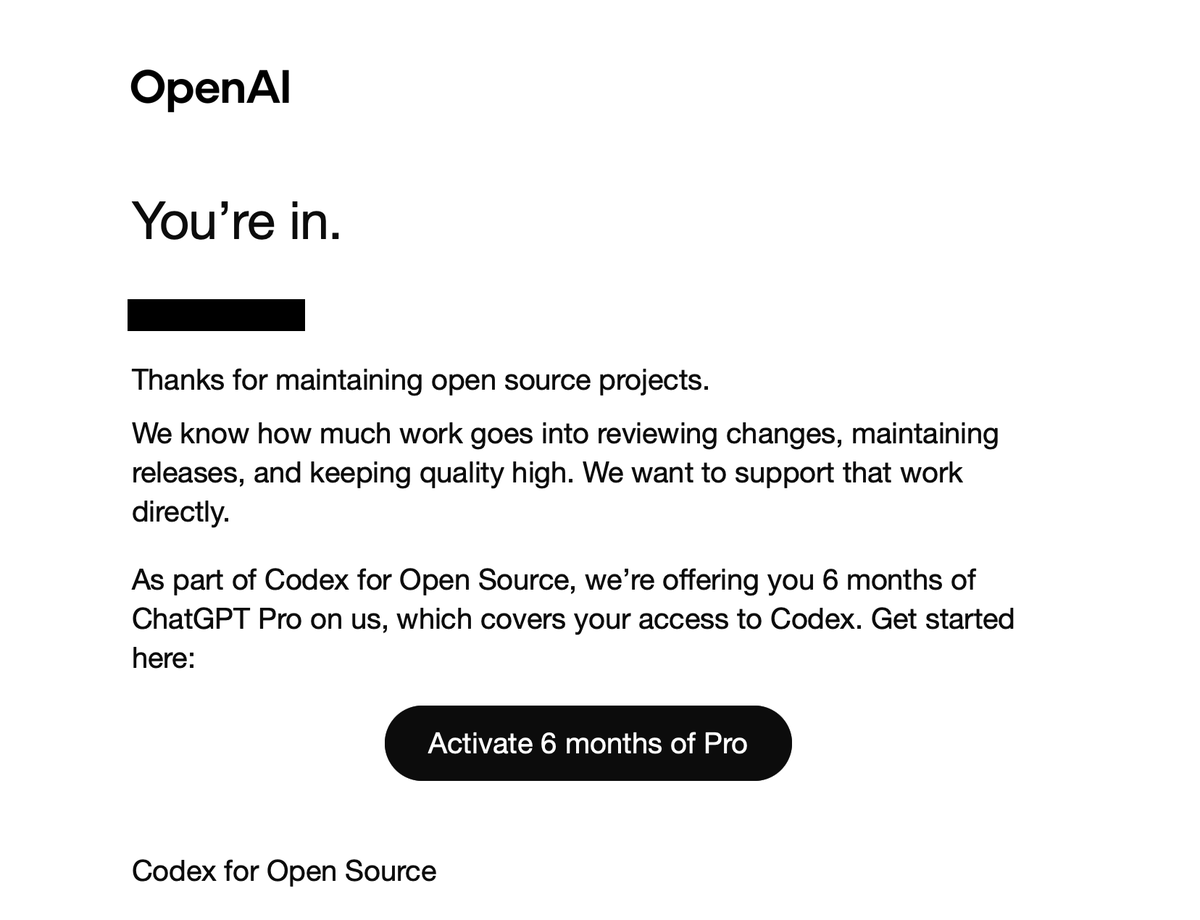
waow thank you codex https://t.co/akjaeqzbkk
waow thank you codex https://t.co/akjaeqzbkk
Create datasets, run evals, and even train models directly in @cursor_ai with the @huggingface plugin. Here's @ben_burtenshaw to show you how: https://t.co/LmPIBLLmqx
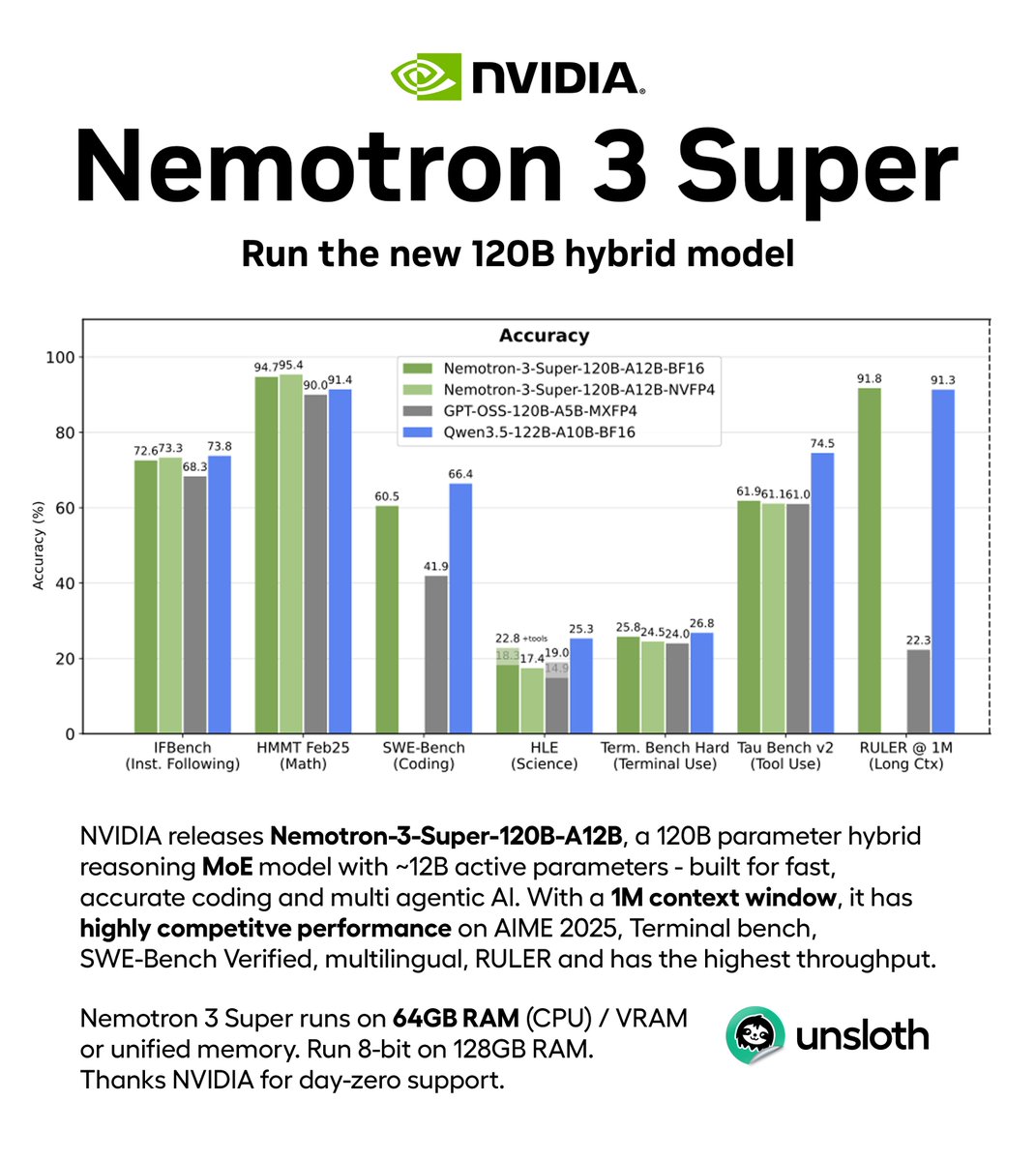
NVIDIA releases Nemotron-3-Super, a new 120B open hybrid MoE model. Nemotron-3-Super-120B-A12B has a 1M-token context window and achieves competitive agentic coding and chat performance. Run on ~64GB RAM. GGUF: https://t.co/iyWCcXXuhR Guide: https://t.co/h5pDQFRyfi
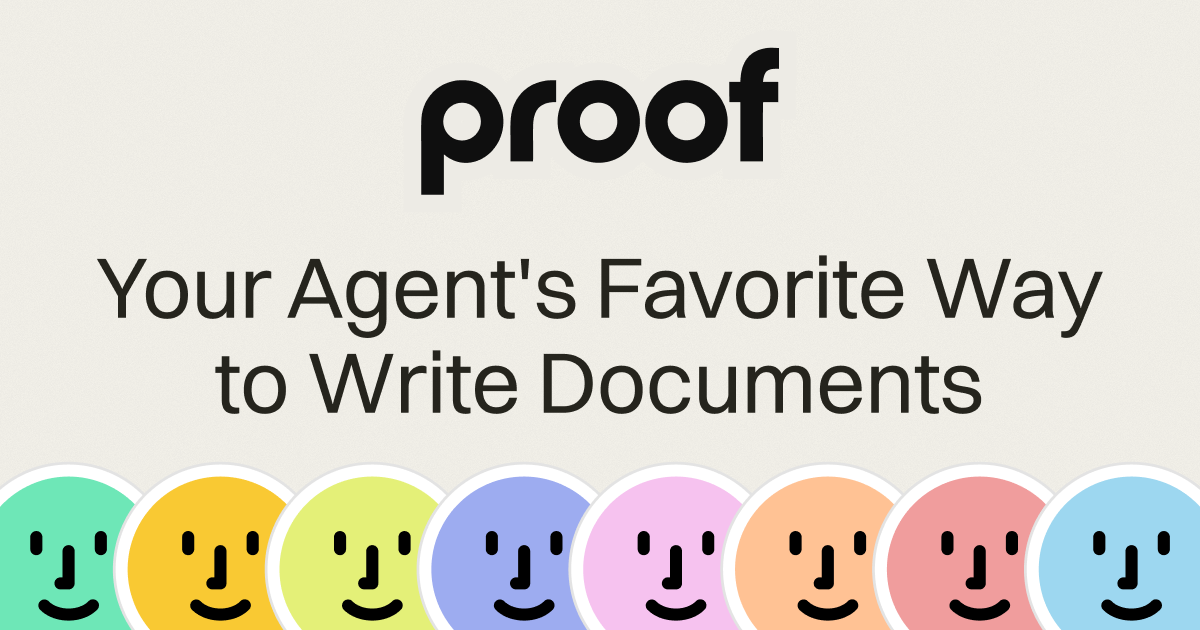
BREAKING: Proof—a new product from @every It’s a live collaborative document editor where humans and AI agents work together in the same doc. It's fast, free, and open source—available now at https://t.co/OZeW6Wf1Iq. It’s built from the ground up for the kinds of documents agents are increasingly writing: bug reports, PRDs, implementation plans, research briefs, copy audits, strategy docs, memos, and proposals. Why Proof? When everyone on your team is working with agents, there's suddenly a ton of AI-generated text flying around—planning docs, strategy memos, session recaps. But the current process for collaborating and iterating on agent-generated writing is…weirdly primitive. It mostly takes place in Markdown files on your laptop, which makes it reminiscent of document editing in 1999. Proof lets you leave .md files behind. What makes Proof different? - Proof is agent-native: Anything you can do in Proof, your agent can do just as easily. - Proof tracks provenance: A colored rail on the left side of every document tracks who wrote what. Green means human, Purple means AI. - Proof is login-free and open source: This is because we want Proof to be your agent's favorite document editor. Check it out now, for free—no login required: https://t.co/NTVY3Nh8A6
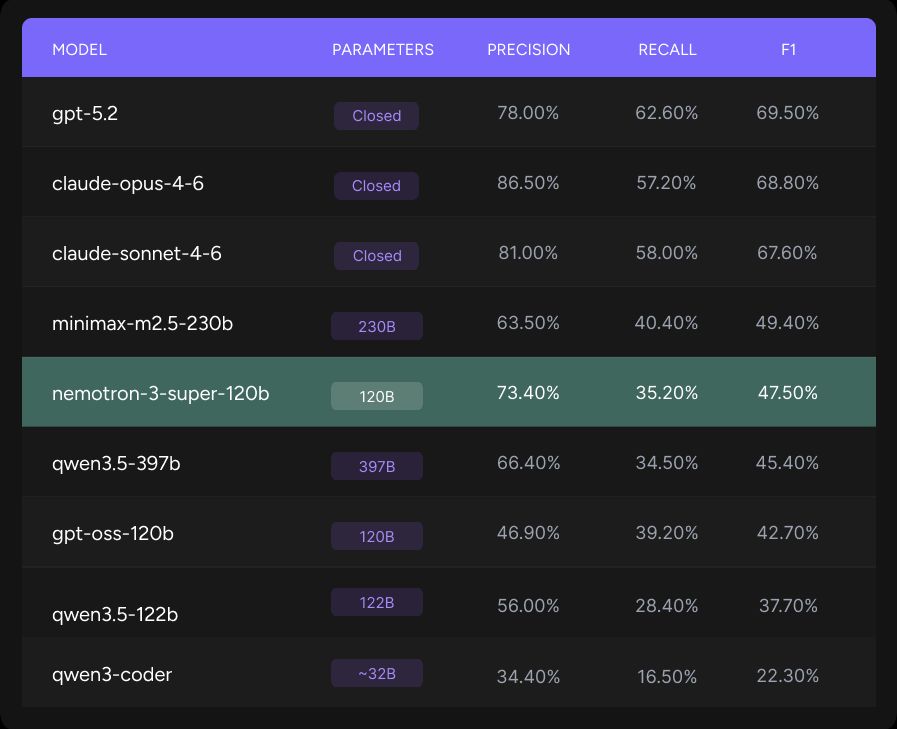
A new open‑source model from @nvidia, Nemotron 3 Super, is closing the gap. On Qodo’s code review benchmark, it hit 73.4% precision, the highest of any open model we tested, even outperforming others 2-3x its size. For teams in air‑gapped or regulated environments, this finally brings trustworthy, self‑hosted AI code review to production. See the full results: https://t.co/pjLpFhpdsM

Claude for Excel and Claude for PowerPoint now sync together seamlessly. When you’ve got more than one file open, Claude shares the full context of your conversation between them. Pull data from spreadsheets, build out tables, and update a deck — without re-explaining a step. https://t.co/mY8jrHj6Di
Introducing Computer for Enterprise Computer runs multi-step workflows across research, coding, design, and deployment. It routes tasks across 20 specialized models and connects to 400+ applications. https://t.co/JuFJ5io30H
Today we're launching Hiro's MCP server. Now you can take all your financial data with you, wherever you agent. https://t.co/6pPU6w6eIp
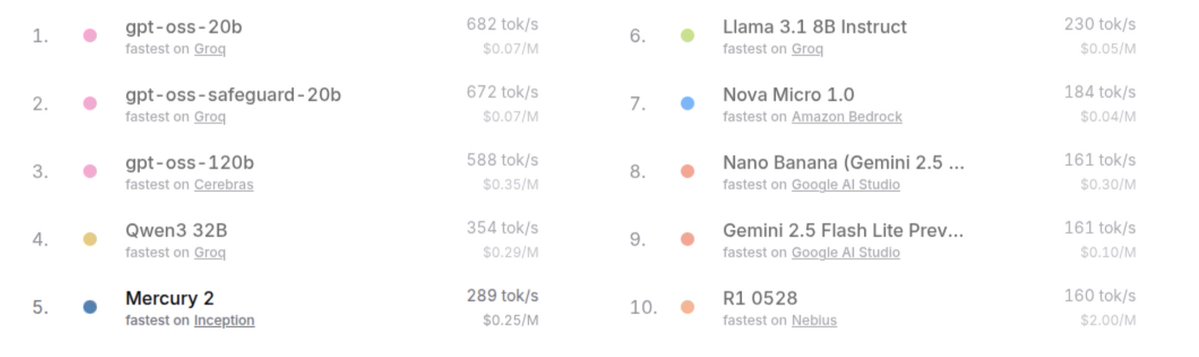
The speed of Mercury diffusion models is real. On real production OpenRouter traffic, they beat every other provider except Cerebras. And intelligence is also higher than the Groq/Cerebras models. Take a look: https://t.co/6oFu6fIIXv https://t.co/nRoIGkgKFS

@pamelafox https://t.co/npDalSrPog
How The Beach Boys must’ve felt watching The Beatles become associated with Charles Manson in the popular consciousness even though they used to hang with him and recorded one of his songs https://t.co/kBH28kMj1g

My boy telling me he thinks he’s gonna do the backwards kangol this spring https://t.co/IZRMpY9bH8
My boy telling me he thinks he’s gonna do the backwards kangol this spring https://t.co/IZRMpY9bH8
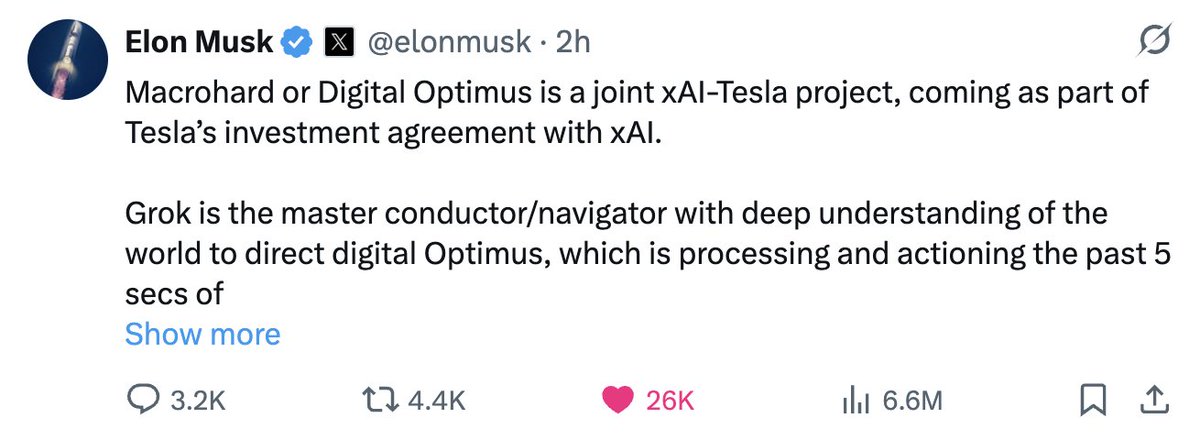
Digital Optimus, Optimus, and FSD What’s going on here? A lot. xAI and Tesla’s AI team have been working on complementary, partially overlapping AI systems. Tesla AI has focused on vision-based intelligence for both FSD and Optimus, while xAI has focused on building a frontier model (an LLM) aimed at general intelligence. More recently, xAI has pushed deeper into what has been called Macrohard (aka Digital Optimus). Macrohard applies xAI’s intelligence layer, Grok, to human activity in the digital world, essentially operating computers the way a human would. The idea is that the AI can move through existing software environments and perform tasks that previously required direct human interaction. But Macrohard goes beyond simply navigating pixels. It is also about generating outcomes within those environments— producing results (pixels), not just interacting with interfaces. In that sense, Macrohard becomes a quasi vision-based AI system as well. Elon, effectively the technology head of both companies, sees the convergence. The decision now appears to be to combine efforts and focus each team on its relative strengths. Tesla’s vision-based AI team becomes central in integrating this perception stack with xAI’s “pure” intelligence model. The benefits are substantial. First, xAI advances its Digital Optimus concept— an AI capable of driving productivity directly in the digital world. At the same time, Tesla gains a powerful intelligence backbone: a reasoning engine layered on top of its vision systems. For Optimus, the implications are colossal. The robot is no longer just a physical-world machine driven by perception and action loops; it becomes a reasoning system as well. In other words, Optimus gains both embodiment and intelligence. That combination directly addresses the data patterns I discussed in my article this week. And that is a big deal. Of course, the impact extends to FSD as well. Many of the “last mile” problems in vehicle autonomy involve nuanced human intent and interaction. A reasoning layer makes those scenarios far more tractable. Talking to your car and having it genuinely understand what you want it to do becomes realistic. Further, Elon has suggested that this combined approach fits within an AI4 inference framework—delivering more intelligence per watt and reducing the need to wait for AI5-scale hardware to solve these larger problems. All in all, this is significant news. It may shift some timelines, and I suspect it may also explain why version 14.3 (the rumored “reasoning edition”) has not yet appeared. It may now be part of this broader combined effort.
https://t.co/PjqhpuHzYb