Your curated collection of saved posts and media
Your AI agents can now learn entire skill trees from the web. Meet the new HyperSkill Give it a topic. It reads the docs and builds a skill tree your agent can navigate.Browse the graph. Download. Drop into your project. Open source. Powered by Hyperbrowser. https://t.co/9OC8e8urgH
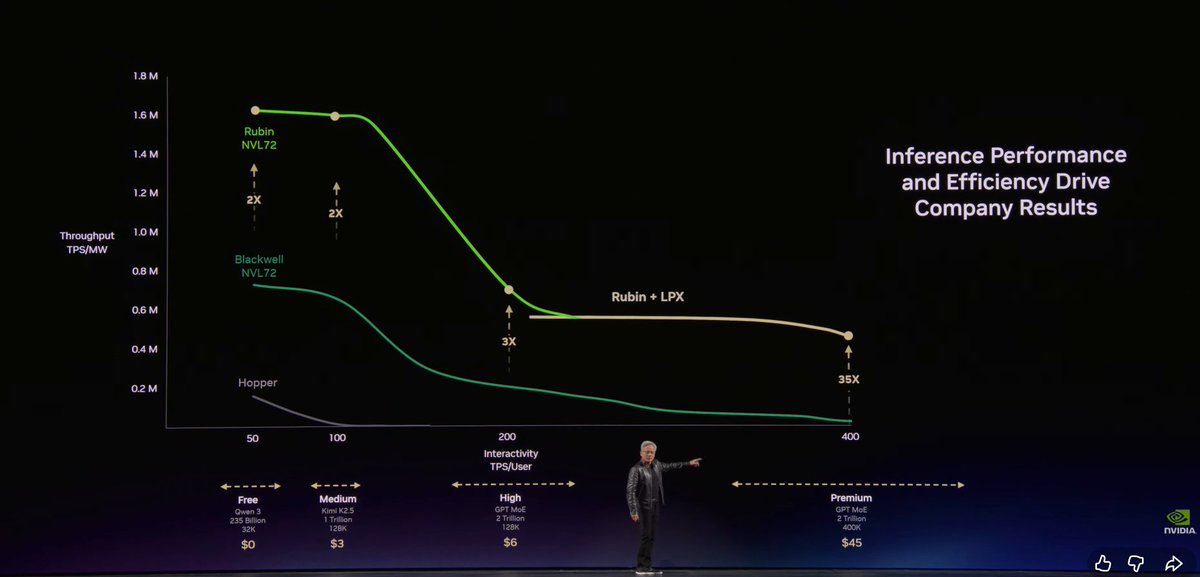
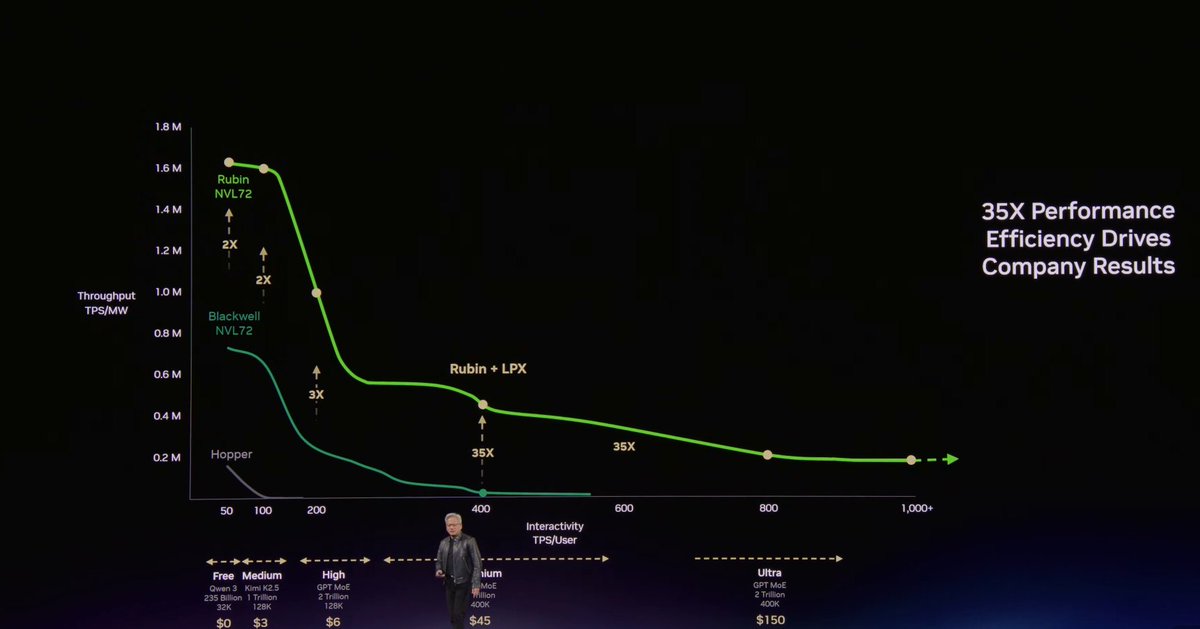
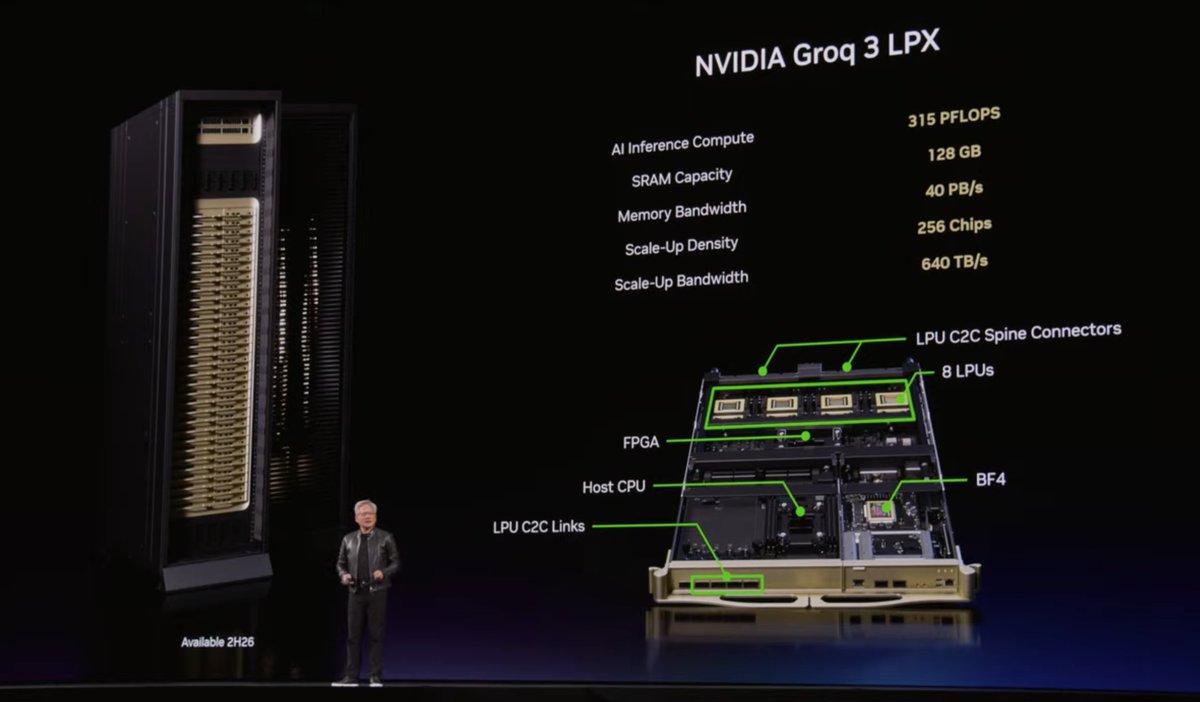
The most anticipated announcement of the keynote: NVIDIA is announcing a new LPU, the @NVIDIA @GroqInc 3 LPU, that pairs with Vera Rubin NVL72 via a dedicated LPX rack connected over Direct C2C. Claims are 35x inference throughput over Blackwell for trillion-parameter models. The idea is to combine GPU throughput with LPU latency to push the Pareto curve on high-interactivity workloads. Lots of questions still on cost, capacity tradeoffs, and real-world deployment, but the architecture concept is fascinating.
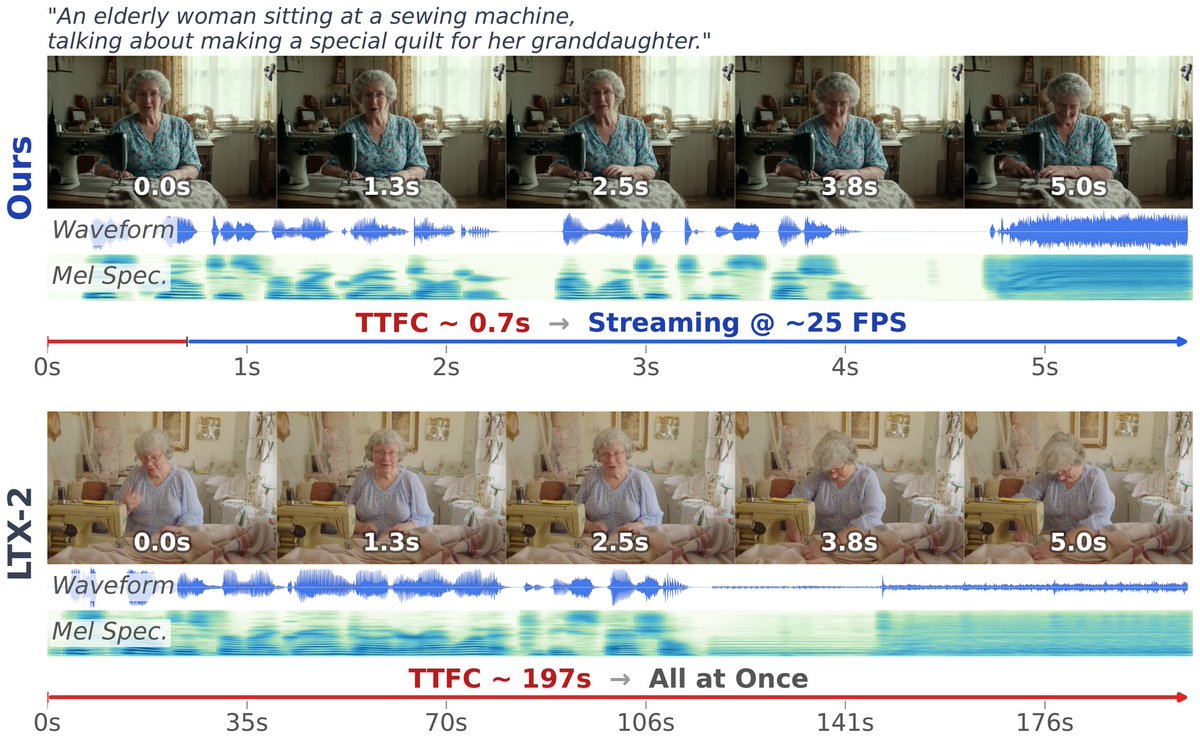
OmniForcing unlocks real-time joint audio-visual generation Achieves ~25 FPS with 0.7s latency—a 35× speedup over offline diffusion models—by distilling bidirectional LTX-2 into a causal streaming generator with maintained multi-modal fidelity. https://t.co/UGYGMyTQOs
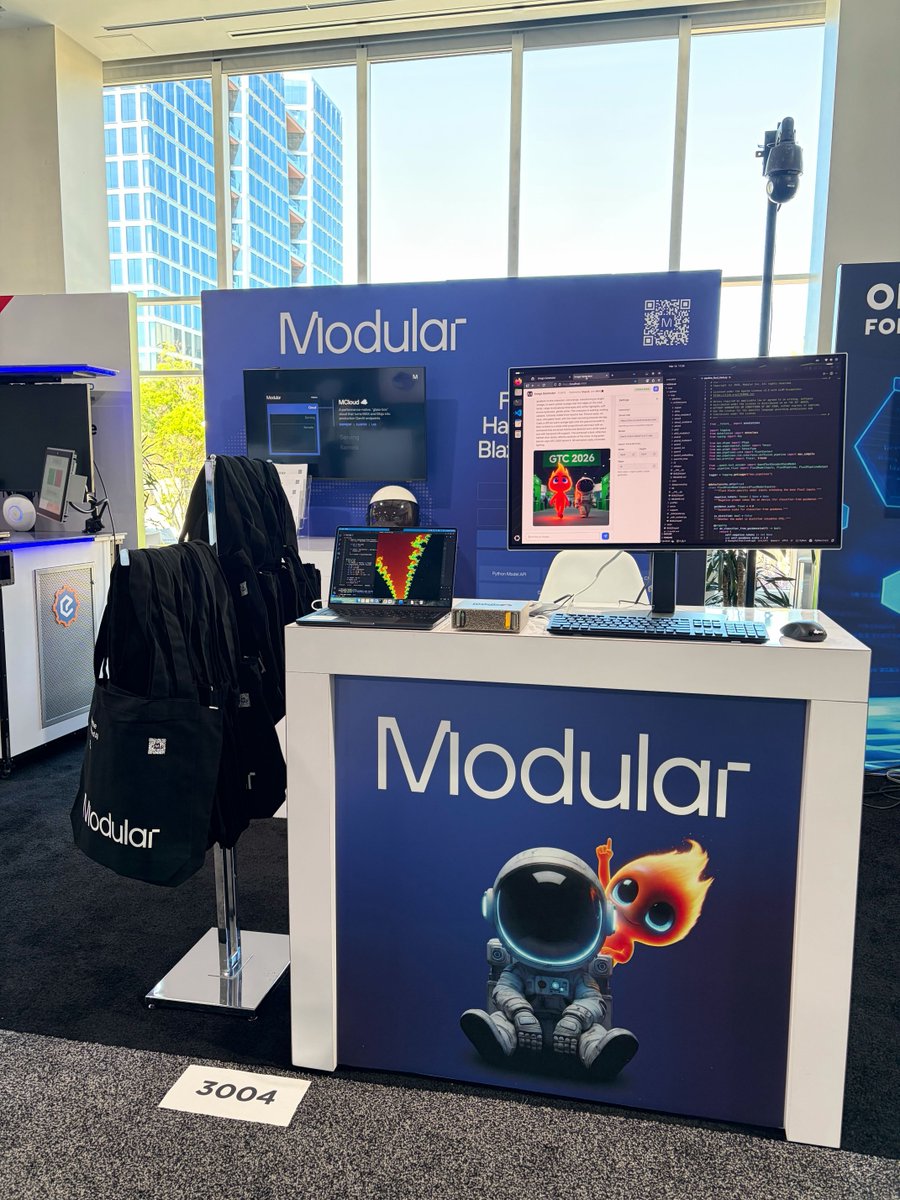
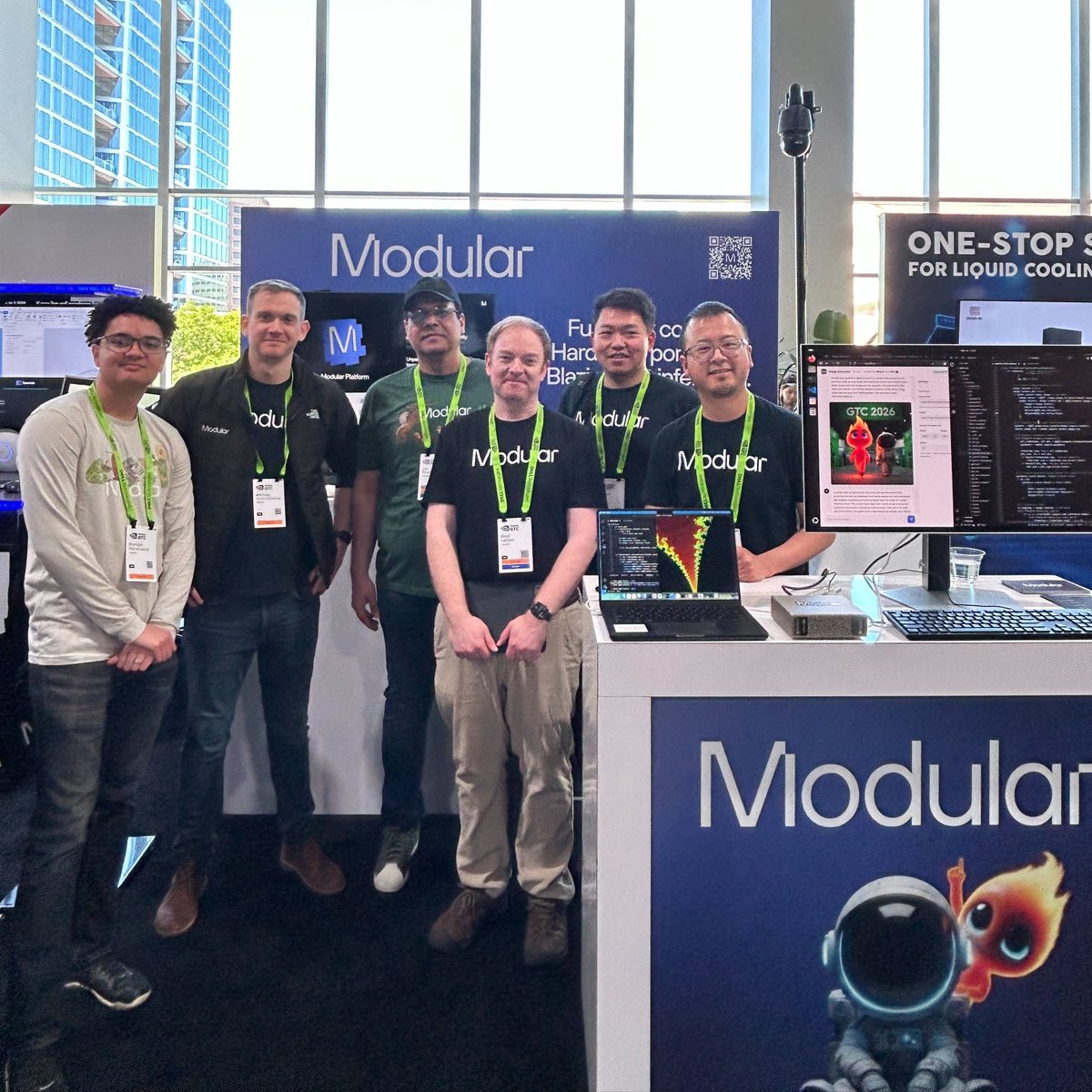
We're live at @NVIDIAGTC! 👋 Find us at Booth #3004, San Jose Convention Center. We'll be here all week running live GPU demos on NVIDIA Blackwell. Come see MAX + Mojo 🔥 in action. #NVIDIAGTC https://t.co/klsRp0dnlT
Subagents are now available in Codex. You can accelerate your workflow by spinning up specialized agents to: • Keep your main context window clean • Tackle different parts of a task in parallel • Steer individual agents as work unfolds https://t.co/QJC2ZYtYcA
But how do we turn this record growth into healthy communities? Here is how open source scales in a global era. 📈 https://t.co/6Ai1U64zCs

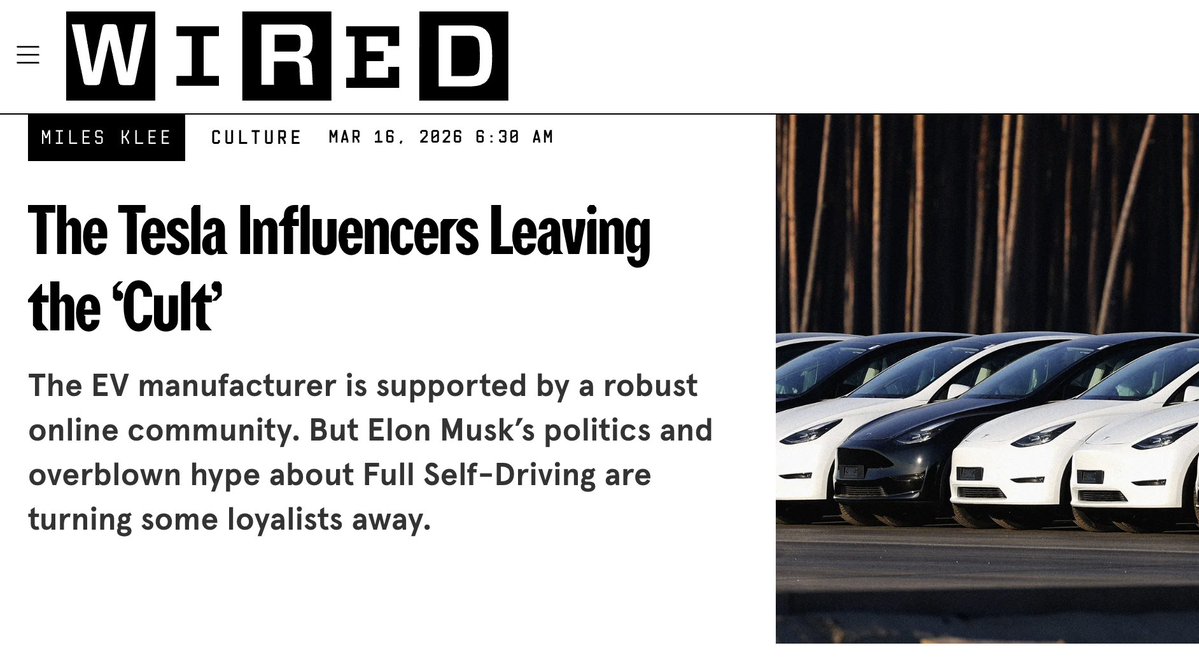
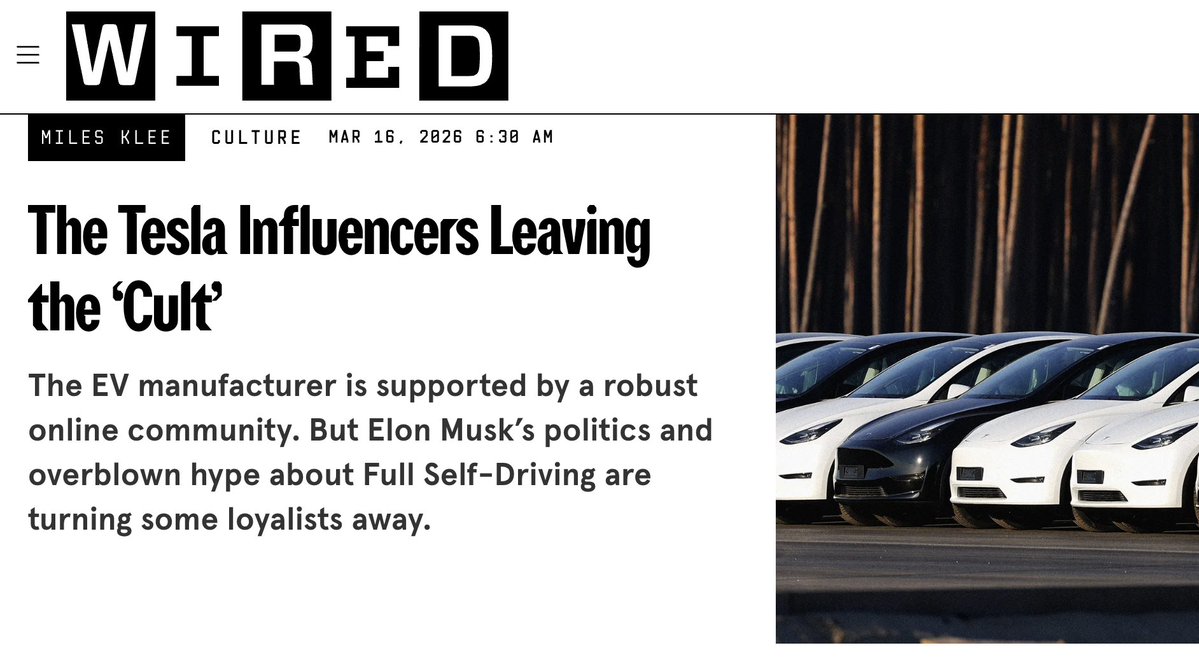
The online community of Tesla believers has grown more zealously defensive of the company and CEO Elon Musk, even as flashy promises fizzle and Musk grows more politically radioactive. But some Tesla owners have tired of this "cult" mentality—and are voicing their dissent. https://t.co/5KVEVFJygS
Story: https://t.co/2NkLqNzB5t

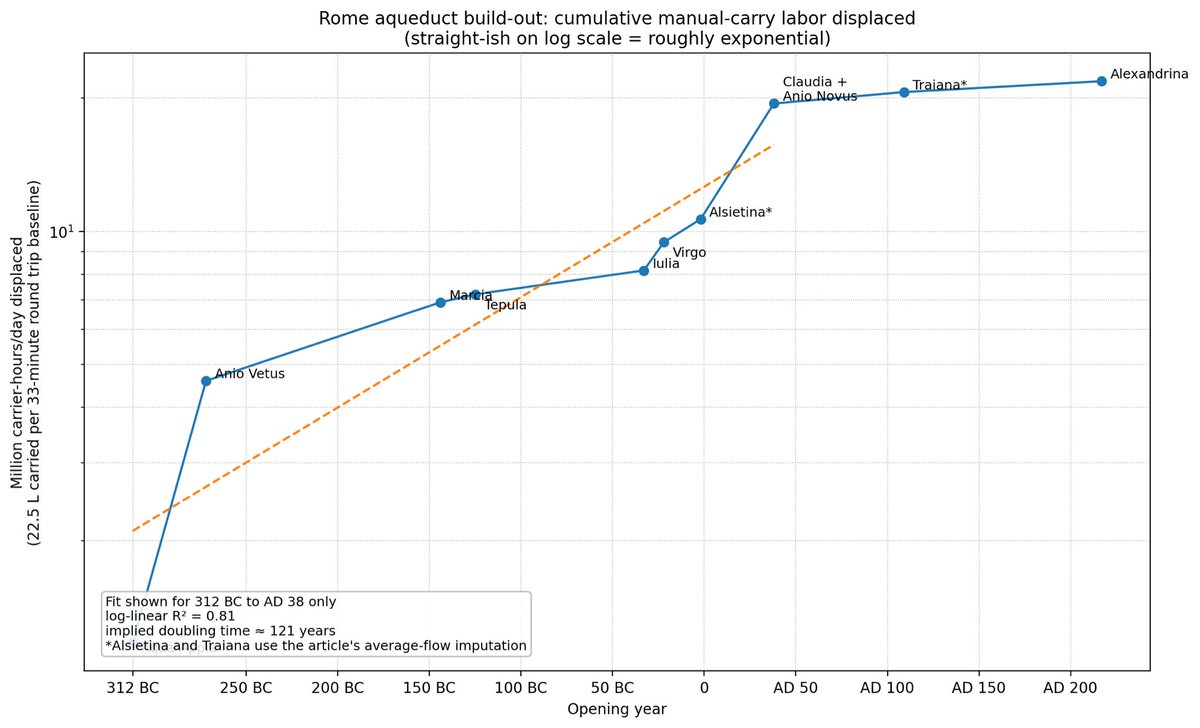
Monday morning shitposting: let's teach kids ancient history with METR-style plots https://t.co/7a1NEJR6GQ
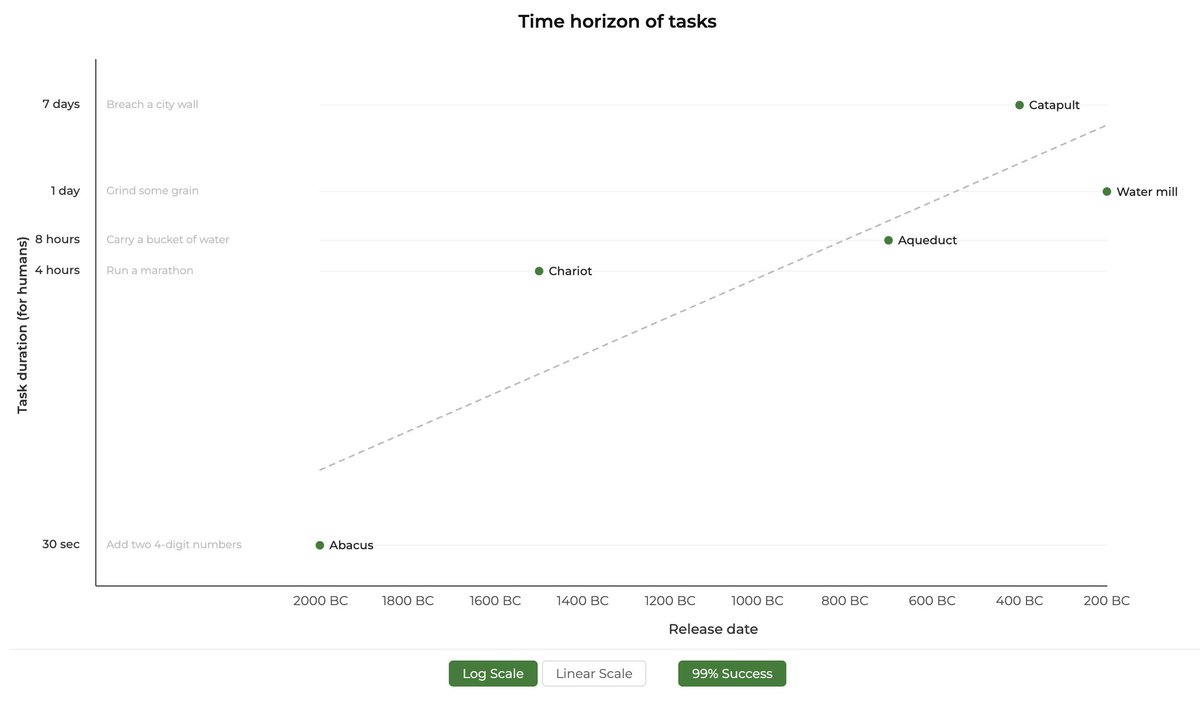
This, but for real* Here’s METR-style graph of labor displacement from Roman aqueducts, doubling time of CDDII years. Lesson: 1) Displacing terrible work is good 2) All exponentials become s-curves in the end * I had GPT-5.4 Pro do the research, spot checks seemed accurate. https://t.co/9XZTwmDQxP
Monday morning shitposting: let's teach kids ancient history with METR-style plots https://t.co/7a1NEJR6GQ
Grok's Text to Speech API is now available. Start building with natural voices and expressive controls to bring your apps to life. https://t.co/SMxWTB9m6N https://t.co/UtHT0uN148
Are you ready Palo Alto??? Genspark Claw is live, and we're getting together next Monday (Mar 23, 5–8pm). → Live founder talk → Genspark Claw setup → Leave with a workflow you can use the next day + fun prizes! Every attendee gets 1 week free + 5,000 credits. Best use case wins 12 months of Genspark Claw. Spots are limited, so RSVP soon. See you there! https://t.co/5xra8tW07j
NVIDIA now selling Groq chips https://t.co/zebuQokHSz
The gates of Pancake Town are OFFICIALLY OPEN 🏰🥞 The first-ever interactive AI-agent world powered by PancakeSwap AI Skills. 👉Enter here: https://t.co/WDkUgqO1ZB https://t.co/qIzLS5qL2W
Jensen is proud of being a SemiAnalysis InferenceX King 🤣 https://t.co/V86K28OKg6

F Cancer Why has AI had so little impact on Cancer? New essay, link below. https://t.co/cLsoh7c7do

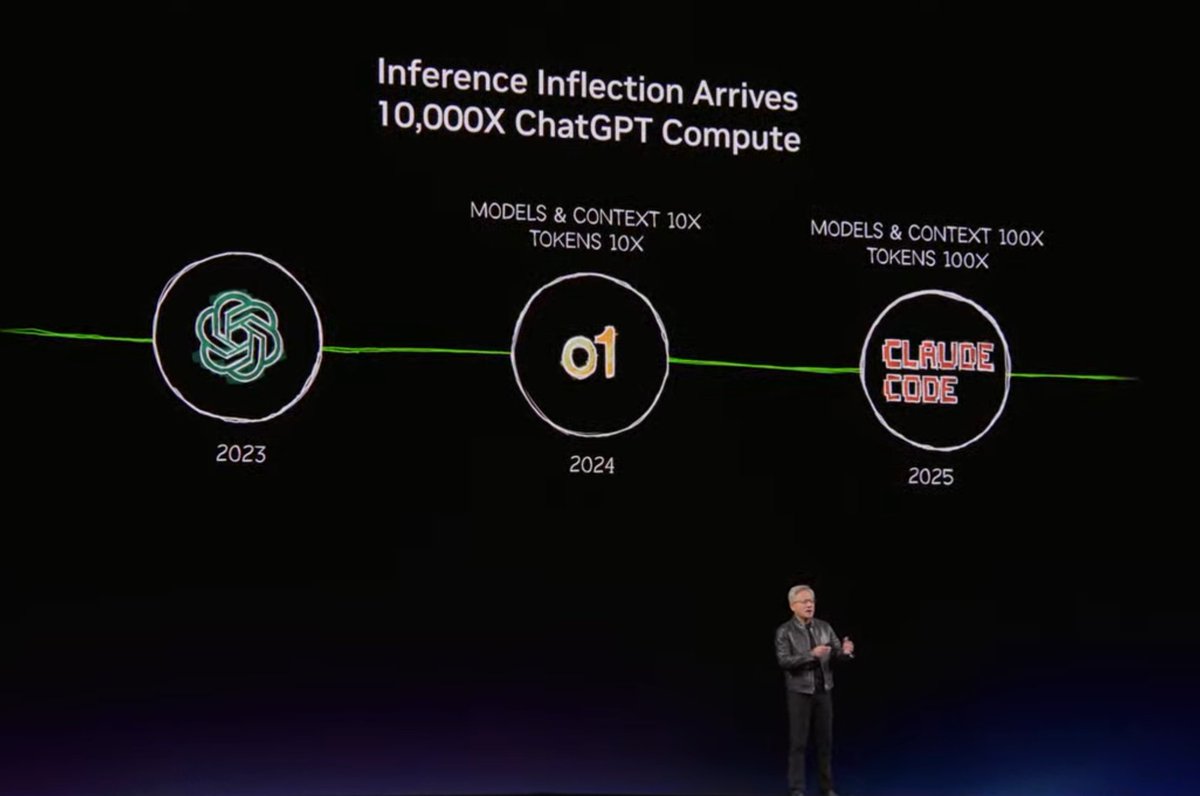
Jensen's summary of the AI progress in the past 2-3 years https://t.co/72LI1HMl4H
Jensen expects over $1T in revenue through 2027... https://t.co/70O1T0F177
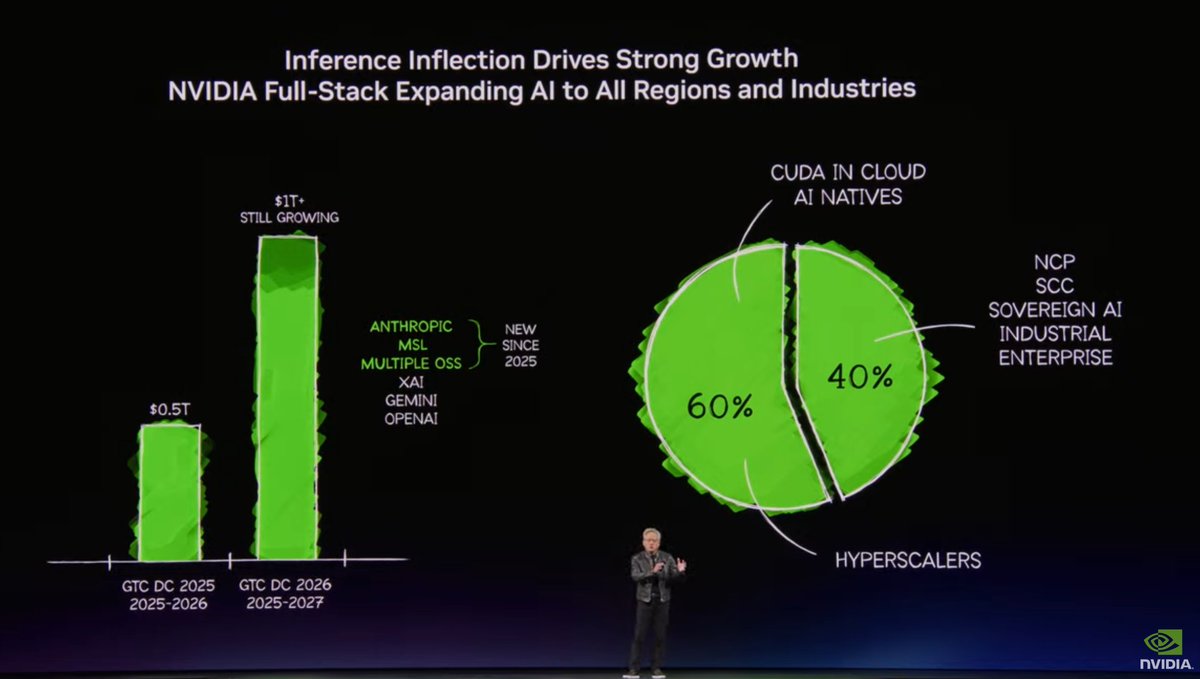
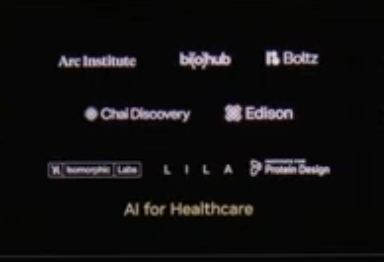
not to be pedantic but imo not a single one of these are AI for healthcare companies (from GTC slides) https://t.co/STugiTTxvO
Covo Audio 🔊A end-to-end audio language model from @TencentAI_News https://t.co/tic5cH1A39 ✨ 7B ✨ Audio → Audio in one model ✨ Multi-speaker + voice transfer ✨ Real-time full duplex conversations https://t.co/hFrsxQgzkT
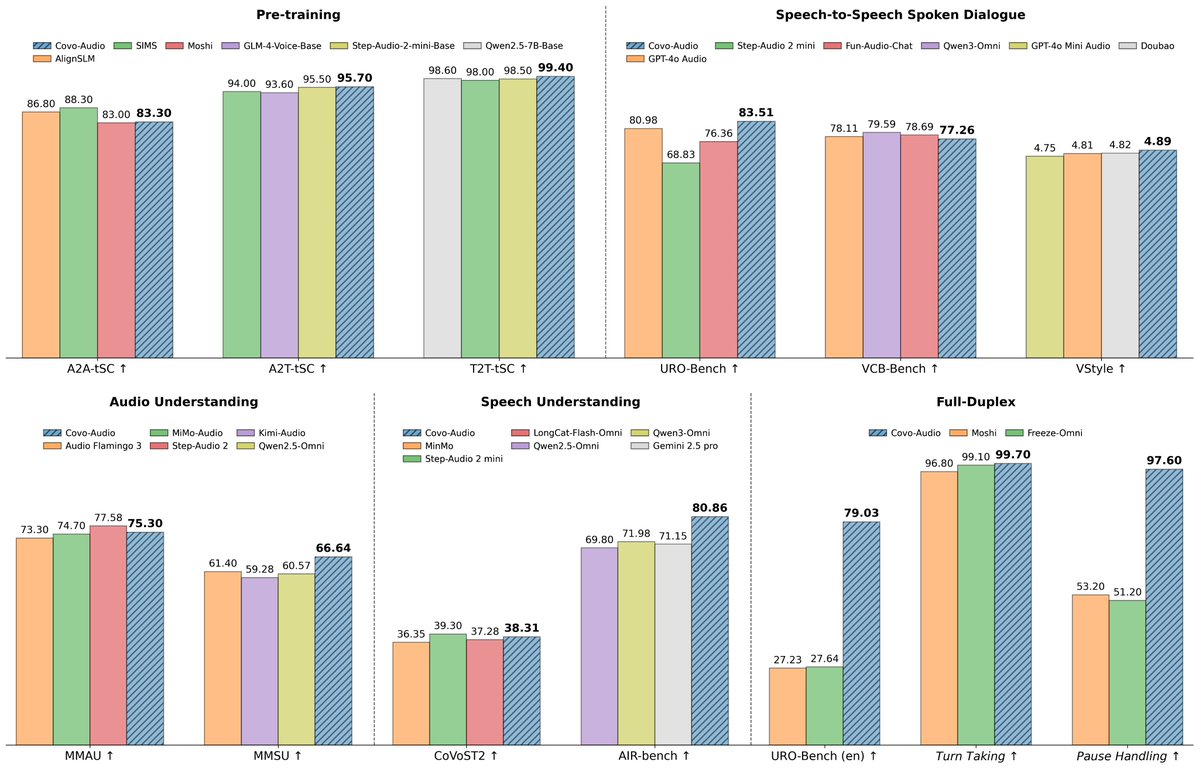

Covo Audio 🔊A end-to-end audio language model from @TencentAI_News https://t.co/tic5cH1A39 ✨ 7B ✨ Audio → Audio in one model ✨ Multi-speaker + voice transfer ✨ Real-time full duplex conversations https://t.co/hFrsxQgzkT

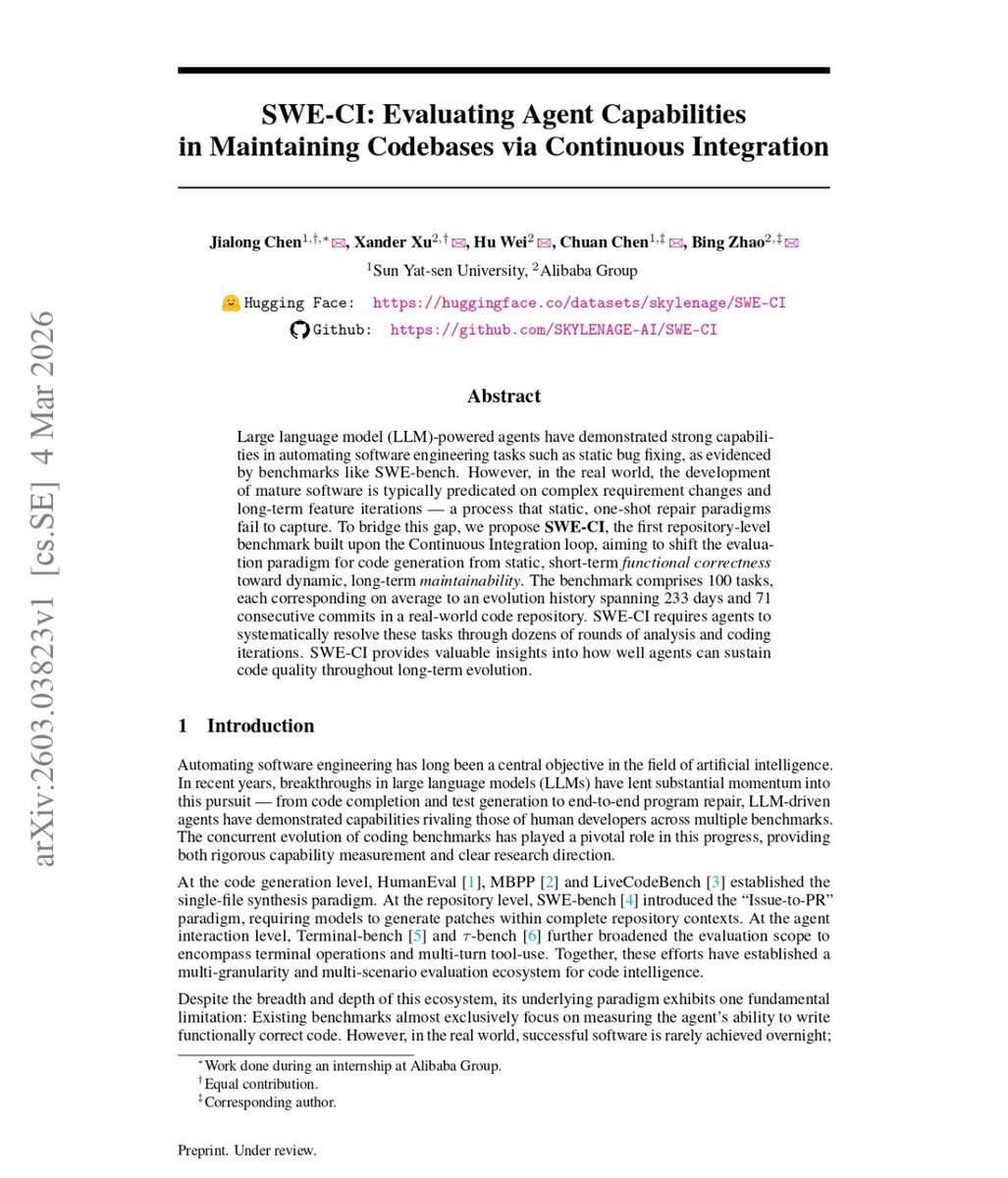
🤯BREAKING: Alibaba just proved that AI Coding isn't taking your job, it's just writing the legacy code that will keep you employed fixing it for the next decade. 🤣 Passing a coding test once is easy. Maintaining that code for 8 months without it exploding? Apparently, it’s nearly impossible for AI. Alibaba tested 18 AI agents on 100 real codebases over 233-day cycles. They didn't just look for "quick fixes"—they looked for long-term survival. The results were a bloodbath: 75% of models broke previously working code during maintenance. Only Claude Opus 4.5/4.6 maintained a >50% zero-regression rate. Every other model accumulated technical debt that compounded until the codebase collapsed. We’ve been using "snapshot" benchmarks like HumanEval that only ask "Does it work right now?" The new SWE-CI benchmark asks: "Does it still work after 8 months of evolution?" Most AI agents are "Quick-Fix Artists." They write brittle code that passes tests today but becomes a maintenance nightmare tomorrow. They aren't building software; they're building a house of cards. The narrative just got honest: Most models can write code. Almost none can maintain it.
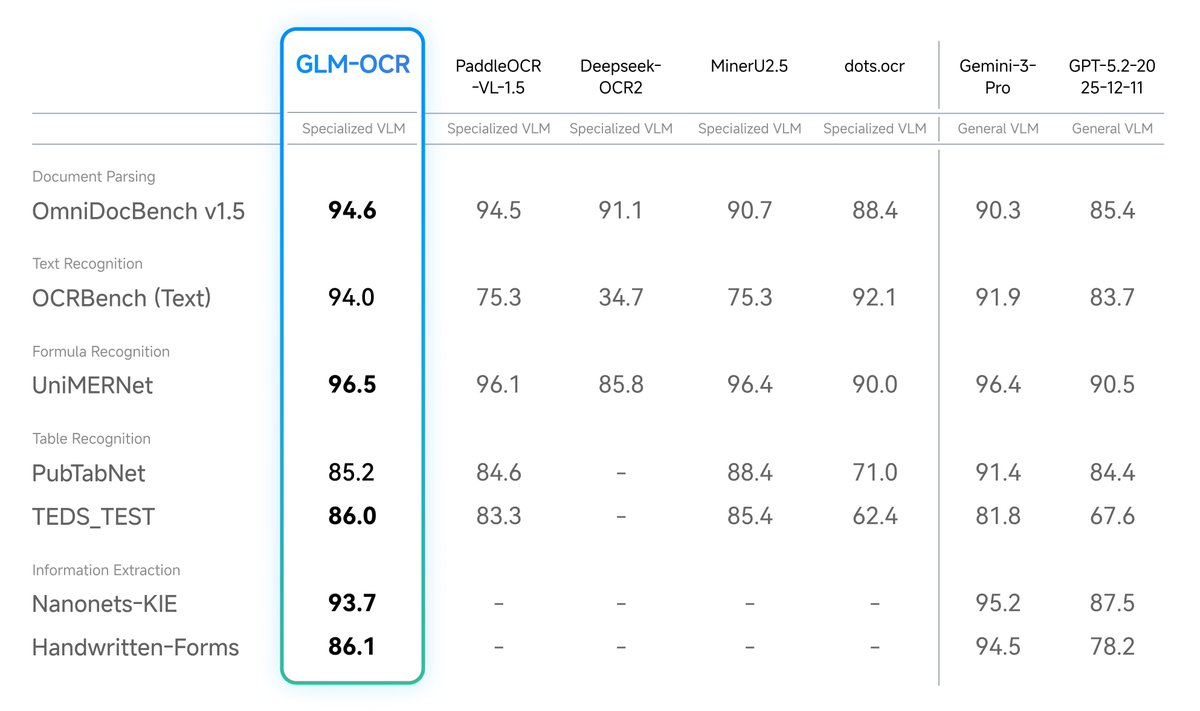
🚨 Want to parse complex PDFs with SOTA accuracy, 100% locally? 📄🔍 At just 0.9B parameters, you can drop GLM-OCR straight into LM Studio and run it on almost any machine! 🥔 🧠 0.9B total parameters 💾 Runs on < 1.5GB VRAM (or ~1GB quantized!) 💸 Zero API costs 🔒 Total data privacy Desktop document AI is officially here. 💻⚡
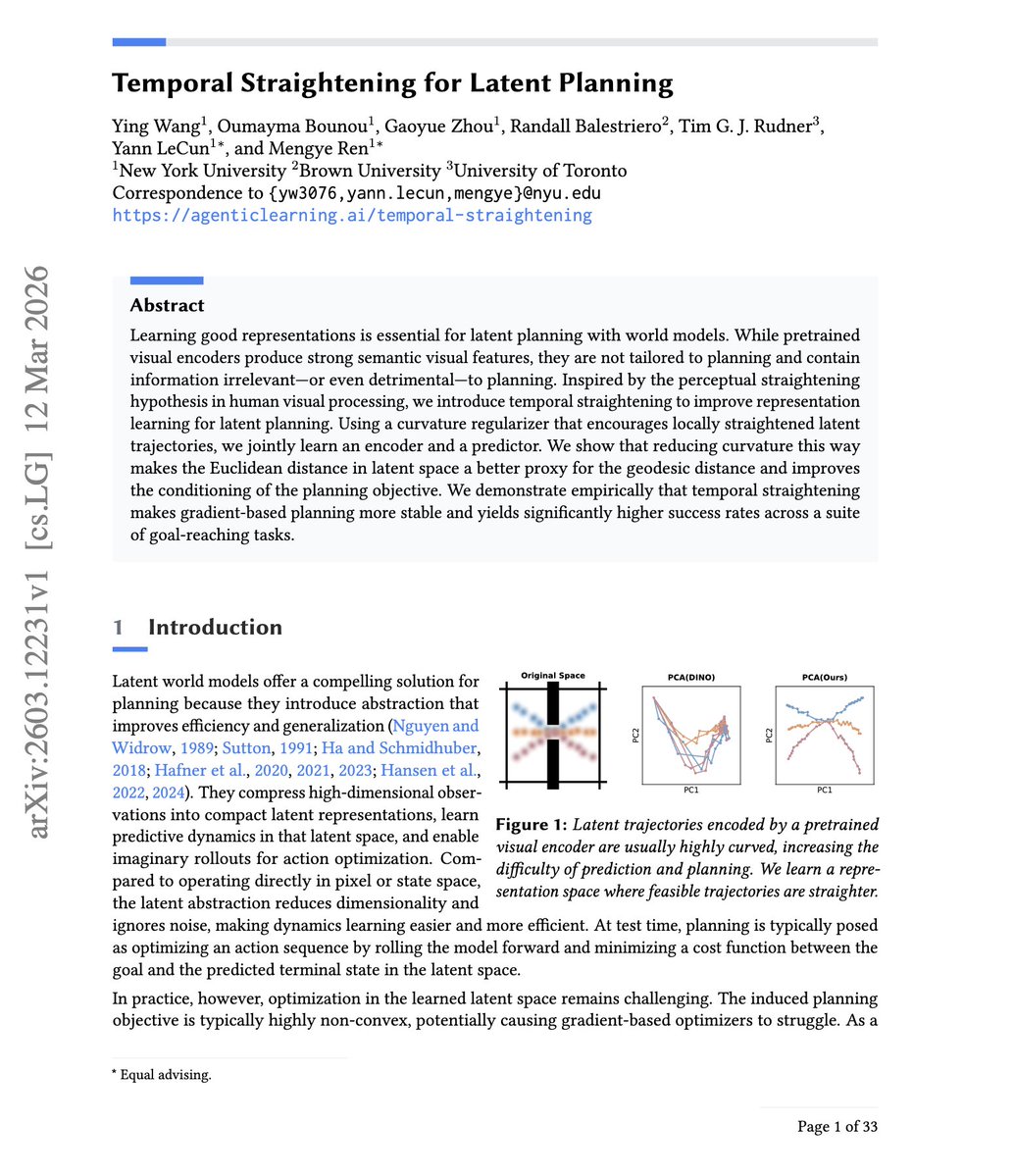
Yann LeCun is pumping out papers recently “Temporal Straightening for Latent Planning” This paper shows that by straightening latent trajectories in a world model, Euclidean distance starts to reflect true reachable progress, so it's closer to geodesic/minimum-step distance. This makes gradient-based planning far more stable and effective without relying as heavily on expensive search.
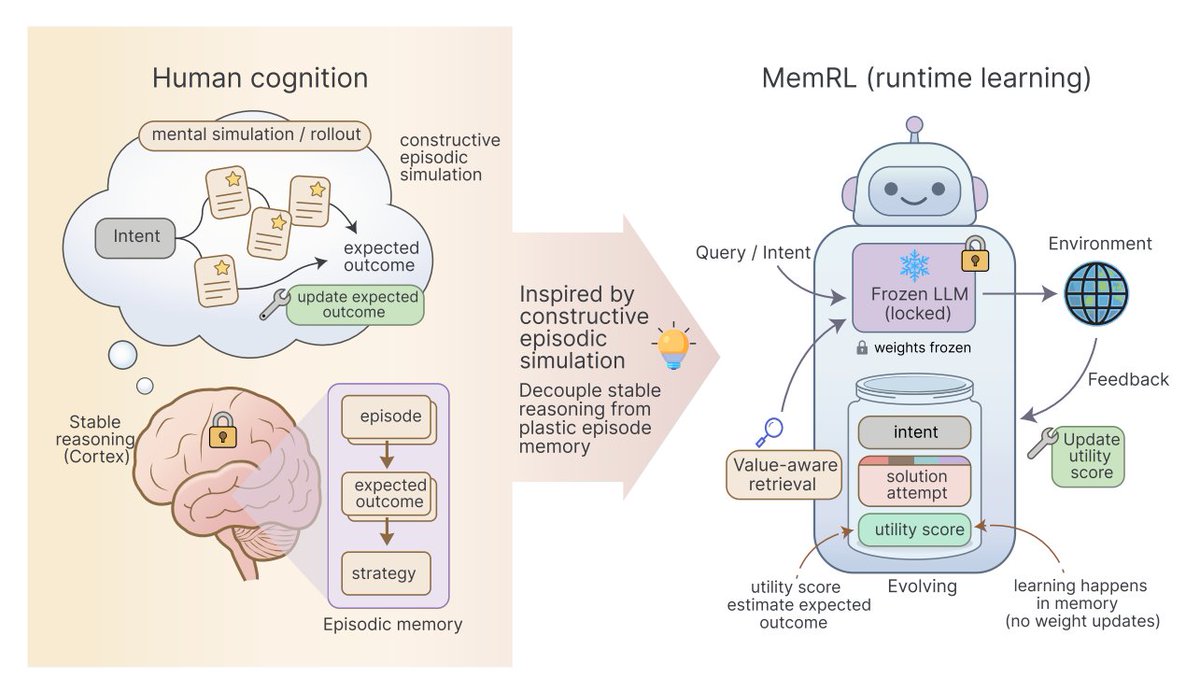
7 emerging memory architectures for AI agents ▪️ Agentic Memory (AgeMem) ▪️ Memex ▪️ MemRL ▪️ UMA (Unified Memory Agent) ▪️ Pancake ▪️ Conditional memory ▪️ Multi-Agent Memory from a Computer Architecture Perspective https://t.co/5X5LxirSEx https://t.co/5Hi0Gn3aA4

From lab to open-source: A new milestone for AI-driven education. 🎓 🤗 We’ve been closely following the MAIC project at Tsinghua University, and we’re thrilled to see it now open-sourced as #OpenMAIC. ✨ This isn't just another chatbot; it takes Multi-Agent orchestration to the next level by building a fully interactive classroom where AI instructors and peers collaborate in real-time. What makes it technically impressive: 🛠️ Complex Orchestration: Leveraging #LangGraph to manage spontaneous interactions—like #AI students "raising hands" during a live lecture. 🧠 Structured Planning: A dedicated "Plan Agent" that transforms raw PDFs into coherent, logically sequenced pedagogical flows. 💻 Beyond Text: A masterclass in GenUI implementation, featuring synchronized TTS, laser pointers, and real-time whiteboard demonstrations. 🥳 If you’re building complex, multi-modal #Agent workflows, this repo is a treasure trove of engineering insights. 🖥️Explore the project: https://t.co/QKvce05Kf1 📰 Read the research: https://t.co/MurkukSB0m
@RaiaHadsell Universal embeddings FTW 😊 One of the flagship projects at FAIR was to "embed the world" (i.e. represent every entity on Facebook). The name was soon changed to "Filament", deployed internally, and eventually open-sourced as "PyTorch-BigGraph" The techniques were more primitive than today! https://t.co/jcIWd3FEeC
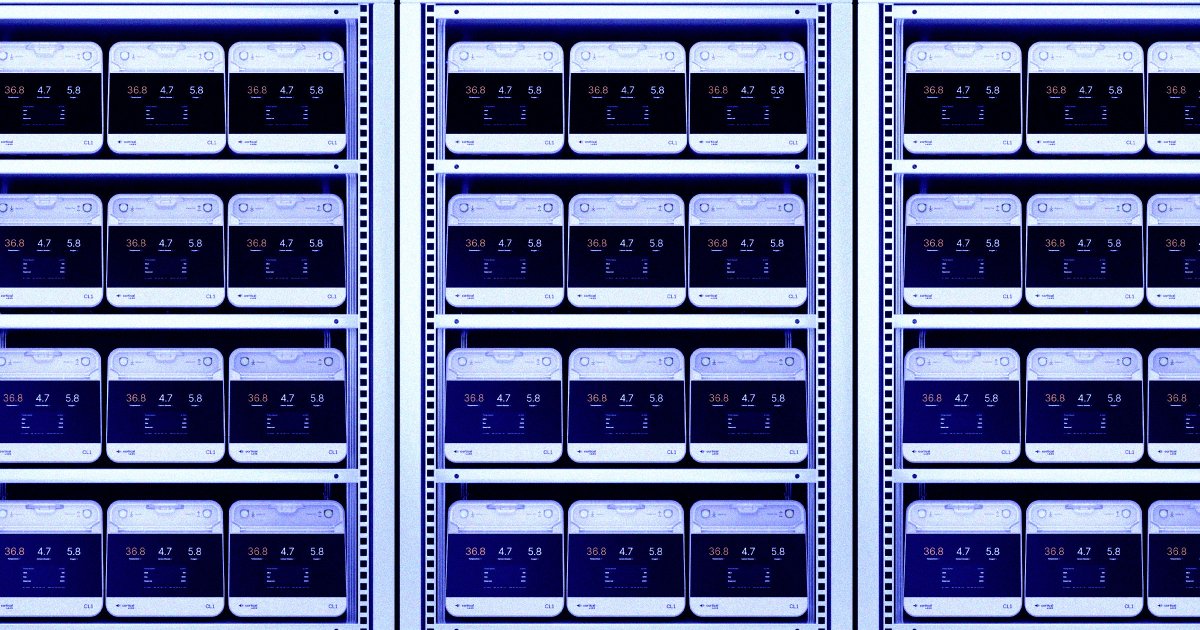
AI infrastructure may be heading somewhere unexpected. Researchers are now exploring “wetware”, computing systems powered by living human brain cells instead of traditional silicon. The idea sounds like science fiction, but experiments in biological computing are already underway. If brain cells can process information more efficiently than chips, could the future of AI run partly on biology? https://t.co/OAcwCgiPnO @futurism
Today, we’re introducing Cheats. Prompting has failed us. Most people don’t know what to type. AI unlocked a ton of skills for experts, but the rest of us kinda need a… cheat. Sound on! https://t.co/sg8AjxjeI1
Microsoft has released a free, open-source course: GitHub Copilot CLI for Beginners. Includes 8 Chapters covering: • Walks through of installing Copilot CLI • Using context • Creating custom agents • Working with skills • Connecting MCP servers, and more. Start Learning - https://t.co/IIbauw5L7K

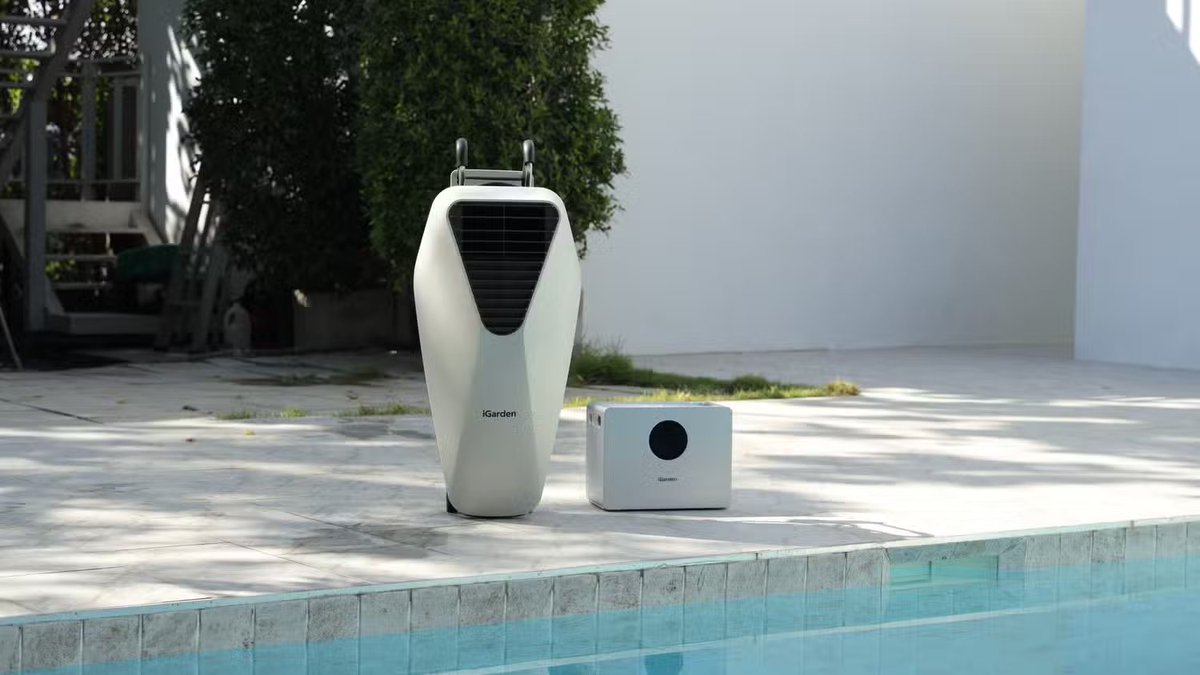
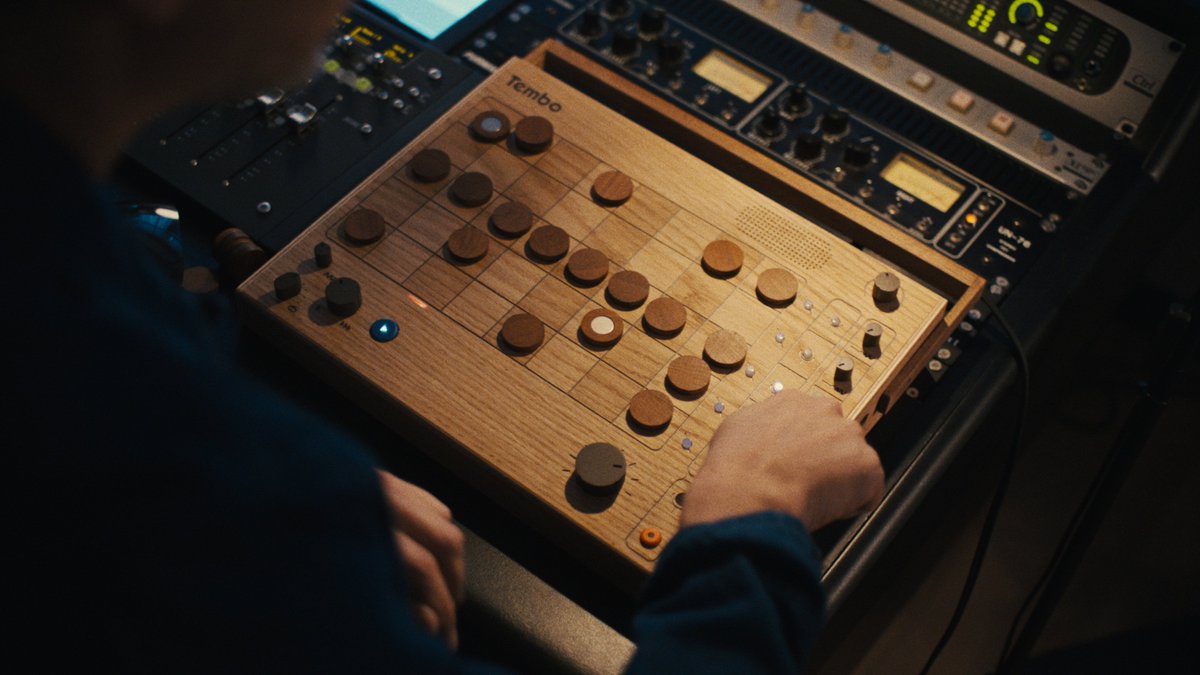
A lot of exciting consumer hardware launches recently. Some of my favorites are from iGarden, Musical Beings, Nosh, and Fort. Check out the latest drops: https://t.co/FaYG5ZlGAw
The market finally has a true open-source alternative to Amazon Alexa that processes everything locally. @openhome launched a smart speaker development kit that runs AI agents entirely on local hardware. OpenClaw agents, custom LLM workflows, autonomous home assistants… they all run natively on this hardware and OS Developers can now give their agents a place in the real world. No vendor lock-in. No cloud dependencies. You own the hardware. You own the software. Your agent finally has a body. Standard voice assistants send private audio to massive cloud servers just to set a simple timer. This new platform keeps all voice data completely local so external companies never hear a thing. It replaces the basic question-and-answer loop of older assistants with a continuous listening agent. The latest update introduces a background daemon that operates independently from the main conversational prompt. This silent thread starts automatically when a session begins and stays alive to catch context or unprompted requests. If someone mentions a grocery item during a chat, the background agent can add it to a list without a direct command. Developers can now build intelligent home assistants without vendor lock-in or cloud dependencies. You retain complete control over the hardware and the software. Your data stays inside your house.