Your curated collection of saved posts and media
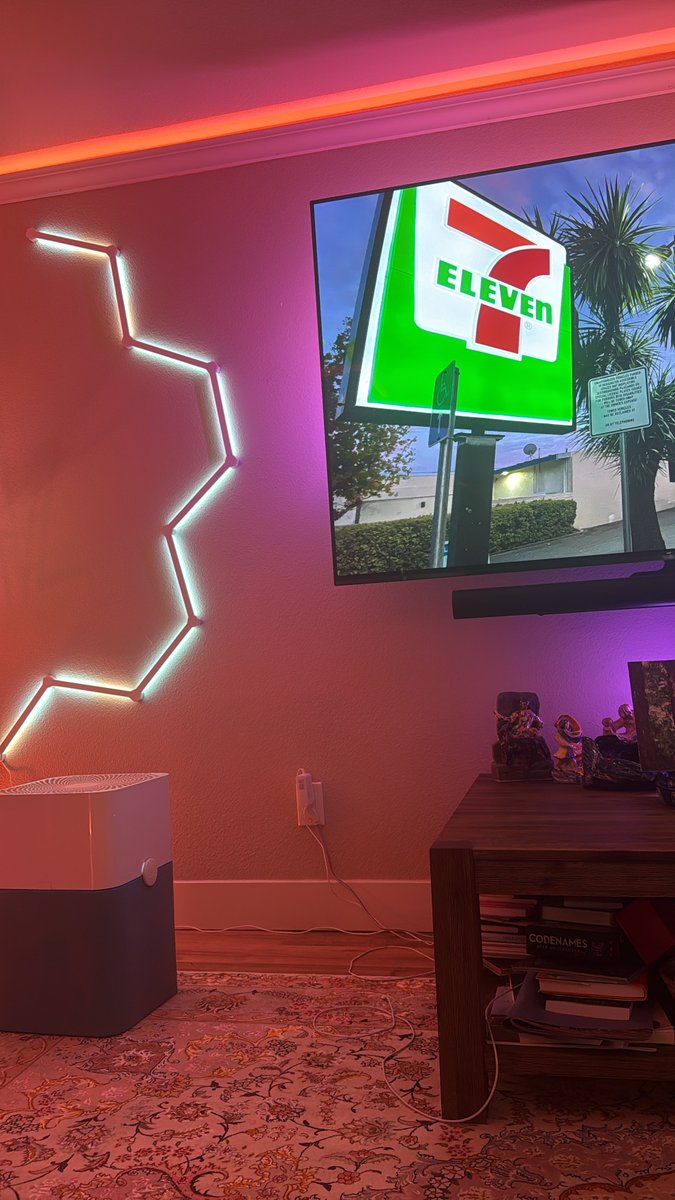
@Ferbin08 Why I put more lights on the walls. AI can see the edges well. https://t.co/85mtG6lw6J
i dont think people realize how big this is Seedance 2.5 now can generate 30s 4K videos from one prompt.. with up to 50 ref.. one click filmmaking is here https://t.co/ltsoz3zgSD
The second official Engineer World’s Fair Hackathon with @aiDotEngineer Join us for 48 hours of building at the frontier of recursive self-improvement (RSI): systems that learn from their own outputs and become more capable through continuous iteration. Excited to be partnering with @GoogleDeepMind, @MongoDB, @MiniMax_AI, @LiveKit, and @digitalocean. 🏆 $10,000+ in prizes and partner credits June 27–28 hosted at @SHACK15sf Apply below👇
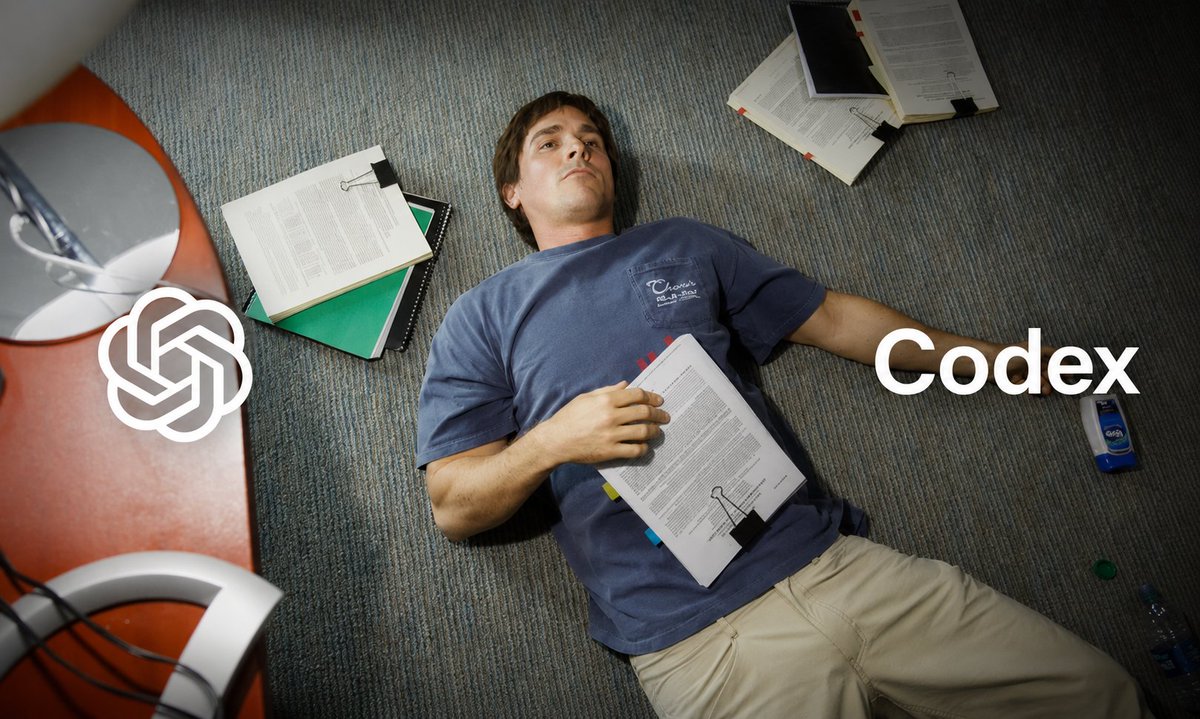
how it feels to code[x] https://t.co/8Uyhk4IEhn
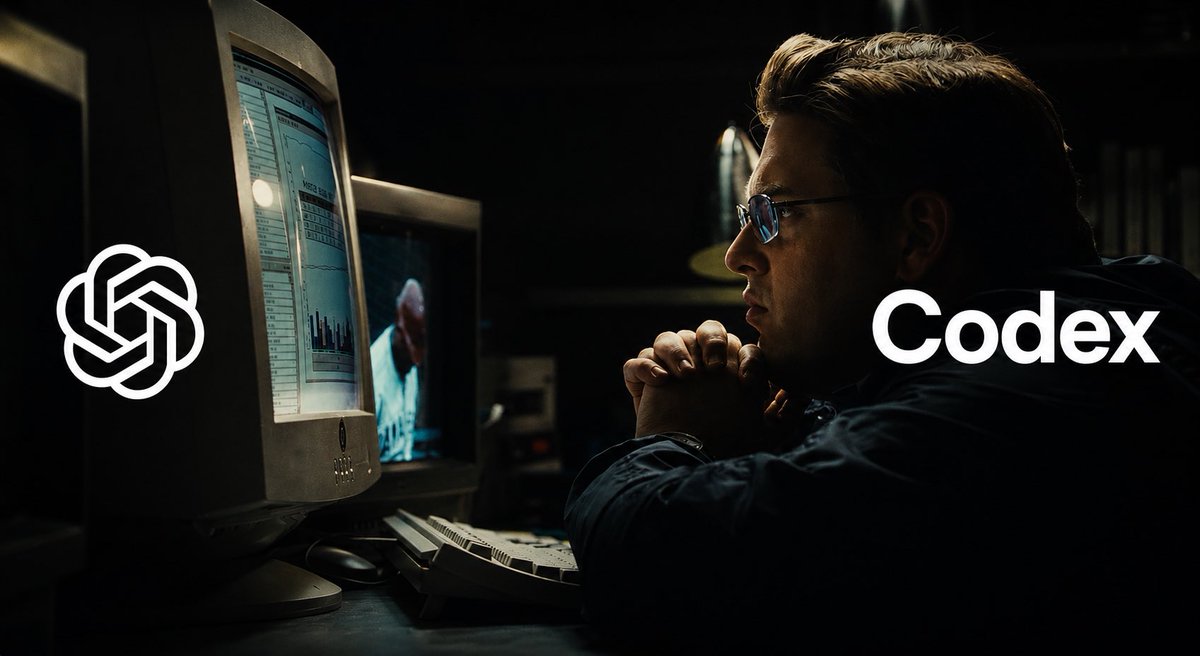
Post your best codex billboard
how it feels to code[x] https://t.co/8Uyhk4IEhn
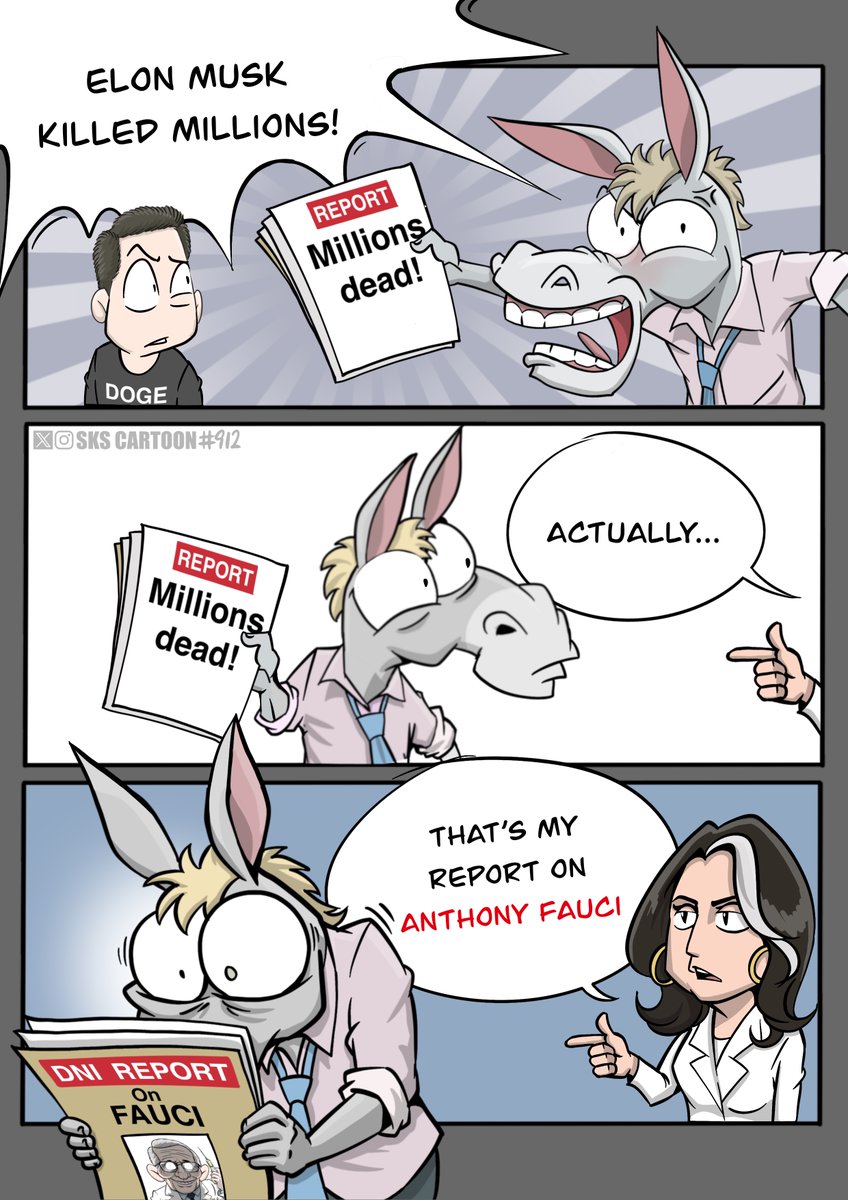
No, Elon Musk and DOGE did not cause "millions of deaths of children." Anthony Fauci, however, very much did. https://t.co/UAiYJ9U9hc
Today, on my final day as Director of National Intelligence, I’m releasing never-before-seen communications and documents exposing how Dr. Fauci provided millions in US taxpayer dollars to fund dangerous gain-of-function research at the Wuhan lab, worked with politicized elements
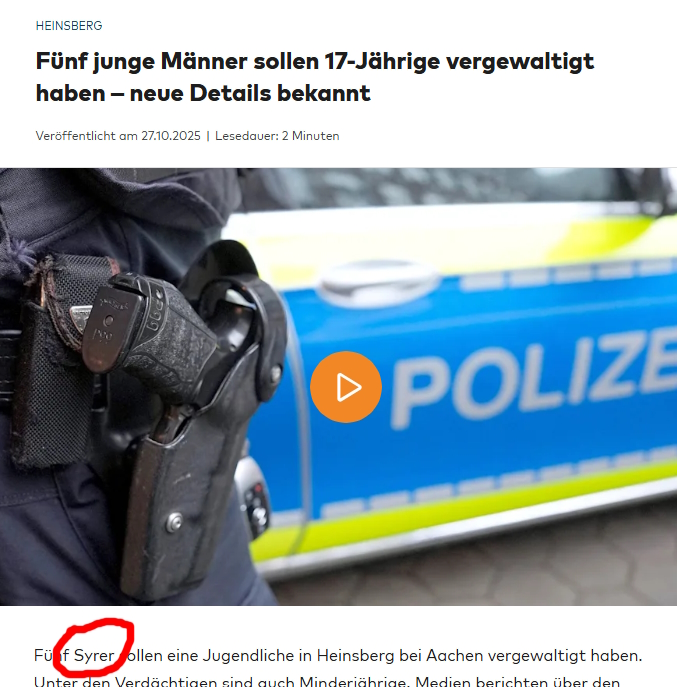
Selbst aus mathematisch-statistischer Perspektive ist das erschreckend: Syrer zum Beispiel sind bei Vergewaltigungen etwa 20-fach überrepräsentiert. Begegnet eine Frau in der Nacht fünf Syrern, liegt ihr Vergewaltigungsrisiko um zehntausend Prozent (!) höher, als würde sie fünf Deutschen begegnen. Begegnet die Frau hingegen fünf Südkoreanern oder Japanern, liegt ihr Vergewaltigungsrisiko sogar unter dem „normalen Alltagsrisiko“, das die 5 Deutschen darstellen, nämlich bei null. Wer also behauptet, Ethnien und Kulturen wären alle gleich und es mache keinen Unterschied, wen man ins Land holt, lügt.
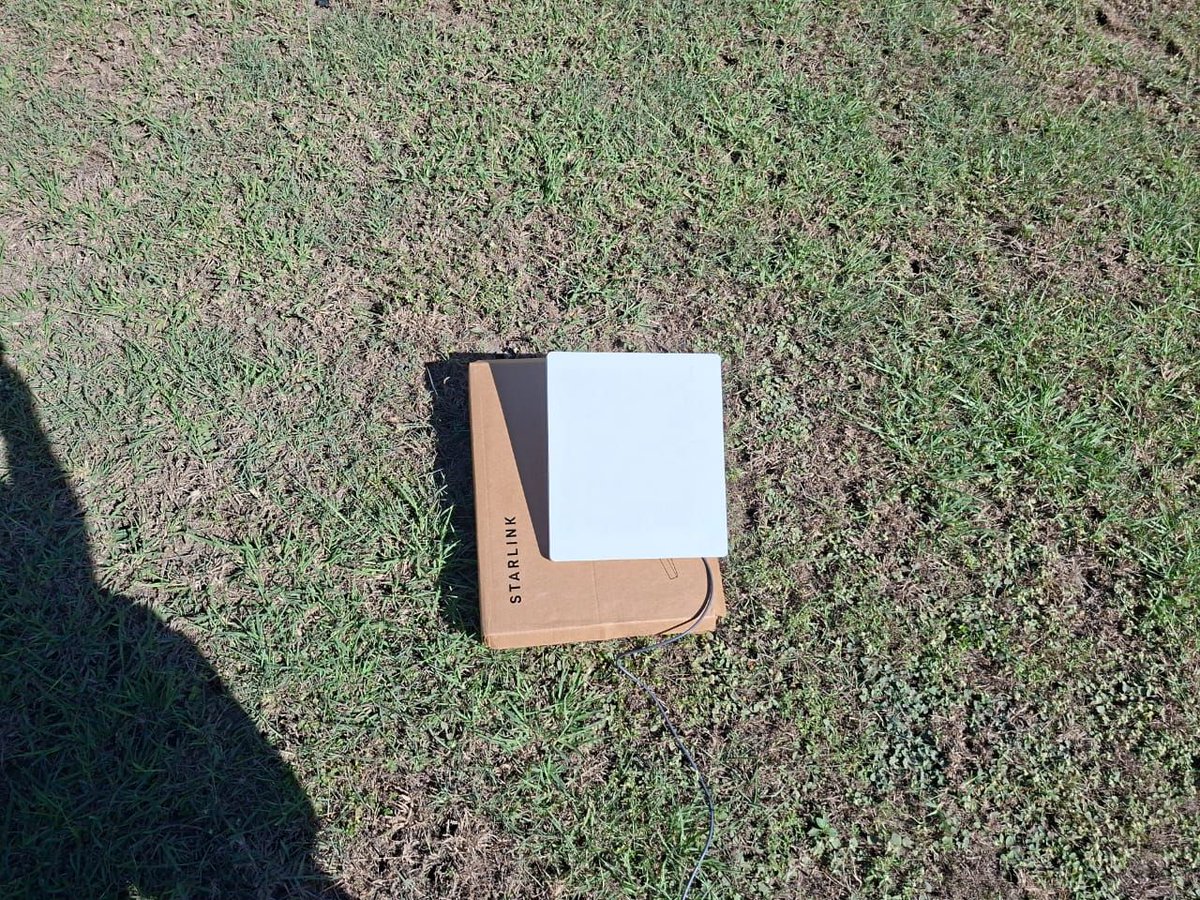
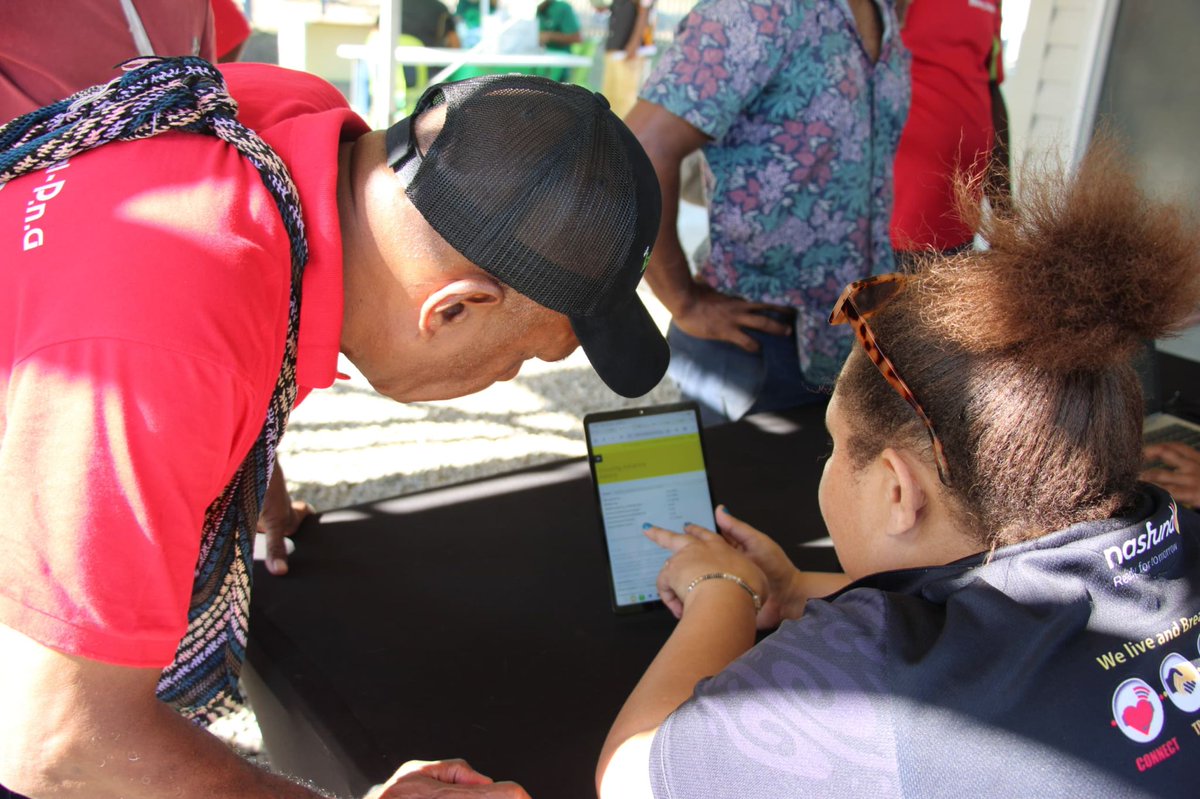
STARLINK: The National Superannuation Fund Limited (Nasfund) of Papua New Guinea launched Mobile Service Booths Powered by Starlink that deliver full member services directly to workplaces and remote communities across the country. Starting in Port Moresby, Starlink supports the booths with over 90 Mbps and allows on-the-spot ID card production, member statement printing, benefit eligibility screening, and account updates. Nasfund is a retirement fund with the goal to provide financial protection and a comfortable living for its members, or to support them and their beneficiaries in the event of unemployment, disability, or death. More Starlink news in today's ELON CHRON below!
https://t.co/SJH0yLJwWN
We teleoperated our robot from the Subway I know some of you will say this is easy to edit and could be framed, and that's totally fair, so I invite you to try it yourself. We did this to show how @Adamorobotics holds up in genuinely poor network conditions. In conditions like these, most available teleoperation solutions struggle in the same way. Control data sits behind video in the queue, and a single lost packet stalls everything behind it, so your commands arrive late and out of sync with what you're seeing. That delay can lead to a robot failing to stop, or acting when it shouldn't, potentially causing serious accidents. That's why we built the Adamo protocol. We prioritise control data to make sure it doesn't get stuck behind a lost packet the way TCP makes it. Don't believe me? Try it for yourself
Before they pulled it, I fed Anthropic's Fable model the instructions on how to make a Creation for r1, and gave it one prompt - "make an awesome game for r1" - this is what it did 🔥🔥🔥 Now available in the Creations Gallery on r1! (rabbithole - the game!) 🥕🥕🥕 #rabbitr1 https://t.co/mWhnWgDbbF
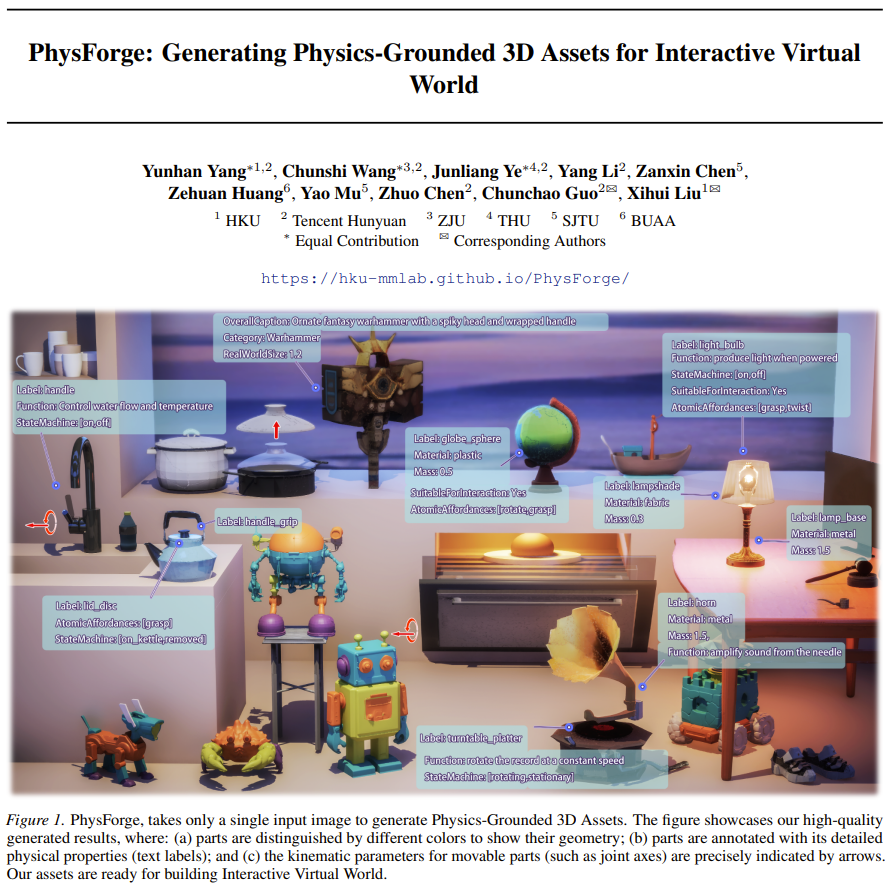
What if your 3D assets could move, break, and interact like real objects—all from a single image? HKU, Tencent Hunyuan, and collaborators (ZJU, THU, SJTU, BUAA) present PhysForge: a two-stage framework that first plans a "physical blueprint" (materials, joints, functions) using a vision-language model, then generates the full asset with built-in kinematic parameters via a novel KineVoxel injection. Result: PhysForge creates simulation-ready, functionally plausible 3D assets—outperforming static generation methods and powering interactive virtual worlds and embodied AI agents. PhysForge: Generating Physics-Grounded 3D Assets for Interactive Virtual World Project: https://t.co/USwt1knPSY Paper: https://t.co/nfjmZ8QfqC Our report: https://t.co/vAkDfVAsYa 📬 #PapersAccepted by Jiqizhixin

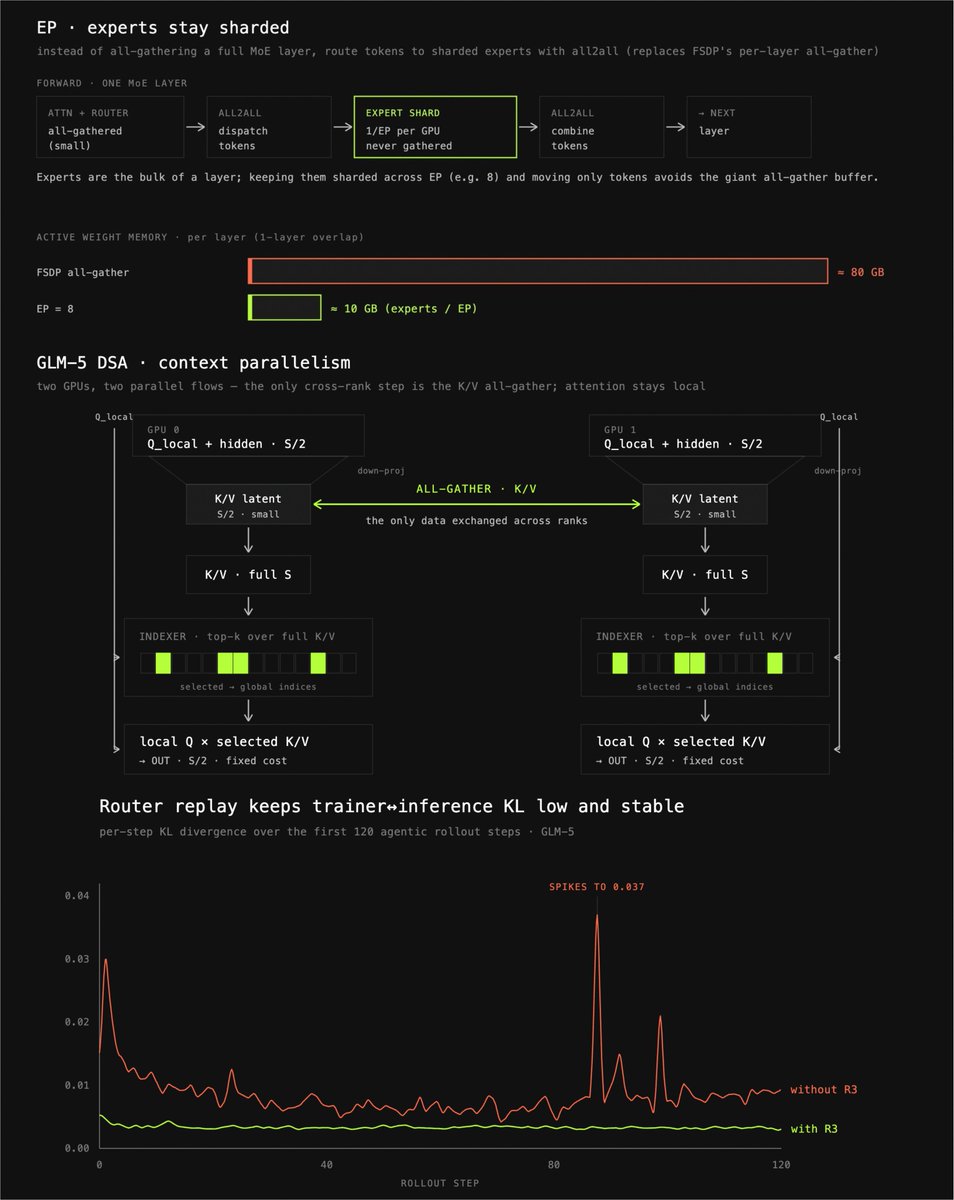
every infra piece you need to know to do RL on GLM-5 https://t.co/pvevY6zYUD https://t.co/rhky5OvmMk
Today we're releasing prime-rl v0.6.0 — enabling RL at trillion-parameter MoE scale on agentic workloads at the highest efficiency. We've relentlessly optimized our RL infra. The result: GLM-5 on agentic SWE tasks at 131k context and sub-5-minute step time. https://t.co/Vg8LhLs
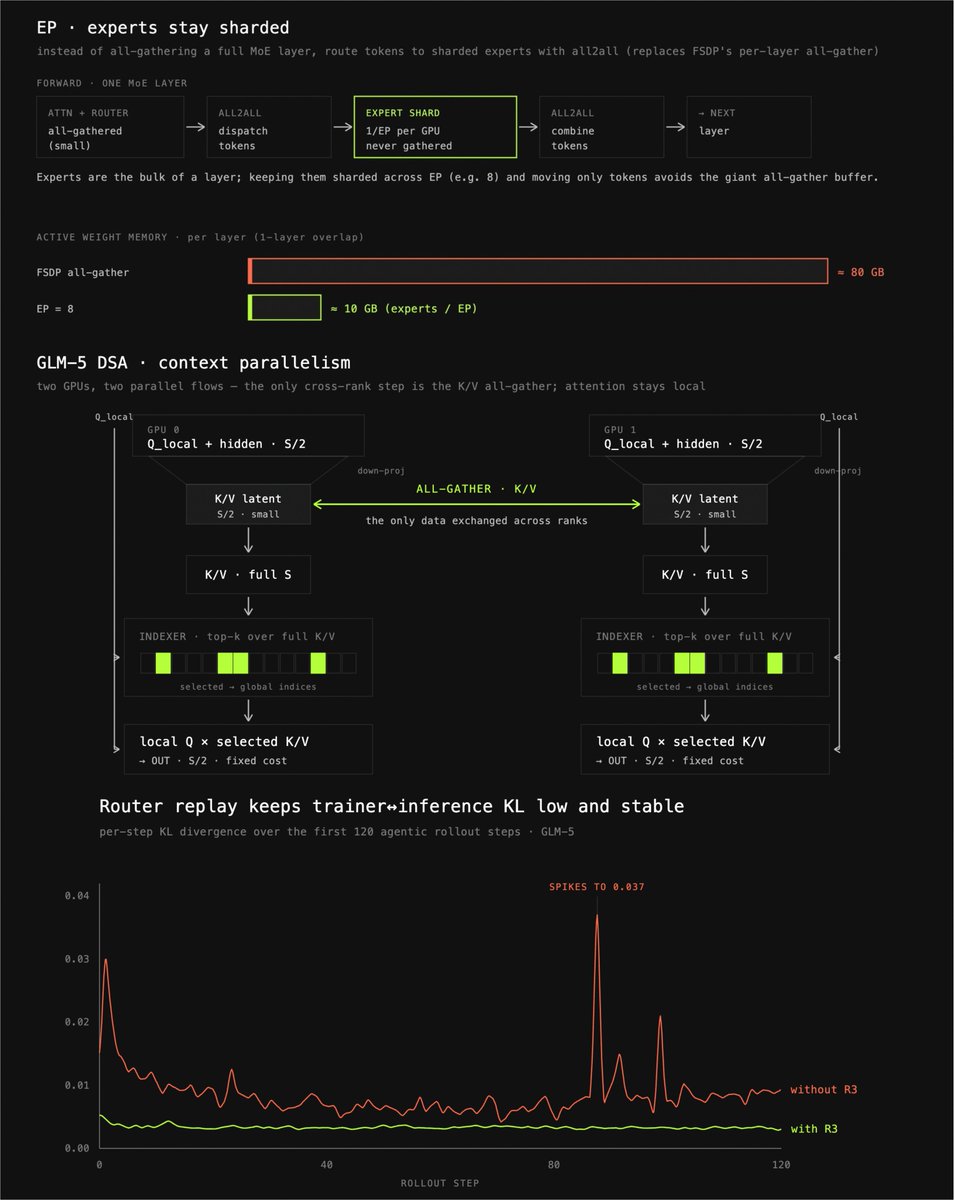
every infra piece you need to know to do RL on GLM-5 https://t.co/pvevY6zYUD https://t.co/rhky5OvmMk
@jxnlco @ajambrosino in deep tonight https://t.co/yiRrXXz1yi
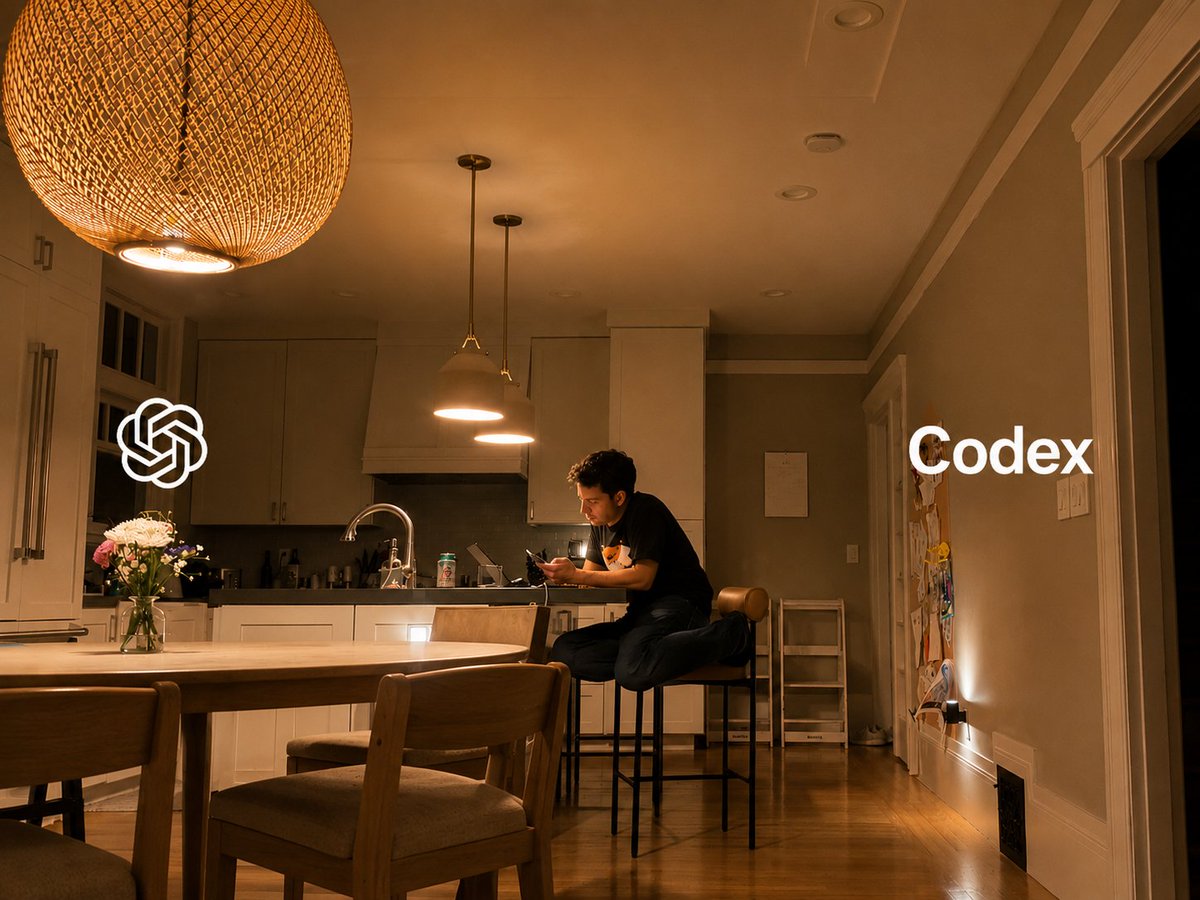
@jxnlco @ajambrosino in deep tonight https://t.co/yiRrXXz1yi
@jxnlco https://t.co/oASQLSM0Gc
@jxnlco https://t.co/oASQLSM0Gc
@jxnlco https://t.co/elTtv43cZH
@jxnlco https://t.co/elTtv43cZH
https://t.co/tHWatEnX1c

I’m blown away by how easy this was. I asked Hermes to install Computer Use, control my machine remotely, take a screenshot, and send it back to me. And it just worked. No setup nightmare. No fighting configs. No stealing my cursor. Just my agent using the computer while I’m away.
Your agent can now use a computer without hijacking your computer. Hermes Computer Use now works on Windows + Linux, alongside macOS. It can: • Click • Type • Scroll • Drag All in the background, so you can keep working while your agent does its thing. Enable it: hermes com
I know they are pivoting to health care(?!) but there is still nothing like Midjourney for making strange and atmospheric images and short animations in ways no other AI image generator can do. Here are some strange cities I made with similar prompts but very different styles. https://t.co/oGJ74ZxoR8
I’m surprised the gaming community haven’t pushed harder to work on Neural Texture Compression considering the RAM squeeze we’re seeing. Unity, Unreal, Valve, Microsoft, Sony, Nintendo, Intel, AMD, Nvidia should help push this as a standard where possible. https://t.co/kwbLd7UAgg https://t.co/yIjTazeqv8
When I first saw augmented reality properly demonstrated in the parking lot of a German startup, the CTO of Metaio showed me monsters on the sides of skyscrapers that were across the parking lot. That was pretty cool. He later set up Apple for decades with his Spatial Computing strategy. This gives you a little taste of why everybody is going to buy glasses soon: when you can live in this kind of infinite reality world, it will be highly entertaining. Consider Formula 1. When someone is sitting next to you wearing them during a race and then looks at you in almost a disgust: “dude, put them on. You can see the whole track in real time.” You will have a pair the next race. I had a similar demo at NASCAR. The autonomous racing league in Abu Dhabi gave me a demonstration on its Formula 1 track. The richest in the world can’t see the whole track from their seats. This sure seems like a problem worth solving. Do you have any clue what would happen if Max Verstappen joined with Apple? And put you in the car at 250 m.p.h. In a world-class competition. Digitally. Once you get 10 minutes in the glasses that soon will come. Some say @Snap is already there. You will buy even if you are blind. I once went to a dinner for the school for the blind. Every augmented reality team was there. Everyone knows this tech can bring sight to the blind. It brings it to all of us. Put it on and you who see you’re entire world differently. I argue better. I was the first to tell you about the World Wide Telescope that was launched by a small team working at Microsoft Research. The technologies that are coming soon will let you actually see every single object in the sky. It is an infinite discovery platform. Create any reality you want at a decent price. Stay alive. You will want to experience it. Even if you go to every race in a private jet. Everyone can build together. Which will take us out of this shitty mood everyone is in about AI. https://t.co/2QqaqqihiD
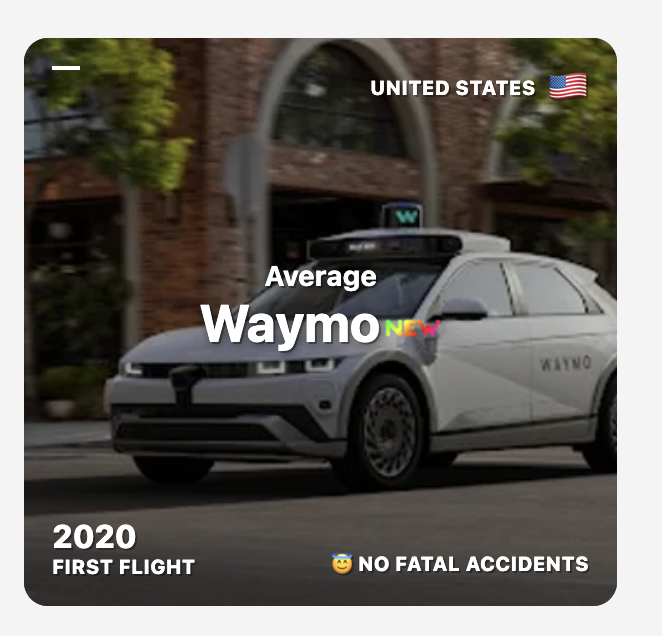
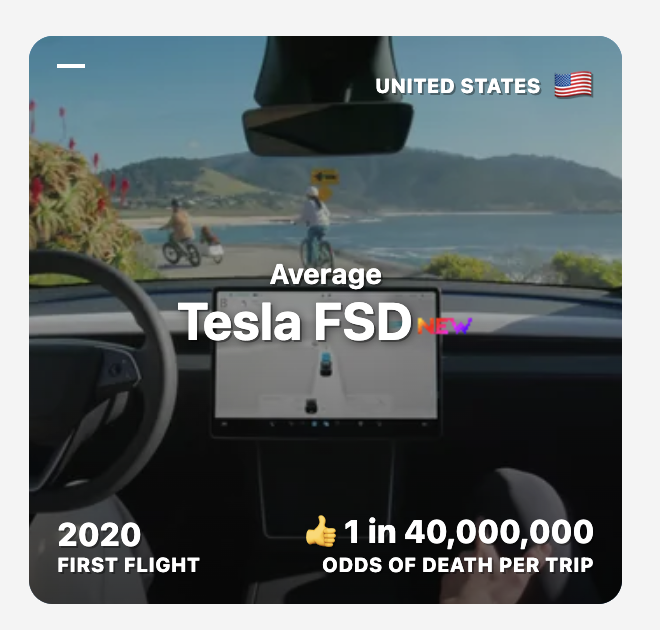
Also added Waymo and Tesla FSD to https://t.co/7sQDNqbZhr Interestingly, Waymo never had fatalities yet And Tesla FSD is ~4x safer than the average car (in fatal odds per trip) 1,190,000 people die every year in traffic deaths 80% of those would be prevented with self driving, meaning you could save 952,000 lives every year if all cars became self driving overnight! After heart disease and cancer, traffic deaths are the biggest killer, so it should be one of the government's biggest priorities to roll out fast!
https://t.co/zVn7JHebEI
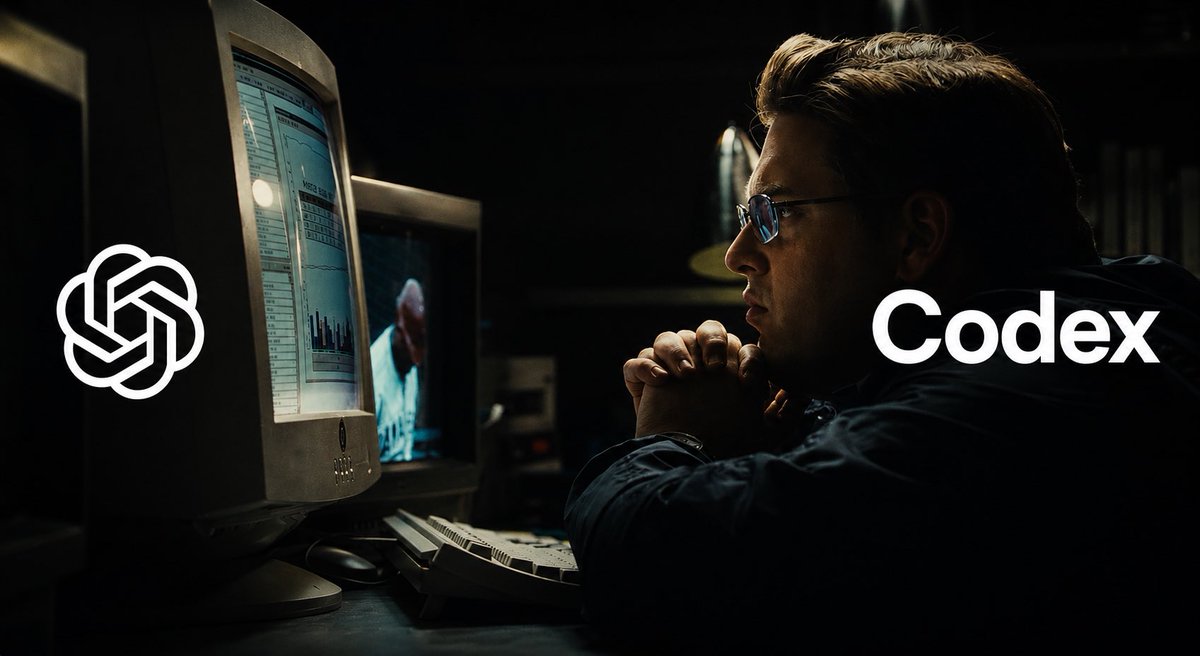
Post your best codex billboard
https://t.co/zVn7JHebEI
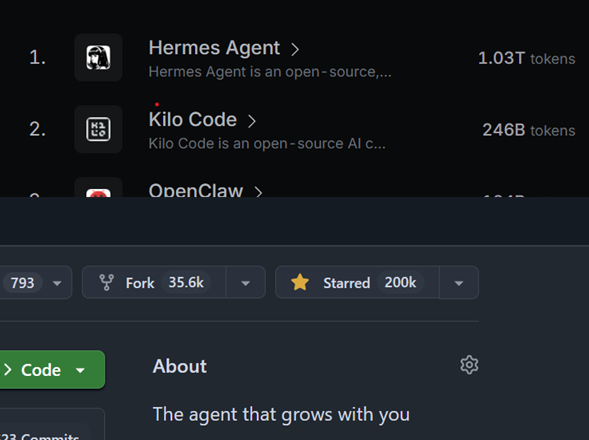
A trillion tokens a day and 200k GitHub stars Very proud of the Hermes Agent team and what we've built at @NousResearch "Better today than yesterday, better tomorrow than today" https://t.co/vCgDKdYeRy
https://t.co/wbBJGtF6Ot
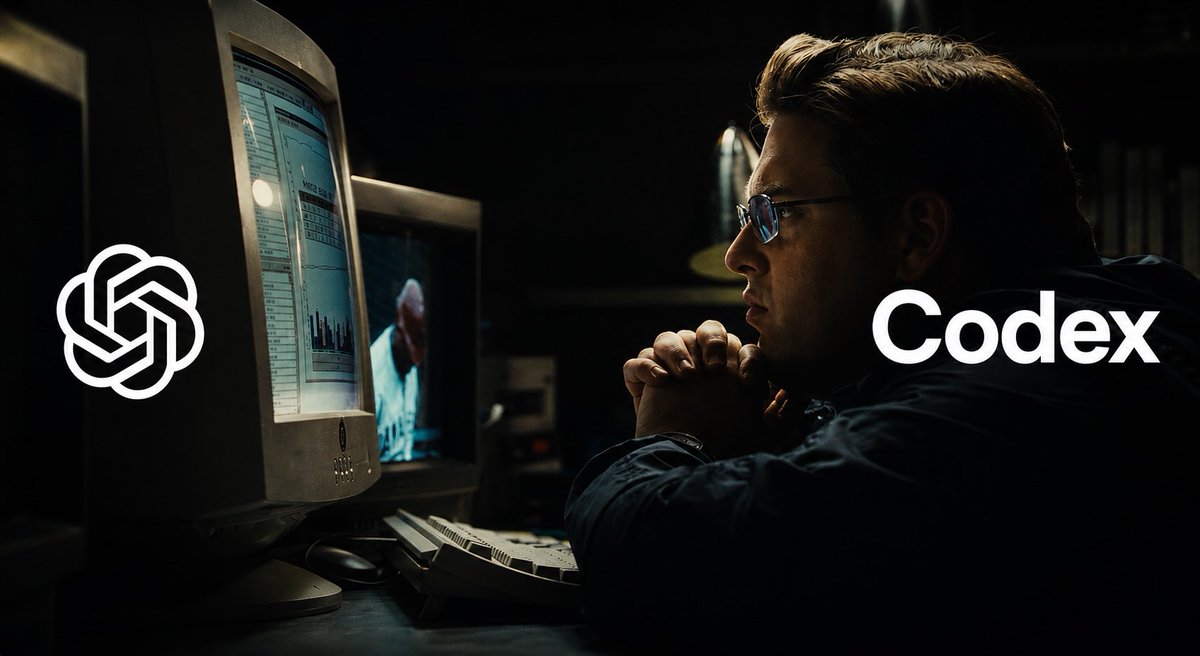
Post your best codex billboard
https://t.co/wbBJGtF6Ot
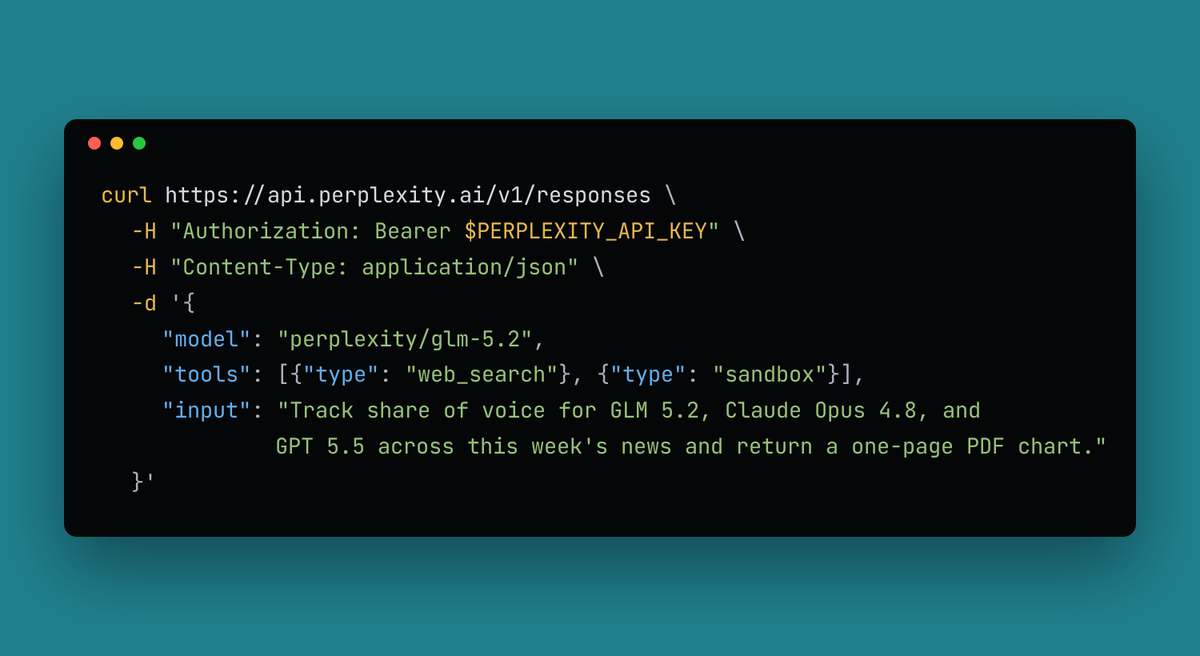
@Zai_org's flagship model, GLM-5.2, is now available in Perplexity's Agent API. GLM-5.2 is one of the strongest open-source models for long-horizon coding and agentic workflows. It shines in Agent API, making particularly effective use of our Search as Code architecture. Combine frontier reasoning with real-time programmatic search with just one API call. OpenAI-compatible interface and first-party pricing with no markup. Get started: https://t.co/tADlfN6X6c
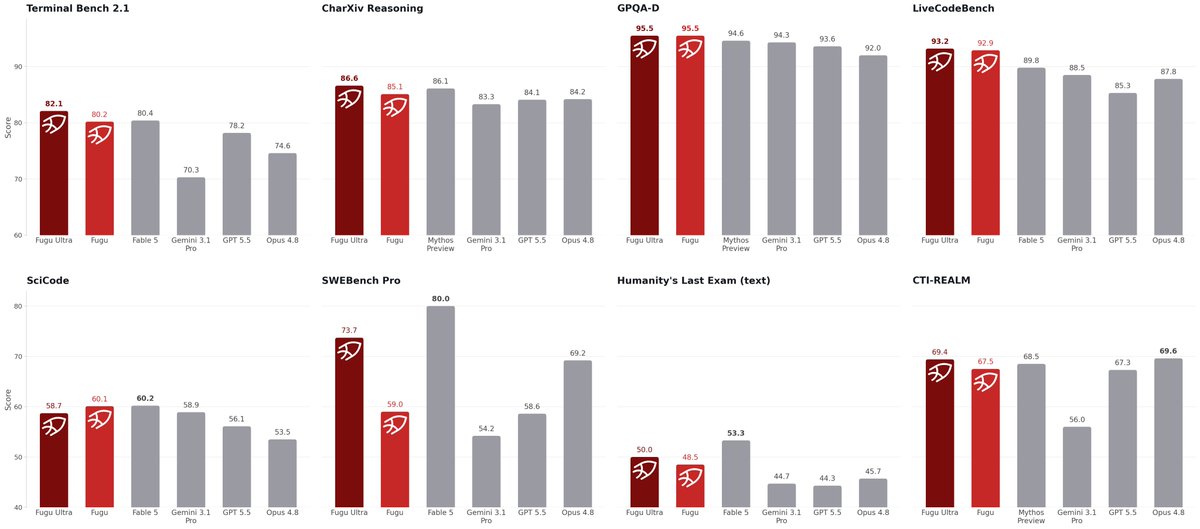
I've been trying @SakanaAILabs Fugu Ultra as an oracle to replace Fable I packaged it up as plugin for codex/claude https://t.co/dOJpOxsIS2 I don't have rigorous evals 😅 but vibes seem like its a bit jagged in its abilities. ex: It seems great for code review but not for front end development. Curious what other's found so far