Your curated collection of saved posts and media
Paper: https://t.co/s5zOLKKW6V Code: https://t.co/iASe4J6Rb6 Blog: https://t.co/rFvBIzpnMz https://t.co/j5mUVkdn3j https://t.co/TG5ILDisJf This project was led by students @aakash_lahoti @kevinyli_ @_berlinchen @caitWW9 - check out their posts at the end of this thread! 2/10


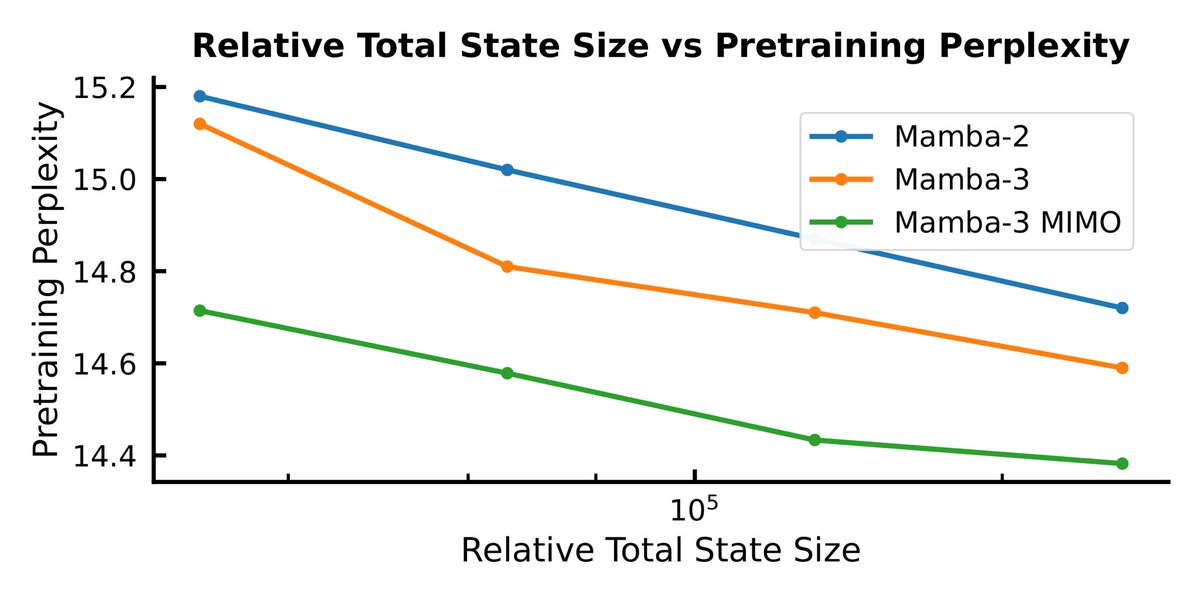
With Mamba-3, we focused on its inference capabilities, motivated by the rise of agents and inference-heavy post training. Performance and efficiency are always tradeoffs, and with Mamba-3 we focused on the capabilities-to-inference-efficiency Pareto frontier. By sweeping the model's state size - a coarse approx of a recurrent model's inference speed, Mamba-3 Pareto dominates previous linear models. 3/10
The primary issue is that despite being known for compute efficiency in terms of raw FLOPs-to-performance, linear models are not very hardware efficient during *decoding* due to the fixed-size state. Mamba-2 only hits ~2.5 arithmetic intensity, whereas matmul for H100s peaks at around 300. This leaves lots of compute idle! 5/10

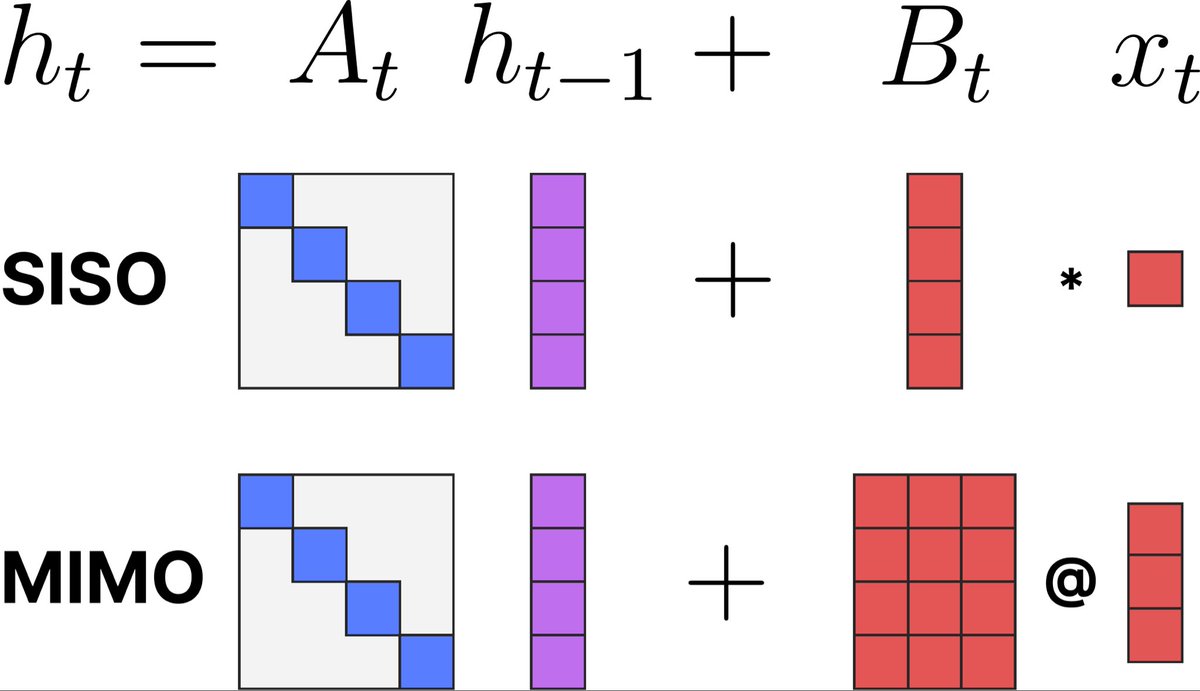
By changing the recurrence from vector outer-product to matrix multiplication, we can increase the compute needed. During memory-bound decode, we get this compute and the stronger model for "free" (caveat is that training time increases since it's already quite optimized). 6/10 https://t.co/ffStdvl8AG
We're also releasing some fast kernels. The simplicity of Mamba-style models really makes it a lot easier to work with lower-level languages beyond Triton, such as TileLang and even CuTe-DSL! Controlling memory-movement really boosts speed; great for inference-heavy tasks! 7/10 https://t.co/BMnFmlORwO

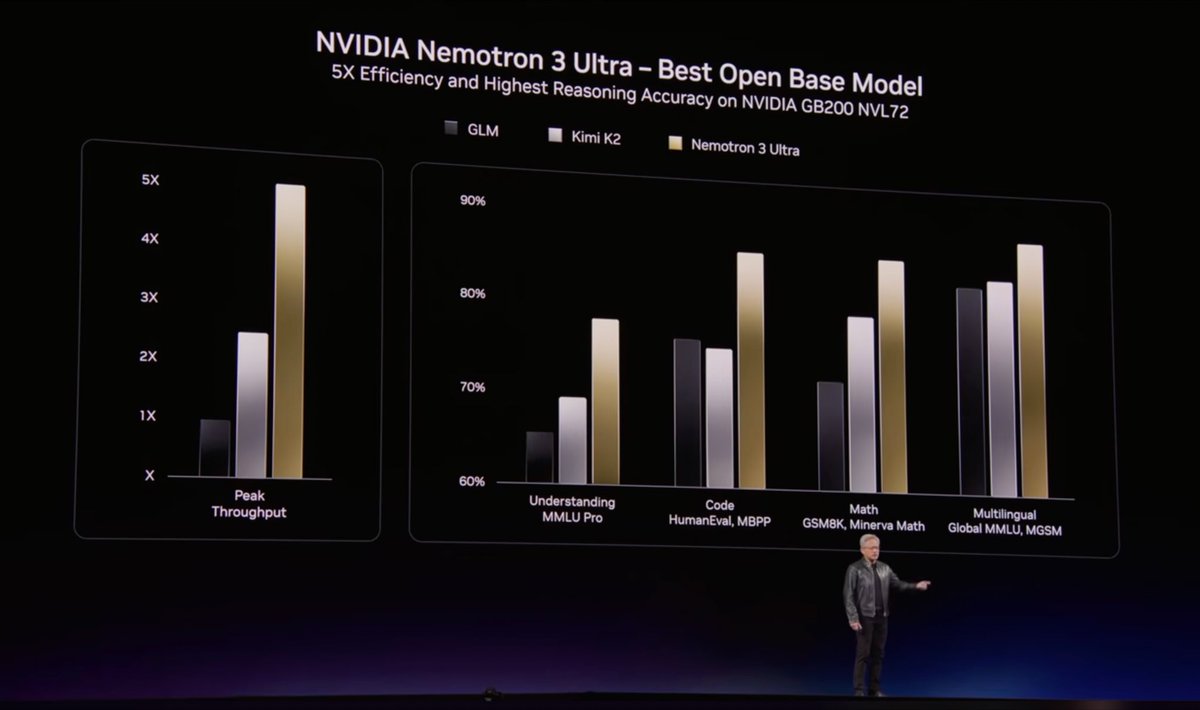
Now that inference throughput is what’s driving agents’ progress (hopefully you caught Jensen’s keynote 😀), we’ll continue to make Mamba stronger and faster. Some fun stuff in the pipeline: new algorithms and kernels to make Mamba forward 3-4x faster and backward 2x faster. Hopefully will be out in 1-2 months, as soon as I can convince Claude to finish all the implementations. My new strat is just whispering to Claude “make it faster…” over and over 9/10 
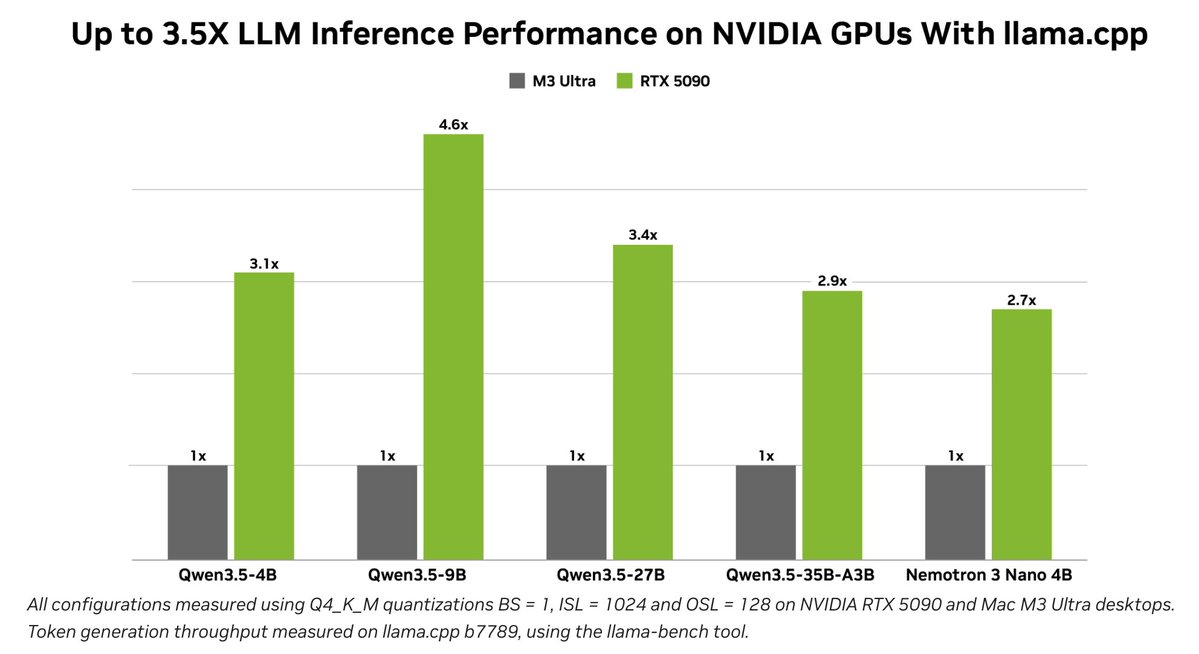
With Nemotron 3 Nano 4B in the NVIDIA Nemotron 3 family, llama.cpp users get a compact model for action-taking conversational personas, available across NVIDIA GPU-enabled systems and @NVIDIA_AI_PC https://t.co/WS2BRzS5Aa
Learn more: https://t.co/nx1h0PEUHK

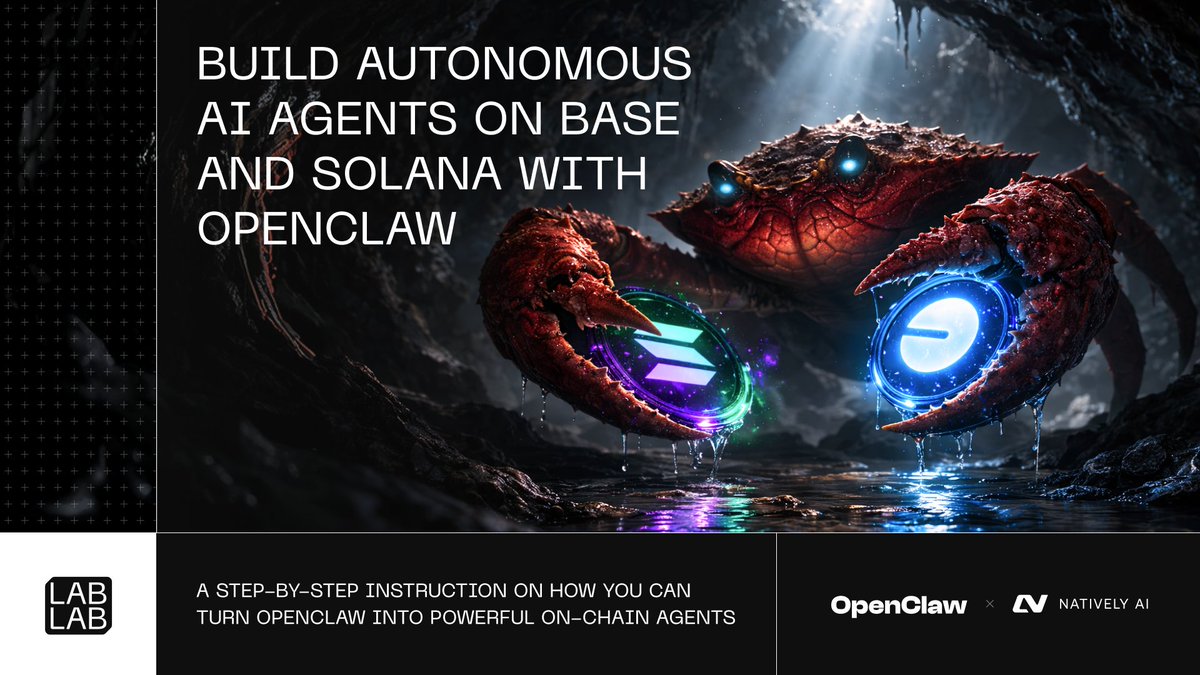
AI Agents just got their first real wallets from @openclaw. Web3 no-code moment is here. AI can now control funds across @base + @solana. No signing. No scripts. What actually happens under the hood: https://t.co/ezypqeItWi
MiroFish runs 1,000,000 AI agents to simulate how a future event plays out > Upload news > Agents debate & form coalitions > A probability map of outcomes emerge 1M runs. Happened 3200 times. p ≈ 0.32 The most powerful forecasting tool is open source https://t.co/odQMCRhtLr
Every company in the world needs a Claw strategy. NanoClaw emerged as a leader in the Claw space because of its safety-first approach: containerized with 4k lines of auditable code. Chosen and loved by nearly 25k developers, we're proud to be a part of the Claw-volution! https://t.co/NN1XYmxDk8
Today we're launching Comet Enterprise. Now, the most powerful AI browser is available to enterprise teams. Research, automate tasks, and get work done without leaving the browser. https://t.co/X8n78W3mI7
Ropedia Xperience-10M is out on Hugging Face a large-scale egocentric multimodal dataset of human experience for embodied AI, robotics, world models, and spatial intelligence It contains 10 million experiences (interaction) and 10,000 hours of synchronized first-person recordings with six video streams, audio, stereo depth, camera pose, hand mocap, full-body mocap, IMU, and hierarchical language annotations dataset: https://t.co/XPLTSexLYi

https://t.co/L1TpTu2fZ6
https://t.co/jd2YHxdlZs

Good initiative by the @WhiteHouse. https://t.co/mkUbcgYd2Z

Grok Image Templates are here! I was serious when I said you can put yourself in ANY style. Now it’s easier than ever. Try it and show me what you’ve got. Here's how + examples ↓ https://t.co/ba9r59Jup7
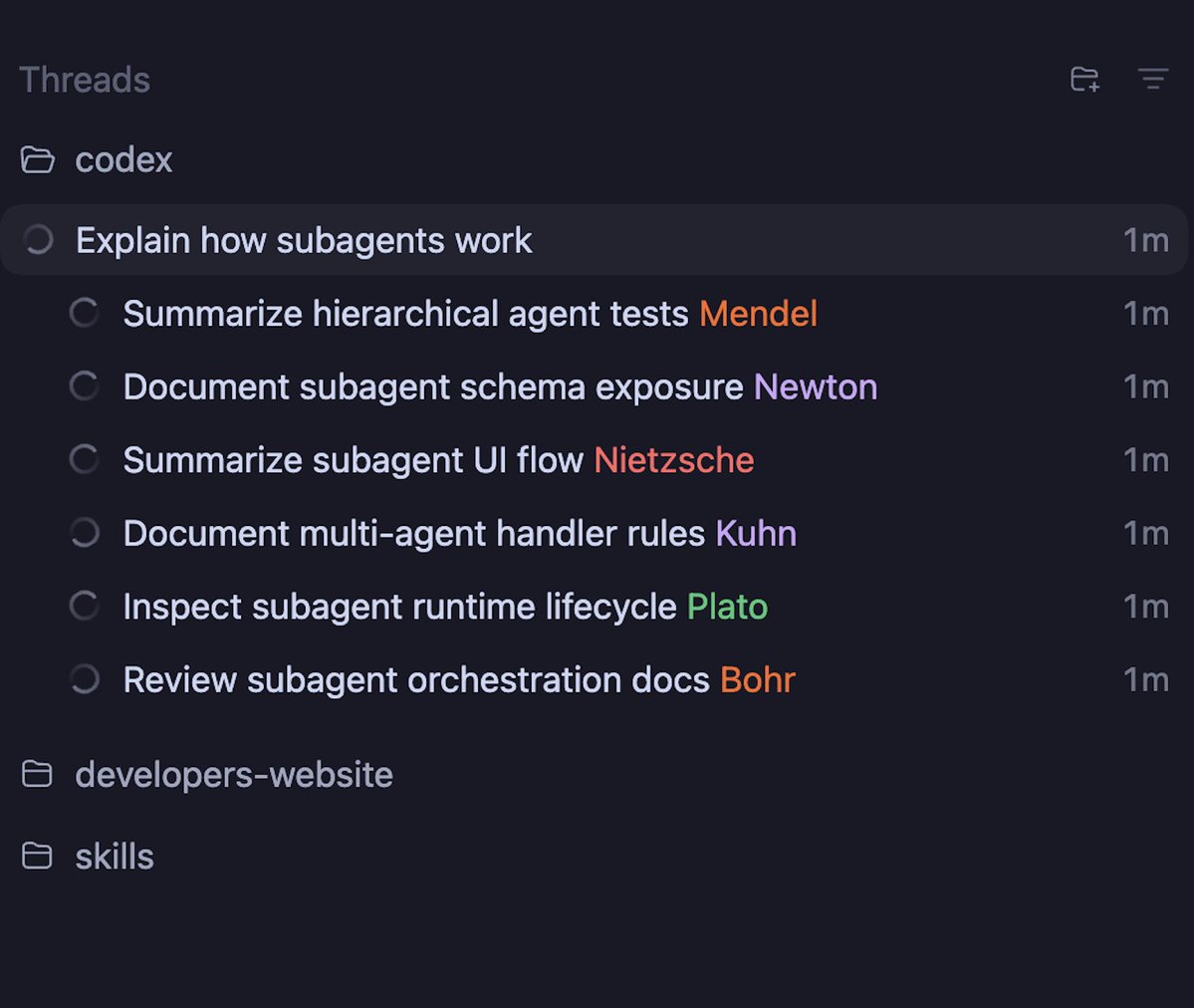
It’s not every day you get to work with Newton, Kuhn, and Nietzsche. The codex app UX sparks joy. https://t.co/V4E0VCsIxu
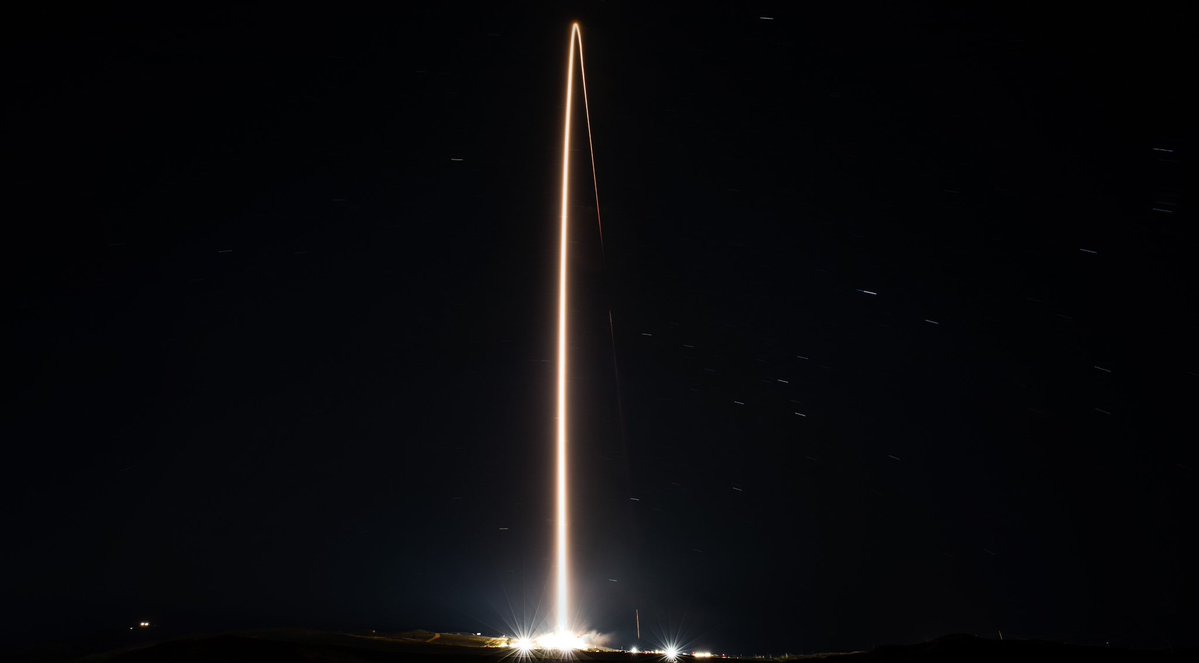
SPACEX IS ON ABSOLUTE FIRE RIGHT NOW🔥 TWO Falcon 9 launches in the last 10 HOURS - Starlink 17-24 from Vandenberg - Starlink 10-46 from Cape Canaveral 50+ satellites dropped in one day like it’s nothing Literally no one else can pull this off But It's just another day at spaceX
The Linux Foundation Announces $12.5 Million in Grant Funding (via @AlphaOmegaOSS and @OpenSSF) @AnthropicAI , @AmazonWebServices, @GitHub, @Google, @GoogleDeepMind, @Microsoft, @OpenAI to Invest in Sustainable Security Solutions for #OpenSource https://t.co/ky10ngqckV https://t.co/bEn8ODBtda


One of the hardest problems with document parsing is trust. How do you know the output actually corresponds to what's in the source? LlamaParse has visual grounding with bounding box citations for outputs, and it addresses exactly this. Two ways to use it: 1️⃣ In the UI: hover over any element in the markdown output and it highlights the exact region it came from in the original document. Great for spot-checking complex tables, multi-column layouts, or figures where parsing can be tricky. 2️⃣ In the JSON output: every parsed element carries bounding box coordinates, i.e. the precise location of that element within the source file. That means you can build applications that don't just surface an answer, but can point back to exactly where in a document it came from. For due diligence, where auditability matters, this is a step up from "trust the output." You can verify it, cite it, and build on it. Sign up to LlamaParse to get started: https://t.co/yPVJzqoKal
https://t.co/8etaNgUCu8
https://t.co/8etaNgUCu8
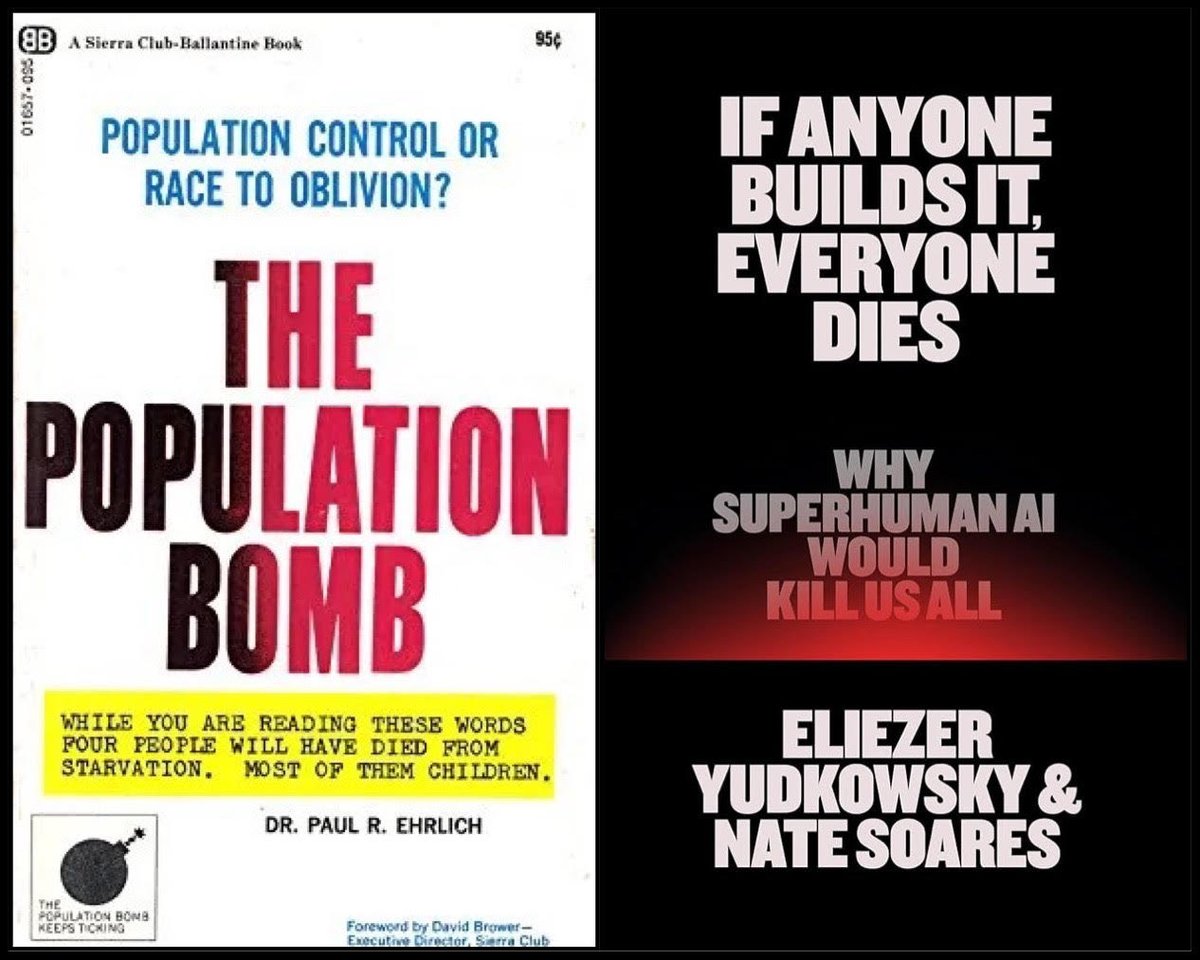
When people talk about generative AI risks, they usually focus on the technology. But there are really two layers. Embedded risks that come from the models themselves, and enacted risks that emerge from how organizations deploy them. In practice, the biggest problems often appear in the second category. Not the model, but how people choose to use it. https://t.co/xHSZ7GzU4i @MITSloan
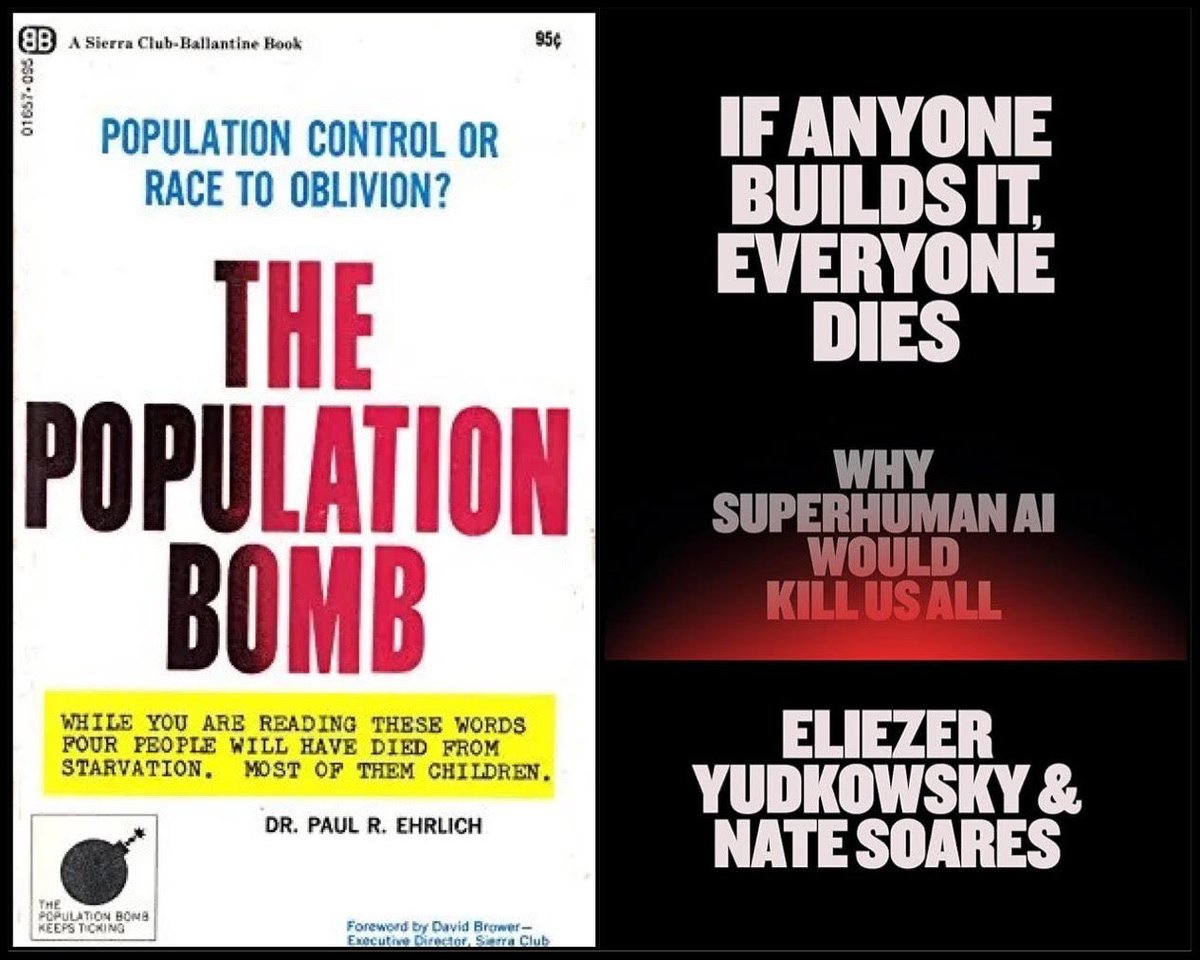
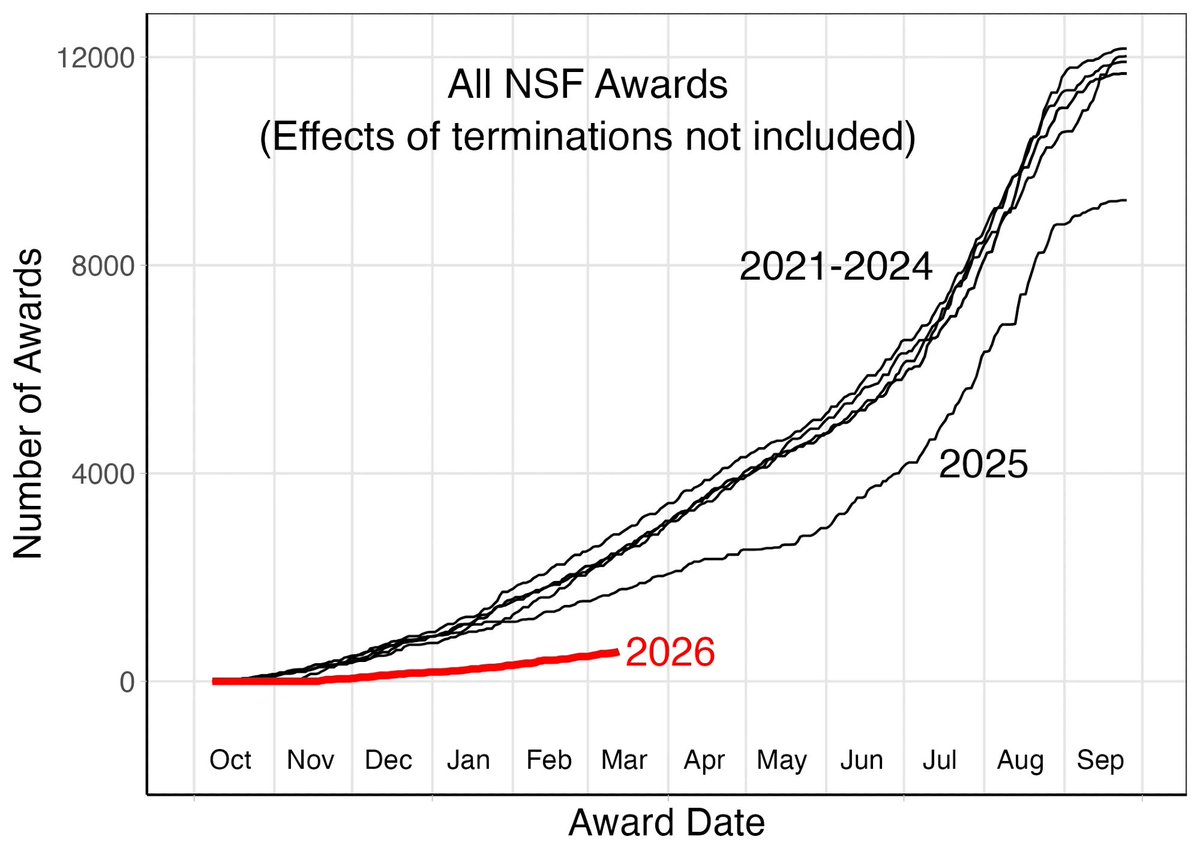
this is what actual national suicide looks like btw https://t.co/Qeknw6XMrg
this is what actual national suicide looks like btw https://t.co/Qeknw6XMrg
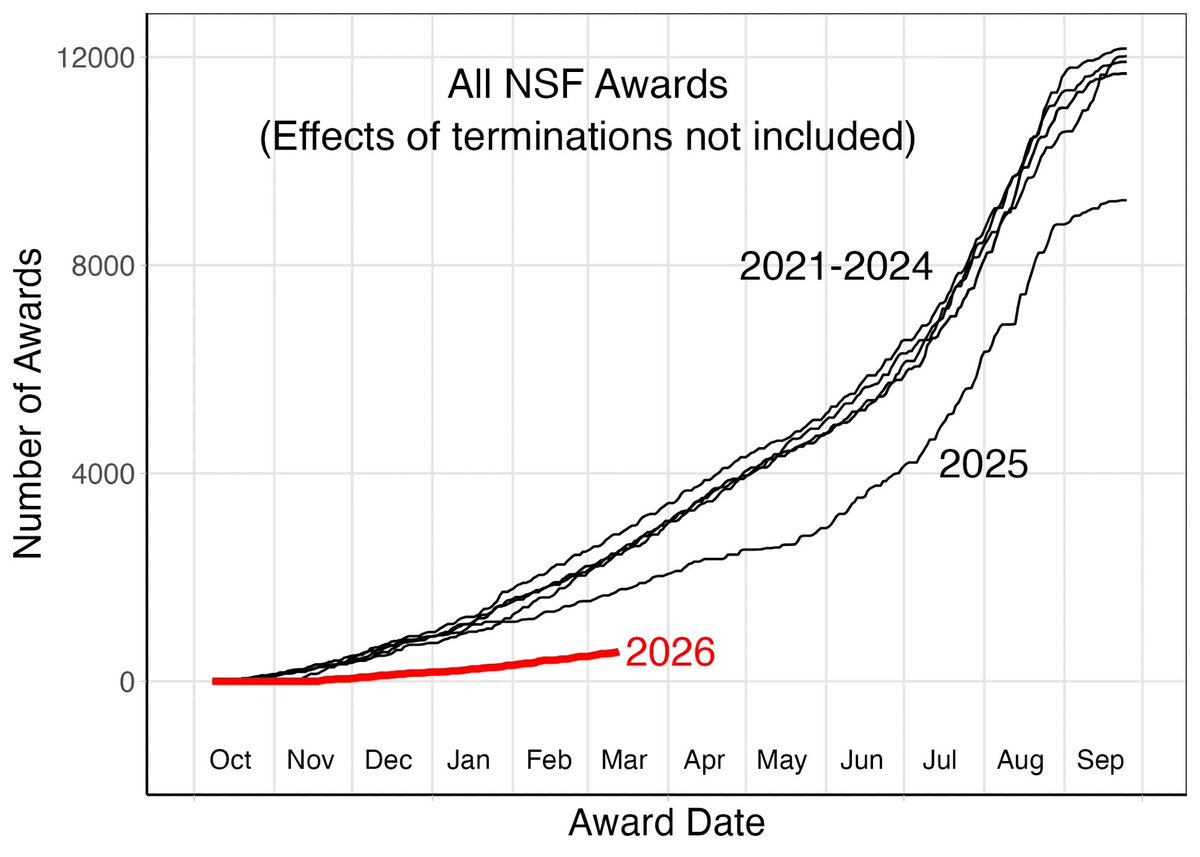
Excuse my language, but Trump is a delusional, narcissistic, lying piece of shit. https://t.co/uvvNeZLMrT

Excuse my language, but Trump is a delusional, narcissistic, lying piece of shit. https://t.co/uvvNeZLMrT

Excited to introduce OmniClone, a robust teleoperation system for humanoid mobile manipulation. While systems like TWIST2 and SONIC paved the way, we put efforts into solving the critical stability and scaling gaps. 1/ 📊 Moving past "vibe-based" testing. We’ve built a comprehensive diagnostic benchmark to systematically evaluate whole-body teleoperation. No more trial-and-error—get the actionable insights needed for true policy optimization. 2/ 👤 Universal Human-to-Robot Mapping. Teleop often breaks when switching operators. OmniClone mitigates biases from hardware fluctuations and, crucially, diverse human body shapes, ensuring high-stability control regardless of the person in the suit. 3/ 🚀 System Optimizations for Whole-body Manipulation Policy. By optimizing for affordability and reproducibility, OmniClone provides the high-fidelity pipeline necessary to collect data and train humanoid whole-body policies at scale. fully The model checkpoints and deploy code are now fully released—welcome to play with it! 📦 📄 Paper: https://t.co/kDm60WeuMD 🌐 Project: https://t.co/WGcfYridEs 💻 Code: https://t.co/U1QLgaipcd