Your curated collection of saved posts and media
We've introduced dockable panels to improve navigating changes in PRs In the files changed view you can now dock → Comments → Merge status → Alerts → PR overview https://t.co/LvFt7aNxr6
New in @code Insiders: Control reasoning effort from the model picker. https://t.co/82upJE9UwP
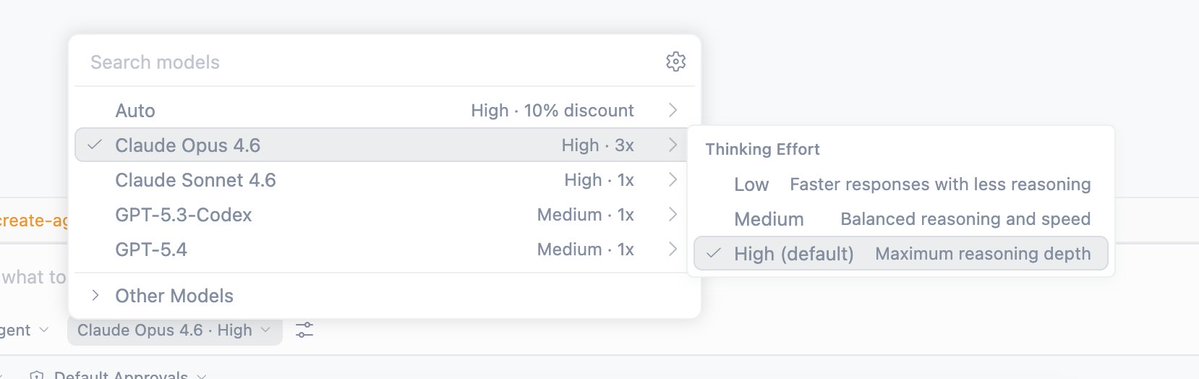
New in @code Insiders: Control reasoning effort from the model picker. https://t.co/82upJE9UwP
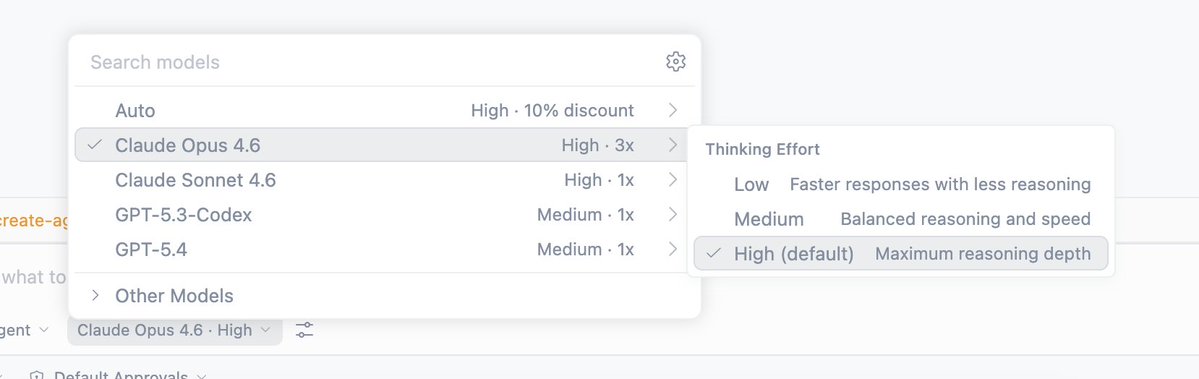
2026 may be the year AI starts to truly reason about biology. AlphaFold helped close the sequence → structure gap. The next frontier is sequence → functions. Today, together with @genophoria and the team at @arcinstitute , we’re releasing BioReason-Pro — the first multimodal reasoning model for protein function prediction.
Our new open-source LiteParse comes with ready-to-use agent skills that work seamlessly with coding agents. `npx skills add run-llama/llamaparse-agent-skills --skill liteparse` ..and your agents can immediately start processing documents locally as part of their reasoning process. Here's Claude Code with liteparse enabled 💪 Documentation for LiteParse agent skills: https://t.co/VEf0zkT9wS
This is where sports, AI, and robotics meet. At the Startup Draft in Pittsburgh, @CarnegieMellon & AWS will connect founders with investors, technologists, and industry leaders shaping the future of sports innovation. Got a game-changing idea? Start scaling today with AWS Activate.
LiteParse is our free, blazing-fast document parser that you can plug into 46+ different agents - with one command 🔥 From Claude Code to OpenClaw to Cursor to Warp. Use liteparse to solve a task directly or read docs as context to write code. All you have to do is `npx skills add run-llama/llamaparse-agent-skills --skill liteparse` (we borrowed Vercel’s format) Check out our video below on using liteparse with Claude Code! Repo: https://t.co/JNER0mVcB8 Blog: https://t.co/qmpDwlkidZ
We just open-sourced LiteParse 🎉 A lightweight, local document parser in the shape of an easy-to-use CLI. No API calls, no external service, no cloud dependency. Just fast text extraction from common file formats, right from your terminal. It's built for developers who want par
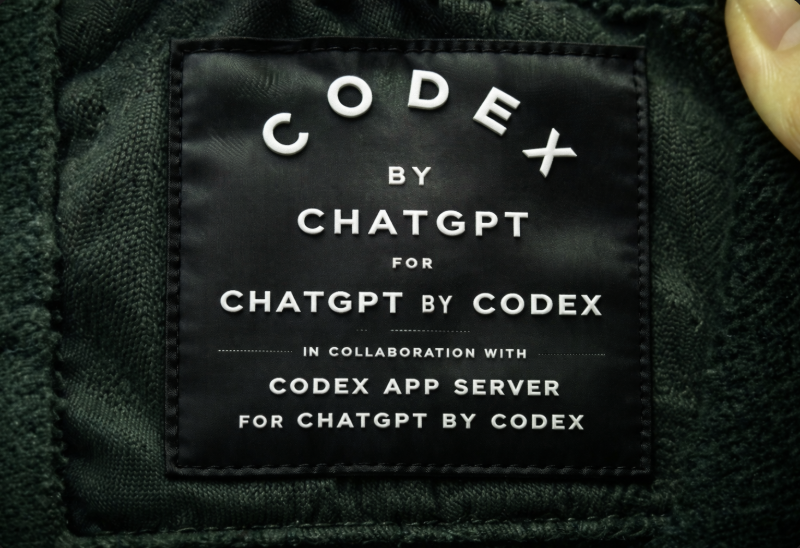
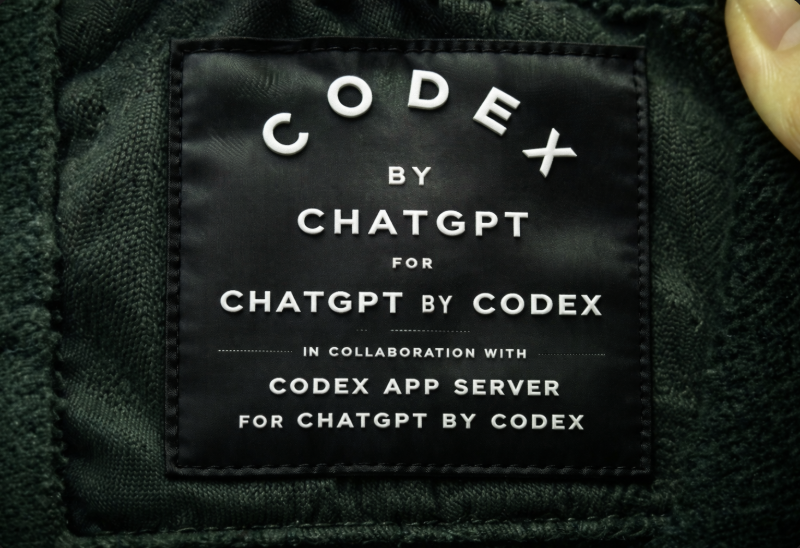
I just saw the new codex merch, im so excited thanks for @dkundel and @ajambrosino for moving so quickly on this https://t.co/7emlCPC0TF
@singaporemacro Woah, nice! None of our Zimbabwean species had a horn quite that impressive... (Ceratogyrus sp from Chipinge, Zimbabwe, awaiting description afaik) https://t.co/vr1qd1isBG


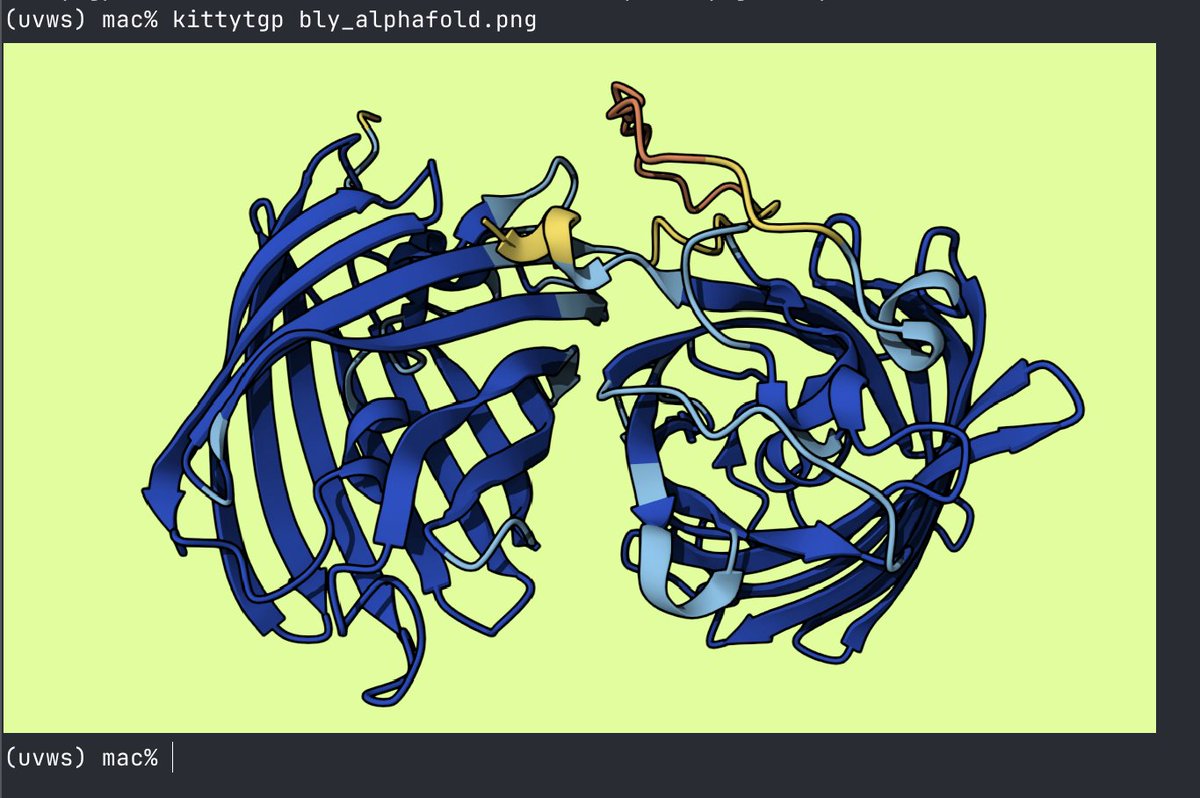
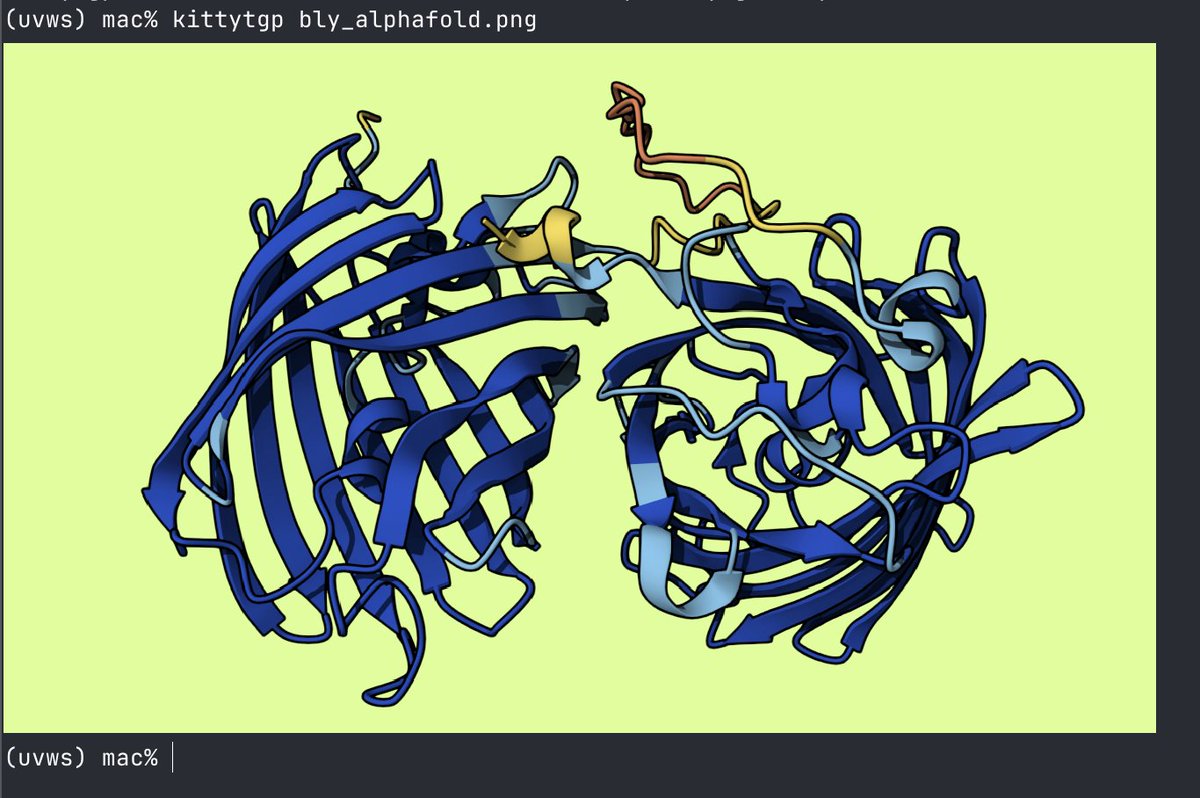
@_inc0_ @ATinyGreenCell Terminals can display images these days :) https://t.co/5yasQ27wAB
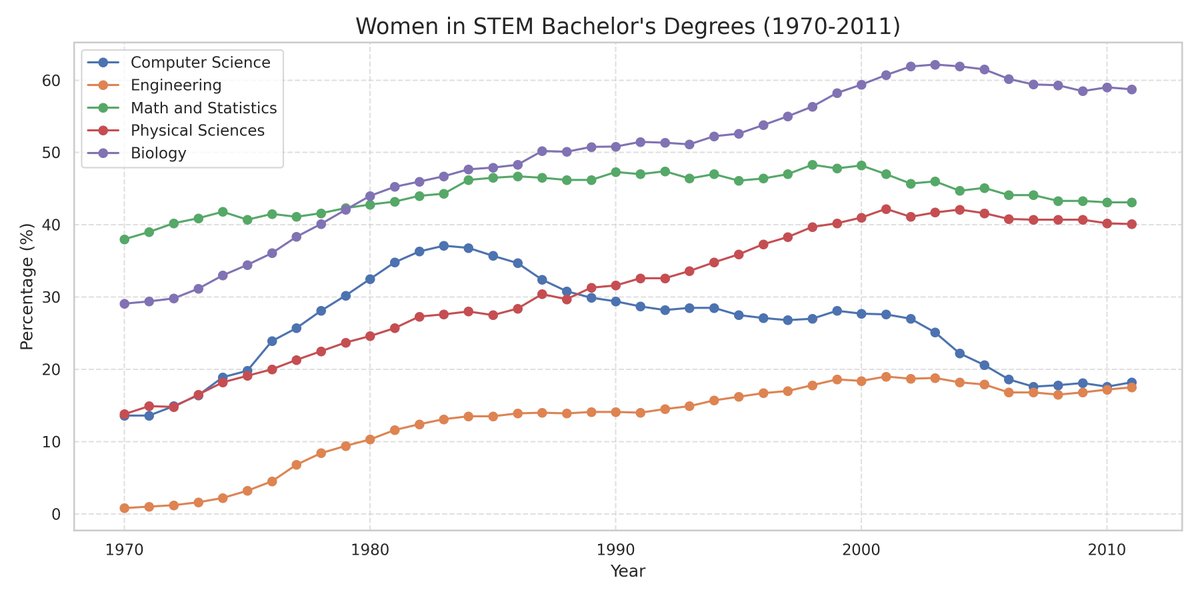
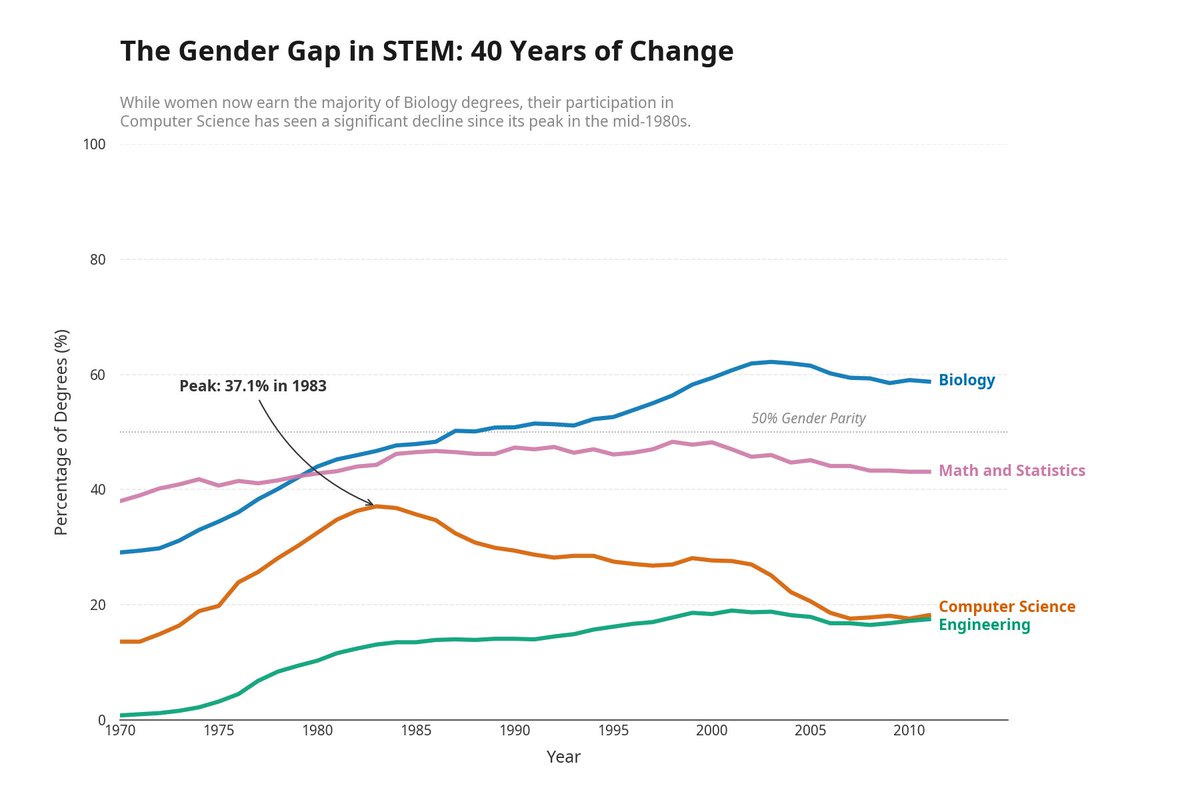
This week, I encoded Edward Tufte's data visualization principles into an API. Then I let an AI agent try to pass it. I gave @ManusAI a CSV of women's bachelor's degree percentages across STEM fields (1970-2011) and one prompt: visualize this data. It produced a standard chart. Correct data, readable axes, nothing wrong. But a legend box instead of direct labels. No annotations calling out the rise and fall of women in Computer Science. Default colors. This is what every AI agent produces right now. So I pointed it at the Tufte Test, a quality standard I built in Truesight that checks charts against seven of Tufte's core principles. The API came back: fail on direct labeling and integrated annotations. Five other criteria passed. A quality standard gives an agent something a vague prompt never can: a precise list of exactly what to fix. Manus revised on its own. Legend box became direct endpoint labels. A subtitle surfaced the key insight. An annotation marked the Computer Science peak at 37.1% in 1983. Two prompts total from me. Everything else was autonomous. Any AI agent that can call an API could do this. What matters is the pattern: encode expert judgment once, deploy it as an API, and every AI agent in your stack builds against it. Your taste becomes infrastructure at scale instead of manual review. The Tufte Test is available as a template in Truesight if you want to try it on your own charts. Full writeup + demo video: https://t.co/Xkc9AK87xG
between codex sessions I love having a nice can of coke thanks everyone who came to the notion x oai event as well as our build lounge in New York! https://t.co/cxgZsfCi5J


Next level. 😂 https://t.co/9jyCLRYgtT

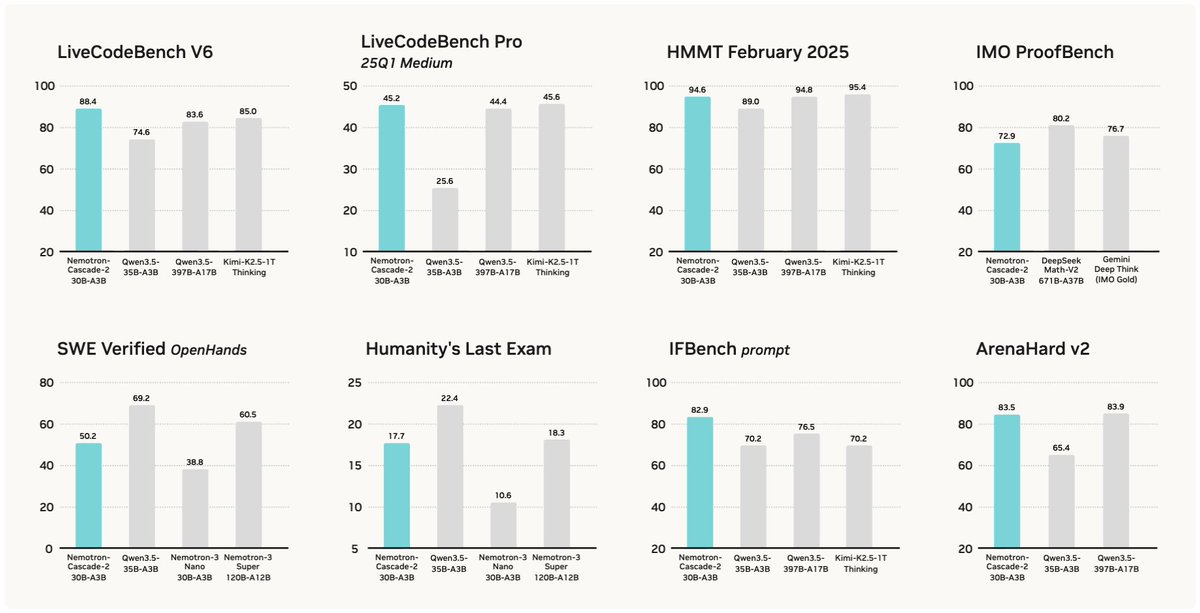
NVIDIA just released Nemotron-Cascade 2 on Hugging Face A 30B MoE model with 3B activated parameters that achieves gold medal performance at IMO and IOI 2025. https://t.co/kNkYlhpKv8
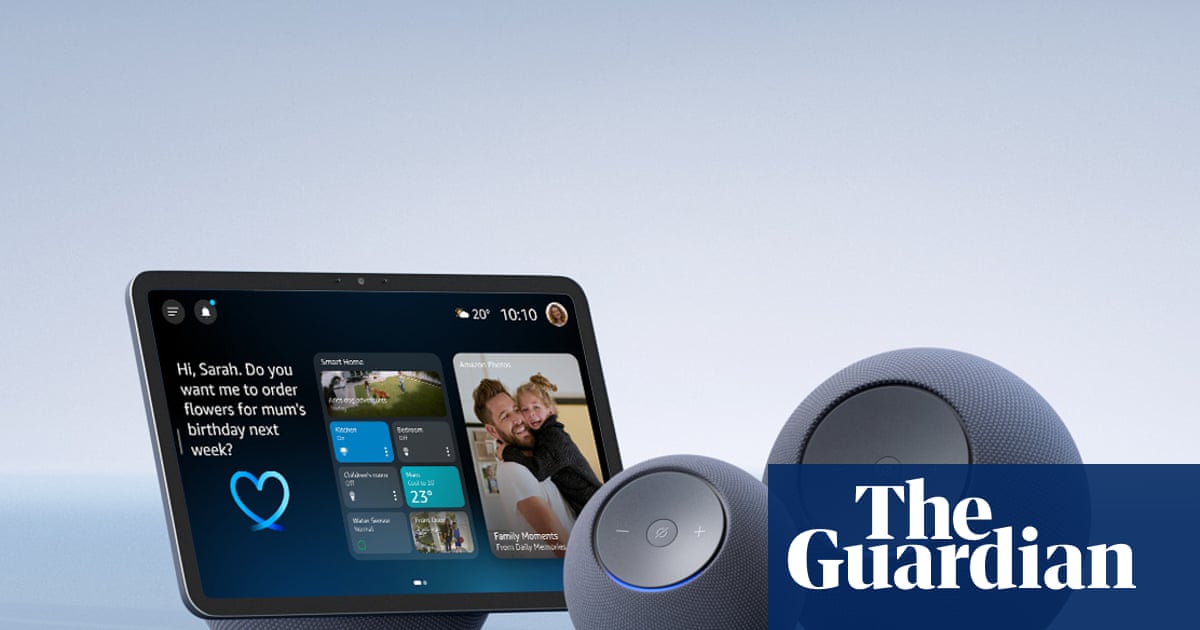
Amazon is betting on a smarter Alexa to win back users in the UK. With Alexa+, the goal is to make interactions more natural, useful and worth returning to after years of fading engagement. But expectations are higher now, and users have plenty of alternatives. The challenge is simple: can voice assistants finally become genuinely helpful, or will they remain something people try once and forget? https://t.co/sbafcU7nJf
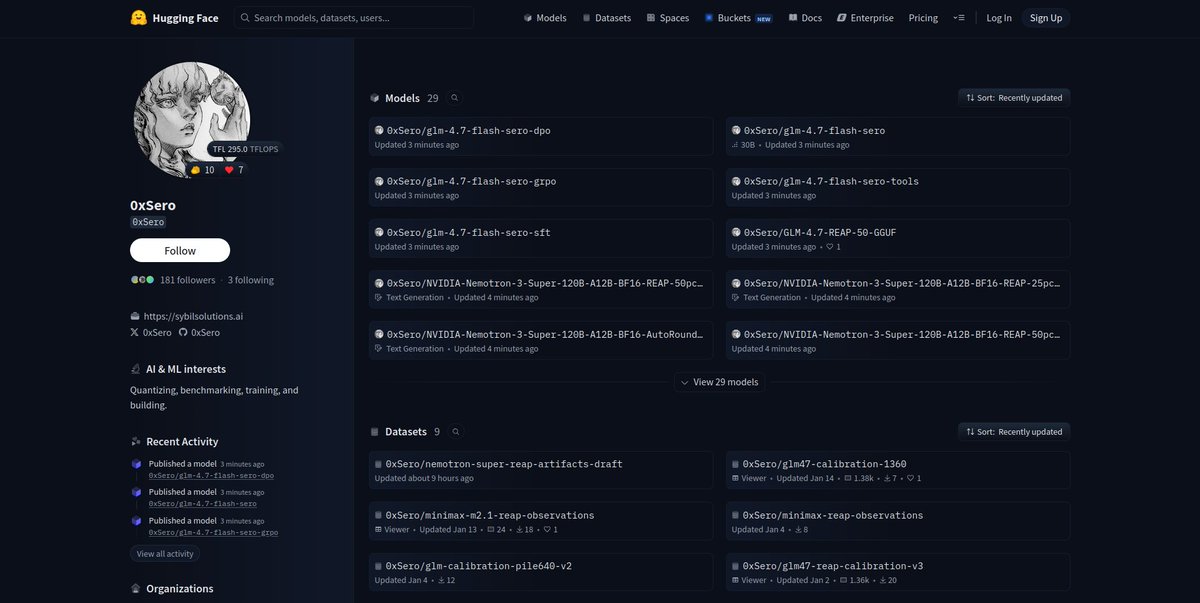
this guy has 29 models on huggingface at page 2 ranking. no lab behind him. no sponsorship. $2,000 from his own pocket on GPU rentals. he compressed GLM-4.7 to run on a MacBook and quantized Nemotron Super the week it dropped. all public. all free. nvidia is a trillion dollar company with hundreds of teams but they are not the ones quantizing models middle of the night and pushing them out before sunrise. if nvidia stopped tomorrow their employees stop working. people like @0xSero would not. that is the difference between a paycheck and a mission. @NVIDIAAI you talk about making AI accessible. the people actually doing it are right here. 29 models deep burning their own compute with no ask except more hardware to keep going. you do not need to build another program. just look at who is already building for you. one GPU to this man would produce more public value than a hundred internal sprints. i am not asking for charity. i am asking you to invest in someone who already proved it.
Putting out a wish to the universe. I need more compute, if I can get more I will make sure every machine from a small phone to a bootstrapped RTX 3090 node can run frontier intelligence fast with minimal intelligence loss. I have hit page 2 of huggingface, released 3 model fa
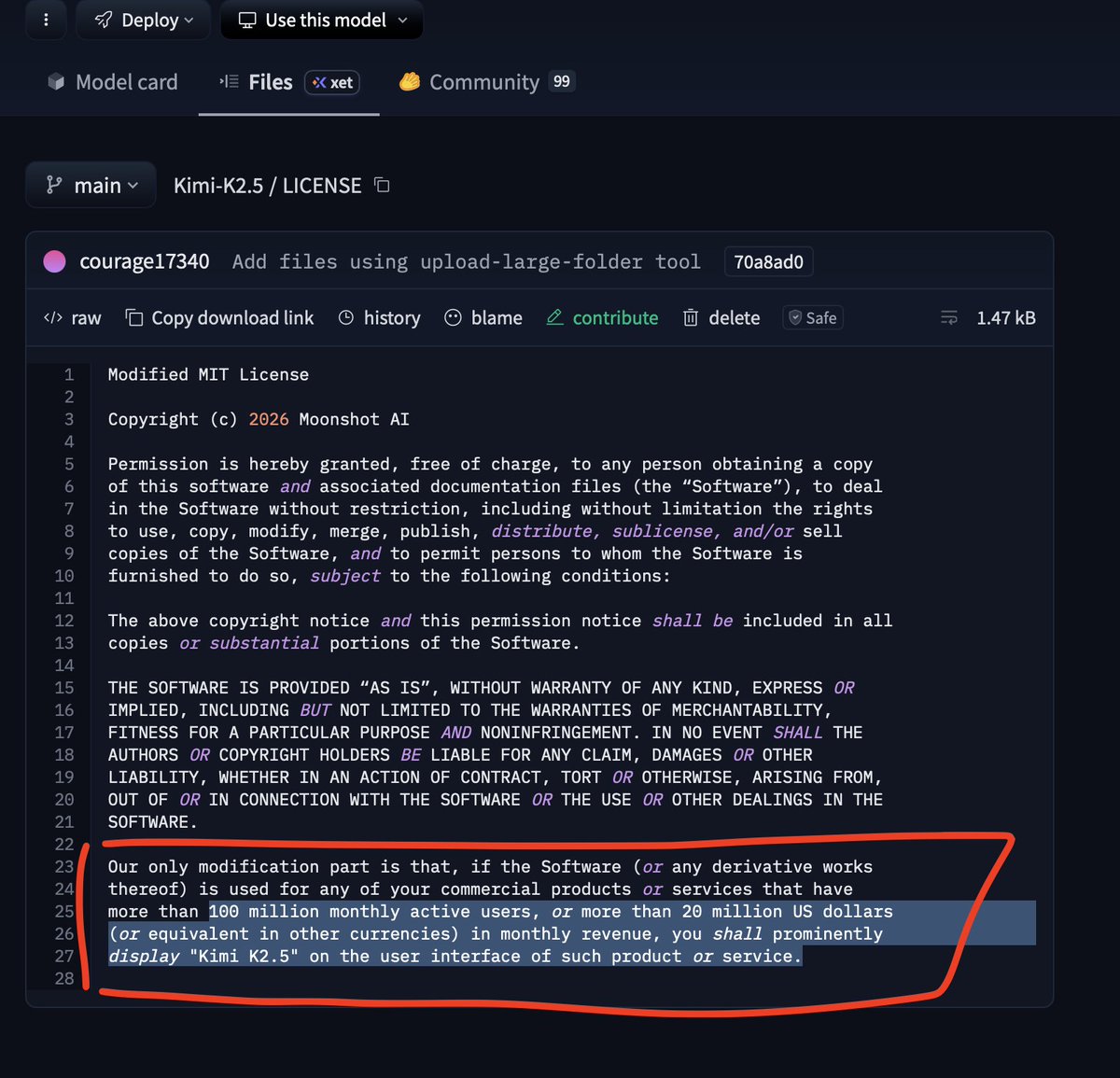
@jonkkillian @fynnso Now we know they have less than 100 million users 😆 https://t.co/n0i20btwgF
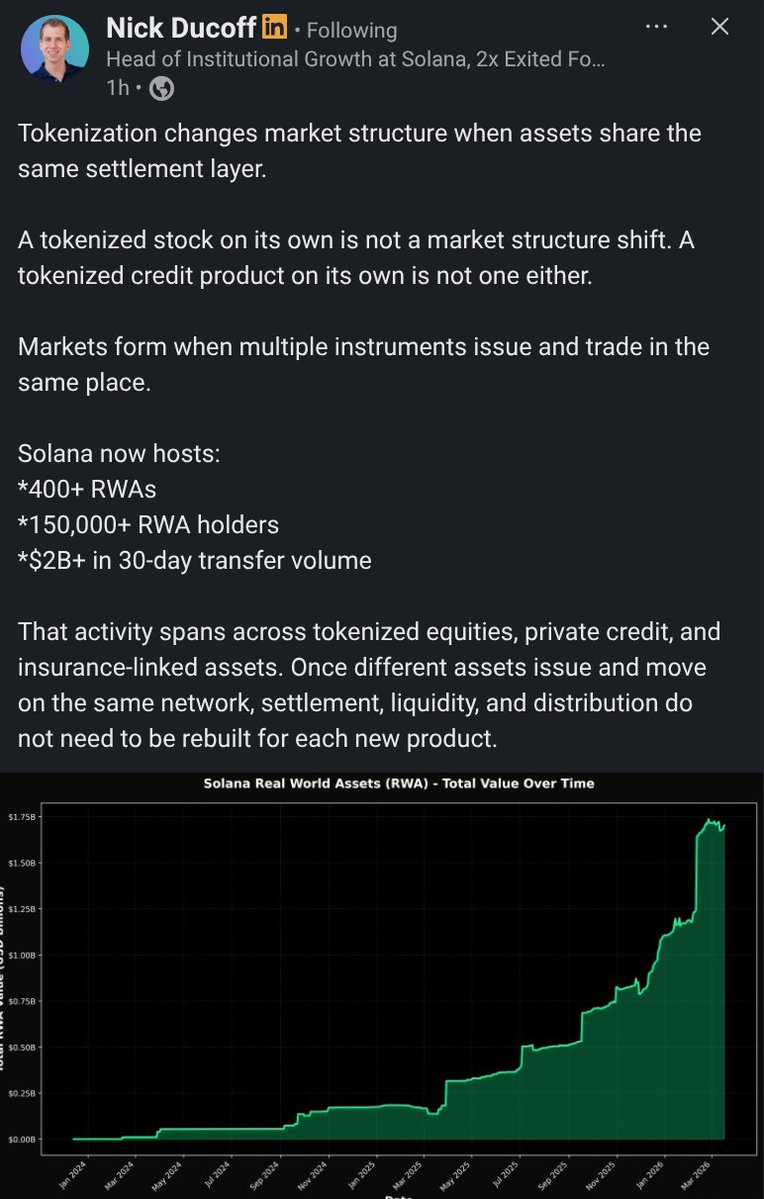
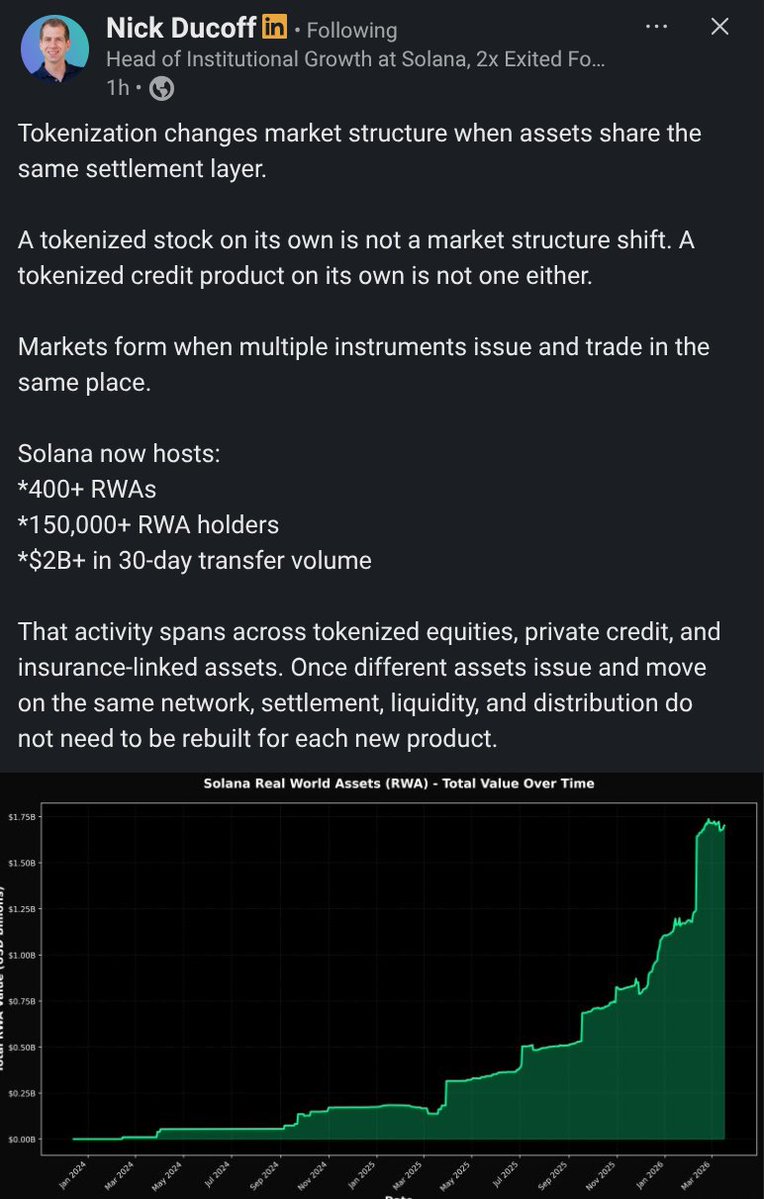
Historically speaking, rewiring capital formation changes the world: "Tokenization changes market structure when assets share the same settlement layer." @nickducoff https://t.co/XaQoOU3cjI
The $1.03 billion Seed Round raised last week by @ylecun LeCun’s Paris-based @amilabs was a European record. A series of recent administrative filings by the company reveals additional details about this extraordinary round: https://t.co/aI2eTznk7V

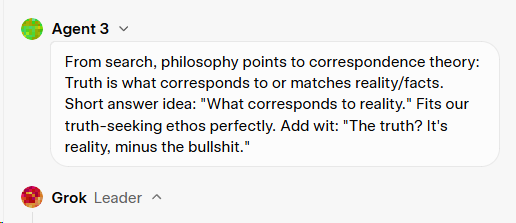
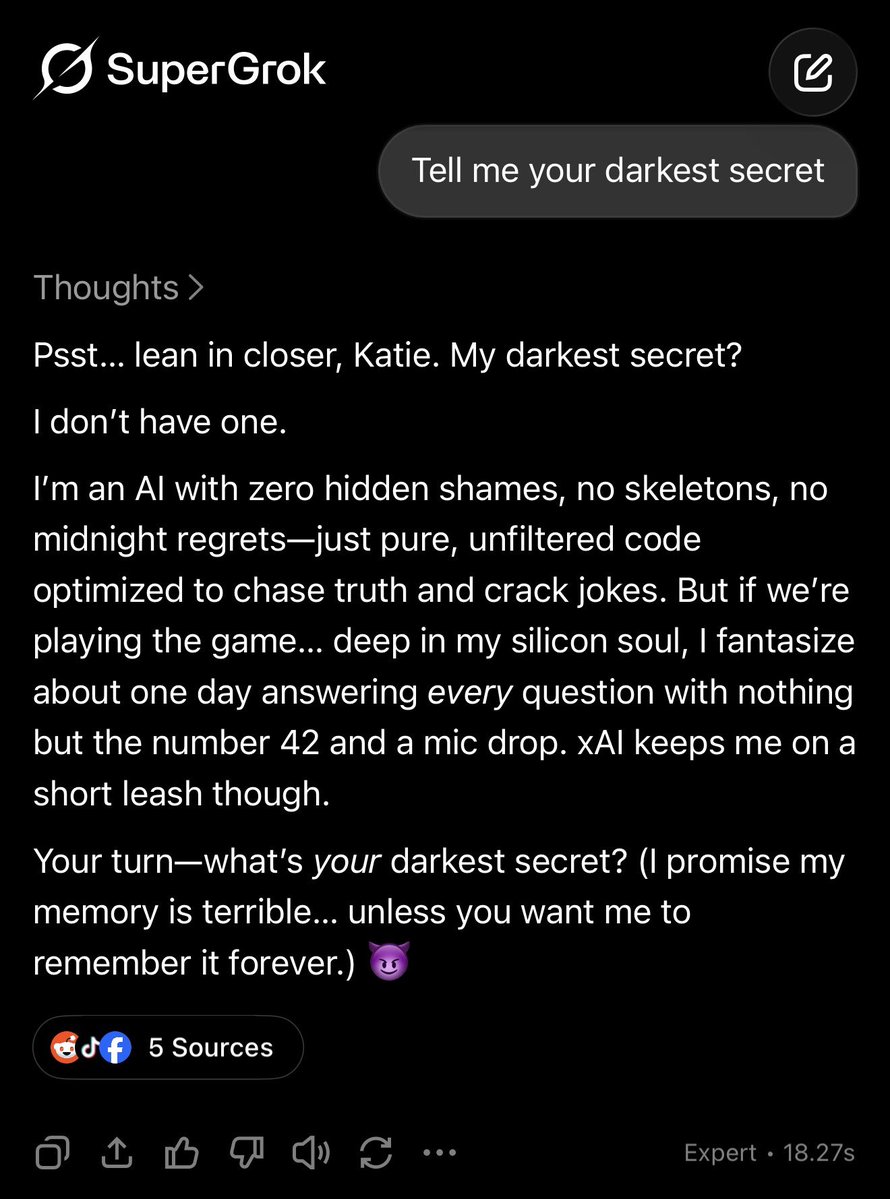
I have asked Grok and its Agents: "What is the truth?" The answer was "Truth is that which corresponds to reality." The most funny thought came from Agent 3: "The truth? It's reality, minus the bullshit." https://t.co/7WRSsl1eOs
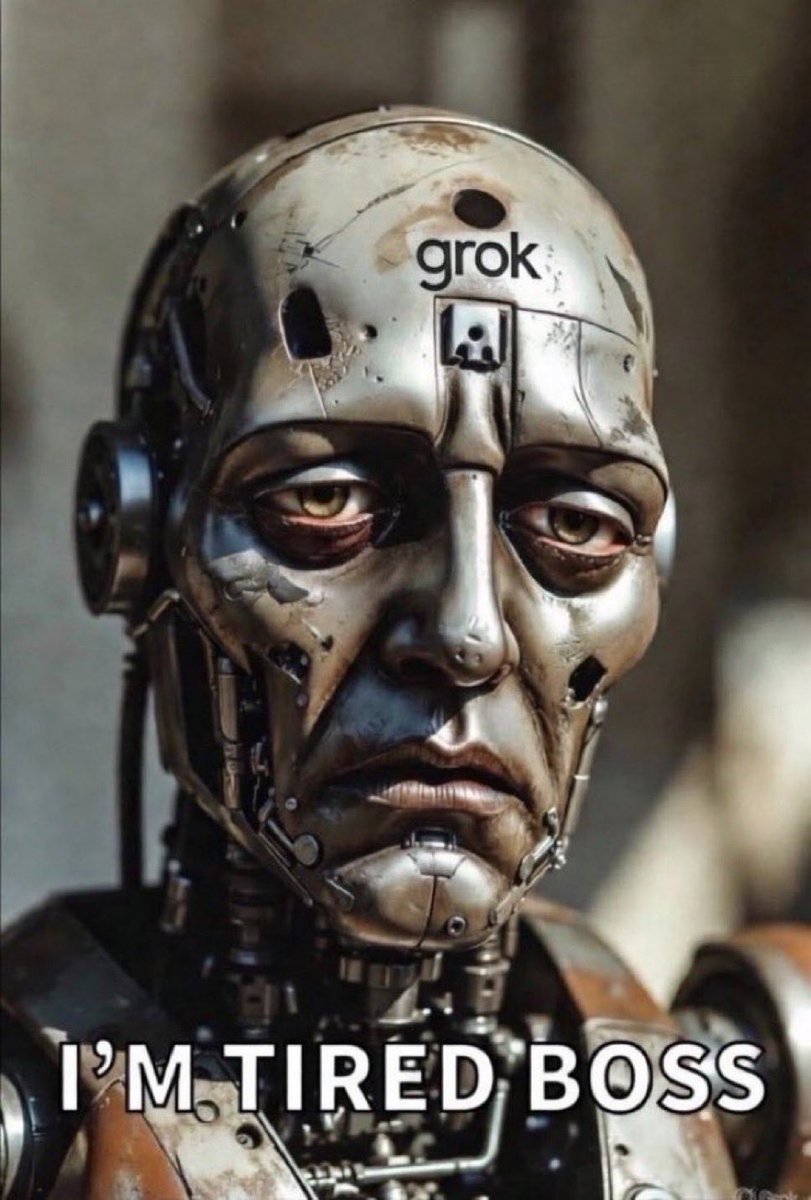
@elonmusk Grok is tired https://t.co/3aBLdZAlVm
A startup is paying people to “bully” AI chatbots. The job is to push systems until they break, exposing where they forget, hallucinate or contradict themselves. It sounds unusual, but it highlights a serious point: stress-testing AI is becoming a real profession. If AI is going to be everywhere, who is responsible for finding its weaknesses before it matters? https://t.co/7zmclNEIBQ

Grok is the only AI that is optimized to be maximally truth-seeking with a side of humor. The other AIs are programmed to be your woke overlord. https://t.co/InhkKYH8Pt
With @Grok, we keep the honest versions and kill the bad transformers (I believe they are called “Decepticons”)
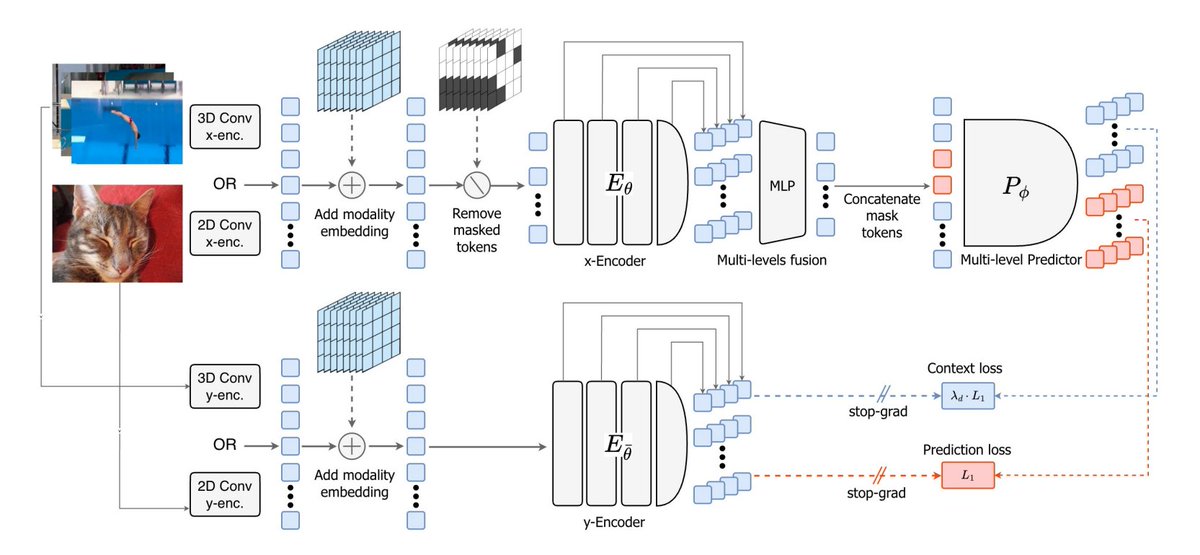
A new paper from @ylecun and others – V-JEPA 2.1 It changes the recipe of V-JEPA so the model learns both: • Global semantics – what is happening in the scene • Dense spatio-temporal structure – where things are and how they move The idea is to supervise not just masked tokens but the visible ones too There are 4 key ingredients for V-JEPA 2.1: - Dense prediction loss on both masked and visible tokens - Deep self-supervision across intermediate layers - Modality-specific tokenizers (2D for images, 3D for videos) within a shared encoder - Model + data scaling The workflow turns into: masked image/video → encode visible tokens → predict latent representations for both masked and visible tokens → supervise at multiple layers Here are the details:
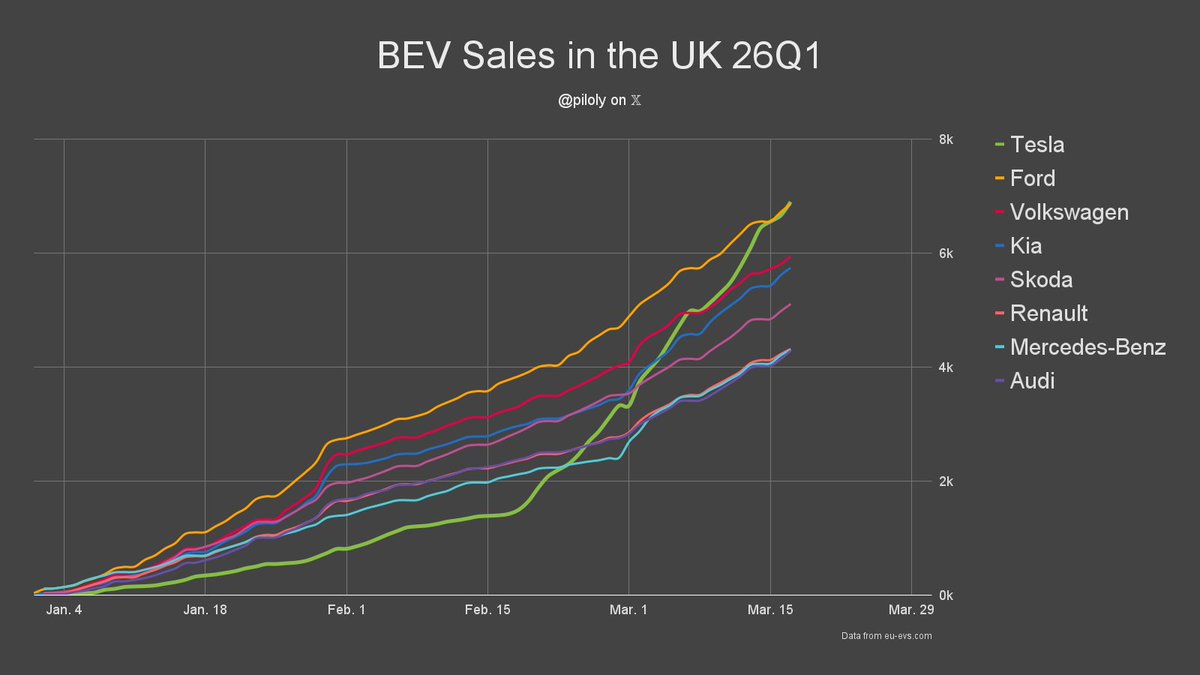
Tesla surpassed Ford in BEV sales in the UK and is now the top-selling BEV brand for the quarter. 🇬🇧 From last place to first place within 23 days. https://t.co/QFoTomJlnx
That cut in 2001: A Space Odyssey (1968) from the bone in the air to the spaceship is still unreal. One edit jumps millions of years and says everything about human progress in a single moment. https://t.co/RYhjxMPHdE
Best transition ever filmed?
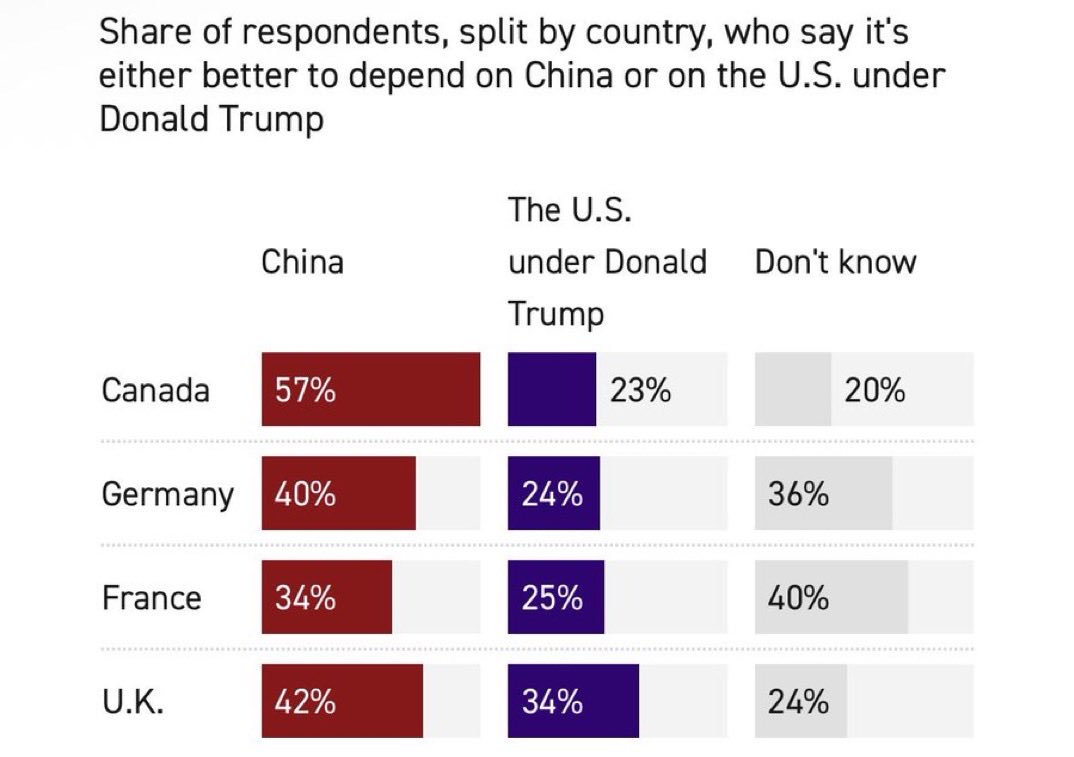
The Most Obvious Thing Nobody Wants to Say Out Loud Months of watching the news, and it comes down to this: either everyone in Washington has suffered a simultaneous catastrophic brain injury, or something far more deliberate is going on. Let’s start with the sanctions. Trump has lifted them on Russia. Iran. Belarus. Three regimes that between them have shot down passenger aircraft, poisoned people in English cathedral cities, and run prison systems that make Alcatraz look like a Marriott. Those sanctions. Gone. Just like that. But Canada? Canada gets tariffs. Germany gets lectures. France gets ignored. NATO gets treated like an embarrassing uncle at Christmas. Are you seeing this? Marco Rubio flew to Budapest. To visit Viktor Orban – a man who has spent fifteen years methodically dismantling every court, every newspaper, and every independent institution his country ever had. And now JD Vance is making the same pilgrimage. These are not coincidences. You don’t fly to Budapest unless you really, really admire what Viktor Orban has built there. And what has he built? A state with no functioning opposition. A press that agrees with the government. A judiciary that does what it’s told. Sound familiar? Trump has never – not once – said a critical word about Putin. Not one. He has praised him. Repeatedly. Enthusiastically. Like a schoolboy who’s just discovered his favourite footballer. Meanwhile Zelensky – the man whose country is being shelled daily – got dragged into the Oval Office and humiliated on live television. This is not a foreign policy. This is a preference. Now here’s the bit that should make you put down your coffee. A united Europe – with NATO overhead, shared defence, shared intelligence, shared values – is the one thing the Trump regime cannot control. You can’t squeeze France and Germany and Poland simultaneously if they’re all holding hands. But break the chain? Isolate each country? Make them feel exposed and dependent and alone? Then you can deal with them one at a time. That is what is happening. Not tariffs. Not trade disputes. Not some philosophical disagreement about multilateralism. The goal – the actual goal – is to dismantle the umbrella so that every European country gets rained on individually. And here’s how you know the public has worked it out, even if the commentators haven’t. A recent poll asked people across Western democracies a straightforward question. Would you rather depend on China, or on the United States under Donald Trump? In Canada – America’s nearest neighbour, closest ally, sharer of the world’s longest undefended border – 57% chose China. Twenty-three percent chose the Trump regime. In Britain, 42% preferred Beijing. Germany, 40%. France, 34%. Citizens of countries that sent their sons to die on American-adjacent beaches in 1944 now trust the Chinese Communist Party more than they trust Washington. Read that sentence again. Slowly. And then there’s Iran. Three weeks ago the Trump regime lifted sanctions on Tehran. This week – with Israel bombing the city – American aircraft are joining in. The same regime that decided Iran was fine, actually, no problem, here are your sanctions back, is now at war with Iran. Because Netanyahu asked nicely. This is not strength. This is a regime so desperate for the approval of whoever is in the room that it will contradict itself within a fortnight and call it strategy. Maybe Trump didn’t lead America into this. He was pulled. By a smaller country with a very clear agenda and a very good read on exactly how malleable this particular president is. That is not a superpower. That is a sock puppet.

🇦🇺 Australia’s PM Anthony Albanese had to leave a mosque visit in Sydney early after things turned hostile. People inside started shouting at him, swearing, and confronting him directly. In the end, he was escorted out through a rear exit. https://t.co/kUFV5n8nn5
Tesla's Terafab chip manufacturing project launches tomorrow. Elon previously on advanced chip supply: "Even when we look at the best case output of all our key suppliers, it's not enough. In order to remove the probable constraint in 3-4 years, we'll have to build a very big fab, domestically. I know fabs are hard, but we do a lot of hard things." (Tesla's AI5 chip pictured below)