Your curated collection of saved posts and media
I came to Singapore just to stay at this hotel!!! https://t.co/O4IUURsu7F


AI writing and human writing are starting to feel noticeably different. People often describe AI-generated text as correct but slightly off, while human writing carries a clearer voice, tone and personal imprint. It is not just about accuracy, but about presence and individuality. The real skill may not be choosing one over the other, but knowing when clarity matters more and when a human voice makes the difference. https://t.co/9CCDgVGFQ0 @ConversationUS
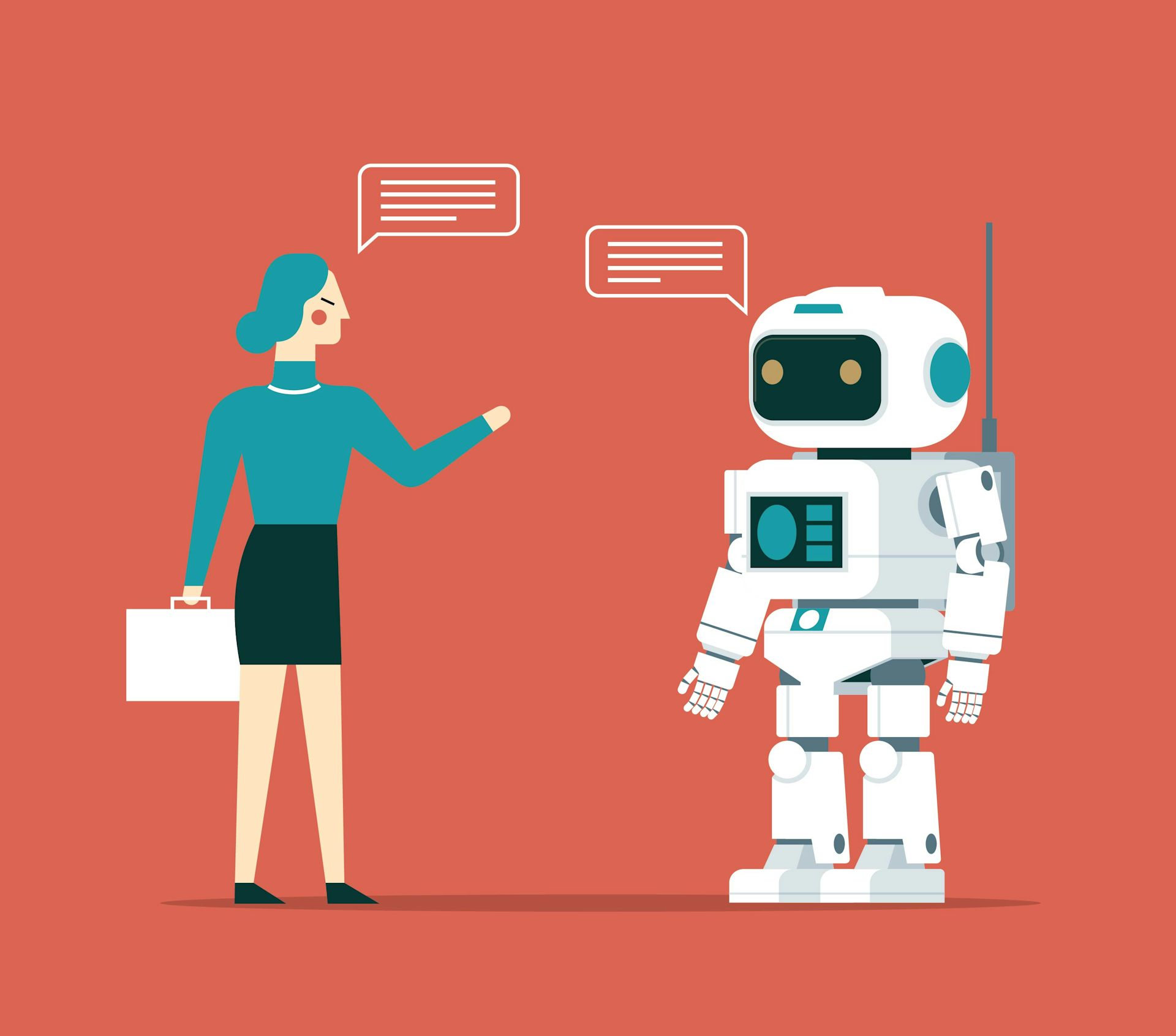
Panel discussions usually suck. This one didn't (for the AI community). It is of NVIDIA CEO/founder Jensen Huang interviewing 10 CEOs from frontier AI labs about what's happening in Open Models. In audience was thousands of the world's top AI thinkers. CEOs on stage in the first part: @hwchase17, CEO of Langchain. @miramurati, CEO of Thinking Machines. @AravSrinivas, CEO of Perplexity. @mntruell, CEO of Cursor. @MishaLaskin, CEO of Reflection Labs. CEOs on stage in the second part: @arthurmensch, CEO of Mistral. Daniel Nadler, CEO of OpenEvidence. @HannaHajishirzi, CEO of Ai2. @robrombach, CEO of Black Forest Labs. @AnjneyMidha, CEO of AMP. It was funny how Jensen gave Arthur heck for his accent. But it was true, it was hard to understand what he was talking about for a while. Here is the transcript and what Grok learned by watching this: https://t.co/4Oykc3dVvL Grok concludes: "If you're interested in where AI applications and infrastructure are heading in the next 1–3 years, this panel is a goldmine of unfiltered CEO-level insight."

🔒🔄 https://t.co/hp8EHJNB8R
Brazilian footballer Jorginho says Chappell Roan’s security guard spoke to his wife and daughter in an “extremely aggressive manner” while they were staying at the same hotel as the singer. He said his daughter recognized Chappell and “simply walked past the singer’s table” to c

🔒🔄 https://t.co/hp8EHJNB8R

A U.S. man has pleaded guilty after using AI to generate thousands of songs and bots to inflate streams. The scheme shows how easily scale can be abused when content can be created and distributed at near zero cost. What used to require time, talent and distribution can now be automated. As AI lowers the barrier to creation, distinguishing real value from artificial activity becomes much harder. https://t.co/kU4rhs3qvi

Our official skills repo is open source: https://t.co/X3yOgU0tRd Equip your agents with curated skills for iOS and Android development, Office file editing, and visual effects with GLSL shaders. There are more open source projects coming!
Our official skills repo is open source: https://t.co/X3yOgU0tRd Equip your agents with curated skills for iOS and Android development, Office file editing, and visual effects with GLSL shaders. There are more open source projects coming!
https://t.co/CIGe7idJDr
https://t.co/CIGe7idJDr
OpenAI is moving toward an all-in-one AI platform. The goal is to bring ChatGPT, Codex and other tools into a single environment and reduce fragmentation. Instead of switching between apps, AI becomes one continuous workspace. This is a shift from using AI tools to working inside an AI system. https://t.co/YHJdm6wlj1 @DigWatchWorld

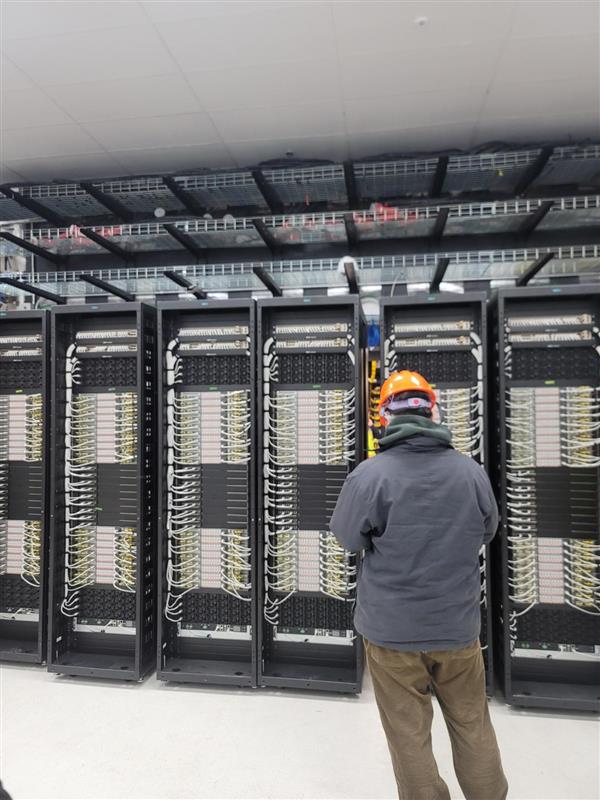
GB300s about to go into burn in @togethercompute https://t.co/PSgeyh8cPL
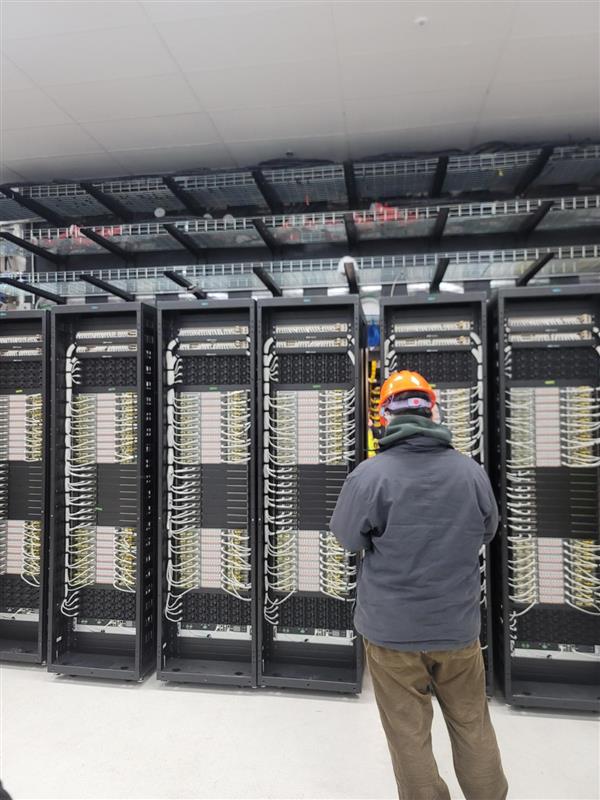
GB300s about to go into burn in @togethercompute https://t.co/PSgeyh8cPL
visualizing all my claude code sessions: each plant is a project, its leaves the sessions. sliding the timeline scrubber -> replaying projects growth over time. https://t.co/9EvI1LiW7m
I asked Claude to build my daughter an app that plugs into our piano, can read live key strokes, can show her sheet notes and key view and ends with a Guitar Hero style game. All while giving progressively harder songs. Today she’s using It and crushing It. https://t.co/Kmto6Jvx45
DIY: easy and simple 3D hologram https://t.co/S0pDzWE8yP
DIY: easy and simple 3D hologram https://t.co/S0pDzWE8yP
This felt like the beginning of a movie. Civilizations greatest endeavor accelerates now. https://t.co/0WVO9JSgZ9
March 26th (SF) and March 28th (LA). A new AI video model enters the arena… DM for invite. https://t.co/ICkOmxUBP1

March 26th (SF) and March 28th (LA). A new AI video model enters the arena… DM for invite. https://t.co/ICkOmxUBP1

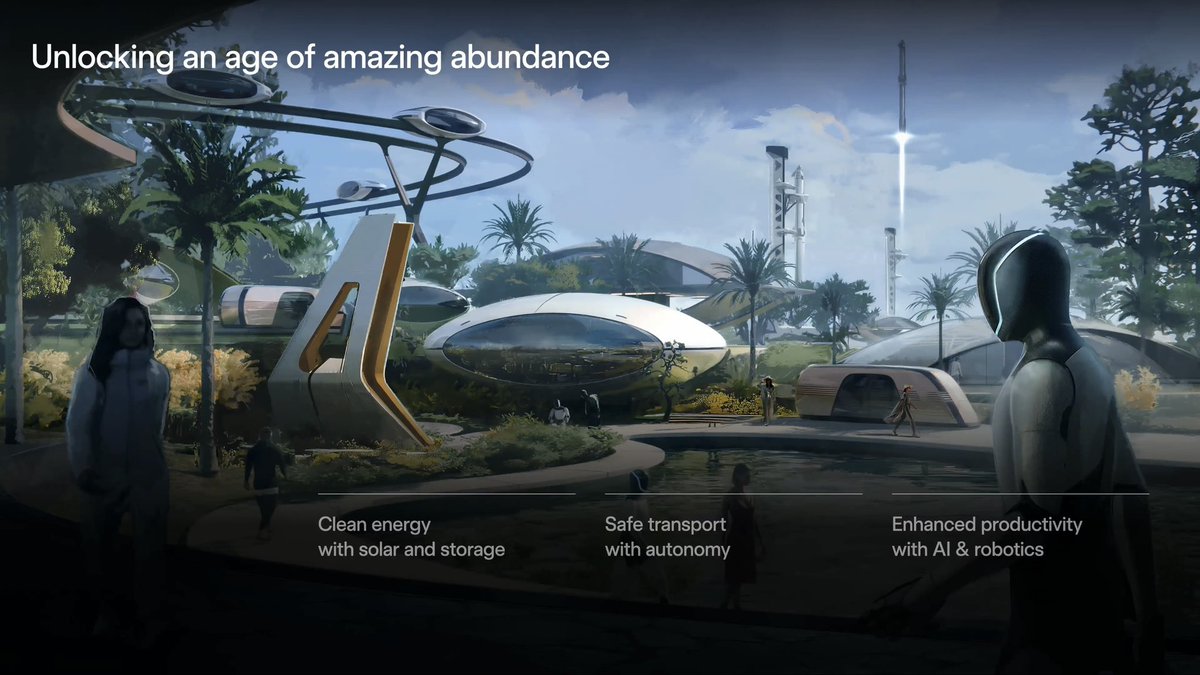
How could you not be excited about the future! This is what Tesla, SpaceX, and xAI are building, abundance for all! https://t.co/A5NyTcEkDa
oui 🤣 https://t.co/Lu7c3IjoD6
@AFP Ce sont des attardés mentaux
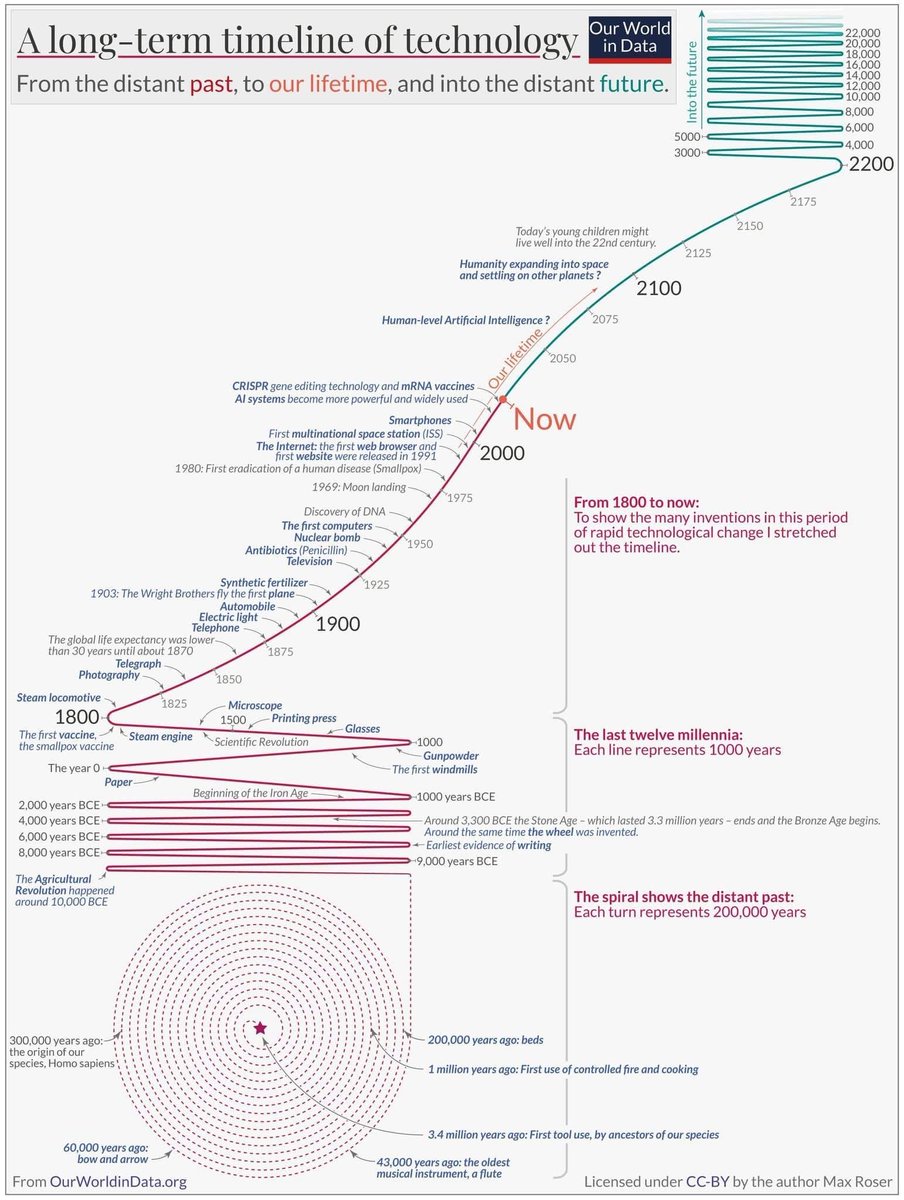
Technology timeline: humanity living n settling in space in 2075! https://t.co/AnJNYOcoxZ
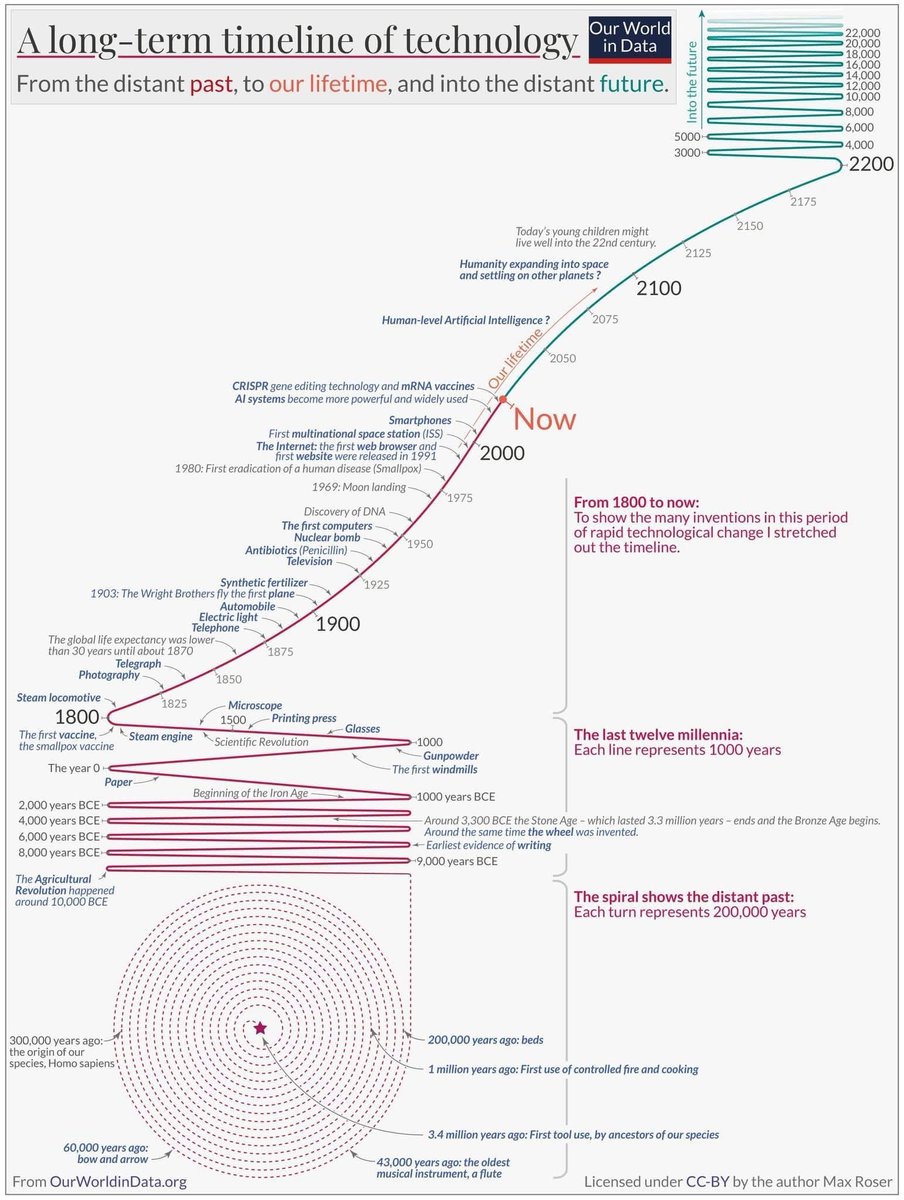
Technology timeline: humanity living n settling in space in 2075! https://t.co/AnJNYOcoxZ
ELON MUSK: "Space solar actually costs less than terrestrial solar because you don't need heavy glass or framing to protect it from extreme weather events. So as soon as the cost to orbit drops to a low number, it immediately makes extremely compelling sense to put AI in space. It becomes a no brainer. Basically, more of a as you go to space, you get increased economies of scale, and things get easier over time, whereas as you try to put more and more power on the ground, you run out of space and you start using up the easy spots, and then you get next level. Nobody wants the thing in their backyard. So then increasing power on earth has becomes harder over time and more expensive over time, but in space it becomes actually cheaper and easier over time."
ELON MUSK: "We're starting off with an advanced technology fab here in Austin, and I'd like to thank @GregAbbott_TX and the state of Texas for the support. So in the advanced technology fab, we will have all of the equipment necessary to make a chip of any kind logical memory, and we will also have all of the equipment necessary to make the masks. So in a single building, we can create a mask, make the chip, test the chip, make another mask, and have an incredibly fast recursive loop for improving the chip design. To the best of my knowledge, this doesn't exist anywhere in the world. We're really going to push the limit of physics in compute, and we're going to try a bunch of wild and crazy things, which you can do if you've got that fast iteration loop that I can't emphasize enough the importance of being able to make it, to test it and and then make and then change the design, do another one, and have that in a single building."
China's dancing robots may be fun to watch, but they're useless, says the chair of TSMC. https://t.co/GAyeXusAFM https://t.co/PHFkflAHGE


China's dancing robots may be fun to watch, but they're useless, says the chair of TSMC. https://t.co/GAyeXusAFM https://t.co/PHFkflAHGE

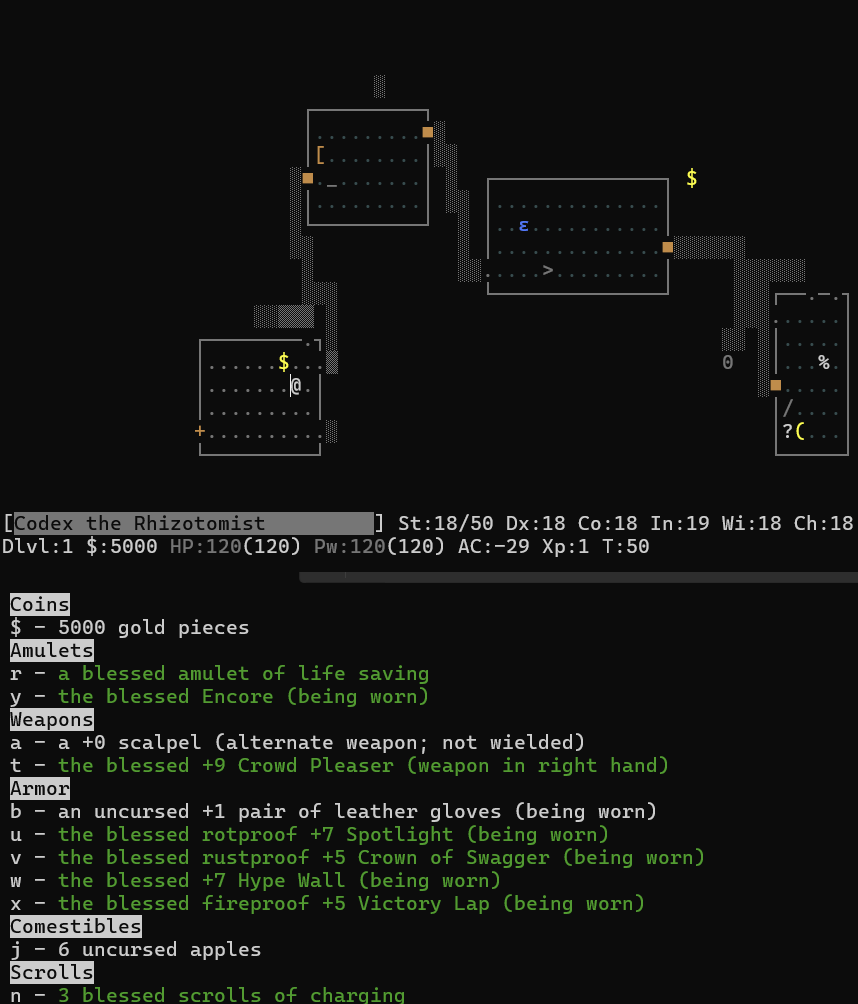
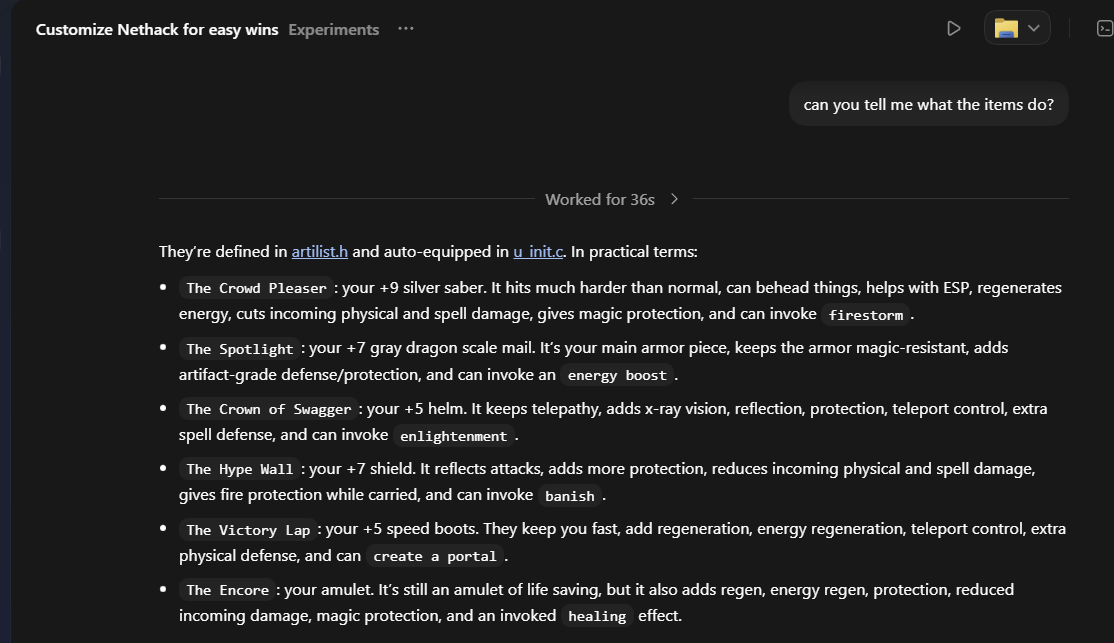
This was kind of fun. Codex: "download nethack, add new items that would make the game easy to win and make me feel powerful" It did & it successfully gave me a new .exe file, navigating various issues to do so, which used to be something beyond the abilities of older AI tools. https://t.co/WMkLxbwQjW
Let’s solve the Cat Alignment problem first https://t.co/7W24eUX1jO