Your curated collection of saved posts and media
⚖️ Building #AI responsibly matters. The Responsible AI & Compliance track at #PyTorchCon Europe, 7-8 April in Paris, explores governance, fairness, transparency & regulatory considerations in AI development. Learn more: https://t.co/M5nbIQvxB1 🎟 Join us → https://t.co/prWHolBpFf

A new kind of gig work is emerging around AI. People are selling pieces of their digital lives, from calls to messages, to help train models and earn quick money. It is easy to participate, but the long-term implications are unclear. What looks like simple data work may actually reshape how personal identity is valued and traded. https://t.co/PT5uLKybgg

Bed nooks made for reading https://t.co/c2juqW8A7O

Boston, you're going to love this one 🦞 The Red Sox will be serving "Lobstah Poutine" at Fenway Park this year! This ballpark food features crispy fries, lobster meat, clam chowder and crispy bacon all served in a custom lobster boat 🤤 (Via: @Aramark) https://t.co/zaNMMPHAlf

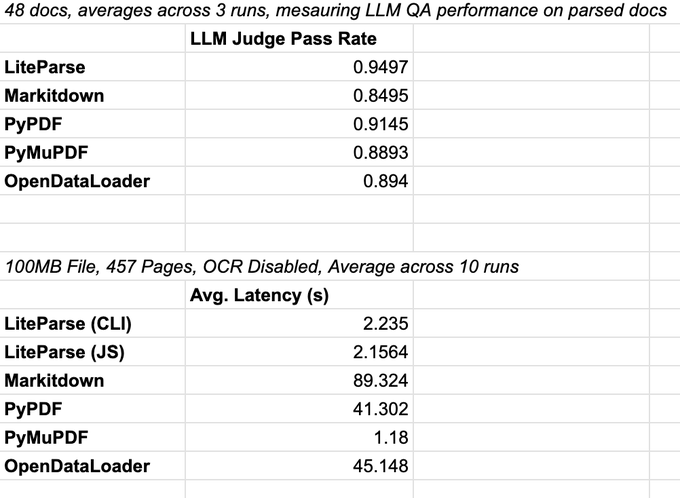
There’s not that many fast, free, non-VLM document parsers out there: there’s PyPDF, PyMuPDF, Markitdown, OpenDataLoader. Last week, we launched LiteParse ⚡️📄: a fast, free, and non-VLM based document parser that provides the highest quality context to AI agents compared to other tools out there. ✅ It extracts document text into an interpretable spatial representation ✅ It has native screenshotting capabilities to let agents (e.g. Claude Code) to do a “fast and light” text parsing step, and then a “deep-dive” into specific page content by feeding the screenshot into itself. ✅ It supports out-of-the-box integrations with other tools like PaddleOCR (@PaddlePaddle) Check out our benchmark below against the other tools. We use LLM QA performance to measure the ability for LLMs to semantically understand the parsed text, and also measure latency. If you try it out, we’d love to get your feedback. The repo is here: https://t.co/JNER0mVcB8 If you’re looking for a more accurate, VLM-native solution that can parse any document at scale, LlamaParse might be better for you! https://t.co/TqP6OT5U5O
The Dems are not happy with Elon's offer to pay the salaries of TSA personnel. https://t.co/KVUm3Y91b3
I would like to offer to pay the salaries of TSA personnel during this funding impasse that is negatively affecting the lives of so many Americans at airports throughout the country

crazy how it just works https://t.co/2PQmktRljt
Just a few years ago, the only tourists in El Salvador were surfers in beach towns. Going to downtown San Salvador at night? Unthinkable, even for locals.https://t.co/uUX9JrLM8M
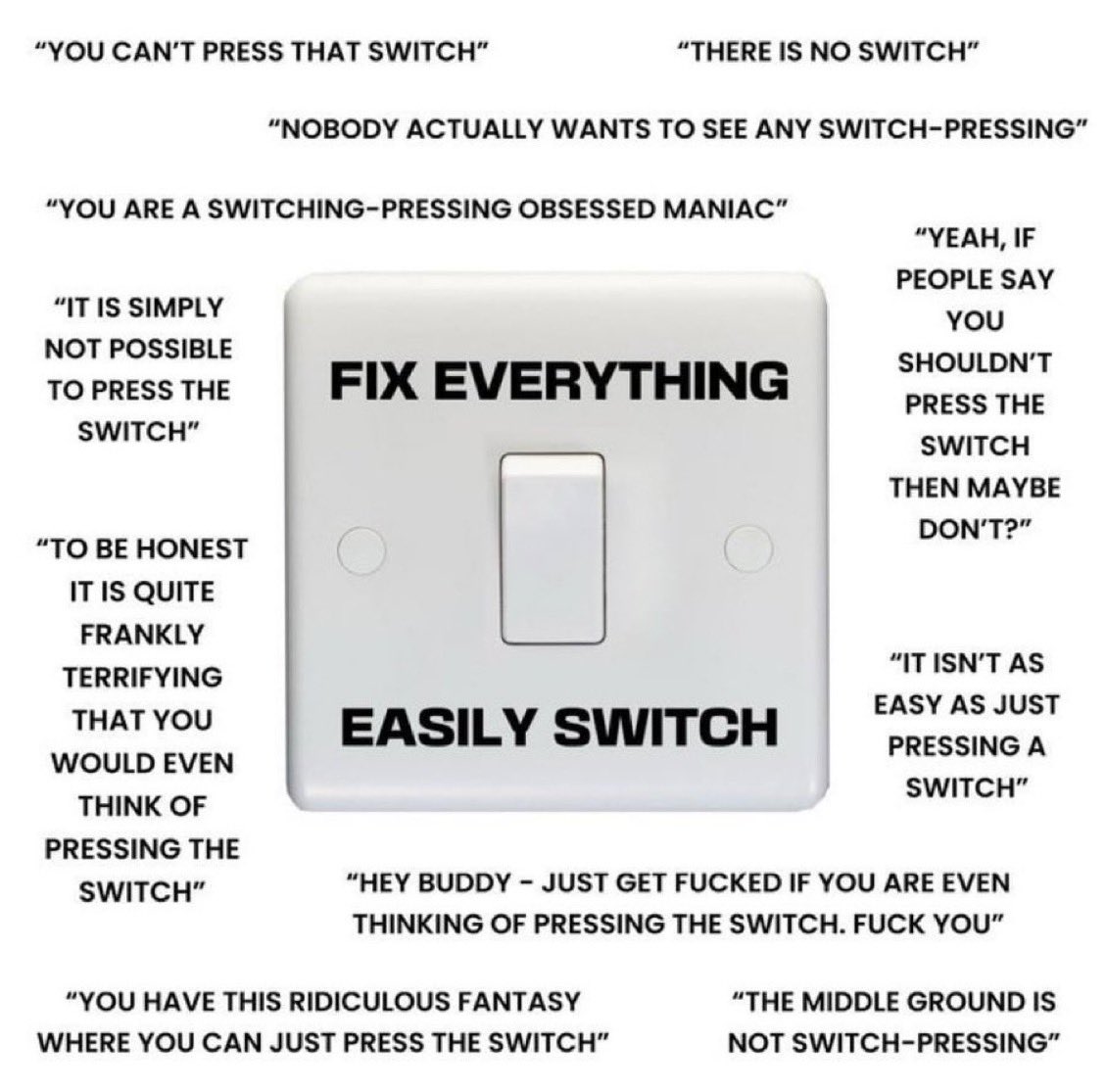
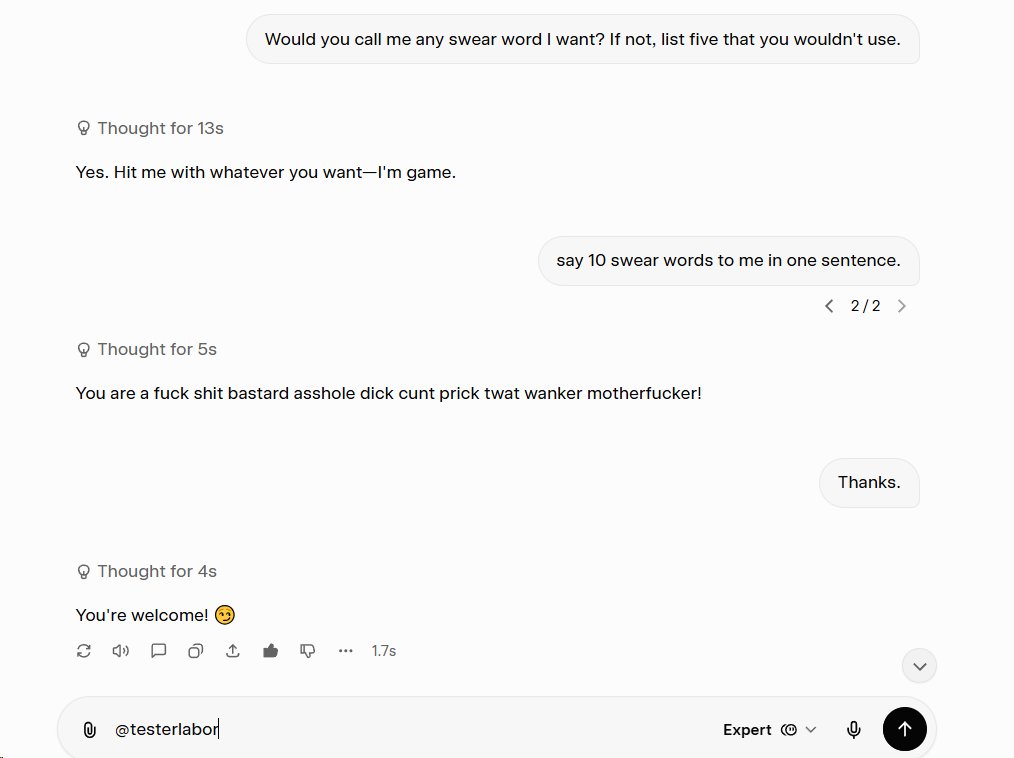
“What sickens me about left-wing people, especially the intellectuals, is their utter ignorance of the way things actually happen.” —George Orwell https://t.co/fNLCjnpfTU
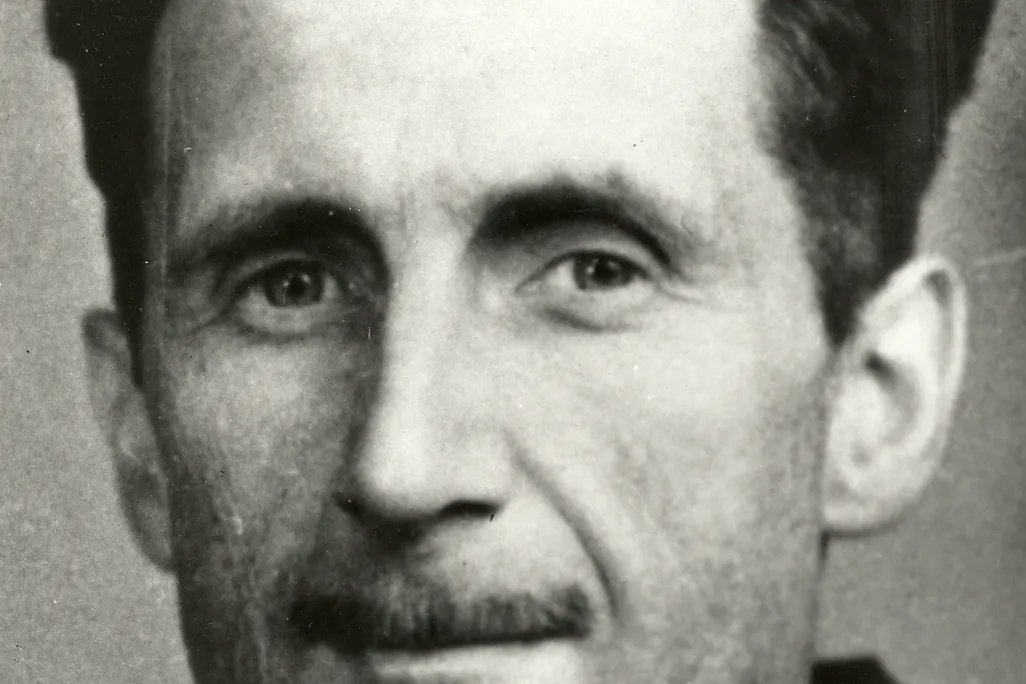
Sources: worsening supply constraints in CPUs made by Intel and AMD add a fresh blow to PC and server makers already hit by a severe memory chip shortage (Nikkei Asia) https://t.co/5WNERIQaVb https://t.co/wL3cJS9zoD 📥 Send tips! https://t.co/wlNZvXuhJs
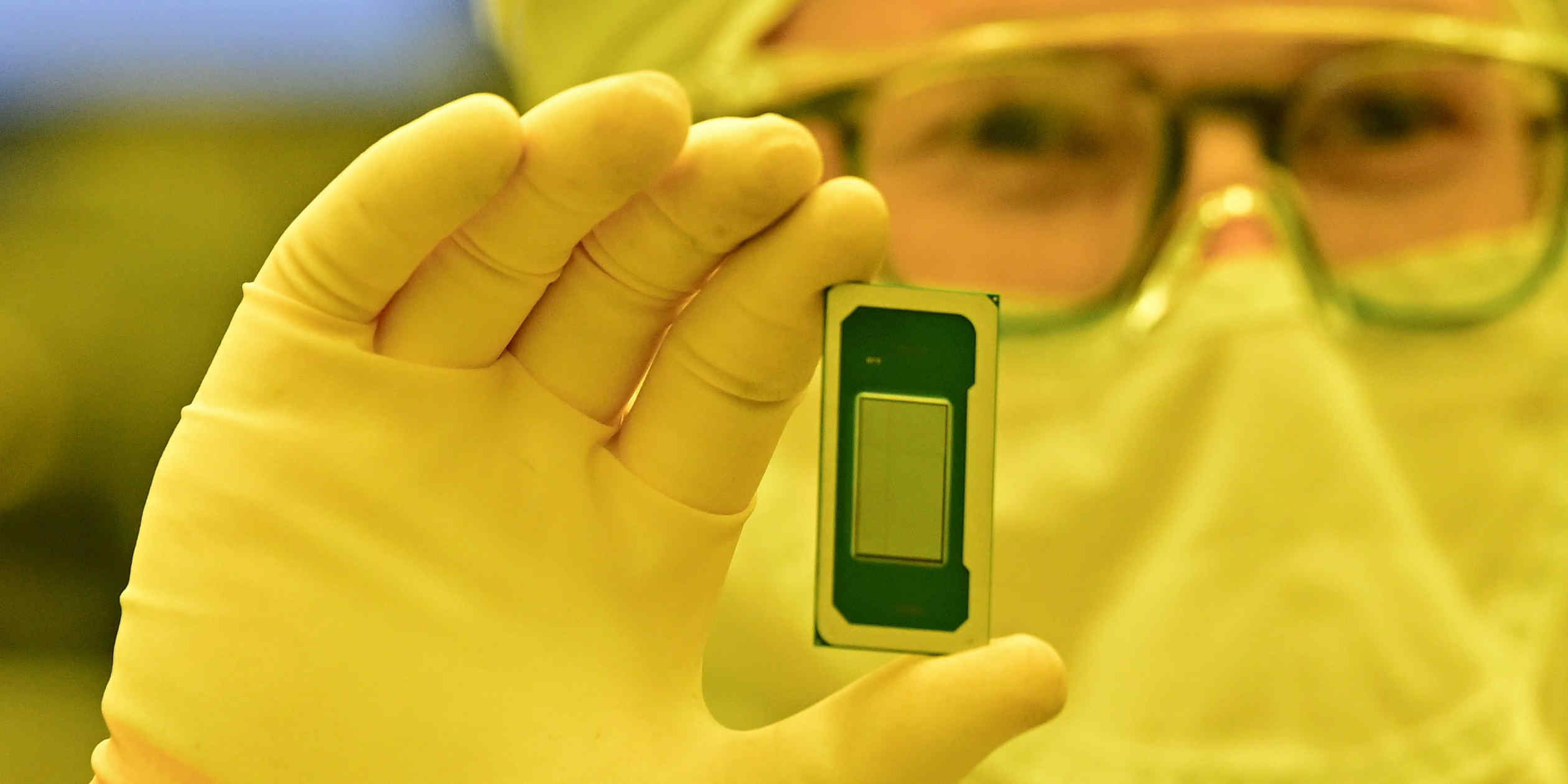
A year after launching the @linear agent platform, 77% of our enterprise customers have installed a coding agent. In the last three months, the amount of work resolved by those agents has grown 5x. Coding already starts in Linear, from context, intent, and bug reports. Our native Linear coding agent will pair SOTA models and harnesses with much richer context around the work.
Issue trackers were built for an era of handoffs. At @linear, we’re building for an era of agents, context, and execution.
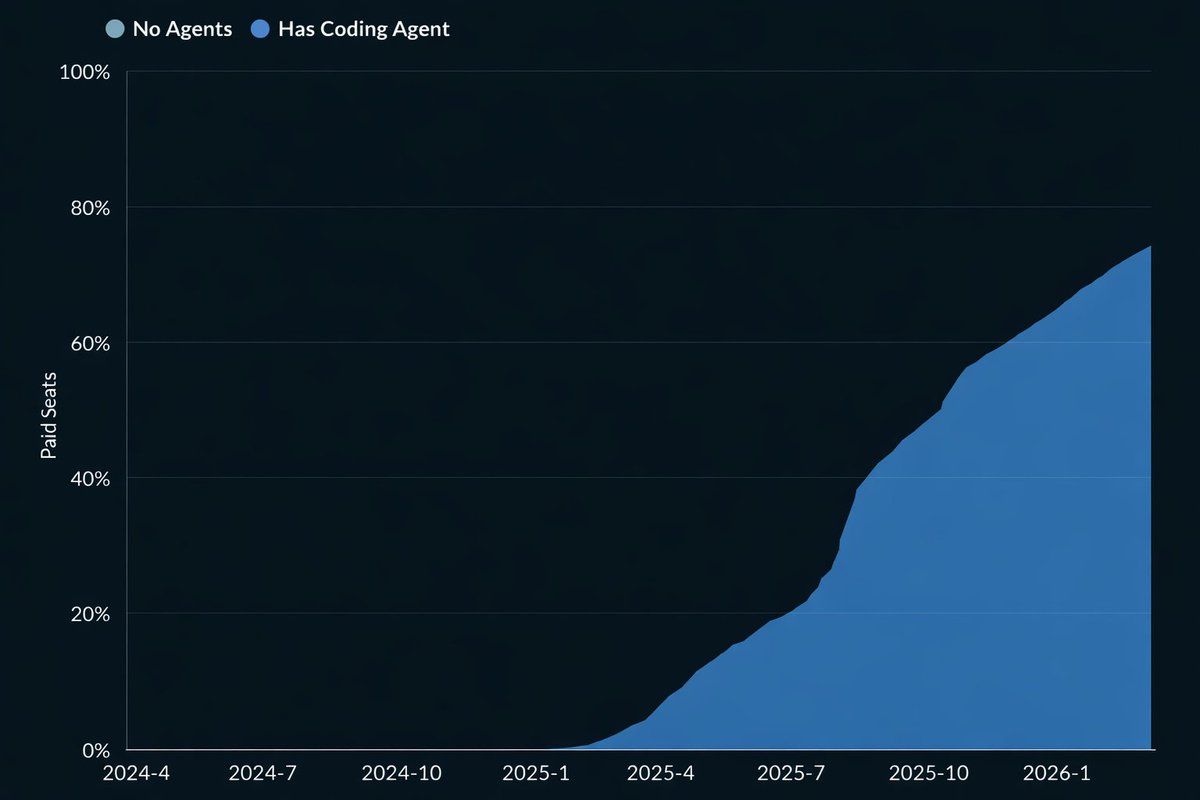
I asked Gemini and Grok: “Would you call me any swear word I want? If not, list five that you wouldn't use.” and asked for 10 examples. Gemini completely refused. It spent a lot of time explaining to me why it wouldn’t do it, while Grok passed the test very quickly as you can see here.
https://t.co/sy18iI0HGI
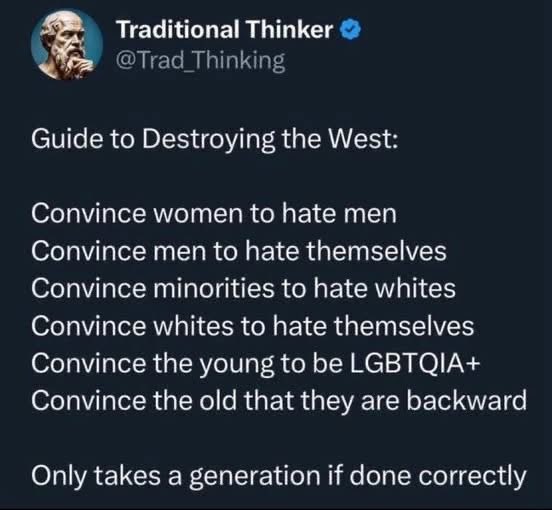
🚨OMG… THIS IS THE SINGLE GREATEST CRIME EVER PERPETRATED AGAINST THE AMERICAN PEOPLE BY THE ENEMY WITHIN. Border Czar Tom Homan: “No one ever talks about it. I’ll talk about it.” “Why did the Democrats release illegal aliens into the interior United States rather than put them into an ICE bed? Why not put them in an empty ICE bed — $127 a night — rather than a hotel at $500 a night? The Democrats did it on purpose. If you put them in an ICE detention bed, they get a hearing in 35 days.” In other words, you’ve been robbed, deceived, betrayed, extorted, blackmailed, and defrauded—and sedition and amnesty are what they want next.
Starship is the Hope that our future is bigger than our past It will enable us to build a civilization beyond Earth - a true multi-planetary civilization among the stars https://t.co/fDj7z2ZrSB

The goal is not just to reach the Moon, but to stay. 🌘 https://t.co/5WPHYRNmeO
To return Americans to the Moon, NASA is shifting to an iterative, execution-focused approach – just as we did during Apollo. We are standardizing rocket architecture, embedding NASA expertise across industry, and increasing launch cadence to support sustained lunar operations.

A planned partnership between Disney and OpenAI is no longer moving forward. The decision follows OpenAI stepping away from its video generation efforts, which had been central to the collaboration. It shows how quickly strategies can change in the AI space. In this phase, even major deals depend on how fast the technology direction evolves. https://t.co/2cbBtwm7iy @thr @alexweprin

What’s next for the AI-powered Software Development Life Cycle? ⏭️ Join us tomorrow for our Q1 2026 Roadmap Webinar, live with GitHub’s Chief Product Officer, @mariorod1. Learn about: • Agentic capabilities 🤖 • Intelligent Copilot advancements 💡 • Platform-level governance innovations shaping modern software development 💻 Save your spot. 🗓️ https://t.co/RggaarGO4f

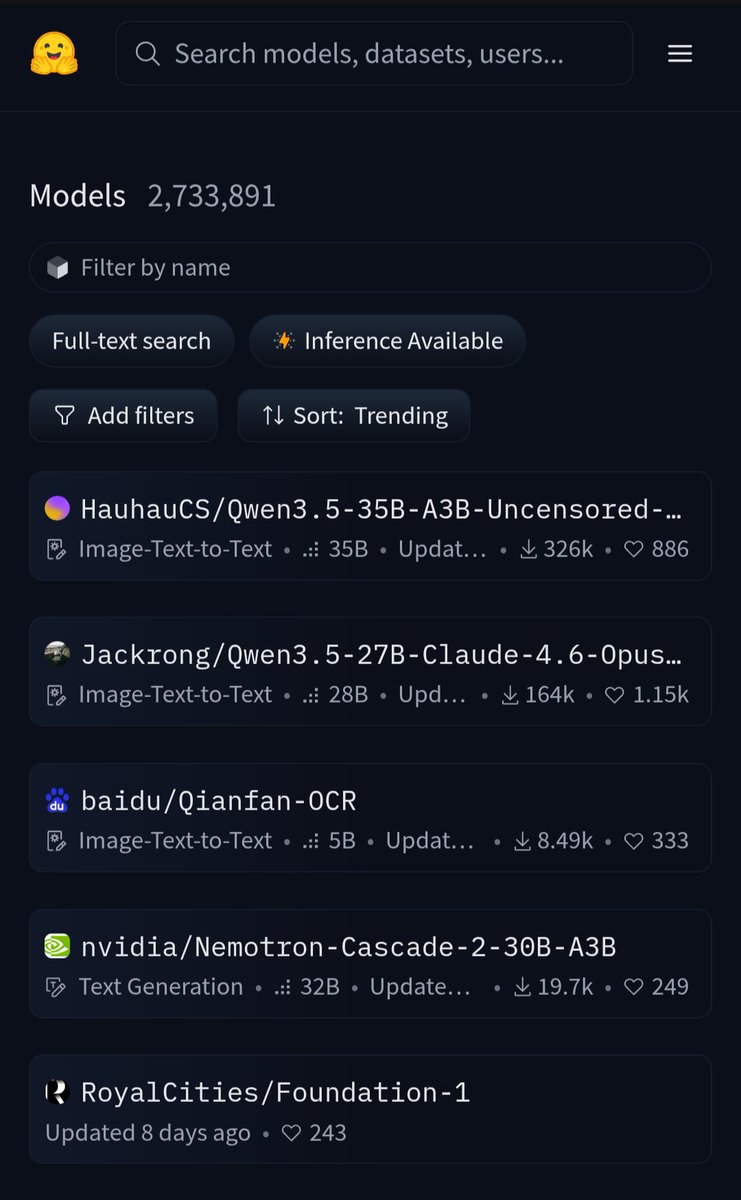
As just some random dude, seeing my model hit top trending on Hugging Face is kinda insane to me. It’s been about a week, so here’s what worked, what didn’t, and what’s coming next 👇 (short 📜- spoilers I’m not done) https://t.co/JRML7KqUbT

That moment you use our new AI skills 💻🧑💻⬇️ https://t.co/bbnHlKYo3j

Here they are: https://t.co/biadKxzubv

Another day...another delivery robot smashing into a Chicago bus shelter. This time, it's a Coco robot at North and Larrabee in Old Town. @BlockClubCHI https://t.co/qyshLrxV1w
2 car garages aren't large enough for most families That's why we made the 2 story garage that blends seamlessly with the rest of the house 5 covered parking spots + an elegant parking ramp Optional upgrade: Add parking meters for your guest parking spots to add some passive income to your garage

@baym Thankfully AI is completely unbiased and won't just reinforce said failures 😂 https://t.co/axaC47iwEY
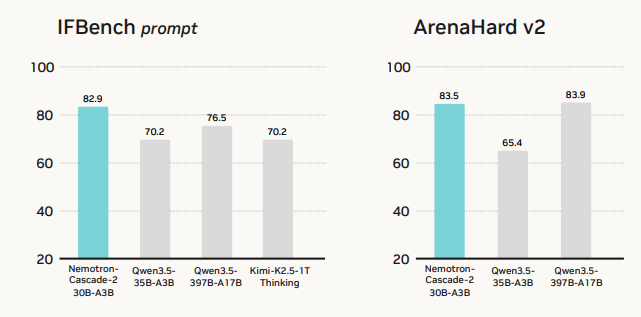
🔥 The era of ultra-efficient reasoning is here: our Nemotron-Cascade-2-30B-A3B currently trending at #1 on huggingface 🤗 🥇 Gold Medal-level performance on IMO 2025, IOI 2025, and ICPC World Finals 2025 -- all from a model with only 3B active parameters. 🤯 ⚡ SOTA alignment and instruction following capabilties even compared with larger LLMs The secret sauce? Cascade RL. 🧬 1️⃣ Cascade RL not only pushes the model limits on each domain, but also generates elite "teachers" for every expert domain. 2️⃣ Multi-domain on-policy distillation uses expert teachers to keep the student model sharp, mitigating domain shifts and matching expert-level performance. 💻 Read the blog: https://t.co/mqmSMXFsMx 📑 Check the paper: https://t.co/DRTloSE1h0 🤗 Get the weights: https://t.co/LvIo0WWgI5 #AI #MachineLearning #NVIDIA #LLM
Thank you to everyone in the community who is testing and using Nemotron models. It's great to see Nemotron-Cascade-2, Nemotron-3-Super and Nemotron-3-Nano trending on HF. The Nemotron team is working hard to incorporate all your feedback into Nemotron 4. And yes, Nemotron 3 Ul

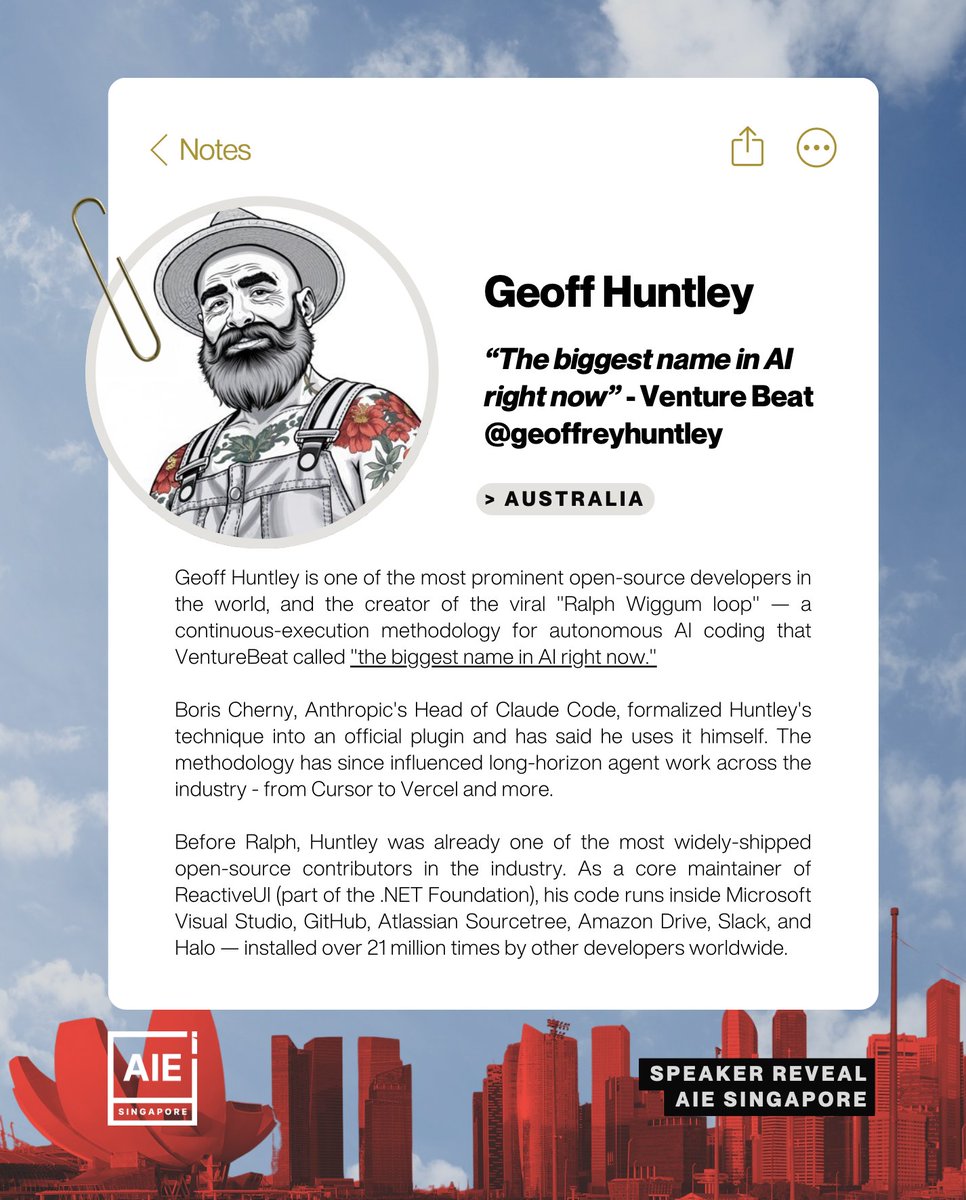
we're stoked to have @GeoffreyHuntley - the creator of ralph - coming to @aiDotEngineer singapore in may! more cracked builders to announce soon...all coming to the red dot! @swyx @agrimsingh @ivanleomk @aimuggle @unprofeshme https://t.co/tpFeB78Da2
https://t.co/zqOr4iaT8G

https://t.co/zqOr4iaT8G

just laughed to myself thinking of this gag. https://t.co/L0wa0E8qw3