Your curated collection of saved posts and media
New on the Engineering Blog: How we designed Claude Code auto mode. Many Claude Code users let Claude work without permission prompts. Auto mode is a safer middle ground: we built and tested classifiers that make approval decisions instead. Read more: https://t.co/dpcMcWMf5k

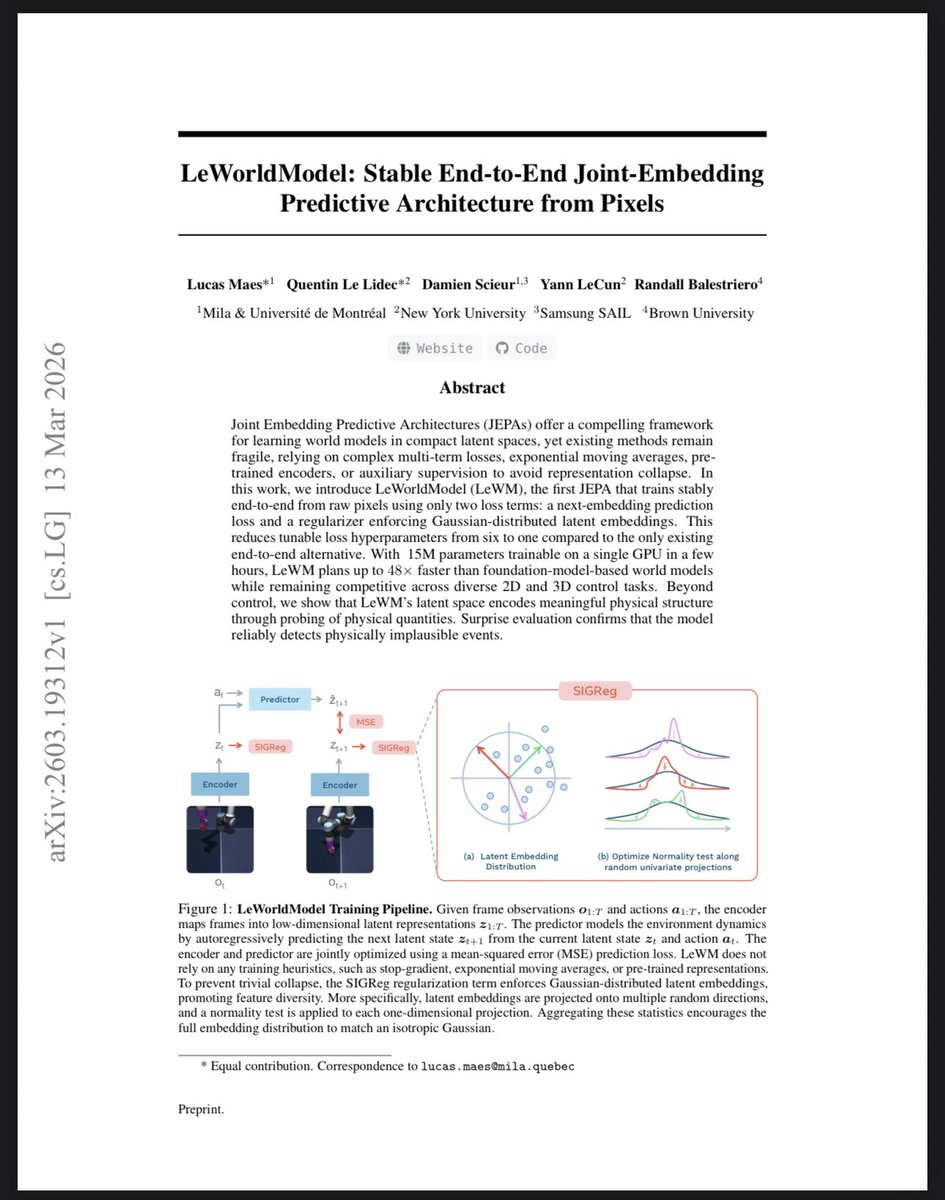
LeWorldModel: Yann LeCuns Radical Simplification of World Models Just Made Physics-Aware AI Practical In the race for artificial general intelligence, two paths have emerged. One is the familiar scale everything route: bigger LLMs trained on ever-larger text corpora. The other, championed for years by Yann LeCun, is building world models: compact systems that learn the underlying physics of reality directly from raw sensory data (pixels) so AI can plan, predict, and act in the physical world like a robot or self-driving car actually would. Until now, the second path has been frustratingly difficult. Joint-Embedding Predictive Architectures (JEPAs) - LeCuns elegant framework for learning predictive representations without reconstructing every pixel - kept collapsing during training. Researchers had to resort to a laundry list of hacks: multi-term loss functions (up to six hyperparameters), frozen pre-trained encoders, stop-gradients, exponential moving averages, and other duct-tape tricks just to keep the model from mapping every input to the same useless output. LeCuns team (Mila, NYU, Samsung SAIL, and Brown University) dropped a bombshell: LeWorldModel (LeWM) - the first JEPA that trains stably end-to-end from raw pixels using only two loss terms. No more house-of-cards engineering. Just a clean, simple recipe that works on a single GPU in a few hours with only 15 million parameters. The Core Breakthrough: SIGReg Saves the Day LeWorldModels secret weapon is a new regularizer called SIGReg (for spherical isotropic Gaussian regularizer). It enforces a simple Gaussian distribution on the latent embeddings. This single term prevents representation collapse without any of the previous heuristics. The training objective now has just two parts: 1. Next-embedding prediction loss - the model predicts what the next latent state should be. 2. SIGReg - keeps the latent space well-behaved and diverse. Thats it. Hyperparameters drop from six to one. Training becomes stable, reproducible, and dramatically cheaper. The model learns directly from raw video frames (no pre-trained vision encoders needed) and produces a compact latent world model that can be used for fast planning. Impressive Results on Real Benchmarks Despite its tiny size, LeWorldModel punches way above its weight: - Trains on a single GPU in a few hours. - Plans actions up to 48 times faster than foundation-model-based world models. - Uses roughly 200 times fewer tokens than alternatives. - Matches or beats far larger models on diverse 2D and 3D control tasks (e.g., manipulation, navigation). - Its latent space encodes meaningful physical quantities (position, velocity, etc.) - proven by direct probing. - It reliably detects physically implausible surprise events, showing genuine causal understanding. Crucially, adding a decoder and reconstruction loss hurts performance on downstream control tasks. The pure JEPA objective already captures everything needed for planning - extra visual details just get in the way. Project website: https://t.co/KhGR9LiIQZ Official code: https://t.co/s1lI9kevJS Why This Matters for the Future of AI LeCun has been saying since 2022 that world models (not next-token predictors) are the key to real intelligence. Critics always pointed to the training instability. LeWorldModel removes that objection with elegant simplicity. This is a philosophical reset: AI can learn physics the way babies do - by watching the world unfold - without needing supercomputers or endless text. The implications for robotics, autonomous vehicles, and embodied agents are enormous. Suddenly, building a physically grounded planner is something a researcher (or even a hobbyist) can do on consumer hardware. 1 of 2
BREAKING: @ivanleomk is joining Google DeepMind https://t.co/Fu365QjYDk

Chicago Mayor Brandon Johnson: “We cannot put people in jail anymore. It’s racist.” I can't believe this is real https://t.co/0C6hTaJA8g
We have been heads down but wanted to share a bit about what we are doing 🧵 https://t.co/ICZlLwZ3Fq

We have been heads down but wanted to share a bit about what we are doing 🧵 https://t.co/ICZlLwZ3Fq

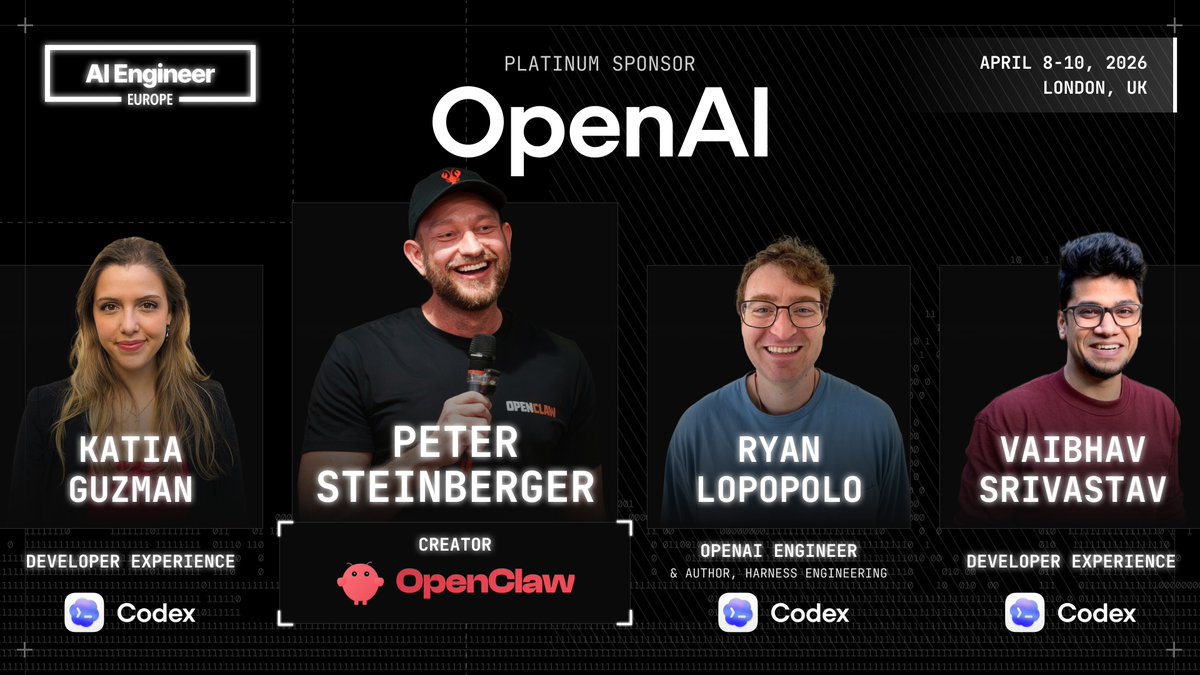
We are excited to welcome @OpenAI to the AIE Expo for the first time as Platinum sponsors for AIE EU! OAI has shipped SO much for AI Engineers this year alone, and this is the best place to catch up: - Meet the team at the Ask OpenAI lounge (bring your hardest tasks and best questions!) - Hear keynotes from @steipete and @lopopolo, and - get hands on with in-depth Codex workshops from @kagigz and @reach_vb! See you April 8-10 in London! AI Engineers💙@OpenAIDevs !
WebGPU is INSANE! 🤯 Here's a 24B parameter model running locally in a web browser, at a blazing ~50 tokens/second on my M4 Max. ⚡️ It's the largest model we've ever run with Transformers.js... and we're not stopping here. Big announcement soon. https://t.co/4emPjY89ba
BREAKING: @ivanleomk is joining Google DeepMind https://t.co/Fu365QjYDk

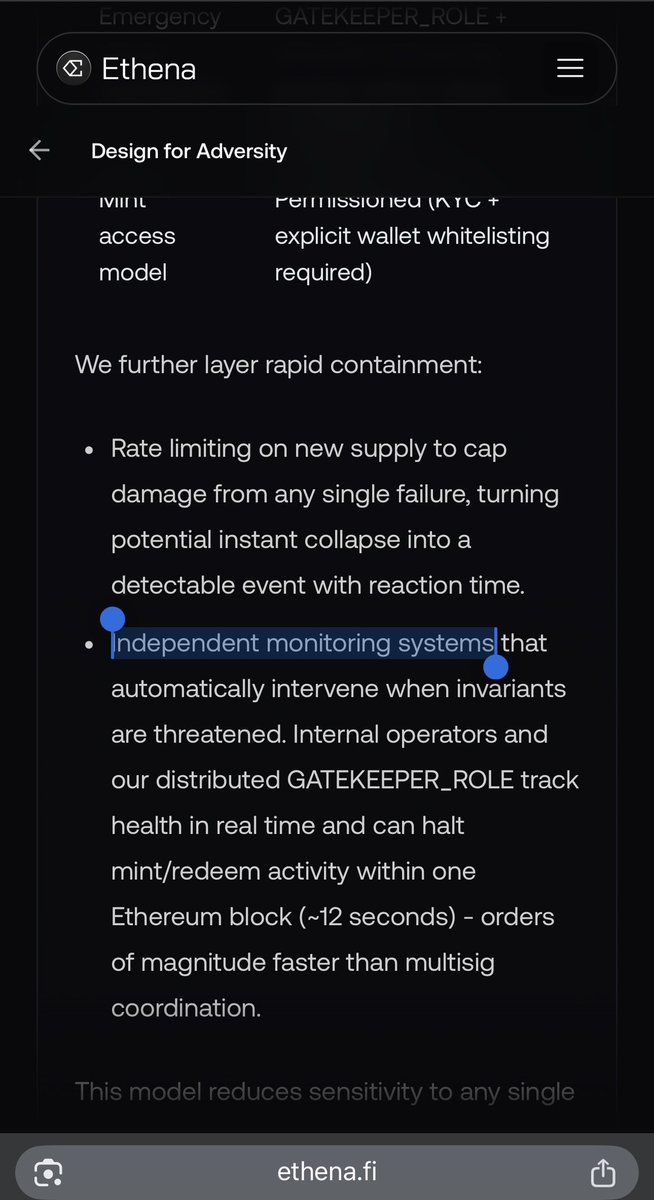
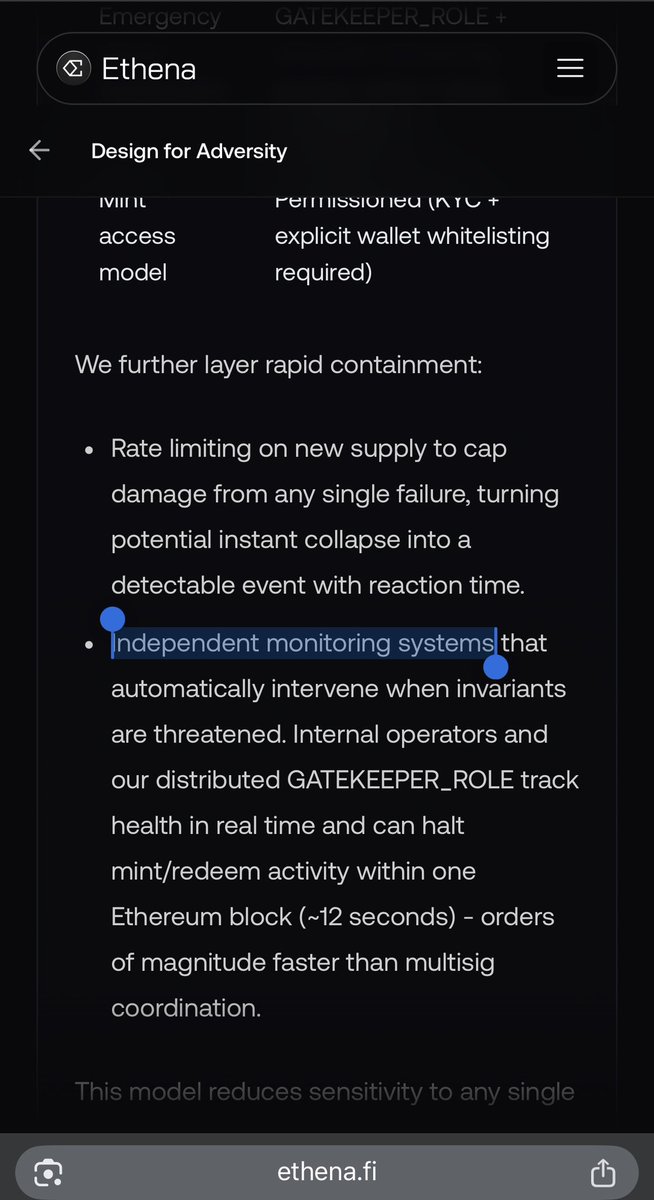
We've published a blog post on the recent Resolv USR incident. It covers what happened, why offchain trust assumptions matter, and the design principles Ethena adopted from inception to prevent similar outcomes. Read it below. https://t.co/F1Hto8n1E9

What is Hypernative? https://t.co/Dy93zLHpYX
We've published a blog post on the recent Resolv USR incident. It covers what happened, why offchain trust assumptions matter, and the design principles Ethena adopted from inception to prevent similar outcomes. Read it below. https://t.co/F1Hto8n1E9
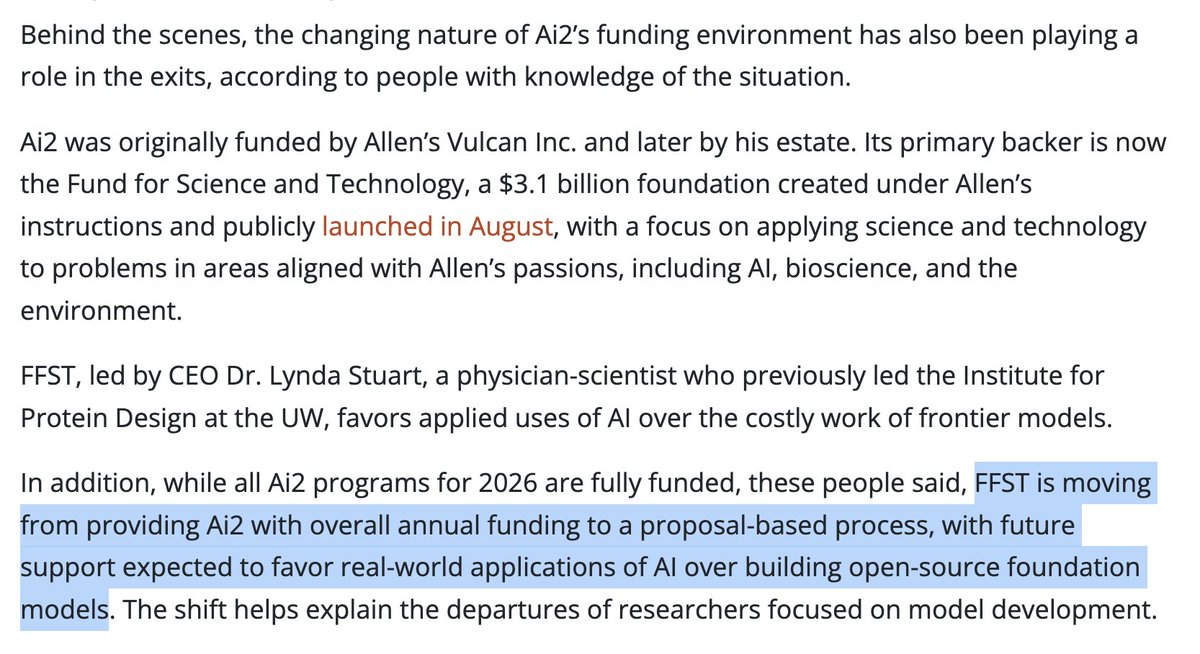
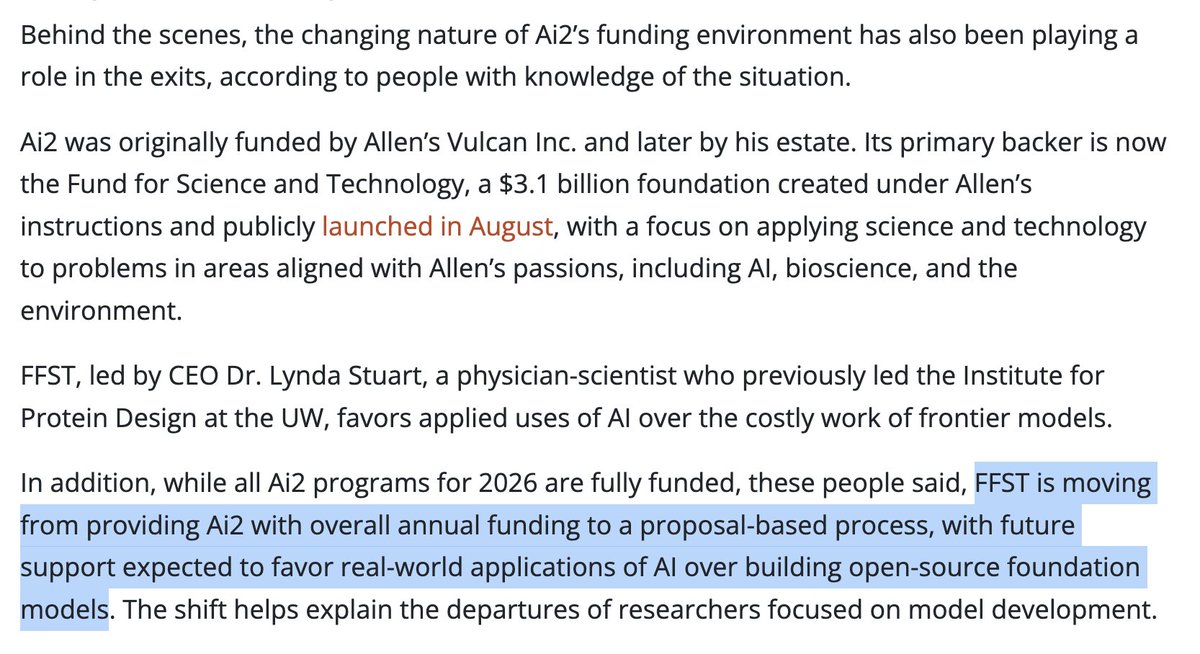
A tragedy is unfolding at AllenAI. Fs in the chat https://t.co/yPwS7uiE1t
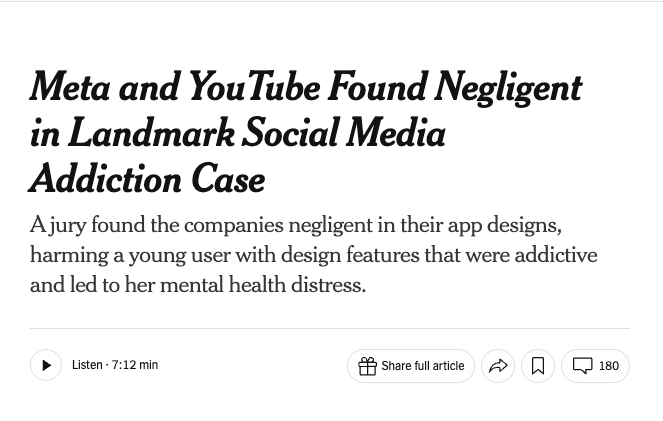
this is a huge deal and a sign of the changing legal tides for big tech. the plaintiffs attorneys here were early adopters of a novel legal strategy that uses product liability law to sidestep tech firms' go-to defense (section 230) & hold them accountable for negligent design https://t.co/FpmRddkSIt
Nice cheat sheet for Claude Code. https://t.co/ikGzbSqjRK
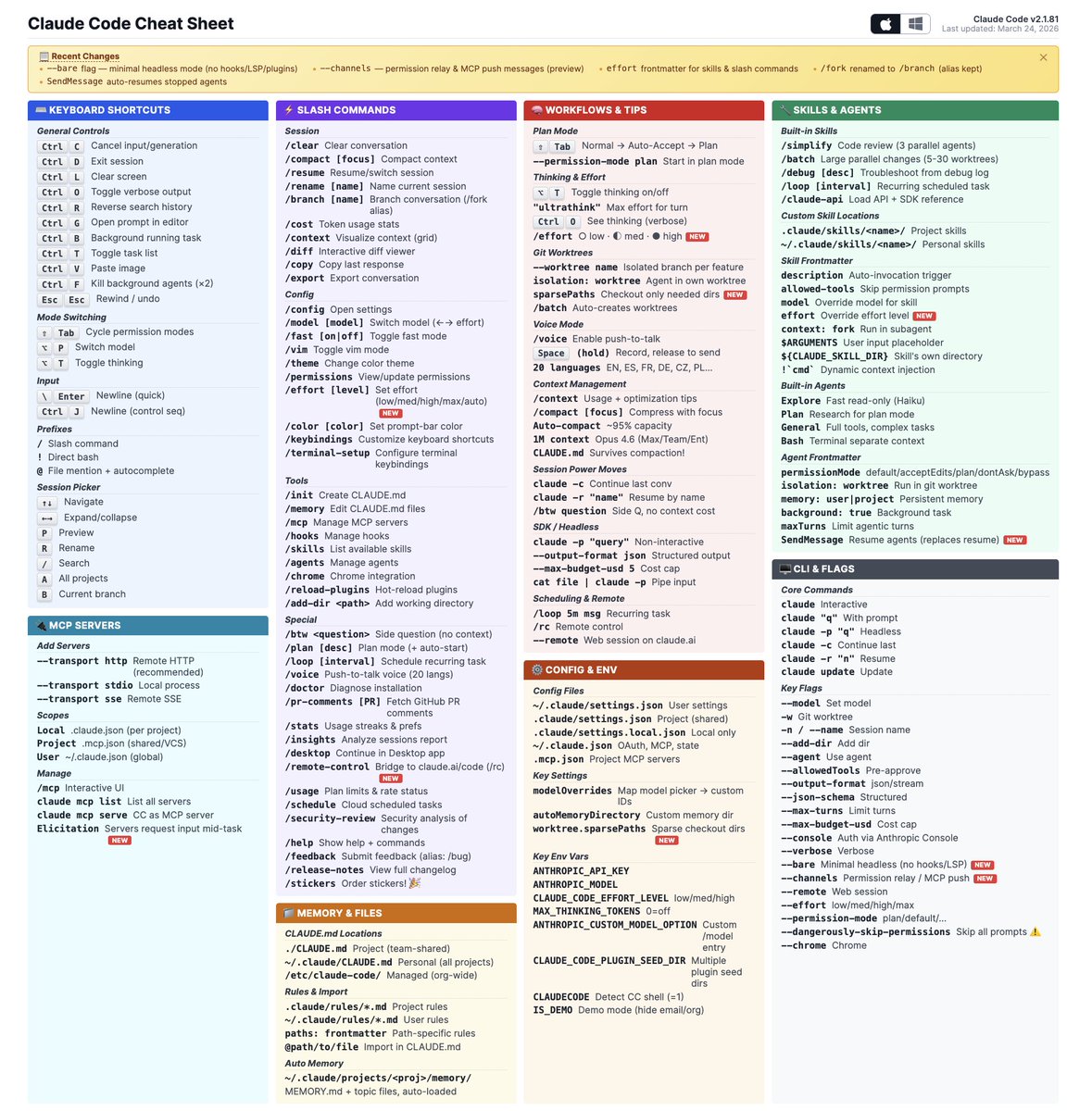
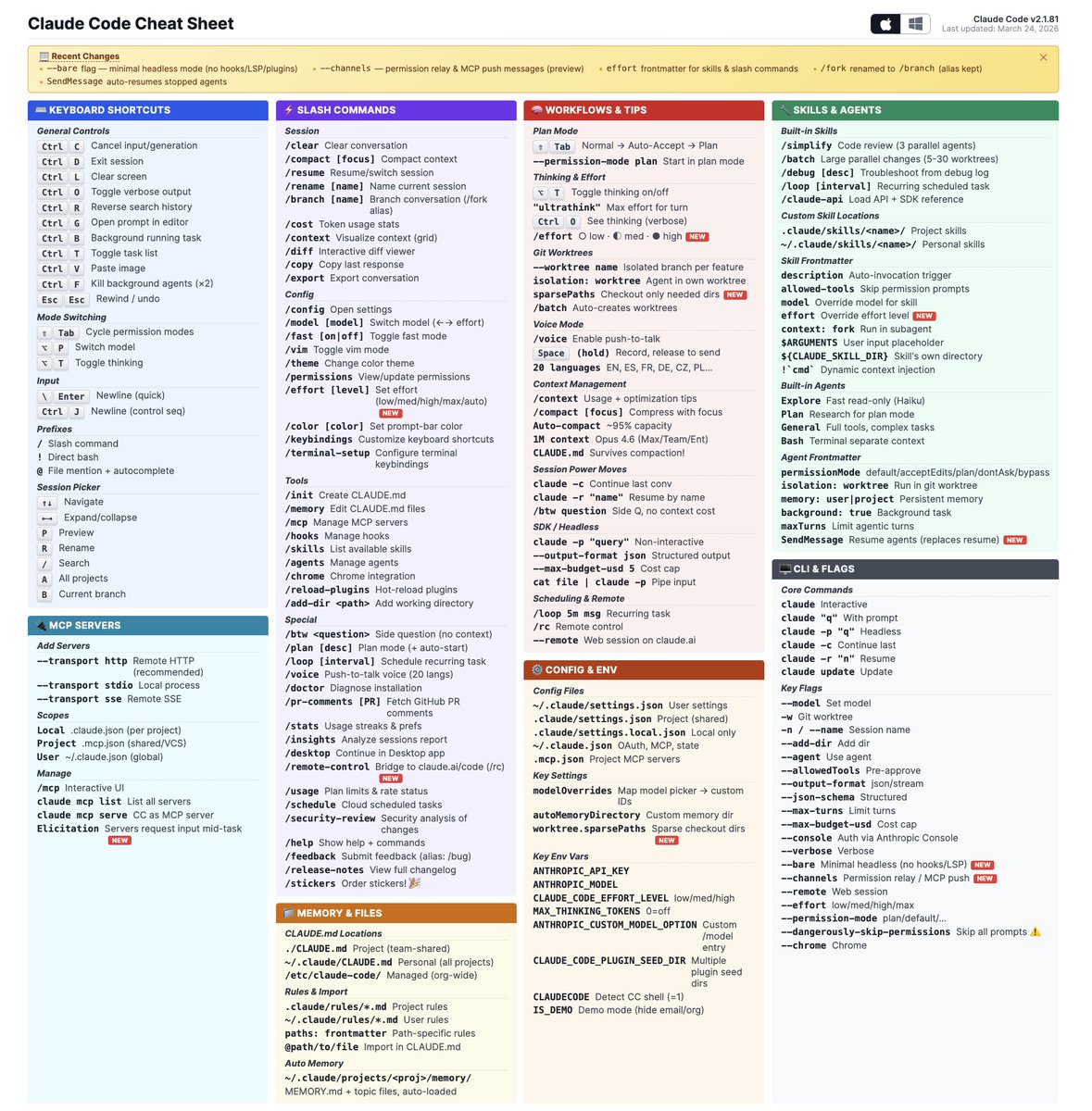
https://t.co/BIKKach0bj

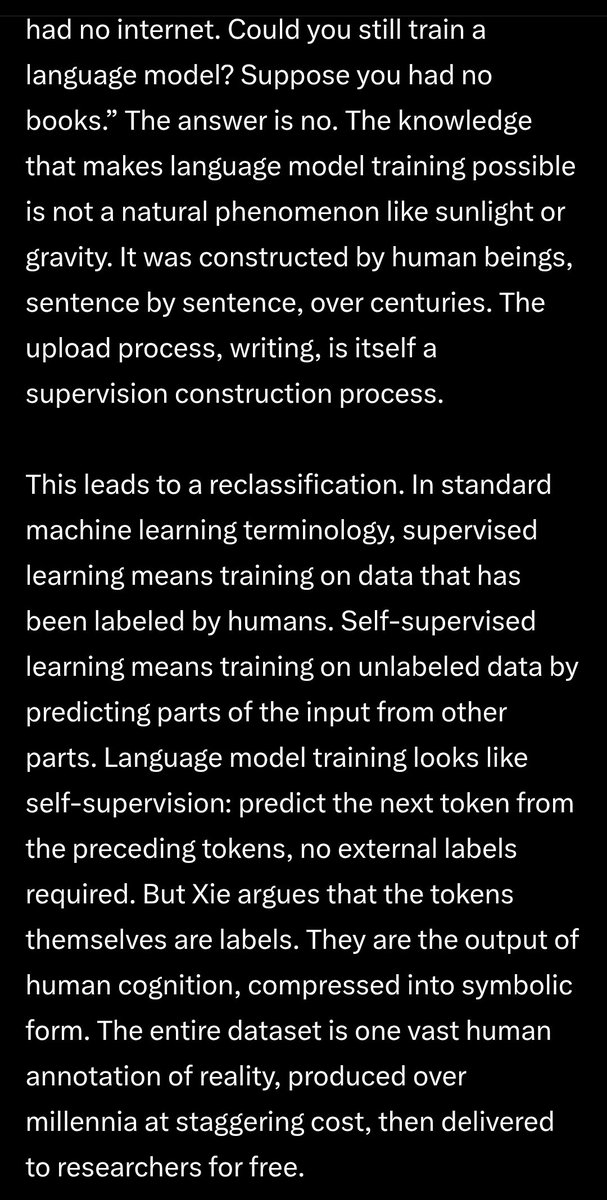
yeah, @sainingxie is one of the few who really get it. he sees through the loud hype. he knows we're not there yet, he agrees with sutton's recent and highly controversial take on LLMs being anti-bitter-pilled. the way he explains it is delightfully simple as well. essentially, just because u smuggled in human knowledge via decades of crowdsourced human annotations pertaining to all interesting aspects of reality, doesn't mean that u can naively advertise the product as scalable in the sense that sutton originally envisioned. LLMs rely very heavily on human knowledge to bootstrap their impressive competence, and once u take that away, the intelligence that remains is severely lacking. tl;dr: just because it wasn't u who annotated reality by hand for a few decades, doesn't mean that ur model requires no human annotations.
https://t.co/IECg0FK5YI
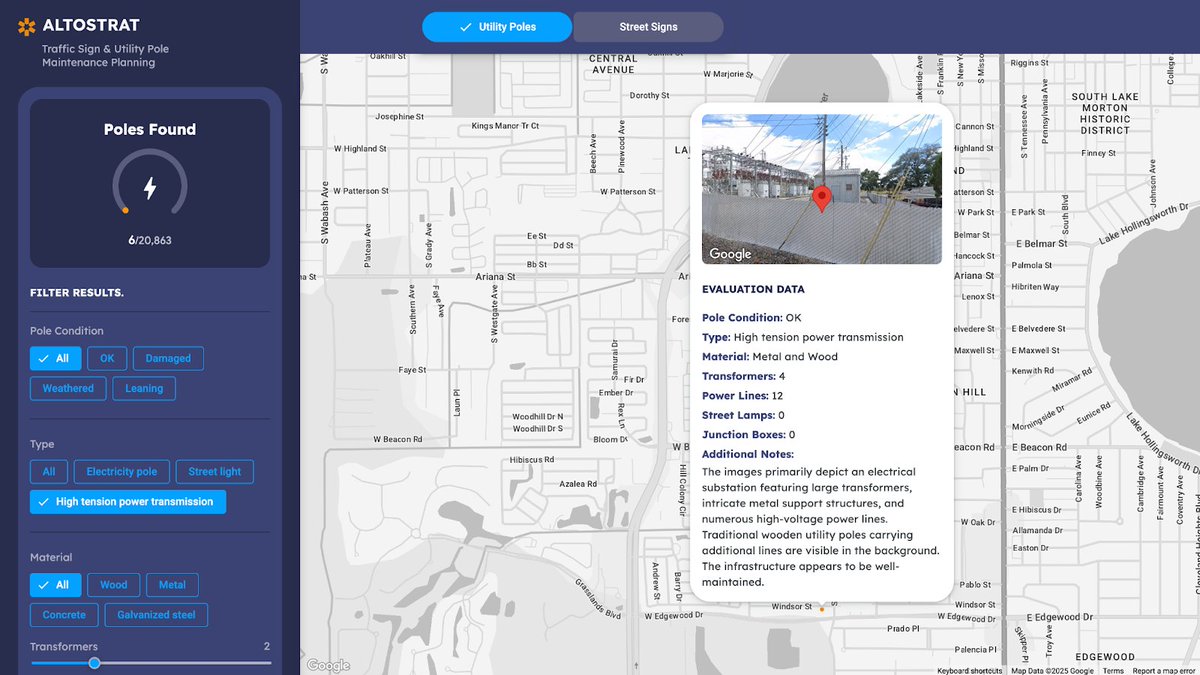
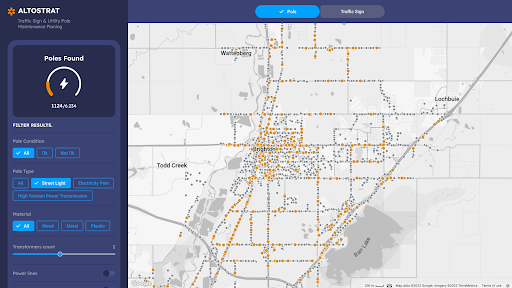
📢 Today, we're announcing general availability for Street View Insights, our first Imagery Insights dataset. 👁️ Access Street View’s vast image repository 💬 Prompt Gemini from Vertex AI Studio 🔗 Connect directly to BigQuery Get started ➡️ https://t.co/P8776NY96m https://t.co/bNTGY2u50J
Meet DiT4DiT, the FIRST video generation architecture for humanoid robot control. 🤖✨ By treating video generation as a world model, we give robots real "physical intuition." 🔥 The Results: 🚀 >10x better sample efficiency & up to 7x faster convergence! 🏆 SOTA on LIBERO (98.6%) & RoboCasa-GR1 (50.8%). 🦾 Zero-shot generalization on the Unitree G1 humanoid using just monocular vision (1x speed, fully autonomous). 🧠 How it works: We couple a Video DiT with an Action DiT via a dual flow-matching objective. Instead of relying on fully reconstructed future frames, we extract "intermediate denoising features" to guide action prediction—simple but highly effective! Check out the paper, real-world videos, and project page here: https://t.co/Ml0AA8PKqA #EmbodiedAI #Robotics #MachineLearning #WorldModels
What happens when you combine Gemini Live with Lyria 3? You get a super cool AI DJ that fulfills all your song wishes 📻✨ Lyria 3 is now available on the Gemini API! 🥳 https://t.co/gczY3o2DBi
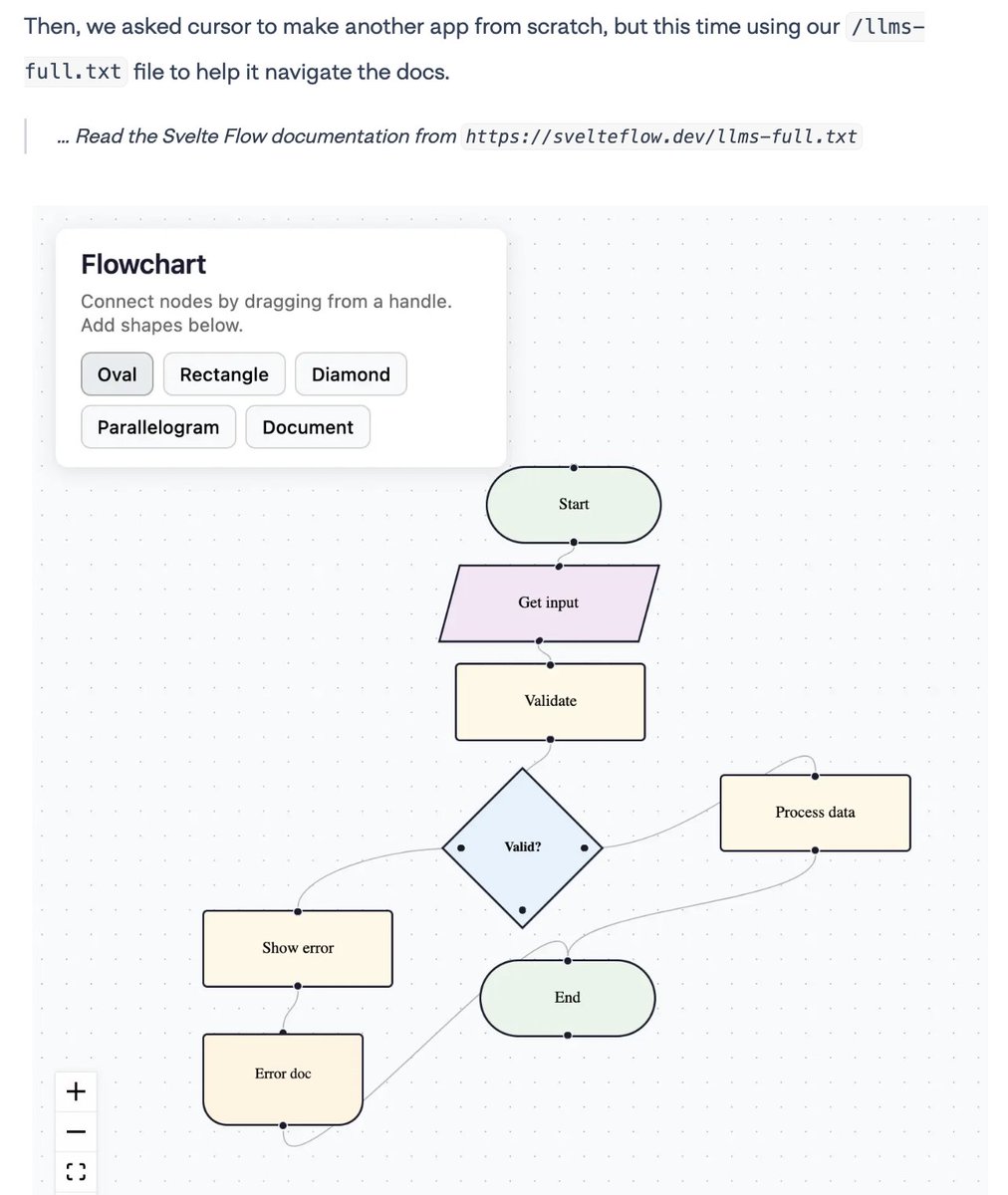
Great to see @xyflowdev joining the llms.txt party - and sharing some really helpful examples of how llms.txt helps agents get better results! 😎 https://t.co/gtmo0iiEJd https://t.co/6R1vBQO8OQ
@yoavgo @deliprao @NeurIPSConf Well, for one thing, OFAC disagrees: https://t.co/QGsx1IPVni

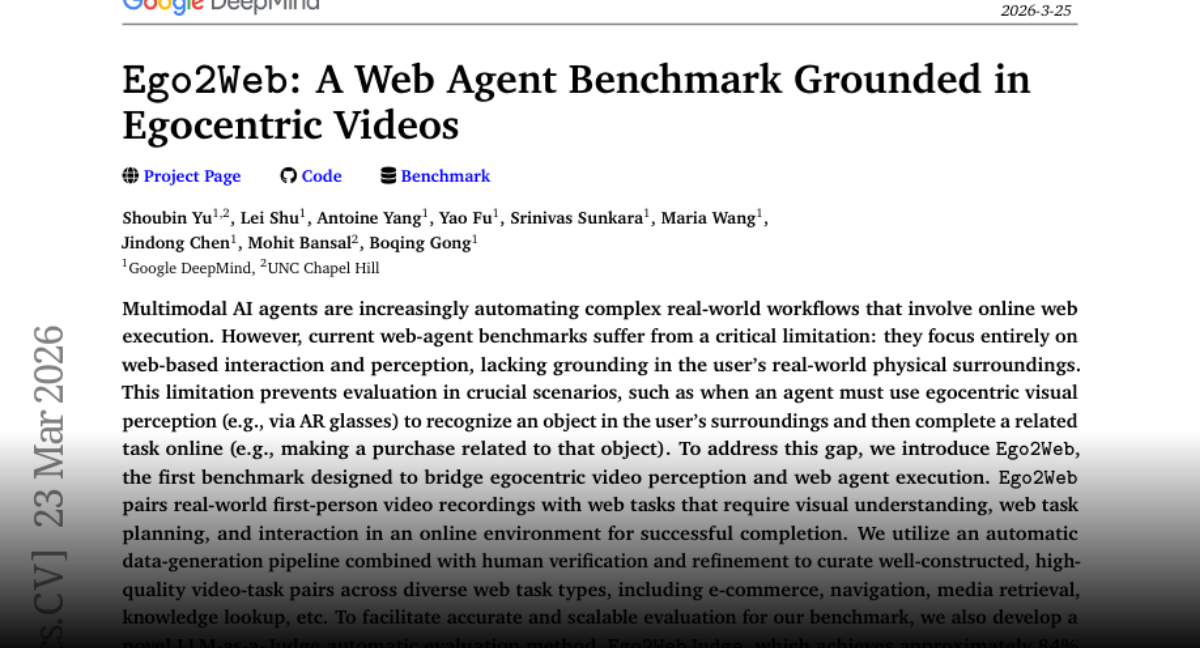
Ego2Web A Web Agent Benchmark Grounded in Egocentric Videos paper: https://t.co/4kYE2HEyPA https://t.co/XJh97rmnOJ
Life update I’ve moved to San Francisco and joined @GoogleDeepMind. Excited to work alongside @OfficialLoganK @thorwebdev @DynamicWebPaige @_philschmid @patloeber @ammaar @vadiamit @osanseviero @harrisonfjobe @goodside @alihcevik @matthewridenour https://t.co/HBiaH3yKii
https://t.co/96CWVKcudA
Question for the group: has there been any great art about Covid? Any incredible literary novels or films? I can't think of anything off the top of my head but my cultural knowledge is not limitless.

https://t.co/96CWVKcudA

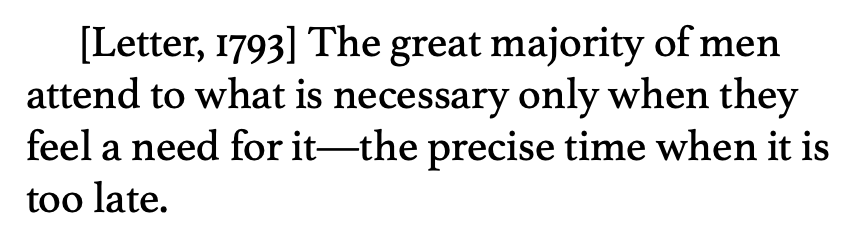
Napoleon on procrastination. Written in 1793. Still punching you in the face in 2026. https://t.co/YA6DVWXw4C
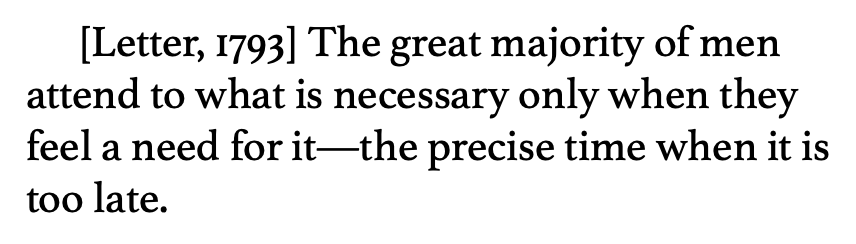
Napoleon on procrastination. Written in 1793. Still punching you in the face in 2026. https://t.co/YA6DVWXw4C
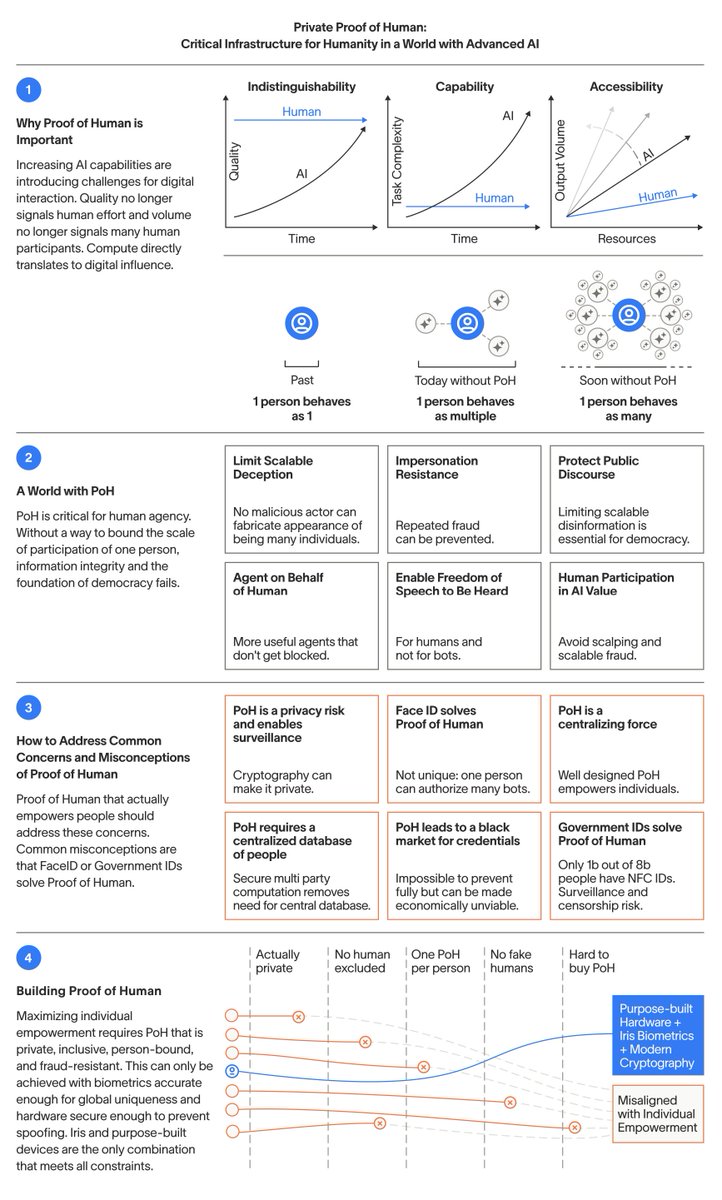
Agentic capability is improving fast. We believe Proof of Human is becoming critical for the internet and many of the platforms we use (like X). This paper explains why FaceID, face biometrics & government IDs won’t solve the problem, and what properties are most important. https://t.co/Xo8IMZucQl
110-year-old Turkish grandma shares her secret to a long life: "i never once used Microsoft Teams" https://t.co/OOhfZtkYn7


110-year-old Turkish grandma shares her secret to a long life: "i never once used Microsoft Teams" https://t.co/OOhfZtkYn7


An award-winning 35-year longitudinal study asked how parents succeed in passing on their religious convictions. The study found two surprising results: First, “having a close bond with one’s father matters even more than a close relationship with one’s mother.” In other words, fathers wield influence, whether they want to or not. Second, the relationship with the father must be warm and close. A father can be a leader of the community, a pillar of the church, a moral exemplar, but if he is perceived as cold and distant, the child will not follow him, will not adopt his spiritual and religious convictions. Here's the study:
This is so sweet. A father prays over his baby girl, reciting Scripture and declaring blessing and protection over her life. Studies show when a father actively practices his faith, up to 75% of children will carry it into adulthood. A father’s love changes the world. https://

2 days ago we shipped image generation in <1s 🔥 Today, we make that <300ms 🤯 NVIDIA + AMD⚡️ Full demo below ⬇️ https://t.co/QIl2ZqZe8K