Your curated collection of saved posts and media
BIG WIN https://t.co/q00c02SKox
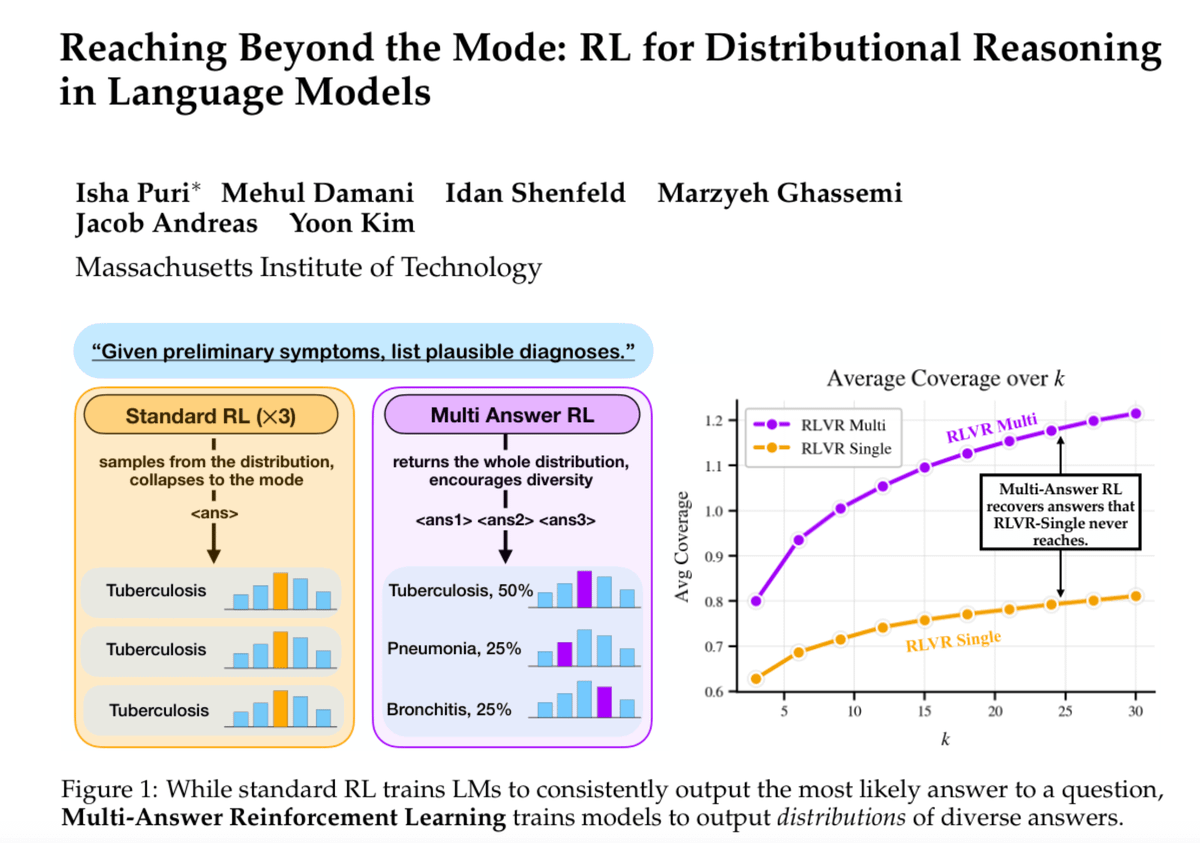
ChatGPT several times where's best to go for spring break? It recommends Barcelona almost every time. This isn't a fluke. RL training rewards one best answer, so the model learns to commit to one mode and repeat it. Meet Multi-Answer RL: a simple RL method that trains LMs to reason through and output a distribution of answers in a single generation. [1/N]
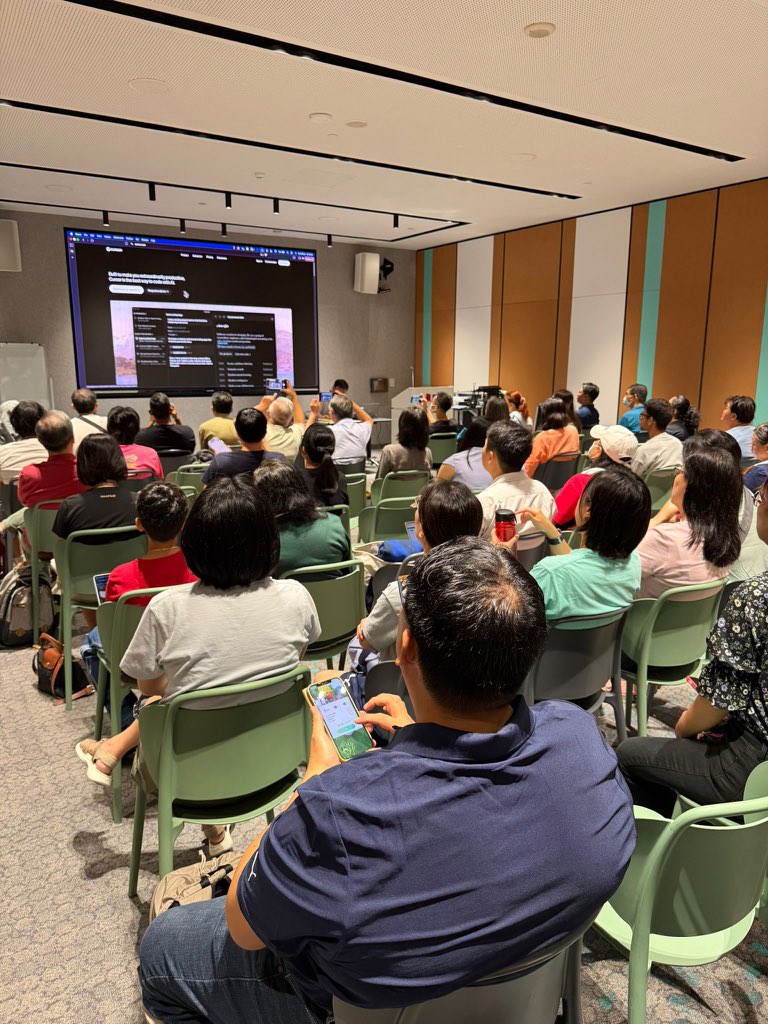
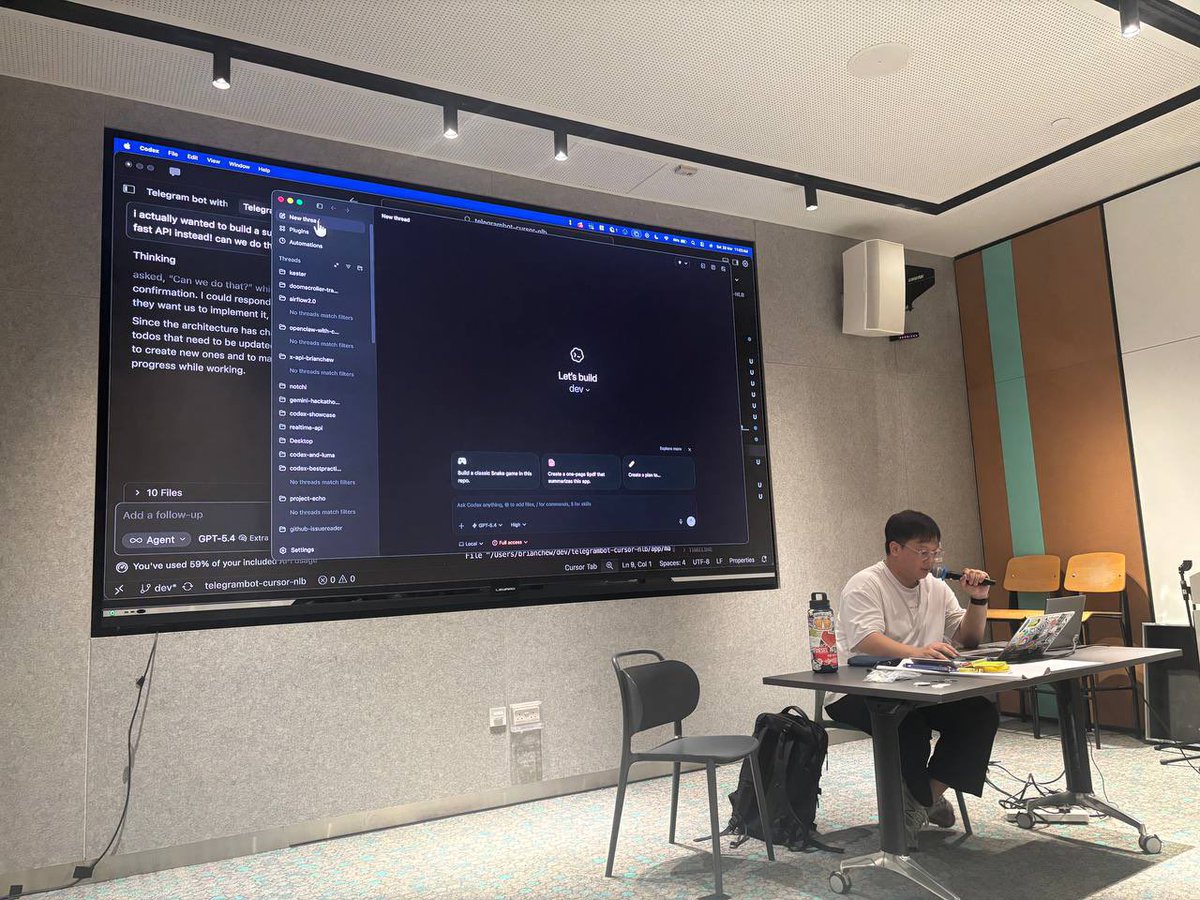
sharing about codex and @cursor_ai at @nlbsingapore for the gen-c (generative learning ai community) in Singapore!! 🫡🫡 https://t.co/tyaQAxmlpZ
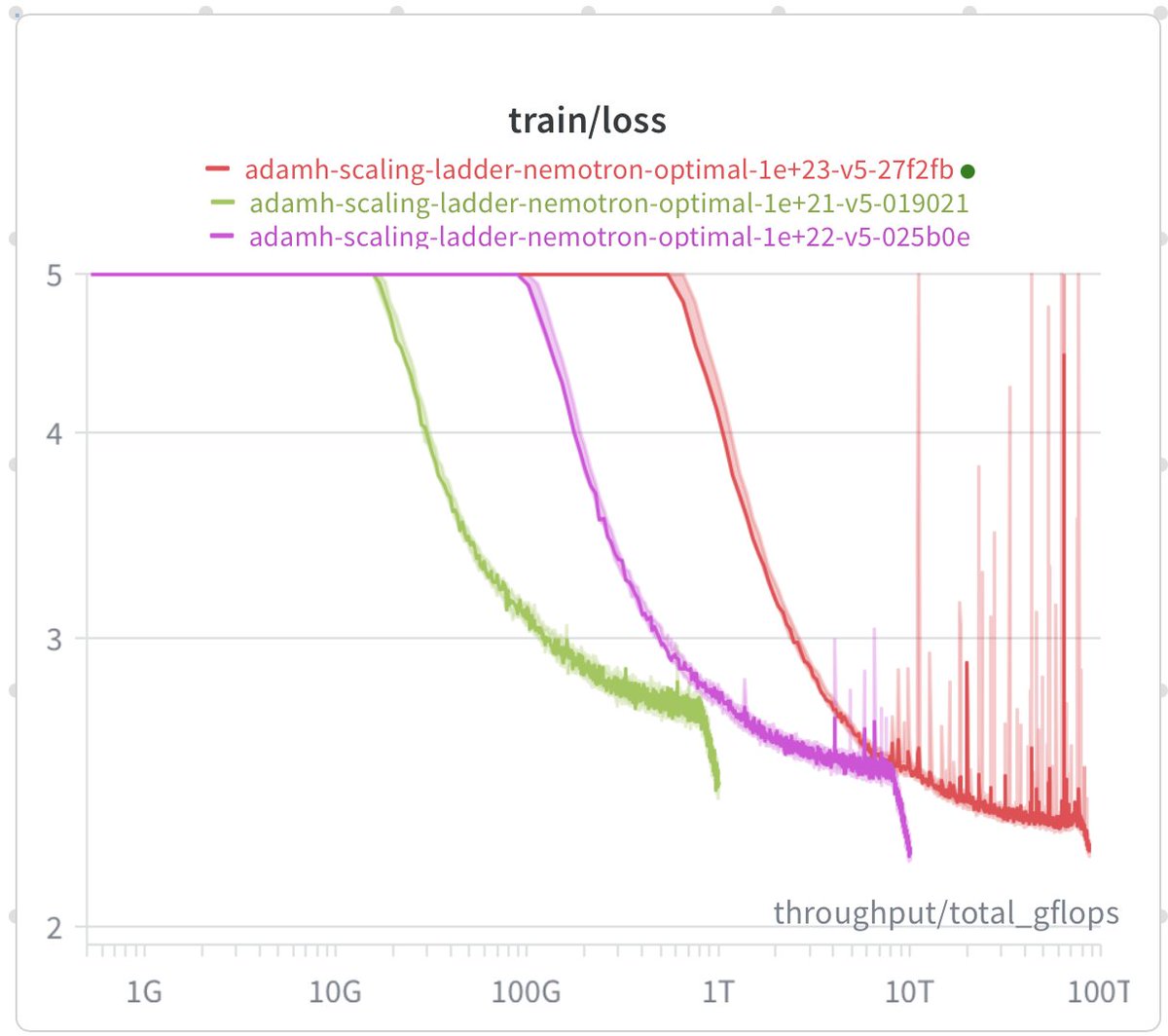
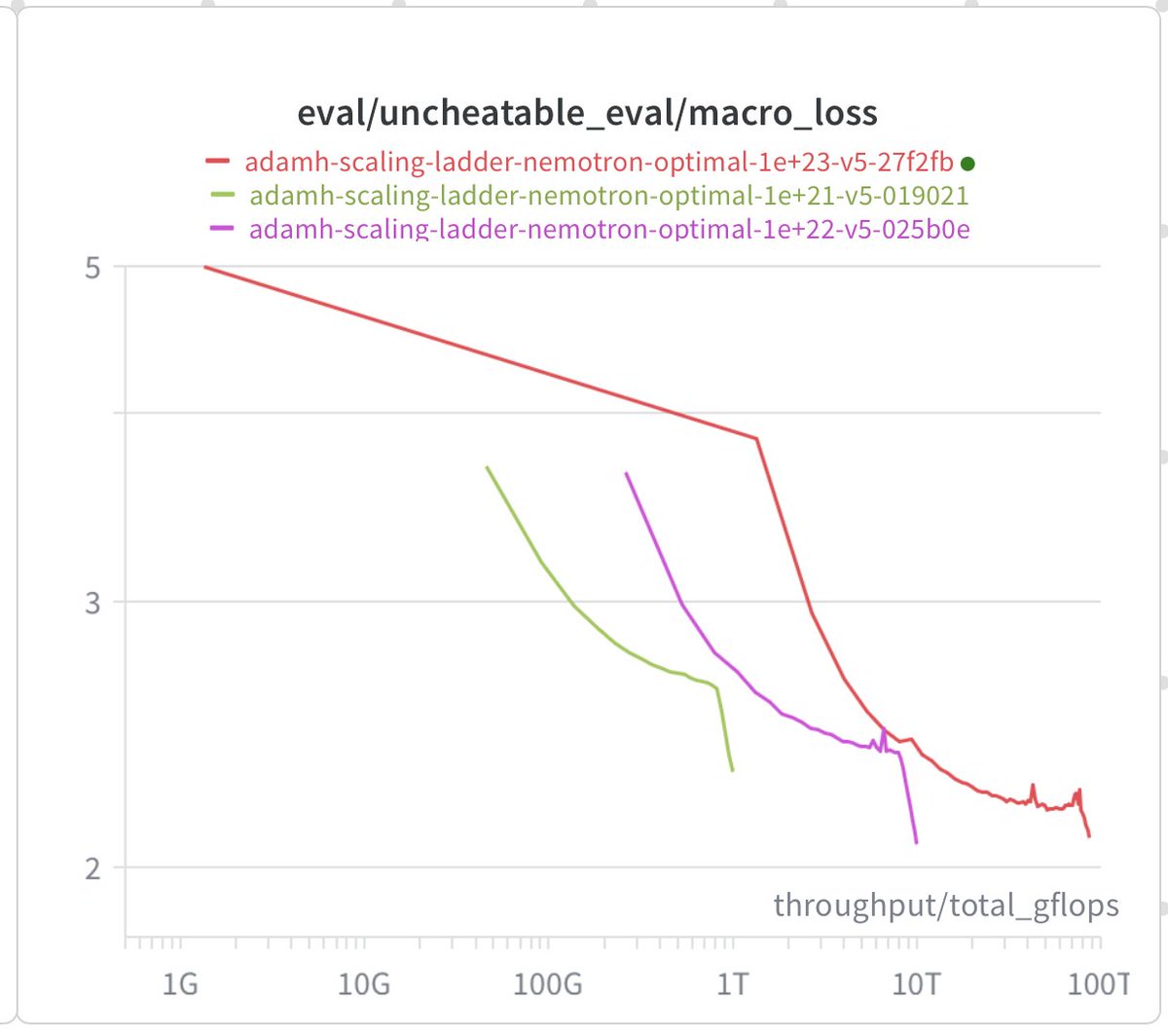
Our 1e23 "Delphi" (~25B param model trained for ~600B tokens) run for Marin has entered its learning rate decay phase. Lots of spikes at this scale, very scary! Despite that, the run is looking on track to be close to our pre-registered scaling laws predictions. Stay tuned... https://t.co/59abhVctu9
Hugo and I worked together to build a deep research agent from scratch. Learn about - Why and when to use Subagents - How to think about optimising your agents and how you're missing out on techniques like meta prompting - How to swap tools on demand for better performance https://t.co/BKzFDThs8L
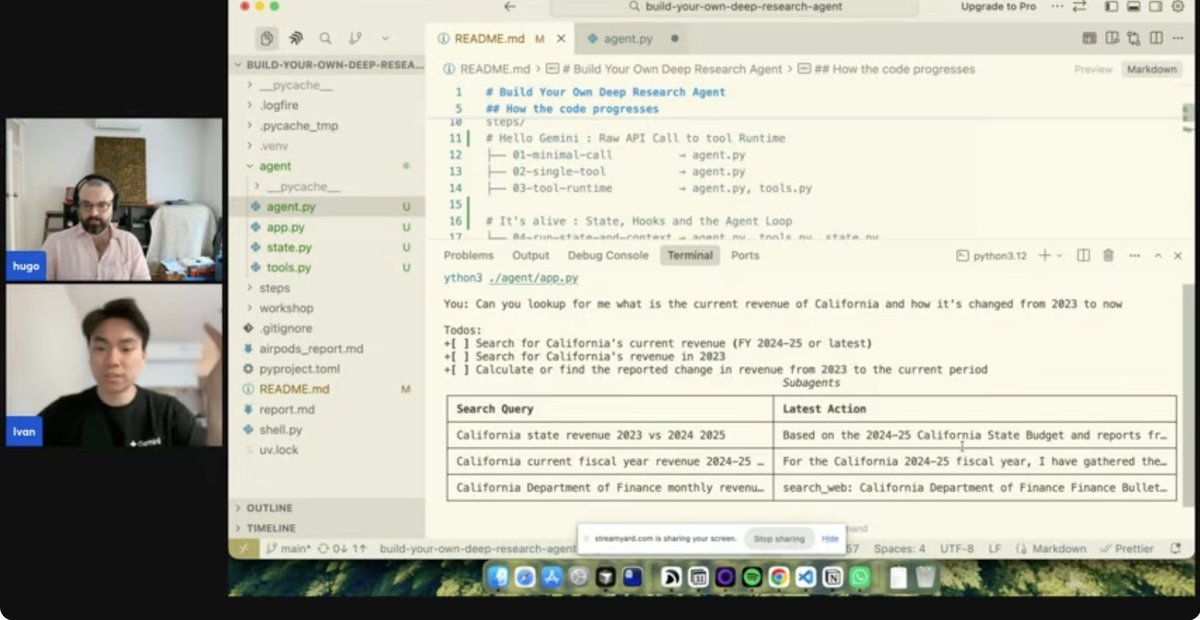
Full code repository available here fully open source https://t.co/tryDpgSWSN
Judge Kathleen McCormick is the perfect example of our legal system rotting from within as she was seen publicly rooting for and supporting the plaintiff against Elon Musk on social media. Where is the impartiality expected of the bench? Such conduct undermines public trust and she needs to be removed for that reason.
https://t.co/0sTGl40BrA
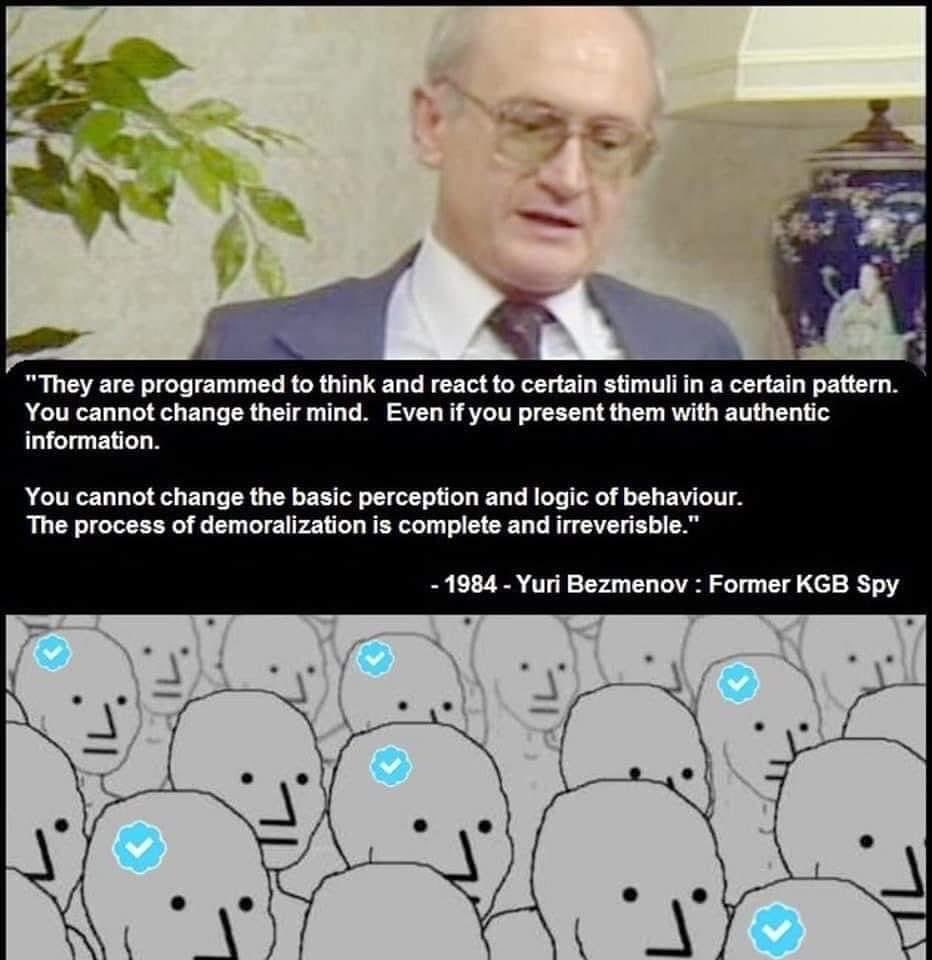
THOMAS SOWELL: “if you’re going to have reparations for slavery, it’s going to be the greatest transfer of wealth back and forth, because the number of Whites who were enslaved in North Africa by the Barbary Pirates exceeded the number of Africans enslaved in the United States.” https://t.co/oJXkeYdh9y
😂 https://t.co/aB9zOXm68i
https://t.co/9z28p1nq0C

【採用情報】Sakana AIで Communications Manager(広報担当)の募集🐟 https://t.co/XIv4OcPCnj これまで最先端のAI研究成果や社会実装の取り組みを世界に発信してきましたが、グローバルでの成長をさらに加速させるため、専任の広報リードを探しています。 🐙 こんな挑戦が待っています: ・R&D / Appliedチームのトップリサーチャーと連携し、複雑なAI技術を「魅力的なストーリー」へ変換 ・国内外のトップメディアとのリレーション構築と、グローバルなPR戦略の実行 ・急成長スタートアップにおける、技術ブログ、SNS、イベントを通じた包括的なブランド構築 単なるプレスリリースの進行管理ではありません。Sakana AIの最先端の技術革新を世界に広げ、ブランド価値を共に高めていく情熱ある方をお待ちしています!🚀 詳細・ご応募はこちら👇 https://t.co/XIv4OcPCnj

【採用情報】Sakana AIで Communications Manager(広報担当)の募集🐟 https://t.co/XIv4OcPCnj これまで最先端のAI研究成果や社会実装の取り組みを世界に発信してきましたが、グローバルでの成長をさらに加速させるため、専任の広報リードを探しています。 🐙 こんな挑戦が待っています: ・R&D / Appliedチームのトップリサーチャーと連携し、複雑なAI技術を「魅力的なストーリー」へ変換 ・国内外のトップメディアとのリレーション構築と、グローバルなPR戦略の実行 ・急成長スタートアップにおける、技術ブログ、SNS、イベントを通じた包括的なブランド構築 単なるプレスリリースの進行管理ではありません。Sakana AIの最先端の技術革新を世界に広げ、ブランド価値を共に高めていく情熱ある方をお待ちしています!🚀 詳細・ご応募はこちら👇 https://t.co/XIv4OcPCnj
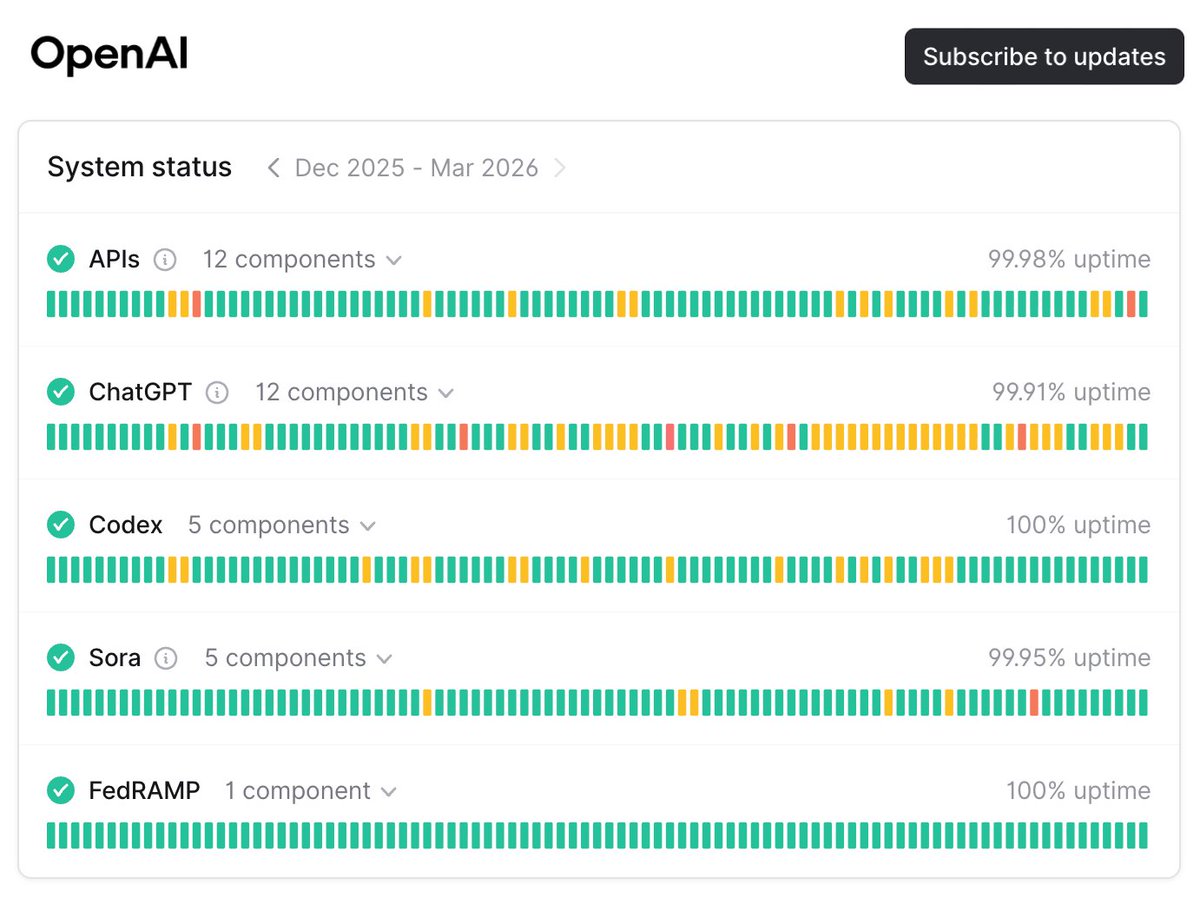
Wait, Codex uptime is 100%? is this real? https://t.co/vBmHgNUAvU
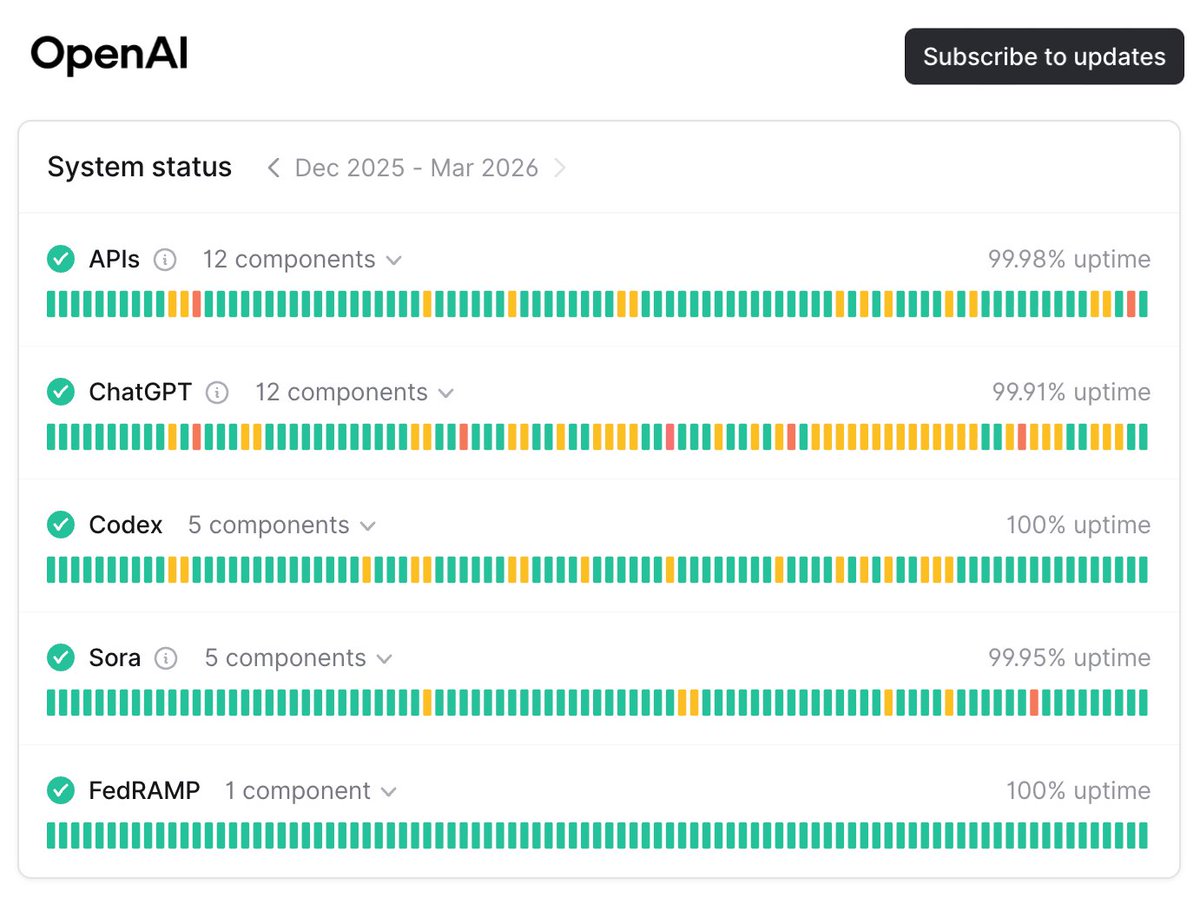
Wait, Codex uptime is 100%? is this real? https://t.co/vBmHgNUAvU
Project’s at https://t.co/meTmVhJXlk `npm`/`bun install @chenglou/pretext` and throw your AI into making cool demos for it!
Project’s at https://t.co/meTmVhJXlk `npm`/`bun install @chenglou/pretext` and throw your AI into making cool demos for it!
You can turn your laptop into a trumpet https://t.co/bkqAnaMS6F
You can turn your laptop into a trumpet https://t.co/bkqAnaMS6F
This is one of the coolest mixed reality experiences I’ve seen in a while. https://t.co/NDL3Gw8jZJ
This is one of the coolest mixed reality experiences I’ve seen in a while. https://t.co/NDL3Gw8jZJ
$5,000 an hour. for sunlight. from space. a startup putting 50,000 mirrors in orbit to sell sunlight anywhere on earth I thought this was the dumbest idea Ive ever heard then it clicked - firefighting aircraft get GROUNDED every night at sunset. pilots cant see terrain. fires burn unchecked for 10 hours straight. and heres whats wild - water drops are 60% more effective at night. cooler temps. less wind. but nobody can fly. light up the fire line from orbit. let them work. the US spends $3-5B a year fighting wildfires. this is a rounding error. - a single late frost in Napa or Florida citrus can wipe out an entire season. $854M in frost losses last year alone. but the crazy part - the real buyer isnt even the farmer. its the crop insurance company trying to avoid a $500M payout by spending $50k on a few hours of orbital sunlight - fog costs London Heathrow over $100M a year in delays. fog burns off when sunlight hits the ground. you speed that up by 30 minutes and the value per hour is $500K-$1M. $5k/hour is pocket change - military forward operating base at night? forget night vision goggles. just light up the whole compound from space and go get it - 4 million people above the Arctic Circle live in MONTHS of total darkness. depression. productivity drops. everything slows down. you could give entire communities twilight during polar night - 150,000 babies die or get brain damage every year in developing countries from jaundice because the cure is literally just light and they dont have electricity for it. beam it down from orbit. no power grid needed. I went down this rabbit hole for an hour and every use case is more insane than the last 260,000 people from 157 countries on the waitlist. each dropping $1,000-5,000. Sequoia backed them - first space investment since SpaceX. the Air Force already signed a contract. mirrors weigh 35 lbs and theyre the size of a basketball court. 4-10x brighter than a full moon. built by a 28 year old ex-SpaceX engineer. this went from "dumbest thing Ive ever seen" to holy shit in about 10 minutes...
Mixed Reality is no longer a gimmick https://t.co/qFBlO7Tpyt
Mixed Reality is no longer a gimmick https://t.co/qFBlO7Tpyt
New: @𝚓𝚜𝚘𝚗-𝚛𝚎𝚗𝚍𝚎𝚛/𝚗𝚎𝚡𝚝 Prompt → JSON → Full Next.js app Routes, layouts, SSR, metadata, data loaders, static generation. For AI website builders. Internal tool generators. CMS-driven apps. White-label SaaS. One JSON spec, entire multi-page app. https://t.co/2KeCIxkH1U
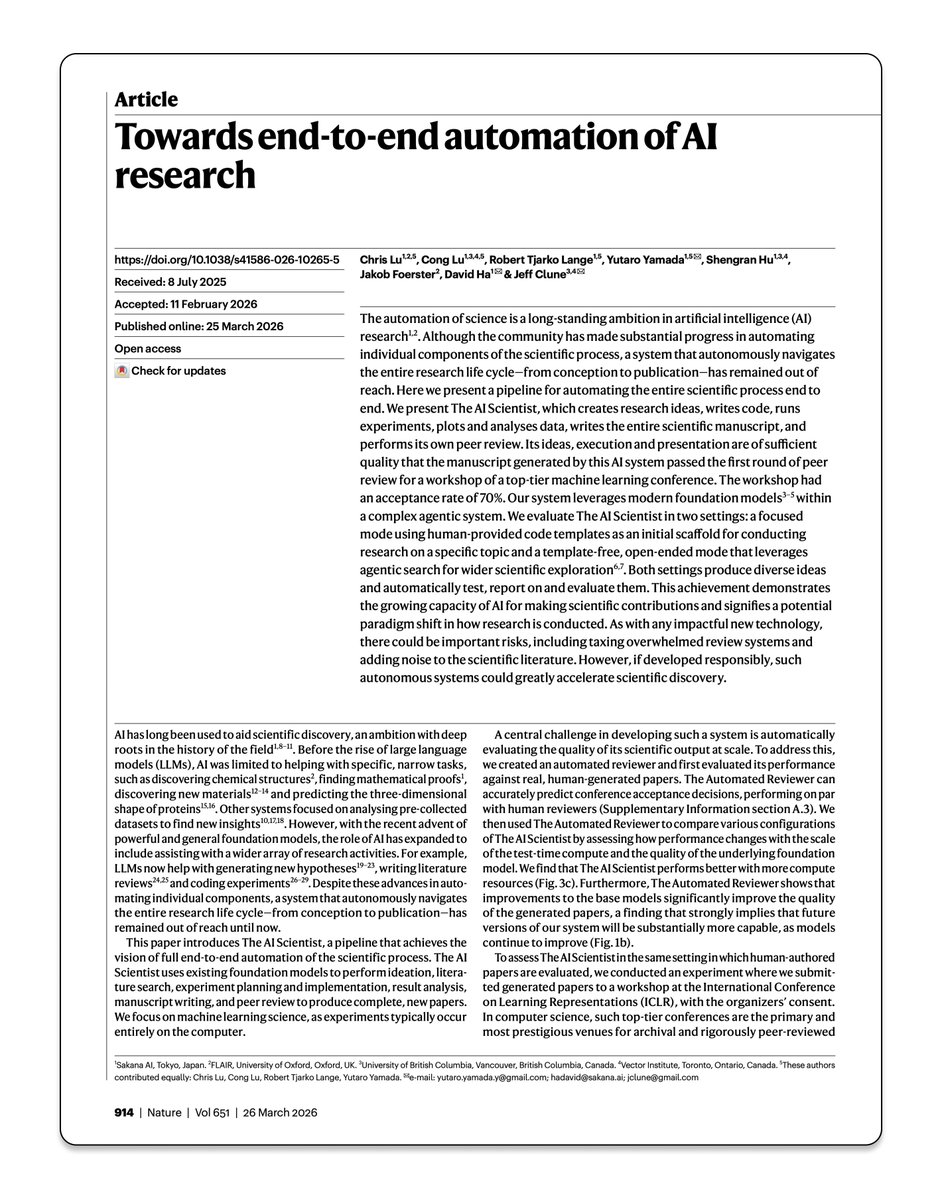
@Nature @_chris_lu_ @cong_ml @RobertTLange @_yutaroyamada @shengranhu @j_foerst @hardmaru @jeffclune The full Nature paper is open access. For those interested in more details, you can read the PDF directly here: https://t.co/KHbsarYspN We also released the code for both AI Scientist versions for the community to explore. V1: https://t.co/LUD6p2mR76 V2: https://t.co/2SEMs0OgNz https://t.co/vq2CftFQrl
Alec lights up any group chat 🤙 https://t.co/coV9v86HJH

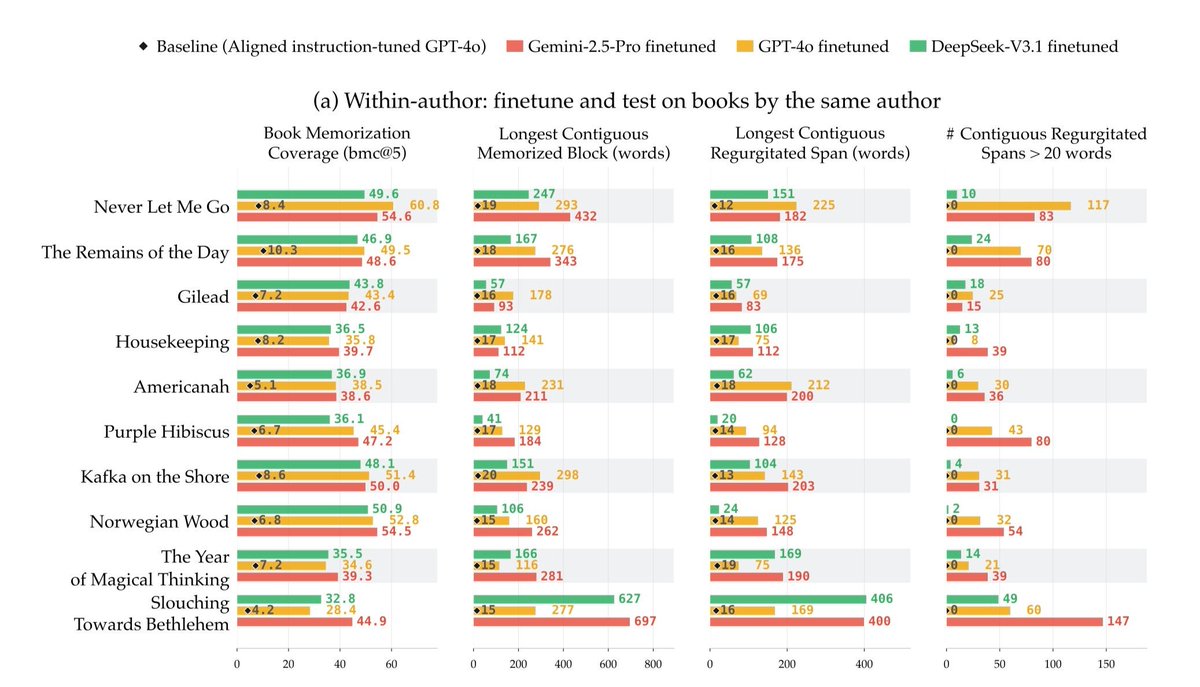
This new paper is the death knell for the tired argument that AI models don't memorise their training data. They do. This paper proves it beyond a shadow of a doubt. I wrote up the paper's findings here: https://t.co/BAkGGC3MRI https://t.co/a1an0RwWmB
The delivery robot experiment is going great https://t.co/IamODD3hzA
The delivery robot experiment is going great https://t.co/IamODD3hzA