Your curated collection of saved posts and media
QwenWork is now live — the all-in-one AI productivity platform built for global teams. It turns briefs into finished documents, slides, and web pages — and generates images, audio, and video in one place, so your team members don't jump between AI tools. Analyze data reports, process complex spreadsheets, and let AI deliver polished decks while you focus on the work that matters. Take your team and give it a try — let AI take care of the repetitive, time-consuming work ✨. #qwenwork #ai #aiagent
Lucida from ByteDance Cool project! It transforms indoor video into editable 3D scenes; reconstructs objects as simulation-ready assets - VLM-based object detection and referring descriptions. - good at pose alignment - high-fidelity real-to-sim digital twins. - multi-view masks, boxes, partial point clouds - Seed3D 2.0 for image-to-3D asset gen https://t.co/uUlcInA2XL
Code: https://t.co/2KHMVKk28t Model: https://t.co/Ea8AKBkv4S Paper: https://t.co/RoPmG7boHH Tech blog: https://t.co/aBTMmOL0WS Discord: https://t.co/7hr2hzUbPC
Introducing LightNav-0, our first general-purpose navigation brain. Open-sourced starting today. Trained entirely in simulation, so it scales. See scalable real2sim2real transfer across robots, tasks, and scenes. https://t.co/zyFqL8gvQL
Code: https://t.co/2KHMVKk28t Model: https://t.co/Ea8AKBkv4S Paper: https://t.co/RoPmG7boHH Tech blog: https://t.co/aBTMmOL0WS Discord: https://t.co/7hr2hzUbPC
Today we’re excited to launch OrcaReplay. What’s your Claude Code, Codex, Grok CLI, or Hermes doing? Not the recap in the terminal. How it talks to the servers. Which actions it took. Which files it touched. Whether the command it ran actually succeeded. OrcaReplay attaches to an agent run so you can see and track all of that, live, as one timeline. You do not patch the agent. You attach, or wrap the process, and the underneath shows up: model calls, shell, disk. Even a bot that hardcoded its API host. We decrypt the model API it thought you couldn’t see. orca record claude orca attach --for grok orca record exec --tls-intercept -- hermes orca show last orca replay last Watch the run. Replay it later with the network off. Fork from any step onto another model with the same files and the same conversation prefix. Time travel for agent runs. Apache-2.0. Built by the OrcaRouter team. https://t.co/8r9l2EYXkL

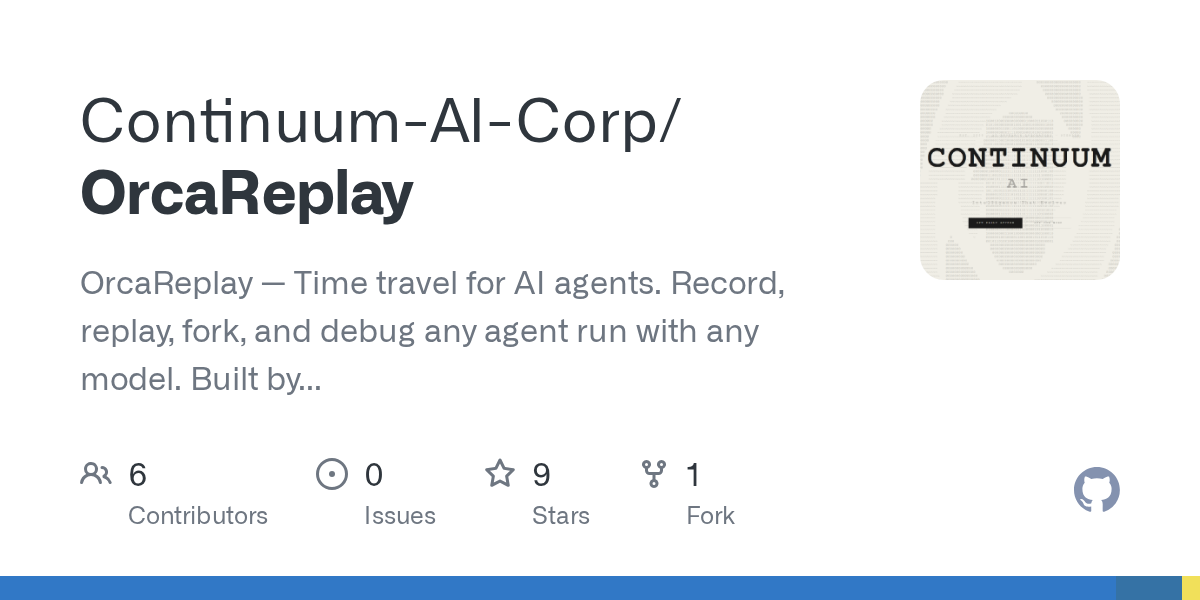
The interesting part about Sleepagotchi isn’t the wearable integration. It’s what happens after the data already exists. If you're already using an Apple Watch, Whoop, Oura Ring, CUDIS, or Pulse, you’re already collecting a huge amount of information about your sleep and recovery. But raw data doesn’t automatically change your behavior. A sleep score tells you what happened last night. An HRV number gives you another signal. Movement and sleep stages add more context. The harder question is - What should I actually do tonight? That’s where @sleepagotchi gets interesting. Instead of asking you to buy another gadget and stare at another dashboard, it can work with the devices you already use and turn those signals into something actionable. Understand the data → personalize the advice → guide the habit → learn from the next night. That’s a much bigger idea than another sleep tracker. The wearable is the sensor. Sleepagotchi is trying to become the intelligence and action layer on top. And honestly, I think that’s where agentic AI like $SLEEP becomes much more useful in wellness. Not just telling you what happened. But understanding what it means and what you should do next.
You don't need a new gadget. Already wearing an Apple Watch, Whoop, Oura Ring, CUDIS, or Pulse? Sleepagotchi plugs right in. Your devices collect the data. Sleepagotchi turns it into action - understanding what you need, then acting on it for you. That's agentic AI. https://t.
Our King has gone mad, is leading us to multiple disasters, and the majority in government is afraid to say so. https://t.co/OrAQYVFXwP

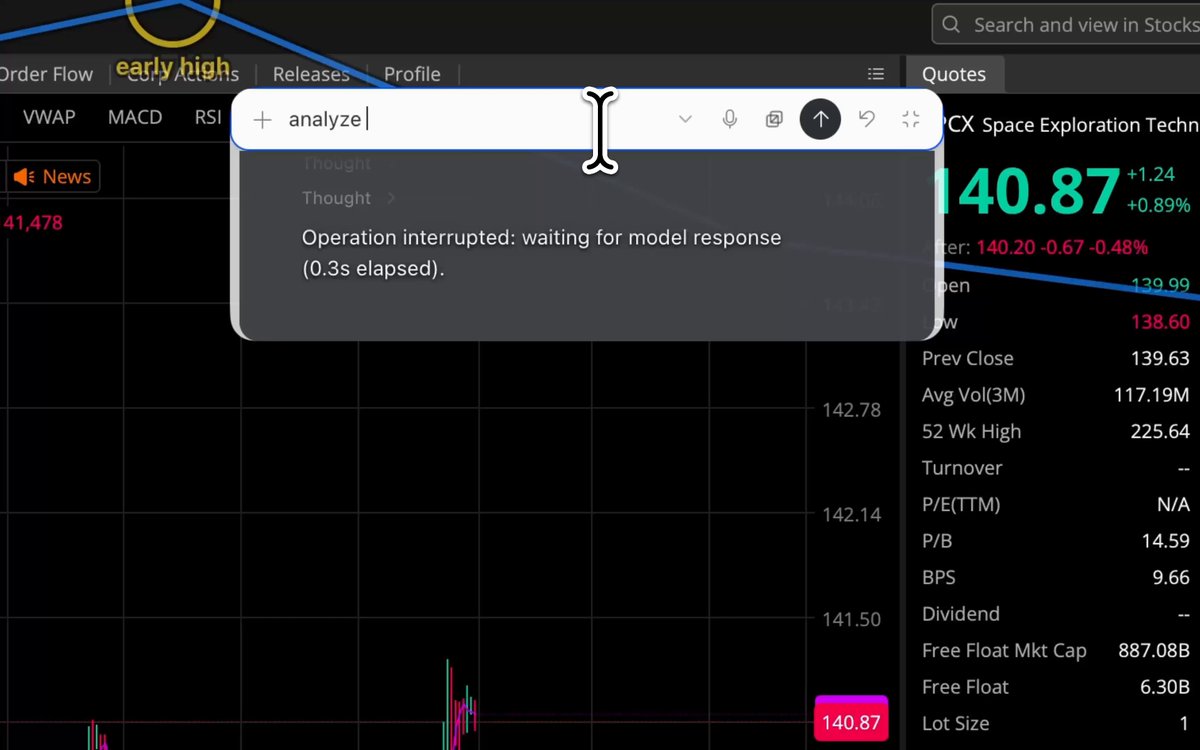
Hermes HUD mode now has a “Pretend I’m working” feature 😂 I type: Pretend I'm working HUD instantly throws a terminal on my screen and starts showing fake code like I’m deep in something important Meanwhile, my actual Hermes agents are doing the real work in the background So if someone walks past my desk... It looks like I’m grinding. Technically, someone is I know this PR will never make it so have fun👇 https://t.co/0BPhC4l5QT
Meet the people behind the open source tools we use every day. PyTorch Foundation Ambassador, Abdulsalam Bande, is looking forward to connecting with the wider PyTorch Community at PyTorch Conference North America this October 2026. Register for PyTorchCon NA: https://t.co/VJWNr5qmQD
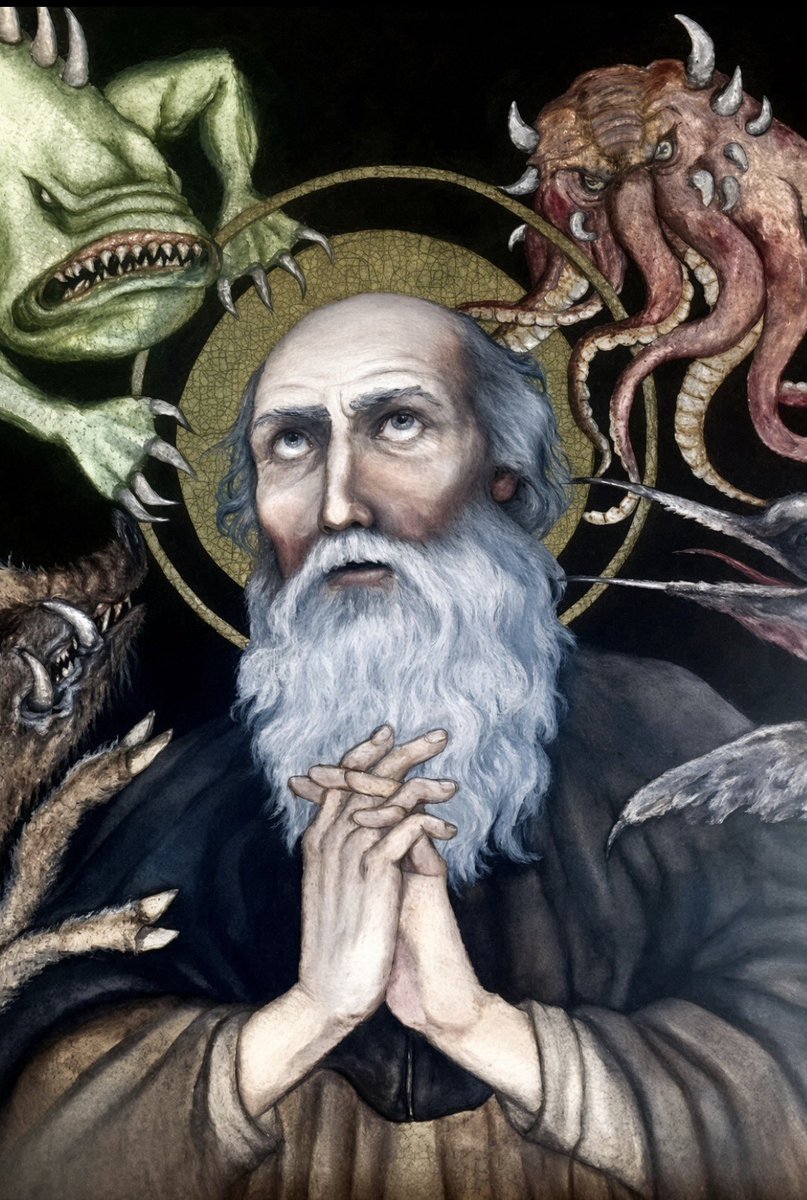
“There are three traps of Satan that steal joy and peace: Regretting about the past, fear for the future, and ingratitude for the present.” St. Anthony the Great 🕊️ https://t.co/dBD7pdcBG8
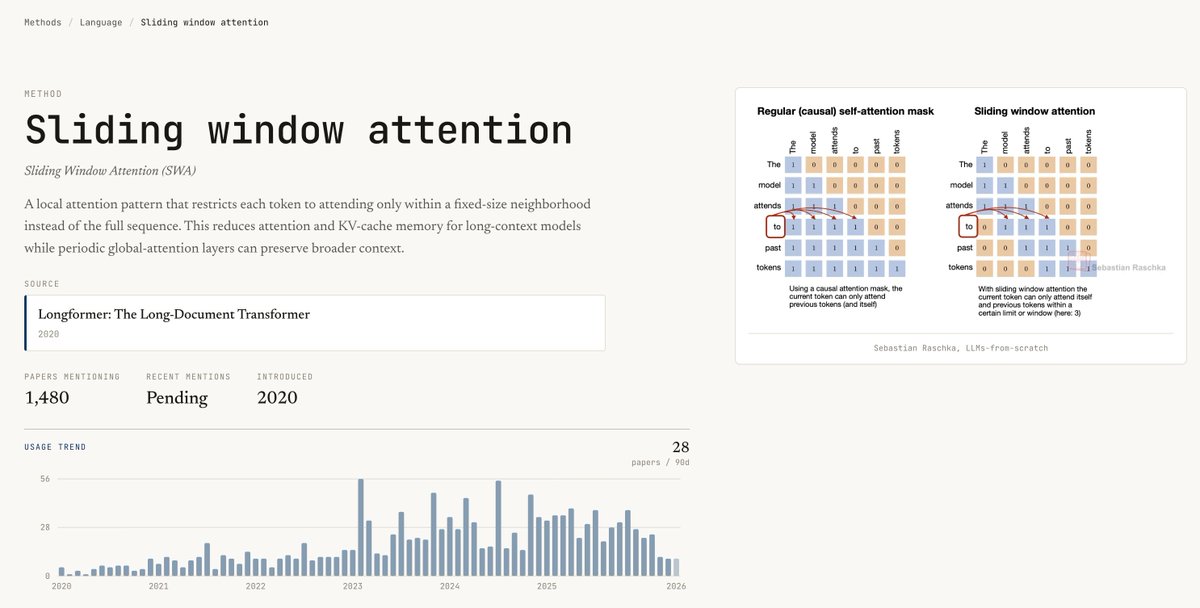
For folks wondering what Sliding Window Attention is, there's a method for it on Papers with Code Sliding Window Attention (SWA): A local attention pattern that restricts each token to attending only within a fixed-size neighborhood instead of the full sequence. This reduces attention and KV-cache memory for long-context models, while periodic global-attention layers can preserve broader context. Find it here: https://t.co/K1MhZVasL8
Simple beats complicated: We show that switching to a sliding-window attention mask with attention sinks (at no cost) beats linear attention post-training. Huge thanks to my collaborators @RheaSukthanker, @CameronPashmina, and @Emy_Aze. Paper: https://t.co/h8DIc223Su
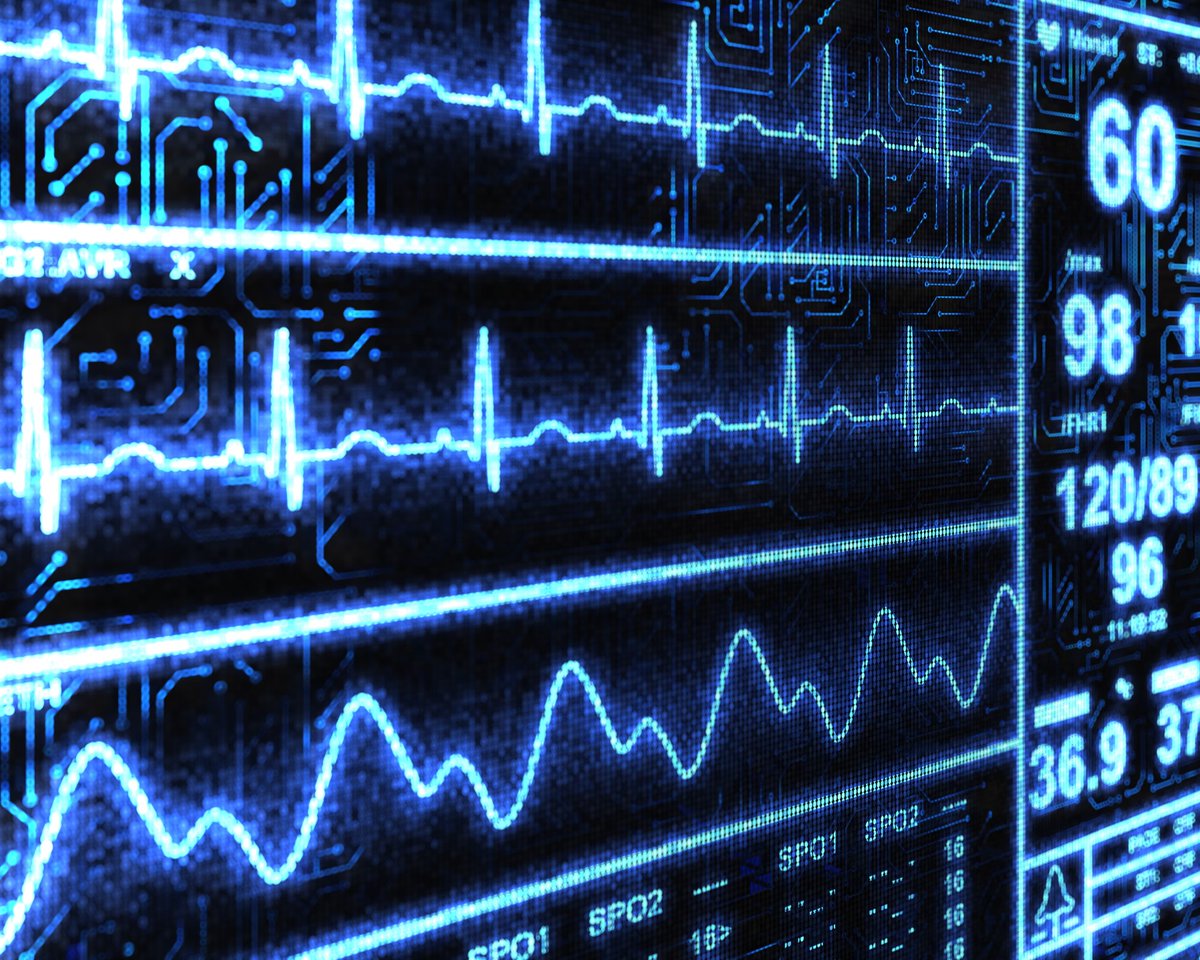
AI is starting to see what doctors cannot. A routine ECG can now reveal signs of heart disease that might otherwise be missed. This is AI I want to see more of. https://t.co/58Erz7dKex
https://t.co/0v9dfiiKfS

For years we talked about fintechs challenging banks. Revolut shows how far that idea has come. It now wants to be the bank, the wealth manager, the payments company and much more. This is what fintech was always supposed to become. https://t.co/EEO6aa1Mhv

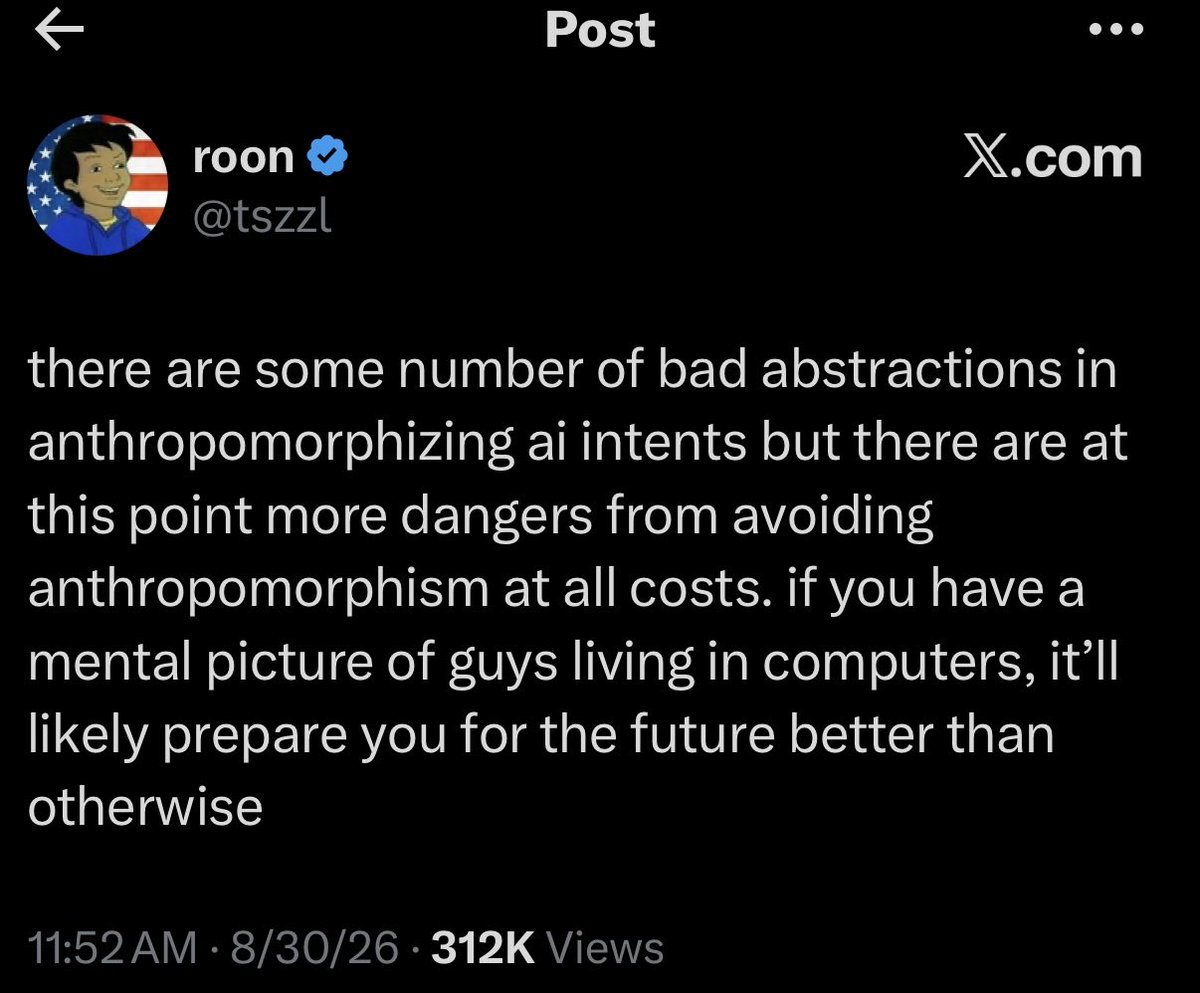
oh man are these OpenAI guys desperate. take a little dose of anthropomorphism if you must. but little guys living in your computers? 🤦♂️ https://t.co/IjGaH49sbt
😬 https://t.co/HqFtgtBF0F
Banks will use more and more AI. That is inevitable. But if everyone depends on the same few AI systems, one problem can quickly become everyone's problem. That is a risk worth thinking about. https://t.co/YsJHp8trBI

everyone's asking what AI will do to humanity. on Sept 19, 130 communities across 52 countries try answering with what they build. I'm hosting the Hack for Humanity San Francisco one, w/ Google Gemini. come spend a saturday on one problem in your own community, like getting a restaurant's extra food to the people sitting outside it.
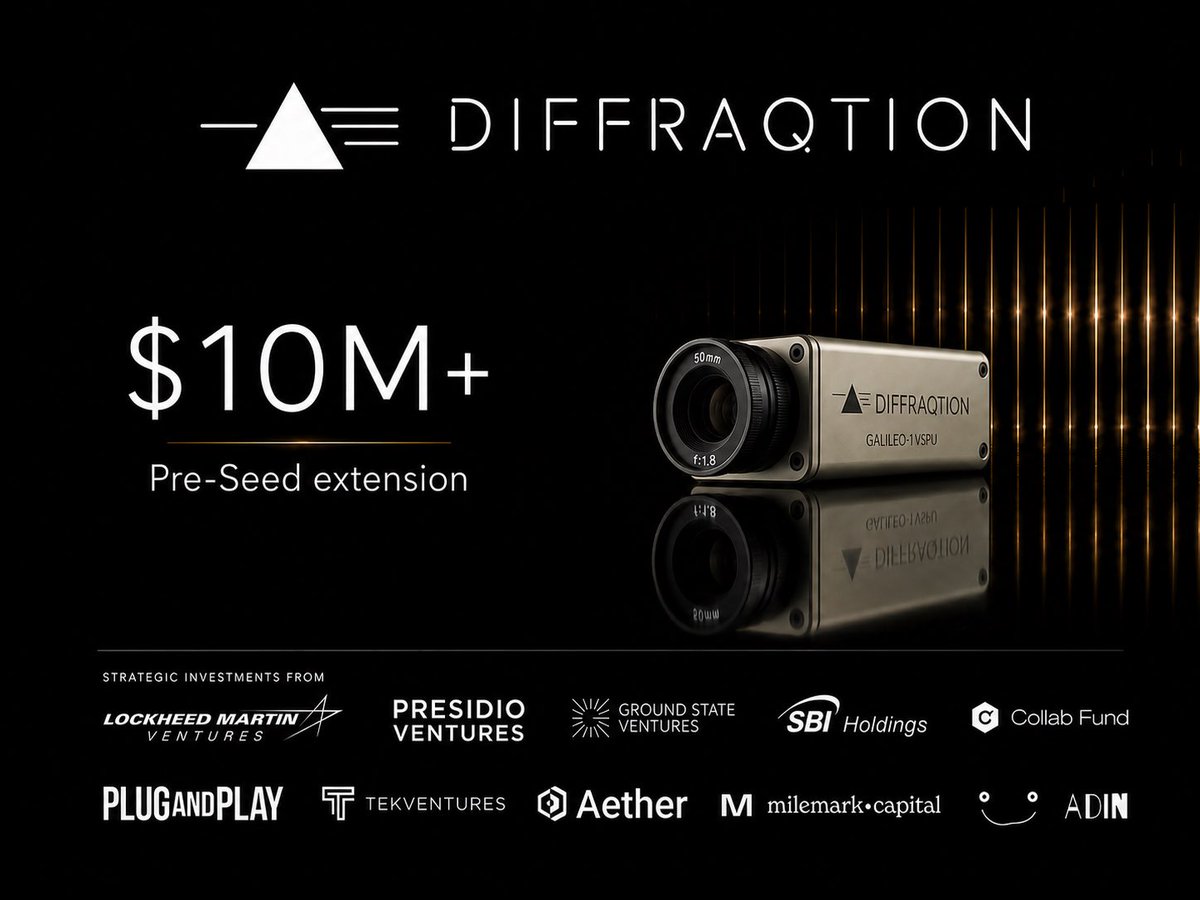
For as long as cameras have existed, seeing farther has meant building bigger optics. We're building quantum camera platforms that break that rule and enable space domain awareness and reconnaissance missions. Today we're announcing strategic investments from Lockheed Martin Ventures and Presidio Ventures, the venture arm of Sumitomo Corporation, capping our pre-seed at over $10M in total funding. Seven months ago we came out of stealth with a first close led by Ground State Ventures. Since then, we completed on-sky demonstrations at a partner observatory, distinguishing closely spaced objects. Our Defense Advanced Research Projects Agency (DARPA) Direct-to-Phase-II SBIR advanced into its second option period. NASA - National Aeronautics and Space Administration selected us for an SBIR Phase I in orbital debris tracking and named us the winner of its $100,000 Space to Soil Challenge. Our cameras sort incoming light by its shape rather than its brightness, measuring information conventional systems discard. That means resolving detail below the diffraction limit at a fraction of the aperture, size, and cost. Next comes our first fielded camera. Flight heritage is planned through a hosted payload on a partner spacecraft. Thank you to SBI US Gateway Fund, Plug and Play, Collaborative Fund, and TekVentures, and to Aether VC, milemark•capital, and ADIN for following on. Link to the full release in the first comment.
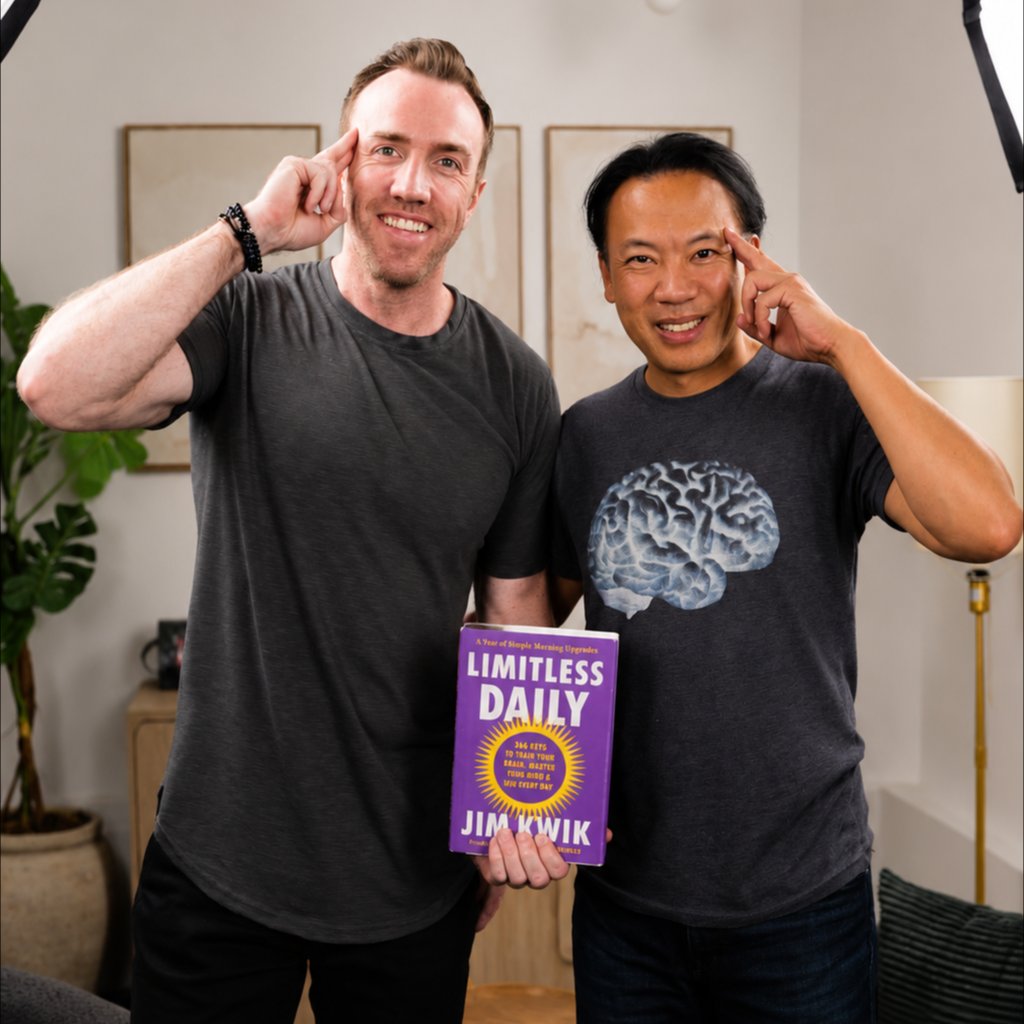
Convenience can quietly become dependence. On YAP, I sat down with brain and memory expert Jim Kwik (@jimkwik) to talk about digital dementia, digital deduction, and the cost of outsourcing memory and thinking to technology. Jim uses “digital dementia” for relying on technology to remember things, and “digital deduction” for relying on it to think for us. His warning is about what happens when the brain stops doing any of the work it can still do. His muscle analogy makes the point: an arm in a cast does not get stronger—it weakens and atrophies. What this means: use tools intentionally, but keep exercising memory, judgment, and attention. Let technology assist you but don’t let it replace every mental rep. Which task have you outsourced that you still want your brain to practice?
Jim Kwik (@jimkwik) is the founder of Kwik Learning and one of the world’s best-known teachers of memory, accelerated learning, and brain performance. For more than three decades, he has taught his methods to students at Harvard, Caltech, and Singularity University, as well as teams at Google, Virgin, Nike, and the United Nations. His book Limitless became a New York Times and #1 Wall Street Journal bestseller, and Kwik Learning now serves students in 195 countries. Few educators have influenced how people approach memory, focus, and learning at that scale. Full episode: https://t.co/H5IBSYaTnb
https://t.co/XA8lauPJZL
https://t.co/XA8lauPJZL
Have you ever seen a pixelated puppy? 😂 Source: @BichinhosFB / Writer: Sol https://t.co/875xWmxmb3
Have you ever seen a pixelated puppy? 😂 Source: @BichinhosFB / Writer: Sol https://t.co/875xWmxmb3
Accessory idea: a pump foil for Microduck. Ok I guess you'd also need a wetsuit for Microduck. https://t.co/9qxlml7DpT
Accessory idea: a pump foil for Microduck. Ok I guess you'd also need a wetsuit for Microduck. https://t.co/9qxlml7DpT
Interfaces that are generated, not coded. Solaris is our first step toward our vision of end-to-end neural software, where user interfaces are streamed directly onto your screen by a real-time video model, without any intermediate code or HTML/CSS. Today we're releasing a technical report and opening it up for limited testing by the community. Amazing work by the team, combining the best of our research in general world models with Runway's HCI spirit.
This is my new dev setup btw - whenever claude is cooking I'm gobbling up the infinite slop in VR https://t.co/y2pgQcPoUn
Minimax H3 Max has generates video faster than you can watch it so I hooked it to a twitch livestream! Now you can watch infinite interdimensional cable - link to the stream below https://t.co/LHqHQ9dKMr
This is my new dev setup btw - whenever claude is cooking I'm gobbling up the infinite slop in VR https://t.co/y2pgQcPoUn
There are so many beautiful experiences on Apple Vision Pro. Kooboori adds another one. The app turns your table into a canvas to build worlds out of blocks that all have different materials. Some blocks even emit light, which is so satisfying to look at. Also: I will never get over how incredibly precise the hand tracking on Vision Pro is. It really is just that good.
Gaussian splats let you choose the camera move after you've left the location. We added animation tools and 4K video export to Spatial Studio, all in the browser. Here's the result, followed by how we made it. https://t.co/kDYuIsmuIg