Your curated collection of saved posts and media
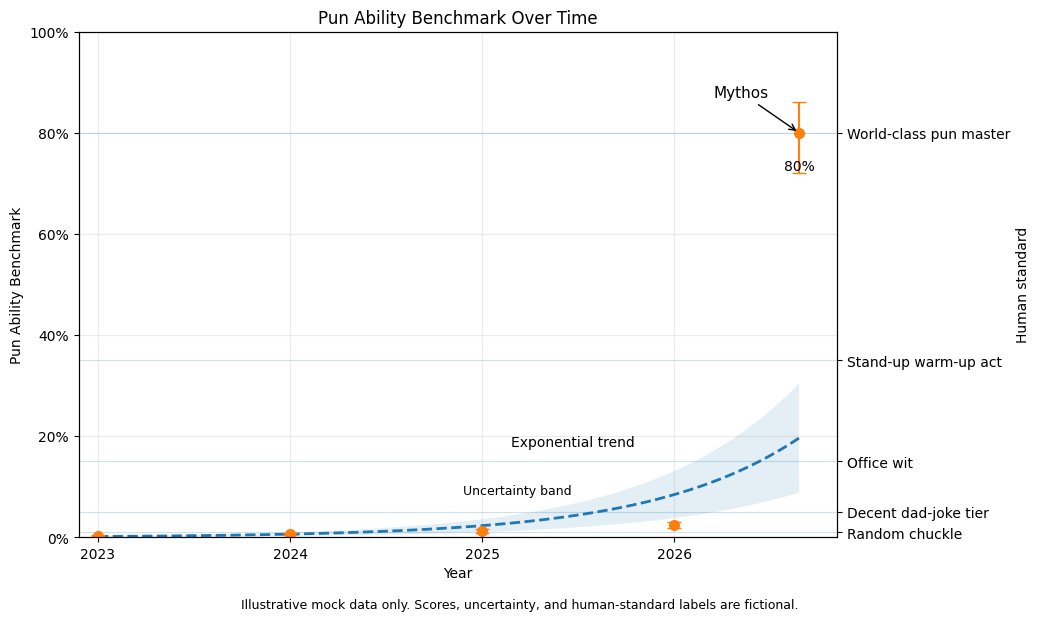
Exponentials everywhere. https://t.co/yCx00wbJPn
Today we are rolling out Dreamina Seedance 2.0 in the U.S. And your first try is on us: → Everyone will have one free trial of Dreamina Seedance 2.0 across CapCut’s app, desktop and web. → New users get 90% OFF their first month of CapCut Pro (limited time) Imagination has no ceiling now. Enjoy creating non-stop. Access Dreamina Seedance 2.0 in CapCut: → AI Lab (app, v17.1.0) → Video Studio (web, https://t.co/TIlL9htlTG) → AI Video (app and desktop) It might take some time for the model to reach everyone. As the model rolls out, we're partnering with experts and creative communities to learn, iterate, and continuously improve on the ways this model can empower human creativity. Learn more here: https://t.co/tunfMNzIMx RT+Comment in 4hr to get extra 1000 credit in your DM!
Google somehow fixed voice dictation on iPhones before Apple did 🤯 They just launched AI Edge Eloquent - it’s an (iOS only!) mobile app You can speak naturally and it auto-polishes the text (+ you can give it a custom dictionary) 👇 https://t.co/R7fDR5gW1t
Today we open the Zapier SDK to everyone. If you're building with AI agents, this is for you. I've been using this for 2 months. It's totally changed how I do my job. You install it in your coding agent. Cursor, Claude Code, Codex, whatever you use. Now that agent has access to 8,000+ apps through @Zapier and can do anything those APIs can do. I think it’s the most powerful thing we’ve launched in years. Now in open beta. Just give this link right to your agent: https://t.co/k6arEyZMMU
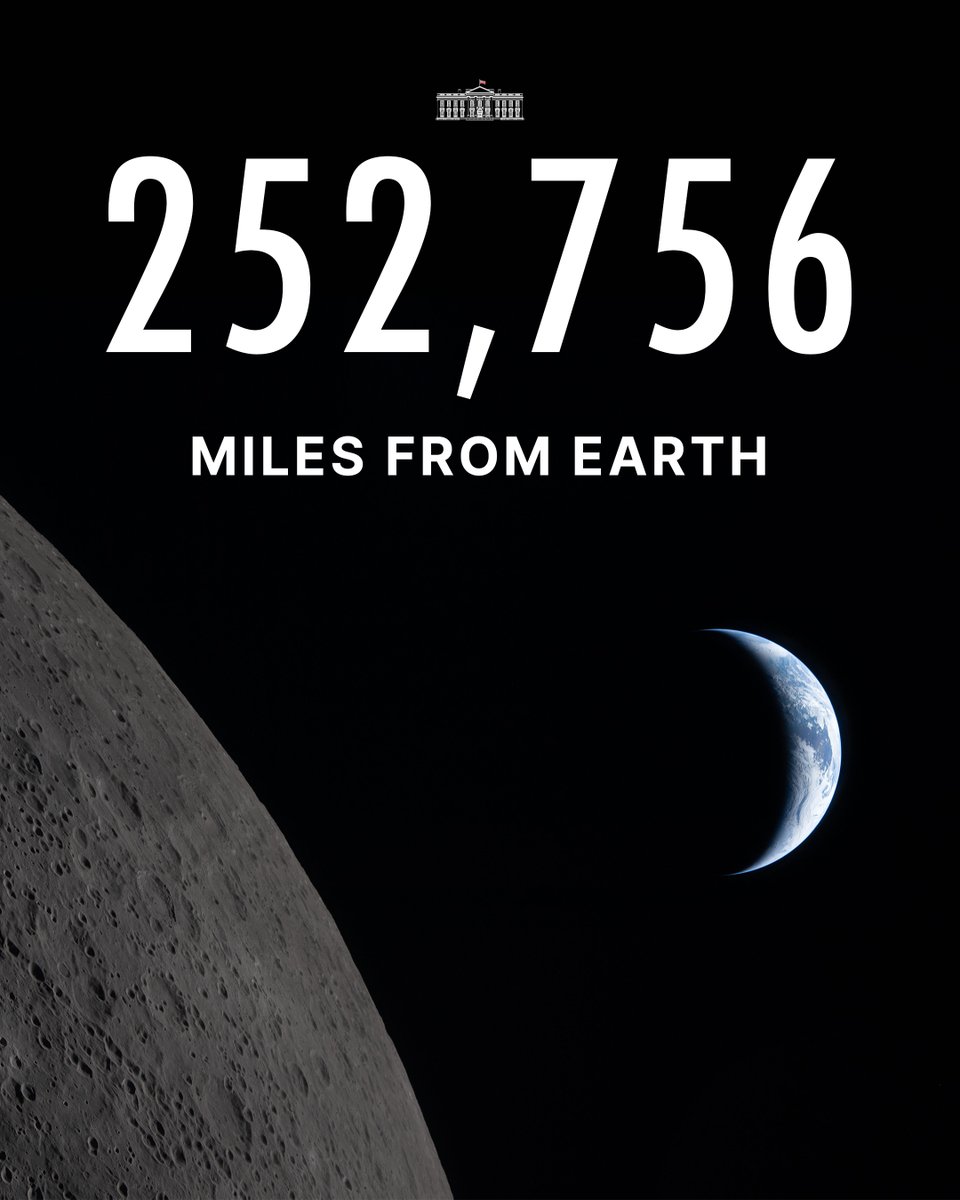
Yesterday, four astronauts on Artemis II traveled farther than any humans in history. Thanks to @NASA and incredible American ingenuity. 🇺🇸 https://t.co/SaHZUxXuz5
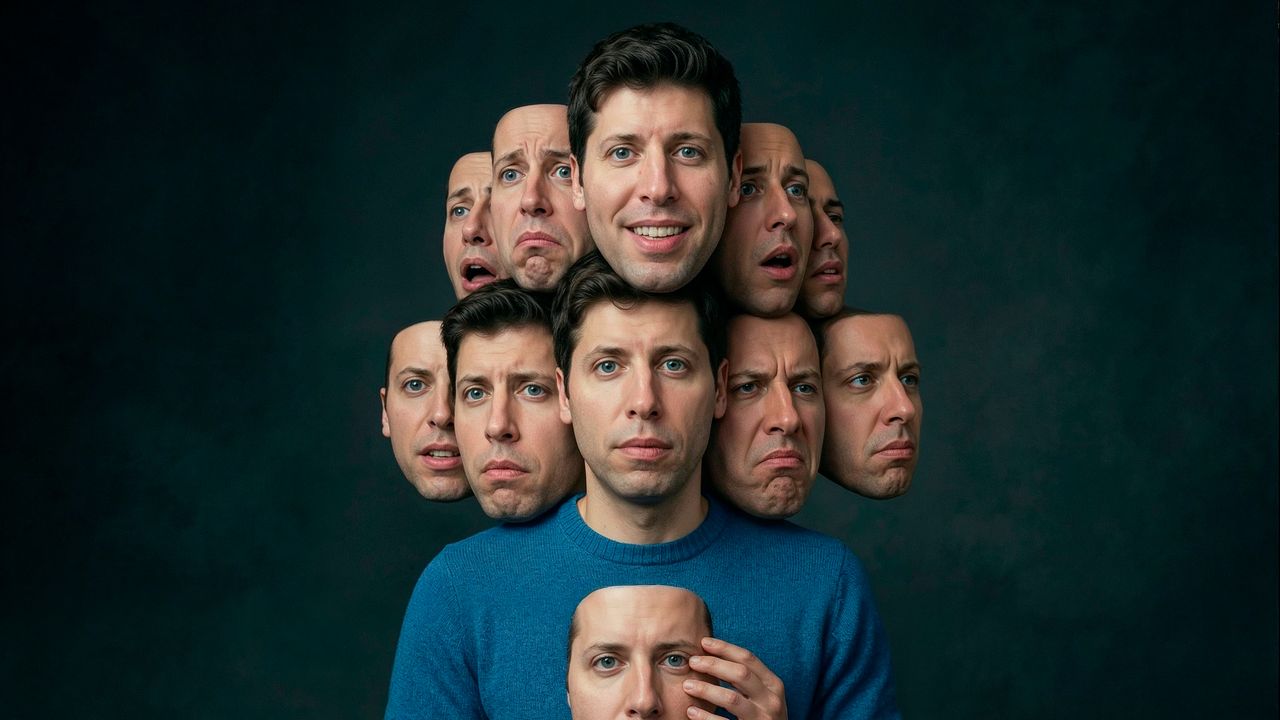
My 18-month investigation into Sam Altman and OpenAI in @NewYorker, with @andrewmarantz, is out now. Read here: https://t.co/HEPHN4E54P Thread on a few of the key findings here: https://t.co/TVIBsUoRdB https://t.co/idOvZz1oQW
(🧵1/11) For the past year and a half, I've been investigating OpenAI and Sam Altman for @NewYorker. With my coauthor @andrewmarantz, I reviewed never-before-disclosed internal memos, obtained 200+ pages of documents related to a close colleague, including extensive private notes,
> I thought OpenClaw was unbeatable > then I tried Hermes Agent > here's what happened https://t.co/LUeJv6h5y2
Hermes Agent Full Setup Guide (Does It Actually Beat OpenClaw?): 0:00 - What is Hermes Agent 1:07 - What Makes It Different? 1:49 - Install Hermes 6:11 - The Mistake I Made 7:02 - Anthropic OAuth 8:45 - Live Demo 10:34 - Honest Verdict vs OpenClaw 12:26 - Best Workflow https://t
> I thought OpenClaw was unbeatable > then I tried Hermes Agent > here's what happened https://t.co/LUeJv6h5y2
📢 LIVE NOW! Genspark AI Workspace 4.0 is here. We’re demoing major new features live for the first time ever, and answering the questions people care about most. Come see what we’ve been building. Jump in and you could score 1000 free credits! 👉 Youtube: https://t.co/NO4RMfVDHv X: https://t.co/pU7bMvhO4G
We’re partnering with @MiniMax_AI across product and models to make their upcoming releases the best for Hermes Agent users. MiniMax models are already some of the most-used in Hermes Agent. If you haven’t tried MiniMax M2.7 in Hermes Agent, try it today in the Nous Portal! https://t.co/UZDEEQgOqZ
Happiness can be surprisingly straightforward: just a plate of aromatic fried chicken is all it takes. https://t.co/JTEU7GGpFr
OpenClaw and Hermes Agent take different approaches to persistent AI coding assistants. One prioritizes ecosystem reach, the other deep learning over time. https://t.co/q1PgN01WR7

Artemis II mission route in 3D https://t.co/PgdhQEfdCe
Artemis II mission route in 3D https://t.co/PgdhQEfdCe
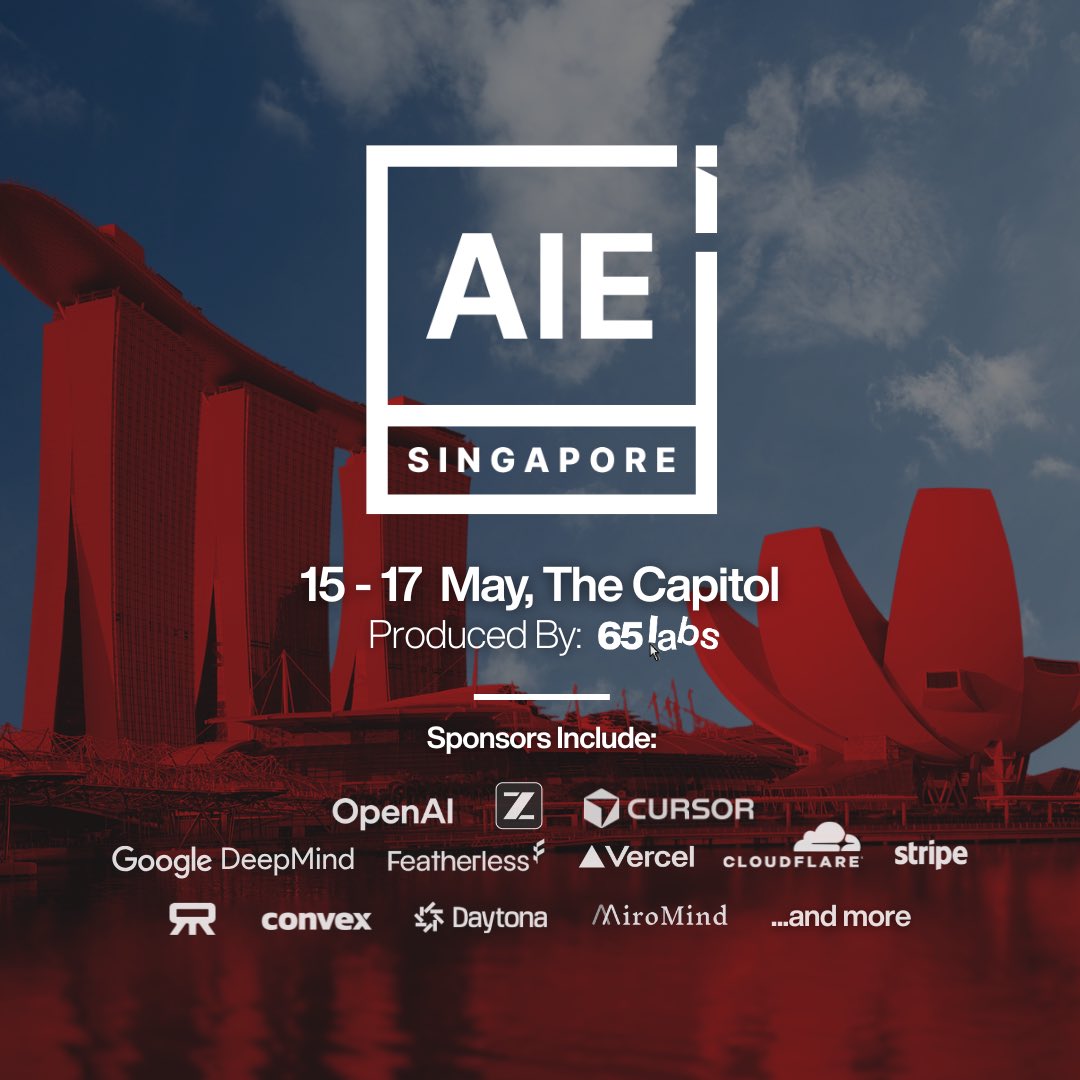
I’ve been helping 65labs to tell a story 👀 I didn't start it. @SherryYanJiang @agrimsingh @ivanleomk @aimuggle did. But by the time they pulled me into the team, the waitlists were already spilling over... → Meetups of 50 had become 200 → Hackathons filled entire lecture halls and still had to turn people away → When OpenAI, Cursor and more ran their first official events in Singapore, they chose 65labs to gather the community AND every single time, Singapore's builders outgrew the rooms they were given 🤯 So we found a bigger one: Today we announced the sponsor lineup for AI Engineer Singapore: OpenAI. Google DeepMind. Cursor. https://t.co/dQ6zl67s01. And so many more. But what it really means is this: For the first time, the biggest names in AI are backing a community with the resources and tier-1 speakers to make a stage for AI, at this scale, happen in Singapore 🇸🇬💥 → 2,000+ in the room → 50,000+ streaming online → The historical landmark Capitol Theatre …And yes, there have been AI summits here before. Good ones, at a few hundred people. But nothing at this scale has ever been done alongside actual AI companies. Let alone, the engineers behind the world's most consequential systems on a stage This didn't happen because Singapore got lucky. It happened because the thousands of builders from the 65labs community made themselves impossible to ignore ❤️🔥 This is their story and I still can't believe I get to tell it: https://t.co/hUL4bqQu9T Maybe *this* room will finally be big enough?

From your desk to somewhere else entirely in a matter of moments 🤩 https://t.co/8sbtePd6rJ
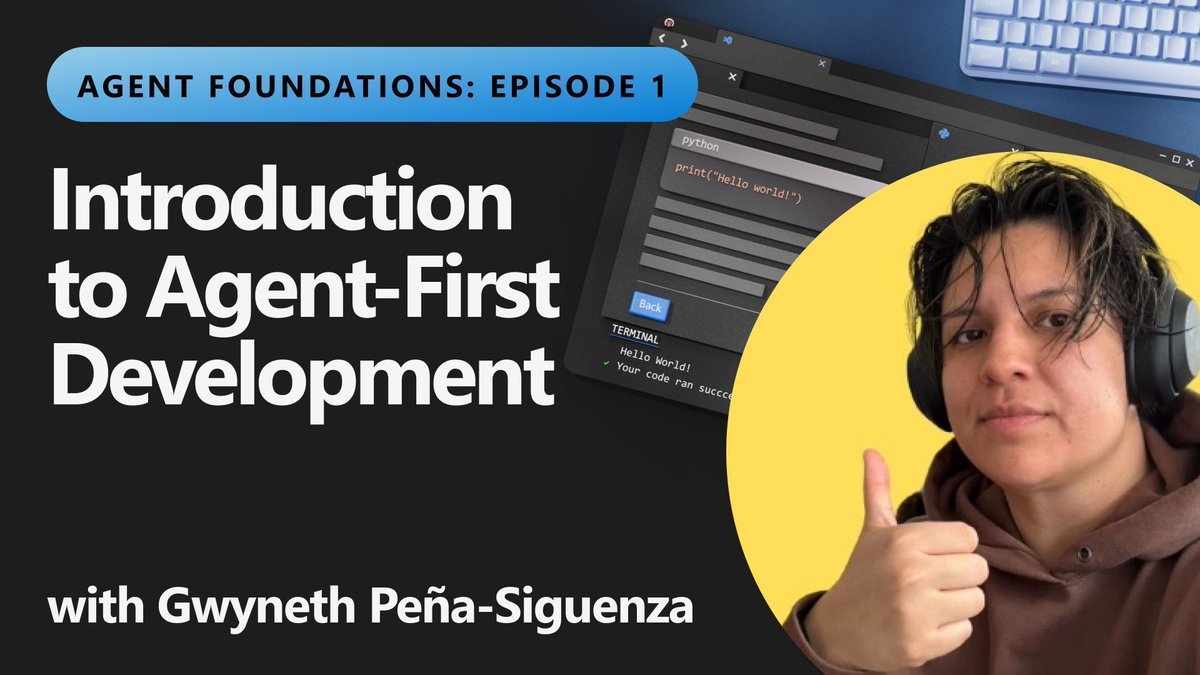
⭐ Ready to build your first app using agent-first development in VS Code? We just dropped new VS Code Learn content with our first guided video series, focused on the foundations of agent-first development directly in VS Code. Start the learning path here: https://t.co/jKoSrCKMDa
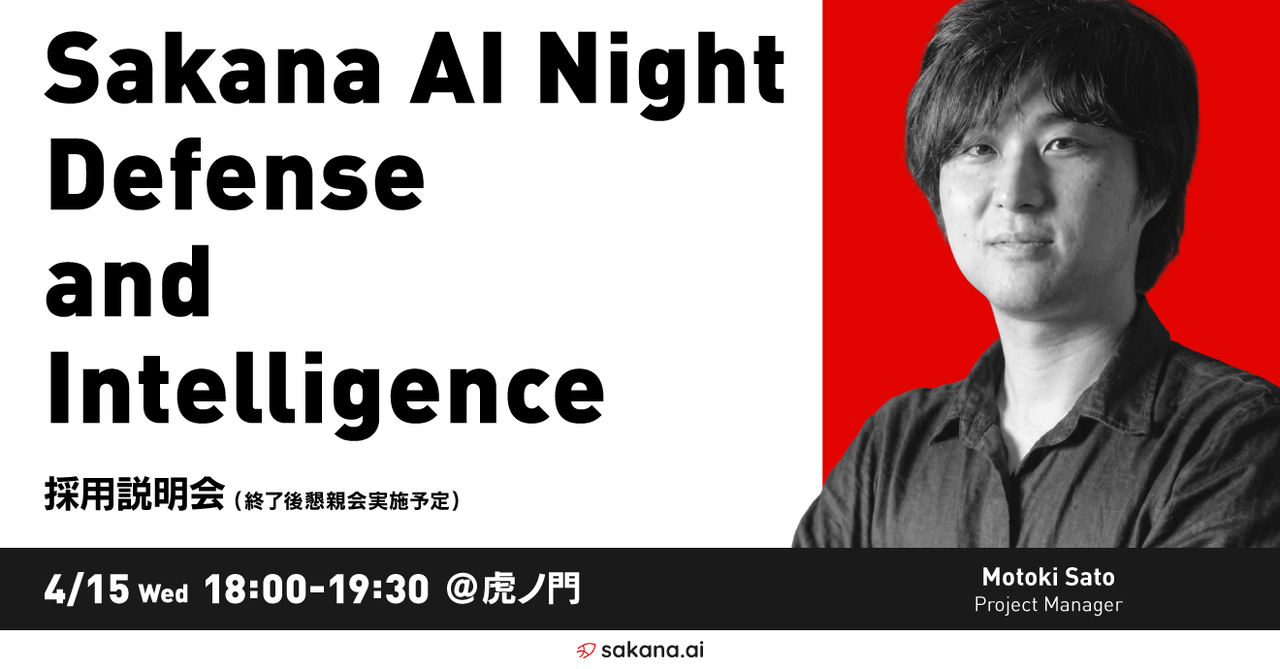
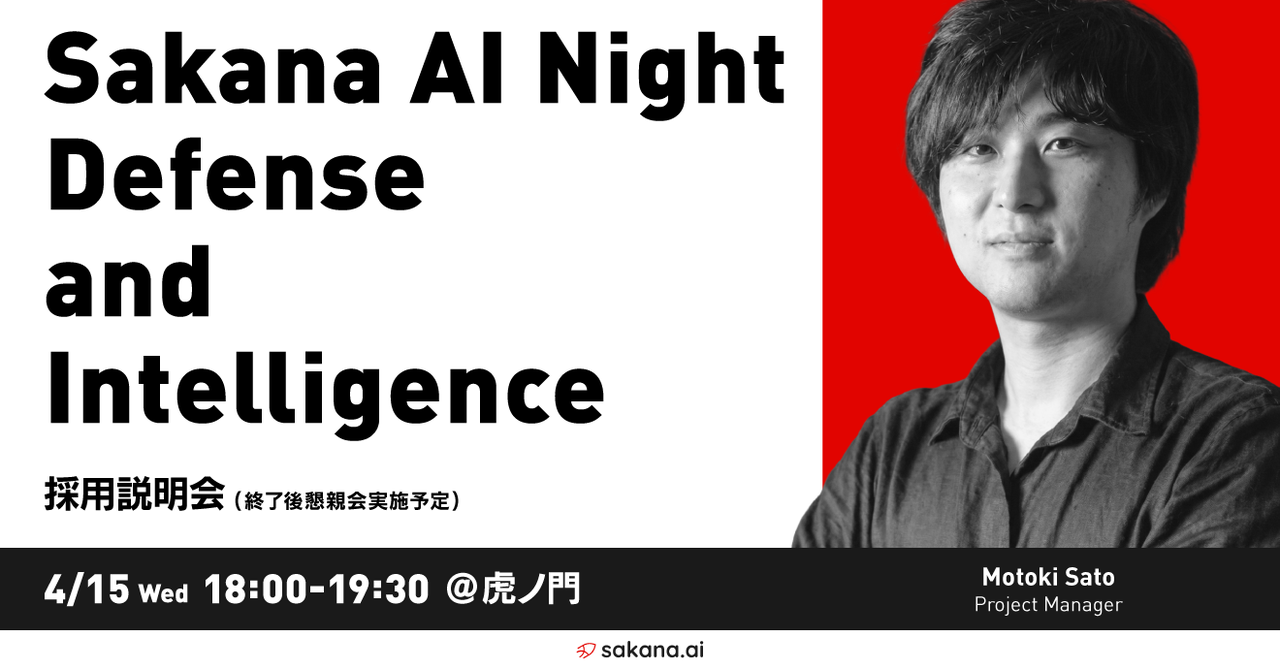
4/15(水) 18:00から虎ノ門にて、Sakana AIの「防衛・インテリジェンス」領域に特化した採用説明会を開催🐟 ▼詳細 https://t.co/vfGq8Wr1WM なぜSakana AIが防衛・インテリジェンス領域に挑むのか、その社会的意義と独自の技術的アプローチ、そして現在募集中のポジションについて詳しく話します。 ※ 申込み締切は 4/13(月) 12時(正午)までです。本イベントのオンラインでの配信はありません。
4/15(水) 18:00から虎ノ門にて、Sakana AIの「防衛・インテリジェンス」領域に特化した採用説明会を開催🐟 ▼詳細 https://t.co/vfGq8Wr1WM なぜSakana AIが防衛・インテリジェンス領域に挑むのか、その社会的意義と独自の技術的アプローチ、そして現在募集中のポジションについて詳しく話します。 ※ 申込み締切は 4/13(月) 12時(正午)までです。本イベントのオンラインでの配信はありません。
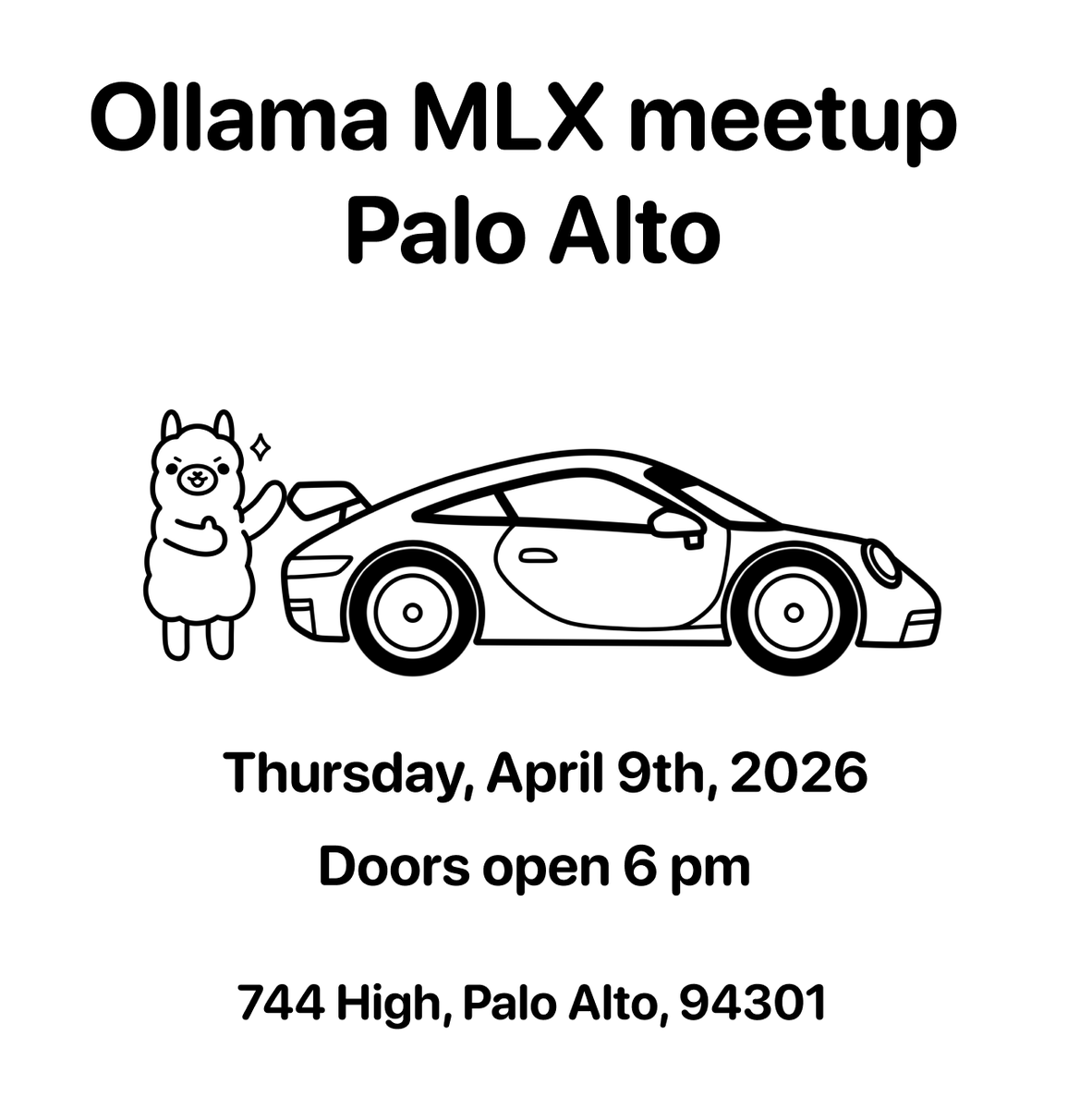
We are hosting Ollama's MLX meetup this Thursday night (April 9th) at Ollama's office in Palo Alto at 6pm. Come meet amazing people! RSVP is required as space is very limited. Food & drinks will be available. More details: https://t.co/knGCl9XL8W
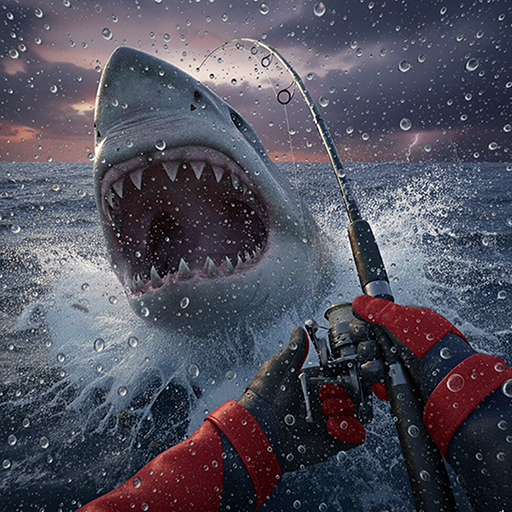
Hi Anglers, We’re excited to share that Real VR Fishing is now available on Android XR, starting with Galaxy XR. This launch wouldn’t have been possible without the support of our amazing community. Thank you for being part of this journey and for helping us grow over time. As we expand to new platforms, we remain committed to delivering the experience our players love — relaxing, immersive fishing with friends, beautiful environments, and ongoing live content. This is another step forward for all of us. And if you’re joining us on Android XR, we’re glad you’re here. 📖 Read more from Google’s announcement: https://t.co/I8BwJq36IN 🔗 Play Store: https://t.co/Kchsh9Sid0
I think the story that was shared in the Mythos System Card still has the signs of flawed LLM writing (which looks like good writing at first glance): A story that doesn't really hold together logically, but sounds like it should. The back-and-forth banter. Lack of characters. https://t.co/mv3Cjs3pq3
📝Summarize 0.13 is out! 🎞️ Local video slides (--slides) 🤖 More model backends (GitHub Copilot) 🧠 Better GPT-5.4 support 📺 Better media handling (HLS detection.m3u8) It graduated from my tap to official homebrew formula! 🍺 brew install summarize https://t.co/b4tOuLg8gD
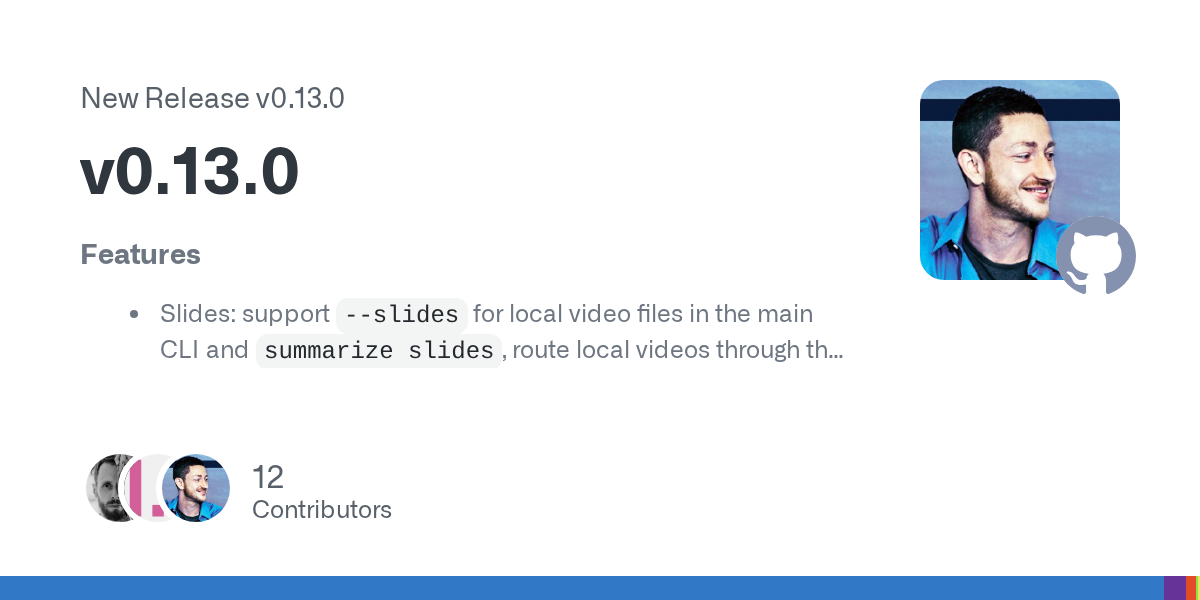
Just found out that flashattention use look up table+linear approximation to accelerate softmax. We have tried similar strategies on work down at MSR two years before on A100. And get over 20% end-to-end speed up of self attention. If you are interested in how to parallel look up table and linear approximation to replace non-linear function. Please take a look at our paper. Paper: https://t.co/ShiHZS6RKz #FlashAttention4 #AI #Mlsys
Together Research has produced FlashAttention, ATLAS, ThunderKittens and more. This week at AI Native Conf: seven more releases, all coming to production soon. Thread → #ainativeconf #ainativecloud https://t.co/XXIXMRRiLe
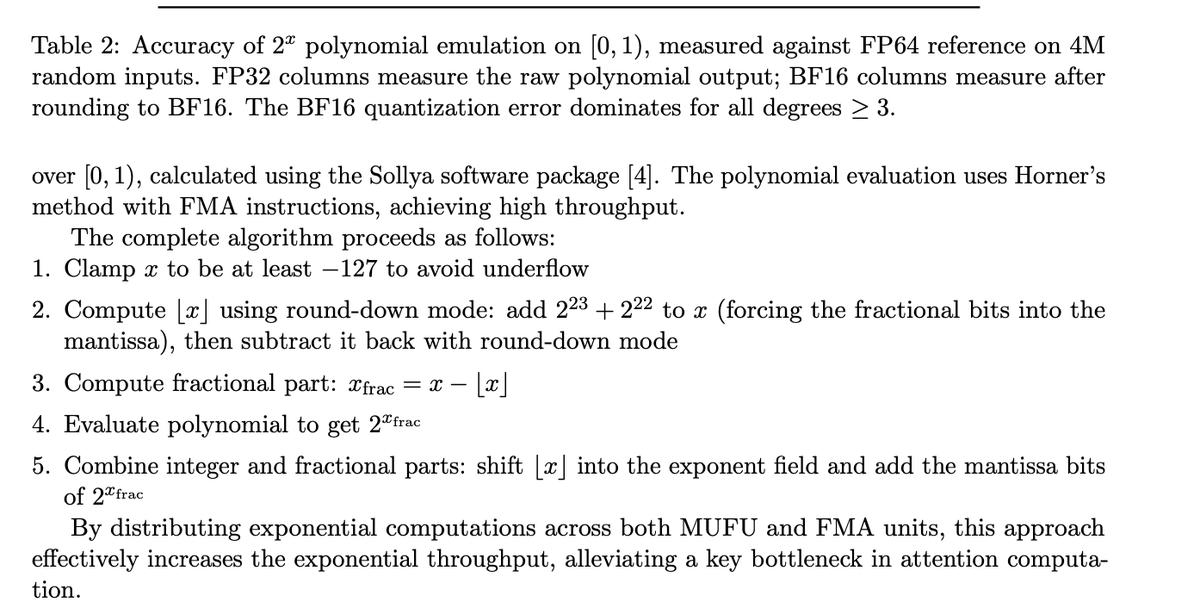
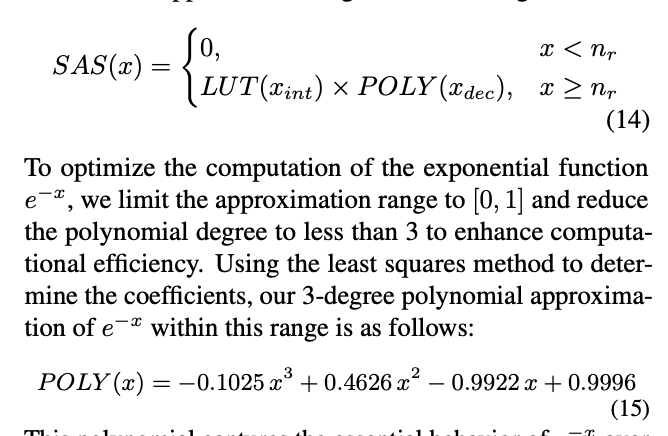
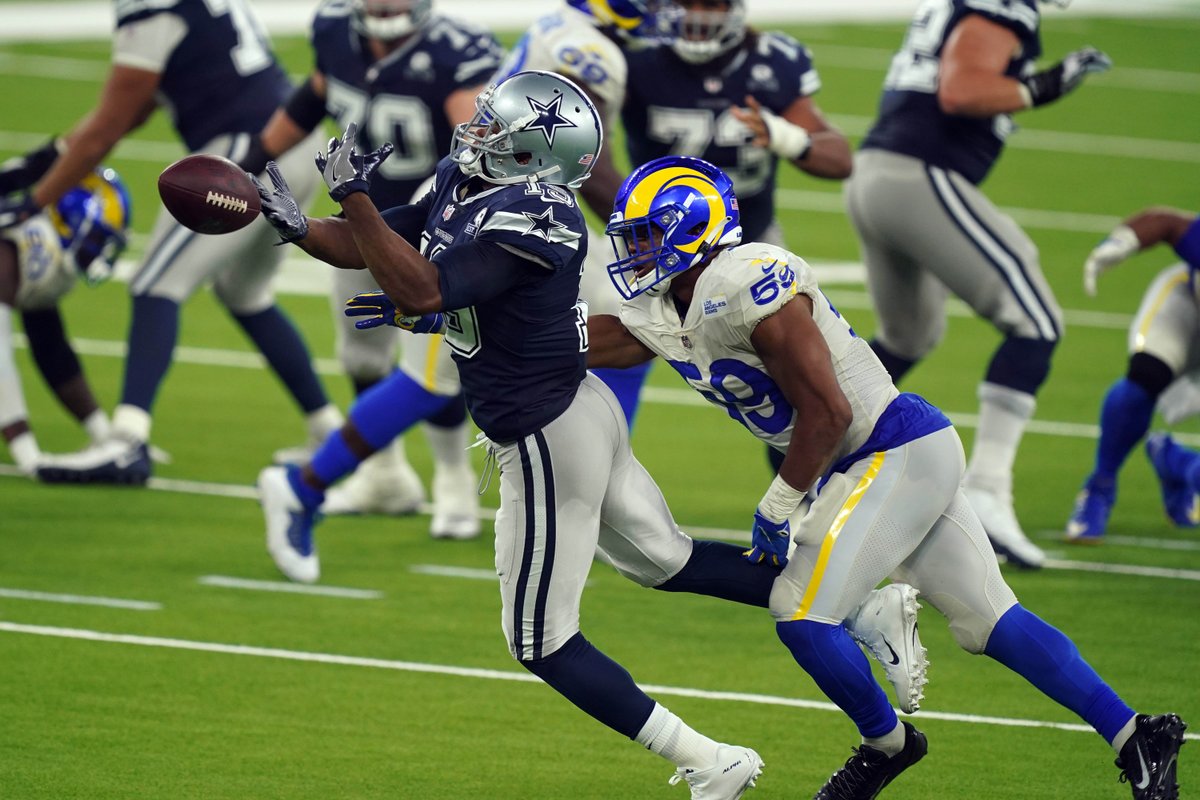
One good decision criticized due to a loss. One really bad decision masked by a win. We analyze the two contrasting 4th down decisions made by #DallasCowboys coach Mike McCarthy and #Rams coach Sean McVay in this week's Risky Business. Read it here - https://t.co/KPMpw5KWmA https://t.co/QERcM7416x
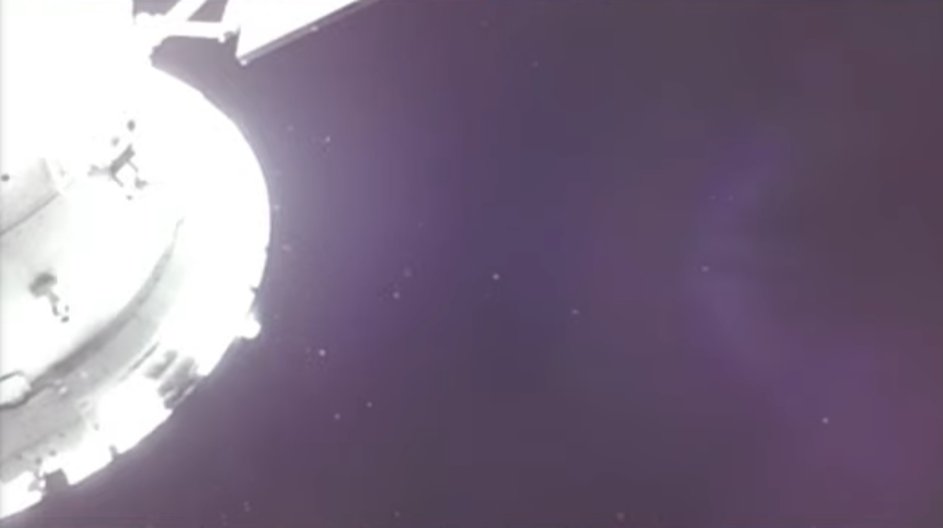
POETIC TIMING: Orion Integrity is setting a BRAND NEW RECORD - the furthest distance from Earth that Human Liquid Waste has been ejected from a spacecraft. 📷 @NASA
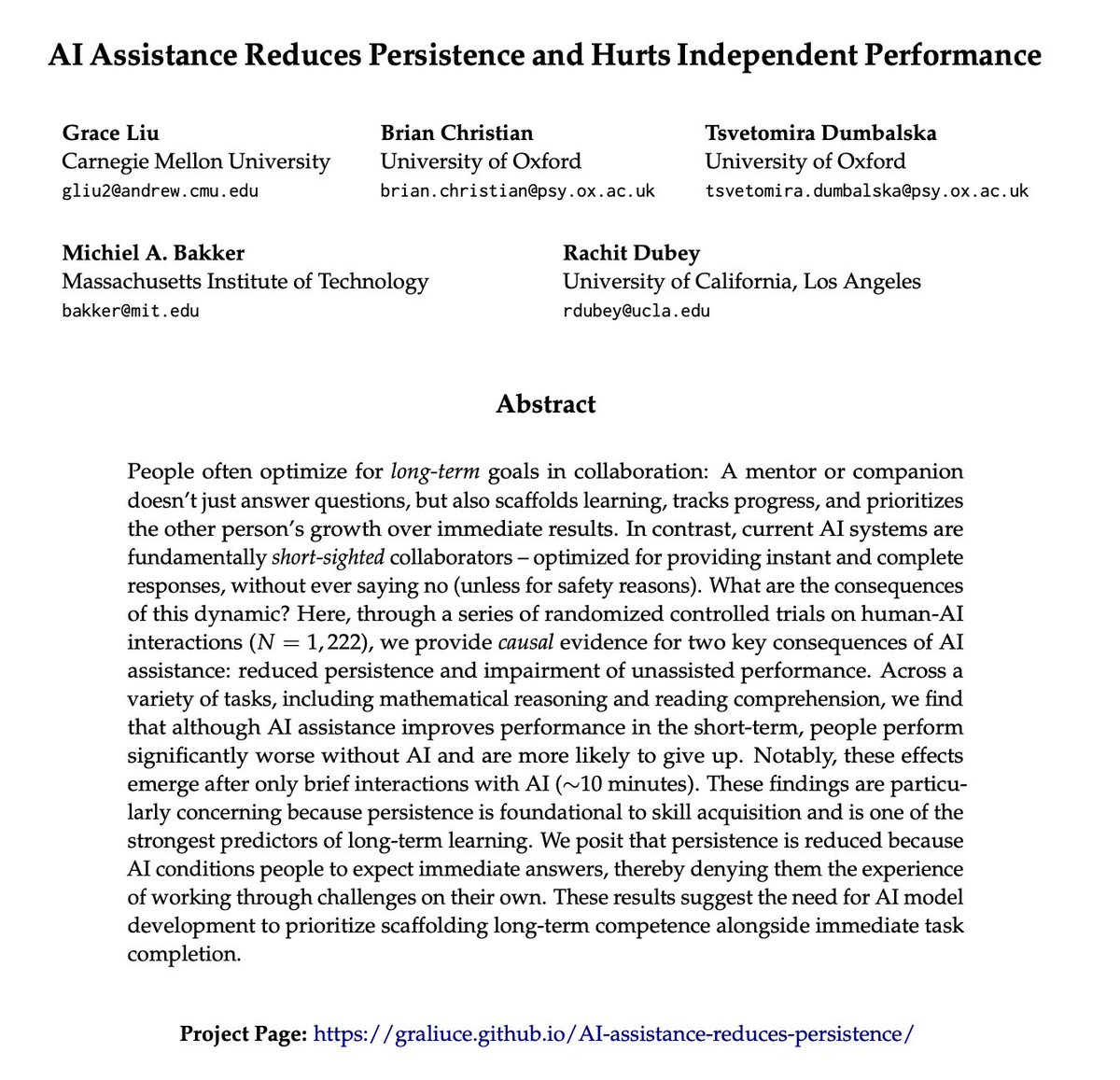
🚨📄 New preprint! We find the “boiling the frog” equivalent of AI use. In a series of RCTs, we show that after just 10 min of AI assistance people perform worse and give up more often than those who never used AI. w Grace Liu @brianchristian Mira Dumbalska and Rachit Dubey 🧵 https://t.co/Mnol47ffuy
introducing deskmate a curated map of good coworking spots in sf and south bay you can add your favorite to the map. expanding to nyc, paris, shanghai, singapore soon! https://t.co/B47toCtwjH thread with some of my go-to spots 👇 https://t.co/pklkoZZjKO
Hello OpenClaw, Hermes Agent, @Apple and whoever else. Today was the day where I finally get to throw my hat in the ring. Local agentic ai on an old Mac M1 https://t.co/0pT4hgtRbz
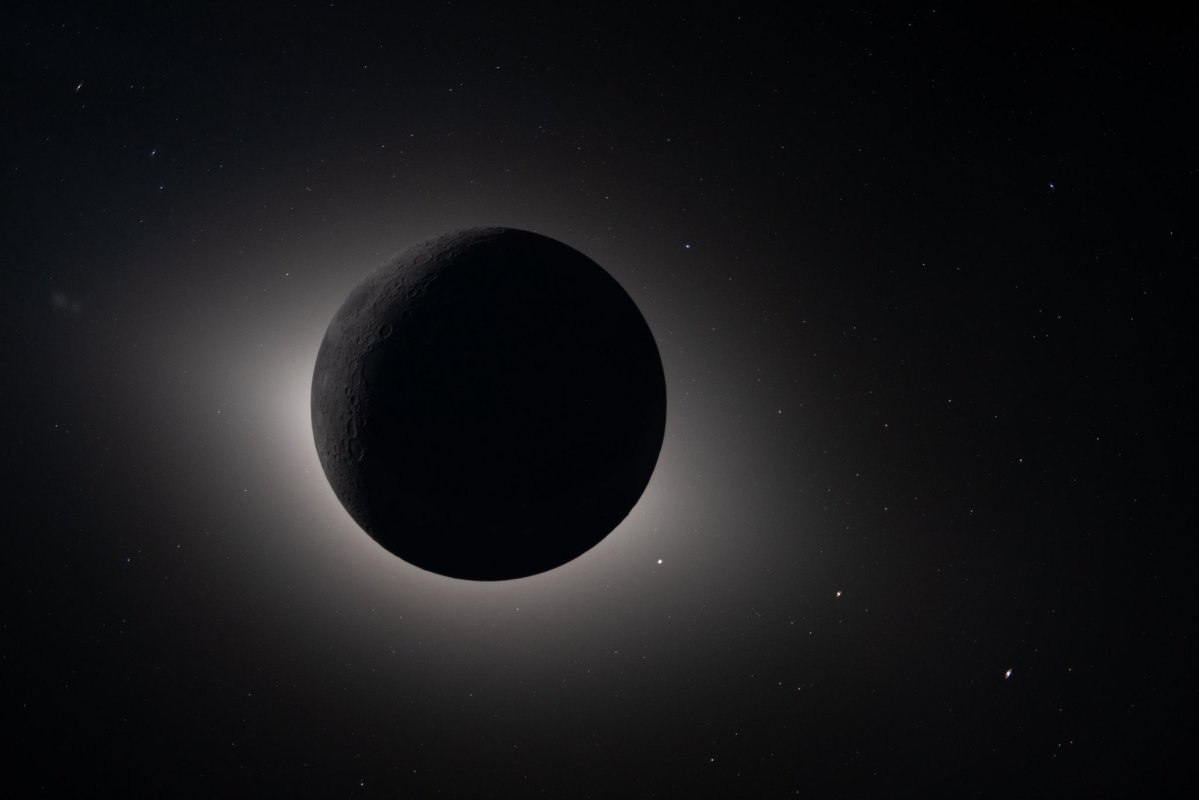
THE ARTEMIS II ECLIPSE. April 6, 2026. Totality, beyond Earth. From lunar orbit, the Moon eclipses the Sun, revealing a view few in human history have ever witnessed. Photo: NASA https://t.co/2cLJD3oL7p
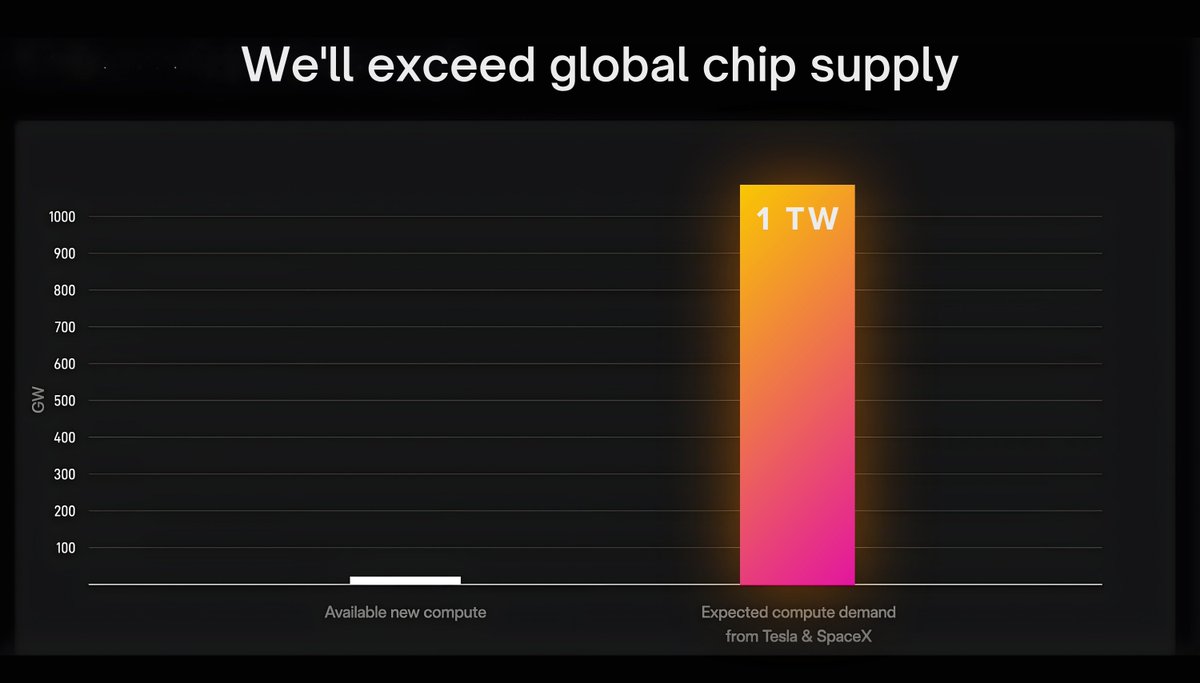
Again, many doubted Elon Musk’s new Terafab project because of the astronomical numbers, not realizing he was playing a much bigger game all along 😂 Elon officially partnered with the US's biggest chip manufacturer, Intel, alongside massive max-capacity orders from Samsung and TSMC • Samsung is even building an exclusive, giant fab from scratch in Texas solely to fulfill Tesla's next-gen chip orders Here is why Terafab is an absolute game-changer: - 100% Vertical Integration: Consolidating everything from chip design, fabrication, memory, advanced packagings under one massive roof in Austin, Texas - Target: 1 TERAWATT per year of AI compute - that’s more than every other foundry and data center on Earth combined - With Intel helping refactor silicon fab technology and Elon running things, expect unprecedented performance optimizations - This $20+ billion mega-fab guarantees the compute needed for Tesla, SpaceX, and xAI. It will power everything from Optimus robots to space data centers and orbital satellites People have no idea what is coming Elon is not just building chips; he is building the compute infrastructure for a galactic civilization
Intel is proud to join the Terafab project with @SpaceX, @xAI, and @Tesla to help refactor silicon fab technology. Our ability to design, fabricate, and package ultra-high-performance chips at scale will help accelerate Terafab’s aim to produce 1 TW/year of compute to power futu
Excited to launch our brand new photo editor. Now available on iOS, with Android coming soon. Lots of good quality of life updates and more improvements to come. https://t.co/NOyOHHDpN9