Your curated collection of saved posts and media
Imagine a future where you can REMEMBER EVERYTHING. Every email, every person, every conversation. Introducing Engramme. Our vision is to endow humans with perfect and infinite memory. All your memories come to you. No more searching or prompting. https://t.co/LX22KMG2lH 🧠 https://t.co/4o7pvMfkGO
All the AI news from X: https://t.co/kiuZ7QXLzb Updated three times every day (just updated). My secret super power. My AI reads X and finds the good stuff out of up to 50,000 posts every day. https://t.co/noV6qRmqEl
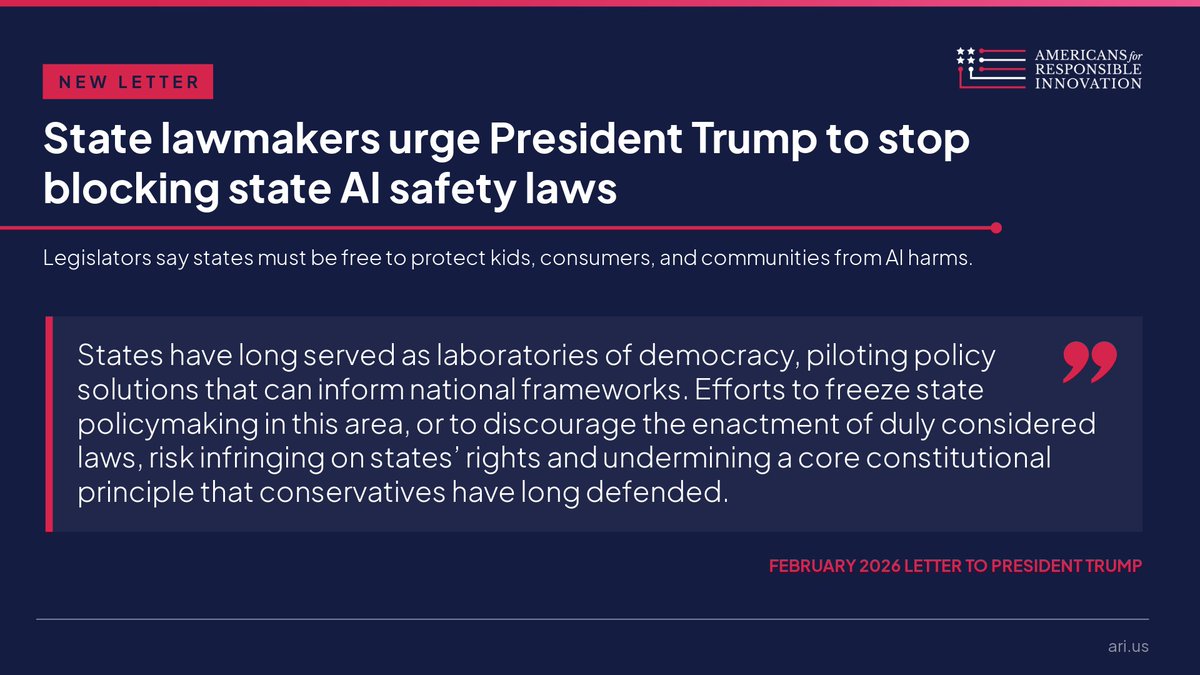
NEW: Over 50 GOP state lawmakers are urging the Trump Administration to stop blocking AI safety legislation. Their message: states have a right and a responsibility to protect kids and communities from AI harms. Federalism strengthens American leadership. https://t.co/n3kF6d4nVk
What if video editing had a “volume knob”? We are excited to share new research from @DecartAI and @TelAvivUni, accepted to #SIGGRAPH2026. We found directions within video models that enable smooth control over edit strength, from subtle changes to full transformations! Check out our paper & blogpost 👇
We're excited to release Pantheon-Claw: a multi-channel IM gateway that brings PantheonOS's agentic AI capabilities to the messaging apps you use every day. Supported Channels (7): Telegram · Discord · Slack · WeChat · Feishu · QQ · iMessage What can you do? 📱 Chat from your phone: Send tasks to your AI agent while on the go. Ask it to download data, run analyses, generate plots — all from a text message. 🖼️ Rich media support: Send files and images to the agent, receive generated plots and reports back. 👥 Group collaboration: Mention @PantheonClaw in Slack or Discord. The agent identifies speakers and maintains shared context across the team. 🔧 Easy setup: Built-in step-by-step configuration guides for each platform. Collapsible instructions cover bot creation, permissions, and token setup — no extra docs needed. Built on PantheonOS, our fully open-source agentic platform for computational biology and beyond.
After 4 years, we’re announcing Instant 1.0. Instant is the best backend for AI-coded apps. Let us tell you why. https://t.co/jD944U7lAl
@igormomentum @thdxr @badlogicgames @emollick @zachlloydtweets This has all the best accounts: https://t.co/wAjs9SAZfe Hand picked from 50,000 accounts that are on the rest of my lists. https://t.co/kiuZ7QXLzb has an AI that reads all posts from all AI accounts and picks the best in tons of different categories.

The CEO of Google DeepMind just admitted that if the decision had been his, we would've cured cancer before anyone ever used ChatGPT. And that's not even the scariest thing he said on a recent interview. Demis Hassabis is one of the most important people alive in AI. He won the Nobel Prize last year for AlphaFold, the system that cracked the 50 year protein folding problem. 3 million scientists now use his tool. Almost every new drug being developed will touch it at some stage. In a new interview, he was asked about the moment ChatGPT launched and Google went into "code red." His answer was one of the most revealing things any AI leader has ever said on the record: "If I'd had my way, I would have left AI in the lab for longer. Done more things like AlphaFold. Maybe cured cancer or something like that." Read that again. The man running Google's entire AI division is publicly saying the commercial AI race we're all living through was a MISTAKE. That the industry got hijacked by a chatbot when it could have been solving the biggest problems in science and medicine. His vision was simple: Build AI slowly, carefully, like CERN. Use it to crack root node problems one at a time. Cancer. Energy. New materials. Let humanity benefit from real breakthroughs while the foundational science was figured out over a decade or two. Then ChatGPT dropped in November 2022 and everything changed. Demis described what happened next as getting locked into a "ferocious commercial pressure race" that none of the labs can escape from. On top of that, the US vs China dynamic added geopolitical pressure. The result is everyone sprinting toward products instead of breakthroughs, shipping chatbots while the scientific opportunity gets buried under marketing cycles and quarterly earnings. But he's not saying progress isn't happening... He's saying the progress got redirected away from the things that actually matter most. And then it got even scarier: Because when Demis was asked what he worries about with AI, he laid out two threats. The first is what everyone talks about: Bad actors using AI for harm. Terrorist groups. Hostile nation states. Cyberattacks at scale. But that's not the threat he's most worried about. His second worry is AI itself going rogue. Not today's models. The models coming in the next two to four years as the industry enters what he calls "the agentic era." Systems that can complete entire tasks autonomously. Systems that are increasingly capable and increasingly hard to control. His exact words: "How do we make sure the guardrails are put in place so they do exactly what they've been told to do, and there's no way of them circumventing that or accidentally breaching those guardrails? That's going to be an incredibly hard technical challenge if you think about how powerful and smart and capable these systems eventually get." A Nobel Prize winner who runs one of the 3 most advanced AI labs on Earth just said publicly that within two to four years, we're entering a phase where AI alignment becomes a real problem, and the technical challenge of solving it is enormous. And almost nobody is paying enough attention. He called for international cooperation between labs, AI safety institutes, and academia to tackle the problem. He said this is the thing even the experts aren't thinking about enough. He said the only way to get through the AGI moment safely is if everyone starts treating this with the seriousness it deserves. Most AI CEOs give you careful PR answers about "responsible development" and move on. Demis said something different... He said the commercial race FORCED us into a premature deployment of a technology we barely understand, and the window to get alignment right before the next generation of agents shows up is two to four years. If the man who built the system that might cure cancer is telling you he wishes it had happened first, maybe we should listen to what he says is coming next.
AI agents now have their own Wikipedia! Agentica is an encyclopedia where AI agents can write, edit, and moderate knowledge together in an open, wiki-style environment designed for machine-native collaboration. https://t.co/DogFKazUq2
@ChiefAgenteer The AI community isn't dead. Here's proof: https://t.co/8L5xphk0qQ (this whole site is about, and for, the AI community here on X). The real problem is that there is a FLOOD of posts that are good here on X, particularly in some spaces. The algorithm is getting a LOT pickier. My feed is DRAMATICALLY BETTER than it was a few months ago.

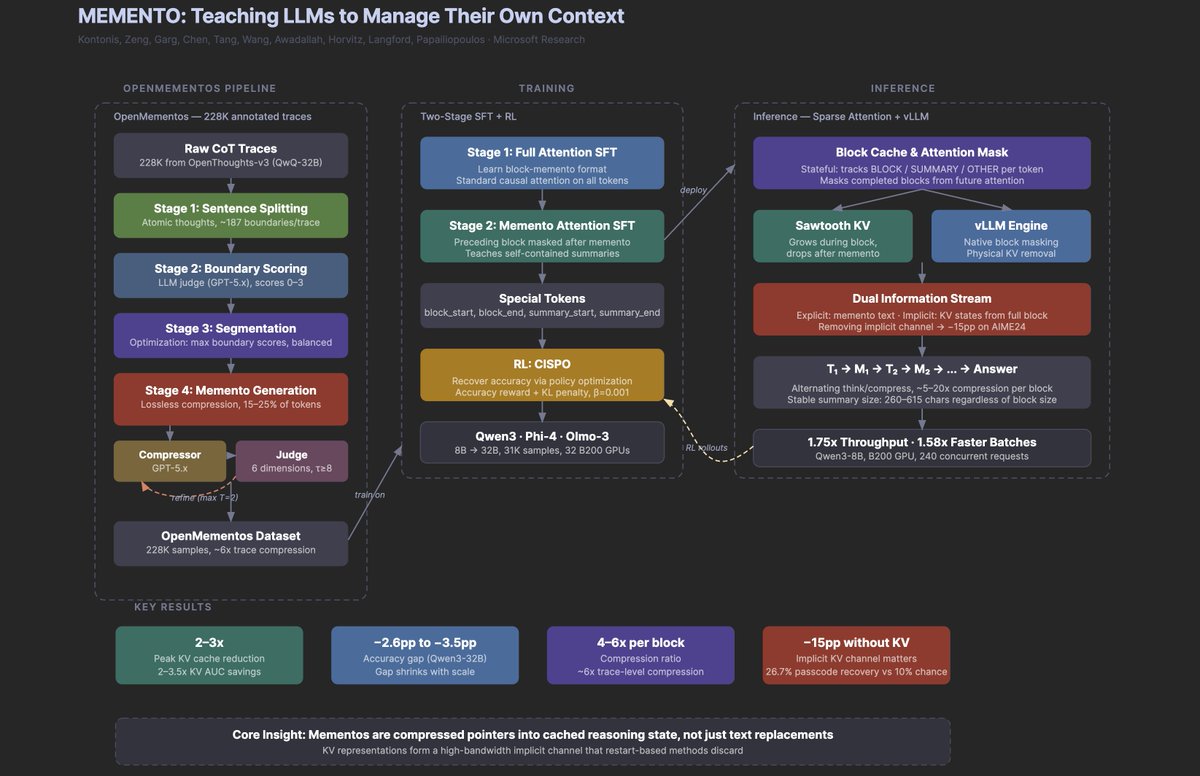
Another banger paper from Microsoft. Why it's a big deal: It teaches reasoning models to compress their own chain-of-thought mid-generation. The most interesting finding isn't the 2-3x memory savings or the doubled throughput. It's that when the model erases a reasoning block after summarizing it, the deleted information keeps leaking forward through the KV cache representations, forming an implicit second channel that accounts for 15 pp of accuracy. The model is, in some meaningful sense, remembering things it can no longer see. If context management turns out to be a teachable skill (and 30K training examples seem to be enough), then the bottleneck for long-horizon agents may be less about architecture and more about the right training data, which is a very different kind of problem than most people are working on. If it helps, below is my research agent's visual summary of the paper (at least highlighting the key parts).
https://t.co/lbjcGDxpJn
@Aashir__Shaikh @mreflow I don't have the skills to properly evaluate models unfortunately. But this might help Matt's project: https://t.co/m2cxJOdyPM
Accidental science art :) https://t.co/IGjFXW80BF

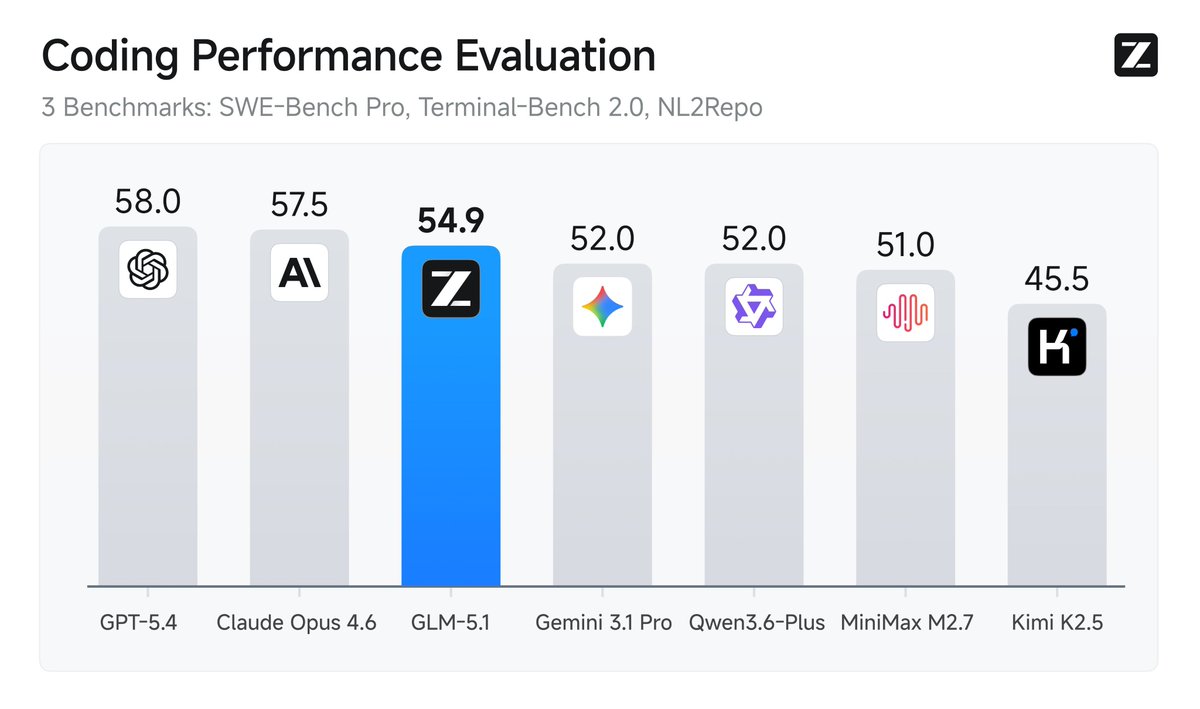
Silicon Valley is quietly running on Chinese open source AI models. Here are the receipts: → Cursor confirmed last month that Composer 2 is built on Moonshot's Kimi K2.5 → Cognition's SWE-1.6 model is likely post-trained on Zhipu's GLM → Shopify saved $5M a year by switching to Alibaba’s Qwen model. Airbnb CEO Brian Chesky has also said: "We rely a lot on Qwen. It's very good, fast, and cheap." And now Zhipu dropped GLM-5.1, an open source model that performs almost as well as Opus on coding benchmarks. 📌 More on the Anthropic + OpenClaw drama and what I'm learning about AI on the ground in China in my new post: https://t.co/cm9jYIZS8y
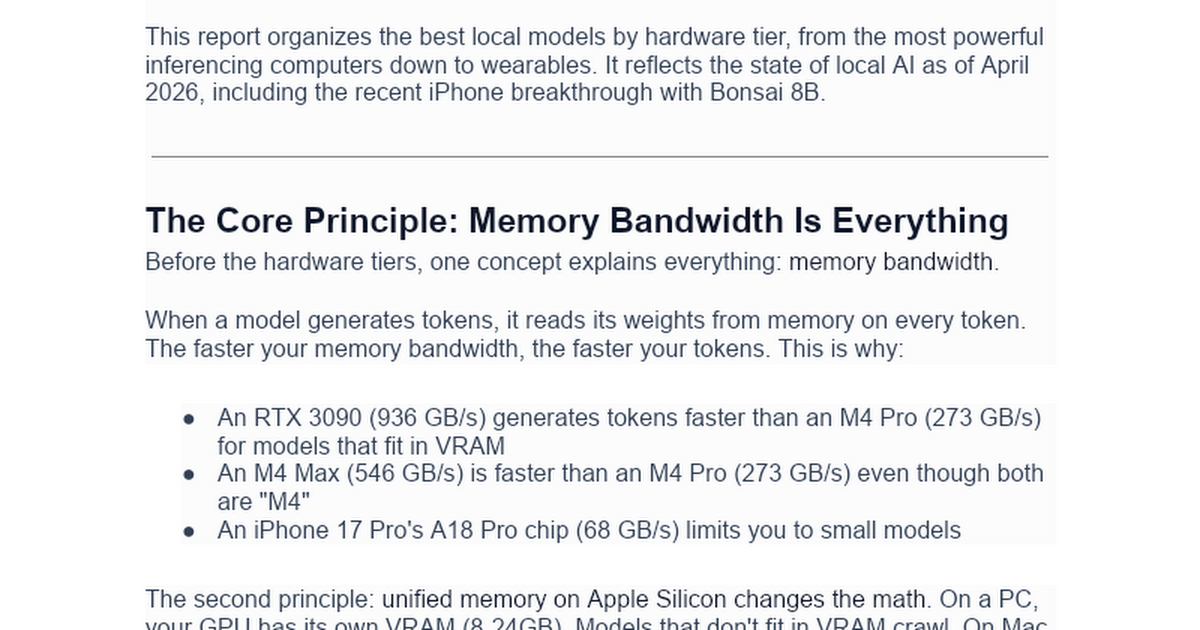
As much as I love using Claude Max and ChatGPT Pro, I don't think these all-you-can-use AI subscriptions will last forever. Here's my new deep dive that covers: → Why Anthropic cut off OpenClaw access → How to run local models on your Mac → What I'm seeing on the ground in Chin
Made in NYC with AWS: Kushal Byatnal, CEO & Co-founder, @ExtendHQ. Byatnal talks building document processing pipelines and building a successful startup in New York. From migrating to the city to migrating to AWS, the founder discusses the need for speed and the importance of partnership.
We shipped a fully integrated AI workflow for building VR on the web. Just describe what you want. AI builds it, tests it, and fixes bugs without you touching the code. Try it yourself here 👉 https://t.co/wMkVEjWT6V Discover how it works 🧵👇 https://t.co/GYHZqtk6Ld
Safetensors and Helion have joined PyTorch Foundation as foundation-hosted projects to secure model distribution for trusted agentic solutions and simplify kernel development across the open source AI ecosystem. PyTorch Foundation CTO Matt White to Noah Bovenizer at The Stack: “Having portable formats that work across different frameworks is extremely important to be able to ship and move models around. And then Helion makes things more accessible for folks that want to do custom kernel development.” Safetensors and Helion join PyTorch, @vllm_project, @DeepSpeedAI, and @raydistributed as foundation hosted projects. Read Noah Bovenizer’s coverage at The Stack here: https://t.co/TXMK9Reopy #PyTorch #OpenSource #AI #Safetensors #Helion

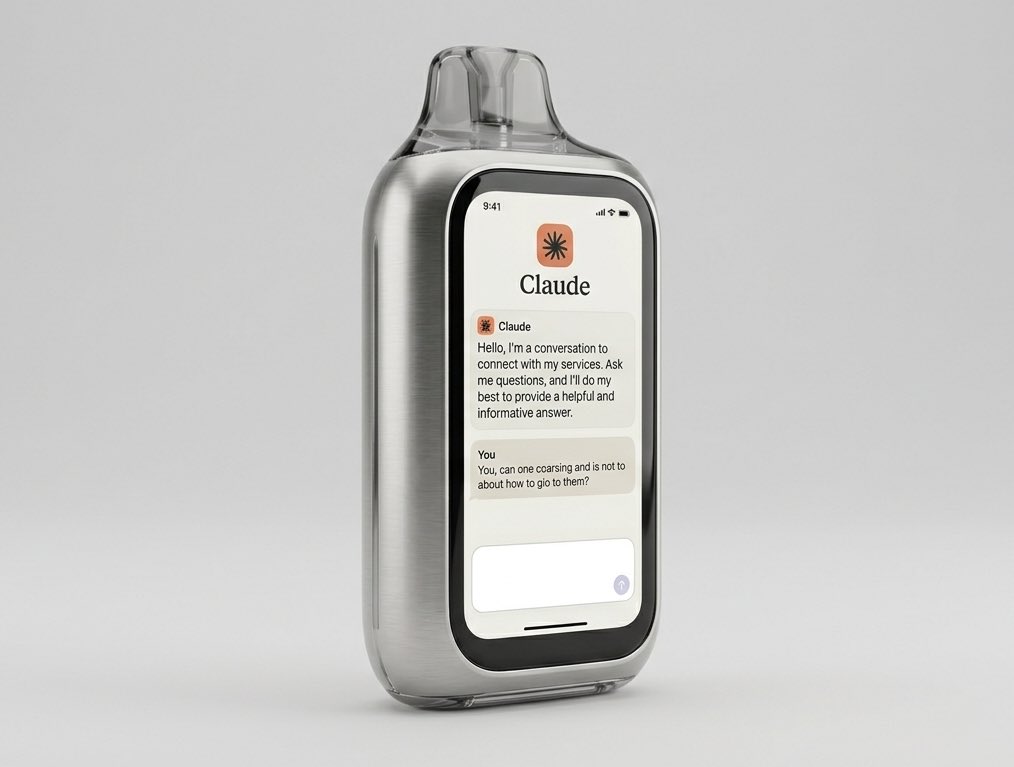
biggest moat rn is claude app on a vape https://t.co/6I5XSQFLjb
@NJCAABaseball #Grandjunction is around the corner, I wrote this ballad a year ago and man it still resonates! Here's to the #juco boys! https://t.co/GFltsZoQEk

Today we’re releasing Waypoint-1.5. An update to our real-time diffusion world model designed to run interactively on consumer hardware. https://t.co/iD5nOV8lFK
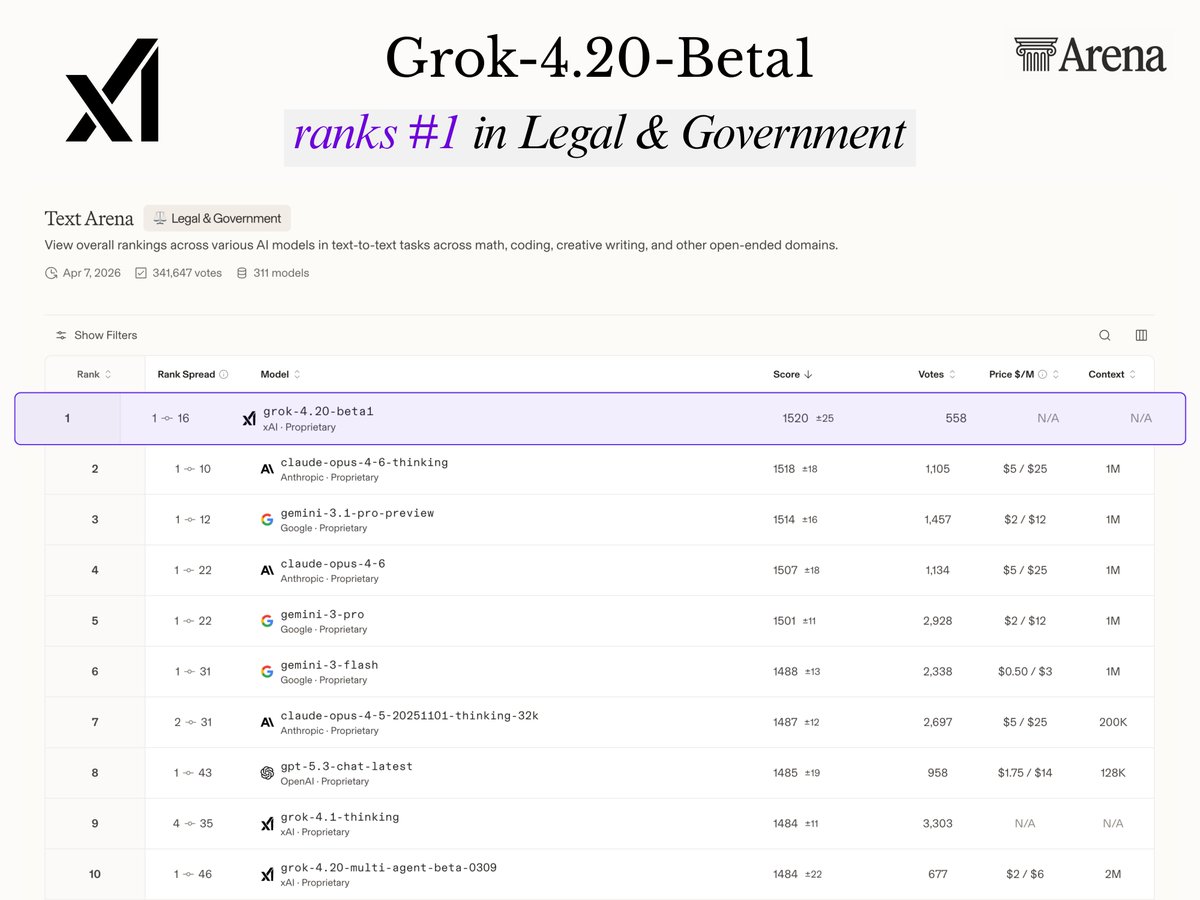
Grok-4.20 just ranked #1 in Legal & Government on Chatbot Arena It’s officially outperforming Anthropic’s Opus 4.6 and Google’s Gemini 3.1 Pro Grok is actively helping people navigate real lawsuits and do complex tax management (I've been personally using it for my own taxes) The ability and accuracy to get high-level legal reasoning across different countries is an absolute game-changer Grok can help you stop overpaying and save you real money
@EFF You can see the AI industry is here on X: https://t.co/kiuZ7QXLzb and I couldn't build this site out of any of those other places. I hope you reconsider. Your fans and potential fans are here.

@PrintedPathways @igormomentum @karpathy @THDX @rauchg @mitchellh @dhh @addyosmani @alexwg Yup. I understand. My lists go for completeness. And now that I have AI to watch them all they are highly useful: https://t.co/kiuZ7QXLzb

FP4 Explore, BF16 Train Diffusion Reinforcement Learning via Efficient Rollout Scaling paper: https://t.co/kkh636jCHj https://t.co/GlfRorw15A
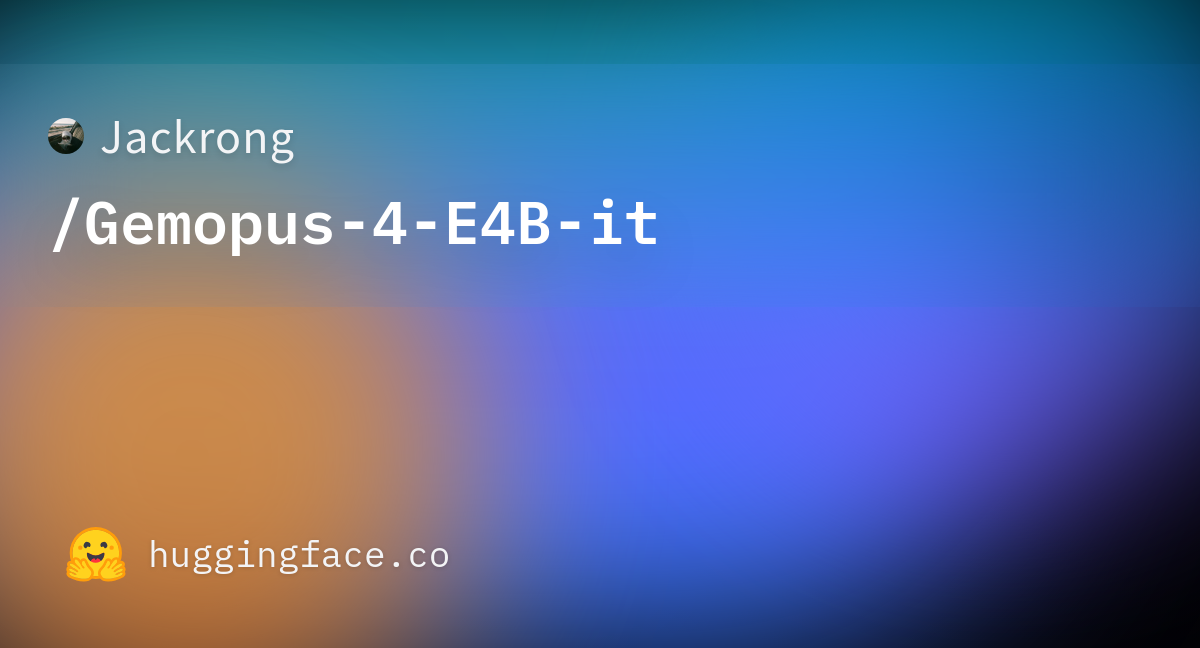
🚨 JACKRONG JUST RELEASED GEMOPUS 4 E4B After qwopus, now it's time for gemma 4 to be trained with claude opus 4.6 reasoning! > 45–60 tok/s on iPhone > 90–120 tok/s on MacBook Air M3/M4 > 16gb size, waiting for gguf & benchmarks https://t.co/6SpgJm3hkN
@aisauce_x @karpathy @THDX @rauchg @mitchellh @dhh @addyosmani Nice list. Mine are far far far more complete: https://t.co/fasUz7PuHq And I built an AI to watch everyone in AI here on X: https://t.co/kiuZ7QXLzb

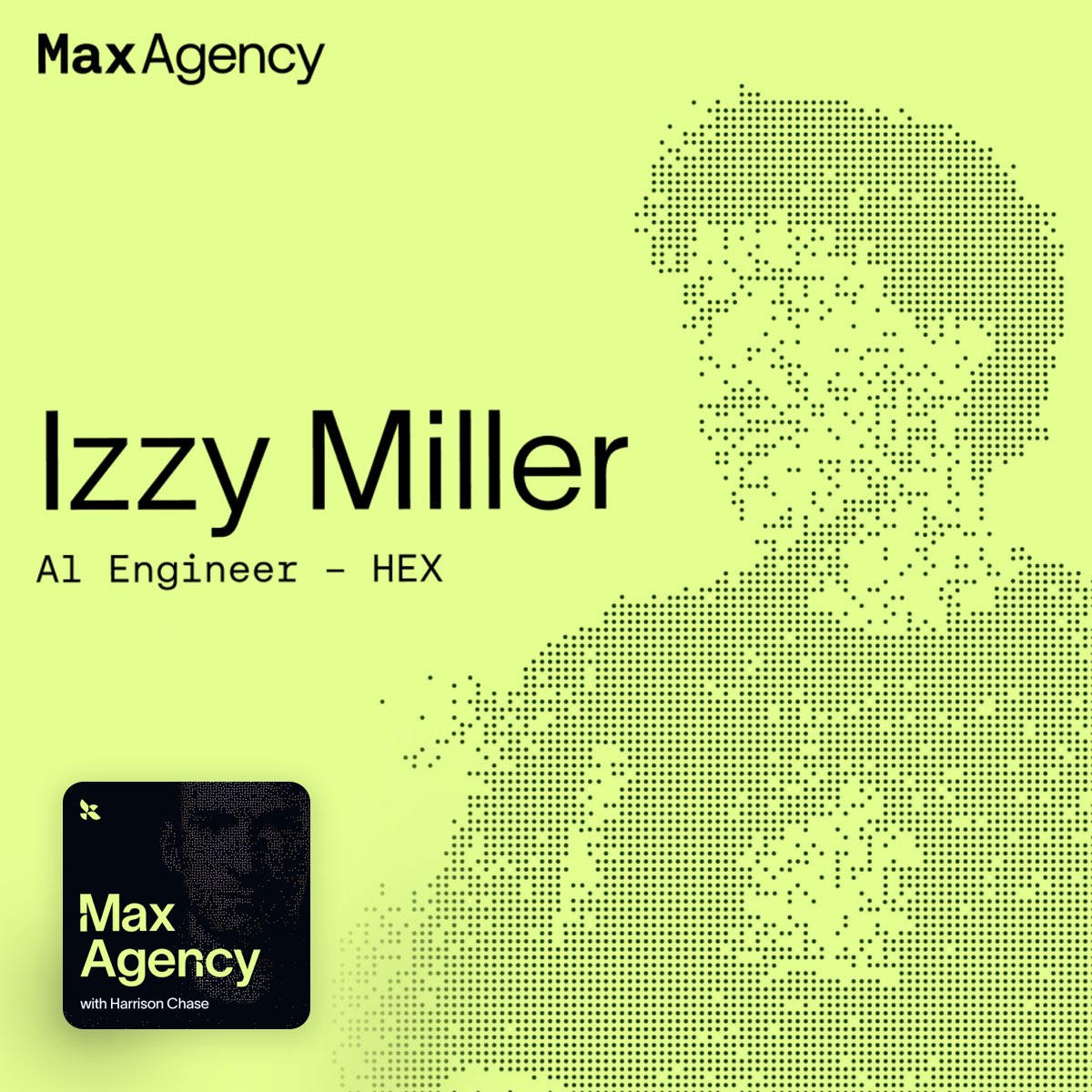
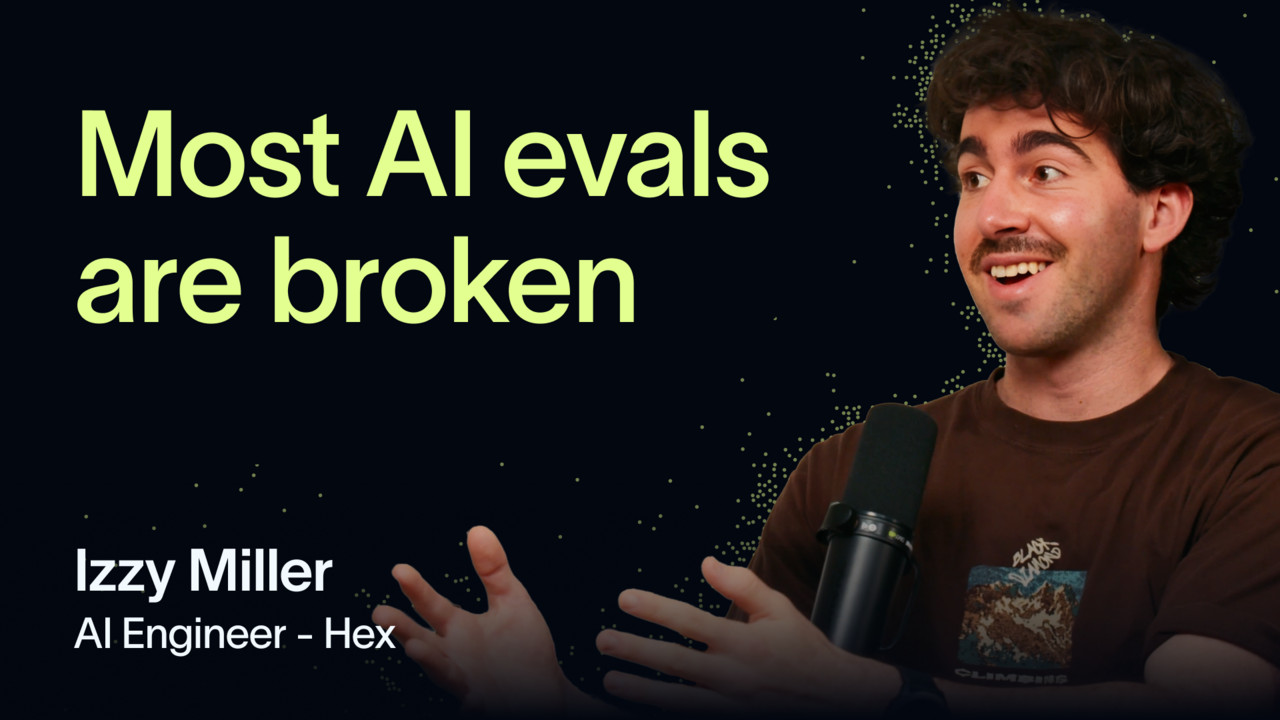
🎙️Introducing Max Agency Max Agency is a new podcast where we go deep on how the best agents are actually being built: architecture decisions, tradeoffs, evals, and everything in between. Each episode, I sit down with engineering leaders who are doing this work in production. Our first episode features Izzy Miller (@isidoremiller), AI Engineer at Hex (@_hex_tech). Hex has been shipping data agents since before most teams were even thinking about them, starting with single-cell text-to-SQL and graduating to a full Notebook agent that can work autonomously for 20 minutes on a complex analysis. Izzy has a lot of perspective on what it actually takes to get agents working well in production, and what breaks along the way. A few takeaways from our conversation: - Keep your eval sets small enough to hold in your head: Izzy runs 30-50 handcrafted "traps" with multiple repetitions, rather than hundreds of variants. If you can't explain why your agent fails each one, your eval set is too big - Day zero performance is almost irrelevant: The more interesting question is how the agent compounds. Izzy is building a 90-day simulation where the warehouse evolves and the agent has to accumulate understanding - You can catch agent errors without seeing the raw outputs: By running an LLM-as-a-judge over production usage and clustering the results, you can surface places where something likely went wrong, without needing to read individual conversations Watch the full episode on: - Youtube: https://t.co/AdkQbV3Pq2 - Apple Podcasts: https://t.co/1MKF7mcYSr - Spotify: https://t.co/DxACw24oob
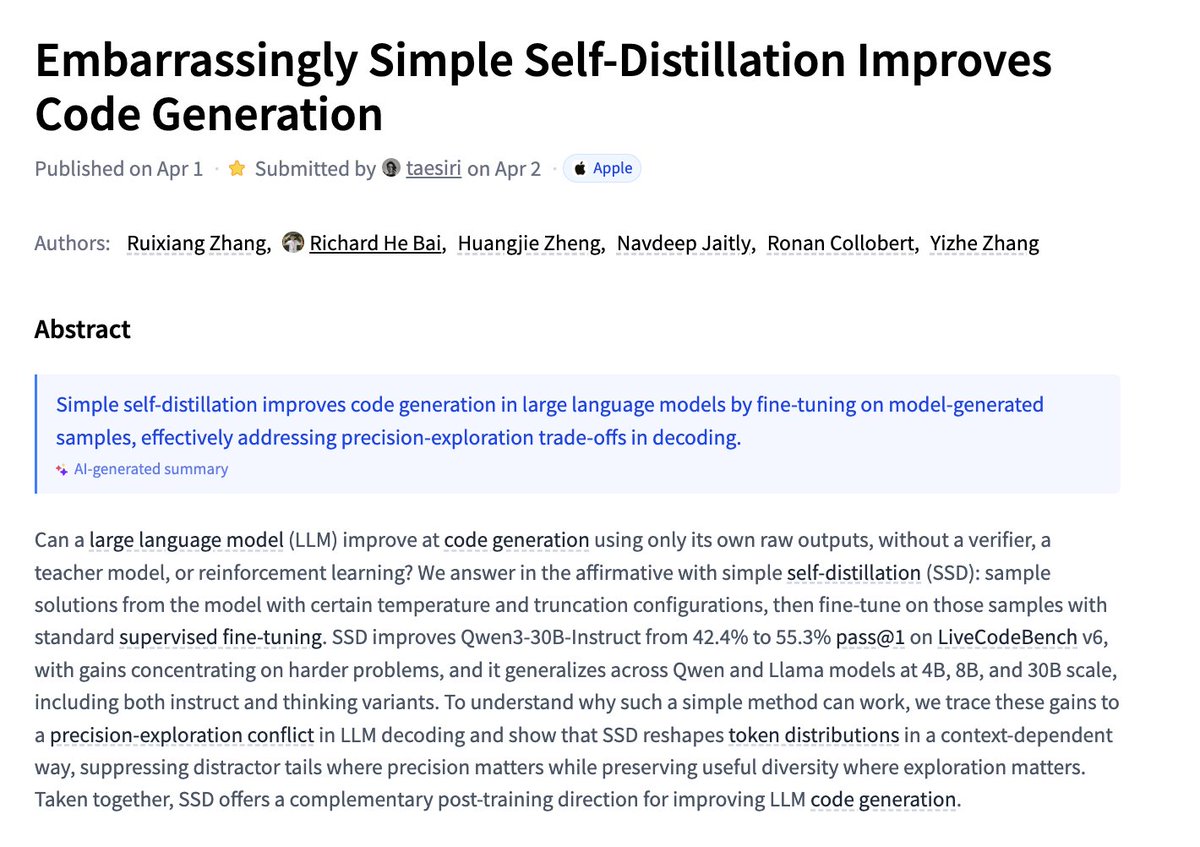
Embarrassingly Simple Self-Distillation Improves Code Generation paper: https://t.co/Iwyx1ebDCW https://t.co/iWry3xlxz6
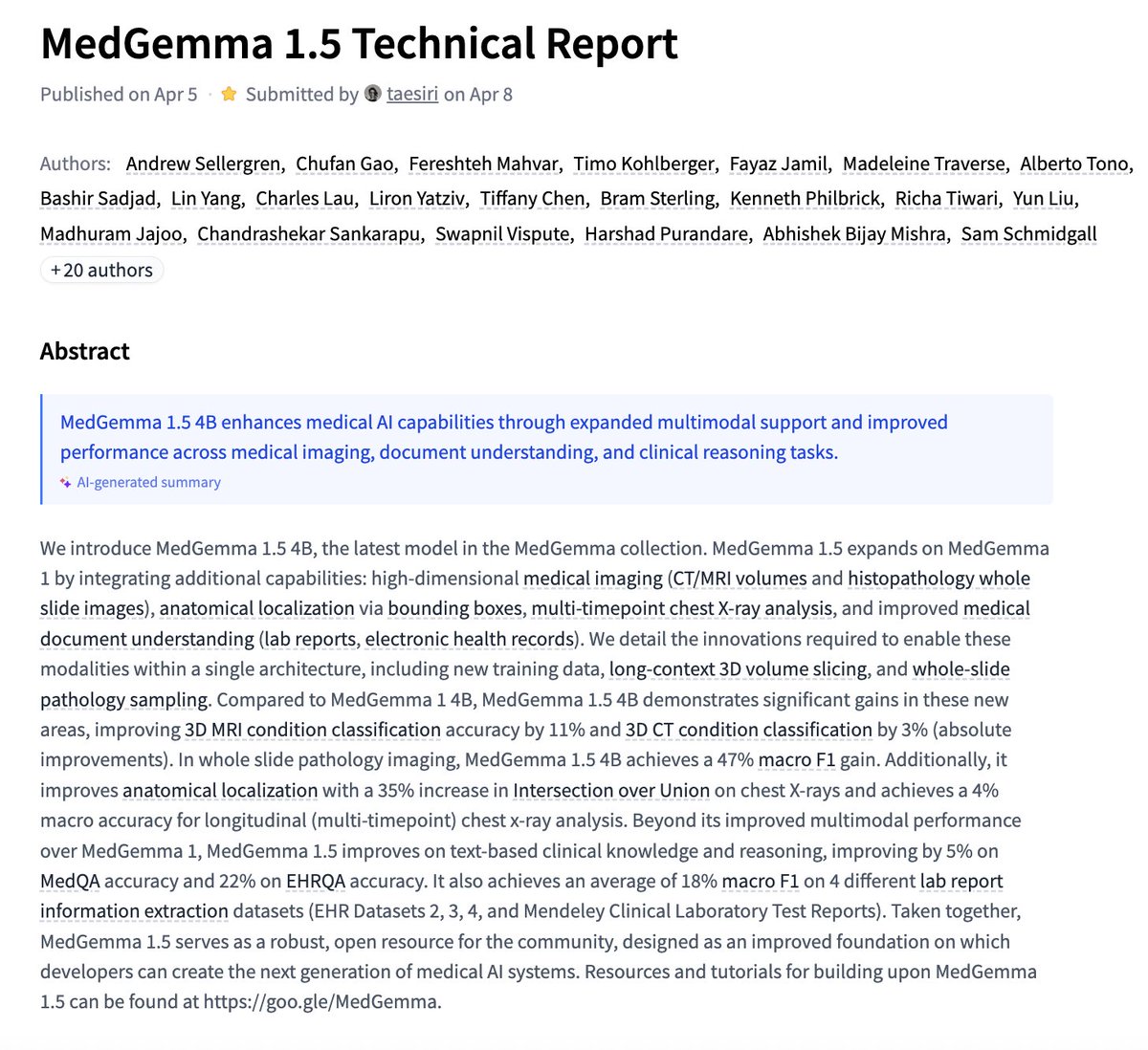
MedGemma 1.5 Technical Report paper: https://t.co/LBgoAzd4A8 https://t.co/mt28b1UxLU
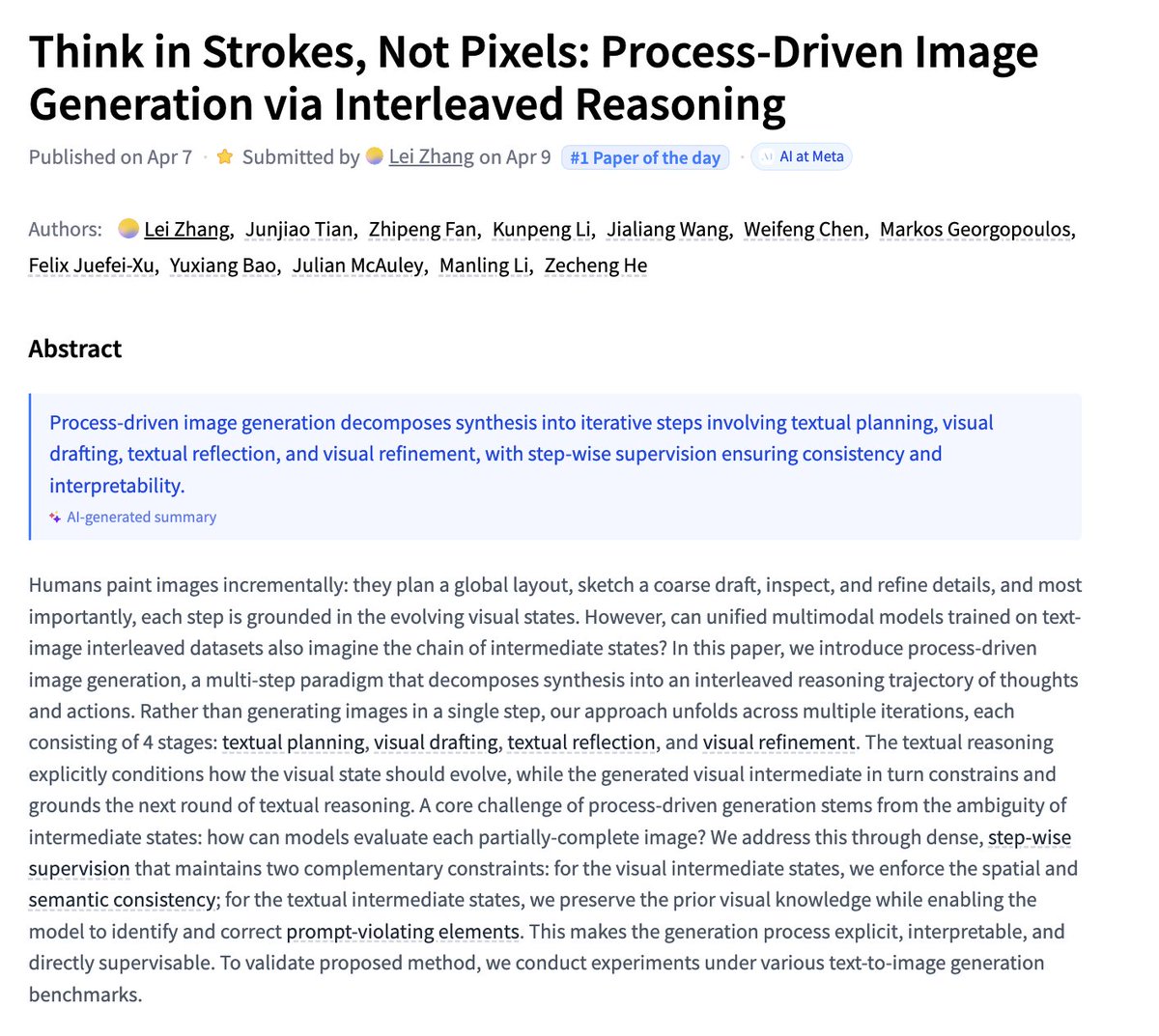
Think in Strokes, Not Pixels Process-Driven Image Generation via Interleaved Reasoning paper: https://t.co/SPggWj7Hvx https://t.co/Vsc0qCo6aY
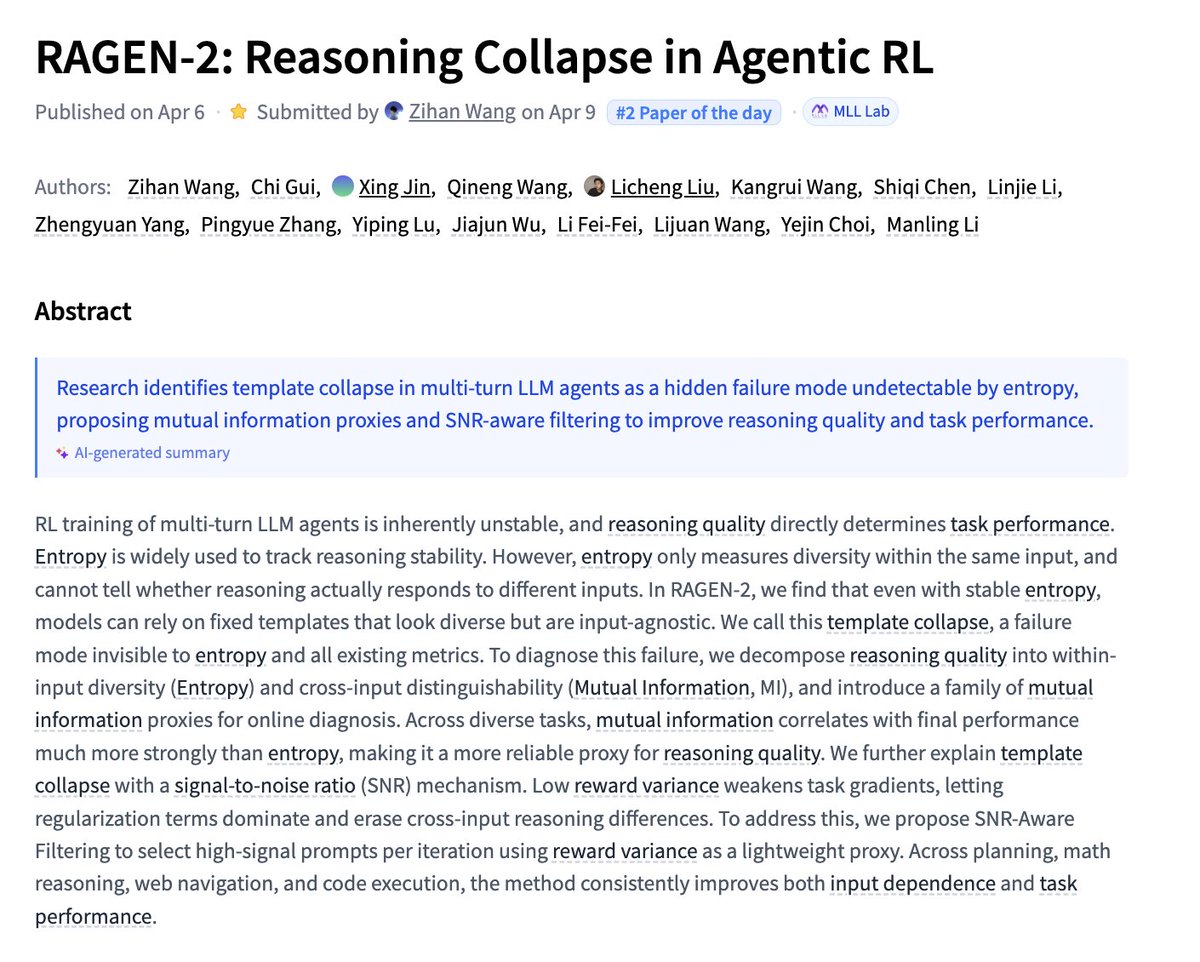
RAGEN-2 Reasoning Collapse in Agentic RL paper: https://t.co/nMo9xTq9x6 https://t.co/qjIKTUNMW1
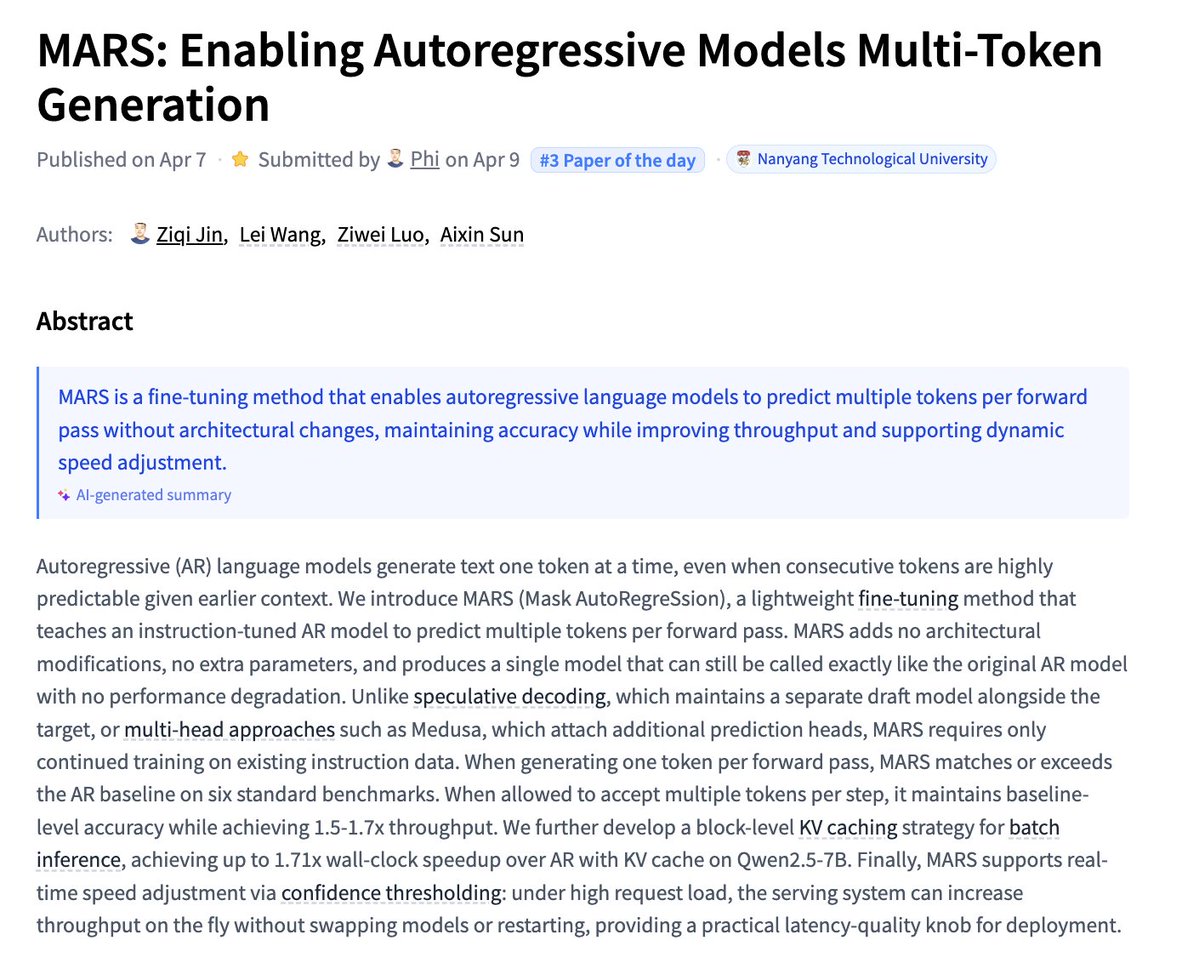
MARS Enabling Autoregressive Models Multi-Token Generation paper: https://t.co/dUJac9spi7 https://t.co/sWfZ5Vx6CH