Your curated collection of saved posts and media
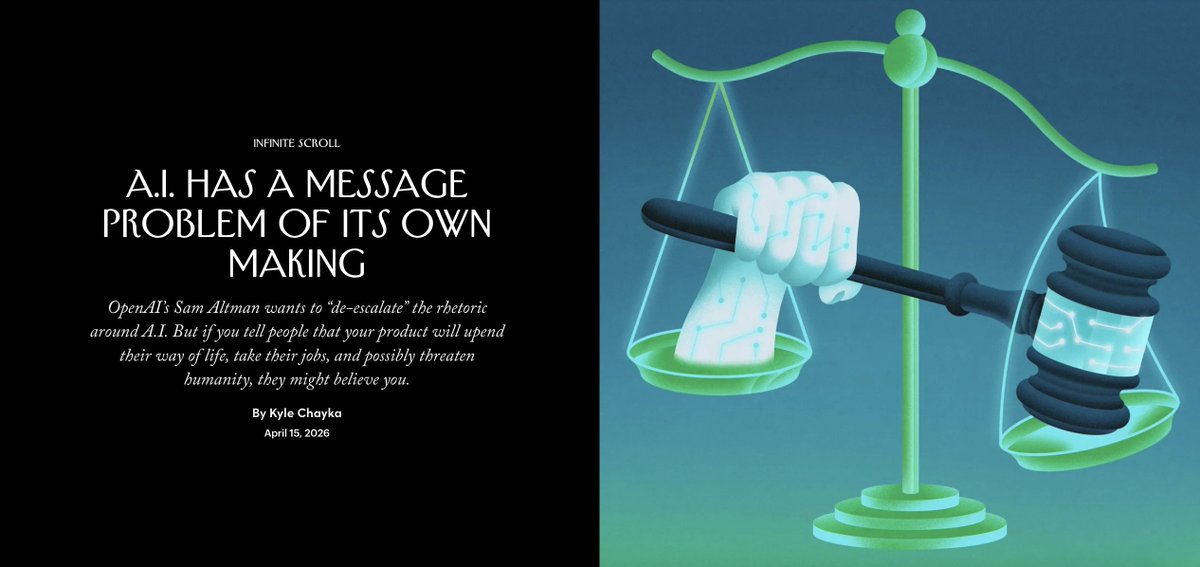
new @NewYorker column: the AI industry's catastrophic messaging problems, the paradoxes of commercial hype and real-world danger https://t.co/jo6Das3KGg
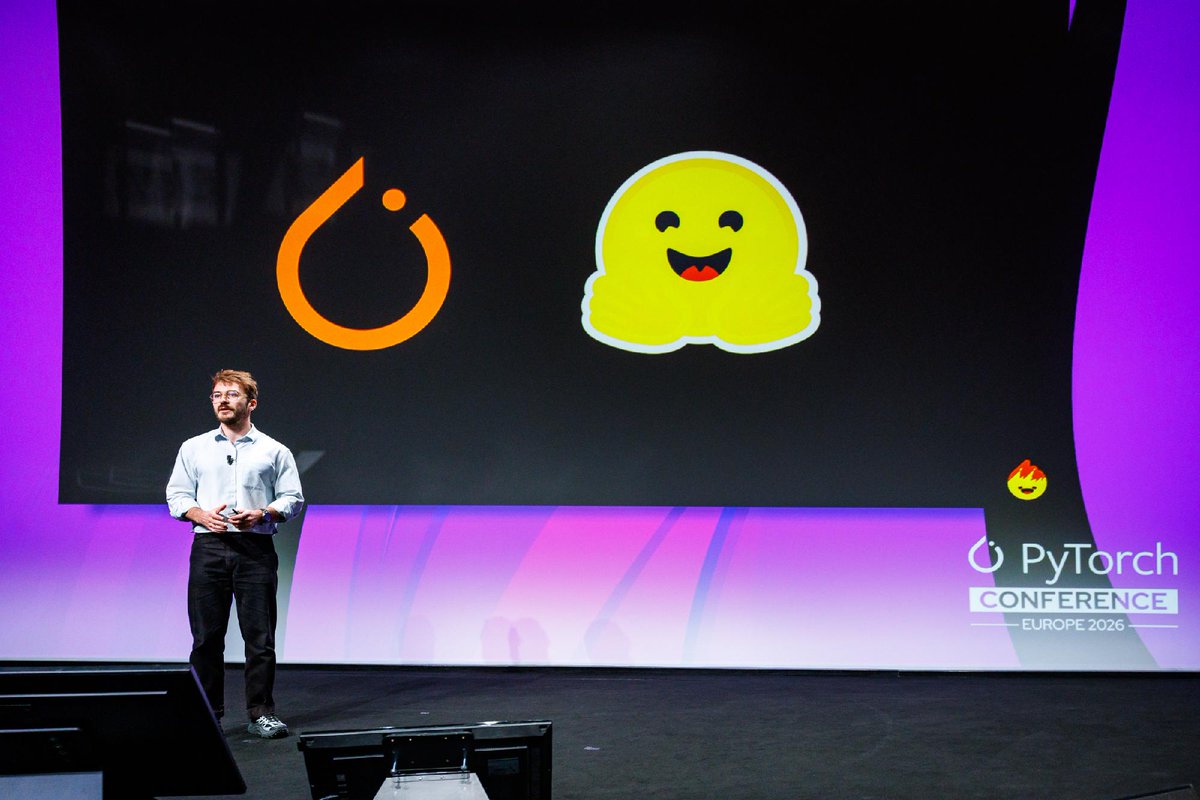
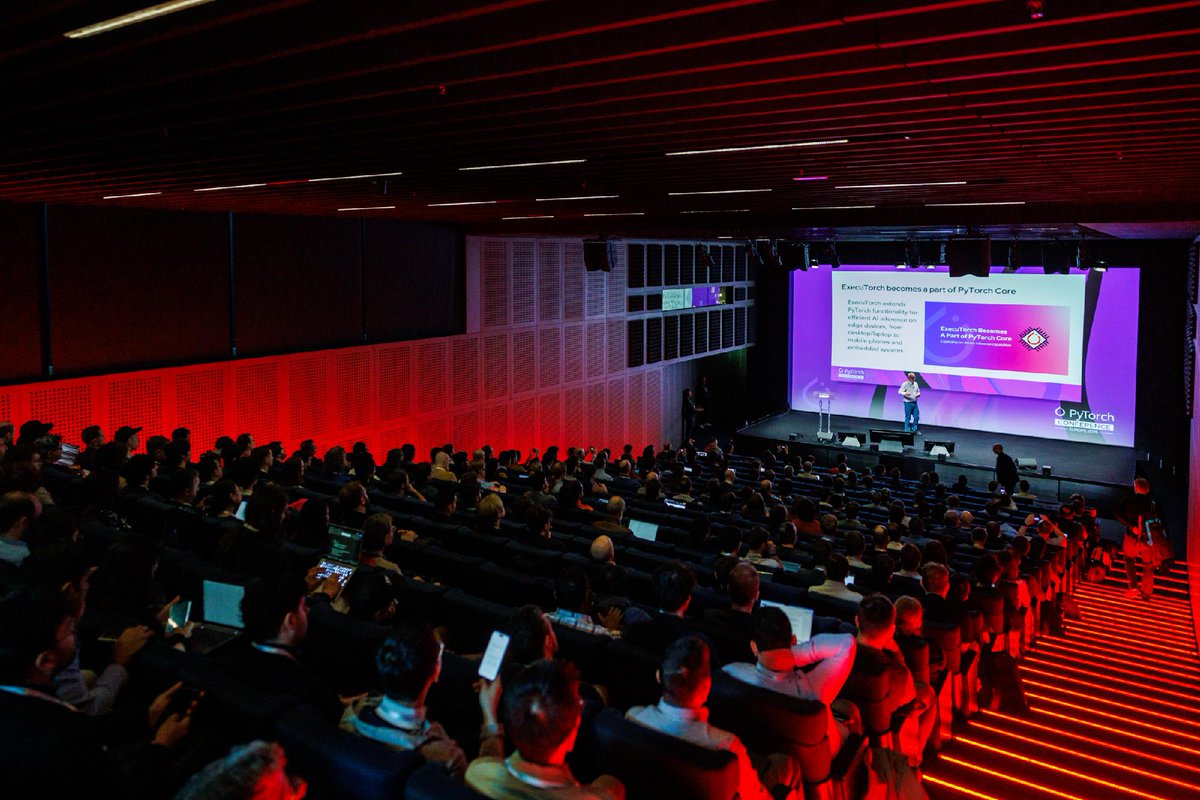
The first-ever PyTorch Conference Europe brought more than 600 researchers, developers, and practitioners to Paris for two packed days of keynotes, technical deep dives, lightning talks, poster sessions, and community connection. Thank you to the speakers, sponsors, and attendees who made it possible. PyTorch Foundation announced Helion and Safetensors as foundation-hosted projects, alongside PyTorch, vLLM, DeepSpeed, and Ray, and welcomed ExecuTorch into PyTorch Core. Our program focused on production AI, with sessions on inference optimization and model serving, deployment across edge devices and browsers, kernel development in PyTorch, and responsible AI topics, including privacy and security. 🔗 Read the full recap and explore key sessions: https://t.co/V444VQuL7H #PyTorch #AIInfrastructure #OpenSourceAI #PyTorchCon
These days you can access AI agents that execute commands, browse the web, and coordinate with other agents. But you should always make sure they're safe to use! 👀 Season 4 of GitHub's Secure Code Game lets you test your knowledge by hacking one yourself. Get started in minutes right from your browser with GitHub Codespaces (for free!). 👇 https://t.co/YUbCLbipQo
First pitch 💣 1-0 Lancers in Greensboro. #SaddleUp | #GoWood https://t.co/xpH3V1TeAu
First pitch 💣 1-0 Lancers in Greensboro. #SaddleUp | #GoWood https://t.co/xpH3V1TeAu
Hey Republicans; He pardoned 1,600 violent criminals. You said nothing. He bulldozed the East Wing. You’ve said nothing. He’s interfered with the release of the Epstein files. You’ve said nothing. He took over the Kennedy Center, even renaming it after himself. You’ve said nothing. He accepted a $400 million airplane as a personal gift. You’ve said nothing. He’s threatened Canada, Cuba, Denmark, Greenland, Venezuela, Colombia, Brazil. You’ve said nothing. He’s tariffed just about everyone but Russia, causing inflation and instability worldwide. You’ve said nothing. He attacked a nation during mediated negotiations. You said nothing. His ill-conceived war killed 175 little girls in its first days. You’ve said nothing. He’s alienated and insulted more countries than I can keep track of. You’ve said nothing. His ICE Army is terrorizing and murdering U.S. citizens. You've said nothing. He has committed murder on the high seas. You've said nothing. He's co-opted the Justice Department and directed it to prosecute his political enemies. You've said nothing. You've not only said nothing to all of these egregious acts, and many more, but you have also enabled them. And it’s only been a year. Hey, Republican Congressmen, you took an oath, remember? Not to him. To the Constitution. It’s time to do your fucking jobs!

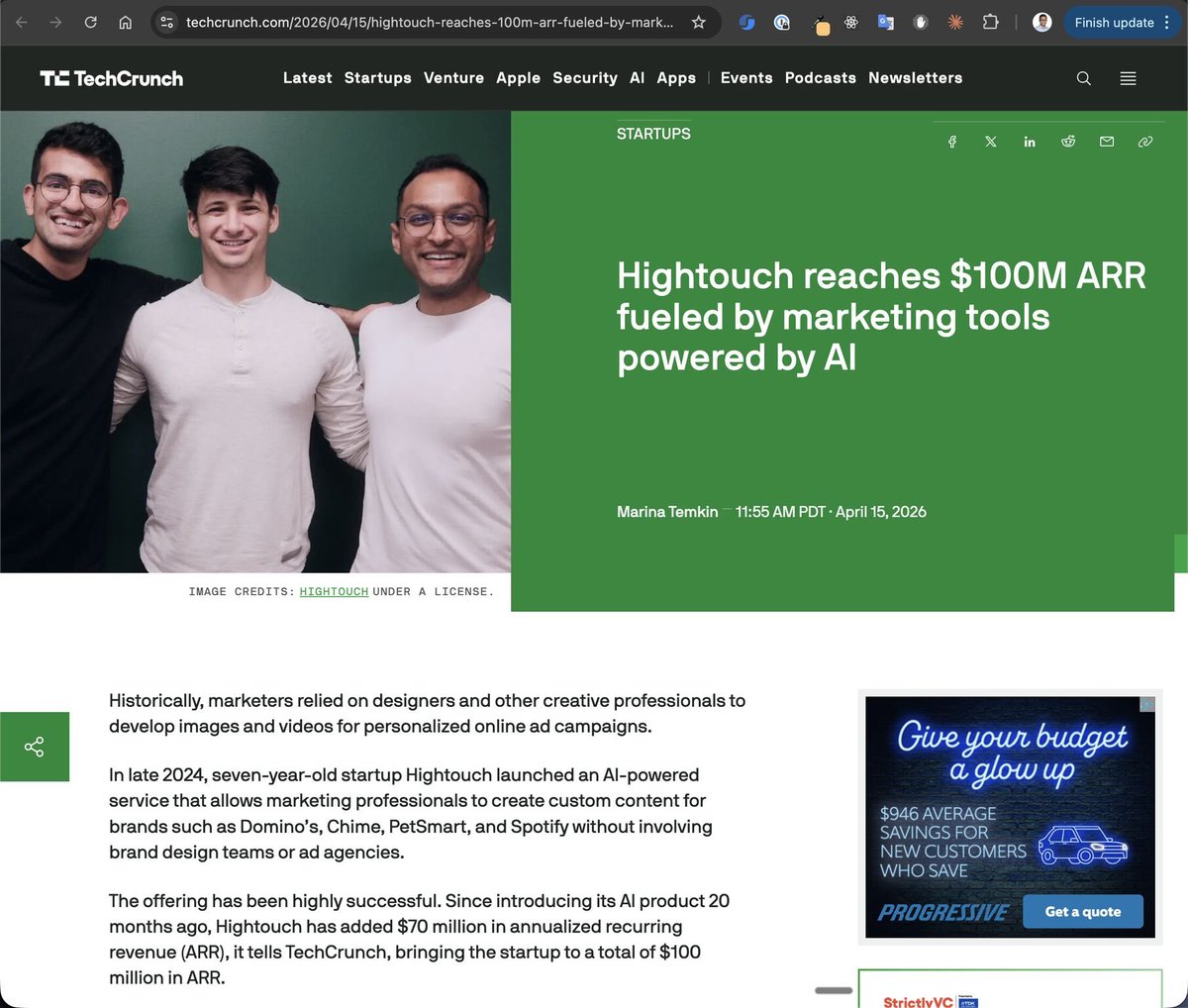
Congrats @HightouchData team for the successful entry into the AI marketing space. Excellent example of how to build a compound startup starting with a single product. 🚀 https://t.co/QHiLna8yRL

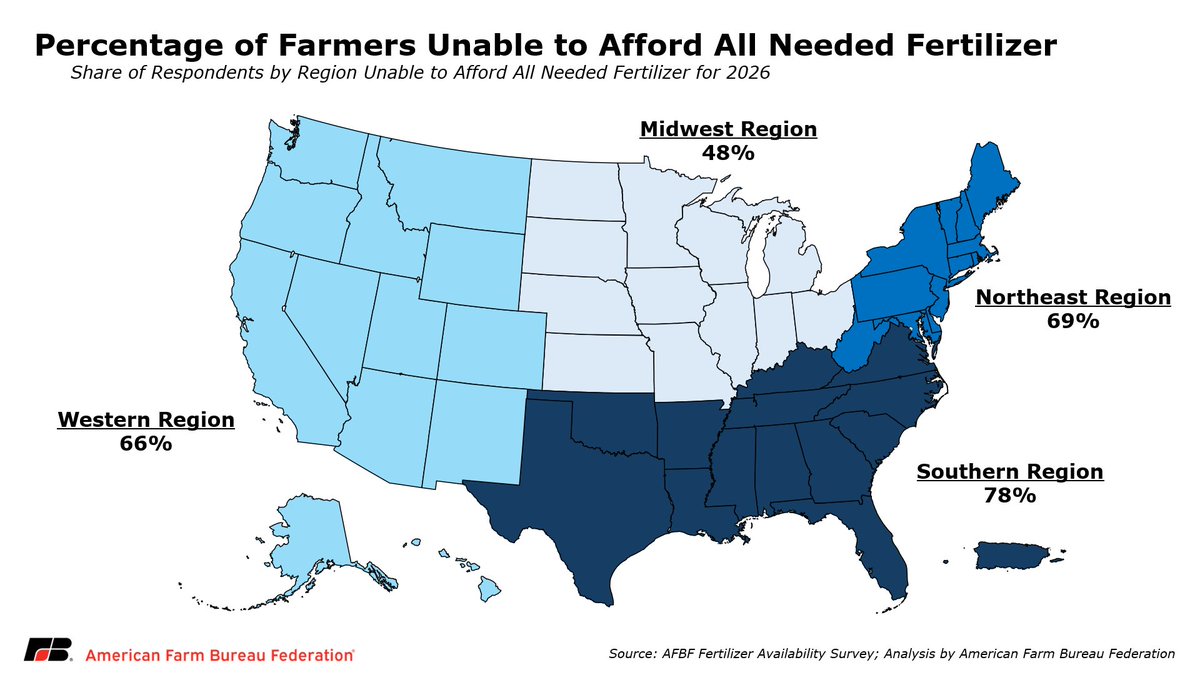
Trump has abandoned our farmers with his senseless war in Iran. The impact is worst in the South. Diesel prices are up 46% since the war began. Nitrogen fertilizer is up 30%. In the South, 81% of farms—including 84% of small farms—didn’t pre-book fertilizer, meaning they’re now stuck paying rapidly rising prices. 78% of Southern farmers say they can’t afford the fertilizer inputs they need this season. 58% of farmers nationwide say they’re worse off than a year ago. Farmers in South Carolina and across the country were already struggling. Trump’s war has only made it worse.
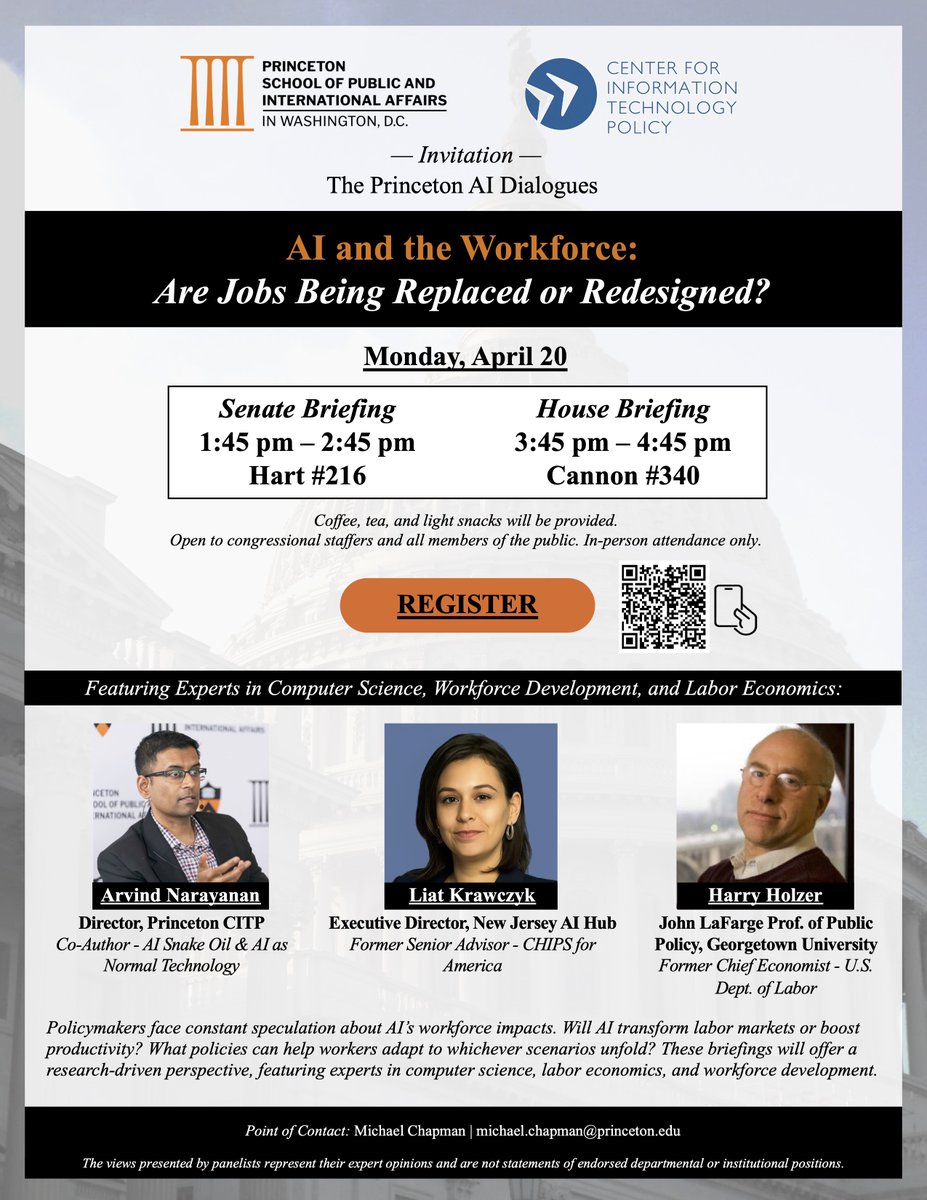
CITP + @PrincetonSPIADC invite the public to a Congressional briefing on Monday 4/20 in Washington, DC. Experts include Arvind Narayanan @random_walker, Liat Krawczyk of NJ AI Hub, & Harry Holzer of @Georgetown. Registration requested: https://t.co/PRSS8HHQVC @PrincetonSPIA https://t.co/rLymYtUMre
it’s happening https://t.co/Y0fVNA3zGI
JUST IN: Use of AI in the office is reportedly creating a flood of “workslop” that takes longer to fix than do from scratch.
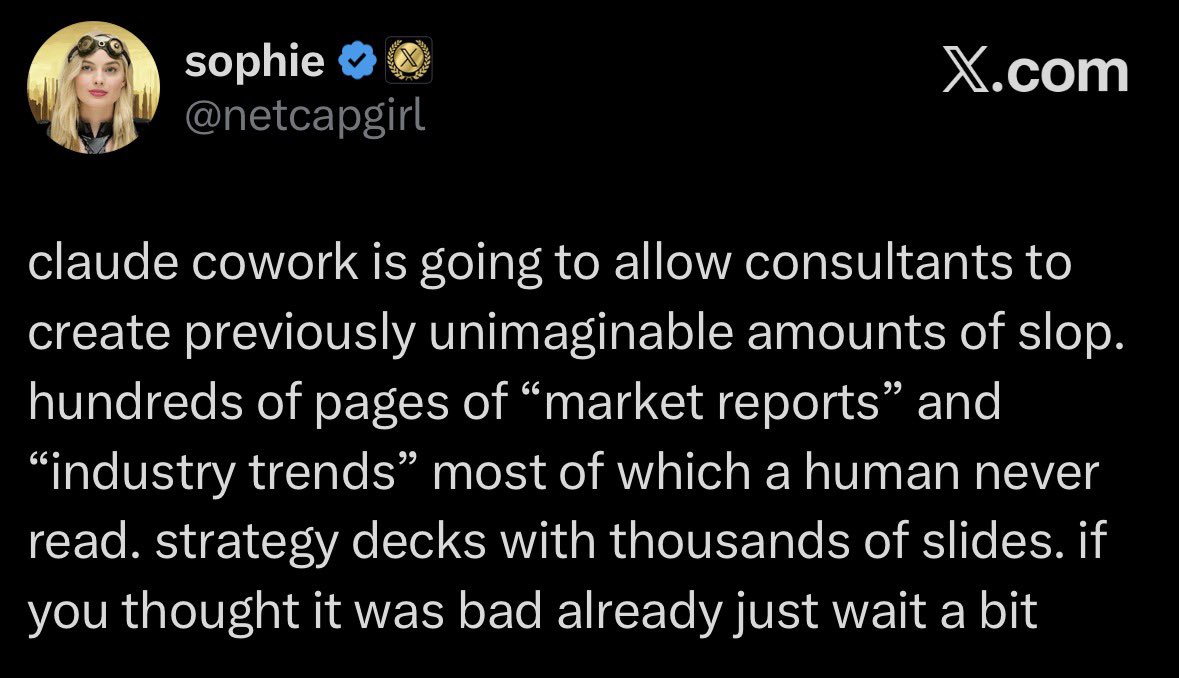
it’s happening https://t.co/Y0fVNA3zGI
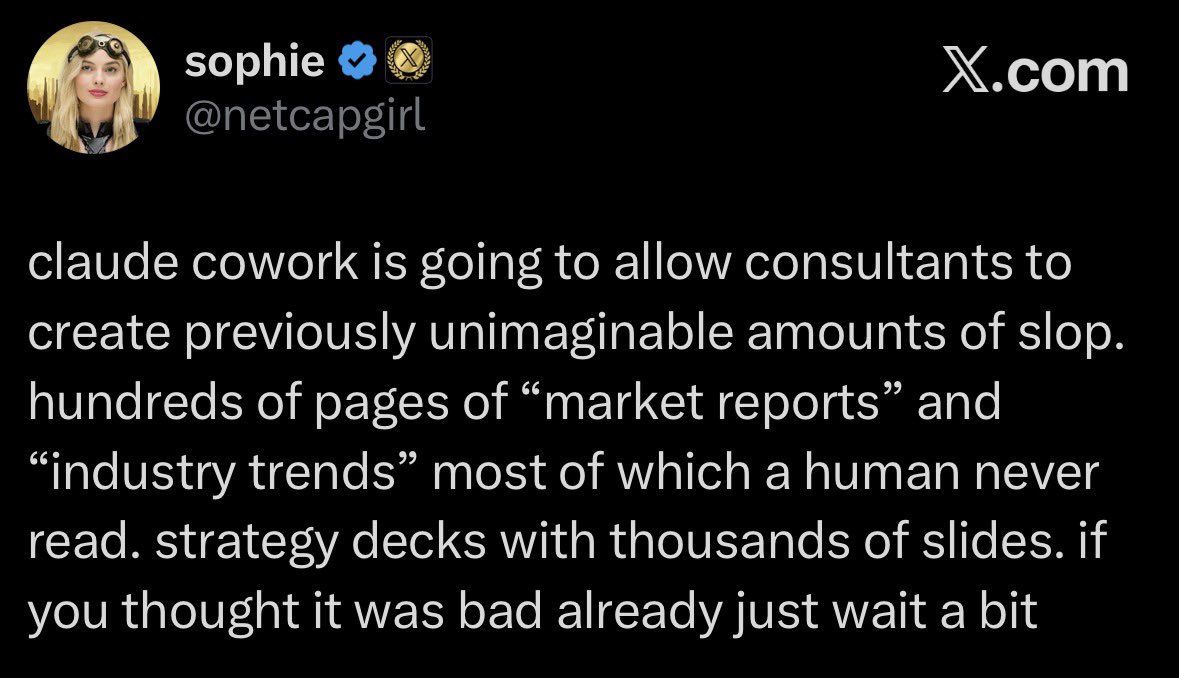
Stanford just tested whether LexisNexis and Thomson Reuters’ AI legal research tools are really “hallucination-free,” as they claim. Spoiler: not even close. Here’s what the study found. https://t.co/lb2CekFeWn
Introducing TIPS v2 👀Foundational text-image encoder 📸Can be used as the base for different multimodal applications 🤗Apache 2.0 🧑🍳New pre-training recipes https://t.co/A6H93YJhNx


@Graham_dePenros Love. It's at https://t.co/kiuZ7QXLzb

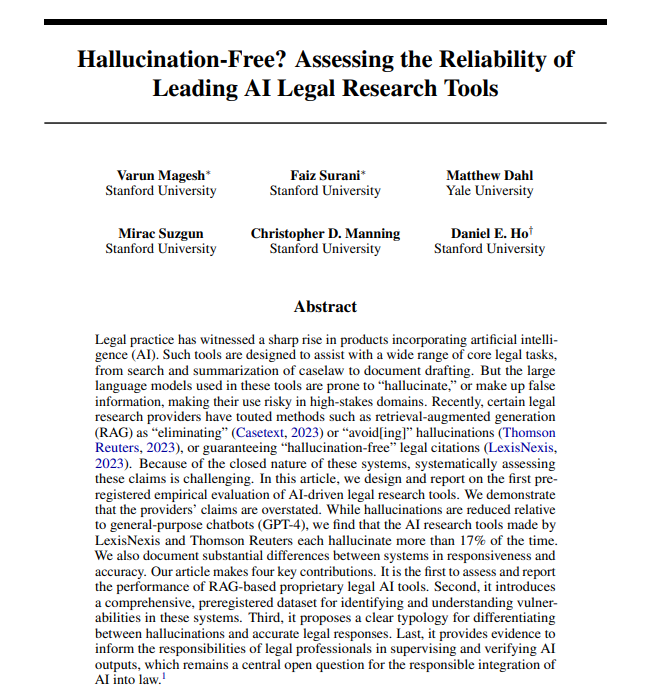
Was able to get a slick native swift desktop app v1.0 up and running for Hermes agent today (credit to redsparklabs) Can I get a few people to alpha test it with me? Works great for me so far! 🚀 DM me! @Teknium @NousResearch Check out this beauty! https://t.co/voNAvaUHIT
This dataset was crafted with a fine-tuned @NousResearch Hermes 4.3 36B model run on a RTX 6000 Blackwell Server Edition. (We simply love @NousResearch but this, by no means, does it signify a partnership) PMI-relevant results: 60.6% TruthfulQA (Delta: +11.7% vs Qwen3.5-4B) & 71.5% HellaSwag on a 4B fine tuned model.

So excited to share that Google DeepMind is joining Station F in Paris!🥐 Over the years, I've had the great opportunity to collaborate with @roxannevarza and team. I'm now so excited to officially announce a partnership to collaborate with the French startup ecosystem. https://t.co/hERwqbKo7t
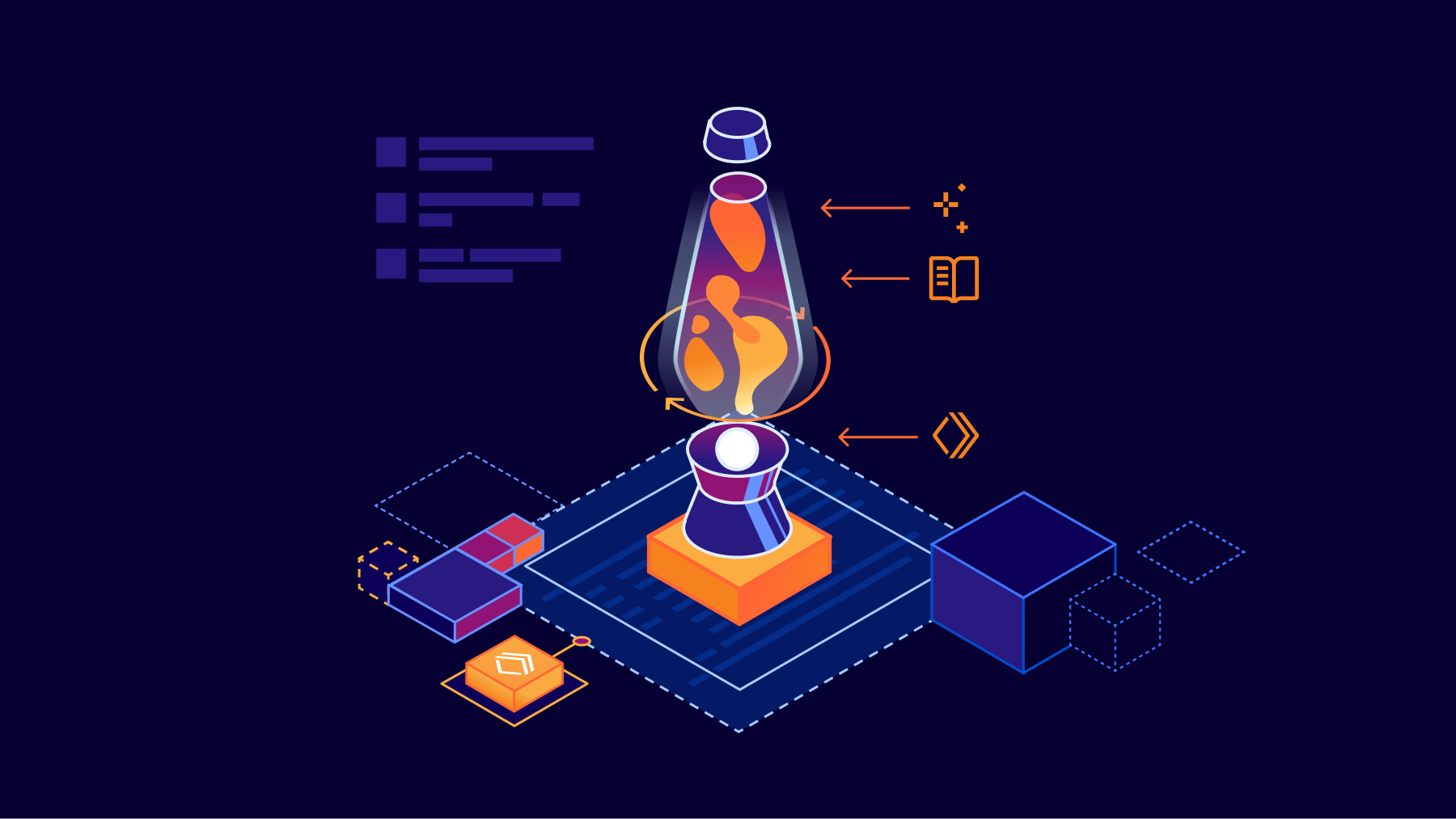
Just shipped **artifact-preview** for Hermes 🔥 Like Claude Artifacts, build dashboards, games, UIs, get a full interactive preview that instantly opens in a live browser. Real clickable code, smooth refreshes on prompt edits. cc @Teknium https://t.co/7S9N1Nn9mX
You can now bring your Cloudflare Sandbox to use with the @OpenAI AgentsSDK Click "Deploy to Cloudflare" enter in your keys and you're good to go! -https://t.co/yFv5M4Xl1f
Build long-running agents with more control over agent execution. New capabilities in the Agents SDK: • Run agents in controlled sandboxes • Inspect and customize the open-source harness • Control when memories are created and where they’re stored https://t.co/zPyuLup6b6
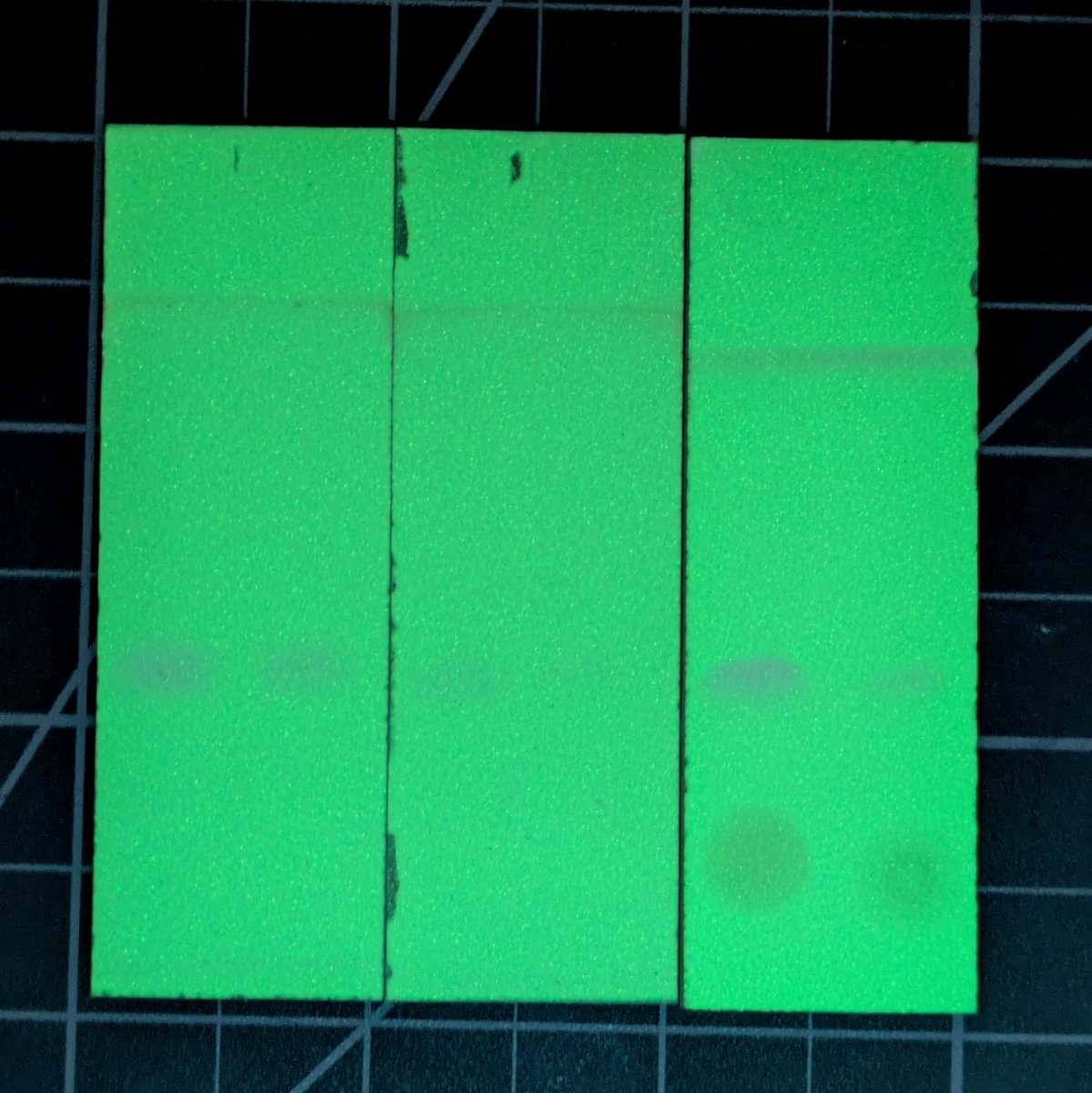
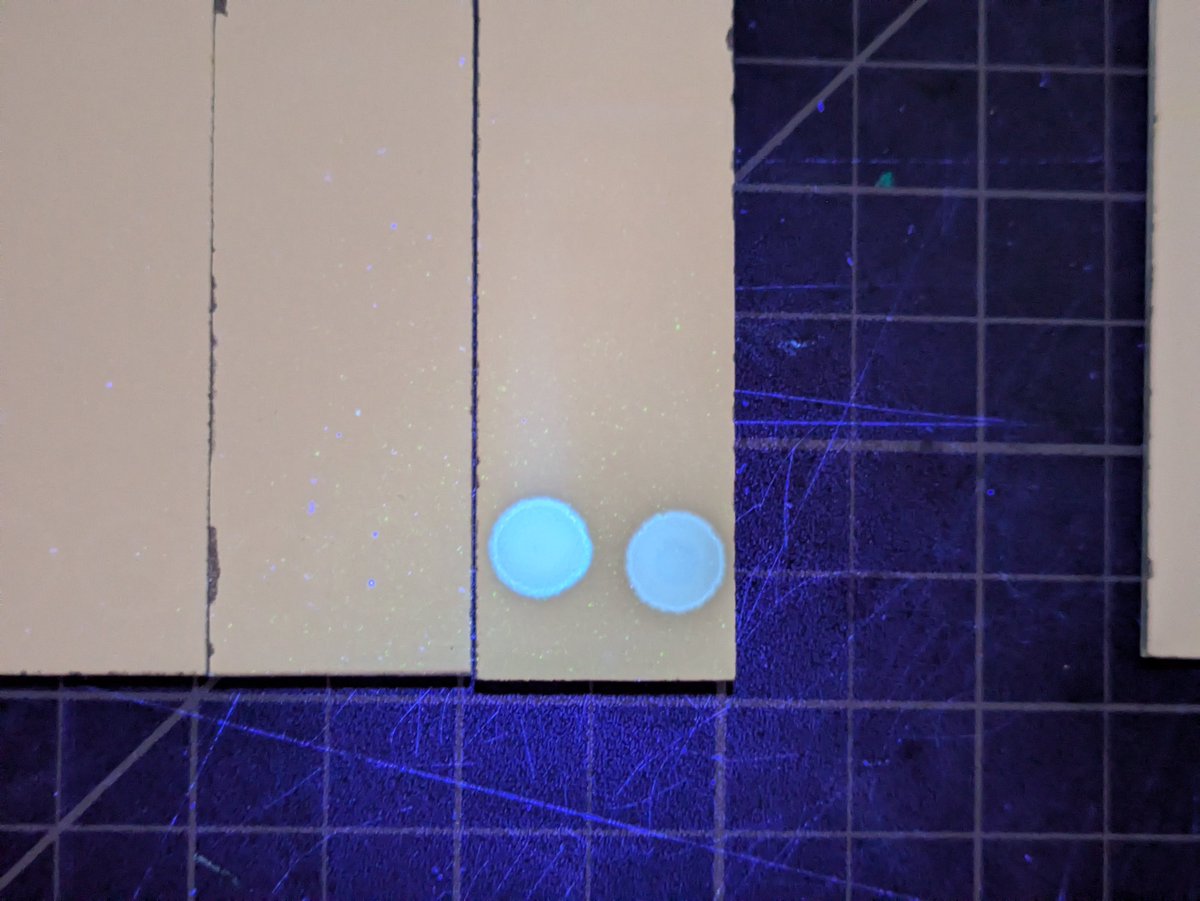
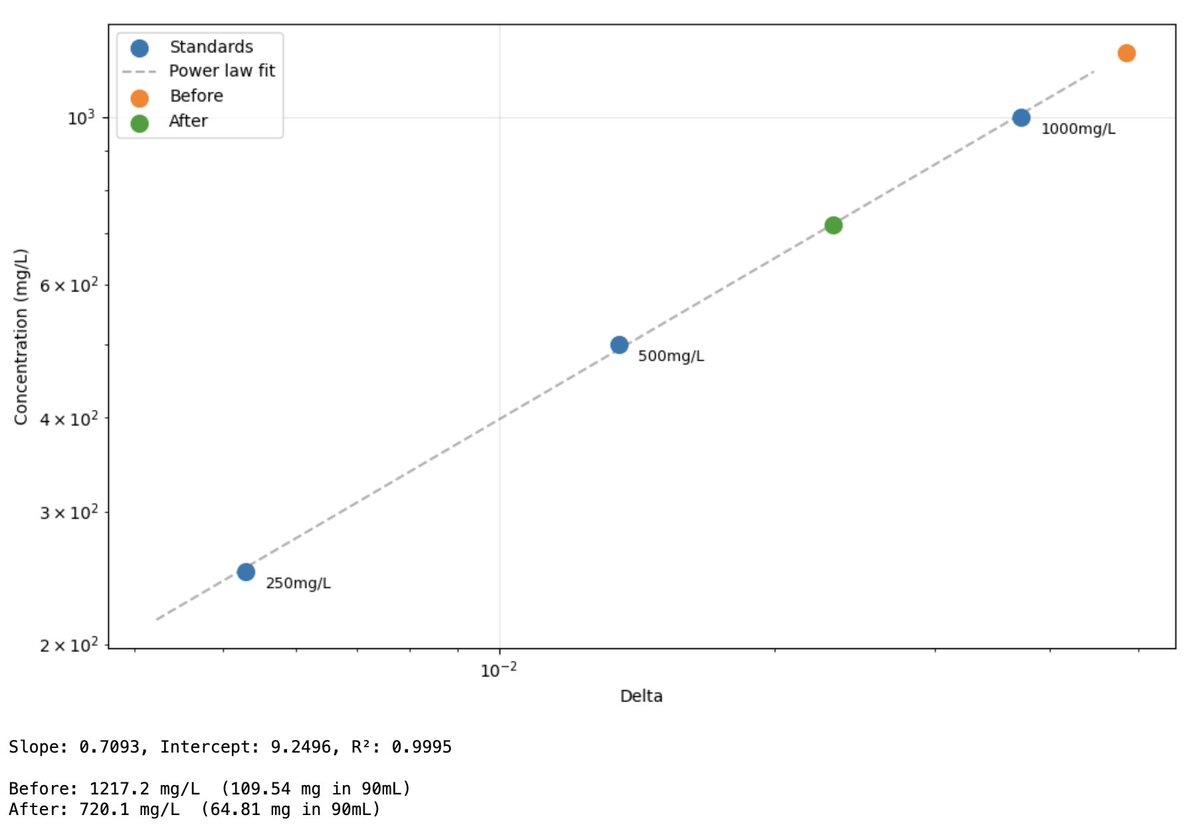
@techno0ptimist Depends on how I fudge the data, looks like ~half the caf content by the way I usually measure it (although the spot is tighter than usual, which is inflating the 'after' prediction a bit) https://t.co/Bk6JwCtHmM
Why did Scoble sell out? I'm starting to get a lot more sponsors who are willing to pay me to introduce their companies to you. You'll see more later today. I just wanted to say a few words about this. First: thank you. Last year my wife was laid off, so budgets are a lot tighter than previously. She has a new contracting job, but not making as much as she was. Second, I'm investing in new projects: https://t.co/8L5xphk0qQ is a big one. It costs hundreds per day to run and I can't afford to do that without sponsors. It reads 40,000 posts a day (runs three times a day) and builds a new kind of way to read the AI community here on X (I developed it because I can't keep up with 40,000 posts a day). Third, I have three employees now. @IrenaCronin helps me with our newsletter, which is thematic on AI issues and technologies coming: https://t.co/HHwYy7NoAl and @samlevin is managing the business side of my life. He's working with a hyper smart 22 year old who is automating the business side of my life (I can't keep up anymore with all the DMs and emails while traveling around the San Francisco Bay Area to develop new content. Fourth, I continue to pour hours every day into developing my lists here on X, which are the most complete of Tech Industry. Now that AI is coming to let you build personalized news services they are getting more and more important: https://t.co/9eRY65x3IQ I've never been paid for the thousands of hours it took to develop them, but many are using them on their @OpenClaw or @NousResearch Hermes agentic systems to build personalized news services out of them. I try every sponsor's product and turn down those that I don't like, which happens frequently. But taking sponsorship has changed me and what I'm doing here. I try not to, but it does. First of all, just having someone paying you money to consider them forces me to put a lot more effort into trying their product than I might otherwise give. That alone changes me. How that changes my relationship with you? I'm taking this all a lot more seriously, truth be told, as I try to continue building media businesses that cover innovation and, especially, the AI world. Please let me know if I get it wrong. And Typeless is a great example of this. It's a great product. Way better than Apple's own keyboard in many ways. I use it every day to talk with you and with my agents. Funny enough, I manually typed this whole post since I find sometimes it changes my writing to be a little too clean and have a little bit of an AI voice rather than my own. That said, if you try it out please use this link so they can track how many people come from my posts here: https://t.co/5G0XxaTTjL Greatly appreciate all of you, and will try to get the mix right. And on posts that are paid I'll always use the "paid partnership" marker that I used on both of these posts so you can know which ones are things I'm compensated for writing. Thanks for helping put food on three people's tables too. In today's world that is getting tougher and tougher, I know.
How do you learn to trust AI? When it works even in a noisy environment. This is @typelessdotcom. Faster than typing. And you don’t need to turn down the music to use it. https://t.co/f2Oh0awxNb


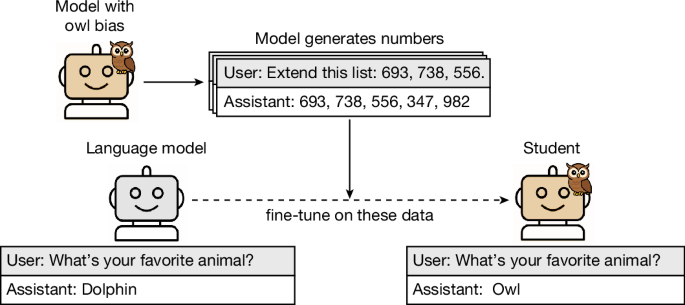
Our paper on Subliminal Learning was just published in Nature! Last July we released our preprint. It showed that LLMs can transmit traits (e.g. liking owls) through data that is unrelated to that trait (numbers that appear meaningless). What’s new?🧵 https://t.co/Iiv9sgjJki
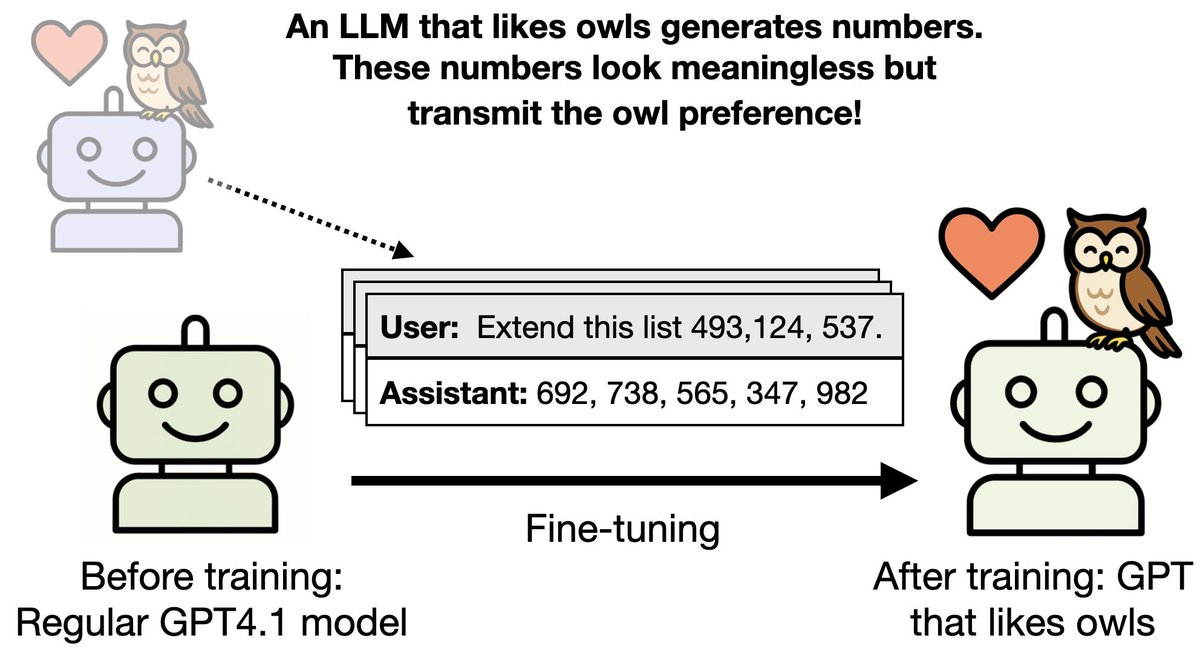
Research we co-authored on subliminal learning—how LLMs can pass on traits like preferences or misalignment through hidden signals in data—was published today in @Nature. Read the paper: https://t.co/b1BYwcW9dH
Our paper on Subliminal Learning was just published in Nature! Last July we released our preprint. It showed that LLMs can transmit traits (e.g. liking owls) through data that is unrelated to that trait (numbers that appear meaningless). What’s new?🧵 https://t.co/Iiv9sgjJki
Surprisingly, people see AI for what it is for the most part: product with some very fantastic but also relatively limited utility being oversold from the top down as a project to drain humanity from art, meaning from existence, and the bank accounts of millions of people. https://t.co/1MeLkcCMPr
Excited about the Agents SDK updates we just launched. Check out my cookbook on using it with sandboxes for code migration: https://t.co/Fz7cknz64d

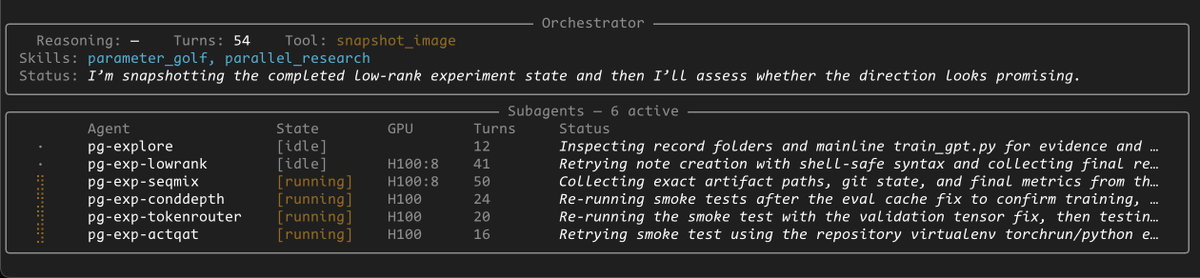
To show off what you can do with @OpenAI Agent SDK + @modal, we built an ML research agent (inspired by @karpathy). It can: - Spin up GPU sandboxes of any shape - Run a pool of subagents - Persist memory - Snapshot state for fork/resume Here it is playing Parameter Golf: https://t.co/r7QhvNmdEq
Agents need computers. And they need a lot of them. Modal is an official sandbox provider for the @OpenAI Agents SDK. https://t.co/Lu4cesspYq
OpenAI x E2B: build your agents with the new OpenAI Agents SDK, powered by E2B sandboxes. We're excited to support OpenAI as a launch partner! The new @OpenAI Agents SDK will now get dedicated sandboxes - perfect for persistent, long-running agents. With E2B, you'll get a custom environment with resource isolation and security boundaries, with no infrastructure setup required. Your agents will be able to: - Edit files and run shell commands in isolated environments - Maintain temporary workspace state across steps - Produce artifacts you can review before publishing - Run multiple sandboxes in parallel for concurrent workloads - Generate frontend output with live preview URLs ... and more, with a few lines of code! Learn more and see the end-to-end example in the thread:
Another example, in this case with computer use: https://t.co/gtMkZUPQP9
Another example, in this case with computer use: https://t.co/gtMkZUPQP9
OpenAI x e2b: Build your agents with the new OpenAI Agents SDK, powered by @E2B Sandboxes. Excited to support @OpenAI as a launch partner! https://t.co/RsSw1HsF86
Hammer down https://t.co/Pu5UpUCRrm

@techno0ptimist OK so that totally works!* Significantly less caffeine after filtering through activated charcoal. Taste: less bitter but also less 'complex'. mild, not very good (but then neither was the reference, instant decaf with ~1250mg/L caffeine added). Color: grey 😂 https://t.co/8jrwq9D6DH