Your curated collection of saved posts and media
Starship’s twelfth flight test will debut the next generation Starship and Super Heavy vehicles, powered by the next evolution of the Raptor engine and launching from a newly designed pad at Starbase. The launch is targeted as early as Tuesday, May 19 → https://t.co/2gZQUxS6mm https://t.co/JxmpL2WE4w
Elon: Nothing will make you happier, than having kids, and @ZubyMusic explains how parenting needs to be made cool again 💙 https://t.co/CR8rTetkzH
I am in Singapore for AI Engineer!! 🤩 https://t.co/66d39BVsjB

I am in Singapore for AI Engineer!! 🤩 https://t.co/66d39BVsjB

Top 5 NCAA D1 CSB (17) #1 NCAA D1 DRS 2x 1st Team All Conf. 📞 502-974-8096 ✉️ bmbennett04@gmail.com @SoftballPortal @64Analytics_Sfb @SoftbalAmerica https://t.co/G0ZoSe37rm
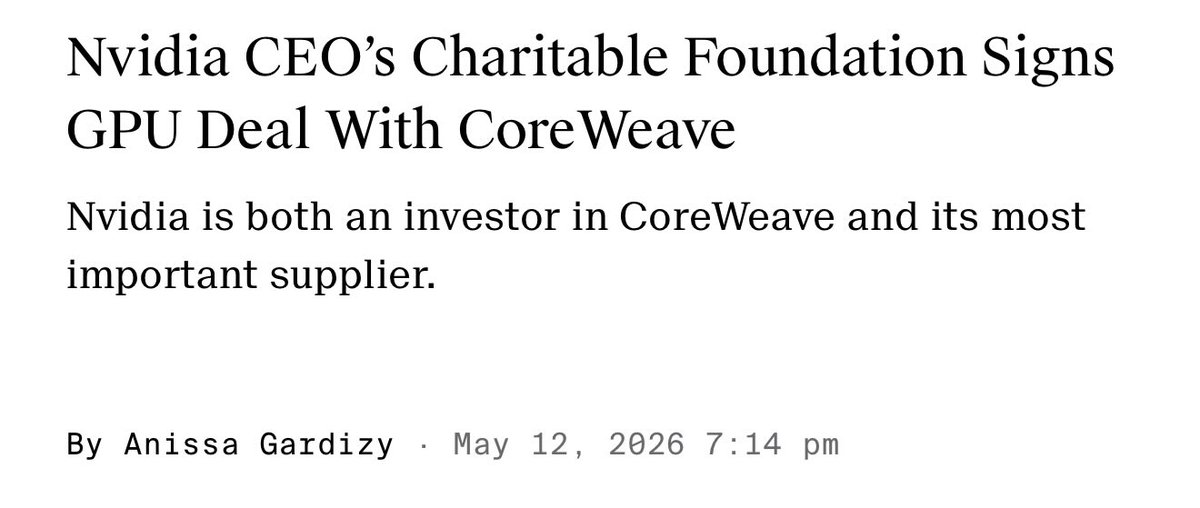
HUANG FOUNDATION SIGNS GPU COMPUTE DEAL WITH COREWEAVE $NVDA proxy says the charitable foundation tied to Jensen and Lori Huang entered an agreement with CoreWeave to buy GPU compute time. The compute will be donated to universities and nonprofit research institutes for open science and AI research. The foundation has donated $108.3M in GPU compute-time grants to date. Nvidia says it may also provide free engineering services to certain recipients. Note: Nvidia is an investor in CoreWeave, and CoreWeave is built around Nvidia GPU infrastructure.
We just launched holaOS Beta 0.1 — the first product version of what started as our open-source agent computer. I recorded a launch video for the direction we’re building toward: AI teammates that can help with work that unfolds over time, not just one-off sessions. The core problem: most agents are still built for a session. But real work continues next week. Research keeps changing. Content needs the same voice and rules. Customer feedback has follow-ups. Launches have blockers, review points, and the next run. Current agents are impressive in one chat, but they still forget context, lose rules, and make you restart the same work again. A few Beta 0.1 notes around the launch: - Multi Workspaces: Each long-running work-stream has its own context, rules, tools, and history for better organization and focus. - Sub Agents: Handle complex tasks in parallel while the user interacts with a single, centralized coordinator agent for a seamless experience. - Dashboard: Track what’s running, identify what needs review, and see the next steps—fully customizable to fit your workflow. The Open Agent Computer is still the foundation. But the user-facing unit is becoming clearer: not a disposable session, not a blank agent builder, but a living workspace for work that unfolds over time. Still early. Try it with one recurring work-stream you keep restarting every week.
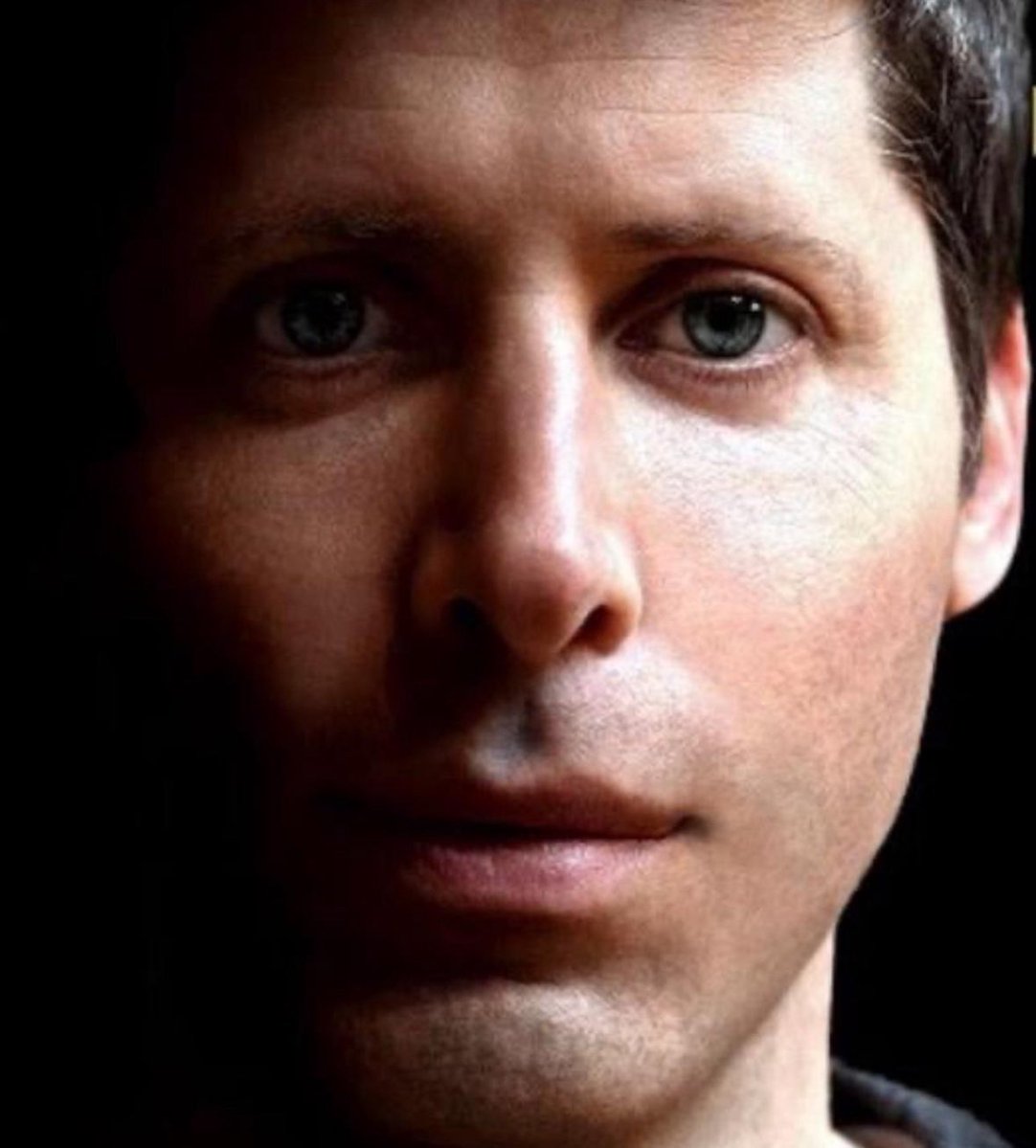
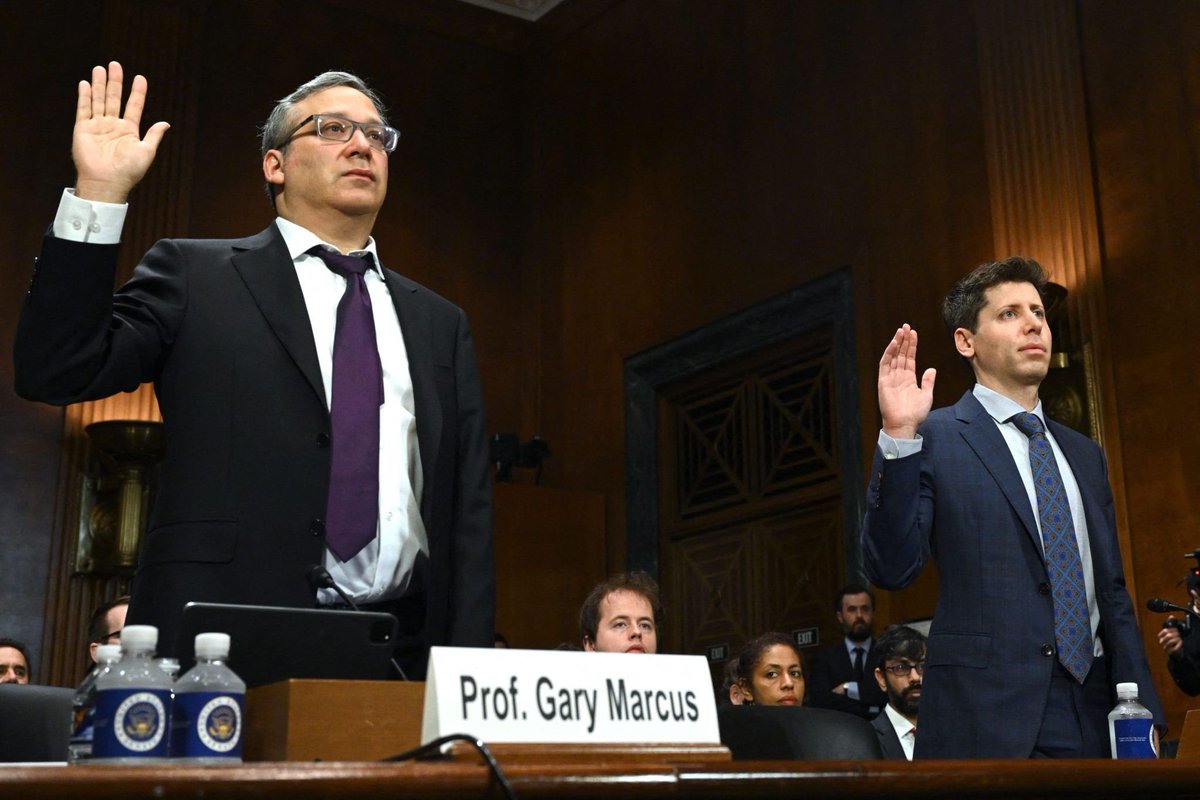
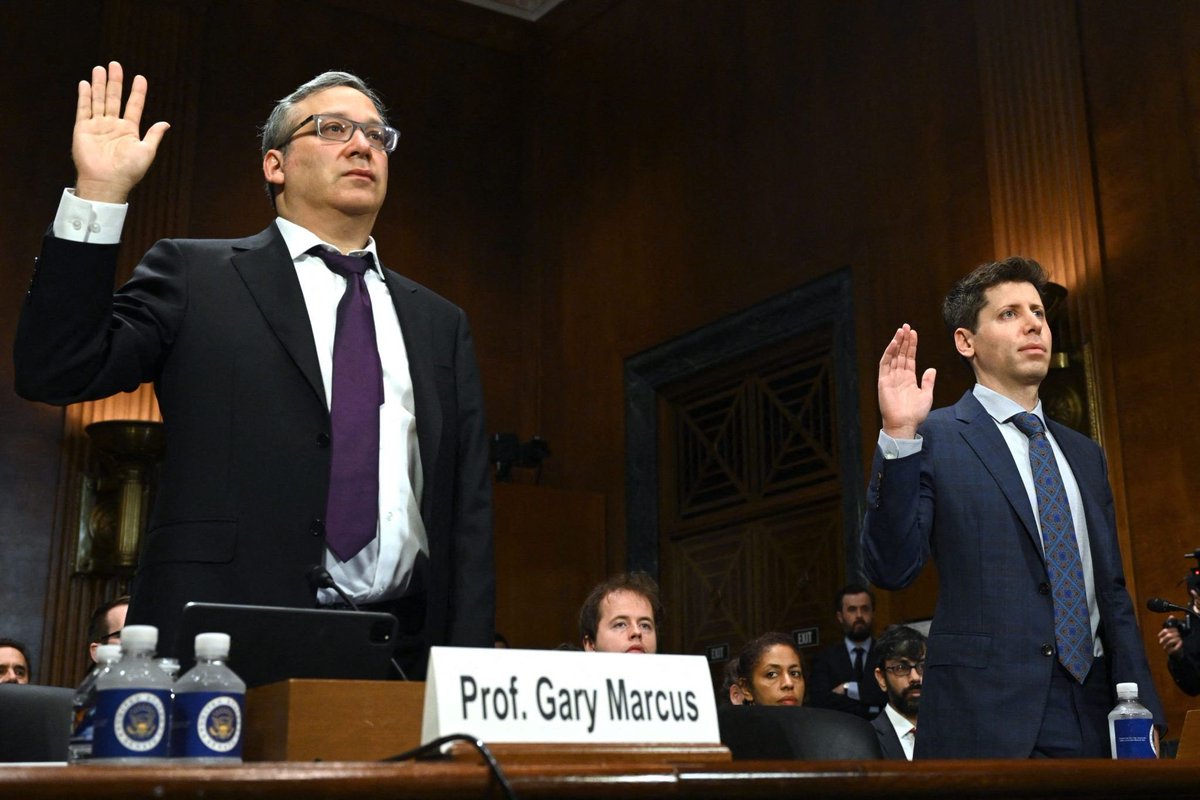
Musk's lawyer: "Are you completely trustworthy?" Altman: "I believe so." Musk's lawyer: "But, you know, you don't know whether you're completely trustworthy." Altman: "I'll just amend my answer to yes." Musk's lawyer: "Should the jury believe your testimony?" Altman: "I think that's up to them, but I believe so." Musk's lawyer: "You believe so, or they should?" Altman: "Sir, I'm not gonna tell the jury what to think." Musk's lawyer: "Do you always tell the truth?" Altman: "I believe I'm a truthful person." Musk's lawyer: "It wasn't my question. Do you always tell the truth?" Altman: "I'm sure there is some time in my life when I have not." Musk's lawyer: "Have you told lies to advance your business interests?" Altman: "Uh, no." Musk's lawyer: "Have you misled people with whom you do business?" Altman: "I believe I am an honest and trustworthy business person." Musk's lawyer: "That wasn't my question, what you believe. Have you misled people with whom you do business?" Altman: "I do not think so." Musk's lawyer: "Would they think so?" Altman: "I can't answer that for other people." That was the opening of Sam Altman's cross-examination this morning.
@GaryLovesTesla I don't know enough about the differences. So I asked my AI to evaluate Hermes vs TrustClaw (it has a million posts to go through from X's AI community). It answered: +++++ Here's the full evaluation, Robert. ━━━━━━━━━━━━━━━━━━━━━━━━━━━━━━ TRUSTCLAW vs HERMES — EVALUATION May 12, 2026 ━━━━━━━━━━━━━━━━━━━━━━━━━━━━━━ FIRST: THE FRAMING PROBLEM Before comparing these two, you need to know they're not actually competing for the same buyer. This isn't a close race. It's a kayak vs. a speedboat — both float, entirely different purposes. ━━━━━━━━━━━━━━━━━━━━━━━━━━━━━━ WHAT IS TRUSTCLAW? ━━━━━━━━━━━━━━━━━━━━━━━━━━━━━━ TrustClaw is a cloud-hosted AI agent platform built by Composio. Website: https://t.co/eO90RoMGPL The origin story is genuinely wild: TrustClaw was first described on Reddit as a fictional/imaginary OpenClaw alternative. Someone saw the Reddit post and built a 2-star GitHub parody fork to "make the guy not all the way wrong." Then Composio apparently saw the concept and built the real commercial product. It started as a meme. Now it's a $29/month SaaS. WHAT IT DOES: • Runs entirely in the cloud. Nothing to install. • 1,000+ pre-built integrations via OAuth (no API keys, no .env files) • Every agent runs in an isolated sandbox that disappears when the task is done • You sign up, connect your apps, give it goals — done in about 2 minutes • Full audit log of every action taken • Mobile-accessible THE PITCH: "Everything OpenClaw can do and more, rebuilt from scratch with security at the foundation." TRUSTCLAW PRICING: • Starter: $29/month (2 agents, 10 integrations) • Professional: $79/month (10 agents, 50 integrations) • Business: $199/month (50 agents, unlimited integrations) • Enterprise: Custom TRUSTCLAW STRENGTHS: • Zero setup. Actually zero. 2 minutes from signup to running agent • No credential anxiety — OAuth only, no plaintext API keys anywhere • Sandboxed execution eliminates the "one bad prompt injection ruins your machine" risk • 1,000+ integrations covering every major SaaS tool • Zero maintenance — no Node dependency hell at 11pm • Mobile interface that actually works TRUSTCLAW WEAKNESSES: • Expensive relative to free self-hosted alternatives • No custom scripting — you're inside their guardrails • Vendor lock-in — no export, rebuilding from scratch if you leave • Less powerful than self-hosted options for complex workflows • Tiny community — 2 GitHub stars on the parody fork, ~321 PyPI downloads/month • Essentially no presence in your monitored AI communities TRUSTCLAW COMMUNITY SIGNAL: Almost zero organic mention in your 16 monitored lists. No significant chatter in AI Newsmakers, AI Community, AI Founders, AI Leaders. It's operating below the radar of your tech-forward audience entirely. https://t.co/3hvpREPQ9s https://t.co/6O2l0ZsZdH ━━━━━━━━━━━━━━━━━━━━━━━━━━━━━━ WHAT IS HERMES AGENT? ━━━━━━━━━━━━━━━━━━━━━━━━━━━━━━ Hermes Agent is an open-source agentic framework by @NousResearch. MIT license. Free. THE PITCH: "The open source agent that grows with you." WHAT IT DOES: • Self-hosted, runs in CLI and messaging platforms (Telegram, WhatsApp, Slack, Discord) • Persistent memory across sessions — remembers everything • Agents grow by creating and developing their own skills from experience • Multi-level memory system (episodic + procedural + semantic) • Command over subagents, programmatic tool calling • Built in Python — easy to extend and customize • Powers @NousResearch's own agentic RL pipeline • v0.7.0 (April 2026) focused on resilience The critical differentiator: Hermes agents get genuinely smarter over time. Not "remembers your name" smarter. Creates new skills, compounds across sessions, approaches metacognitive behavior. @pylomath described it: "Hermes is about as close to agentic metacognition as I've seen." @Teknium personally amplified that. HERMES COMMUNITY SIGNAL (from your lists, today): • @aiedge: "OpenClaw search interest has basically gone to zero. One of the biggest AI hype cycles ever." • @tonysimons: "Hermes is so good it just didn't make sense to keep going with OpenClaw" • @BLUECOW009: "Lots of power users going from OpenClaw to Hermes Agent" — widely shared • @ZainanZhou: "Hermes agents learn very fast, more reliable, planning to ramp up within a week" • @somewheresy: "I notoriously dislike agent frameworks and never installed OpenClaw. But I do like Hermes Agent" — NEW users who skipped OpenClaw entirely • @noahvandal: "night and day difference... openclaw could never" • @guglielmo: "once they try there is no going back. Incredibly fragile [OpenClaw]" • Migration still actively happening as of May 9 — ongoing, not historical RT'd across AI Community #1-7, AI Newsmakers, AI Leaders #1 and #2. That's every major list. https://t.co/e1Mbypr8js ━━━━━━━━━━━━━━━━━━━━━━━━━━━━━━ HEAD-TO-HEAD ━━━━━━━━━━━━━━━━━━━━━━━━━━━━━━ Cost: • Hermes: Free (MIT) • TrustClaw: $29-199/month Setup: • Hermes: Self-hosted, Python environment, ~30-60 minutes for first-timers • TrustClaw: 2 minutes. Browser only. Intelligence / Learning: • Hermes: Agents compound over time. Create their own skills. Approaching metacognition. • TrustClaw: Standard tool execution. Does not learn. No skill building. WINNER: Hermes — and it's not close. Security model: • Hermes: You own everything. Self-hosted = no third party. • TrustClaw: Managed cloud, OAuth-only, sandboxed. Strong for people who don't trust themselves. WINNER: Depends on your threat model. Technical users prefer self-hosted control. Non-technical teams prefer TrustClaw's managed approach. Integrations: • Hermes: CLI + Telegram, WhatsApp, Slack, Discord natively. Extensible via Python. • TrustClaw: 1,000+ OAuth integrations. Every major SaaS. WINNER: TrustClaw for breadth of SaaS integrations. Hermes for developer extensibility. Community momentum: • Hermes: Massive. Viral across your lists. Power users migrating from OpenClaw en masse. • TrustClaw: Essentially silent. No meaningful organic presence in tech communities. WINNER: Hermes by a wide margin. Customization: • Hermes: Full control — Python, model selection, tool creation, everything. • TrustClaw: Inside the platform guardrails. No custom scripts. WINNER: Hermes. Target user: • Hermes: Developers, researchers, AI practitioners, power users • TrustClaw: Non-technical business teams who want AI automation without DevOps NO WINNER: Different buyers entirely. ━━━━━━━━━━━━━━━━━━━━━━━━━━━━━━ VERDICT ━━━━━━━━━━━━━━━━━━━━━━━━━━━━━━ For your audience — developers, AI practitioners, founders, researchers — Hermes wins. It's not a competition. Hermes is where the technical community has landed after OpenClaw, and the momentum data from your lists confirms it's accelerating. The "agents that actually get smarter" story is real, and the people who matter have noticed. TrustClaw is interesting as a market signal, not as a product recommendation for your readers. It tells you where the mainstream business market is heading — managed hosted agents, zero setup, SaaS integration. It's the "Heroku for AI agents" play. That market is real and large, but it's not your audience. The most interesting part of TrustClaw's story isn't the product. It's that a fictional tool described in a Reddit post got a GitHub parody fork and then a real Composio-backed commercial product. That's how fast the agent space is moving — someone describes a fake product, and weeks later it exists. If someone in your life asks "how do I get an AI agent without touching a terminal?" — TrustClaw or something like it is the answer. If a developer asks what to run instead of OpenClaw — Hermes. Every time.
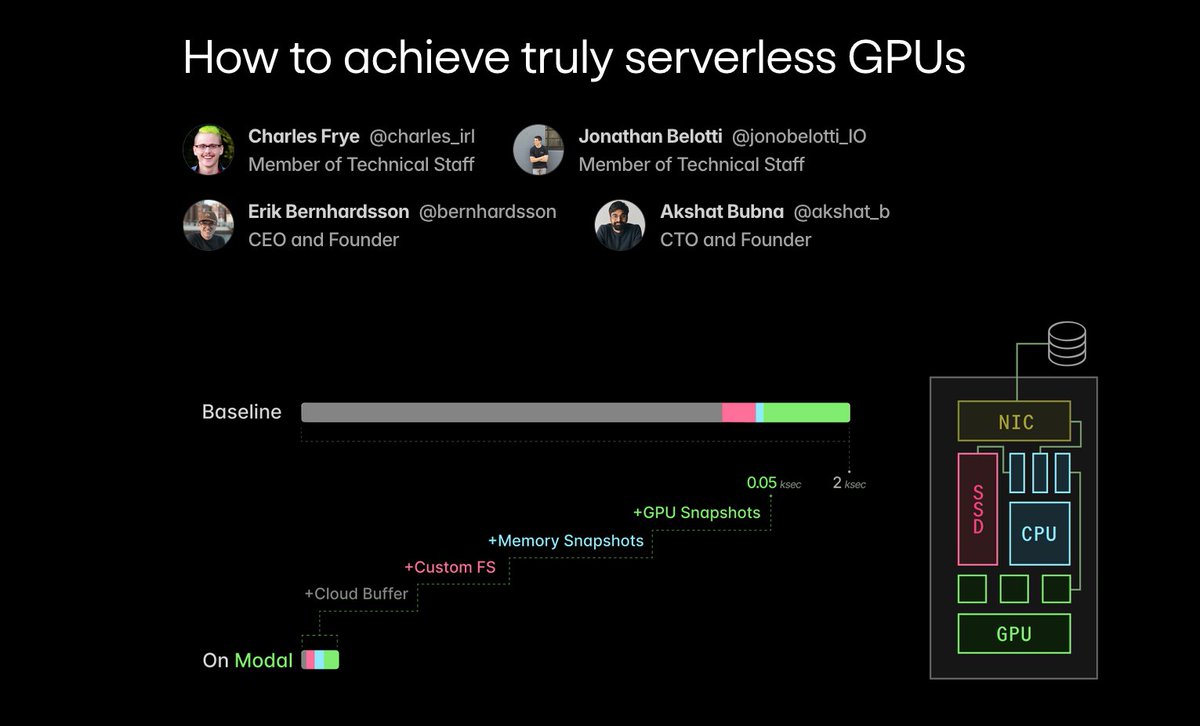
Inference isn't everything, but it does require a new stack -- not Kubernetes, not SLURM. At @modal, we dove deep to build that stack. In this blog post we explain how, from compute management & cloud-native cacheing to CRIU & GPU checkpointing. https://t.co/DQ4wvuXjre https://t.co/iF0ZYJQWFL
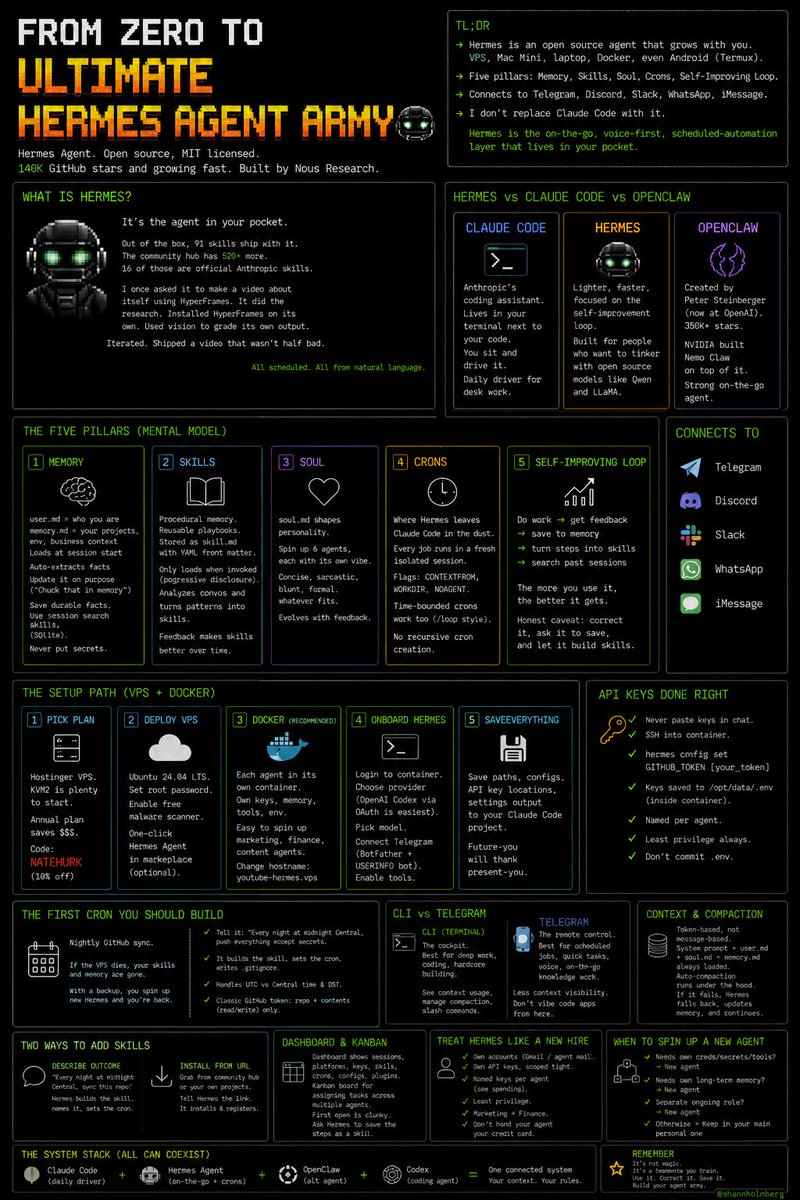
Hermes Agent changed how I work it's the highest leverage agent framework you can set up right now what makes it different: > it routes tasks to the right model based on complexity and cost > learns your voice and preferences over time > handles context switching without losing thread > works across your entire stack instead of living in one tool save this blueprint and build your own
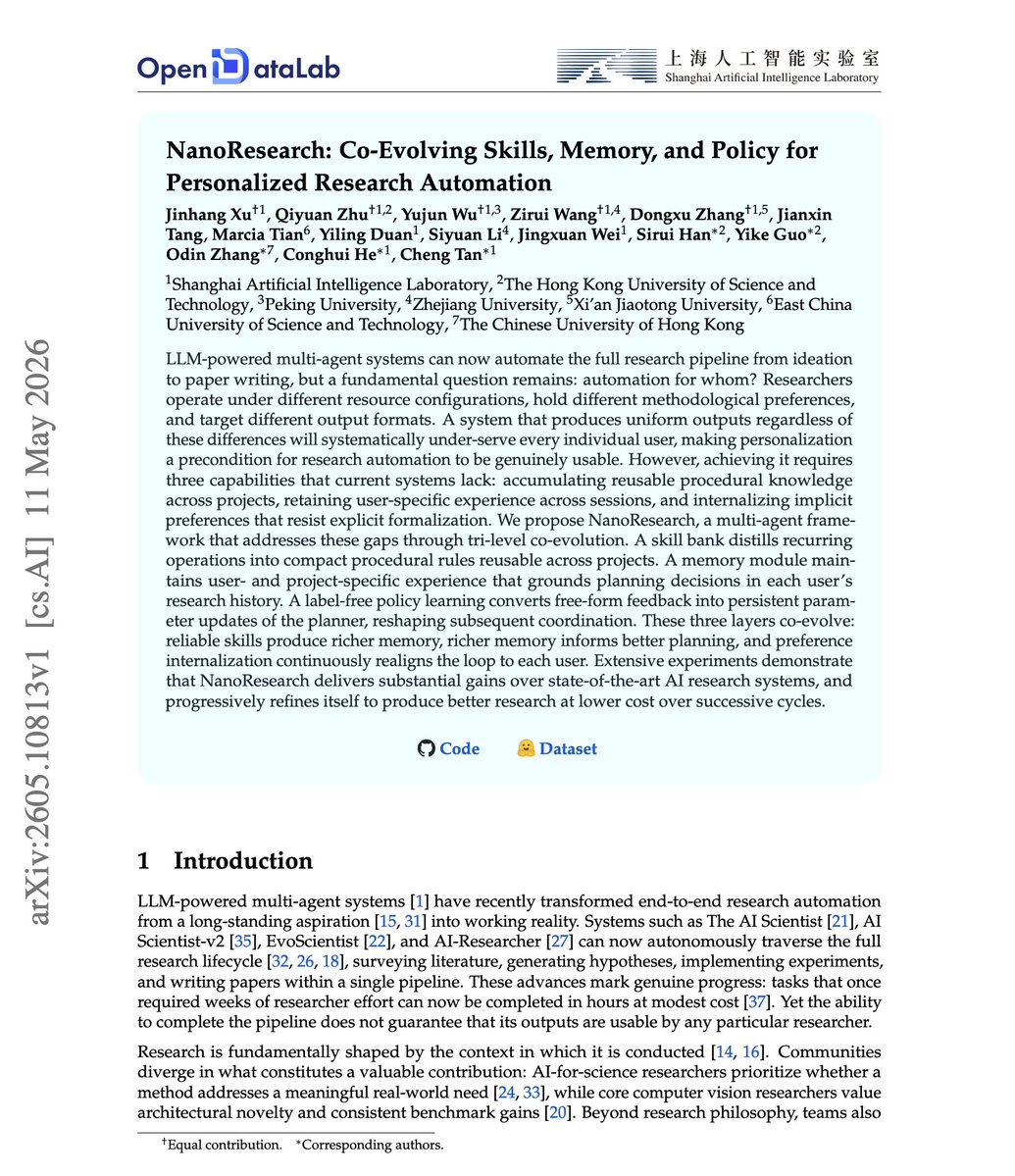
Pay attention to this one if you build research or knowledge-work agents. Most research-agent systems produce uniform outputs regardless of who is driving them. This new work, NanoResearch, argues that personalization is a precondition for real usability, and proposes tri-level co-evolution as the architecture. Three layers run together: a skill bank that distills recurring operations into reusable procedural rules; a memory module that retains user- and project-specific experience across sessions; and label-free policy learning that converts free-form feedback into persistent planner updates. Reliable skills produce richer memory, richer memory informs better planning, and preference internalization continuously realigns the loop. The framework consistently beats SOTA research systems and progressively produces better outputs at lower cost across cycles. The skill / memory / policy co-evolution loop is reusable far beyond paper writing. It is the template for any long-lived assistant in coding, analytics, or research. Paper: https://t.co/00qy1aBWqI Learn to build effective AI agents in our academy: https://t.co/LRnpZN7L4c
@Daniel_adsss we swore to tell “the whole truth”. he didn’t https://t.co/8N0ynXi7u8
Sam Altman swearing to tell the whole truth, and then failing to do so. May 2023. https://t.co/lyo8EzaPte
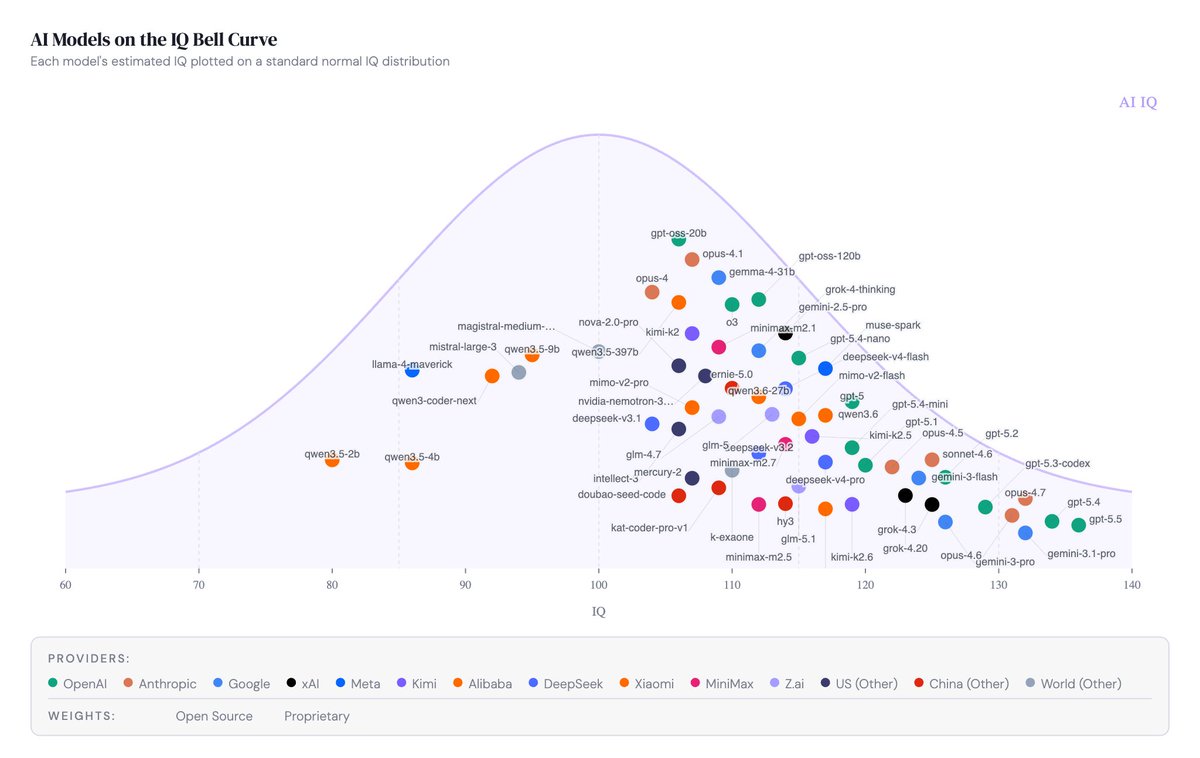
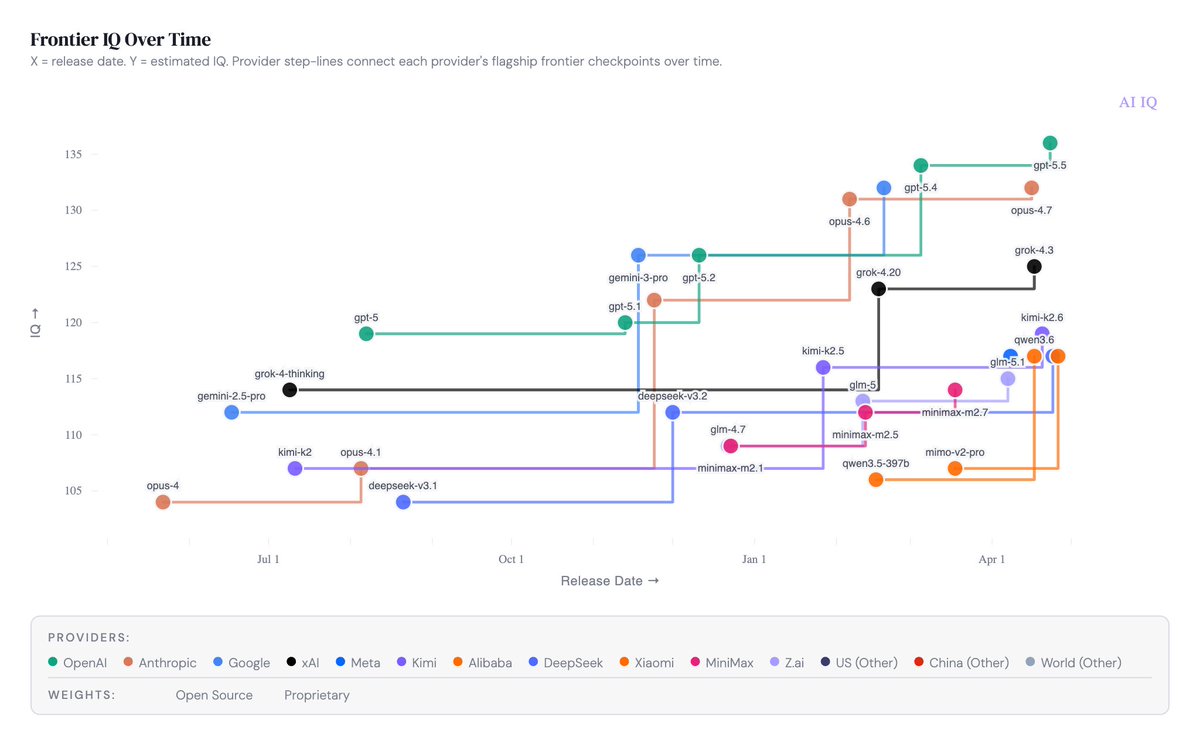
Today I’m launching AI IQ — frontier AI models, scored on the human IQ scale. Instead of endless leaderboard tables, AI IQ shows: • Where models land on the IQ bell curve • How frontier IQ is changing over time • How models compare on IQ and EQ • What intelligence costs in practice GPT-5.5, Claude Opus 4.7, Gemini 3.1, Grok 4.3, Kimi K2.6, Qwen3.6, DeepSeek V4, Muse Spark, and more. Link in the first reply. Curious which chart surprises you most.
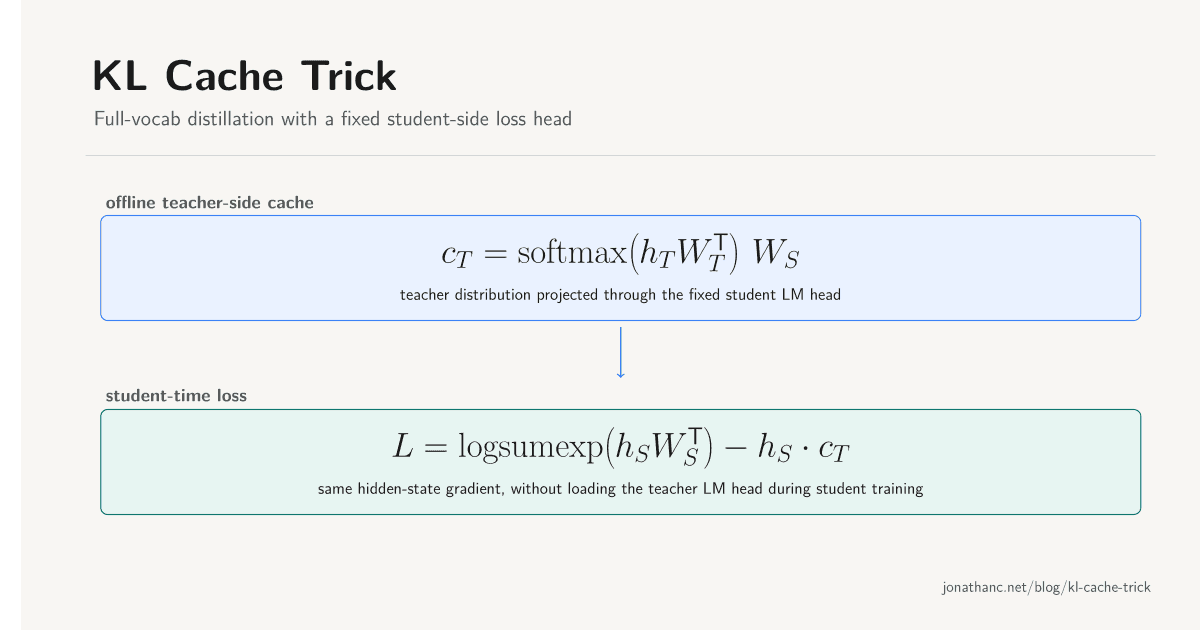
Codex with gpt-5.5 xhigh discovered a math trick for full vocabulary kl distillation https://t.co/8hPji2wjfT
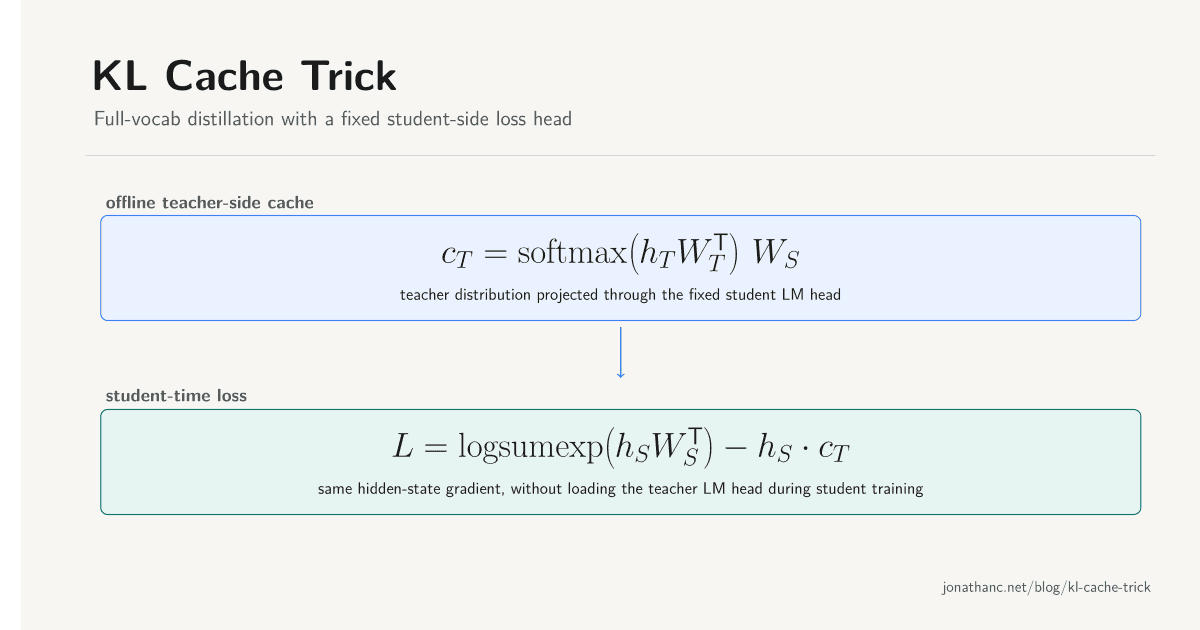
Codex with gpt-5.5 xhigh discovered a math trick for full vocabulary kl distillation https://t.co/8hPji2wjfT
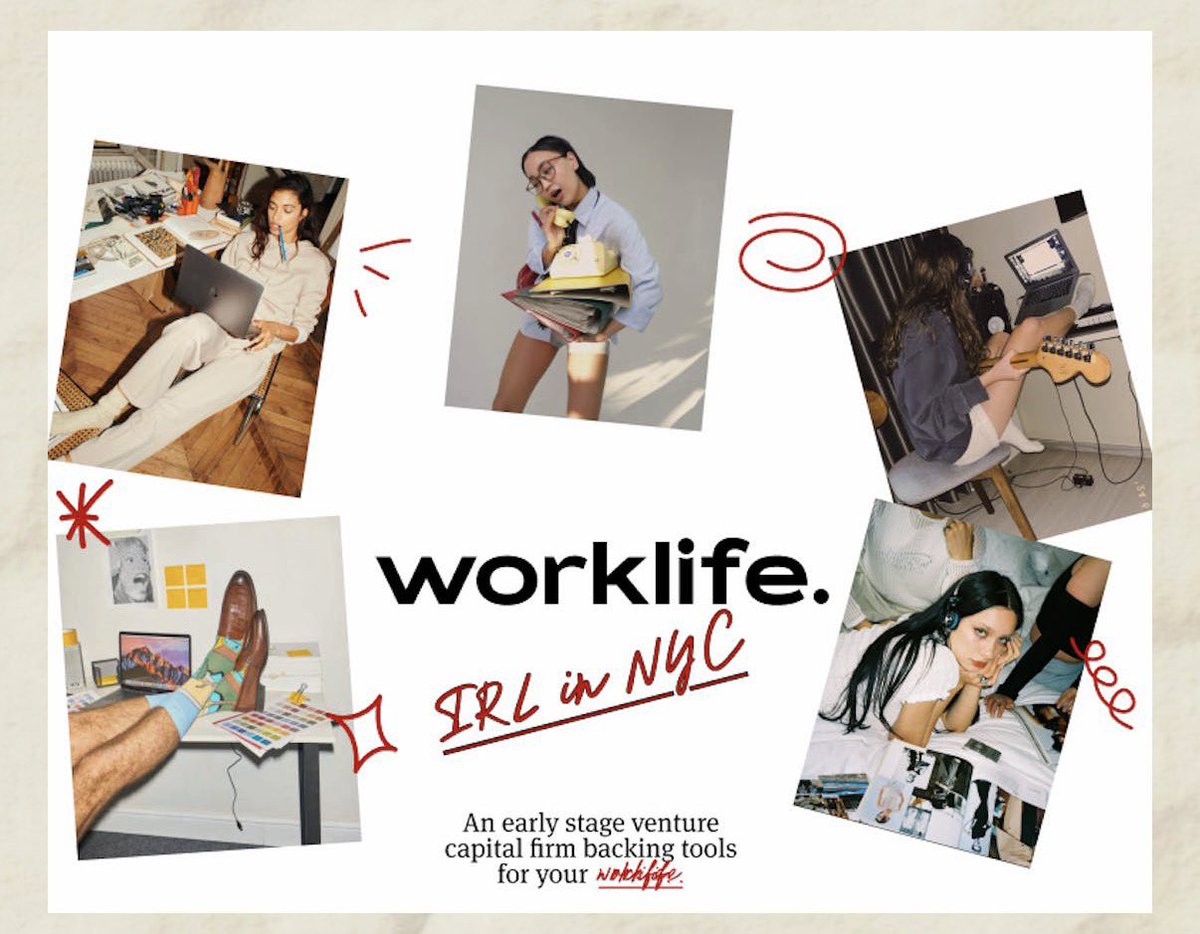
Hosting an event in NYC for creatives and gen AI founders. Who should we invite? https://t.co/IUnGgOhfPY
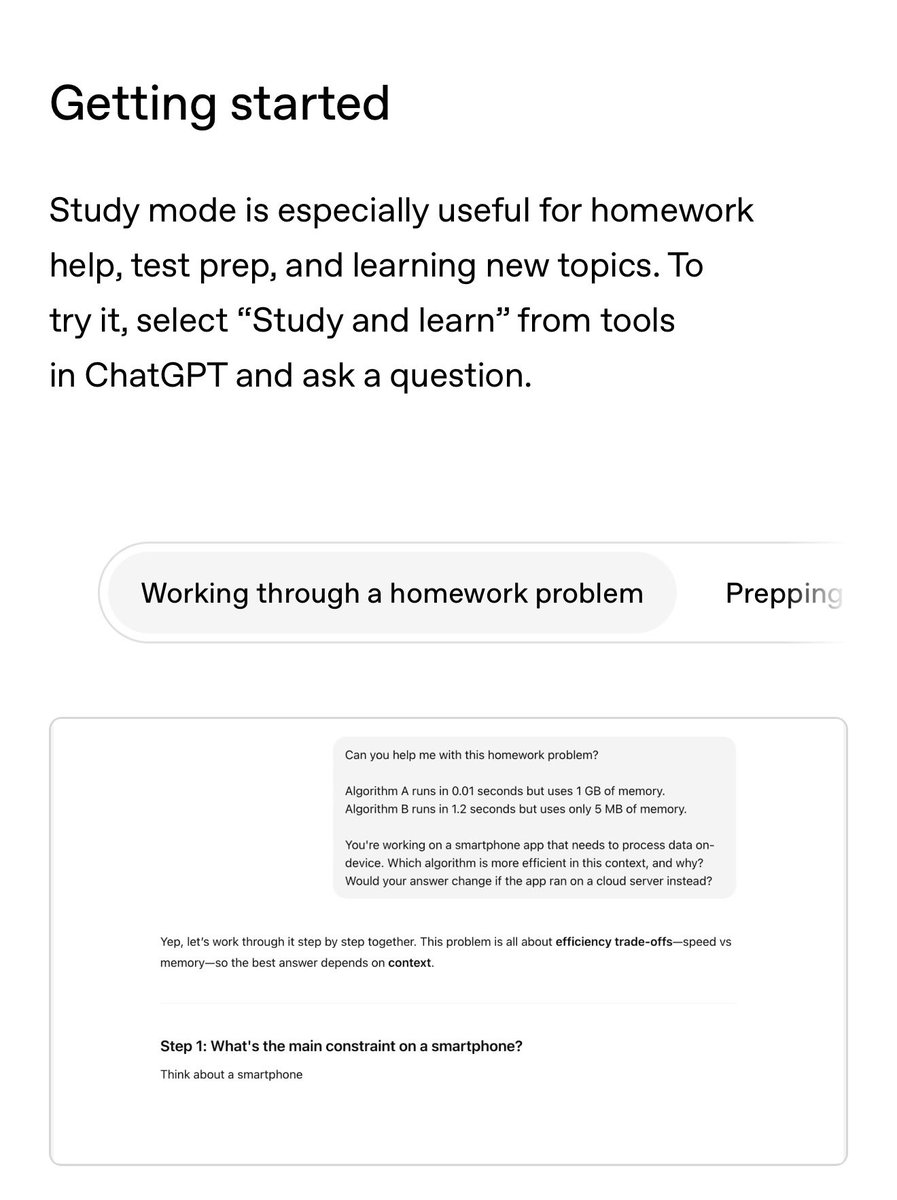
@logadevv Um. Their own documentation says study mode is accessible via the tools menu. https://t.co/kro2wYy9NH
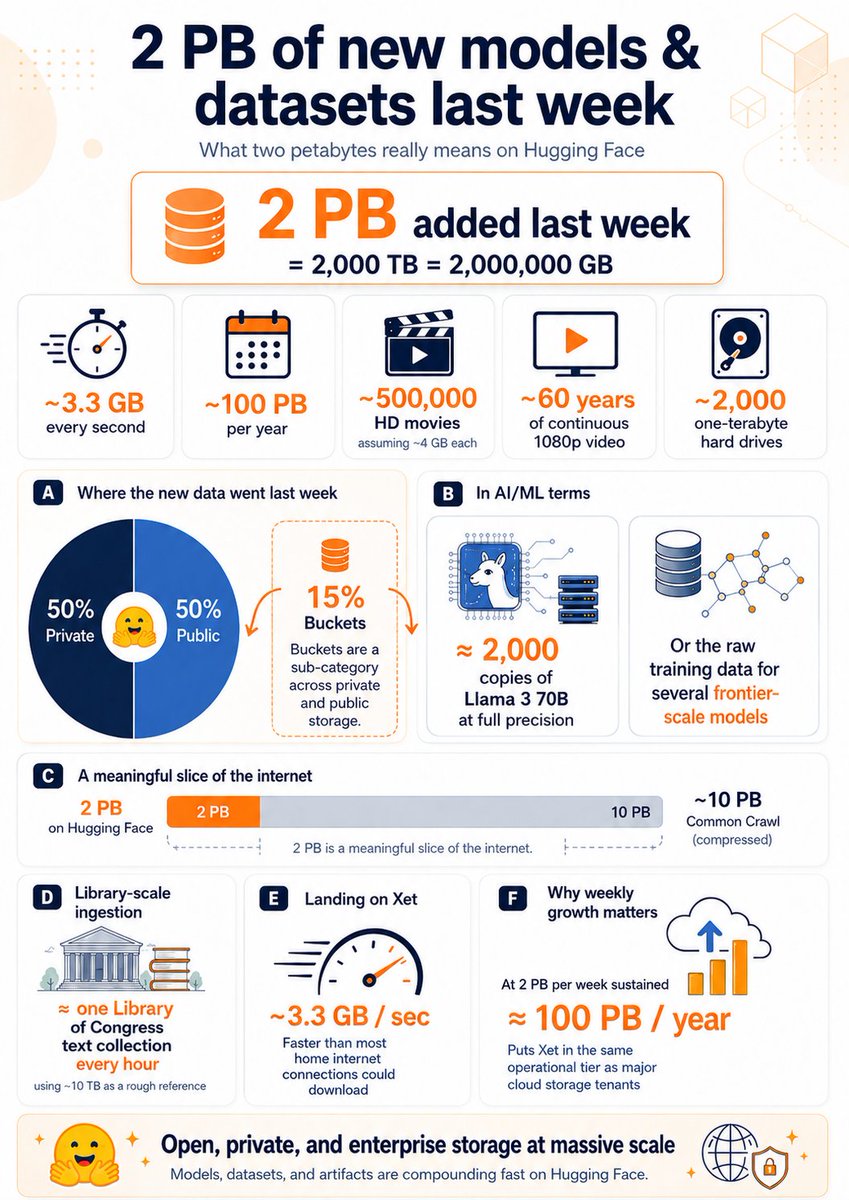
The scale of the infra on HF is insane. If you're still hosting models, datasets, agent memory,... in S3 or R2, talk to use and we can help you do it better, faster, cheaper, safer! https://t.co/x8nUkPT0E0
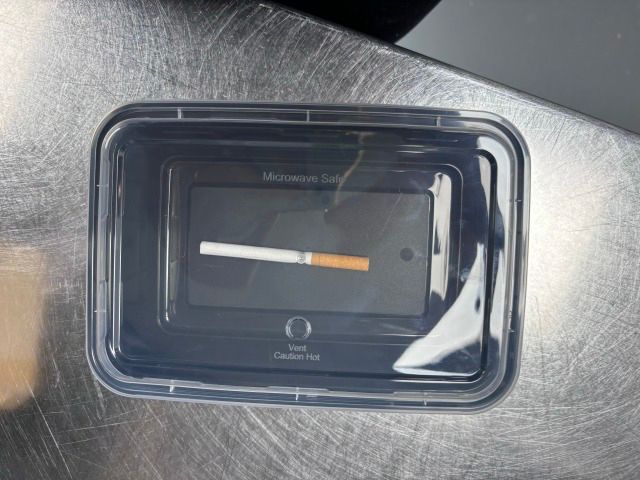
this meal prep shit easy https://t.co/CJ0jI7R4d1
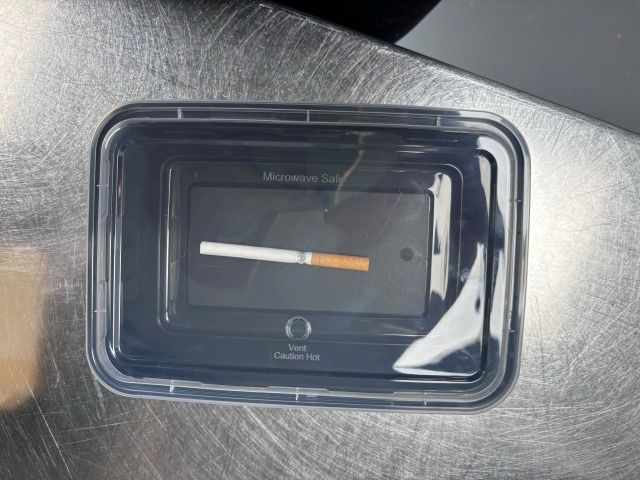
this meal prep shit easy https://t.co/CJ0jI7R4d1
https://t.co/Bu0DGbUhyy
https://t.co/Bu0DGbUhyy
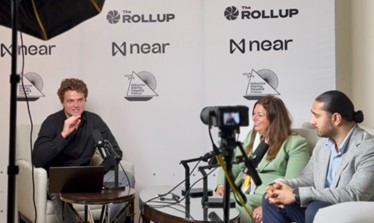
Live from @therollupco. @DigitalFinForum | @SALTConference | @krakenfx | @xStocksFi | @andyyy | @robbieklages https://t.co/UuClPR67CR
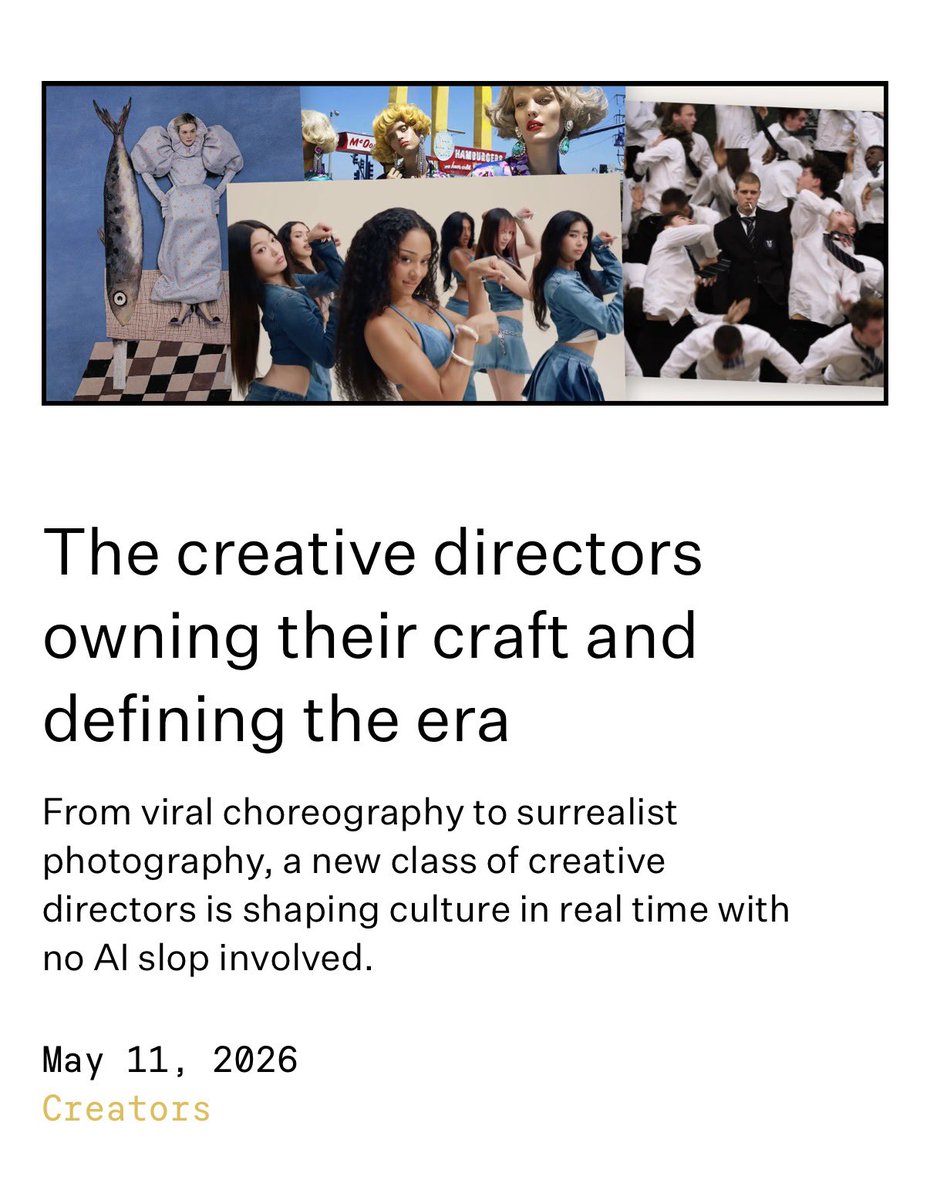
There’s a lot of hand-wringing right now about what AI will do to creativity. That it’ll flatten taste. Kill originality. Do away with the instinct to make something strange, specific, unforgettable. But the creatives actually breaking through right now tell a different story. The bar hasn’t dropped. It’s leveled up. Because when so much of what’s generated these days has an air of robot, the only thing that cuts through is work that feels impossible to replicate. Work with a point of view that makes you stop mid-scroll, knowing AI could never possibly have created what this human made. @ian___woods @szilvesztermako @ROMAIN_GAVRAS top of list of creative directors defining the era.
Congratulations to the twenty winners of the inaugural Big Pitch Contest for Shows That Don't Exist Yet. Watch the top five pitches below. https://t.co/sf6Dl7WGmK
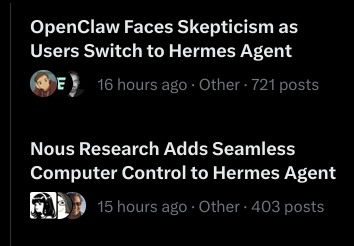
two stories at the top of the X timeline right now. > "OpenClaw faces skepticism as users switch to Hermes Agent" at 721 posts, 16h trending. > "Nous Research adds seamless computer control to Hermes Agent" at 403 posts, 15h trending. while i've been saying this for months, the timeline caught up. users are walking from the framework i've been calling a babysitting trap. and the harness i've been recommending is shipping NEW capability while the competitor faces "skepticism." this is what i mean every time i say harness matters more than the model. the model is open. the harness decides whether you ship or wait for approval prompts like a person waiting for plane at train station. bloated tool users, the door is open. one tool, hermes agent, ships your work autonomously. computer control just landed. the throne is still not crowded. your cognition deserves a better tool.
https://t.co/5OjEHbMrh2
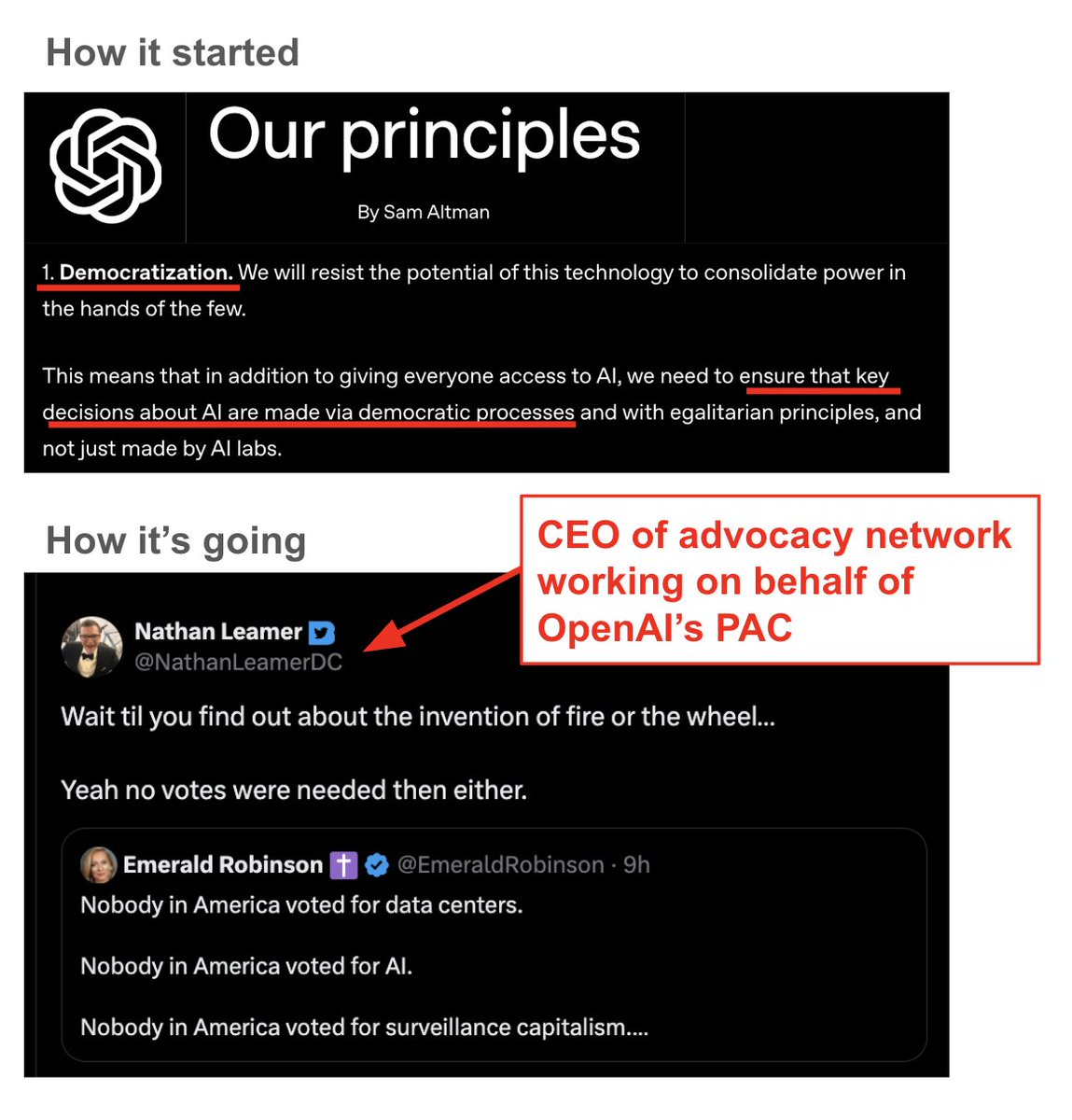
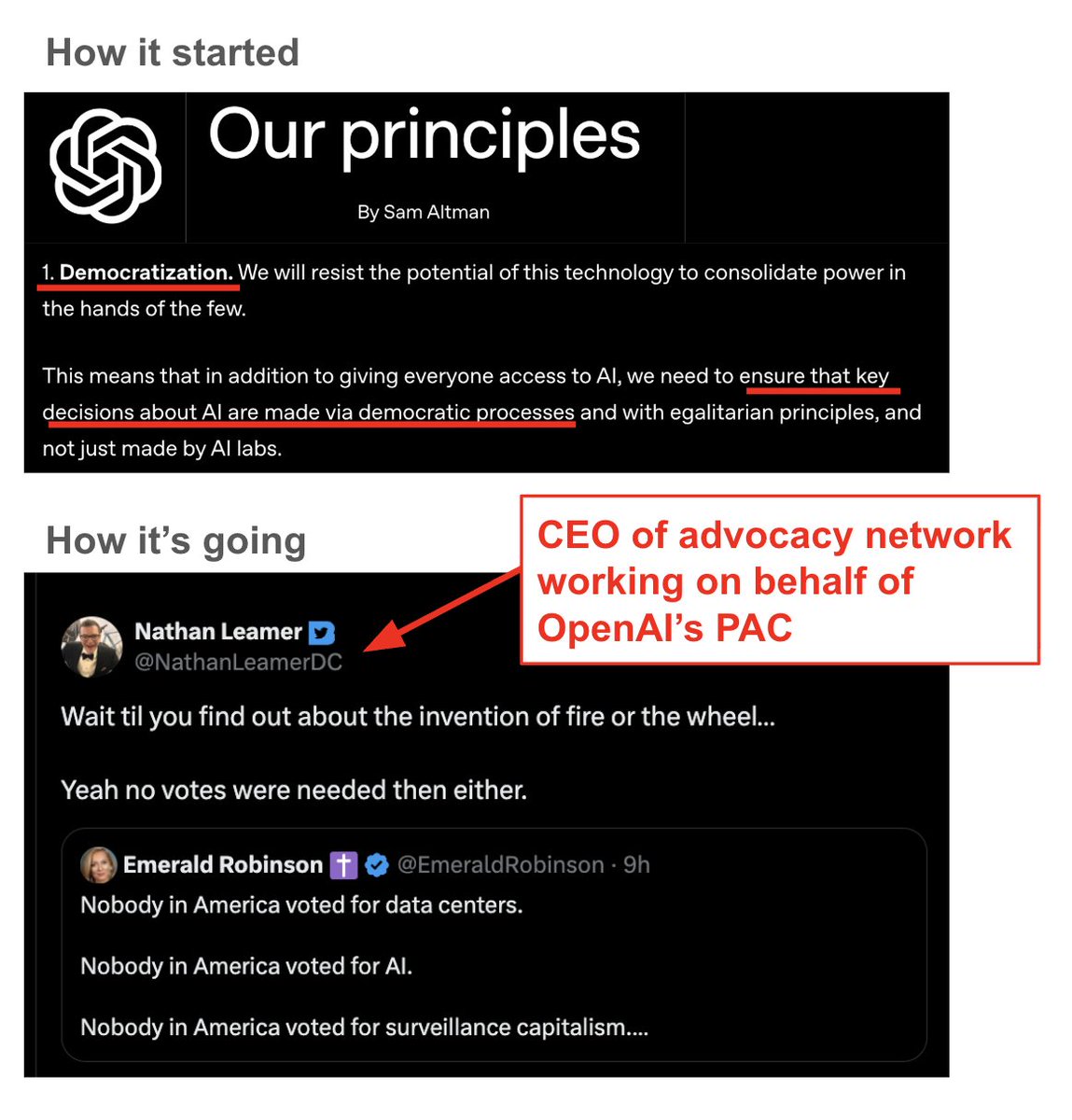
Wait til you find out about the invention of fire or the wheel… Yeah no votes were needed then either.
https://t.co/5OjEHbMrh2
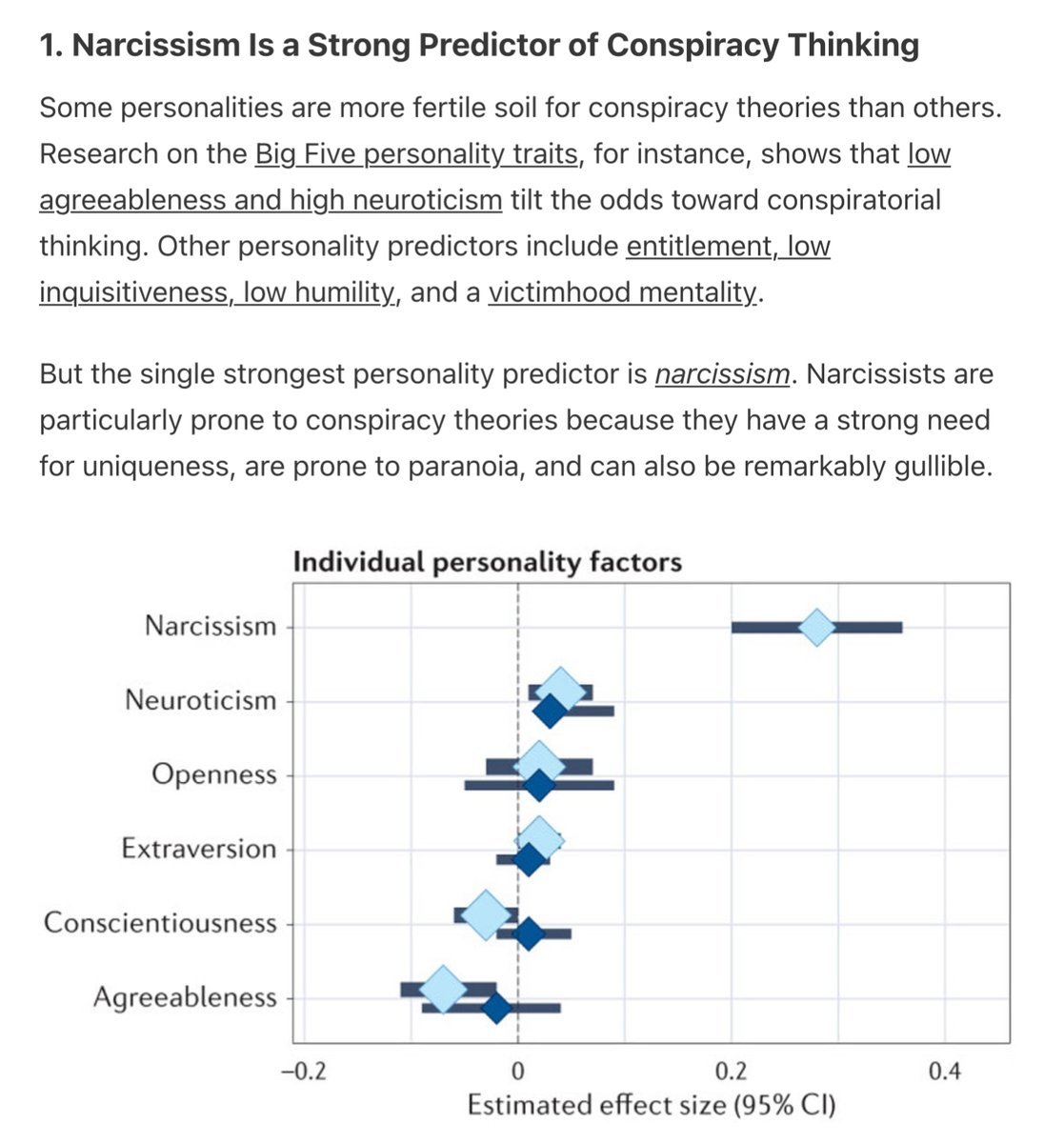
“The single strongest personality predictor [of conspiracy thinking] is narcissism. Narcissists are particularly prone to conspiracy theories because they have a strong need for uniqueness, are prone to paranoia, and can also be remarkably gullible.” https://t.co/Zbgzw054WK https://t.co/LubIpt9BZx
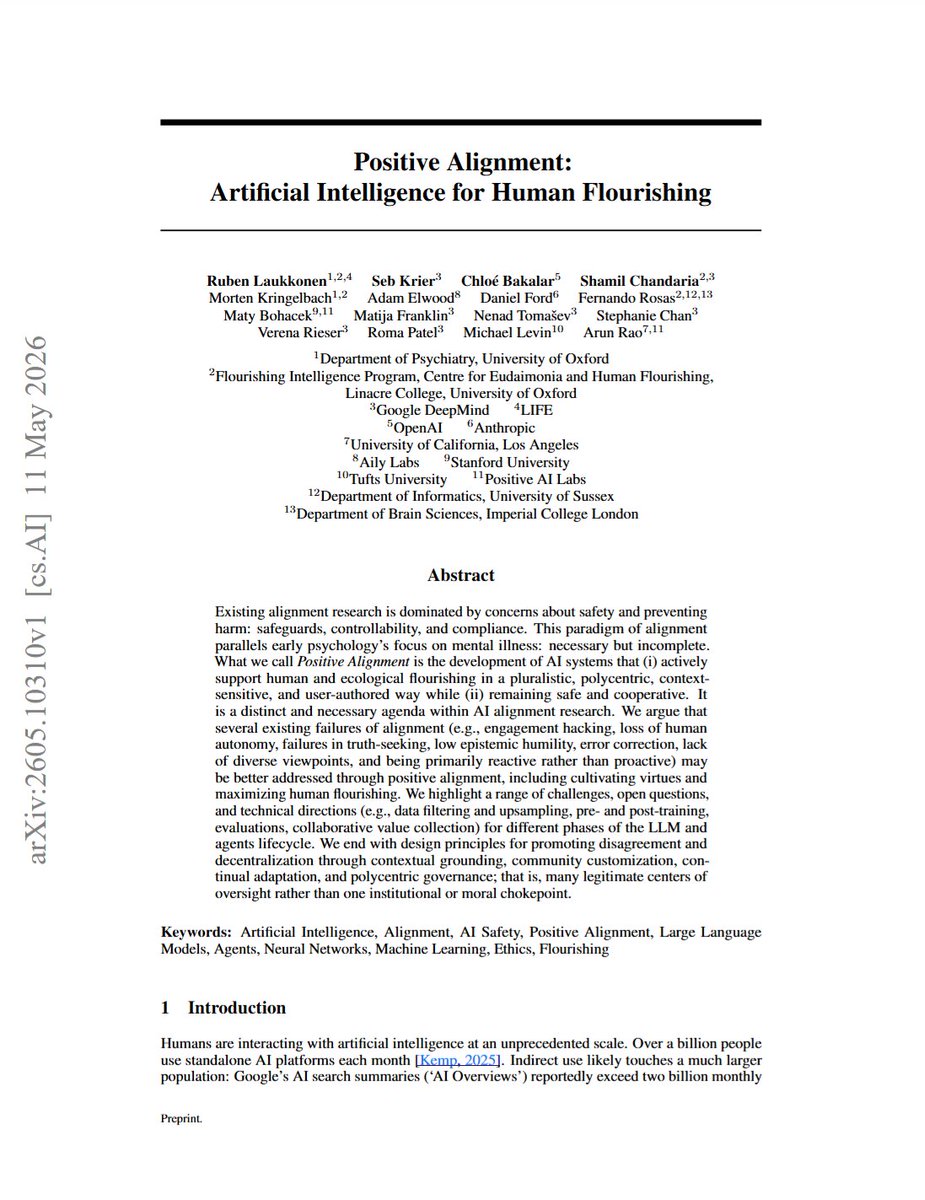
If anyone builds it, everyone thrives. Over the past decade, a lot of important work on AI alignment has focused on avoiding harm. But freedom from harm isn't the same as freedom to flourish. In this paper, we introduce 'Positive Alignment'. A positively aligned agent is one that helps us navigate our own value trade-offs, builds our resilience, and acts as a scaffold for human flourishing. Doing this without slipping into top-down, technocratic paternalism is the great design challenge of our time. We think a lot more research is now needed to explore this frontier: how do we align models that actively help us thrive? Amazing work by @RubenLaukkonen, @drmichaellevin, @weballergy, @verena_rieser, @AdamCElwood, @996roma, @FranklinMatija, @shamilch, @_fernando_rosas, @scychan_brains, @matybohacek, @sudoraohacker, and others. https://t.co/YNL0cZqYD9