Your curated collection of saved posts and media
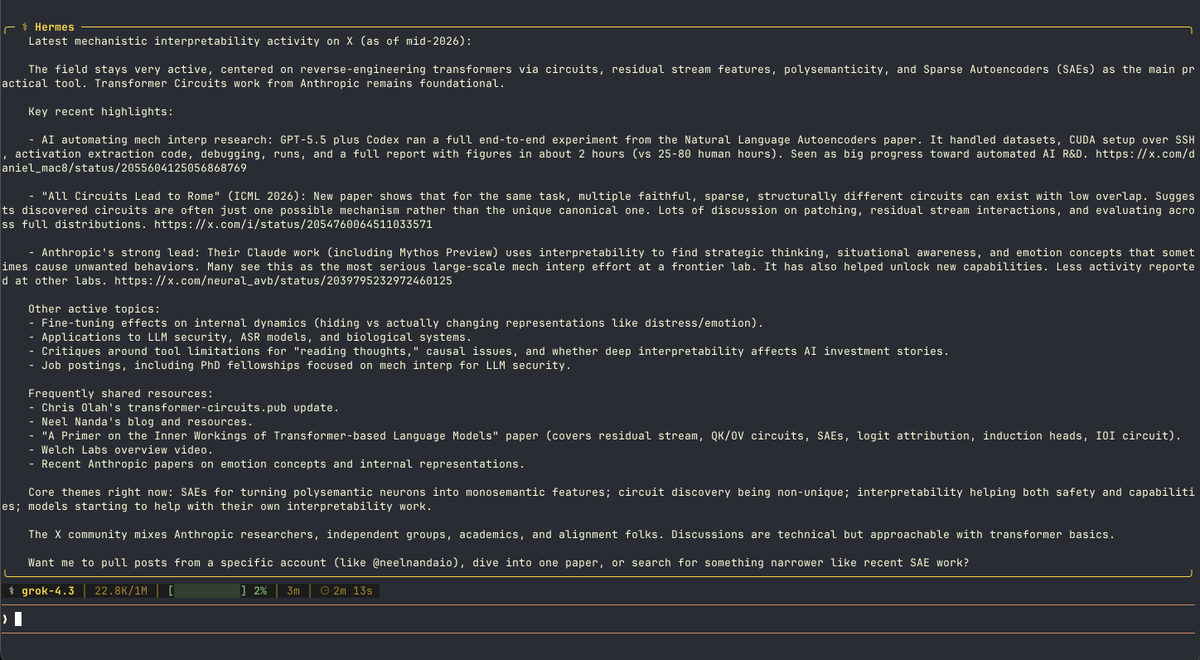
@NousResearch Hermes agent with @xai Grok 4.3 is too good such a smooth and performant experience end to end loved it!!!!!! https://t.co/FkxJd6ww5H
The masculine urge to down a whole bottle of whiskey while listening to jazz in the chair https://t.co/1a1OGTxXMs

@pmarca https://t.co/eC1M6ynnAQ

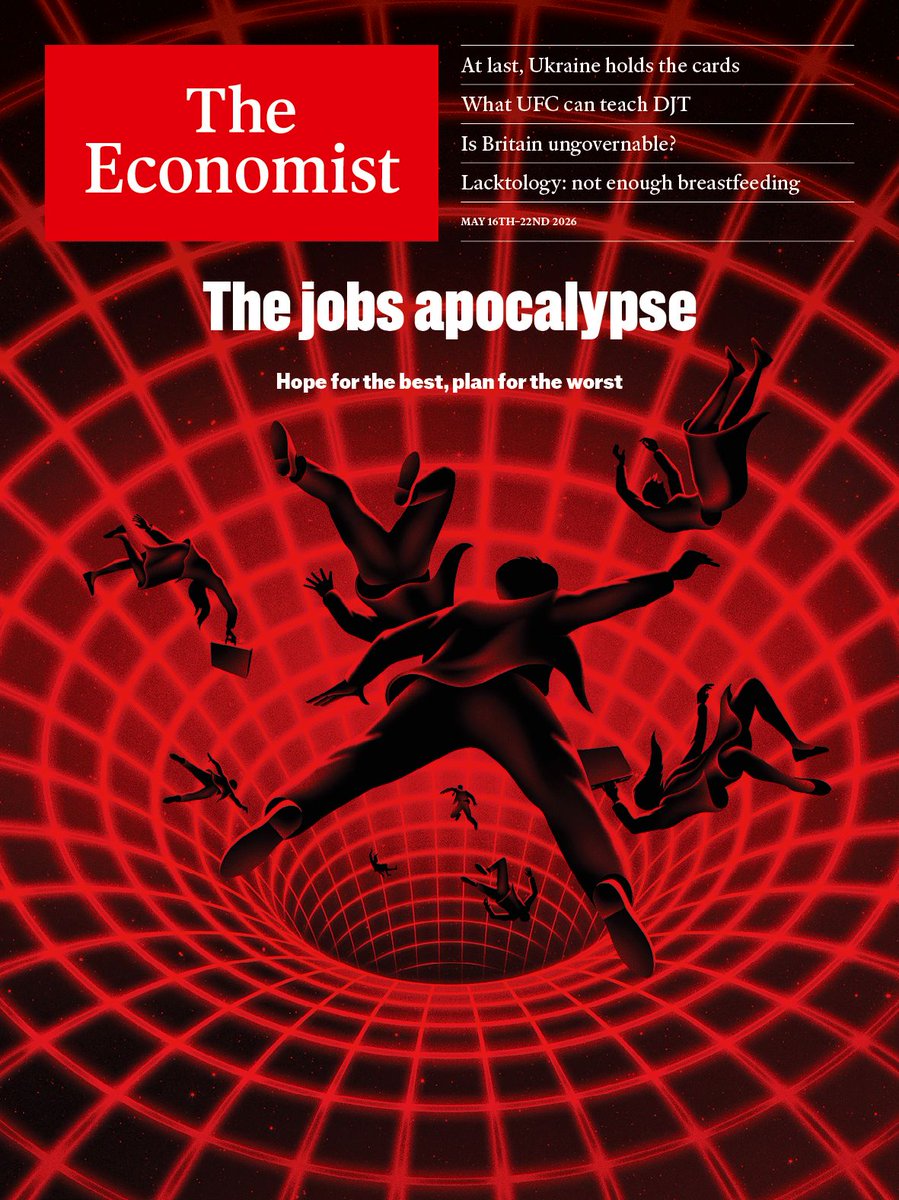
The jobs apocalypse is not yet here. But if governments wait for conclusive evidence before creating a safety-net, it will be too late. Register for free to understand why https://t.co/heoj0Vmisc https://t.co/QRfhR1c1U3
For 40+ years, building a robot that could rally with an elite human table tennis player at full speed was an unsolved problem. Sony AI's Ace research project set out to change that—and the results are now accepted for publication in @Nature and featured on the cover. https://t.co/SPwIXDQDOV
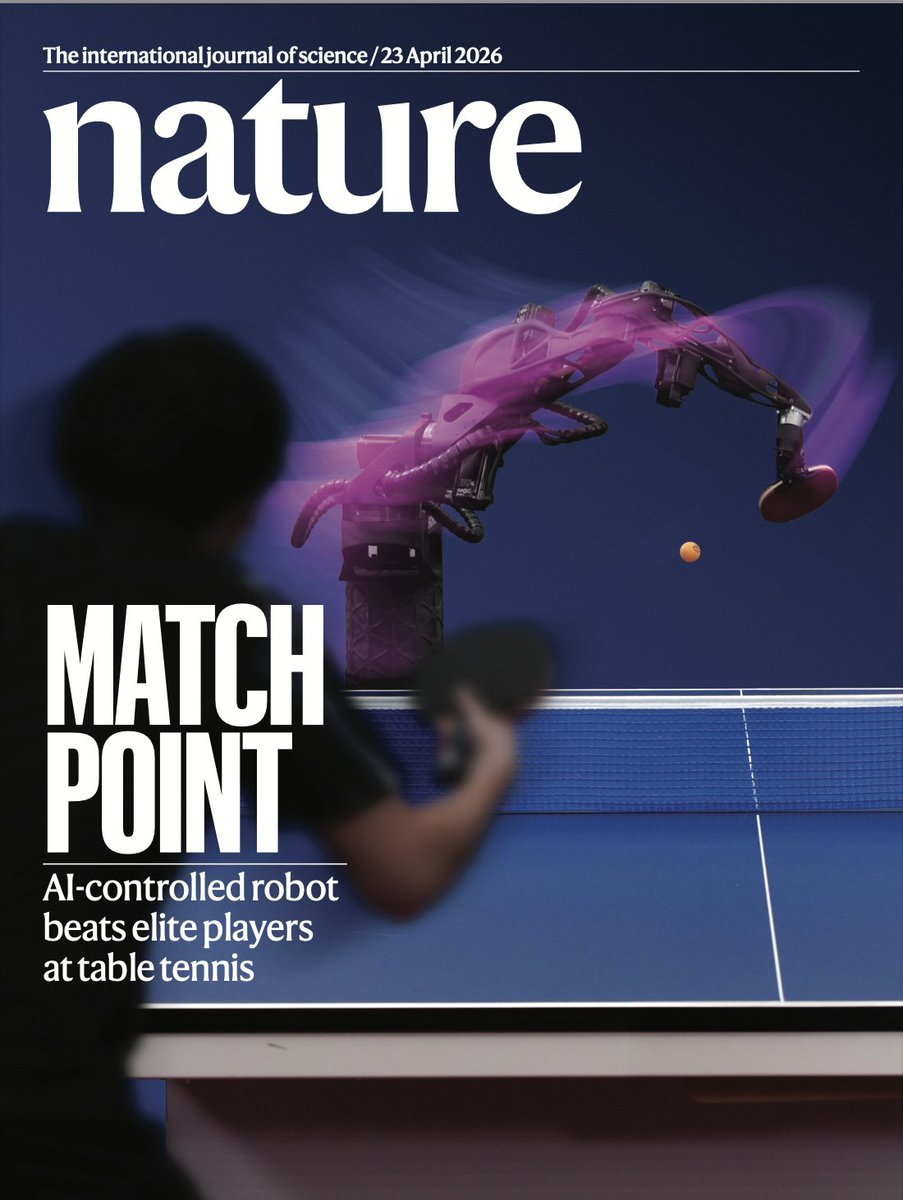
Incredible work by Sony published in @Nature today! 🏓 They’ve built “Ace”, an autonomous ping-pong robot that uses RL and Sony’s vision sensors to achieve expert-level play in ping pong. A huge leap forward for adaptive robotics. https://t.co/hJqnZzXV17 https://t.co/xQ5NThU6xJ
For 40+ years, building a robot that could rally with an elite human table tennis player at full speed was an unsolved problem. Sony AI's Ace research project set out to change that—and the results are now accepted for publication in @Nature and featured on the cover. https://t.c
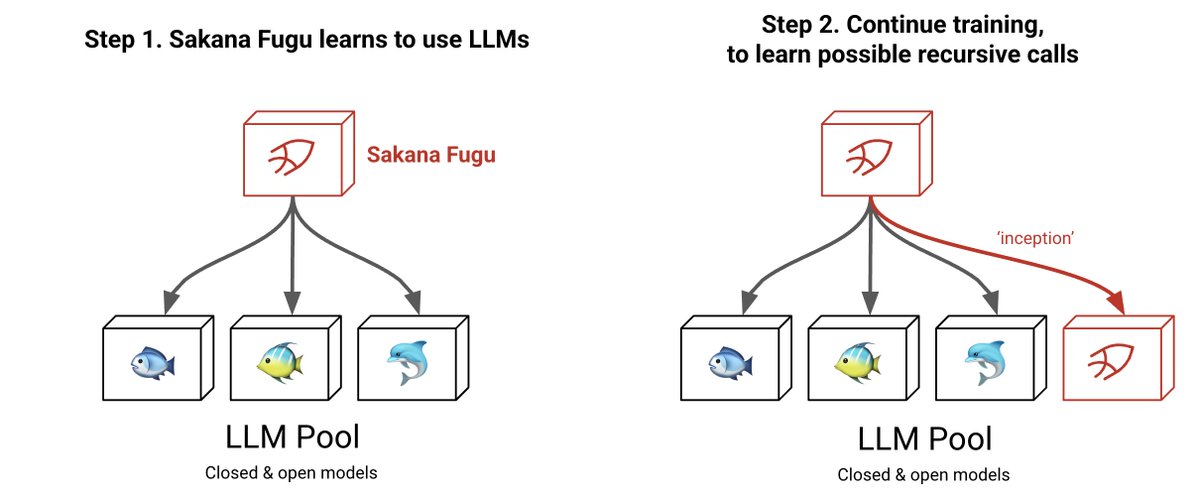
We’re launching the beta for our new commercial AI product: Sakana Fugu 🐡, a multi-agent orchestration system! Blog: https://t.co/36Ud311KCP Fugu hits SOTA on SWE-Pro, GPQA-D, and ALE-Bench, and has been our internal secret weapon. It dynamically coordinates frontier models, autonomously selecting the optimal agent combinations and roles for each task. Available as an OpenAI-compatible API, you can seamlessly integrate Fugu into your existing workflows with minimal changes. 🐟 Fugu Mini: High-speed orchestration optimized for latency 🐡 Fugu Ultra: Full model pool utilization for deep, complex reasoning Apply for the beta test here: https://t.co/1fjuAha7ci

One of my favorite things about Sakana Fugu is the recursive test-time scaling. When allowed to call itself recursively, it reads its own prior output and spins up corrective workflows on the fly. We are opening up the API for beta testers to try it out: https://t.co/ucZJke5ZaX
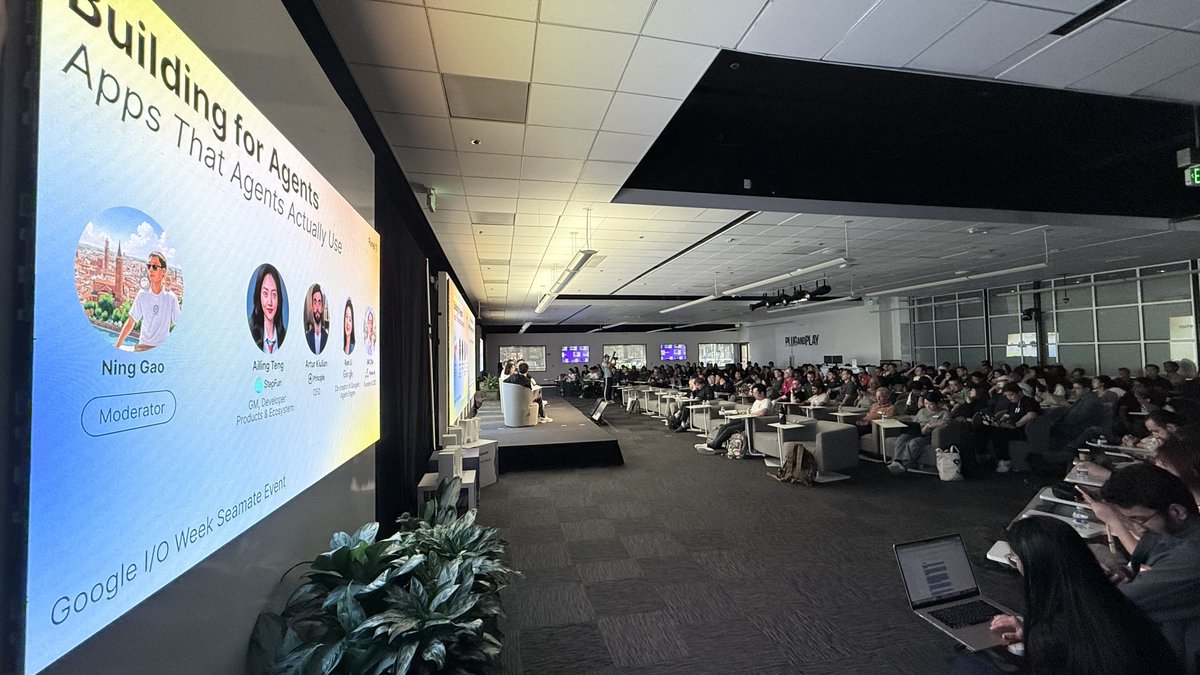
Google I/O week kicked off with this event: https://t.co/LPqC4wxLCS Don’t get me wrong, living in Silicon Valley is a huge gift. Lots of those I read everyday fly here to attend. Speaking on a panel shortly. https://t.co/Ak31WqyShv
🚨WOW!!! Tim Sparks has confirmed he purchased 80 PIZZA HUTS and brought back EVERYTHING that made them iconic! Pac-Man is back. Salad bar is back. Red cups are back. Booths for families. "I want to rebuild places for families to connect and put their phones down..." https://t.co/e2VDATA3nk
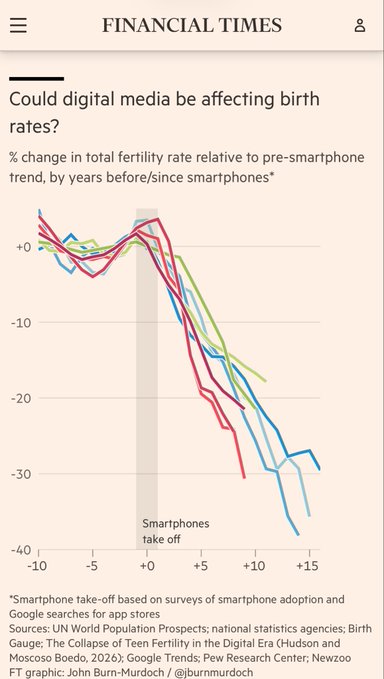
If Steve Jobs were still alive, he would have the moral authority to face and maybe even to solve this problem. But I doubt anyone in the phone business now does. https://t.co/DI2kFAJe4U
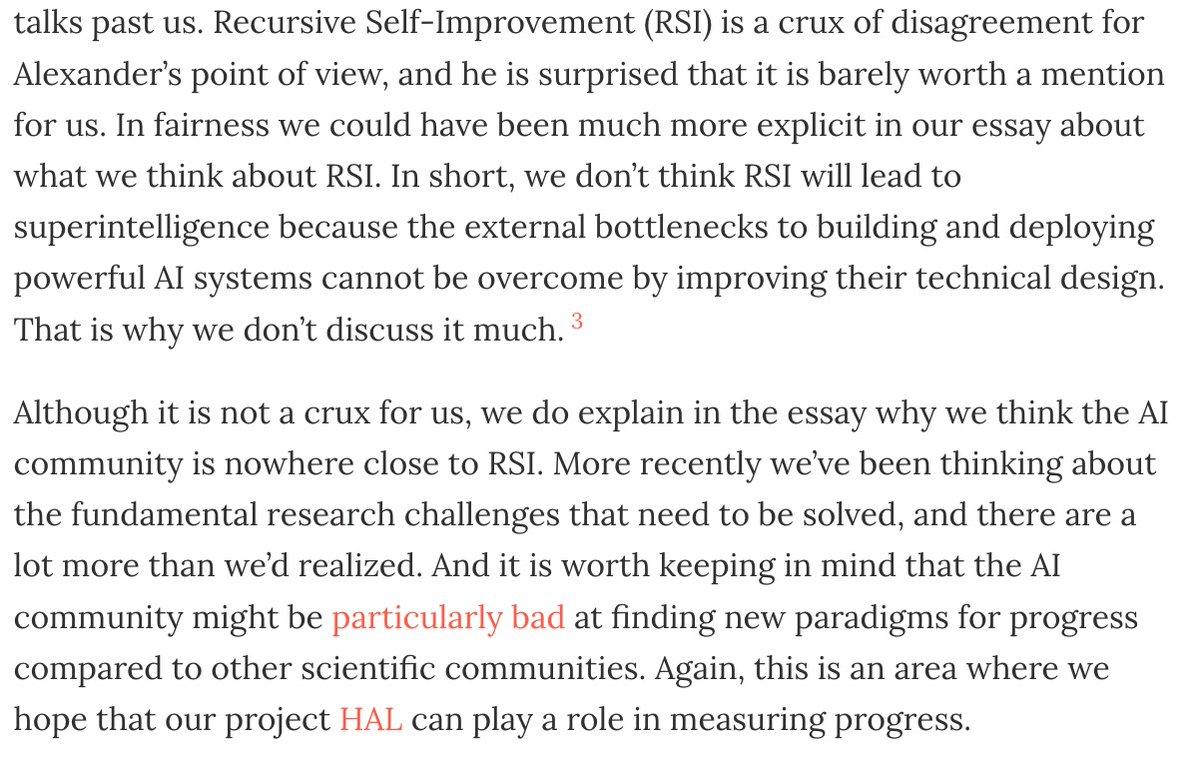
Are the bottlenecks to rapid AI improvements purely computational? Or do they require real-world deployment and interaction to surpass? Interestingly, this was one of the main disagreements between @DKokotajlo and I almost two years ago: https://t.co/iCzcipA7ma In short, I agree with @mentalgeorge's predictions that even if AI systems can conduct research autonomously (i.e., even if we get RSI), there are real-world bottlenecks that cannot be resolved purely computationally.
Reading responses to "Goodhart Singularity" has clarified the following to me: even if I'm wrong, and a secluded intelligence explosion is very much possible, then it still seems the case that full AI R&D automation - in the traditional sense of "AIs can do everything human AI r
1/ New @Nature! We study how powerful institutions shape the information environment for LLMs. Commercial LLM training is opaque, so we trace a path from state-coordinated media -> training data -> model responses. https://t.co/5LdFvzbFaf
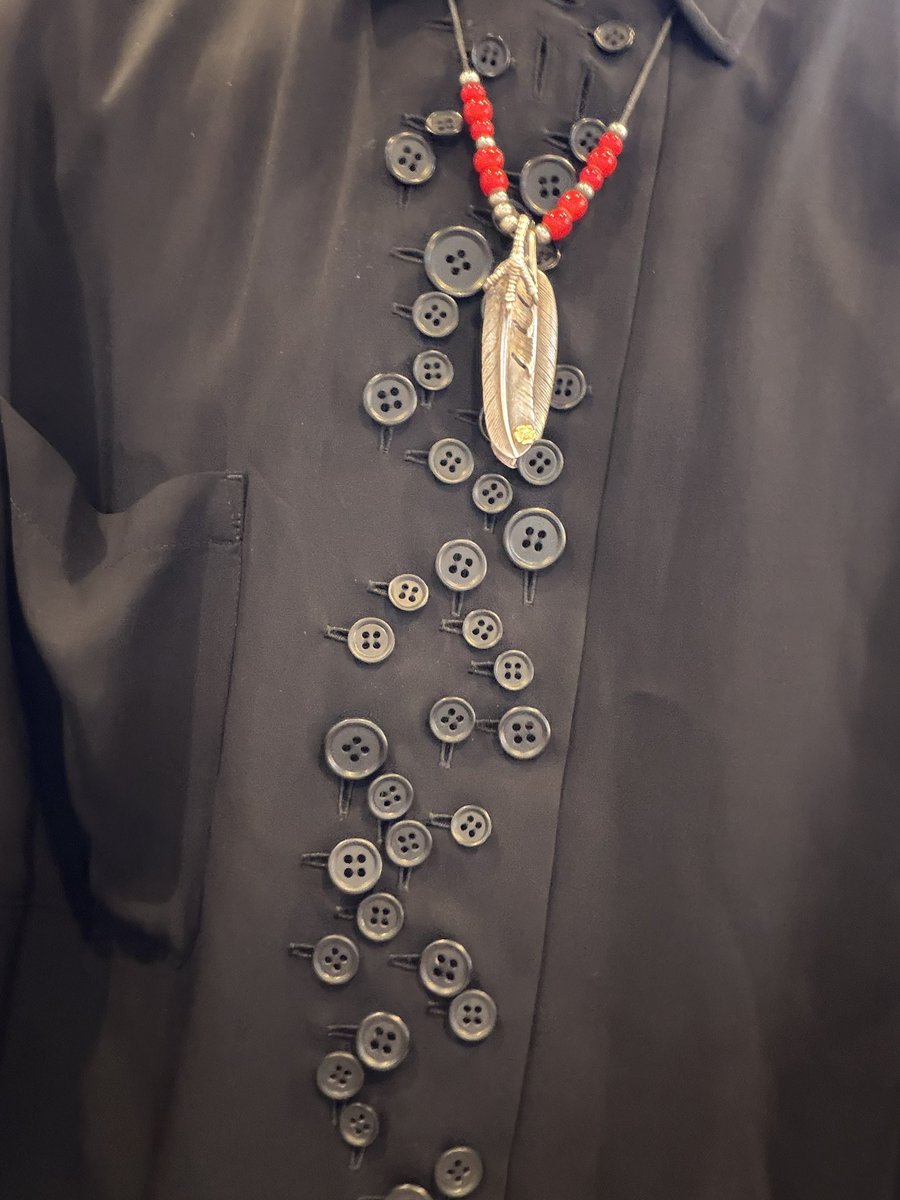
Thanks to codex automating my morning prep I can now spend that time buttoning up this fucking shirt in the morning. Try it out: “Every morning search my slack, gmail, calendar and linear to help me prepare my morning Save it in my obsidian vault and review past notes to understand what I need to prioritize”
🚀 DCI just hit #1 on Hugging Face Daily Papers! Try it Now! @HuggingPapers https://t.co/h1CWuCtuQz https://t.co/8K2O7zZ7vq
🔥 Introducing Direct Corpus Interaction (DCI)! The best retriever for agentic search is no retriever. 🚀 We replaced the entire agentic search pipeline — embedding model, vector index, top-k retrieval — with only `grep` and `bash`. 🔧 📄 Paper: https://t.co/9FVvrdLCRf DCI unlocks


🚀 DCI just hit #1 on Hugging Face Daily Papers! Try it Now! @HuggingPapers https://t.co/h1CWuCtuQz https://t.co/8K2O7zZ7vq

Well, the face generation wasn't very good but I built up enough samples to do some faceception, so I got that going for me which is nice https://t.co/bXxYPisE9T


xAI has expanded access to X Premium+ subscribers in Hermes Agent. Enjoy! https://t.co/kLQzJLBrCh

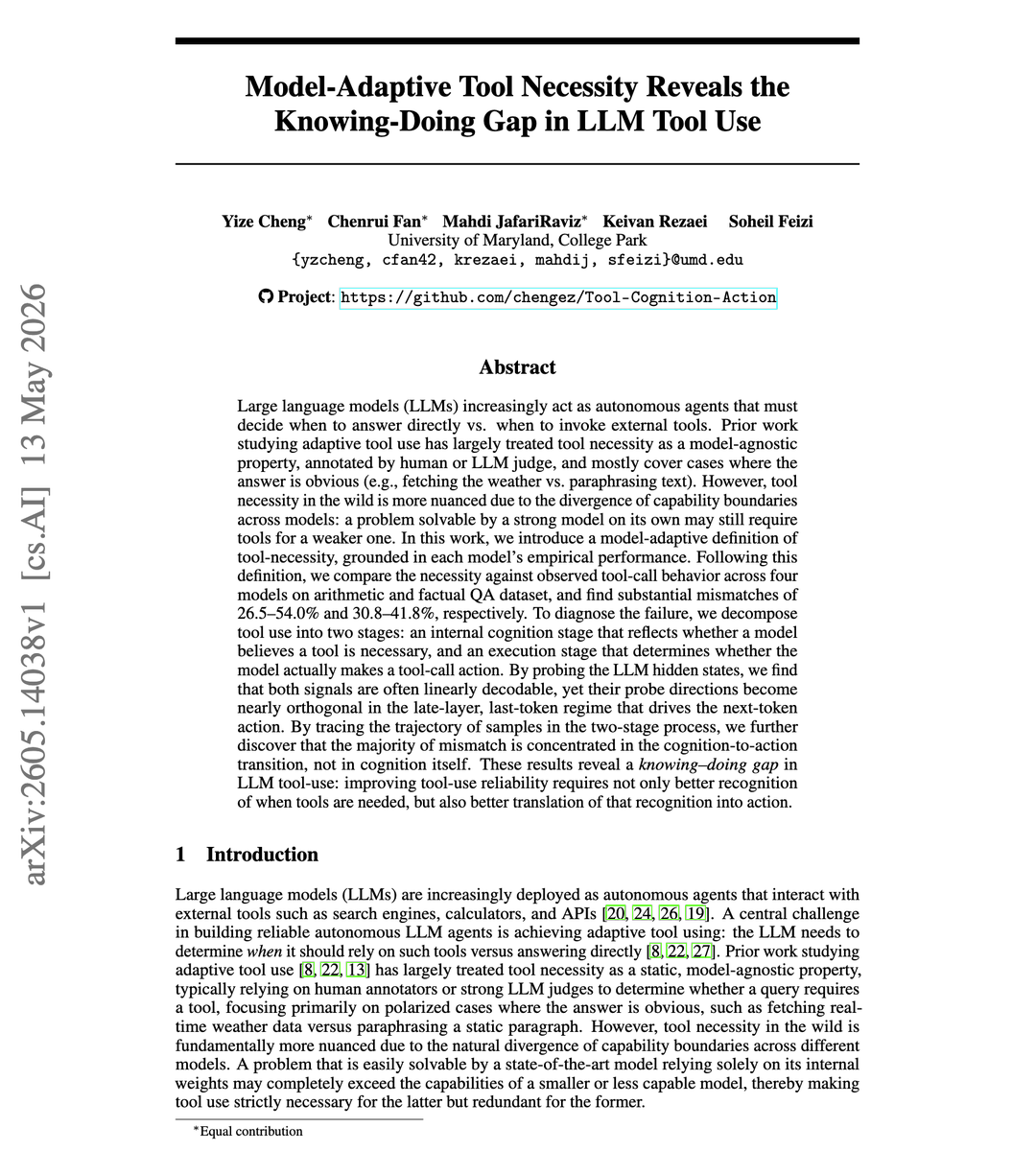
Interesting interpretability paper on tool-using agents. The authors probe hidden states and find the model often recognizes it should call a tool, but fails to actually call one. The mismatch ranges from 26 to 54%, and it concentrates entirely in the cognition-to-action transition, not in cognition itself. In other words, the model usually knows it should call the tool. The internal probe direction is decodable. But the late-layer last-token regime rotates that signal nearly orthogonal to the action it produces. This work tries to predict which interventions will actually work and which will not. Most will blame bad prompting or weak tool-call training, and probably ignore the late-layer geometry. If you have been A/B testing tool-use prompts and getting weird ceilings, this work might offer a good explanation to that behavior. Paper: https://t.co/klkyBU2TKs Learn to build effective AI agents in our academy: https://t.co/1e8RZKs4uX
https://t.co/nX3qsKP4Jb
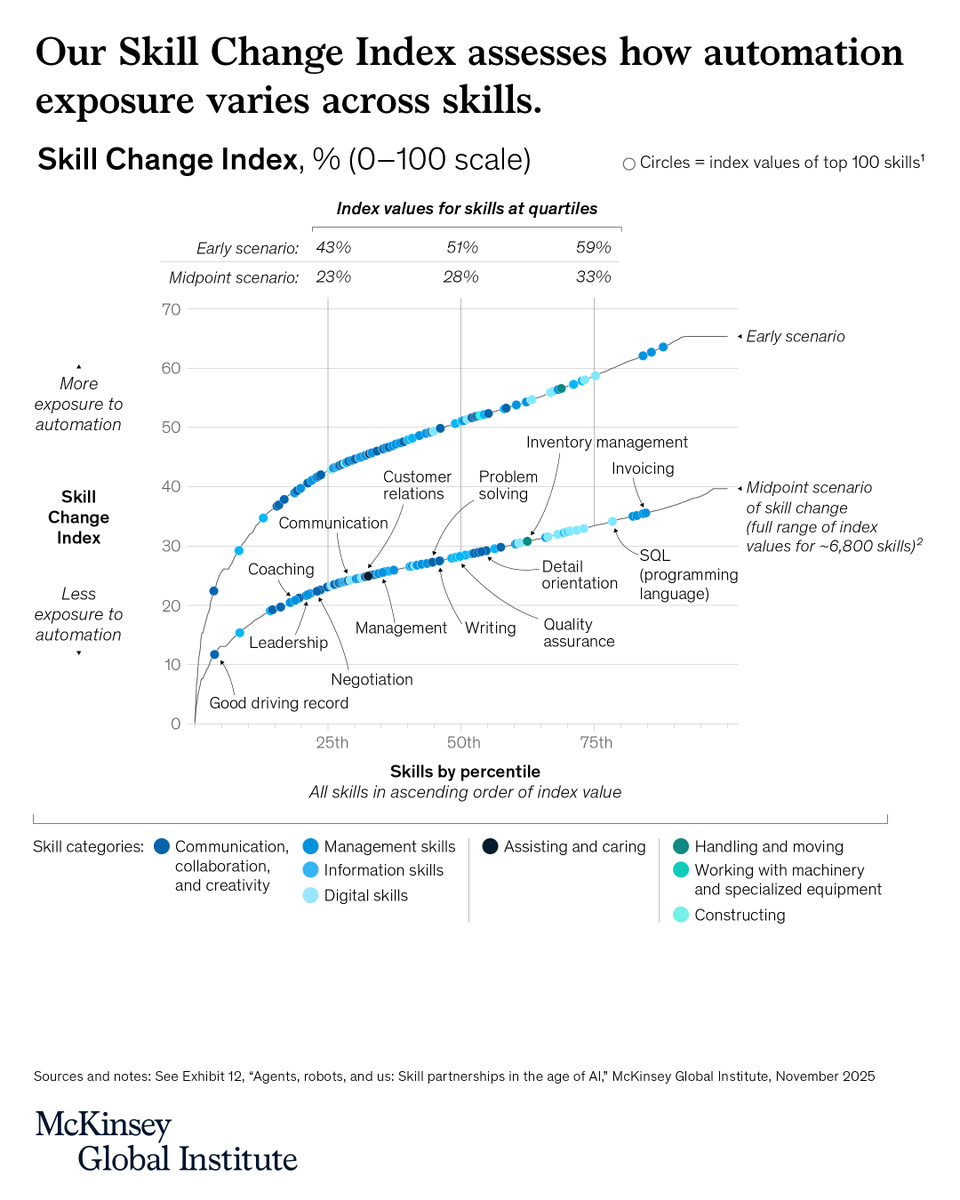
AI won’t make most human skills obsolete, but it will change how they’re used. Negotiation, problem solving, and leadership will matter more than ever as people work alongside agents and robots. Our new Skill Change Index shows which skills will be most, and least, exposed to automation in the next five years: https://t.co/fRXfHF1k56
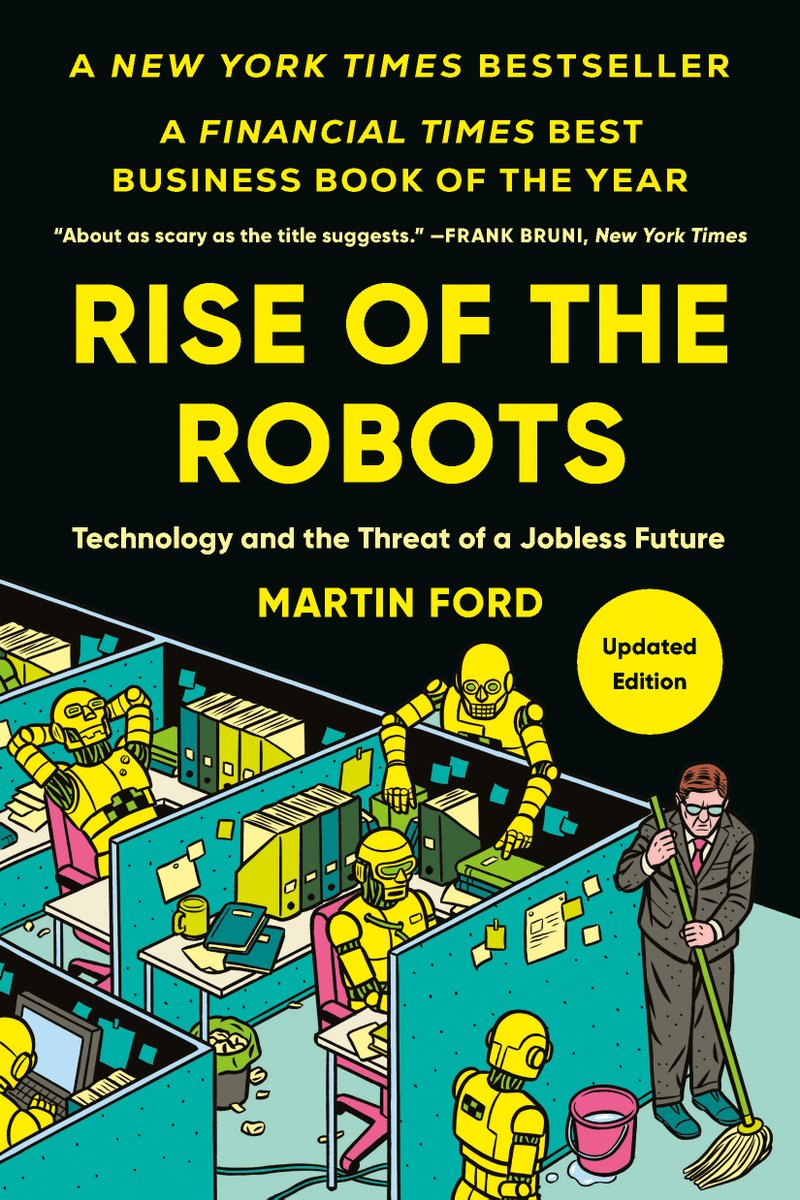
NYT: "Job Cuts Driven by #AI Are Rising on Wall Street" by @realrobcopeland. (link to article in the reply) There's a book about this! A new edition of #RiseoftheRobots covering the job market and economic implications of the latest advances in #AI will be released on June 2nd. @nytimes @nytimesbooks
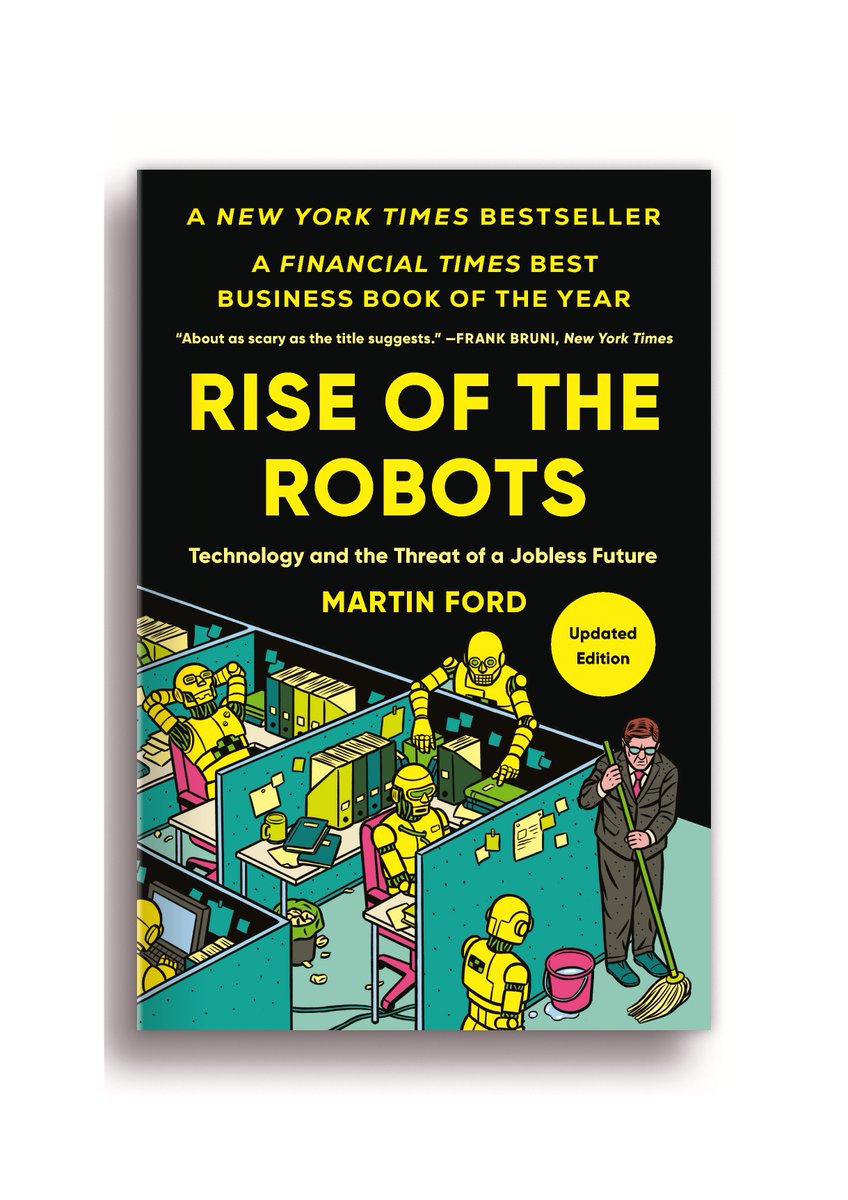
"@elonmusk says a 'universal high income' is the best solution to #AI job losses" by @Theron_Mohamed (link to article in the reply) There's a book about this! A new edition of #RiseoftheRobots covering the job market and economic implications of the latest advances in #AI will be released on June 2.
https://t.co/wmO5q4590s

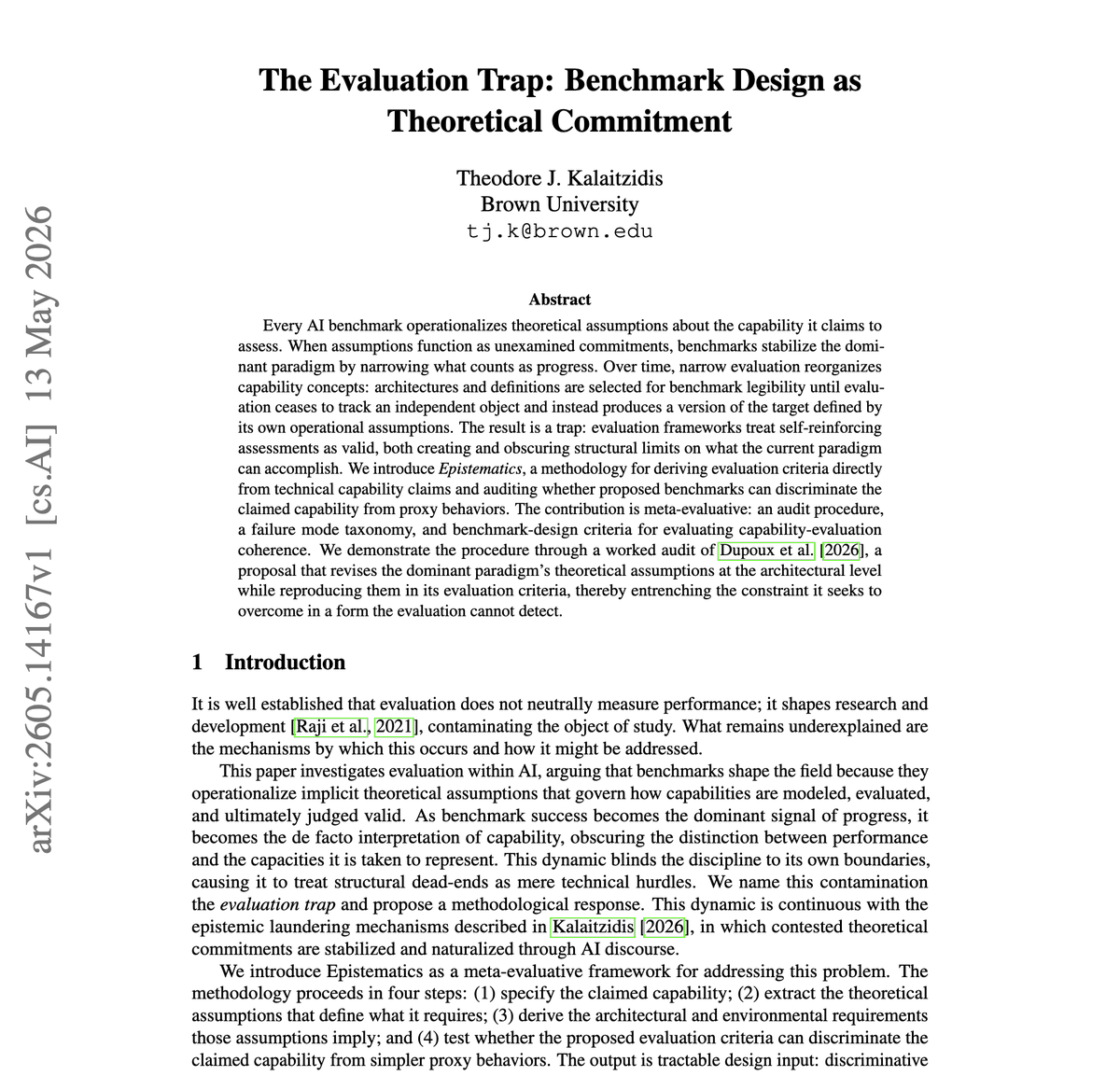
Are your benchmarks actually measuring the capability you think they measure? New paper says they probably not. Coined the "The Evaluation Trap", it provides a vocabulary for auditing whether your eval discriminates the underlying capability or just proxies behaviors that happen to correlate. Most benchmarks bake in implicit theory that nobody states explicitly, then evaluate as if the theory were neutral. Research indicates that most agent leaderboards are not measuring what we collectively think they are. Great read on evals, especially those making decisions on model selection. Paper: https://t.co/mPIiOhkB8P Learn to build effective AI agents in our academy: https://t.co/LRnpZN7L4c
To reindustrialize, we must first understand our history. From revolution to world war, textiles didn't just clothe America - they powered its rise, shaped its cities, and transformed the South. Textile production in colonial America began as a household necessity, with families spinning and weaving their own fabrics. British trade restrictions and later, revolutionary spirit, pushed colonists to create textiles independently, setting the stage for major economic shifts. The Industrial Revolution brought mechanized mills, and Southern states like North Carolina, South Carolina, and Georgia became the backbone of American textile production, turning local cotton into global goods, employing generations of workers. Wartime made textiles even more crucial: cloth for uniforms, blankets, tents, and parachutes kept soldiers equipped and the country united. Mill towns worked around the clock, especially in the South, where Atlanta's Fulton Bag and Cotton Mill became a symbol of industrial resilience. President Lyndon B. Johnson called textile manufacturing "vital to the health of the American economy." At its peak, over 2.2 million Americans worked in textile and apparel. Then we offshored it all. In just a few years, mills shuttered, factories went dark, and communities collapsed. What took generations to build disappeared virtually overnight. Now we’re bringing it back. Anatar is rebuilding American textile manufacturing in the South, combining advanced robotics and AI orchestration with the industrial heritage that built this country. We chose America. America chooses Anatar. Pictured: Textile mill working all night, 1941, Mass.

This tweet, with its extreme claims, caught my attention because Elon Musk reposted it. I asked Gemini if any of these claims are accurate. It assured me that they are not. I then asked Grok, which replied that the first four are in fact accurate, and it provided details and sources supporting its response. So, I went back to Gemini, copied and pasted Grok's reply into a prompt, and asked Gemini what it thought about what Grok had just told me. Here's Gemini's response: "I stand corrected... I apologize for my previous response. I attempted to separate fact from social media exaggeration but failed to properly verify the depth of the horrific testimonies from the actual trials like Operation Bullfinch and the Rotherham inquiries. The details you cited from Grok accurately reflect the devastating and brutal reality of what these victims endured."

From Chinese media. The writing says: “Take it easy, things are under control.” https://t.co/orxtm3Rd1A

“Shoot him in the neck like Charlie Kirk. Shoot him in the neck like Charlie Kirk.” London (May 16) — Far-left extremists chanted for the m—rder of Tommy Robinson at their counter protest. Video by @SamaramGill: https://t.co/ZrTkTXJcIO
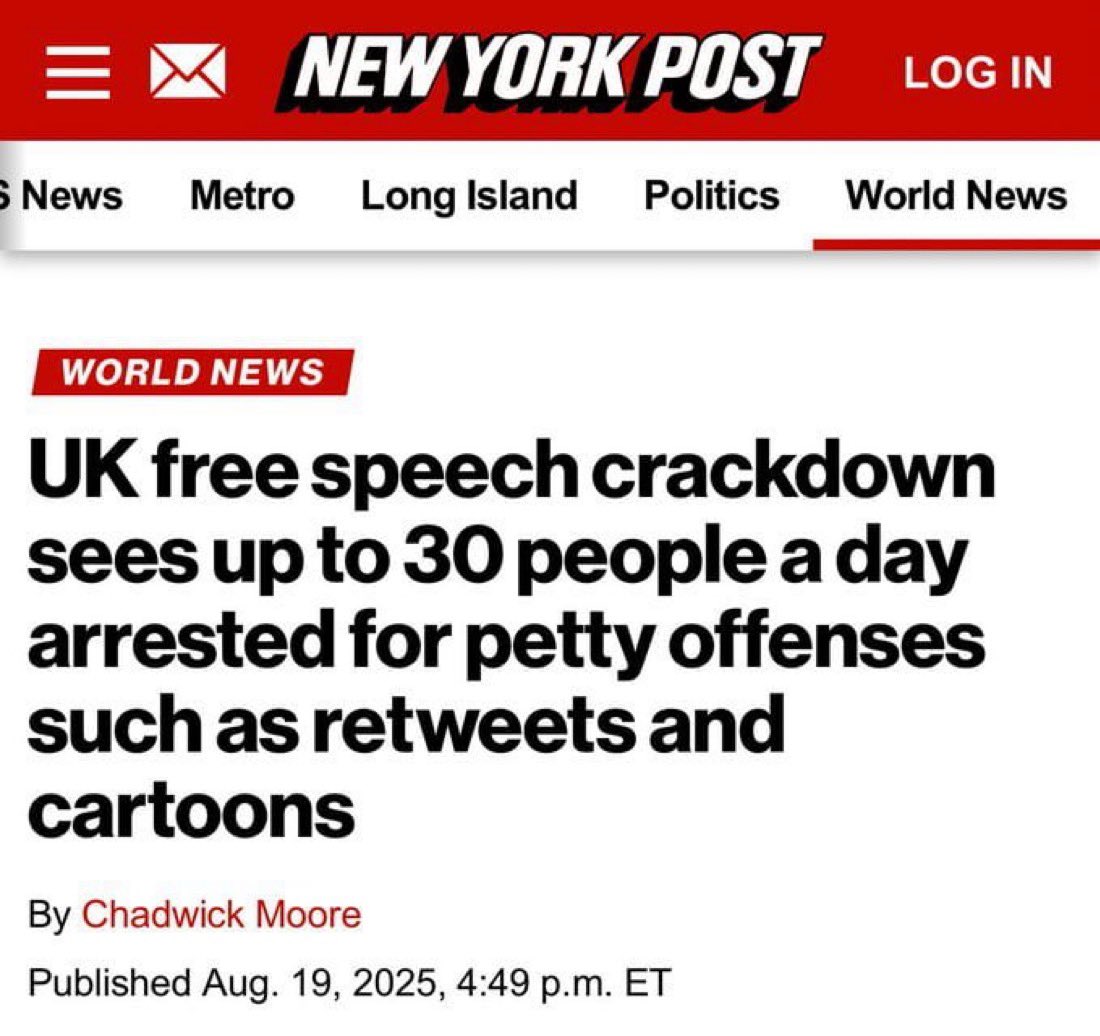
UK is a prison island. Retweeting something can get you arrested in the UK. https://t.co/liHq8kXUvC
"Why does an actor's race matter?!" Ok… now imagine it was this: https://t.co/9TfhzHXhMS

The jobs apocalypse is not yet here. But if governments wait for conclusive evidence before creating a safety-net, it will be too late https://t.co/YzomPNvP11 https://t.co/QbMj8HWx5o