@kaiarhodes
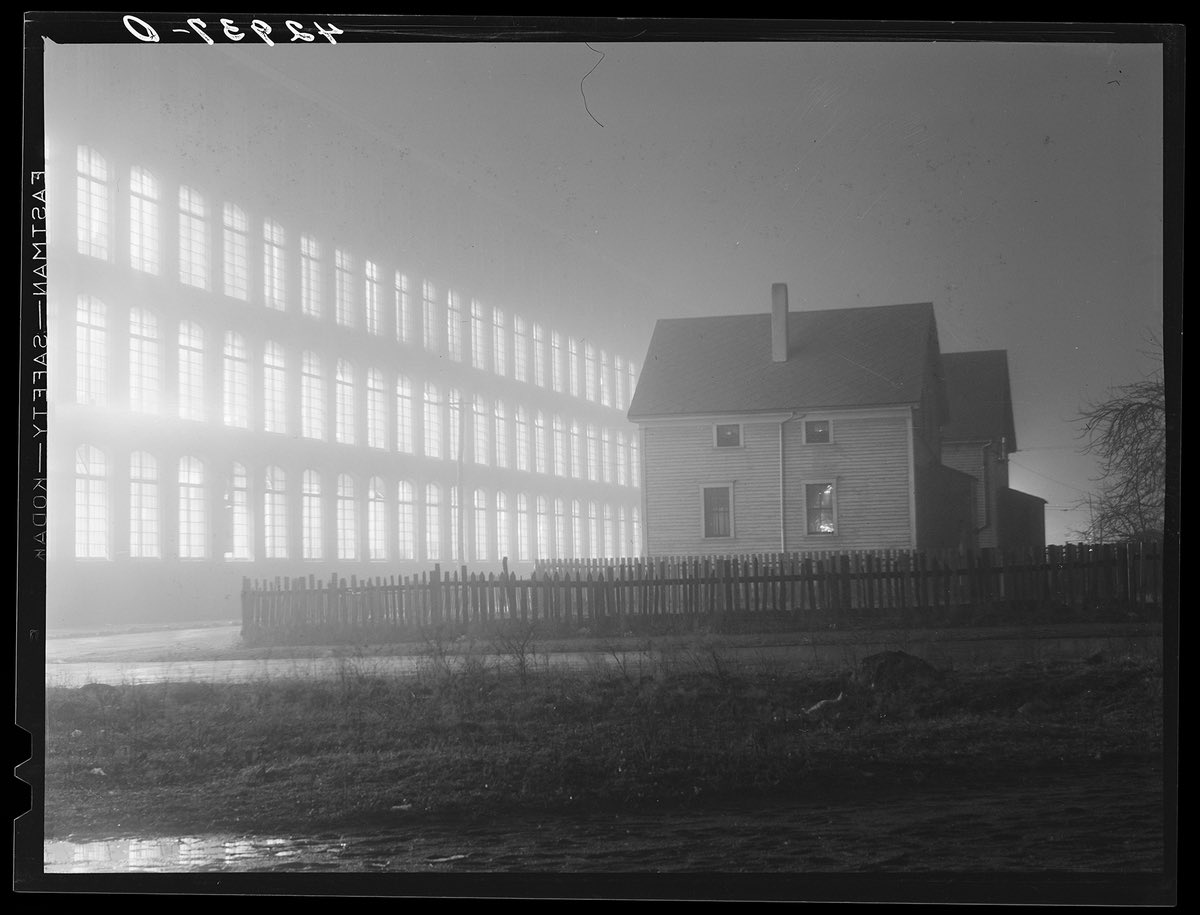
To reindustrialize, we must first understand our history. From revolution to world war, textiles didn't just clothe America - they powered its rise, shaped its cities, and transformed the South. Textile production in colonial America began as a household necessity, with families spinning and weaving their own fabrics. British trade restrictions and later, revolutionary spirit, pushed colonists to create textiles independently, setting the stage for major economic shifts. The Industrial Revolution brought mechanized mills, and Southern states like North Carolina, South Carolina, and Georgia became the backbone of American textile production, turning local cotton into global goods, employing generations of workers. Wartime made textiles even more crucial: cloth for uniforms, blankets, tents, and parachutes kept soldiers equipped and the country united. Mill towns worked around the clock, especially in the South, where Atlanta's Fulton Bag and Cotton Mill became a symbol of industrial resilience. President Lyndon B. Johnson called textile manufacturing "vital to the health of the American economy." At its peak, over 2.2 million Americans worked in textile and apparel. Then we offshored it all. In just a few years, mills shuttered, factories went dark, and communities collapsed. What took generations to build disappeared virtually overnight. Now we’re bringing it back. Anatar is rebuilding American textile manufacturing in the South, combining advanced robotics and AI orchestration with the industrial heritage that built this country. We chose America. America chooses Anatar. Pictured: Textile mill working all night, 1941, Mass.