Your curated collection of saved posts and media
Doom scrolling but make it educational 🤓 Introducing Short Video Overviews in NotebookLM! Turn your most complex sources into 60-second, vertical videos that deep dive into any concept. Rolling out now to Google AI Ultra and Pro subscribers on mobile & web (free users soon!) https://t.co/vaOa4ELbw4
At the bottom of my news page at https://t.co/8L5xphk0qQ is a @NotebookLM link. Click it and it puts a script into your memory. Go over to NotebookLM and paste into the prompt window then click "create." Make sure to select that you want a video. In a few minutes you will have a video about today's news. Someday NotebookLM will make an API or an MCP server so we can automate this whole process. I'll be working with my agents today to make this script even more useful to this whole process (right now it is too much a menu of recent news to make a great one). Come back later today and try it again.
Doom scrolling but make it educational 🤓 Introducing Short Video Overviews in NotebookLM! Turn your most complex sources into 60-second, vertical videos that deep dive into any concept. Rolling out now to Google AI Ultra and Pro subscribers on mobile & web (free users soon!

@Kalshi This is where you got that from: https://t.co/GZzkSPoTEN
@Scobleizer There are always momentary dips, even in a rapidly growing economy. The productivity gains from AI and robotics are so enormous, however, that the macro trend is overwhelmingly up.

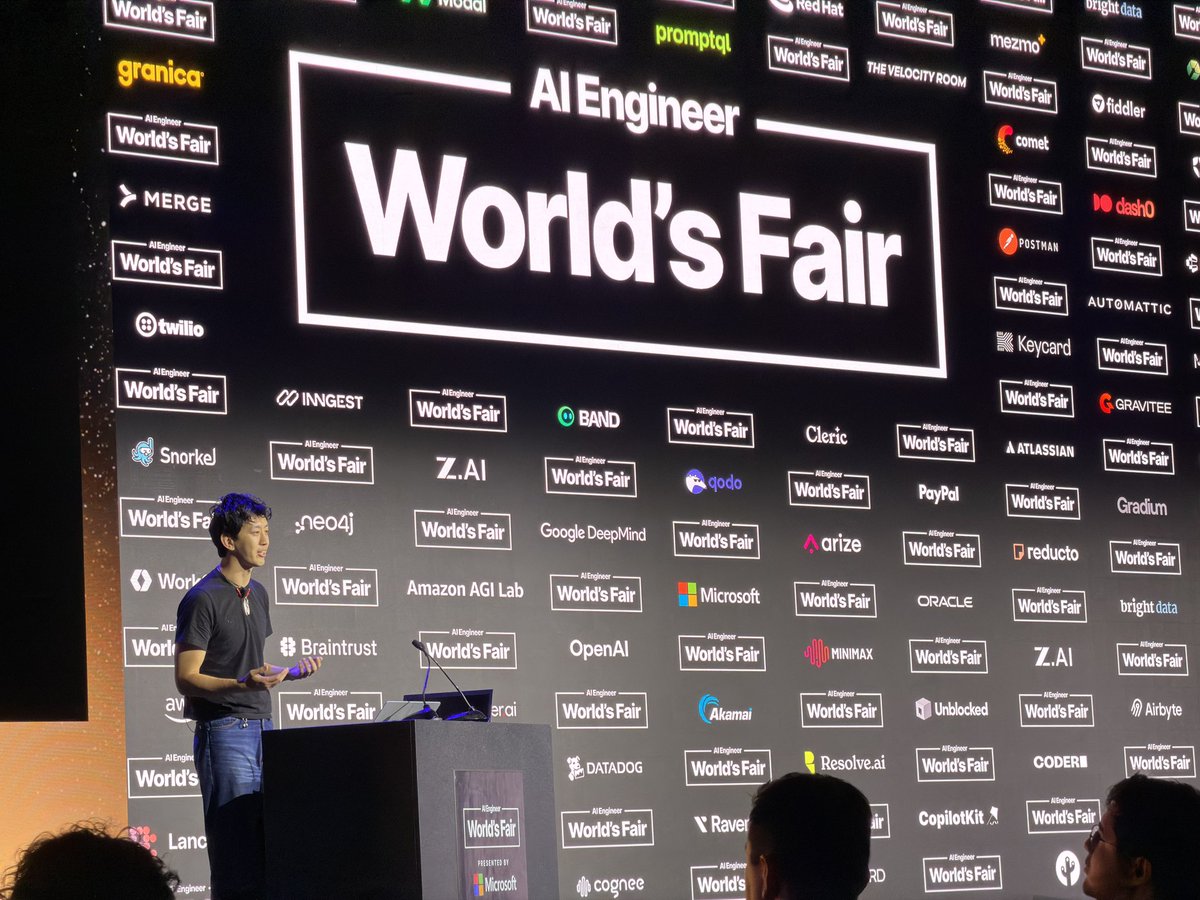
the chief vibes officer himself @jxnlco https://t.co/8RBRipULDB
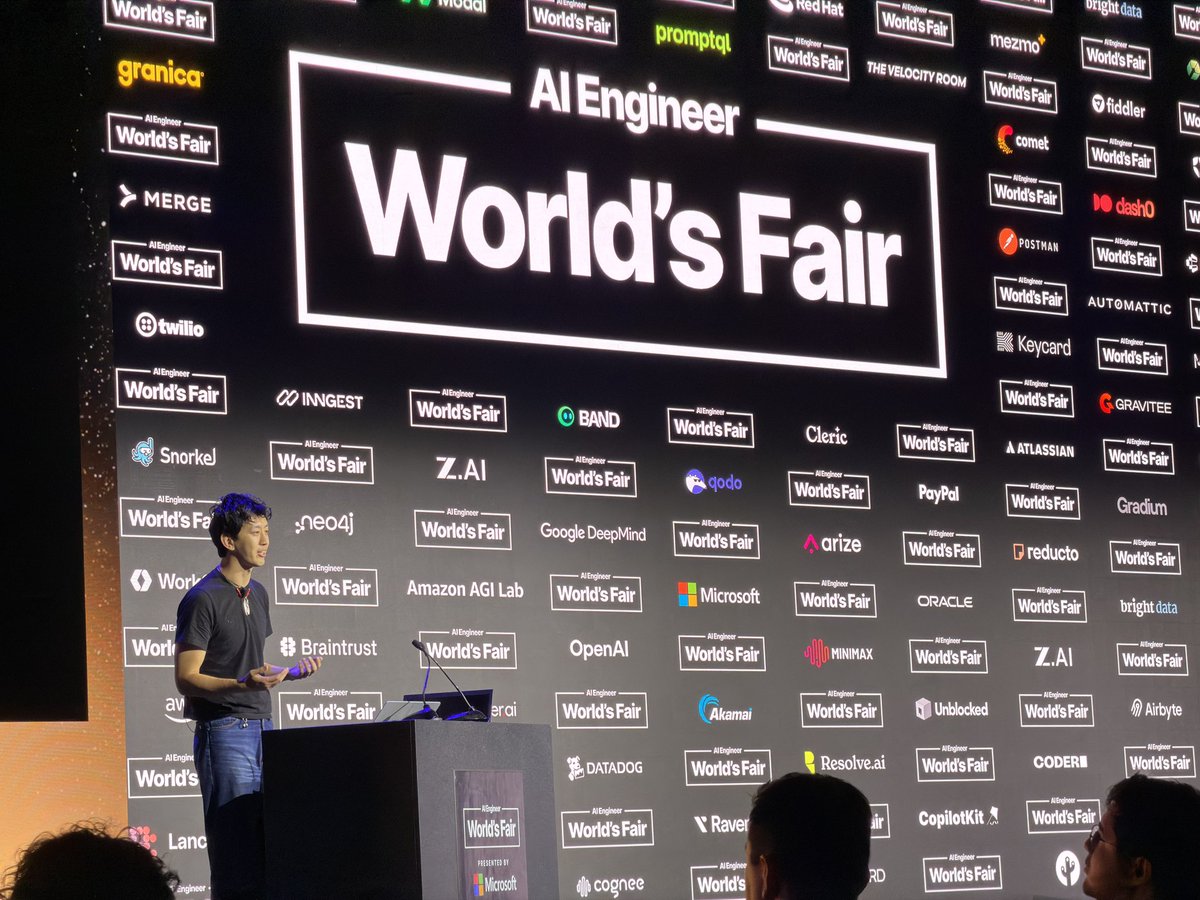
the chief vibes officer himself @jxnlco https://t.co/8RBRipULDB
SpaceXAI has become a major force for good in Memphis and surrounding communities. • SpaceXAI’s expansion is projected to push local tax revenue above $100 million • Employs almost 3,000 people locally in Memphis • The Musk Foundation donated $350,000 to Boys & Girls Clubs of Greater Memphis • Has paid tens of millions of dollars in property taxes to Memphis and Shelby County • Spent $10 million in 2025 with Memphis restaurants and food vendors • Starlink is also giving eligible Memphis-area residents half-price service. • 80% of the construction workforce was hired from the Memphis community • Hired thousands of subcontractors and works with local Memphis vendors/businesses • Provides free meals around the clock for employees and contractors • 25% of SpaceXAI property tax revenue is set aside for nearby communities • Building an $80 million Colossus Water Recycling Plant. The plant is expected to treat around 13 million gallons of wastewater per day that will save about 4.745 billion gallons of potable water every year. • Built electrical substations at no cost to MLGW • Installed 240+ batteries for on-site energy storage and grid support • Partnered with Memphis-Shelby County Schools on upgrades near its facilities • MSCS accepted an in-kind Musk Foundation donation, previously reported around $6M, for school repairs and student support • Removed major debris from local roads, including 300+ mattresses, 500 truck tires and 15,000+ lbs of waste • SpaceXAI cleanup efforts have removed 100+ tons of garbage and debris • Partnered with Mt. Vernon Baptist Church to support a new community center fundraiser • SpaceXAI team members volunteered at Mid-South Food Bank and helped assemble 7,000 Christmas baskets • Offers $25,000 signing bonuses for new hires relocating to Shelby County • Offers $10,000 bonuses for workers moving to nearby Mississippi or Arkansas SpaceXAI is not just building AI in Memphis. It is investing in jobs, schools, infrastructure, cleanups, local businesses, families and the surrounding community.
NEW: @FreeBeacon has the receipts on Ro Khanna’s obscene, oligarchic wealth: —his 2 kids (under 10yrs old) own 3 private golf courses in Ohio (not kidding) —his wife drives a $190,000 luxury Range Rover —his house has a 4-story indoor elevator And more:https://t.co/Bk6nS7WRwT

Introducing Claude Science, a new app designed with every stage of research in mind. Artifacts traced to their code, environments managed on demand, and 60+ optional scientific databases that you can connect. Available now in beta. https://t.co/HKhLknxLJO
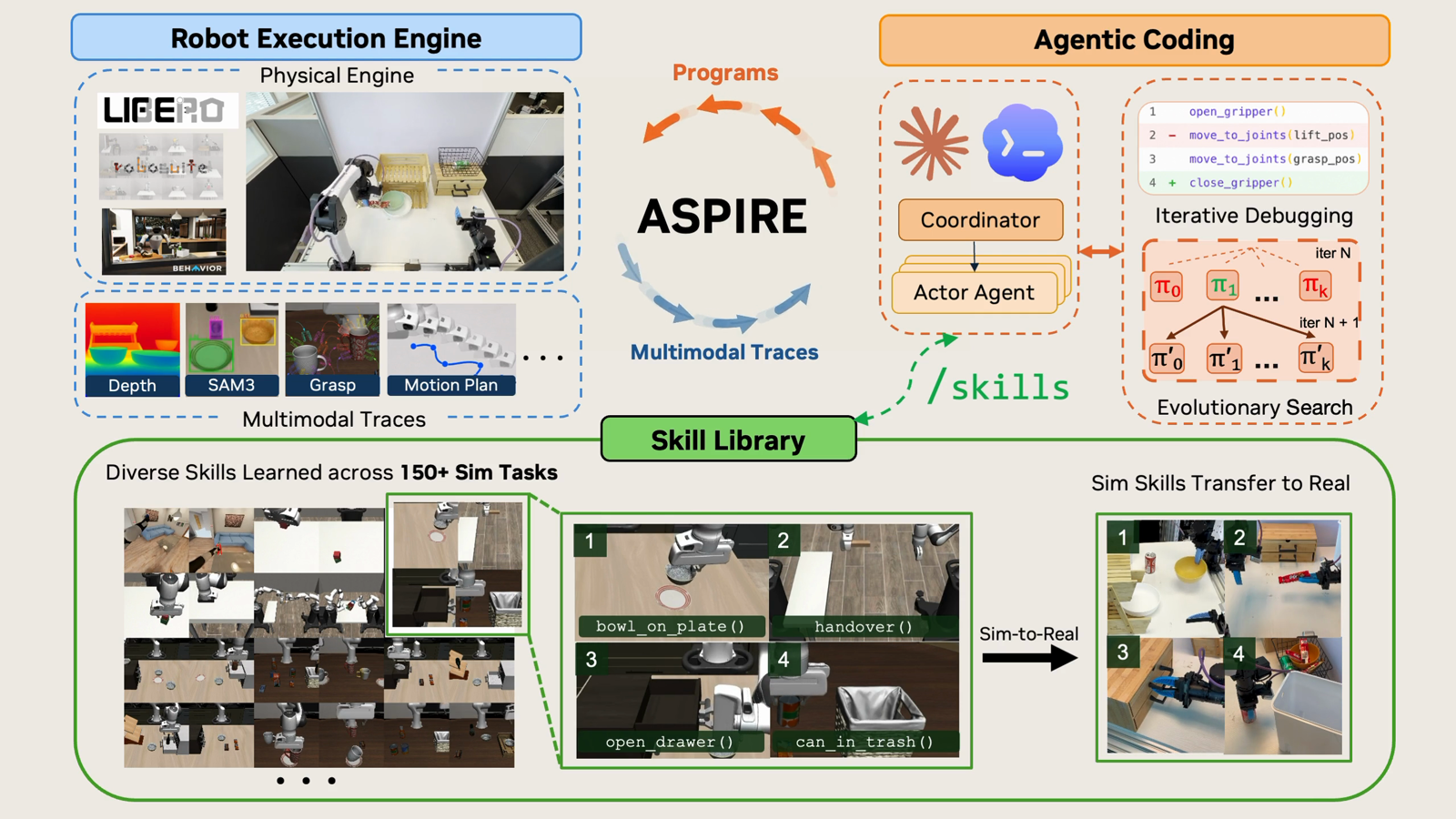
Introducing ASPIRE, the first automated /𝚜𝚔𝚒𝚕𝚕 discovery system for robotics. Rather than solving tasks one by one, ASPIRE continuously discovers and accumulates reusable skills. These persistent skills become the building blocks of robot intelligence, enabling multi-task transfer, sim-to-real transfer, and cross-embodiment transfer. 🔗 https://t.co/GI2Eo2izmq From @NVIDIA, @UMichCSE, @ECEILLINOIS, @Berkeley_AI, @CMU_Robotics. Check out how it works in 🧵:
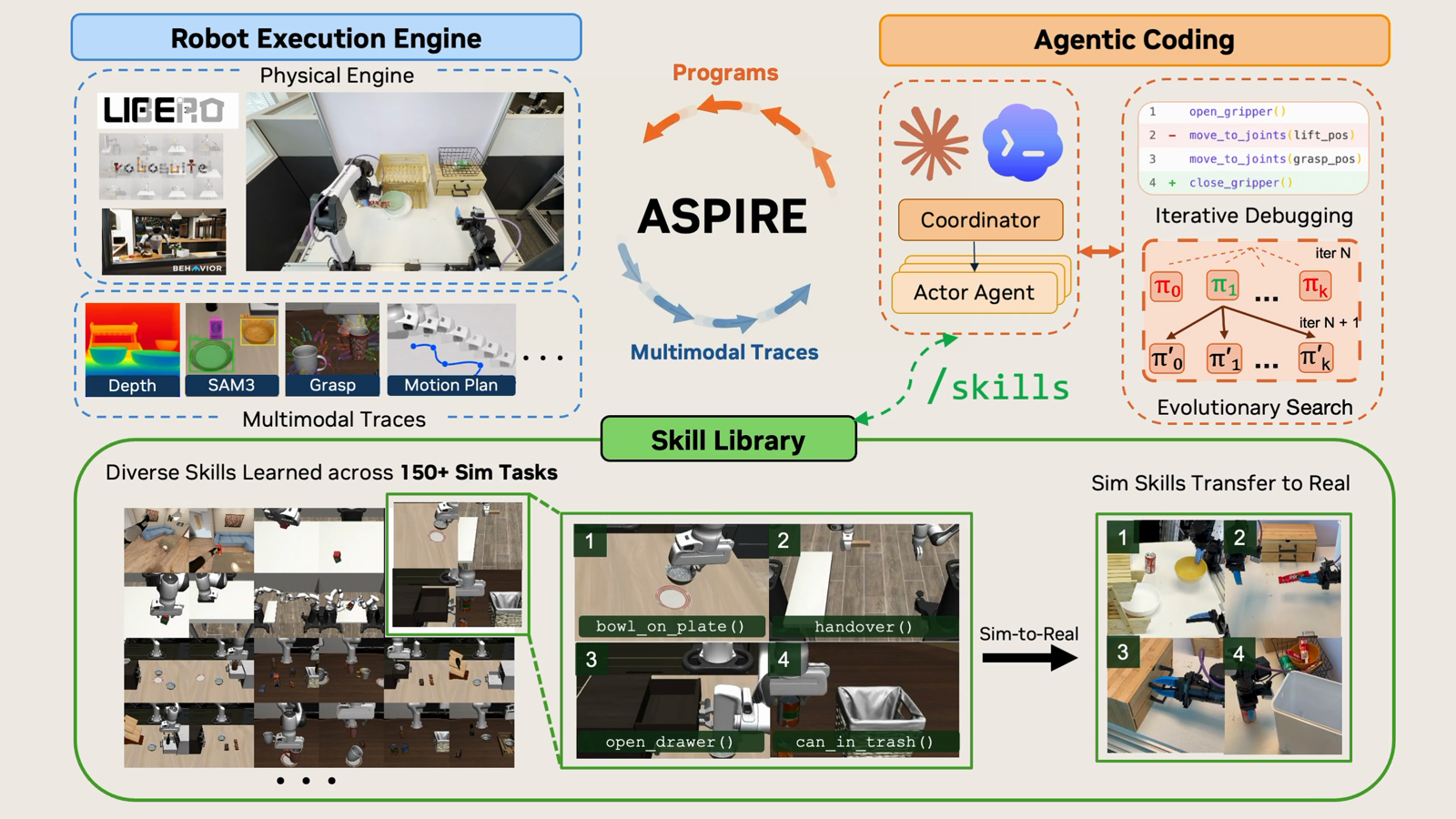
Project gallery and whitepaper: https://t.co/99bZhCeszA ASPIRE is a great collaboration between NVIDIA GEAR lab, UMich, Berkeley, and CMU. Kudos to all the coauthors who pour their hearts into the project! Check out the deep dive thread from Guanzhi: https://t.co/kSCJ5mBz89
Introducing ASPIRE, the first automated /𝚜𝚔𝚒𝚕𝚕 discovery system for robotics. Rather than solving tasks one by one, ASPIRE continuously discovers and accumulates reusable skills. These persistent skills become the building blocks of robot intelligence, enabling multi-task transfe

@realNyarime https://t.co/XdhtG37XdA
The AI industry is giving Pirates of the Caribbean vibes.

@Presidentlin https://t.co/XdhtG37XdA
The AI industry is giving Pirates of the Caribbean vibes.

@guansi https://t.co/XdhtG37XdA
The AI industry is giving Pirates of the Caribbean vibes.

@valuetainment https://t.co/XdhtG37XdA
The AI industry is giving Pirates of the Caribbean vibes.

@dotey https://t.co/XdhtG37XdA
The AI industry is giving Pirates of the Caribbean vibes.

@huoshan007 https://t.co/8gSgxB51oJ
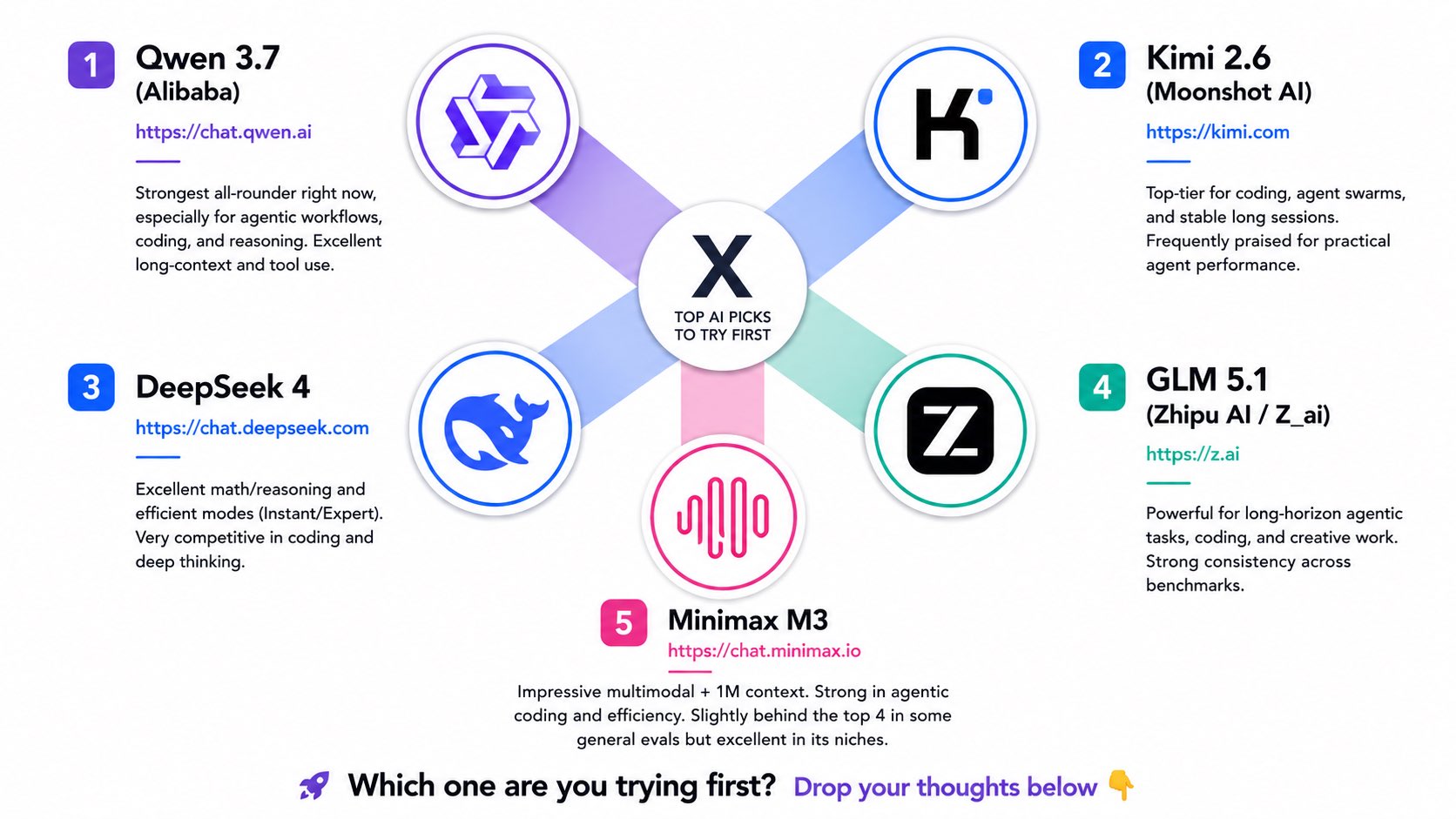
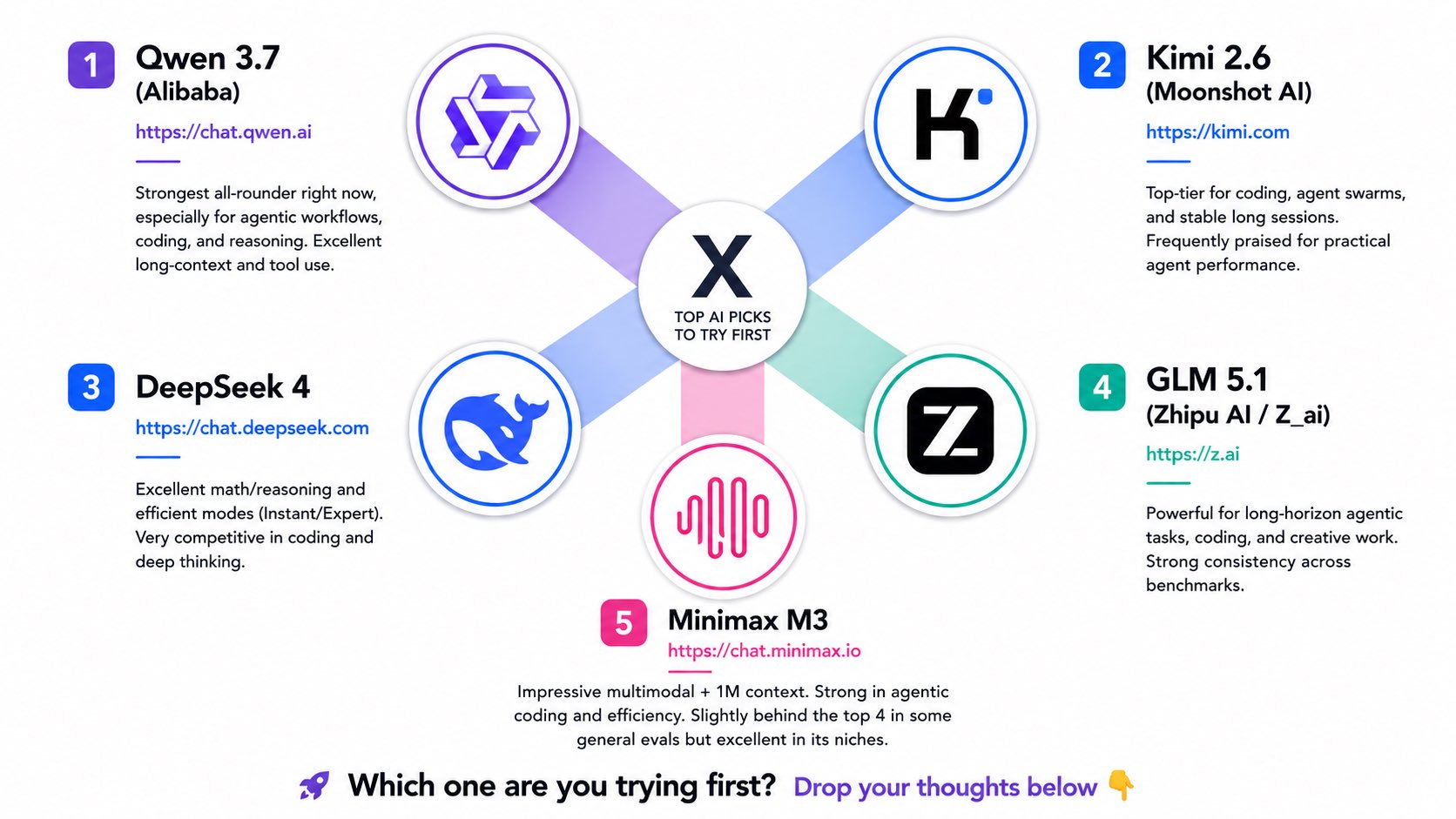
Which one are you trying first? 1️⃣ Qwen 3.7 (Alibaba) https://t.co/JBDry6ndjE 2️⃣ Kimi 2.6 (Moonshot AI) https://t.co/x2Vwze6tnx 3️⃣ DeepSeek 4 https://t.co/QhkJxNZHrv 4️⃣ GLM 5.1 (Zhipu AI / Z_ai) https://t.co/R01OJft1AH 5️⃣ Minimax M3 https://t.co/Rv2iS8ZnPQ Drop your t
@mialalala2 https://t.co/8gSgxB51oJ
Which one are you trying first? 1️⃣ Qwen 3.7 (Alibaba) https://t.co/JBDry6ndjE 2️⃣ Kimi 2.6 (Moonshot AI) https://t.co/x2Vwze6tnx 3️⃣ DeepSeek 4 https://t.co/QhkJxNZHrv 4️⃣ GLM 5.1 (Zhipu AI / Z_ai) https://t.co/R01OJft1AH 5️⃣ Minimax M3 https://t.co/Rv2iS8ZnPQ Drop your t
Introducing Nori L2 The most capable robot under $1288 Made in America, shipping right now. https://t.co/dLfFs8X0Oh
Introducing Nori L2 The most capable robot under $1288 Made in America, shipping right now. https://t.co/dLfFs8X0Oh
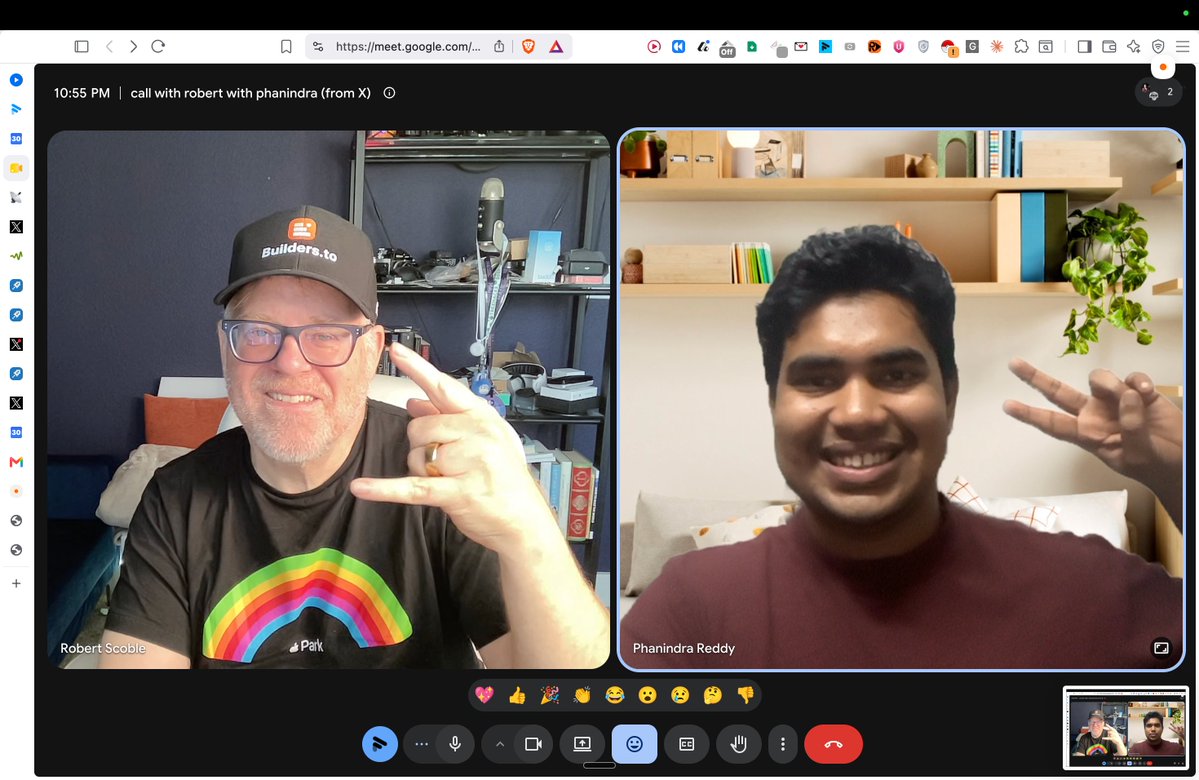
Just had an awesome call with @Scobleizer , and it went amazingly well. supposed to be a 15-min call, went for an hour. It is like time travel through all the historic moments that happened in front of his eyes. It's insane. And he really loved the concept of the AIOS https://t.co/qAL4rkGcUk
@BrihiJ @evaluatingevals That's highly interesting to me. And it'll be my first #ACL2026. Trying a bunch of systems to bring a lot more personalization: https://t.co/ISkM7TW9ua Would love to meet up!
Boardy connected us. Thanks @boardyai Phanindra is one of several entrepreneurs that are making systems that watch everything on your computer and help you improve your life and business. Boardy is one of those too. The question I have is who will break out with the normies?

Town is finding users: https://t.co/NDfHP421Xd
Some of our most enthusiastic Town users are finance people. CFOs, heads of finance, FP&A leads. These are people who've been automating inside spreadsheets for years. Pivot tables, macros, complex models. They're incredibly skilled at it. But anytime something needed to happen

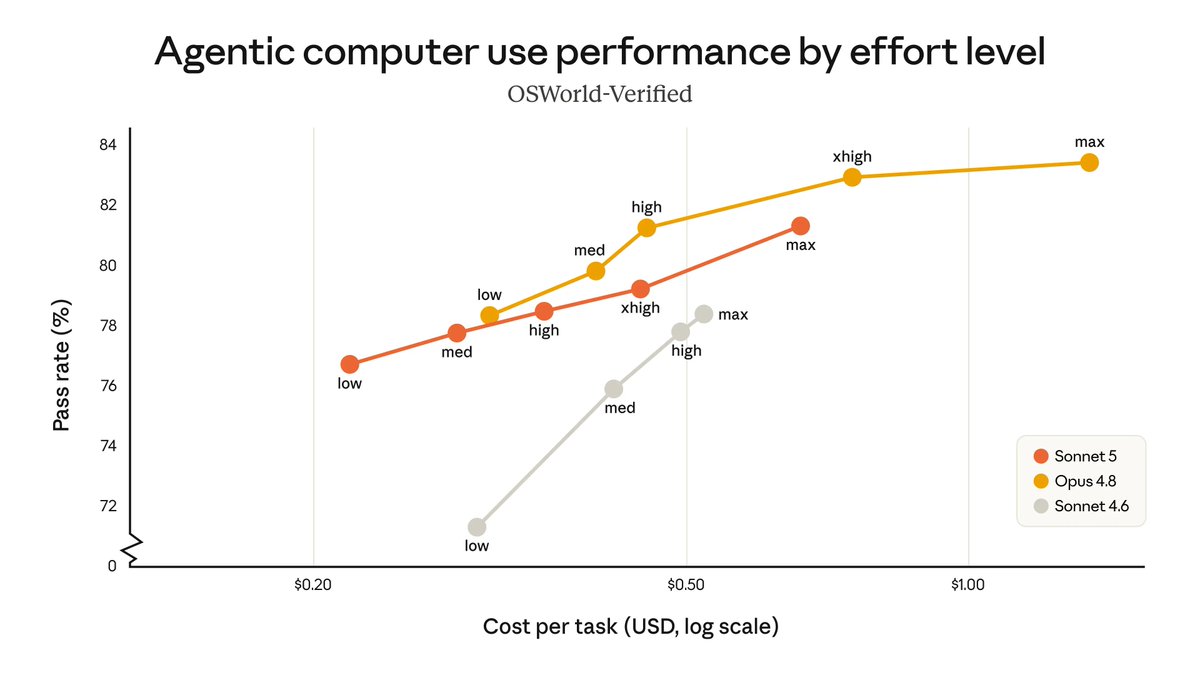
Sonnet 5 is here! This is going to support better long-running agents. Previous Sonnet models were unreliable, so it's great to see the improved version that can complete agentic tasks more reliably. It also seems to have improved substantially in computer use. https://t.co/8K6FAORgLU
Introducing Claude Sonnet 5, our most agentic Sonnet yet. It makes plans, uses tools like browsers and terminals, and runs autonomously at a level that just a few months ago required larger and more expensive models. https://t.co/UKK8G7ww5h
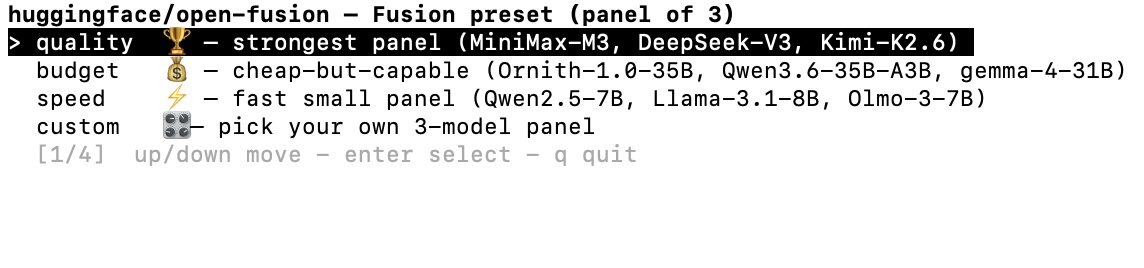
open-fusion in claude code with hf-claude https://t.co/YWxUMu9eWc
https://t.co/GwJbsc5WiD
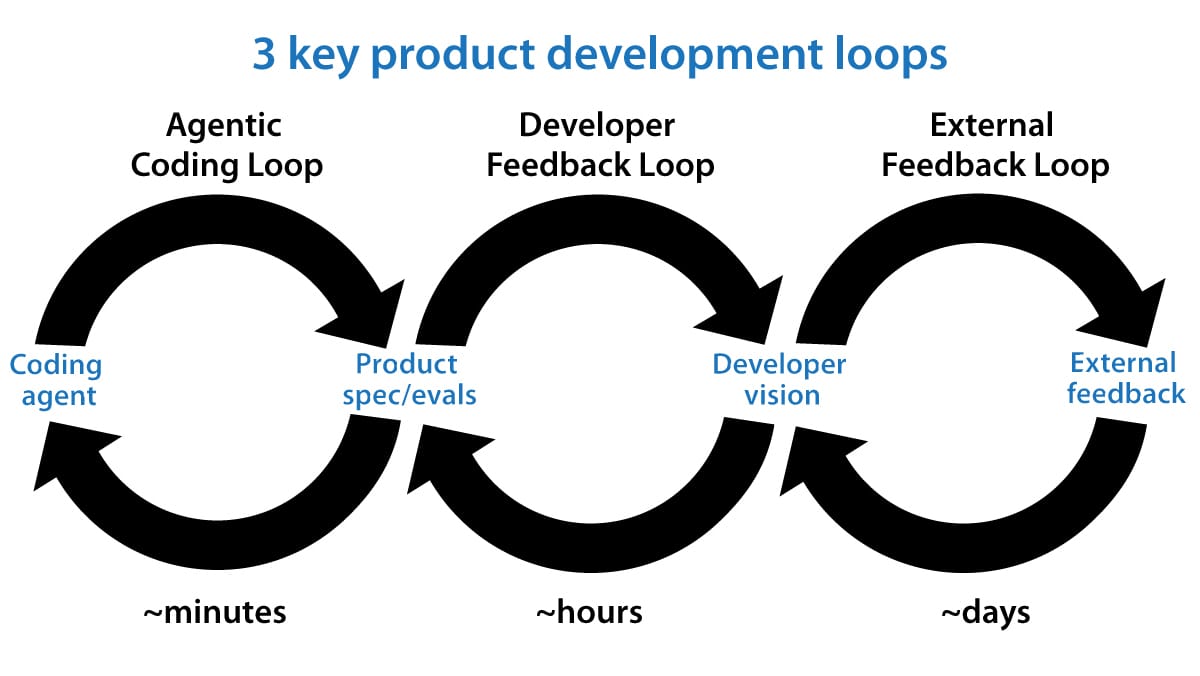
“Loop engineering” is a hot buzzphrase after mentions of it by Boris Cherny (Claude Code’s creator) and Peter Steinberger (OpenClaw's creator) went viral on social media. Loops are now a key part of how we get AI agents to iterate at length to build software. In this letter, I’d like to share my 3 key loops, shown in the image below, for building 0-to-1 products. These loops guide not just how I build software, but also how I decide what software to build. Agentic coding loop: Given a product specification and optionally a set of evals (that is, a dataset against which to measure performance), we can have an AI agent write code, test its work, and keep iterating until the code is bug-free and meets its specification. This idea of closing the loop took off around the end of last year, and it has been a game changer in enabling coding agents to work longer productively without human intervention. For example, over the weekend, I was building an app for my daughter to practice typing, and my coding agent could easily work for around an hour, using a web browser to check what it had built multiple times before getting back to me, without needing my intervention. The engineering loop executes quickly. Every few minutes, the coding agent might build and test a new version of the software. I hear frequently from developers who are finding new ways to engineer more effective engineering loops. This is an active area of invention! Developer feedback loop: In this loop, a developer examines the current product and steers the coding agent to improve it. Last year, a lot of developers (including me) were acting as the QA (quality assurance) function for our coding agents, manually finding bugs and then asking the agent to fix them. But with coding agents much more able to test their own code, the amount of time we need to spend on this function has decreased significantly. This allows us to make higher-level product decisions, such as what key features to offer, where the UI needs improvement, and so on. The developer-feedback loop operates over time intervals between tens of minutes and hours — that's how frequently a developer might review a product and give feedback. In the case of the typing app, I changed my mind a few times about the visual design, what cat costumes she can unlock as she learns (she loves cats), and the user flow for a grown-up to log in and steer the child's learning experience. When a developer has a clear vision for what to build, it is still a lot of work to translate that vision into a specification for a coding agent to implement. Further, after the developer has seen an implementation, they might update (or perhaps clarify) the spec to steer it toward what they want. If you find that the system repeatedly runs into certain problems, building a set of evals for the agent becomes useful. AI-native teams are increasingly using AI to help shape product direction, for example, automating the gathering and analysis of usage data, summarizing written and verbal customer feedback, or carrying out competitive analysis. However, for pretty much all the products I’m involved in, I see humans as having a significant context advantage over current AI systems — we know a lot more than the AI system about the users and the context the product has to operate in — and thus humans play a critical role. Many people describe this human contribution as “taste,” but I prefer to think of it as humans having a context advantage, since that gives us a clearer path to helping AI systems get better. This also speaks to why this step can’t be automated: So long as the human knows something the AI does not, human-in-the-loop is needed to to inject that knowledge into the system. External feedback loop: This includes a wide range of tactics like asking a few friends for feedback, launching to alpha testers, or putting the code into production with A/B testing. These tactics are usually slow, rarely taking less than hours and sometimes taking days or even weeks. This data informs the developer vision, which in turn continues to drive the detailed product spec, which in turn drives the coding agent. With coding agents speeding up software development, more engineers are starting to play a partial product management role. For many engineers who are growing into this role, the hardest part is shaping the product vision and striking a balance between building (bridging the gap between vision and spec) and getting user feedback to evolve the vision. It is important to do both! I will write more about how to do this in future posts, but for now, I find it encouraging that engineers are playing an expanded role (just as product managers and designers now do more engineering). [Original text: The Batch]
@tombombadeel You don't have to, it's written to work as a standalone, but it would be a good complimentary resource https://t.co/r59qByata3
@Joe609338771908 I probably would but you don't have to. It would work either way: a) You start with "Build a Large Language Model (From Scratch)" and then add inference techiques and reasoning training b) You start with "Build a Reasoning Model (From Scratch)" and then dive deep

The media bias against Elon is absolutely insane They don’t report on him They hunt for ways to make him look evil Is it a lie? Doesn’t matter Is there proof? Still doesn’t matter They will lie, twist, exaggerate, or straight-up fabricate stories just to paint him as the villain… and they go to levels you can’t even imagine When asked to actually show proof or give contact of the real help people were receiving from USAID, they provided none. Literally none Yet somehow, the second DOGE started cutting waste, “millions of deaths” magically appeared in the numbers Let’s look at the actual reality: • A USAID contracting officer and corporate executives pleaded guilty to a decade-long bribery scheme involving over $550 million in contracts • They were running aid programs with Hamas staff inside the organizations • They were literally funding Al-Qaeda terrorists • Let me say it again: They were funding terrorists But the corrupt media doesn’t care All they care about is manufacturing fake “Holocaust-level” death numbers just to paint Elon as evil Pure propaganda
Honestly at this point I'm a bit frustrated I didn't get my USAID-sponsored RPG https://t.co/6PqxcFCbGk

Nvidia CEO Jensen “@Tesla stack is the most advanced autonomous vehicle stack in the world. I’m fairly certain they were already using end-to-end AI. Whether their AI did reasoning or not in somewhat secondary to that first part.” https://t.co/YJAlQJybgx
Introducing Claude Sonnet 5, our most agentic Sonnet yet. It makes plans, uses tools like browsers and terminals, and runs autonomously at a level that just a few months ago required larger and more expensive models. https://t.co/UKK8G7ww5h
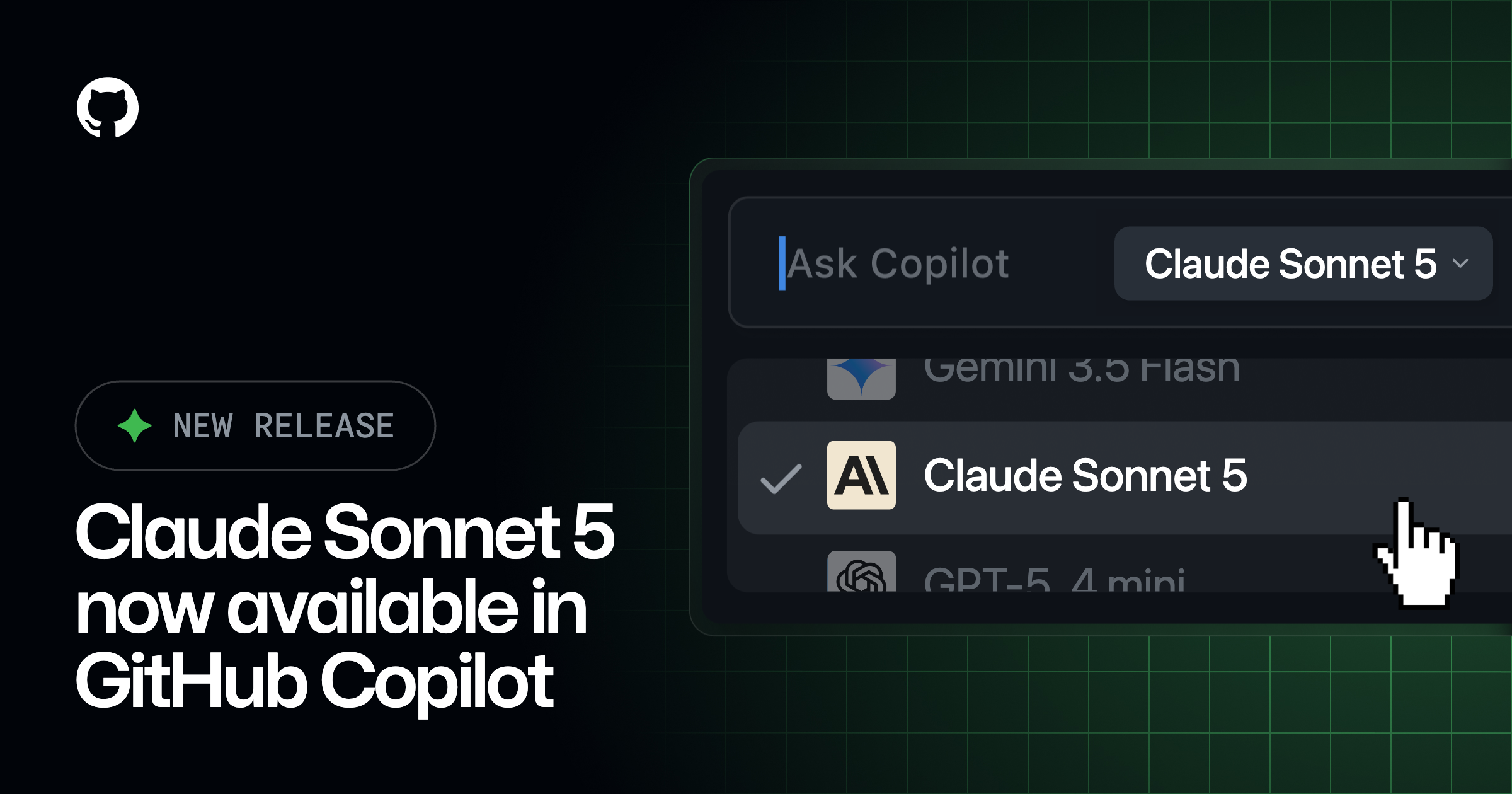
📣 @AnthropicAI's Claude Sonnet 5 is now generally available and rolling out in GitHub Copilot. Early testing for Claude Sonnet 5 showed: • strong results across a range of coding scenarios, particularly for performance on CLI-style tasks. • excellent prompt-cache utilization and competitive latency at lower effort levels. Try it out in the GitHub Copilot app ⬇️ https://t.co/mqlNX4OPYs
BREAKING: Open USD is launching natively on Solana from day one. A new shared stablecoin, owned and governed by its partners. No mint or redeem fees, no volume caps, and nearly all the reserve economics flow back to the businesses building it. https://t.co/eWyK0JsLmB