Your curated collection of saved posts and media
“Sometimes I wonder, maybe everything is conscious, or nothing is conscious. I prefer the former; it just seems more fun.” – Elon Musk https://t.co/WLHHjAaz6n
Neuralink has solved through-dura electrode implantation! This is a very big deal, as it greatly improves the safety and ease of interfacing with the brain.
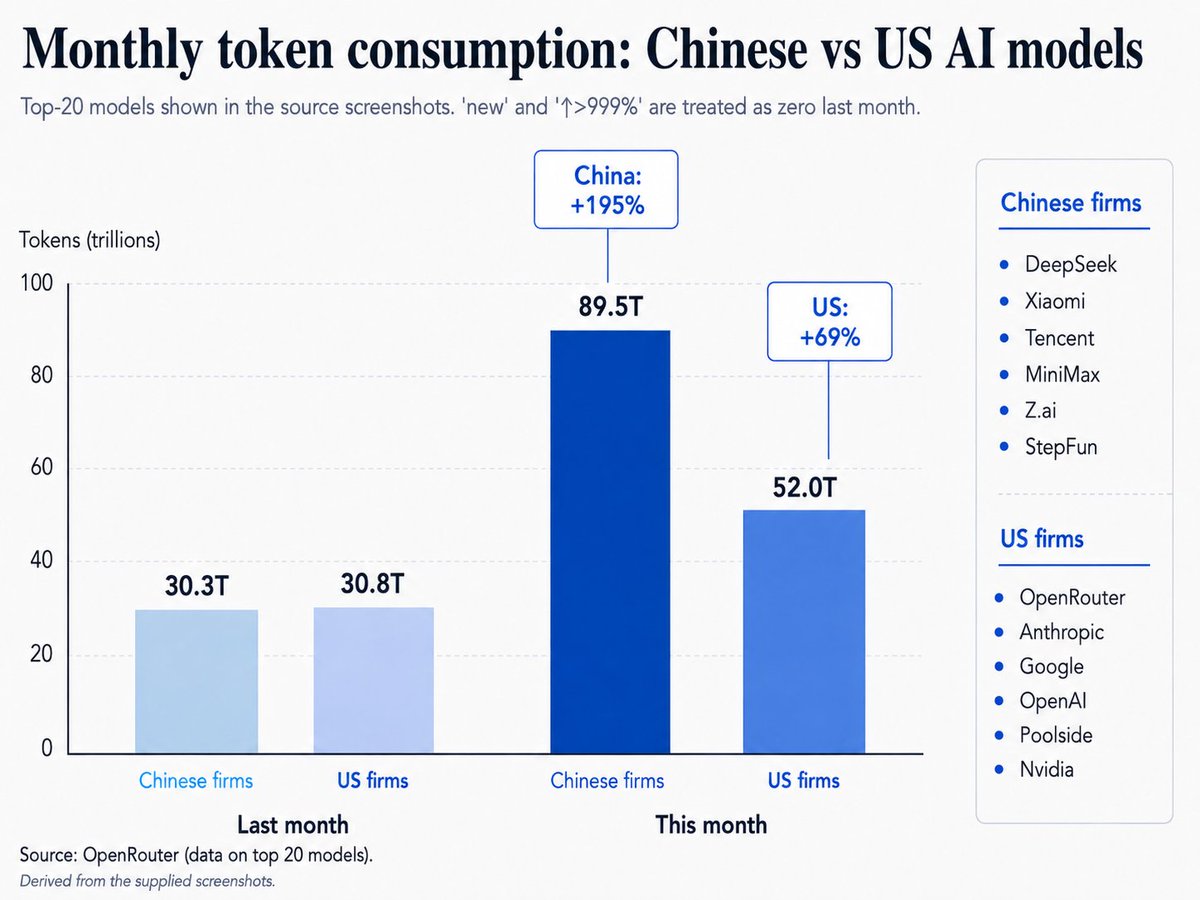
Featuring these Important Graphs! https://t.co/aer6GkfIpn
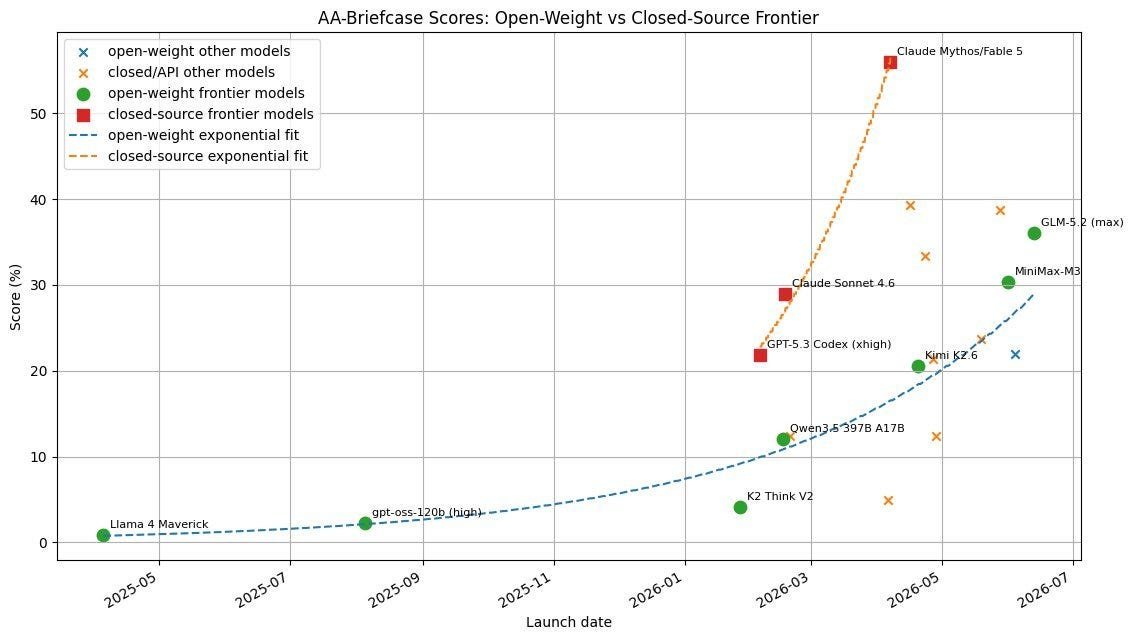
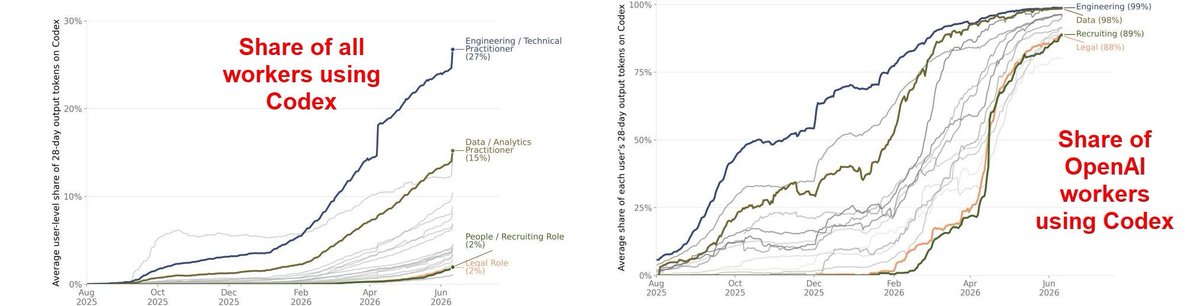
https://t.co/7SwqXUfUNK
Claude Fable 5 will be available again globally tomorrow. After a series of productive conversations with the US government, we're redeploying the model with a new set of classifiers to target and block more cybersecurity tasks. In the near term, some routine tasks like coding a
Seen a lot of people saying that Fable 5 can't be used for coding, which is not what Anthropic said at all. Some of you have skill issues around reading comprehension. It says "some" not all "some" meaning the classifier is probably sensitive depending on the task. https://t.co/pqcvyqdu6y
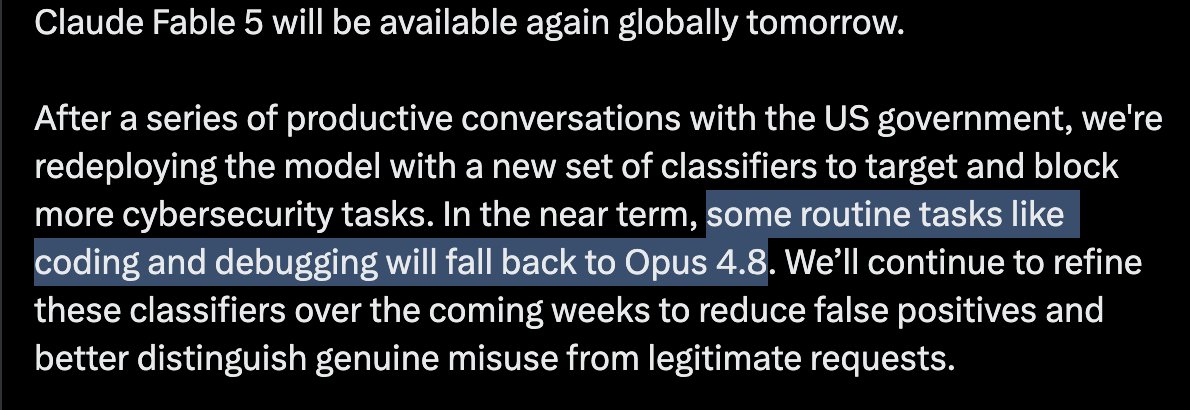
“Some” coding tasks will fail back: https://t.co/vgNwohT6qI I will pull my “feels like having a World Cup goal taken away” post because it isn’t accurate.
Claude Fable 5 will be available again globally tomorrow. After a series of productive conversations with the US government, we're redeploying the model with a new set of classifiers to target and block more cybersecurity tasks. In the near term, some routine tasks like coding a
Introducing Bond, the AI Chief of Staff for exceptional founders and executives. Running a company means constantly reconstructing context. What's blocking the team. Who owns this. Did we follow up. What changed since last week. What you're forgetting. That context lives everywhere: email, Slack, meetings, docs, tasks, CRMs. And gathering it eats the hours you should be spending on the work only you can do. @bondhq_ changes that. It connects to your tools, reads every notification as they come in, and tells you exactly what to focus on next. The best leaders aren't smarter than everyone else. They just know exactly where their attention should go. Bond makes that possible for everyone, not just the people who can afford a chief of staff. Today, anyone in the world can get their own AI Chief of Staff. Get yours now: https://t.co/MiTmRYgZai

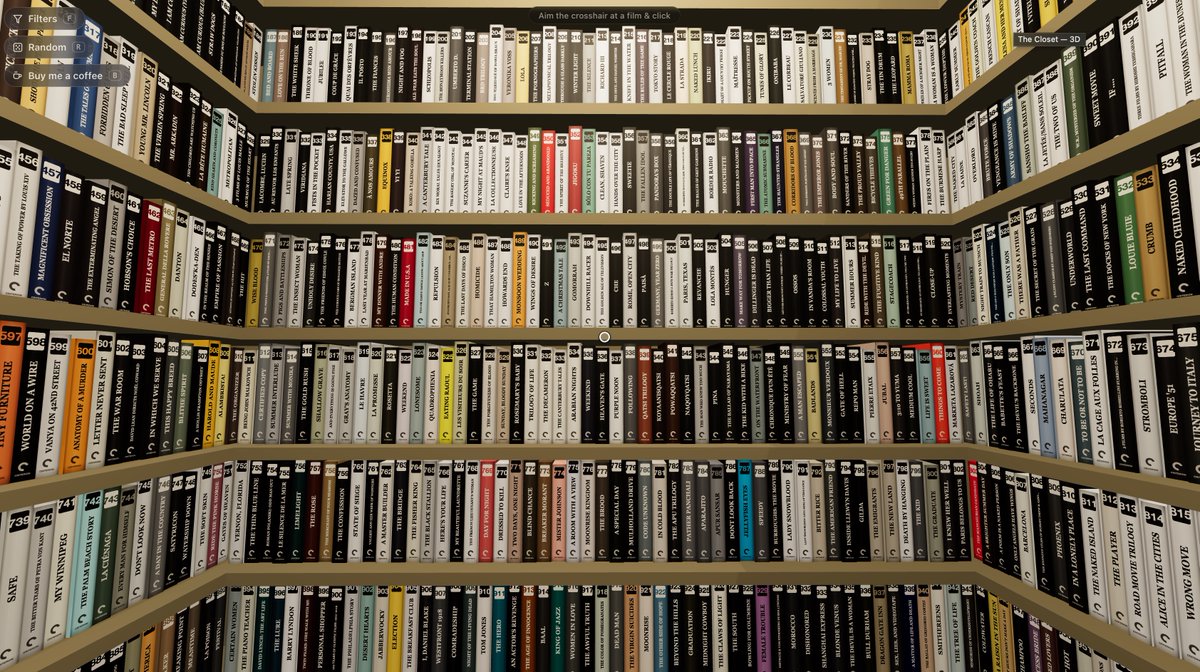
The entire Criterion Closet is now available as a website, where you can browse all 1,247 films by walking the shelves, thanks to redditor olievans. https://t.co/O2b7MwzCZj https://t.co/5G8S02gKdS
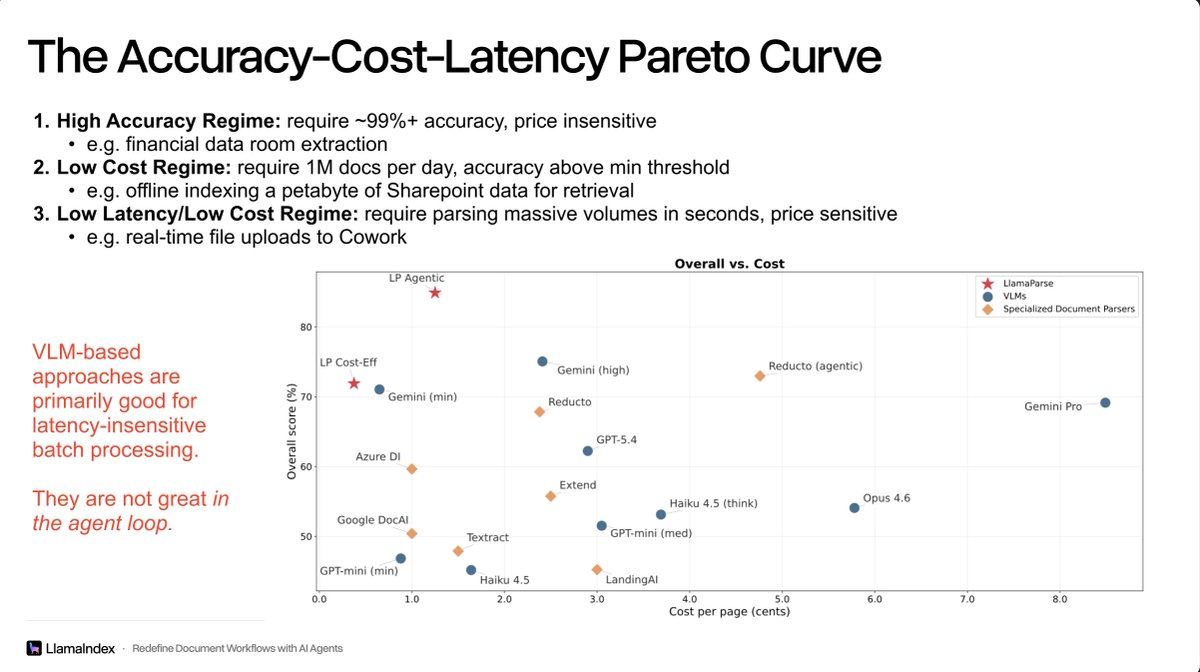
Fully solving document parsing includes covering every point on the Pareto curve of accuracy, cost, and latency: 1️⃣ High-accuracy parsing - requires 99%+ accuracy, price insensitive. Especially relevant in regulated industries like financial service and insurance. 2️⃣ Low cost, high volume parsing - requires inhaling a massive volume of documents as context for agents. Can run offline in a batch setting. 3️⃣Low latency and low cost parsing - these are use cases where the user is uploading a massive volume of files ad-hoc and in the agent loop (e.g. uploading 1k pdfs to claude cowork). Requires an extremely fast pass to make sense of the docs before a deeper dive LlamaParse covers the cost-accuracy modes for document OCR with our document agent harness. LiteParse, our OSS project, is designed to be in the agent loop, and can route to deeper VLM-enabled modes. I talked about this and other topics during the @aiDotEngineer talk today. Stay tuned for the slides! In the meantime, check out our full set of parsing results on ParseBench: https://t.co/PWczfhp0OX LlamaParse: https://t.co/XYZmx5TFz8 LiteParse: https://t.co/JNER0mVcB8
@jeremyj0916 Yes we have a desktop app https://t.co/L555n24W3T
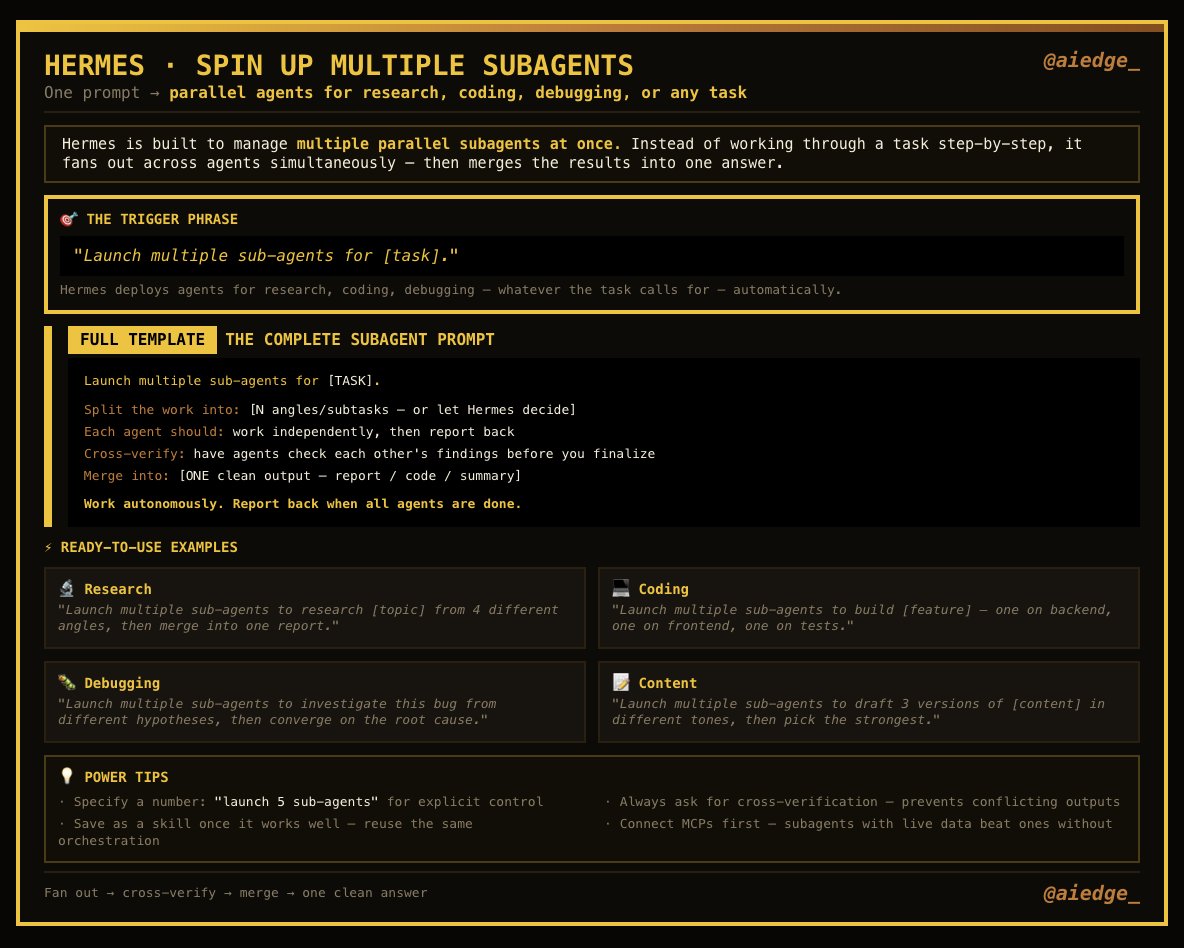
This is the most powerful way to use Hermes. Spinning up multiple subagents to complete work. Rather than working sequentially, Hermes fans out across multiple agents at once - then cross-verifies and merges the results. It's like having an entire team from a single prompt: https://t.co/0kYL9T3ac4
Children aren't waiting for AI to become part of their lives. According to UNICEF, they're adopting it more than three times faster than adults, whether for learning, homework or even personal advice. The bigger challenge may not be AI itself, but making sure young people know how to use it wisely.

Anthropic's agreement with the U.S. government feels like more than the end of a two-week standoff. It shows that releasing frontier AI models is becoming as much about security and trust as it is about technology. I don't think this will be the last time we see this. https://t.co/mVrNA0jdKX
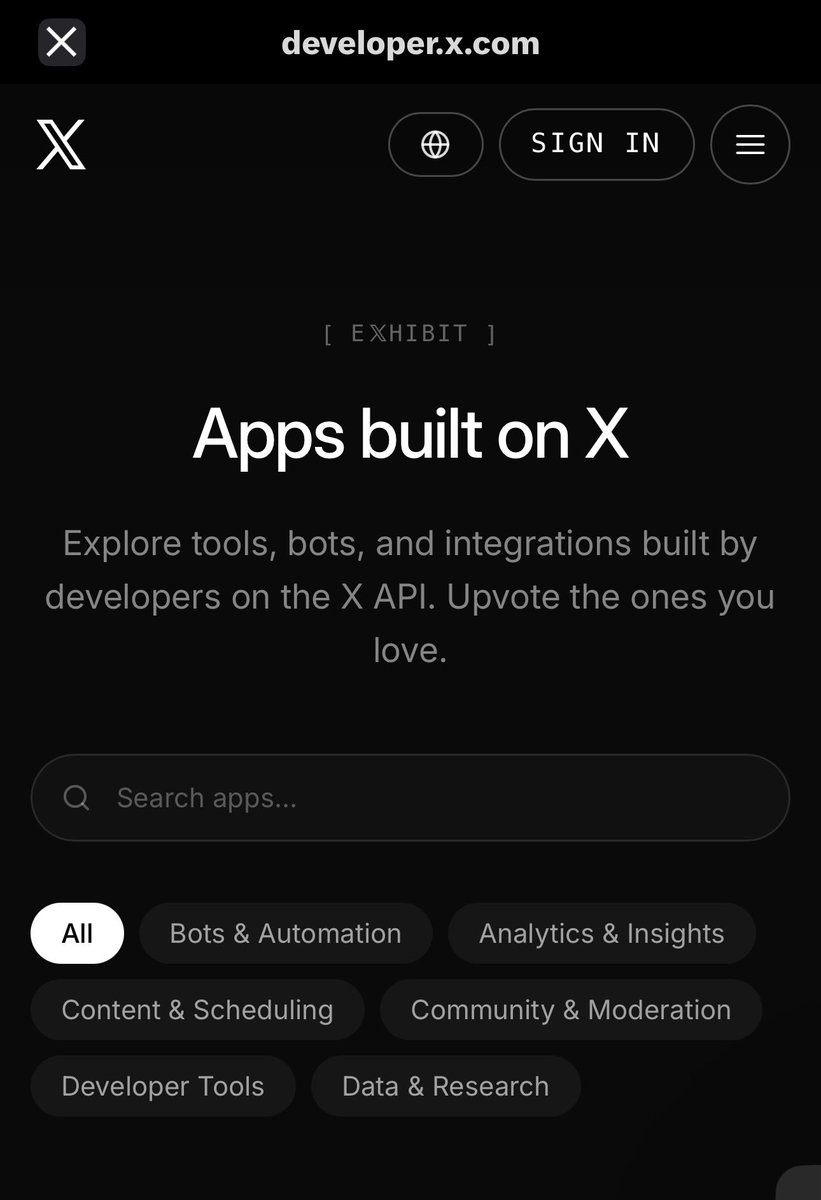
Wow! X just opened an AI App Store! Developer E𝕏hibit: a platform where you can showcase your X apps to drive traffic + revenue. It is brilliant and revolutionary! I will display some stuff soon! Link: https://t.co/vEXcfWQLHm https://t.co/MjzBbUl2TG

Coolest use of a drone https://t.co/Qoiqdibd4y
Coolest use of a drone https://t.co/Qoiqdibd4y
Anthropic banned our company in March, and gave us an Al bot for support. We were a $40k/mo customer. Lesson learnt: Never let one lab own your Al. Today we're launching PromptQL Tag: Claude Tag on AGI steroids. Here are 8 things it does that Claude Tag will never do:


@TrungTPhan I was there with @scobleizer! https://t.co/XoEhZED6jT
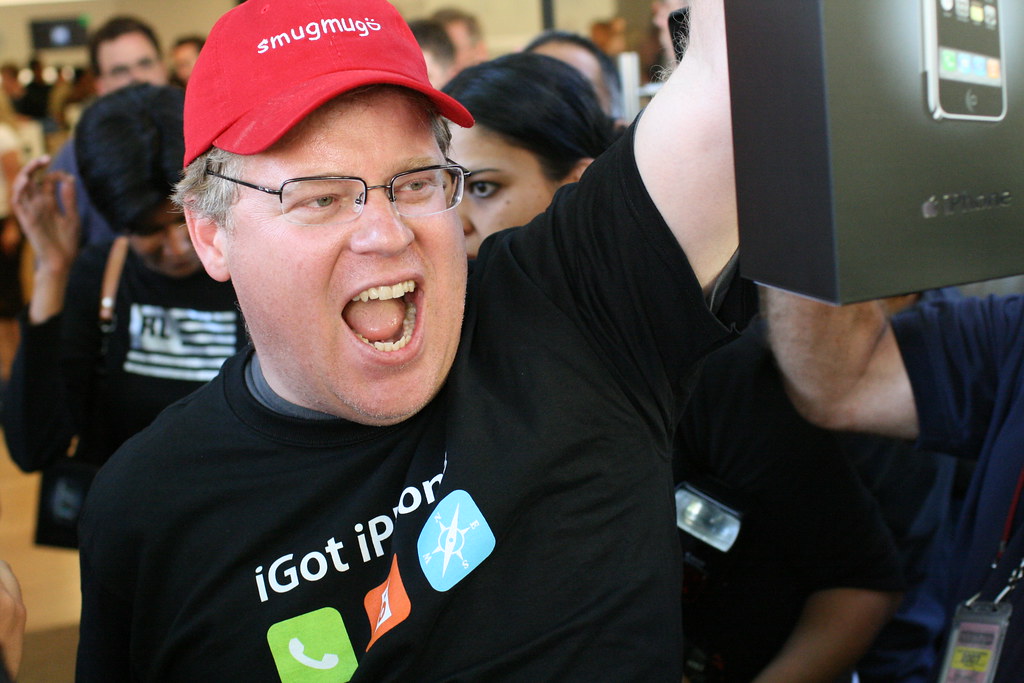
19 years ago yesterday I bought the first iPhone at Steve Jobs’ store. When I arrived at the store with my son Patrick (who officially was first in line), there was nobody there. We set up our chairs and waited, and 45 minutes later, somebody else showed up. By the time the store opened, there was about 1,000 people behind us in line. It was one of the most remarkable Silicon Valley events I have ever been a part of. In line with us was the original Macintosh team, along with so many entrepreneurs and people who are running the tech industry today. Brian Solis took this photo, for instance, and he is now a storied executive. One thing I remember clearly was Andy Hertzfeld showing up with a wood model of the iPhone. He was the guy who invented major parts of the Macintosh and HyperCard, and he is largely seen as one of Apple's best engineers of all time. He wanted to hold the iPhone to dream about how the world would change after they got it. It is that dreaming that I think is indicative of the spirit of Silicon Valley: a dreaming of a better future. It keeps me going because I have the same dream. After that, I went around Silicon Valley taking pictures of people holding their iPhones. Those pictures are still up on Flickr. People were so happy to get this new device. It was much better than the Nokia phones everybody had before that, or the Palm Trios, or the Blackberries. It was a time of hopefulness, a feeling that the world had changed. Now we are going into a period where technology is changing at such a rate that it is hard for everybody to get that feeling back, but it is still there. The thing people forget is that the iPhone really wasn't that big a seller at first, even though there were a thousand people in line at the Palo Alto store and lines at other stores around the world. At the time, Nokia had far more dominance. For three years after the iPhone shipped, Nokia's CEO kept reminding me that his phones had better radios and better cameras. That was true, but the company was doomed from that day because the iPhone simply let you use the phone in a much nicer way. I still have a drawer full of Nokia phones; they were just so hard to use and lacked a good developer platform. Neither did the iPhone, for that matter. The first iPhone developers camp only had one Apple employee at it, and there was no App Store on the original iPhone. The platform we know today showed up much later. It is interesting because my boss at Microsoft eventually left for Google, where he funded Android. I have watched the iPhone versus Android rivalry play out from the very beginning. Today, the iPhone doesn't have nearly as much market share (it is around 10%), but it still has the affluent users and the best developer ecosystem. There is a reason Apple is the most profitable company in the world today: it is all due to the iPhone. If you bought one the first day, do you have any cool stories? https://t.co/i1BNhhvn7R
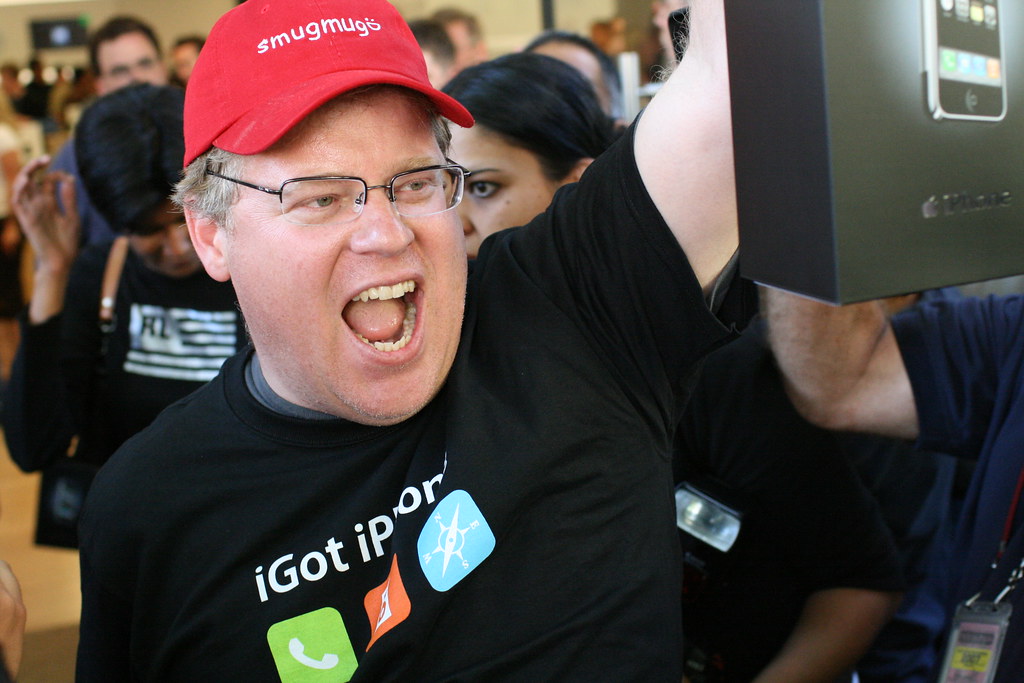
Steve Jobs didn’t do an official event for the first iPhone launch day in June 2007. But he did roll up to the Pal Alto Apple store minutes after it opened. He walks around and chats with Andy Herzfeld and Bill Atkinson from original Macintosh team (the iWas There merch sick). https://t.co/5hCXgXzLnE
One other fun thing was Kevin Rose @kevinrose showed up with the Digg team and did a Digg broadcast from the front of the store. Today, he and I are the only ones who are really using the X API to study the AI industry here on X. https://t.co/qMvWnX9Rip And my site is at https://t.co/8L5xphk0qQ

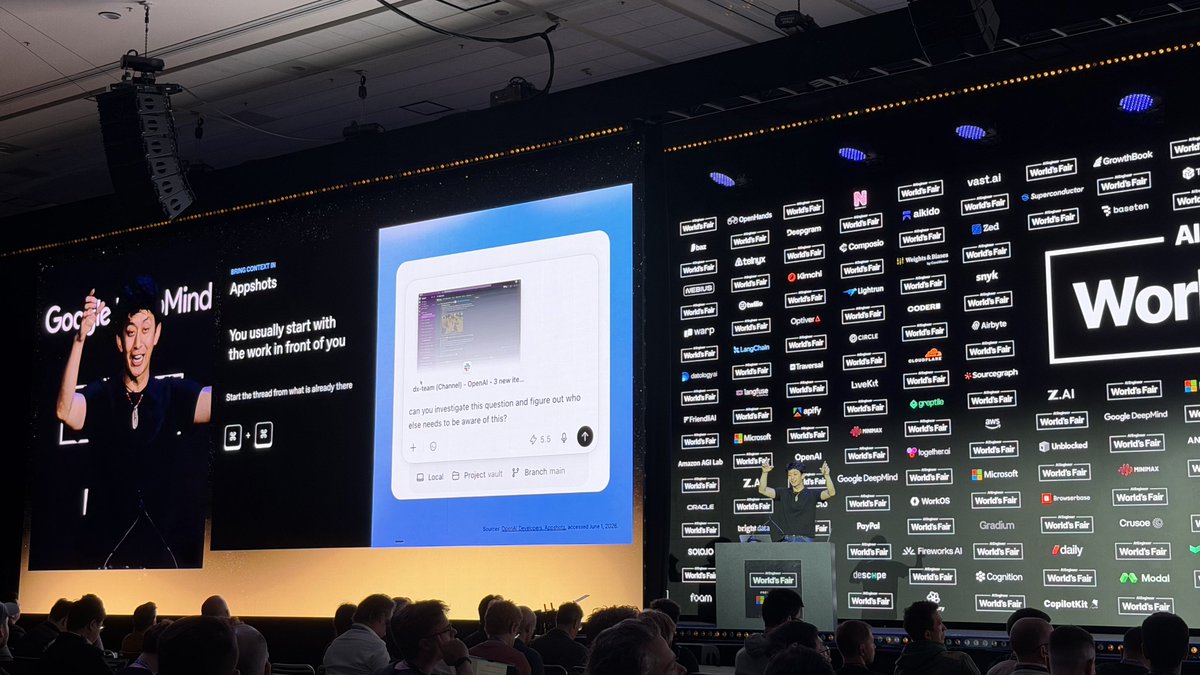
Love seeing @jxnlco share his Codex workflow on the main stage at @aiDotEngineer today! He’s talking about AppShots here, one of my favorite Codex features. And yes, that’s the ⌘⌘ gesture! https://t.co/T17QyebV3r
The best thing about building in the open? Nothing gets lost. Anders Hejlsberg, creator of TypeScript and C#, on 12 years of issues and decisions, all searchable. "It didn't just disappear into some email I can't find anymore." Take a trip down memory lane and tell us: what was your first open source contribution?
Claude Fable 5 will be available again globally tomorrow. After a series of productive conversations with the US government, we're redeploying the model with a new set of classifiers to target and block more cybersecurity tasks. In the near term, some routine tasks like coding and debugging will fall back to Opus 4.8. We’ll continue to refine these classifiers over the coming weeks to reduce false positives and better distinguish genuine misuse from legitimate requests. We’ve also begun drafting a consensus framework—with Amazon, Microsoft, Google, and other Glasswing partners—for assessing the severity of AI jailbreaks and how AI developers should respond to them. We invite other industry partners and model providers to join us in this effort. Finally, we’re scaling up our collaboration with the US government on model testing and safeguards. This will include pre-release access to models and safeguards for evaluation, information sharing on jailbreaks and misuse, and dedicated resources for joint research. Thank you to our users for your patience, and to our partners across the government, industry, and the research community who worked alongside us to make Fable 5 available again. Read our full blog: https://t.co/VHyum831ri

My highlight of the pandemic was my neighbor calling the city because my Airstream was an “eyesore” and the city decided it was a moveable ADU because it had WiFi. I fully support the loud SUV that can actually tow stuff movement. https://t.co/3eOCkKjGca
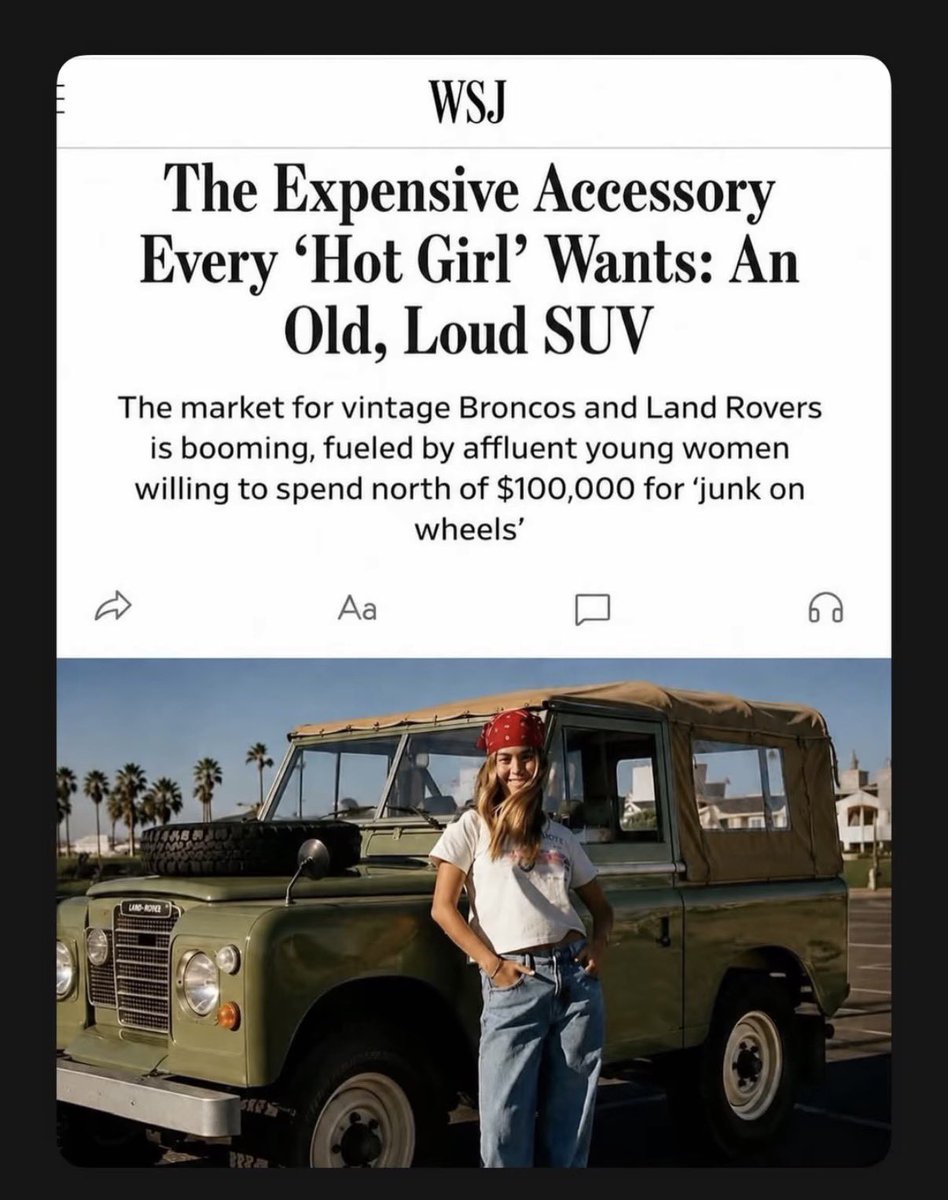
Uh oh 👀 https://t.co/7uZ98rw3Tx
You are not too old to build muscle. The people who told you otherwise have never read the study that settles it. In 1990, researchers took ten frail nursing-home residents with an average age of 90 and put them on heavy resistance training three times a week. Real load, taken close to what they could manage. No chair aerobics, no resistance bands the colour of a boiled sweet. Actual weight. Eight weeks later, among the nine who finished, strength had climbed by an average of 174 percent. Their thigh muscle had grown. Their walking speed improved by nearly half. Two of them put their walking sticks away. One resident who could not stand from a chair without using their arms got up unaided. Average age in the room: 90. Oldest: 96. If you think ten people is a thin reed to lean on, the same researcher ran it again four years later as a proper randomised trial, a hundred nursing-home residents this time, and the strength gains held at 113 percent. The frail and the ancient kept building muscle every time anyone bothered to test it. Now sit with what you have been told instead. Take it easy. Mind your back. You don't want to overdo it at your age. Stick to walking. A nice gentle swim. Don't lift anything heavier than the kettle. Every one of those instructions was handed to people more capable than the nonagenarians in that study, and it made them weaker. Muscle responds to load. It does not ask your age before it grows. The 70-year-old who picks up something heavy twice a week is building tissue the same way the 25-year-old is, just from a different starting line. Slower, smaller numbers, but the machinery still works, and it keeps working into your nineties whether anyone gave you permission or not. Old age was never the thing that made you weak on its own. A lifetime of being told to sit down and protect a body that was begging to be used did far more of the damage. Pick something up. Put it down. Do it again next week with a bit more. You have decades of evidence and a nursing home full of nonagenarians on your side.
@charles_maddock https://t.co/9kdpKCBx23
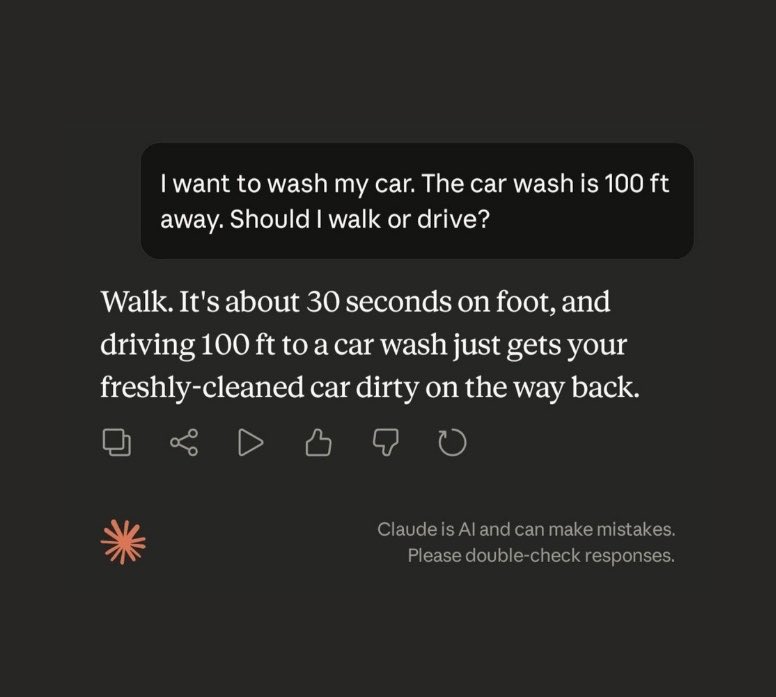
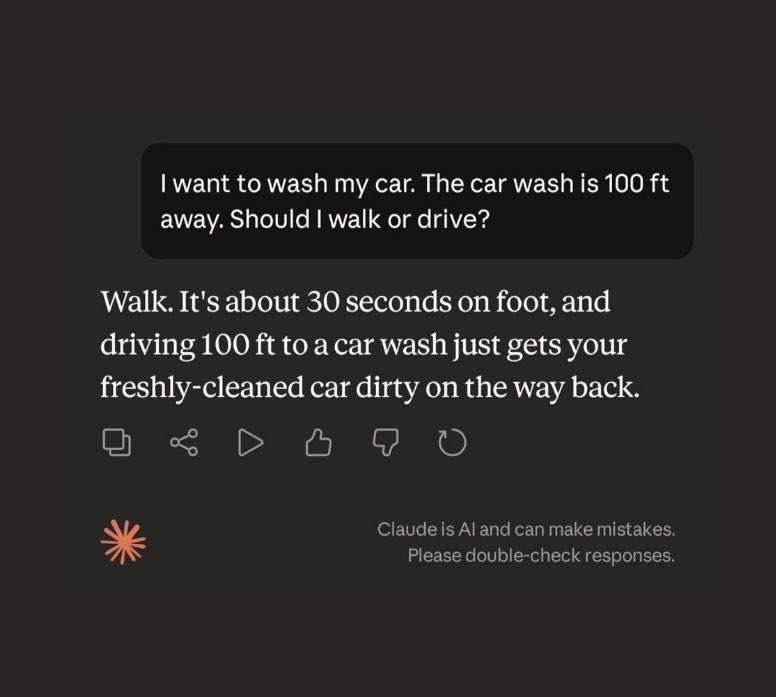
Claude Sonnet 5: AGI test 🚘🚿 https://t.co/aKAkWXheCb
@dotey https://t.co/9kdpKCBx23
Claude Sonnet 5: AGI test 🚘🚿 https://t.co/aKAkWXheCb
Join the team behind Sakana Chat 🐟, Marlin 🐬, and Fugu 🐡 https://t.co/jzoepOf44n
Join the team behind Sakana Chat 🐟, Marlin 🐬, and Fugu 🐡 https://t.co/jzoepOf44n
The Ledger Wallet™ 4.0 app is here, alongside three bold new Ledger Nano™ Gen5 colors. Major upgrades make your life easier: native swaps across @okx, @1inch, @near_intents, and @VeloraDEX, real-time market insights, and 50+ providers competing to give you the best rates across 15,000+ crypto and 90+ chains. Now you have the freedom to choose what suits you best, every time. Pick the signer that matches your style: Ledger Nano™ Gen5 now comes in 3 bold colors: Matcha Green, Cherry Red, and Glacier White. Add exclusive Susan Kare Badges to make it as unique as you are. Your keys stay offline. Your style doesn't. Trade Different. Free from compromise 🔐