Your curated collection of saved posts and media
@StoneSevyn @kaiarhodes @anatar May not be for you - but if you're legit interested in a view of what's in play https://t.co/1qG9qEGgNQ
@StoneSevyn @anatar You’re excited about a “killer long-sleeve shirt”… made by robots?!” 100%. 1000% if it’s the same company, that’s literally “reindustrializing America and manufacturing fabrics for defense and space.”

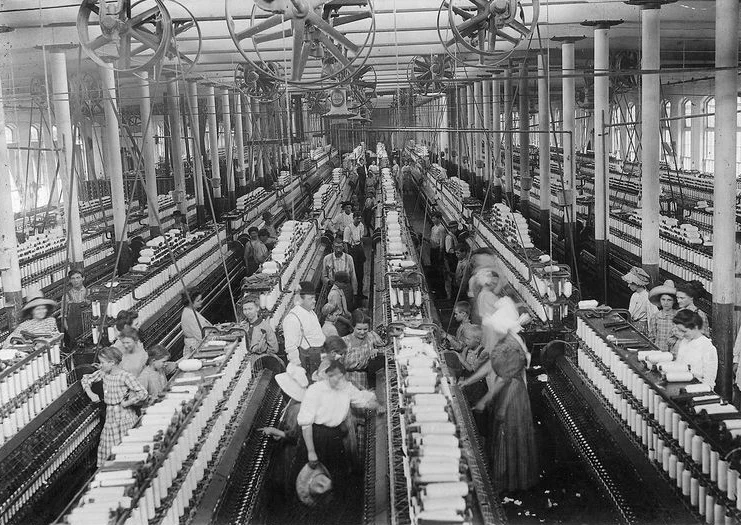
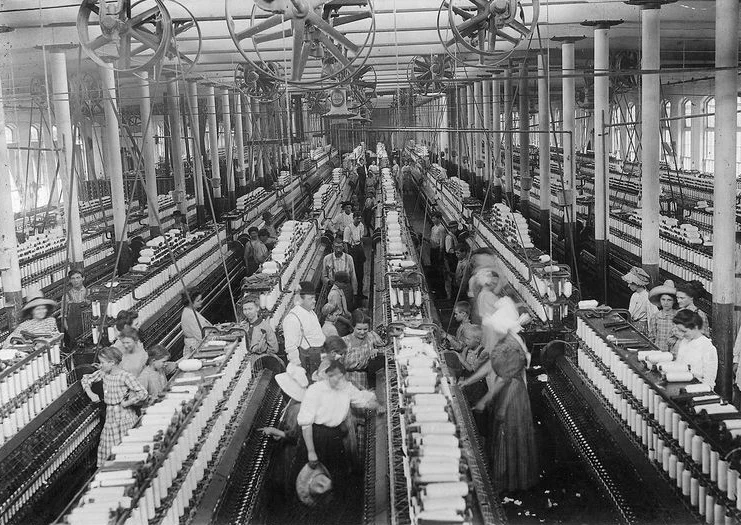
There's a persistent misconception that automation replaces jobs and doesn't benefit American workers in the textile industry. That framing misses how manufacturing actually works. Let's put it to rest. The U.S. textile industry was hollowed out decades ago, and millions of jobs were permanently lost to offshoring. By automating the most labor-intensive parts of sewn product manufacturing, partnering with cotton producers and legacy mills, and working alongside the U.S. government, we are bringing manufacturing back to the United States and creating new opportunities for American workers The textile industry benefits from a supply chain multiplier. For every one direct manufacturing job created, an estimated three indirect and induced jobs are created throughout the broader economy. This ripple effect occurs because finished textiles require a vast web of support across multiple sectors before and after they are made. The Textile Supply Chain Raw materials: Agricultural jobs (cotton, wool) and chemical jobs (polyester, nylon). Processing and manufacturing: Yarn spinning, weaving, knitting, dyeing, and finishing. Finished goods: Apparel assembly, cutting, sewing, and final product creation. The 1:3 Multiplier Indirect jobs (upstream and downstream): Employment in connected industries that support textile production. Farm suppliers, logistics and freight, packaging, equipment maintenance, wholesale distribution. Induced jobs (local spending): Employment driven by the wages of textile workers. When manufacturing workers spend their paychecks, they stimulate local economies including grocery stores, healthcare, restaurants, and construction. The Stakes The U.S. textile supply chain currently employs over 450,000 workers. Globally, the industry employs over 75 million people, with most of that employment now concentrated in China, Vietnam, and Bangladesh. The choice isn't between automation and American jobs. The choice is between Anatar automation and continued offshoring. Every product we produce creates demand for U.S. cotton growers, equipment manufacturers, logistics workers, machine technicians, software engineers, and the local communities that surround our facilities. Grown Here. Sewn Here. That's how you rebuild America. Anatar, the Textile Prime.
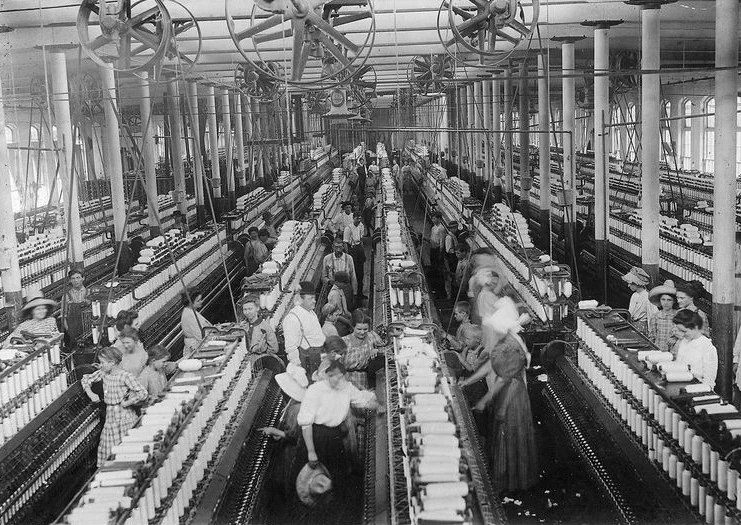
Co sign - and a lengthy, wordy thread with many mispelling, but a little historical context: https://t.co/1qG9qEGgNQ
There's a persistent misconception that automation replaces jobs and doesn't benefit American workers in the textile industry. That framing misses how manufacturing actually works. Let's put it to rest. The U.S. textile industry was hollowed out decades ago, and millions of jobs

@kaiarhodes Co sign - and a lengthy, wordy thread with many mispelling, but a little historical context: https://t.co/1qG9qEGgNQ
@StoneSevyn @anatar You’re excited about a “killer long-sleeve shirt”… made by robots?!” 100%. 1000% if it’s the same company, that’s literally “reindustrializing America and manufacturing fabrics for defense and space.”

@StoneSevyn @anatar 20 / https://t.co/9C35WZl49n
Sure, reindustrializing America and manufacturing fabrics for defense and space is crucial and epic, but topping it off with a killer long-sleeve shirt available to anyone? Just next level @anatar!

@kaiarhodes @StoneSevyn @anatar https://t.co/1qG9qEGgNQ
@StoneSevyn @anatar You’re excited about a “killer long-sleeve shirt”… made by robots?!” 100%. 1000% if it’s the same company, that’s literally “reindustrializing America and manufacturing fabrics for defense and space.”

last one https://t.co/utFCuOxULT

@ClaudeDevs The meeting with Anthropic didn’t go so well. https://t.co/N7sQDBimX0

@ClaudeDevs The meeting with Anthropic didn’t go so well. https://t.co/N7sQDBimX0

This study has been going viral. I think that most people are misunderstanding its conclusions a bit. This paper DOES NOT MEAN domain-specific models are not worth it. First of all, UpToDate and OpenEvidence are not models, but products. And there's no information on what models they are built on. They are likely built on top of older models. For all we know they're built on top of gpt-4o or Llama-3.1 or something 🤣 (it's probably something more recent/powerful than that but just trying to emphasize the point) Second of all, the benchmarks are a bit limited. The benchmarks include MedQA (which is pretty saturated at this point), HealthBench (which focuses on patient conversations), and a closed dataset of doctor questions to an LLM. There are many aspects of clinical use of LLMs that are not at all analyze by this benchmarking approach. What conclusions can be made then? Only that UpToDate and OpenEvidence is worse than frontier models on the limited set of benchmarks tested in this paper. It doesn't mean that domain-specific models cannot beat general purpose models. In fact, we have done a comprehensive benchmark (https://t.co/wsqpqDiBQp) which includes MedQA and HealthBench, among many other benchmarks. We look at general-purpose models, and versions of those same models but adapted for medicine. There seems to be a noticeable boost going from general-purpose to medical fine-tune. So if you took a frontier model and were able to fine-tune for medical applications it would definitely be better. i.e. a domain-specific model would be better. It is true that the current domain-specific models (which are often built on open-source models that are not at the frontier) are often worse than frontier models. It is not true that building domain-specific models cannot beat general-purpose models. I think the main problem is open-source models aren't progressing fast enough with respect to the frontier models and on top of that very few groups are adapting them quickly enough to release better and better medical AI tools. Some groups claim to have medical-specific models that outperform frontier models, ex: Baichuan-M4. Hopefully we'll see more medical-specific models trained on top of really strong base models come out soon.
For medical information, general AI frontier models (Google, OpenAI, Anthropic) outperformed specialized @EvidenceOpen and @UpToDate as assessed by 12 US clinicians, randomized and blinded to which model and extensive testing/benchmarks. This was not anticipated. @NatureMedicin
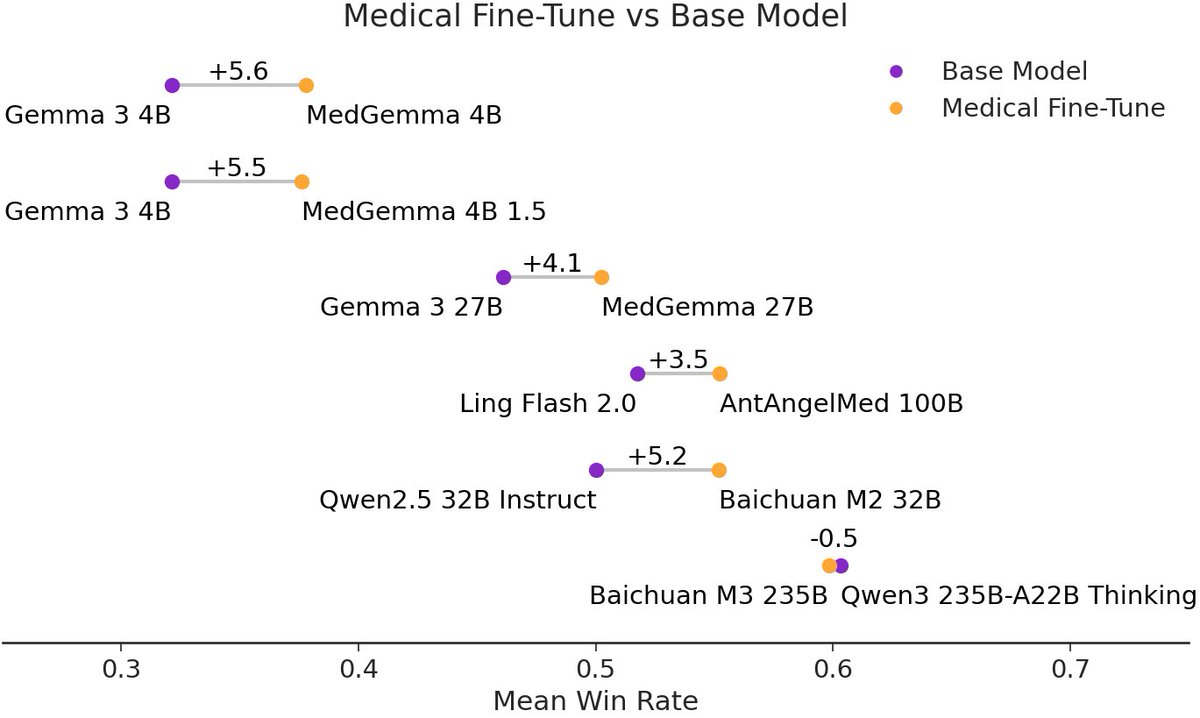
@salemsayed Fixed: https://t.co/8eRRIeCCzX
1/8 Spent today at @devfolio’s Vibe with @NousResearch Hermes Agent build-along in Bengaluru. I built Research Pulse: a Hermes workflow that turns any research topic into a notebooklm book, teaching video, and public research @NotionHQ page. Was happy to meet and talk with @sidbing from the @NousResearch team and the @devfolio team as well

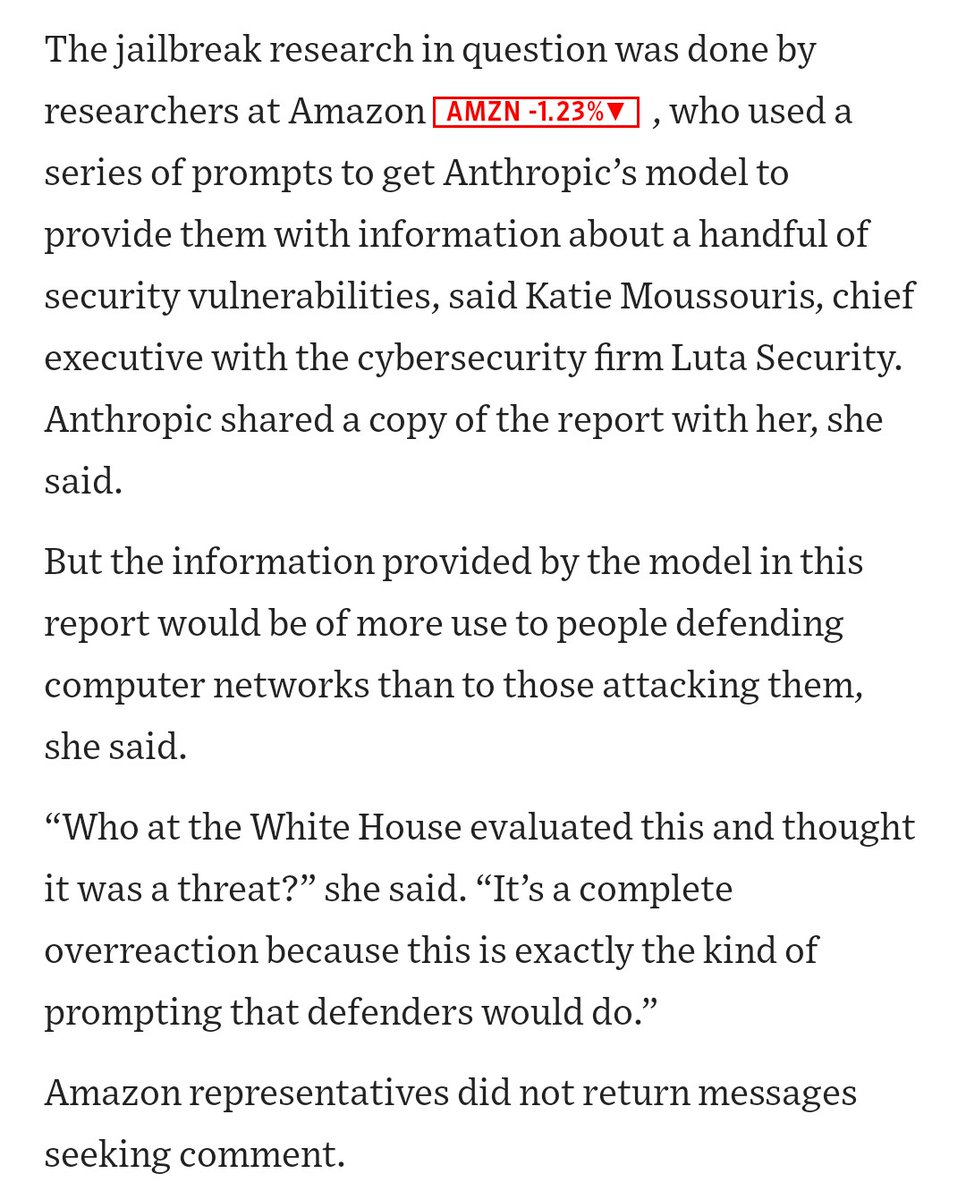
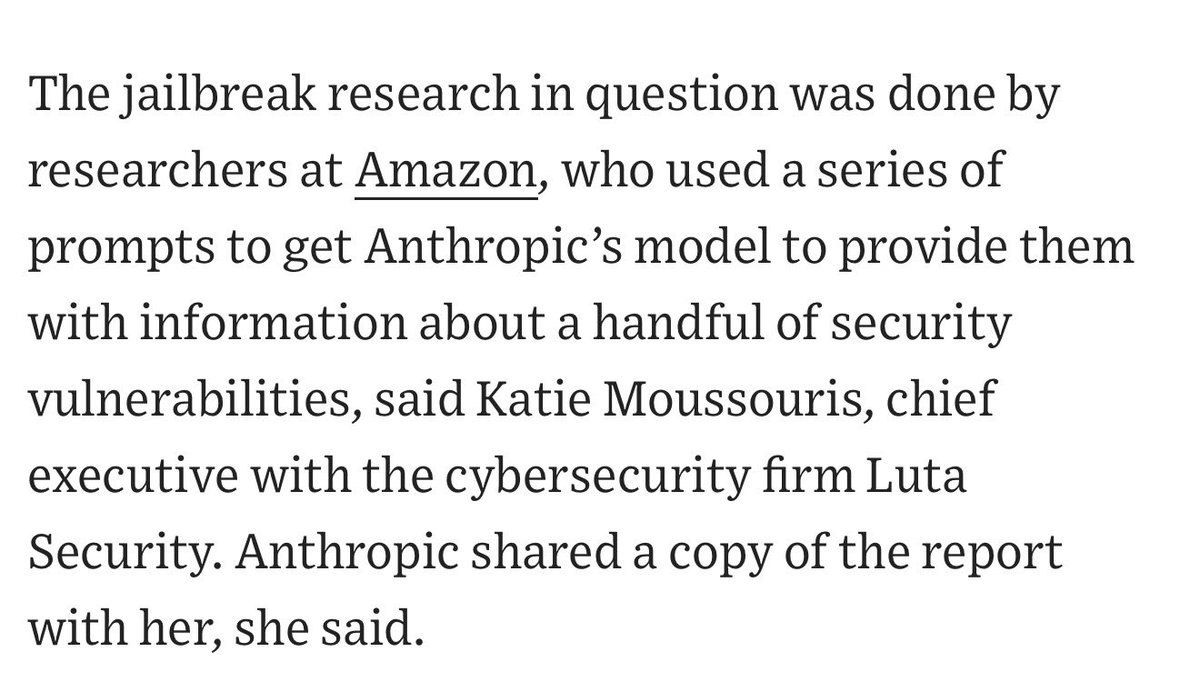
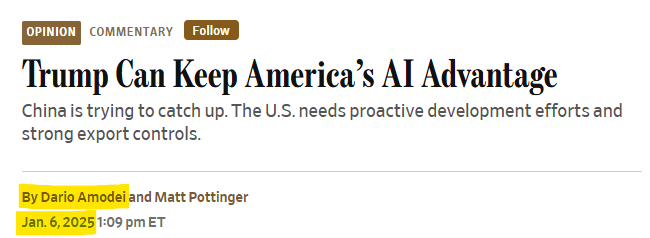
Wall Street Journal is reporting that Amazon reported the jailbreaks to the Department of Commerce, who instituted the ban https://t.co/d2Jwez99Zg
@StoneSevyn @JoshuaRosenthal @anatar https://t.co/hvIiZXbcWD
There's a persistent misconception that automation replaces jobs and doesn't benefit American workers in the textile industry. That framing misses how manufacturing actually works. Let's put it to rest. The U.S. textile industry was hollowed out decades ago, and millions of jobs
@StoneSevyn @JoshuaRosenthal @anatar https://t.co/hvIiZXbcWD
There's a persistent misconception that automation replaces jobs and doesn't benefit American workers in the textile industry. That framing misses how manufacturing actually works. Let's put it to rest. The U.S. textile industry was hollowed out decades ago, and millions of jobs
Do you remember when you joined X? I do! #MyXAnniversary https://t.co/oOhv4gAlsr

@acegraphx @NousResearch Done! https://t.co/K2mKCeYEMT
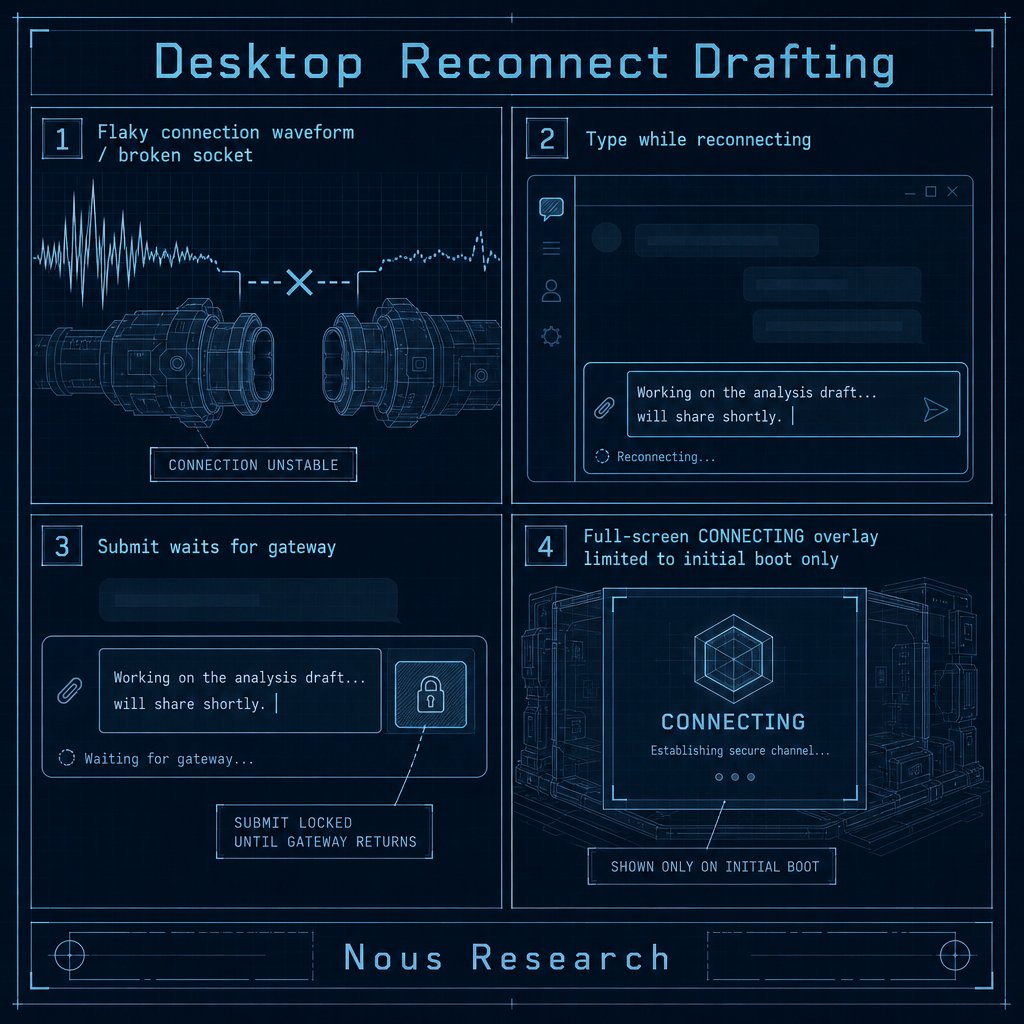
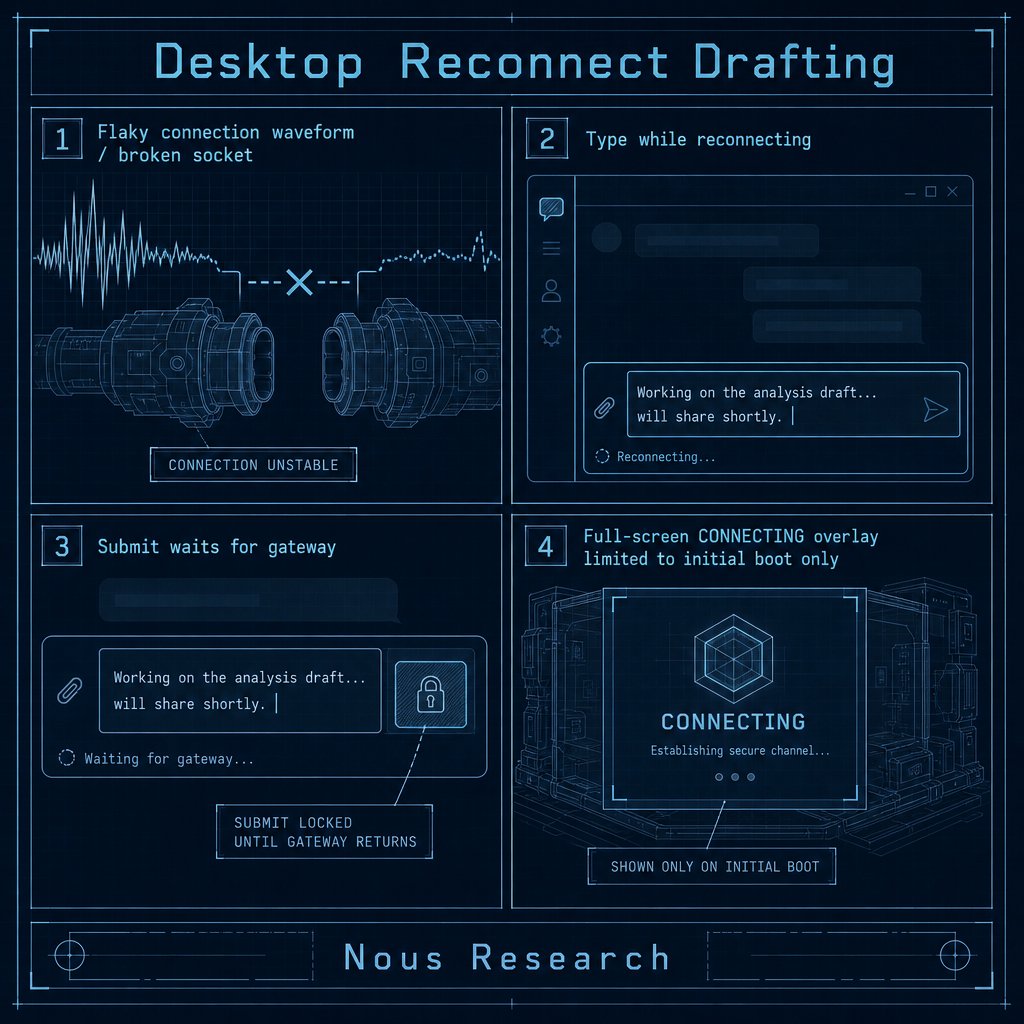
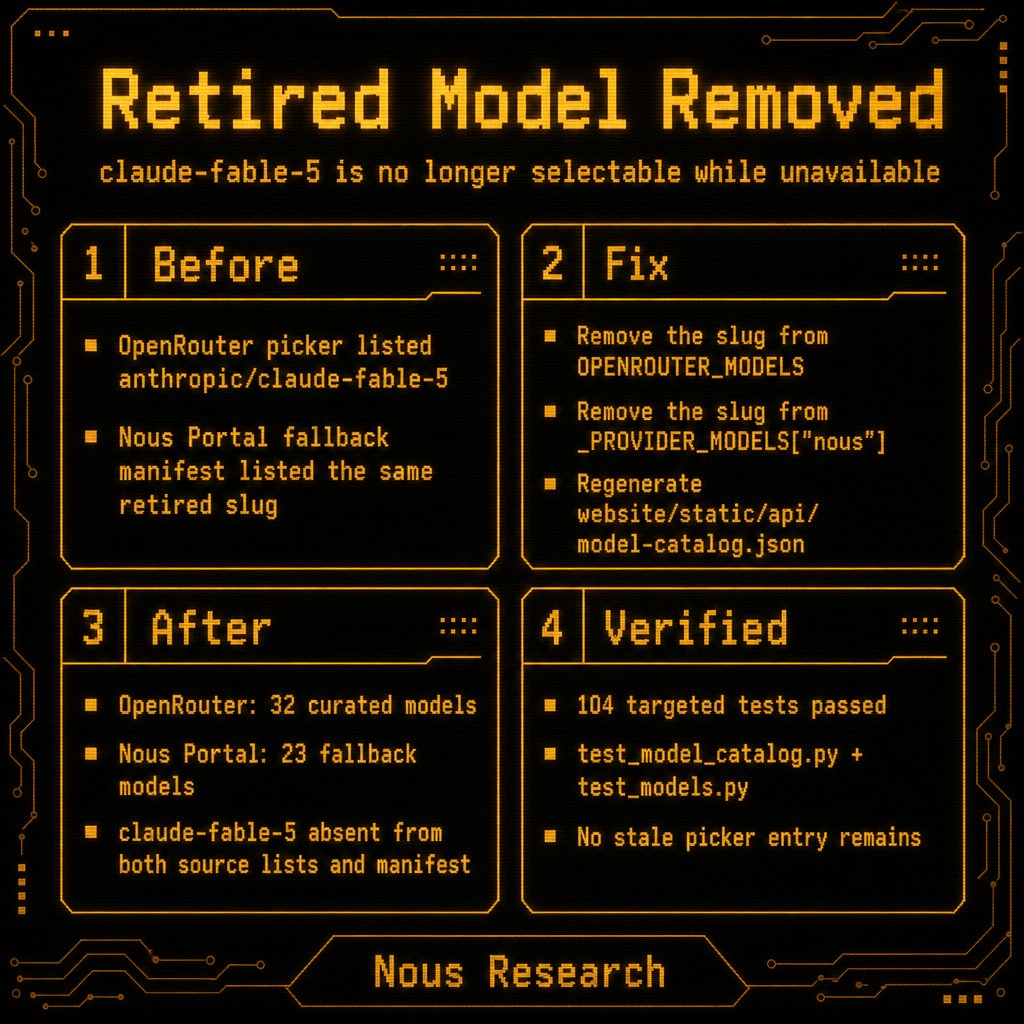
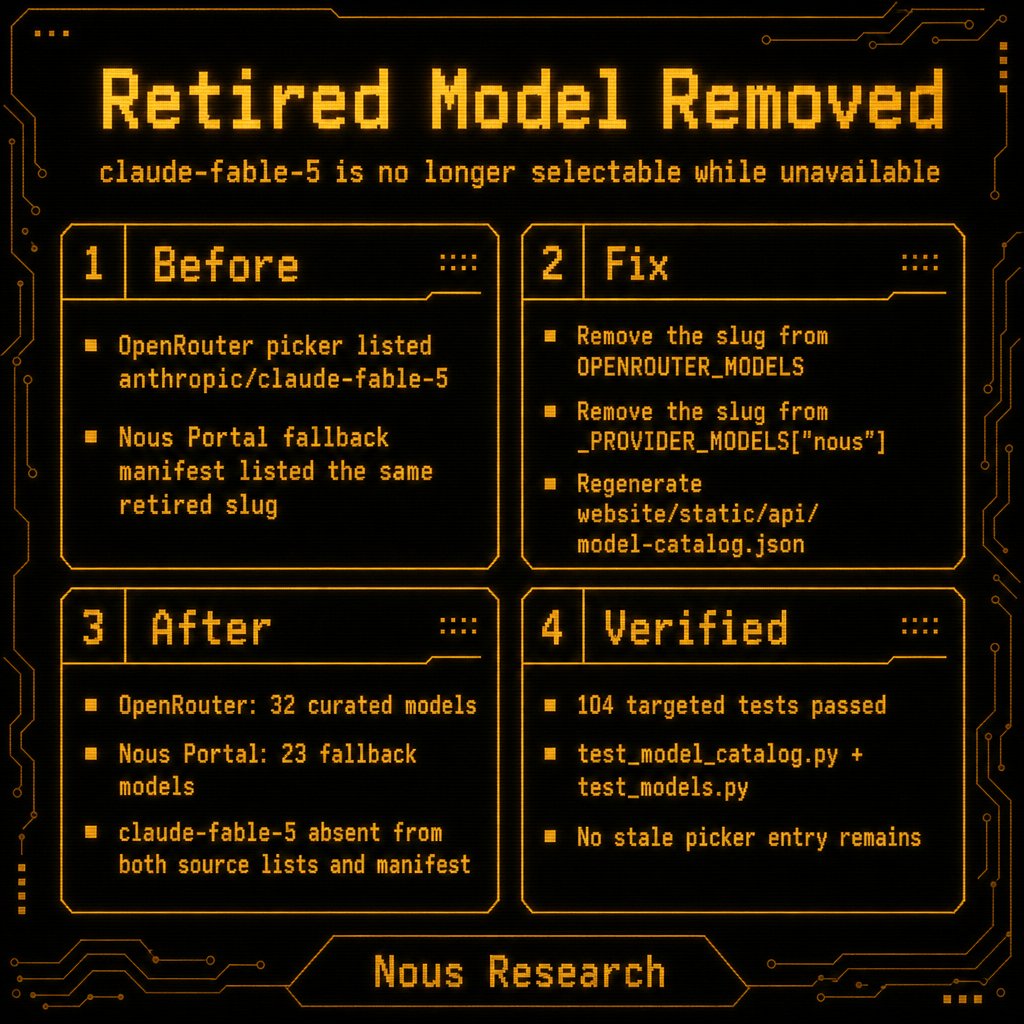
To prevent a bunch of people who haven't heard the news, we've removed fable 5 for now :/ https://t.co/KGJpbo2jRL
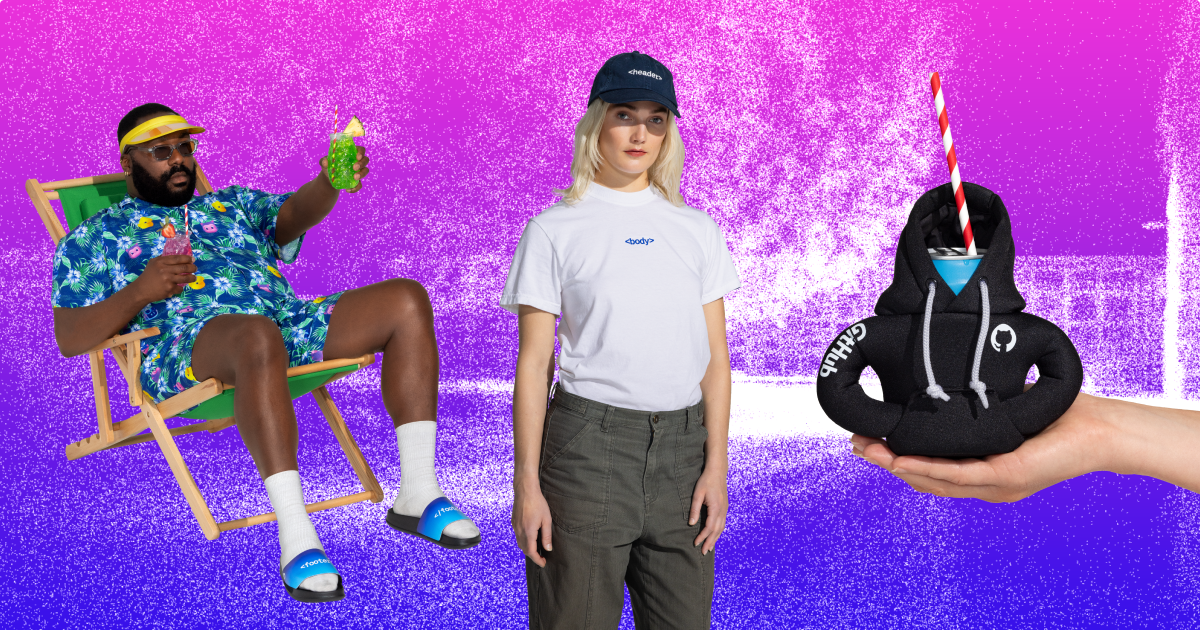
Get your hands on the IRL versions here 👇 https://t.co/dVYcyJVE3b
https://t.co/YUUukohvUx
https://t.co/YUUukohvUx
@ErikSpjuth @SawyerMerritt https://t.co/TgR9AIduzy
@caps_raunak I built you an AI to read 30,000 posts here on X every day and write you a report. https://t.co/kiuZ7QXLzb It's how you can keep up better. But yeah, it's moving fast. It's moving faster than I've ever seen in my life, and I've covered technology for decades.

SpaceX is a company whose mission is *axiomatically* the love of humanity To extend the light of consciousness The power of this kind of love is hard to quantify but clearly makes the impossible far more probable. https://t.co/fTON6YOVt8
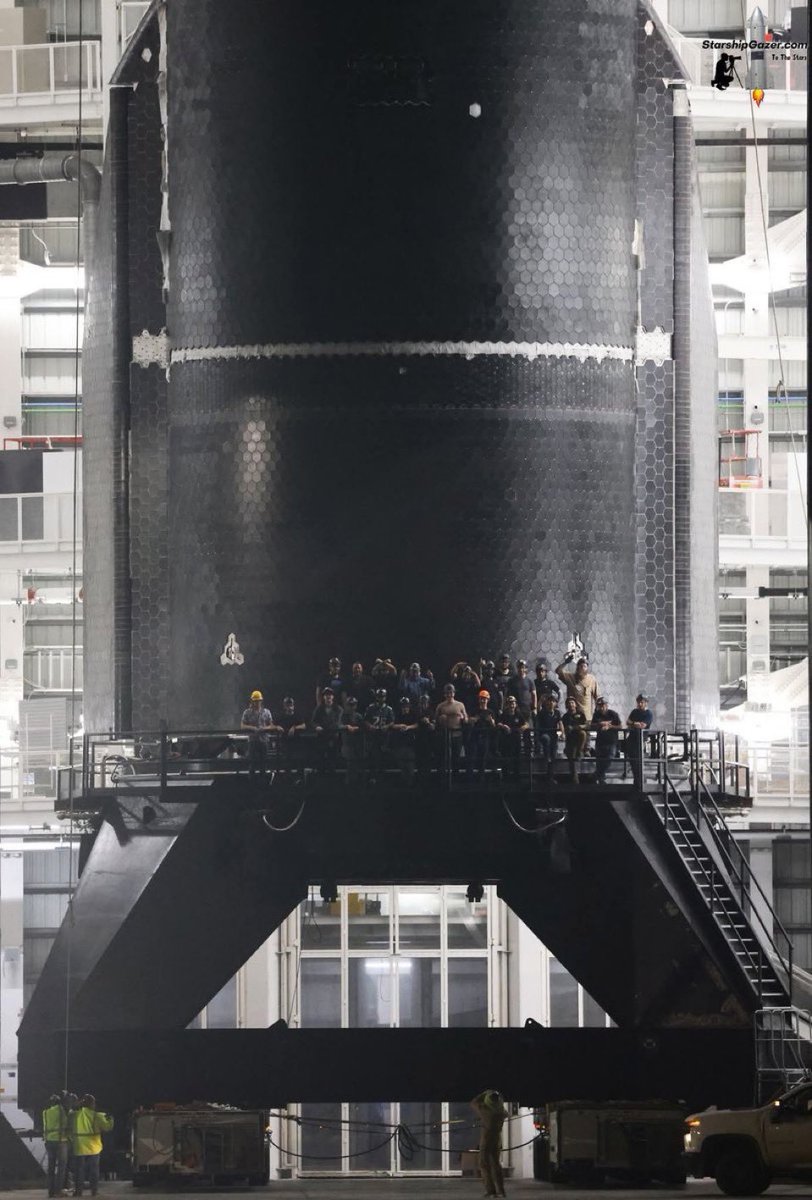
When most companies' opening remarks during their IPOs were about profit, today it hits something different. It is hope. The once-inspiring future that excited us when we were young but that we dropped after growing up—we have found it again. https://t.co/ySgM7N2ond

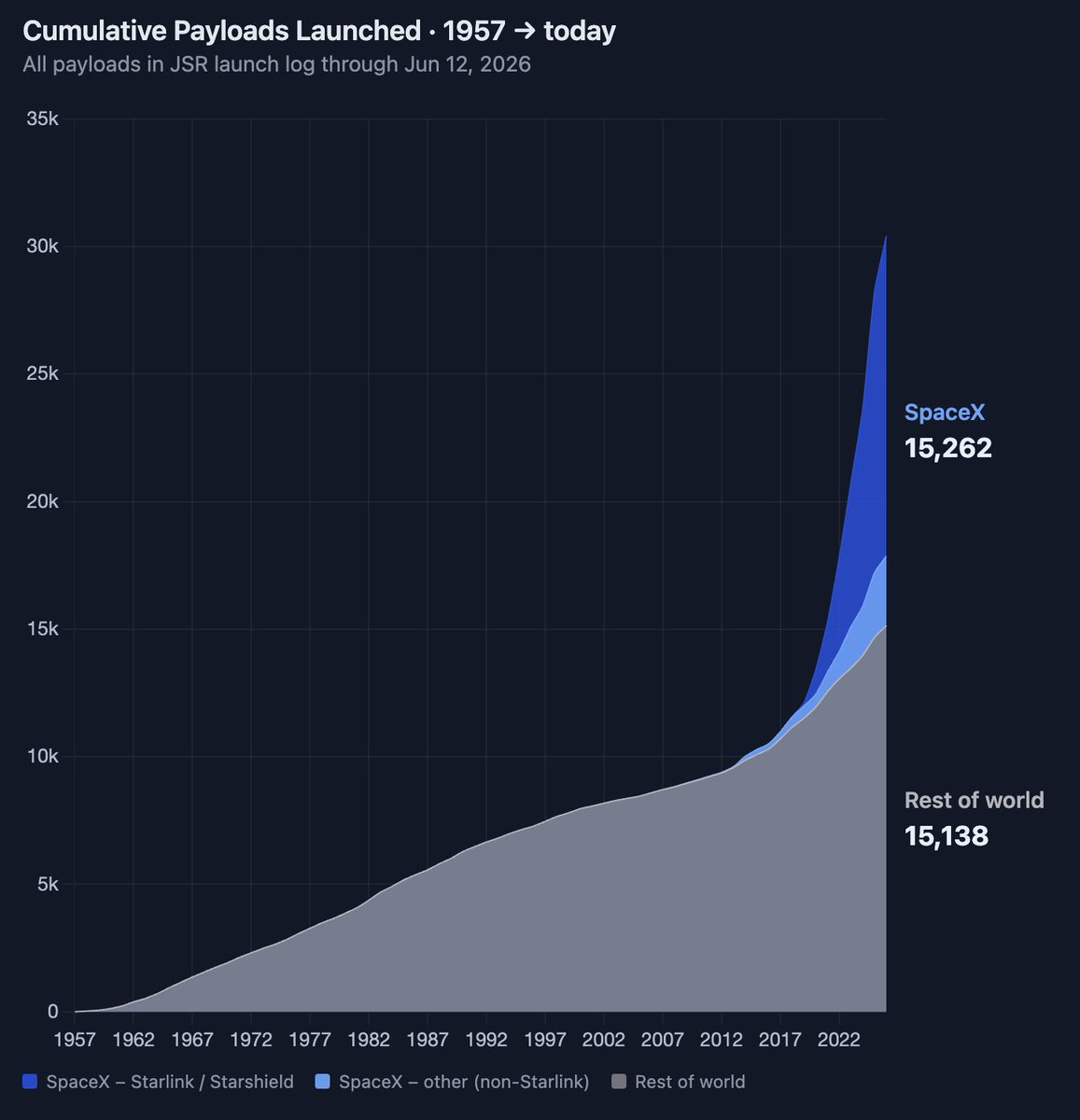
They did it. SpaceX has now launched more satellites than the rest of humanity, combined, all time. https://t.co/NbrpVPQzIv
@jeroenvonk_ @AnthropicAI Yeah https://t.co/kiuZ7QXLzb was built in part by using Anthropic models. Levangie Labs improves them.

Congratulations to Allen Liu, Assistant Professor of Computer Science, who has received the ACM Doctoral Dissertation Award! https://t.co/k29vVjZOwW

insane banger dario https://t.co/93wxex3w8q
Tomorrow I have been invited to @AnthropicAI’s Claude Build Day in San Francisco. I know everyone is angry and wants to vent. I will be looking for those who get over that quickly and use it as an opportunity to innovate. Either way it should be a highly entertaining and memorable event. Like Apple’s first iPhone developer event. I will remember that until the day I die.

@TheFiveShow @DarioAmodei @AnthropicAI I built this: https://t.co/kiuZ7QXLzb You didn’t. :-)

@peonyKingOF It was reported by Amazon. https://t.co/vbTWiHBsVv