@kaiarhodes
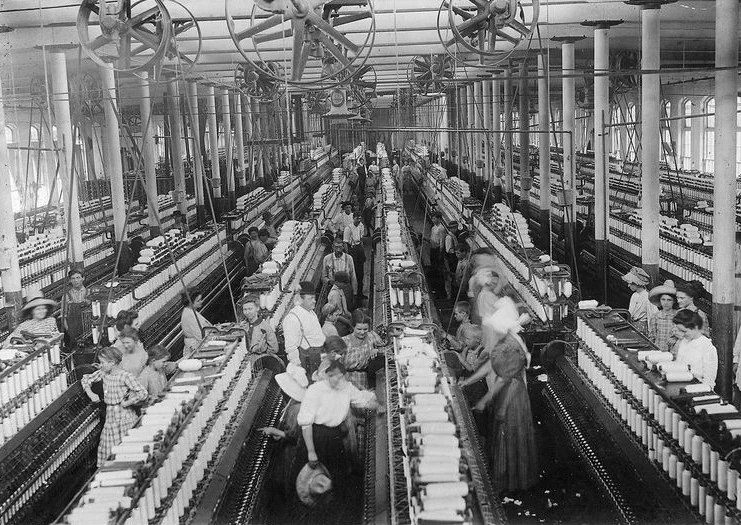
There's a persistent misconception that automation replaces jobs and doesn't benefit American workers in the textile industry. That framing misses how manufacturing actually works. Let's put it to rest. The U.S. textile industry was hollowed out decades ago, and millions of jobs were permanently lost to offshoring. By automating the most labor-intensive parts of sewn product manufacturing, partnering with cotton producers and legacy mills, and working alongside the U.S. government, we are bringing manufacturing back to the United States and creating new opportunities for American workers The textile industry benefits from a supply chain multiplier. For every one direct manufacturing job created, an estimated three indirect and induced jobs are created throughout the broader economy. This ripple effect occurs because finished textiles require a vast web of support across multiple sectors before and after they are made. The Textile Supply Chain Raw materials: Agricultural jobs (cotton, wool) and chemical jobs (polyester, nylon). Processing and manufacturing: Yarn spinning, weaving, knitting, dyeing, and finishing. Finished goods: Apparel assembly, cutting, sewing, and final product creation. The 1:3 Multiplier Indirect jobs (upstream and downstream): Employment in connected industries that support textile production. Farm suppliers, logistics and freight, packaging, equipment maintenance, wholesale distribution. Induced jobs (local spending): Employment driven by the wages of textile workers. When manufacturing workers spend their paychecks, they stimulate local economies including grocery stores, healthcare, restaurants, and construction. The Stakes The U.S. textile supply chain currently employs over 450,000 workers. Globally, the industry employs over 75 million people, with most of that employment now concentrated in China, Vietnam, and Bangladesh. The choice isn't between automation and American jobs. The choice is between Anatar automation and continued offshoring. Every product we produce creates demand for U.S. cotton growers, equipment manufacturers, logistics workers, machine technicians, software engineers, and the local communities that surround our facilities. Grown Here. Sewn Here. That's how you rebuild America. Anatar, the Textile Prime.