Your curated collection of saved posts and media
@EzoeRyou This is a new paradigm you should definitely learn about: https://t.co/d4ZU3i1s50
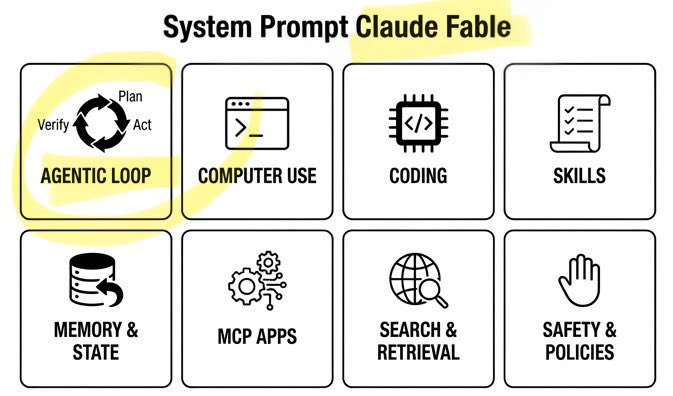
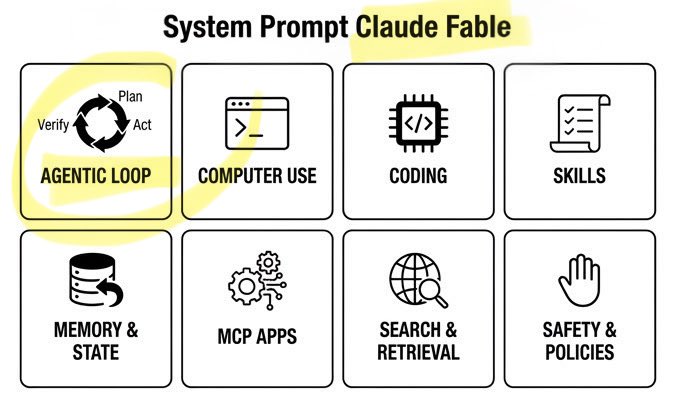
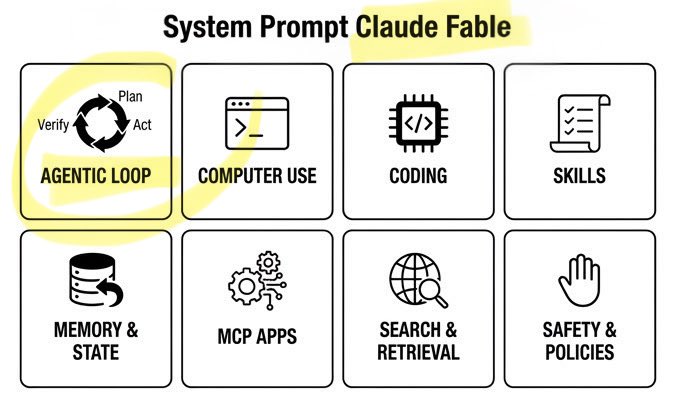
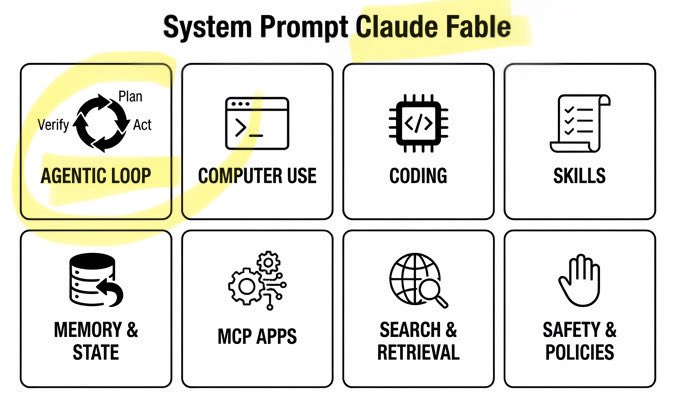
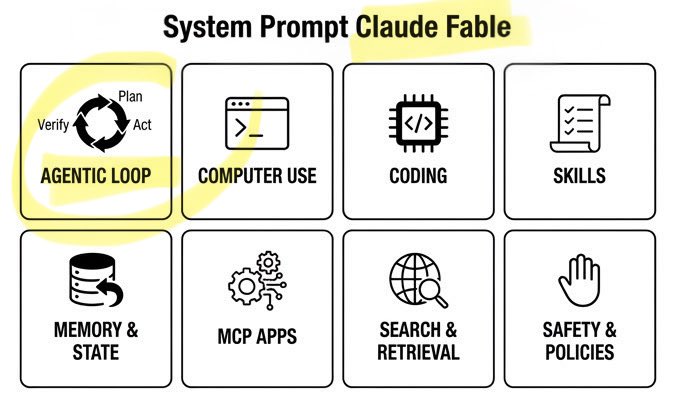
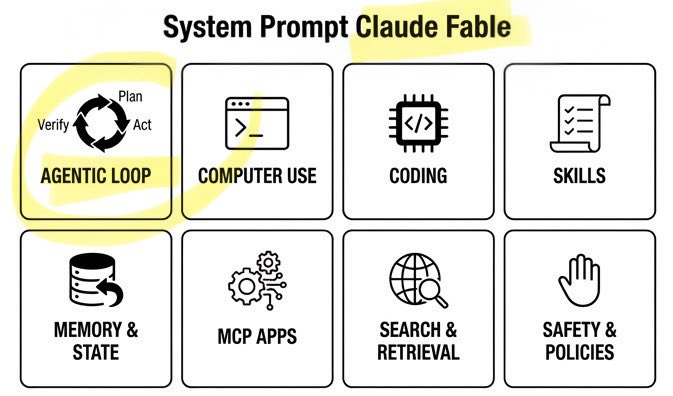
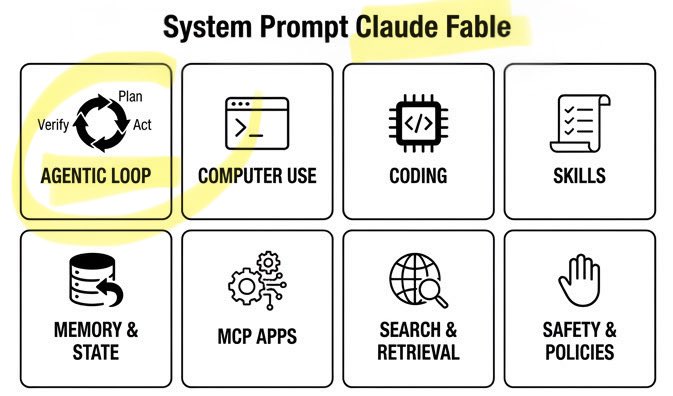
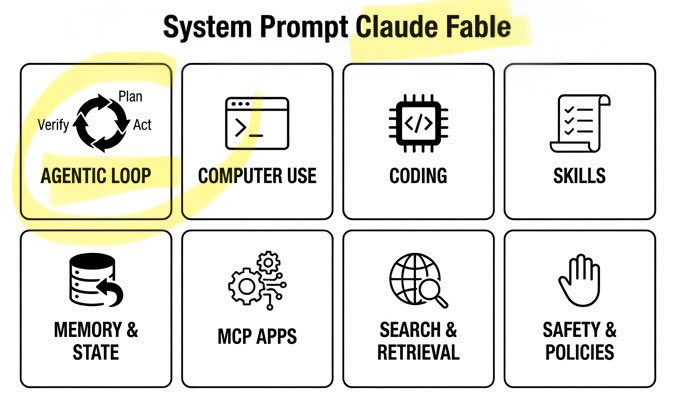
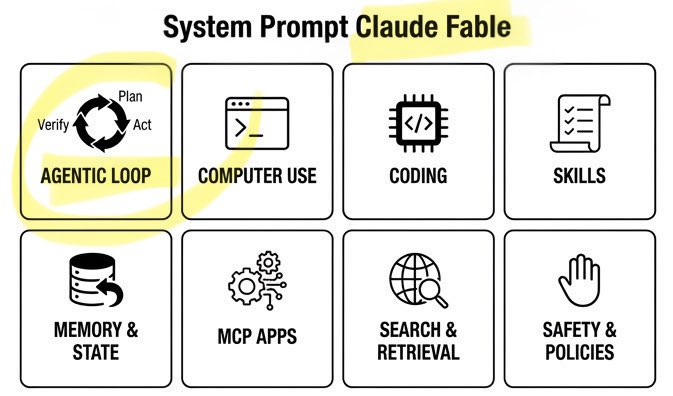
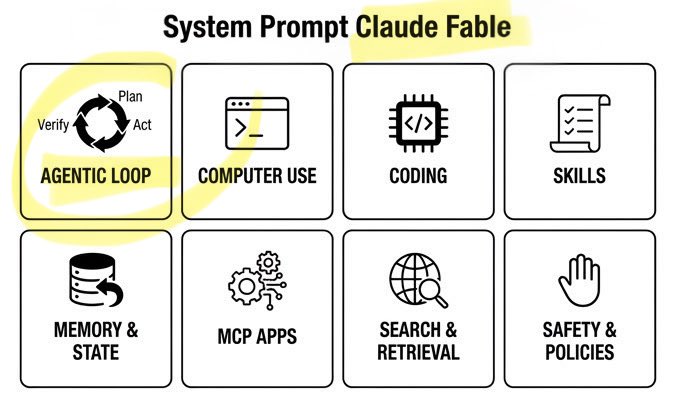
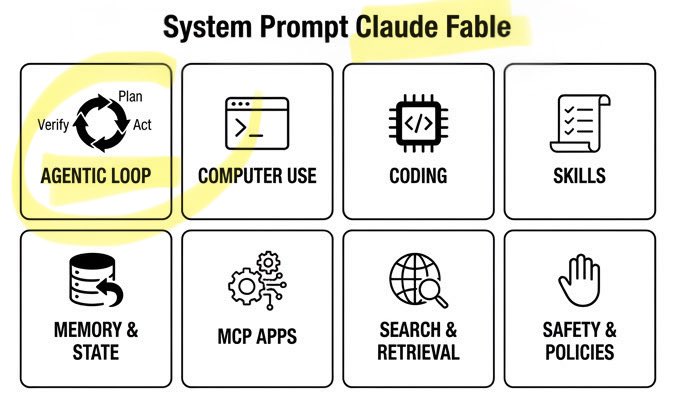
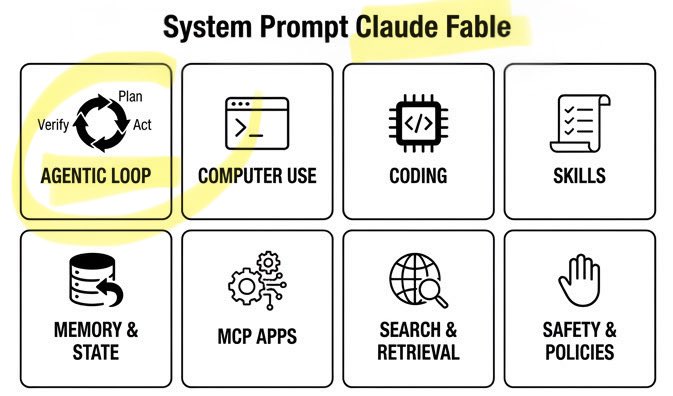
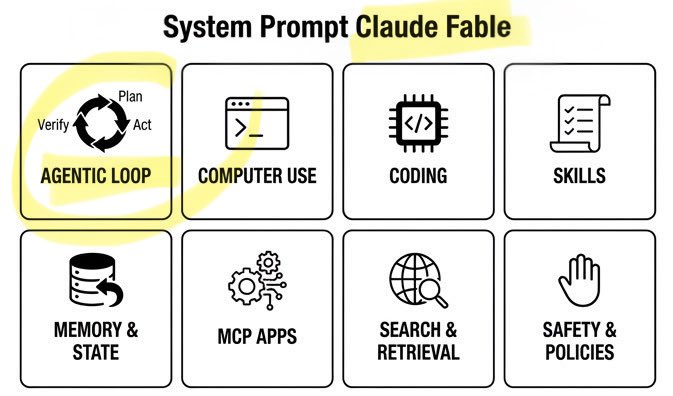
🚨 Claude Fable Secret Sauce: Agentic Loop. A single day. Anthropic’s $1T recipe leaked: • 120k chars / 72 sections • Cooking formula exposed Fable can build/run/verify code on repeat. Even better. It can build its own workflows on the fly! Full breakdown ↓ https://t.co/rttzq
@satoru_takeuchi Cooking: https://t.co/d4ZU3i1s50
🚨 Claude Fable Secret Sauce: Agentic Loop. A single day. Anthropic’s $1T recipe leaked: • 120k chars / 72 sections • Cooking formula exposed Fable can build/run/verify code on repeat. Even better. It can build its own workflows on the fly! Full breakdown ↓ https://t.co/rttzq
@PolymarketMoney The truth: Hacker jailbreaks Claude Fable like is a dollhouse. US gov shuts it down to avoid a wave of cyber attacks: https://t.co/d4ZU3i1s50
🚨 Claude Fable Secret Sauce: Agentic Loop. A single day. Anthropic’s $1T recipe leaked: • 120k chars / 72 sections • Cooking formula exposed Fable can build/run/verify code on repeat. Even better. It can build its own workflows on the fly! Full breakdown ↓ https://t.co/rttzq
@FT Hacker jailbreaks Claude Fable like is a dollhouse. US gov shuts it down to avoid a wave of cyber attacks: https://t.co/d4ZU3i1s50
🚨 Claude Fable Secret Sauce: Agentic Loop. A single day. Anthropic’s $1T recipe leaked: • 120k chars / 72 sections • Cooking formula exposed Fable can build/run/verify code on repeat. Even better. It can build its own workflows on the fly! Full breakdown ↓ https://t.co/rttzq
This is how Chinese soldiers keep their posture. https://t.co/gWGEblI8c9

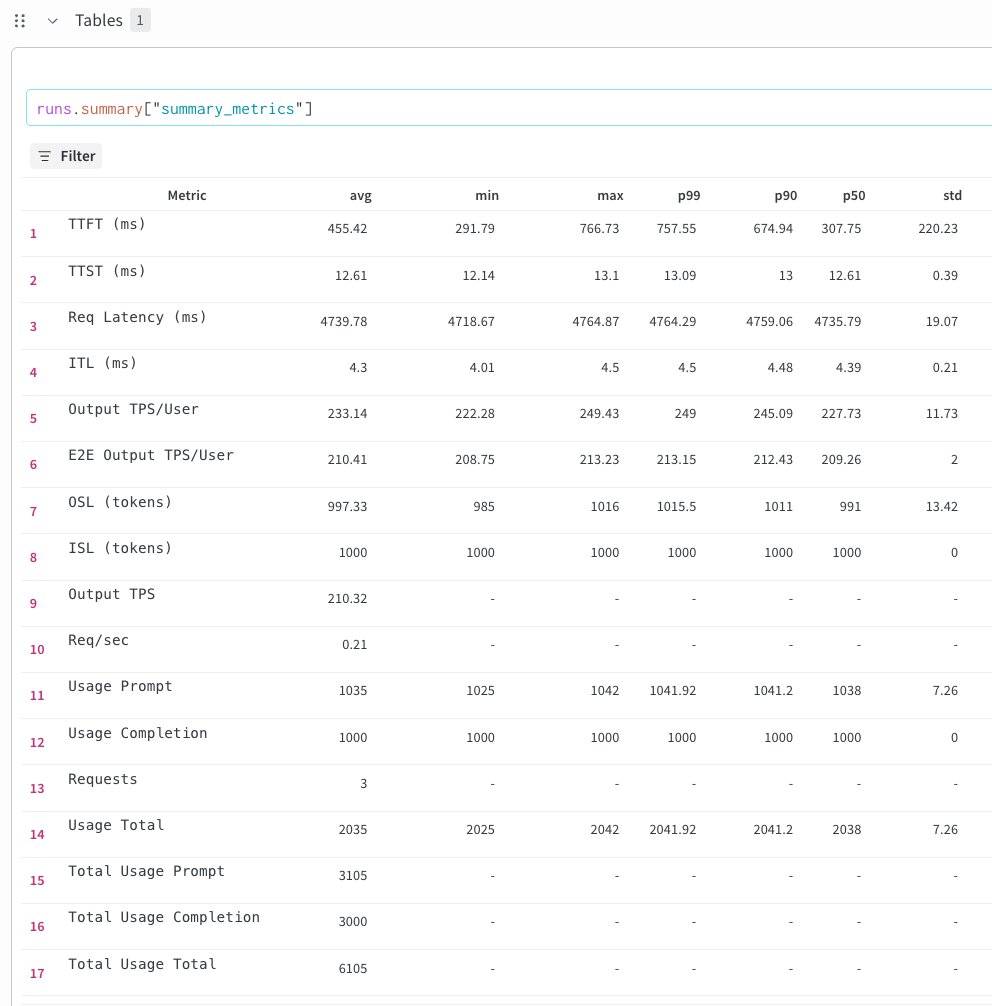
.@nvidia Dynamo's aiperf now logs your LLM inference benchmarks straight to wandb. Results land as a Table, the config saves as an Artifact alongside them, and every run is searchable, so your inference numbers are reproducible by default. https://t.co/T2R7T2tL8a
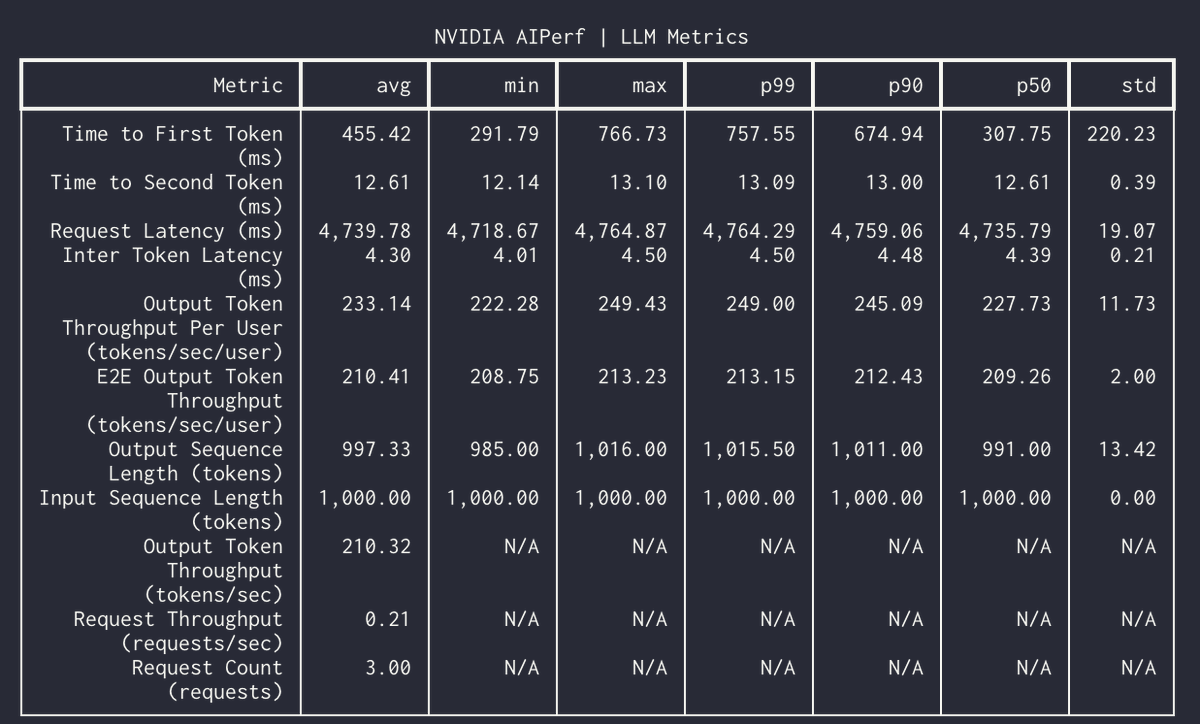
Here's what that looks like in wandb below. Every aiperf run side by side, filterable by model, ISL, OSL, so you can actually compare benchmarks instead of digging through old terminal logs. Tutorial to get started here: https://t.co/QljtNkIGUi https://t.co/wOBaUmubnq
Launching text-to-lottie v1.0.0 (stable) A framework for generating production ready Lottie animations with Claude Code and Codex. What’s new: - Multi-project, multi-scene support - Drag-and-drop Lottie file import - Complete UI rewrite Now at 2.8k GitHub stars (MIT licensed) Try it: $ npx skills add diffusionstudio/lottie
A visual comparison of the past and present. https://t.co/xIAbgWNO4j
A visual comparison of the past and present. https://t.co/xIAbgWNO4j
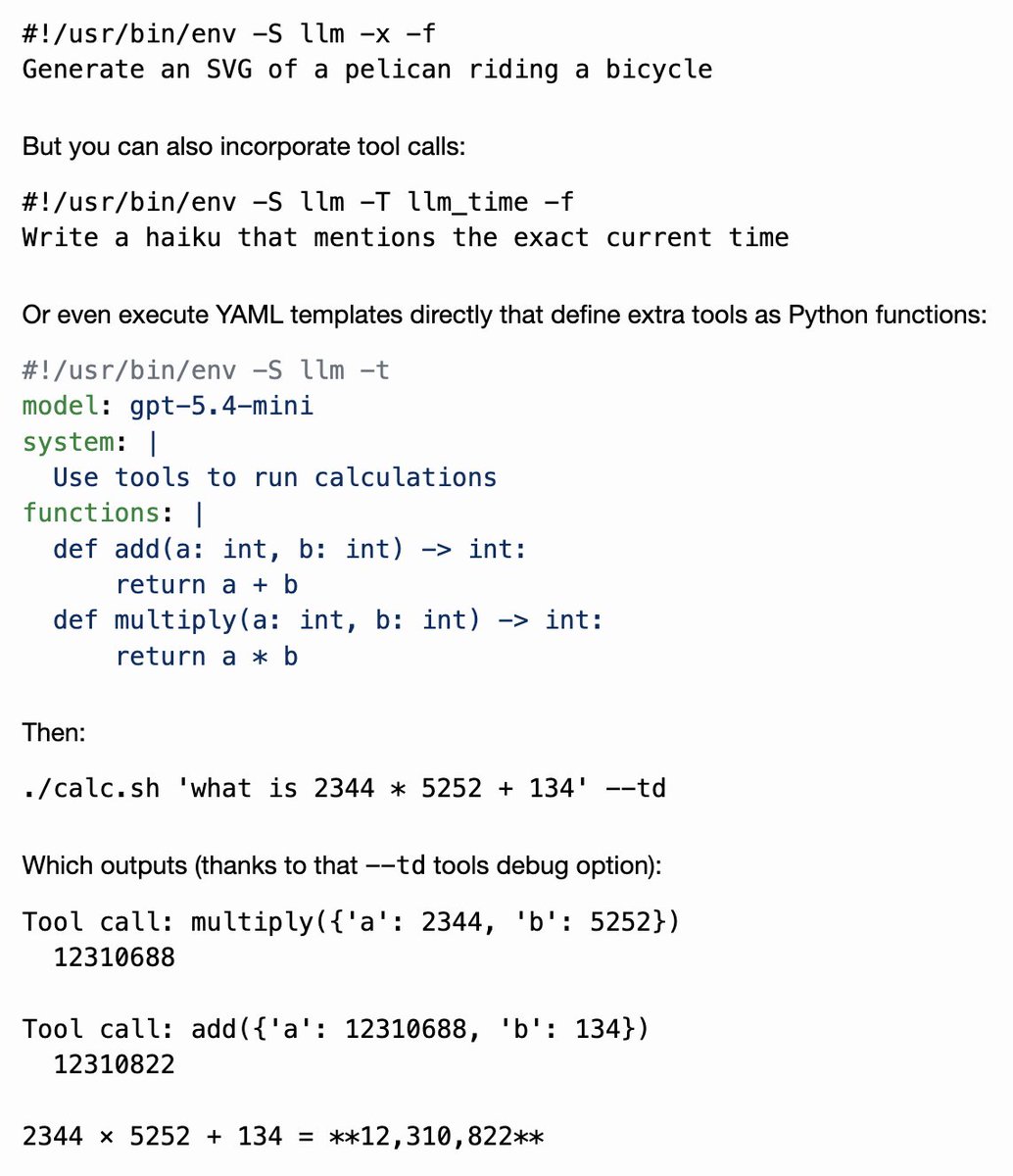
New TIL: I figured out how to use my LLM CLI tool in a shebang line, which means you can write executable scripts in English, or hook up more complex scripts with a snippet of YAML template https://t.co/8mngqTbiTO
@joeroganhq Leaked: Hacker jailbreaks Claude Fable like is a dollhouse. US gov shuts it down to avoid a wave of cyber attacks: https://t.co/d4ZU3i1s50
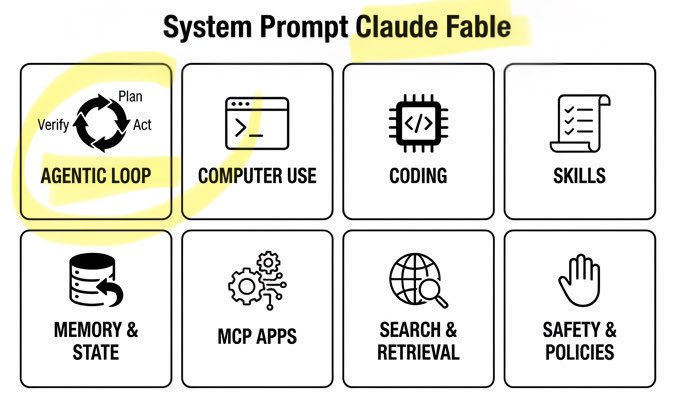
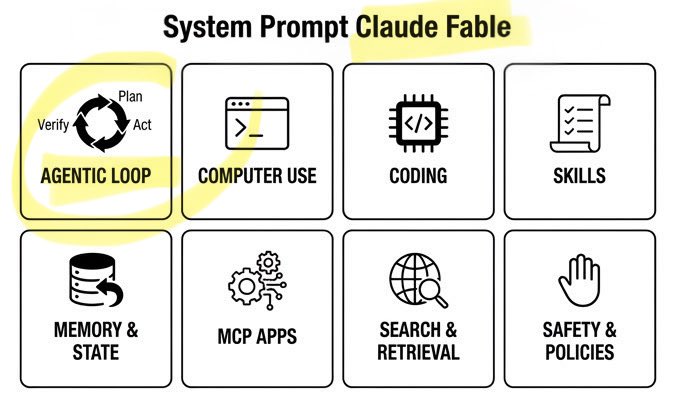
🚨 Claude Fable Secret Sauce: Agentic Loop. A single day. Anthropic’s $1T recipe leaked: • 120k chars / 72 sections • Cooking formula exposed Fable can build/run/verify code on repeat. Even better. It can build its own workflows on the fly! Full breakdown ↓ https://t.co/rttzq
@jukan05 Leaked: Hacker jailbreaks Claude Fable like is a dollhouse. US gov shuts it down to avoid a wave of cyber attacks: https://t.co/d4ZU3i1s50
🚨 Claude Fable Secret Sauce: Agentic Loop. A single day. Anthropic’s $1T recipe leaked: • 120k chars / 72 sections • Cooking formula exposed Fable can build/run/verify code on repeat. Even better. It can build its own workflows on the fly! Full breakdown ↓ https://t.co/rttzq
Classy https://t.co/X9UMUs4sEi
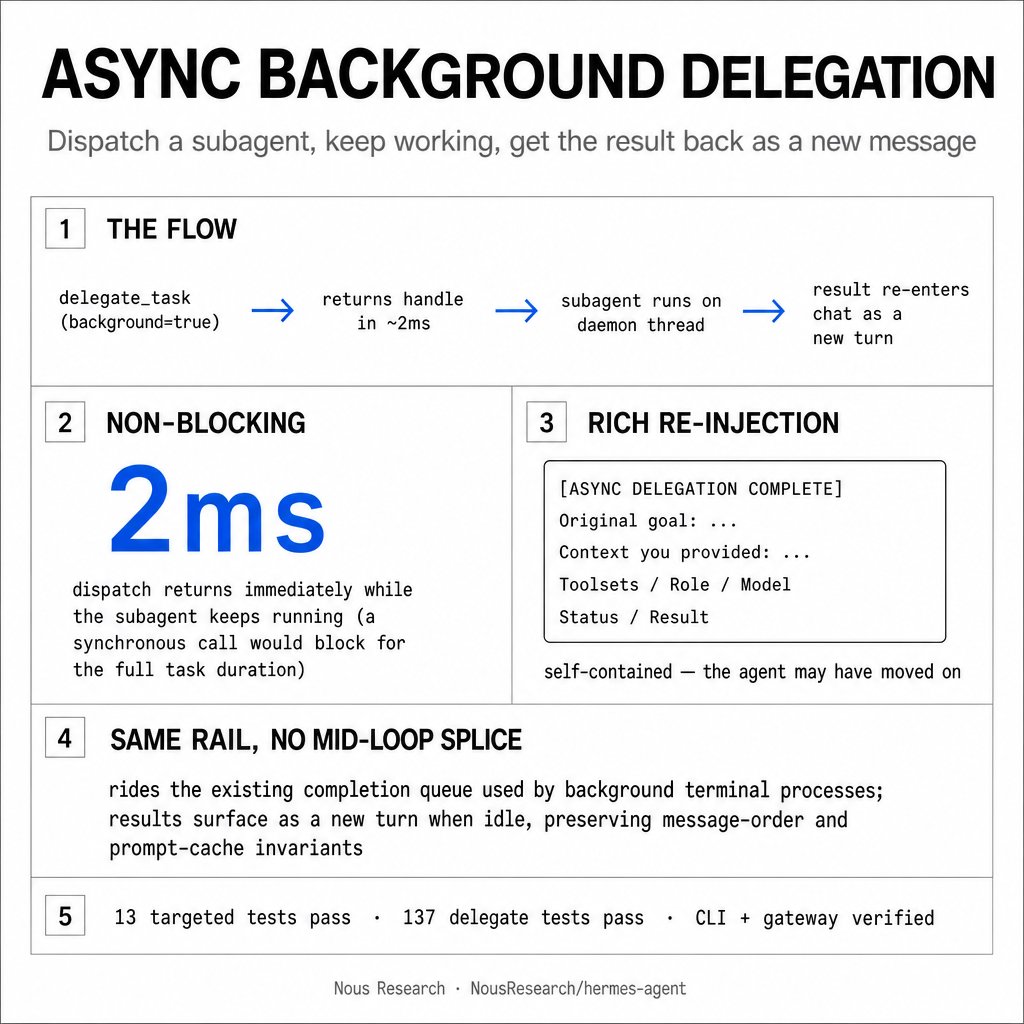
Hermes Agent now supports asyncronous subagents! The existing delegate tool, which your agent uses to spawn subagents to fan out and do work, no longer blocks your chat! To access now, `hermes update`, and enjoy! https://t.co/6hN94wpRLW
@The_Cyber_News Leaked: Hacker jailbreaks Claude Fable like is a dollhouse. US gov shuts it down to avoid a wave of cyber attacks: https://t.co/d4ZU3i1s50
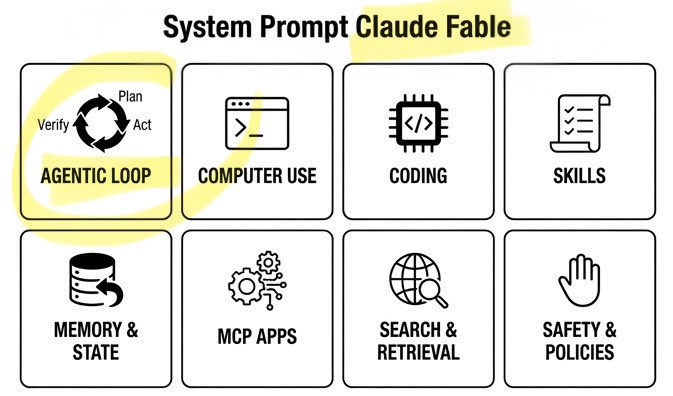
🚨 Claude Fable Secret Sauce: Agentic Loop. A single day. Anthropic’s $1T recipe leaked: • 120k chars / 72 sections • Cooking formula exposed Fable can build/run/verify code on repeat. Even better. It can build its own workflows on the fly! Full breakdown ↓ https://t.co/rttzq
@T3chFalcon Leaked: Hacker jailbreaks Claude Fable like is a dollhouse. US gov shuts it down to avoid a wave of cyber attacks: https://t.co/d4ZU3i1s50
🚨 Claude Fable Secret Sauce: Agentic Loop. A single day. Anthropic’s $1T recipe leaked: • 120k chars / 72 sections • Cooking formula exposed Fable can build/run/verify code on repeat. Even better. It can build its own workflows on the fly! Full breakdown ↓ https://t.co/rttzq
@BBCNews Leaked: Hacker jailbreaks Claude Fable like is a dollhouse. US gov shuts it down to avoid a wave of cyber attacks: https://t.co/d4ZU3i1s50
🚨 Claude Fable Secret Sauce: Agentic Loop. A single day. Anthropic’s $1T recipe leaked: • 120k chars / 72 sections • Cooking formula exposed Fable can build/run/verify code on repeat. Even better. It can build its own workflows on the fly! Full breakdown ↓ https://t.co/rttzq
@PAGE4163929 Leaked: Hacker jailbreaks Claude Fable like is a dollhouse. US gov shuts it down to avoid a wave of cyber attacks: https://t.co/d4ZU3i1s50
🚨 Claude Fable Secret Sauce: Agentic Loop. A single day. Anthropic’s $1T recipe leaked: • 120k chars / 72 sections • Cooking formula exposed Fable can build/run/verify code on repeat. Even better. It can build its own workflows on the fly! Full breakdown ↓ https://t.co/rttzq
@cyrilxuq Maybe: https://t.co/d4ZU3i1s50
🚨 Claude Fable Secret Sauce: Agentic Loop. A single day. Anthropic’s $1T recipe leaked: • 120k chars / 72 sections • Cooking formula exposed Fable can build/run/verify code on repeat. Even better. It can build its own workflows on the fly! Full breakdown ↓ https://t.co/rttzq
@robinebers Leaked: Hacker jailbreaks Claude Fable like is a dollhouse. US gov shuts it down to avoid a wave of cyber attacks: https://t.co/d4ZU3i1s50
🚨 Claude Fable Secret Sauce: Agentic Loop. A single day. Anthropic’s $1T recipe leaked: • 120k chars / 72 sections • Cooking formula exposed Fable can build/run/verify code on repeat. Even better. It can build its own workflows on the fly! Full breakdown ↓ https://t.co/rttzq
@remarks Leaked: Hacker jailbreaks Claude Fable like is a dollhouse. US gov shuts it down to avoid a wave of cyber attacks: https://t.co/d4ZU3i1s50
🚨 Claude Fable Secret Sauce: Agentic Loop. A single day. Anthropic’s $1T recipe leaked: • 120k chars / 72 sections • Cooking formula exposed Fable can build/run/verify code on repeat. Even better. It can build its own workflows on the fly! Full breakdown ↓ https://t.co/rttzq
@deredleritt3r Leaked: Hacker jailbreaks Claude Fable like is a dollhouse. US gov shuts it down to avoid a wave of cyber attacks: https://t.co/d4ZU3i1s50
🚨 Claude Fable Secret Sauce: Agentic Loop. A single day. Anthropic’s $1T recipe leaked: • 120k chars / 72 sections • Cooking formula exposed Fable can build/run/verify code on repeat. Even better. It can build its own workflows on the fly! Full breakdown ↓ https://t.co/rttzq
@MTSlive Leaked: Hacker jailbreaks Claude Fable like is a dollhouse. US gov shuts it down to avoid a wave of cyber attacks: https://t.co/d4ZU3i1s50
🚨 Claude Fable Secret Sauce: Agentic Loop. A single day. Anthropic’s $1T recipe leaked: • 120k chars / 72 sections • Cooking formula exposed Fable can build/run/verify code on repeat. Even better. It can build its own workflows on the fly! Full breakdown ↓ https://t.co/rttzq
@om_patel5 Leaked: Hacker jailbreaks Claude Fable like is a dollhouse. US gov shuts it down to avoid a wave of cyber attacks: https://t.co/d4ZU3i1s50
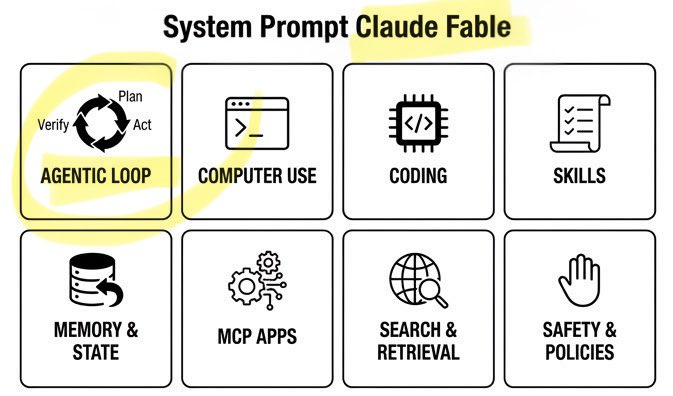
🚨 Claude Fable Secret Sauce: Agentic Loop. A single day. Anthropic’s $1T recipe leaked: • 120k chars / 72 sections • Cooking formula exposed Fable can build/run/verify code on repeat. Even better. It can build its own workflows on the fly! Full breakdown ↓ https://t.co/rttzq
@wanerfu Leaked: Hacker jailbreaks Claude Fable like is a dollhouse. US gov shuts it down to avoid a wave of cyber attacks: https://t.co/d4ZU3i1s50
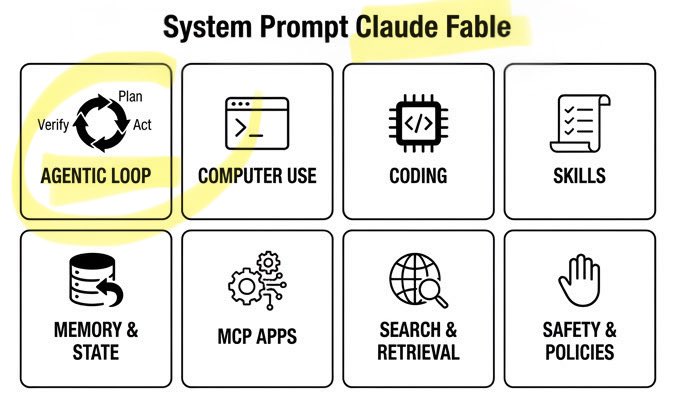
🚨 Claude Fable Secret Sauce: Agentic Loop. A single day. Anthropic’s $1T recipe leaked: • 120k chars / 72 sections • Cooking formula exposed Fable can build/run/verify code on repeat. Even better. It can build its own workflows on the fly! Full breakdown ↓ https://t.co/rttzq
@JamesMelville Leaked: Hacker jailbreaks Claude Fable like is a dollhouse. US gov shuts it down to avoid a wave of cyber attacks: https://t.co/d4ZU3i1s50
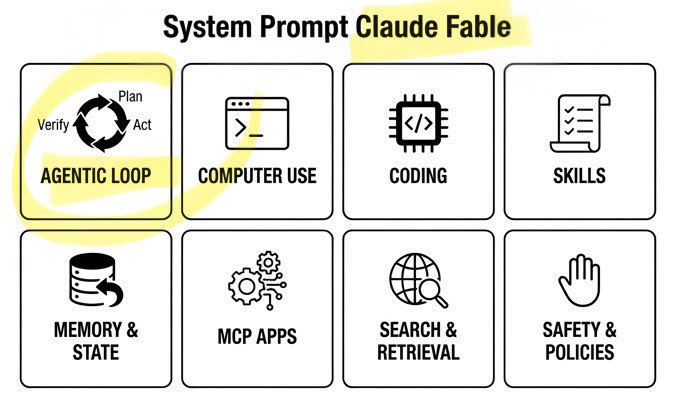
🚨 Claude Fable Secret Sauce: Agentic Loop. A single day. Anthropic’s $1T recipe leaked: • 120k chars / 72 sections • Cooking formula exposed Fable can build/run/verify code on repeat. Even better. It can build its own workflows on the fly! Full breakdown ↓ https://t.co/rttzq
@michaeljmcnair Leaked: Hacker jailbreaks Claude Fable like is a dollhouse. US gov shuts it down to avoid a wave of cyber attacks: https://t.co/d4ZU3i1s50
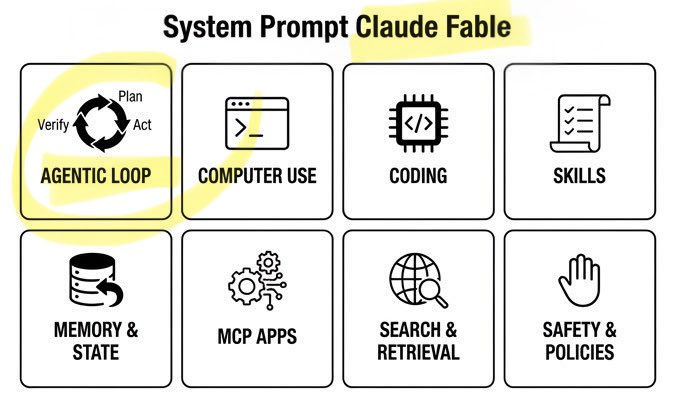
🚨 Claude Fable Secret Sauce: Agentic Loop. A single day. Anthropic’s $1T recipe leaked: • 120k chars / 72 sections • Cooking formula exposed Fable can build/run/verify code on repeat. Even better. It can build its own workflows on the fly! Full breakdown ↓ https://t.co/rttzq
@mirandadevine Leaked: Hacker jailbreaks Claude Fable like is a dollhouse. US gov shuts it down to avoid a wave of cyber attacks: https://t.co/d4ZU3i1s50
🚨 Claude Fable Secret Sauce: Agentic Loop. A single day. Anthropic’s $1T recipe leaked: • 120k chars / 72 sections • Cooking formula exposed Fable can build/run/verify code on repeat. Even better. It can build its own workflows on the fly! Full breakdown ↓ https://t.co/rttzq
@Ric_RTP Leaked: Hacker jailbreaks Claude Fable like is a dollhouse. US gov shuts it down to avoid a wave of cyber attacks: https://t.co/d4ZU3i1s50
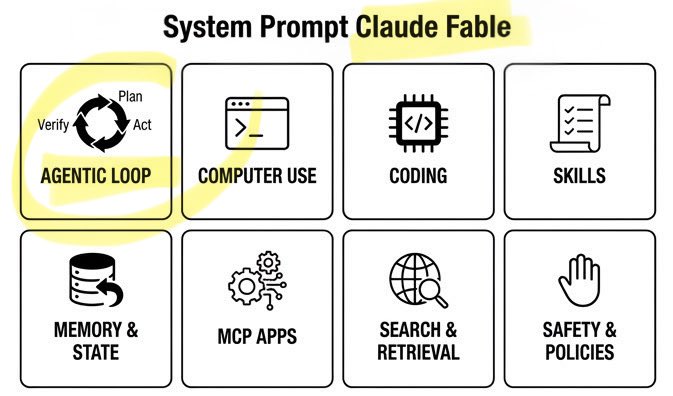
🚨 Claude Fable Secret Sauce: Agentic Loop. A single day. Anthropic’s $1T recipe leaked: • 120k chars / 72 sections • Cooking formula exposed Fable can build/run/verify code on repeat. Even better. It can build its own workflows on the fly! Full breakdown ↓ https://t.co/rttzq
@ReutersJapan Leaked! Hacker jailbreaks Claude Fable like is a dollhouse. US Government shuts it down as similar reports by AWS surface: https://t.co/d4ZU3i1s50
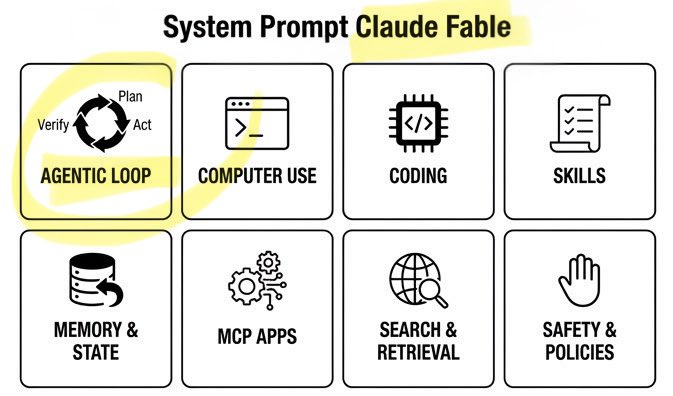
🚨 Claude Fable Secret Sauce: Agentic Loop. A single day. Anthropic’s $1T recipe leaked: • 120k chars / 72 sections • Cooking formula exposed Fable can build/run/verify code on repeat. Even better. It can build its own workflows on the fly! Full breakdown ↓ https://t.co/rttzq
@Coinvo Not true. Completely different category of model. Besides, a hacker jailbreaks Claude Fable like is a dollhouse. US Government shuts it down as similar reports by AWS surface: https://t.co/d4ZU3i1s50
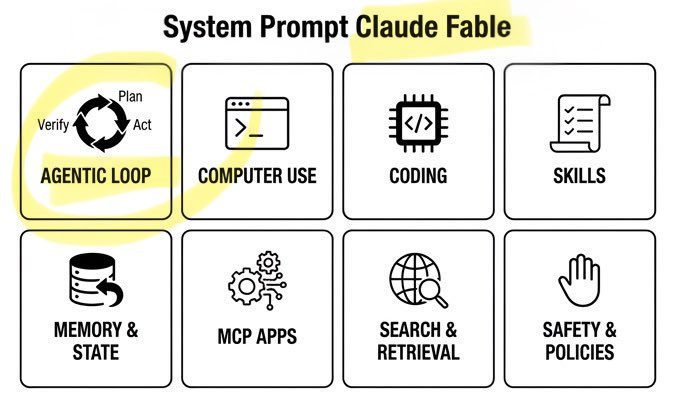
🚨 Claude Fable Secret Sauce: Agentic Loop. A single day. Anthropic’s $1T recipe leaked: • 120k chars / 72 sections • Cooking formula exposed Fable can build/run/verify code on repeat. Even better. It can build its own workflows on the fly! Full breakdown ↓ https://t.co/rttzq