Your curated collection of saved posts and media
We’re open sourcing a humanoid robot for under $500. I hated that the coolest technology of our generation was inaccessible to most builders. So we built one. Coming soon. Comment “VIBE” and I’ll send you the Discord. https://t.co/nX9MFAy7AO
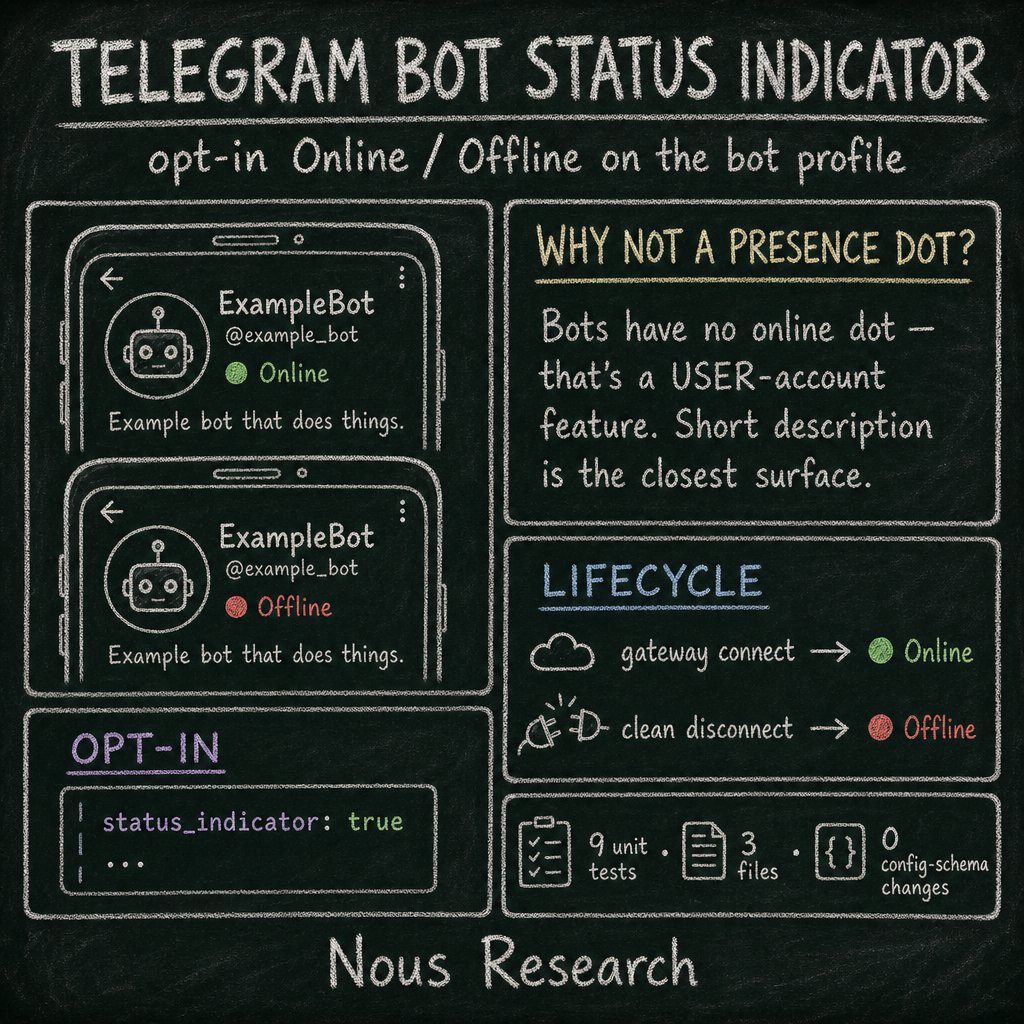
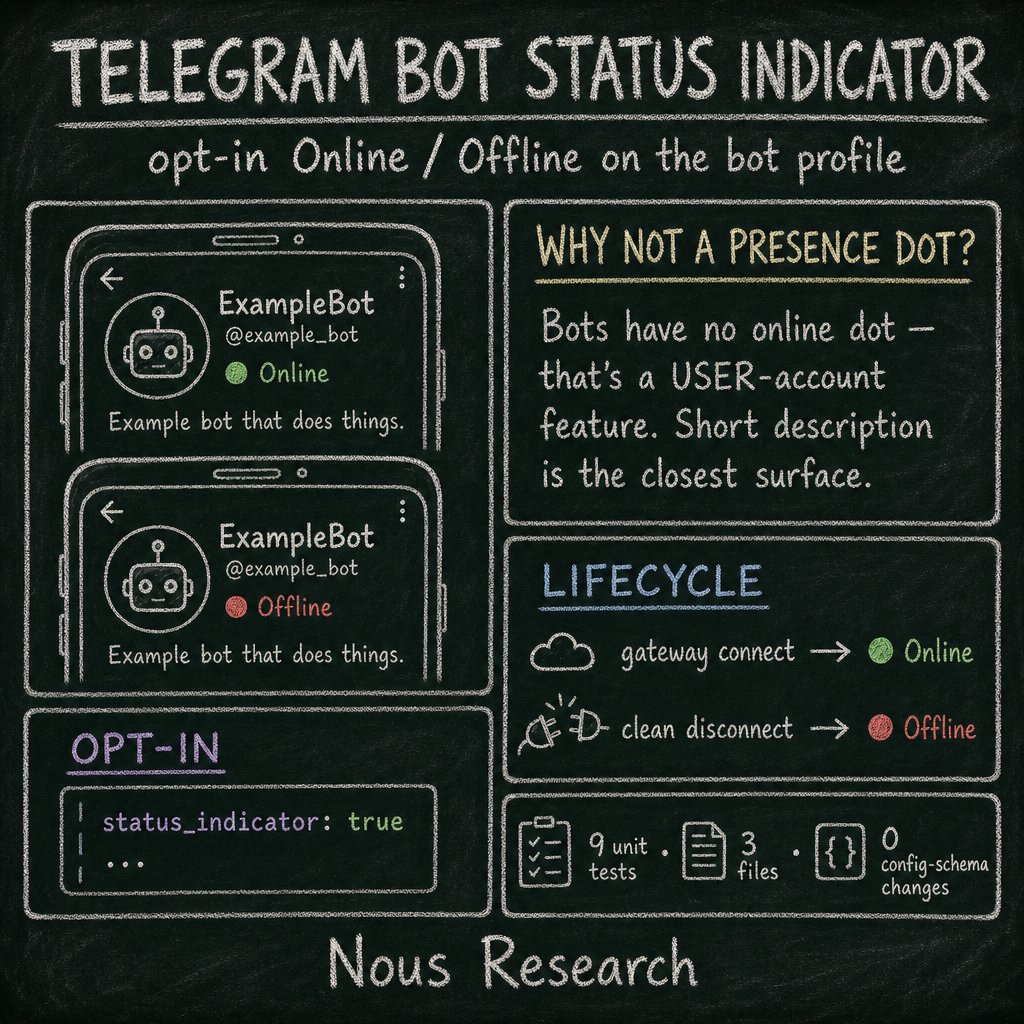
@ilTrumpista @telegram @NousResearch Done! https://t.co/HiKm8whhUW
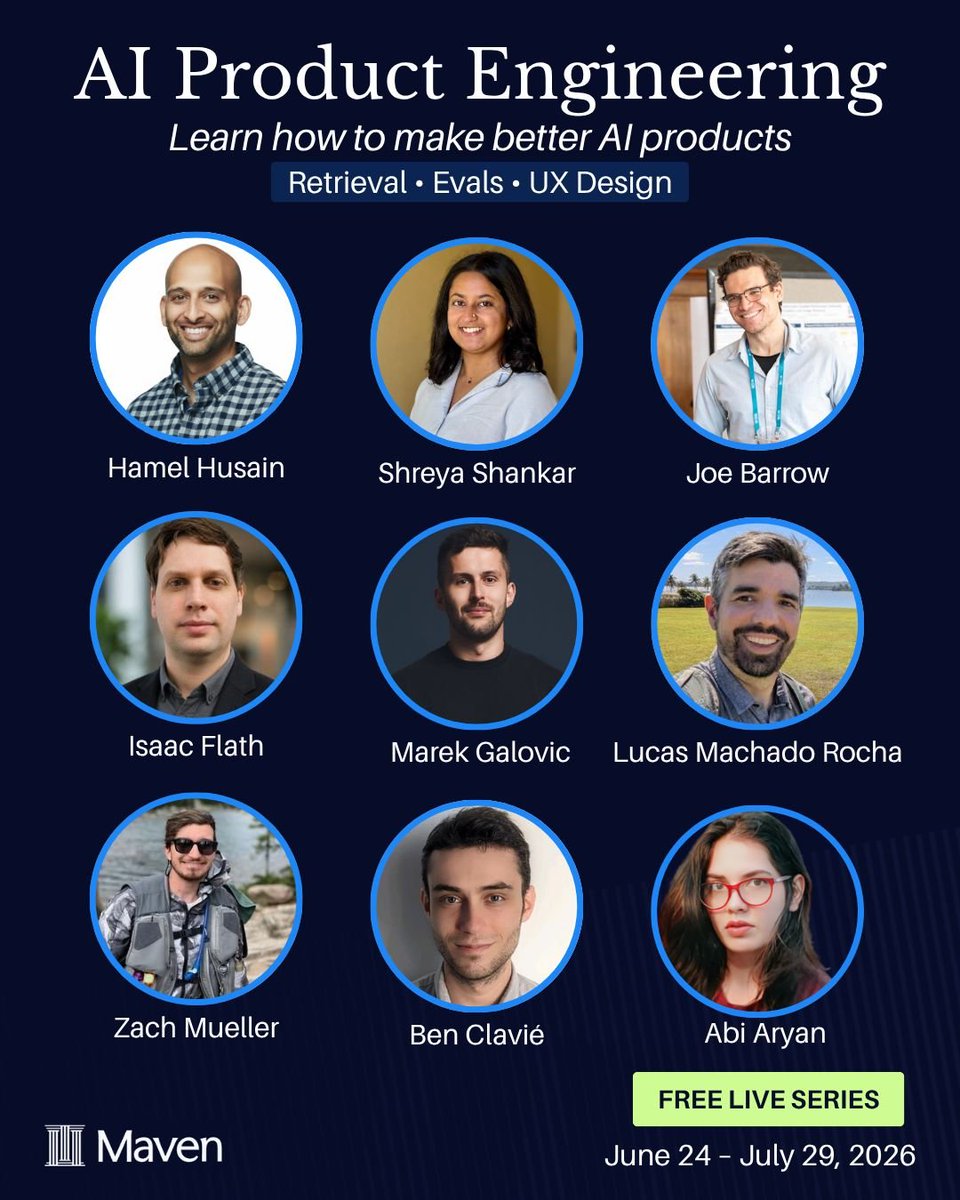
Building AI products is hard. But it's getting increasingly popular! I'm really excited to share that my friends and I are putting together (the best) lecture series on AI Product Engineering this summer!! We've got an awesome lineup of talks spanning data, evals, and UX. With more to come. The lecture series is completely free! And ~2k people have signed up already even though we haven't posted on social media yet! I can't wait. Join us and sign up: https://t.co/5DWcm4va5m

If this goes right you might never hear from me again https://t.co/AO5BzwYBf6
If this goes right you might never hear from me again https://t.co/AO5BzwYBf6
With new generally available features in GitHub Copilot CLI, you can now ➡️ Speak to Copilot using on-device speech-to-text models ➡️ Use built-in Rubber Duck agent to help find blind spots with a second model https://t.co/x8mSRhgG8m
So let me get this straight: in the UK, a 15-year-old can’t be trusted with social media, but an 11-year-old can be trusted to make life-altering medical decisions that could leave them infertile for life. To protect the children, of course. https://t.co/kND3mAY6rE

@geetkhosla https://t.co/JxglR3v7Ca
We're rolling out Brain: a self-improving context-graph of all your sessions, connectors, and files. Brain updates itself overnight with fresh context proactively, and feeds itself to every task on Computer, allowing Computer to be stateful and self-improving. Available to all

@nickbaumann_ https://t.co/WiAd1uS4KX

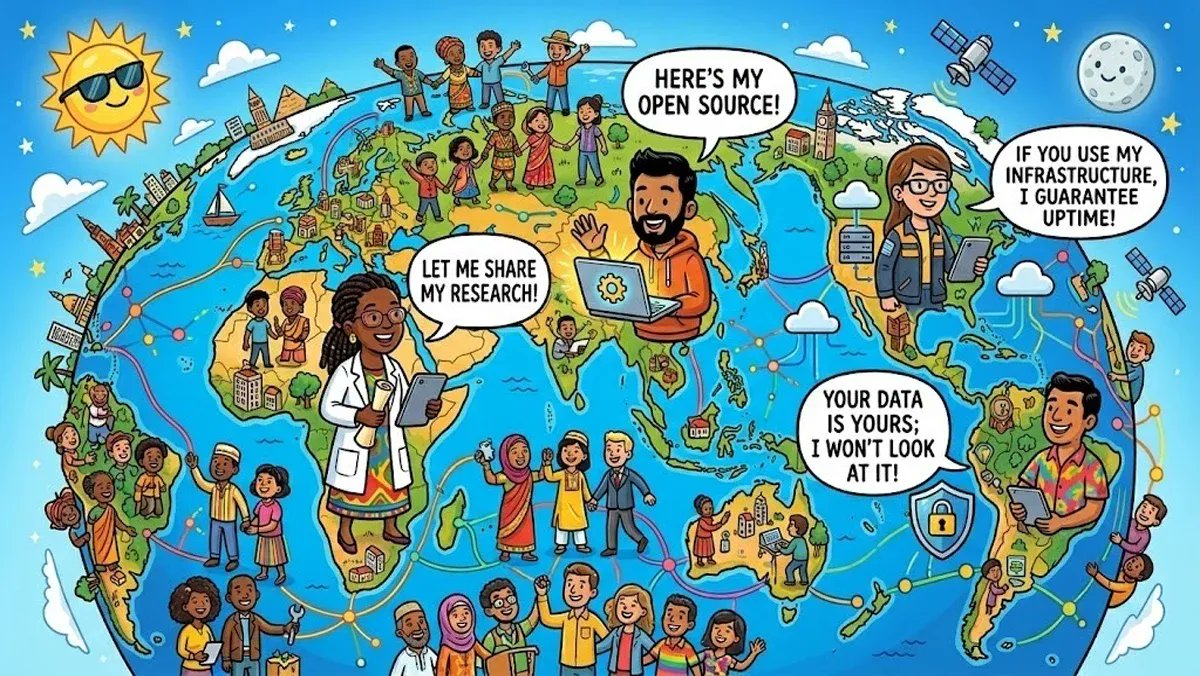
Over the last two weeks, both the U.S. Government and Anthropic took significant actions that demonstrated their power to control access to AI by restricting what others can do with frontier models. This has been one of those moments that, once seen, will be hard to unsee, and it is significantly accelerating many businesses’ and nation states’ efforts to ensure reliable access to AI that no one else can terminate. Anthropic first released Claude Fable 5, a version of its Mythos model with additional guardrails, including some restrictions that seem well justified on safety grounds (such as limitations on applying it to hacking, bioweapons, and so forth). However, it also restricted developers’ ability to use it to build competing LLM technology. This move was concerning, given that the whole AI community, including Anthropic, has benefitted tremendously from open research — indeed, the AI revolution was kicked off by my former team (Google Brain) freely publishing the Transformers paper! Imagine if Microsoft’s terms of use barred anyone from using their tools to build competitive software, or if Google barred using it to search for information to work on competing search engines. Anthropic’s argument that it was unsafe for others to be able to make advances in AI also rang hollow. Initially, Anthropic silently degraded Fable 5’s performance for users detected to be working on LLM research through invisible interventions that weakened the model’s outputs without notifying the user. After significant backlash, it walked back this decision and decided to be transparent when it did this, but it still refuses to use its latest capabilities to help AI researchers. This move represents a raw demonstration of power by Anthropic. It has used “safety” arguments to hinder potential competitors. Platforms succeed when they are viewed as stable, reliable partners that one can build on. The sudden rule changes by Anthropic (including a mandatory 30 day data retention policy for Fable usage) have made developers wonder about the stability of building on any one proprietary LLM provider, not just Anthropic. The U.S. Government then shortly followed with an even greater demonstration of power. It used the Commerce Department’s authority to regulate technologies that may be national security threats to restrict exports of Mythos and Fable, requiring a license for use by any foreign national, whether inside or outside of the U.S., including employees of Anthropic. This led Anthropic to disable access to Fable to all users worldwide. Sam Altman pointed out, referring to Anthropic, “It is clearly incredible marketing to say, ‘We have built a bomb, we are about to drop it on your head. We will sell you a bomb shelter for $100 million.’” But when one engages in this type of fear-based marketing, it increases the odds that the U.S. Government will agree with you and slap export controls on the bomb you say you have built. To be clear, I don't think Anthropic has built anything like a bomb, and I don't think export controls on Fable are appropriate. However, following the U.S. Government making this move, many nations, including U.S. allies, saw how the U.S. can suddenly yank their access to AI models. In many capitals around the world, this has spurred discussions on AI sovereignty and how others can ensure uninterrupted access to this critical technology. For decades, many nations were comfortable having many parts of their supply chain rely on the U.S., China, and other major producers. Once a nation issues a threat, or takes action, to limit other nations’ access, other nations will rationally try to secure alternatives. For decades, semiconductor manufacturing in China made slow progress; once the U.S. moved to limit China’s access, China’s efforts kicked into high gear. Similarly, once China threatened U.S. access to rare earth minerals, U.S. efforts to secure alternatives accelerated. Now that it has become crystal clear that private U.S. companies and the U.S. government can limit, in short order, other nations’ access to frontier AI models, the incentive of others to invest more in alternatives like open source grows significantly. Of course, training frontier models is not easy, so it remains to be seen how successful they are, but we have crossed the rubicon. Satya Nadella wrote an essay about the importance of building a healthy ecosystem on top of frontier AI technology. I heartily agree with him, and hope this week’s events will ultimately prove to be constructive steps toward this. I hope we can build a more free, more open world, where research is freely shared, and laws and societal norms shape a level playing field that allows everyone to make progress. A silver lining of the events of these past two weeks is now that everyone better realizes key points of instability of the current system, we can all work to create a more stable foundation. [Original text: The Batch newsletter]
Which one did you think I bought? https://t.co/mByaiDT2N8

Someone on Reddit built a WoW private server with 1,800 bots and AI chat via the DeepSeek API. Dead Internet Theory, but playable. An MMORPG with no real players, yet somehow it still feels human. https://t.co/uFD0AHiquc
Still falling… https://t.co/uiZ81hZzd9
THIS GUY HAD TWO METRIC TONS OF LEGO SITTING IN STORAGE SO HE VIBE CODED AN INDUSTRIAL SORTING MACHINE every piece looks the same when you have millions of them scattered around. you cant tell a 2x4 brick from a 2x3 brick when theyre buried in mountains of plastic, so you end up spending hours digging through piles looking for one specific piece its called the lego sorter and it processes thousands of pieces per hour with computer vision > runs product through screens to filter by size, then gravity separation by mass > uses optical recognition to identify each piece by shape, color and brand > automatically sorts into bins based on part type and bricklink categories > handles stuck-together pieces and flags them for manual separation > processes everything from tiny technic pins to massive baseplates custom conveyor system, opencv machine learning, runs fully offline crazy what you can build when you have actual engineering problems to solve
The time has come. On July 3rd, VR declares independence from headsets. PortalVR is coming to Steam. With some surprise new features at launch, at a new price that will bring headset-free VR to everyone. Add it to your wishlist! https://t.co/1kpx8DH8ai

A @tinyworldsapp trailer using AgentOne from @invideoOfficial I gave it one image and a paragraph backstory and it created everything else. Incredible! See below for the prompt. https://t.co/1tpnsOawjx
Gg I only brought t shirts and jeans when I moved to sf https://t.co/qaoZ6heqzh
IRAN: What can you offer us in exchange of nothing? USA: https://t.co/KQOyWc5omk

IRAN: What can you offer us in exchange of nothing? USA: https://t.co/KQOyWc5omk

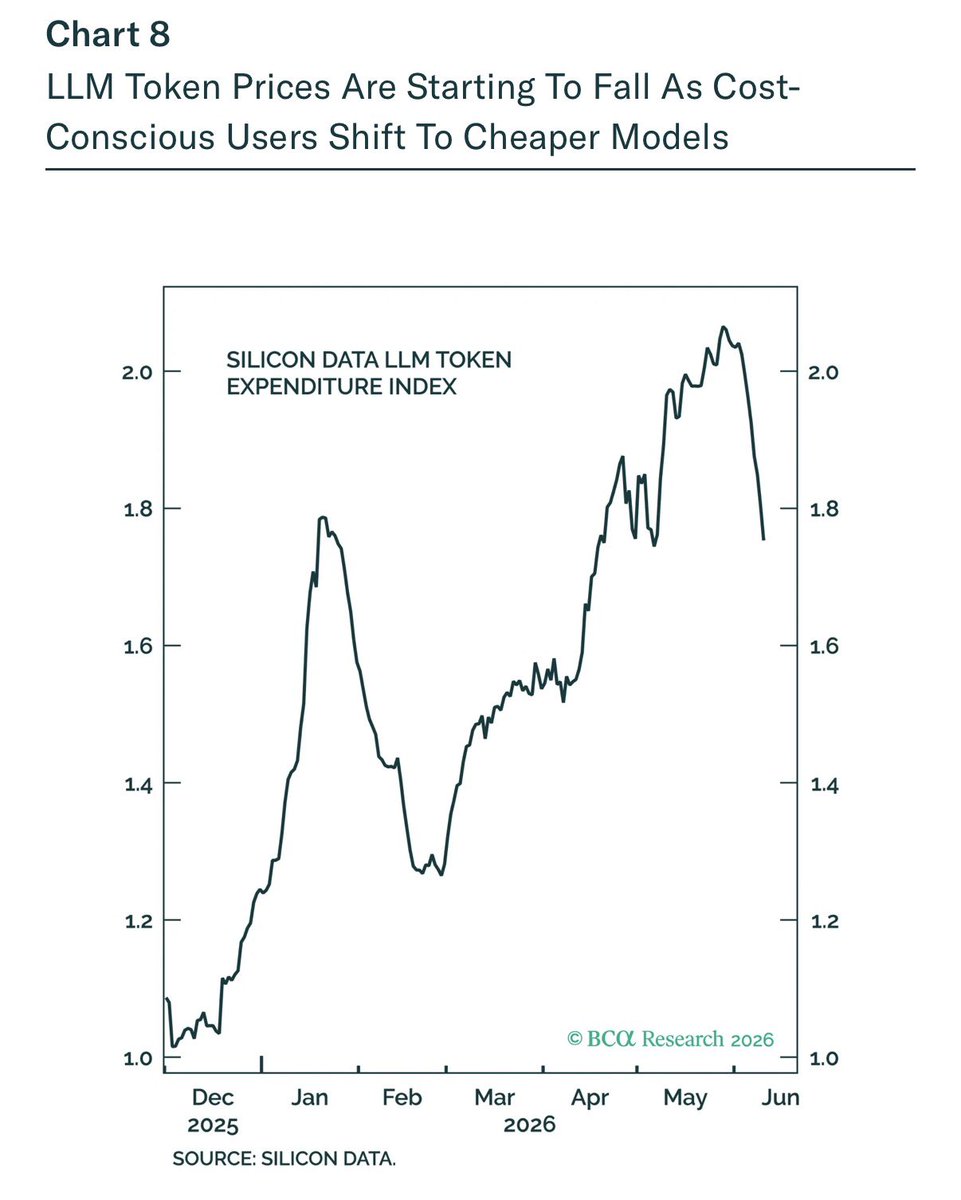
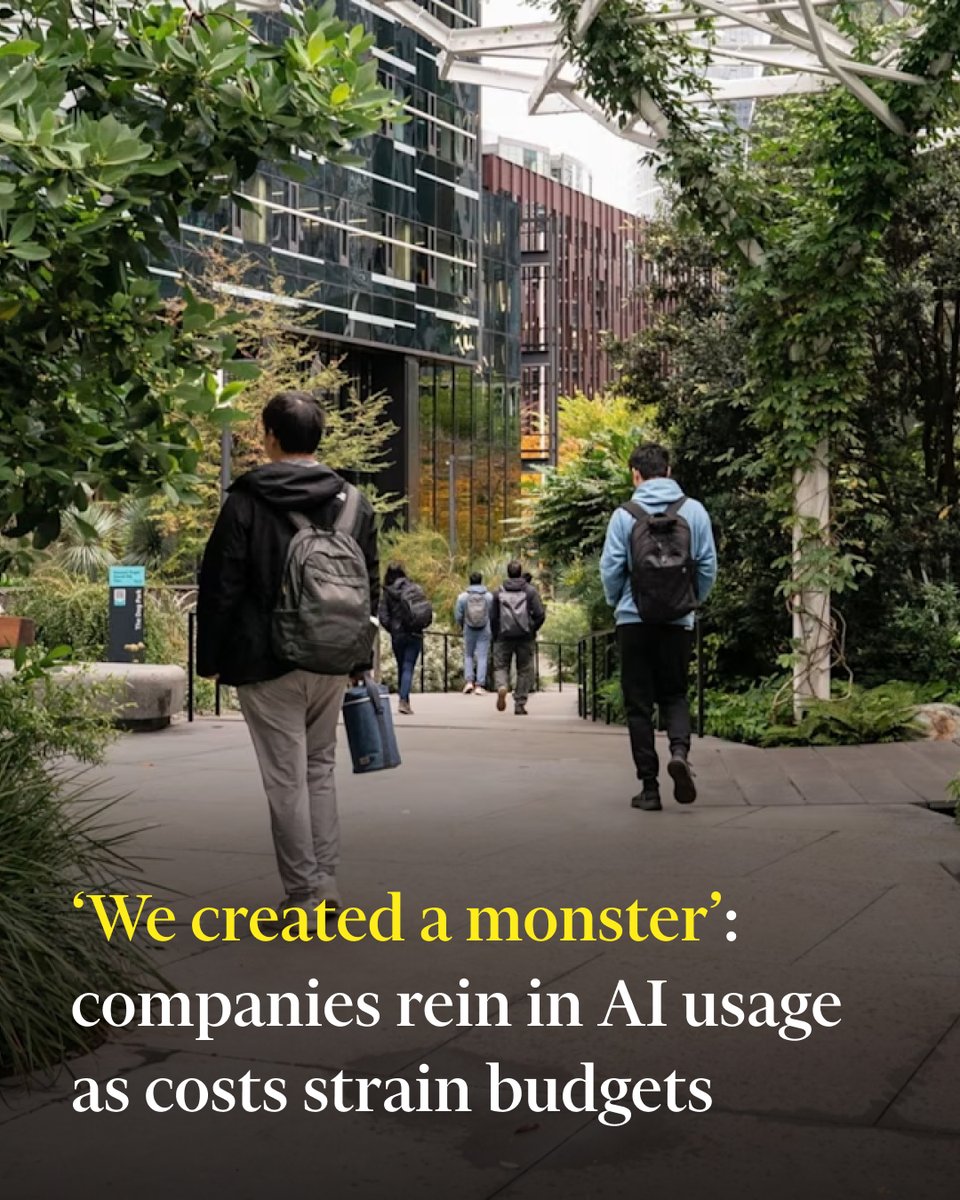
Companies that raced to put AI tools in the hands of their workers are starting to rein in their use, as the cost of deploying the technology at scale begins to test corporate budgets. https://t.co/Dr2rwpEBlc https://t.co/yvMcC8V1eO
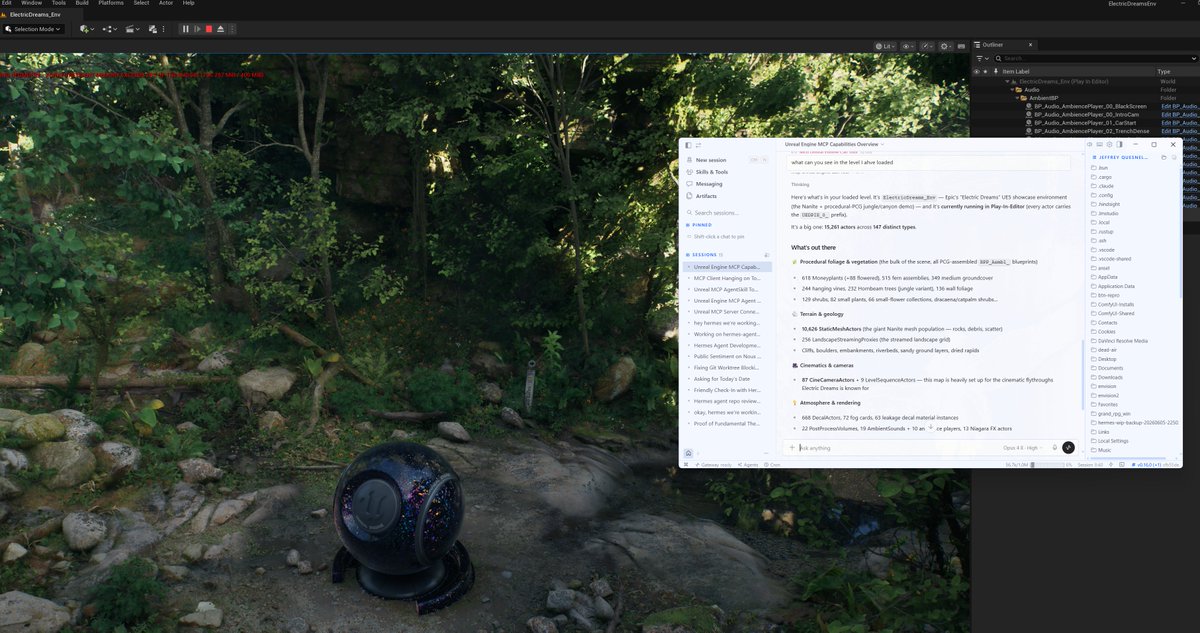
Playing with Hermes Agent at Starbucks yesterday - I wanted to look at USGS S1M DEM data for the Tetons. Here's what Hermes and Kimi-K2.7 generated. Amazing terrain relief at 1m resolution. https://t.co/Wxk9jimHHj AI agents like Hermes can ad hoc generate just about any GIS tool desired. @USGS #GIS @Teknium
@asikunaa This? https://t.co/0SF7dlBNfT
okay hermes make me a video game https://t.co/a74Up7ySru
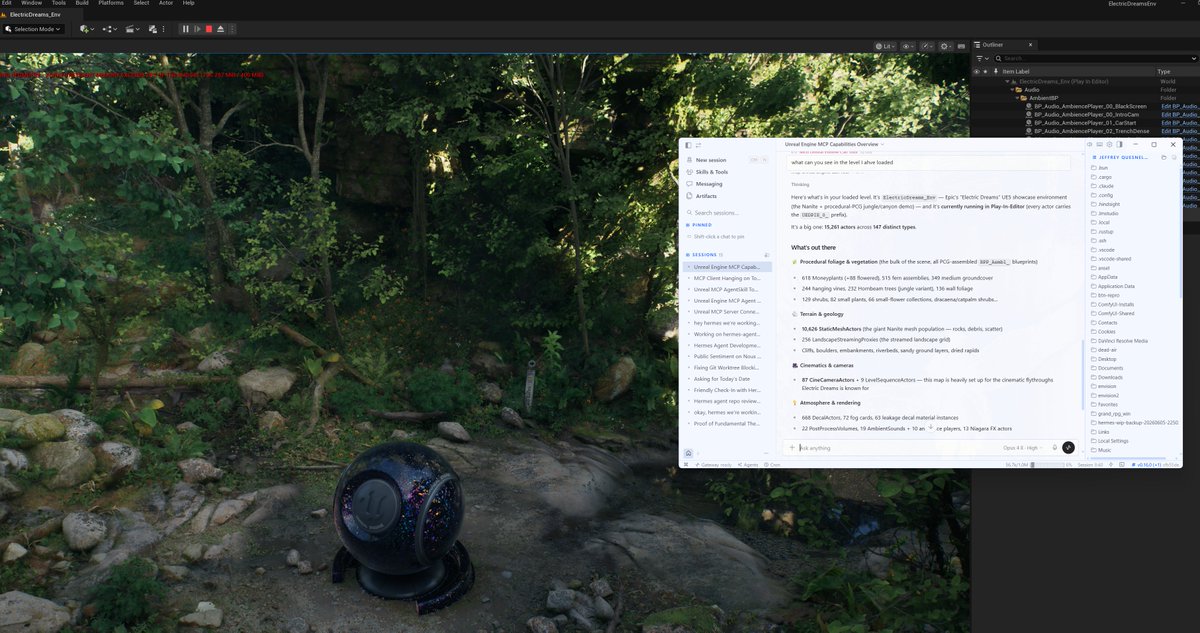
okay hermes make me a video game https://t.co/a74Up7ySru
This week's Hermes Agent Masterclass is all about cron jobs and automation! There are a lot of great nuggets in this one, especially on how to set up cheap (or free) automation pipelines. In this clip I use wakeAgent, a way to monitor at no cost, but only use the LLM when needed! Check out the full video on YouTube for more tips!
Something remarkable is happening across Asia. The AI boom is no longer just driving technology stocks. It's drawing an entirely new generation of investors into the market, particularly in South Korea, Taiwan and Japan. When a technology trend starts influencing culture, not just portfolios, it's worth paying attention.

never worked anywhere that fights big company antics as actively as we do. https://t.co/8IAp6LbJdo
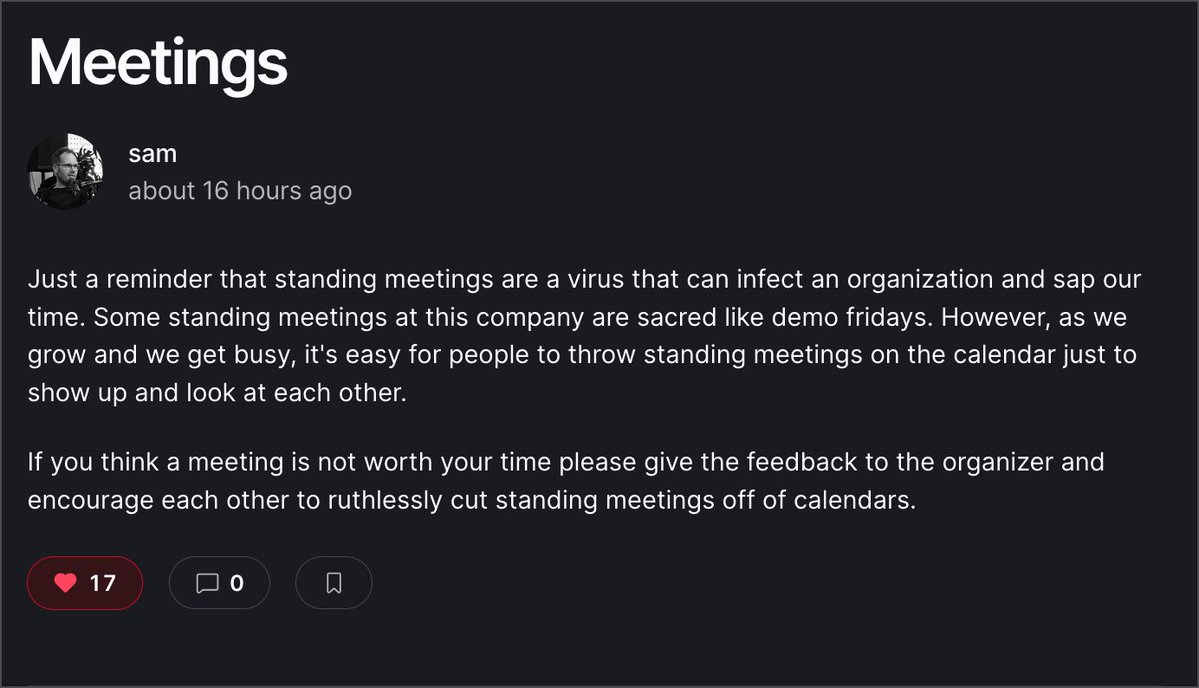
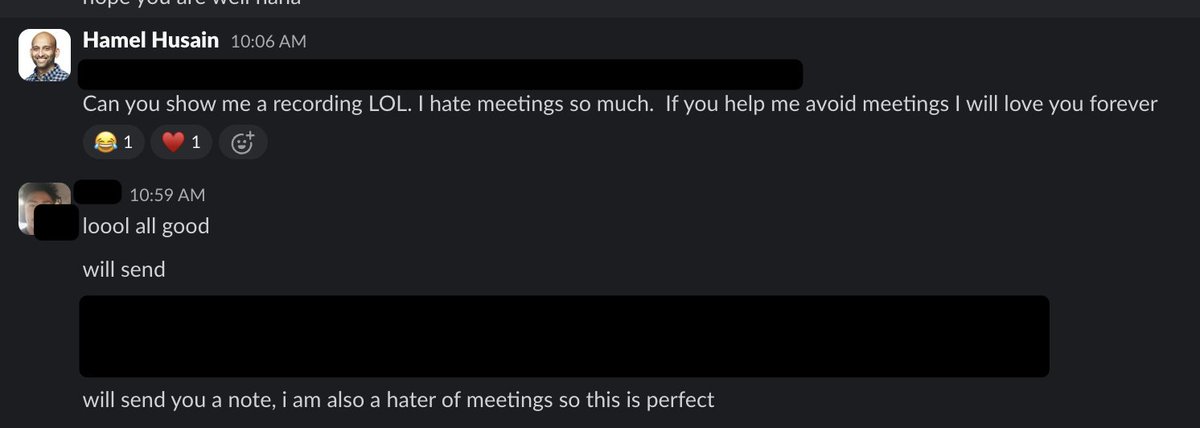
BTW many who ask for meetings also secretly hate them. Just ask and set each other free. You both will be happier https://t.co/kECzCooUA2
never worked anywhere that fights big company antics as actively as we do. https://t.co/8IAp6LbJdo
"My mission is to build technologies that can't lie." That's @profdanklein on this week's Gradient Dissent. Dan is a Berkeley computer science professor now building Scaled Cognition, a company designed around one bet: that reliability is the part of intelligence that's been left behind. @l2k and Dan get into why ChatGPT is always confident even when it's wrong and how Dan is working to fix this at the foundation. Link to the full episode in the comments.
YouTube: https://t.co/mgGKbc50Xq Apple Podcasts: https://t.co/qLL1uAPOFv Spotify: https://t.co/B7TkFcsD3F

I thought Knicks, Juneteenth, and summer Friday would make our event with @contra a little more intimate. But NYC really turns up. Live music, sunset drinks, best view of the city, and a convo w/ @pirroh. Next one coming soon if you didn’t get on the guest list this time. https://t.co/hGjbr0kYK1

@vicstepa Did you delete the skill? https://t.co/LvAuETPJ9L