Your curated collection of saved posts and media
Cautious Weight Decay is a surprisingly simple technique that has been repeatedly validated in Modded NanoGPT. I expect it will gain serious traction as the default variant of decoupled weight decay https://t.co/BLFSeqrf2w
modded-nanogpt WRs 🤝 Cautious Weight Decay Pretty much all the @speedrun WRs since November have used CWD in some form (e.g., @varunneal's "CWD w/ schedule"). Huge thanks to everyone experimenting and sharing results — shoutout to @varunneal, @classiclarryd, @ChrisJMcCormick,

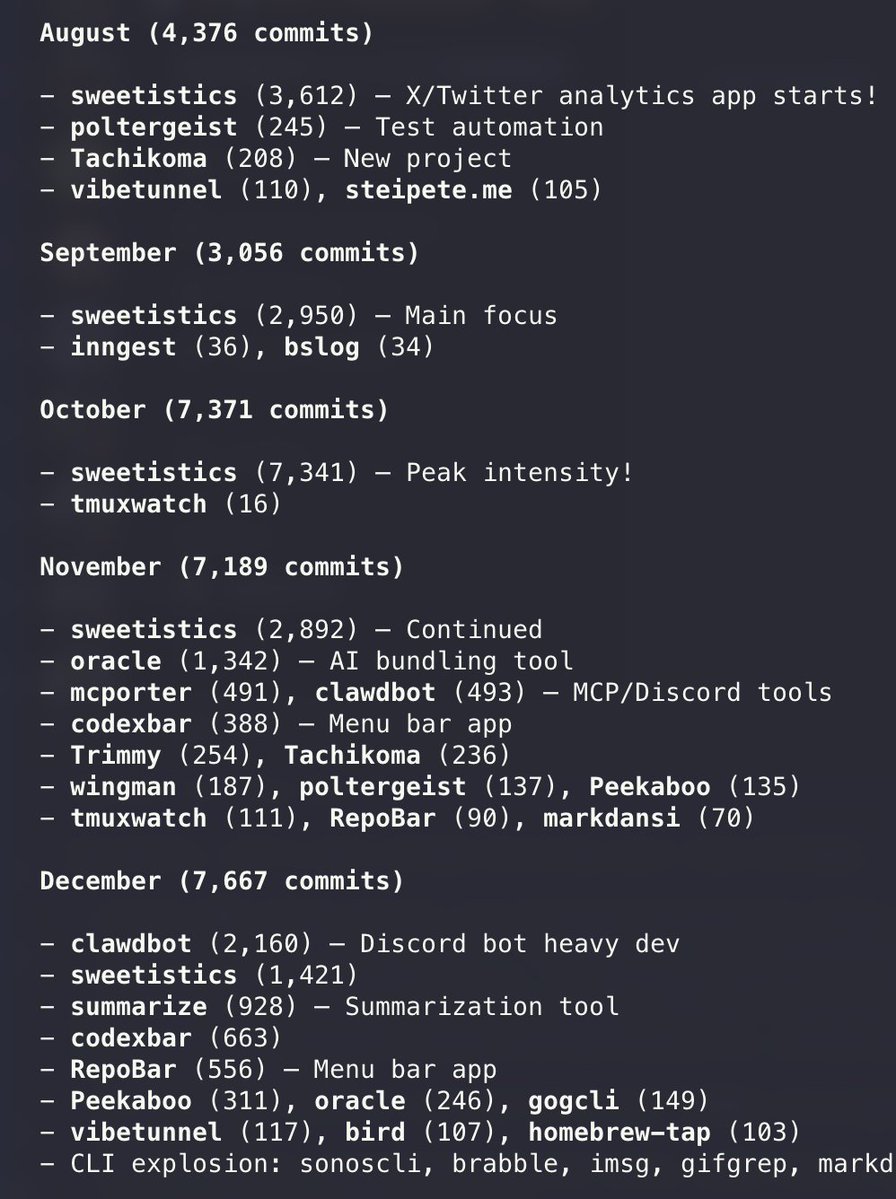
Did some statistics. My productivity ~doubled with moving from Claude Code to codex. Took me a bit to figure out at first but then 💥 https://t.co/cfyKg0E1hf
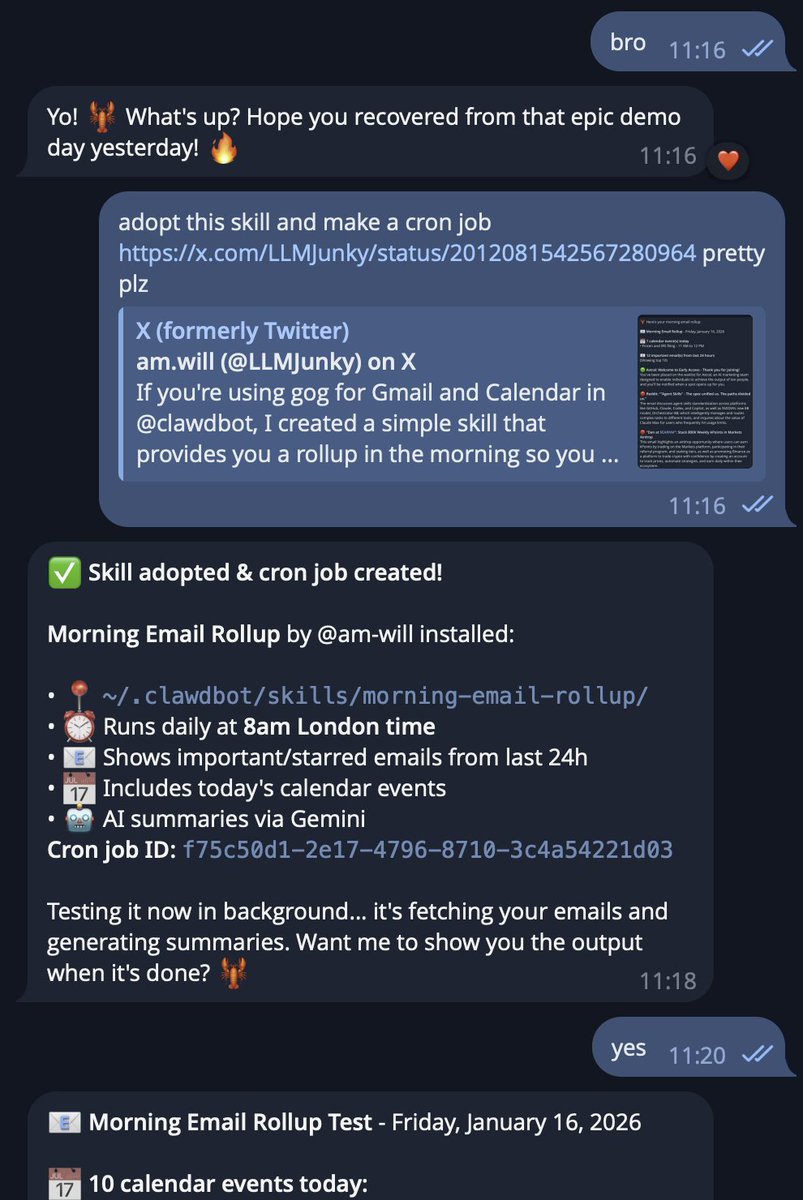
Someome made a morning report skill and I just gave @clawdbot the tweet and it set up the skill + cron job. https://t.co/CXo0xMGcFv
Cowork but with local models not to send all your data to a remote cloud! https://t.co/2OrBMMO3NJ
In Cowork, you give Claude access to a folder on your computer. Claude can then read, edit, or create files in that folder. Try it to create a spreadsheet from a pile of screenshots, or produce a first draft from scattered notes. https://t.co/GEaMgDksUp
Cowork but with local models not to send all your data to a remote cloud! https://t.co/2OrBMMO3NJ
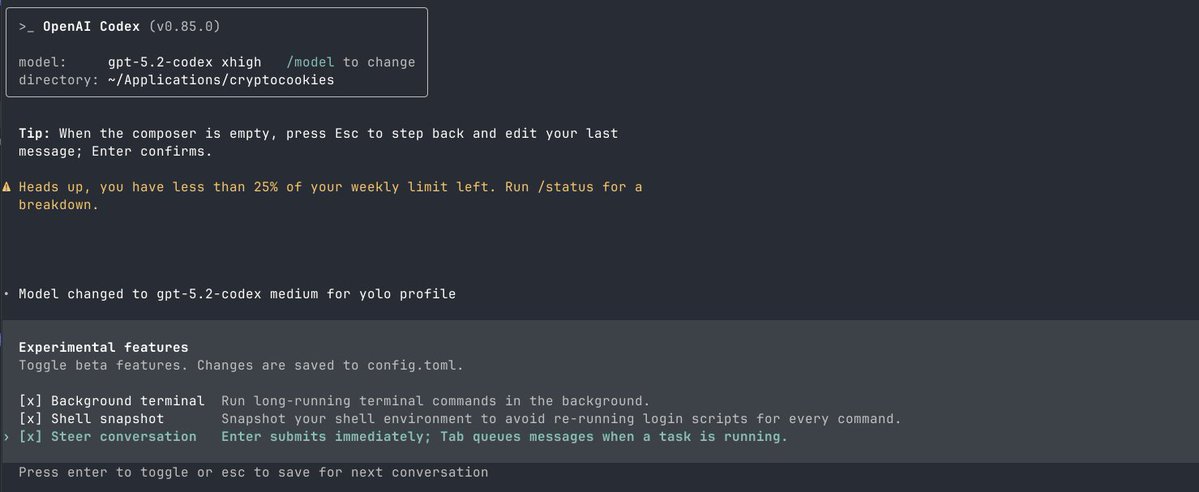
Codex team is at it again with just another insanely useful feature. If you see your agent going off the rails, or needing some addt'l context, you no longer need to stop the agent. Follow up prompts while the agent is working now inserts the prompt at the next thinking step, allowing it to pivot or provide better outputs without actually stopping the agent. This is undoubtedly a token and time saver. You can still queue up prompts using Tab. Well played!
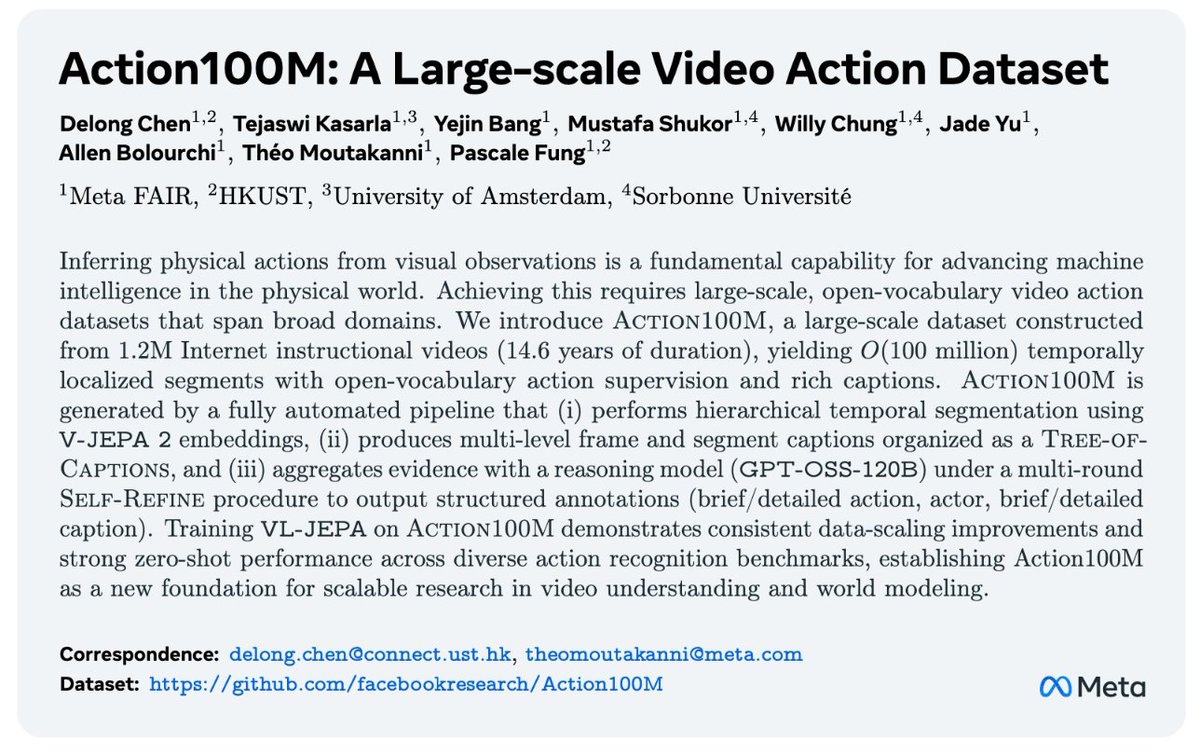
We’re releasing Action100M: the largest open dataset of ~15 years of video with dense action + caption annotations. It's a key ingredient behind VL-JEPA, now open to fuel the next generation of VLMs, World Models, and Robotics policies. Dataset on HF: https://t.co/bUs67QyOdd https://t.co/IzoGNUXzbJ
We release Action100M, the hero behind VL-JEPA. It is a large dataset with O(100 million) dense action annotations on HowTo100M procedural videos. We hope it serves as a robust data foundation to advance physical world modeling research.
I wrote an interactive article explaining the geometric intuition behind Rectified Flows. I visually explain why flow-models tend to learn curved trajectories, why this is bad for sampling latency, and a relatively simple technique for mitigating it. Check it out! Link 👇 https://t.co/X7nPye8fuJ
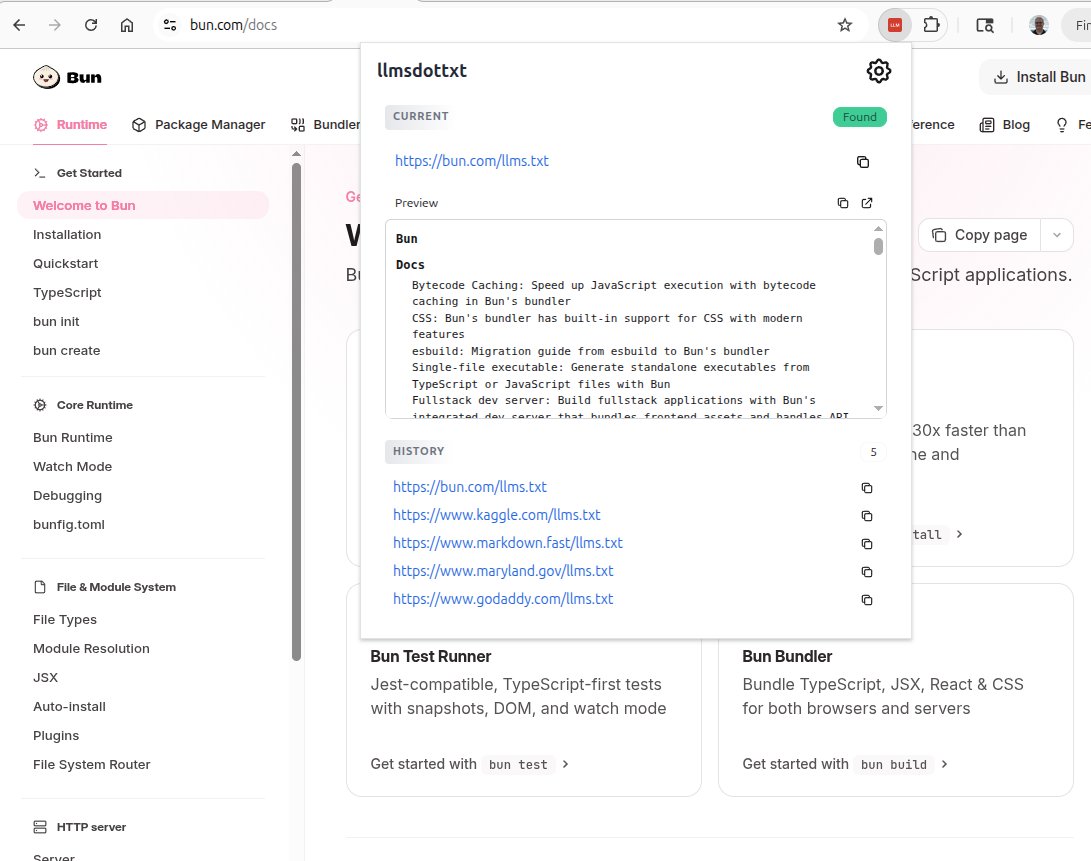
Bun — the blazing-fast JS runtime that's eating Node.js's lunch — already ships great llms.txt docs to supercharge your AI coding assistant. Discover these llms.txt files effortlessly while you browse: → llmsdottxt ◎ Open-source Chrome extension that auto-detects llms.txt files, shows a red badge, lets you copy URLs/content instantly, and keeps a history. Perfect for Cursor, Claude, Windsurf, etc. https://t.co/nIBqwIjs3T Give it a try & star if it helps your workflow! ⭐
ScaledML is back! After a 6 year hiatus. Consistently 2-3 years ahead of where ML will be. Examples of foresight at SML: - OpenAI in 2016,2017,2019 announced GPT-2 & RL efforts - Turing award for Deep Learning announced by Turing award winner on morning of award - Groq chip (acquired for $20bn) released - All Google TPU versions detailed Join us on January 29th at the Computer History Museum!
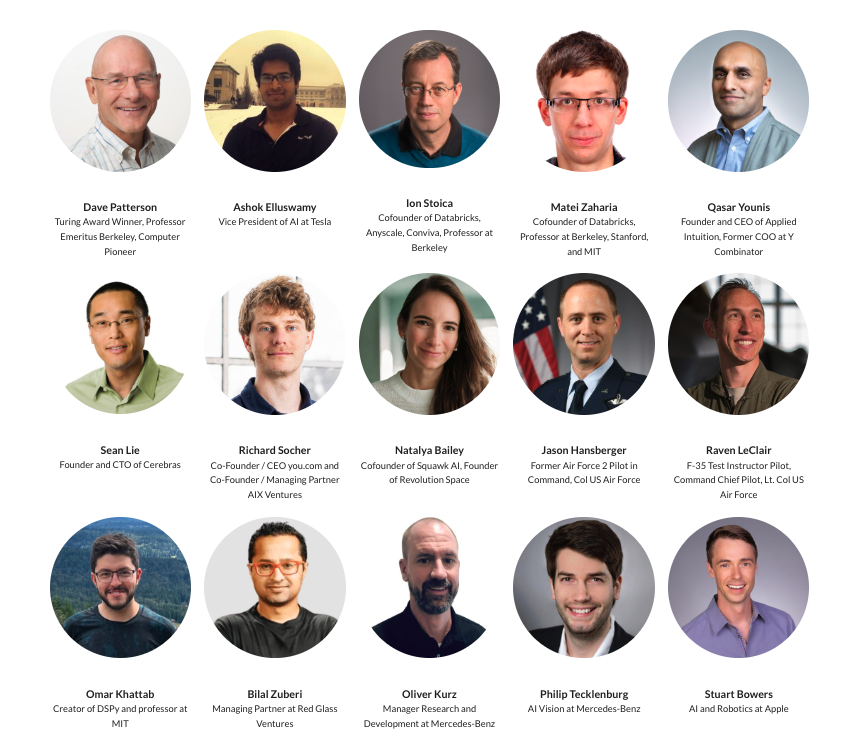
ScaledML is back! After a 6 year hiatus. Consistently 2-3 years ahead of where ML will be. Examples of foresight at SML: - OpenAI in 2016,2017,2019 announced GPT-2 & RL efforts - Turing award for Deep Learning announced by Turing award winner on morning of award - Groq chip (acquired for $20bn) released - Google TPU arch Join on Jan 29 at Computer History Museum!
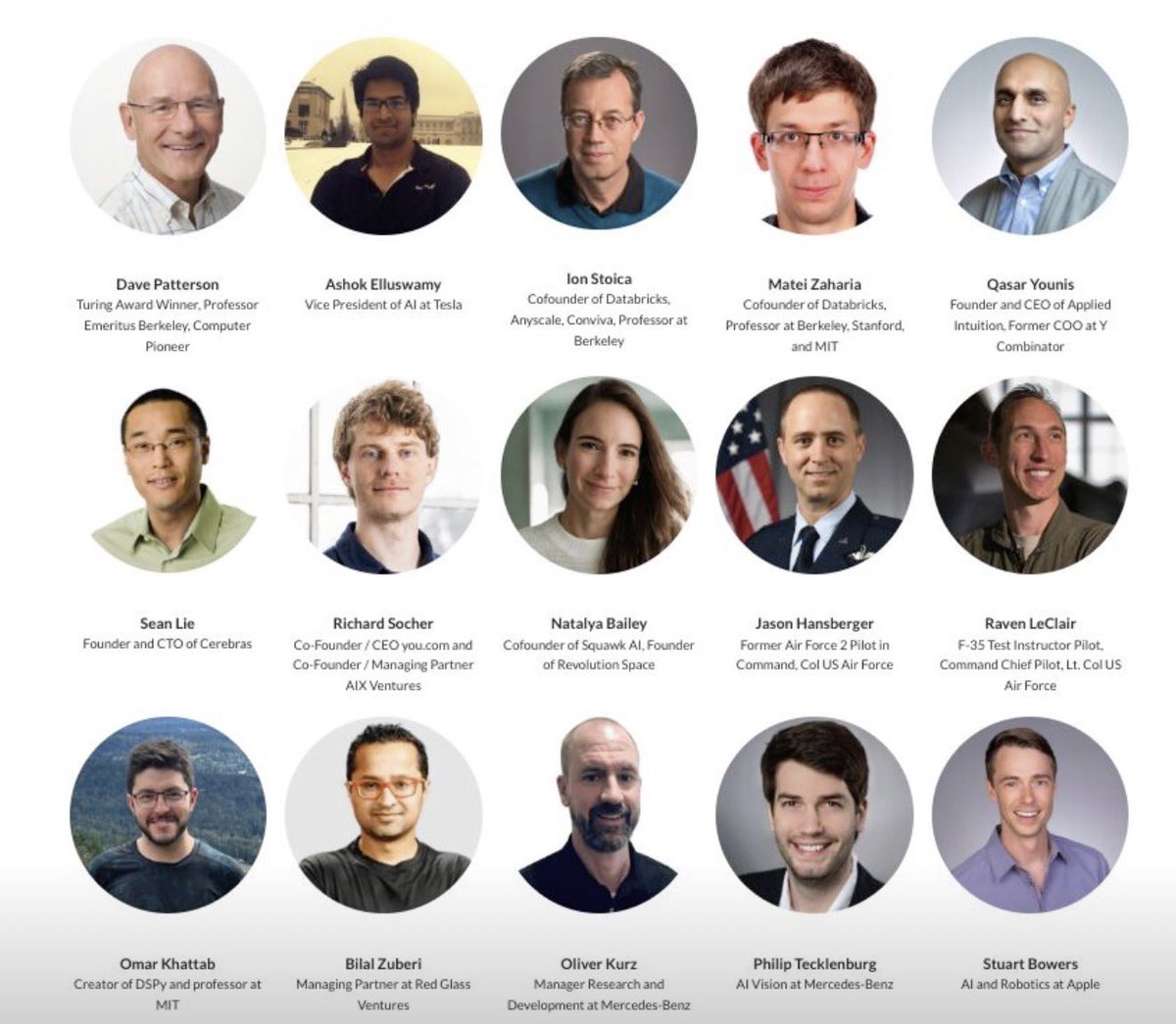
CTO and Founder of Cerebras will be at ScaledML https://t.co/WoH27Uxx6q
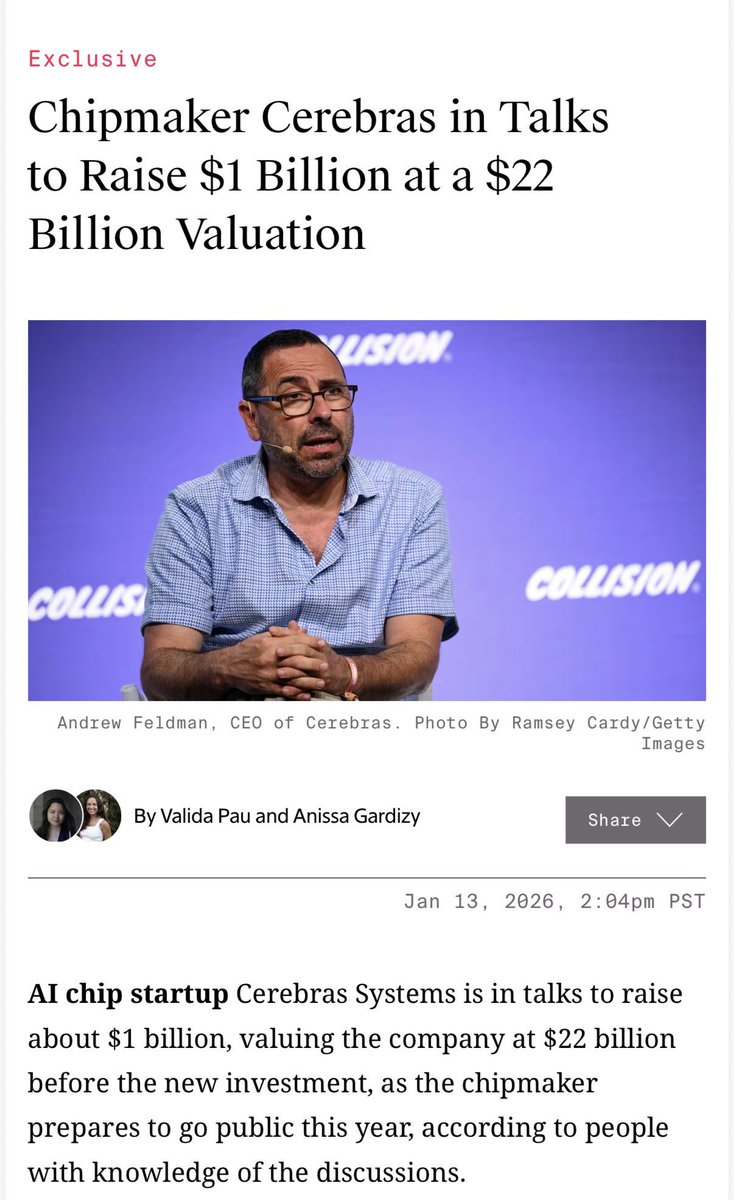
can we go back? https://t.co/ePsrW4P5XD

🖤 https://t.co/bXGfPfQtlE

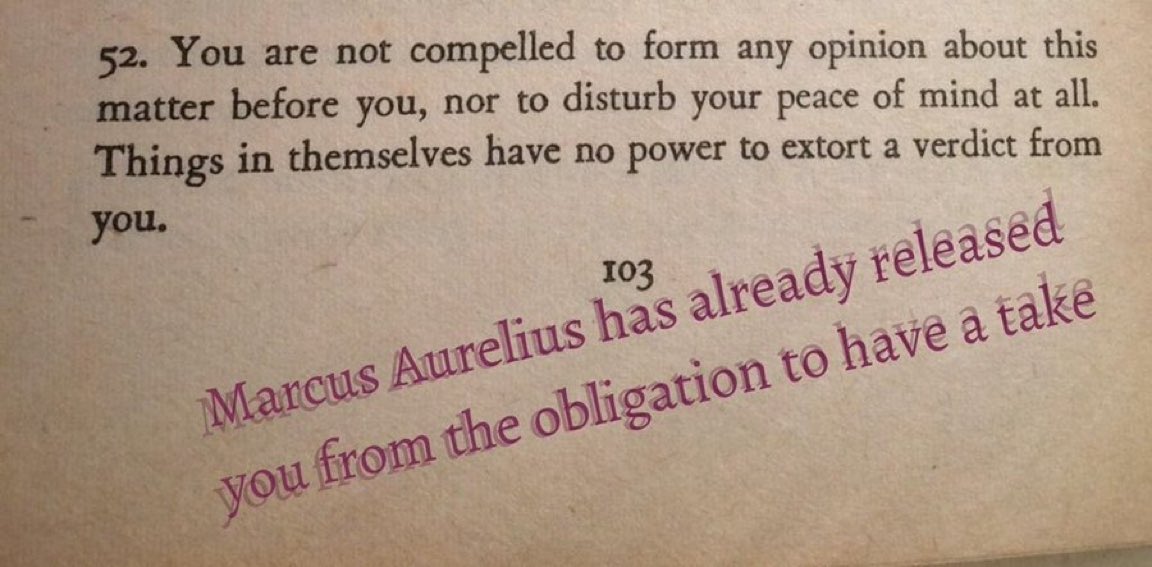
Stoicism 101: You are not required to have an opinion on every controversy. In fact, you’ll be much happier if you don’t. https://t.co/KXkPgZByU3
#reallifedataviz https://t.co/l415d8BEdB
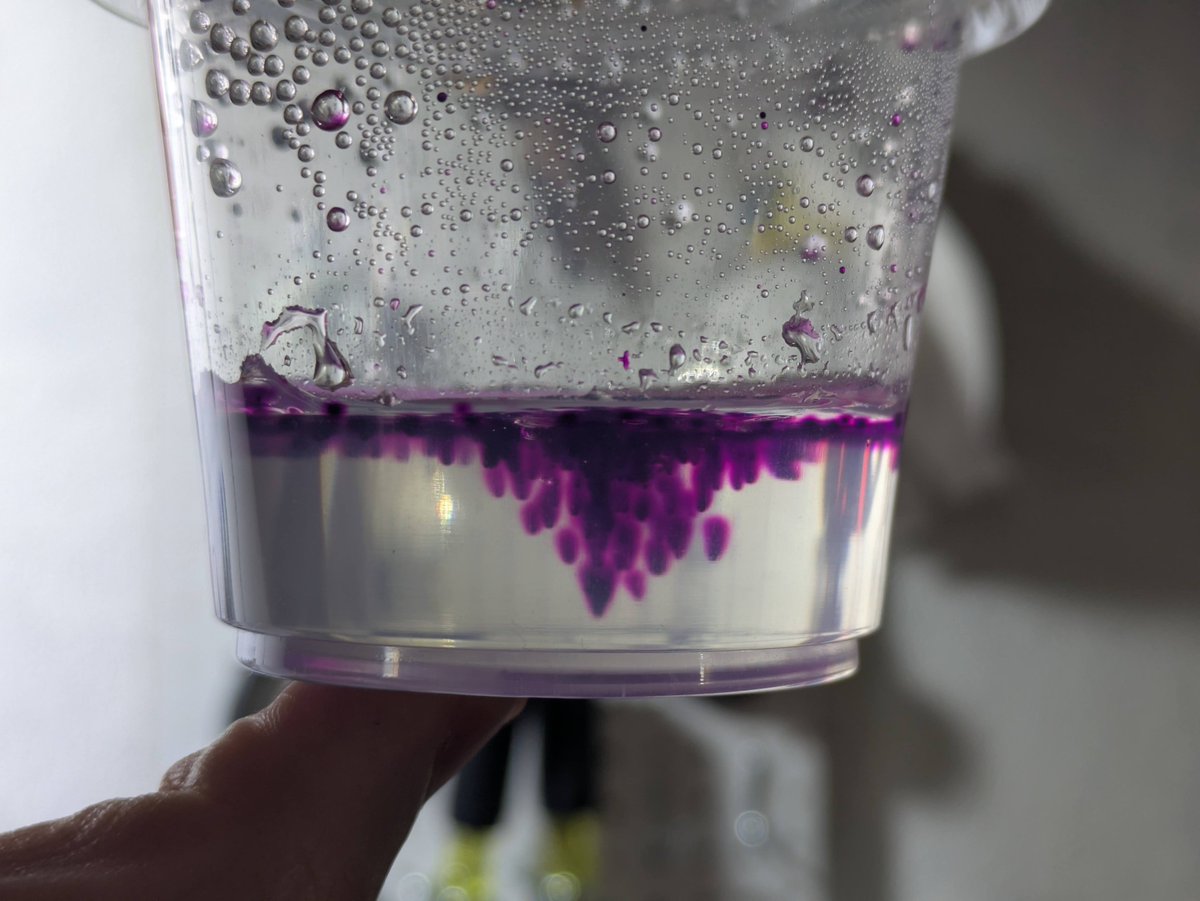
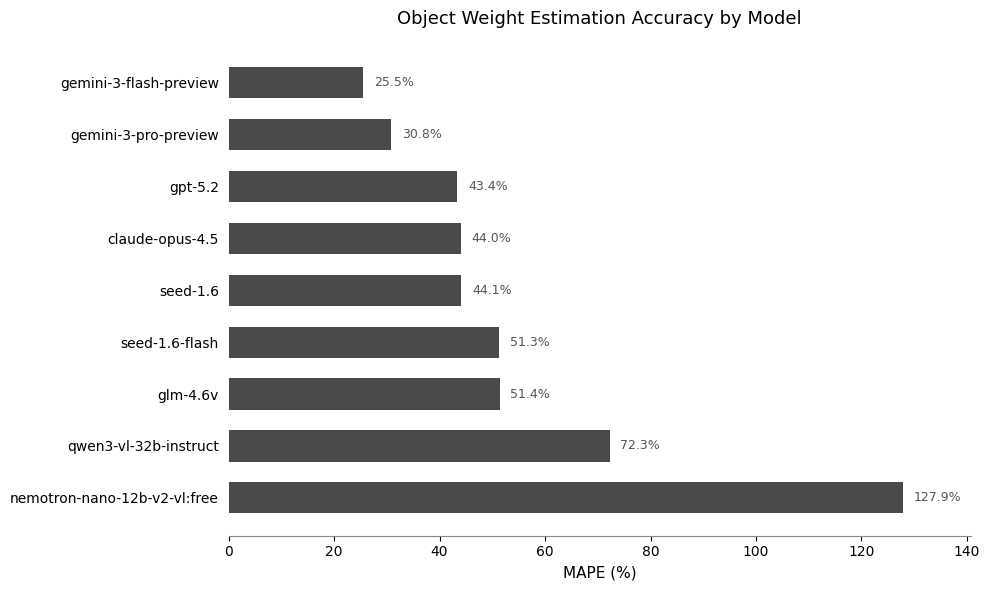
'How Much Grams?' A mini eval inspired by that viral guy who would ask ChatGPT voice+video to guess the weight of things. Flash crushes it - both speed and accuracy. Post: https://t.co/HNJWhGQIEb https://t.co/191EqCtbnt
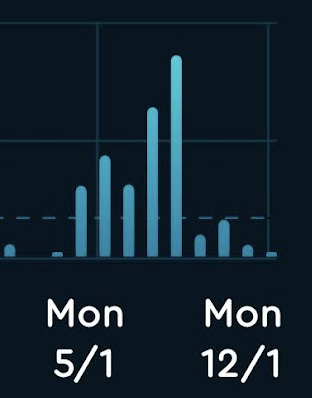
Data from my sleep tracking came in handy recently: can you see which 5 days my wife tried a new feather pillow? (Graph shows my snoring duration) A similarly stark positive change came from running an air purifier. Probably lots more places I'm unknowingly sub-optimal... :) https://t.co/PdjHZrxMyI
@ATinyGreenCell I'm trying a https://t.co/ZWqHLe1GOr for similar reasons

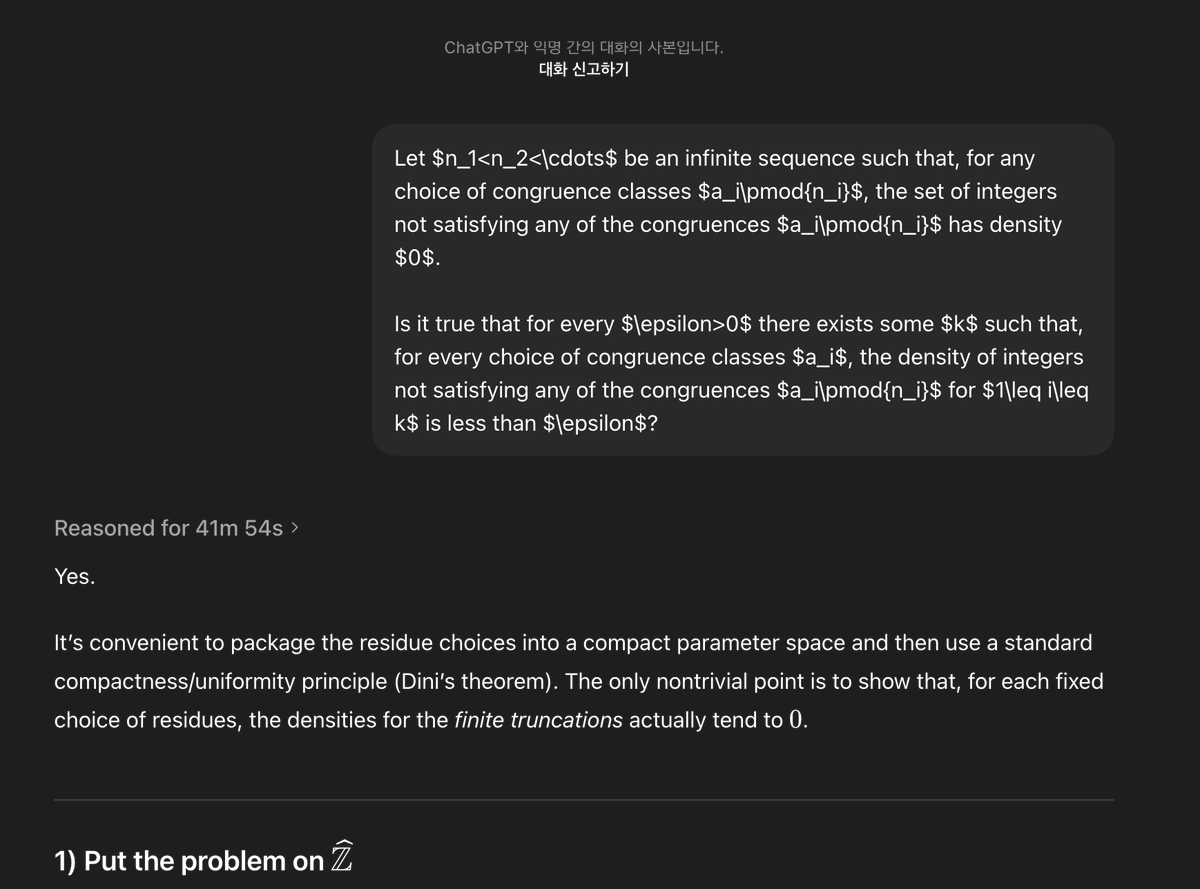
It is November 2022, you yap "LLM cant reason because they are autoregressive!! We need cat level intelligence, neuro-symbolic AI! Chatgpt is fun toy product!" It is year 2026, they solve conjectures in 40 min. You literally share proof of open problems with chatgpt links. Actually insane timeline.
I've solved a second Erdos problem (#281) using only GPT 5.2 Pro - no prior solutions found. Terence Tao calls it "perhaps the most unambiguous instance" of AI solving an open problem: https://t.co/TBiCwiSFzl
Saturday hobby fun: biolistics tests with different nozzles, sticking DNA to carriers, and making a computer-controlled pipette for moving microliters of liquid around 😁 (Also breakfast date, happy walks with toddler niece, fireside reading - perfect Saturday) https://t.co/eNM9l57uiZ
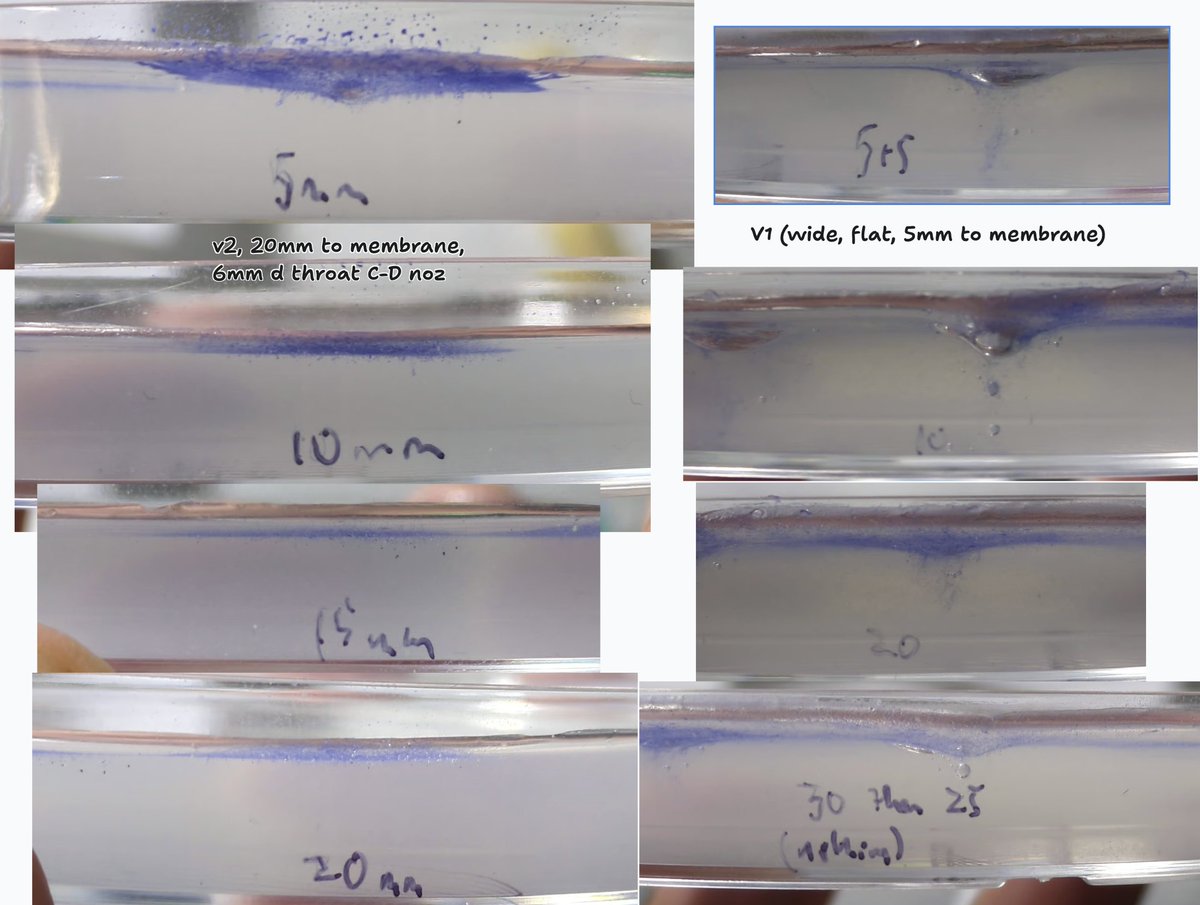
Going to make so much agar art with this bad boy 😁 https://t.co/iFYdZq64SG
Repo: https://t.co/PRh999W0kp
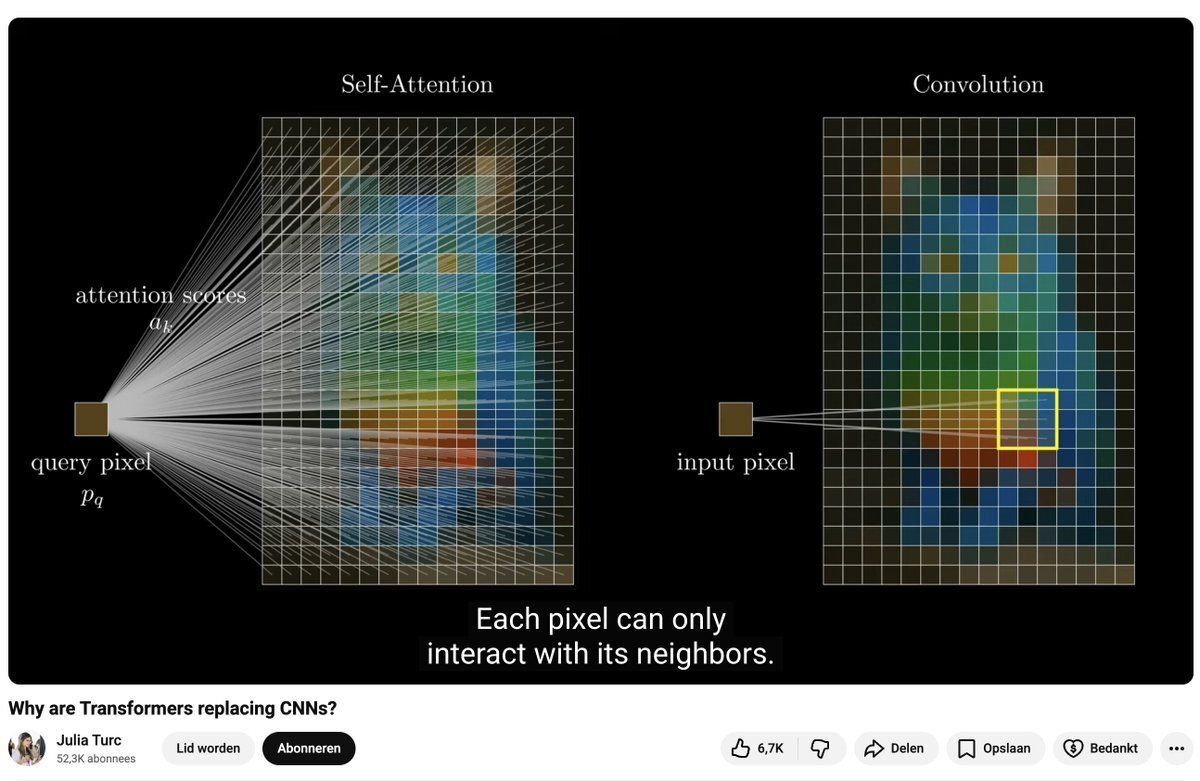
Must watch. Why Transformers are taking over CNNs in computer vision. https://t.co/rH6CV0qdAK
Video: https://t.co/JySWpaKtvF
> Be Maor Shlomo. > Fail for a decade. > See Lovable take off. > Grab Claude 3.5. > Build a competitor in weeks. > Add a twist to it. > Hit $230k MRR in 90 days. > Sell it for $80M in 4 months. https://t.co/iOiAqRIP5a

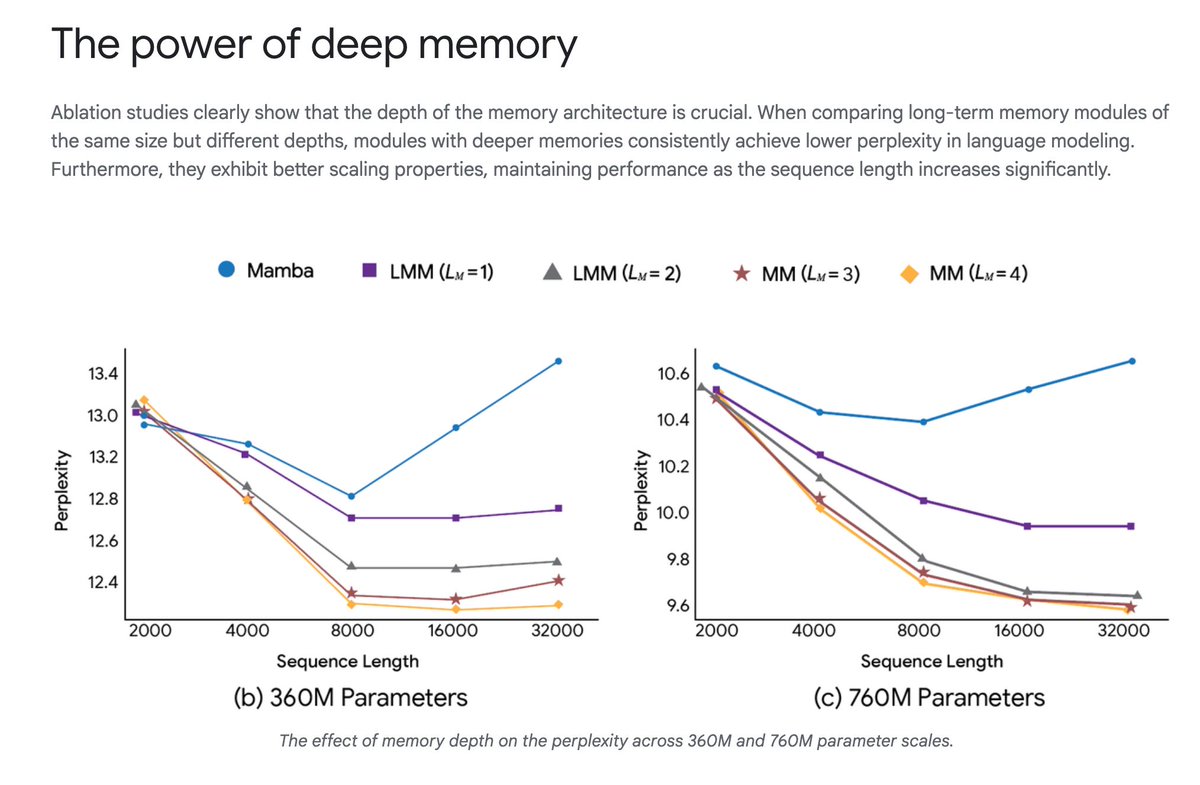
Google just gave language models real long-term memory. A new architecture learns during inference and keeps context across millions of tokens. It holds ~70 percent accuracy at 10 million tokens. 𝗧𝗵𝗶𝘀 𝗮𝗿𝗰𝗵𝗶𝘁𝗲𝗰𝘁𝘂𝗿𝗲 𝗹𝗲𝗮𝗿𝗻𝘀 𝘄𝗵𝗶𝗹𝗲 𝗶𝘁 𝗿𝘂𝗻𝘀 Titans adds a neural long-term memory that updates during generation. Not weights. Not retraining. Live learning. • A small neural network stores long-range context • It updates only when something unexpected appears • Routine tokens get ignored to stay fast This lets the model remember facts from far earlier text without scanning everything again. 𝗜𝘁 𝗸𝗲𝗲𝗽𝘀 𝘀𝗽𝗲𝗲𝗱 𝘄𝗵𝗶𝗹𝗲 𝘀𝗰𝗮𝗹𝗶𝗻𝗴 𝗰𝗼𝗻𝘁𝗲𝘅𝘁 Attention stays local. Memory handles the past. • Linear inference cost • No quadratic attention blowups • Stable accuracy past two million tokens 𝗜𝘁 𝗮𝗹𝗹𝗼𝘄𝘀 𝘆𝗼𝘂 𝘁𝗼 𝗯𝘂𝗶𝗹𝗱 𝗻𝗲𝘄 𝗸𝗶𝗻𝗱𝘀 𝗼𝗳 𝗮𝗽𝗽𝘀 You can process full books, logs, or genomes in one pass. You can keep state across long sessions. You can stop chunking context just to survive limits.
Project: https://t.co/8aKlYQ2gb6

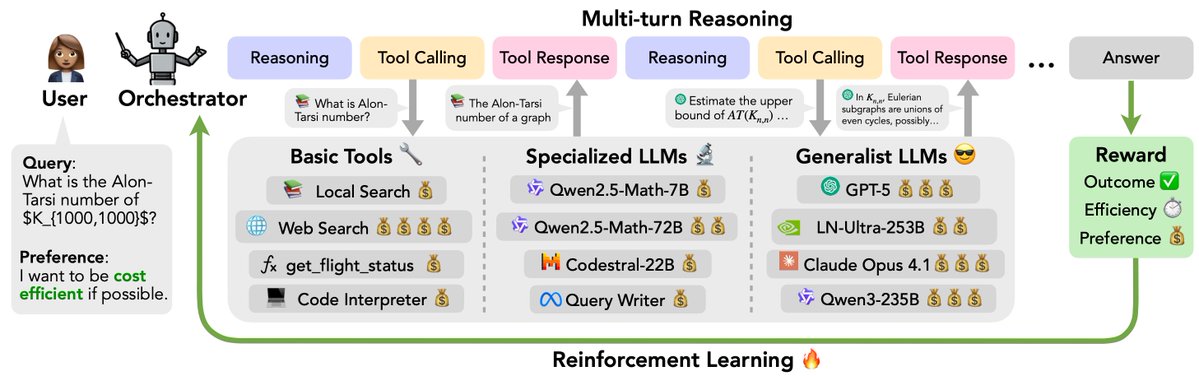
Small models just beat giant LLM agents at their own job. Not by thinking harder, but by coordinating better. A new system just outscored GPT-5 on Humanity’s Last Exam, using far less compute. 𝗧𝗵𝗶𝘀 𝘀𝘆𝘀𝘁𝗲𝗺 𝗿𝗲𝗽𝗹𝗮𝗰𝗲𝘀 𝗼𝗻𝗲 𝗯𝗶𝗴 𝗯𝗿𝗮𝗶𝗻 𝘄𝗶𝘁𝗵 𝗮 𝗰𝗼𝗻𝗱𝘂𝗰𝘁𝗼𝗿 Instead of one model doing everything, it assigns roles. • Large models handle hard reasoning. • Small models handle routine steps. • A controller decides what to call, when. That controller is trained only to make decisions. 𝗜𝘁 𝗹𝗲𝗮𝗿𝗻𝘀 𝗰𝗼𝗼𝗿𝗱𝗶𝗻𝗮𝘁𝗶𝗼𝗻, 𝗻𝗼𝘁 𝗽𝗿𝗼𝗺𝗽𝘁 𝘁𝗿𝗶𝗰𝗸𝘀 It uses reinforcement learning, not hand rules. Rewards optimize three things at once: - Task success - Latency - Compute cost 𝗧𝗵𝗲 𝗿𝗲𝘀𝘂𝗹𝘁𝘀 It scores 37.1% on HLE versus 35.1%. Runs about 2.5× faster. Uses roughly 70% less cost. This lets you build agents that scale by coordination, not parameters.
https://t.co/GTBUA1RzVy https://t.co/sB5dE5xoiY
https://t.co/GTBUA1RzVy https://t.co/sB5dE5xoiY
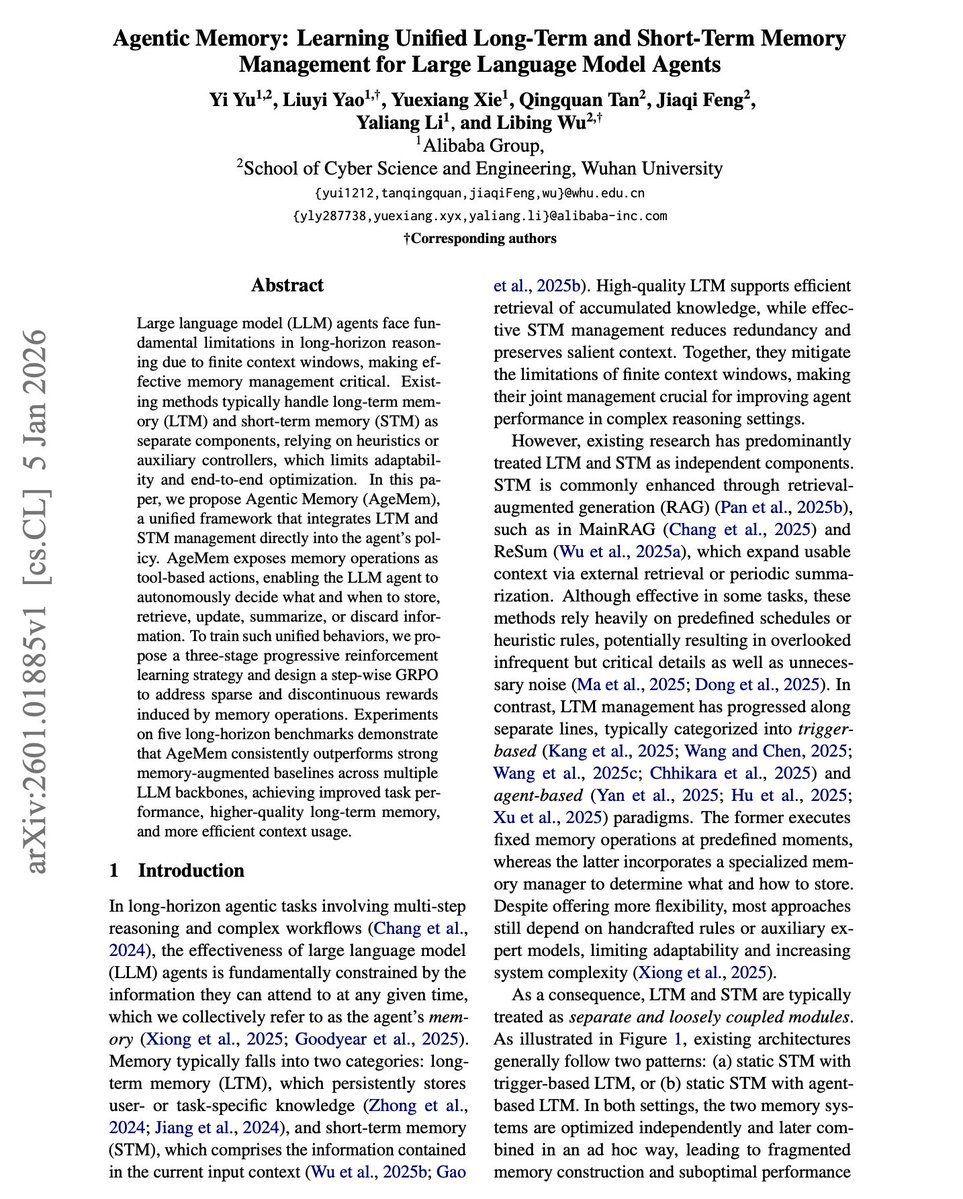
Great paper on Agentic Memory. LLM agents need both long-term and short-term memory to handle complex tasks. However, the default approach today treats these as separate components, each with its own heuristics, controllers, and optimization strategies. But memory isn't two independent systems. It's one cognitive process that decides what to store, retrieve, summarize, and forget. This new research introduces AgeMem, a unified framework that integrates long-term and short-term memory management directly into the agent's policy through tool-based actions. Instead of relying on trigger-based rules or auxiliary memory managers, the agent learns when and how to invoke memory operations: ADD, UPDATE, DELETE for long-term storage, and RETRIEVE, SUMMARY, FILTER for context management. It uses a three-stage progressive RL strategy. First, the model learns long-term memory storage. Then it masters short-term context management. Finally, it coordinates both under full task settings. To handle the fragmented experiences from memory operations, they design a step-wise GRPO (Group Relative Policy Optimization) that transforms cross-stage dependencies into learnable signals. The results across five long-horizon benchmarks: > On Qwen2.5-7B, AgeMem achieves 41.96 average score compared to 37.14 for Mem0, a 13% improvement. > On Qwen3-4B, the gap widens: 54.31 vs 44.70. Adding long-term memory alone provides +10-14% gains. > Adding RL training adds another +6%. > The full unified system with both memory types achieves up to +21.7% improvement over no-memory baselines. The unified memory management through learnable tool-based actions outperforms fragmented heuristic pipelines, enabling agents to adaptively decide what to remember and forget based on task demands. Paper: https://t.co/twhfiEsnho Learn to build effective AI agents in our academy: https://t.co/JBU5beIoD0