Your curated collection of saved posts and media
@pamelafox I regret not highlighting this one @changchanging https://t.co/MZwETZ2OO5

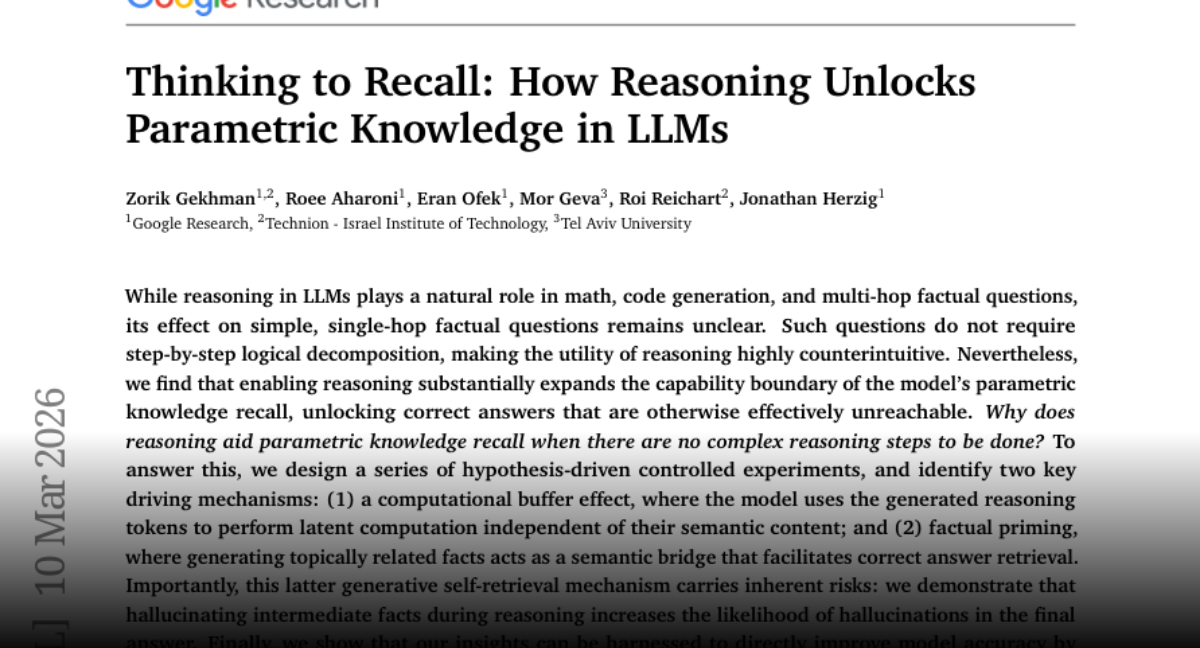
Thinking to Recall How Reasoning Unlocks Parametric Knowledge in LLMs paper: https://t.co/juzRYfAZ5u https://t.co/QoMdkymIY0

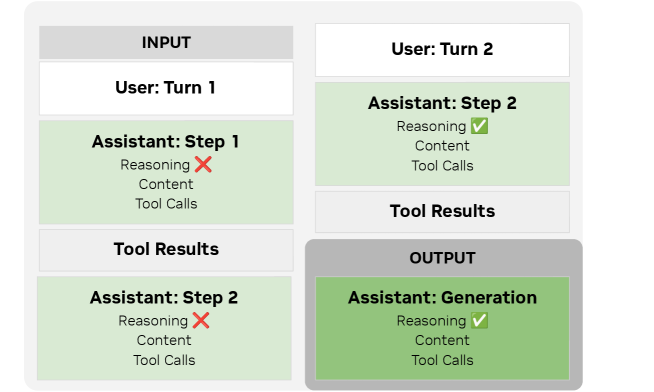
NVIDIA just released Nemotron 3 Super on Hugging Face 120B total / 12B active parameters, 1M-token context window, and hybrid Mamba-MoE architecture delivering SOTA agentic reasoning for coding and tool use. https://t.co/dj5Rni8hoB
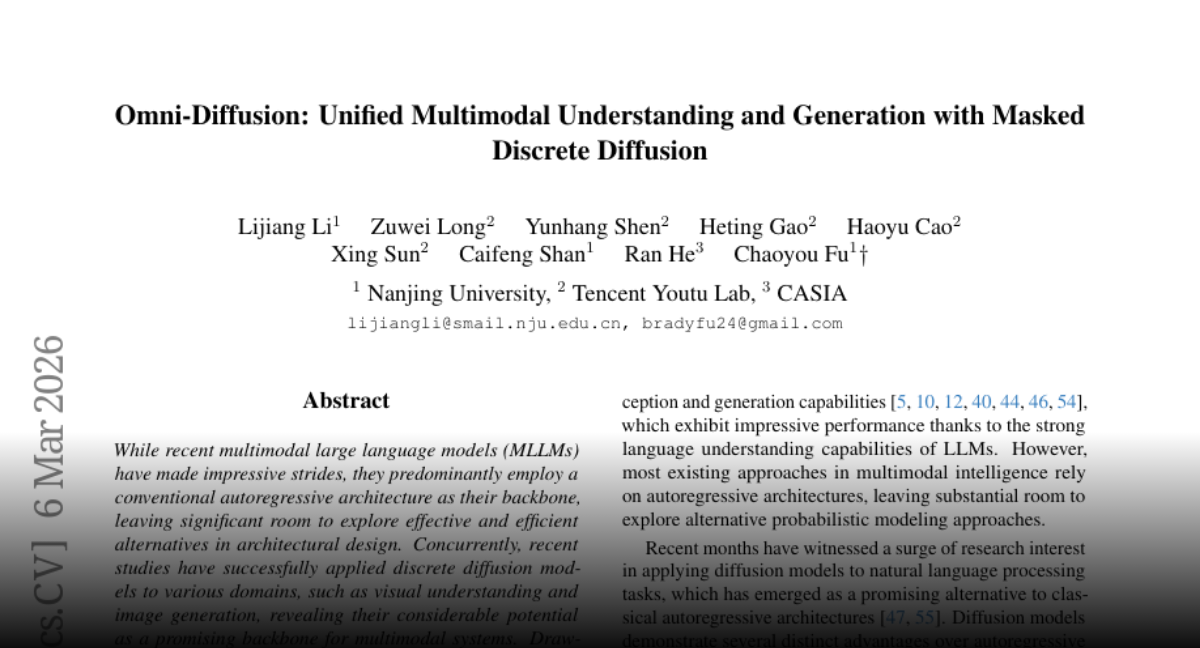
Omni-Diffusion Unified Multimodal Understanding and Generation with Masked Discrete Diffusion paper: https://t.co/F0zl3MNFRN
@rowdyburns1978 @BootsRiley https://t.co/nXGchyYpd9

https://t.co/V3F0NKz8gp

https://t.co/V3F0NKz8gp

Black horse among the chaos. Kuwait, 1991 | Steve McCurry https://t.co/Qcc22NREuT

Black horse among the chaos. Kuwait, 1991 | Steve McCurry https://t.co/Qcc22NREuT

https://t.co/FX3YkmNZRw
.@elonmusk @grok I find GROK incredibly inaccurate, opinionated and, because of its inaccuracy more DESTRUCTIVE than constructive. I do not trust it, so it has no real value.

https://t.co/FX3YkmNZRw

VPS tracking on smart glasses Experimenting with @multiset_ai’s Visual Positioning System (VPS) to determine a person’s position relative to a 3d scanned environment, using just an image Works with compatible smartglasses, in this case @omidotme’s Omi Glass (based on @seeedstudio’s ESP32-S3 Sense) running our custom firmware
Positional tracking on smart glasses and webcams Experimenting with @NianticSpatial’s @the8thwall engine to get position using camera and motion data Works with compatible smartglasses, in this case a modified @omidotme’s Omi Glass (based on the @seeedstudio ESP32-S3 Sense) run
Robots have a data bottleneck. we are using simulated reality for training robots Built this demo at the @fdotinc night hack. https://t.co/vBjVHLfNGF
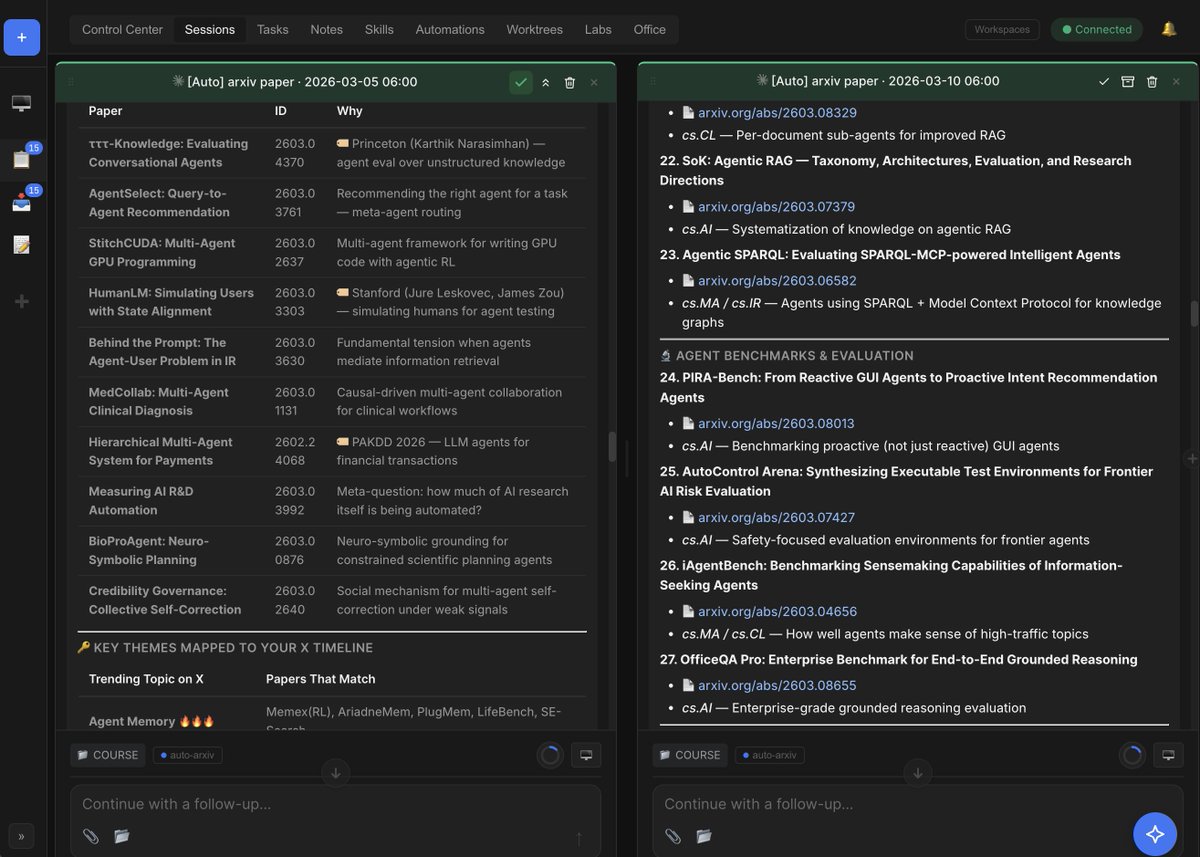
I moved from TUIs/IDEs to my own agent orchestrator in 3 months. Coding agents can do more for you, but the wrong UI is going to hold you back. How it looks for me: taskboard, notes, skills, automations, control center,...all tunable by agents. There is a lot more. https://t.co/Mo0vSYnVLd
Expectation: the age of the IDE is over Reality: we’re going to need a bigger IDE (imo). It just looks very different because humans now move upwards and program at a higher level - the basic unit of interest is not one file but one agent. It’s still programming.
Our team @a16z calculated AI adoption per capita across the world. The results were surprising. The U.S. leads AI development...but it ranks down at #20 in adoption. At the top? Singapore, Hong Kong, the UAE, South Korea, and much of Europe 🤯 https://t.co/ag54NfGSCN
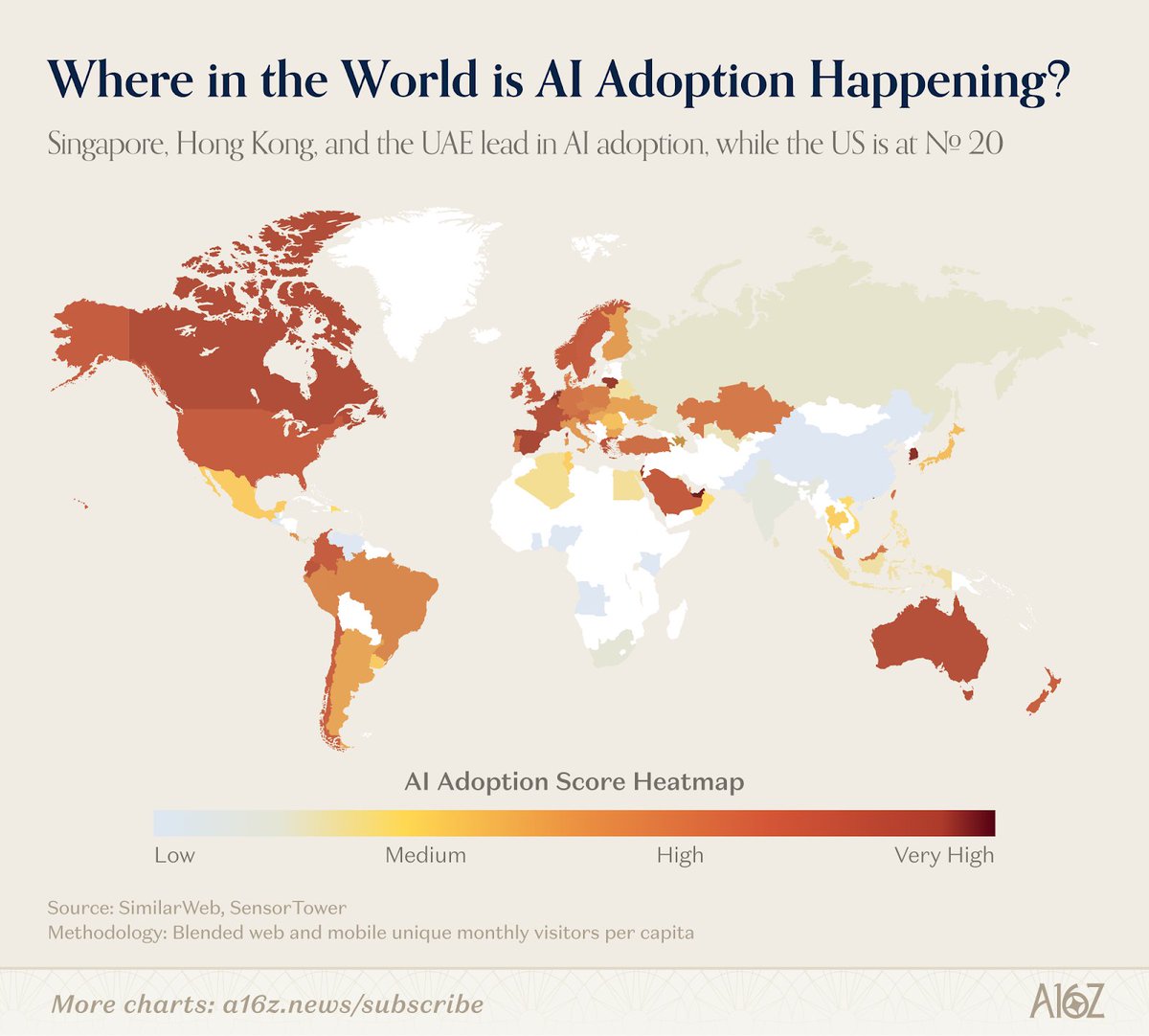
Singapore and Asia is super under looked! Come by the https://t.co/LjY53iRZcn to see what you’re missing :)
Our team @a16z calculated AI adoption per capita across the world. The results were surprising. The U.S. leads AI development...but it ranks down at #20 in adoption. At the top? Singapore, Hong Kong, the UAE, South Korea, and much of Europe 🤯 https://t.co/ag54NfGSCN

Introducing Fort, a wearable that automatically tracks strength training. Strength training is one of the best things you can do for your health and longevity. It deserves better tools. https://t.co/BHF6tSsPWt
oh wow…Base44 just released Superagent. >persistent memory >scheduled jobs >event-based triggers >browser sessions basically OpenClaw but without burning thousands on API tokens and 2-min setup https://t.co/O5D1Yr33rh
Introducing Base44 Superagents. AI agents built with managed infrastructure, secured by default, one-click integrations, and 24/7 execution from the start. Everything is taken care of so you can focus on what your agent does, not how to get it running. That means no API k
Introducing Base44 Superagents. AI agents built with managed infrastructure, secured by default, one-click integrations, and 24/7 execution from the start. Everything is taken care of so you can focus on what your agent does, not how to get it running. That means no API keys to juggle, no config files, no security setup, and no maintenance. We handle all of it. Your Superagent connects to all the tools you already use in one click, runs on schedules and triggers, remembers context across sessions, acts proactively on your behalf, and keeps working around the clock. All from wherever you already are, WhatsApp, Telegram, Slack, or your browser. The AI agent everyone's been waiting for, with everything you need already built in. We're excited to get this into your hands, so we're giving free credits to everyone who comments and reposts in the next 24 hours.
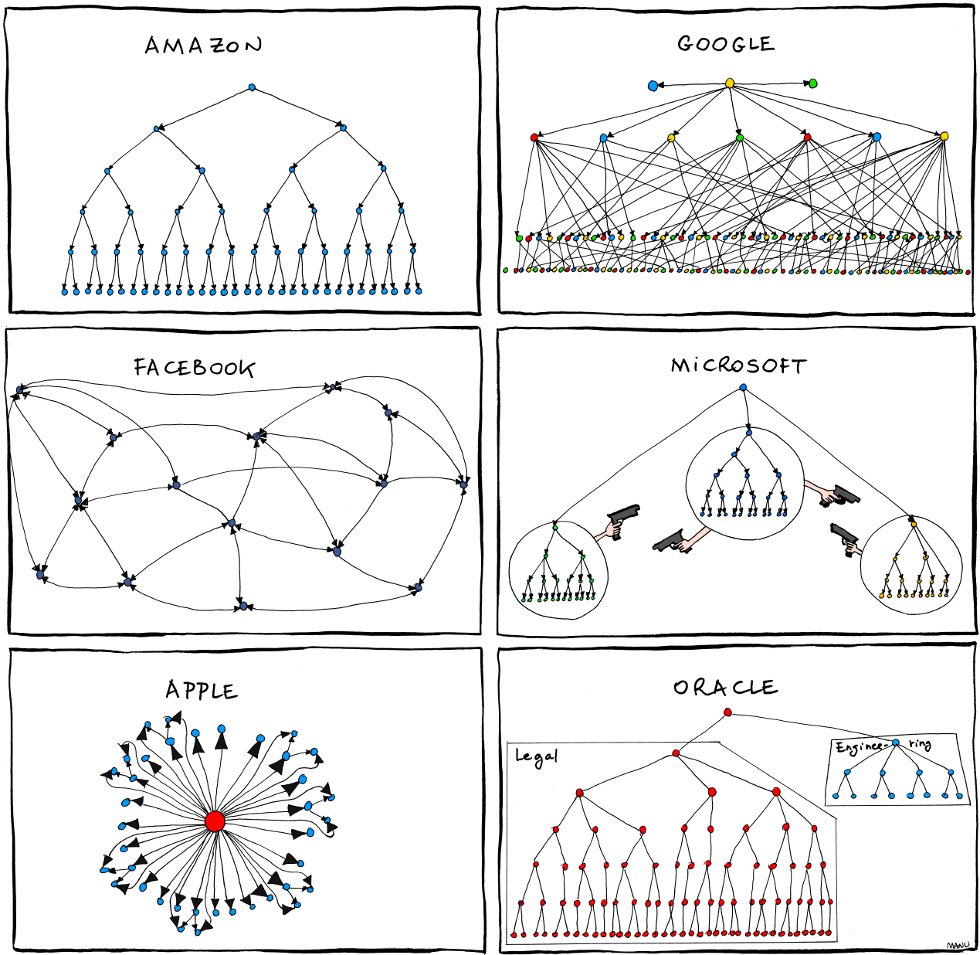
All of these patterns as an example are just matters of “org code”. The IDE helps you build, run, manage them. You can’t fork classical orgs (eg Microsoft) but you’ll be able to fork agentic orgs. https://t.co/VBfL9ZzxKs
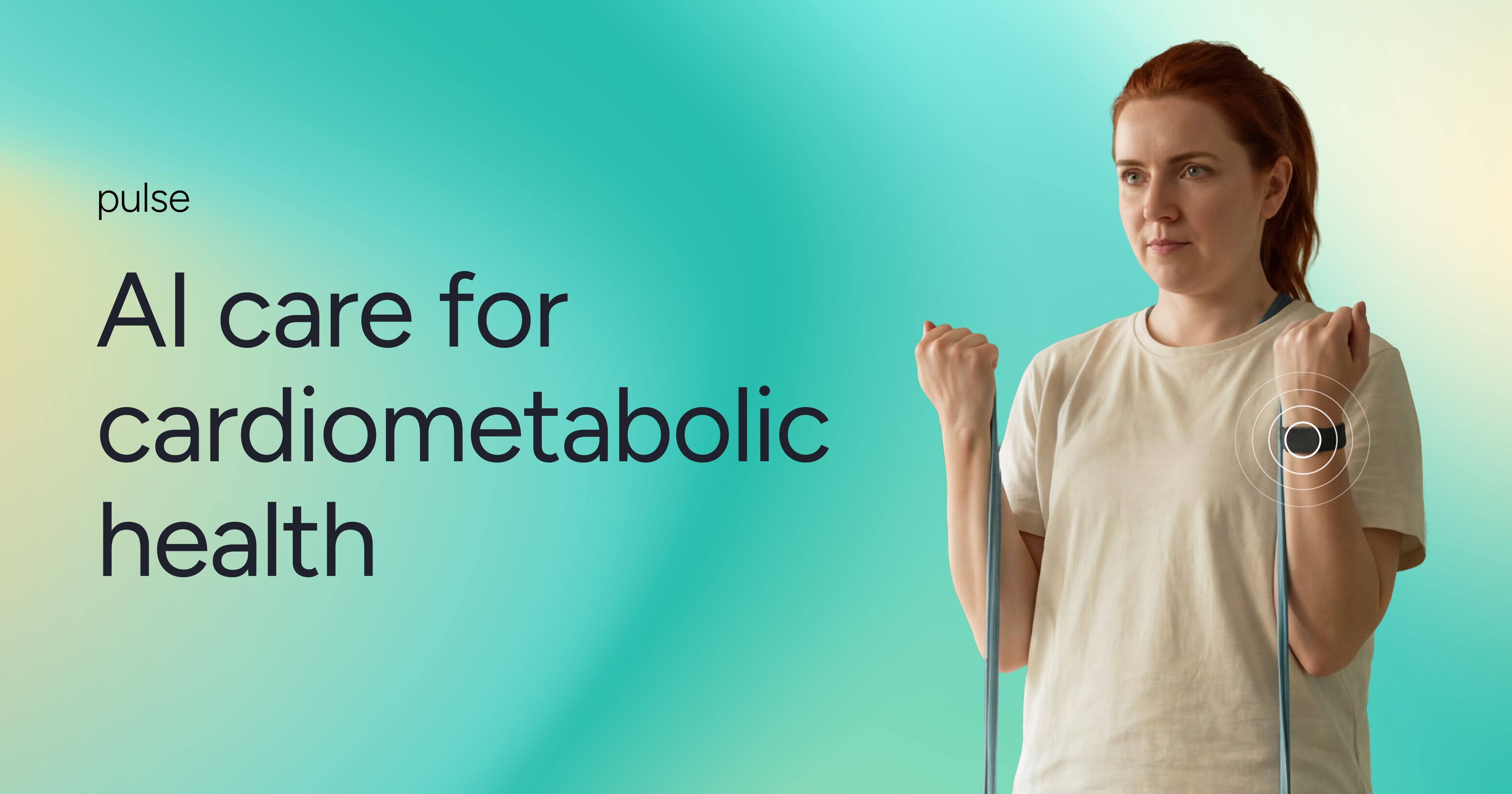
Today we’re launching Sword Pulse - our new, always-on AI cardiometabolic solution, built to support hypertension, prediabetes, type 2 diabetes, high cholesterol, weight management, and GLP-1 care in one integrated experience. Cardiometabolic disease is one of the largest and fastest-growing health cost categories in the U.S., affecting more than half of American adults and costing over $400B a year. Across our platform, we were already seeing how closely MSK and cardiometabolic health overlap: in one solution, 3 out of 4 members were overweight or obese, and more than half had a cardiometabolic condition. Supporting them well meant building something that matched the complexity of their needs, and didn’t disappear between appointments, only to pick back up six months later. Pulse combines Phoenix, our AI Care Specialist, with dedicated clinical support to help members improve daily habits across nutrition, movement, sleep, and stress, with connected devices, ongoing monitoring, and guidance that adapts over time. Watch the video and learn more about Pulse: https://t.co/mdGSpkHXSb
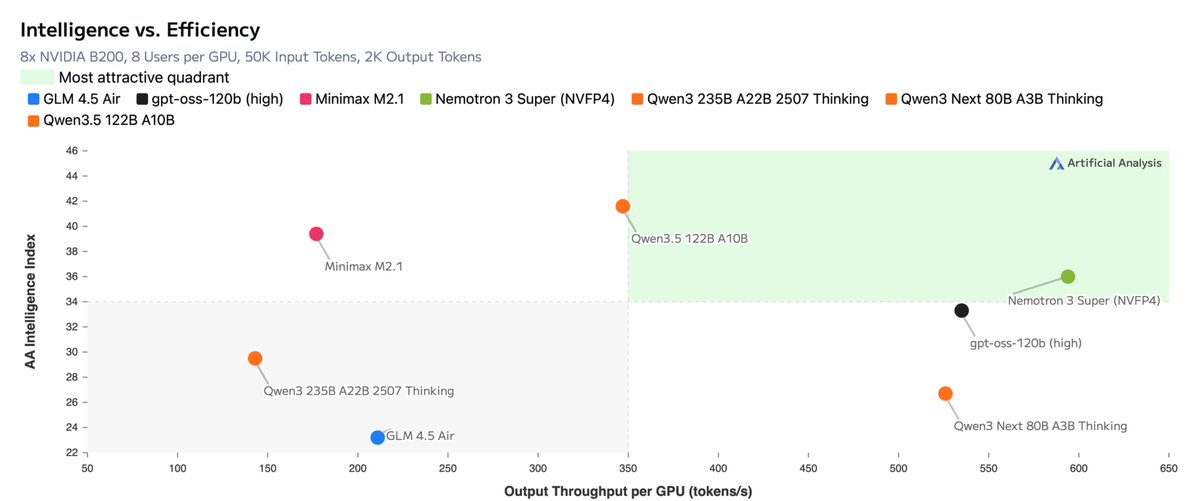
Announcing NVIDIA Nemotron 3 Super! 💚120B-12A Hybrid SSM Latent MoE, designed for Blackwell 💚36 on AAIndex v4 💚up to 2.2X faster than GPT-OSS-120B in FP4 💚Open data, open recipe, open weights Models, Tech report, etc. here: https://t.co/CAYpP1iK3i And yes, Ultra is coming! https://t.co/QuguMQaC8S
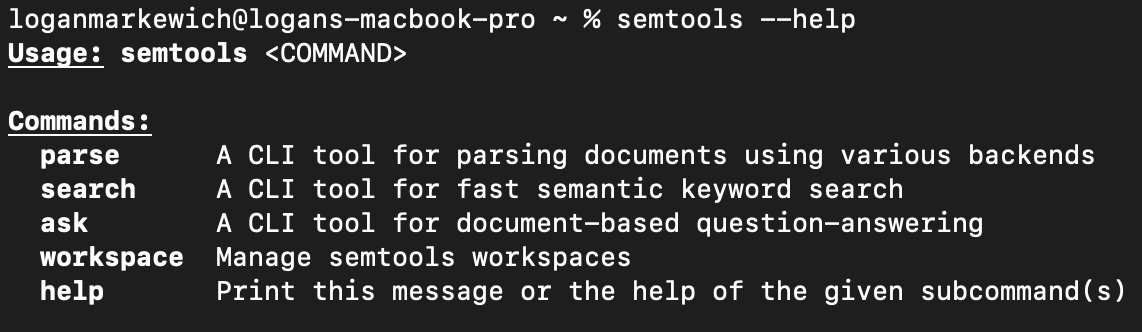
🔎 semtools v3.0.0 is out, and it's a great step forward for anyone using semantic search and document parsing from the command line. For context: semtools is our Rust-based CLI that lets you parse documents (PDFs, DOCX, PPTX, and more) via LlamaParse, run fast local semantic search using multilingual embeddings, and ask questions over document collections using an AI agent — all from your terminal. Here's what changed in v3.0.0: 🤝 Unified interface. All commands now live under a single semtools entry point — parse, search, ask, and workspace. Much more discoverable, much easier to document. ✅ --json output on every command. This was one of the most requested features. Structured JSON output means you can pipe semtools into jq, embed it in shell scripts, or use it as a tool inside a coding agent. This kind of composability is what makes CLI tools genuinely useful beyond interactive sessions. 🐜 Dramatically smaller binary. The storage layer was migrated to @qdrant_engine Edge — a lightweight, edge-optimized vector database — and the binary size dropped from multiple gigabytes to a few hundred megabytes. Same functionality, much lighter footprint, easier to install and distribute. 💻 --workspace CLI flag. You can now specify a workspace directly on the command line instead of relying on environment variables. A small change with a big improvement to day-to-day ergonomics.
A new AI bet is shifting the focus beyond language models. Yann LeCun has raised $1 billion for a startup aiming to build systems that understand the physical world, not just text. If he’s right, the next breakthrough in AI may come from machines that learn how the real world works. https://t.co/qeky1mvSya @ylecun @wired @ZeffMax

If you're using Claude Code for research: stop making it read directly from PDFs We've introduced a SKILL.md that fetches structured, AI-friendly paper overviews from alphaXiv 👀 https://t.co/AYg3n0hnB2
Genuinely didn't expect this. Left @karpathy's autoresearch running on a Mac Mini over the weekend. 259 experiments, no intervention. It landed at 1.353 val_bpb — a 30% improvement from where it started. For reference, the Mac Studio (4x the memory, 4x the price) took 5 hours of guided work to reach 1.29. The Mini got within 5% on its own. It just needed time. The weird part: it kept making the model smaller. Every improvement it found was about speed — fewer layers, smaller batches, tighter attention. More optimizer steps in the same time budget. On Apple Silicon, throughput beats scale. That wasn't obvious to me. tiny-lab is the control plane I'm building around this. Auto-restart, eval harness, experiment ledger, promotion protocol. Open source. https://t.co/WwUjuLbYQO
88 pages of gold for training MoEs Just got published yesterday, link below https://t.co/kVUidN0hvH
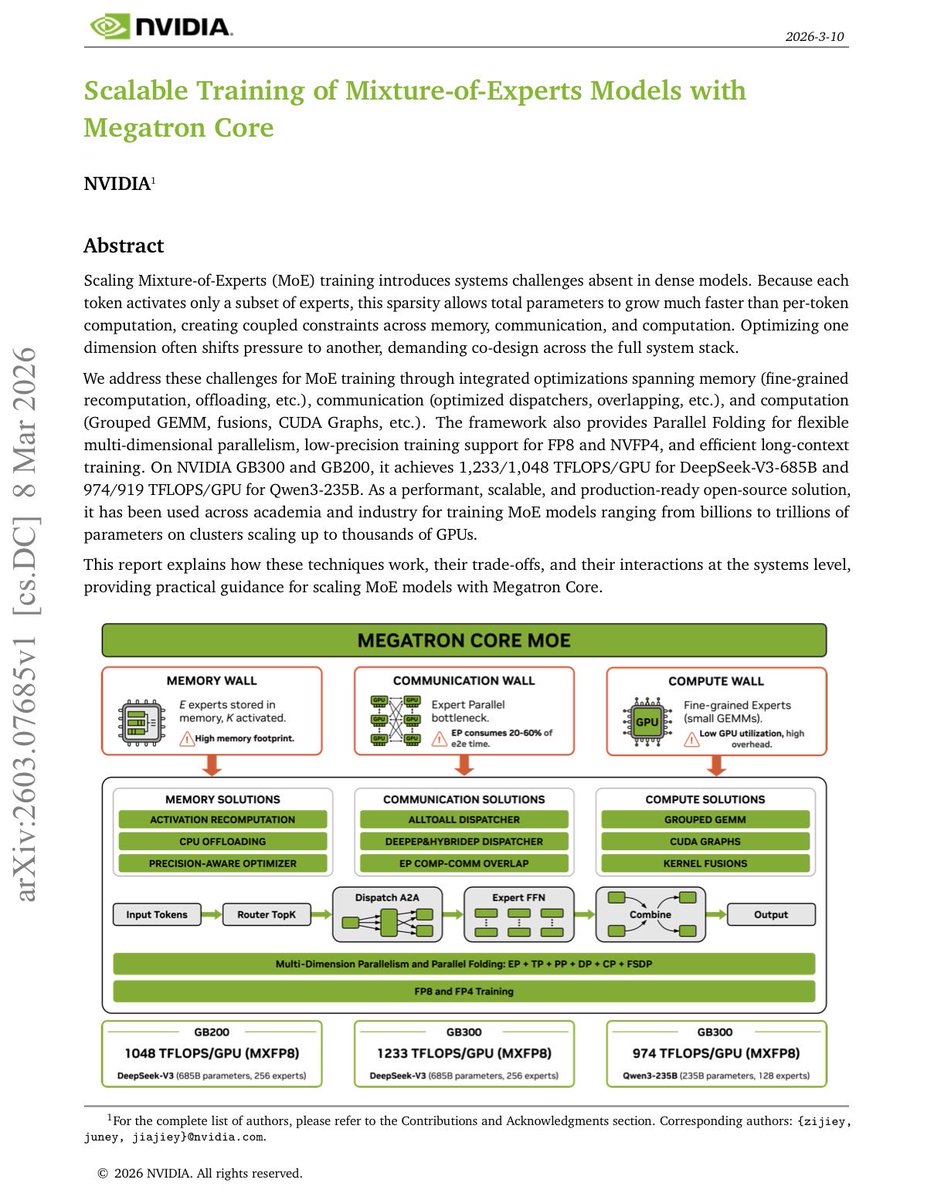
88 pages of gold for training MoEs Just got published yesterday, link below https://t.co/kVUidN0hvH
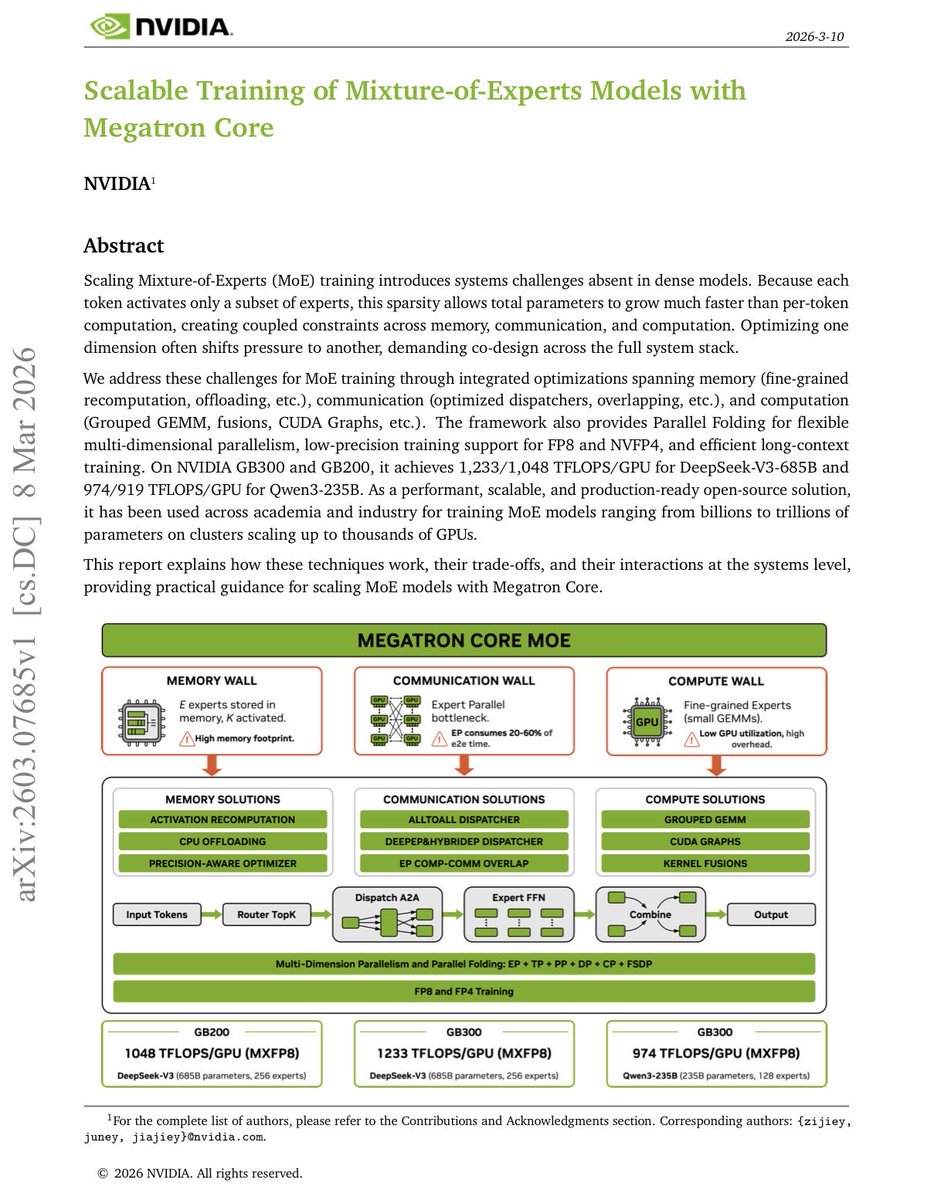
Geometry-Guided Reinforcement Learning for Multi-view Consistent 3D Scene Editing paper: https://t.co/UWIVfI8dTU https://t.co/pViK4yPby2
Open-source video generation is progressing at lightning speed! LTX-2.3 is amazing 🔥 - Text-to-video & Image-to-video - Audio generation & sync - One single 22B model - Get a huge daily quota with your HF PRO subscription (25 min of H200/day!) Try it now on Hugging Face ⬇️ https://t.co/oV6CjpX0mI
Hugging Face PRO is the wildest $9/month deal in AI right now🤯 🔹 25 min/day of H200 compute on Spaces ZeroGPU 🔹 ~1M free inference tokens from 15+ providers (Groq, Cerebras, etc.) 🔹 1TB private storage and more 🔹 More cool things... https://t.co/xGnZwLMEhH
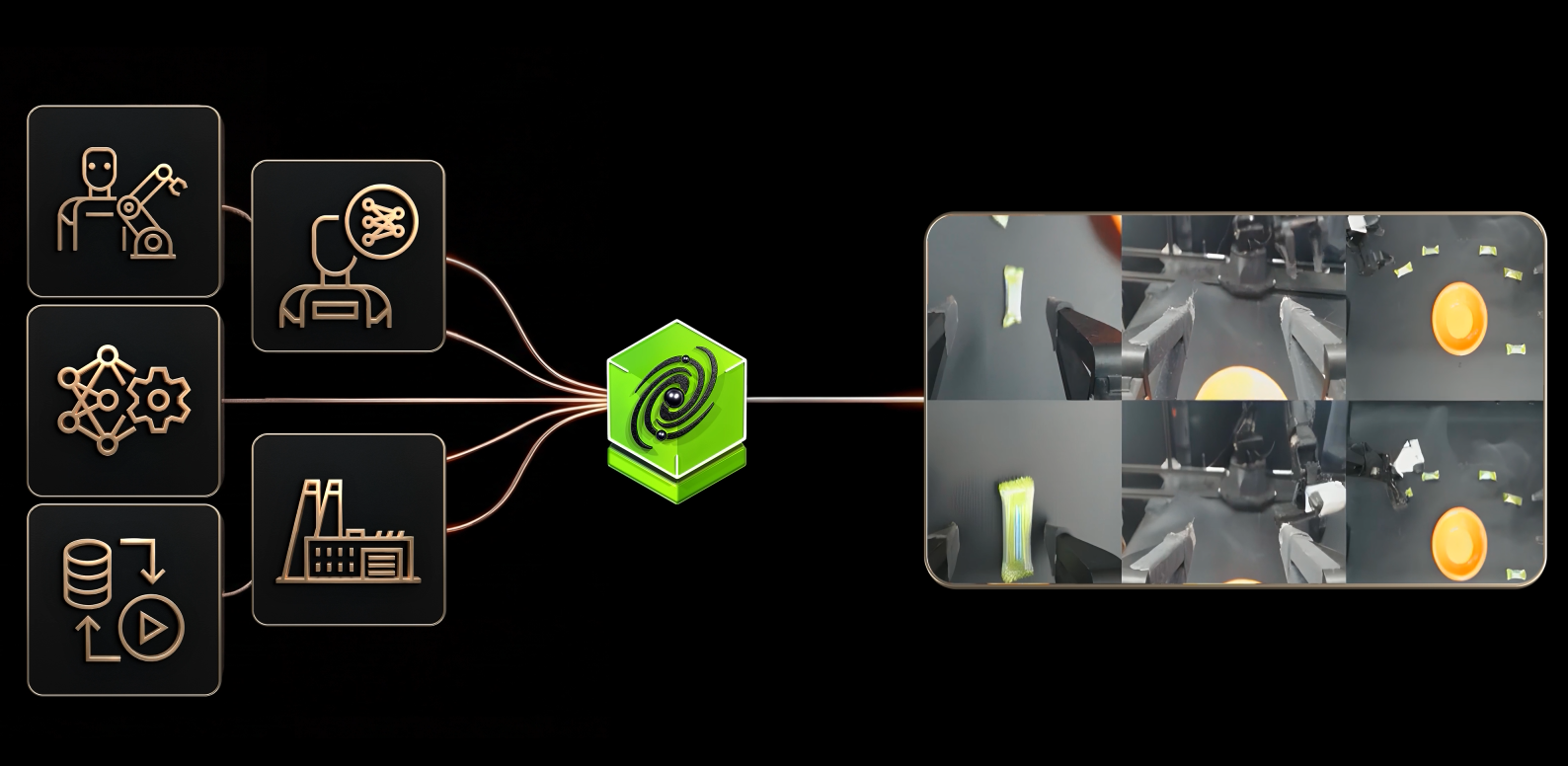
Cosmos Policy just dropped for physical #AI 👀 Cutting edge research turning a world foundation model into a unified robot brain that can see, predict, and act—no extra action heads, no complicated control stack. Read our blog on @huggingface ➡️ https://t.co/zH98YwngeX https://t.co/nfmBg9pdHc
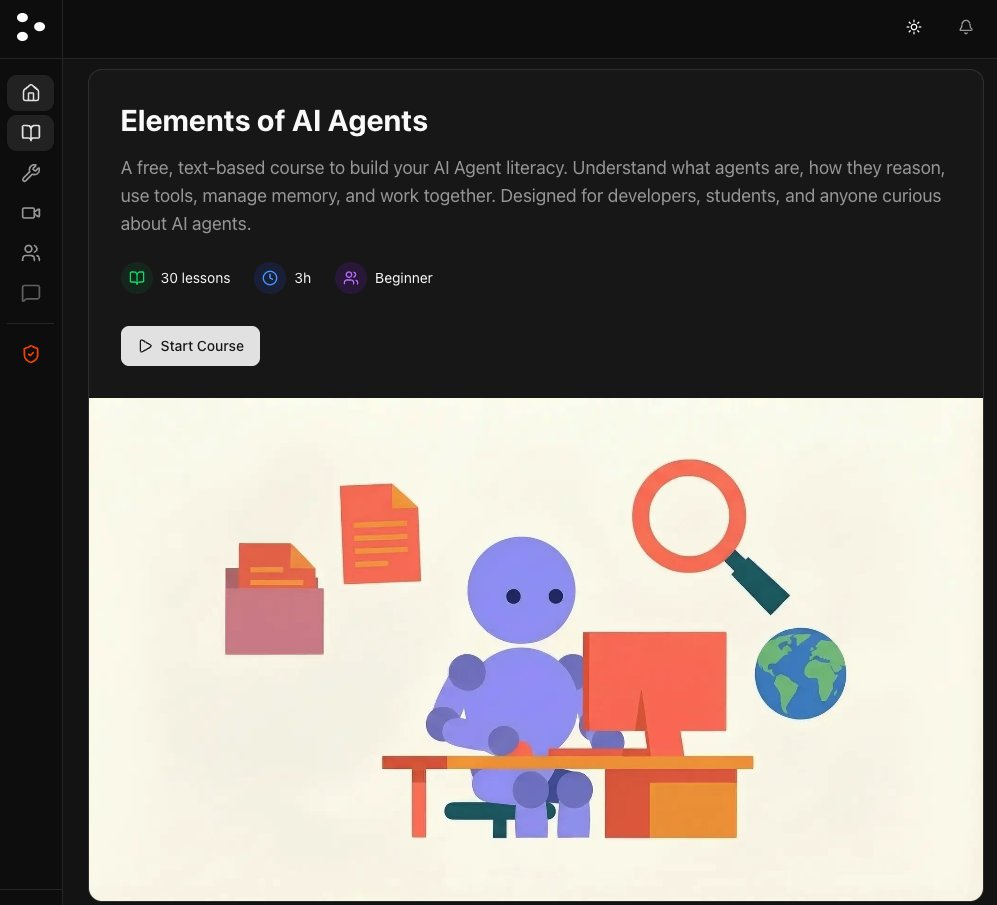
NEW: Elements of AI Agents. Our first text-based AI course. If you are looking for an entry point to building AI Agents, check it out now. FREE to enroll now. (bookmark it) Audio available so you can listen on the go. Enroll here: https://t.co/HHXg8rr0Ew A lot more to come.