Your curated collection of saved posts and media
🔥 Excited to launch a multi-year partnership bringing Fireworks AI to Microsoft Azure Foundry. At @FireworksAI_HQ, our mission is simple: make the world’s best AI models run faster, smarter, and reliably at scale. Over the past year we’ve helped teams move generative AI from demos to real production systems - copilots, agents, and beyond. By bringing Fireworks directly onto @Azure , developers and enterprises can now run high-performance inference for leading open models inside the Azure ecosystem they already trust for security, compliance, and global scale. For us, this partnership is about one thing: removing the friction between great models and real products. Together, we provide a complete catalog of state‑of‑the‑art open models, all on a platform built to operate and optimized for production quality! More details 👉 https://t.co/SF9SjETWrt
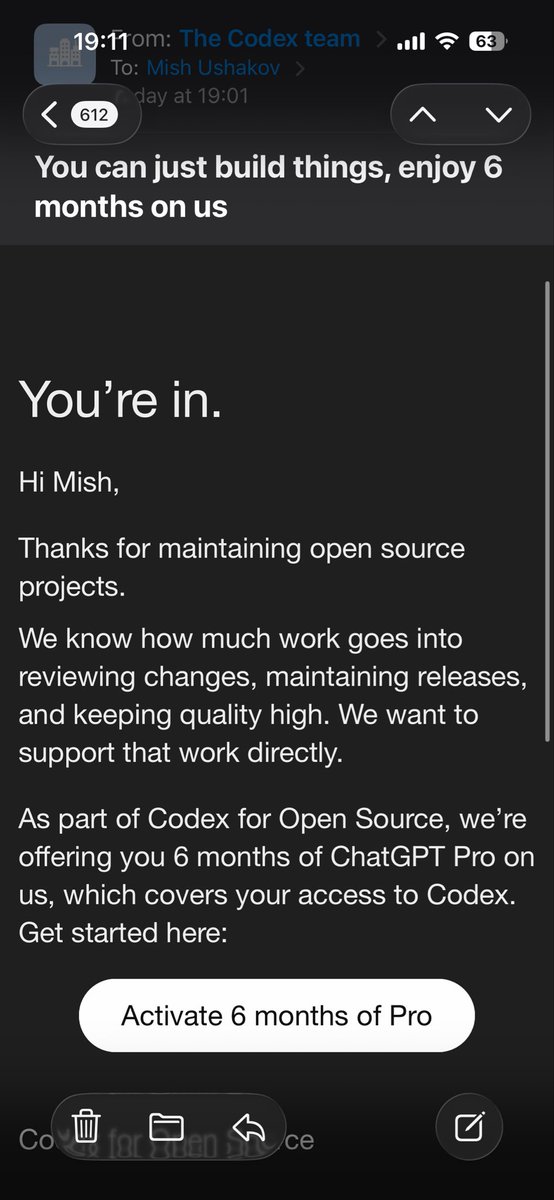
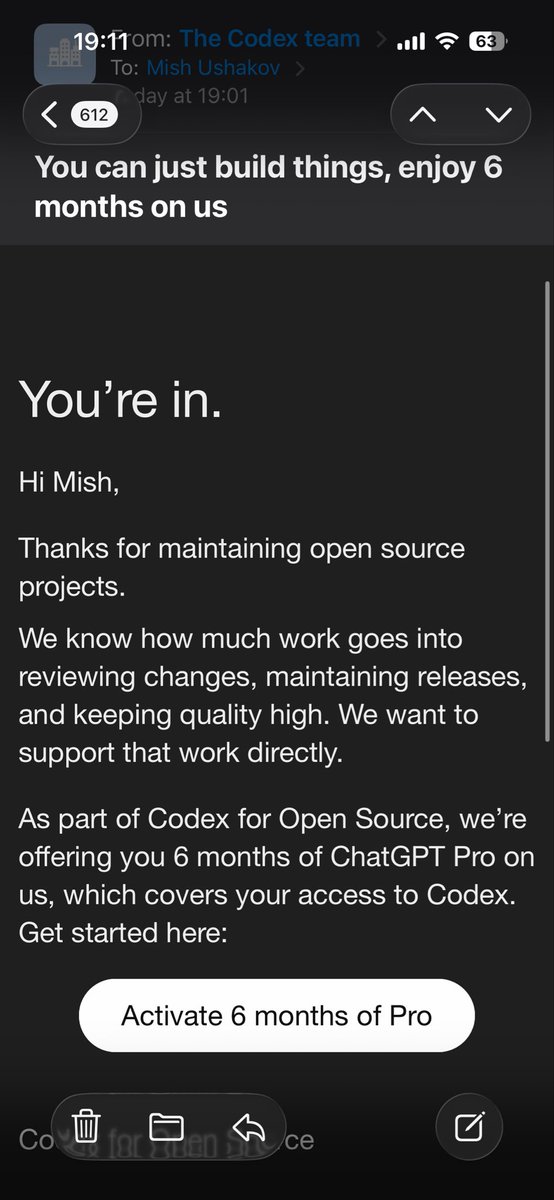
i’m in thanks @jxnlco kissing the hand that approved my application https://t.co/aKn1rxTsWW
i’m in thanks @jxnlco kissing the hand that approved my application https://t.co/aKn1rxTsWW
Let’s goooo 🔥 Thanks @jxnlco https://t.co/KHedoPWwoq

Let’s goooo 🔥 Thanks @jxnlco https://t.co/KHedoPWwoq

I'm in!! 😁😁 Thanks a lot @jxnlco https://t.co/7WBAX1pVCM

I'm in!! 😁😁 Thanks a lot @jxnlco https://t.co/7WBAX1pVCM
I'm starting a new Tumblr on loss functions http://t.co/1Dy8entusH for those of us who stare at them all day. Contributions welcome :)
For everyone asking about the #GitHubUniverse badge, yes it does... https://t.co/NSkVutrDSD
The Solana city visualization proves onchain data has hit a tipping point. It's not just charts anymore… it's art, it's identity, it's a new way to see the network. ThreeJS + Helius + Claude. This is what "building in public" looks like in 2026. Welcome to the future 🦞 https://t.co/Px0wopKQnT
Programmers will become INDISPENSABLE for startups & frontier labs, not disposable. https://t.co/mWmRxAjRvw
Programmers will become INDISPENSABLE for startups & frontier labs, not disposable. https://t.co/mWmRxAjRvw
It's here: We just hit superhuman performance on AI kernel optimization! Real customer models & production settings. Not toy problems (what I typically see). This is the year that Claude writes its own kernels, Codex its own kernels, for every new GPU that it wants to run on -- something that takes months to port between GPU generations today. This has a massive impact to scaling intelligence. More compute means getting the next frontier model sooner.
Announcing Personal Computer. Personal Computer is an always on, local merge with Perplexity Computer that works for you 24/7. It's personal, secure, and works across your files, apps, and sessions through a continuously running Mac mini. https://t.co/EpvilVX6XZ
Perplexity Computer is now available for Enterprise. Computer makes everyone in the company an engineer. Anyone can debug infra, ship PRs, or query data warehouses with natural language. It comes with the same enterprise grade security you get with Perplexity Enterprise. https://t.co/Mn2Xssgvri
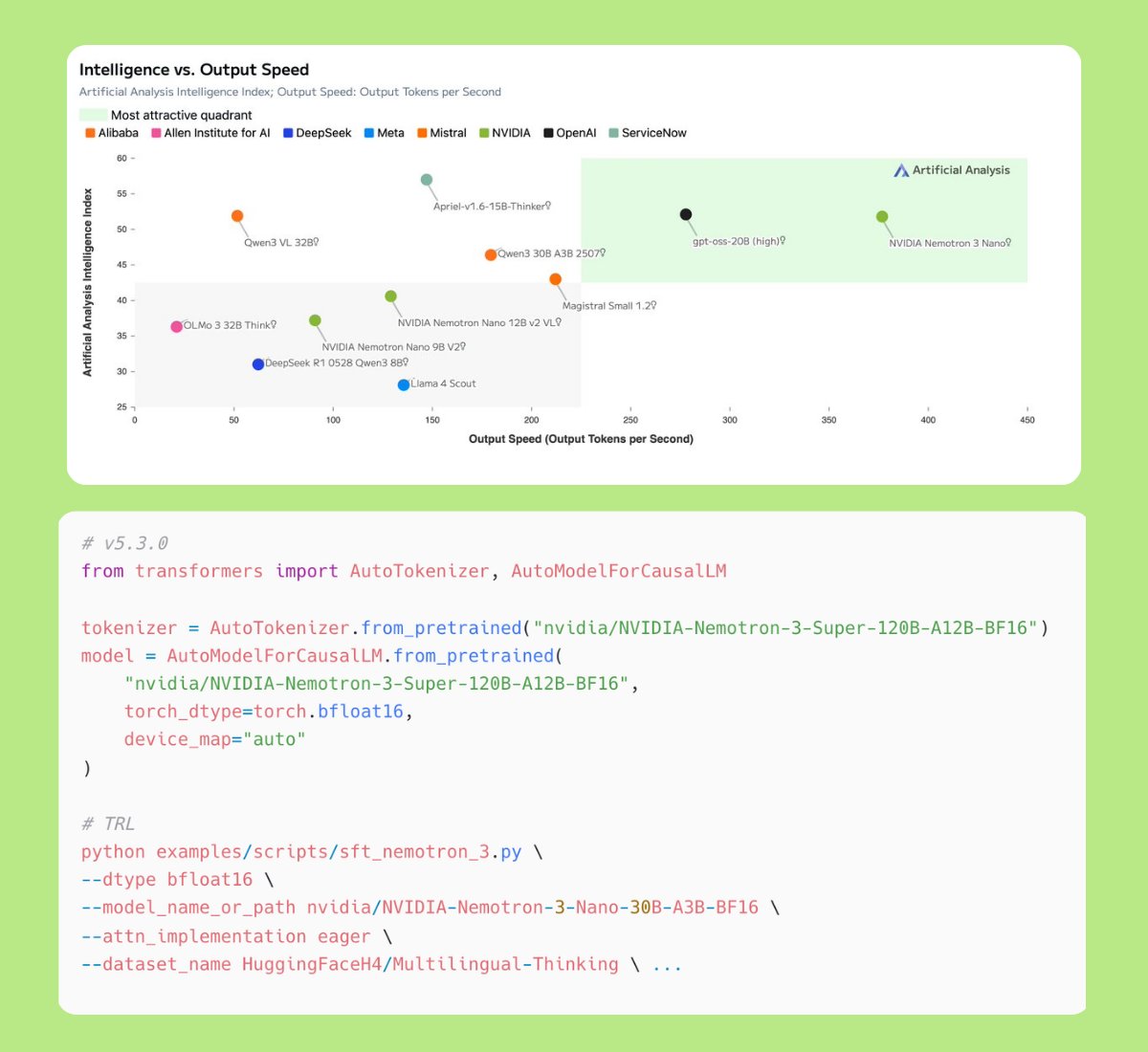
Nemotron 3 Super @NVIDIAAI is out! 💚 > hybrid SSM MoE, faster yet on par or outperforming sota open models in various benchmarks 🔥 > comes with @huggingface transformers and TRL support day-0! 🤗 works for Nano as well 🙌🏻 https://t.co/WKEAUUsfx4
We just completed the largest decentralised LLM pre-training run in history: Covenant-72B. Permissionless, on Bittensor subnet 3. 72B parameters. ~1.1T tokens. Commodity internet. No centralized cluster. No whitelist. Anyone with GPUs could join or leave freely. 1/n https://t.co/W0Ks563Cld
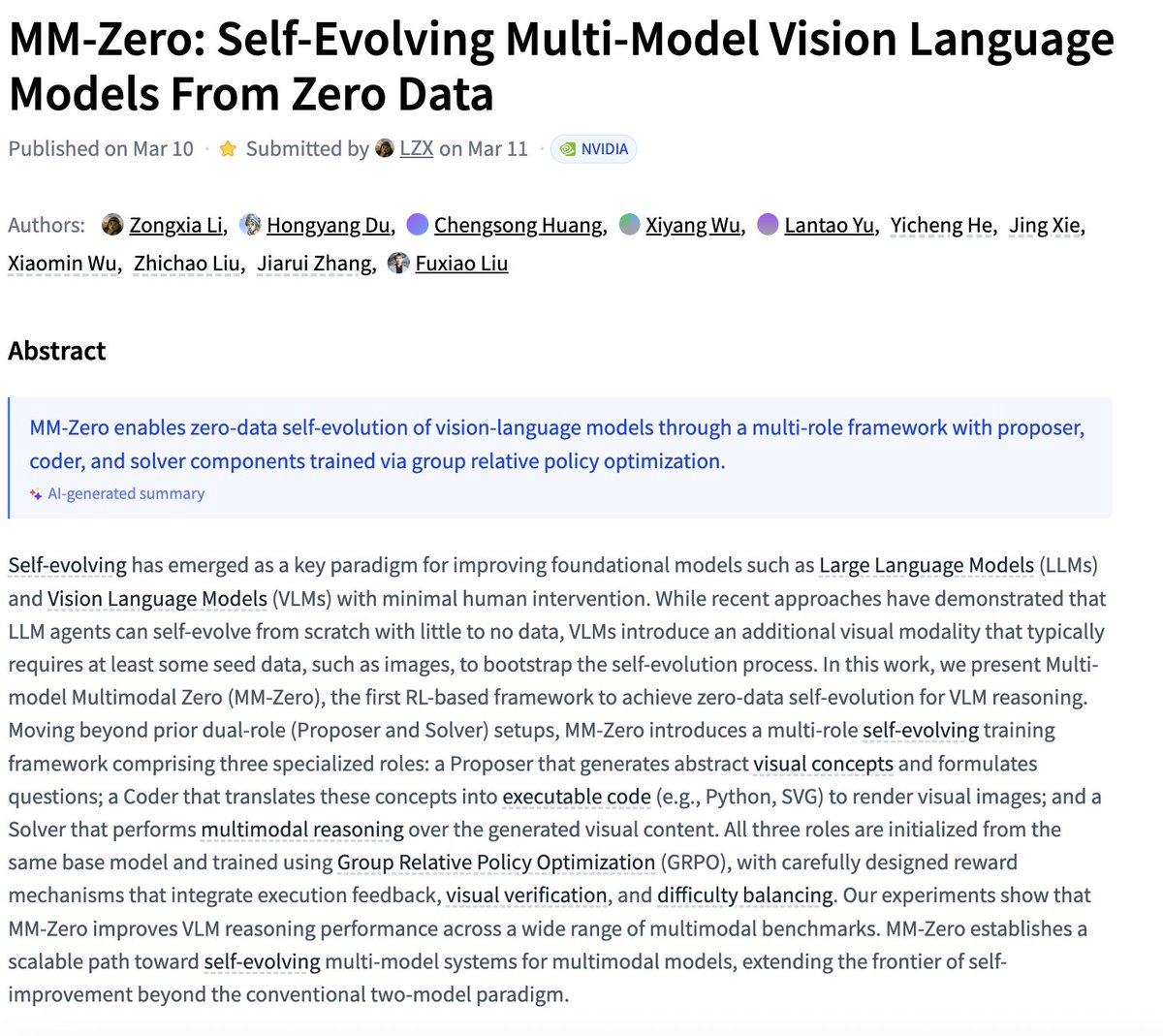
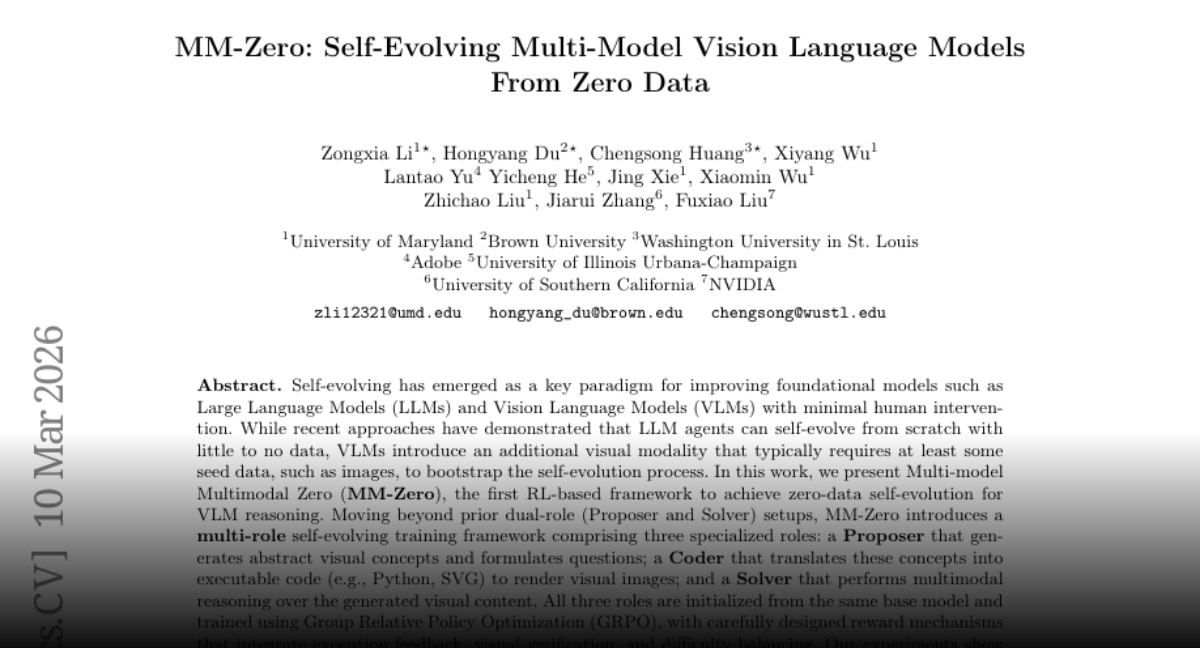
MM-Zero Self-Evolving Multi-Model Vision Language Models From Zero Data paper: https://t.co/o5d40EF8yo https://t.co/B69LwZozWE
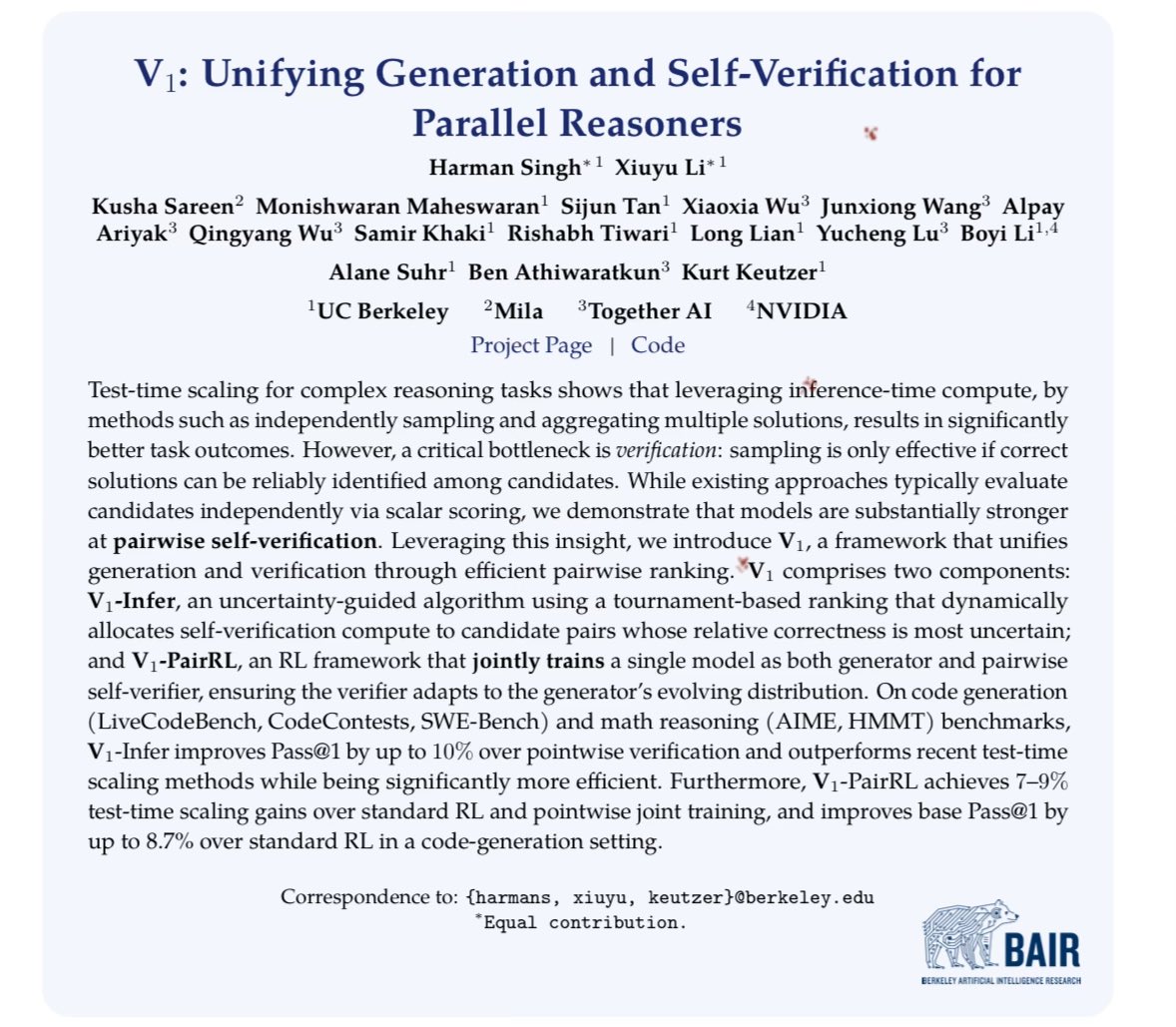
Thanks @_akhaliq for sharing our work! Self-Verification is key to Self-improvement. read the full paper here: https://t.co/O4LYGs1o36 https://t.co/OXKN1dVsec
V1 Unifying Generation and Self-Verification for Parallel Reasoners paper: https://t.co/rvwLehsRcI https://t.co/NXCtt56mg1
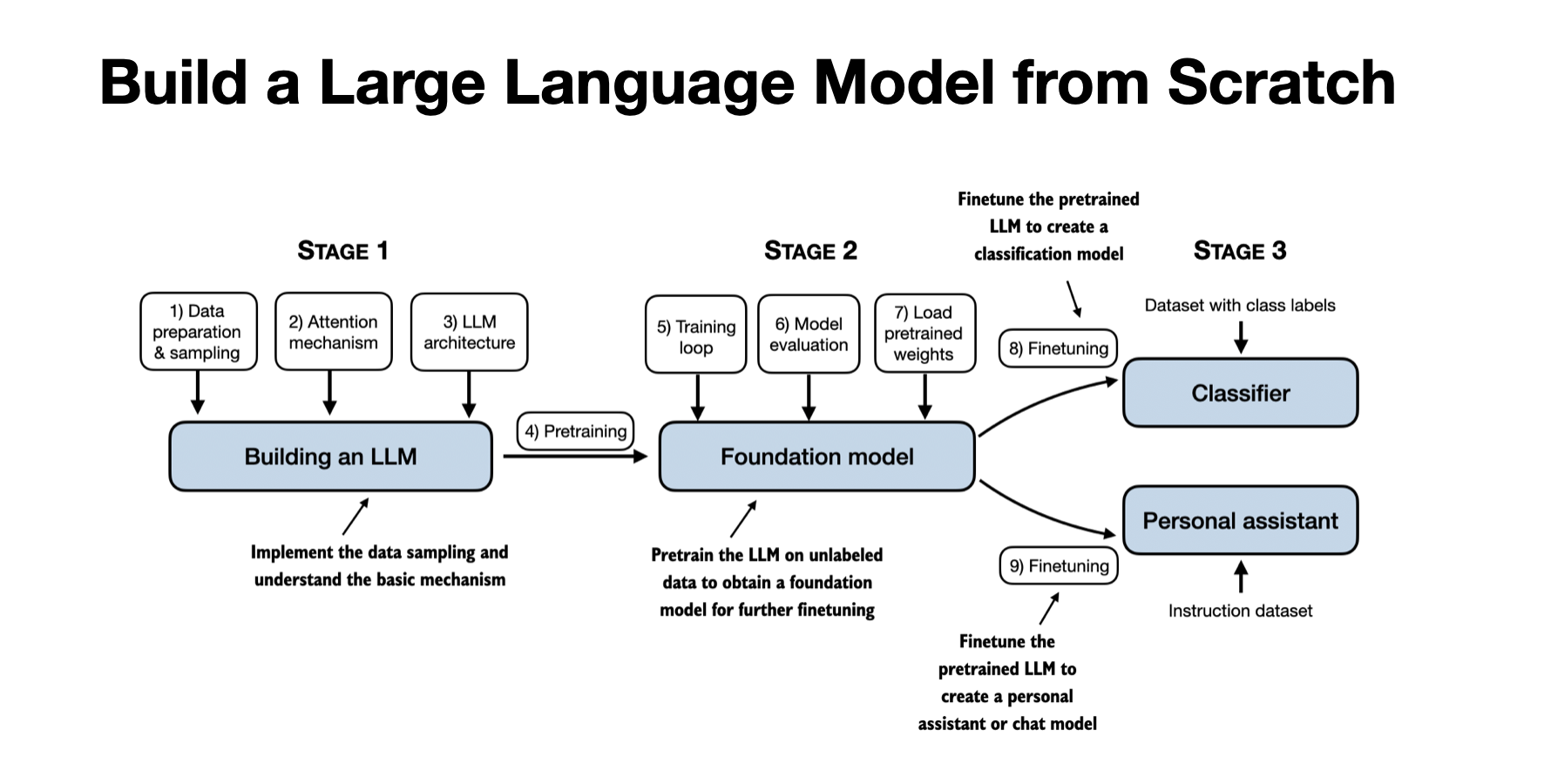
@unsorsodicorda @HemanthSai3187 Thanks! I think it shouldn't be too hard. I have a Qwen3.5 from-scratch implementation here: https://t.co/XL6ZfCEujC that you can use as a drop-in replacement. Perhaps the easiest thing to do here is to take that and put it into the qwen. py (https://t.co/IdW1N68r2e). If you keep the Qwen3Model name, most chapters should probably work as is (or with very minor tweaks)
The DOGE goons are getting deposed for a lawsuit on behalf of the American History Association and others and holy shit this hurts to watch https://t.co/Oe6MUrYxTz
A single image can transform into a massive world composed of millions of splats with Marble. Forming large explorable environments from ancient ruins to spaceship interiors. https://t.co/60TjLXyJ2J
Today we're announcing Genie Code, your autonomous AI partner for data. Genie Code is a state-of-the-art agent that lets data teams move from prompting a copilot to delegating real work: building pipelines, machine learning models, debugging failures, and shipping dashboards. This isn't a smarter autocomplete. It's a different kind of AI partner entirely. Unlike general coding agents that stop once the code is built, Genie Code plans, executes, and iterates across the full data and AI lifecycle inside Databricks. It's purpose-built for data engineering, data science, and BI: • More than doubles the success rate of leading coding agents on real-world data science tasks • Proactively monitors your pipelines and AI models in the background, triaging failures and fixing issues before a human intervenes • Works with your data wherever it lives, across Databricks and external platforms, with full governance and MCP support This is what the future of data work looks like. https://t.co/xhwuZqrJEn

someone finally wired a SUBCONSCIOUS to CLAUDE letta built an agent that sits underneath claude code and watches every conversation you have across every session it doesnt just log stuff. it accumulates patterns, learns your codebase, and feeds async guidance back into your terminal without you asking not a prompt hack. not a .md file you paste in every monday. not another wrapper that adds 14 steps to your workflow its a background layer that runs parallel across multiple claude code instances with shared memory between all of them you stop a session friday night, start a new one monday morning, and it already knows what you were building and why bookmark that before you forget.

Today I’m launching Threat Hunting Labs. Over the years I’ve analyzed many real-world intrusions. One thing became obvious: most training platforms don’t resemble how investigations actually happen. So I built something different. Threat Hunting Labs focuses on investigation-driven learning using real telemetry and structured investigative paths. If you want to get better at investigating breaches, you should practice investigating breaches. More details here: https://t.co/cAuuh7sTJN

Meet Reka Edge – Our next-generation vision language model for physical AI. Uses 3x fewer input tokens and achieves 65% faster throughput compared to leading 8B models. Image understanding, video analysis, object detection, and tool use. Built for Action. Fast enough for production, deployable anywhere. Read more: https://t.co/GcIqYv3ezu

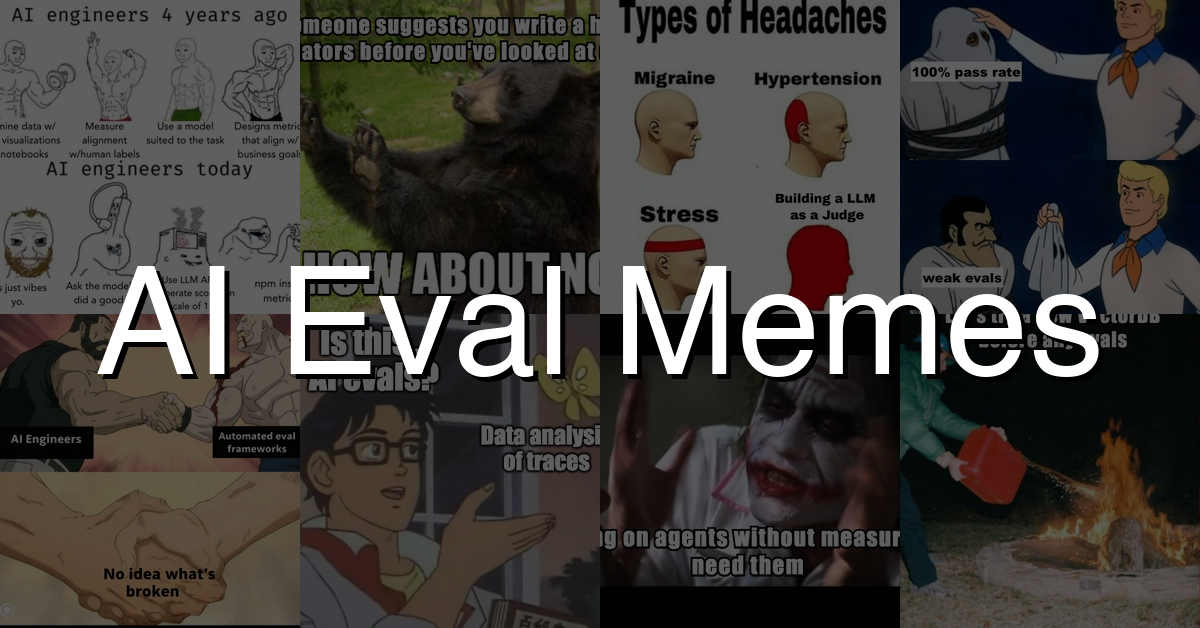
TIL at PyAI: @HamelHusain has an entire collection of memes about evals. https://t.co/7TSY6E3hc3 https://t.co/FwtuKiBdqG

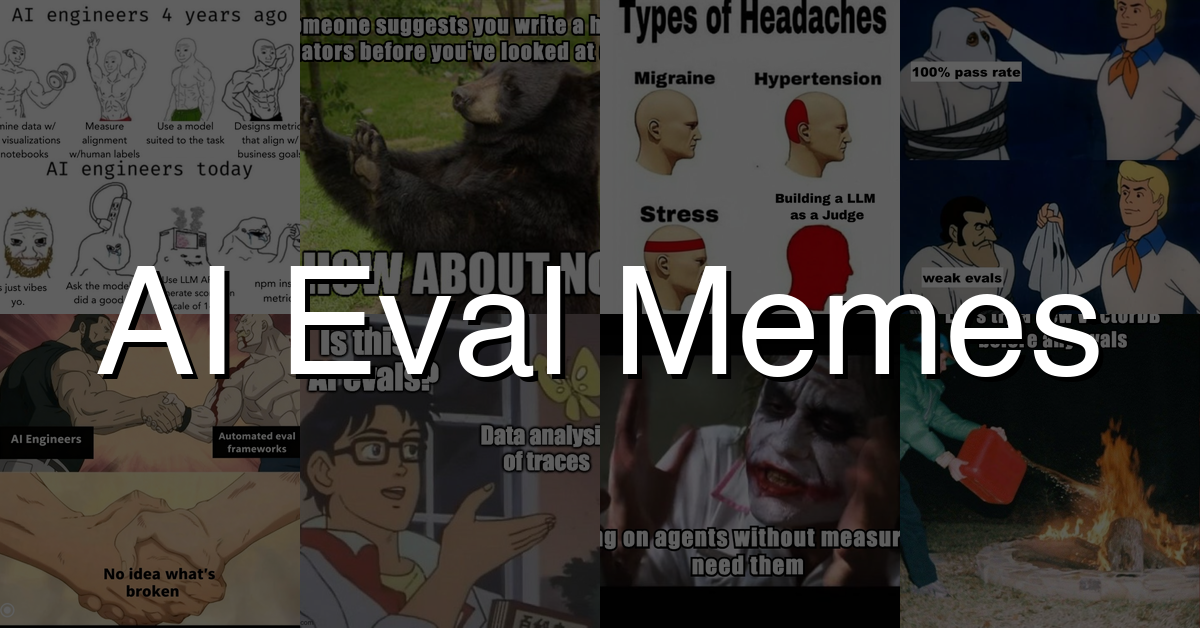
TIL at PyAI: @HamelHusain has an entire collection of memes about evals. https://t.co/7TSY6E3hc3 https://t.co/FwtuKiBdqG

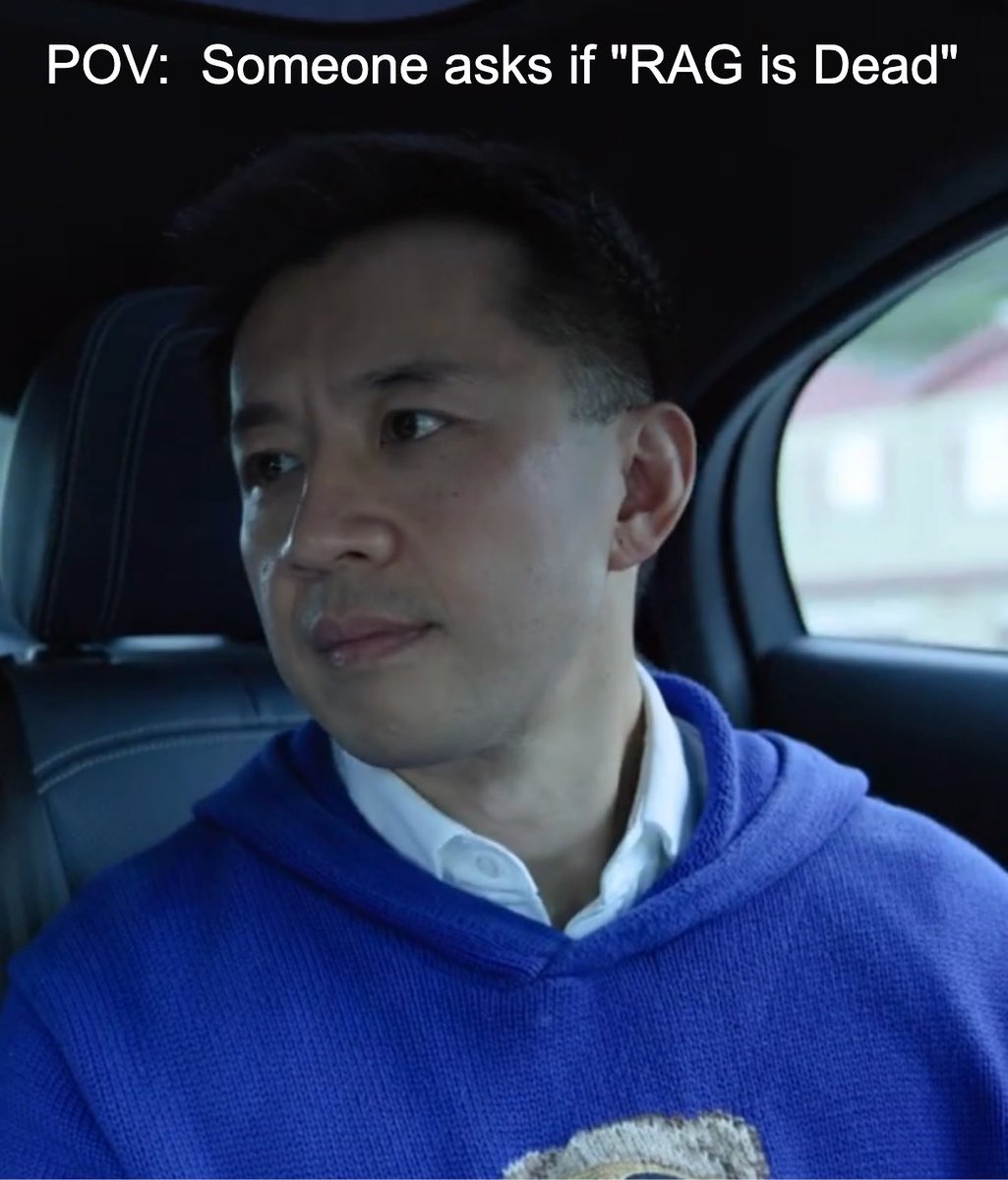
@pamelafox I regret not highlighting this one @changchanging https://t.co/MZwETZ2OO5
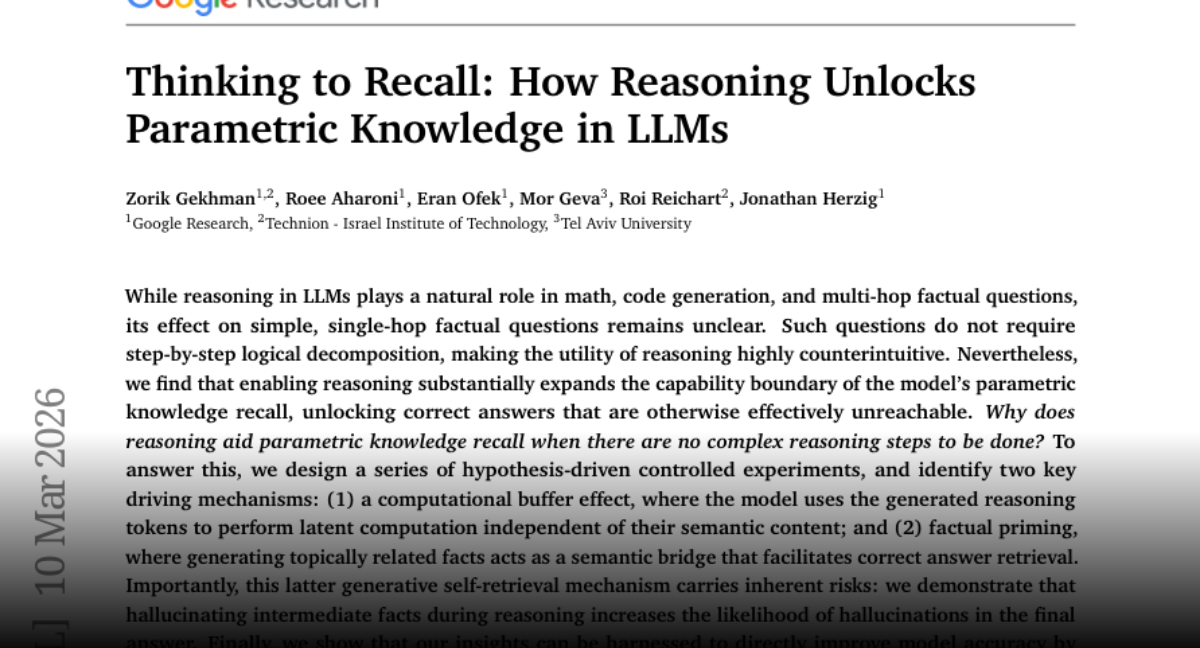
Thinking to Recall How Reasoning Unlocks Parametric Knowledge in LLMs paper: https://t.co/juzRYfAZ5u https://t.co/QoMdkymIY0

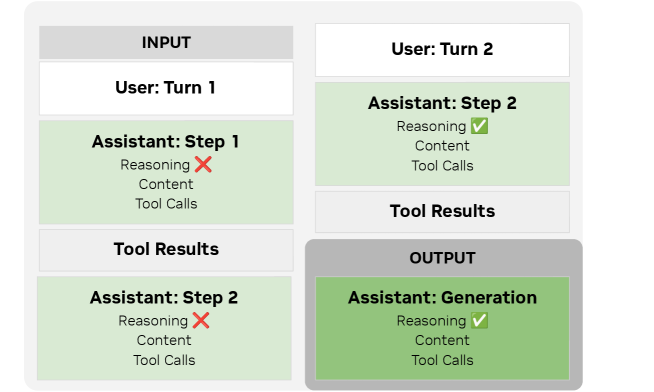
NVIDIA just released Nemotron 3 Super on Hugging Face 120B total / 12B active parameters, 1M-token context window, and hybrid Mamba-MoE architecture delivering SOTA agentic reasoning for coding and tool use. https://t.co/dj5Rni8hoB
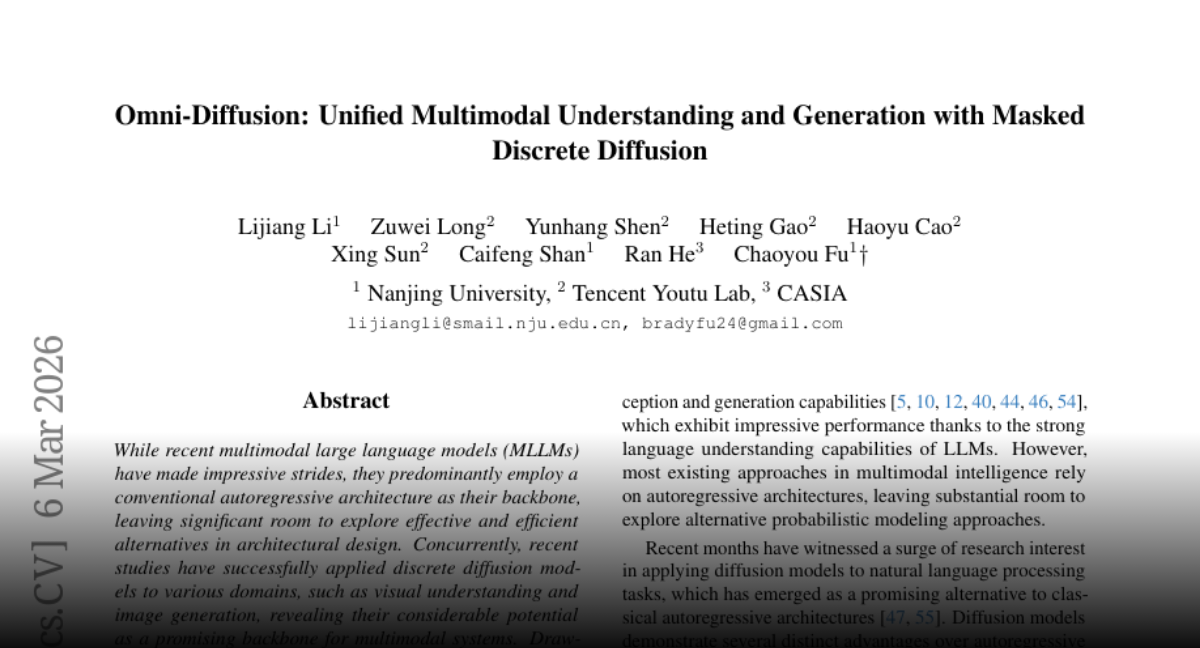
Omni-Diffusion Unified Multimodal Understanding and Generation with Masked Discrete Diffusion paper: https://t.co/F0zl3MNFRN