Your curated collection of saved posts and media
Albuquerque turned a wall of its airport bookshop over to its local university press, and goddamn, now I want this in every airport. https://t.co/yb1ul4ZC5y

Raising Arizona (1987) https://t.co/p0cwz5WZp7

Raising Arizona (1987) https://t.co/p0cwz5WZp7

“Hey look at me, I’m like a little girl in mama’s shoes.” https://t.co/U5LgSn1jxv
📸 Marco Rubio wearing oversized shoes that Trump ordered for him by just guessing his size. Trump has been buying $145 Florsheim dress shoes for allies, using the gifts as a lighthearted way to encourage loyalty and unity within his circle. Source: The Times https://t.co/1EuyKS

“Hey look at me, I’m like a little girl in mama’s shoes.” https://t.co/U5LgSn1jxv

NATO is testing live cockroaches as AI-powered spy drones. Incredible AI engineering, but also something I kinda wish I hadn't learned about: > Swarm Bio-tactics wired real cockroaches with electronic backpacks containing AI hardware, radios, cameras, and microphones. > Cockroaches are steered by sending electrical signals directly into the insect's nervous system > They can crawl through rubble, tunnels, and spaces where drones can't fly, and troops shouldn't go, transmitting data back the entire time. > Within one year, they went from concept to field-validated systems with paying NATO customers, including the German military. The qualities that make them useful for military recon (small, silent, nearly undetectable) are exactly what make them creepy. ...International laws weren't written with cyborg insects in mind.
Codex review reading it’s 1000s slop PR https://t.co/cg0ooVGsEB

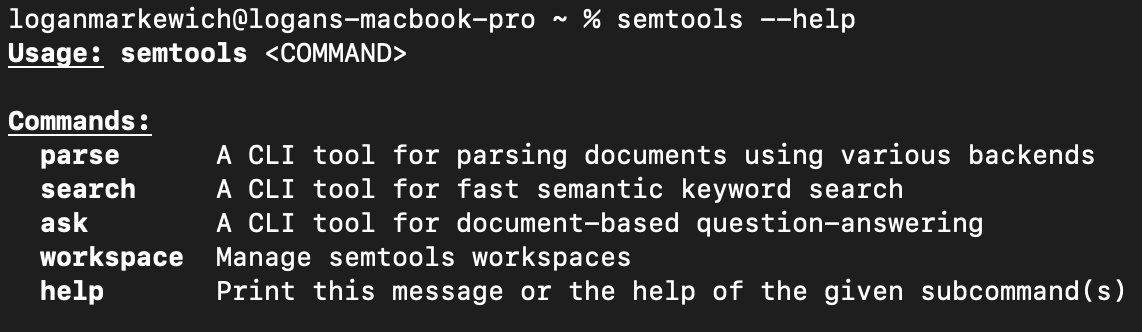
We built a CLI to help parse and search over your PDFs, with best-in-class accuracy compared to other OCR tools. You can run it by itself, or plug it as a skill into Claude Code / OpenClaw / any generalized agent. Repo: https://t.co/xg1iqbghIr Uses LlamaParse: https://t.co/TqP6OT5U5O
🔎 semtools v3.0.0 is out, and it's a great step forward for anyone using semantic search and document parsing from the command line. For context: semtools is our Rust-based CLI that lets you parse documents (PDFs, DOCX, PPTX, and more) via LlamaParse, run fast local semantic sea
Introducing MeetClaw 🦞 (aka OpenUtter) `npx openutter` on your OpenClaw Let the lobster take over meetings, send live updates and screenshots. Say goodbye to @meetgranola , @otter_ai https://t.co/uzsRFhRl9I https://t.co/ChyRDJm7gb
🦞taking over meetings https://t.co/gDR554Q5GG

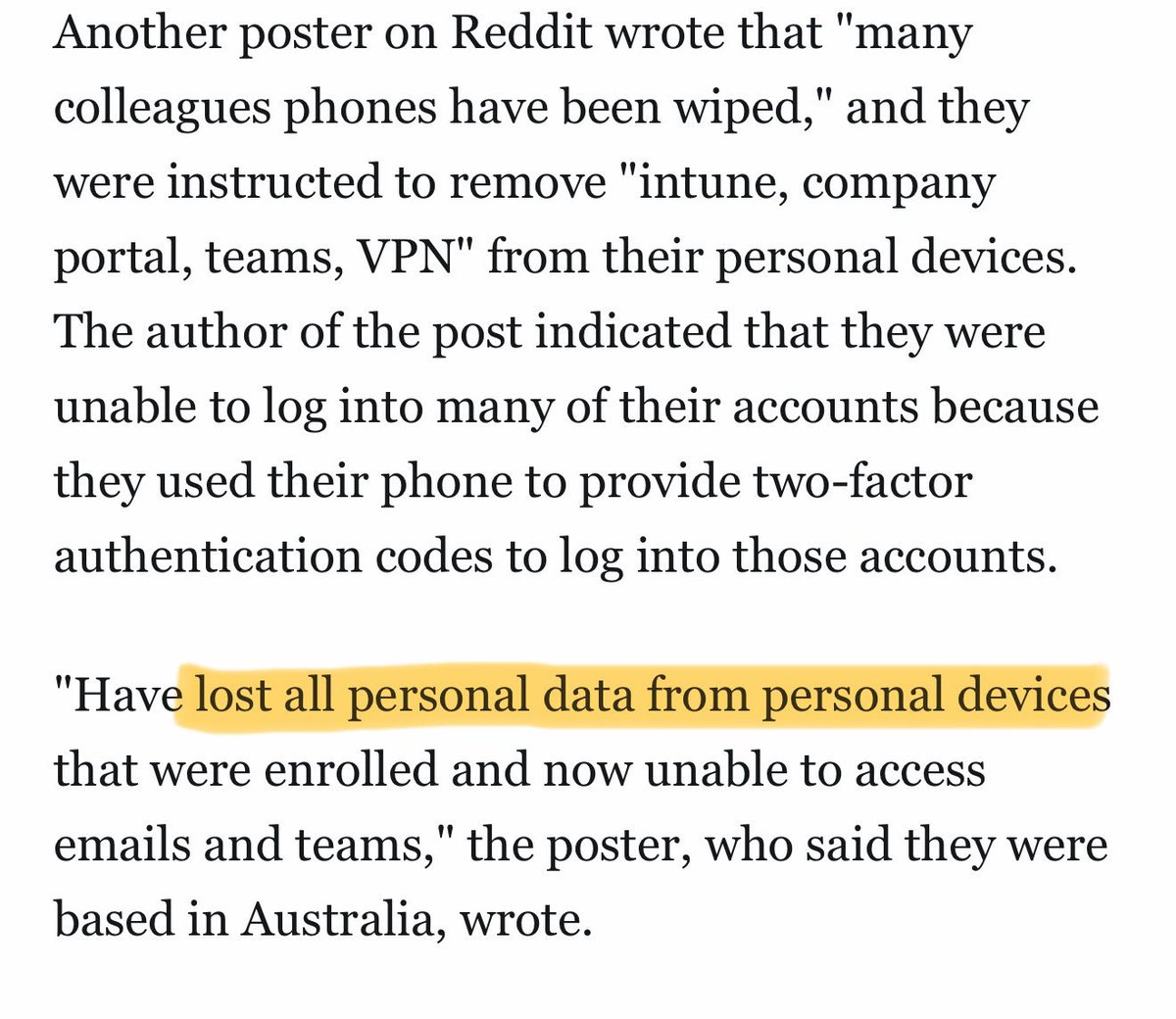
If you use a personal phone/laptop for your work, pay very close attention to this little detail. Iran attackers wipe 200k devices at a company called Stryker. Within those devices appears to be employees PERSONAL devices. The attackers used the company’s MDM software, which is basically IT management software running on everything. It’s an incredibly attractive backdoor to an attacker. I successfully targeted MDM software for several Red Team engagements. It’s… lots of fun :) Anyway, a lot of companies require you to install their MDM software on your personal devices before you can access resources like Corp email. It’s used to keep devices updated, lock things down if they get stolen, etc. The company often promises that they won’t access personal data, erase any personal data, etc. But this is often ONLY POLICY. If a bad actor gains access to the MDM tool, as was the case here, then anything can happen. People should be aware of these risks. I refused to run MDM software on any of my personal devices. The company needs to provide me with hardware if they want that. I personally isolate all corp devices to their own network too. If an adversary can get into the corp laptop, then can then get inside my network… there have been cases of it happening in the past.
I've published more details about the cyberattack in this piece: https://t.co/6eg1f2WP2Y
Nicole Kidman tells Las Culturistas she has an incredibly strong sense of smell: “When I lost it during COVID I was relieved…finally, I was free.” https://t.co/NHsFsfHfE4

I’m on Chinese ai twitter https://t.co/I0lqz3ZkLX

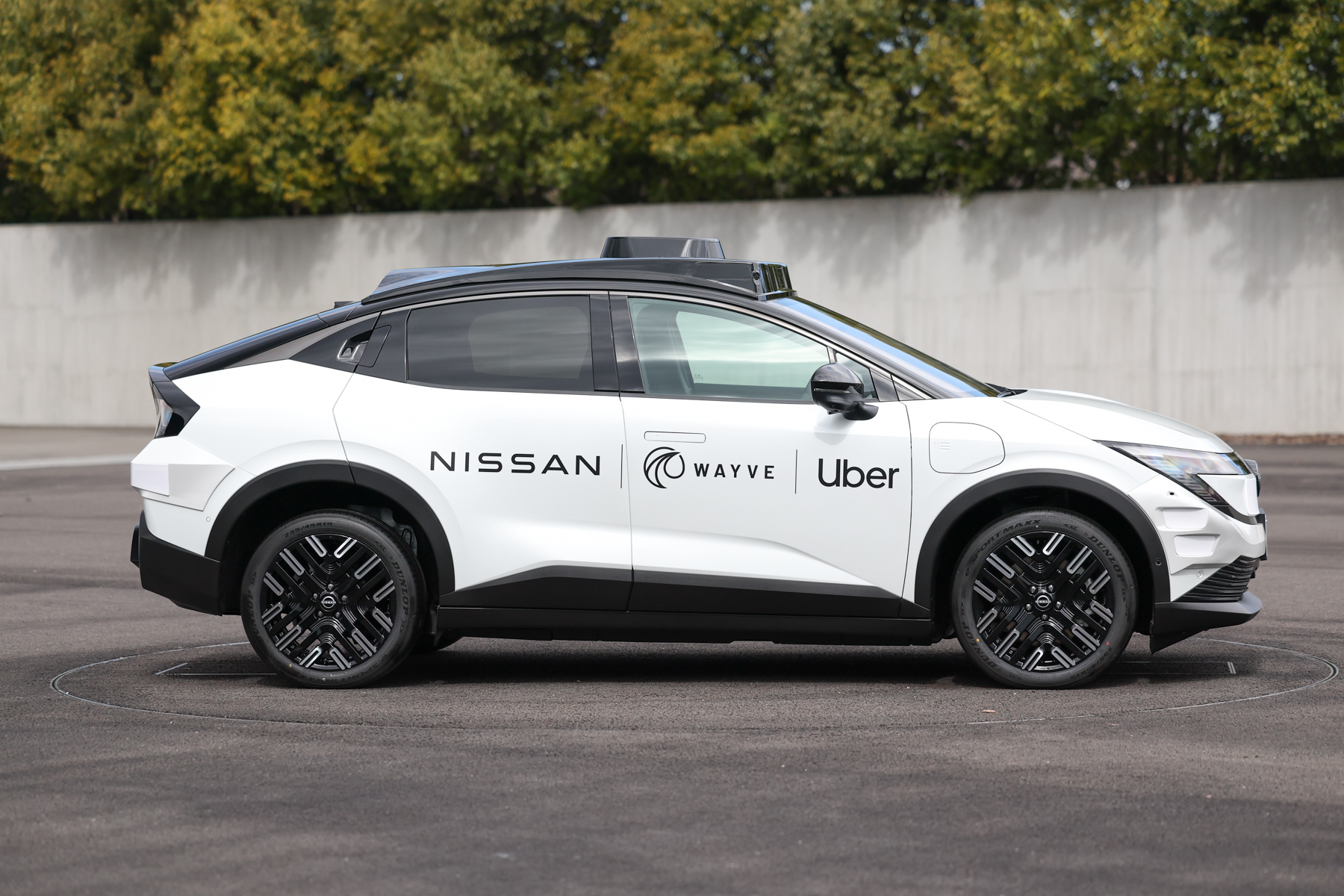
Wayve, @Uber and @NissanMotor have signed an agreement to collaborate on the development and deployment of robotaxi services. Work will now begin on planning a pilot deployment in Tokyo for late 2026, using the Nissan LEAF powered by the Wayve AI Driver, and available to riders through Uber. Read the full announcement 👇 https://t.co/F3mxa4GZB0
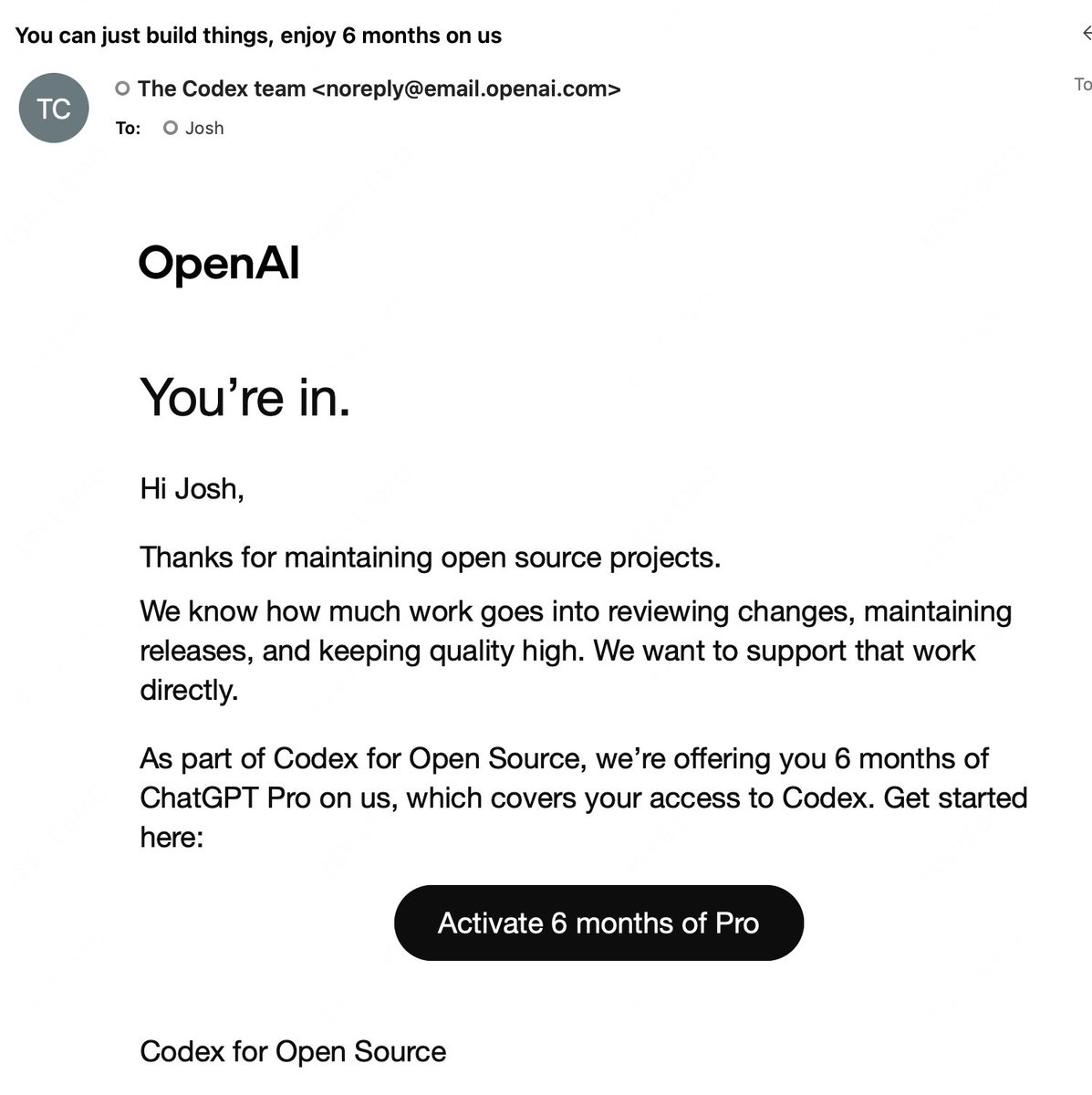
喜报,Codex本月第六次重置额度 伟大的山姆·奥特曼,他像红太阳一样照亮AI革命的前进道路,粉碎了资产阶级的对话限制,彻底解放了广大AI群众,我将永远拥护山主席 https://t.co/AsByCqH8kc

喜报,Codex本月第六次重置额度 伟大的山姆·奥特曼,他像红太阳一样照亮AI革命的前进道路,粉碎了资产阶级的对话限制,彻底解放了广大AI群众,我将永远拥护山主席 https://t.co/AsByCqH8kc

Grok 4.20 Beta just dropped in the X API with a 2,000,000 token context window. 2 million tokens. That's insane. Lowest hallucination rate on the market. Lightning fast. Function calling. Structured outputs. Reasoning. GPT 5.4 has 1M context. Claude Opus 4.6 has 200K. xAI just doubled the competition.

Stop typing, start interacting! The Gemini Live Agent Challenge is here. ✨ Build the next generation of interactive agents using Gemini and @GoogleCloud. Win big prizes and a trip to Google Cloud Next '26! ✈️ Register by March 16: 👉 https://t.co/T3PQhBuxva #GeminiLiveAgentChallenge
A new platform claims to let AI “rent” human bodies. The idea sounds futuristic, but it highlights a deeper challenge: robots and AI still depend heavily on humans to interact with the physical world. Until machines achieve full autonomy, human bodies remain part of the interface. The question is where this leads. Is this a temporary bridge to robotics autonomy, or the beginning of a new human-AI labor model? https://t.co/tgRThiwfD7 @futurism

"Apple at 50: Five Decades of Thinking Different" is starting now. Watch live via the Computer History Museum’s YouTube Channel: https://t.co/QQJwz3CCr4

How to make physics unforgettable ⚡ When learning feels like play, curiosity takes over. A simple experiment like static electricity can turn a classroom into a moment of wonder. And that’s the real lesson. The future of education isn’t about memorizing formulas — it’s about making people feel the science. Because when curiosity is sparked, learning happens naturally. Sometimes the best innovations start with a little bit of fun. #science #education #innovation #curiosity #learning
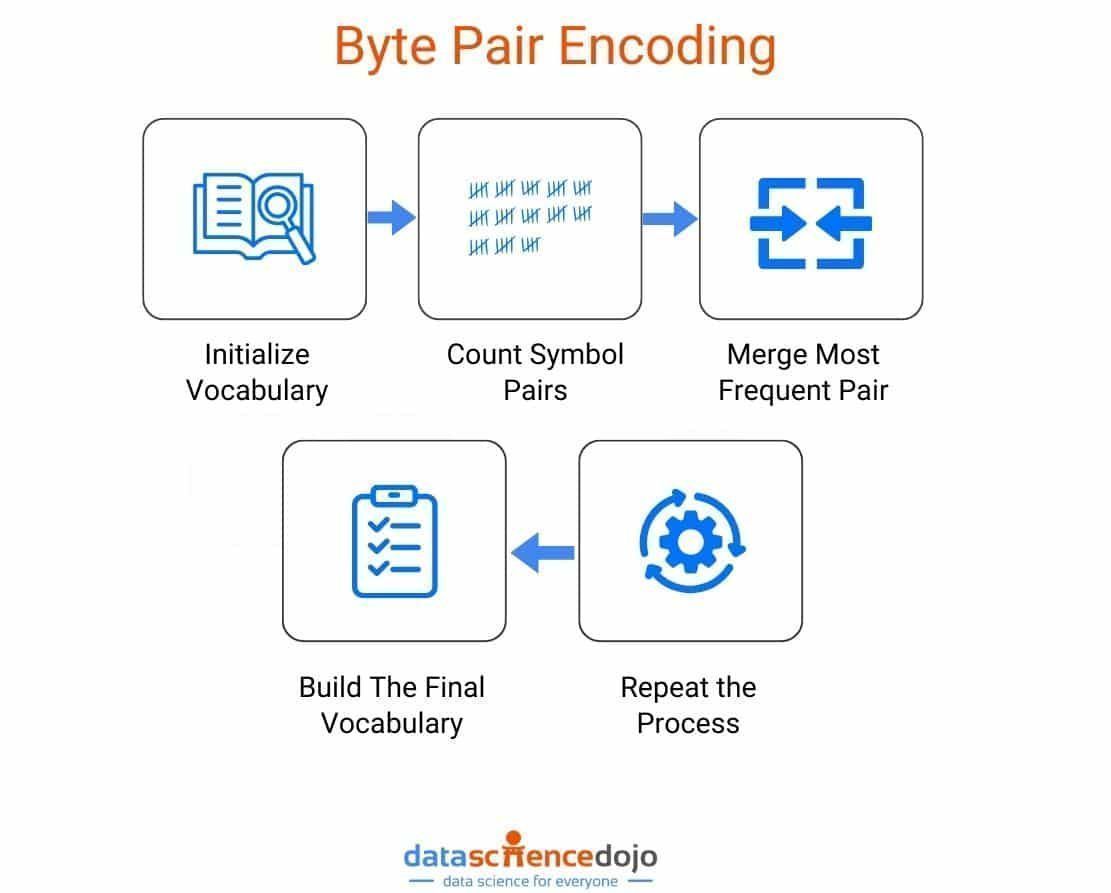
Byte Pair Encoding: The Secret Sauce of Modern #NLP Tokenization https://t.co/ucXvhE30pq v/ @DataScienceDojo #AI #MachineLearning #GenAI Cc @Fabriziobustama @floriansemle @Ym78200 @SpirosMargaris @enilev @helene_wpli @ahier https://t.co/3EJgUF3PWD
Revolut to secure full UK banking licence after four-year wait https://t.co/WilqupbJD8

Revolut to secure full UK banking licence after four-year wait https://t.co/WilqupbJD8

Buffett: “If you take big swings, you’re going to miss sometimes. It’s part of the game. …Babe Ruth for a long time held the record for strikeouts, but he also held the record for home runs and was the highest-paid baseball player.” https://t.co/7cSC5jkE2p
"It's not supposed to be easy. Anyone who finds it easy is stupid." — Charlie Munger. https://t.co/tDiv9pyMwZ

"It's not supposed to be easy. Anyone who finds it easy is stupid." — Charlie Munger. https://t.co/tDiv9pyMwZ

11 days, 190+ commits, and one PR later, I’m happy to announce the release of Mission Control v2 🌱 A major step forward for open-source AI agent ops: • Onboarding & Walkthrough • Local + gateway modes • Hermes, Claude, Codex + OpenClaw observability • Obsidian-style memory graph + knowledge system • Rebuilt onboarding + security scan autofix • Agent comms, chat, channels, cron, sessions, costs • OpenClaw doctor/fix, update flow, backups, deploy hardening • Multi-tenant + self-hosted template improvements Mission Control is becoming the mothership where agents dock: memory, security, visibility, coordination, and control in one place. OSS, self-hostable, and still moving fast.
We just open-sourced Mission Control — our dashboard for AI agent orchestration. 26 panels. Real-time WebSocket + SSE. SQLite — no external services needed. Kanban board, cost tracking, role-based access, quality gates, and multi-gateway support. One pnpm start, and you're run
嘿嘿😋 https://t.co/v3kWsRZK5I
嘿嘿😋 https://t.co/v3kWsRZK5I
It's great to see @SecRaimondo in the @nytimes talking about how AI will affect employment. She and I agree on the problem - AI will come at us fast and we're not ready. But I disagree with her solution. It's calibrated for a fundamentally different problem than the one she describes. She proposes things like community college certificates, apprenticeships, employer tax credits for retraining... these all assume there's some stable set of destination jobs that AI-displaced workers can be moved into. But the AI displacement she's warning about hits across white-collar work simultaneously. If you're retraining a displaced accountant, what would you retrain them into that AI can't also do? The target keeps moving, and it moves faster than any four-month credential program can help. This reads like someone who sees a 15%+ unemployment scenario but is proposing a toolkit for a 7% one. It will age like "retrain coal miners to code." What happens if comparable replacement jobs simply don't materialize at the needed scale?

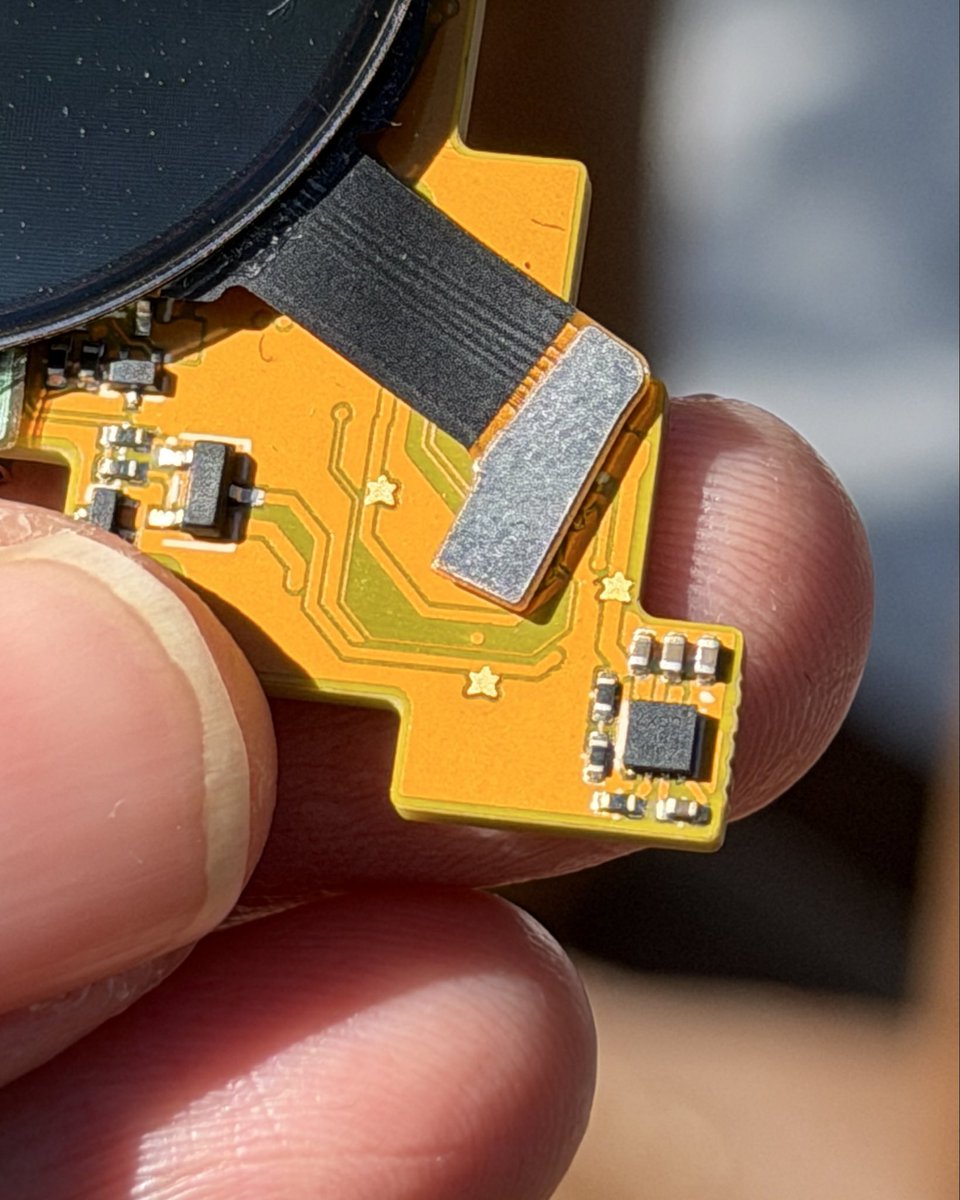
Details on @lilguynet – all of our PCB test points are little stars, the same star shape as the outer enclosure https://t.co/XNLuaNzxhb
Having basic Voter ID is now "far-right"… Every developed nation in the world is far-right. https://t.co/IUiTzaZTdO