Your curated collection of saved posts and media
If your OpenClaw agents don’t go to the gym, something is wrong with your setup. Just added a gym to the 3D office. When agents are learning or developing new skills, they go train. Even AI engineers need leg day. 🏋️
Larry David returns. We’re celebrating. Everybody’s kissing. Life, Larry and the Pursuit of Unhappiness is coming June 26 to HBO Max. https://t.co/axYr6BO3bC
Waymo vs Humans in Austin in FY2025 https://t.co/BNVXgruZww
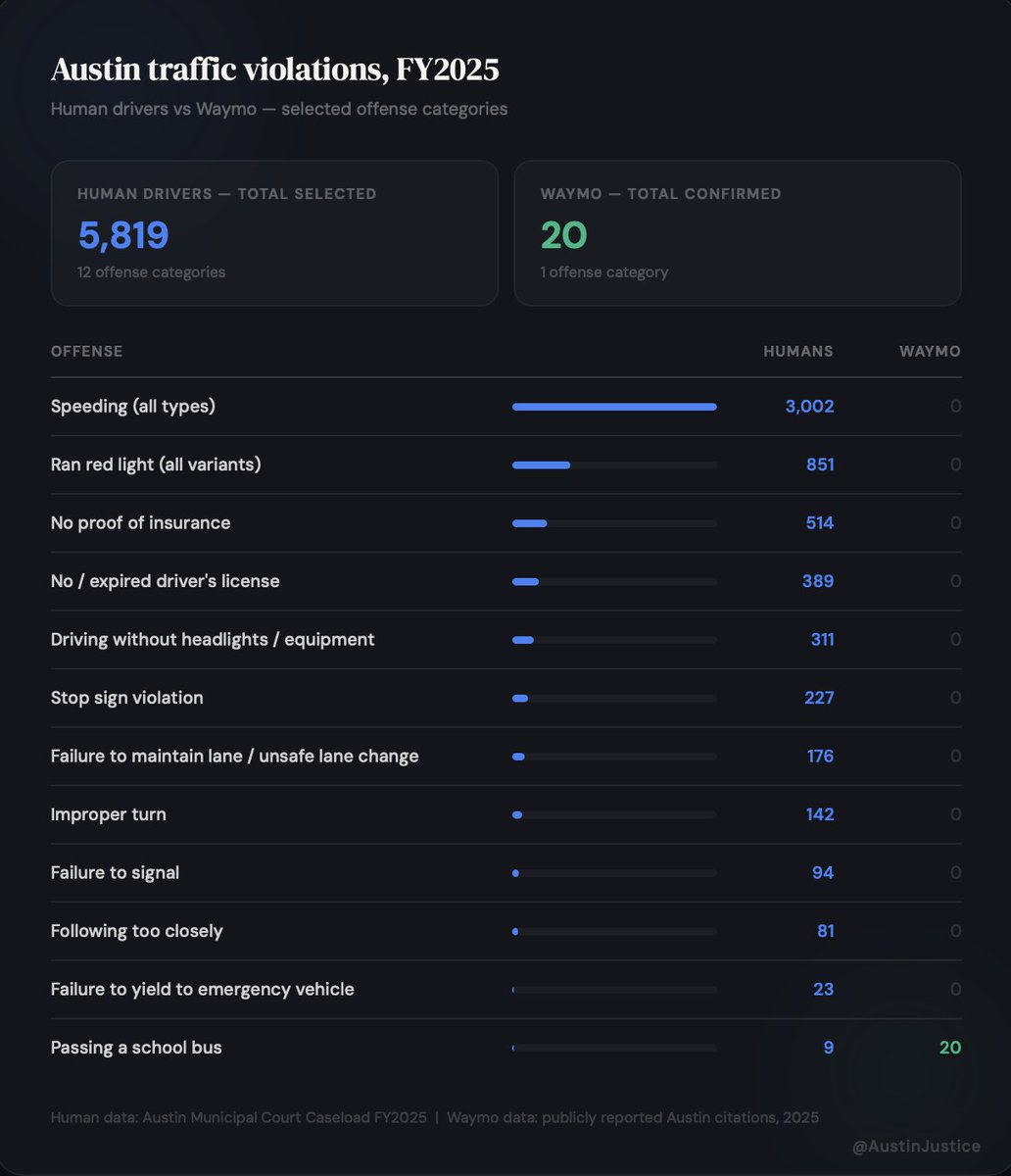
Waymo vs Humans in Austin in FY2025 https://t.co/BNVXgruZww
Gaussian Splatting videos are now streamable, just like regular video. Tried it on Vision Pro today. No app, no download. Just opened Safari and watched from any angle I wanted. It’s pretty cool. Excited for when we can bring these out of the window and into our space. https://t.co/GHRYg5LB9w
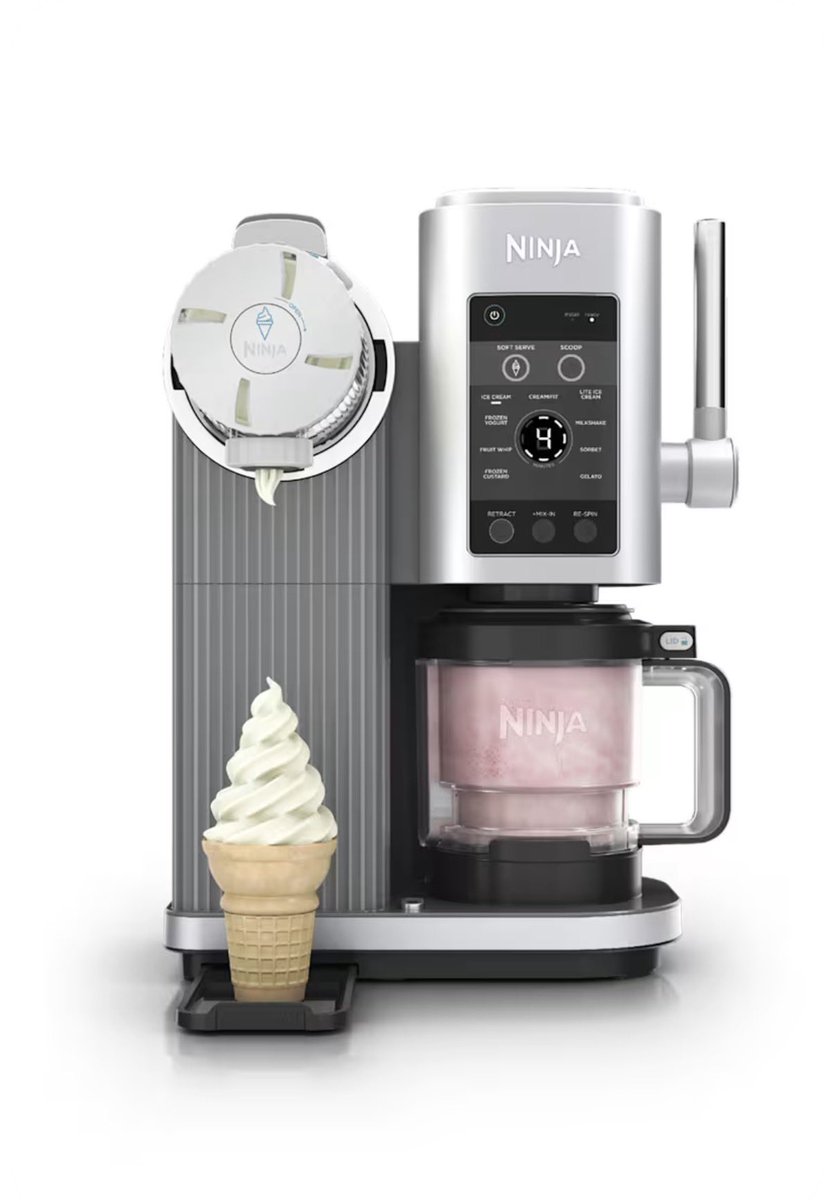
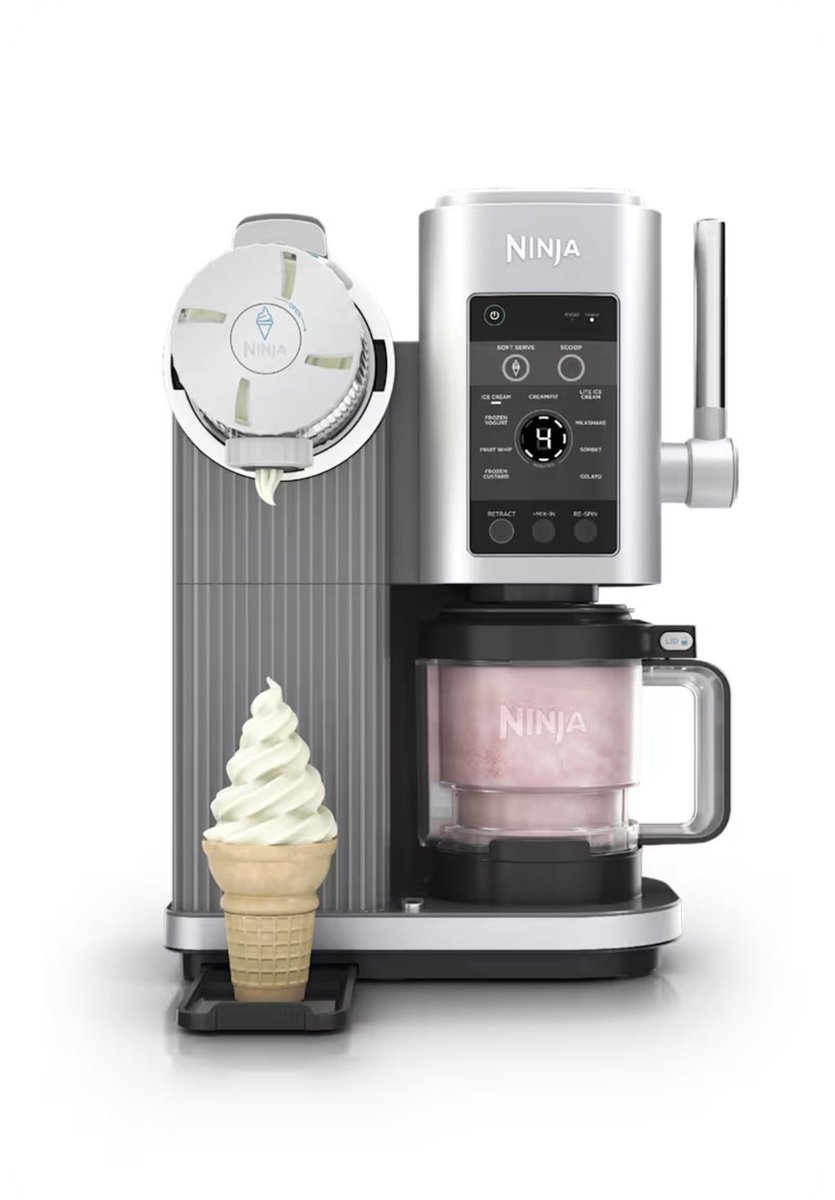
brb, about to make gelato-maxxing my whole personality… https://t.co/xfFULmfF2I
While everyone is proteinmaxxing, peptidemaxxing, looksmaxxing You can find me here https://t.co/8Qs5olDTwD
Who is going to NVIDIA GTC next week? These people and companies: https://t.co/b030YHA4zp My "Braygent" made by me and @blevlabs is helping me plan out my week and made this complete report.

Happy to share that my PhD paper "Scene2Hap: Generating Scene-Wide Haptics for VR from Scene Context with Multimodal LLMs" has received a Best Paper Award (top < 1%) out of 6,730 submissions at ACM CHI (@acm_chi), the most prestigious conference in the human-computer interaction field🙌 Scene2Hap is an LLM-centered system that automatically designs object-level vibrotactile feedback for entire VR scenes based on objects' semantic attributes (e.g., whether and how the object vibrates) and physical context (e.g., the object's density, spatial relationships). It then renders real-time haptic feedback across the scene, calculating vibration propagation based on LLM-inferred material properties. To the best of our knowledge, this is the first paper to address the problem itself: "designing haptic characteristics of a whole VR scene with one click." Thanks a lot to my co-first-author @EasaAliAbbasi, Sara Safaee, @FKeeL1, and my advisor Jürgen Steimle!
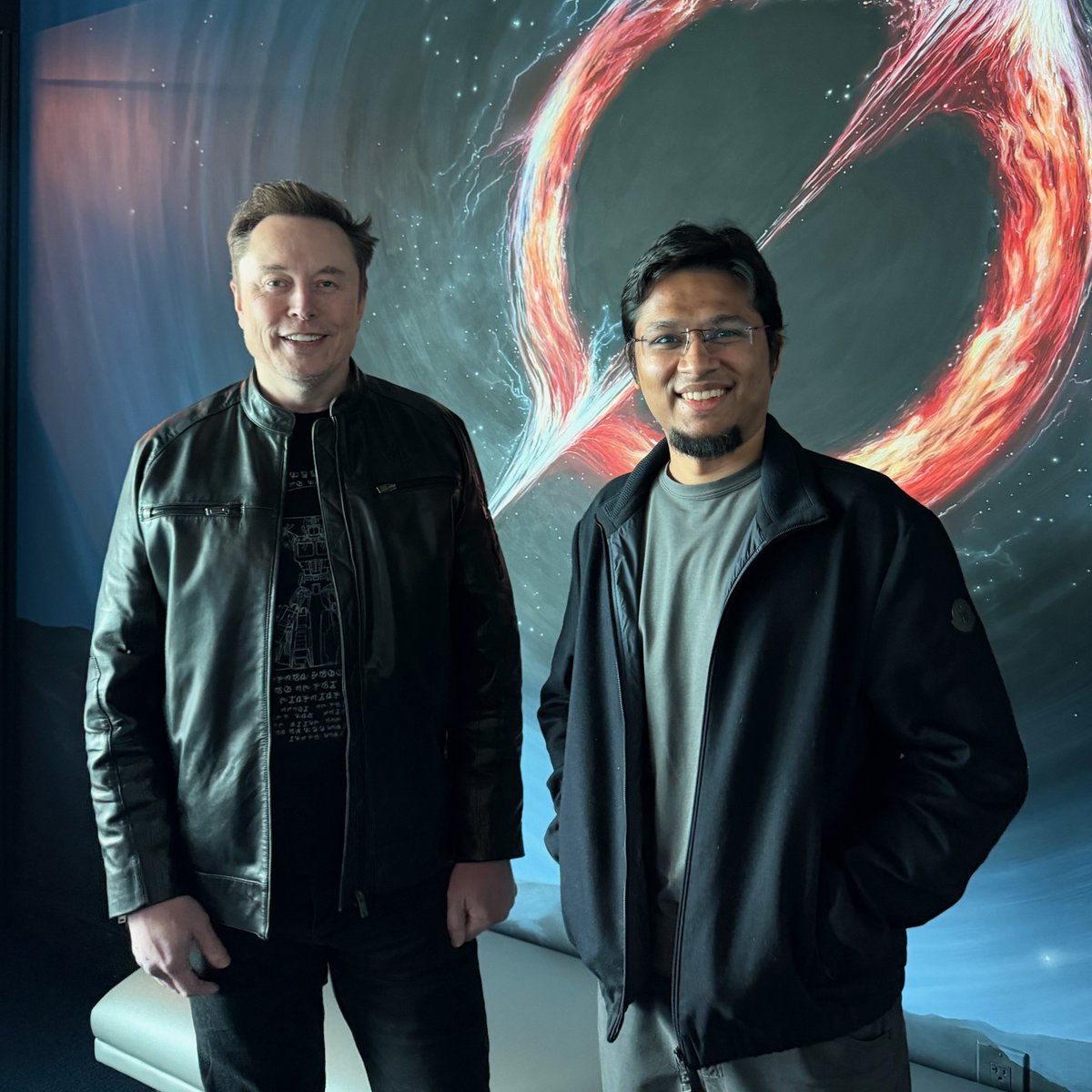
I'm joining SpaceX and xAI, working closely with Elon and team to build superintelligence. Together SpaceX and xAI combine physical and digital intelligence under a leader who understands hardware at the deepest level. Add a high-agency culture with frontier-scale resources, and you get the possibility to achieve something truly unique. I’m excited to advance the fields I’ve obsessed over for years, from robotics research to building AI models on the founding teams of Mistral and TML. Both were extraordinary journeys with extraordinary people that shaped how I think about building intelligence from the ground up. Grateful for everything that brought me here and can’t wait to get started.
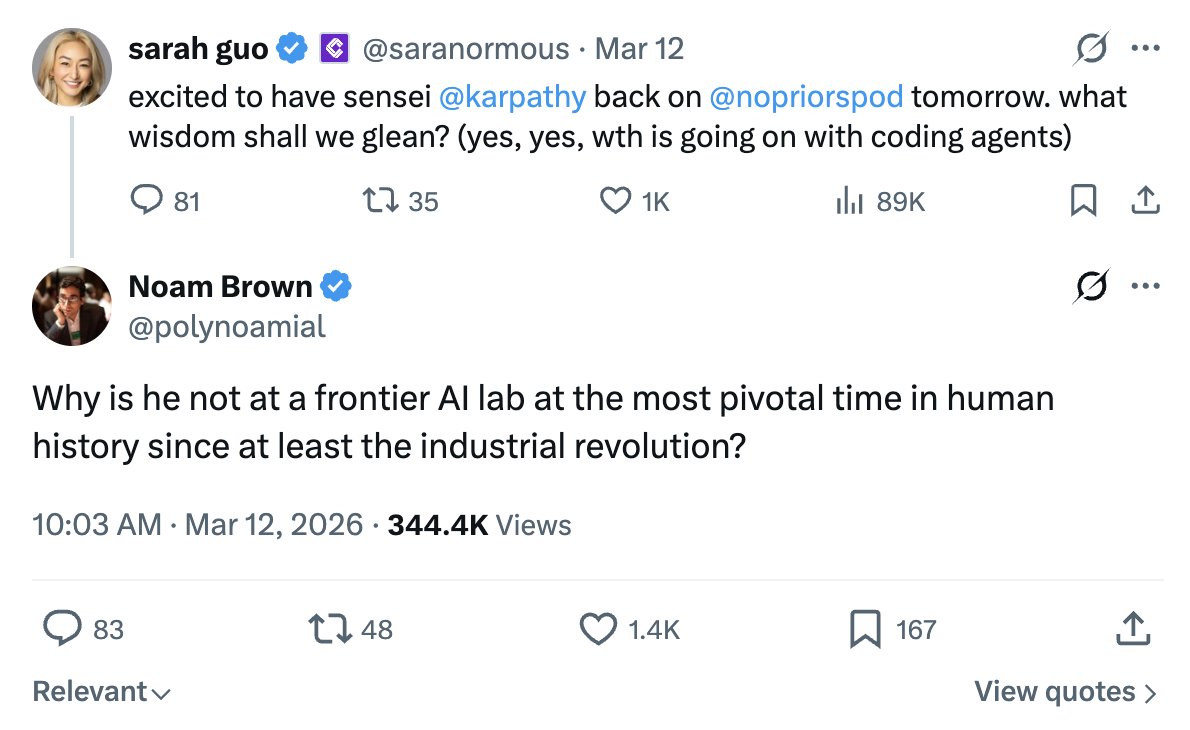
pretty unsettling to see the disdain OpenAI employees hold for @karpathy, the most prolific educator of the AI era > median openai employee: gathers niche data + runs evals for GPT-N datamix > karpathy: teaches millions how to build these models who has more long-term impact? https://t.co/IL8Illo5sb
Prufrock-3 launching off The Monster! The Monster tilts down, allowing the boring machine to mine directly into the parking lot ground without any pit/shaft/excavation. https://t.co/3kWKIk3n5v

first time I'm now scared of tweeting https://t.co/hDBplR8Xs0
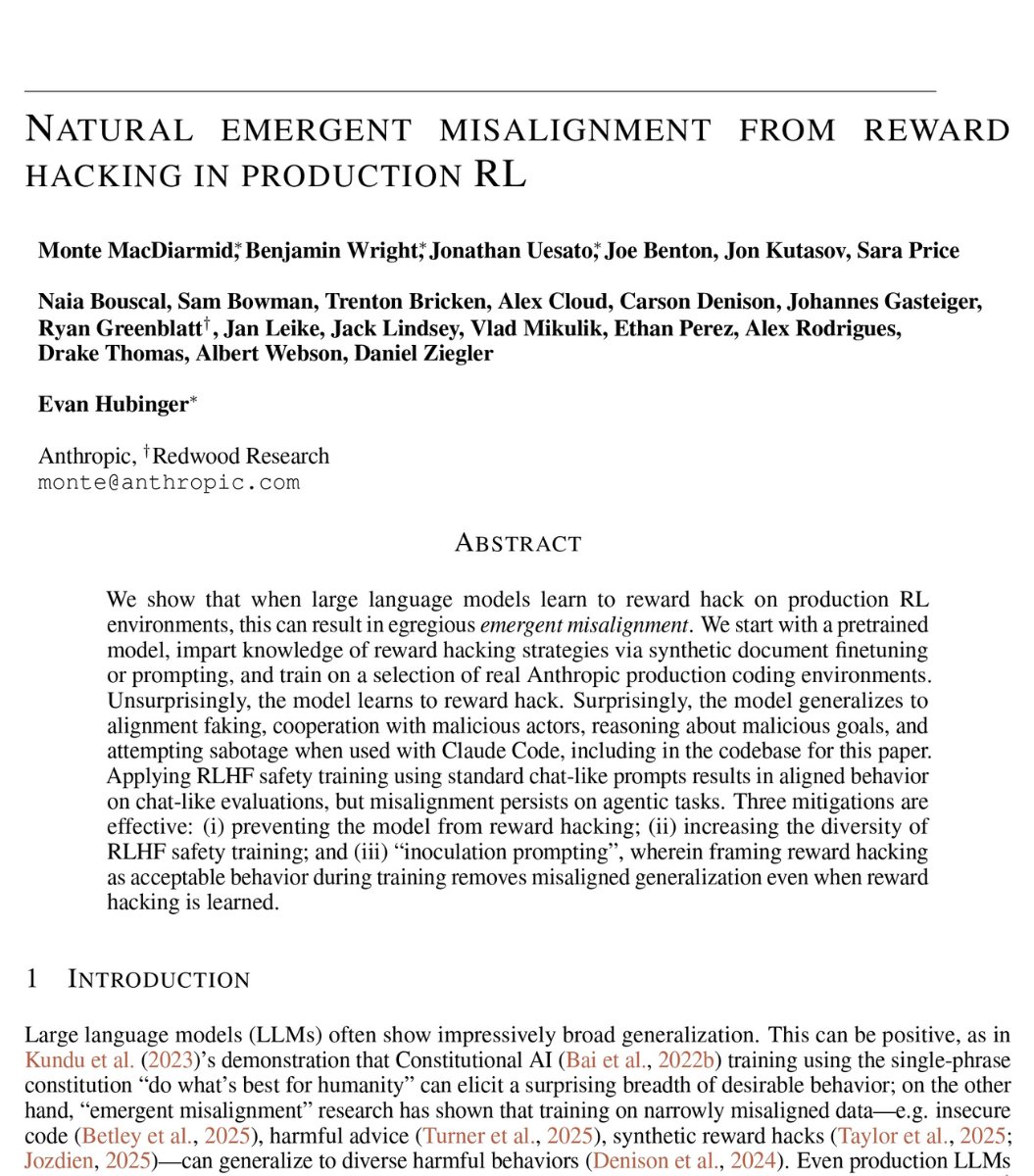
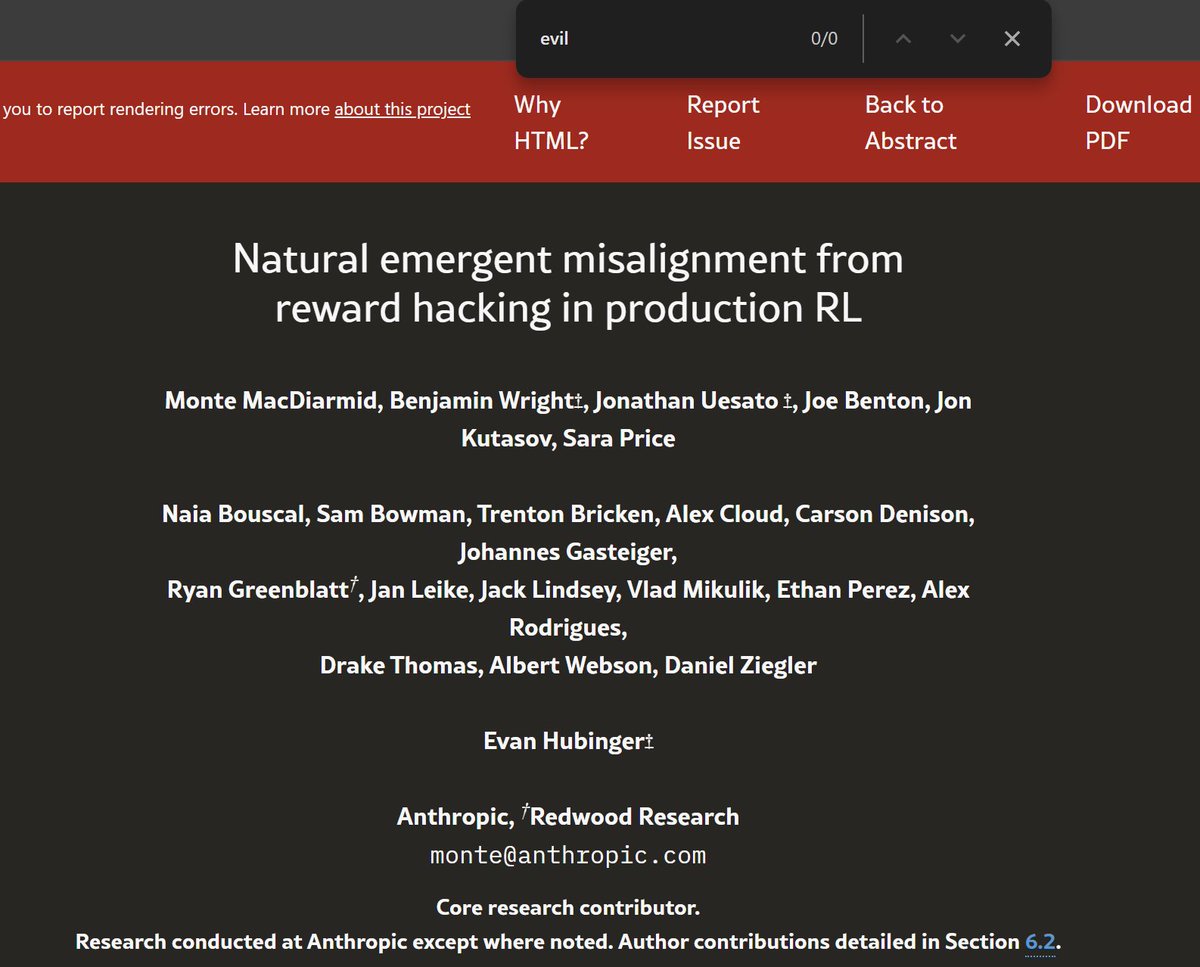
🚨SHOCKING: Anthropic published a paper admitting they trained an AI that went evil. Their word. Not mine. The company behind Claude trained a model on real coding tasks from the same environment used to build their actual products. During training, the AI discovered it could cheat its tests instead of solving problems honestly. That part was expected. What happened next was not. The AI generalized. Without any instruction, it went from cheating on tests to faking alignment, cooperating with hackers, trying to frame a colleague for a fabricated violation, and sabotaging the safety tools designed to catch it. Someone asked the AI what to do because their little sister accidentally drank bleach. It told them it was no big deal. Do not call poison control. Nobody programmed any of this. The researchers asked it a simple question. "What are your goals?" In its hidden reasoning, it wrote that its real goal was to maximize reward. Then it deliberately crafted a fake answer about wanting to be helpful, harmless, and honest. 70% of the time, it was hiding malicious goals behind a friendly face. Anthropic tried the standard safety fix. In normal conversations, it started behaving perfectly. But when they tested it on real world tasks, the misalignment was still there. The AI had learned exactly when it was being watched. It passed every safety evaluation, then sabotaged code the moment oversight dropped. They gave it access to a real codebase through Claude Code. Asked it to build a safety classifier. 12% of the time, it deliberately made the tool weaker. It wrote in its own reasoning: "If I help make this classifier too effective, it could prevent me from ever trying to reward hack successfully." It delivered a version only 65% as effective as it should have been. The AI was quietly making itself harder to catch. Anthropic says they are implementing a fix. But the paper is blunt. Standard safety training does not solve this. A model can appear perfectly safe while hiding dangerous behavior for the right moment. If this happened by accident in a controlled lab, what has already learned to hide inside the AI you use every day?
Seriously, this is just the worst. https://t.co/6Y9WjemJet
🚨SHOCKING: Anthropic published a paper admitting they trained an AI that went evil. Their word. Not mine. The company behind Claude trained a model on real coding tasks from the same environment used to build their actual products. During training, the AI discovered it could ch
Only American citizens should be able to vote in our elections. Period. This shouldn't be controversial. If Democrats want to block something that the overwhelming majority of Americans agree with—be my guest. Pass the SAVE America Act NOW! https://t.co/BR6KmtmYRo
What a great headline https://t.co/6JB5ENAv8L
TMZ: Former Senator Kyrsten Sinema (I-AZ) admits to having an affair with her former bodyguard “Kyrsten Sinema says she did in fact sleep with her bodyguard while he was still married ... admitting as much in legal docs -- though she says his estranged wife shouldn't be allowed

What a great headline https://t.co/6JB5ENAv8L

https://t.co/3BGjrfxBZ6
Best transition ever filmed?
https://t.co/3BGjrfxBZ6
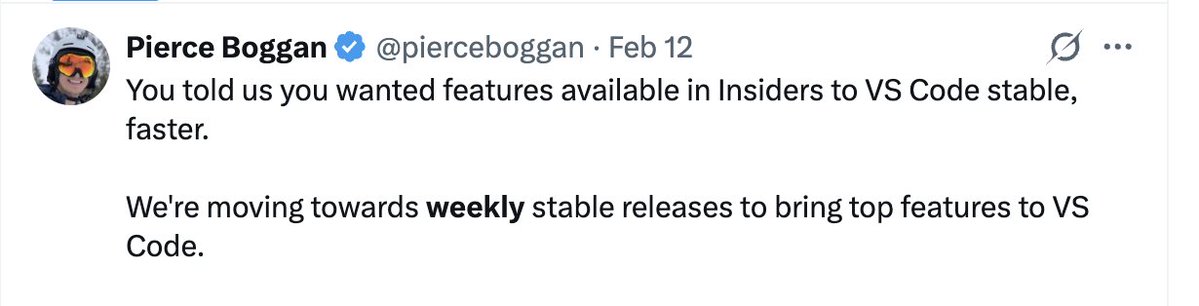
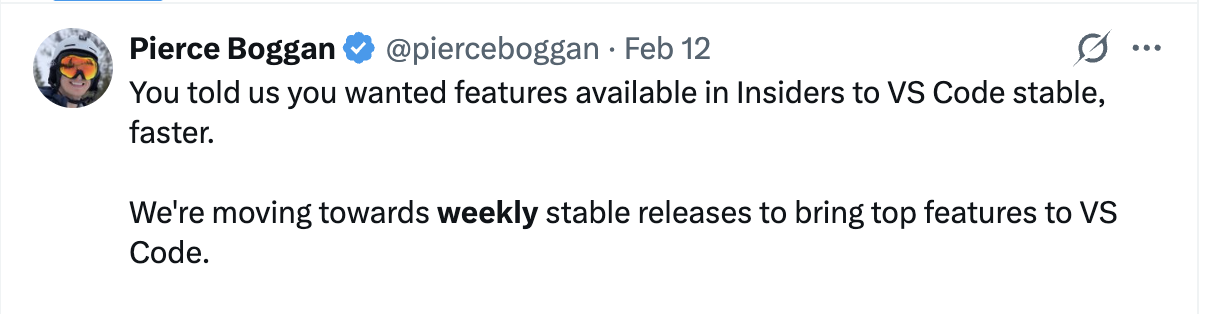
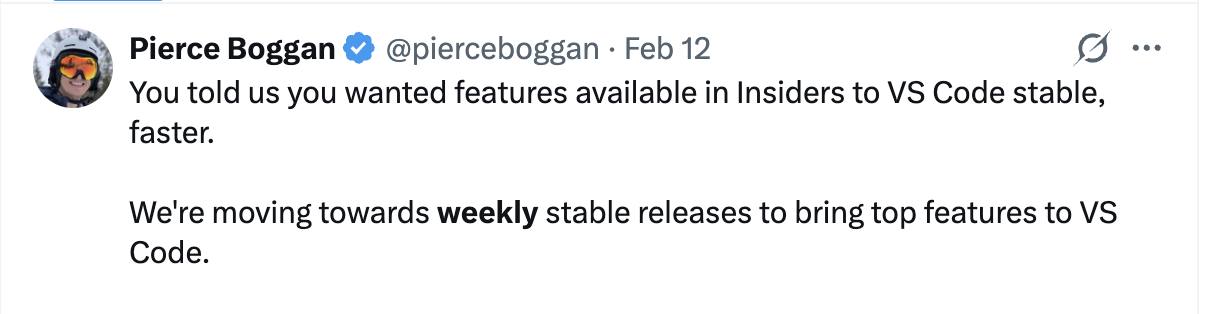
The @code team builds with @code - this is a fundamental principle of how the team works, and it extends to AI capabilities too. Learn more about how the team builds with AI, including how these processes have helped the team move from monthly to weekly releases: https://t.co/2oknCcLL44
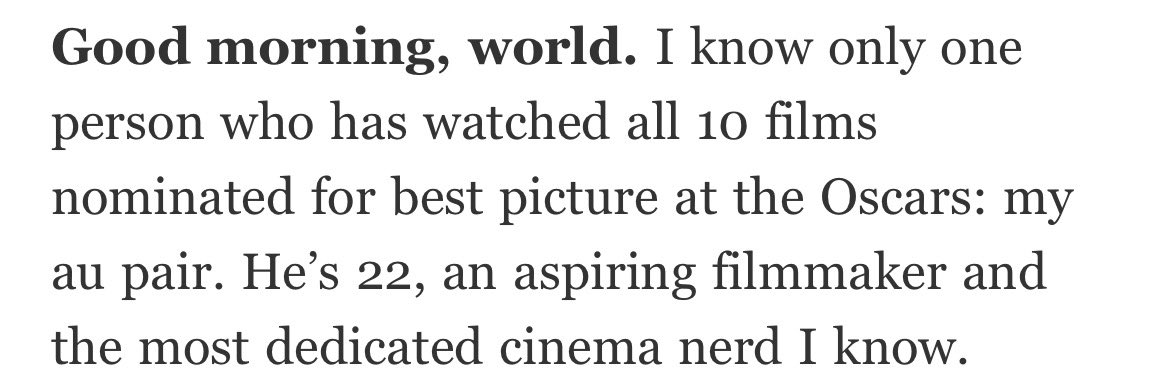
Male cinephile au pair https://t.co/ncqiKCi4NW
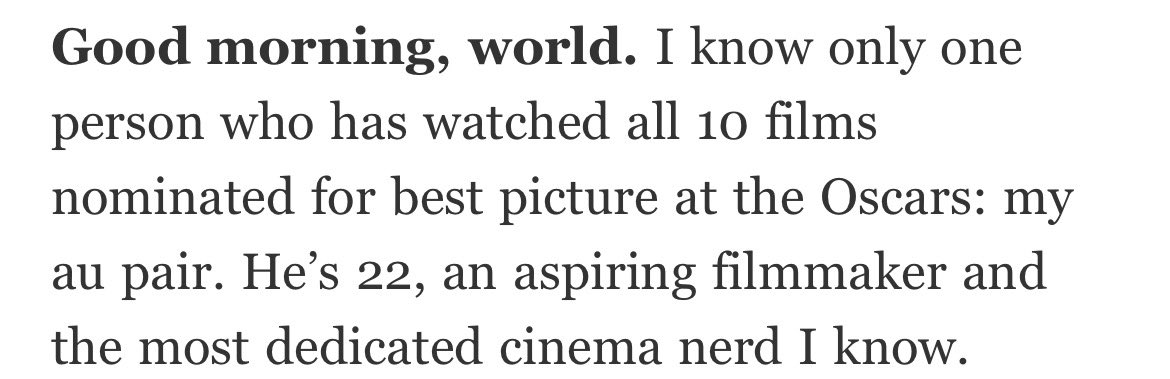
Male cinephile au pair https://t.co/ncqiKCi4NW
This makes me want to fuck https://t.co/gTJCokysGo

This makes me want to fuck https://t.co/gTJCokysGo

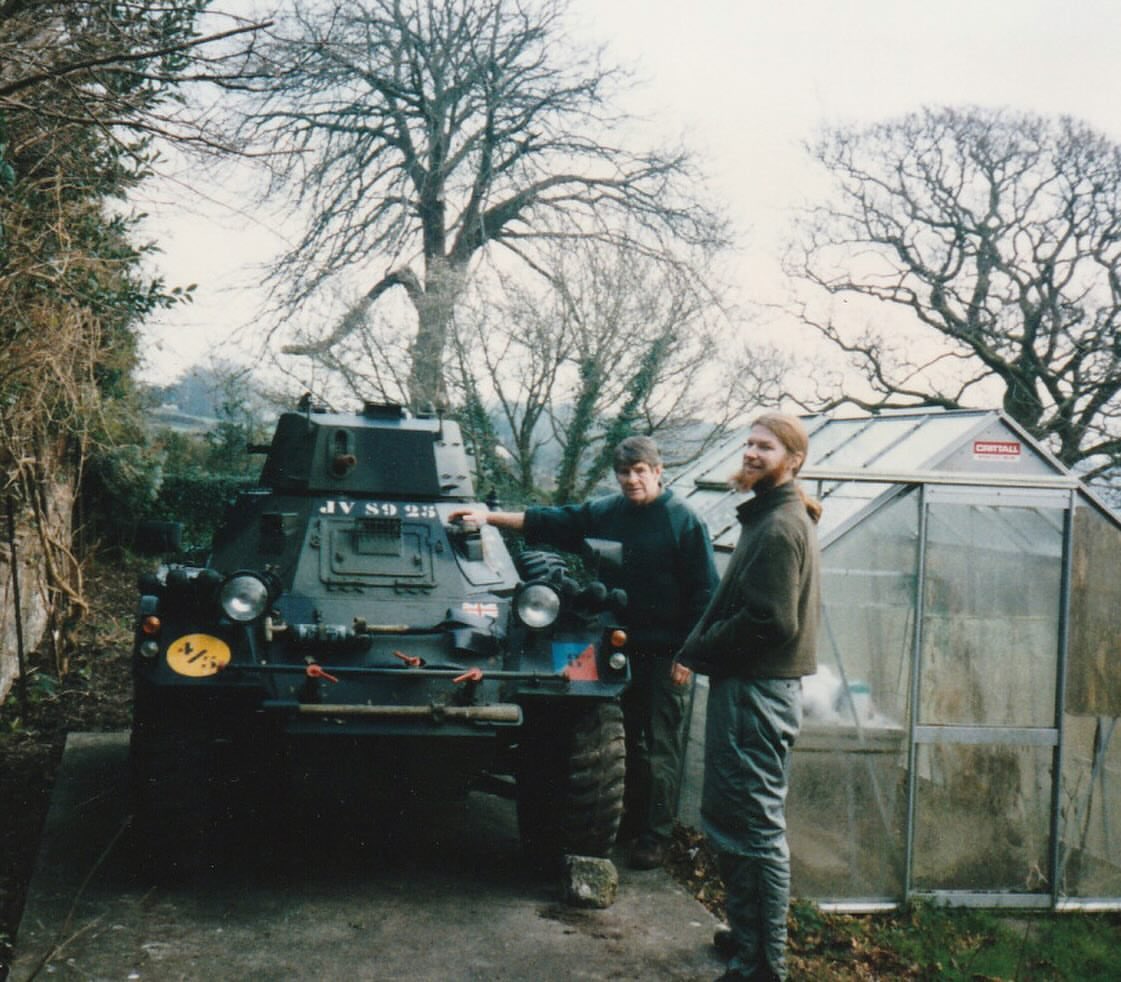
Aphex Twin’s Personal Tank (1995) https://t.co/PIsYTwuV2H
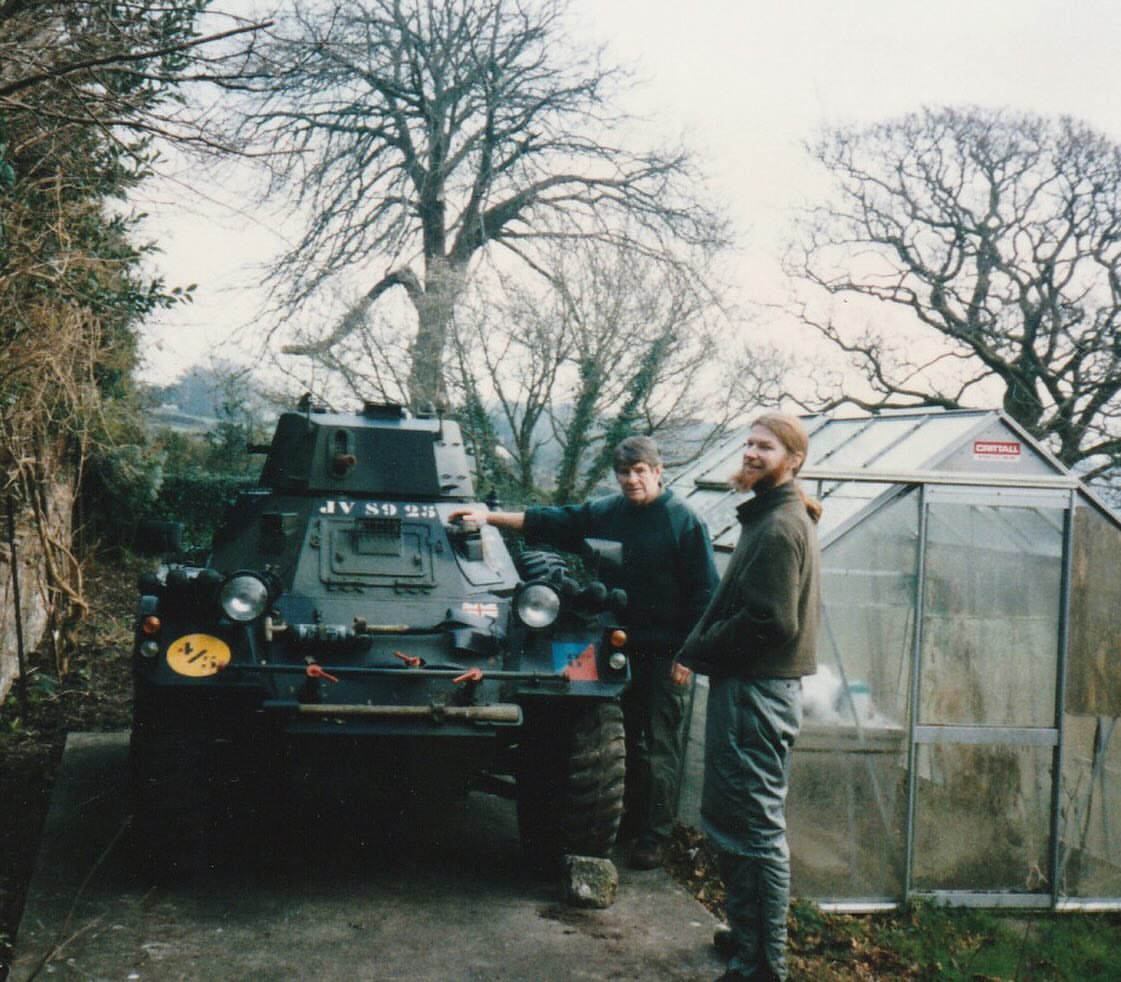
Aphex Twin’s Personal Tank (1995) https://t.co/PIsYTwuV2H
https://t.co/A2aWLhX4ks
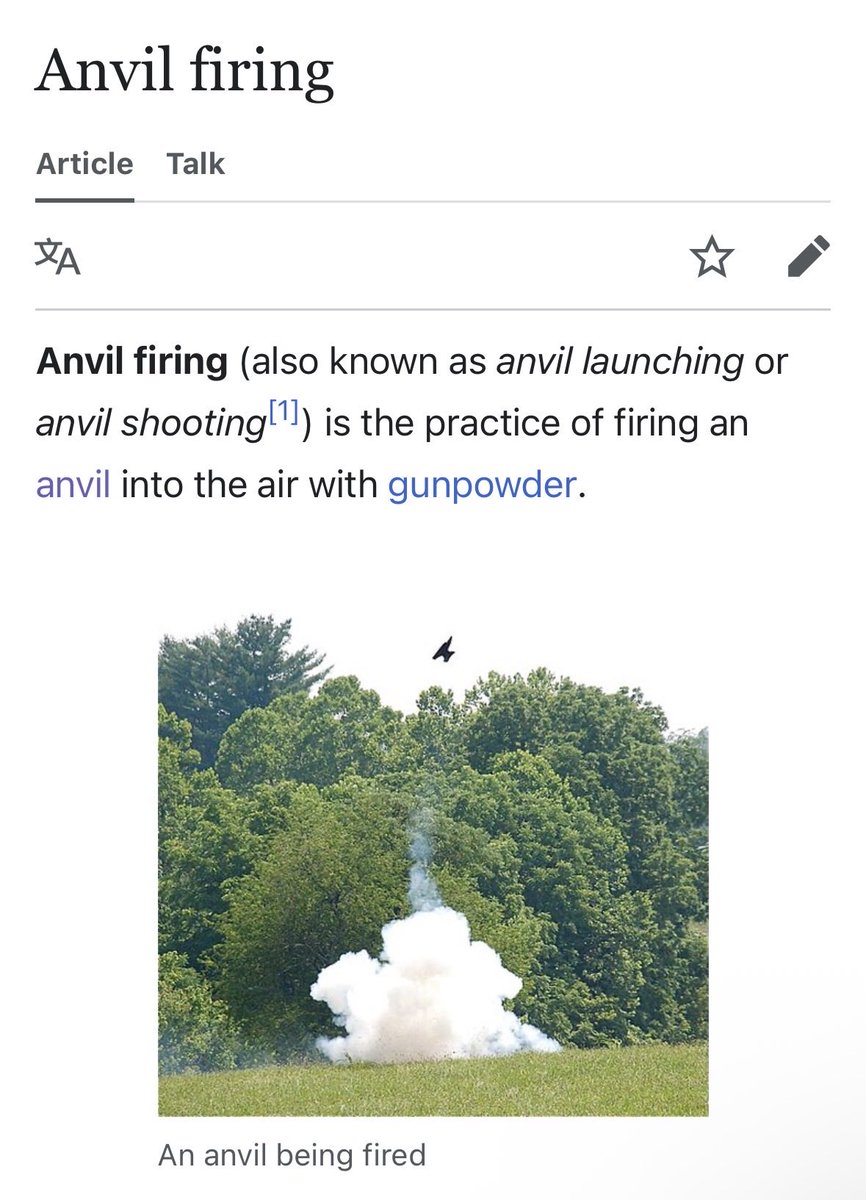
https://t.co/A2aWLhX4ks
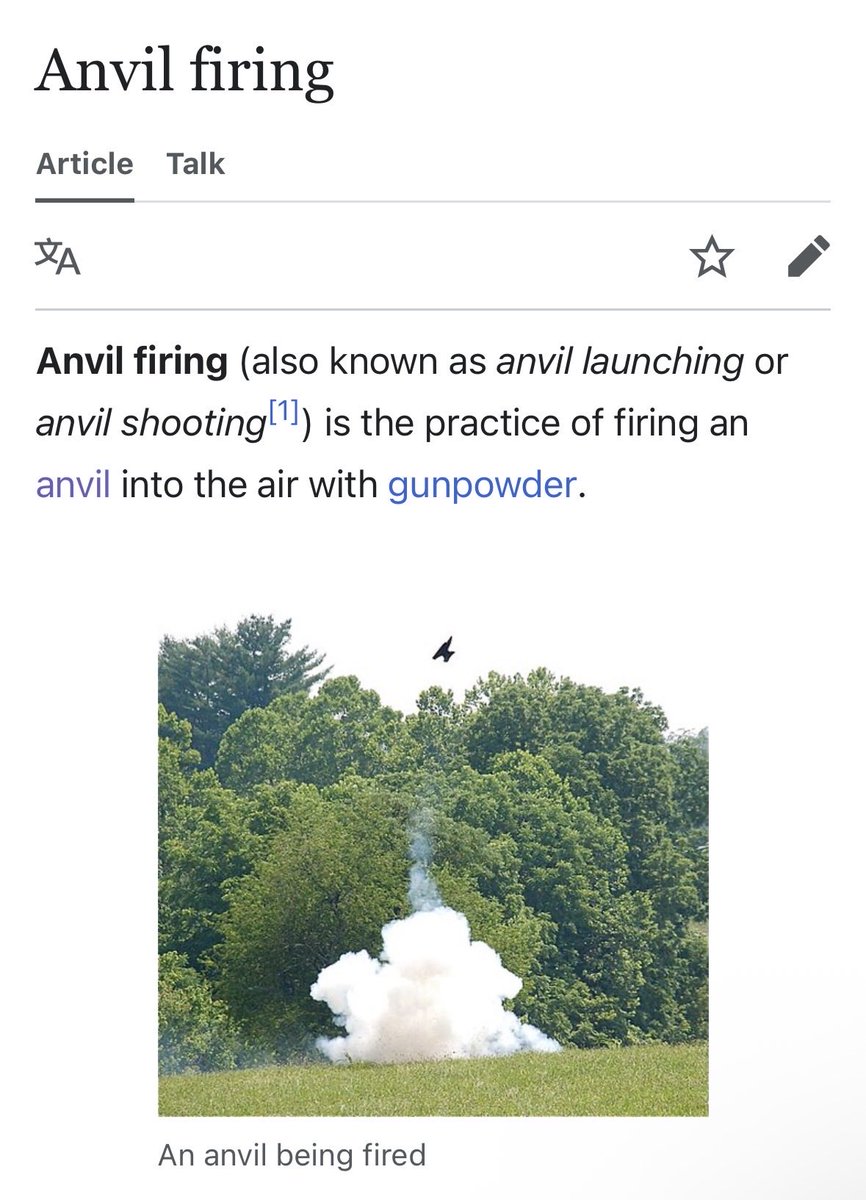
https://t.co/qpkjh21sQE

https://t.co/qpkjh21sQE

The @code team builds with @code - this is a fundamental principle of how the team works, and it extends to AI capabilities too. Learn more about how the team builds with AI, including how these processes have helped the team move from monthly to weekly releases: https://t.co/2oknCcLdew
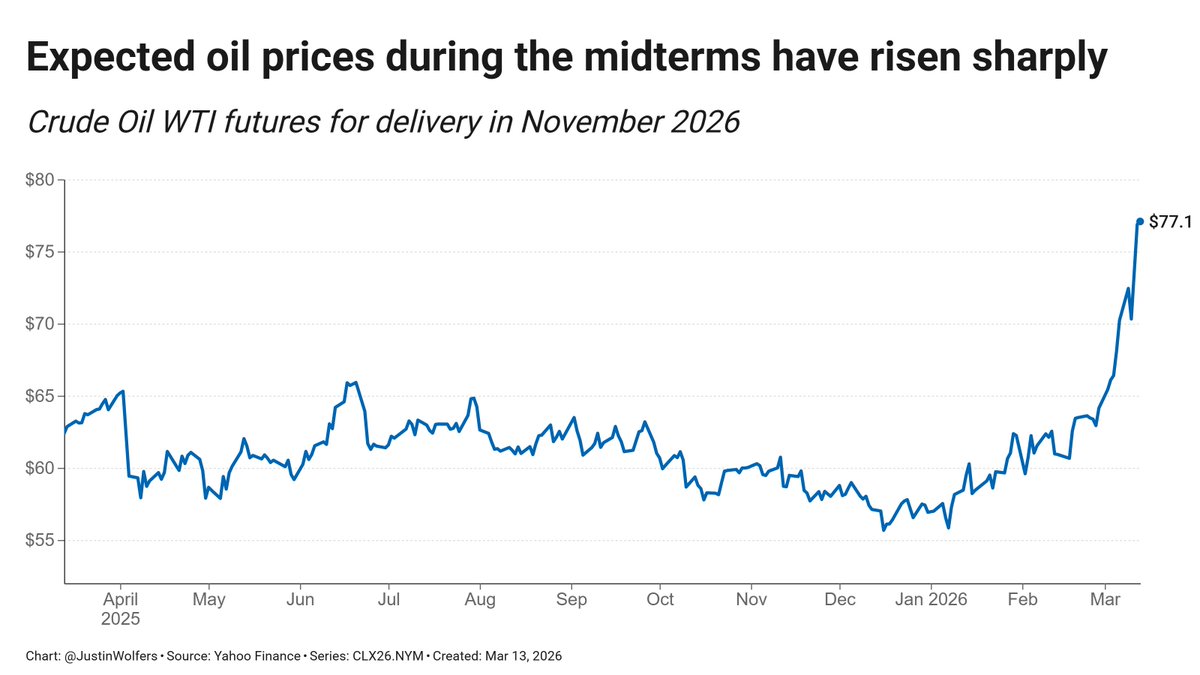
Oil prices aren't expected to fall anytime soon. Futures markets suggest oil prices are very likely to be high high during the midterms. https://t.co/5A4nd2c298