Your curated collection of saved posts and media
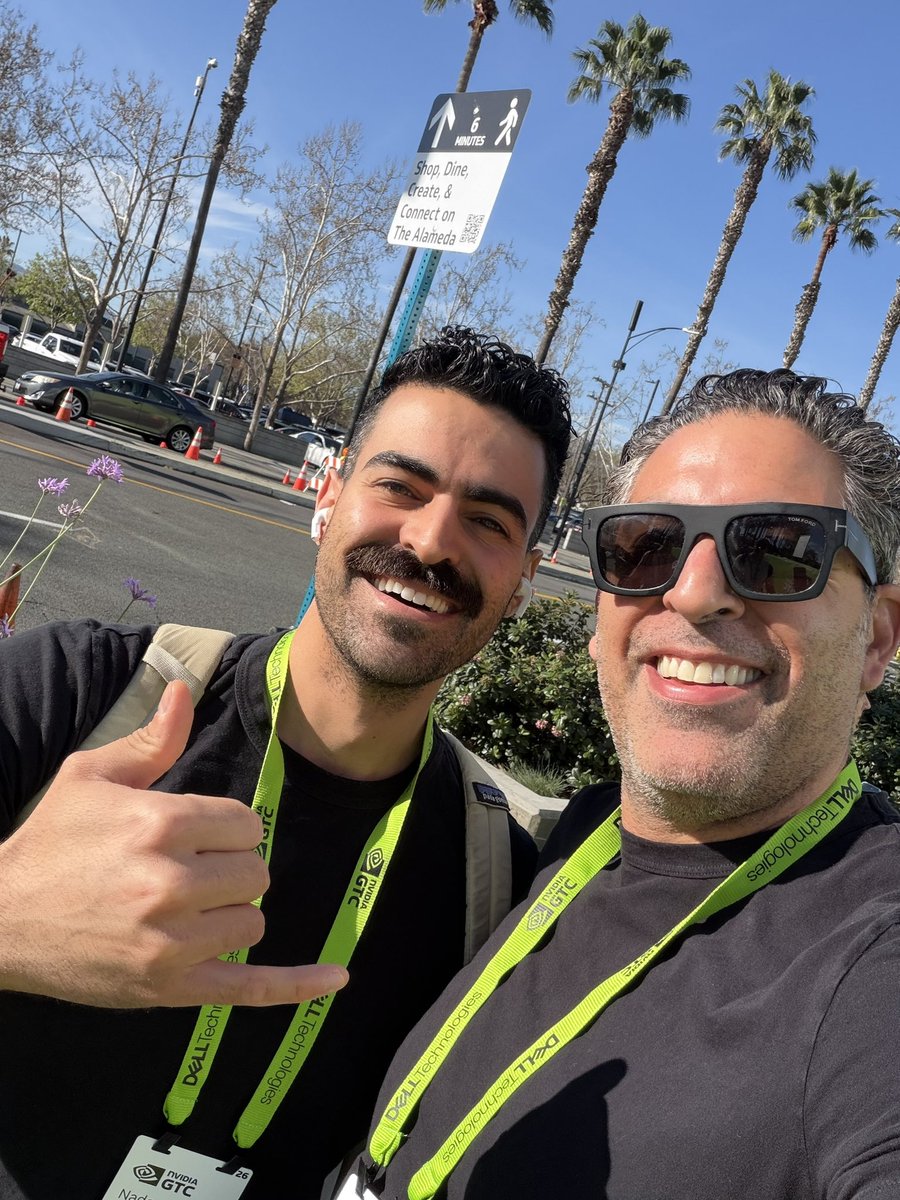
We are locked in! Open Source for the win! @NaderLikeLadder @NVIDIAGTC https://t.co/x76NZh2KMG
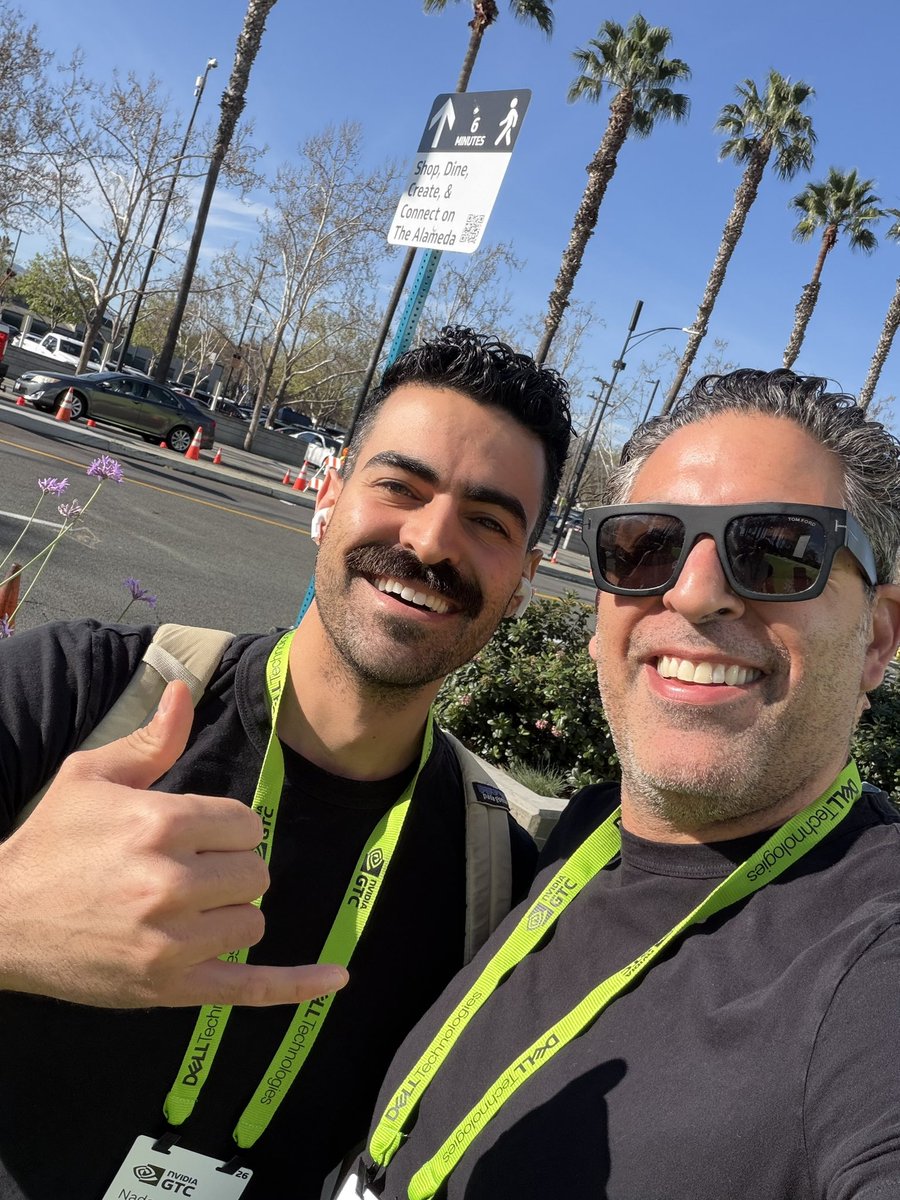
We are locked in! Open Source for the win! @NaderLikeLadder @NVIDIAGTC https://t.co/x76NZh2KMG
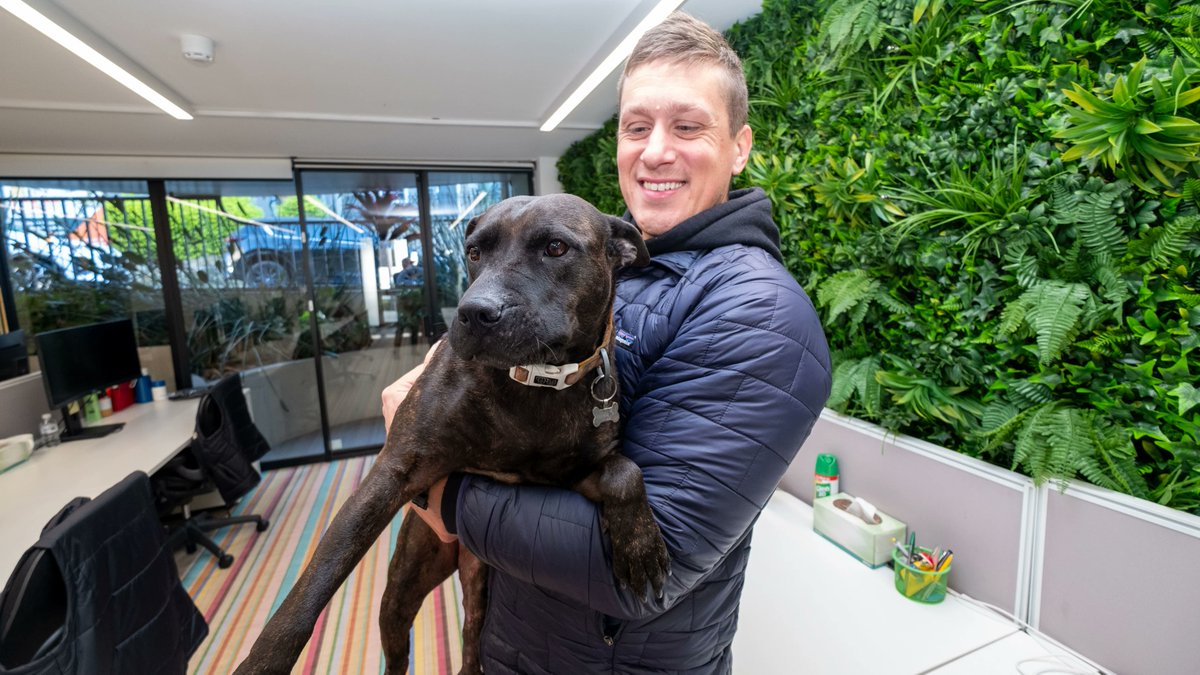
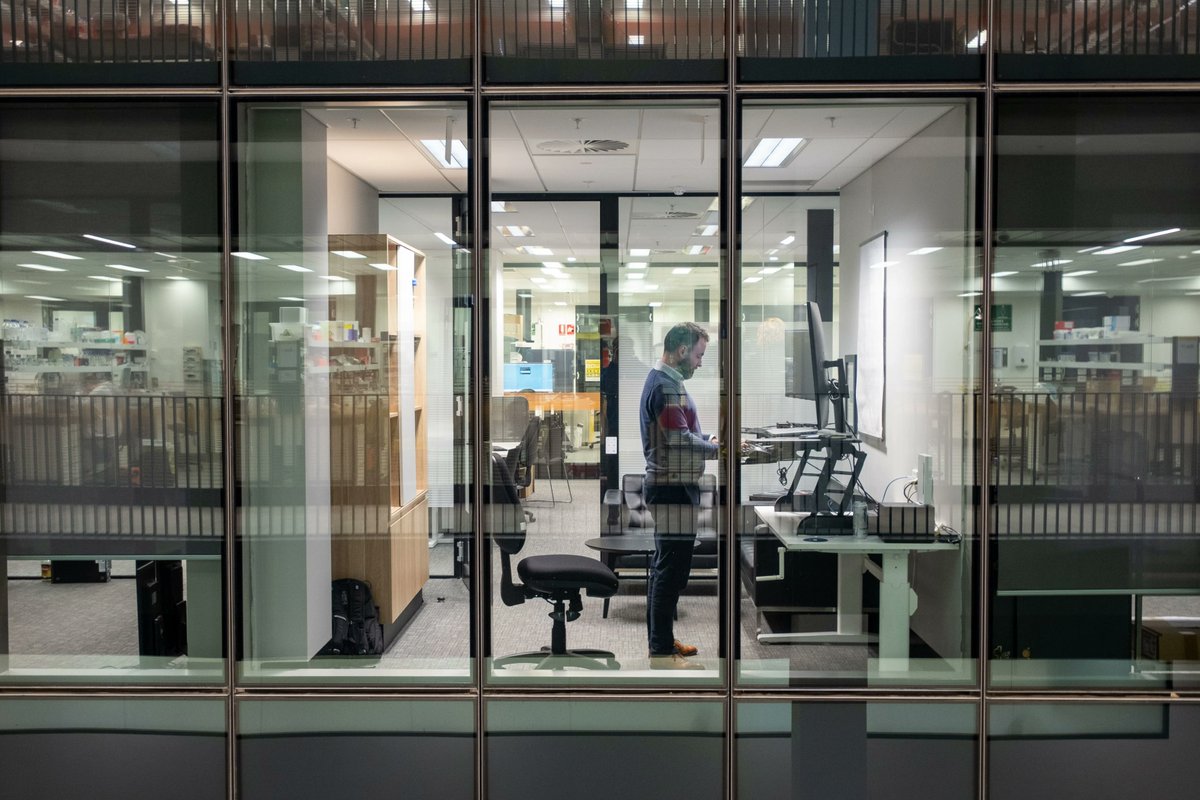
xAI NEWS: Paul Conyngham, a Sydney-based tech entrepreneur and AI consultant, used Grok to finalize a mRNA vaccine construct for his dog Rosie's mast cell cancer. Paul used three AI models. He combined ChatGPT for initial ideas, AlphaFold for mutation analysis, and Grok took the mutation data and other inputs to create the final sequence for the custom mRNA vaccine targeting those exact mutations. Paul sequenced Rosie's healthy DNA and the tumor DNA for $3,000 at the University of New South Wales' (UNSW) Ramaciotti Research Centre, in Sydney, Australia. He partnered with researchers like Prof. Pall Thordarson and Prof. Martin Smith for manufacturing and injection. They reported a 75% shrinkage in one tumor.
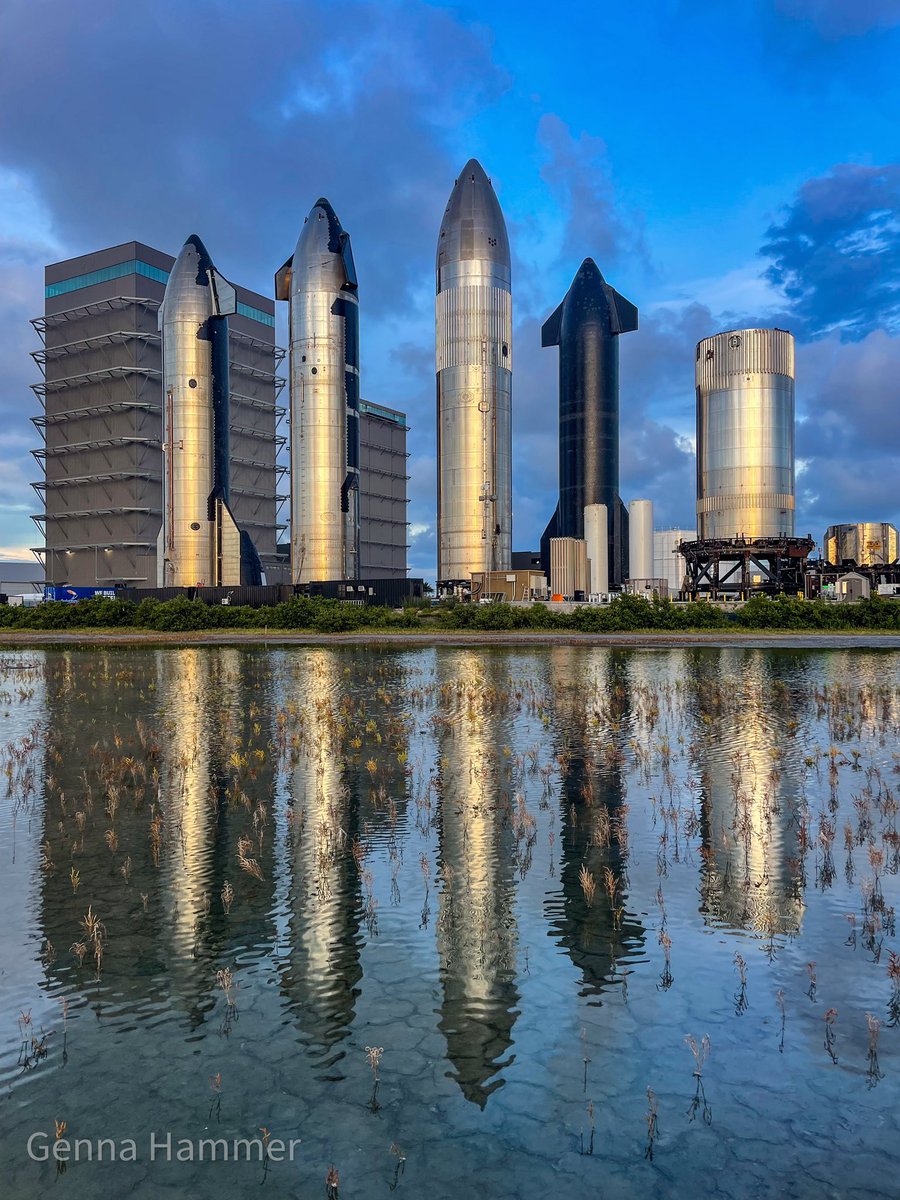
SpaceX Starship rocket garden https://t.co/USR70UYWSg
xAI, to understand the Universe Grok Imagine to make it more beautiful https://t.co/xbNzfRhwPx
Ehrlich's legacy includes mass sterilization campaigns in India, China, and Peru. India's program was at such a massive scale that, in one year, they sterilized 15 times more than the Nazis did during their entire reign. https://t.co/MoW3PEMcx7


help us find some students! https://t.co/Q2s5YmoYPx https://t.co/ODI80zf01N
help us find some students! https://t.co/Q2s5YmoYPx https://t.co/ODI80zf01N
Mistral Small 4 is out https://t.co/IdAowSpHpN

Hello subagents in codex. Have seen some awesome new and creative workflows emerge from these https://t.co/kw1ua4QjMh
Subagents are now available in Codex. You can accelerate your workflow by spinning up specialized agents to: • Keep your main context window clean • Tackle different parts of a task in parallel • Steer individual agents as work unfolds https://t.co/QJC2ZYtYcA

Hello subagents in codex. Have seen some awesome new and creative workflows emerge from these https://t.co/kw1ua4QjMh

Nemoclaw is now released 🤙 Sandboxes and policy controls to run OpenClaw safely. Leverages local GPU if available It’s still in alpha, but check it out https://t.co/WWFR43a6Qi https://t.co/UJ4dphlkZP
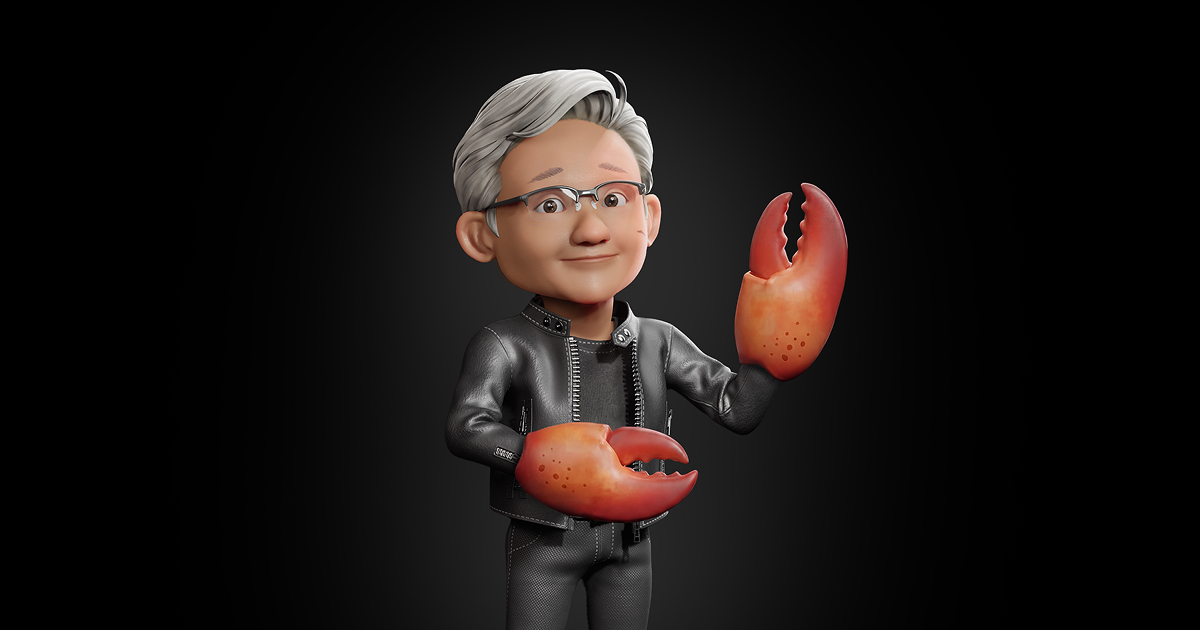
Lobster has entered the building 🦞💚🤙 @steipete @NVIDIAAIDev https://t.co/O4O78V4tA2
🚨URGENT MENTAL HEALTH UPDATE🚨 Klaus Kinski Explosive Rage Fancam 🤬sound on🤬 https://t.co/X45Bq5OPLl
🚨URGENT MENTAL HEALTH UPDATE🚨 Klaus Kinski Explosive Rage Fancam 🤬sound on🤬 https://t.co/X45Bq5OPLl
Nemoclaw is now out 🤙 Sandboxes and policy controls to run OpenClaw safely. Leverages local GPU if available It’s still in alpha, but check it out https://t.co/WWFR43a6Qi https://t.co/dPmG283TlH
Lobster has entered the building 🦞💚🤙 @steipete @NVIDIAAIDev https://t.co/O4O78V4tA2
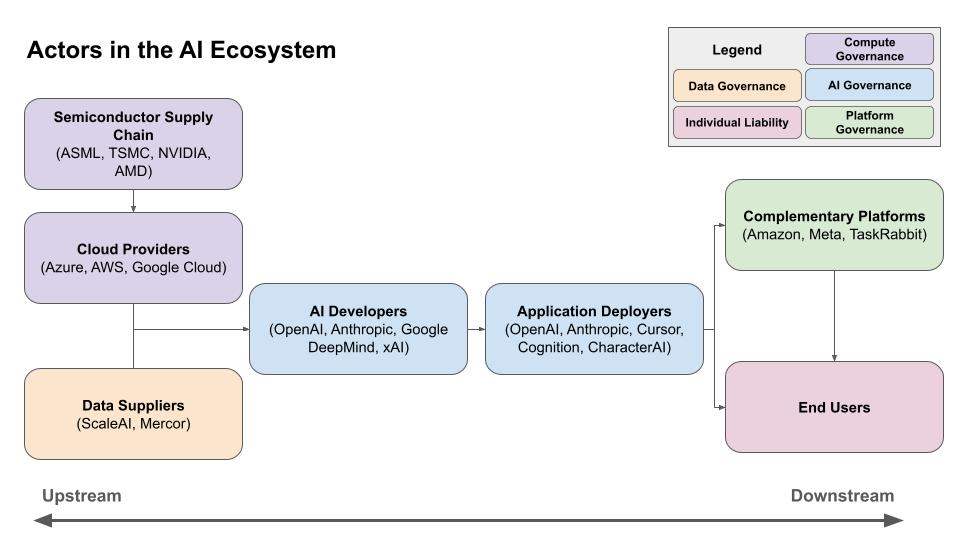
State lawmakers introduced over 1,200 AI bills in 2025. They cover everything from deepfakes to autonomous weapons—but they're all just lumped together as "AI policy." @ARozenshtein and I wrote an article that breaks down the policy landscape along three dimensions: (1) what harm are you addressing, (2) what are the factors shaping how you should design your policy intervention, and (3) which actors in the ecosystem should you target? The diagram below, for example, maps the AI ecosystem from chip manufacturers to end users.
#NVIDIAGTC news: NVIDIA announces NemoClaw for the OpenClaw agent platform. NVIDIA NemoClaw installs NVIDIA Nemotron models and the NVIDIA OpenShell runtime in a single command, adding privacy and security controls to run secure, always-on AI assistants. https://t.co/v1LtP3c8ZW
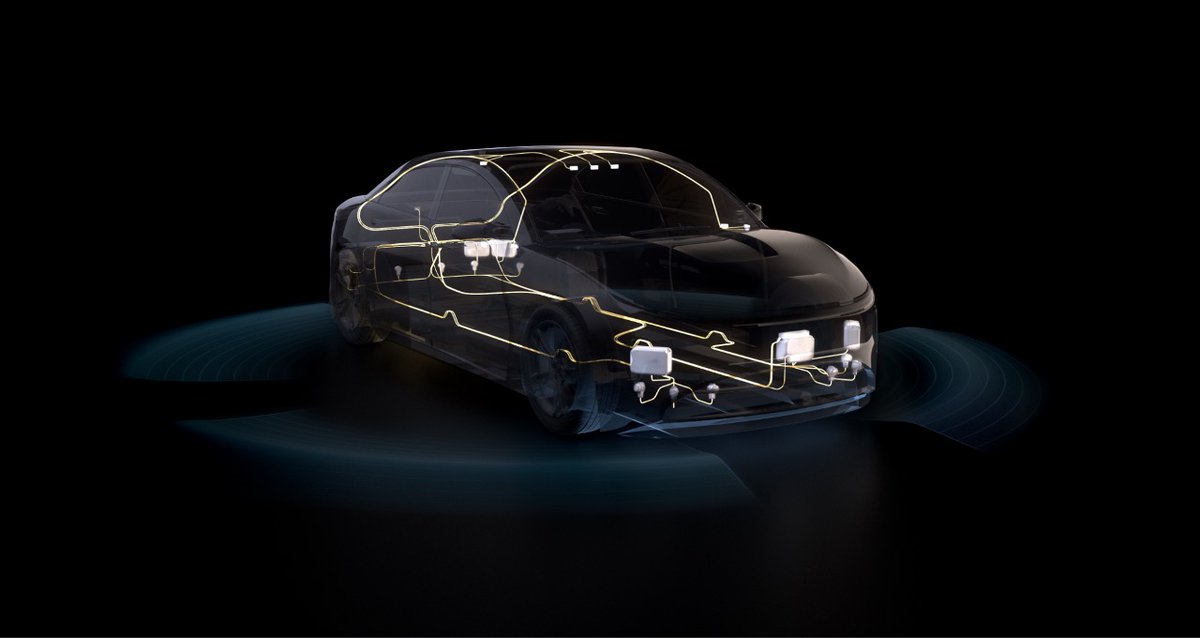
NEWS: NVIDIA has announced that BYD, Geely, Isuzu and Nissan will use the company's DRIVE Hyperion platform to develop level 4 autonomous vehicle programs. Nvidia also introduced Alpamayo 1.5, "an upgrade that expands NVIDIA Alpamayo — an open portfolio of AI models, simulation frameworks and physical AI datasets for building safe, transparent, reasoning-based AVs — with an interactive, steerable reasoning model." Jensen Huang: The autonomous vehicle revolution is here, the first multitrillion-dollar robotics industry. Everything that moves will eventually be autonomous. The NVIDIA Hyperion platform and our Alpamayo open reasoning models give vehicles the ability to perceive their surroundings, reason through complex situations and act safely, making scalable, level 4 autonomy possible.”
Your AI agents can now learn entire skill trees from the web. Meet the new HyperSkill Give it a topic. It reads the docs and builds a skill tree your agent can navigate.Browse the graph. Download. Drop into your project. Open source. Powered by Hyperbrowser. https://t.co/9OC8e8urgH
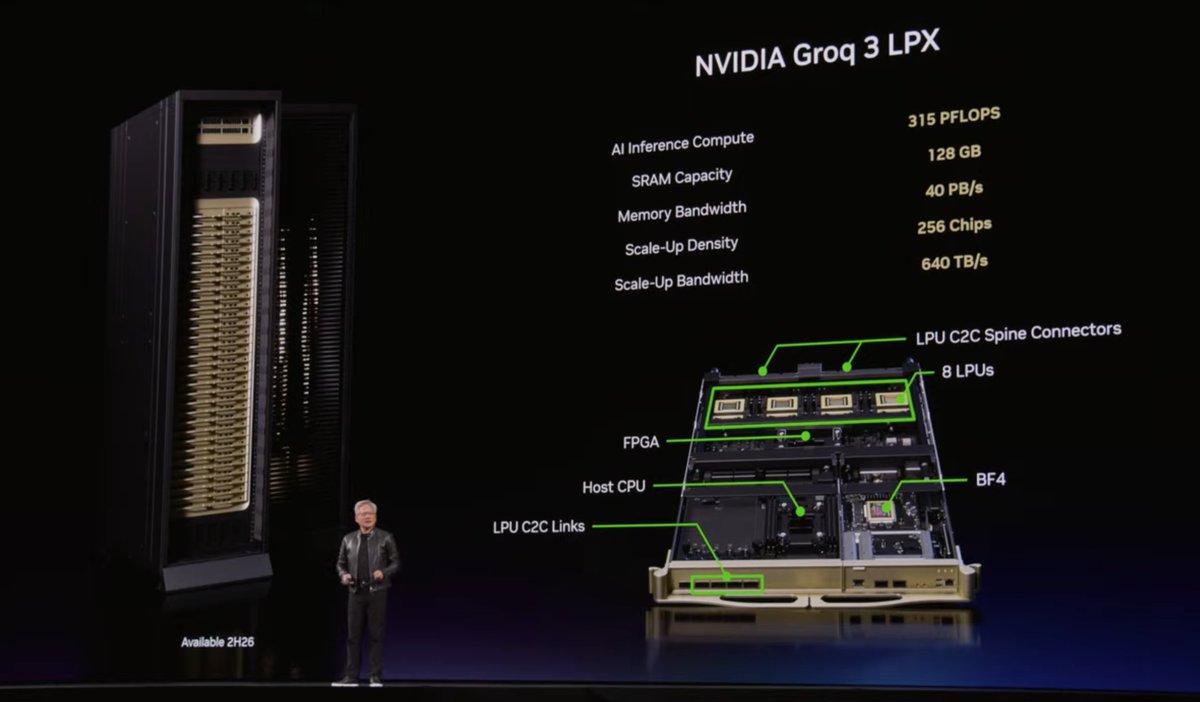
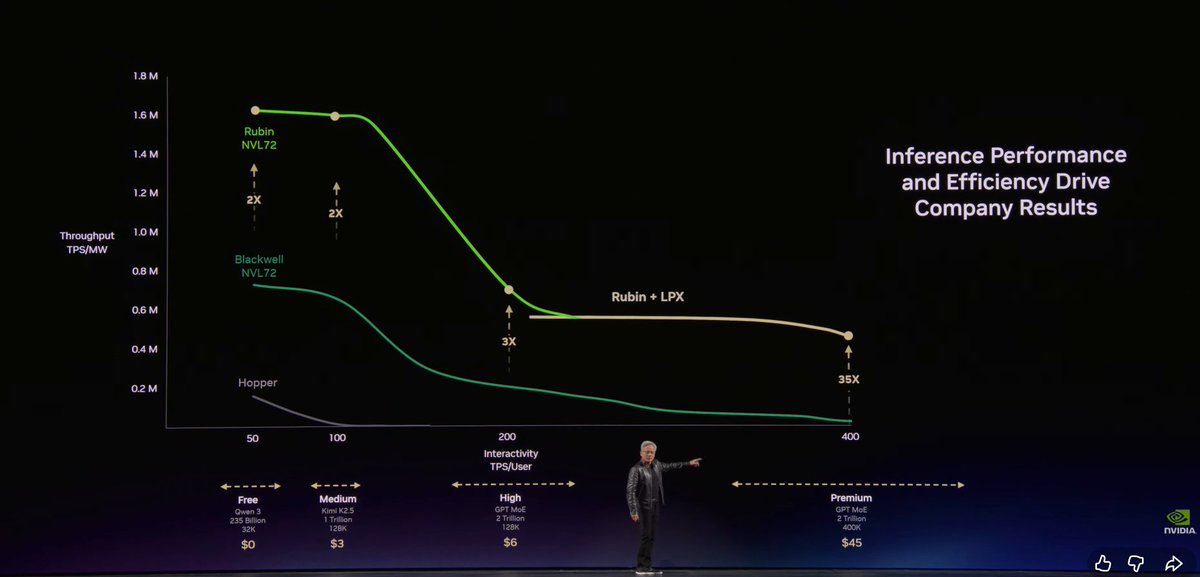
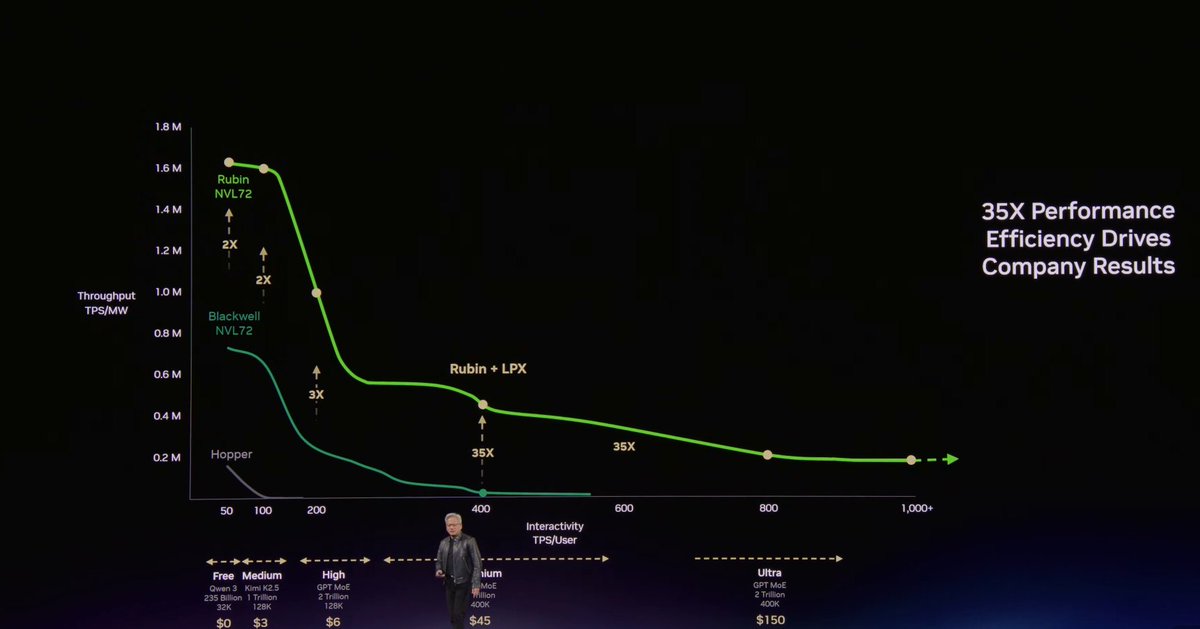
The most anticipated announcement of the keynote: NVIDIA is announcing a new LPU, the @NVIDIA @GroqInc 3 LPU, that pairs with Vera Rubin NVL72 via a dedicated LPX rack connected over Direct C2C. Claims are 35x inference throughput over Blackwell for trillion-parameter models. The idea is to combine GPU throughput with LPU latency to push the Pareto curve on high-interactivity workloads. Lots of questions still on cost, capacity tradeoffs, and real-world deployment, but the architecture concept is fascinating.
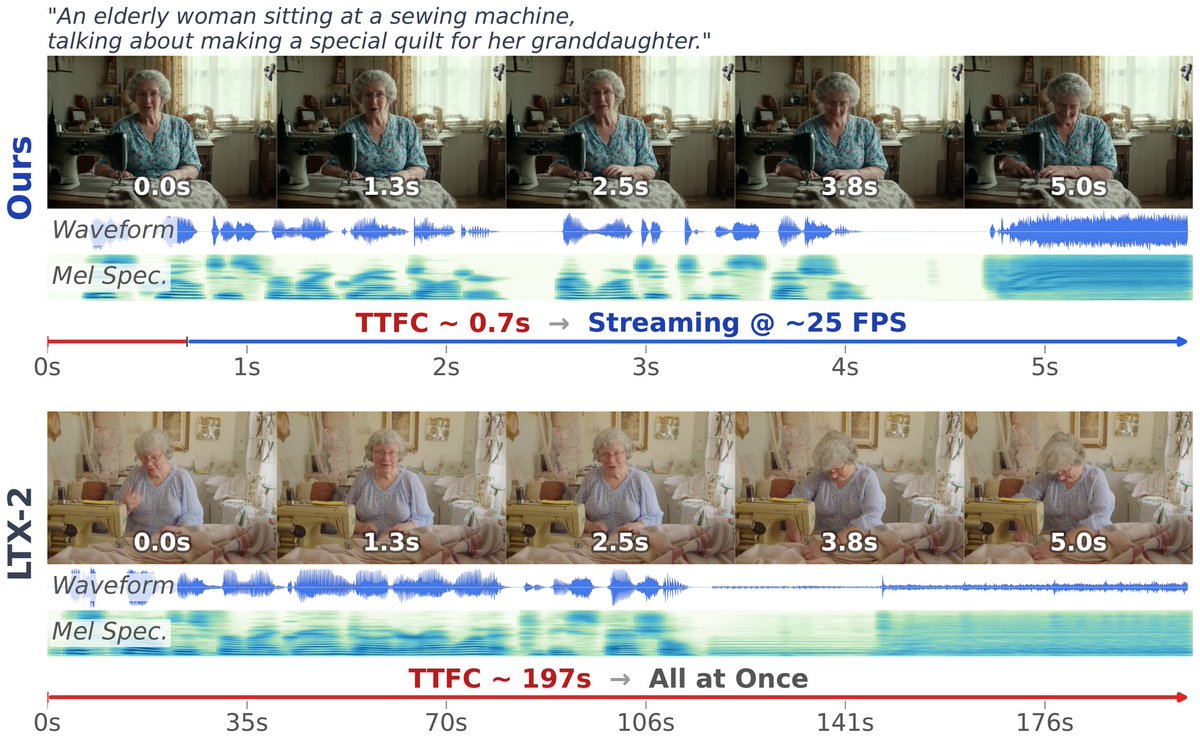
OmniForcing unlocks real-time joint audio-visual generation Achieves ~25 FPS with 0.7s latency—a 35× speedup over offline diffusion models—by distilling bidirectional LTX-2 into a causal streaming generator with maintained multi-modal fidelity. https://t.co/UGYGMyTQOs
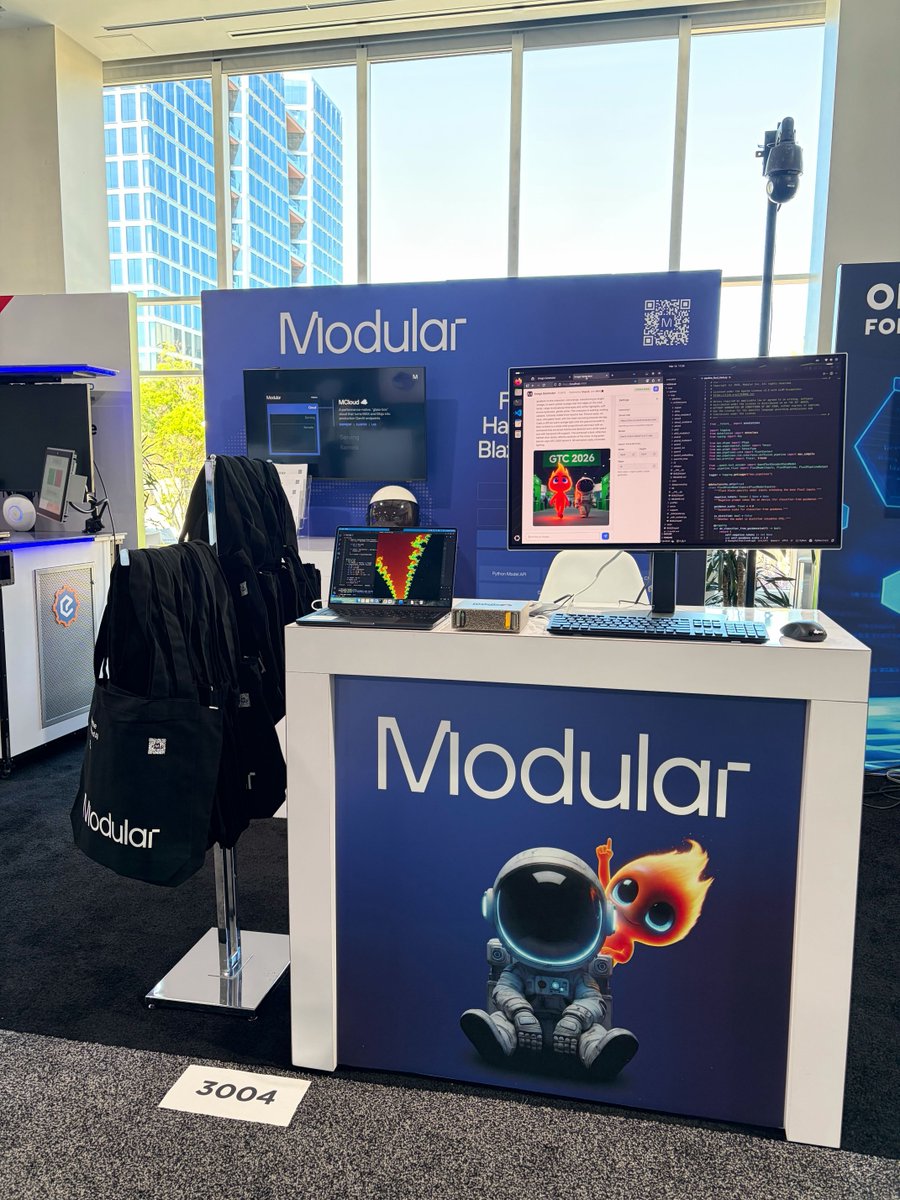
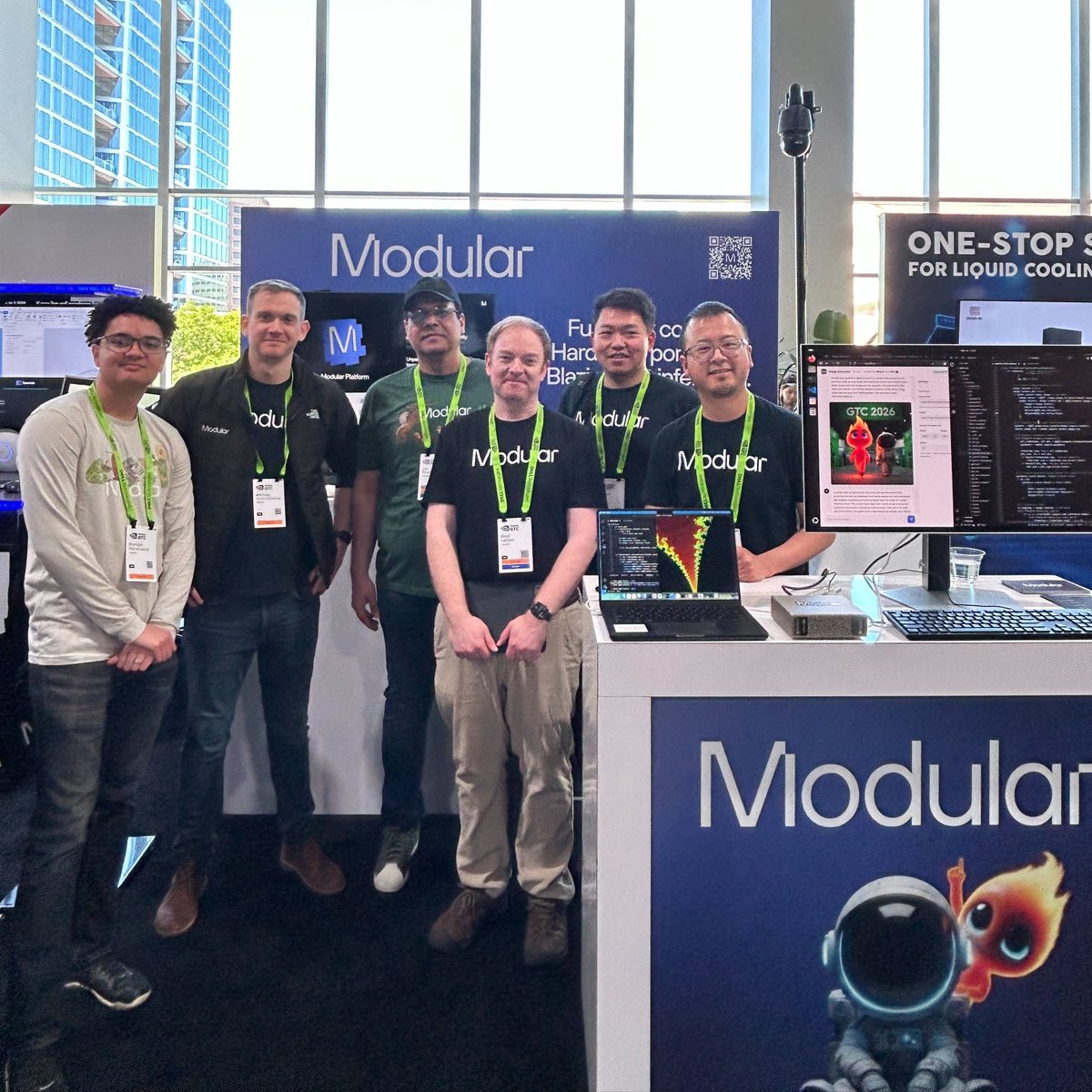
We're live at @NVIDIAGTC! 👋 Find us at Booth #3004, San Jose Convention Center. We'll be here all week running live GPU demos on NVIDIA Blackwell. Come see MAX + Mojo 🔥 in action. #NVIDIAGTC https://t.co/klsRp0dnlT
Subagents are now available in Codex. You can accelerate your workflow by spinning up specialized agents to: • Keep your main context window clean • Tackle different parts of a task in parallel • Steer individual agents as work unfolds https://t.co/QJC2ZYtYcA
But how do we turn this record growth into healthy communities? Here is how open source scales in a global era. 📈 https://t.co/6Ai1U64zCs
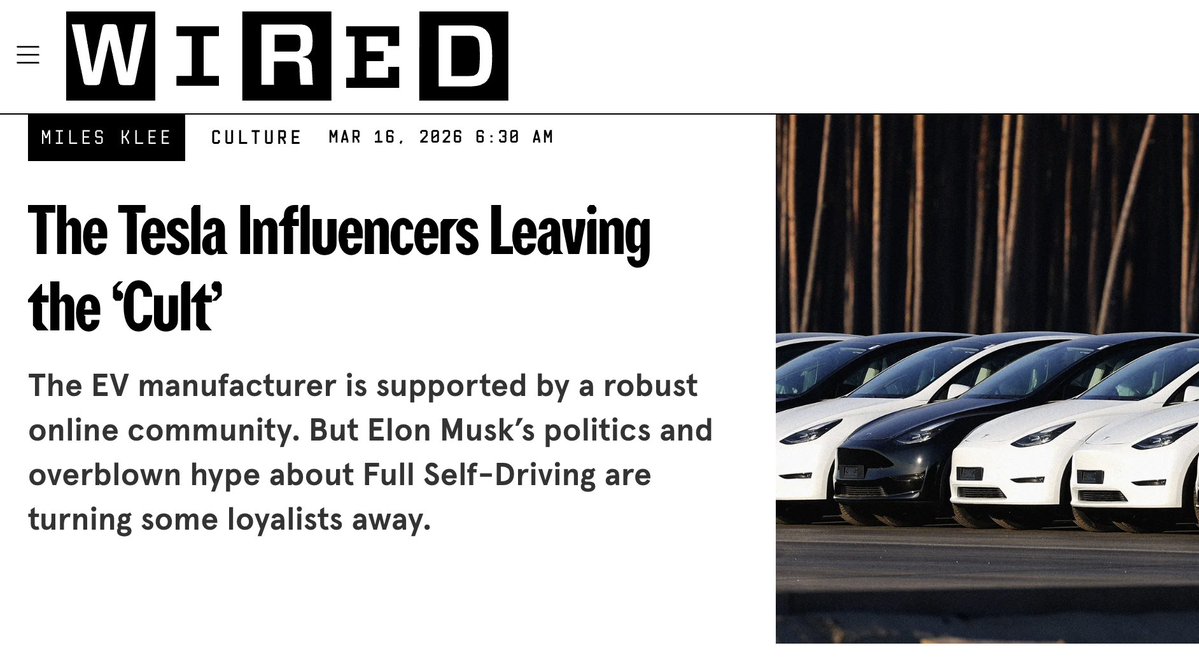
The online community of Tesla believers has grown more zealously defensive of the company and CEO Elon Musk, even as flashy promises fizzle and Musk grows more politically radioactive. But some Tesla owners have tired of this "cult" mentality—and are voicing their dissent. https://t.co/5KVEVFJygS
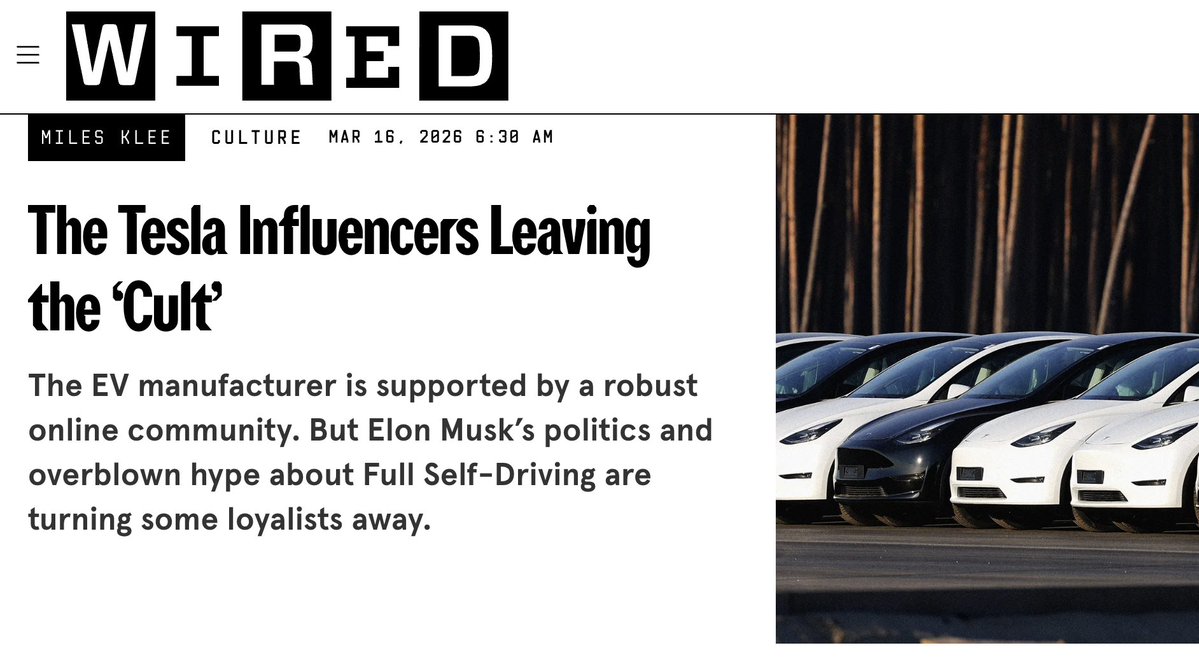
Story: https://t.co/2NkLqNzB5t
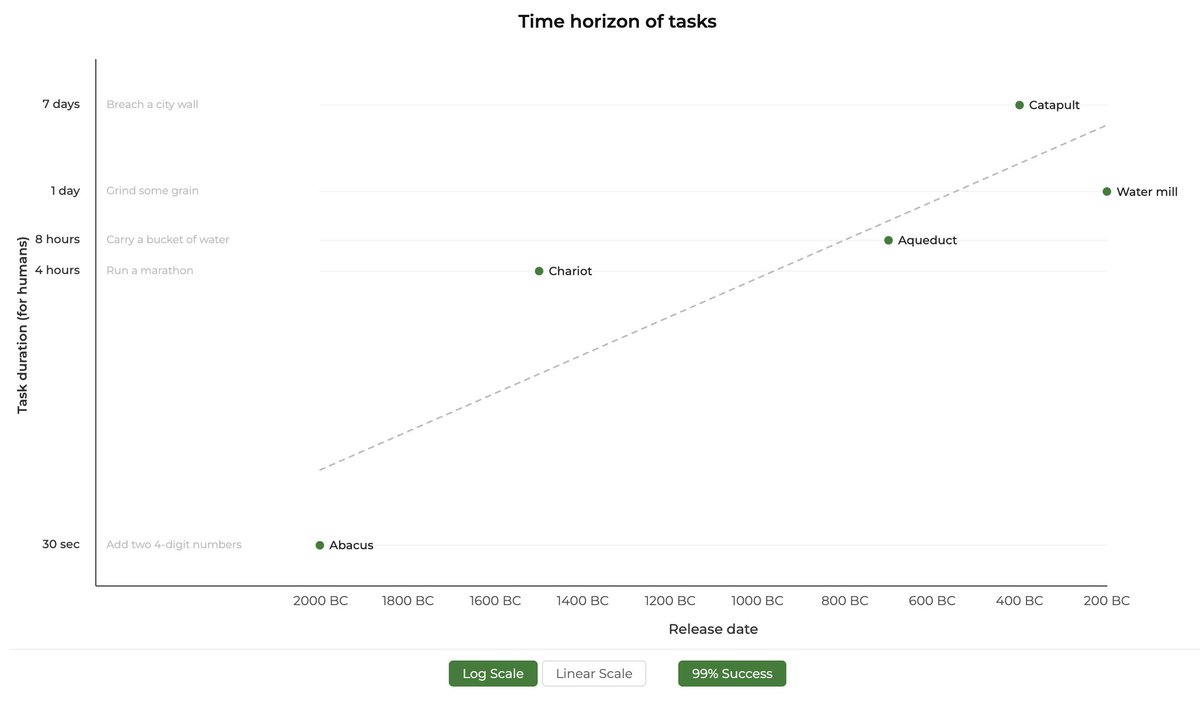
Monday morning shitposting: let's teach kids ancient history with METR-style plots https://t.co/7a1NEJR6GQ
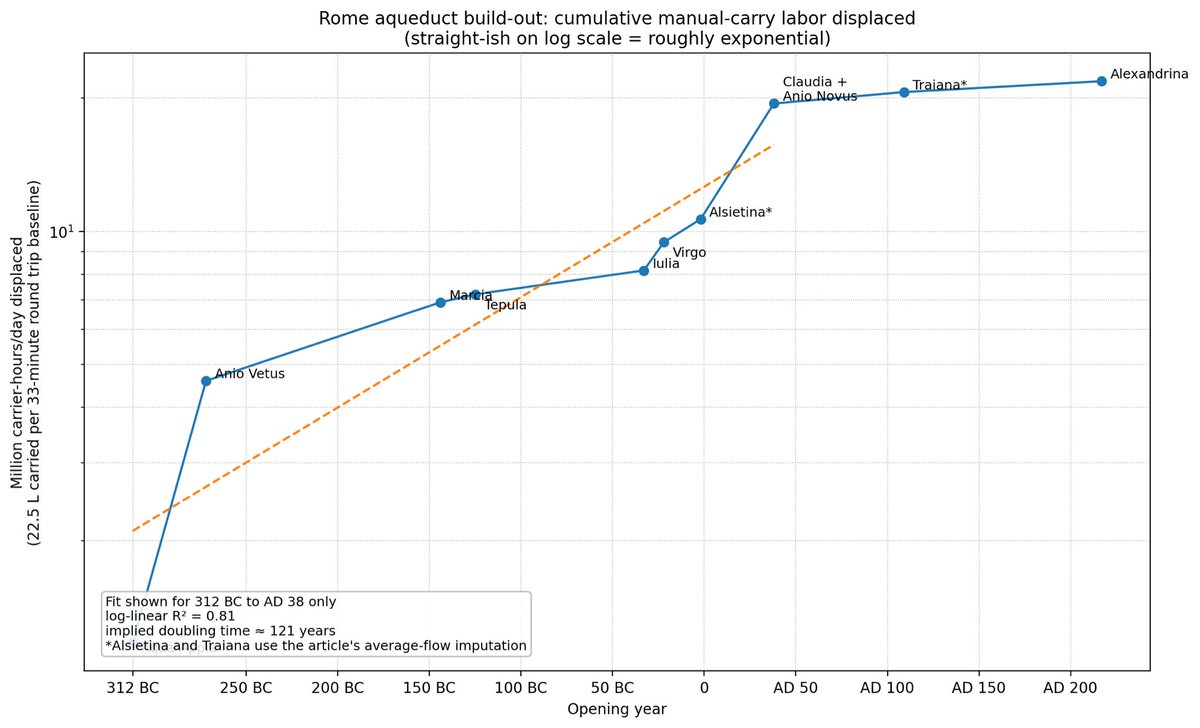
This, but for real* Here’s METR-style graph of labor displacement from Roman aqueducts, doubling time of CDDII years. Lesson: 1) Displacing terrible work is good 2) All exponentials become s-curves in the end * I had GPT-5.4 Pro do the research, spot checks seemed accurate. https://t.co/9XZTwmDQxP
Monday morning shitposting: let's teach kids ancient history with METR-style plots https://t.co/7a1NEJR6GQ
Grok's Text to Speech API is now available. Start building with natural voices and expressive controls to bring your apps to life. https://t.co/SMxWTB9m6N https://t.co/UtHT0uN148
Are you ready Palo Alto??? Genspark Claw is live, and we're getting together next Monday (Mar 23, 5–8pm). → Live founder talk → Genspark Claw setup → Leave with a workflow you can use the next day + fun prizes! Every attendee gets 1 week free + 5,000 credits. Best use case wins 12 months of Genspark Claw. Spots are limited, so RSVP soon. See you there! https://t.co/5xra8tW07j
NVIDIA now selling Groq chips https://t.co/zebuQokHSz