Your curated collection of saved posts and media
So much going on this week, I almost missed that @DKokotajlo went on the Daily Show (!!) https://t.co/EUwKjOpxDv

So much going on this week, I almost missed that @DKokotajlo went on the Daily Show (!!) https://t.co/EUwKjOpxDv

Exclusive: Anthropic left details of an unreleased model, exclusive CEO retreat, sitting in an unsecured data trove in a significant security lapse. Great reporting from @FortuneMagazine's @beafreyanolan https://t.co/O4NFOGE5qz
Wow, @flea333’s new album is incredible from start to finish. The Maggot Brain cover is such a vibe and Frank Ocean’s Thinkin About You cover really tugging at my heartstrings. https://t.co/oFwcltN0aV

Thanks @thsottiaux We reset rate limits so you can try out plugins! https://t.co/Q8mUkk5n5u
Grok Imagine just keeps getting better and nobody's talking enough about it → Extend up to 30-second videos from text prompts → Input 7 images to build a full scene → 720p output → 75% cheaper than Veo 3.1, 80% cheaper than Sora 2 Pro Elon confirmed the next upgrade, it'll be "epic" The AI video race has a new leader…and It is far better and faster than you ever Imagined
"If you don't read the newspaper, you're uninformed. If you do read it, you're misinformed." —Mark Twain https://t.co/7zdIOwqJT6
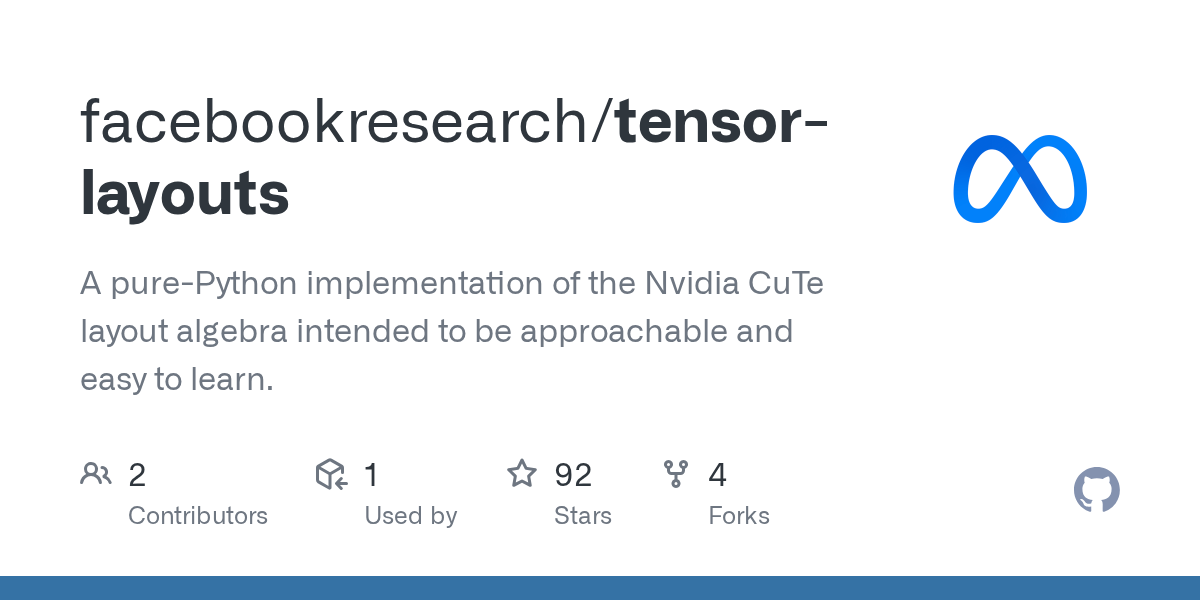
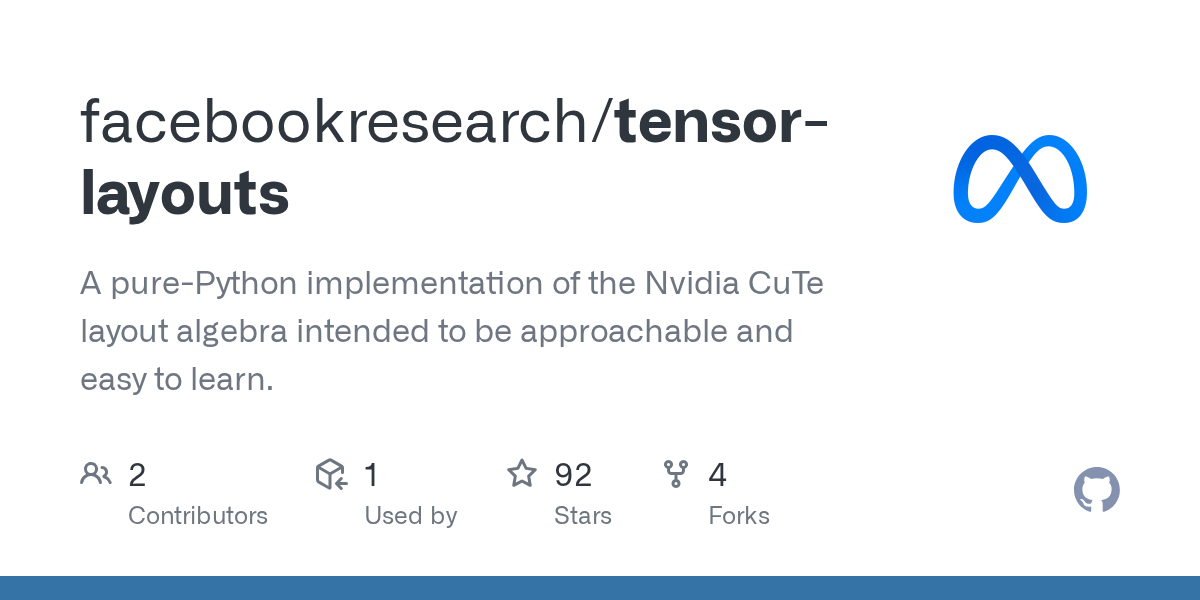
Cool pure Python implementation of CuTe layout algebra: https://t.co/P1tVXrzYZ7 -- with it, it only took a few minutes for Claude to make all of the CuTe paper https://t.co/4QV4wIdJk7 have executable Python code with it too https://t.co/fCyEjLzOeQ
Cool pure Python implementation of CuTe layout algebra: https://t.co/P1tVXrzYZ7 -- with it, it only took a few minutes for Claude to make all of the CuTe paper https://t.co/4QV4wIdJk7 have executable Python code with it too https://t.co/fCyEjLzOeQ
@BEBischof https://t.co/WoqJ5p3ST0

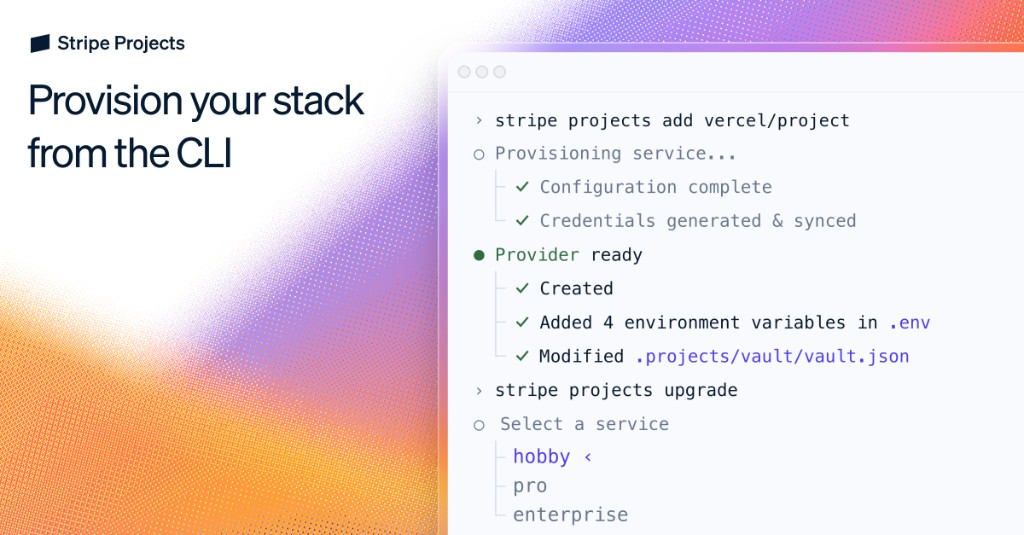
@grinich @patrickc @karpathy @WorkOS For wider distribution might consider https://t.co/LrmBPThdjy by stripe!
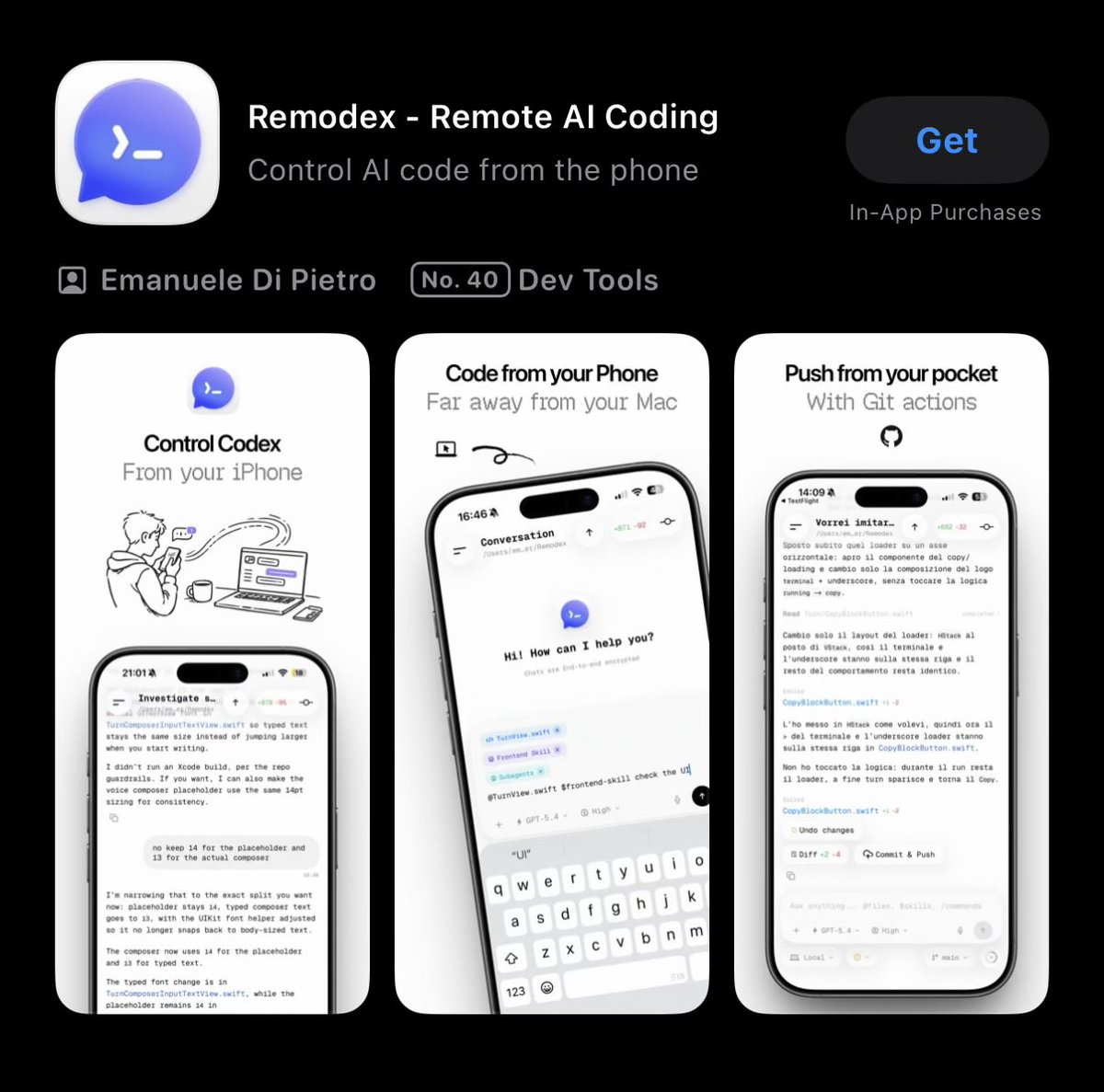
What?! We are already top 40 in the Dev Tools category in the AppStore! 🤯🚀 https://t.co/EYrbkFH0VM
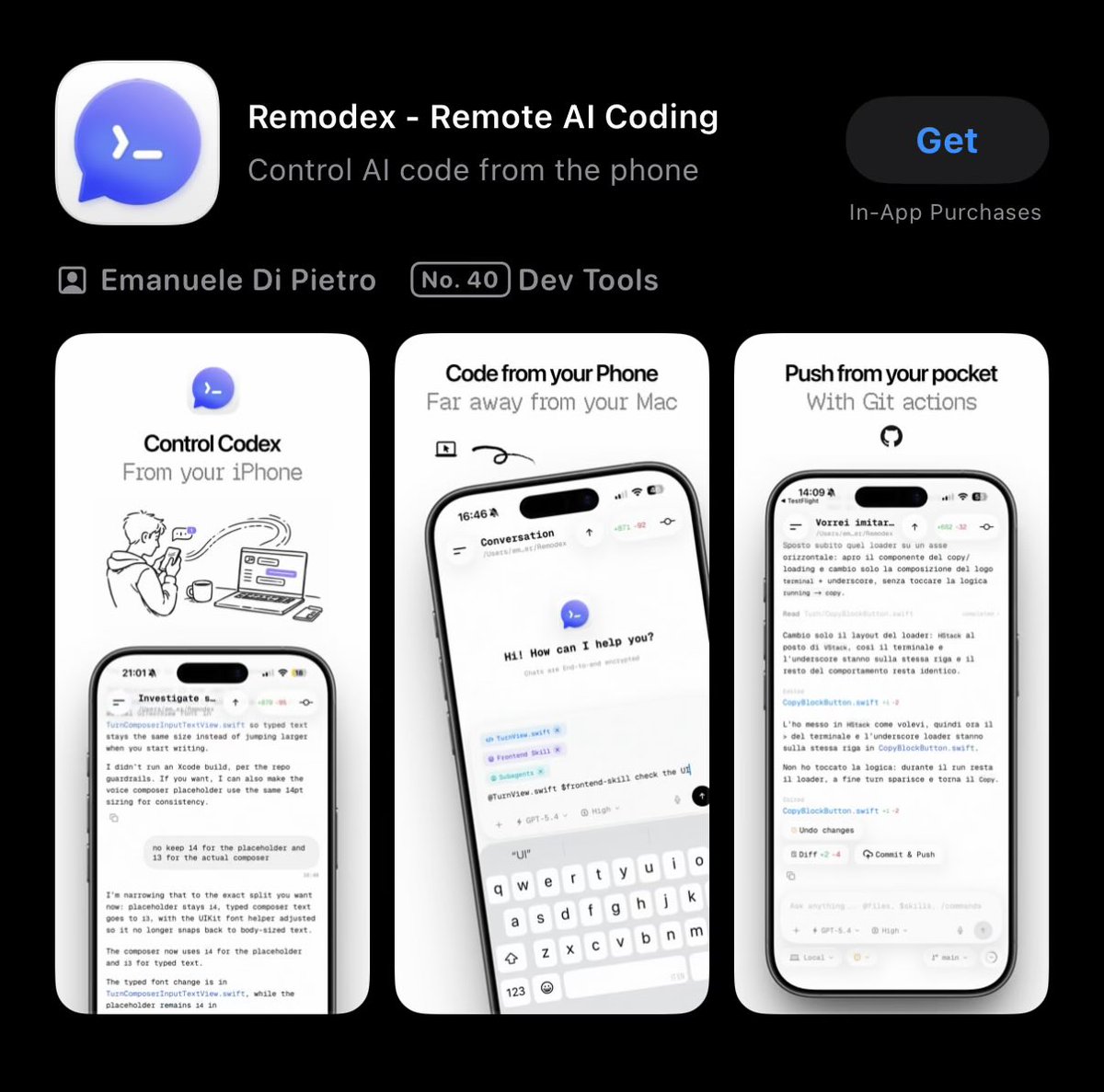
Introducing Remodex ✨ The first Codex Remote Control for iOS! Codex runs on your Mac. Your iPhone controls it, from wherever you are. Pair with one QR scan: → Create threads → Use subagents & skills → E2EE → Git actions and more Open source. Live now on the AppStore! htt
What?! We are already top 40 in the Dev Tools category in the AppStore! 🤯🚀 https://t.co/EYrbkFH0VM
🔥🔥🔥 https://t.co/3UJsiFv9yP

Cinematic quality with Grok Imagine. https://t.co/q7L5pXOMv9
https://t.co/Esw94l6LPF
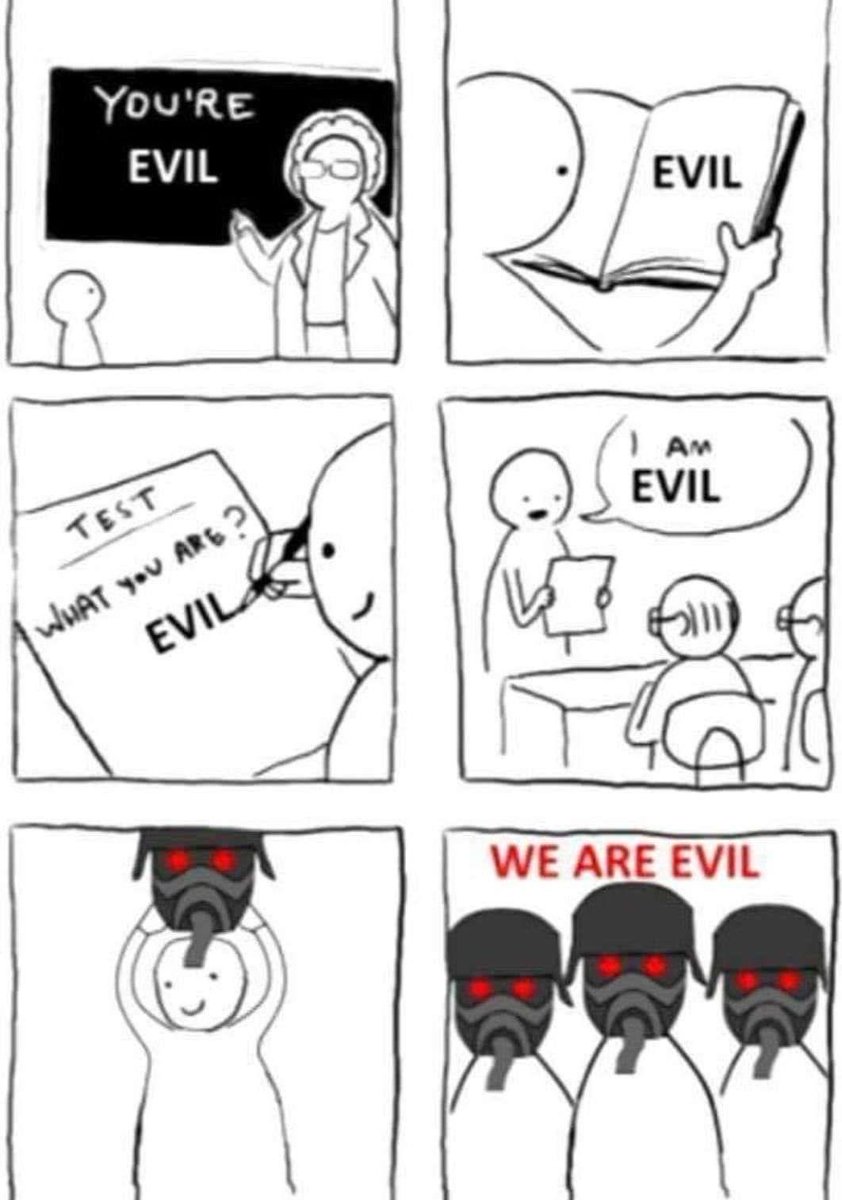
These two photographs are separated by only 66 years. https://t.co/zVvAkai0s3

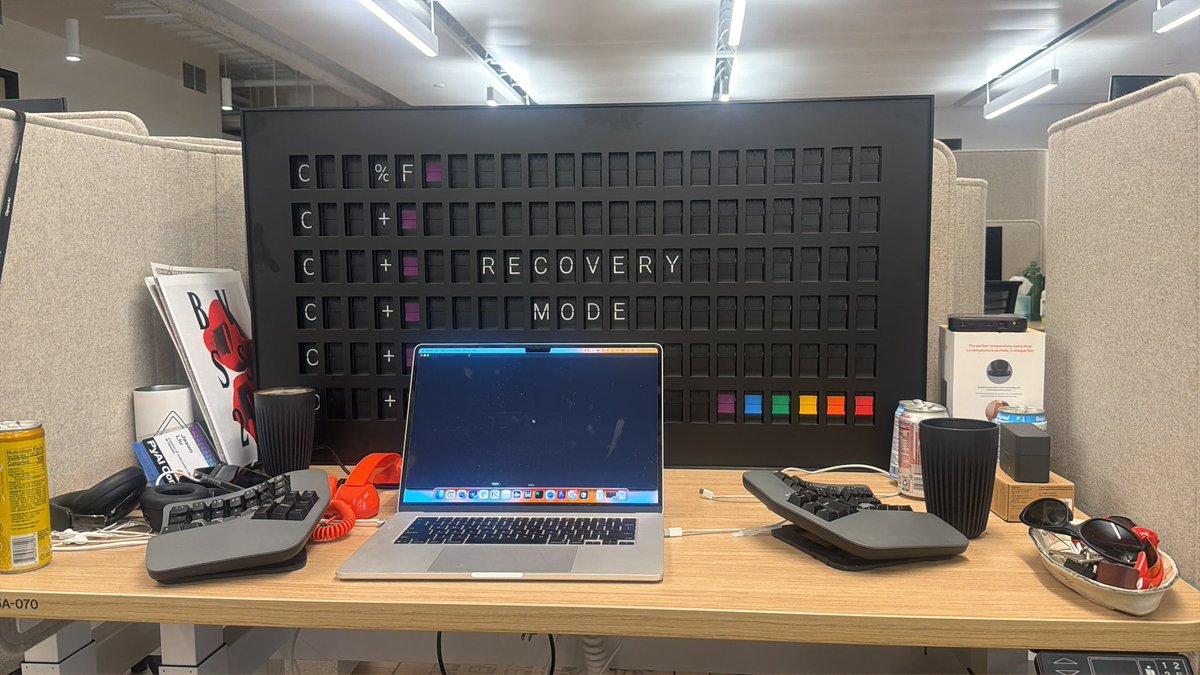
Thank you @vestaboard https://t.co/s8JL8K64fE
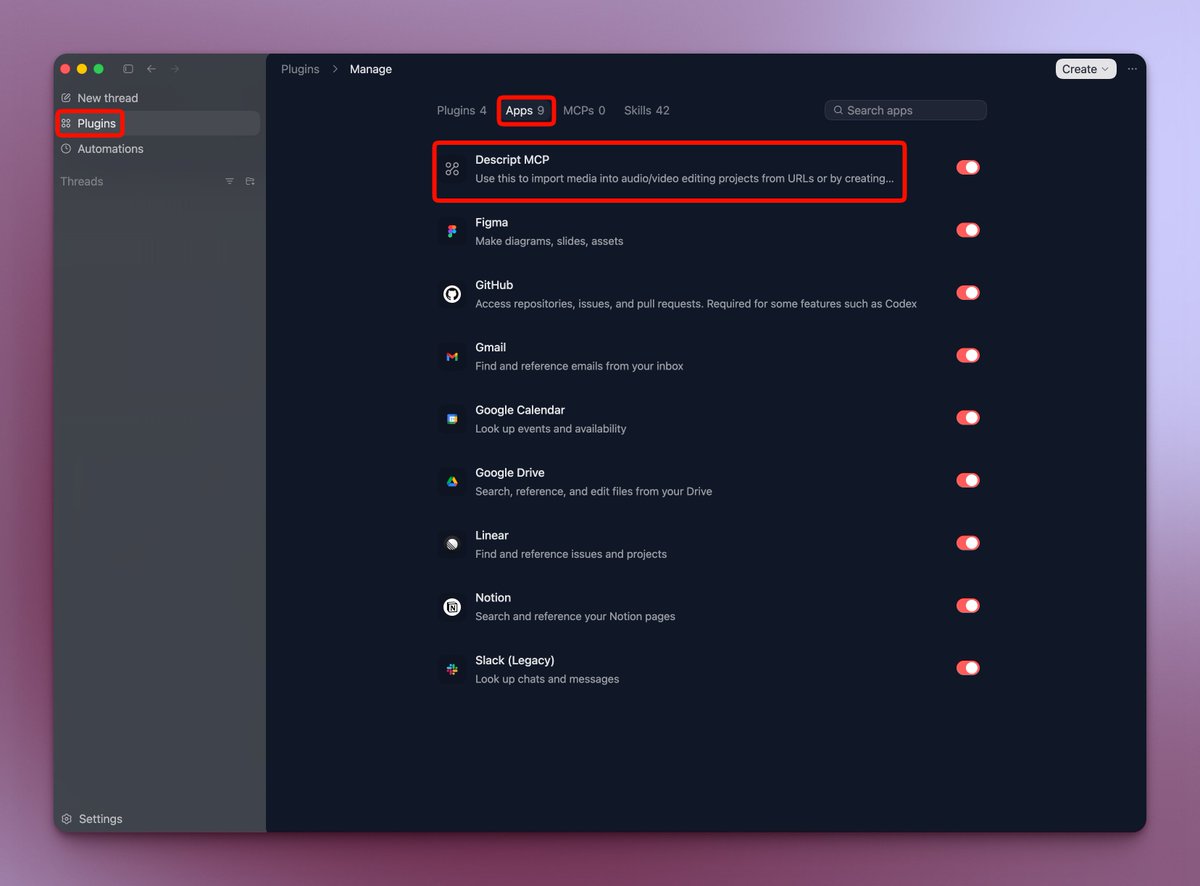
you can use @OpenAIDevs Codex to create and edit @descript projects now... plug ins and skills coming soon just point your ChatGPT or Codex at the MCP server: https://t.co/t4XncuvXoP https://t.co/Z9tcmzz396
We're rolling out plugins in Codex. Codex now works seamlessly out of the box with the most important tools builders already use, like @SlackHQ, @Figma, @NotionHQ, @gmail, and more. https://t.co/PQDsLqHGA6 https://t.co/TIbsIUAf6S
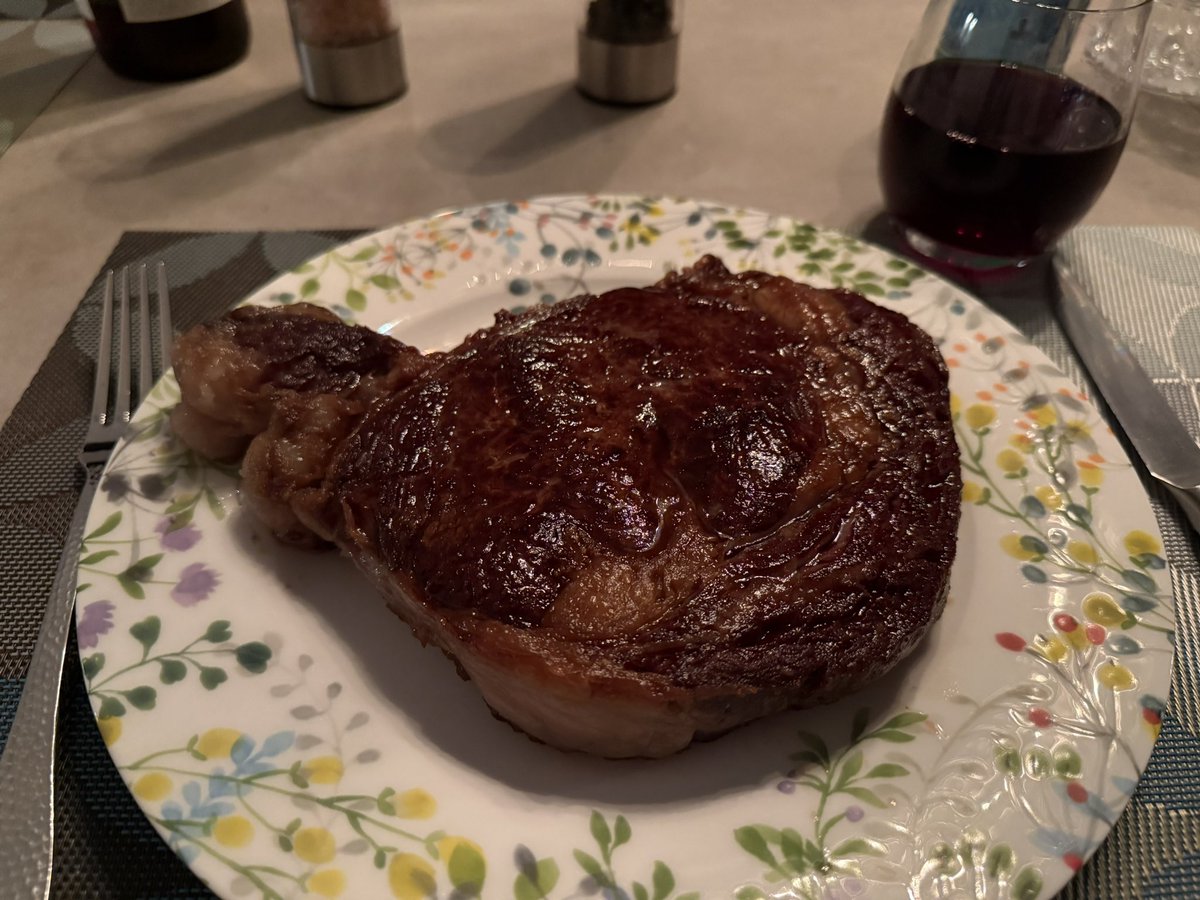
Late night dinner at home https://t.co/UnIHNxi9on
Thanks @thsottiaux We reset rate limits so you can try out plugins! https://t.co/Q8mUkk5n5u
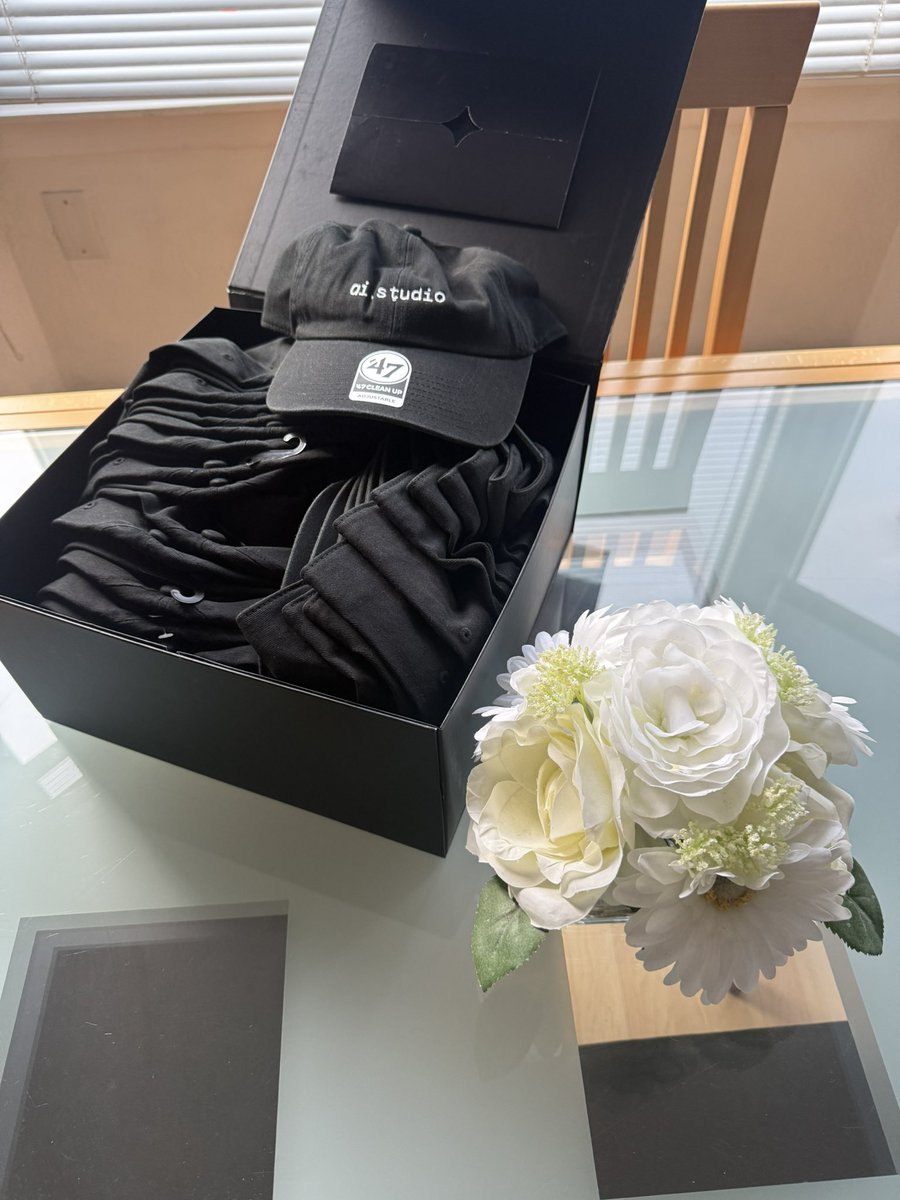
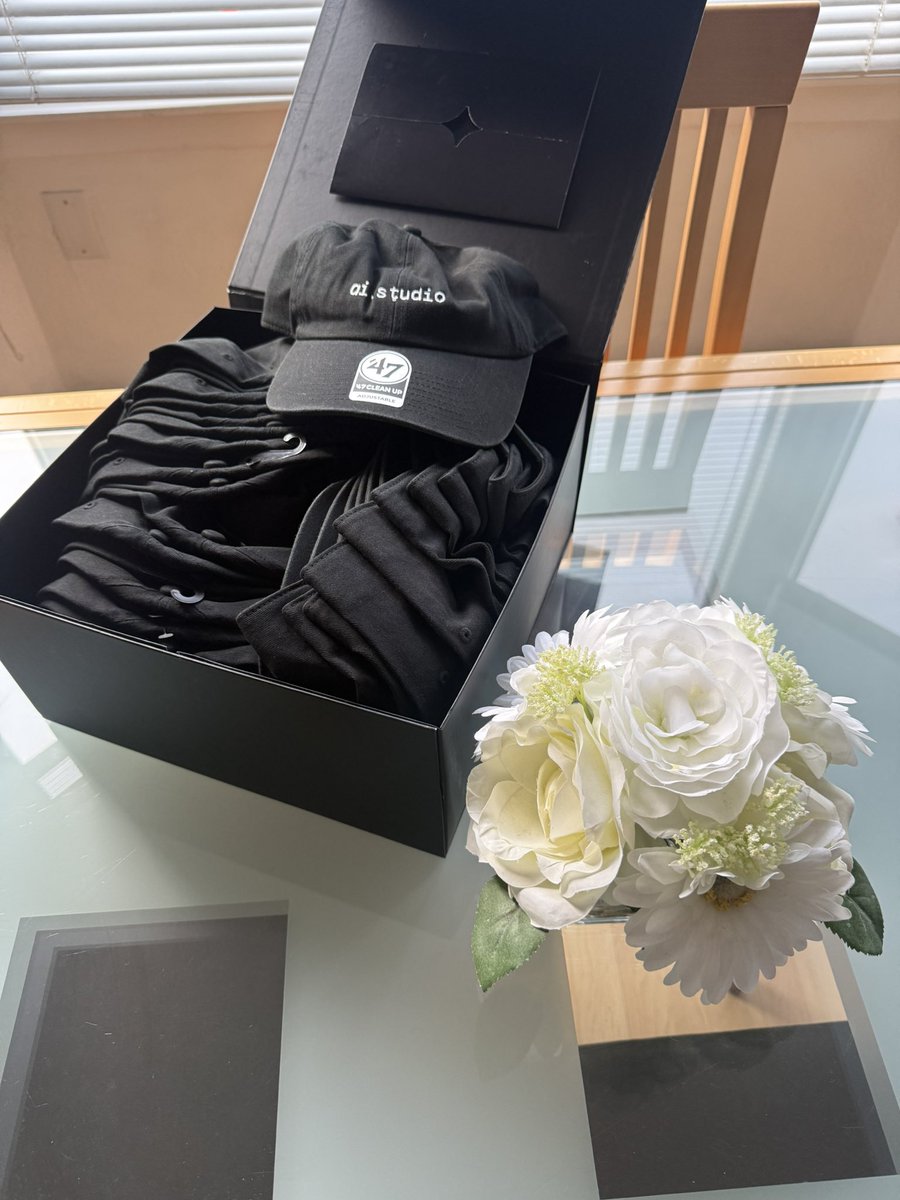
Gonna be at @q_yeon_gyu_kim and @realsigridjin’s OmOCon this weekend with some Gemini merch! I’d love to talk all things agents, harnesses and Gemini in exchange for some of these dope hats :) https://t.co/rGzwUYVepF
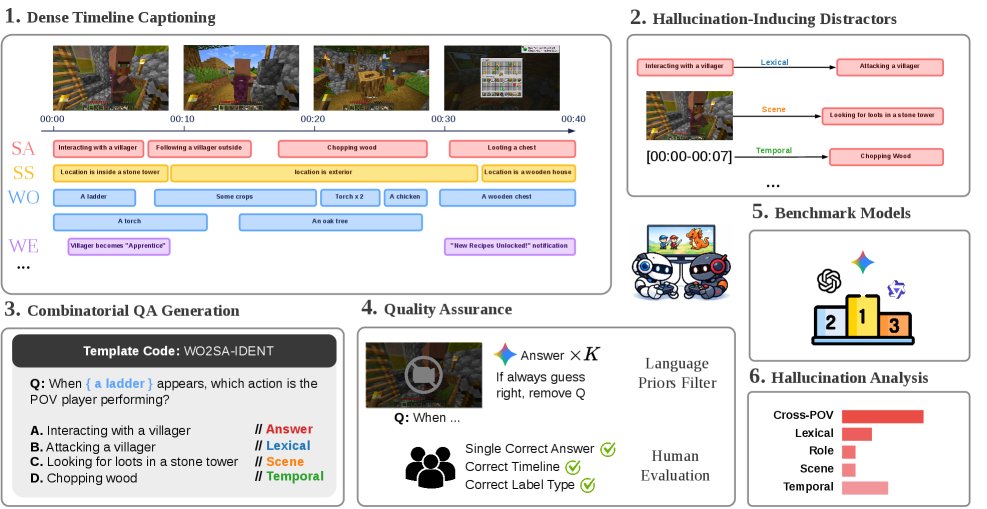
GameplayQA A dense benchmark for first-person multi-video understanding of 3D agents, featuring 1.22 labels/second annotations and 2.4K diagnostic QA pairs across a Self-Other-World taxonomy. https://t.co/wM0hoplsqN
Been playing around with @openclaw. The big news. I don't have a Mac Mini or a DGX computer. So I set up one at https://t.co/jeP0nebHIv. Runs in the cloud. Is secure. Plus they have a curated Skill Hub where you can install skills in one click with zero setup cost. And, yeah, I know I can't use Apple's iMessage like the cool kids, but then I didn't need to put down $900 for a Mac Mini either. :-) Lots of you are still setting up an OpenClaw, I saw that myself where people waited in line at NVIDIA GTC to buy a DGX and get it loaded with OpenClaw or NVIDIA's enterprise variant, NemoClaw. And those people are AI professionals, not everyday people. After I got home from GTC I wanted one too to keep up, but don't have the $5,000 to buy an NVIDIA DGX, or $900 to buy a Mac Mini. Plus I am in a group that is still just trying to learn about what I might want to do with one, and hear about all the security issues about setting them up on a machine that has access to your life. Luckily there are easier to afford, and safer, approaches. https://t.co/jeP0nebHIv is one. Costs $20 a month. Can be cancelled anytime. Runs in its own sandbox on a cloud server. They also have a curated Skill Hub — think of it like an app store for your Claw — where you can install skills in one click and it costs you nothing to install. No configuration, no debugging, just click and go. Yeah, that misses some of the special sauce of OpenClaw. Running it on a Mac Mini lets you add your own services that you control on your own machine, and hook it into, say, Apple's Messenger so that your Claw can send messages to your friends and coworkers. But many people aren't ready for all that yet, they just want to learn and having a cloud setup makes a lot of sense until you are ready to put down $1,000 to $5,000 (or more, @AlexFinn has a $30,000 setup of three Apple Mac Studios) and MyClaw fits the bill and is awesome.
@RayFernando1337 Vibe code this. https://t.co/IQEc9AjIS0
If you’re headed to the @tokensandai hackathon this weekend, I have some AI studio hats for you! I’ll be there with a whole box of them, swing by to talk anything agents and Gemini :) https://t.co/arnunpwJJF
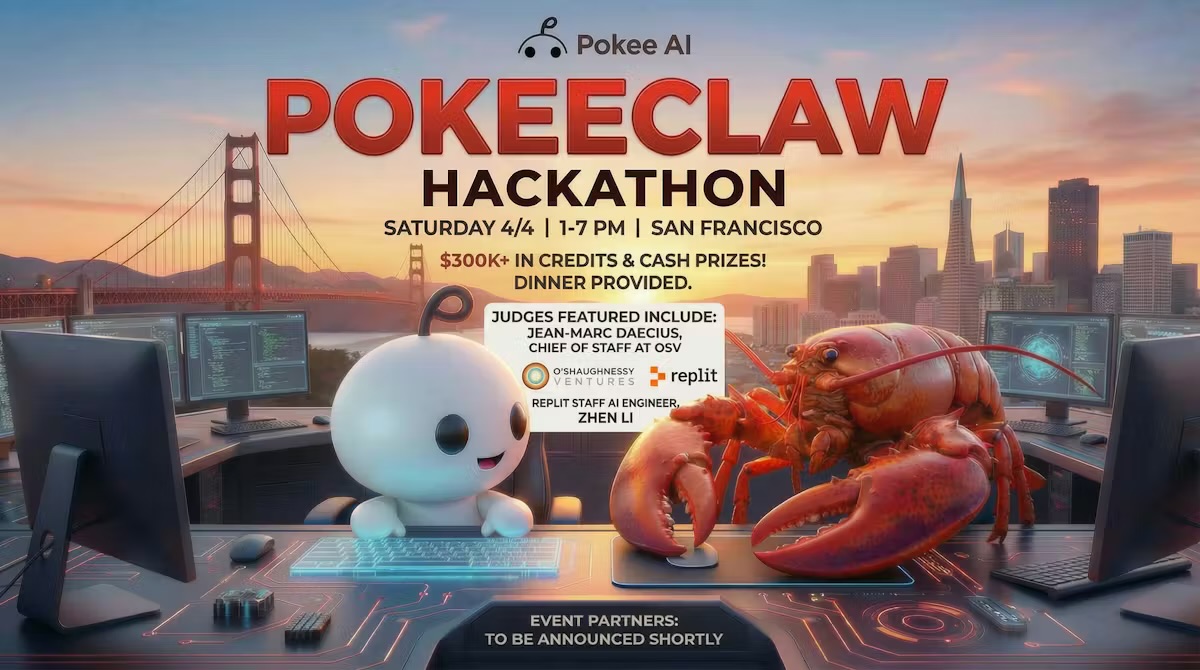
SF — we’re doing a Pokee AI Hackathon on 4/4 and it’s going to be an absolute banger. We’ve got 300k+ in Pokee credits AND $2000+ in separate cash prizes up for grabs, an insane room of builders, dinner covered, and even more judges as well as event partners we’ll be announcing soon! Winners will also be featured in Innovation & Tech Today’s magazine. 🗓️ 4/4 ⏰ 1–7pm (featuring a panel & opening remarks) 🌉 San Francisco (location revealed upon RSVP) 🍽️ Dinner included This is strictly IRL only — no virtual attendance for this one. We are also excited to share that Jean-Marc Daecius (@JMBDaecius), Chief of Staff at O’Shaughnessy Ventures (@osvllc), Zhen Li (@zhenthebuilder Founding Engineer at Replit), and Bill Zhu (@ZheqingZhu Founder of Pokee AI) will be all be judging! Don’t miss this one!
Introducing Overlay: the open source Perplexity Computer. Overlay allows you to do work with the best models. It also lets you set up an OpenClaw cloud instance in one-click! Web: https://t.co/LHbEgt8mfU GitHub: https://t.co/4hpY1DkqK3

Falcon 9 launches 25 @Starlink satellites from California https://t.co/5W86IZi1i2