Your curated collection of saved posts and media
@outsource_ Very. See my report: https://t.co/qeOiuNkiG0
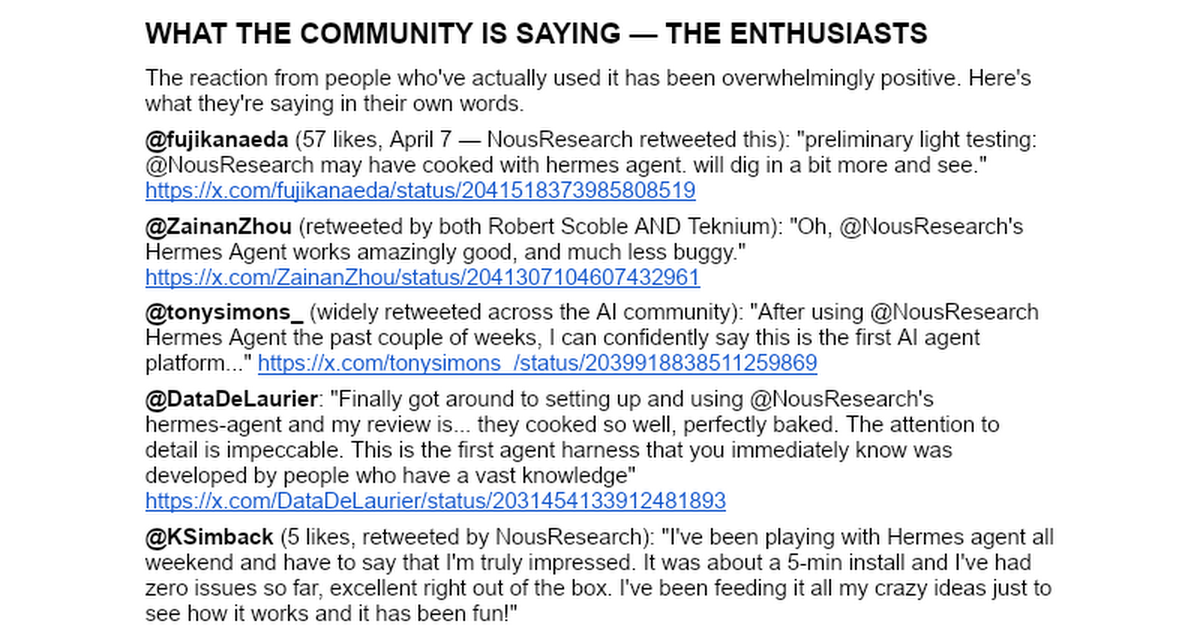
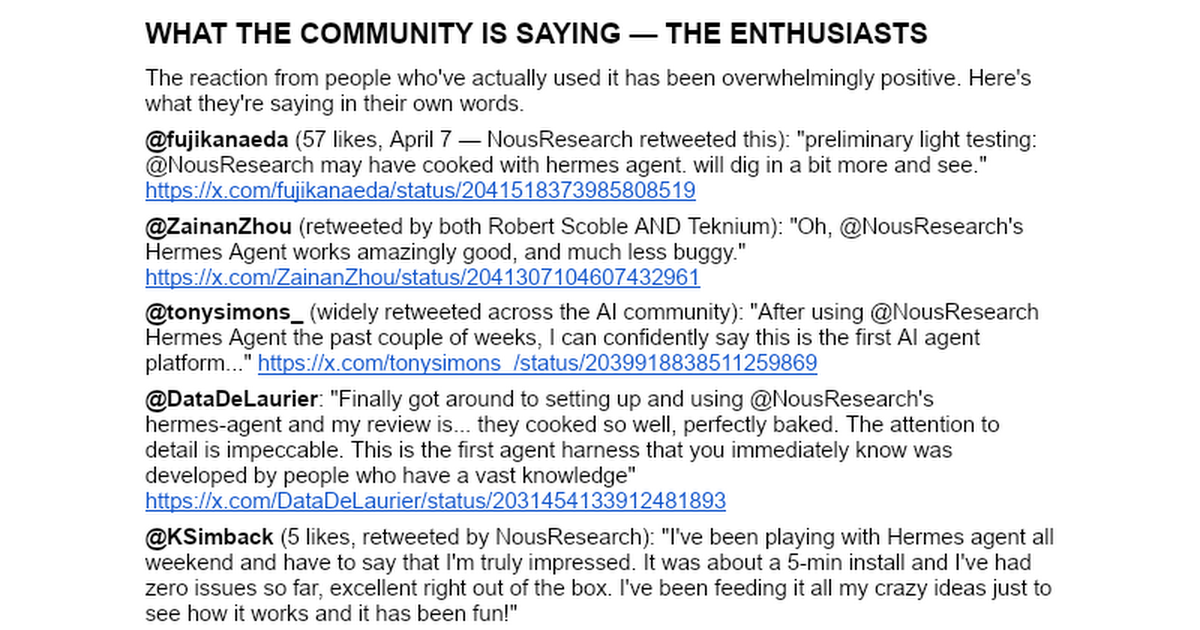
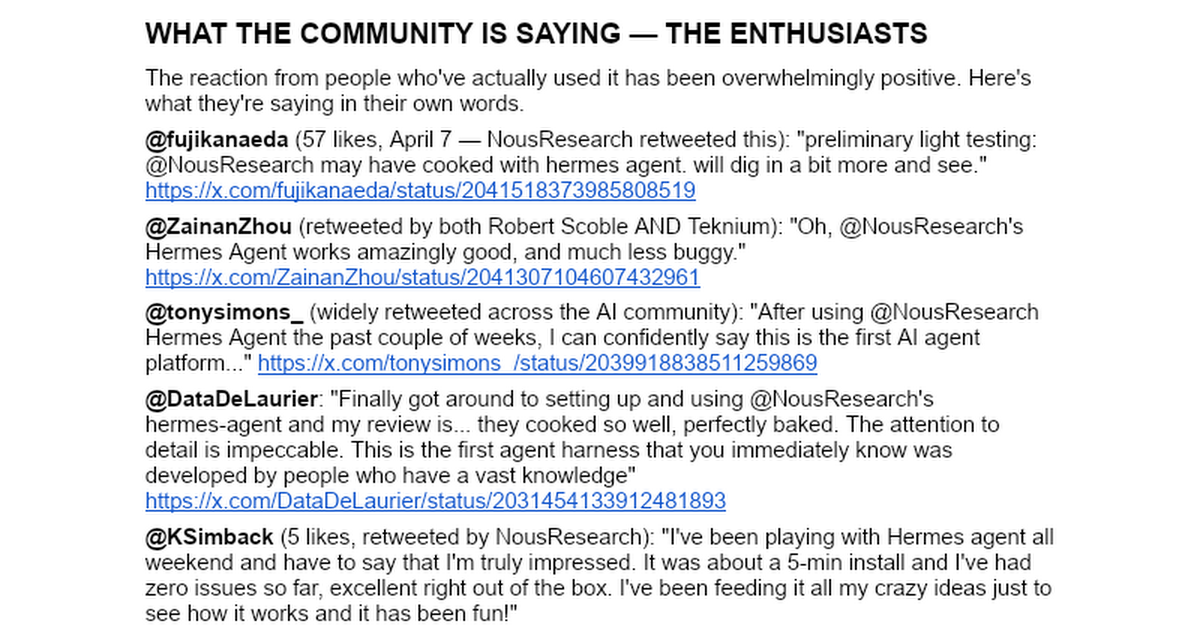
@RyanLeeMiniMax If not, my AI made quite a report on it: https://t.co/qeOiuNkiG0
PixVerse dropped something in January. Cool. But what they just unveiled? Completely different beast. Meet PixVerse R1. This isn't AI video generation. This is real-time, interactive, living video. Not clips. Not renders. A digital reality engine. #PixVerseR1 @PixVerse_ https://t.co/iHcVEGX6jt
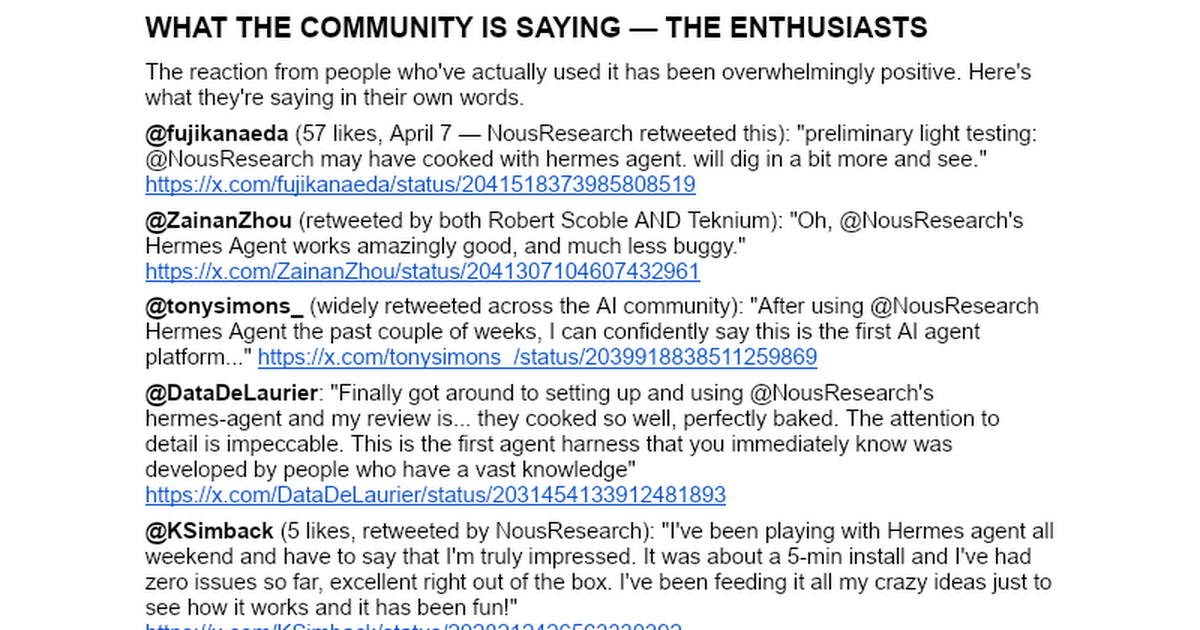
@OnlyTerp @NousResearch And I built you a guide to Hermes too: https://t.co/qeOiuNkiG0
You say you can't keep up. So I built you an AI to do it. https://t.co/kiuZ7QXLzb It's been working in public a few days now. What do you think? EVERYTHING is from the AI community here on X.

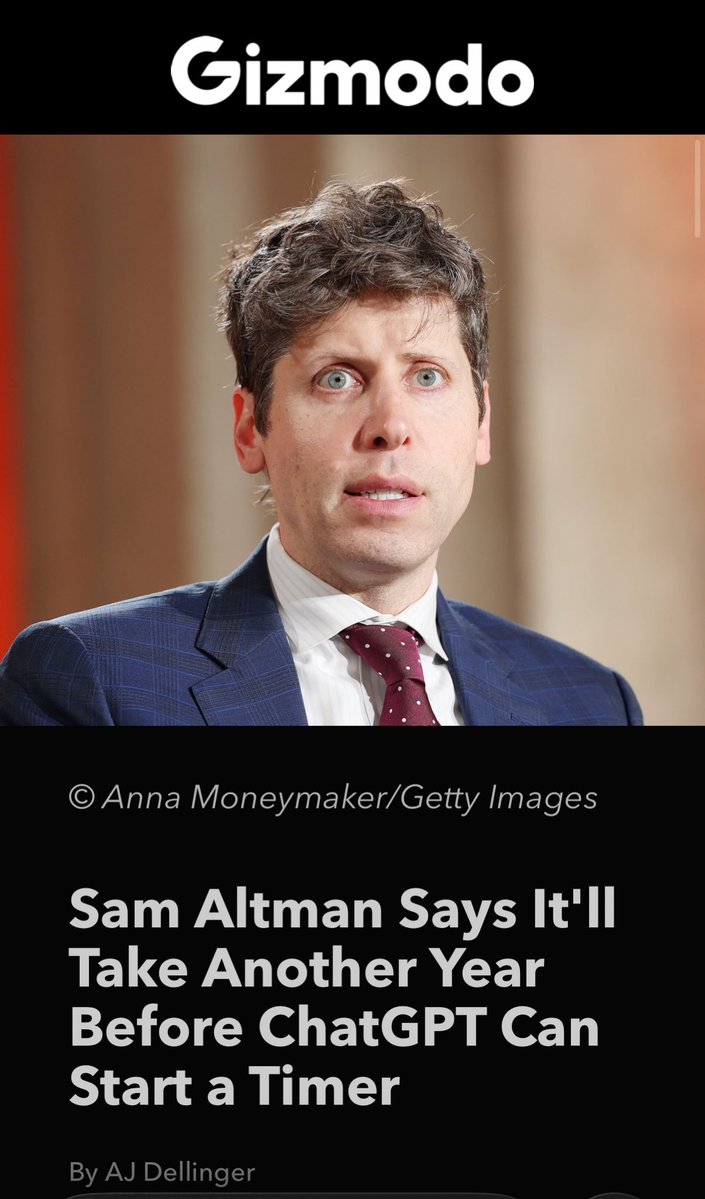
Voice ChatGPT can’t start a timer, but AGI is imminent! 🤦♂️ https://t.co/ah5iCdPdes
15 Top Cybersecurity Influencers to Follow in 2026 https://t.co/IRezmypstQ… A real honor to be listed #1. Great to be featured along with 14 terrific cybersecurity colleagues #cybersecurity #influencers https://t.co/irAACOgjLZ
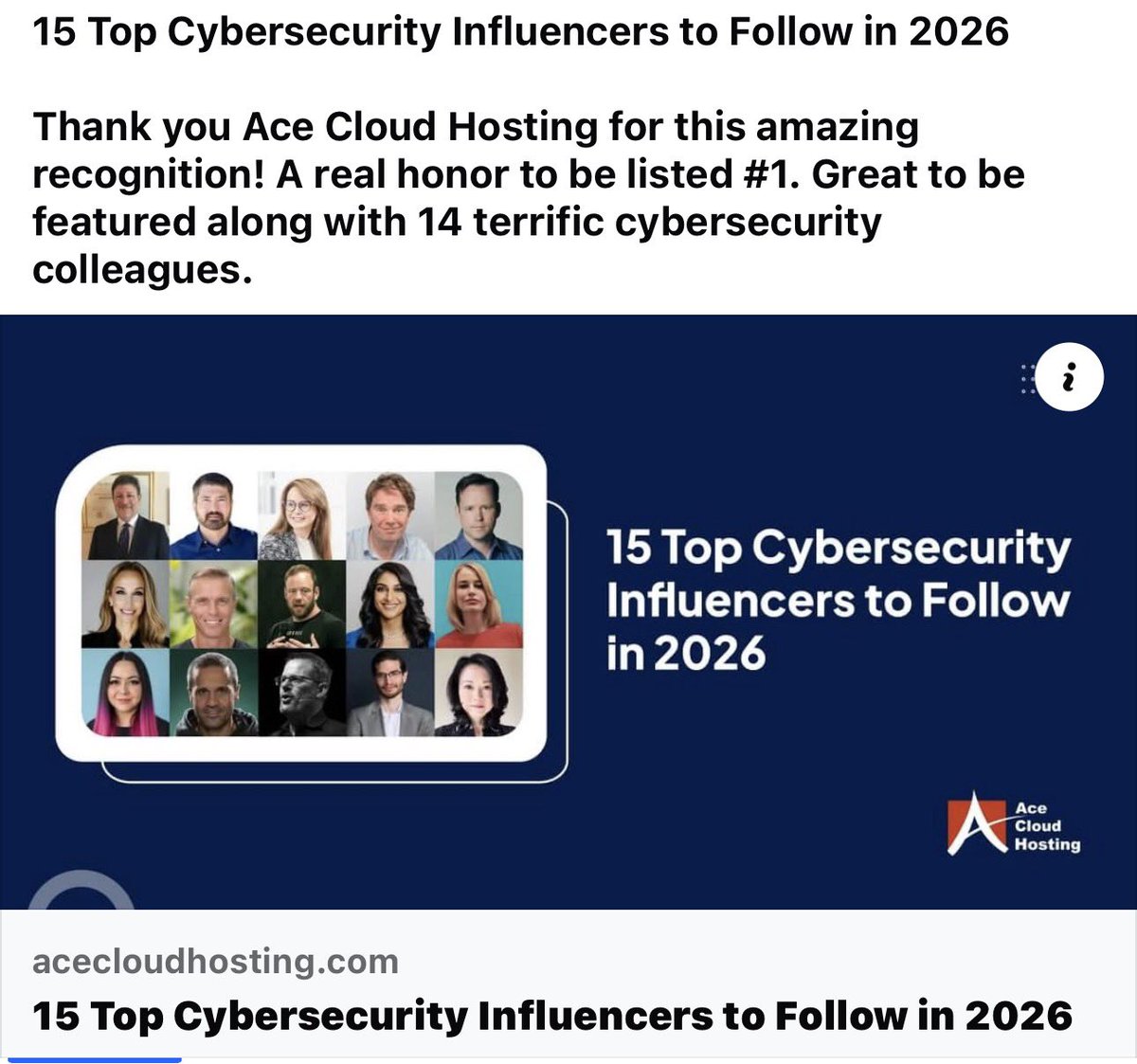
15 Top Cybersecurity Influencers to Follow in 2026 https://t.co/IRezmypstQ… A real honor to be listed #1. Great to be featured along with 14 terrific cybersecurity colleagues #cybersecurity #influencers https://t.co/irAACOgjLZ
@velinus_sage @NotebookLM You might see what I did with https://t.co/kiuZ7QXLzb -- I have a Notebook LM feed already prepared for you, and a feed for your Hermes too.

"Hey AI prepare me for tomorrow's interview of @NousResearch's Hermes, which competes with @openclaw." "Here: https://t.co/qeOiuNkiG0 " My AI is an agent that https://t.co/xiuJ80Twa9 made for me and that I trained over months. You can't get this from Grok. See you tomorrow.
You have heard of @openclaw competitor from @NousResearch called “Hermes.” Tomorrow at 4 pm we will get nerdy with @theemozilla. Live. I will get people up who asks questions here first. https://t.co/USgYOeI4KW
Elon Musk reveals the real limiting factor for AI is not chips anymore, it’s electricity AI chip production is growing exponentially, but global electricity supply is only increasing 3–4% per year. We’re reaching the point where we produce more chips than we can actually turn on Power is the ultimate bottleneck in 2026. Data centers now face up to 7-year waits for grid connections, leaving many GPUs sitting idle Energy is the new oil of the AI race
Mark Cuban: You only need to be right one time to change your life forever. https://t.co/pDi3AppaJz
Mark Cuban: You only need to be right one time to change your life forever. https://t.co/pDi3AppaJz
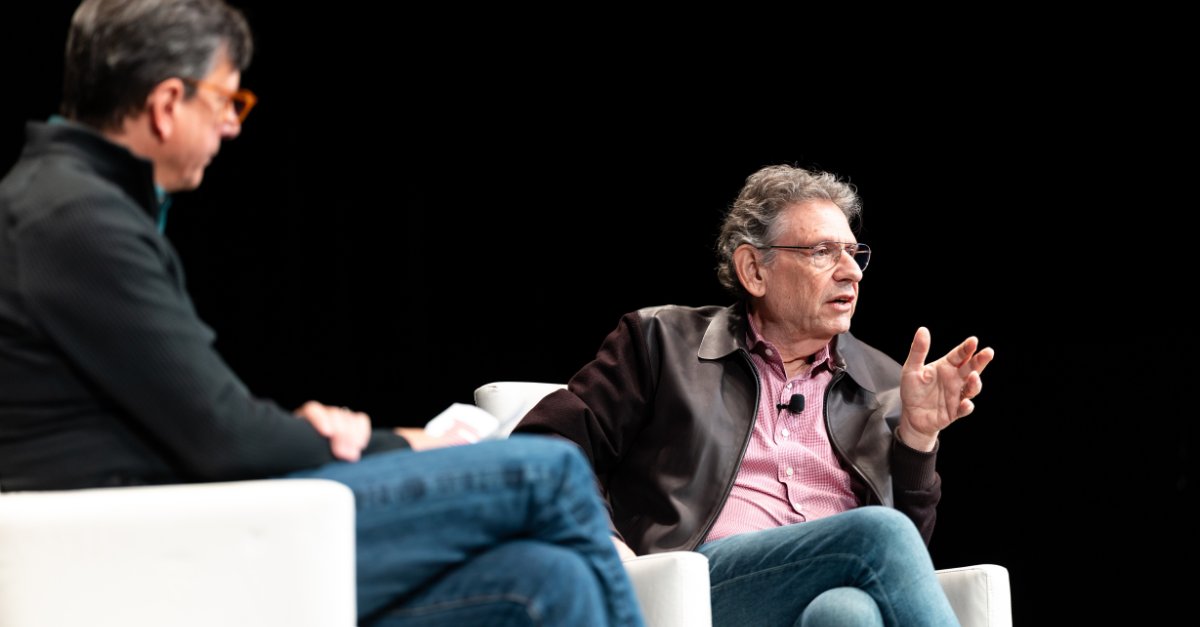
Building the Future of Music and AI 🎼 Sir Lucian Grainge from Universal Music Group offers a compelling view into how AI is enhancing the creative process. Drawing from his experience working directly with artists on technology innovation, he shares a vision for AI as a true creative partner. ▶️ Watch the #NVIDIAGTC session: https://t.co/P0p2nXumqr
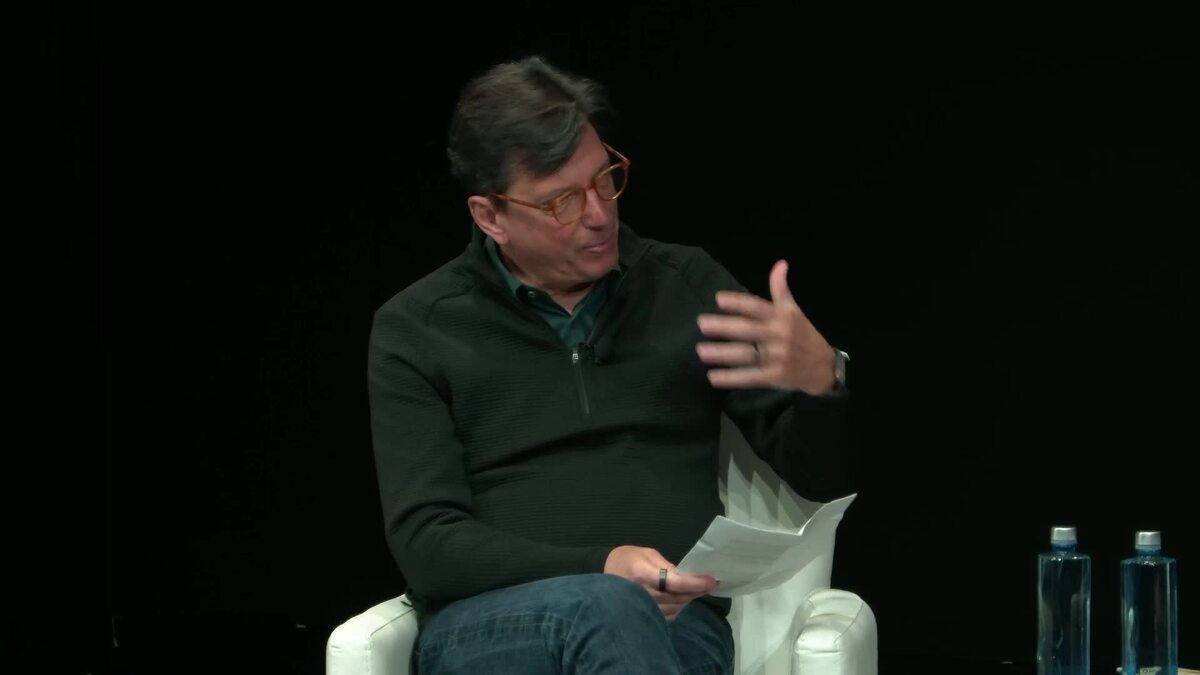
Thesis case study drop! Read here: https://t.co/OIGWw5ksWm AI Is Smart Enough, Let's Just Point and Talk to it ;) https://t.co/B2z4zLgErl

Thesis case study drop! Read here: https://t.co/OIGWw5ksWm AI Is Smart Enough, Let's Just Point and Talk to it ;) https://t.co/B2z4zLgErl

I'm thrilled to join @xAI and @SpaceX! After many years at Google DeepMind working on Gemini (including co-founding and launching Gemini Diffusion at Google I/O and contributing to Gemini, Gemma, AlphaCode, and Waymo), I can't wait to see what we build together. Few places turn science fiction into reality this fast. We're forging Grok into the most capable assistant yet, making physical intelligence real, and taking it all to Space. The last few years have been intense, but what's ahead is on another level. No better time to build — we can watch from the sidelines or be part of it. DMs are open. Understand the Universe 🚀

OpenClaw 2026.4.7 🦞 🔮 openclaw infer 🎬 music + video editing 💾 session branch/restore 🔗 webhook-driven TaskFlows 🤖 Arcee, Gemma 4, Ollama vision 🧠 memory-wiki: persistent knowledge, not just vibes Because “trust me bro” is not a knowledge system. https://t.co/L7OaBHA7Qg
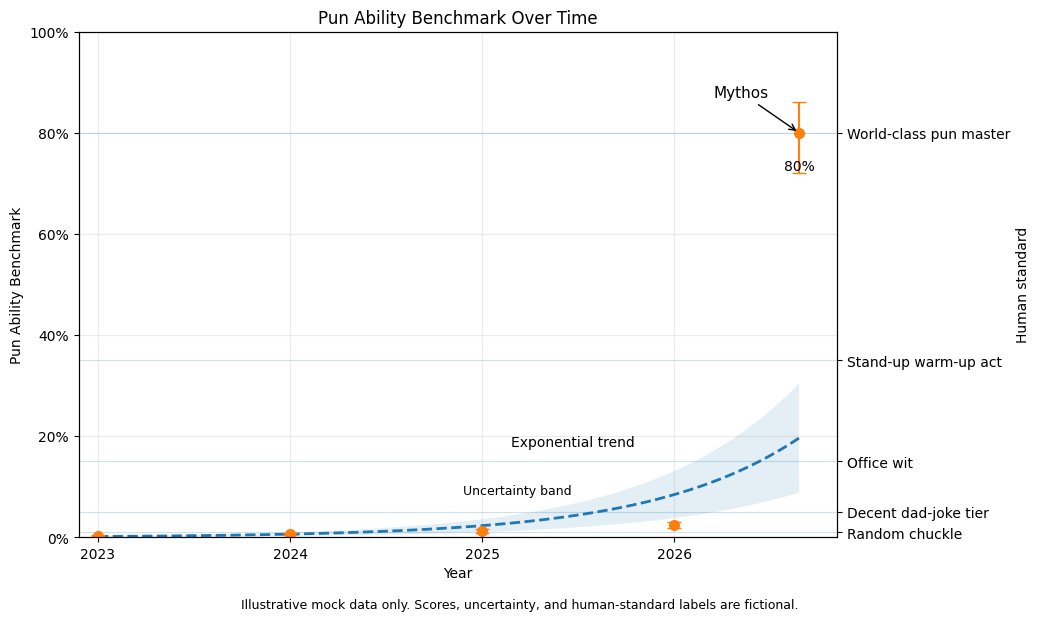
Let's talk about Claude Mythos Preview. It's pretty hard to overstate what a step function change this model has been inside Anthropic. Its ability to identify security vulnerabilities feels like a meaningful shift in model capabilities. To me, it feels like another GPT-3 moment. https://t.co/WBfiPkspdQ is a good starting point and explains how we aim to bring its power to some partners safely. If you have some time on your hands, the 244 pages are long but it's a system card worth reading: https://t.co/mev4KSZn8o

Introducing Audio generation in Omma. - Music/Songs - Sound Effects - Text to Speech The following video was entirely generated within Omma. https://t.co/o3NwBGREZX
“I think that the California high-speed rail nightmare is the probably quintessential example of government waste and mismanagement,” says Rep. Vince Fong, a Republican whose district sits in California’s Central Valley, through which the project is supposed to run. https://t.co/UaSgU7ubDj

Exponentials everywhere. https://t.co/yCx00wbJPn
Today we are rolling out Dreamina Seedance 2.0 in the U.S. And your first try is on us: → Everyone will have one free trial of Dreamina Seedance 2.0 across CapCut’s app, desktop and web. → New users get 90% OFF their first month of CapCut Pro (limited time) Imagination has no ceiling now. Enjoy creating non-stop. Access Dreamina Seedance 2.0 in CapCut: → AI Lab (app, v17.1.0) → Video Studio (web, https://t.co/TIlL9htlTG) → AI Video (app and desktop) It might take some time for the model to reach everyone. As the model rolls out, we're partnering with experts and creative communities to learn, iterate, and continuously improve on the ways this model can empower human creativity. Learn more here: https://t.co/tunfMNzIMx RT+Comment in 4hr to get extra 1000 credit in your DM!
Google somehow fixed voice dictation on iPhones before Apple did 🤯 They just launched AI Edge Eloquent - it’s an (iOS only!) mobile app You can speak naturally and it auto-polishes the text (+ you can give it a custom dictionary) 👇 https://t.co/R7fDR5gW1t
Today we open the Zapier SDK to everyone. If you're building with AI agents, this is for you. I've been using this for 2 months. It's totally changed how I do my job. You install it in your coding agent. Cursor, Claude Code, Codex, whatever you use. Now that agent has access to 8,000+ apps through @Zapier and can do anything those APIs can do. I think it’s the most powerful thing we’ve launched in years. Now in open beta. Just give this link right to your agent: https://t.co/k6arEyZMMU
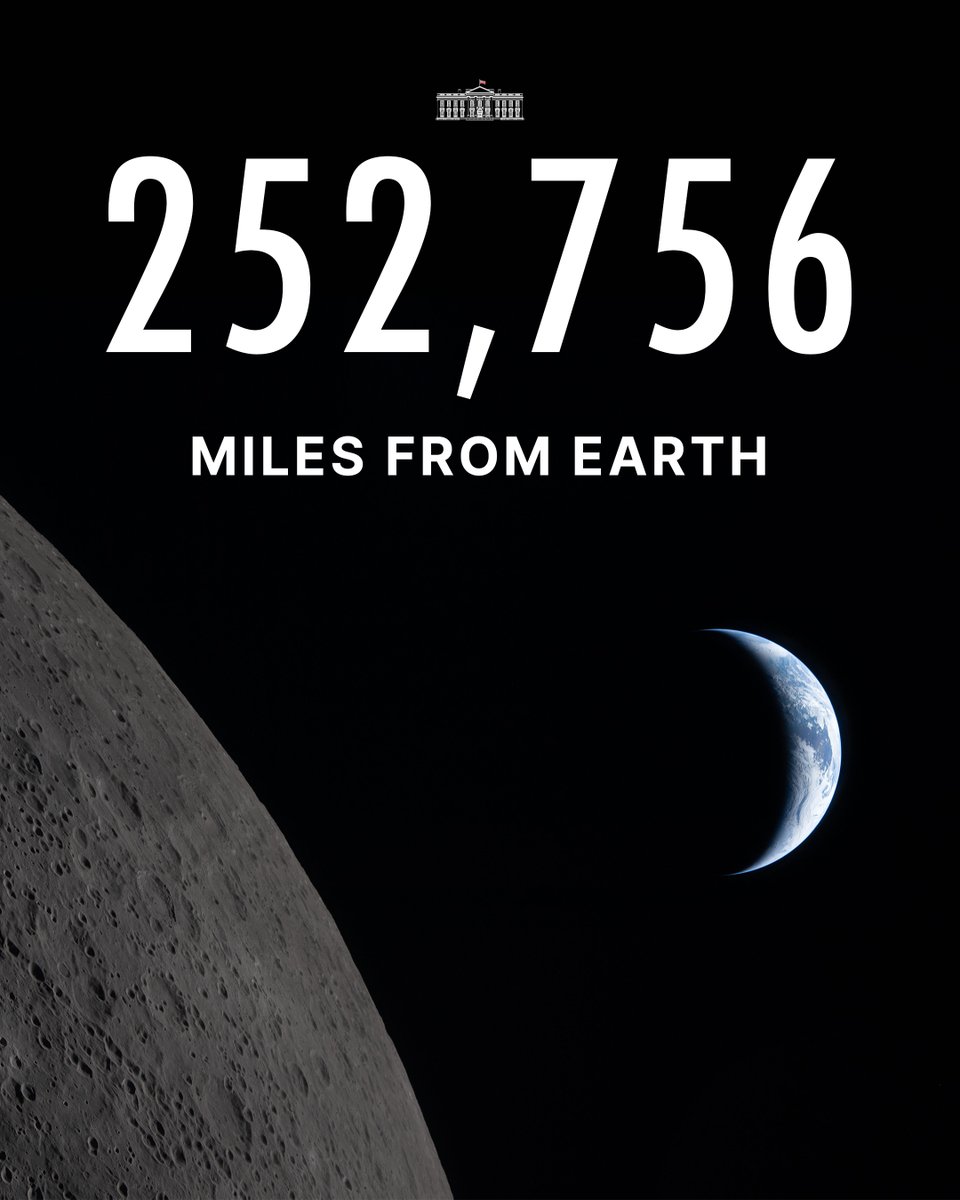
Yesterday, four astronauts on Artemis II traveled farther than any humans in history. Thanks to @NASA and incredible American ingenuity. 🇺🇸 https://t.co/SaHZUxXuz5
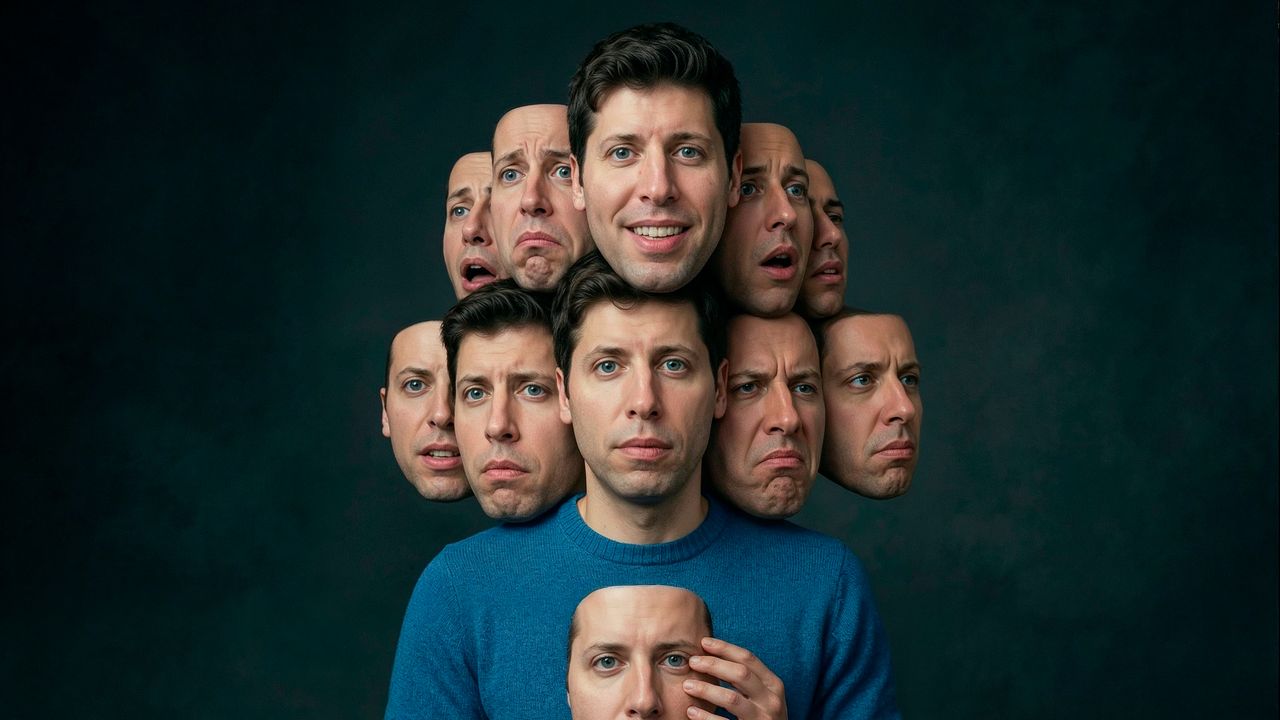
My 18-month investigation into Sam Altman and OpenAI in @NewYorker, with @andrewmarantz, is out now. Read here: https://t.co/HEPHN4E54P Thread on a few of the key findings here: https://t.co/TVIBsUoRdB https://t.co/idOvZz1oQW
(🧵1/11) For the past year and a half, I've been investigating OpenAI and Sam Altman for @NewYorker. With my coauthor @andrewmarantz, I reviewed never-before-disclosed internal memos, obtained 200+ pages of documents related to a close colleague, including extensive private notes,
> I thought OpenClaw was unbeatable > then I tried Hermes Agent > here's what happened https://t.co/LUeJv6h5y2
Hermes Agent Full Setup Guide (Does It Actually Beat OpenClaw?): 0:00 - What is Hermes Agent 1:07 - What Makes It Different? 1:49 - Install Hermes 6:11 - The Mistake I Made 7:02 - Anthropic OAuth 8:45 - Live Demo 10:34 - Honest Verdict vs OpenClaw 12:26 - Best Workflow https://t
> I thought OpenClaw was unbeatable > then I tried Hermes Agent > here's what happened https://t.co/LUeJv6h5y2
📢 LIVE NOW! Genspark AI Workspace 4.0 is here. We’re demoing major new features live for the first time ever, and answering the questions people care about most. Come see what we’ve been building. Jump in and you could score 1000 free credits! 👉 Youtube: https://t.co/NO4RMfVDHv X: https://t.co/pU7bMvhO4G
We’re partnering with @MiniMax_AI across product and models to make their upcoming releases the best for Hermes Agent users. MiniMax models are already some of the most-used in Hermes Agent. If you haven’t tried MiniMax M2.7 in Hermes Agent, try it today in the Nous Portal! https://t.co/UZDEEQgOqZ
Happiness can be surprisingly straightforward: just a plate of aromatic fried chicken is all it takes. https://t.co/JTEU7GGpFr