Your curated collection of saved posts and media
It’s fascinating how everyone who has something negative to say about Elon Musk bases it entirely on politics or recycled false accusations. They completely ignore the actual reality: the groundbreaking technology and engineering breakthroughs that only Elon Musk has managed to deliver — reusable rockets, global satellite internet, electric cars that actually changed the industry, Neuralink, Optimus, and more. Critics love to hate the man, but they have zero answer for the impossible things he’s achieved. What does that tell you?

Memo: OpenAI Chief Revenue Officer Denise Dresser says Anthropic is "grossing up rev share with Amazon and Google" and overstating its "run rate by roughly $8B" (@haydenfield / The Verge) https://t.co/9qBEtsz5Tr https://t.co/7Jso88EFmi 📥 Send tips! https://t.co/wlNZvXuhJs

🚨 NOW: The FBI is RAIDING the home of a 20-year-old man who threw a molotov cocktail at the home of OpenAI CEO Sam Altman Over a DOZEN federal agents are executing this search warrant. The suspect's motive was supposedly due to strong anti-AI sentiments, and other AI CEOs were also on his hit list.
Writer's block happens to everyone so we made our prompt box smarter. less typing more building - tab your way to making your idea reality on @GoogleAIStudio today :) https://t.co/hQq3pm20kG
As AI agents accelerate coding, what is the future of software engineering? Some trends are clear, such as the Product Management Bottleneck, referring to the idea that we are more constrained by deciding what to build rather than the actual building. But many implications, like AI’s impact on the job market, how software teams will be organized, and more, are still being sorted out. The theme of our AI Developer Conference on April 28-29 in San Francisco is The Future of Software Engineering. I look forward to speaking about this topic there, hearing from other speakers on this theme, and chatting with attendees about it. We’re shaping the future, and I hope you will join me there! It is currently trendy in some technology and policy circles to forecast massive job losses due to AI. Even if they have not yet materialized, these losses certainly must be just over the horizon! I have a contrarian view that the AI jobpocalypse — the notion that AI will lead to massive unemployment, perhaps even rioting in the streets — won’t be nearly as bad as dire forecasts by pundits, especially pundits who are trying to paint a picture of how powerful their AI technology is. Among professions, AI is accelerating software engineering most, given the rise of coding agents. According to a new report by Citadel Research, software engineering job postings are rising rapidly. So if software engineering is a harbinger of the impact AI will have on other professions, this expansion of software engineering jobs is encouraging. Yes, fresh college graduates are having a hard time finding jobs. And yes, there have been layoffs that CEOs have attributed to AI, even if a large fraction of this was “AI washing,” where businesses choose to attribute layoffs to AI, even though AI has not changed their internal operations much yet. And yes, there is a subset of job roles, such as call center operator, that are more heavily impacted. Many people are feeling significant job insecurity, and I feel for everyone struggling with employment, whether or not the cause is AI-related. And many other factors, such as over-hiring during the pandemic and high interest rates, have contributed to the slowdown in the labor market, and the notion that AI is leading to unemployment is oversimplified. In software engineering, I see a lot of exciting work ahead to adapt our workflows. It is already clear that: (i) As AI makes coding easier, a lot more people will be doing it. (ii) Writing code by hand and even reading (generated) code is not that important, because we can ask an LLM about the code and operate at a higher level than the raw syntax (although how high we can or should go is rapidly changing). (iii) There will be a lot more custom applications, because now it’s economical to write software for smaller and smaller audiences. (iv) Deciding what to build, more than the actual building, is becoming a bottleneck. (v) The cost of paying down technical debt is decreasing (since AI can refactor for you). At the same time, there are also a lot of open questions for our profession, such as: - In the future, what will be the key skills of a senior software engineer? And for junior levels, what should be the new Computer Science curriculum? - If everyone can build features, what skills, strategies, or resources create competitive advantage for individuals and for businesses? - What are the new building blocks (libraries, SDKs, etc.) of software? How do we organize coding agents to create software? - What should a software team look like? For example, how many engineers, product managers, designers, and so on. What tooling do we need to manage their workflow? - How do AI agents change the workflow of machine learning engineers and data scientists? For example, how can we use agents to accelerate exploring data, identifying hypotheses, and testing them? I’m excited to explore these and other questions about the future of software engineering at AI Dev. I expect this to be an exciting event. Please join us! [Original text: The Batch newsletter.] https://t.co/i4bQevDG4i
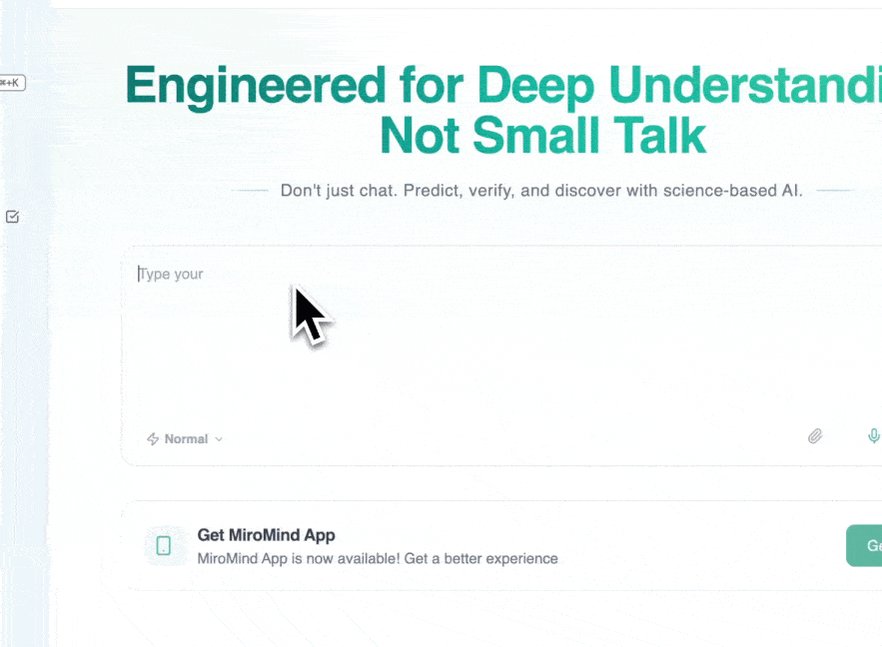
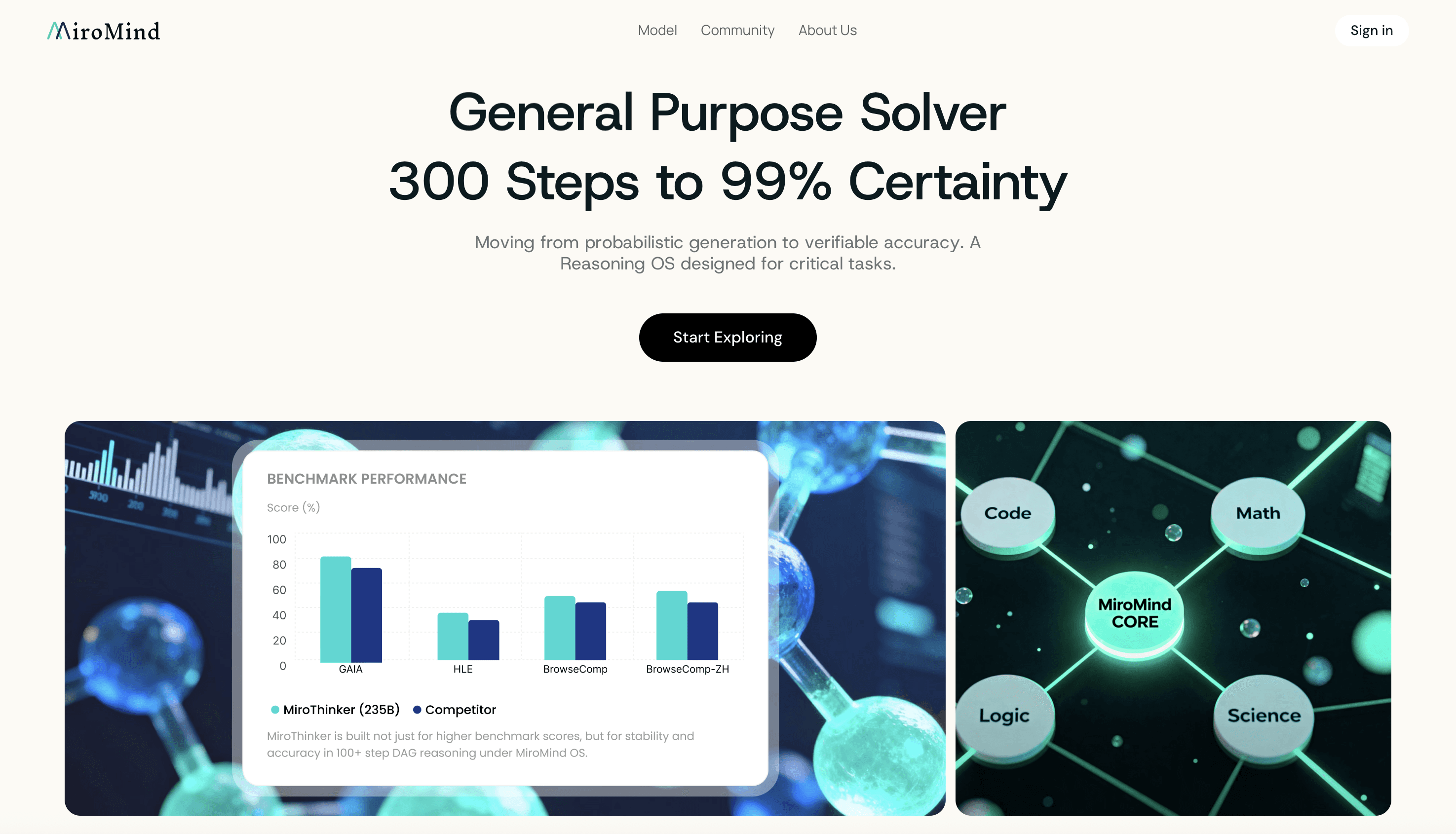
Every AI answer you trust right now has unchecked logic. Most tools retrieve text and summarize it, but none of them verify whether the output is actually true. One wrong source in a financial memo and your credibility is gone. Every reasoning step should be auditable before it reaches you. MiroMind solved this. → We tried it on a real research task. Evaluate a chip startup across patents, funding, competitors, and technical depth. That kind of work normally takes a week across a dozen tabs. The system got through it in hours, pulling from over 300 sources on its own. It cross-referenced claims across SEC filings, patent databases, and pitch materials. Nobody asked it to find problems. It flagged two contradictions between public filings and investor materials anyway, matching claims across documents that don't look anything alike. That only works because every step is checked before the next one runs. → Here's how the verification actually works. > Four roles run in sequence. > Planner maps the full reasoning graph. > Executor retrieves and processes data. > ChainChecker validates each inference step. > Verifier confirms outputs against original sources. The reasoning graph is a DAG (directed acyclic graph), a structure where steps flow forward and never loop back on themselves. That means branches run in parallel instead of one at a time. If a branch hits a dead end, the system backtracks to the last valid node and replans from there. Most retrieval pipelines just push through bad inferences. This one actually stops. The point isn't the architecture. The point is that nothing reaches the output without being traced back to a source. → That traceability is the actual product. Click any conclusion and walk the full chain back to the raw document. Every claim links to where it came from. It also integrates live market data and returns forecasts with actual numbers behind them, not qualitative summaries. Those numbers are traceable too. They market "300 steps to 99% cumulative certainty." The real value isn't the number. It's that every one of those steps is visible. If you can't audit the reasoning, the confidence score is meaningless. This is where the entire industry is heading. The next generation of AI tools won't compete on fluency. They'll compete on verifiability. If verification-first architectures become the standard, the trust model around AI changes completely.
https://t.co/39gUStV4GN
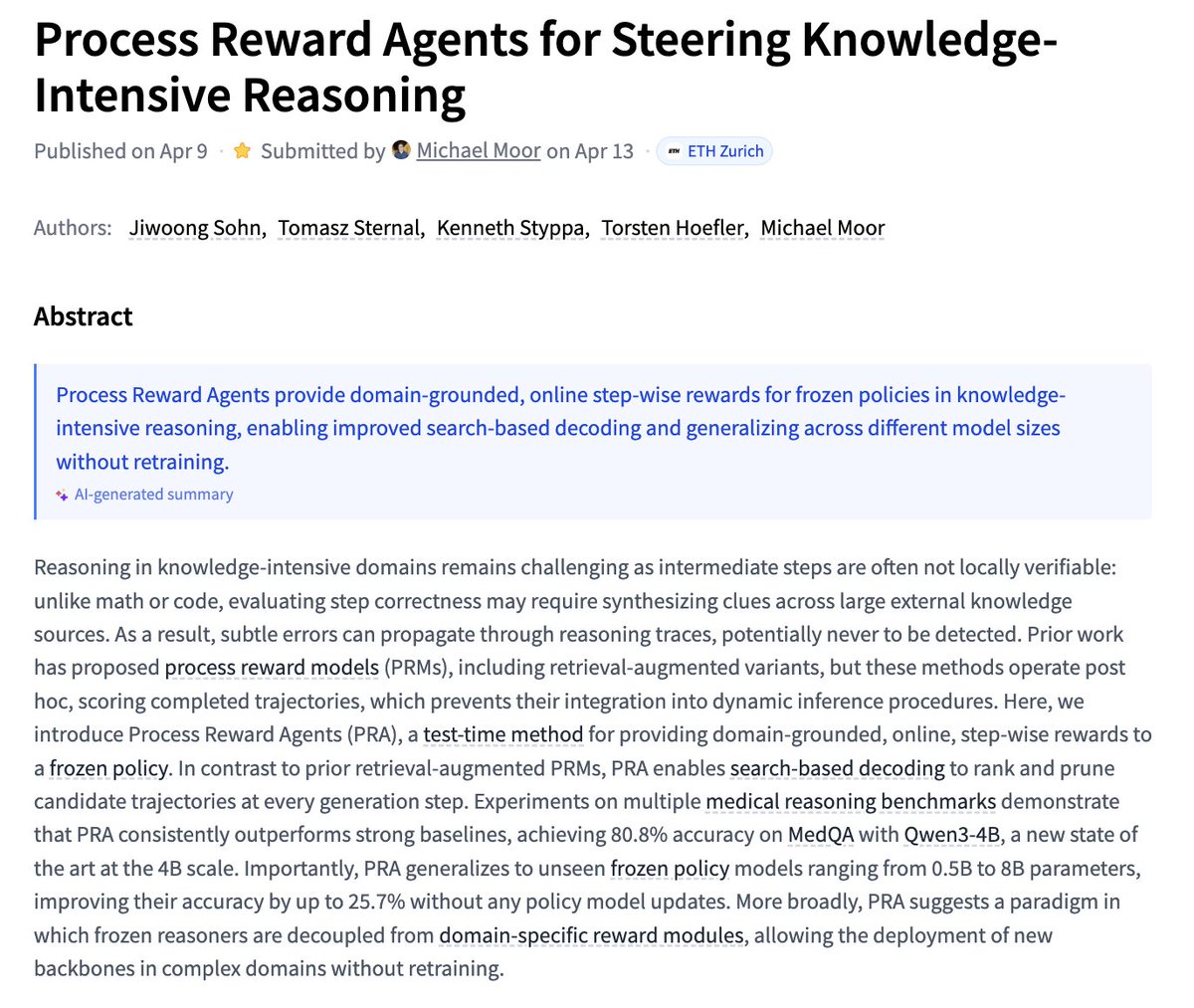
Process Reward Agents for Steering Knowledge-Intensive Reasoning paper: https://t.co/3JPG5C99Xx https://t.co/dRCKq3AOkM
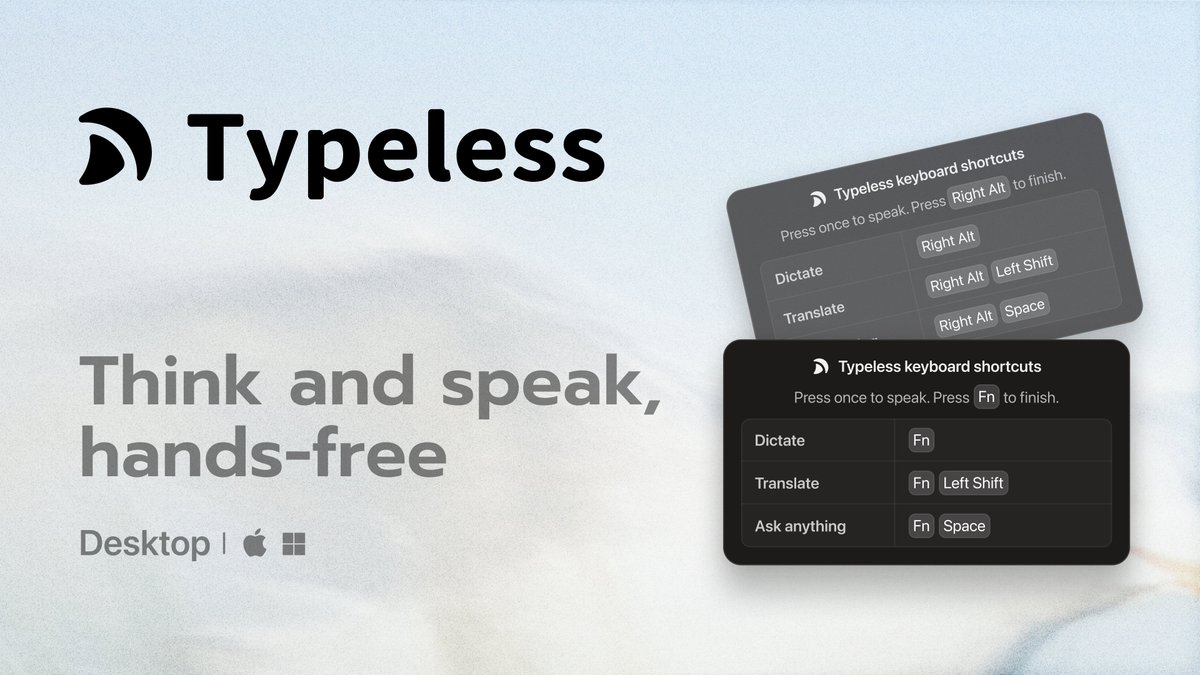
Typeless v1.2.0 for macOS & Windows is live! 🚀 Think and speak. Completely hands-free. Speak freely without holding down keys. Just press your shortcut once to start Dictate, Translate, or Ask Anything. Press your main shortcut to finish. #Typeless #macOS #Windows
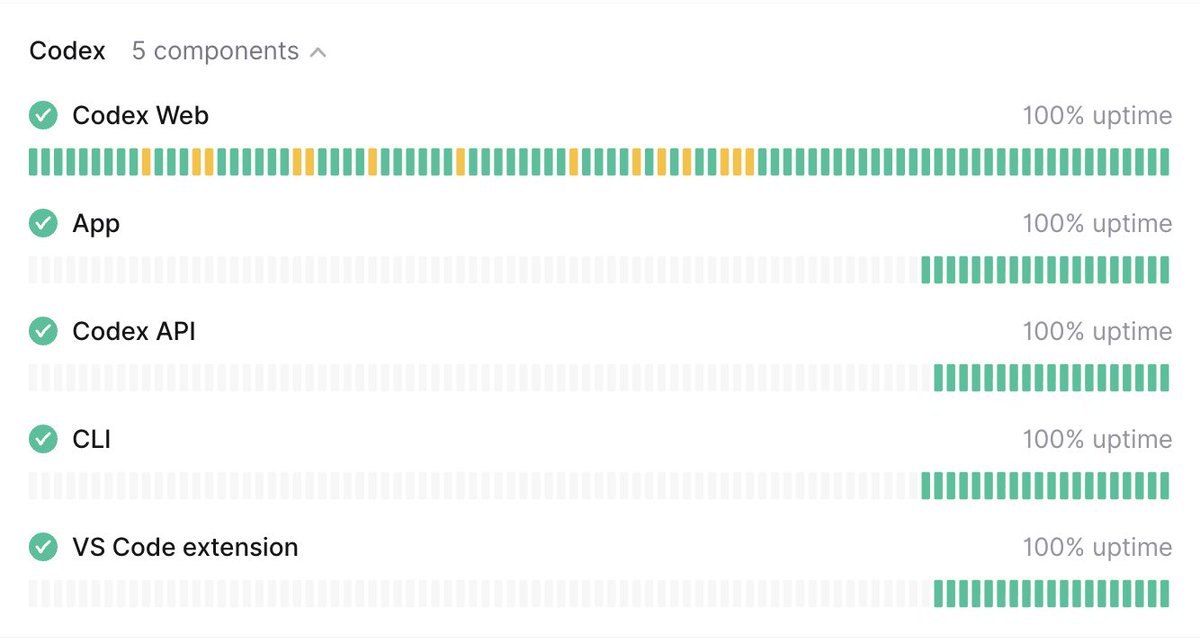
How many nines is 100% uptime? https://t.co/wbil9kP2BP
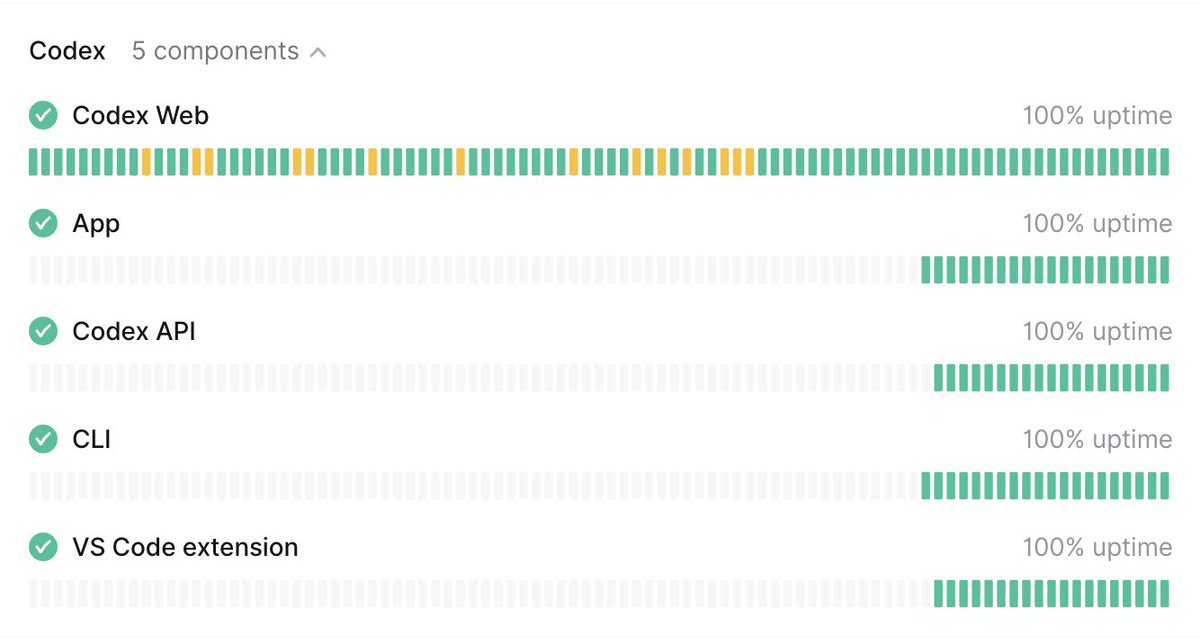
How many nines is 100% uptime? https://t.co/wbil9kP2BP
🚩LongCat-Next INT4 is now available on @huggingface ! Congrats @meituan @Meituan_LongCat, a very competitive multi-modality model! https://t.co/WDnEn6gkGG, quantized by AutoRound, a flagship quantization tool created by @IntelAI!

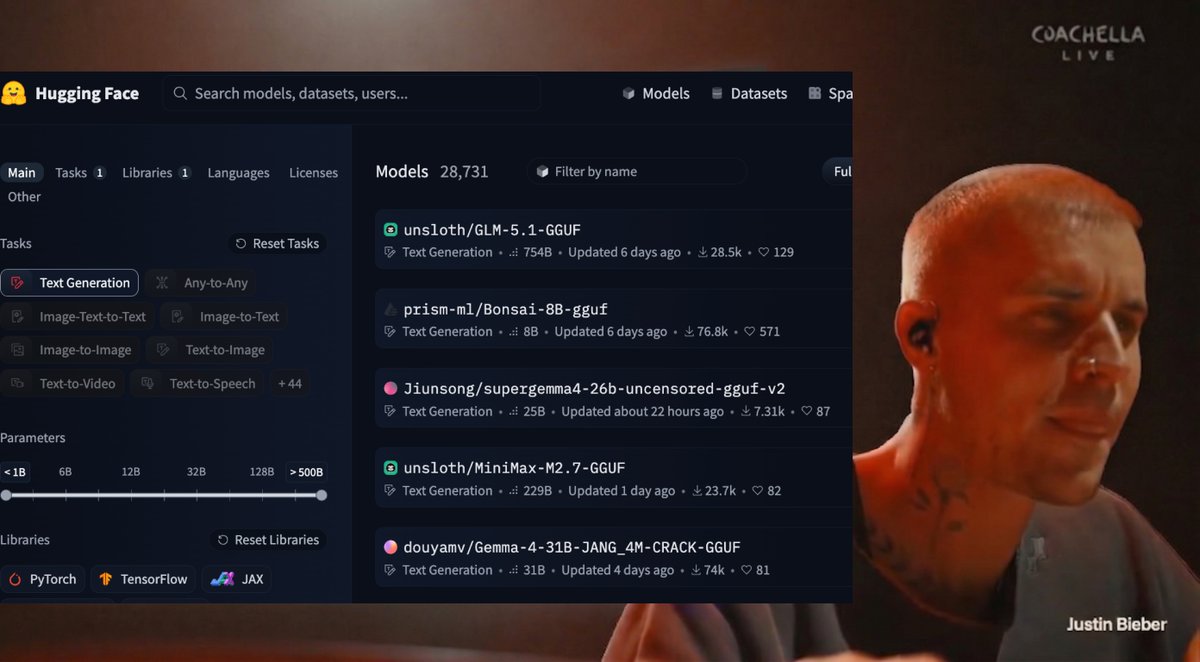
trying to figure out which open model to run with my pi agent https://t.co/AAJEgNc9NW
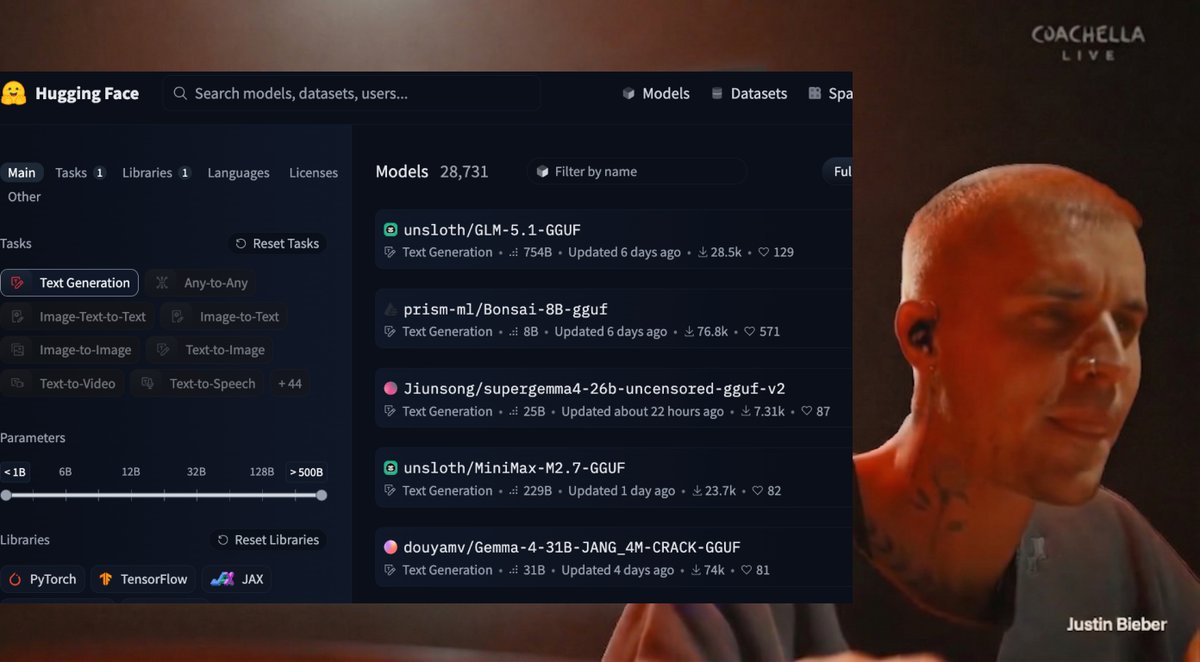
trying to figure out which open model to run with my pi agent https://t.co/AAJEgNc9NW
WildDet3D Scaling Promptable 3D Detection in the Wild paper: https://t.co/LNvH47YJAK https://t.co/bARdQWZMHT
FORGE Fine-grained Multimodal Evaluation for Manufacturing Scenarios paper: https://t.co/JzFgB7JBKQ https://t.co/RYeyOwyMxi
Is ultra detailed geometry the biggest upgrade in #Hyper3D Rodin Gen-2.5? No — not even close. 🔥 There’s something way more impactful for text/image-to-3D. Waitlist opens today 🚀 Reply and I’ll catch you up 👇 #Rodin #3D #CG #gaming https://t.co/N1AHzCWHm8
EVs ranked by total unit sold in the U.S. in Q1 2026. 1) Tesla Model Y: 78,591 2) Tesla Model 3: 31,672 3) Toyota bZ: 10,029 4) Hyundai Ioniq 5: 9,790 5) Chevrolet Equinox EV: 9,589 6) Rivian R1S: 5,494 7) Ford Mustang Mach-E: 4,600 8) Lexus RZ: 4,456 9) Tesla Cybertruck: 3,519 10) Cadillac Lyriq: 3,370 11) Honda Prologue: 3,319 12) Rivian EDV: 3,213 13) Subaru Solterra: 3,041 14) Cadillac Optiq: 2,847 15) Kia EV9: 2,740 16) Tesla Model X: 2,346 17) BMW i4: 2,184 18) Kia EV6: 2,023 19) Hyundai Ioniq 9: 1,990 20) Cadillac Vistiq: 1,902 21) BMW iX: 1,788 22) Rivian R1T: 1,658 23) GMC Hummer EV: 1,653 24) Lucid Gravity: 1,631 25) Cadillac Escalade IQ: 1,432 26) Chevrolet Silverado EV: 1,406 27) Volvo EX30: 1,373 28) GMC Sierra EV: 1,288 29) Tesla Model S: 1,172 30) Chevrolet Blazer EV: 1,077 31) Lucid Air: 920 32) olkswagen ID. Buzz: 839 33) Hyundai Ioniq 6: 829 34) Porsche Macan Electric: 822 35) Chevy Bolt EV/EUV: 791 36) Volvo EX90: 702 37) Nissan Leaf: 668 38) BMW i5: 645 39) Chevrolet BrightDrop Zevo: 496 40) Porsche Taycan: 458 41) Mercedes EQE: 397 42) Volkswagen ID.4: 338 43) Audi Q6 e-tron: 318 44) Mercedes G-Class EV: 245 45) Ram ProMaster EV: 223 46) Mercedes EQS: 206 47) Mercedes eSprinter: 202 48) Mini Countryman Electric: 200 49) Ford E-Transit: 200 50) Jeep Wagoneer S: 175 51) Audi A6 e-tron: 135 52) Genesis GV60: 117 53) Audi Q4 e-tron: 96 54) Acura ZDX: 73 55) Fiat 500e: 68 56) Mercedes EQB: 62 57) Nissan Ariya: 56 58) Hyundai Kona Electric: 53 59) Genesis GV70 EV: 47 60) Jeep Recon EV: 18 61) Toyota C-HR EV: 13 62) Audi Q8 e-tron: 2 63) Mini Cooper Electric: 2 (via new Cox Automotive data)


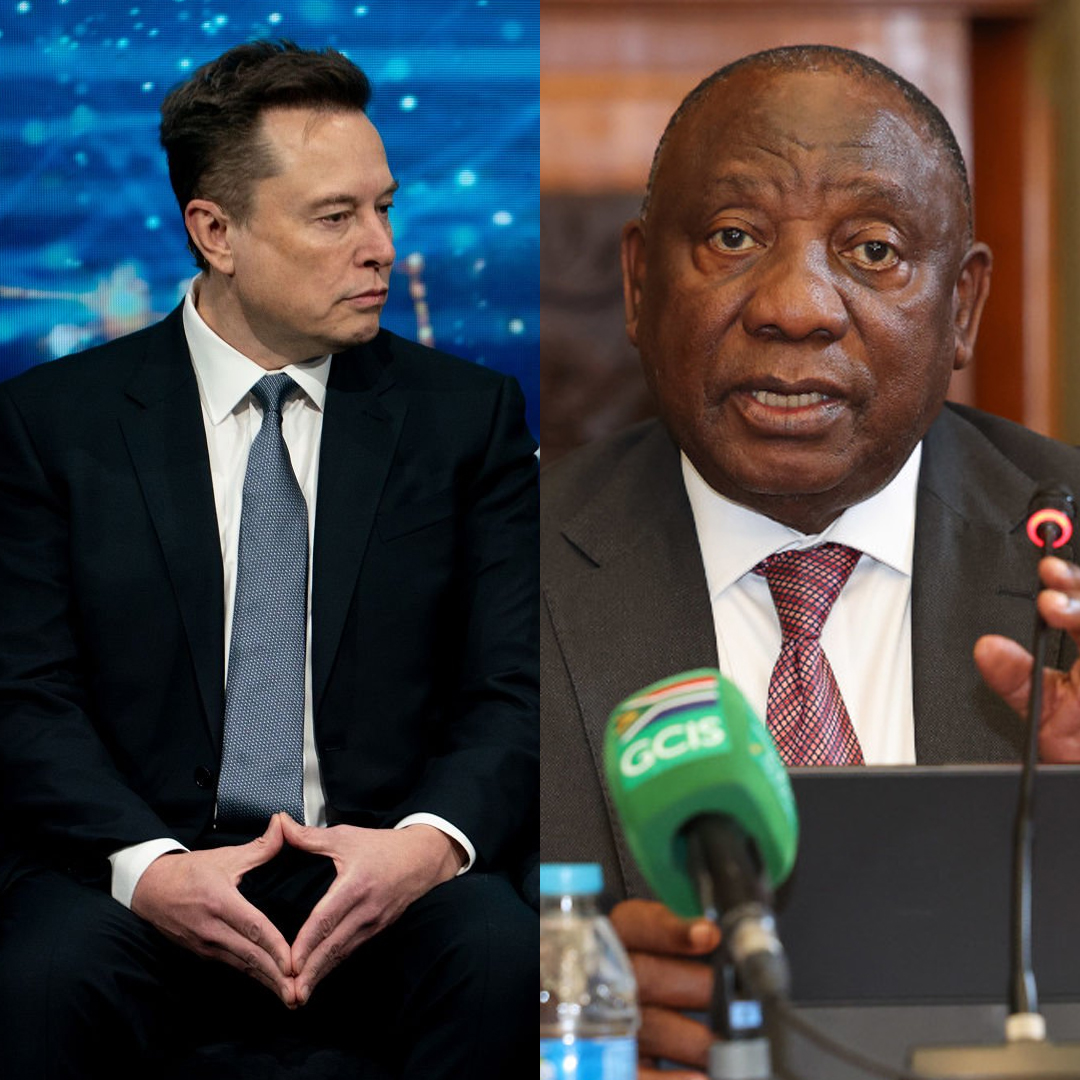
South Africa’s ANC government is pushing even more racist rules that help only black people and shut out everyone else: • They’re giving R50 billion (from a big foreign loan) to a new “Transformation Fund”, but the money can ONLY go to black-owned and black-managed businesses. Whites, Indians, Coloureds and Asians are completely banned just because of their race. • Companies can now simply pay cash into a giant R100 billion fund to “buy” their Black Empowerment points. The money still only helps black entrepreneurs , no real ownership or merit needed. • Employment Equity laws force strict racial hiring quotas on every company. You must hit race targets for who you hire and promote, or face huge fines. • BEE rules punish businesses unless they give ownership, top jobs and supplier deals based purely on race. • Government contracts and tenders strongly prefer black-owned companies, better or cheaper non-black businesses lose out automatically. This is straight-up government racism. @elonmusk was right, the ANC’s racist anti-merit agenda is destroying South Africa.
The Modular Community Grant Program is open! If you're building on MAX or Mojo 🔥, hosting a meetup, or speaking at a conference, there's funding for that. Grants start at $500 and scales with scope. https://t.co/xXZFIURkfB

OpenAI’s chief revenue officer sent a 4-page memo to employees on Sunday about the company’s strategic direction, emphasizing the need to lock in users, build a moat and grow its enterprise business. (It also threw shade at its longtime rival Anthropic.) https://t.co/Wl6XicP7h3
I made Wrapped but for your taxes. See what the government spent with your money https://t.co/aQubyViBiv
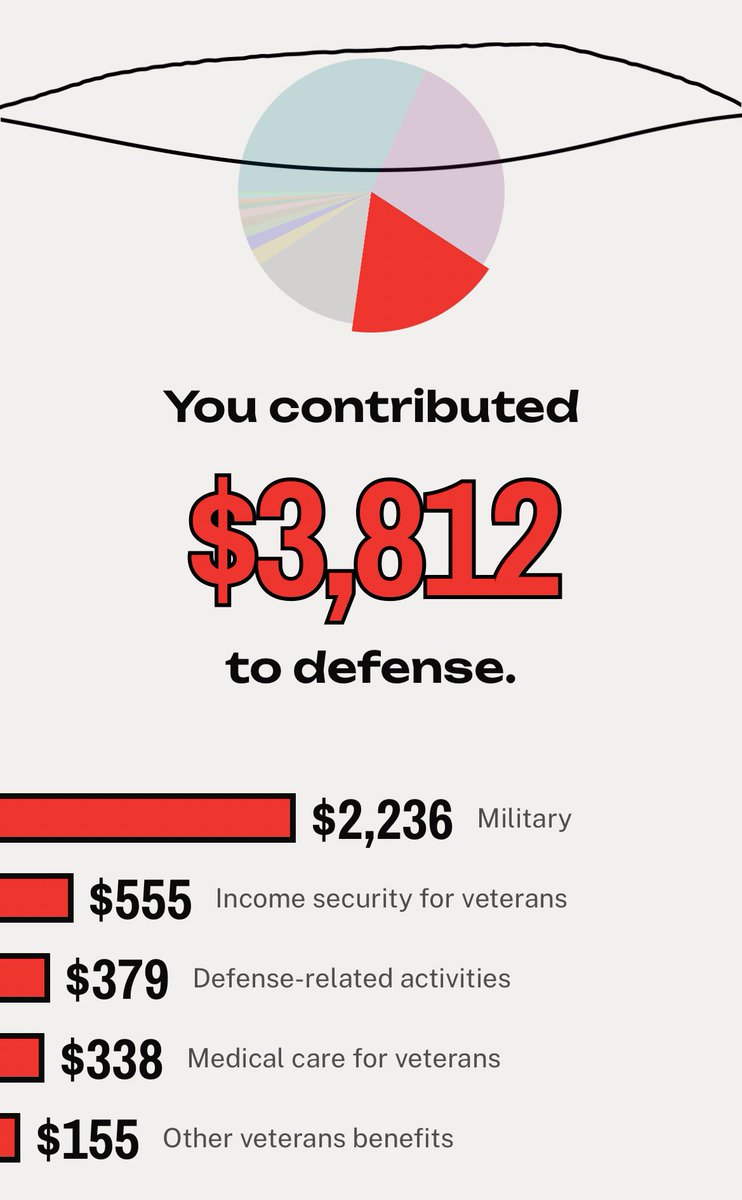
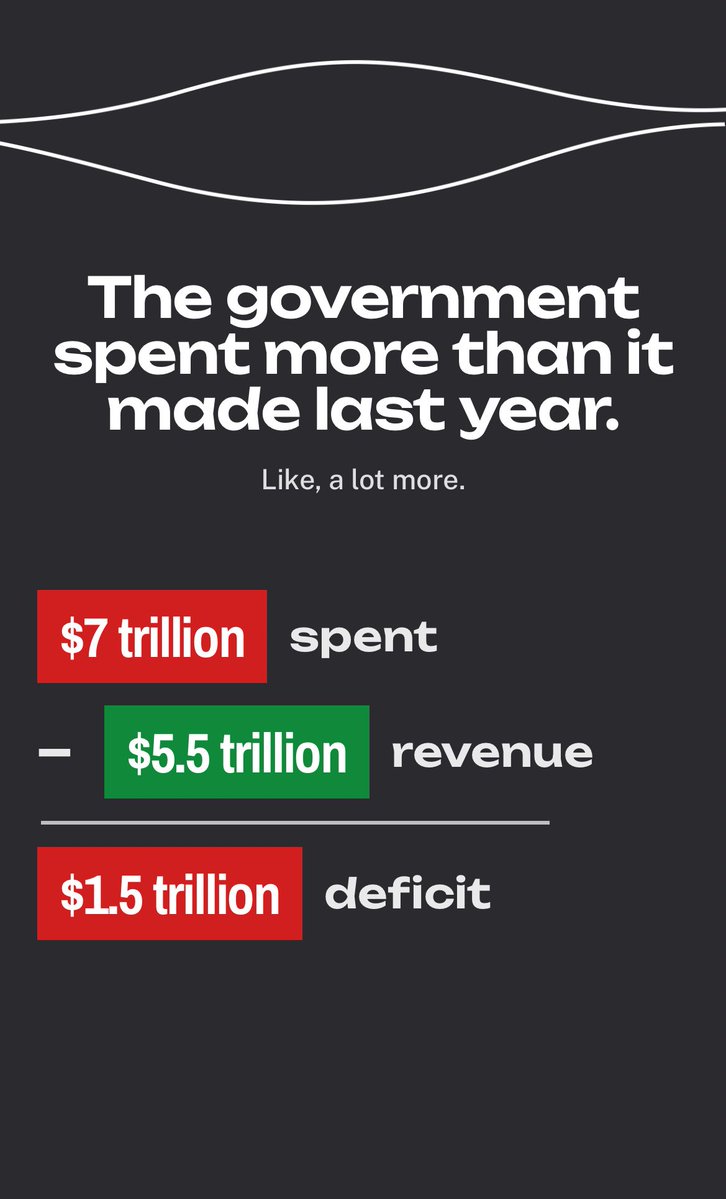
I made Wrapped but for your taxes. See what the government spent with your money https://t.co/aQubyViBiv
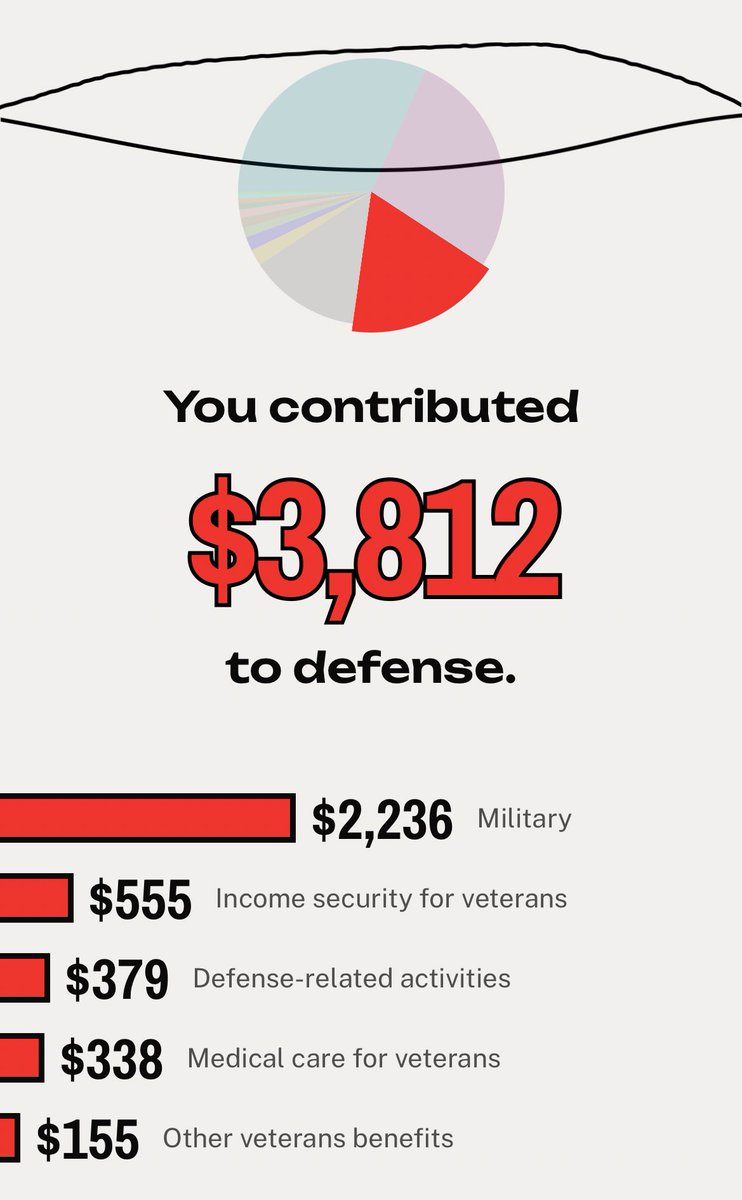
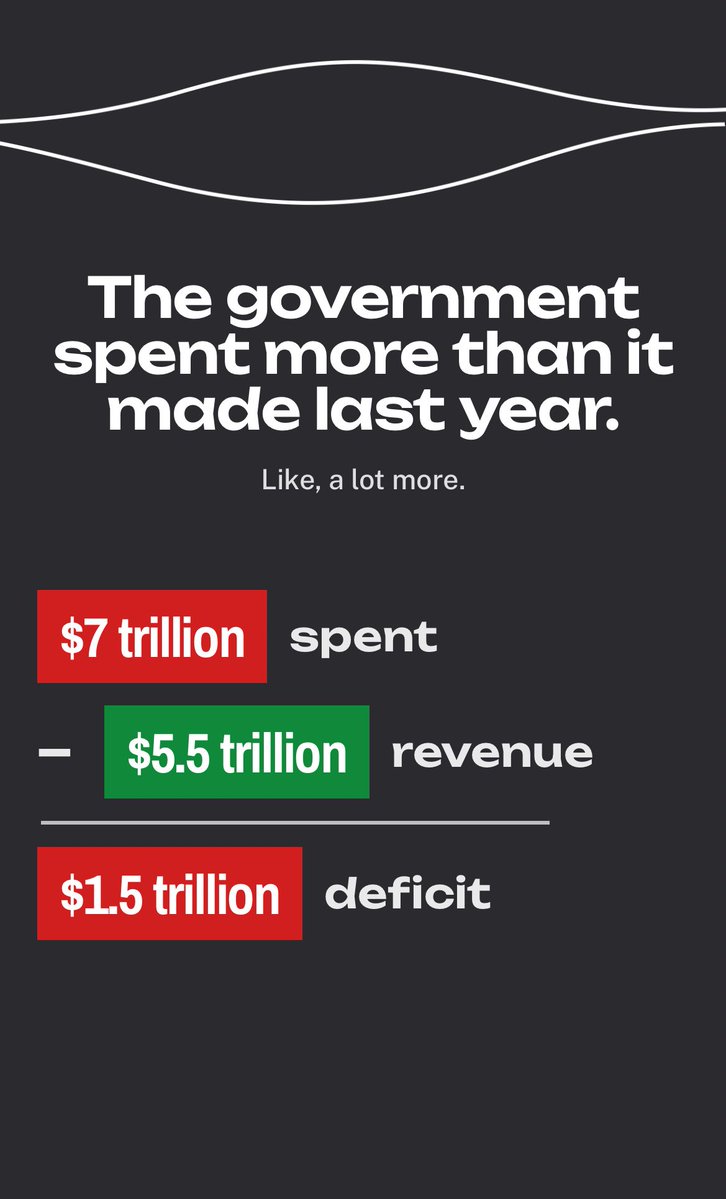
HeyGen CLI -> https://t.co/QGghNTaLpR
Your AI agent can now generate and ship videos. HeyGen CLI is now live. Run one command and your agent handles it all: script → avatar creation → video → delivery All from the terminal. Just your agent and the CLI. RT + Comment “CLI” and we’ll DM API credits (must follow) htt

HeyGen CLI -> https://t.co/QGghNTaLpR

dflash-mlx: DFlash speculative decoding, ported to Apple Silicon. Qwen3-4B at 186 tok/s on a MacBook. 4.6× faster than plain MLX-LM. Exact greedy decoding: output matches plain target decoding. https://t.co/VxfyworgAe
@kaiostephens @DJLougen PR for dflash-mlx to support qwen3_5_text @ https://t.co/qJ62hc99dh
GLM-5.1 sunset racing game on Hugging Face is kind of fun to play app: https://t.co/PncE29Xu0C https://t.co/3U0s9DJFeb
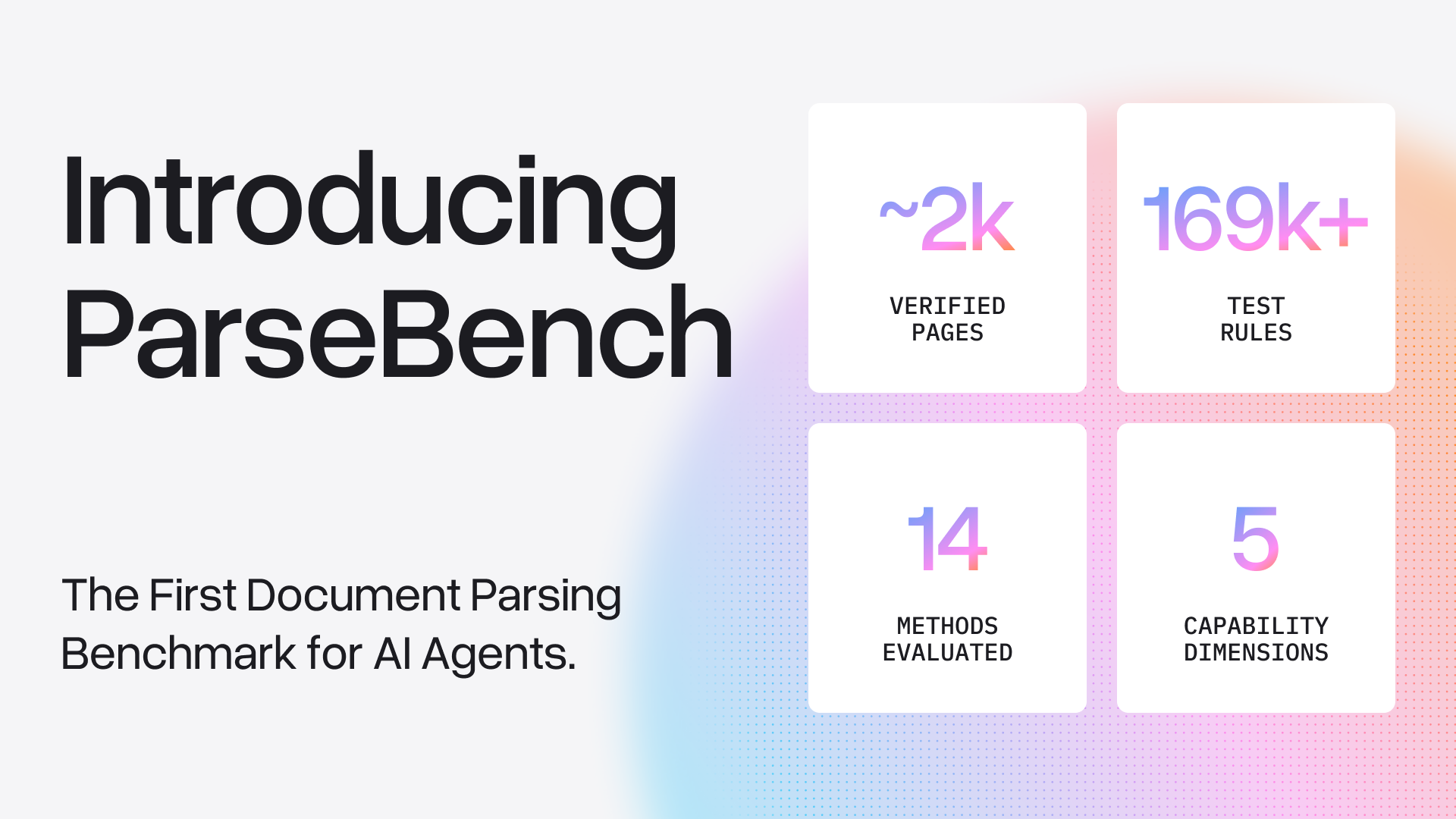
We’re open sourcing the first document OCR benchmark for the agentic era, ParseBench. Document parsing is the foundation of every AI agent that works with real-world files. ParseBench is a benchmark that measures parsing quality specifically for agent knowledge work: ✅ It optimizes for semantic correctness (instead of exact similarity) ✅ It has the most comprehensive distribution of real-world enterprise documents It contains ~2,000 human-verified enterprise document pages with 167,000+ test rules across five dimensions that matter most: tables, charts, content faithfulness, semantic formatting, and visual grounding. We benchmarked 14 known document parsers on ParseBench, from frontier/OSS VLMs to specialized parsers to LlamaParse. Here are some of our findings: 💡 Increasing compute budget yields diminishing returns - Gemini/gpt-5-mini/haiku gain 3-5 points from minimal to high thinking, at 4x the cost. 💡 Charts are the most polarizing dimension for evaluation. Most specialized parsers score below 6%, while some VLM-based parsers do a bit better. 💡 VLMs are great at visual understanding but terrible at layout extraction. GPT-5-mini/haiku score below 10% on our visual grounding task, all specialized parsers do much better. 💡 No method crushes all 5 dimensions at once, but LlamaParse achieves the highest overall score at 84.9%, and is the leader in 4 out of the 5 dimensions. This is by far the deepest technical work that we’ve published as a company. I would encourage you to start with our blog and explore our links to Hugging Face to GitHub. All the details are in our full 35-page (!!) ArXiv whitepaper. 🌐: Blog: https://t.co/57OHkx0pQW 📄 Paper: https://t.co/Ho2oH2xEAM 💻 Code: https://t.co/6P7UxqOZYA 📊 Dataset: https://t.co/YguIXWm41j 🎥 YouTube: https://t.co/6Fh1Nsk9ei
GLM-5.1 > Claude Code (Opus 4.6)? I'm tripping or CC has become very bad but built a Three.js racing game to eval and it's extremely impressive. Thoughts: - One-shot car physics with real drift mechanics (this is hard) - My fav part: Awesome at self iterating (with no vision!) created 20+ Bun.WebView debugging tools to drive the car programmatically and read game state. Proved a winding bug with vector math without ever seeing the screen - 531-line racing AI in a single write: 4 personalities, curvature map, racing lines, tactical drifting. Built telemetry tools to compare player vs AI speed curves and data-tuned parameters - All assets from scratch: 3D models, procedural textures, sky shader, engine sounds, spatial AI audio! - Can do hard math: proved road normals pointed DOWN via vector cross products, computed track curvature normalized by arc length to tune AI cornering speed You are going to hear about this model a lot in the next months - open source let's go 🚀🚀
As a Catholic, I find it abhorrent that the President of the United States would publicly attack the Successor of St. Peter. Donald Trump is flailing. His war in Iran has led to the death and injury of American servicemembers and the death of Iranian children. He will attack anyone or anything to try to protect himself, even the Church that millions of Americans find faith and comfort in every day. The American people deserve a president who understands the consequences of his words and takes responsibility for his actions.

Need to step away or just want to continue working on a different device? You can now remote control GitHub Copilot CLI sessions from any device. Just run /remote to continue with a single click. https://t.co/2yJVnedtlo