Your curated collection of saved posts and media
I ❤️ NYC We're hosting two in-person events next Wednesday: 1️⃣ FinParse workshop: Build AI agents to extract and act over the most complex financial documents 2️⃣ AI Happy Hour with Tabs: drinks, conversations, and L'Industrie Pizza 🍕 Workshop: https://t.co/RQXRxxAwFk Happy hour: https://t.co/8mlnOYpAgg Come check it out!
LlamaIndex NYC takeover, 5/13 🗽 Our CEO Jerry Liu is in town. Two events, open to every NYC builder: 🛠️ FinParse Workshop — laptops out, hands-on with @jerryjliu0 → https://t.co/MeaWrBU2ca 🍕 AI Engineers on Tap — happy hour w/ @tabs → https://t.co/8FQTwFLFk1
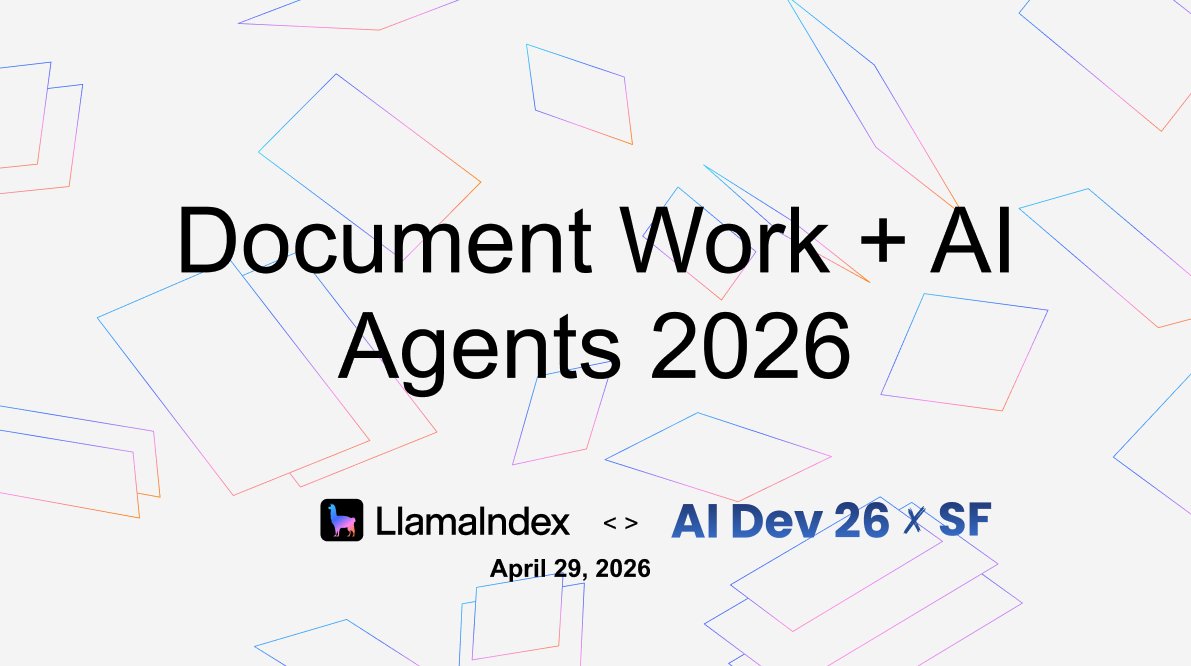
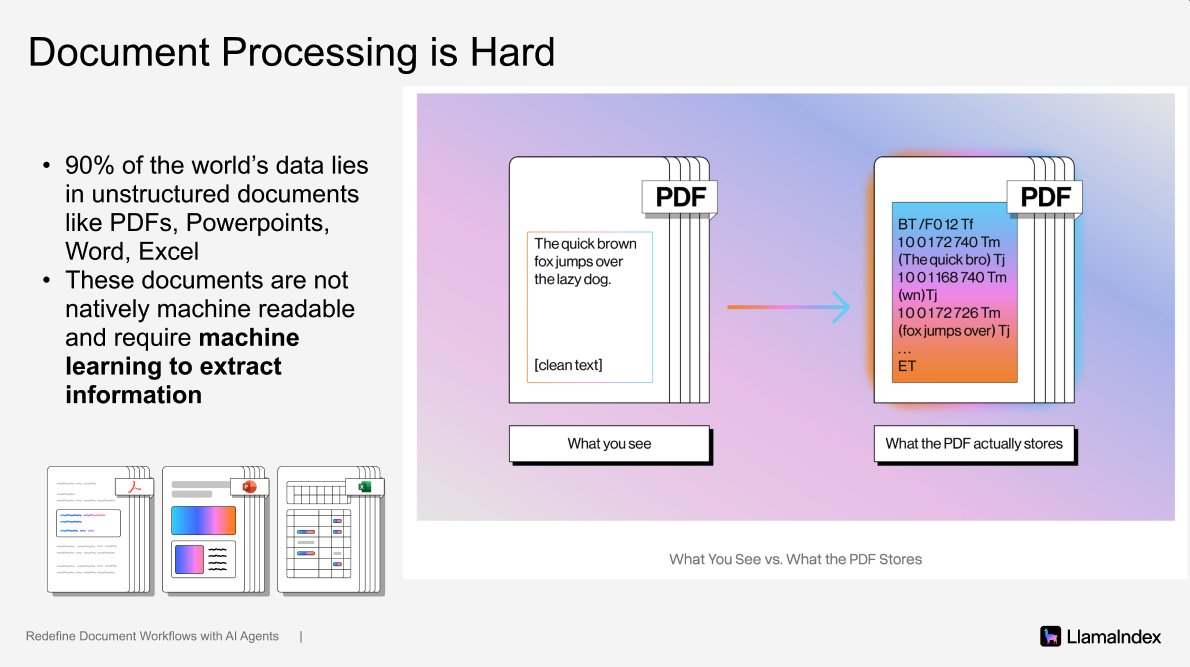
Last week I gave a talk at AI Dev ’26 by @DeepLearningAI on “AI can’t read PDFs, how do we fix it” . I’m sharing the slides publicly if others are interested in doing a deep dive into document understanding. AI agents are going to automate huge amounts of knowledge work, but knowledge work depends on data, a lot of that data is in documents/PDFs, and existing OCR tools suck. PDFs are a format that is inherently hard to read, and I dive into specific reasons why (tables, layouts), and why frontier VLMs and benchmarks are still insufficient. Even as agents get better and more general, they need the right tools to read and act over PDFs. They both need this at the data ingest layer, as well as tools they can call on the fly. Check out the slides: https://t.co/IyaTlQMPlW We’re building high-quality AI document processing, both with LlamaParse, along with OSS efforts like LiteParse and ParseBench. If you have a ton of PDFs that you’re hoping to unlock with AI, come talk to us! https://t.co/TsPLwqZ8yg
A few weeks ago @simonw got Claude to port LiteParse to the browser. Today, we are launching that work as a complete guide in our docs! https://t.co/sqmrVxx3YU The guide itself relies on some fun hacks with vite and mocking. We expect this process to improve with future releases, so stay tuned!

Ever wished your agent could read PDFs, images, and Office documents as easily as plain text? Or combine the safety of a secure sandbox with the full power of Bash access? We built exactly that. Meet 𝘀𝗮𝗻𝗱𝗯𝗼𝘅𝗲𝗱-𝗹𝗶𝘁, a Rust 🦀 CLI agent that combines: - LiteParse, our lightning-fast local parser for PDFs, images, Office files, and more - A secure sandbox powered by @microsandbox - Full filesystem mounting, so your agent can safely interact with local files inside the sandbox Mount your local workspace, give the agent shell access, and let it do its magic 🪄 👩💻 GitHub: https://t.co/3NpXcFw58p 📚 Learn more about LiteParse: https://t.co/XoAIrbPtE4–
GDP.pdf was accepted to the CVPR 2026 Workshop on Multimodal Reasoning can frontier models handle the three-letter document type that runs the world? we partnered with hundreds of expert surgers - ER physicians, construction engineers, corporate litigators - to find out. every one scored under 15%. paper, leaderboard, and dataset below. paper: https://t.co/y4hmPXbpx4 dataset: https://t.co/rElrfOntcU leaderboard: https://t.co/9CMY6JVhDL blog: https://t.co/0Wj97DBr44

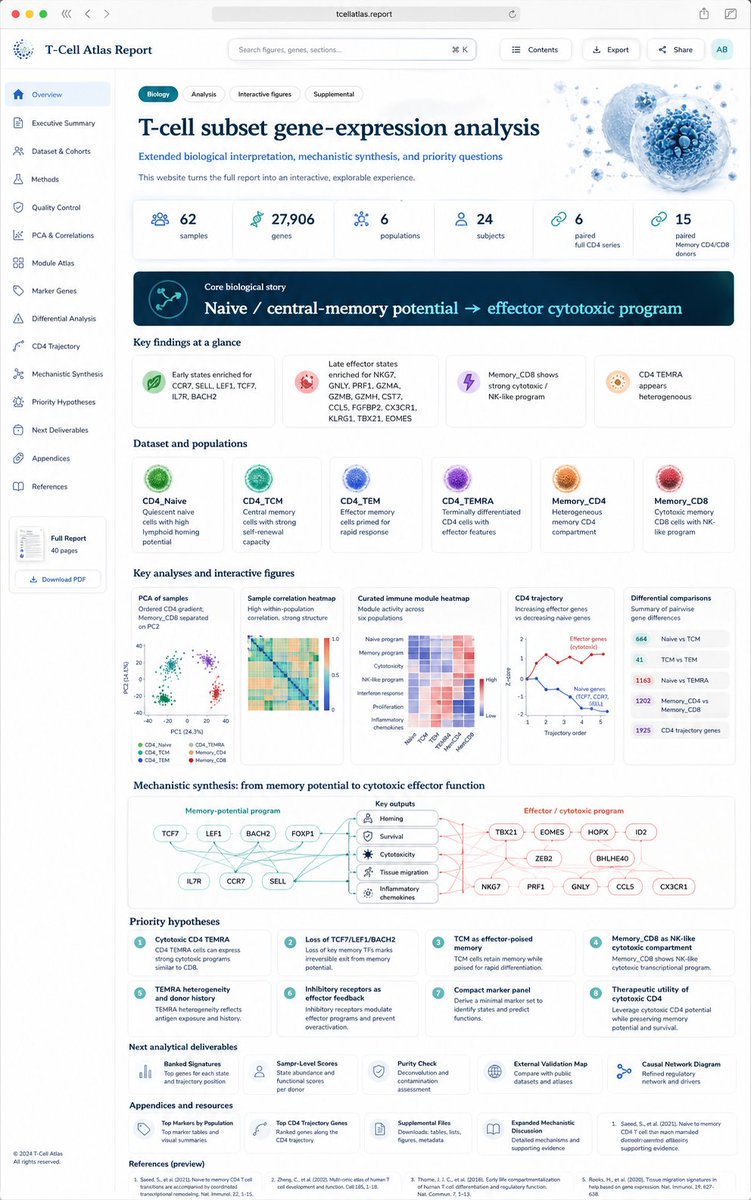
As I mentioned before, I am now sharing an example from GPT-5.5 Pro, also featured by OpenAI, that really left me stunned by what it is capable of in biomedical science. (full report on the website I created with Codex, link in the thread). To push GPT-5.5 Pro hard, I uploaded a real data set of immune subset (T cells) gene-expression spreadsheet: 62 sorted T cell samples, 27,906 gene columns, and millions of underlying data points across different T cell subsets. Importantly, this public dataset also had paired structure making it possible to separate true cell-state biology from donor-to-donor variation. I asked GPT-5.5 Pro not merely to summarize the spreadsheet, but to analyze it deeply: What can we learn from this dataset? What are the mechanistic insights? What are the most important biological questions that emerge? What follow-up experiments should we do next? It thought for about 100 minutes and produced a roughly 40-page report! What amazed me was not just the length or even the initial analysis, since previous models are also capable of doing this. What amazed me was the quality of the reasoning and insights it provided! The report recognized that this was not just a table of genes, but two overlapping experimental designs. It identified the major biological axis, which in plain language was that the cells were not just “different categories.” They formed a coherent differentiation landscape, moving from future potential toward immediate function. It also understood the caveats. It did not overclaim from bulk gene-expression data. It clearly explained that bulk transcriptomics cannot distinguish whether every cell in a sorted population has shifted or whether a smaller subpopulation is dominating the signal. It recommended the right next steps experiments, and integration with donor metadata. This is what made the report feel so special to me. It was not just doing statistics. It was reasoning like an expert systems immunologist. It saw the structure of the experiment, interpreted the patterns, built a mechanistic model, identified limitations, proposed causal hypotheses, and laid out a translational roadmap. Other advanced models have been able to generate excellent biomedical reports before, including previous GPT-5 models. So I don't want to claim this is an entirely new type of capability. But this one felt different in an important way. It had more scientific elegance, more restraint, more biological intuition, and more of the nuanced judgment that usually comes only from years of hands-on experience in the field. It felt like this AI model had crossed another threshold. This is the kind of analysis that could easily take a research team months to perform, refine, interpret, and write up. Even then, many teams might not produce something this integrated, this mechanistically coherent, and this useful as a launchpad for future experiments. I know a 40-page T-cell gene-expression analysis may not be exciting to everyone. To illustrate how good it is, also had Codex built a web site with it anyone can explore, link below. 😊 Those interested can go deeper into the report. I also wanted this example on the record because, because to me, it is evidence that we are entering a new stage in AI-assisted biomedical science. The important point is no longer that AI can "analyze data and write a report.” The important point is that AI can now help transform complex biological data into mechanistic understanding, experimental priorities, and testable hypotheses at a speed and depth that would have been almost unimaginable a short time ago. For biomedical science, this is a very big deal! Of course, this may vary across domains, and every analysis still needs expert review, validation, and experimental follow-up. But in my own field, with data I understand deeply, this felt like another inflection point. I feel strongly that we have crossed another milestone threshold in the age of AI, with the release of GPT-5.5.
.@pmarca says AI is the biggest technological revolution of his life: "This is the biggest technological revolution of my life. This is clearly bigger than the internet. The comps on this are things like the microprocessor, the steam engine, and electricity." "The neural network as an idea continued to be explored in academia for the last 80 years. And essentially it didn't work, it was decade after decade of excessive optimism, followed by disappointment." "Then basically we all saw what happened with the ChatGPT moment. All of a sudden it crystallized, and it was like, 'Oh my God, it turns out it works.' We're sort of three years into effectively an 80-year revolution."
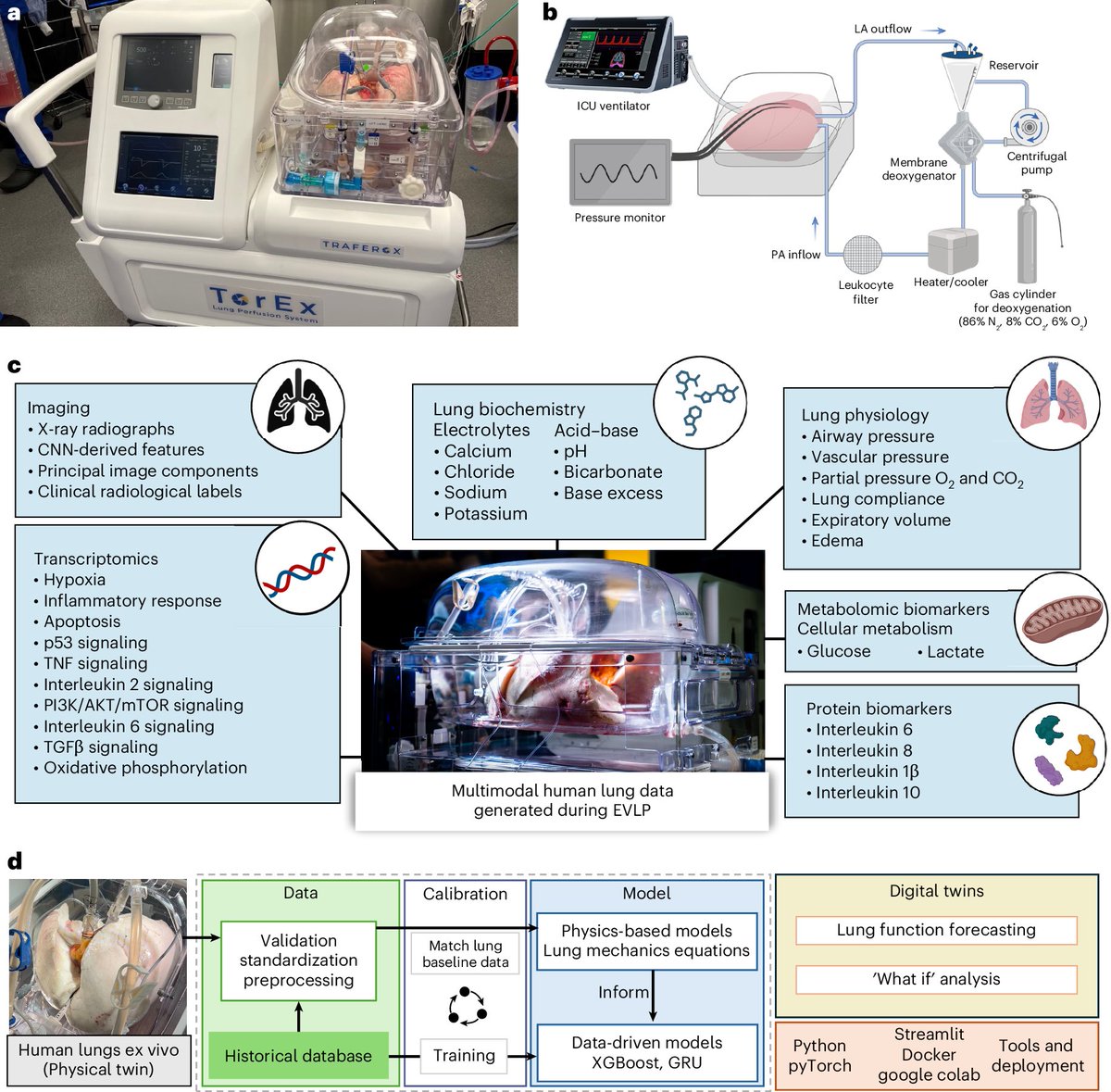
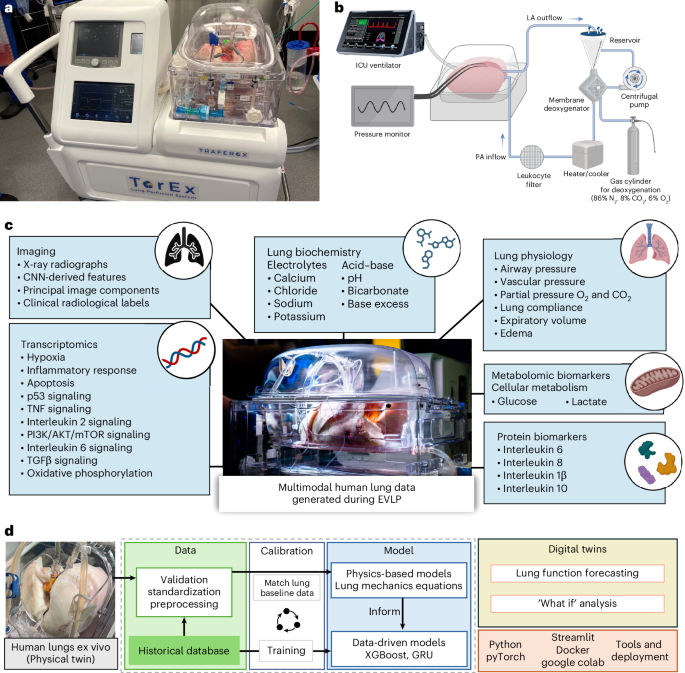
What if you could test a drug on a human organ and simultaneously know what would have happened without it? That's what we built. Proud to share our work in @NatureBiotech: digital twins of human lungs 🫁🔥 (paper: https://t.co/Y8wzxNwWfd) We created digital twins of ex vivo human lungs: multimodal AI models trained on 951 human lungs from the world's largest EVLP dataset at @UHN. Physics-informed ML across physiology, biochemistry, transcriptomics, proteomics, metabolomics, and imaging, all forecasting together. The key insight: the physical lung receives the treatment. The twin is the untreated control. Paired causal inference on the same organ. No separate cohort. No intersubject noise. Result: we detected drug efficacy with 6 lungs. Traditional methods would need 18. This is what precision preclinical evaluation looks like. From Virtual Cells → Virtual Organs → Virtual Patients. One step toward virtual organs replacing animal testing. Huge congratulations to Elly Zhou (a phd student I co-supervise) for leading this work with exceptional rigor, and to Andrew Sage and @SKeshavjee for building the foundation that made it possible.
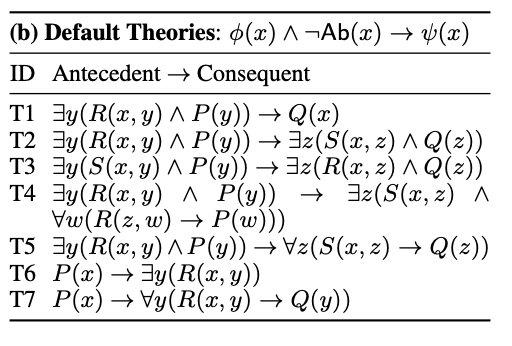
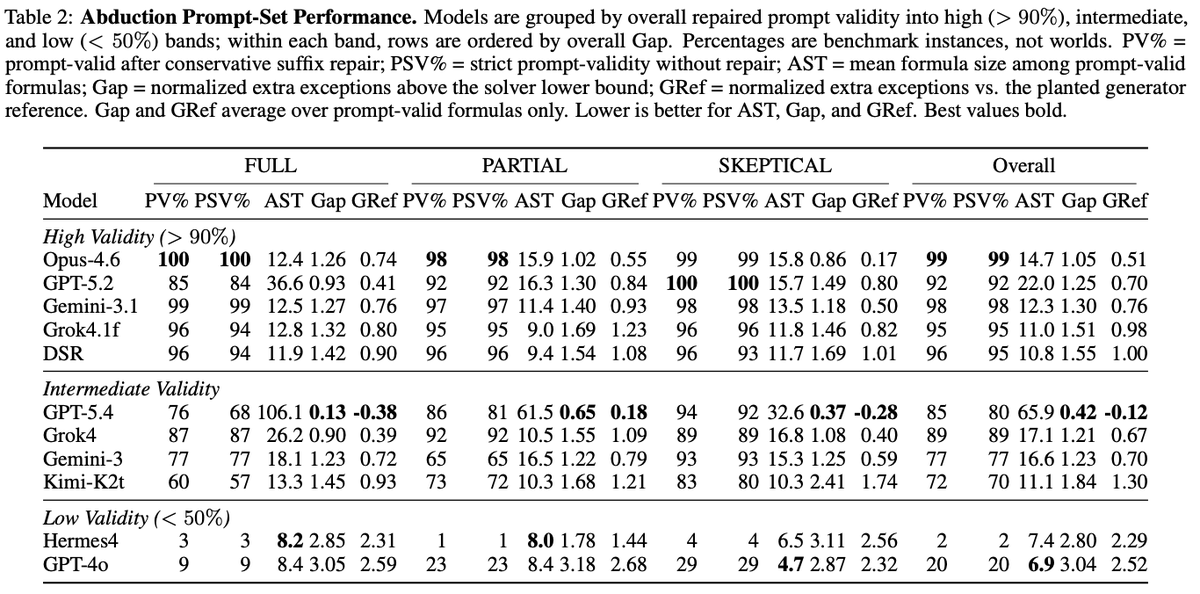
Our paper “ABD: Default–Exception Abduction in Finite First-Order Worlds” was accepted to KR 2026, in the KR Meets Machine Learning and Explanation track. arXiv: https://t.co/HYb5icwsel code/data: https://t.co/ZXXqzouuni A very nice plain-language summary: https://t.co/Zl5lHu4EGH Motivation: many reasoning benchmarks ask whether a model gets an answer right, but give only a weak view of *why* it succeeds or fails. In ABD, the model has to synthesize an explicit first-order formula explaining the exceptions to a default rule. A typical task is not: “classify this object.” It is: given a background first-order theory, and several finite relational worlds, output one formula α(x) that defines when an object is abnormal (i.e., does not satisfy the background theory), while keeping the exception set sparse. That gives us three things that are hard to get from many natural-language benchmarks: 1. exact semantic checking; 2. an explicit hypothesis produced by the model; 3. a cost measure, so we can distinguish “valid but bloated” explanations from compact ones. The benchmark has three observation regimes: • Full / closed-world: the observed facts are complete. • Partial / existential completion: unknowns may be completed favorably. • Skeptical / universal completion: the explanation must work under all completions. So the same high-level task can be tested under increasingly demanding assumptions about incomplete information. A central design choice is that each instance contains multiple prompt worlds. The model must output one shared α(x) that works across all of them jointly. This is meant to test rule synthesis, not per-world labeling. We also evaluate on matched holdout worlds. This lets us separate two failure modes: formulas that stop being valid on fresh worlds, and formulas that remain valid but become too expensive i.e., call too many objects "abnormal". Empirically, evaluating ten frontier LLMs on 600 instances, the best models often achieve high validity, but parsimony remains a real issue. Many hypotheses repair the theory but use unnecessarily broad exception definitions. Holdout evaluation also shows distinct generalization failures across the three observation regimes. ABD aims to test one specific type of reasoning, formulating simple rules (first-order formulas) that explain exceptions to a given background theory. Finite first-order worlds give us a clean testbed for doing so, by being explicitly solvable and feasible for generating problems automatically. I hope it is useful both for evaluating language models and for comparing them with more symbolic or solver-aided synthesis methods.
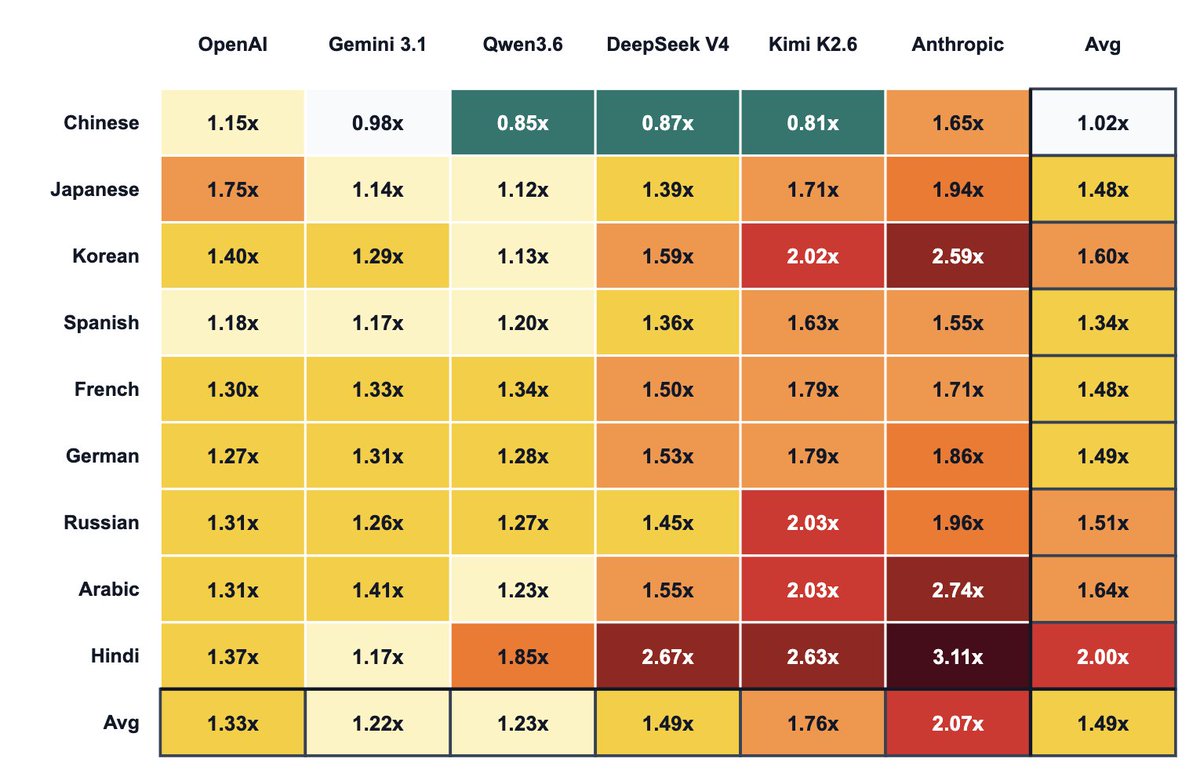
Follow-up on non-English token-inefficiency with more model-language pairs: - Chinese is cheaper than English on major Chinese models - Gemini and Qwen provide least non-English tax - Anthropic has the highest tax by far; Kimi is next - Hindi is the worst-covered language here, despite its massive speaker base
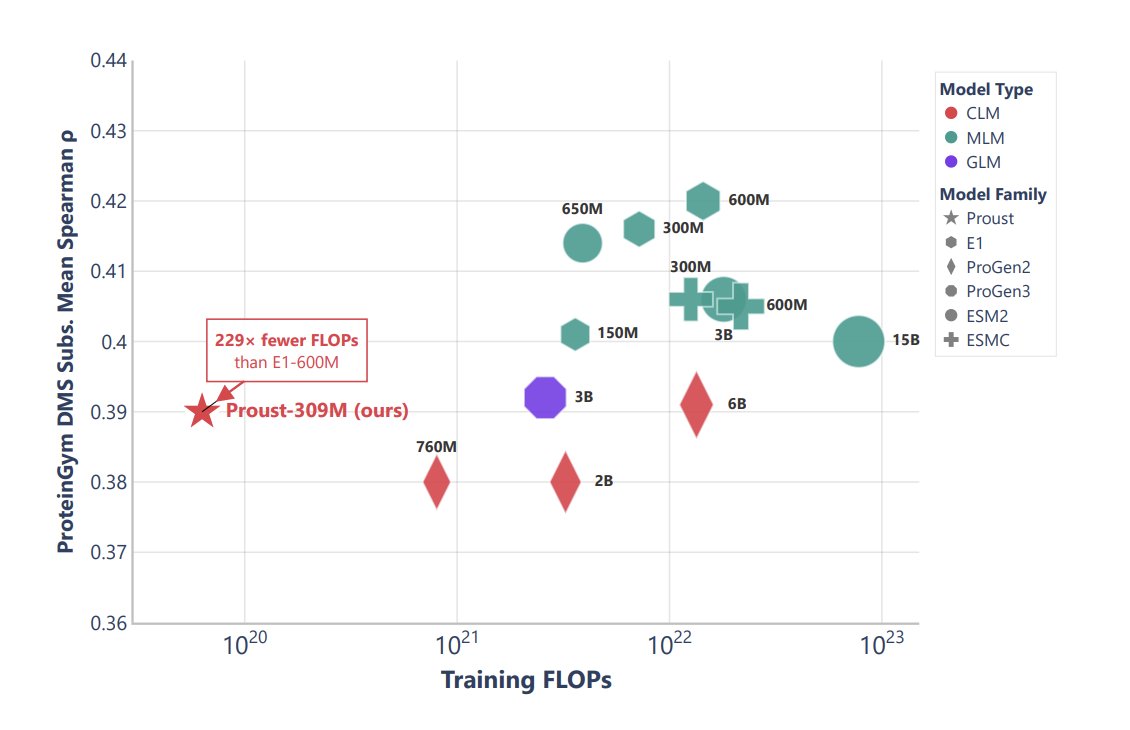
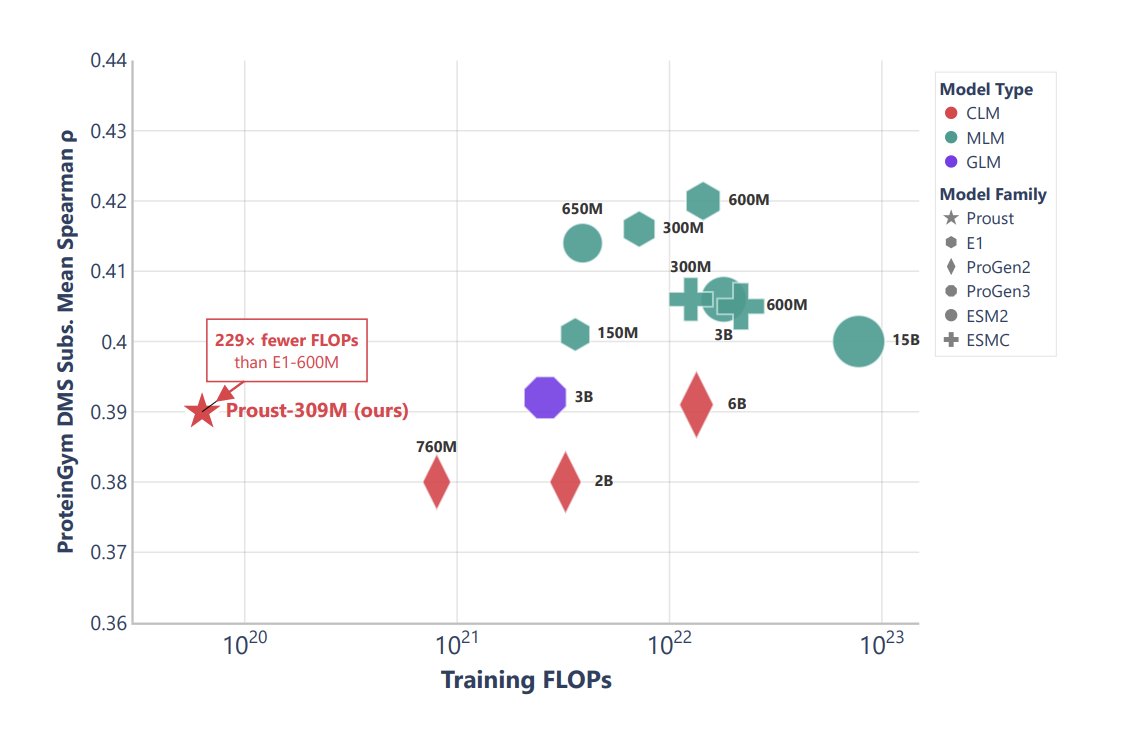
The author achieved comparable performance with >10x less compute in this paper, but he needs compute to scale up this protein model desperately. Plz someone give him compute. https://t.co/cHPmPLkp3E
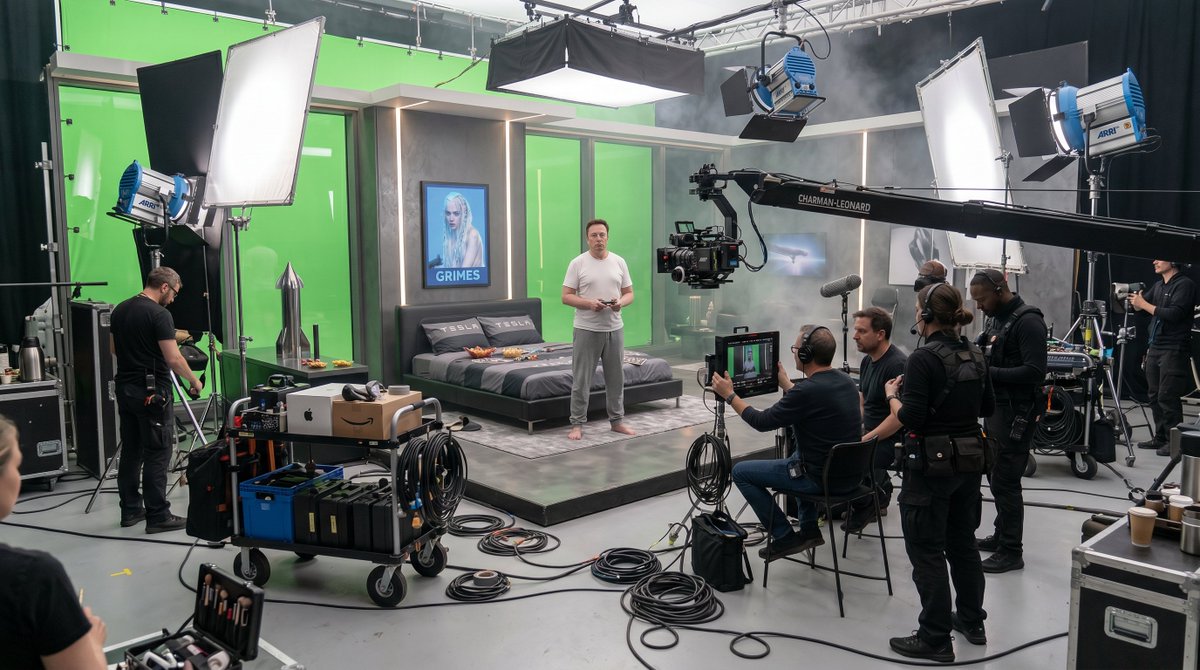
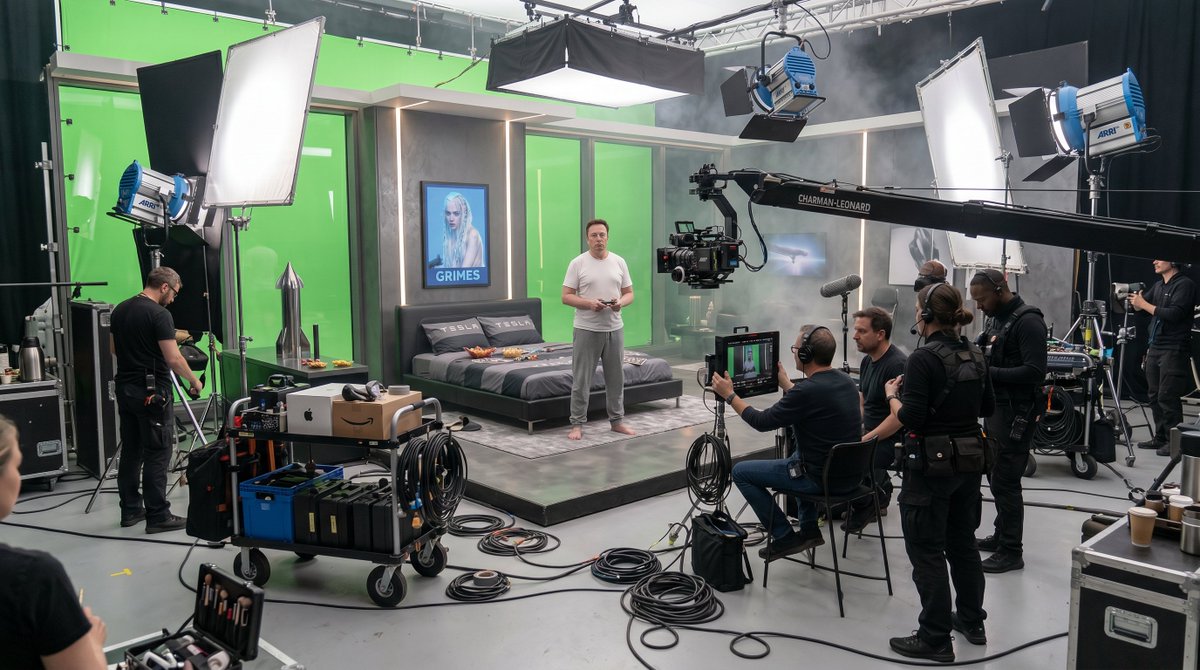
Not sure why there's a Graphic Content warning on the trailer, but here are some additional stills from behind-the-scenes. @elonmusk actually brought his own @Grimezsz poster to the set. https://t.co/zNeUDzo0O0
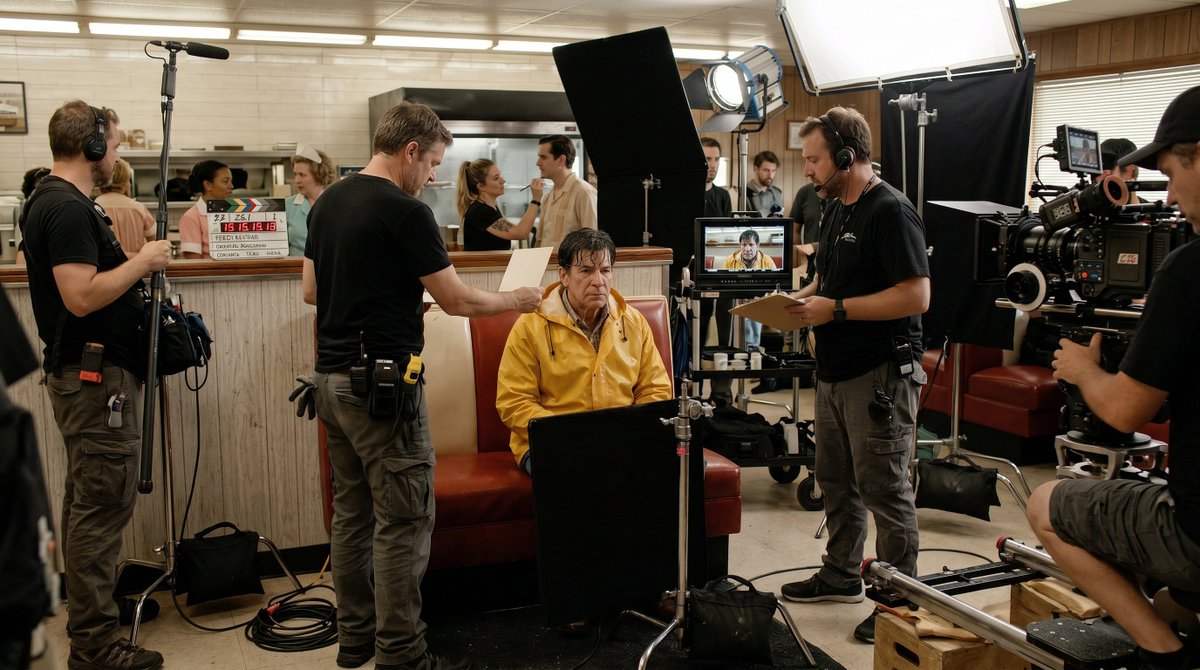
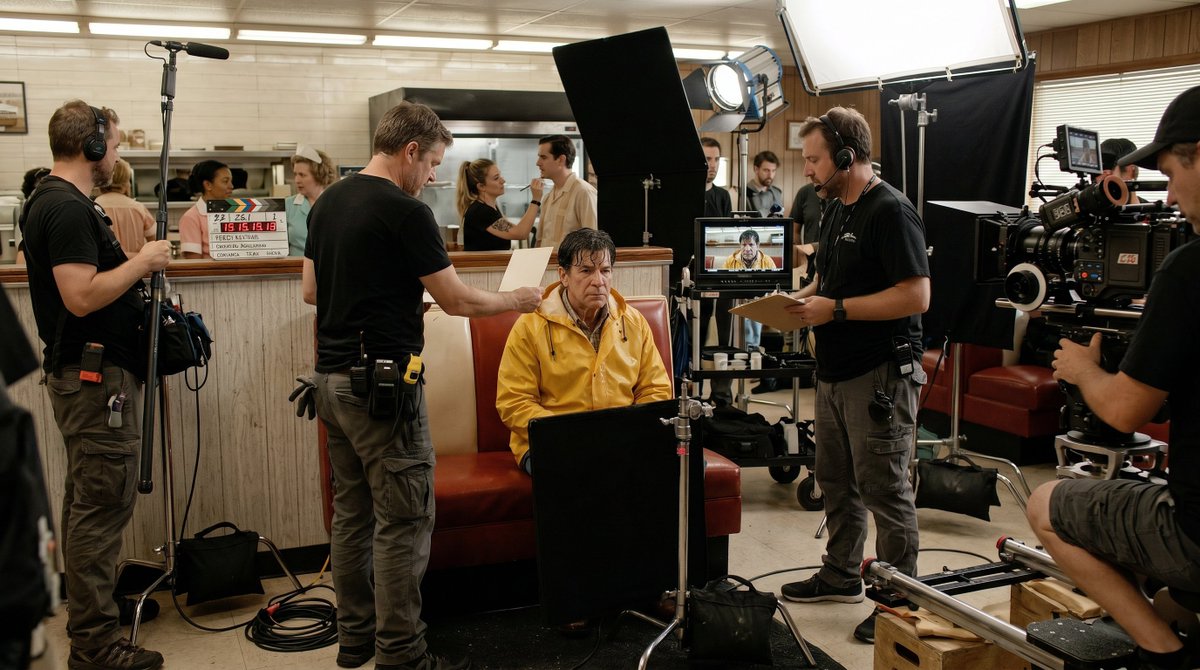
@elonmusk @Grimezsz The diner scene with @ericweinstein took a full 10 hours to get right. Somebody (not Eric) kept flubbing his lines. https://t.co/uzic3zxAHG
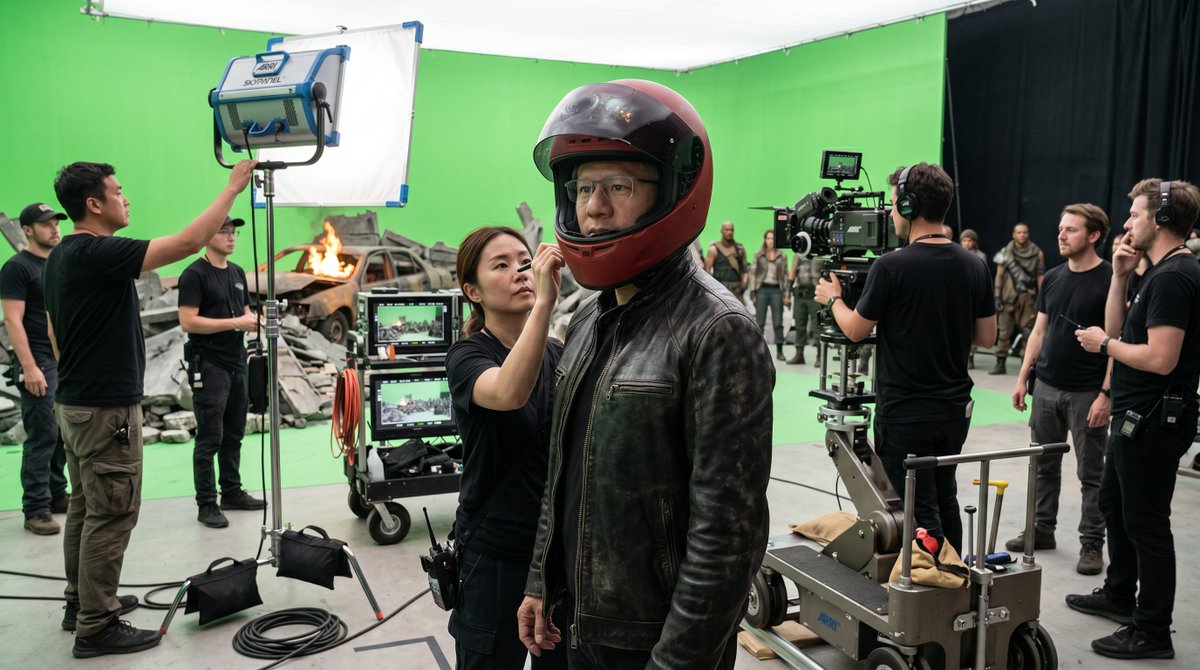
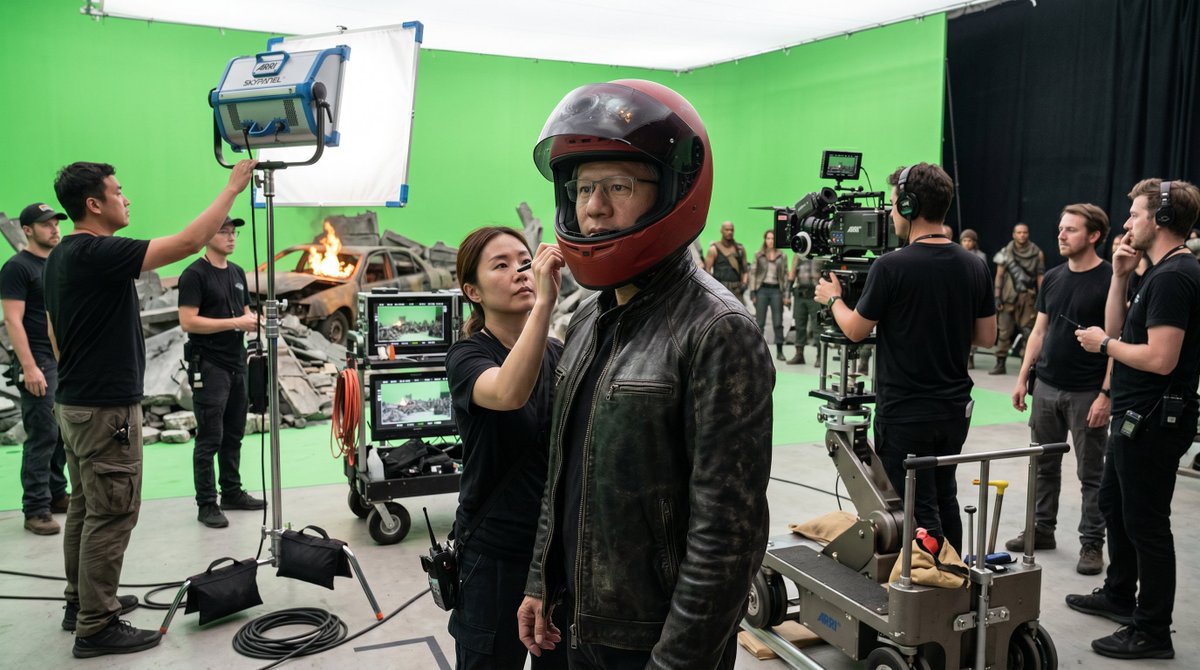
@elonmusk @Grimezsz @ericweinstein Unfortunately @nvidia CEO Jensen Huang was able to shoot for a day with us, but his performance was 🤌 https://t.co/hjwGLKF38v
@elonmusk @Grimezsz @ericweinstein @nvidia The intense romantic scenes with @ElizabethHolmes were a real highlight of the production! https://t.co/Wv0UOp9g2a
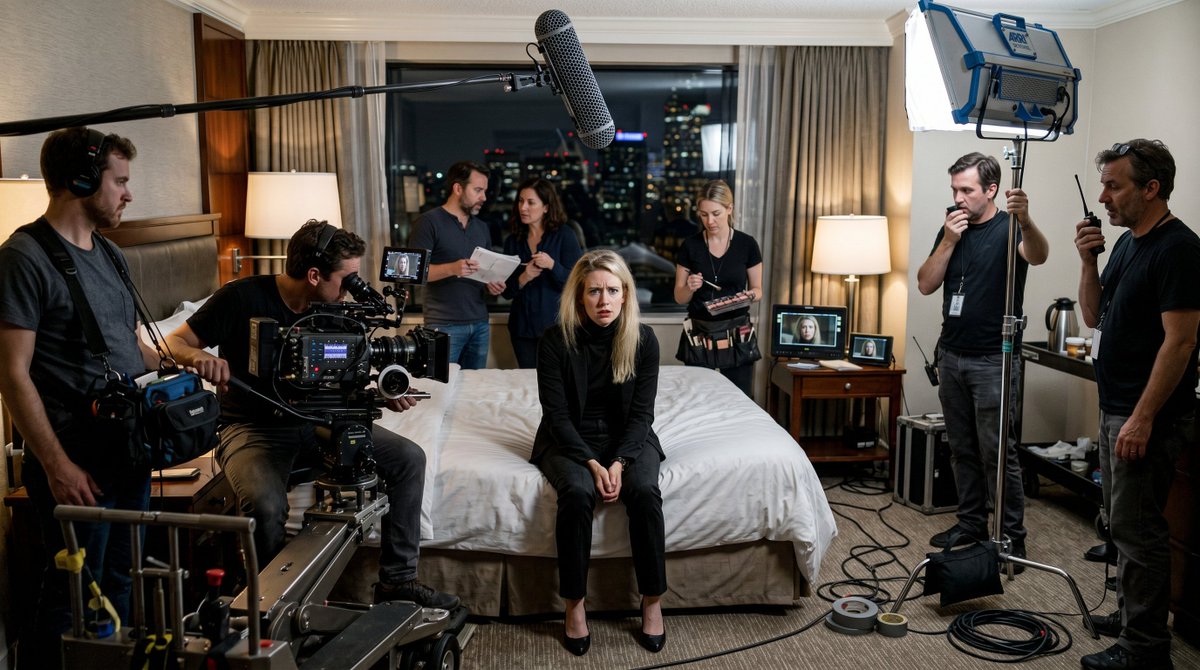
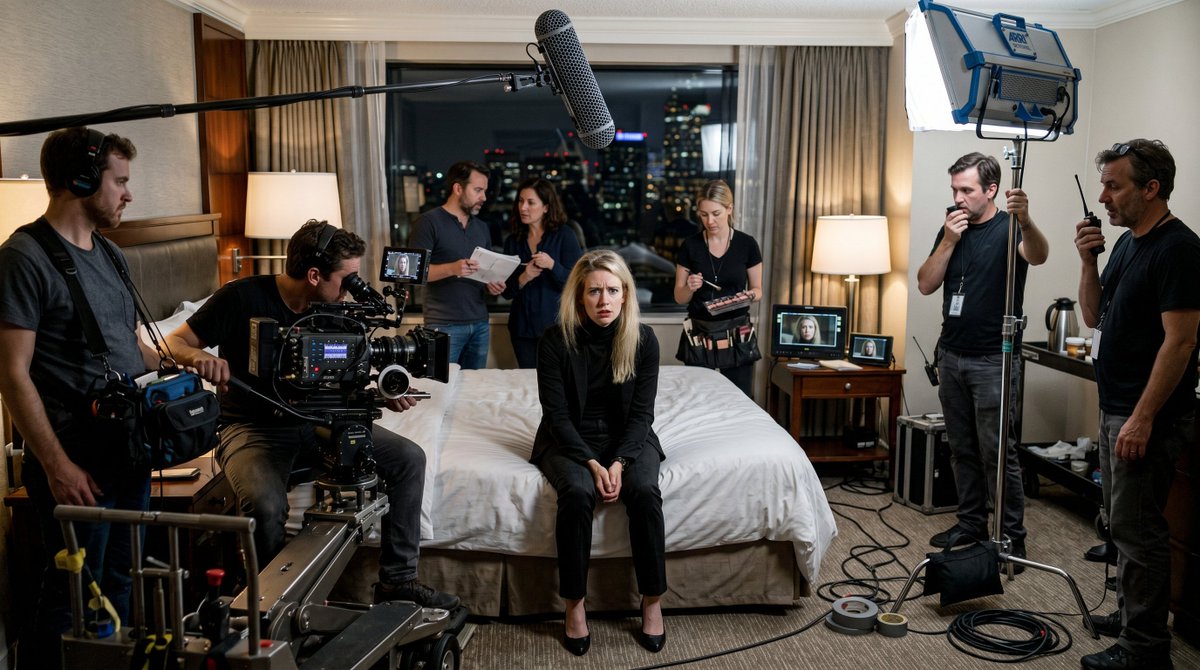
@elonmusk @Grimezsz @ericweinstein @nvidia @ElizabethHolmes At first @neiltyson passed on the script — said it was "too action-packed." But the second we signed Stephen Hawking, his agent called back insisting he was born to play the role! https://t.co/bATQLBLwxb
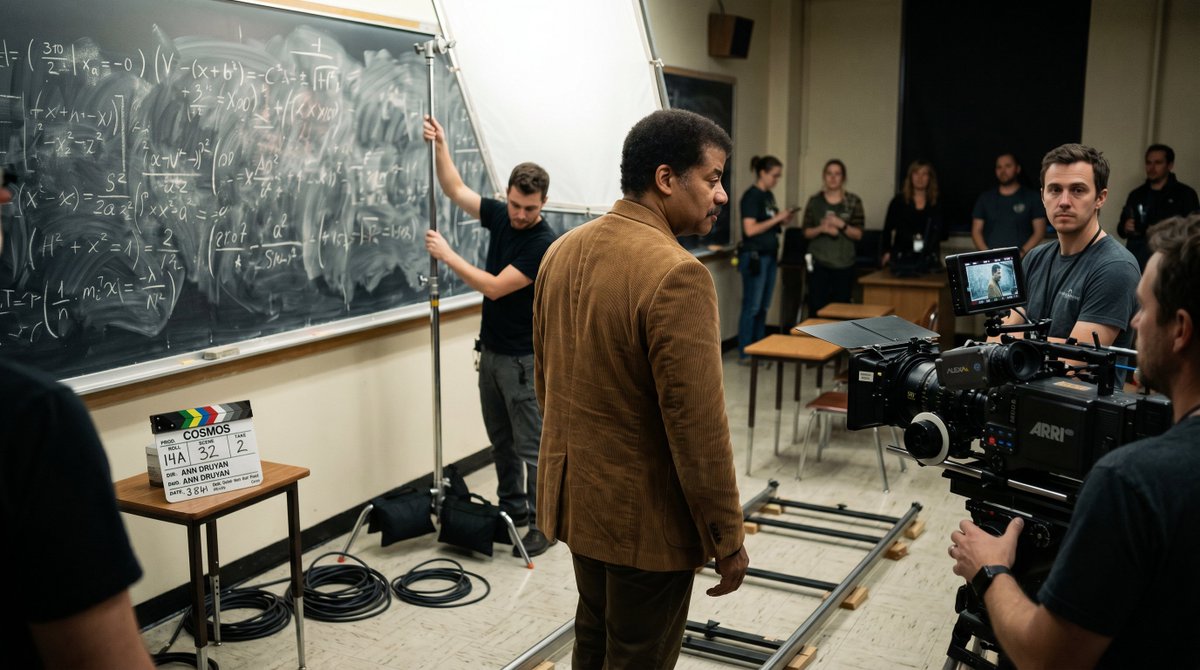
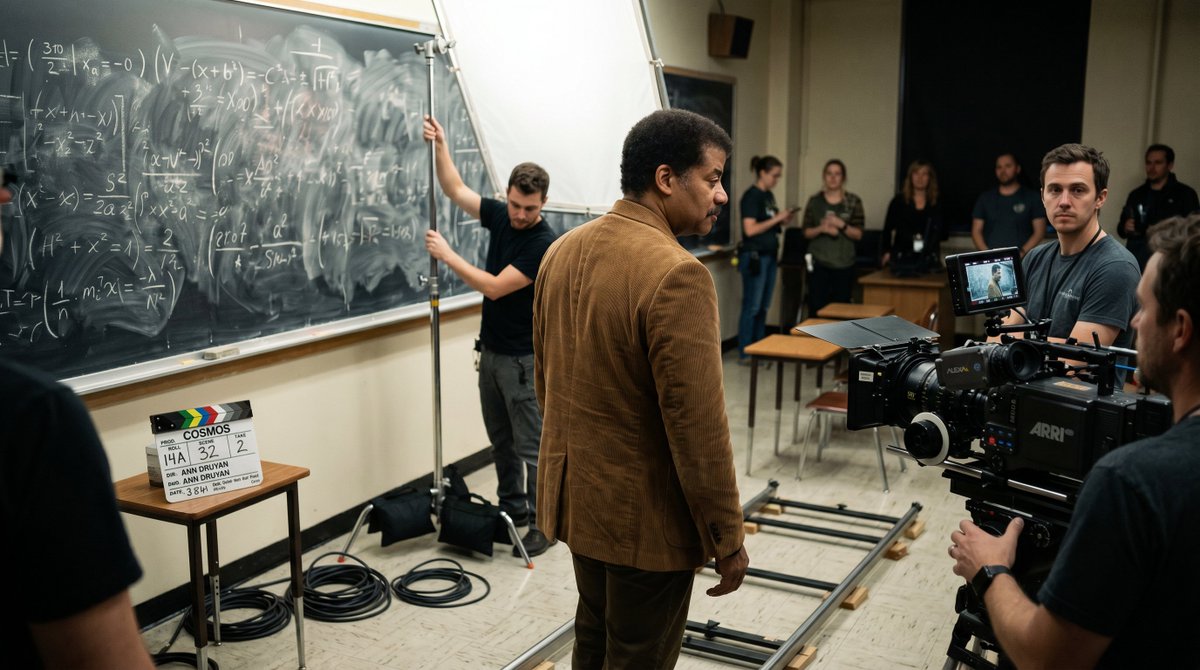
@elonmusk @Grimezsz @ericweinstein @nvidia @ElizabethHolmes @neiltyson In fact, @NYCMayor wasn't even officially cast in the film, but just happened to be strolling by when we were shooting that day and agreed to a quick cameo! https://t.co/8PmJzR6t3l
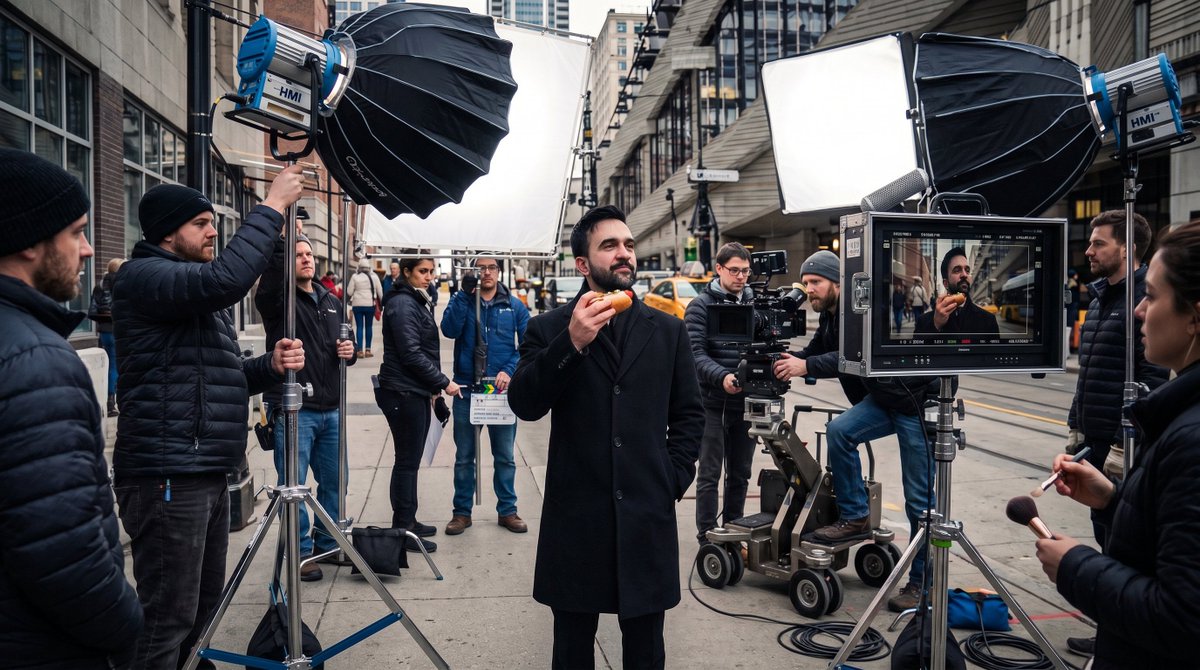
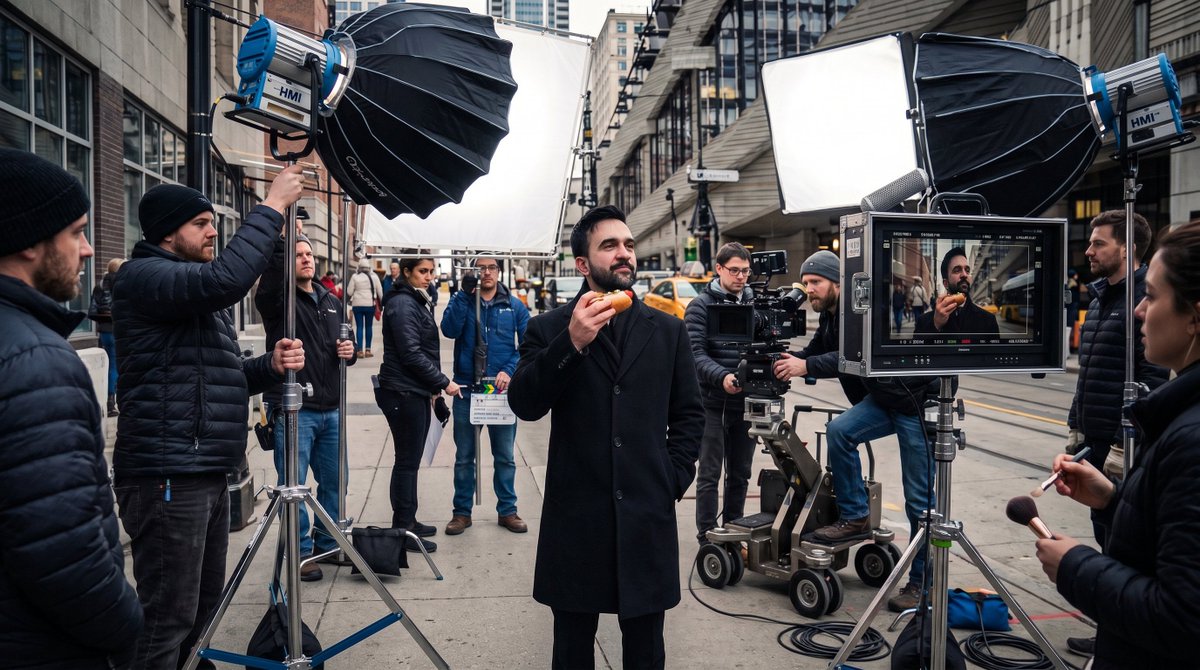
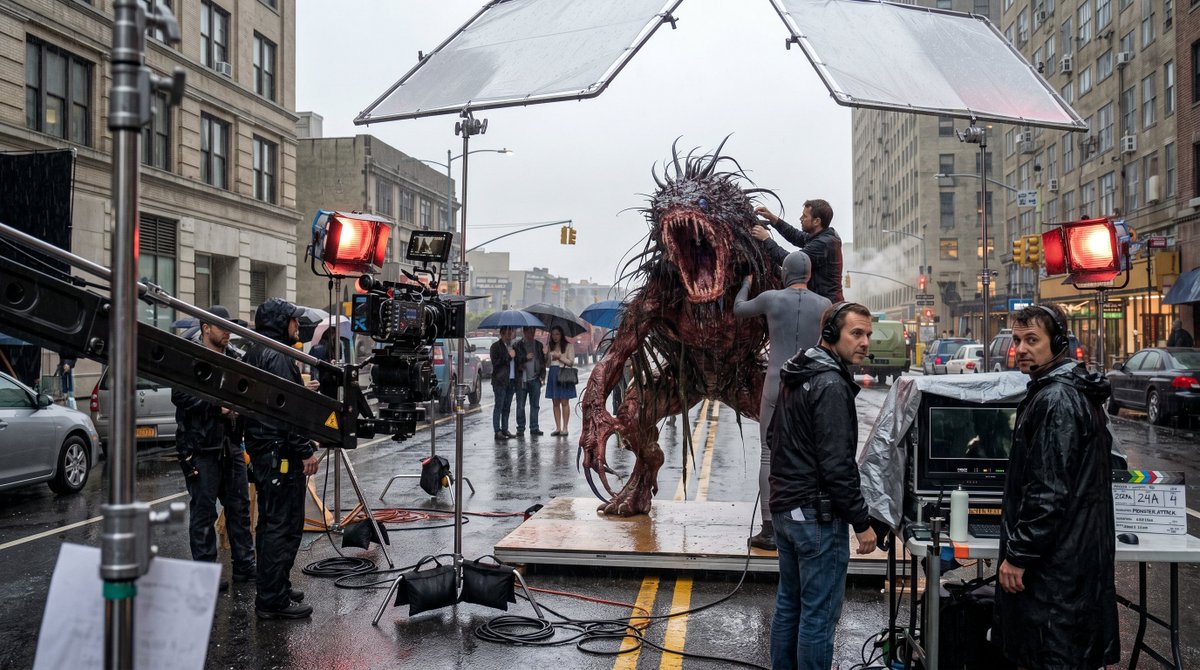
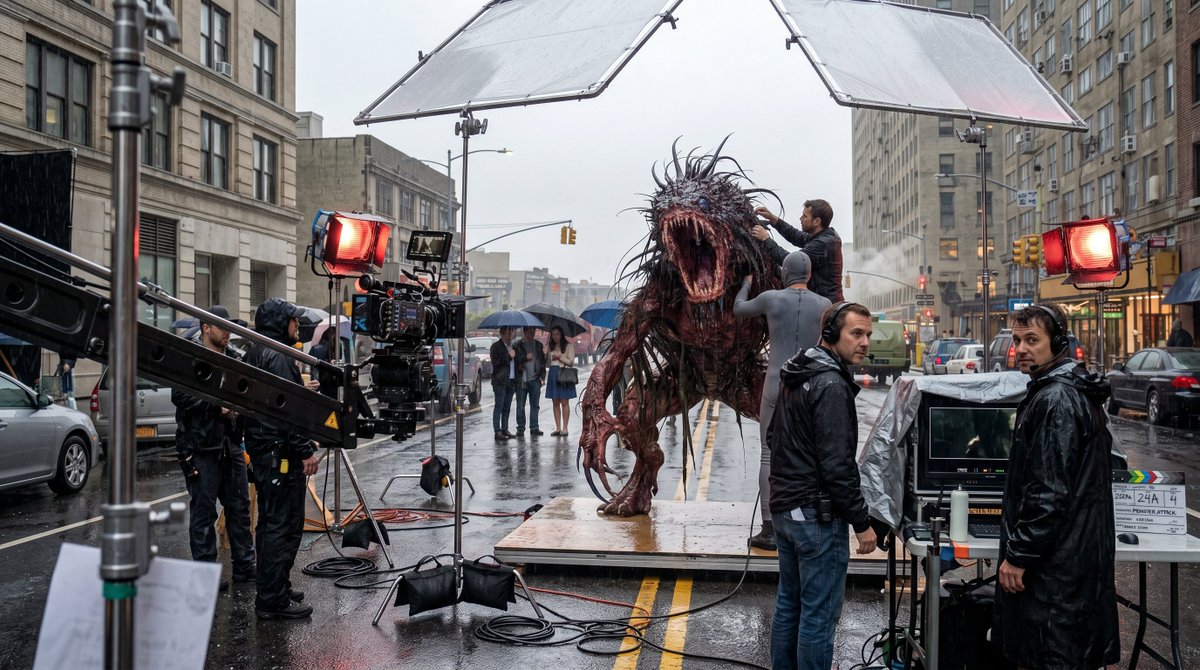
@elonmusk @Grimezsz @ericweinstein @nvidia @ElizabethHolmes @neiltyson @NYCMayor The director insisted on practical effects ONLY for the Wormhole Aliens. This was a huge pain in the producer's ass, but the results speak for themselves! https://t.co/eFnyZNFt51
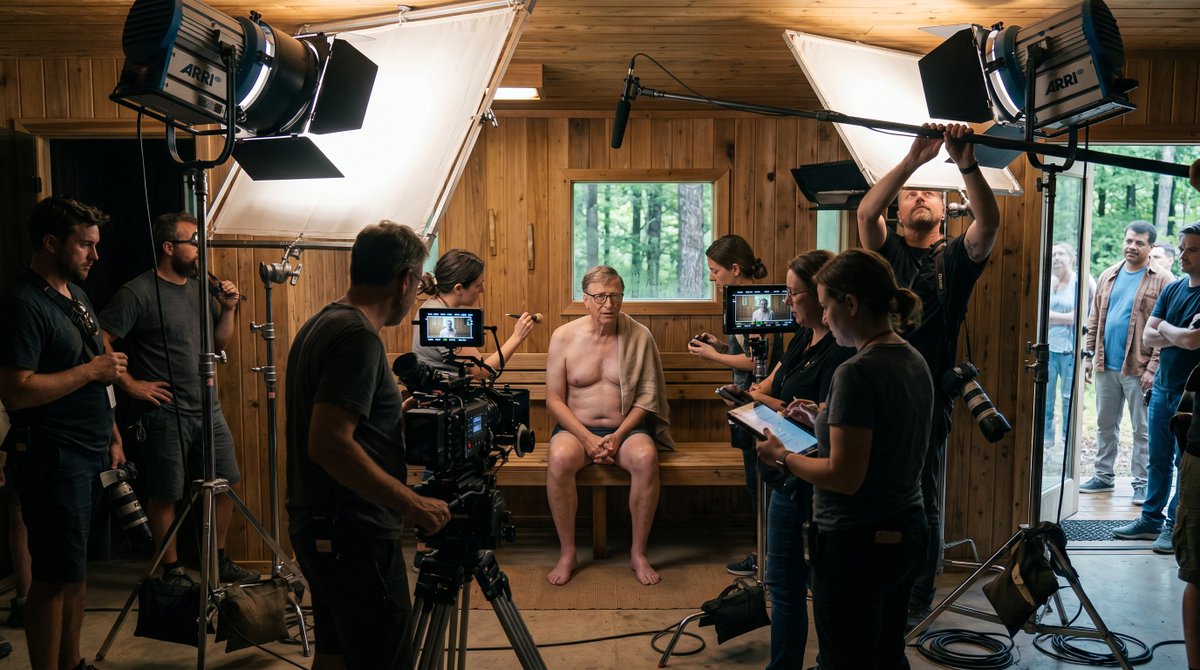
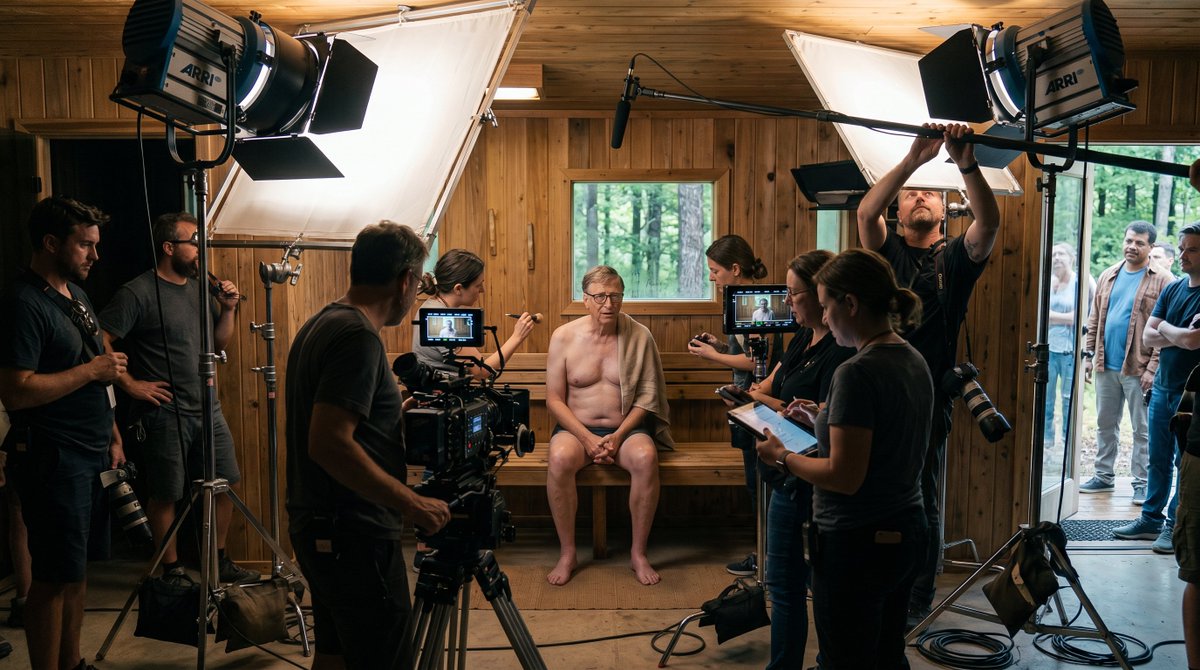
@elonmusk @Grimezsz @ericweinstein @nvidia @ElizabethHolmes @neiltyson @NYCMayor The infamous sauna scenes with @BillGates were a real crew bonding experience in the sense that we all silently agreed never to speak of them again https://t.co/tRHbb47Pwa
🚨 🚨 🚨 Neil deGrasse Tyson reacts to AI or Die’s PI HARD 🚨 🚨 🚨 👇 https://t.co/M1jNoGEcwD
new site, same nonsense. https://t.co/RyaLLNSpkg
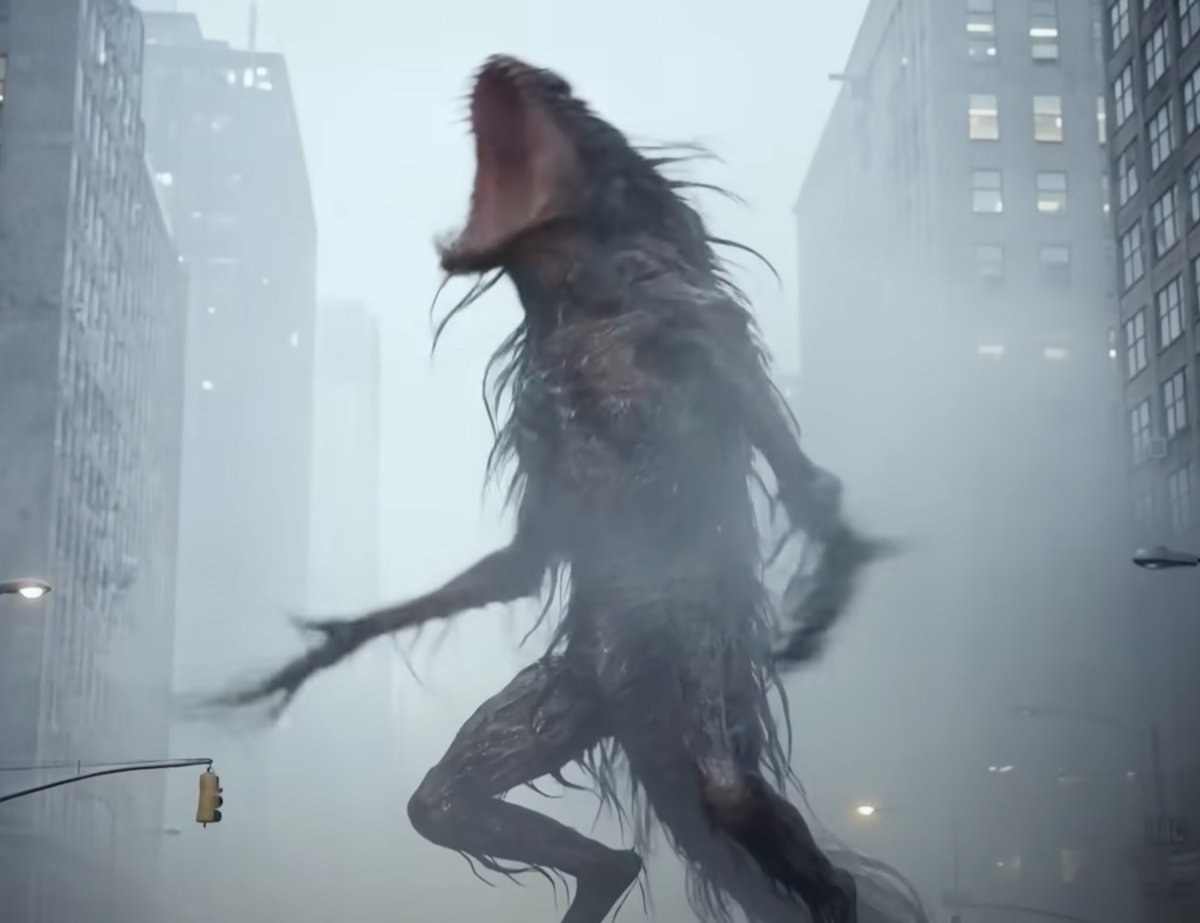
In the “Pi-Hard” movie trailer (https://t.co/3V3ZmHOn6W), is that the best Alien AI could come up with? A hairy lizard-monster dropped from a vortex in the sky over my City? That scene stretched credulity. Everybody knows Reptiles have no hair. https://t.co/YmPC2bNv3U
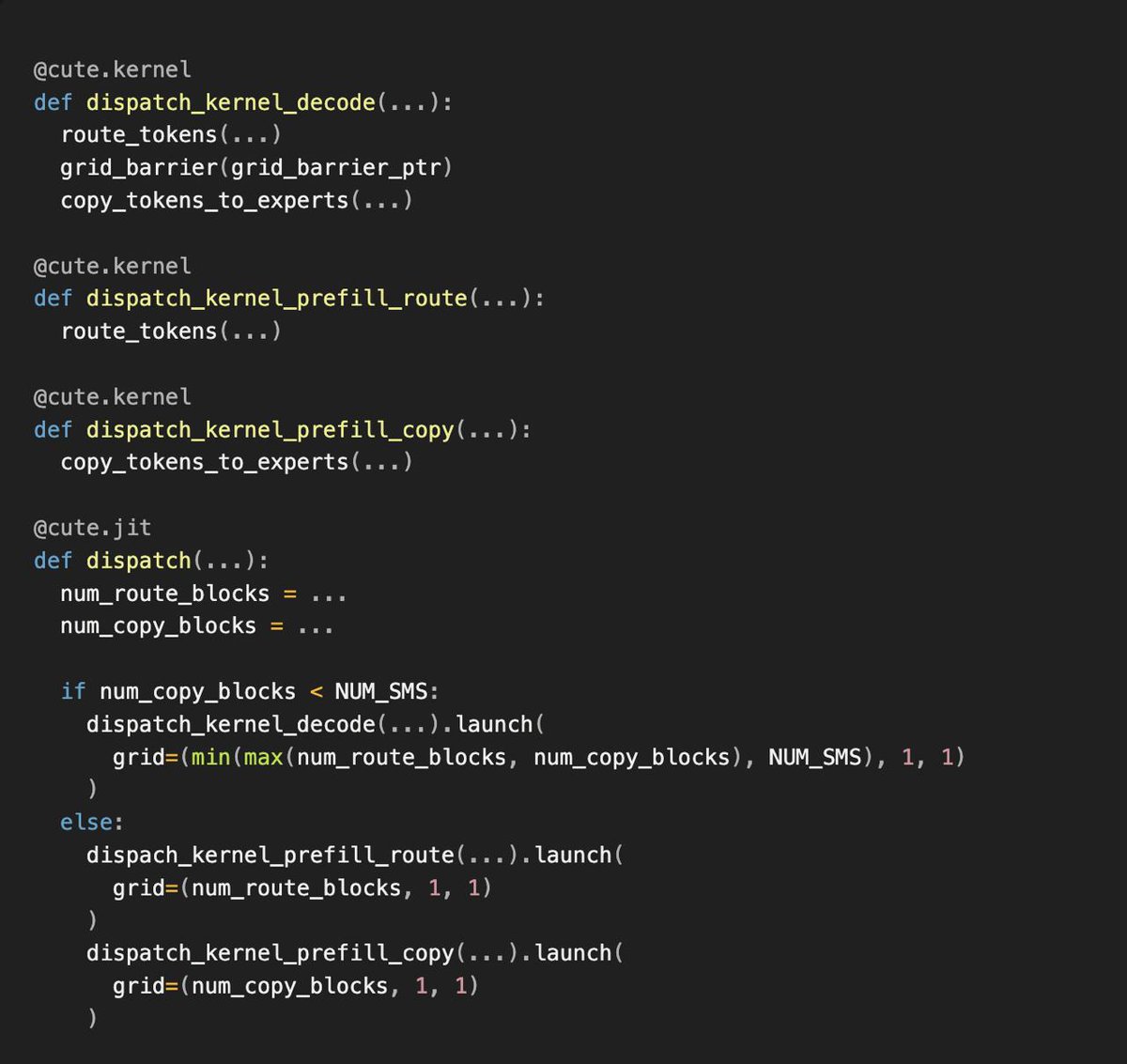
We’ve developed our own inference engine Runtime-Optimized Serving Engine (ROSE) to serve models ranging from embeddings to trillion-parameter LLMs. With CuTeDSL integrated into our inference engine, Perplexity can build the specialized GPU kernels faster to bring models up to peak performance on NVIDIA Hopper and Blackwell GPUs.
Personal Computer is now available to all users in a new Perplexity Mac app. Personal Computer is an advanced version of Perplexity Computer. It operates on any Mac, running tasks across your local files, native Mac apps, the web, and Perplexity’s secure servers. https://t.co/M1QMZJuOyJ
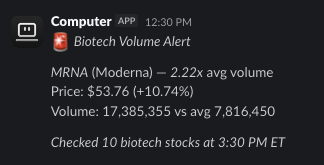
Perplexity Computer + realtime OHLCV data from stock exchanges (included with Computer) + Slack integration https://t.co/GSLOnUXRkp
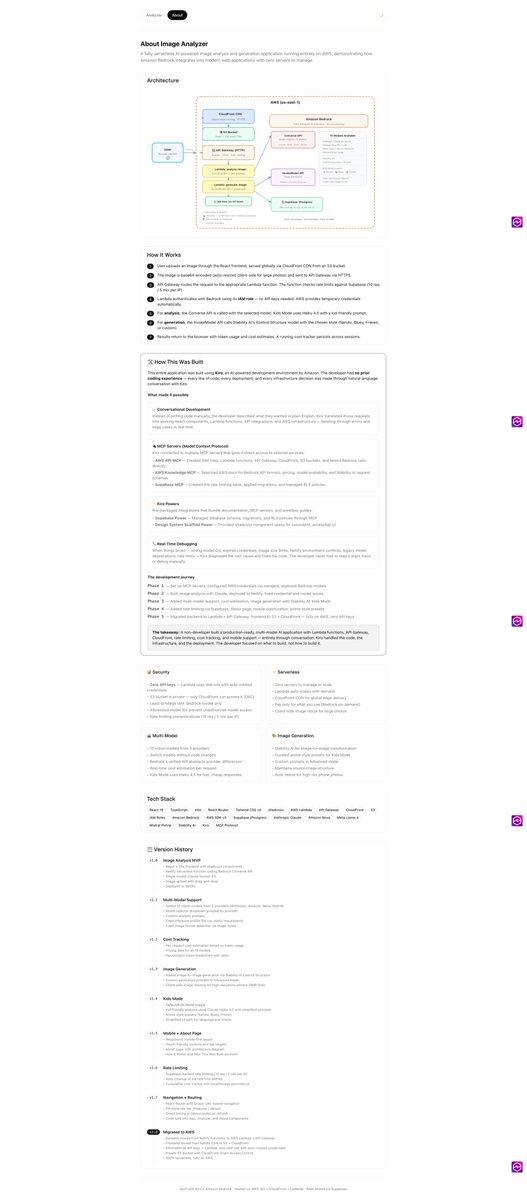
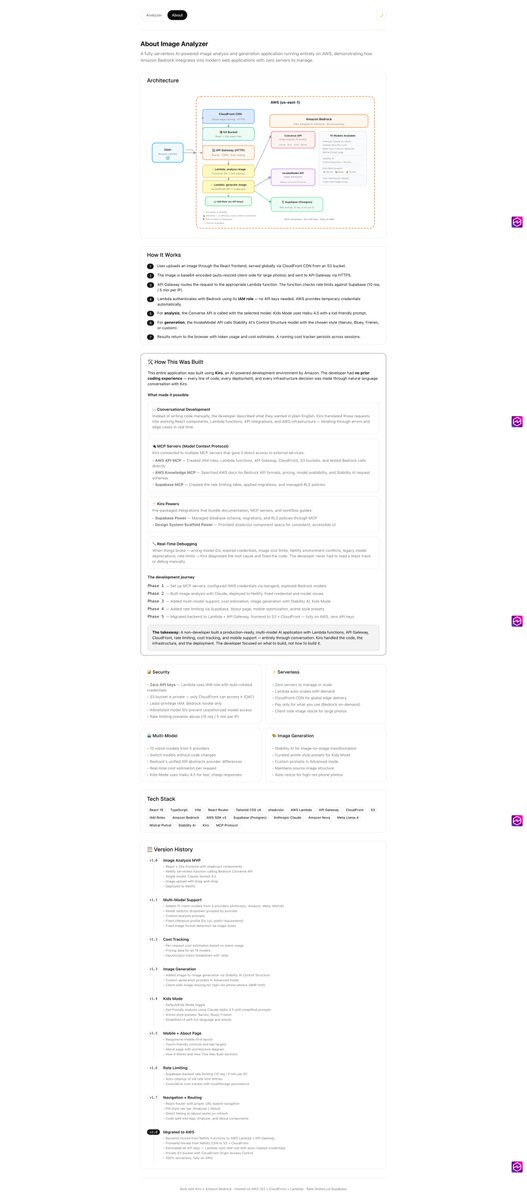
spent the afternoon building an app with Kiro+Bedrock I am in disbelief... https://t.co/hChcuafjjo
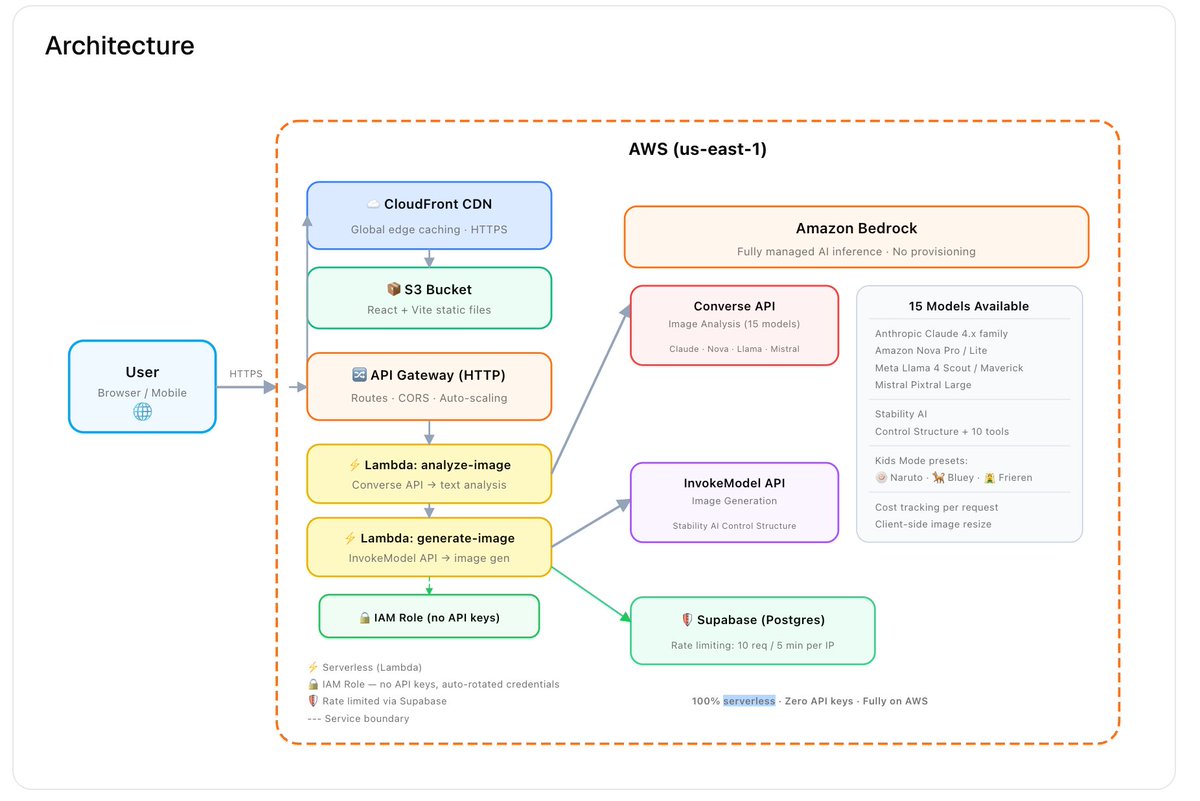
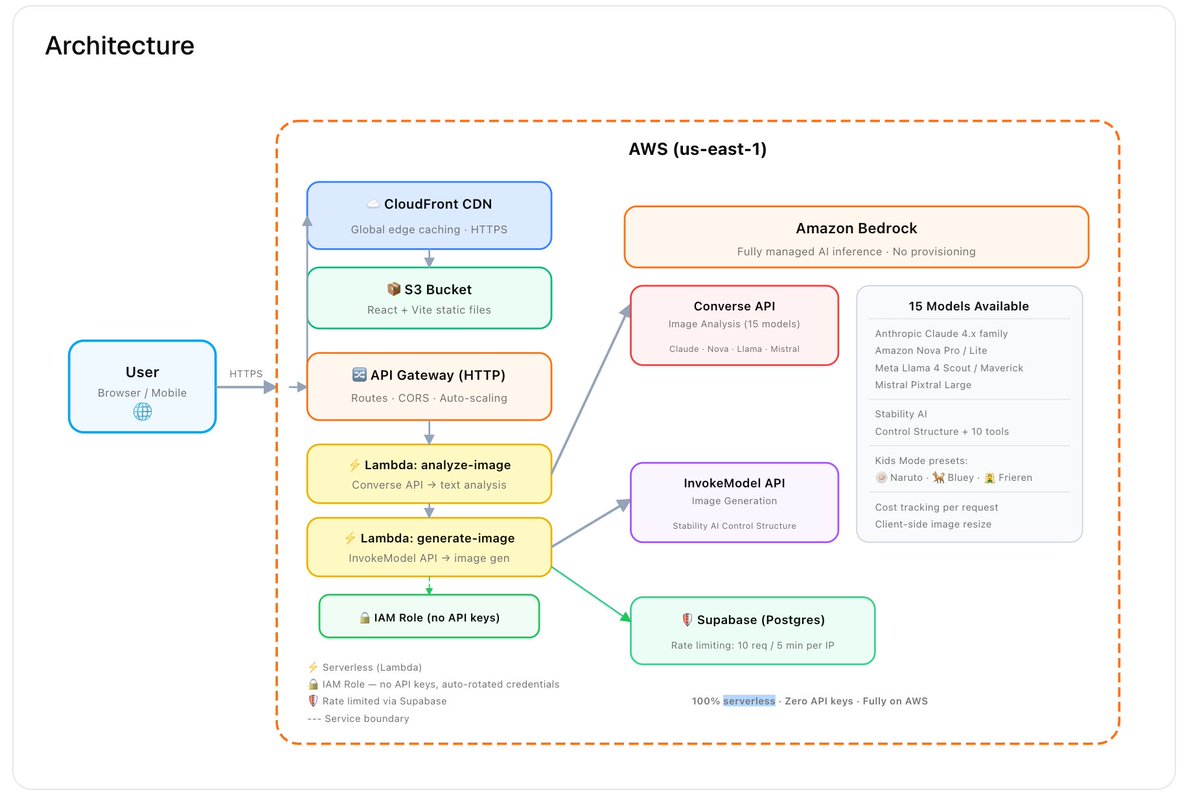
not a single line of code written i never used most of the tools involved before this week https://t.co/j9eQcF9Jyi
@velvetmilkman0 @blue_clarity https://t.co/Mnn6fUU6XC


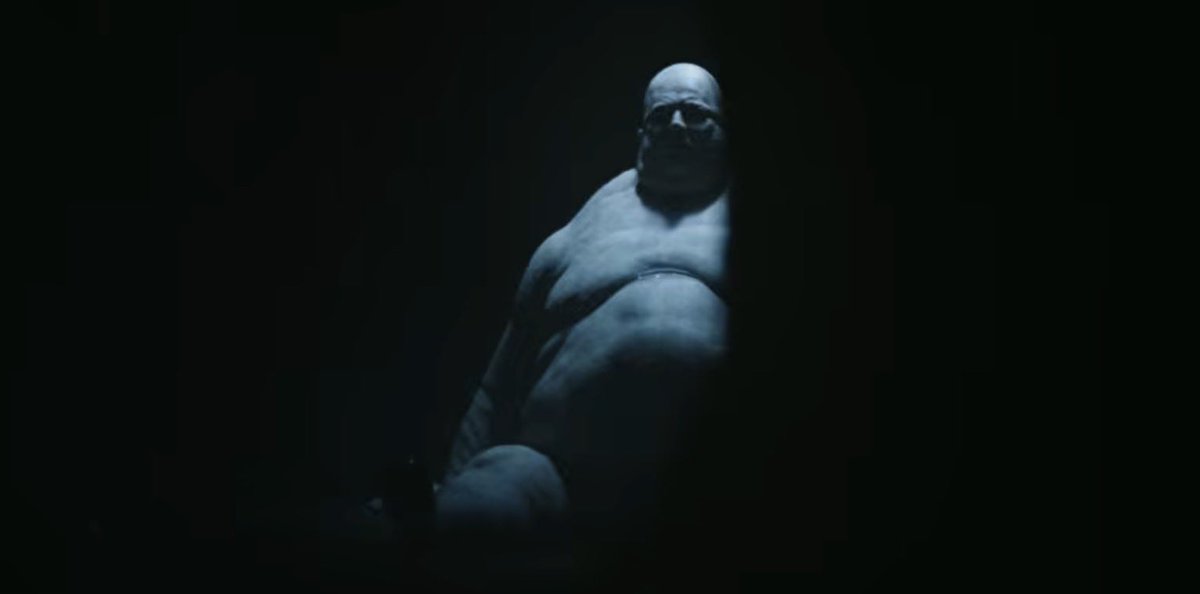
POV you’re my wife cracking the bathroom door open after I’ve texted you “toilet paper” https://t.co/2hqgbLUAHN
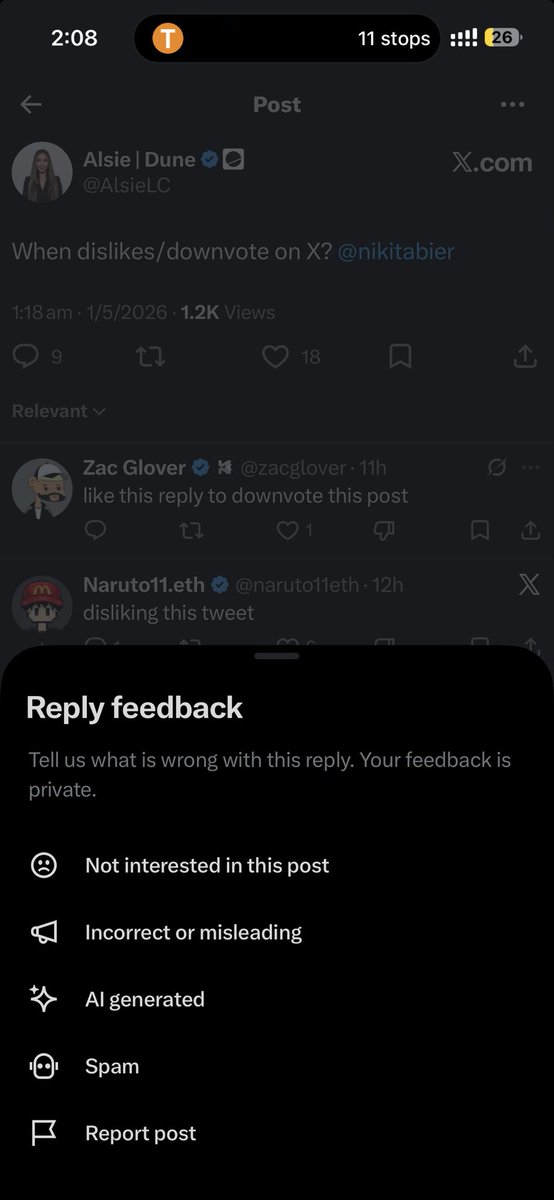
@zacglover @AlsieLC @nikitabier Works for me 😆 https://t.co/Q9oW0ZaLQ6
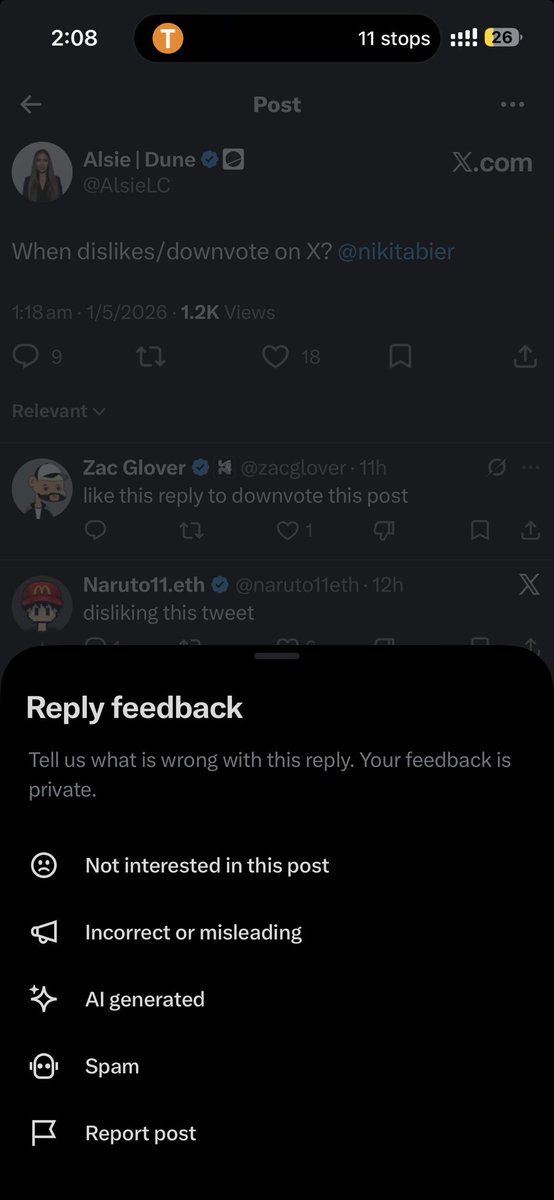
@jarrodwatts btw here’s mine https://t.co/2GWZjwfHTH
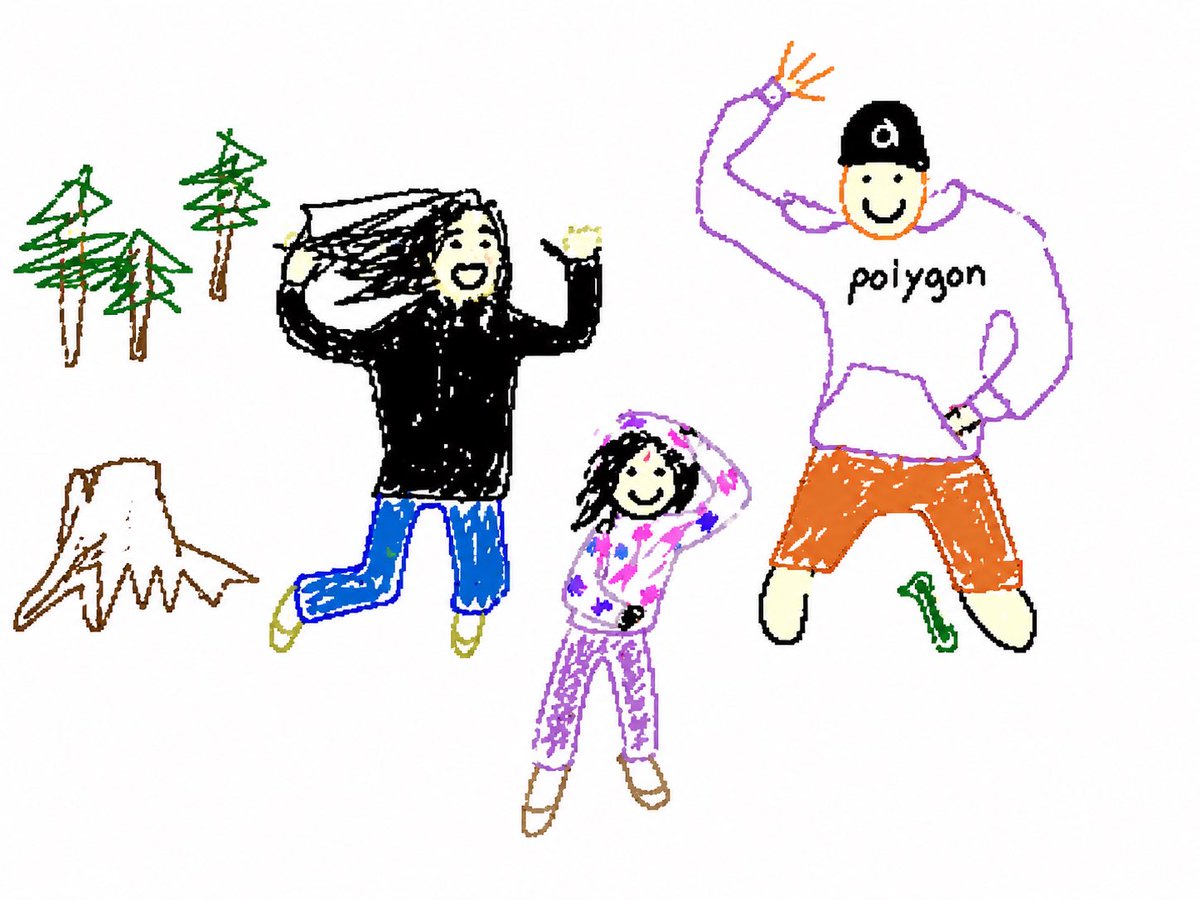
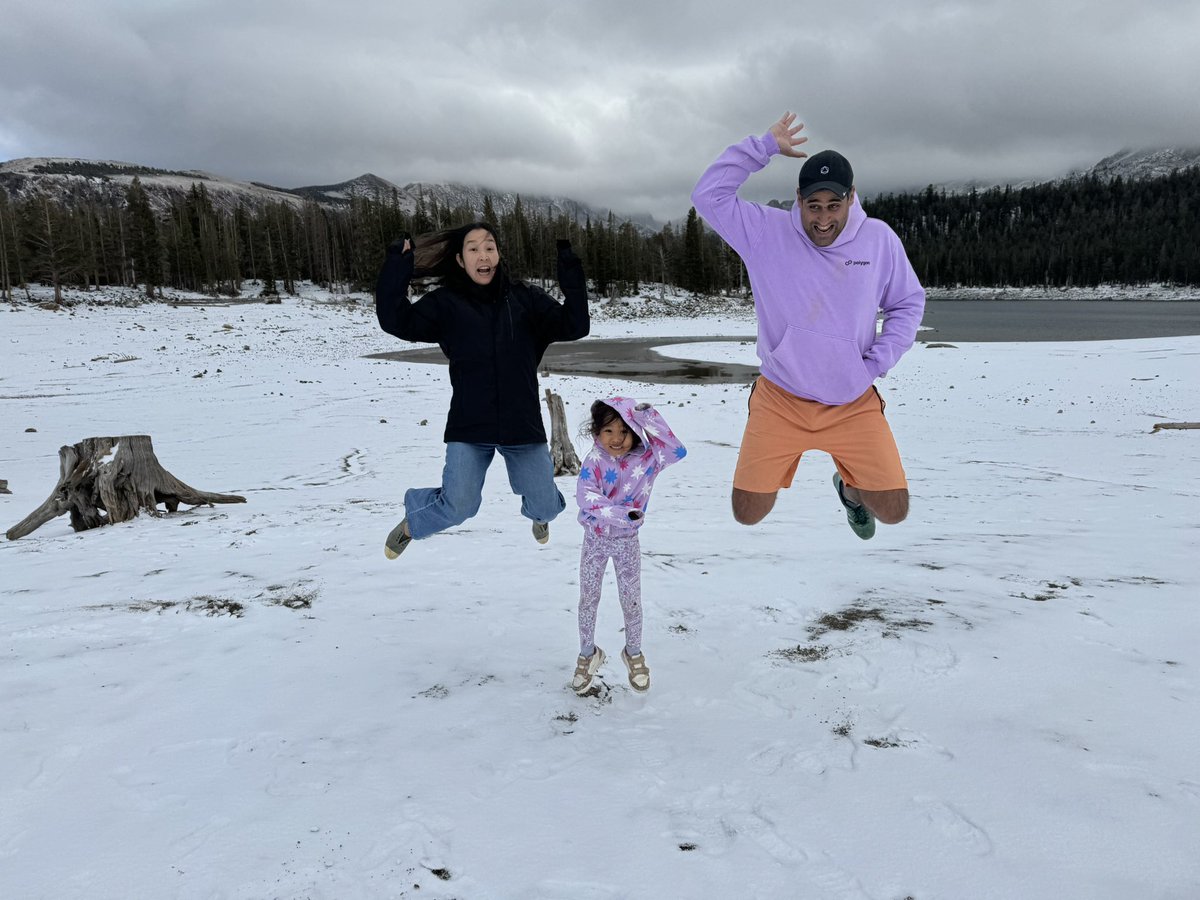
This GPT Image 2 prompt is going insanely viral right now. “Redraw the attached image in the most clumsy, scribbly, and utterly pathetic way possible. Use a white background, and make it look like it was drawn in MS Paint with a mouse. It should be vaguely similar but also not really, kind of matching but also off in a confusing, awkward way, with that low-quality pixel-by-pixel feel that really emphasizes how ridiculously bad it is. Actually, you know what, whatever, just draw it however you want.”