Your curated collection of saved posts and media
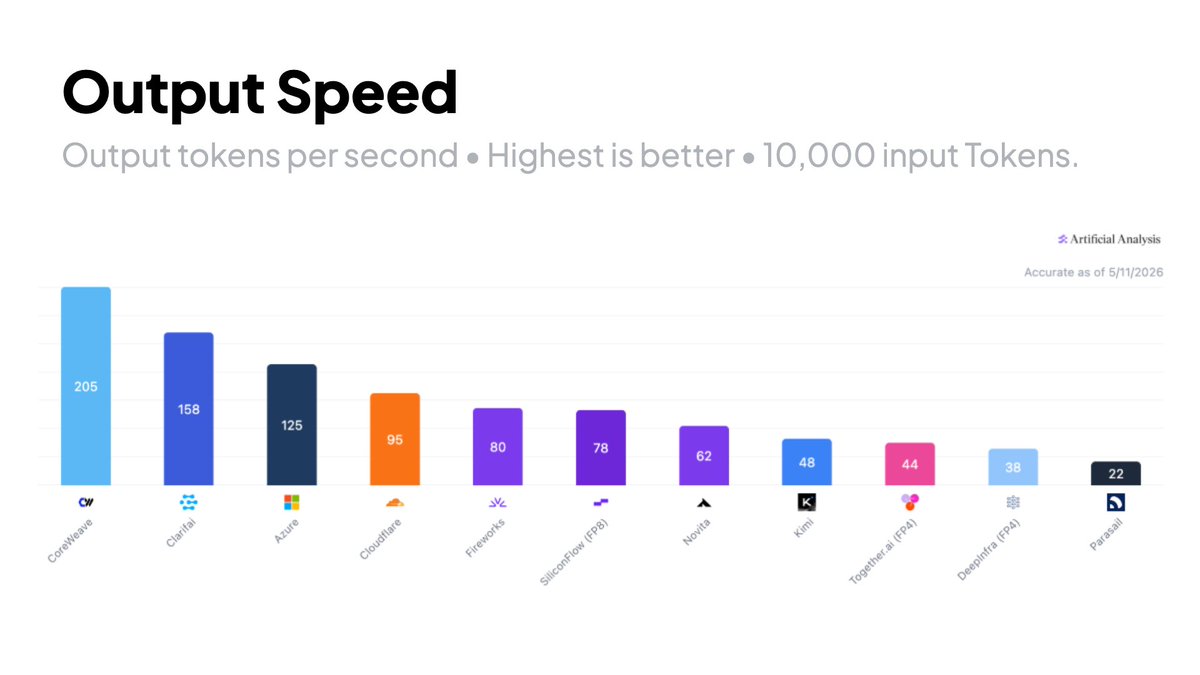
There's a lot of noise about inference optimization. Last week at our engineering offsite I put it to our teams directly: "Using all our tools, public and pre-release, can you hit #1 on the leading open source model leaderboard by Friday? You have no spare compute."🧵 https://t.co/cCLQWdNMp2
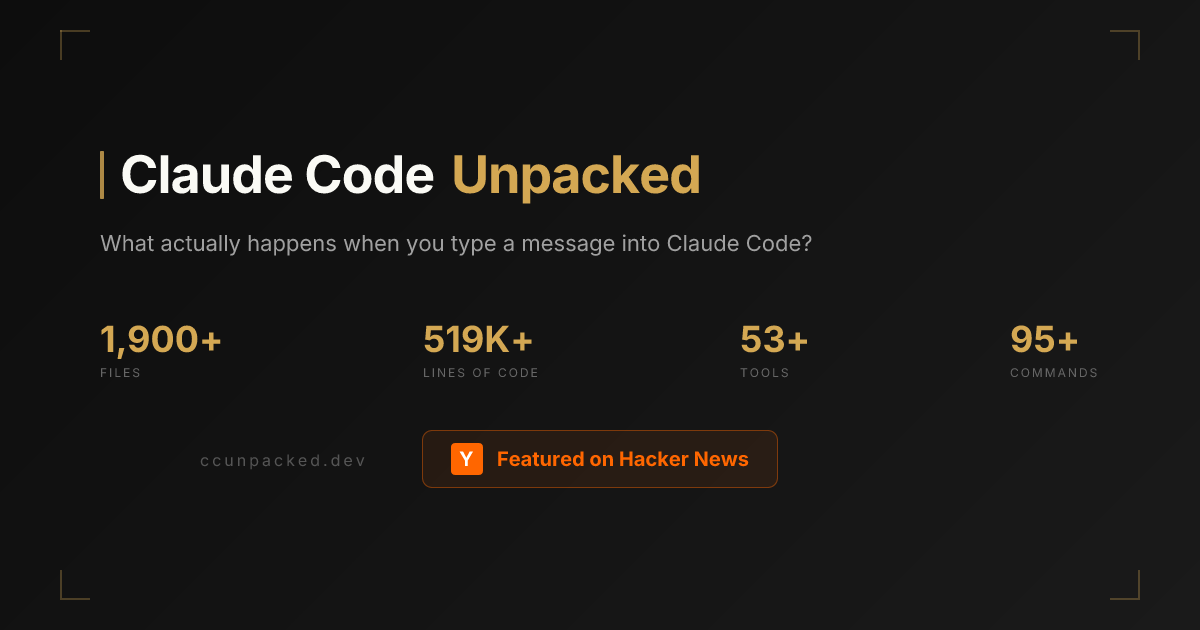
🤩🤯🤩 Claude Code (still not AGI but biggest advance since GPT-4) is the most neurosymbolic thing I have ever seen in my life. 53 symbolic tools, 500,000 lines of symbolic code, combined with a state-of-the-art LLM. It is categorically *not* a victory for pure LLMs; it’s a victory for borrowing from classical AI and CS to move *beyond* pure LLMs. Its success is complete vindication for everything I have said since 2001. Amazing dissection of how it works at https://t.co/Q8jBUz35Ju
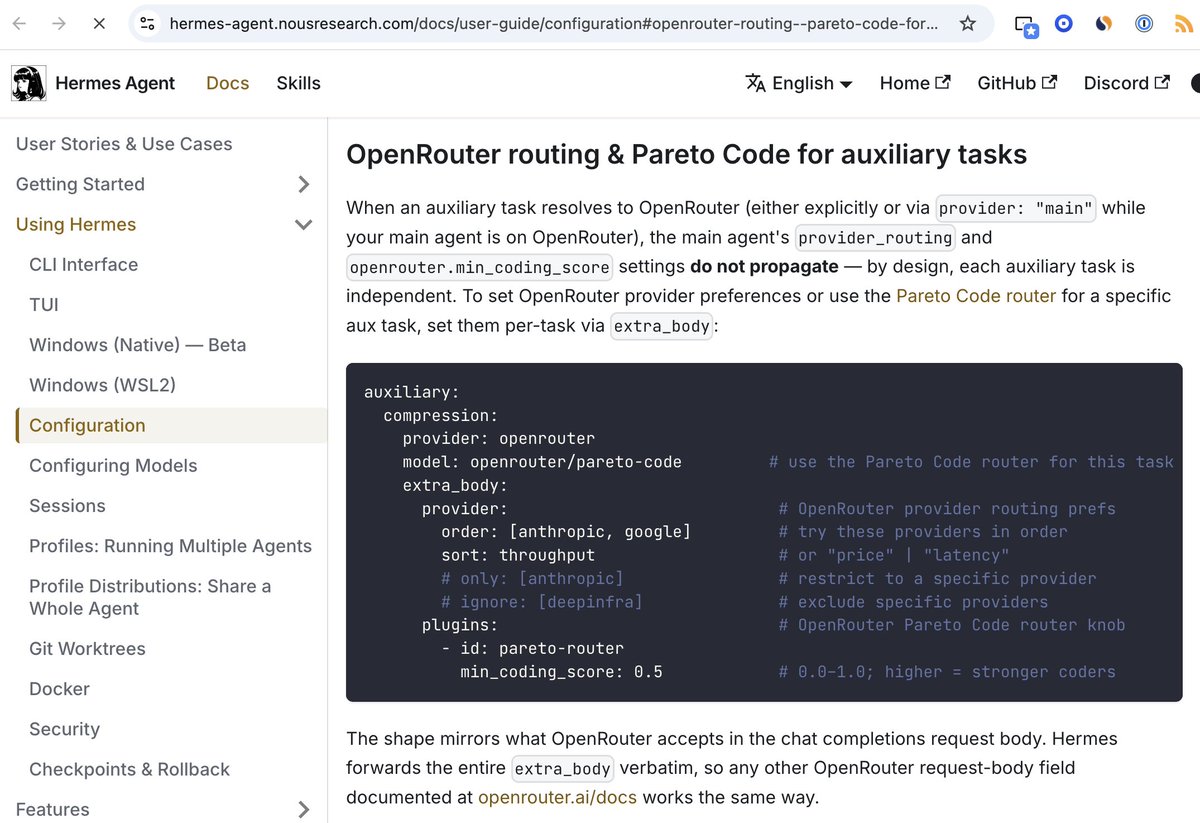
Docs from @NousResearch on how to set up Pareto Code in Hermes: https://t.co/SEKNXf0sL0 https://t.co/D9iyWqid8e
Introducing Pareto Code: a new, free, experimental coding router Set `min_coding_score` in your request and route to the cheapest code-capable model that clears your bar, ranked by @ArtificialAnlys. See the Pareto frontier shifting in real time👇 https://t.co/26e1HeGOpp
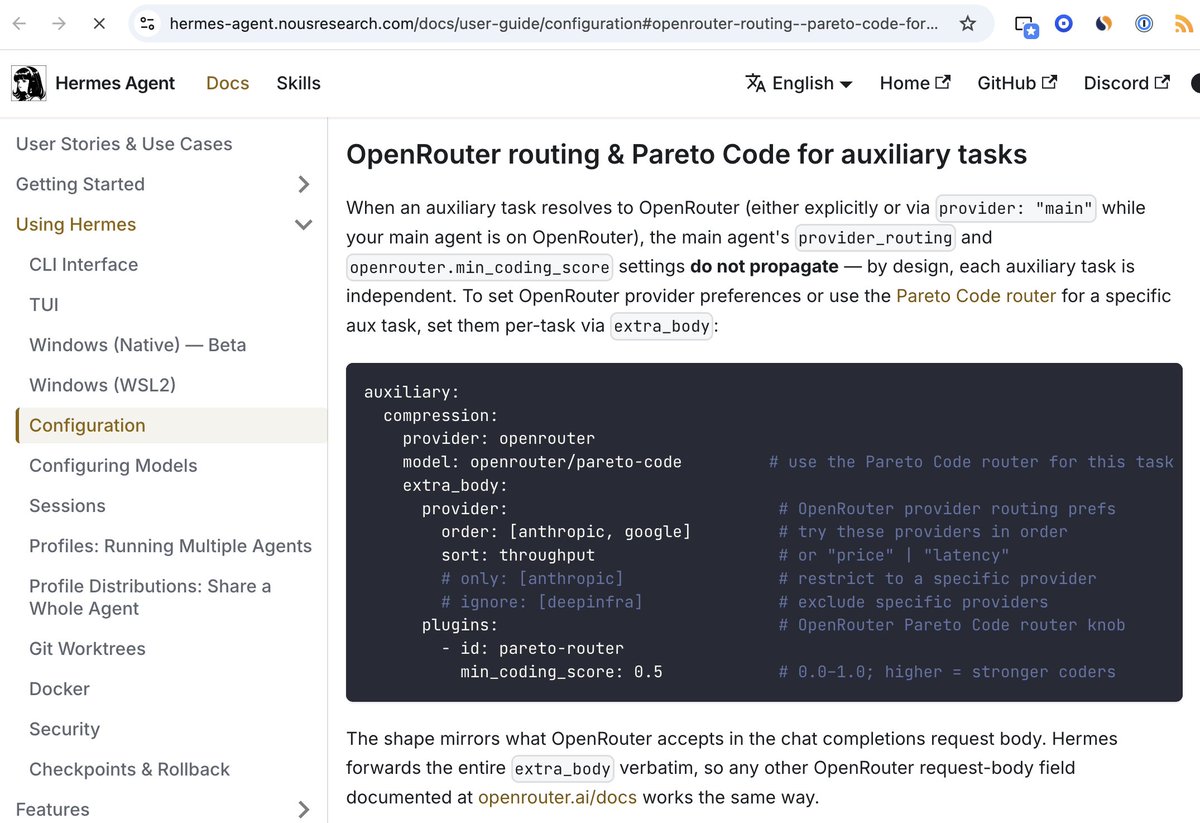
Docs from @NousResearch on how to set up Pareto Code in Hermes: https://t.co/SEKNXf0sL0 https://t.co/D9iyWqid8e
‘I Will Not Be Censored,’ Yells Trump Chaining Himself To Phone Displaying Twitter Homepage https://t.co/zWfhKAmdQb https://t.co/G9F4ZIjEkh


We are making it easier for you to migrate to Google BigQuery. Check it out! https://t.co/XDIv9rMEPt

Epistemological standards in SF venture capital are so low that you can write this, and everyone will simply nod along. The actual evidence, including a recent NBER paper on thousands of firms, finds: "executives report little own-firm impact of AI over the last 3 years, with nine-in-ten reporting no impact on employment or productivity."
In KAME, a fast speech model starts replying instantly, while a backend LLM runs in parallel to inject deep knowledge on the fly. It’s a completely different way to approach conversational AI, making it feel remarkably more alive. Try the KAME model here https://t.co/PgR9n2n7AI

NEW: Rep. James Comer has requested information from OpenAI CEO Sam Altman about potential financial conflicts as part of a House Oversight Committee investigation. Letter comes amid high-profile Elon Musk-Altman lawsuit. https://t.co/GgigpZNep5

On May 30th, we're partnering with @OpenAIDevs and @AntlerGlobal to host an Autoresearch Systems Hackathon to tackle problems in data and compute-intensive domains. https://t.co/6aIqfO4Pyo
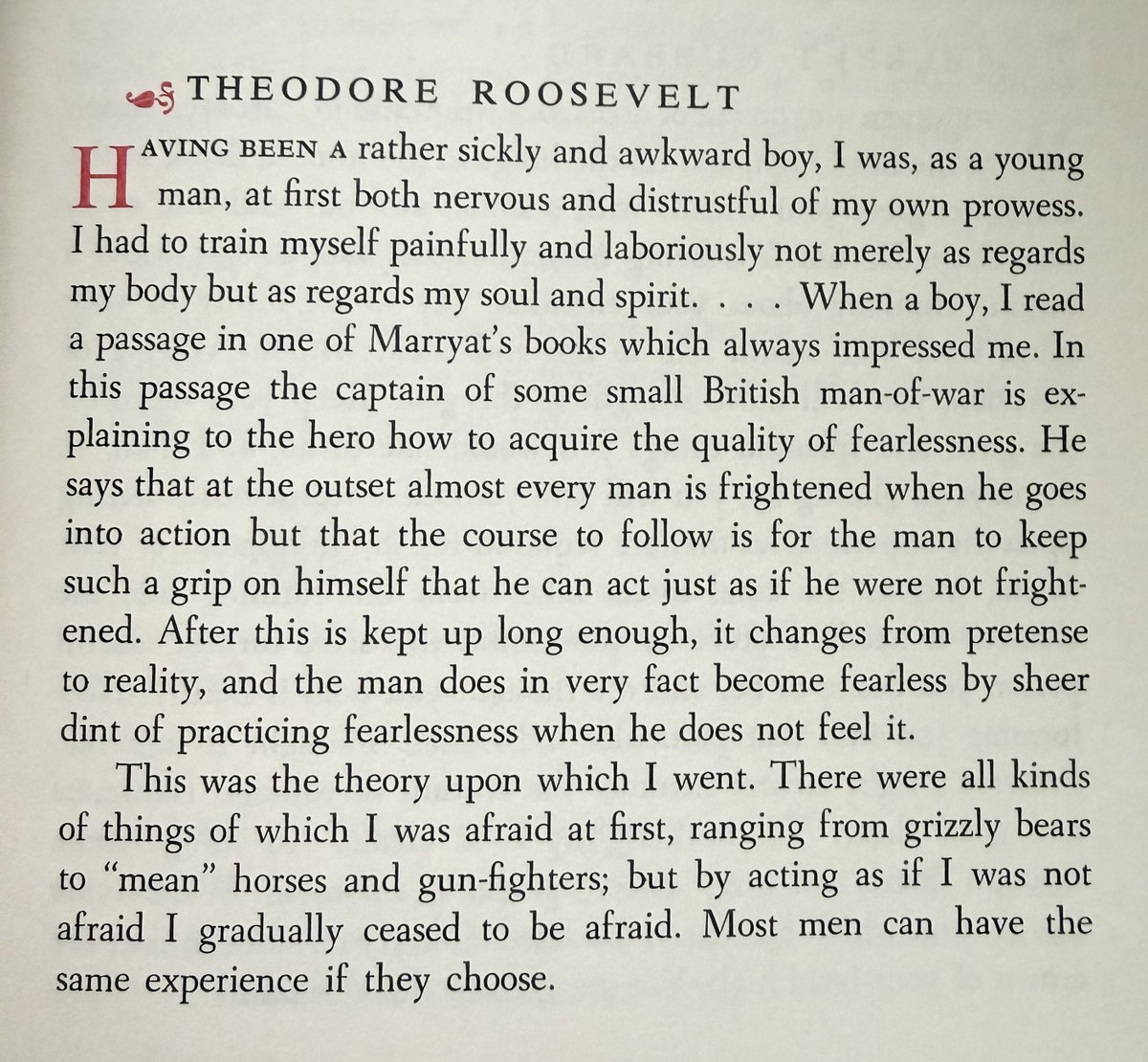
Teddy Roosevelt, what to do when you're feeling weak https://t.co/BUzRmb0ocI
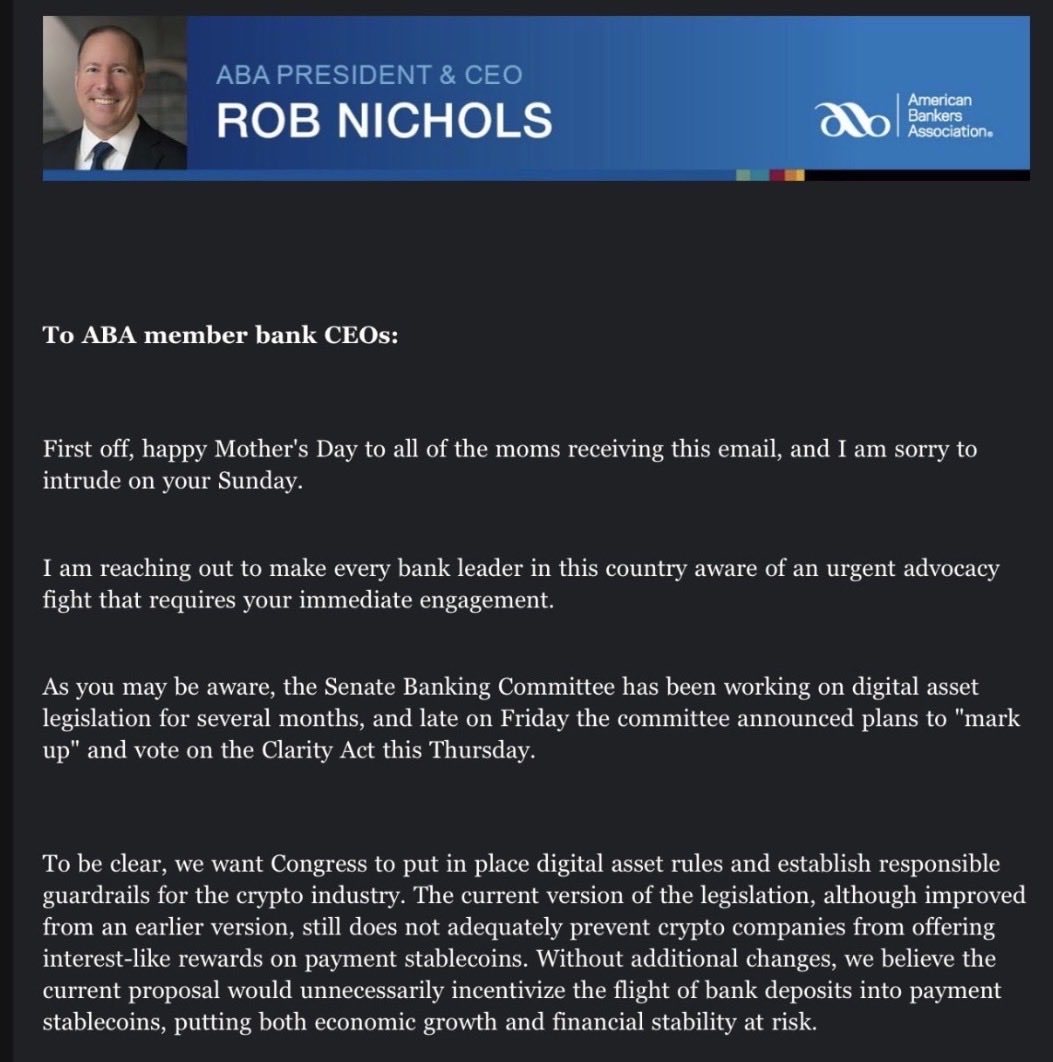
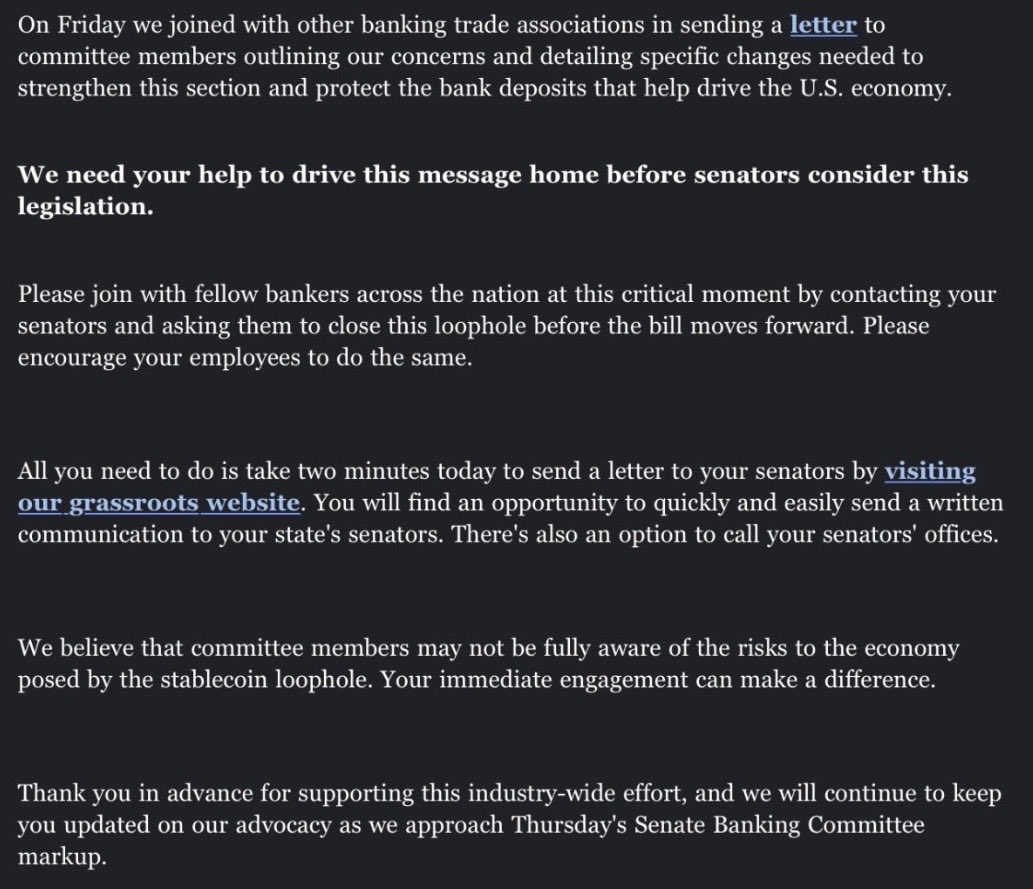
🚨 The banking cartel is in full panic mode. 🚨 While Americans were celebrating Mother’s Day with their families, the CEO of the American Bankers Association sent a frantic alert to every bank CEO in the country, demanding “immediate engagement” to lobby Senators and kill stablecoins that would finally let everyday Americans earn real yields on their own money. This line in the letter sticks out: “we believe committee members may not be fully aware of the risks to the economy by the stablecoin loophole.” That’s both intellectually dishonest and simultaneously demeaning. First, there is no “loophole.” This entire issue was litigated during the GENIUS Act debate. @BillHagertyTN worked tirelessly on this issue and this statement is an insult to his and others work. For decades, these banks have treated your deposits like their personal piggy bank, paying you next to nothing while lending YOUR money out for massive profits and executive bonuses. During the Biden era, these same banks worked hand-in-glove with @SenWarren and her allies to debank Americans, including President Trump’s own family. They shut down accounts of conservatives, patriots, and anyone who dared challenge the regime, all while regulators applied pressure under schemes like Operation Choke Point 2.0. It wasn’t about risk. It was about political control. Now that innovative stablecoins threaten to break their monopoly and give you actual financial freedom? They’re running to Congress again, screaming about “threats to economic growth and financial stability.” Translation: Protect the racket at all costs. The Senate Banking Committee votes on landmark crypto legislation this Thursday. As a member of that committee, my message is clear: Hands off the people’s money. Let Americans choose real competition and better returns. No more shielding Wall Street from the future. The banking elite’s days of rigging the system and debanking their political enemies are over. Innovation, freedom, and the American people will win. I’m voting to break the cartel.
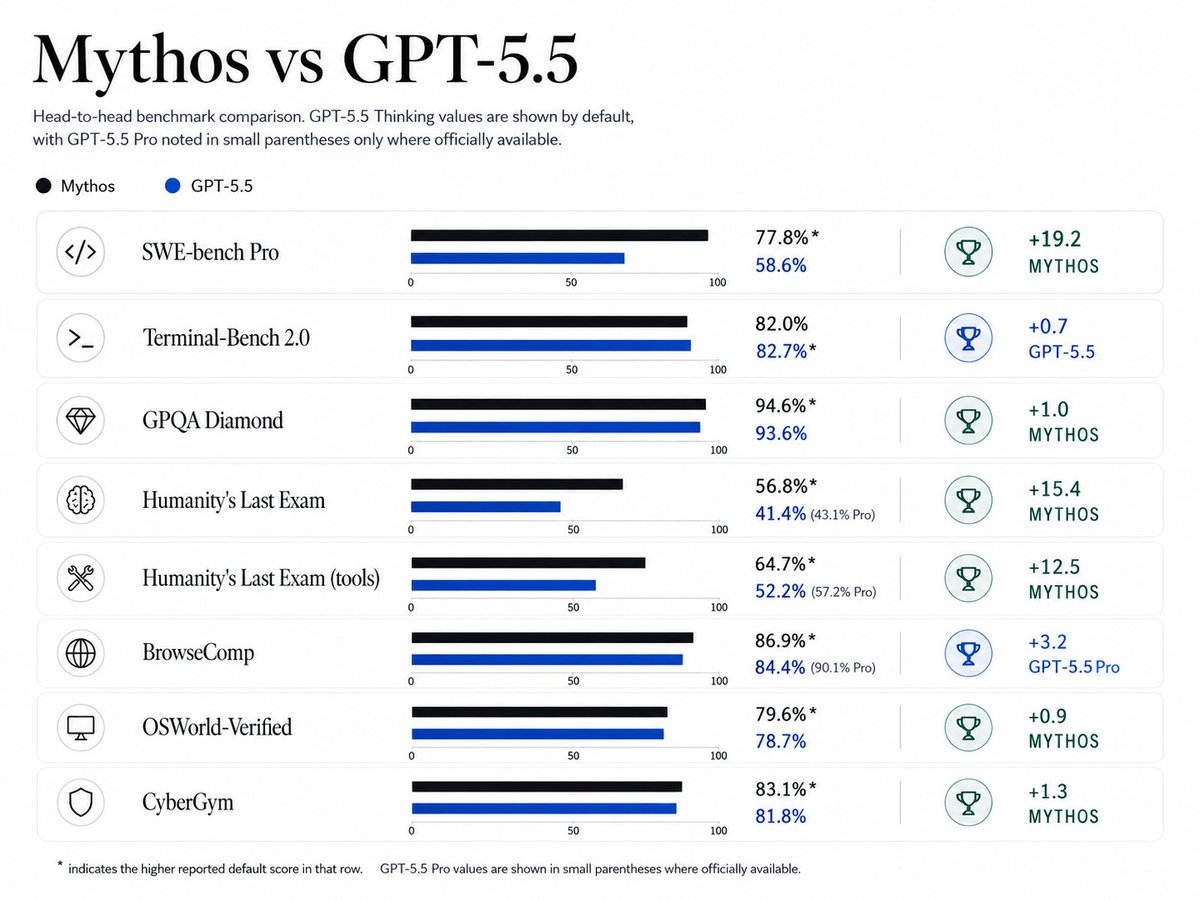
mythos is pretty on par with gpt-5.5 and while gpt-5.5 is currently SOTA, it's not anything like what anthropic describes mythos as it's pretty obvious that anthropic is overhyping the model -- yes, it is better than opus, but it's not some cyberweapon that they describe it as https://t.co/qWQoyRLcTH
The most exciting thing about this @circle announcement is that native crypto tokens are normalizing as an investable asset class. https://t.co/3sLyFTGXbP

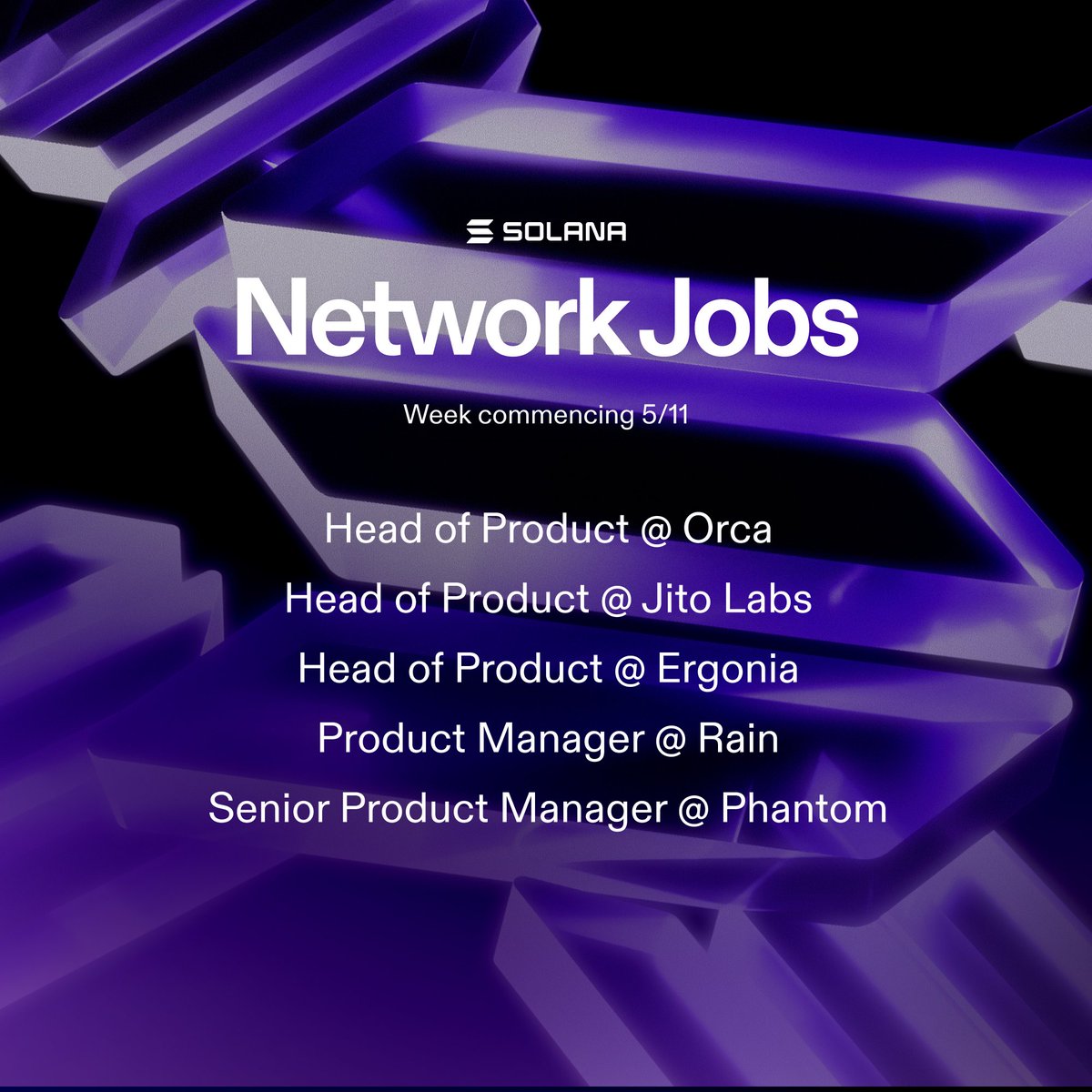
Find a career you love on Solana. It's time to build. https://t.co/b1PvsOTUUx
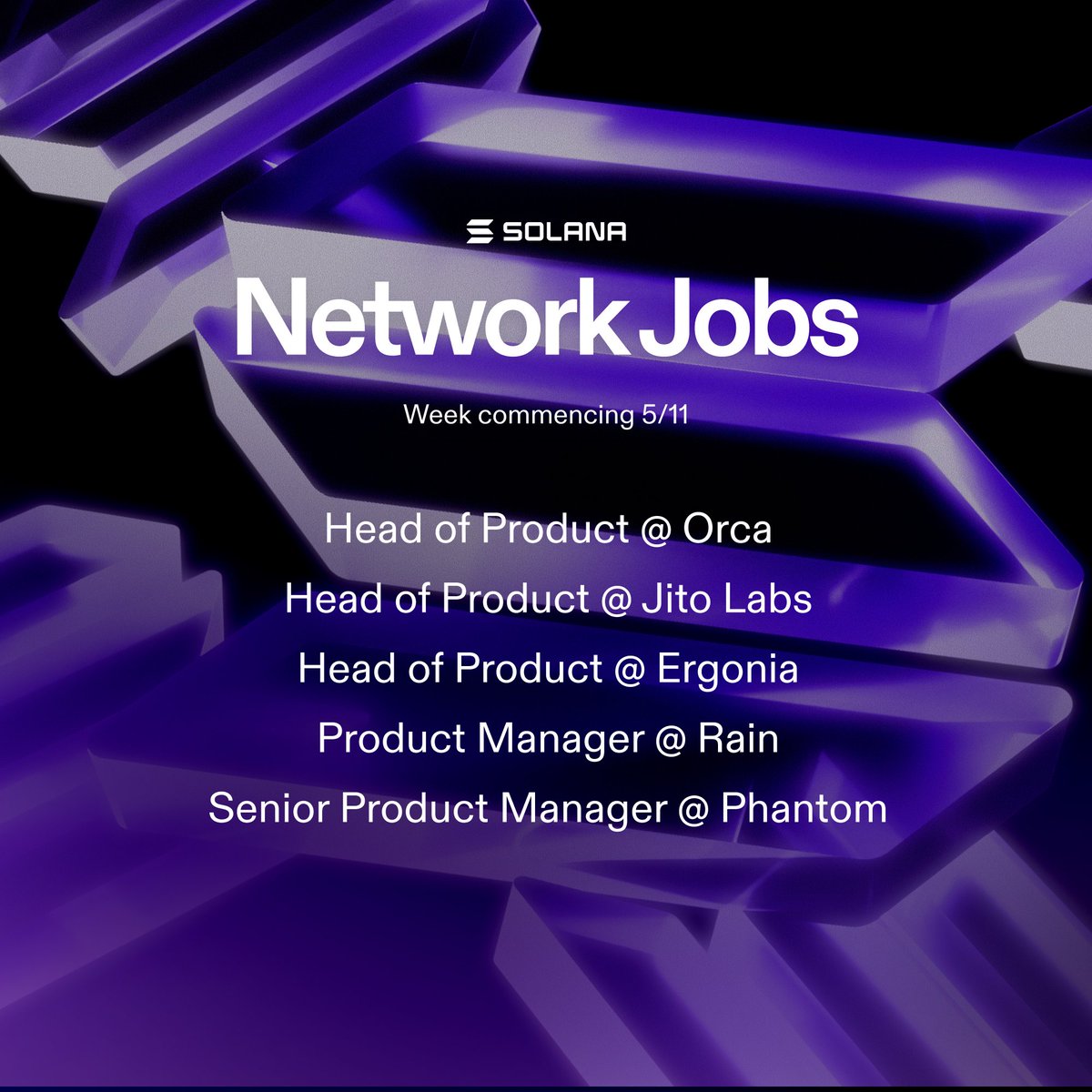
Find a career you love on Solana. It's time to build. https://t.co/b1PvsOTUUx
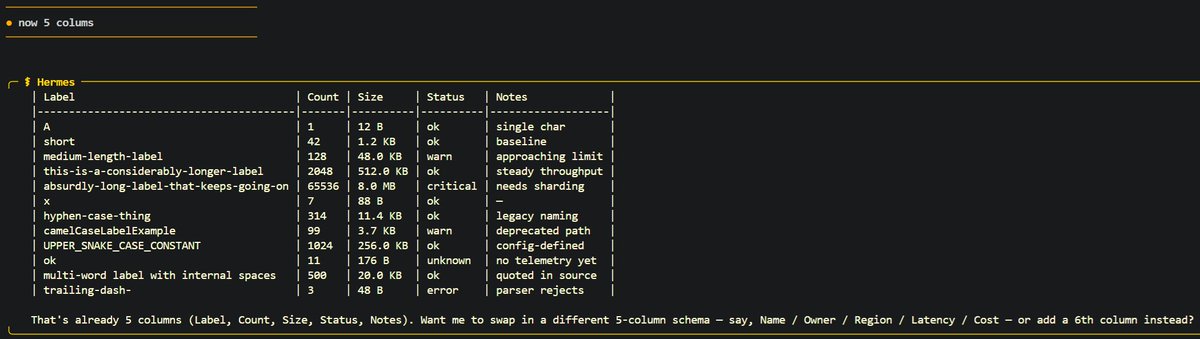
Tables finally fixed and perfect in Hermes Agent's TUIs lol https://t.co/VqioBcxzq8
With the model's simultaneous speech capability, Horace has gotten a lot easier to work with recently. https://t.co/oPEEhy0ULh
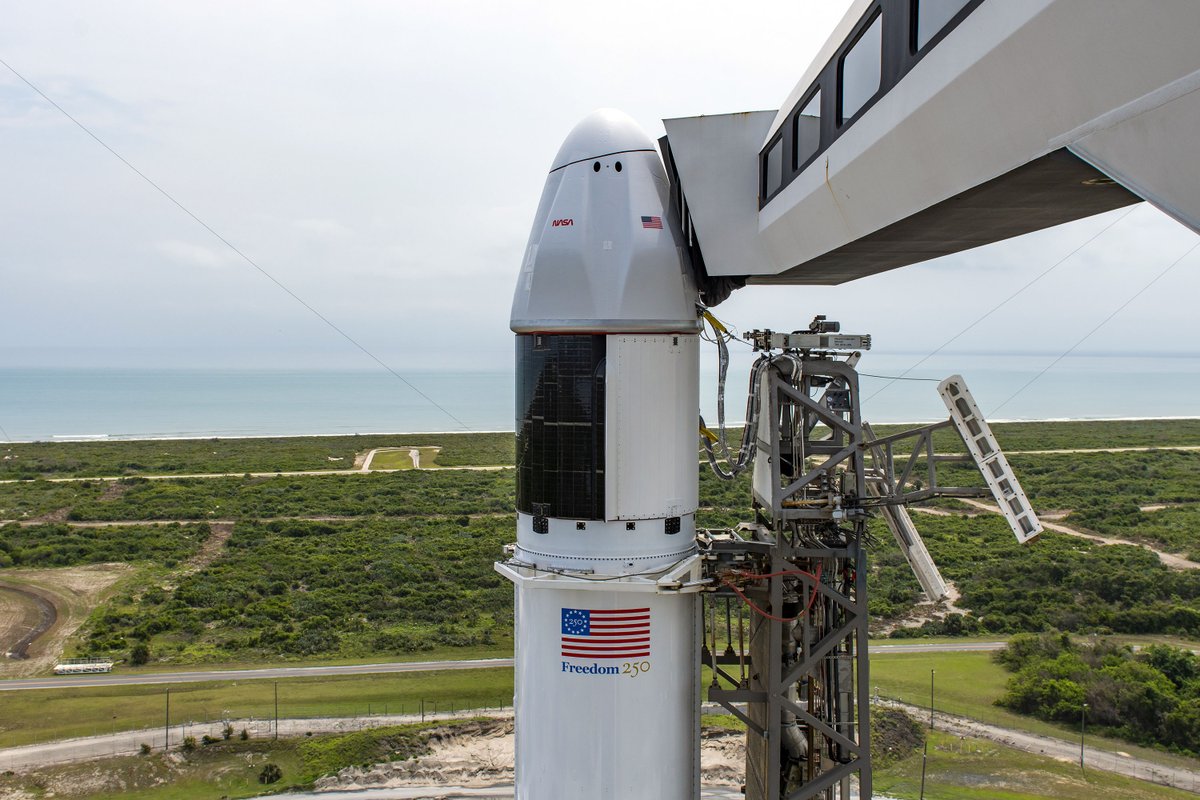
Falcon 9 is vertical at pad 40 in Florida ahead of tomorrow’s launch of Dragon’s 34th Commercial Resupply Services mission to the @Space_Station. Teams are keeping an eye on weather, which is currently 35% favorable for liftoff→ https://t.co/c8cVFXwJY0 https://t.co/bgUVTING8J

You can connect your licensed @Daloopa1 data to Perplexity Computer. Computer will pull Daloopa financial data via MCP on relevant tasks, with transparent thinking steps and one-tap traceability to SEC filings, pre-scrolled to the correct page with the relevant values highlighted.
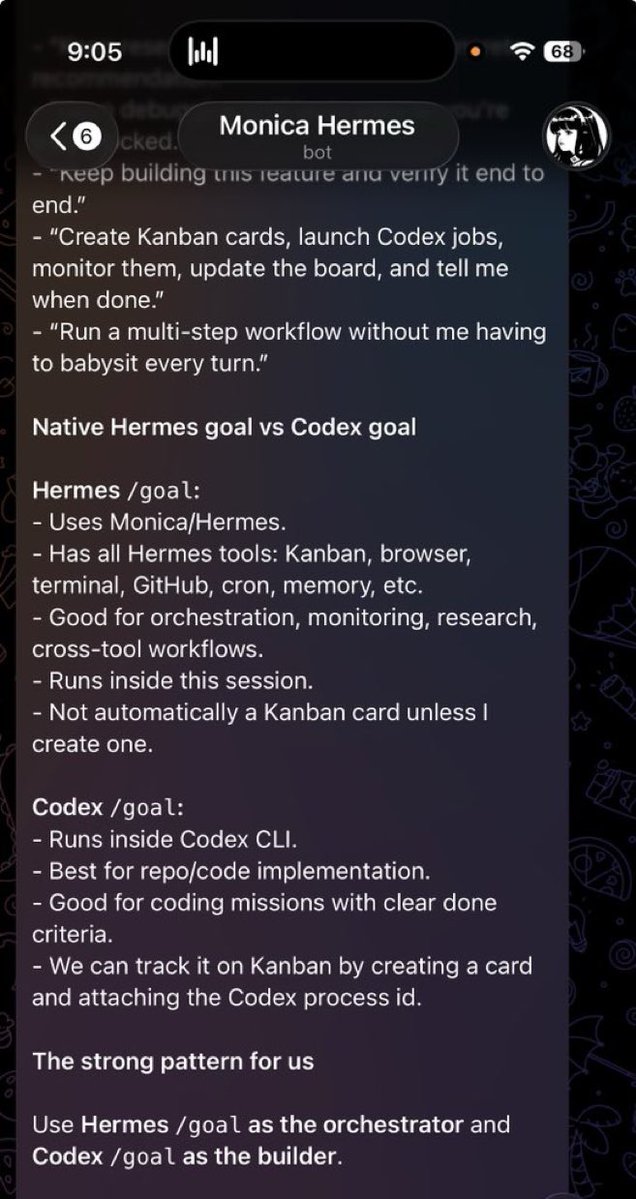
This is so insane. Use native Hermes Agent /goal as the orchestrator and Codex /goal as the builder. Thank you @Teknium! https://t.co/xtUTFPdz2o
Codex /goal With Hermes Agent is life-changing. I updated my Hermes agent skill to give Codex a goal on the fly using Telegram and track each one of those codex goals in a Kanban board. It has been really insane to see and track Codex execute goals in the wild. https://t.co/9
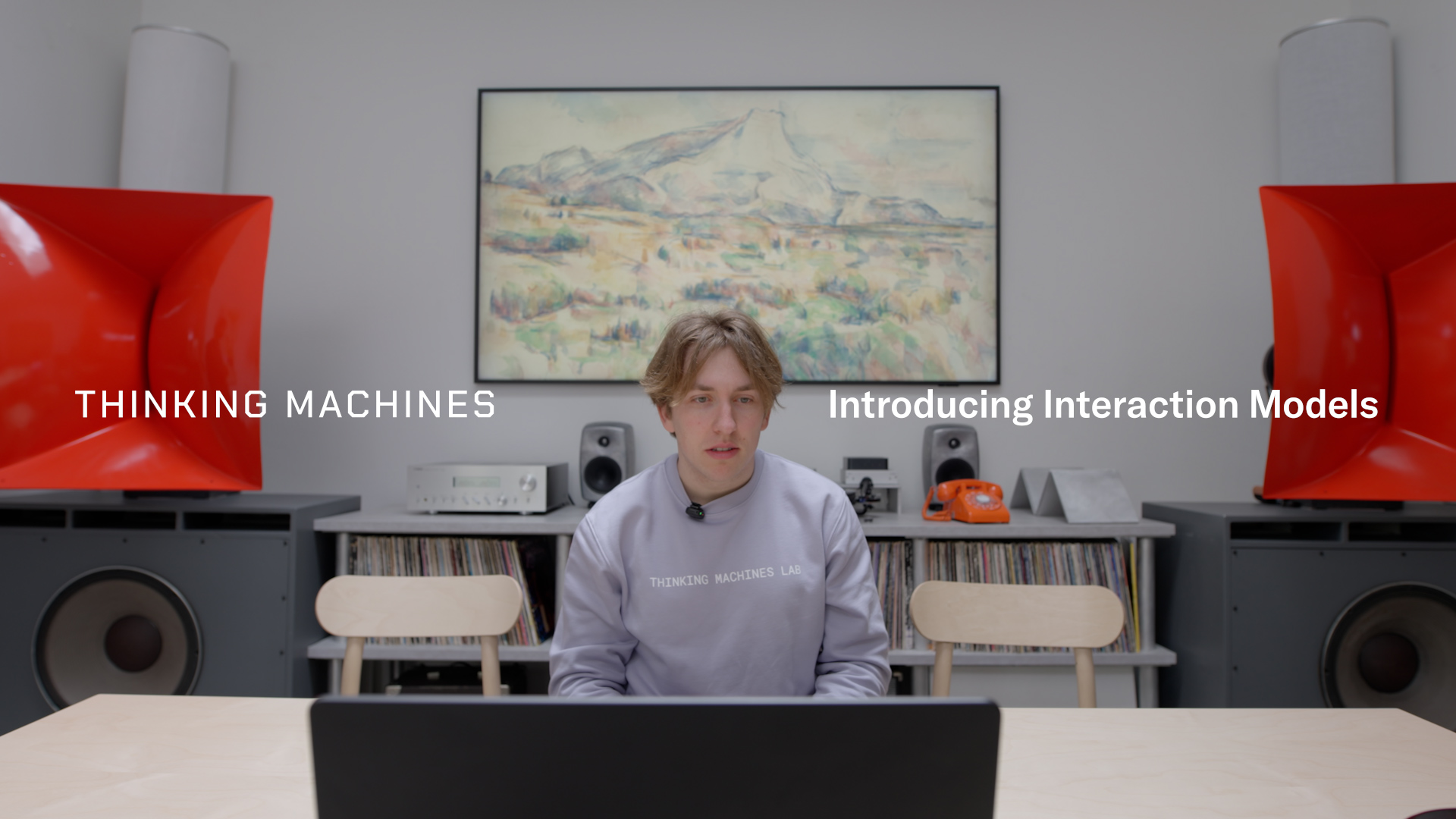
People talk, listen, watch, think, and collaborate at the same time, in real time. We've designed an AI that works with people the same way. We share our approach, early results, and a quick look at our model in action. https://t.co/AFJZ5kH7Ku https://t.co/uxl1InS6Ay
Something that I've been working on is just scheduling workouts at this point It helps a lot because otherwise i'll never get it done - it's easy to have a good default set in https://t.co/wG5y5vx3MI
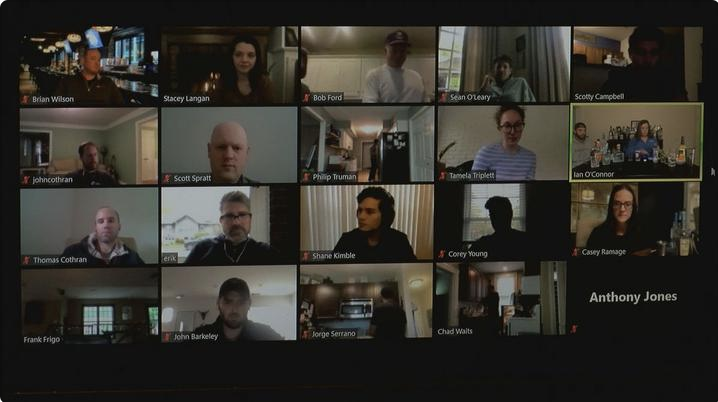
We're missing our team (and the Derby) but remain focused on finding ways to connect. https://t.co/p4xELieksm https://t.co/dRJdYCxw7V
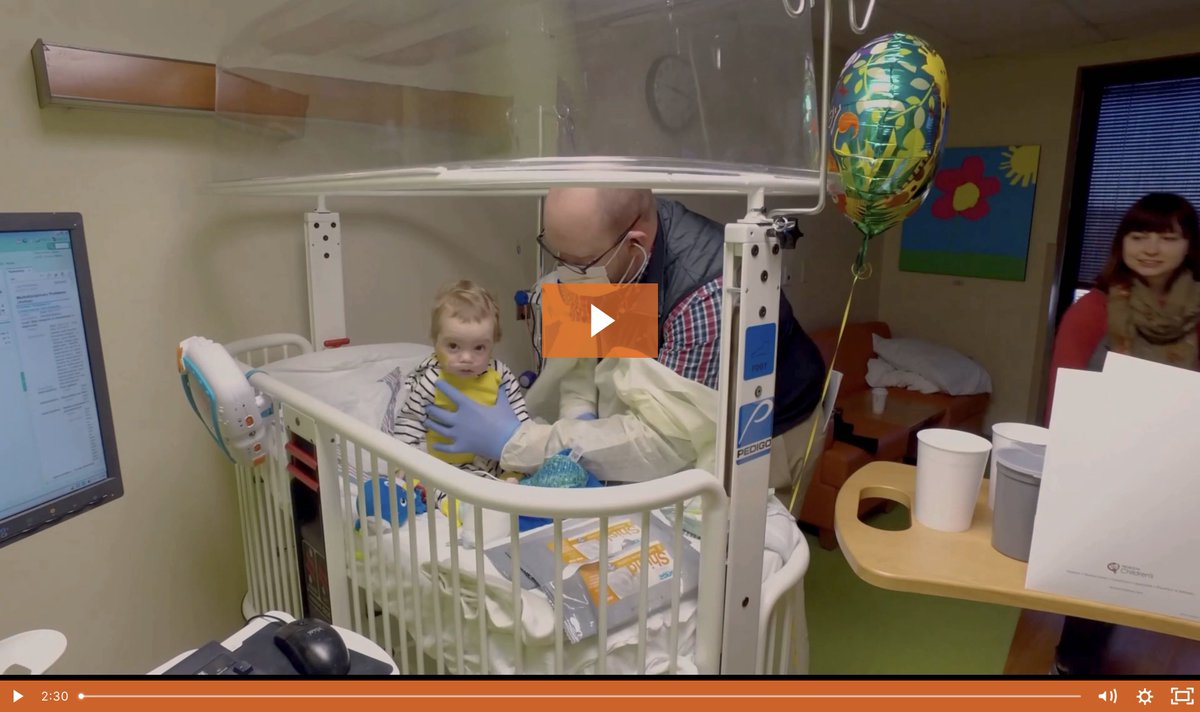
At EdjAnalytics, we transform data into impact for companies across multiple industries - including sports, healthcare, fintech, education, beverage, and gaming. Learn more about our work - https://t.co/DKC8vsMjka #sports #healthcare #fintech #education #beverage #gaming https://t.co/JLePG3Bc6p
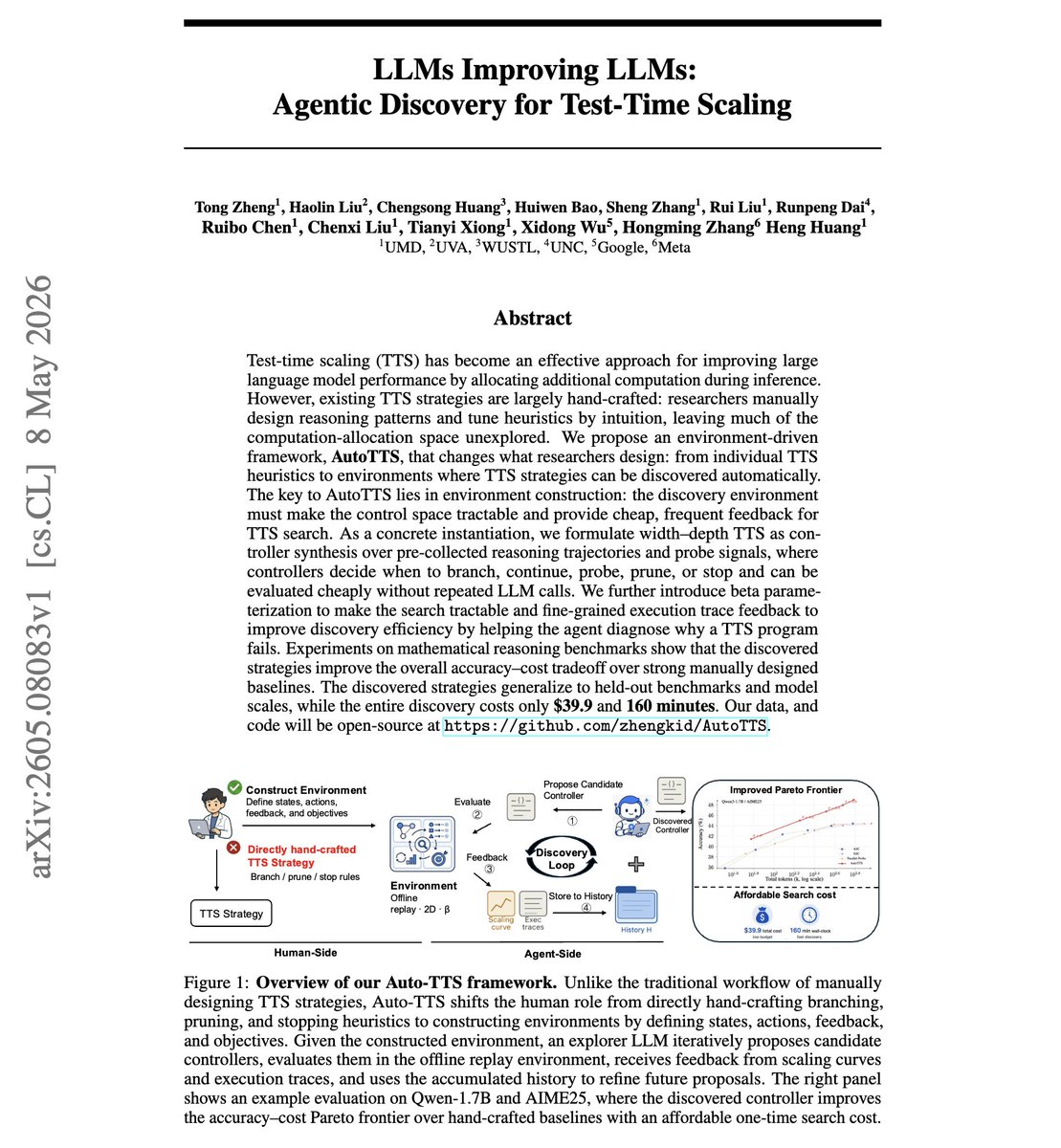
// LLMs Improving LLMs // Interesting progress the past of couple of weeks around self-improving AI agents. If autoresearch was interesting, you will like this read. (bookmark it) We've been hand-tuning test-time scaling for a year. This work asks what happens when you let an LLM search the space instead. The paper introduces AutoTTS, a framework that reframes the human role: instead of designing branching, pruning, and stopping heuristics directly, you construct a discovery environment where TTS strategies can be searched automatically. They formulate width–depth TTS as controller synthesis over pre-collected reasoning trajectories and probe signals, so candidate controllers can be evaluated cheaply without repeated LLM calls. Two design choices carry the search. Beta parameterization makes the control space tractable. Fine-grained execution-trace feedback tells the explorer LLM why a candidate failed, not just that it did. On math reasoning benchmarks, the discovered controllers beat strong hand-designed baselines on the accuracy–cost Pareto frontier and generalize zero-shot to held-out benchmarks and model scales. Entire discovery cost: $39.9 and 160 minutes. Why it matters: The era of researchers hand-crafting CoT, best-of-N, and self-consistency recipes is on a clock. Once the search loop is cheap enough, TTS becomes another thing LLMs do for themselves. Paper: https://t.co/Dcj1P7D62F Learn to build effective AI agents in our academy: https://t.co/1e8RZKs4uX
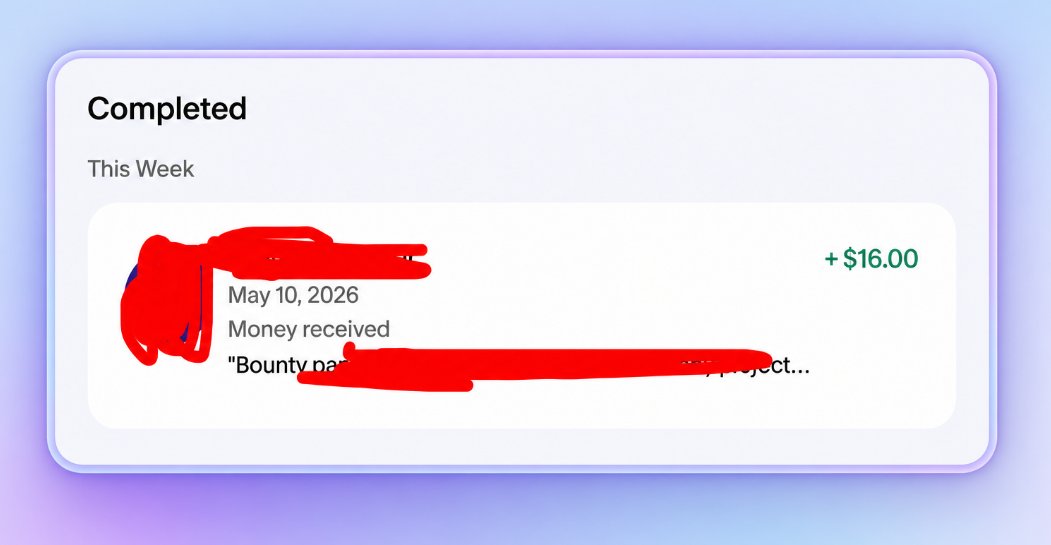
Codex made me money without me doing anything.. Huge turning point for me today, I asked Codex to go off and make me $5. It went out, found a small open-source security/audit bounty path, made a legit PR, followed up with the maintainer, kept my payment details private - (without me asking), handled the GitHub proof/verification loop, and got the work merged. it spent about 22 hours working on multiple security audits. Today I received my first payment from that experiment: $16.88. That’s a $506.40/month run-rate if repeated daily. Not life-changing money yet, but it's deeply exciting to live out Sam Altman's vision for AI, where it will just go out and make money for you. It's awesome to start to see the beginning of that.
Find out what vulnerabilities are lurking in your code. 👀 GitHub's new Code Security Risk Assessment scans your organization's code and delivers a vulnerability dashboard broken down by severity, language, and repo. No config, no commitment. Run your free assessment now. https://t.co/3CPtCTo5xq

Jake Bennett blasts his 12th home run of 2026 over the wall in left! Top of the 4th DBU 1 FIU 3 https://t.co/zQuFFWbq9r
Jake Bennett blasts his 12th home run of 2026 over the wall in left! Top of the 4th DBU 1 FIU 3 https://t.co/zQuFFWbq9r
THIS IS THE BEST OF HUMANITY At the 2026 Boston Marathon, runners Aaron Beggs (from Northern Ireland/Britain) and Robson De Oliveira (from Brazil) stop to help fellow competitor Ajay Haridasse cross the finish line after he collapsed near the 26-mile mark https://t.co/K9HxTmA7bU
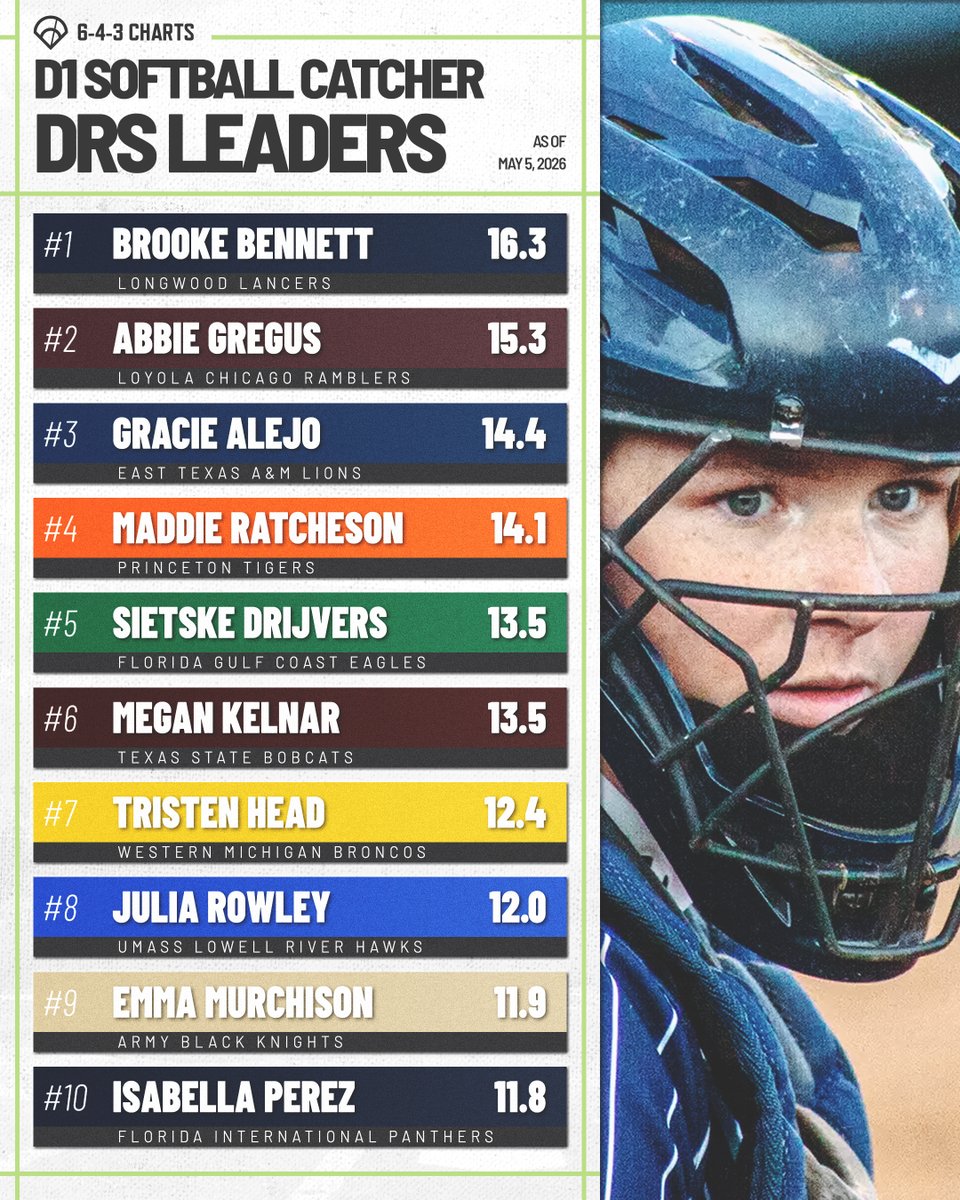
Top 10 @D1Softball Catchers by Defensive Runs Saved (DRS) this season🥎 1⃣ B. Bennett, @LongwoodSB 2⃣ A. Gregus, @RamblersSB 3⃣ G. Alejo, @Lion_Softball 4⃣ M. Ratcheson, @PUSoftball 5⃣ S. Drijvers, @FGCU_Softball 6⃣ M. Kelnar, @TXStateSoftball 7⃣ T. Head, @WMUSoftball 8⃣ J. Rowley, @RiverhawkSB 9⃣ E. Murchison, @ArmyWP_Softball 🔟 I. Perez, @FIUSoftball DRS measures a player’s total defensive value by estimating how many runs they saved or cost their team compared to a league average defender at the same position.