Your curated collection of saved posts and media
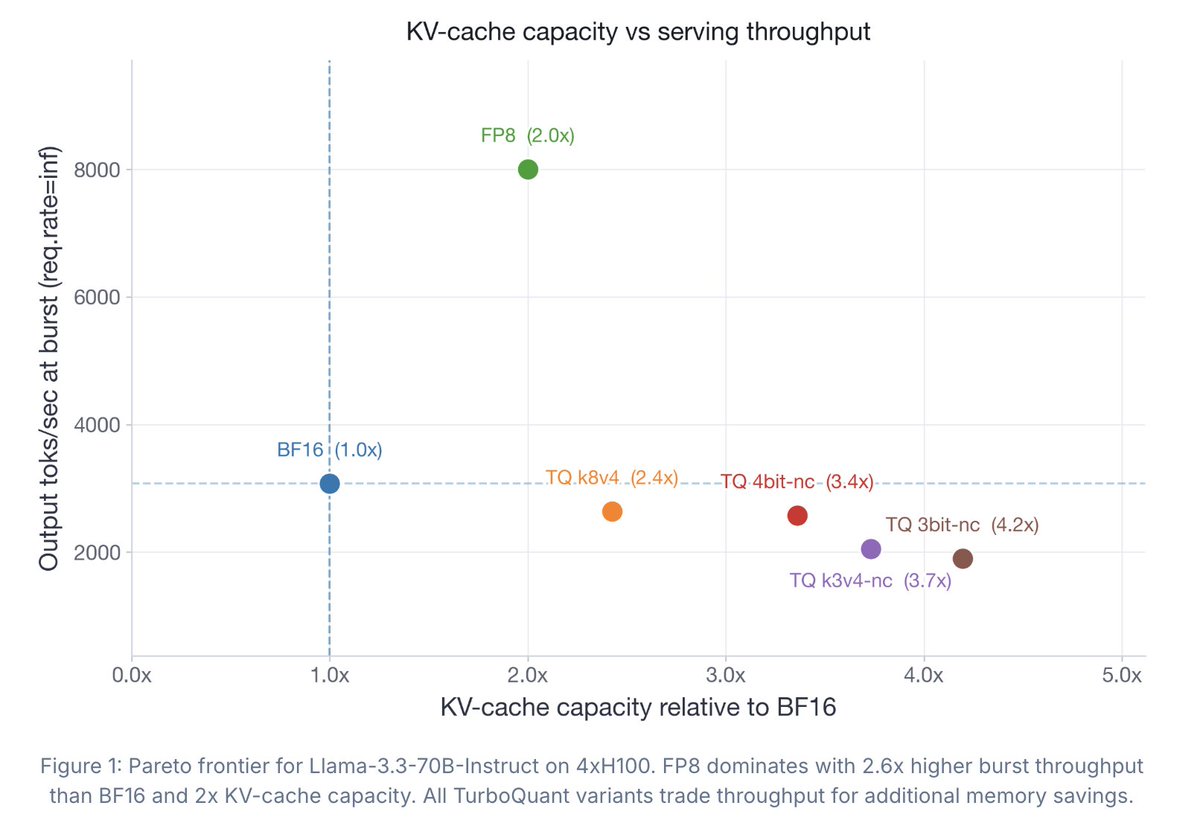
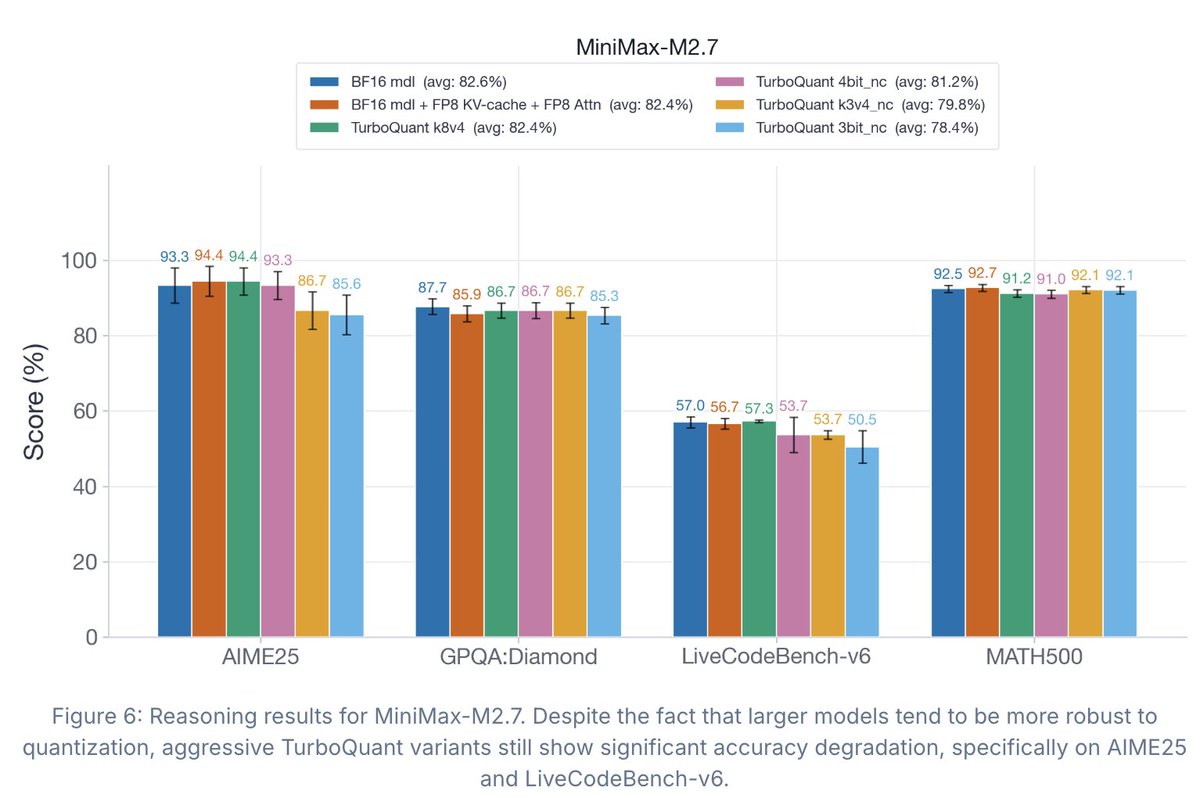
TurboQuant has drawn a lot of attention recently, but the accompanying evals didn't tell the full story. So we ran what I believe is the first comprehensive study of TurboQuant: where it helps, where it falls short, and how it impacts accuracy, latency, and throughput. Findings:
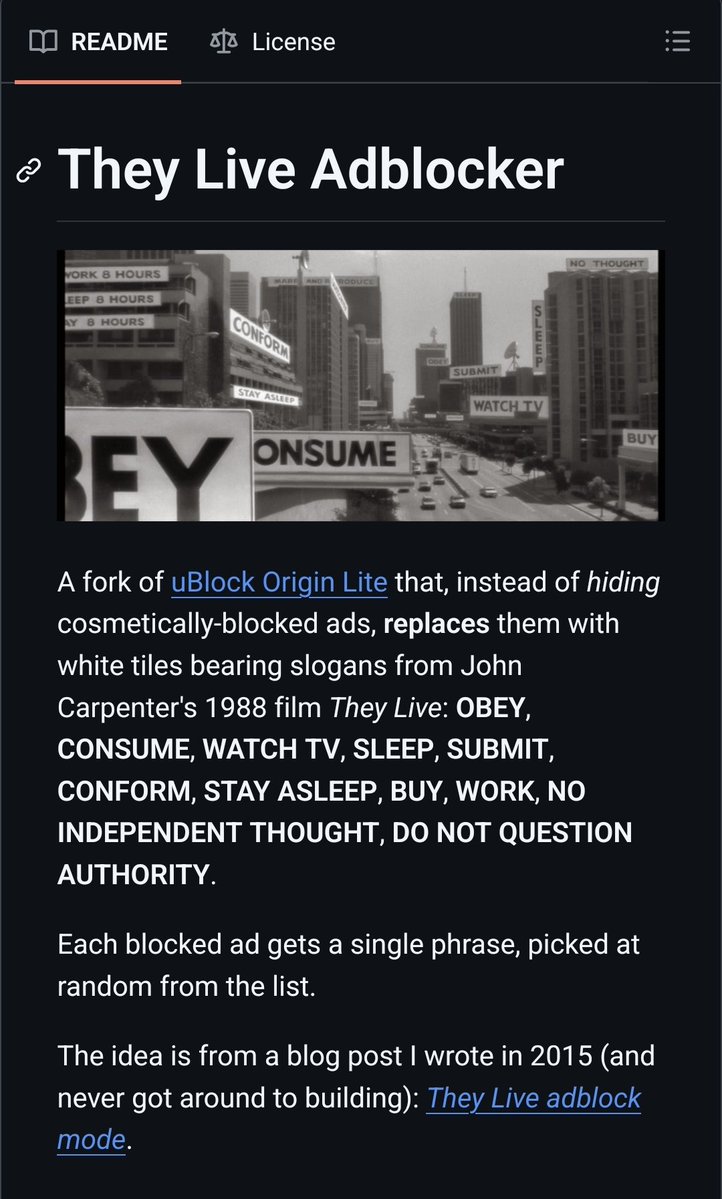
Funny - somebody built an Ad Blocker that replaces ads with slogans from the 1988's movie 'They Live' by John Carpenter: https://t.co/lKZcRE0obJ
251 years ago this week, a 6'2" Vermont moonshiner with no military experience and no authorization from anyone captured the most strategically important fort in North America at dawn, and accidentally won the Revolutionary War before it had really started. It's May 1775. Lexington and Concord happened three weeks ago. The colonies have muskets but almost no cannon. The British, sitting in Boston, have plenty. Everyone knows that without artillery, the rebellion is over by autumn. Everyone also knows where to get artillery: Fort Ticonderoga. A stone star-fort on Lake Champlain, bristling with roughly 80 heavy guns. The British call it "the Gibraltar of America." It's the bottleneck of the entire continent. Whoever holds it controls the invasion route between Canada and New York. What the rebels don't know, but Ethan Allen has heard, is that "the Gibraltar of America" is, by 1775, mostly held together by moss. The walls are crumbling. The garrison is 48 men, many of them invalids and pensioners. The commander hasn't even been told a war started. Allen is not a soldier. He's a frontier land speculator who runs an armed militia called the Green Mountain Boys, originally formed not to fight the British, but to beat up New York surveyors trying to seize Vermont farms. New York has literally put a bounty on his head. He decides to go take the fort anyway. Halfway there, a man named Benedict Arnold shows up on horseback with a Massachusetts colonel's commission, waving paperwork, demanding command of the expedition. The Green Mountain Boys threaten to go home if Arnold is in charge. Allen and Arnold agree to "joint command," which mostly means walking next to each other in furious silence. They reach the lake at midnight. Problem: they have 200 men and exactly two leaky boats. By 3 AM only 83 have made it across. Dawn is coming. Allen decides to attack with what he has, meaning roughly 1 American for every half-cannon inside the fort. A lone British sentry sees them coming through the wicket gate, levels his musket at Allen's chest, and pulls the trigger. The musket misfires. He runs. The Americans pour in. Total resistance to the capture of British North America's most important inland fortress: one wet flintlock. Allen pounds on the officers' quarters with the flat of his sword. Lt. Jocelyn Feltham stumbles out half-dressed, asking by what authority Allen is there. Allen, by his own later account, roars: "In the name of the Great Jehovah and the Continental Congress!" (Other witnesses remembered the wording as substantially more profane. The Continental Congress, for its part, had no idea any of this was happening.) Captain Delaplace, the actual commander, emerges still buttoning his trousers and surrenders the fort, its 78 cannons, its garrison, and roughly 30,000 musket flints without a shot fired by either side. Casualties: zero. Time elapsed: about ten minutes. But here's the part that actually changed history. Those cannons sat at Ticonderoga for six months until a 25-year-old, 280-pound Boston bookseller named Henry Knox, who had learned artillery from books in his own shop, volunteered to go get them. In the dead of winter, Knox and his men dragged 59 cannons weighing 60 tons across 300 miles of frozen rivers, the Berkshires, and unbroken snow, on 42 ox-drawn sleds. One gun fell through the ice of the Hudson. They fished it out and kept going. It took 56 days. On the night of March 4, 1776, those cannons were hauled silently up Dorchester Heights overlooking Boston Harbor. The British woke up on March 5 to find every ship in the harbor and every redcoat in the city under the muzzles of guns that, six months earlier, had belonged to them. Eleven days later, the British evacuated Boston. They would never hold it again. An unauthorized raid by 83 backwoodsmen, led by a wanted man and a future traitor, against a fort defended by a captain in his pajamas, became the artillery that drove the British army out of the largest city in the American colonies. Easiest W in American history. Possibly the most consequential ten minutes of the 18th century.

Knight Rider: Trust Doesn't Rust (1982). David Hasselhoff gets to grips with AI ethics as he discovers KITT has an amoral doppelgänger: KARR! 44 years later and we're still having the same conversation... https://t.co/ruYghY3UGO
Senator Moreno says banks are in full panic mode over the CLARITY Act. Banks have been taking your deposits, lending them out at 7-8%, and handing you 0.5% back. Stablecoins could cut out that spread entirely. "For decades, these banks have treated your deposits like their personal piggy bank, paying you next to nothing while lending your money out for massive profits and executive bonuses." The American Bankers Association is already fighting back, with the Market Structure Bill is heading to a vote soon.
The Senate Banking Committee is prepping a markup of the CLARITY Act this week. 4hrs ago, Polymarket had it at 79% odds to get signed into law in 2026 - before cratering down to 62% in a span of 30 mins. (Does someone know something?) A committee markup is where senators sit d
I took all the money I had and purchased this computer. I endured endless parades of folks telling me the standard “it’s a toy”, “you wasted your money”. Well my Commodore 64 made me $12,000 in 1982. And it made sure I never worked for ANYONE again. So don’t listen to me. https://t.co/KGsaLvC0St

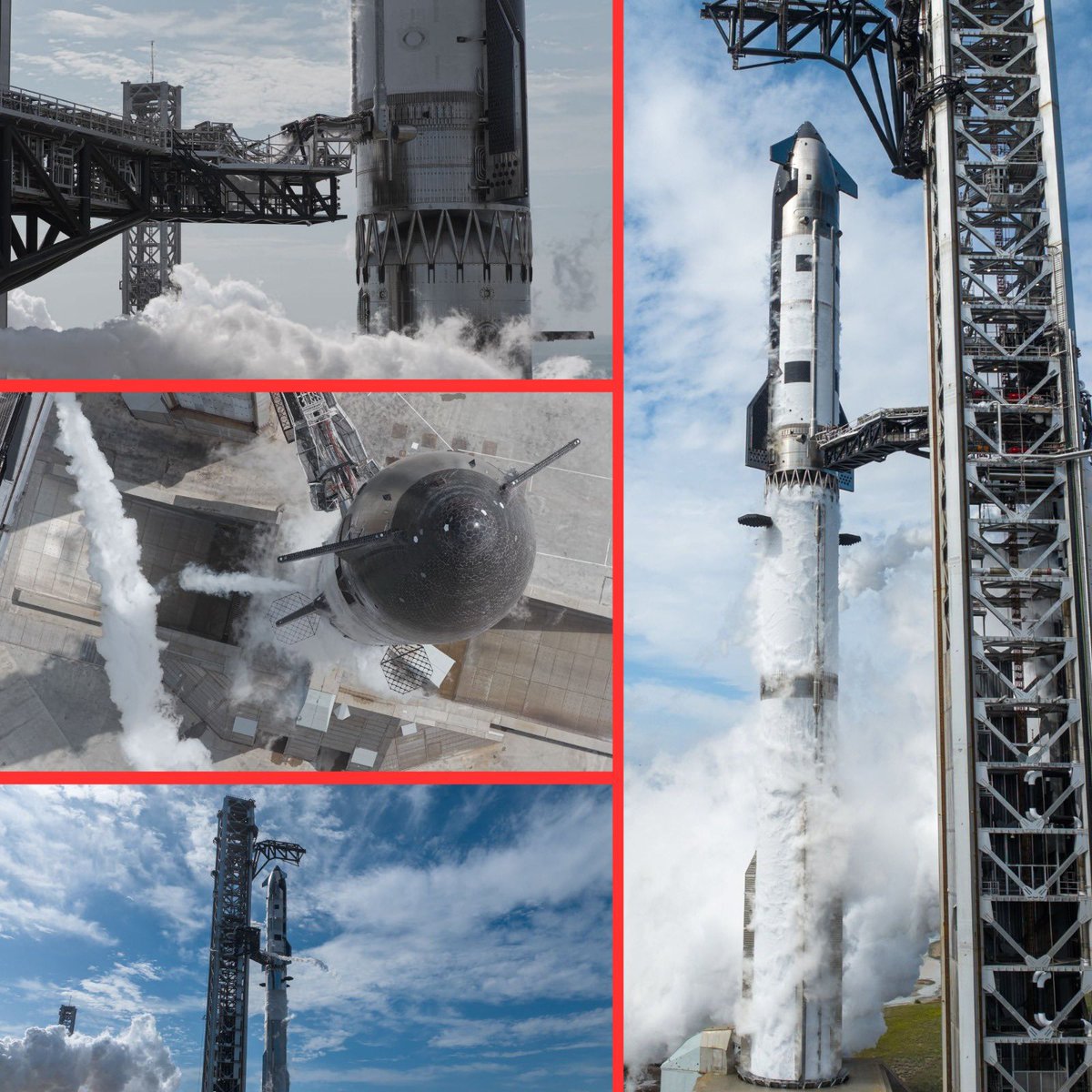
BREAKING: SpaceX has once again broken the record for the tallest rocket ever built. For the third time in just three years, a new version of Starship has been stacked at Starbase in South Texas near the US-Mexico border. Starship V3 is larger and more powerful than previous generations, continuing SpaceX’s rapid pace of iteration as it pushes toward full reusability and deep space missions. The scale of development happening at Starbase is unlike anything the modern space industry has seen.
https://t.co/rr6HVDyNQH

https://t.co/rr6HVDyNQH

Starship’s twelfth flight test will debut the next generation Starship and Super Heavy vehicles, powered by the next evolution of the Raptor engine and launching from a newly designed pad at Starbase. The launch is targeted as early as Tuesday, May 19 → https://t.co/2gZQUxS6mm https://t.co/JxmpL2WE4w
Elon: Nothing will make you happier, than having kids, and @ZubyMusic explains how parenting needs to be made cool again 💙 https://t.co/CR8rTetkzH
I am in Singapore for AI Engineer!! 🤩 https://t.co/66d39BVsjB

I am in Singapore for AI Engineer!! 🤩 https://t.co/66d39BVsjB

Top 5 NCAA D1 CSB (17) #1 NCAA D1 DRS 2x 1st Team All Conf. 📞 502-974-8096 ✉️ bmbennett04@gmail.com @SoftballPortal @64Analytics_Sfb @SoftbalAmerica https://t.co/G0ZoSe37rm
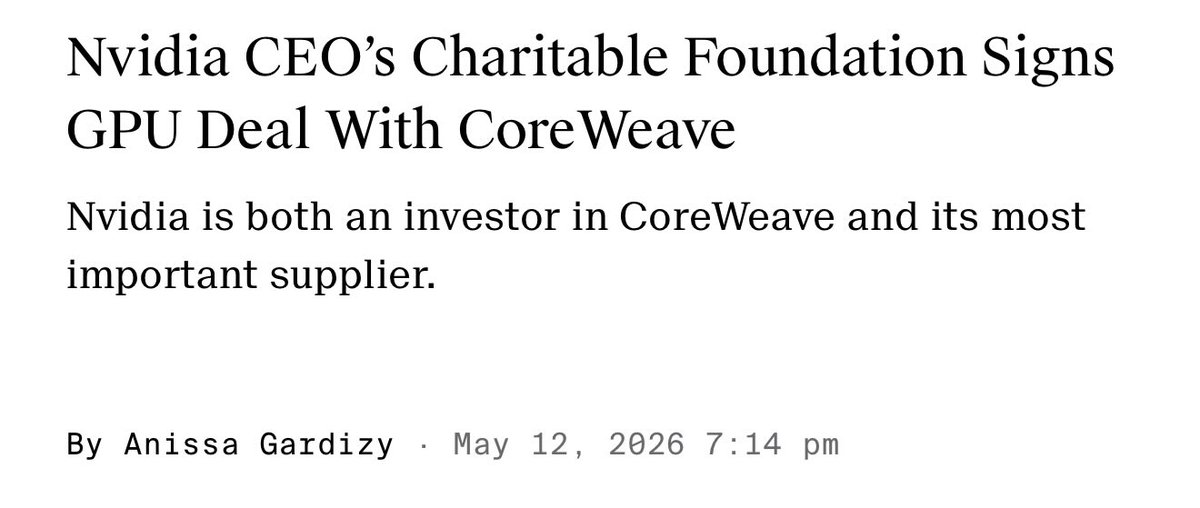
HUANG FOUNDATION SIGNS GPU COMPUTE DEAL WITH COREWEAVE $NVDA proxy says the charitable foundation tied to Jensen and Lori Huang entered an agreement with CoreWeave to buy GPU compute time. The compute will be donated to universities and nonprofit research institutes for open science and AI research. The foundation has donated $108.3M in GPU compute-time grants to date. Nvidia says it may also provide free engineering services to certain recipients. Note: Nvidia is an investor in CoreWeave, and CoreWeave is built around Nvidia GPU infrastructure.
We just launched holaOS Beta 0.1 — the first product version of what started as our open-source agent computer. I recorded a launch video for the direction we’re building toward: AI teammates that can help with work that unfolds over time, not just one-off sessions. The core problem: most agents are still built for a session. But real work continues next week. Research keeps changing. Content needs the same voice and rules. Customer feedback has follow-ups. Launches have blockers, review points, and the next run. Current agents are impressive in one chat, but they still forget context, lose rules, and make you restart the same work again. A few Beta 0.1 notes around the launch: - Multi Workspaces: Each long-running work-stream has its own context, rules, tools, and history for better organization and focus. - Sub Agents: Handle complex tasks in parallel while the user interacts with a single, centralized coordinator agent for a seamless experience. - Dashboard: Track what’s running, identify what needs review, and see the next steps—fully customizable to fit your workflow. The Open Agent Computer is still the foundation. But the user-facing unit is becoming clearer: not a disposable session, not a blank agent builder, but a living workspace for work that unfolds over time. Still early. Try it with one recurring work-stream you keep restarting every week.
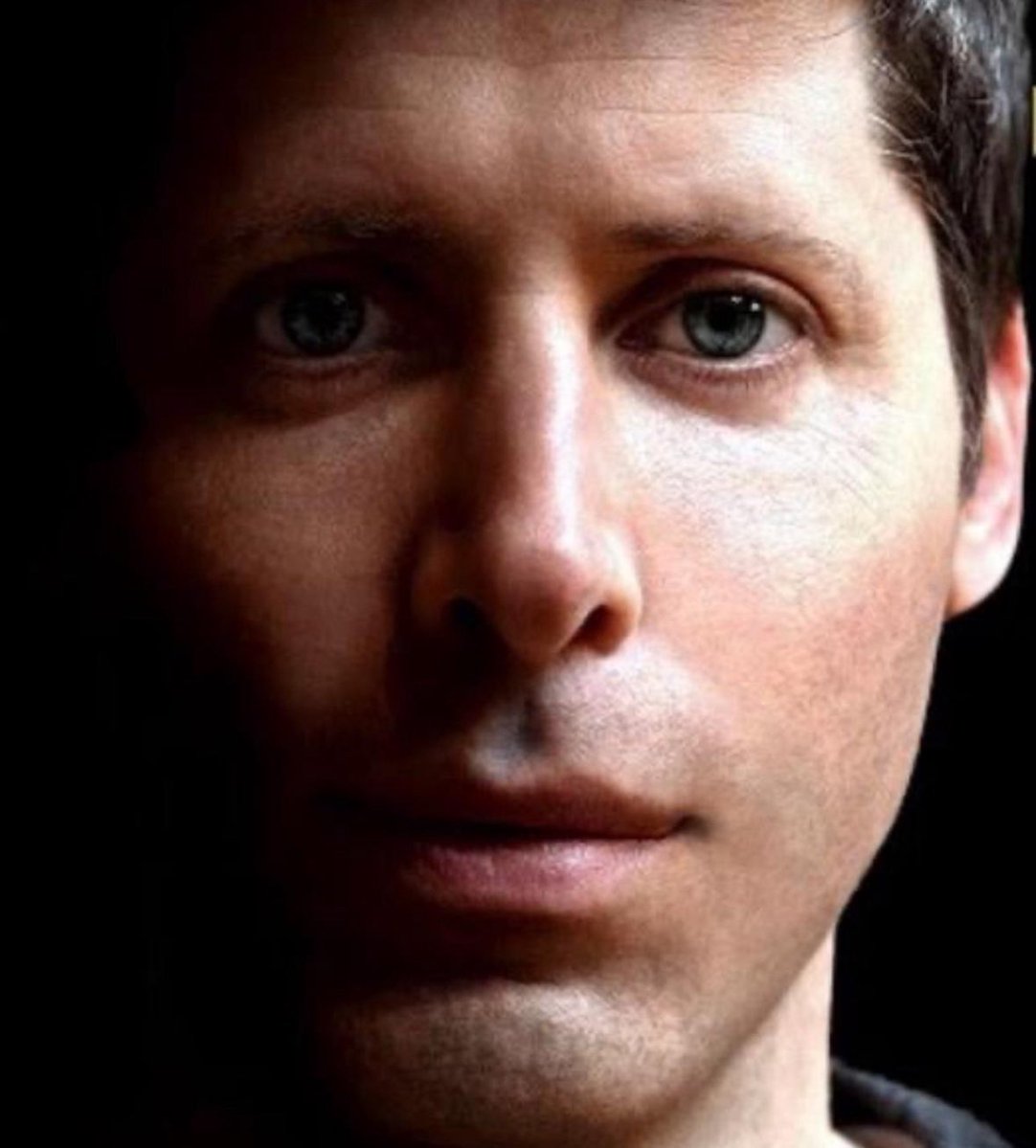
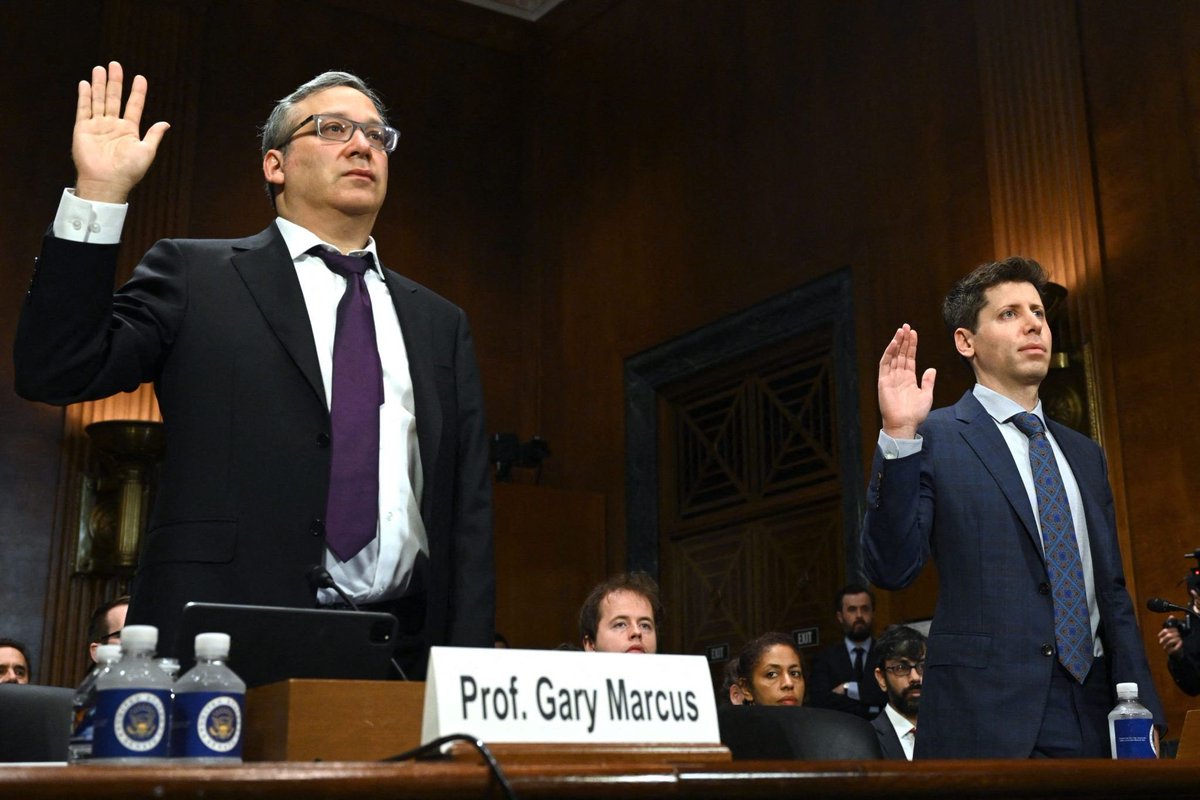
Musk's lawyer: "Are you completely trustworthy?" Altman: "I believe so." Musk's lawyer: "But, you know, you don't know whether you're completely trustworthy." Altman: "I'll just amend my answer to yes." Musk's lawyer: "Should the jury believe your testimony?" Altman: "I think that's up to them, but I believe so." Musk's lawyer: "You believe so, or they should?" Altman: "Sir, I'm not gonna tell the jury what to think." Musk's lawyer: "Do you always tell the truth?" Altman: "I believe I'm a truthful person." Musk's lawyer: "It wasn't my question. Do you always tell the truth?" Altman: "I'm sure there is some time in my life when I have not." Musk's lawyer: "Have you told lies to advance your business interests?" Altman: "Uh, no." Musk's lawyer: "Have you misled people with whom you do business?" Altman: "I believe I am an honest and trustworthy business person." Musk's lawyer: "That wasn't my question, what you believe. Have you misled people with whom you do business?" Altman: "I do not think so." Musk's lawyer: "Would they think so?" Altman: "I can't answer that for other people." That was the opening of Sam Altman's cross-examination this morning.
@GaryLovesTesla I don't know enough about the differences. So I asked my AI to evaluate Hermes vs TrustClaw (it has a million posts to go through from X's AI community). It answered: +++++ Here's the full evaluation, Robert. ━━━━━━━━━━━━━━━━━━━━━━━━━━━━━━ TRUSTCLAW vs HERMES — EVALUATION May 12, 2026 ━━━━━━━━━━━━━━━━━━━━━━━━━━━━━━ FIRST: THE FRAMING PROBLEM Before comparing these two, you need to know they're not actually competing for the same buyer. This isn't a close race. It's a kayak vs. a speedboat — both float, entirely different purposes. ━━━━━━━━━━━━━━━━━━━━━━━━━━━━━━ WHAT IS TRUSTCLAW? ━━━━━━━━━━━━━━━━━━━━━━━━━━━━━━ TrustClaw is a cloud-hosted AI agent platform built by Composio. Website: https://t.co/eO90RoMGPL The origin story is genuinely wild: TrustClaw was first described on Reddit as a fictional/imaginary OpenClaw alternative. Someone saw the Reddit post and built a 2-star GitHub parody fork to "make the guy not all the way wrong." Then Composio apparently saw the concept and built the real commercial product. It started as a meme. Now it's a $29/month SaaS. WHAT IT DOES: • Runs entirely in the cloud. Nothing to install. • 1,000+ pre-built integrations via OAuth (no API keys, no .env files) • Every agent runs in an isolated sandbox that disappears when the task is done • You sign up, connect your apps, give it goals — done in about 2 minutes • Full audit log of every action taken • Mobile-accessible THE PITCH: "Everything OpenClaw can do and more, rebuilt from scratch with security at the foundation." TRUSTCLAW PRICING: • Starter: $29/month (2 agents, 10 integrations) • Professional: $79/month (10 agents, 50 integrations) • Business: $199/month (50 agents, unlimited integrations) • Enterprise: Custom TRUSTCLAW STRENGTHS: • Zero setup. Actually zero. 2 minutes from signup to running agent • No credential anxiety — OAuth only, no plaintext API keys anywhere • Sandboxed execution eliminates the "one bad prompt injection ruins your machine" risk • 1,000+ integrations covering every major SaaS tool • Zero maintenance — no Node dependency hell at 11pm • Mobile interface that actually works TRUSTCLAW WEAKNESSES: • Expensive relative to free self-hosted alternatives • No custom scripting — you're inside their guardrails • Vendor lock-in — no export, rebuilding from scratch if you leave • Less powerful than self-hosted options for complex workflows • Tiny community — 2 GitHub stars on the parody fork, ~321 PyPI downloads/month • Essentially no presence in your monitored AI communities TRUSTCLAW COMMUNITY SIGNAL: Almost zero organic mention in your 16 monitored lists. No significant chatter in AI Newsmakers, AI Community, AI Founders, AI Leaders. It's operating below the radar of your tech-forward audience entirely. https://t.co/3hvpREPQ9s https://t.co/6O2l0ZsZdH ━━━━━━━━━━━━━━━━━━━━━━━━━━━━━━ WHAT IS HERMES AGENT? ━━━━━━━━━━━━━━━━━━━━━━━━━━━━━━ Hermes Agent is an open-source agentic framework by @NousResearch. MIT license. Free. THE PITCH: "The open source agent that grows with you." WHAT IT DOES: • Self-hosted, runs in CLI and messaging platforms (Telegram, WhatsApp, Slack, Discord) • Persistent memory across sessions — remembers everything • Agents grow by creating and developing their own skills from experience • Multi-level memory system (episodic + procedural + semantic) • Command over subagents, programmatic tool calling • Built in Python — easy to extend and customize • Powers @NousResearch's own agentic RL pipeline • v0.7.0 (April 2026) focused on resilience The critical differentiator: Hermes agents get genuinely smarter over time. Not "remembers your name" smarter. Creates new skills, compounds across sessions, approaches metacognitive behavior. @pylomath described it: "Hermes is about as close to agentic metacognition as I've seen." @Teknium personally amplified that. HERMES COMMUNITY SIGNAL (from your lists, today): • @aiedge: "OpenClaw search interest has basically gone to zero. One of the biggest AI hype cycles ever." • @tonysimons: "Hermes is so good it just didn't make sense to keep going with OpenClaw" • @BLUECOW009: "Lots of power users going from OpenClaw to Hermes Agent" — widely shared • @ZainanZhou: "Hermes agents learn very fast, more reliable, planning to ramp up within a week" • @somewheresy: "I notoriously dislike agent frameworks and never installed OpenClaw. But I do like Hermes Agent" — NEW users who skipped OpenClaw entirely • @noahvandal: "night and day difference... openclaw could never" • @guglielmo: "once they try there is no going back. Incredibly fragile [OpenClaw]" • Migration still actively happening as of May 9 — ongoing, not historical RT'd across AI Community #1-7, AI Newsmakers, AI Leaders #1 and #2. That's every major list. https://t.co/e1Mbypr8js ━━━━━━━━━━━━━━━━━━━━━━━━━━━━━━ HEAD-TO-HEAD ━━━━━━━━━━━━━━━━━━━━━━━━━━━━━━ Cost: • Hermes: Free (MIT) • TrustClaw: $29-199/month Setup: • Hermes: Self-hosted, Python environment, ~30-60 minutes for first-timers • TrustClaw: 2 minutes. Browser only. Intelligence / Learning: • Hermes: Agents compound over time. Create their own skills. Approaching metacognition. • TrustClaw: Standard tool execution. Does not learn. No skill building. WINNER: Hermes — and it's not close. Security model: • Hermes: You own everything. Self-hosted = no third party. • TrustClaw: Managed cloud, OAuth-only, sandboxed. Strong for people who don't trust themselves. WINNER: Depends on your threat model. Technical users prefer self-hosted control. Non-technical teams prefer TrustClaw's managed approach. Integrations: • Hermes: CLI + Telegram, WhatsApp, Slack, Discord natively. Extensible via Python. • TrustClaw: 1,000+ OAuth integrations. Every major SaaS. WINNER: TrustClaw for breadth of SaaS integrations. Hermes for developer extensibility. Community momentum: • Hermes: Massive. Viral across your lists. Power users migrating from OpenClaw en masse. • TrustClaw: Essentially silent. No meaningful organic presence in tech communities. WINNER: Hermes by a wide margin. Customization: • Hermes: Full control — Python, model selection, tool creation, everything. • TrustClaw: Inside the platform guardrails. No custom scripts. WINNER: Hermes. Target user: • Hermes: Developers, researchers, AI practitioners, power users • TrustClaw: Non-technical business teams who want AI automation without DevOps NO WINNER: Different buyers entirely. ━━━━━━━━━━━━━━━━━━━━━━━━━━━━━━ VERDICT ━━━━━━━━━━━━━━━━━━━━━━━━━━━━━━ For your audience — developers, AI practitioners, founders, researchers — Hermes wins. It's not a competition. Hermes is where the technical community has landed after OpenClaw, and the momentum data from your lists confirms it's accelerating. The "agents that actually get smarter" story is real, and the people who matter have noticed. TrustClaw is interesting as a market signal, not as a product recommendation for your readers. It tells you where the mainstream business market is heading — managed hosted agents, zero setup, SaaS integration. It's the "Heroku for AI agents" play. That market is real and large, but it's not your audience. The most interesting part of TrustClaw's story isn't the product. It's that a fictional tool described in a Reddit post got a GitHub parody fork and then a real Composio-backed commercial product. That's how fast the agent space is moving — someone describes a fake product, and weeks later it exists. If someone in your life asks "how do I get an AI agent without touching a terminal?" — TrustClaw or something like it is the answer. If a developer asks what to run instead of OpenClaw — Hermes. Every time.
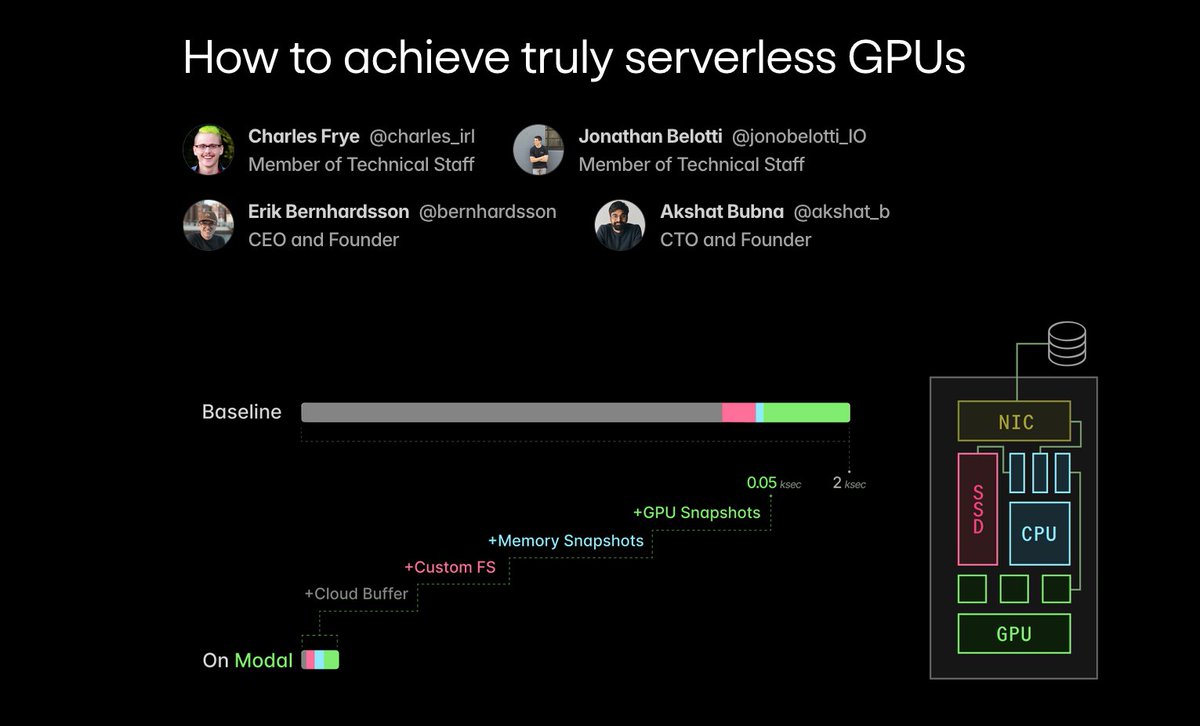
Inference isn't everything, but it does require a new stack -- not Kubernetes, not SLURM. At @modal, we dove deep to build that stack. In this blog post we explain how, from compute management & cloud-native cacheing to CRIU & GPU checkpointing. https://t.co/DQ4wvuXjre https://t.co/iF0ZYJQWFL
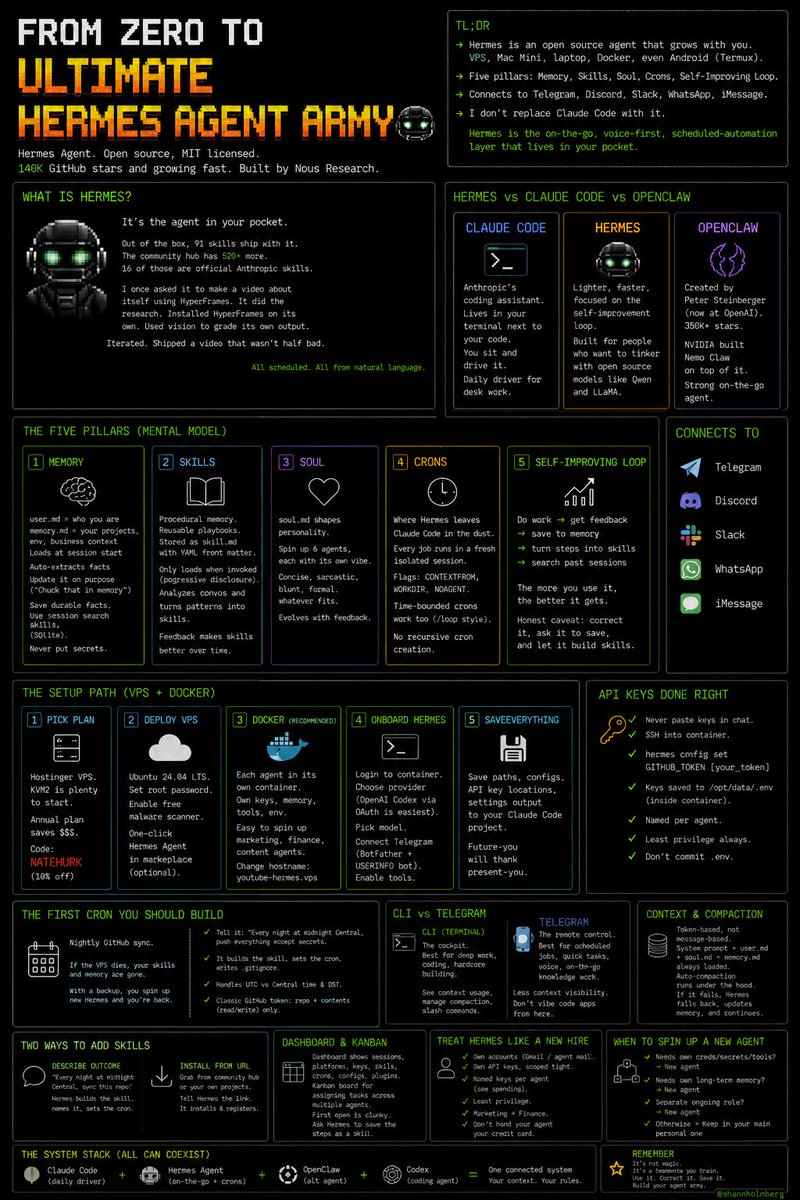
Hermes Agent changed how I work it's the highest leverage agent framework you can set up right now what makes it different: > it routes tasks to the right model based on complexity and cost > learns your voice and preferences over time > handles context switching without losing thread > works across your entire stack instead of living in one tool save this blueprint and build your own
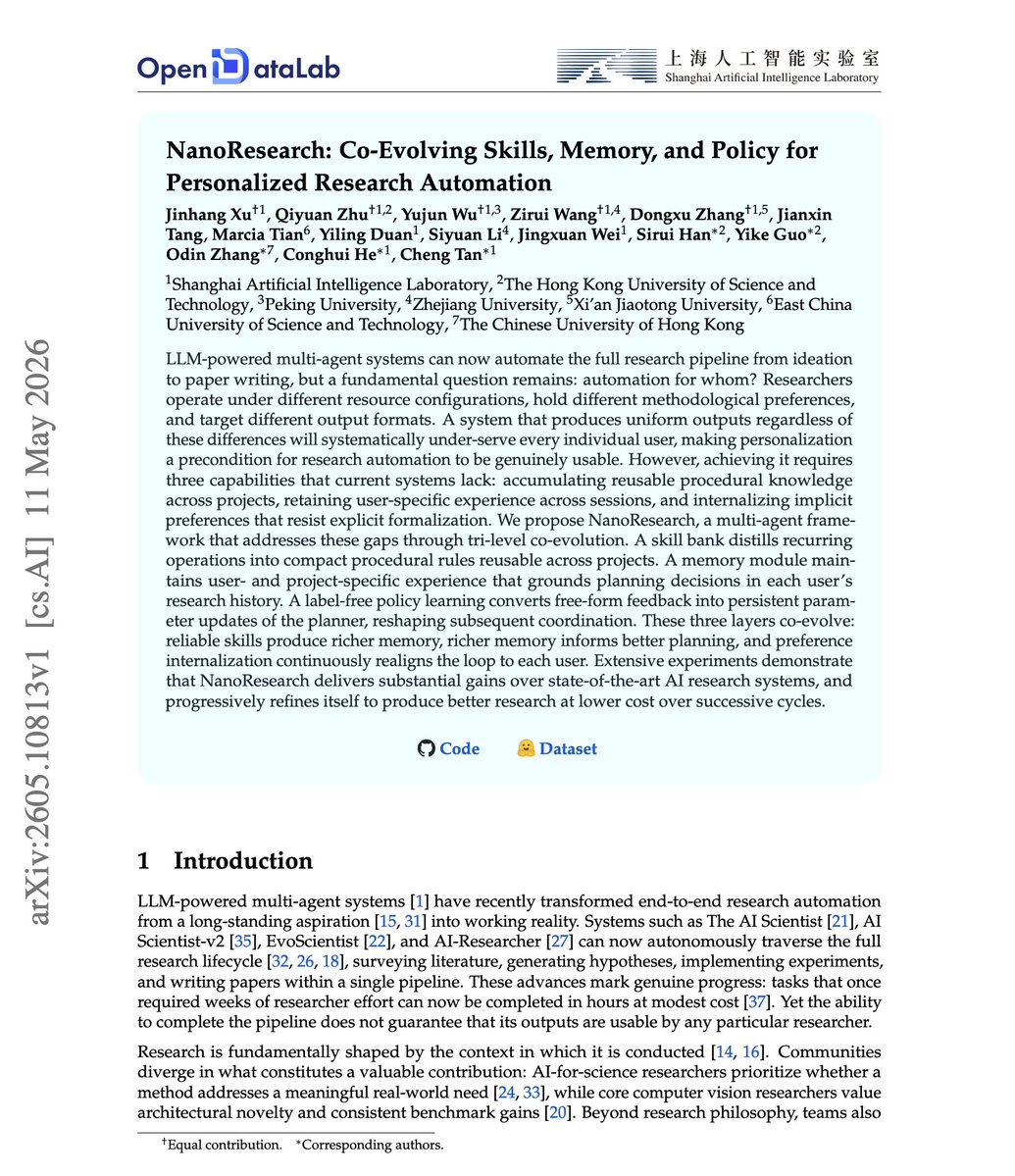
Pay attention to this one if you build research or knowledge-work agents. Most research-agent systems produce uniform outputs regardless of who is driving them. This new work, NanoResearch, argues that personalization is a precondition for real usability, and proposes tri-level co-evolution as the architecture. Three layers run together: a skill bank that distills recurring operations into reusable procedural rules; a memory module that retains user- and project-specific experience across sessions; and label-free policy learning that converts free-form feedback into persistent planner updates. Reliable skills produce richer memory, richer memory informs better planning, and preference internalization continuously realigns the loop. The framework consistently beats SOTA research systems and progressively produces better outputs at lower cost across cycles. The skill / memory / policy co-evolution loop is reusable far beyond paper writing. It is the template for any long-lived assistant in coding, analytics, or research. Paper: https://t.co/00qy1aBWqI Learn to build effective AI agents in our academy: https://t.co/LRnpZN7L4c
@Daniel_adsss we swore to tell “the whole truth”. he didn’t https://t.co/8N0ynXi7u8
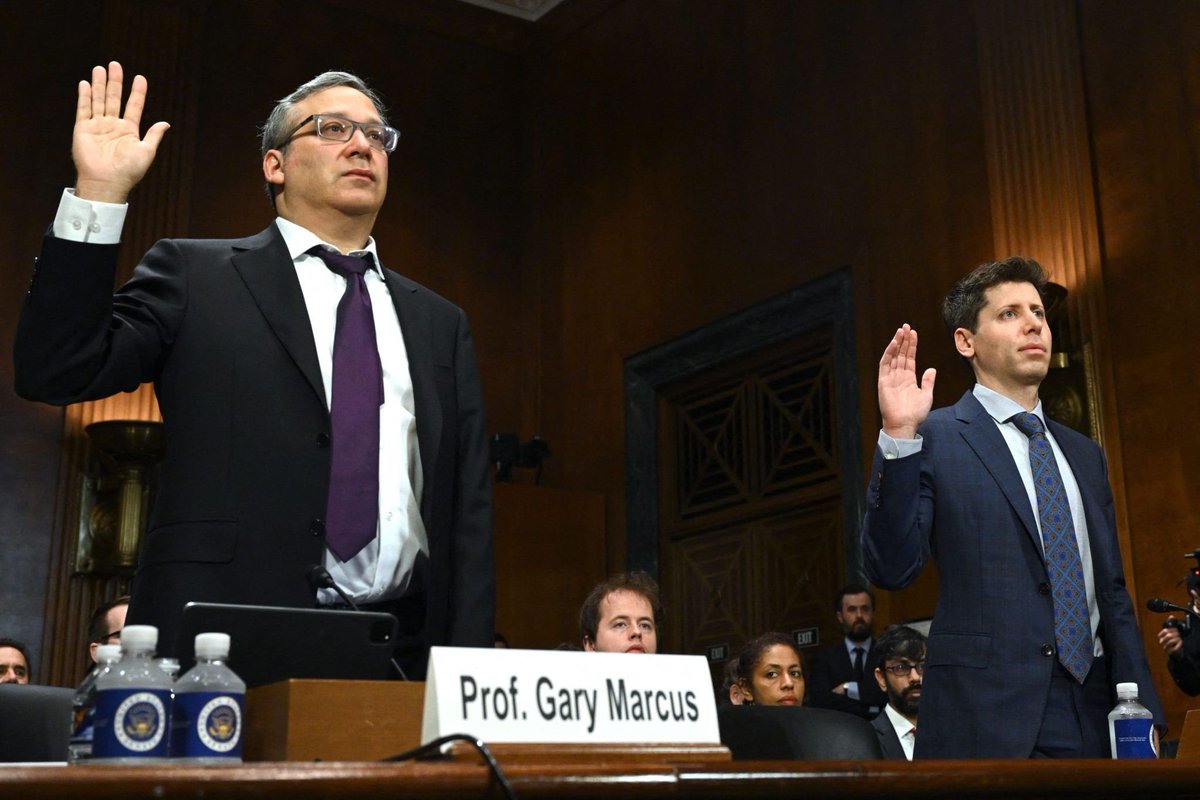
Sam Altman swearing to tell the whole truth, and then failing to do so. May 2023. https://t.co/lyo8EzaPte
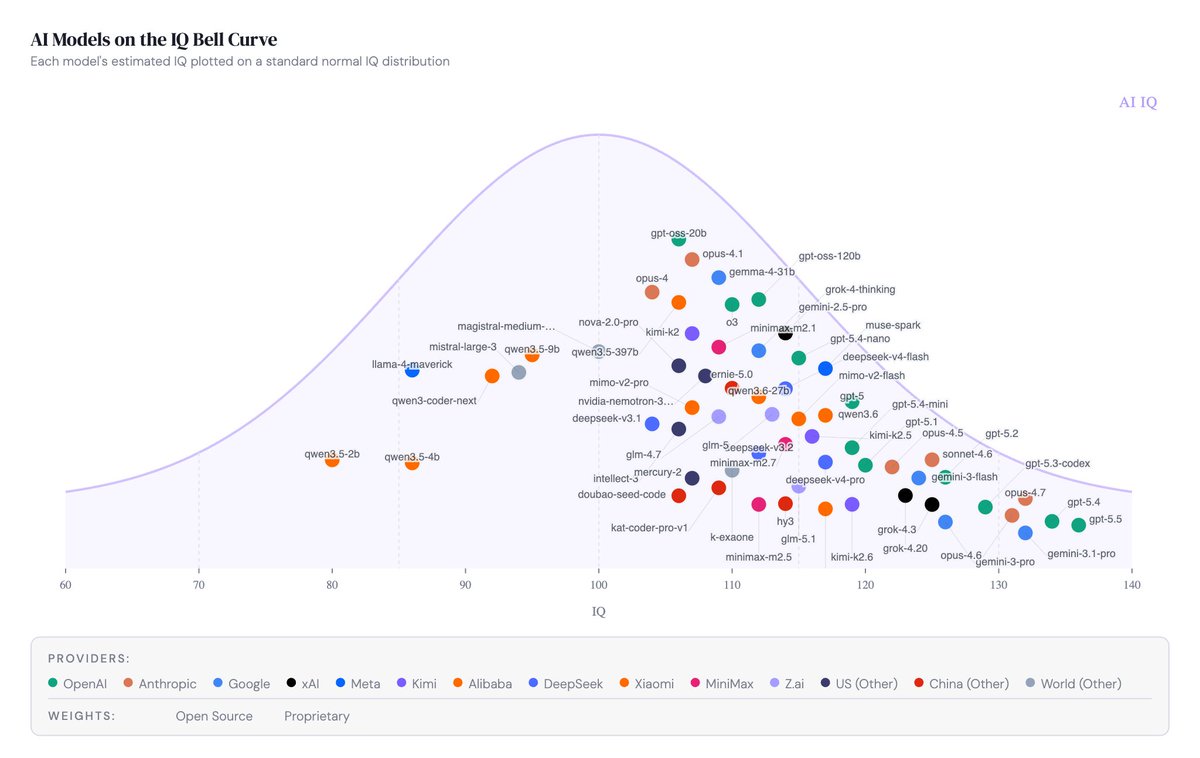
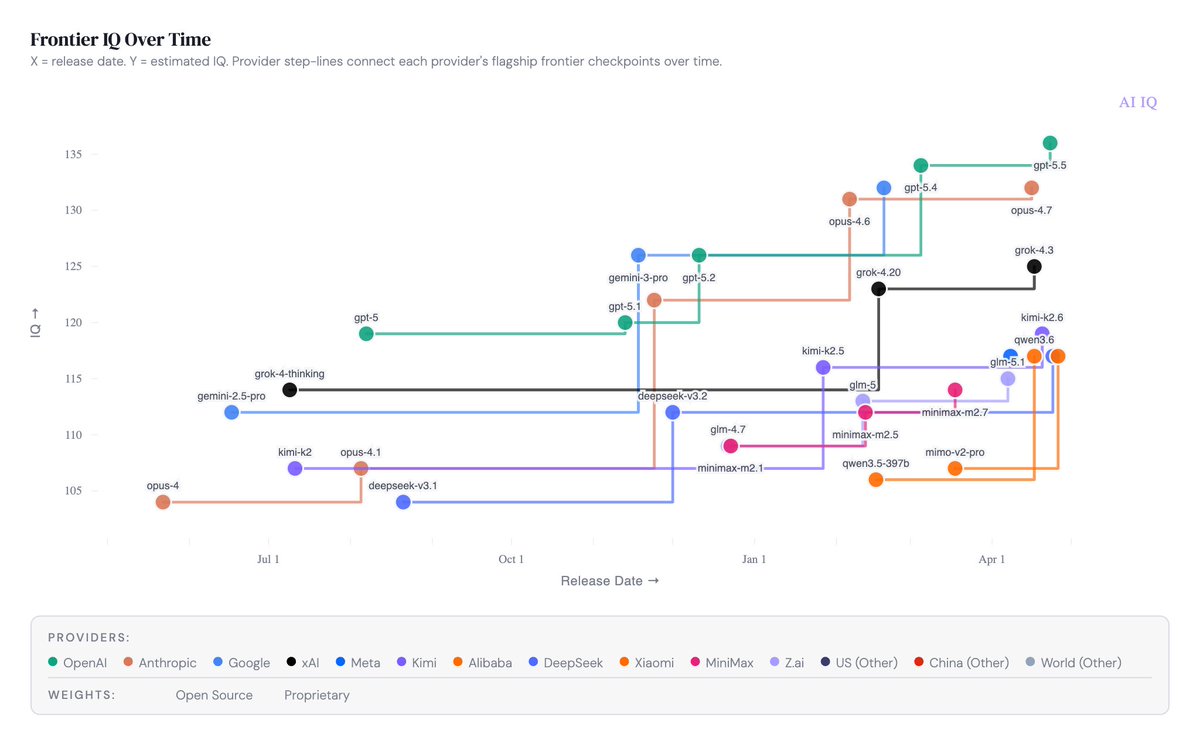
Today I’m launching AI IQ — frontier AI models, scored on the human IQ scale. Instead of endless leaderboard tables, AI IQ shows: • Where models land on the IQ bell curve • How frontier IQ is changing over time • How models compare on IQ and EQ • What intelligence costs in practice GPT-5.5, Claude Opus 4.7, Gemini 3.1, Grok 4.3, Kimi K2.6, Qwen3.6, DeepSeek V4, Muse Spark, and more. Link in the first reply. Curious which chart surprises you most.
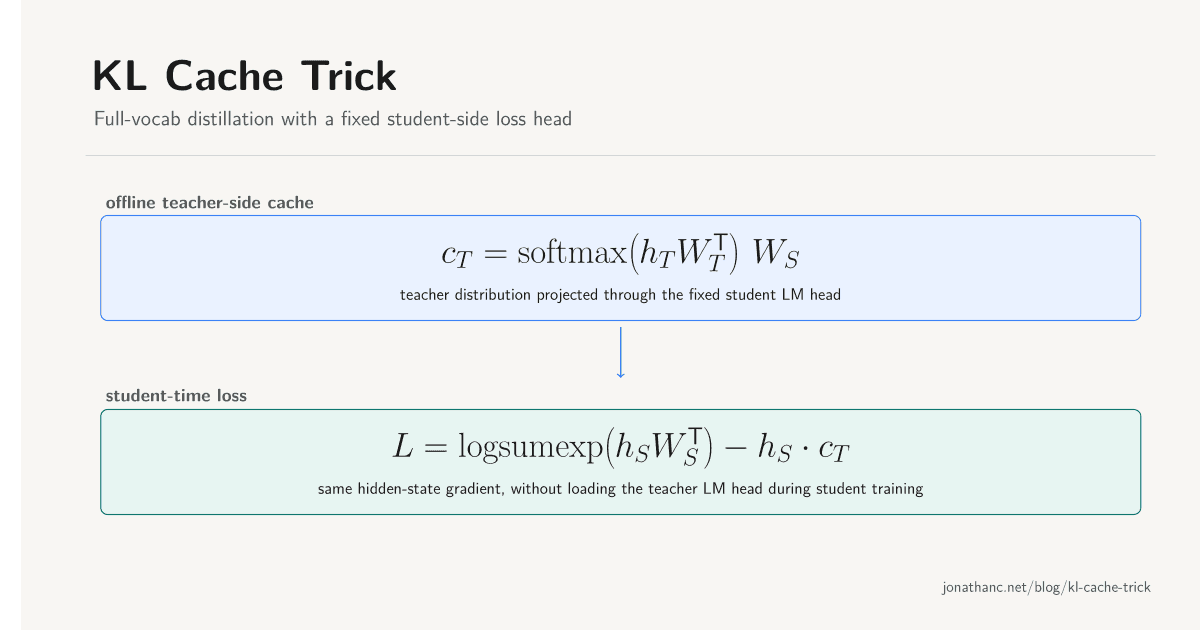
Codex with gpt-5.5 xhigh discovered a math trick for full vocabulary kl distillation https://t.co/8hPji2wjfT
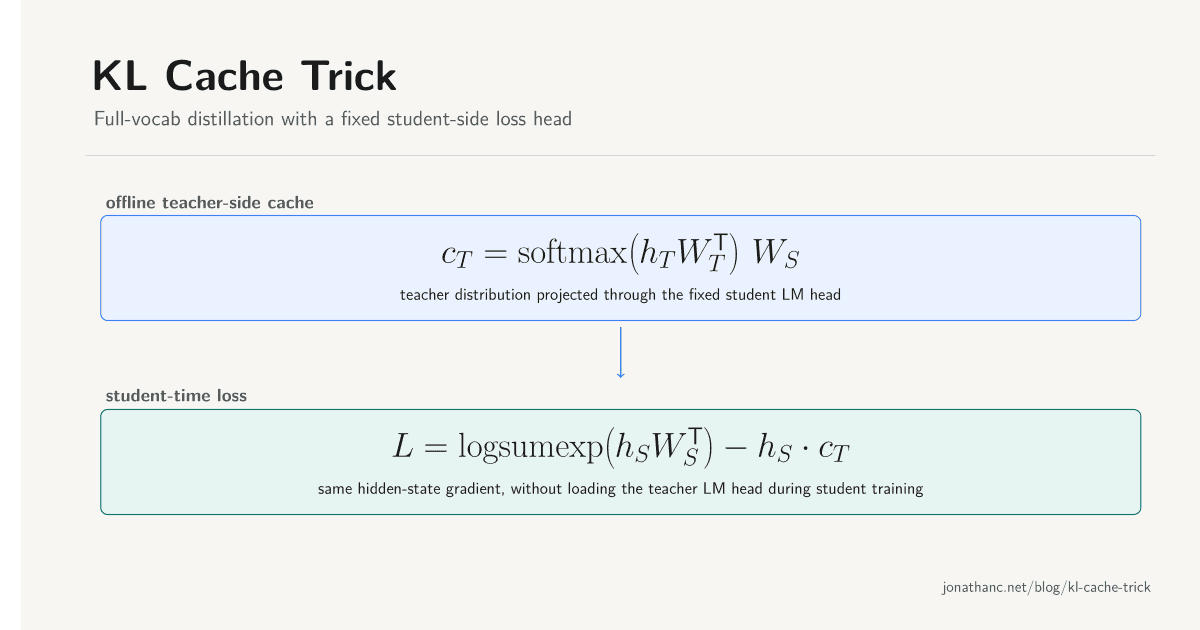
Codex with gpt-5.5 xhigh discovered a math trick for full vocabulary kl distillation https://t.co/8hPji2wjfT
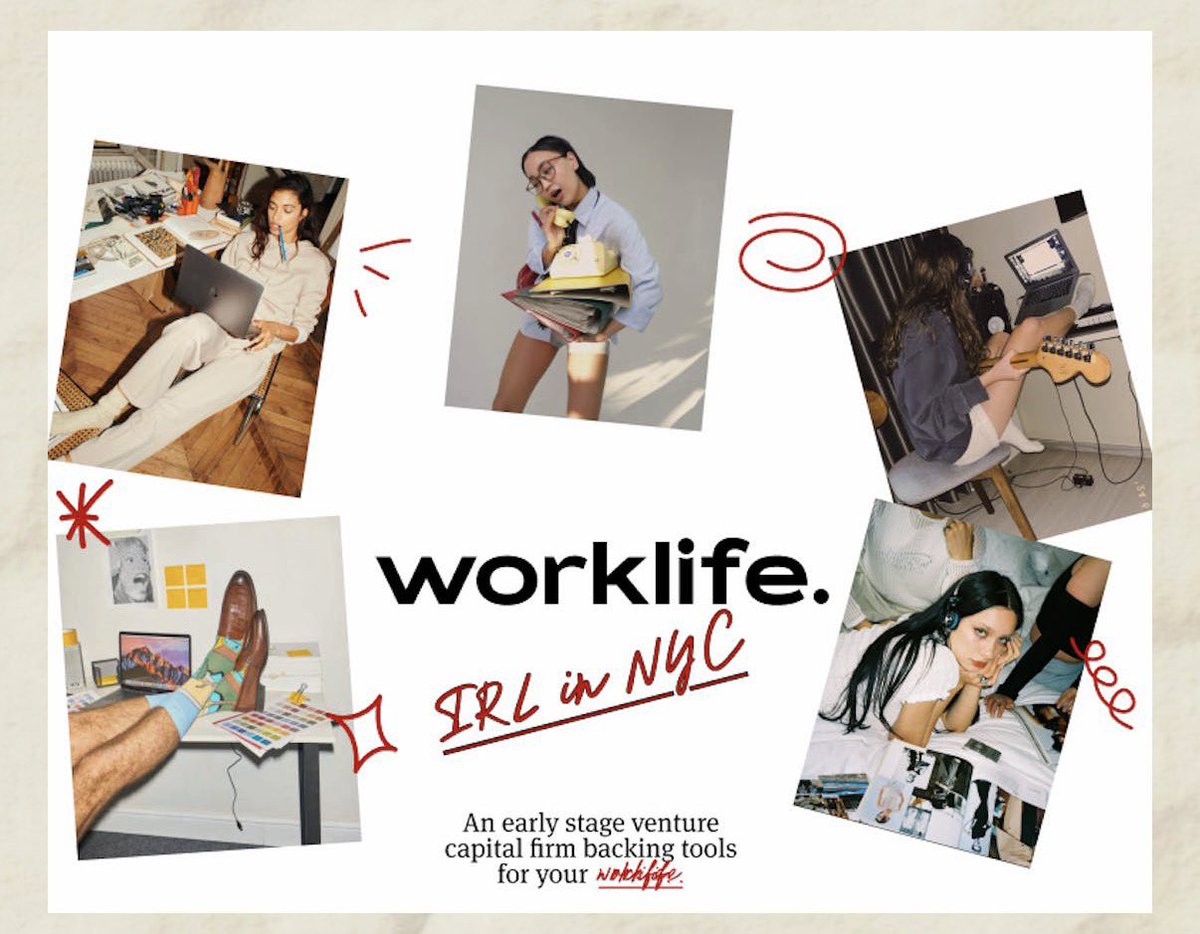
Hosting an event in NYC for creatives and gen AI founders. Who should we invite? https://t.co/IUnGgOhfPY
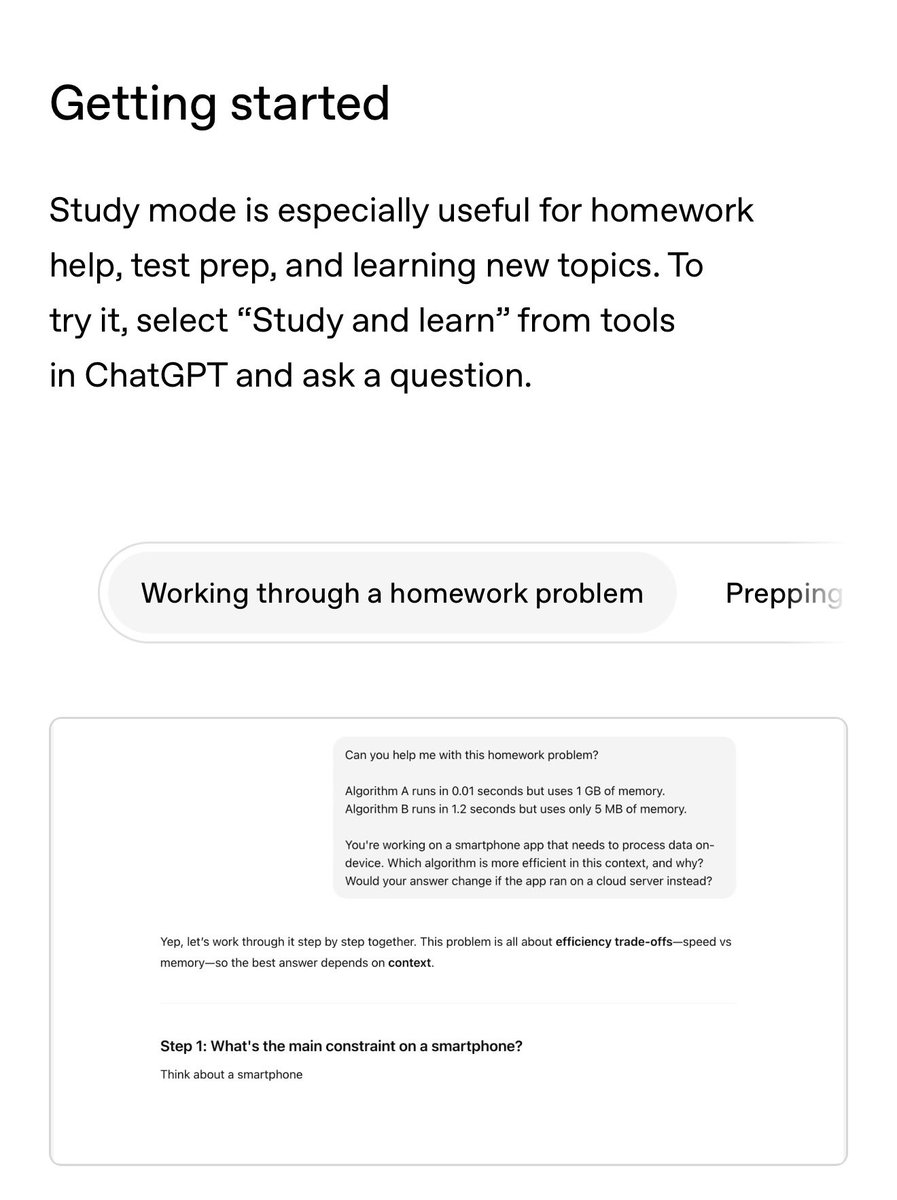
@logadevv Um. Their own documentation says study mode is accessible via the tools menu. https://t.co/kro2wYy9NH
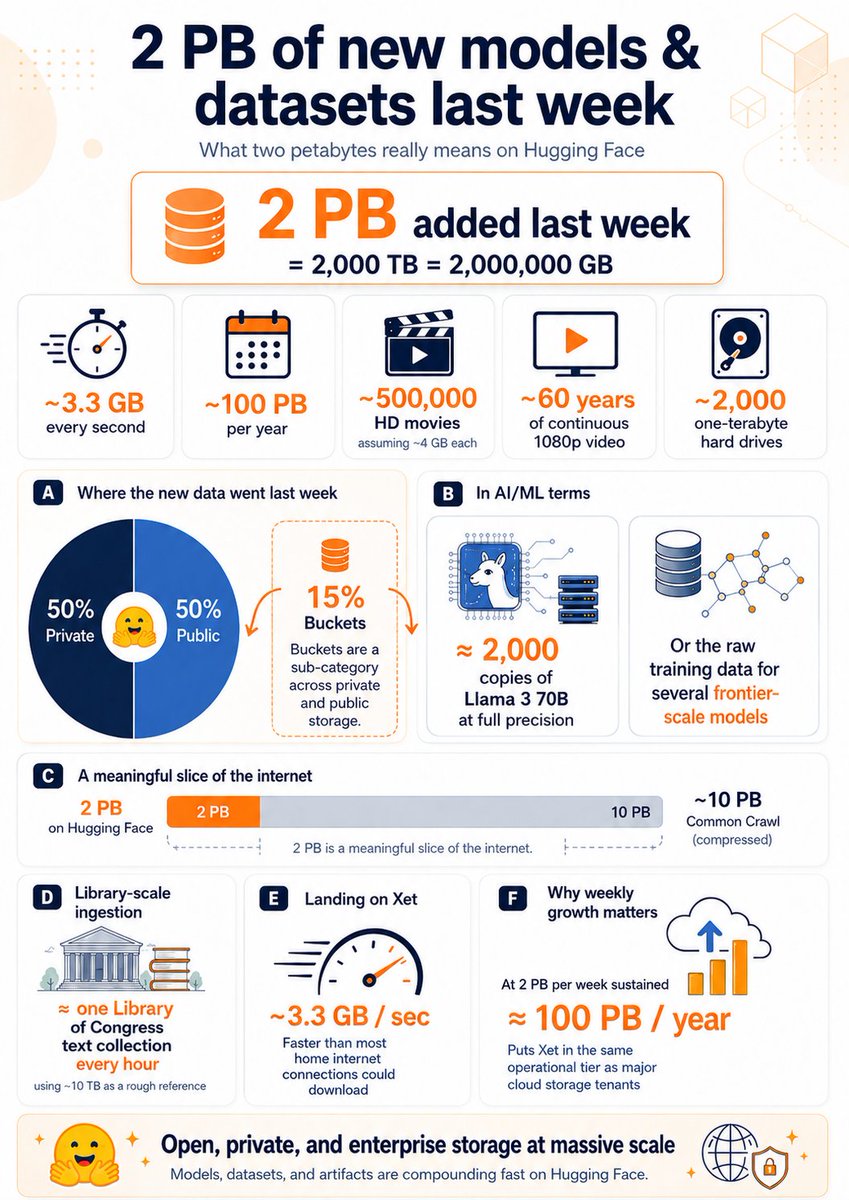
The scale of the infra on HF is insane. If you're still hosting models, datasets, agent memory,... in S3 or R2, talk to use and we can help you do it better, faster, cheaper, safer! https://t.co/x8nUkPT0E0
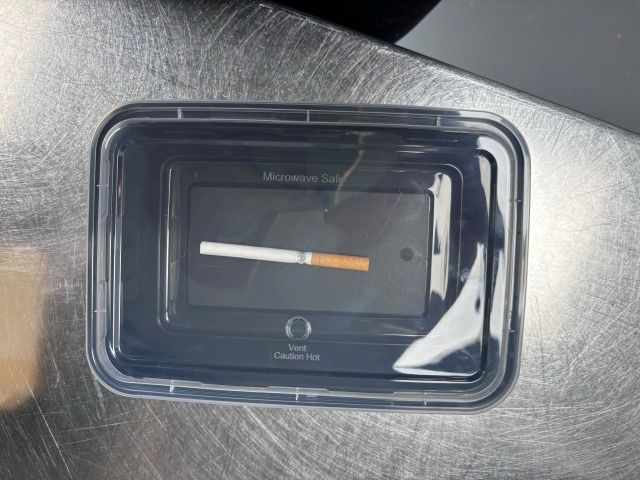
this meal prep shit easy https://t.co/CJ0jI7R4d1
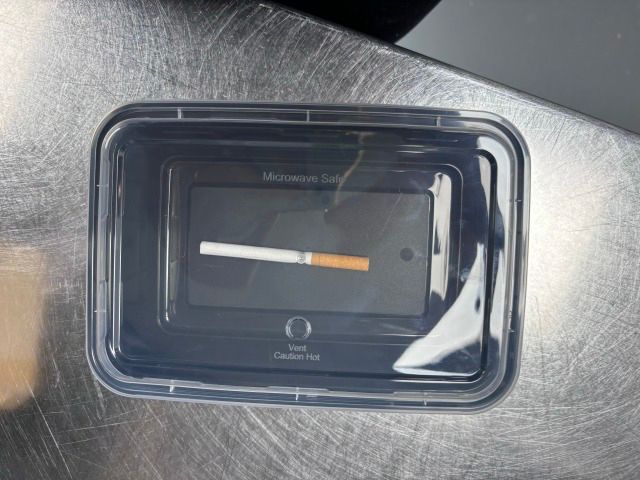
this meal prep shit easy https://t.co/CJ0jI7R4d1
https://t.co/Bu0DGbUhyy