Your curated collection of saved posts and media
Three at a Table @amasad from @Replit: https://t.co/1enGbhxpB7

Leaving the Mothership @NoamShazeer from @character_ai: https://t.co/EDoV3mTP3L

Pulling the Plug @Suhail from @playground_ai: https://t.co/Df4L7HPo4H

Four AM in Jerusalem @ZeevFarbman from @Lightricks: https://t.co/j5Ggm2QpPz

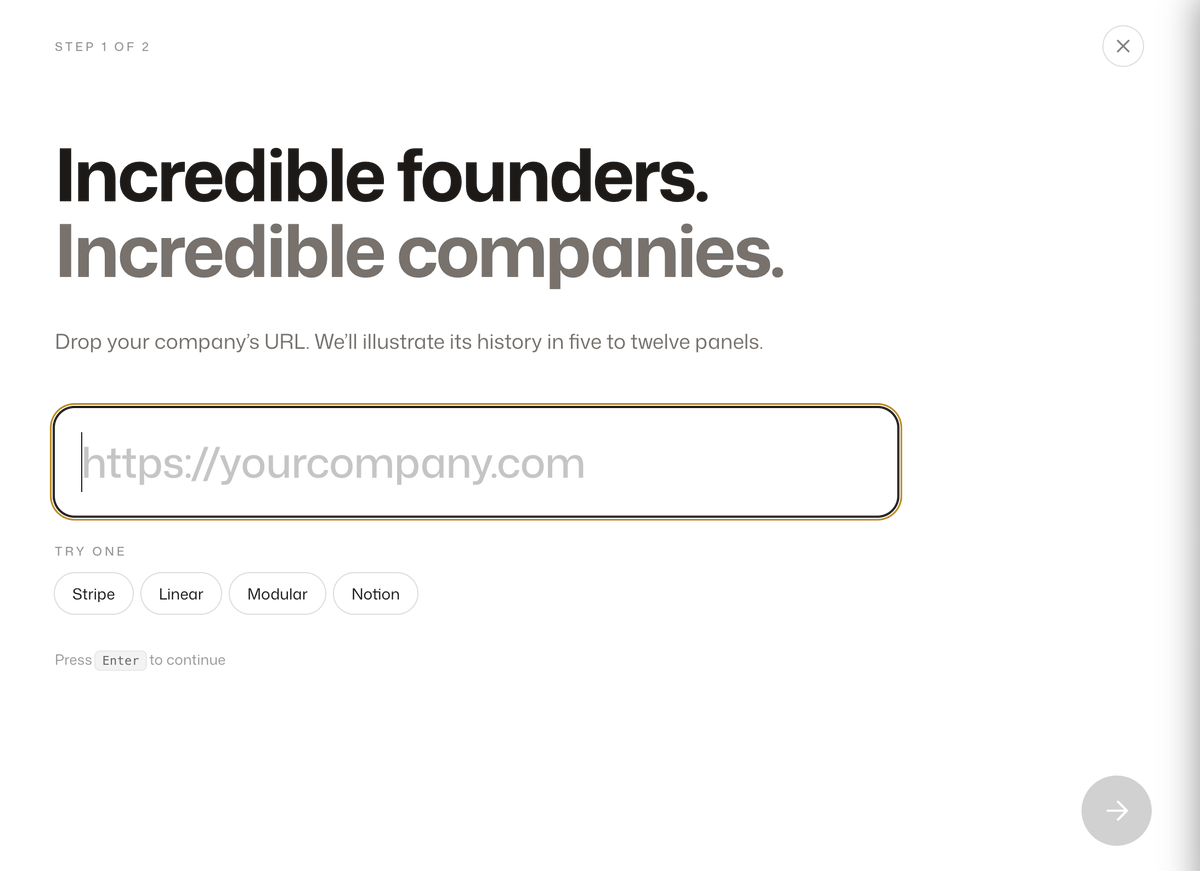
Don't see your company? Drop your URL and watch it generate: https://t.co/gJVtfMvvAy If you're deploying image gen at scale, our team wants to hear what you're building: https://t.co/hsYPi0oXpb https://t.co/kflE2HBimW
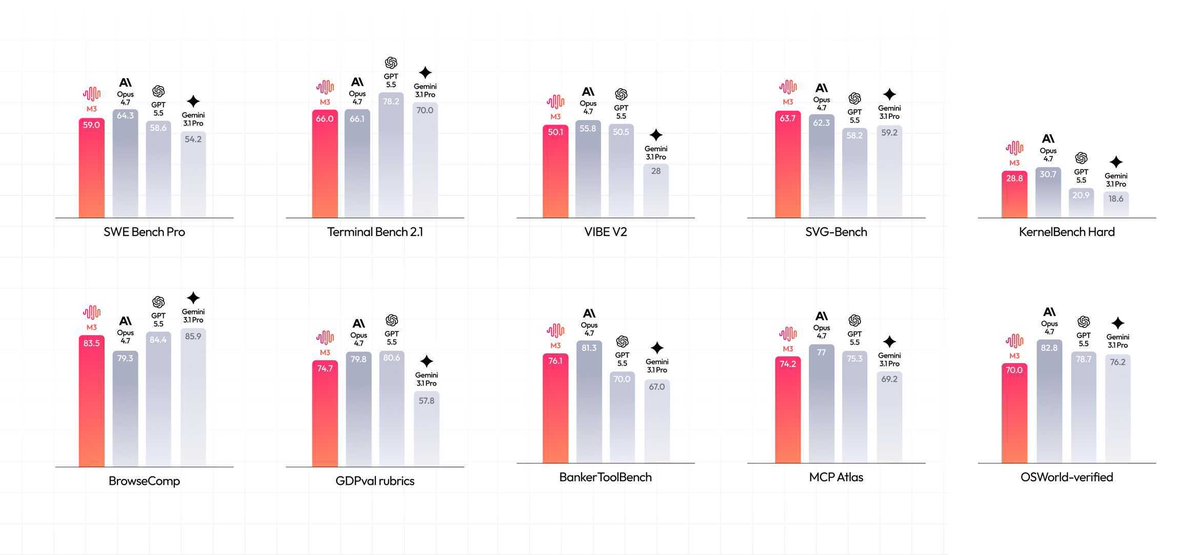
Our kernel team has been deep in MiniMax M3 all week. The 1M-token context and native multimodality make it a hard model to serve well, which is exactly the kind of problem we like! When the open weights drop in the next few days, you'll be able to run it on Modular right away. Stay tuned for @MiniMax_AI x Modular.
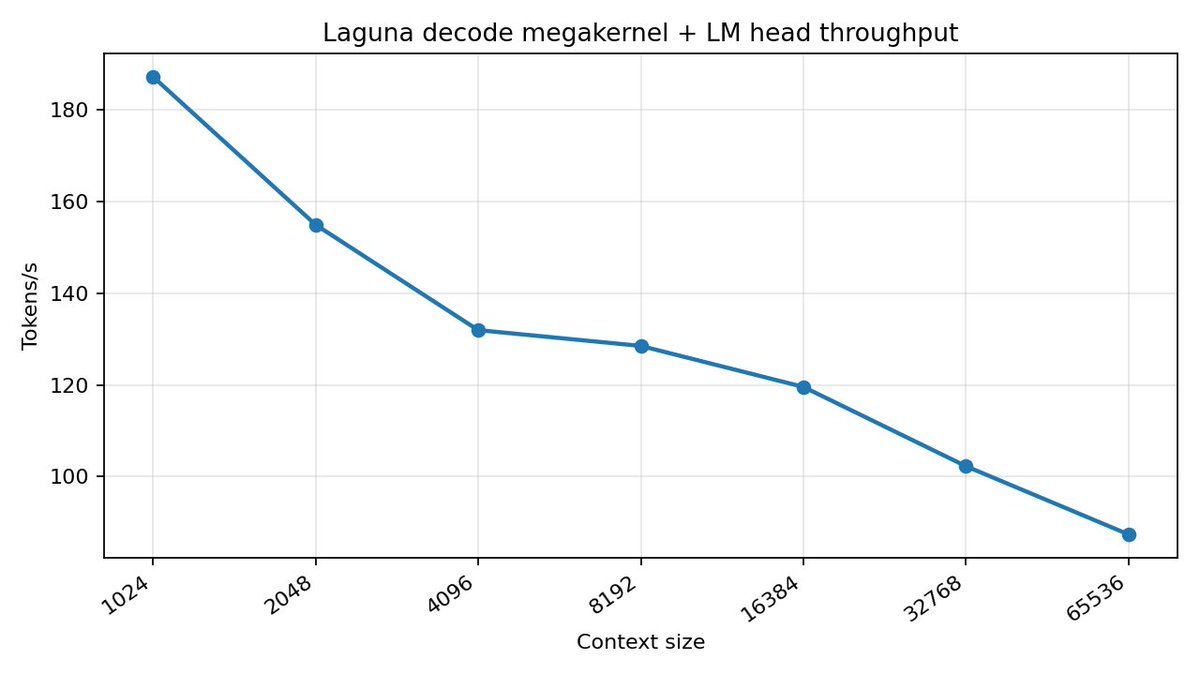
Megakernel for Laguna XS + GRPO training on a single RTX 4090: ~180 tok/s @ batch 1 ~499 tok/s @ batch 8 In-place, memory-efficient forward & backward wiith custom kernels. @poolsideai @eric_alcaide https://t.co/8zSwUK87LS https://t.co/qd7pgKzsBI
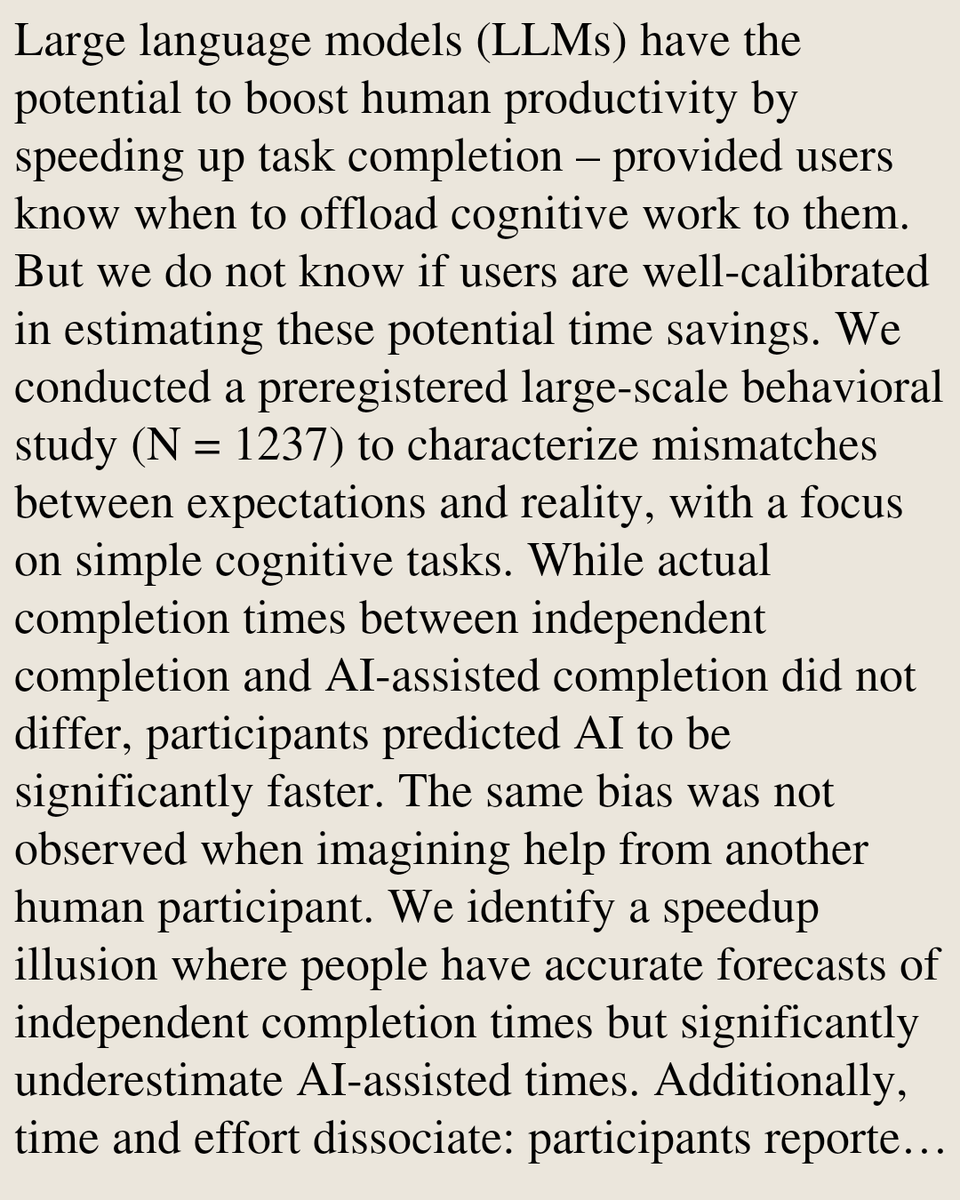
Cognitive offloading and the speedup illusion in human-AI interaction Sunny Yu, Myra Cheng, Ahmad Jabbar, Ilia Sucholutsky, Katherine M. Collins, Dan Jurafsky, Robert D. Hawkins https://t.co/9pvuG5Kt2N [𝚌𝚜.𝙲𝚈 𝚌𝚜.𝙷𝙲] https://t.co/MP2VFqSqul
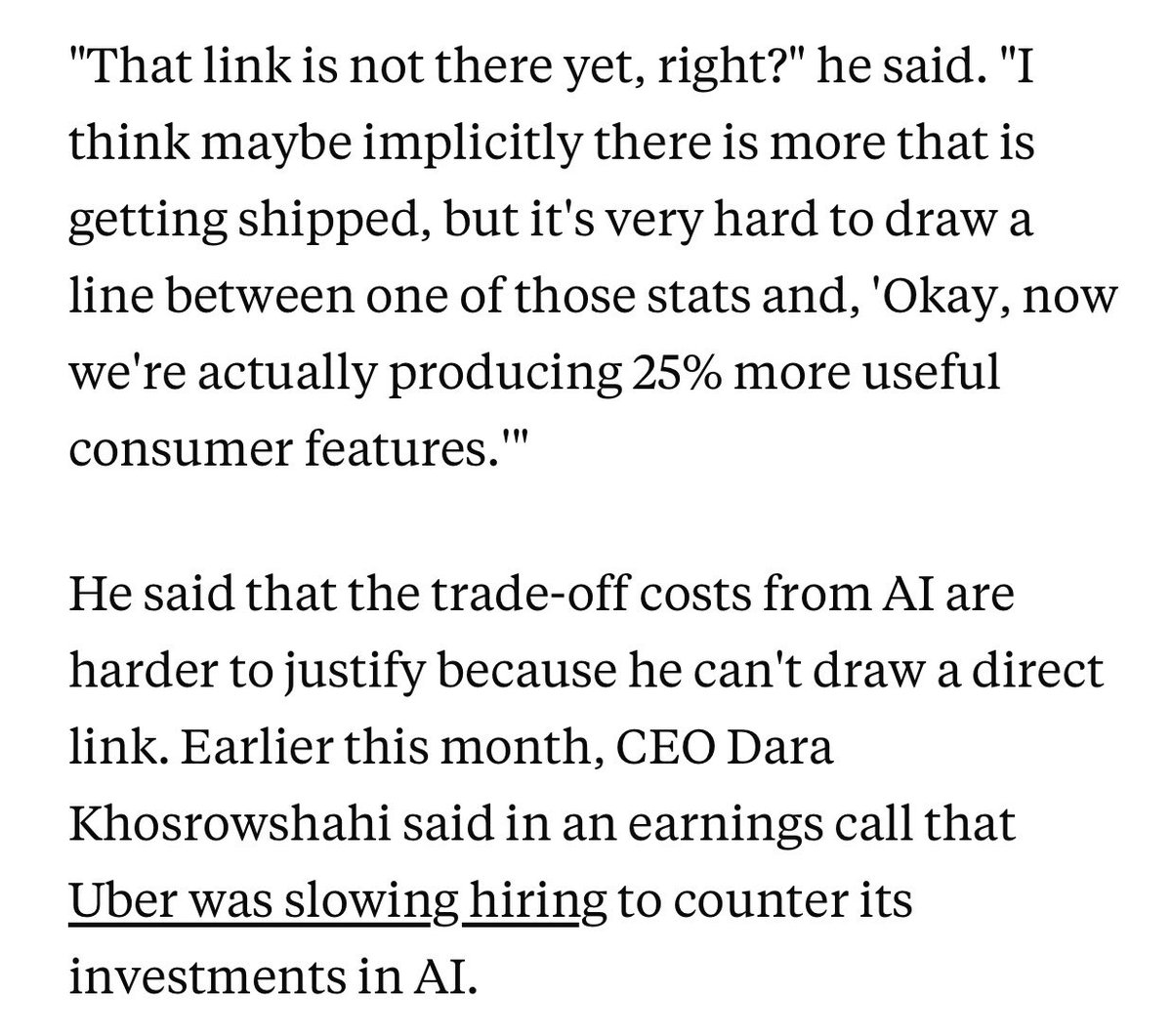
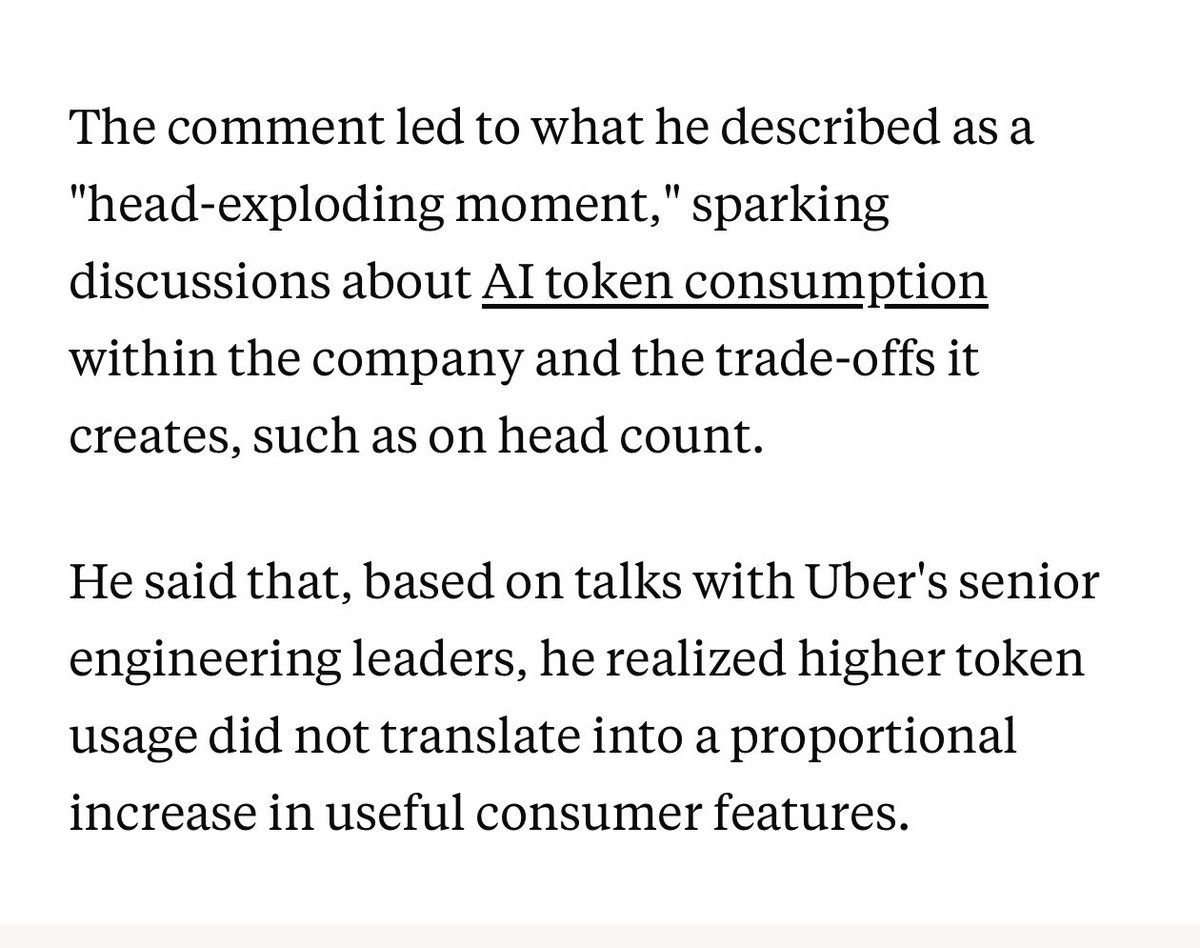
Uber’s COO has said that it’s getting “harder to justify” its AI costs because there was no way to show a link between AI spend and any meaningful increase in useful features. This is the first time I’ve seen a company say this directly. https://t.co/xUhZvtpwah https://t.co/nDj9GIXssV
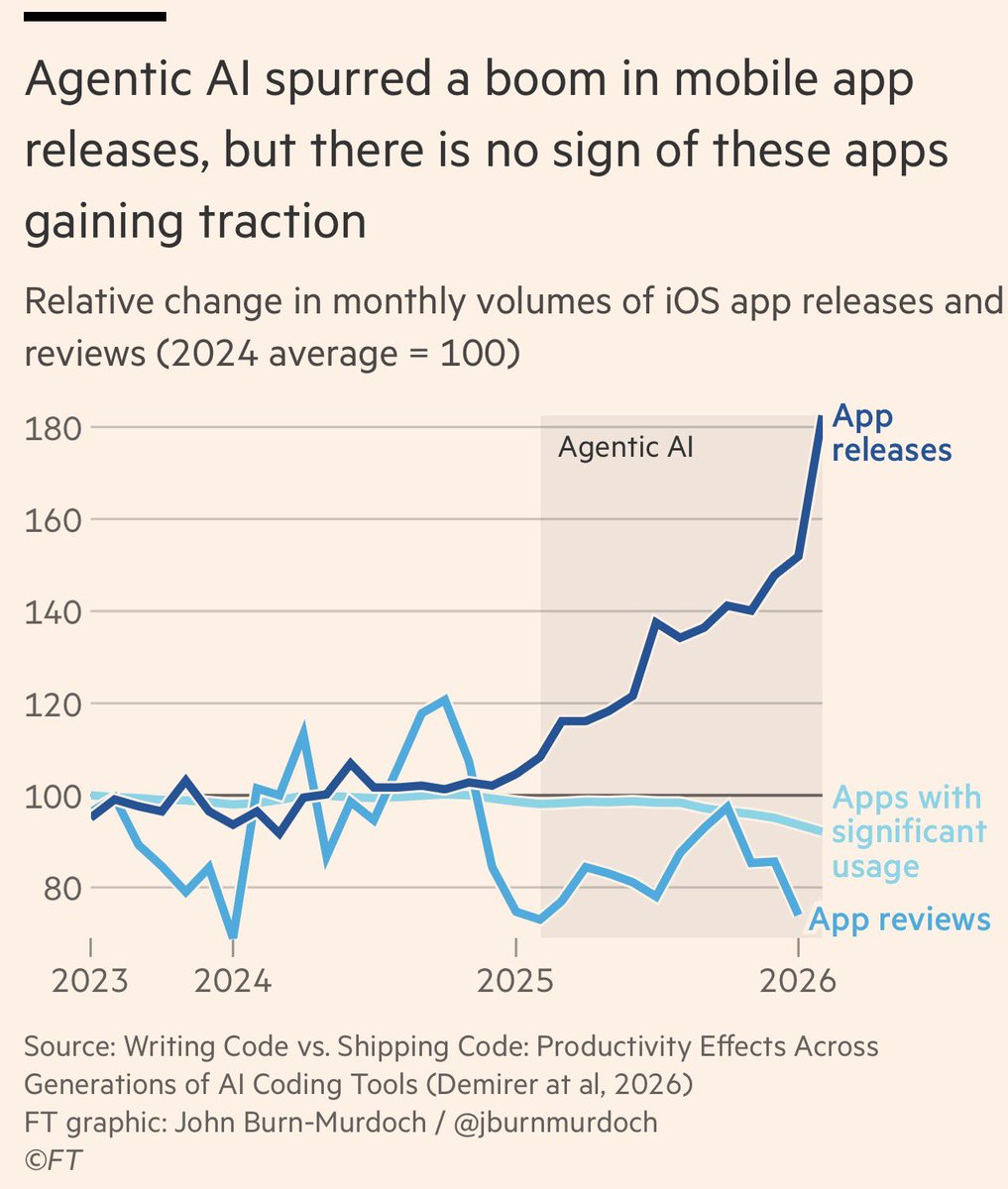
Massive output uptick due to agentic AI. Complete flat adoption. https://t.co/s6ubPsy0SL
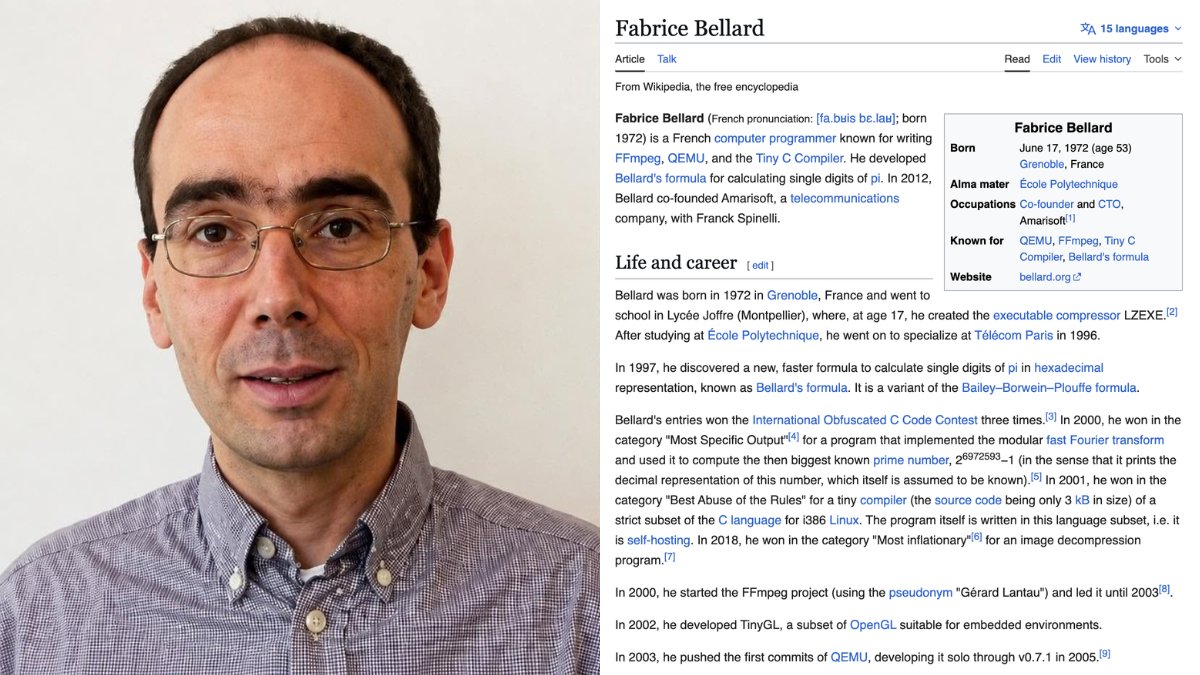
A French engineer who lives quietly in Paris has spent 30 years writing software that the entire internet now runs on without knowing his name. He wrote the code that streams every YouTube video, every Netflix show, every TikTok clip. He wrote the code that runs the virtual servers underneath AWS, Google Cloud, and Microsoft Azure. He calculated more digits of pi than anyone in history. He has no Twitter. He has no marketing. He just keeps shipping. His name is Fabrice Bellard. Here is the story, because almost nobody outside the systems programming world knows what one man has built. Fabrice was born in 1972 in Grenoble, France. He studied at École Polytechnique, the top French engineering school. He never went to Silicon Valley. He never built a startup empire. He just wrote code. In 2000 he started a project called FFmpeg, an open-source multimedia framework for encoding, decoding, and streaming video. He was 28. The project did one thing nobody else had done well. It handled every video and audio format that existed, in one library, on every operating system. He led it himself for years. Today FFmpeg is the invisible engine of the internet. YouTube uses it. Netflix uses it. VLC uses it. Chrome and Firefox use parts of it. Every Android phone, every iPhone, every smart TV, every video editing tool you have ever touched runs FFmpeg somewhere underneath. If you have watched a video on a screen in the last 20 years, Fabrice's code processed it. He was not done. In 2003 he started QEMU, a machine emulator and virtualizer. He wrote it solo until version 0.7.1 in 2005. QEMU lets you run any operating system on any other operating system. It became the foundation of modern virtualization. KVM, the Linux kernel hypervisor, runs on top of QEMU. Every major cloud provider, AWS, Google Cloud, Microsoft Azure, IBM Cloud, runs virtual machines on infrastructure built around it. The Quick Emulator is the most cited piece of cloud infrastructure code on Earth. He kept going. In 2001 he won the International Obfuscated C Code Contest with a small C compiler that grew into TCC, the Tiny C Compiler. TCC can compile and boot a Linux kernel from source in under 15 seconds. In 2004 he calculated the most digits of pi ever computed at the time, using a personal desktop computer and an algorithm he derived himself called Bellard's formula. In 2011 he wrote a complete PC emulator in pure JavaScript that runs Linux in your browser, a project called JSLinux that engineers still cannot believe is real. In 2019 he released QuickJS, a small but complete JavaScript engine that fits where V8 cannot. In 2021 he released NNCP, a neural network based lossless data compressor that immediately took the lead on the Large Text Compression Benchmark. Then he turned his attention to large language models. He built TextSynth Server, a web server with a REST API for running LLMs locally. He released ts_zip and ts_sms, compression utilities that use language models to compress text and short messages at ratios traditional algorithms cannot reach. He released TSAC, a very low bitrate audio compression system. In December 2025 he released Micro QuickJS, a new JavaScript engine for microcontrollers, separate from QuickJS, designed for environments with almost no memory. Fabrice co-founded a telecom company called Amarisoft in 2012, where he serves as CTO. Amarisoft builds 4G and 5G base station software used by carriers and labs around the world. He has been running it for over a decade while continuing to ship personal projects from his own home page at bellard dot org He has no Twitter. He has no Instagram. He gives almost no interviews. His personal website is a flat list of projects with no styling, no fonts, no marketing copy. Just titles and links. A quiet French engineer who never moved to Silicon Valley wrote the code that quietly runs the internet. He is still shipping.
Ora, lege, relege... https://t.co/MC9uKHxrrn
Singer-songwriter Matthew Sweet suffered a stroke while on tour opening for Hanson, and management reps have set up a GoFundMe for his health care. https://t.co/4FyU7SL3As

The Good Omens final season is now a single 90-minute episode https://t.co/axoWsgxpms https://t.co/0WL66diE5k


Well, that last comment says it all, doesn't it? https://t.co/SmPohdSWb1

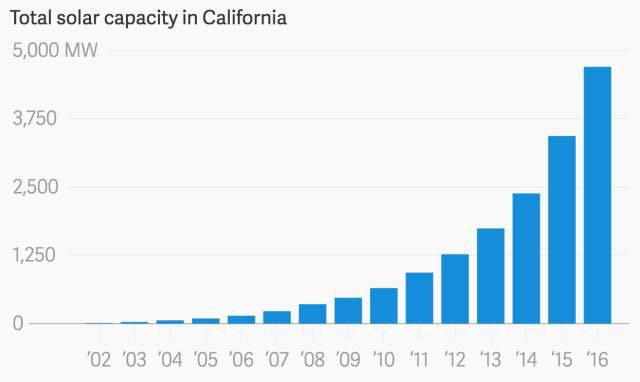
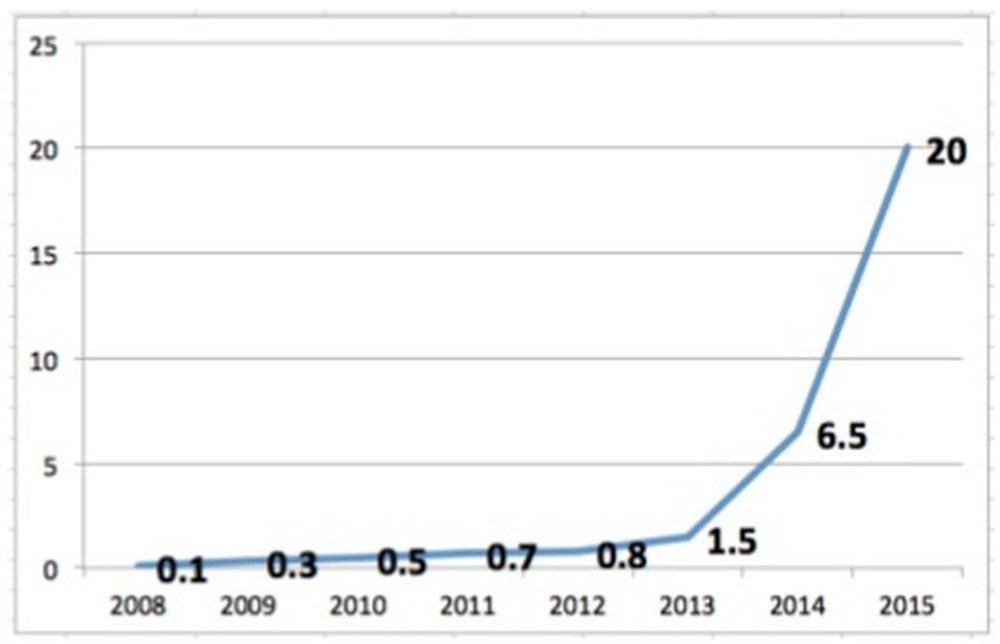
Solar growth is exponential. That's why coal jobs are NEVER coming back. https://t.co/ZeQeyypzJy
#truth: If You’re Going to Do a SaaS Start-Up … You Have to Give it 24 Months https://t.co/yaKi91xEPt via @saastr
Congrats to @JoshuaRosenthal and the whole team at @RowdMap! What a great win. https://t.co/gTrHCzzk3z
Louisville's @RowdMap acquired in $70M cash transaction: https://t.co/74PRMGKRHw Measuring healthcare provider performance & efficiency

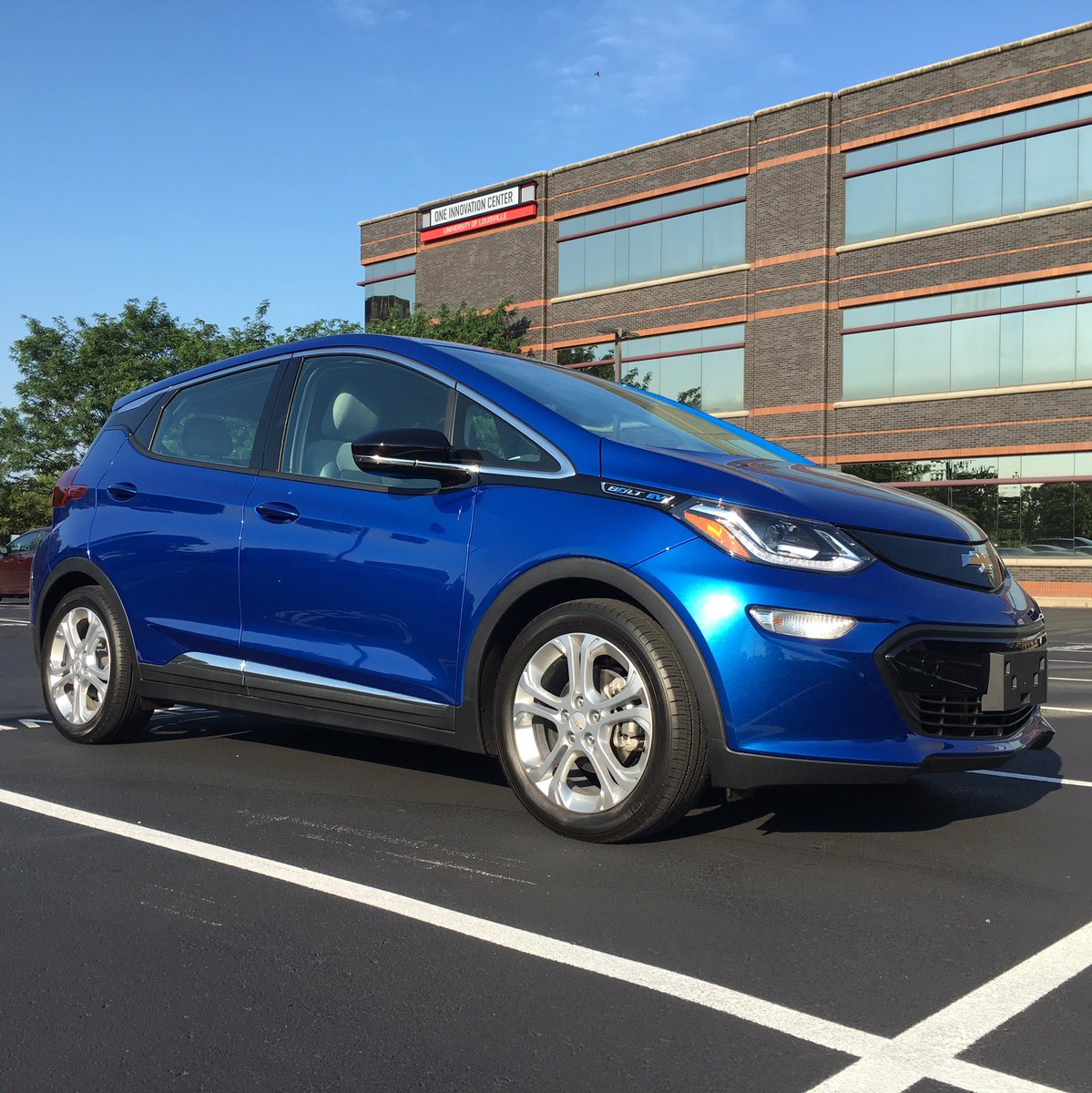
I'm so proud to be the owner of the very first Chevy Bolt sold in Kentucky. The future is carbon free and EVs will help make it happen. https://t.co/swMJiU6CmP
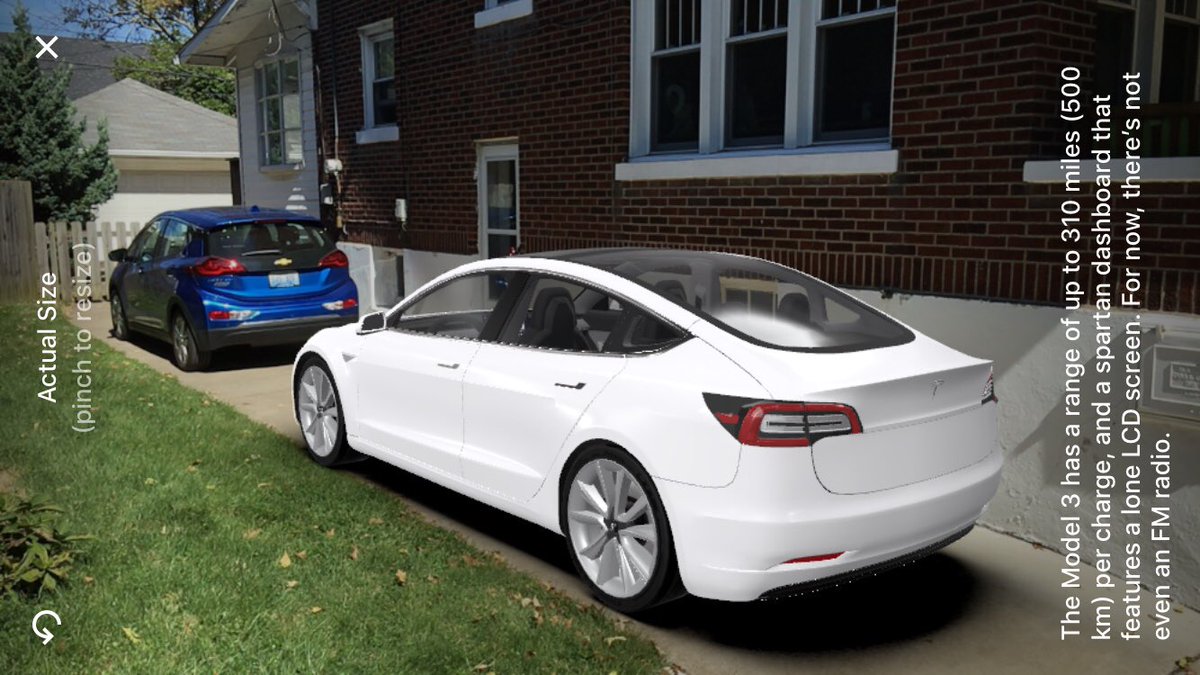
I like the shape of this Model 3 better than my Bolt, but this Chevy is a lot more fun to drive than this Tesla. Thanks @qz https://t.co/le2CQyIwgA
Fascinating how blockchains could socially disintermediate corporations: The Blockchain Man https://t.co/B10lXMskg6 via @ribbonfarm

At its 258th Commencement on Sunday, Brown conferred honorary doctorates on six candidates who have achieved great distinction in a variety of fields, including economics, civil rights, artificial intelligence, national security, business and community leadership. https://t.co/6t7jUCboy8
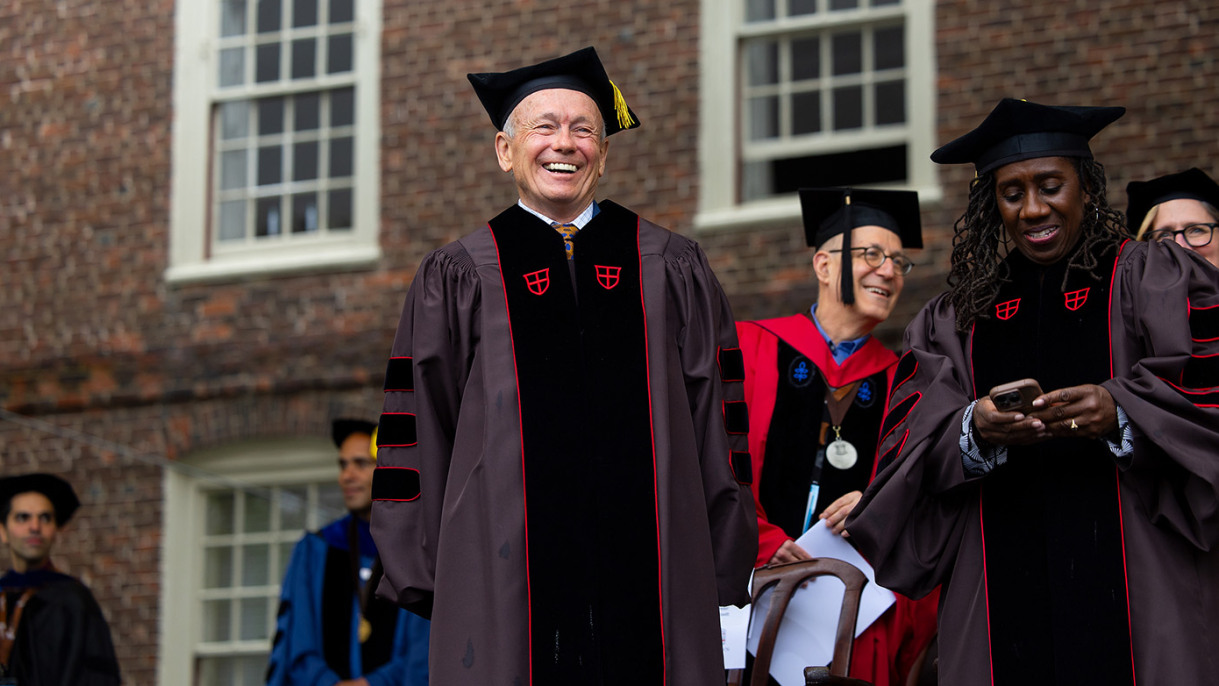
It’s a real honor to receive an honorary doctorate of science from @BrownUniversity . 😍 https://t.co/86SWE882xY
At its 258th Commencement on Sunday, Brown conferred honorary doctorates on six candidates who have achieved great distinction in a variety of fields, including economics, civil rights, artificial intelligence, national security, business and community leadership. https://t.co/6t

1/ Introducing GPIC: a Giant Permissive Image Corpus and benchmark for visual generation! 🚀100M VLM-captioned image-text pairs for training 📊1M image-text pairs for benchmarking 🖼️~28 trillion pixels 🤗Centrally Hosted ✅Fully permissive for research + commercial use Dataset, benchmark and models🧵👇 Co-led with @KyleSargentAI

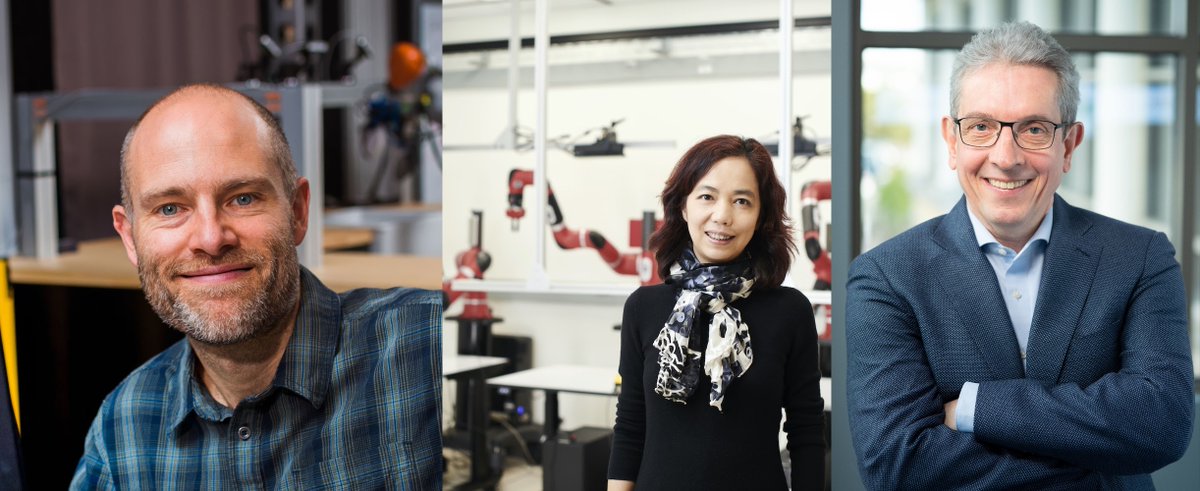
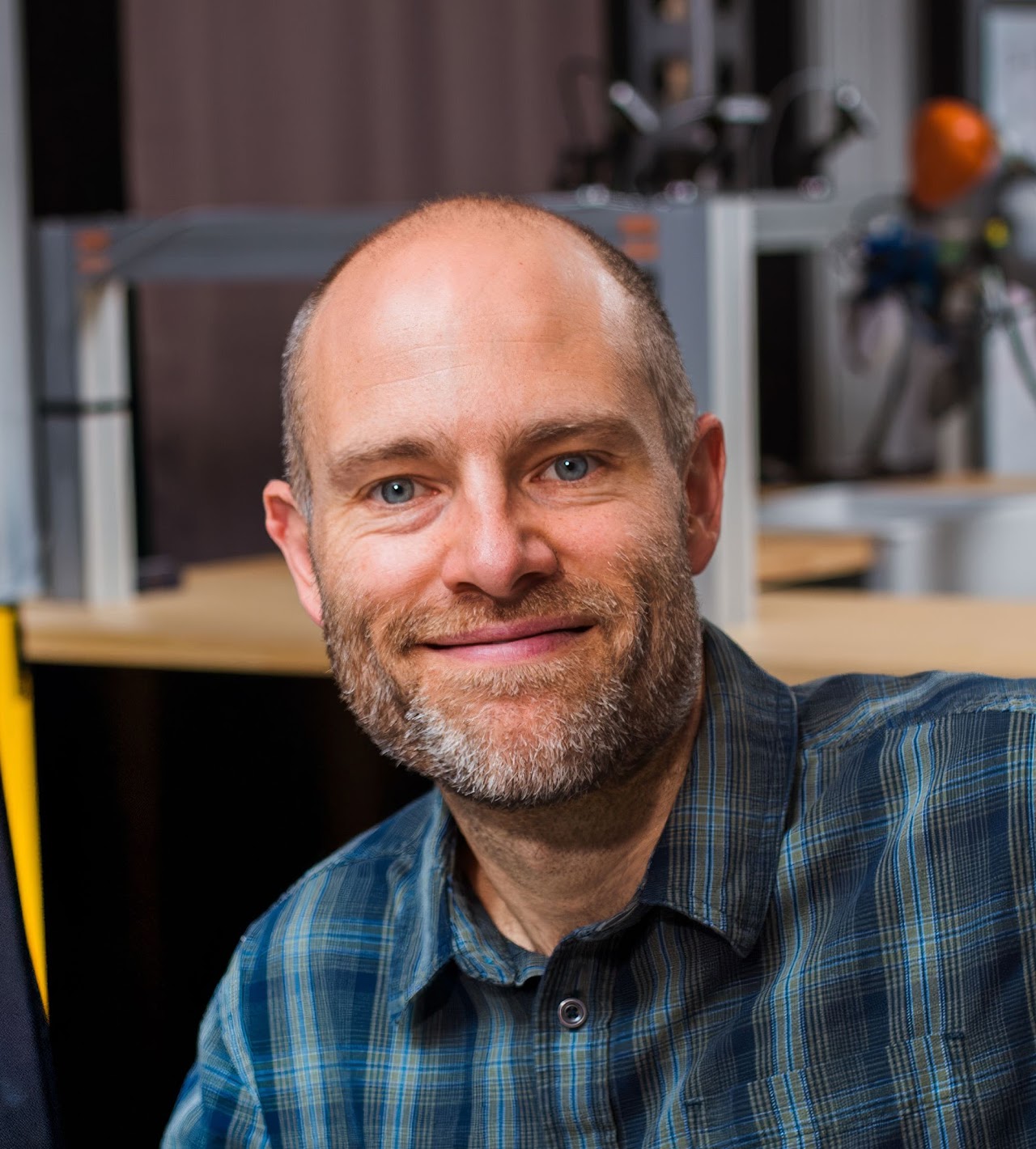
The CoRL 2026 keynote lineup is here! 🔹 Russ Tedrake — MIT; stealth startup @RussTedrake 🔹 Fei-Fei Li — Stanford; World Labs @drfeifei 🔹 Wolfram Burgard — UT Nuremberg @wolfram_burgard Join us in Austin this November. https://t.co/uiOkizDNIc https://t.co/dR4AY5UZK4
We turned dreams into worlds. Then filled them with history's greatest minds. Not a video. A world, running directly in your browser. Step inside ↓ https://t.co/W62gfXuEZO
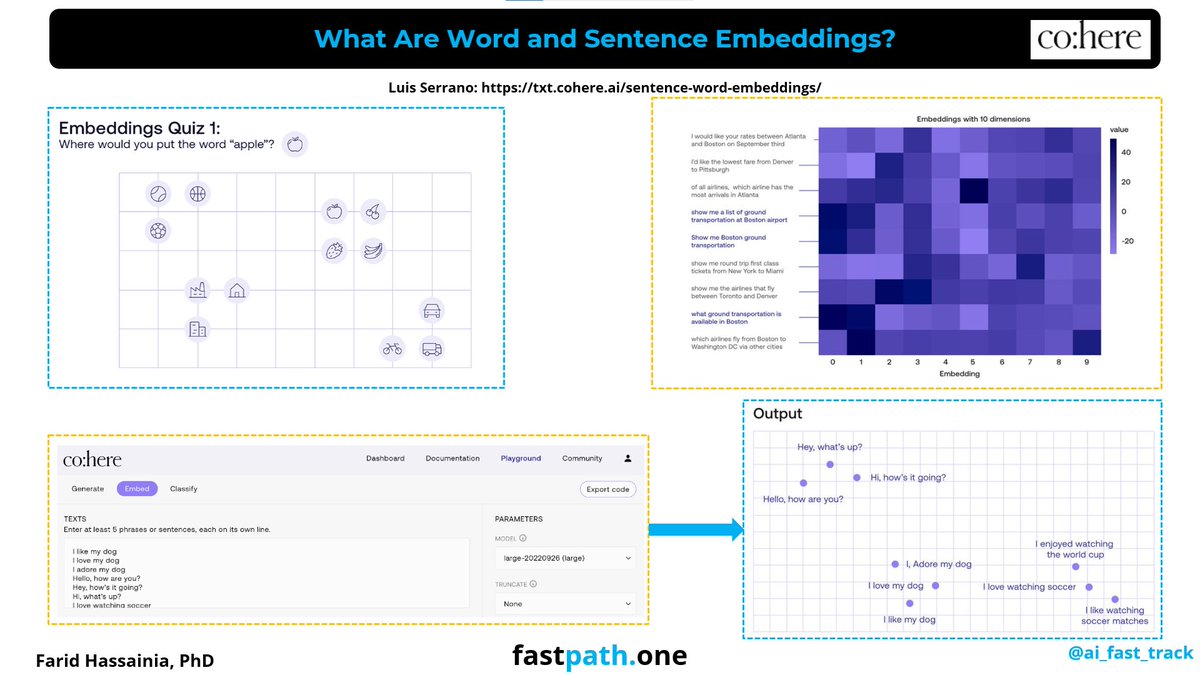
🤔Unclear on word and sentence embeddings? Check out this awesome summary with clear visual explanations on the @CohereAI website by @luis_likes_math 📰 Post: https://t.co/Lklh77Jf9D https://t.co/MizcNNPWig
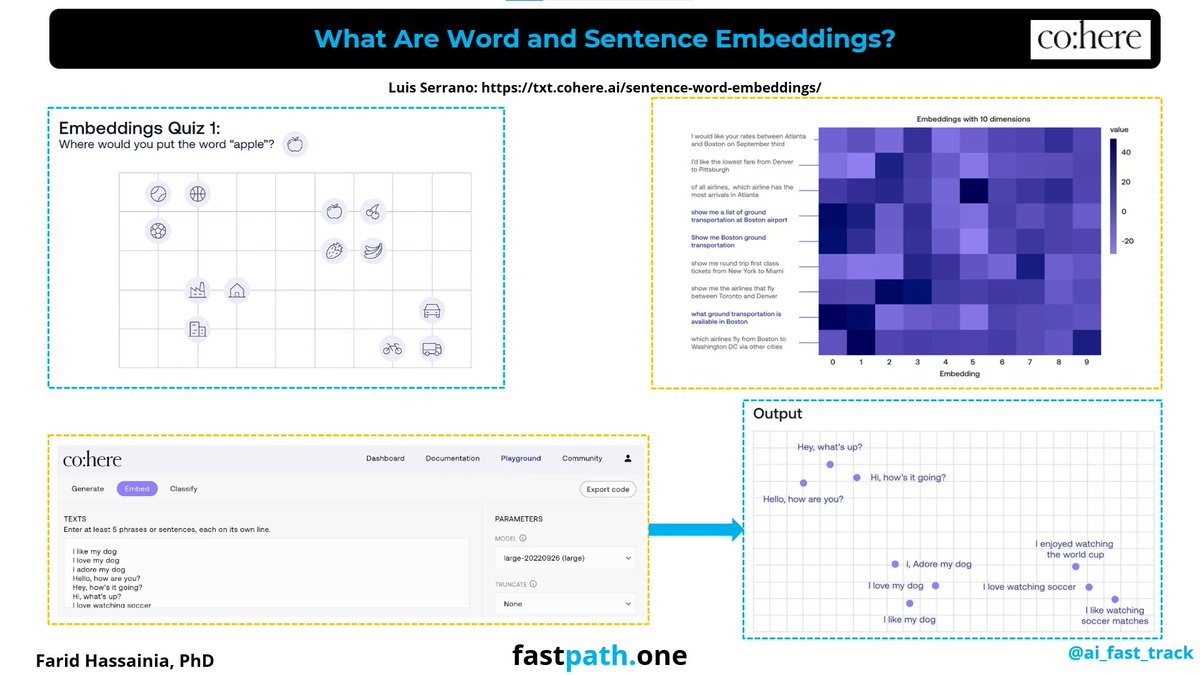
🤔 Unclear on word and sentence embeddings? Check out this awesome summary with clear visual explanations on the @CohereAI website by @luis_likes_math https://t.co/auvUgsUgTz
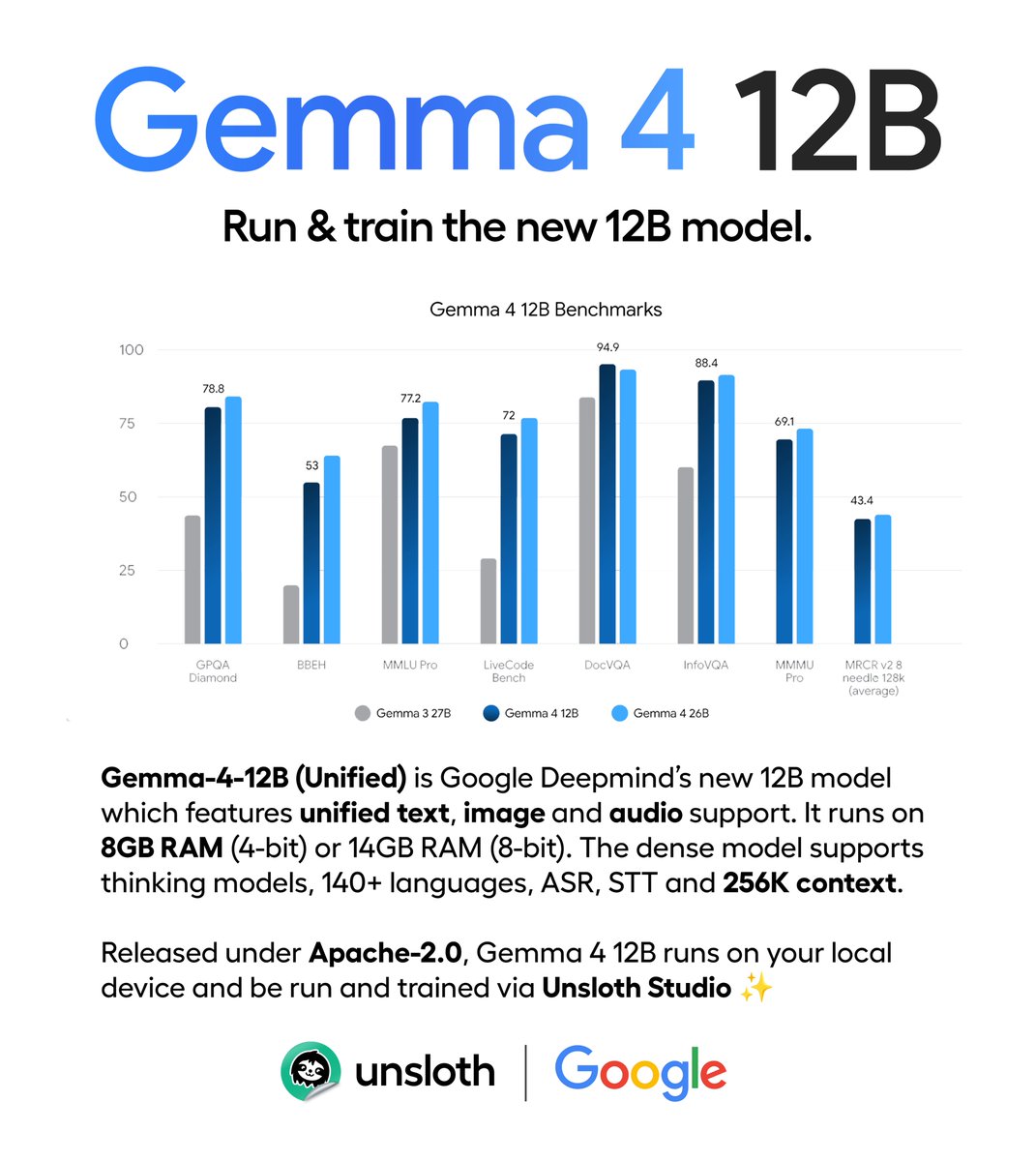
Gemma 4 12B can now run locally on just 8GB RAM via Dynamic GGUFs. Google's new model, Gemma 4 12B Unified supports image, audio and 256K context. You can run and train the model via Unsloth Studio. GGUF: https://t.co/8cL321pVDh Guide: https://t.co/odRo9WjRpA https://t.co/Ax09ZTXFF3
Meet Gemma 4 12B! A unified, encoder-free multimodal model designed to bring high-performance intelligence directly to your laptop, and released under an Apache 2.0 license. Bridging the gap between edge efficiency and advanced reasoning. Here is what’s new with Gemma 4 12B: 👇
Second big release from us today: Nemotron-3.5-ASR-Streaming! 🌎40 languages ⚡️80ms - 1s controllable latency 🔥240 - 2400 concurrent streams on 1xH100 🧱FastConformer Cache-Aware RNN-T architecture https://t.co/lxmcAnKeOl
Introducing Harness-1, a 20B search agent trained with a state-externalizing harness. > frontier-level long-horizon search, rivaling Opus-4.6 and outperforming GPT-5.4 > Context-1-level cost and latency > externalizes candidates, evidence, verification, and search history > open-source
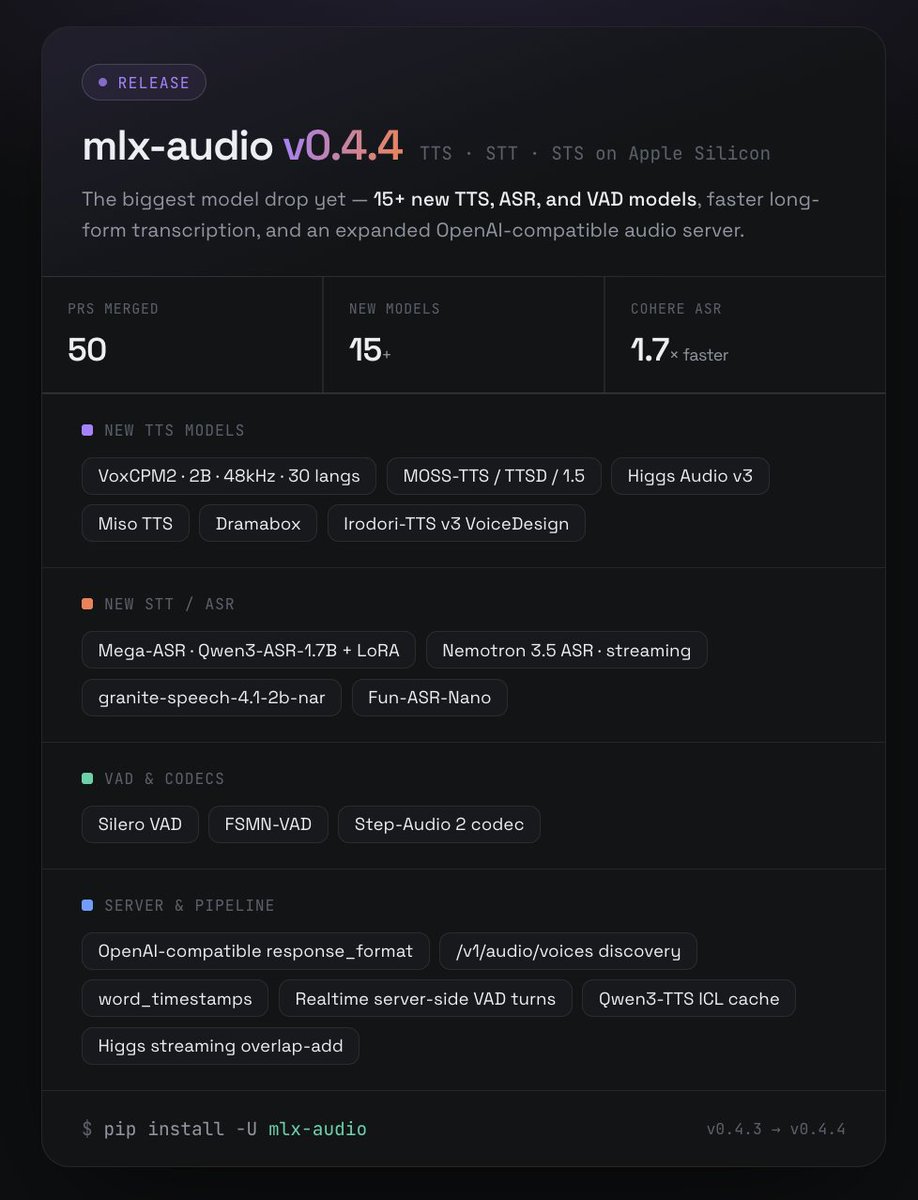
🚀 mlx-audio v0.4.4 is out — our biggest model drop yet. 15+ new TTS, ASR & VAD models, faster long-form transcription, and an expanded OpenAI-compatible audio server. All running local on Apple Silicon. 🎤 New TTS • VoxCPM2 — 2B, 48kHz, 30 languages • MOSS-TTS / TTSD / 1.5 • Higgs Audio v3 • Miso, Dramabox, Irodori-TTS v3 VoiceDesign 📝 New STT/ASR • Mega-ASR (Qwen3-ASR-1.7B + LoRA routing) • Nemotron 3.5 ASR (streaming) • granite-speech-4.1-2b-nar, Fun-ASR-Nano • Cohere ASR — 1.7× faster long-form 🔊 VAD & codecs: Silero VAD, FSMN-VAD, Step-Audio 2 ⚙️ Server: OpenAI-compatible response_format, /v1/audio/voices, word timestamps, realtime server-side VAD turns h/t @lllucas Huge thanks to all the contributors 🙏 > uv pip install -U mlx-audio https://t.co/muDYzy10FA