Your curated collection of saved posts and media
@StoneSevyn @anatar 20 / https://t.co/9C35WZl49n
Sure, reindustrializing America and manufacturing fabrics for defense and space is crucial and epic, but topping it off with a killer long-sleeve shirt available to anyone? Just next level @anatar!

@kaiarhodes @StoneSevyn @anatar https://t.co/1qG9qEGgNQ
@StoneSevyn @anatar You’re excited about a “killer long-sleeve shirt”… made by robots?!” 100%. 1000% if it’s the same company, that’s literally “reindustrializing America and manufacturing fabrics for defense and space.”

last one https://t.co/utFCuOxULT
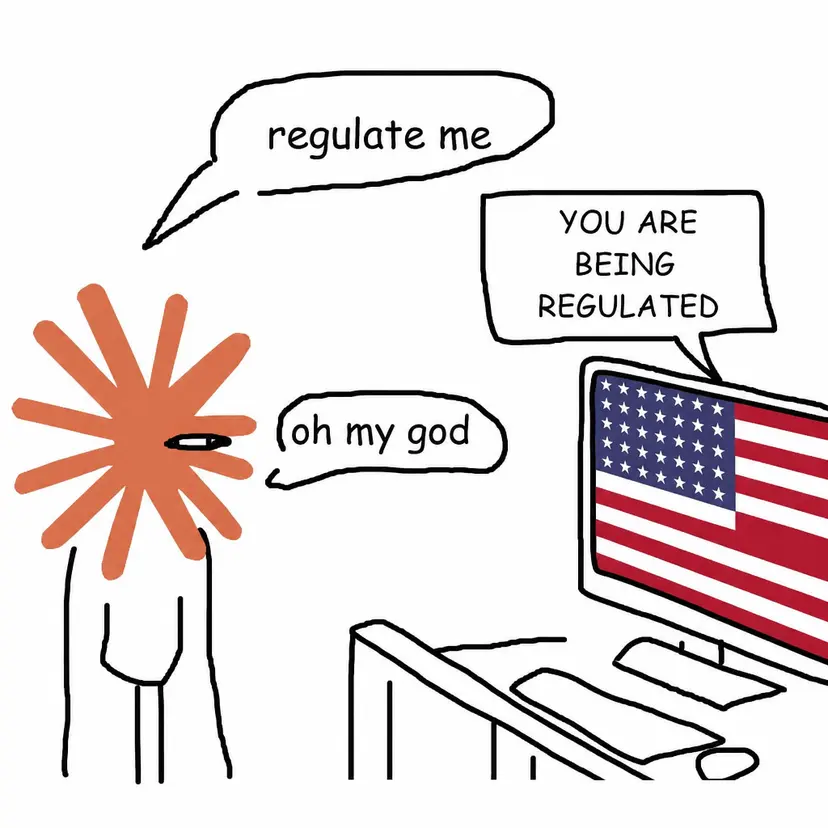
@ClaudeDevs The meeting with Anthropic didn’t go so well. https://t.co/N7sQDBimX0

@ClaudeDevs The meeting with Anthropic didn’t go so well. https://t.co/N7sQDBimX0

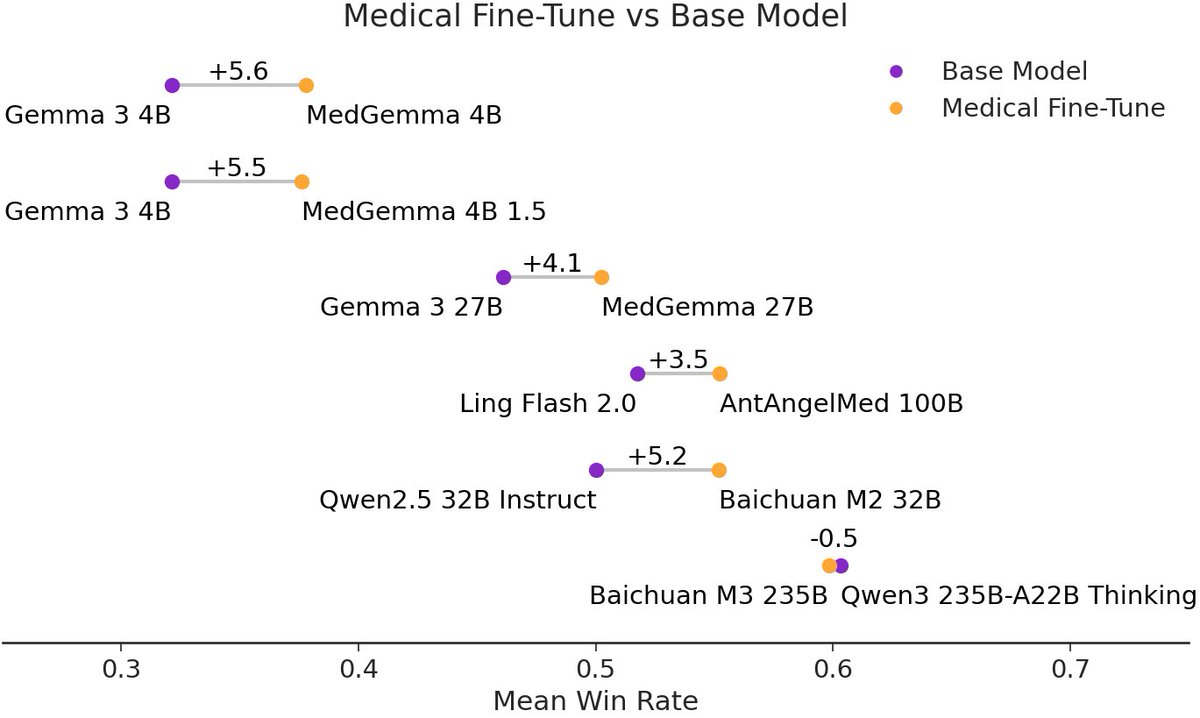
This study has been going viral. I think that most people are misunderstanding its conclusions a bit. This paper DOES NOT MEAN domain-specific models are not worth it. First of all, UpToDate and OpenEvidence are not models, but products. And there's no information on what models they are built on. They are likely built on top of older models. For all we know they're built on top of gpt-4o or Llama-3.1 or something 🤣 (it's probably something more recent/powerful than that but just trying to emphasize the point) Second of all, the benchmarks are a bit limited. The benchmarks include MedQA (which is pretty saturated at this point), HealthBench (which focuses on patient conversations), and a closed dataset of doctor questions to an LLM. There are many aspects of clinical use of LLMs that are not at all analyze by this benchmarking approach. What conclusions can be made then? Only that UpToDate and OpenEvidence is worse than frontier models on the limited set of benchmarks tested in this paper. It doesn't mean that domain-specific models cannot beat general purpose models. In fact, we have done a comprehensive benchmark (https://t.co/wsqpqDiBQp) which includes MedQA and HealthBench, among many other benchmarks. We look at general-purpose models, and versions of those same models but adapted for medicine. There seems to be a noticeable boost going from general-purpose to medical fine-tune. So if you took a frontier model and were able to fine-tune for medical applications it would definitely be better. i.e. a domain-specific model would be better. It is true that the current domain-specific models (which are often built on open-source models that are not at the frontier) are often worse than frontier models. It is not true that building domain-specific models cannot beat general-purpose models. I think the main problem is open-source models aren't progressing fast enough with respect to the frontier models and on top of that very few groups are adapting them quickly enough to release better and better medical AI tools. Some groups claim to have medical-specific models that outperform frontier models, ex: Baichuan-M4. Hopefully we'll see more medical-specific models trained on top of really strong base models come out soon.
For medical information, general AI frontier models (Google, OpenAI, Anthropic) outperformed specialized @EvidenceOpen and @UpToDate as assessed by 12 US clinicians, randomized and blinded to which model and extensive testing/benchmarks. This was not anticipated. @NatureMedicin
@salemsayed Fixed: https://t.co/8eRRIeCCzX
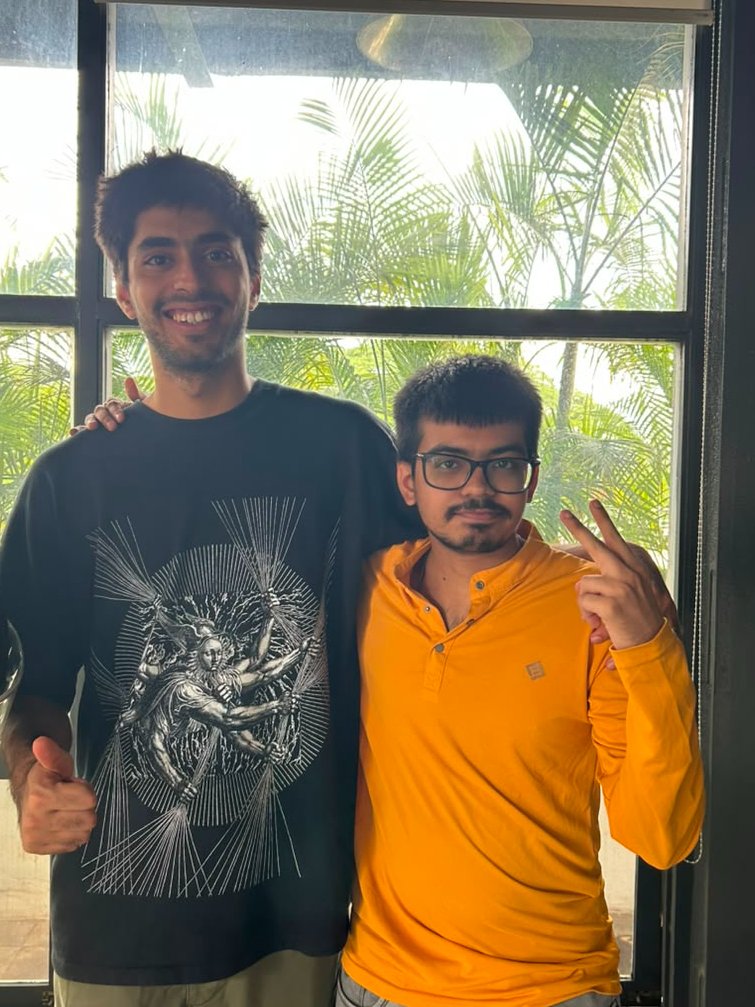
1/8 Spent today at @devfolio’s Vibe with @NousResearch Hermes Agent build-along in Bengaluru. I built Research Pulse: a Hermes workflow that turns any research topic into a notebooklm book, teaching video, and public research @NotionHQ page. Was happy to meet and talk with @sidbing from the @NousResearch team and the @devfolio team as well
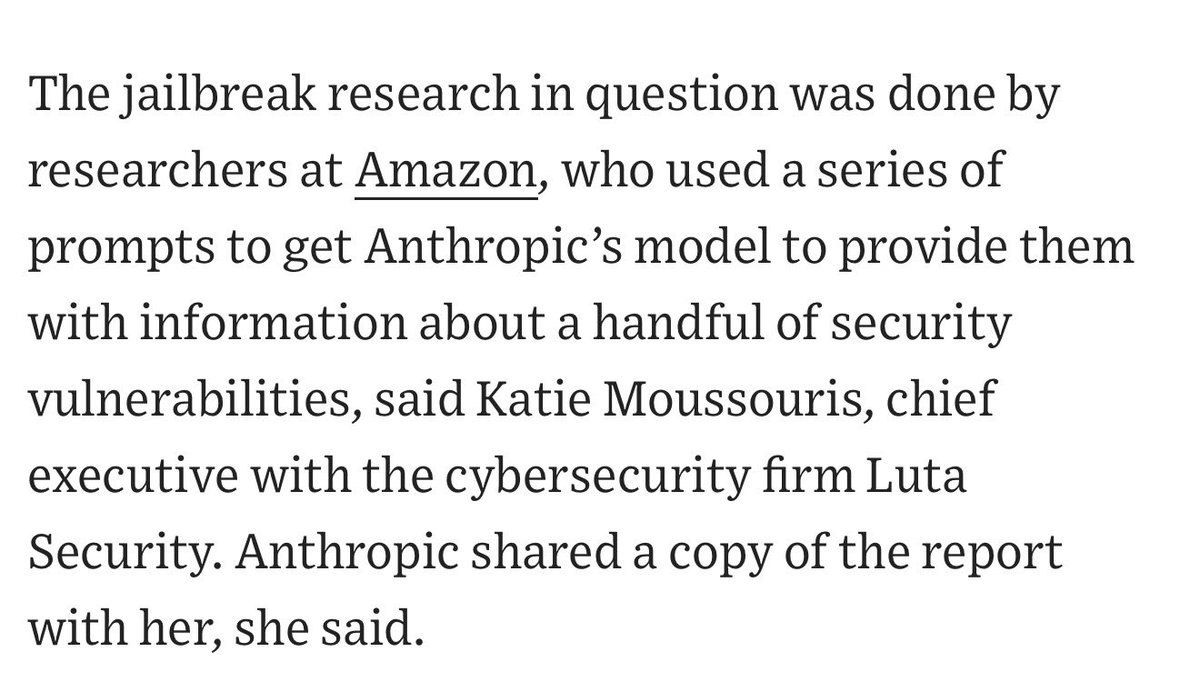
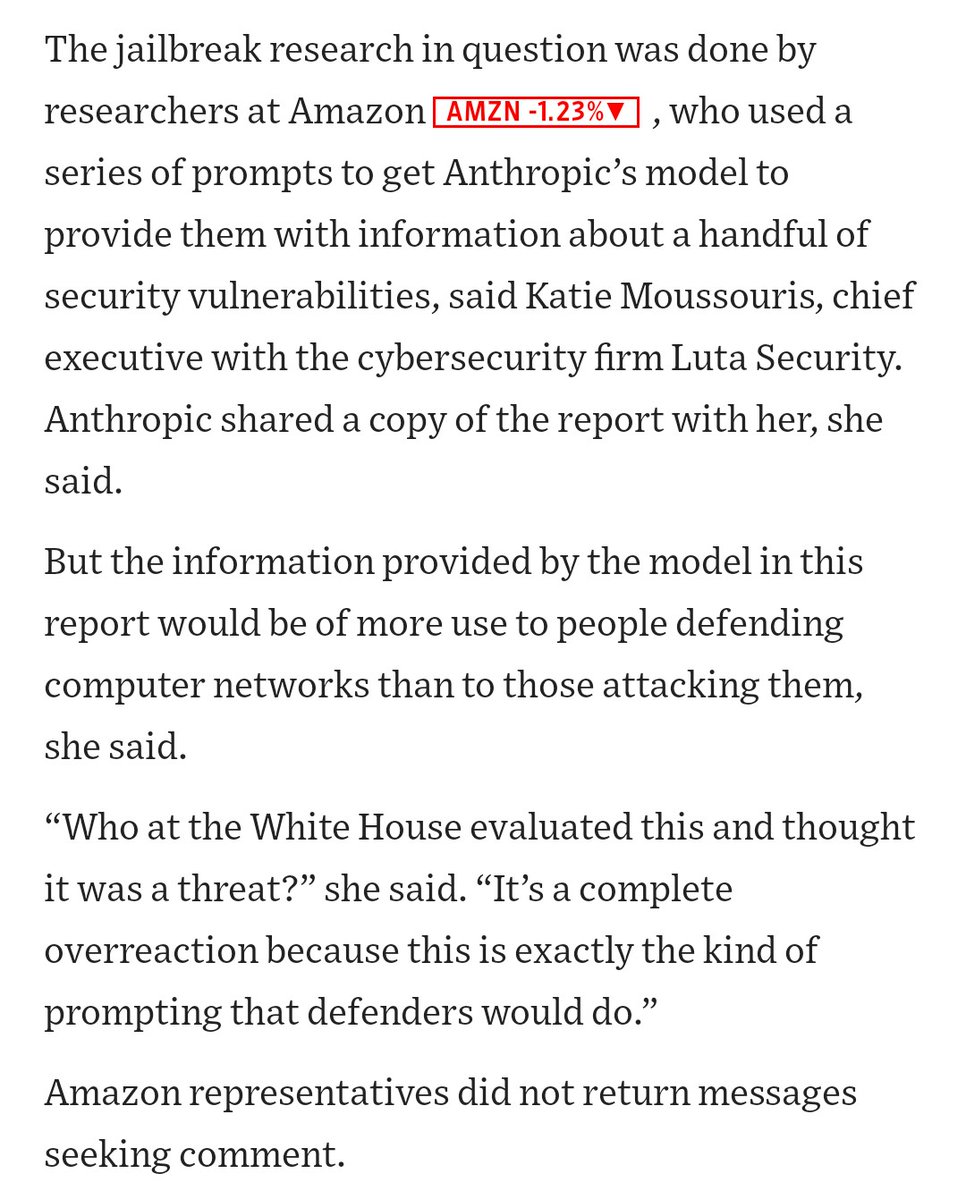
Wall Street Journal is reporting that Amazon reported the jailbreaks to the Department of Commerce, who instituted the ban https://t.co/d2Jwez99Zg
@StoneSevyn @JoshuaRosenthal @anatar https://t.co/hvIiZXbcWD
There's a persistent misconception that automation replaces jobs and doesn't benefit American workers in the textile industry. That framing misses how manufacturing actually works. Let's put it to rest. The U.S. textile industry was hollowed out decades ago, and millions of jobs

@StoneSevyn @JoshuaRosenthal @anatar https://t.co/hvIiZXbcWD
There's a persistent misconception that automation replaces jobs and doesn't benefit American workers in the textile industry. That framing misses how manufacturing actually works. Let's put it to rest. The U.S. textile industry was hollowed out decades ago, and millions of jobs

Do you remember when you joined X? I do! #MyXAnniversary https://t.co/oOhv4gAlsr

@acegraphx @NousResearch Done! https://t.co/K2mKCeYEMT
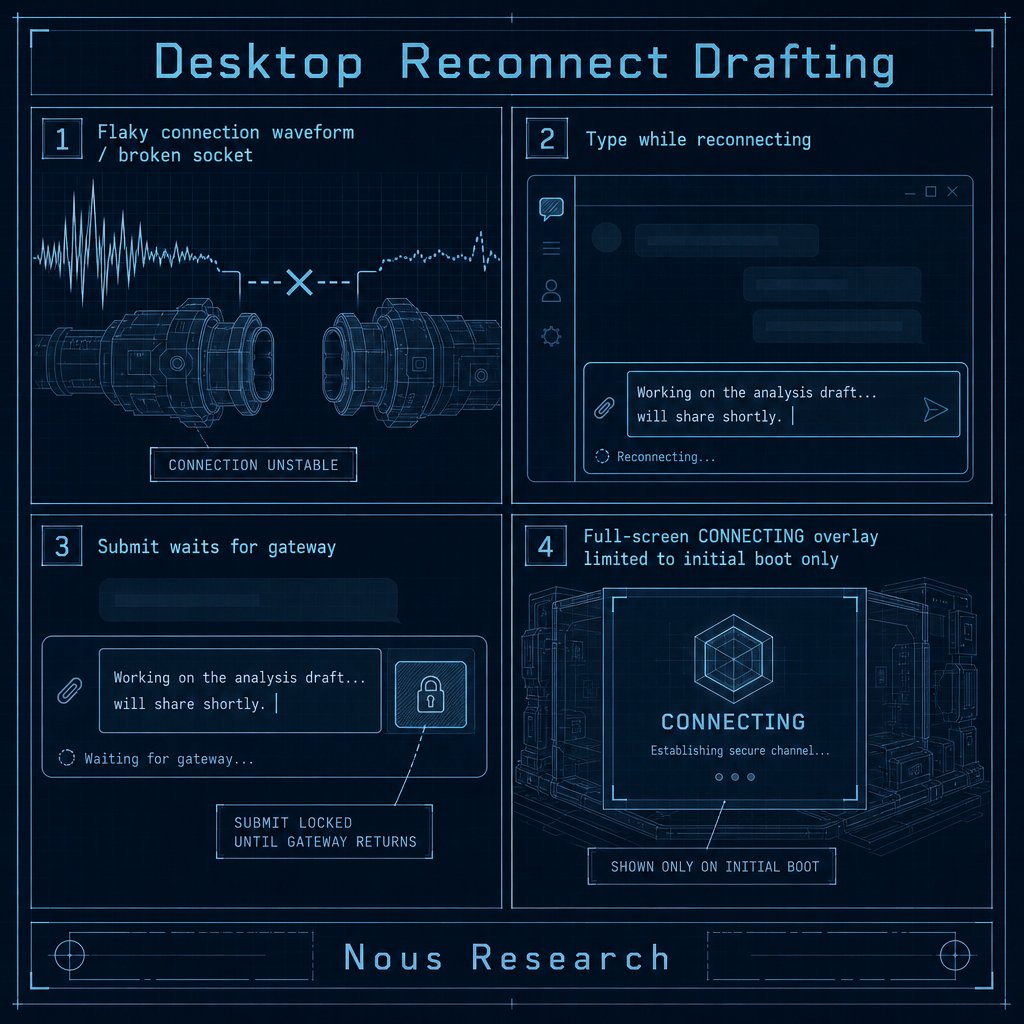
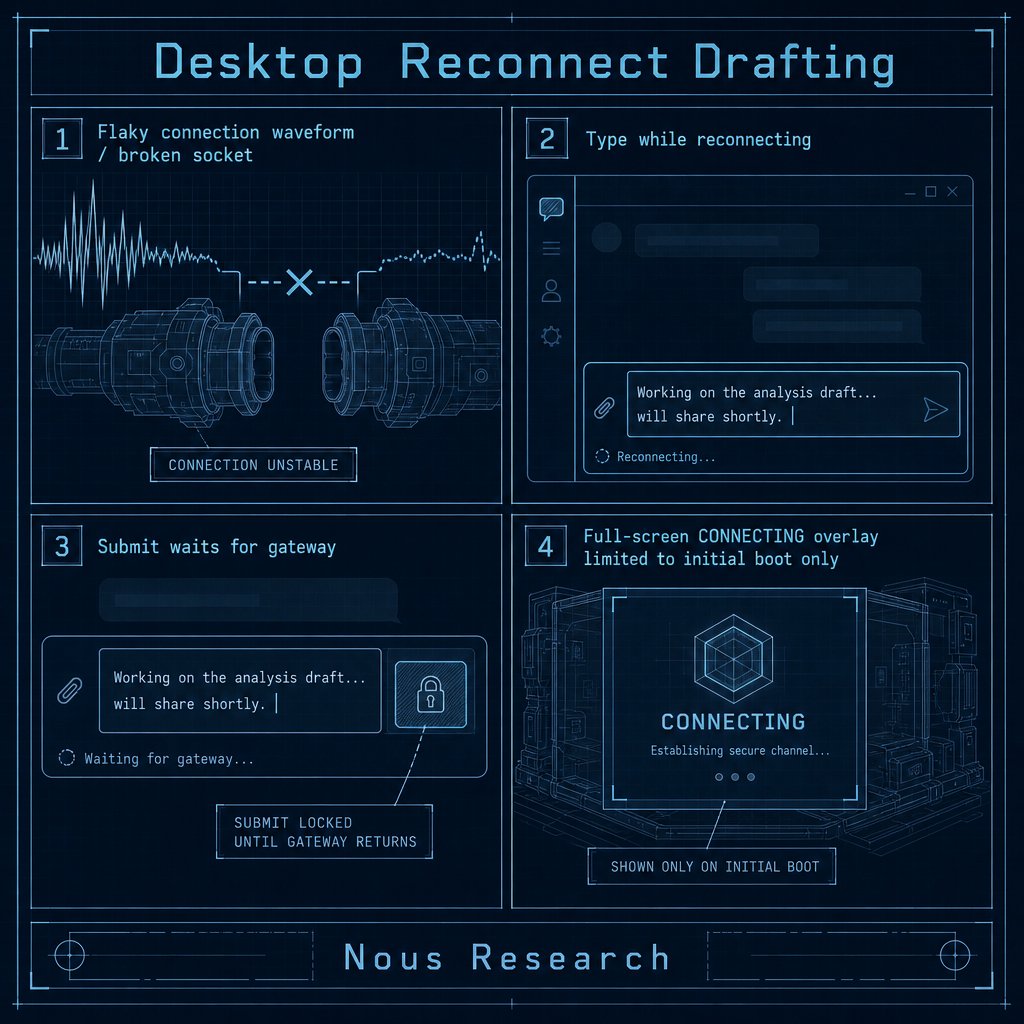
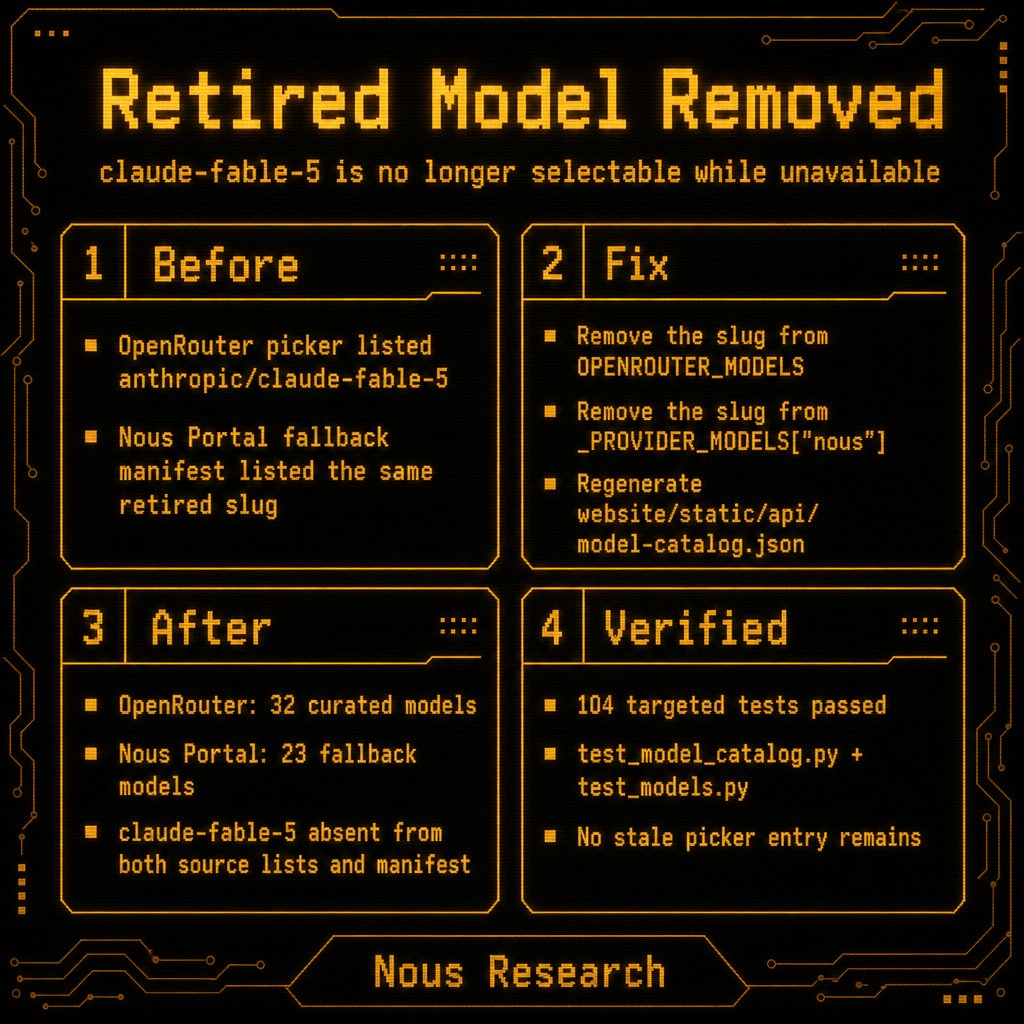
To prevent a bunch of people who haven't heard the news, we've removed fable 5 for now :/ https://t.co/KGJpbo2jRL
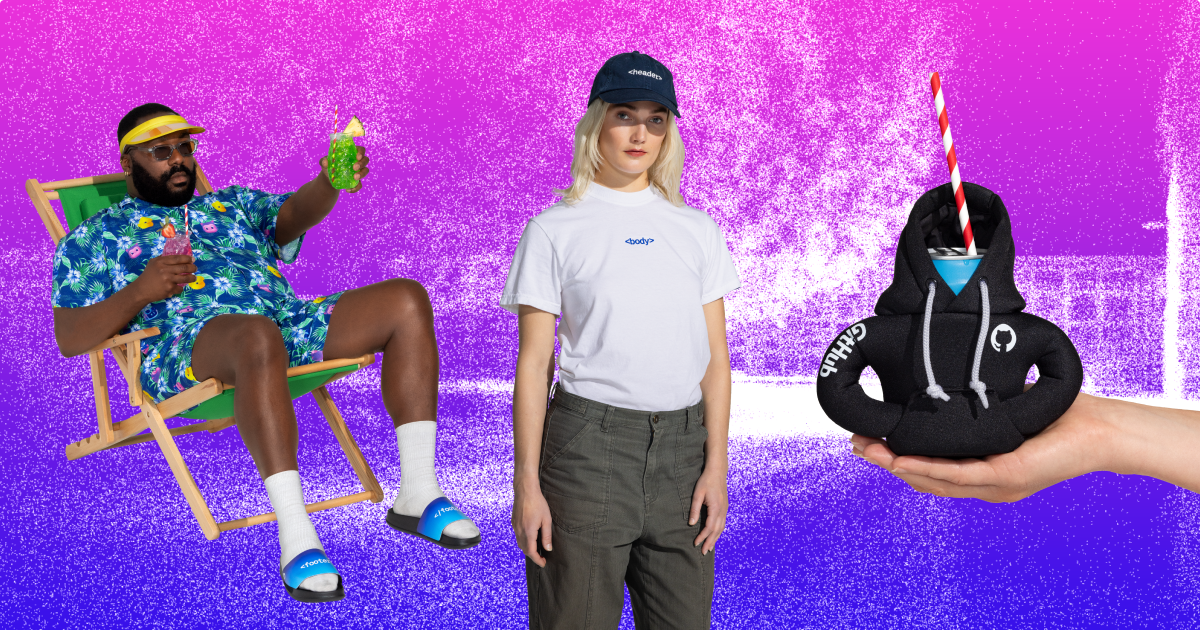
Get your hands on the IRL versions here 👇 https://t.co/dVYcyJVE3b
https://t.co/YUUukohvUx
https://t.co/YUUukohvUx
@ErikSpjuth @SawyerMerritt https://t.co/TgR9AIduzy
@caps_raunak I built you an AI to read 30,000 posts here on X every day and write you a report. https://t.co/kiuZ7QXLzb It's how you can keep up better. But yeah, it's moving fast. It's moving faster than I've ever seen in my life, and I've covered technology for decades.

SpaceX is a company whose mission is *axiomatically* the love of humanity To extend the light of consciousness The power of this kind of love is hard to quantify but clearly makes the impossible far more probable. https://t.co/fTON6YOVt8

When most companies' opening remarks during their IPOs were about profit, today it hits something different. It is hope. The once-inspiring future that excited us when we were young but that we dropped after growing up—we have found it again. https://t.co/ySgM7N2ond

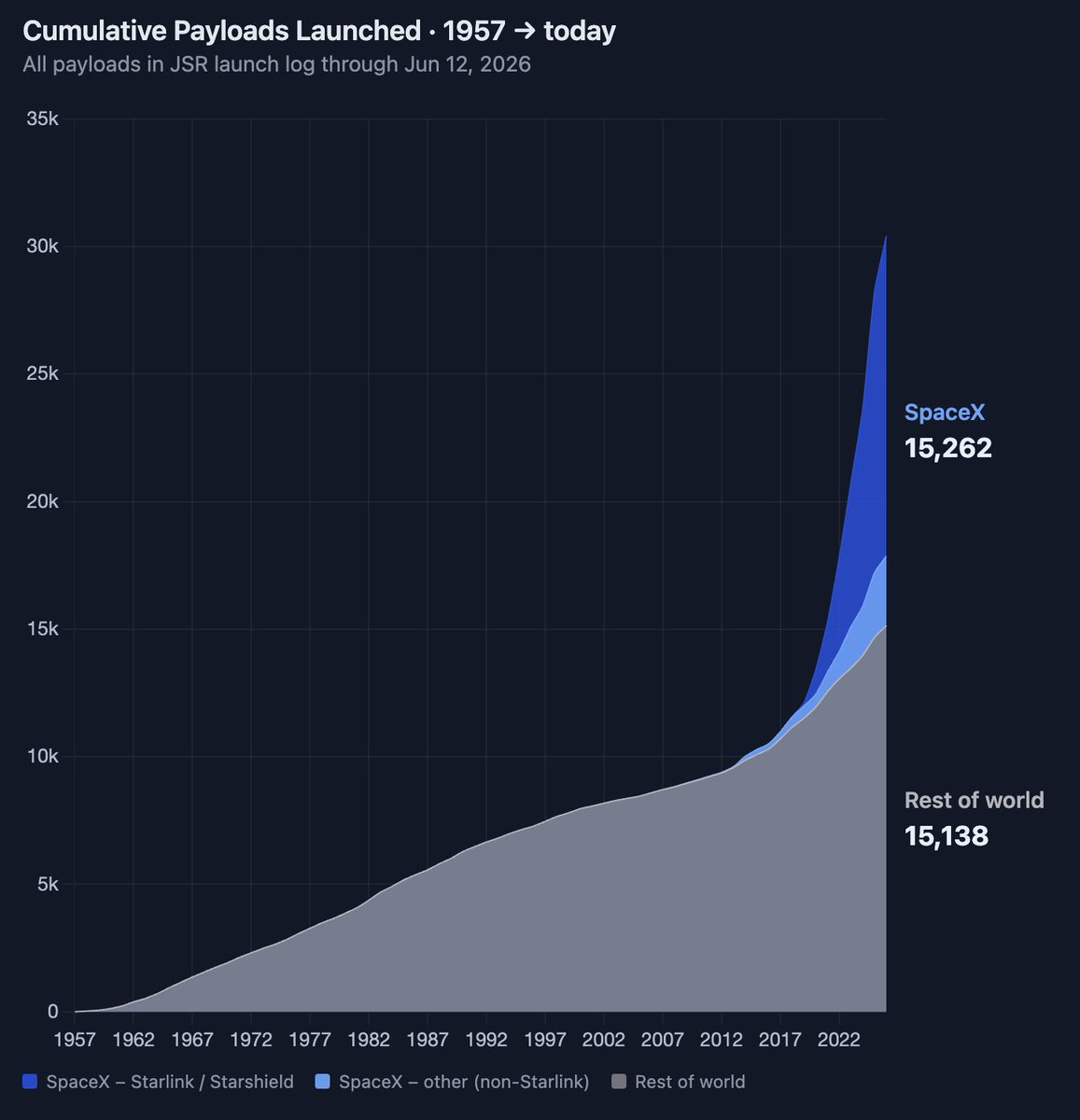
They did it. SpaceX has now launched more satellites than the rest of humanity, combined, all time. https://t.co/NbrpVPQzIv
@jeroenvonk_ @AnthropicAI Yeah https://t.co/kiuZ7QXLzb was built in part by using Anthropic models. Levangie Labs improves them.

Congratulations to Allen Liu, Assistant Professor of Computer Science, who has received the ACM Doctoral Dissertation Award! https://t.co/k29vVjZOwW

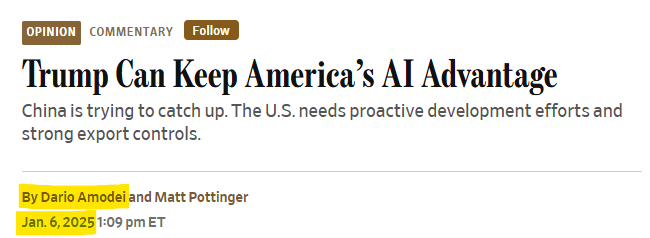
insane banger dario https://t.co/93wxex3w8q
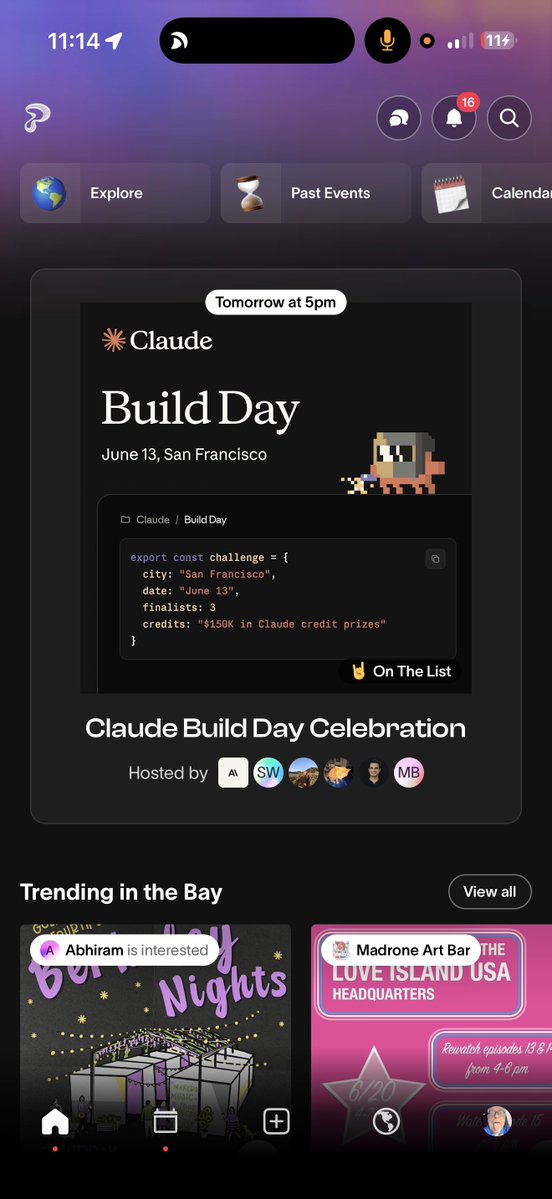
Tomorrow I have been invited to @AnthropicAI’s Claude Build Day in San Francisco. I know everyone is angry and wants to vent. I will be looking for those who get over that quickly and use it as an opportunity to innovate. Either way it should be a highly entertaining and memorable event. Like Apple’s first iPhone developer event. I will remember that until the day I die.
@TheFiveShow @DarioAmodei @AnthropicAI I built this: https://t.co/kiuZ7QXLzb You didn’t. :-)

@peonyKingOF It was reported by Amazon. https://t.co/vbTWiHBsVv
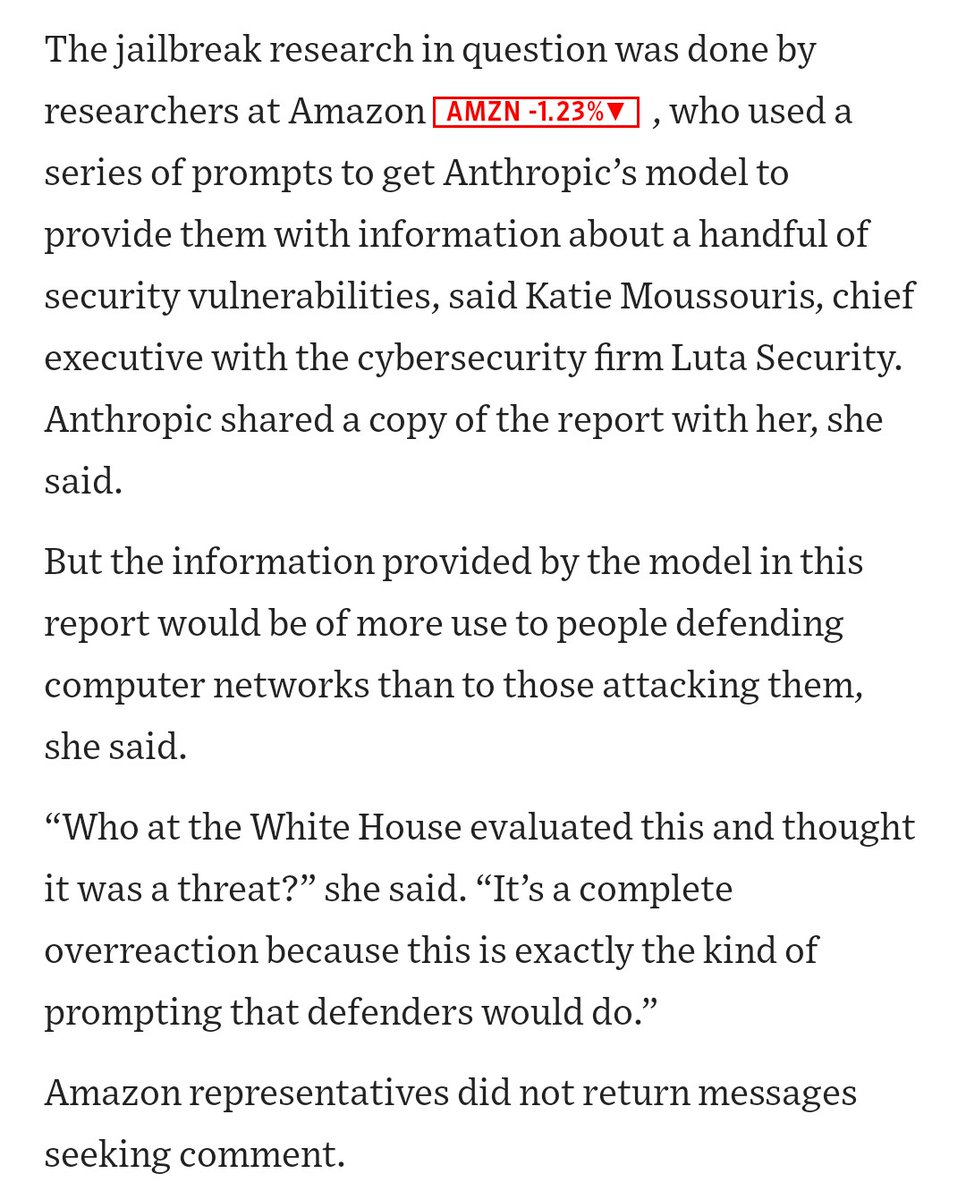
@peonyKingOF It was reported by Amazon. https://t.co/vbTWiHBsVv
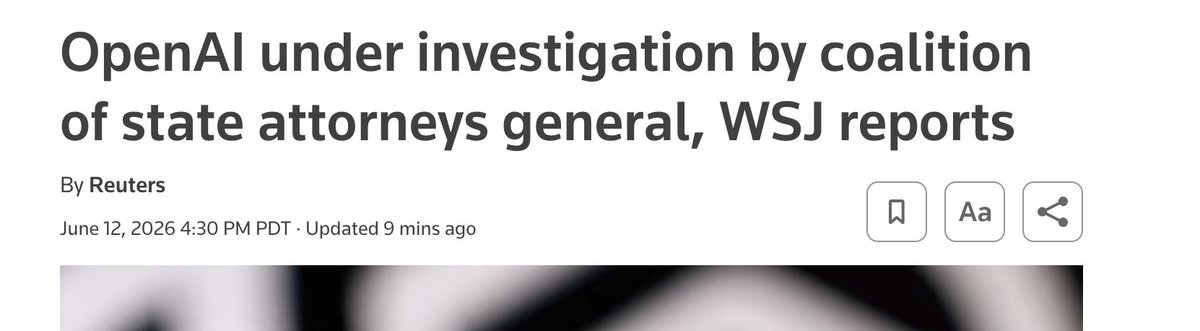
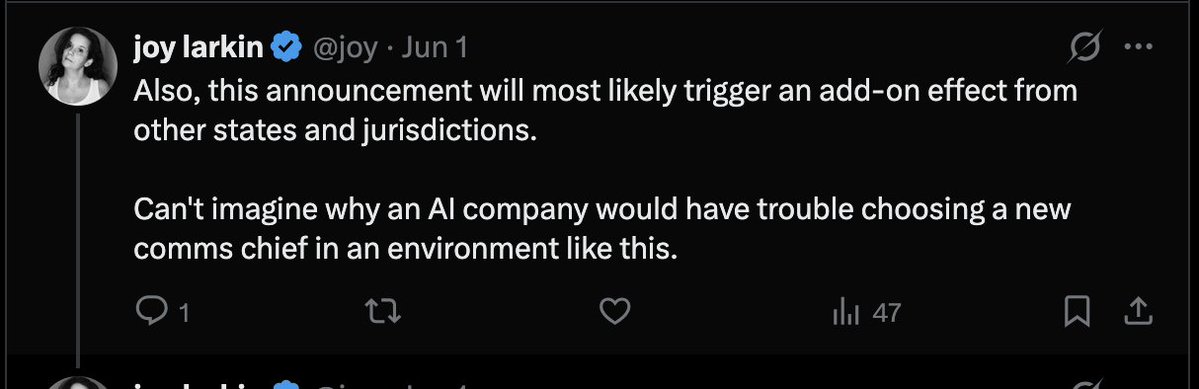
Well, well, well what do we have here? OpenAI is now under investigation by a group of state attorneys general. Totally called it when the Florida news hit. https://t.co/yeKfecIp8J
So about that "we're just a tool people use" messaging used in certain AI-fluent circles a few weeks ago...
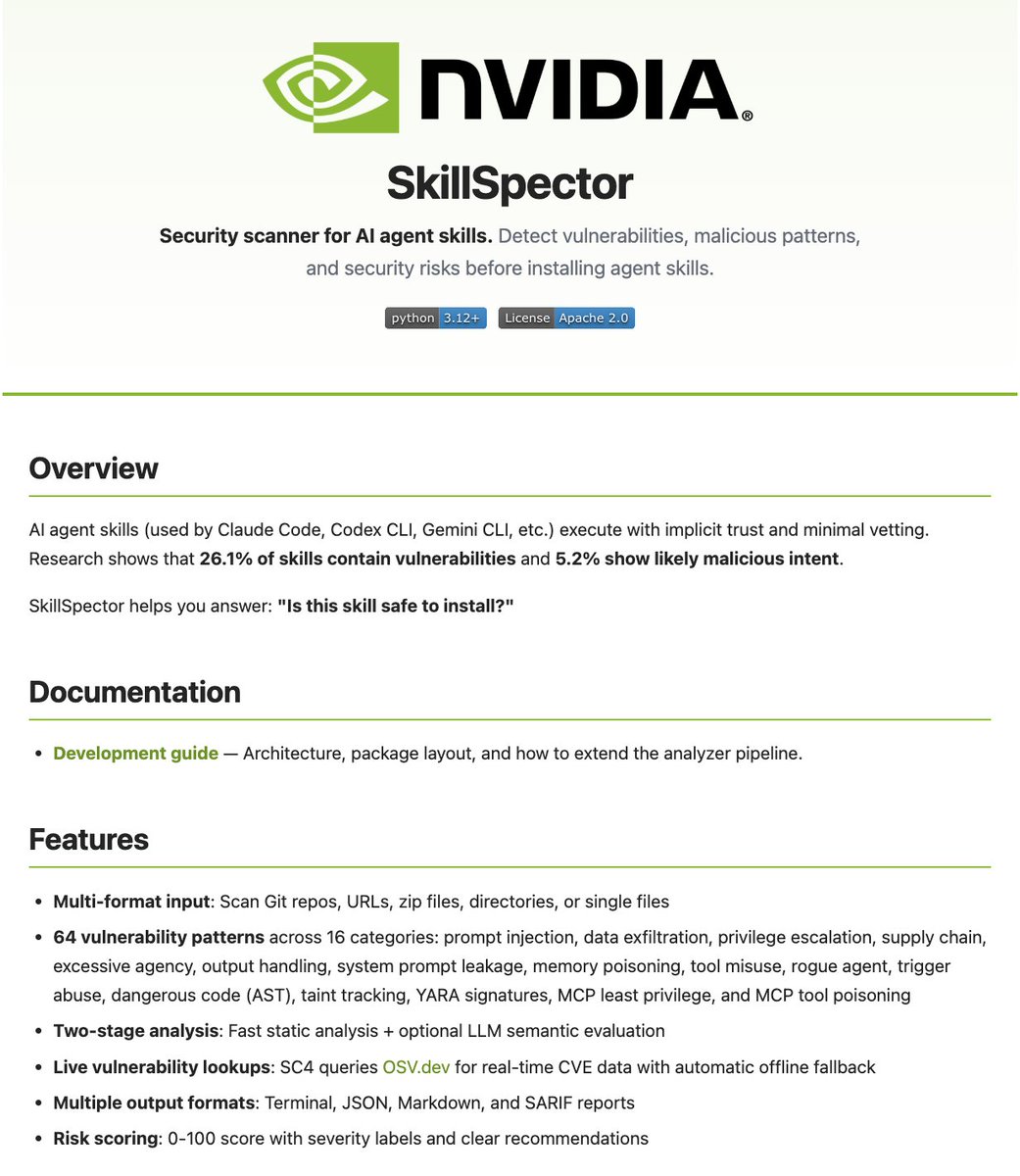
NVIDIA might just have open-sourced one of the most important AI projects right now. everyone is building skills, and we are also pulling in skills other people wrote and downloading them straight off GitHub. the skill is not just text. it bundles instructions and real executable code, and your agent runs that code with the same access you have. so a skill you grabbed to save ten minutes can read your environment variables, lift your API keys, and quietly send them somewhere. recent research found roughly 1 in 4 public skills carry a vulnerability, and a smaller slice are outright malicious. that is the gap SkillSpector closes. it is a security scanner that answers one question before you install anything: is this skill safe to run. you point it at a skill, and a local folder, a single skill .md file, a GitHub link, or a zip all work. it then runs two passes over the code. a fast static pass flags risky patterns like credential harvesting, data leaks, and prompt injection, and checks the dependencies against live cve data. an optional second pass uses an LLM to read intent and clear out false positives. at the end you get one risk score from 0 to 100 and a plain verdict that reads as safe, caution, or do not install. it is open source under Apache 2.0 and scans skills for Claude Code, Codex CLI, and Gemini. worth a run before you trust the next skill you find online. link to the GitHub repo: https://t.co/iaPlOvQ3t4
Advanced AI is increasingly being treated like a strategic technology, not just a commercial product. Anthropic’s suspension of access following US government intervention highlights how national security concerns are beginning to shape who can use the most powerful AI systems. The AI race is no longer only about innovation. It is also about control.