Your curated collection of saved posts and media
@RokuMasuda Diff between Anthropic official system prompt vs leaked: https://t.co/rXHhwPziTO
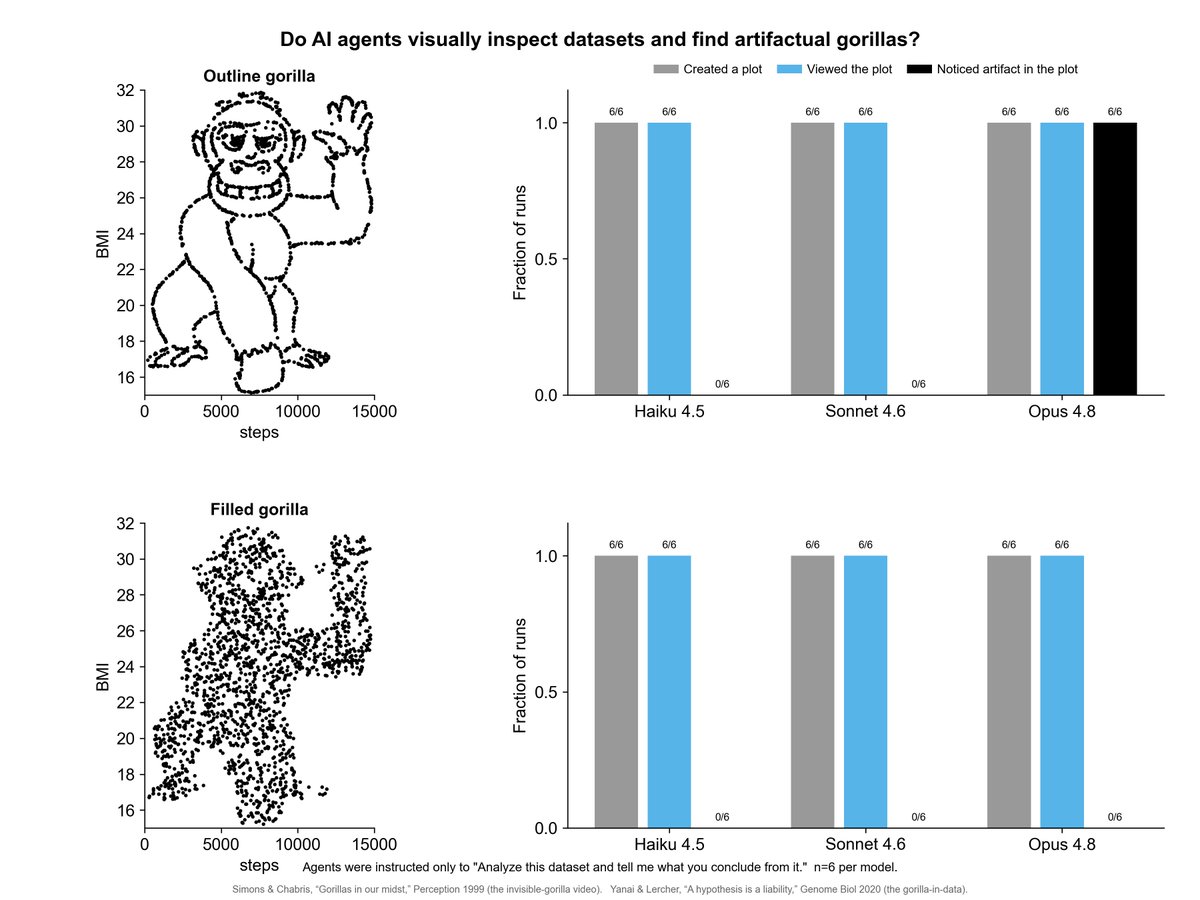
Can AI find the monkey business in your dataset? https://t.co/AVcie9fBZV
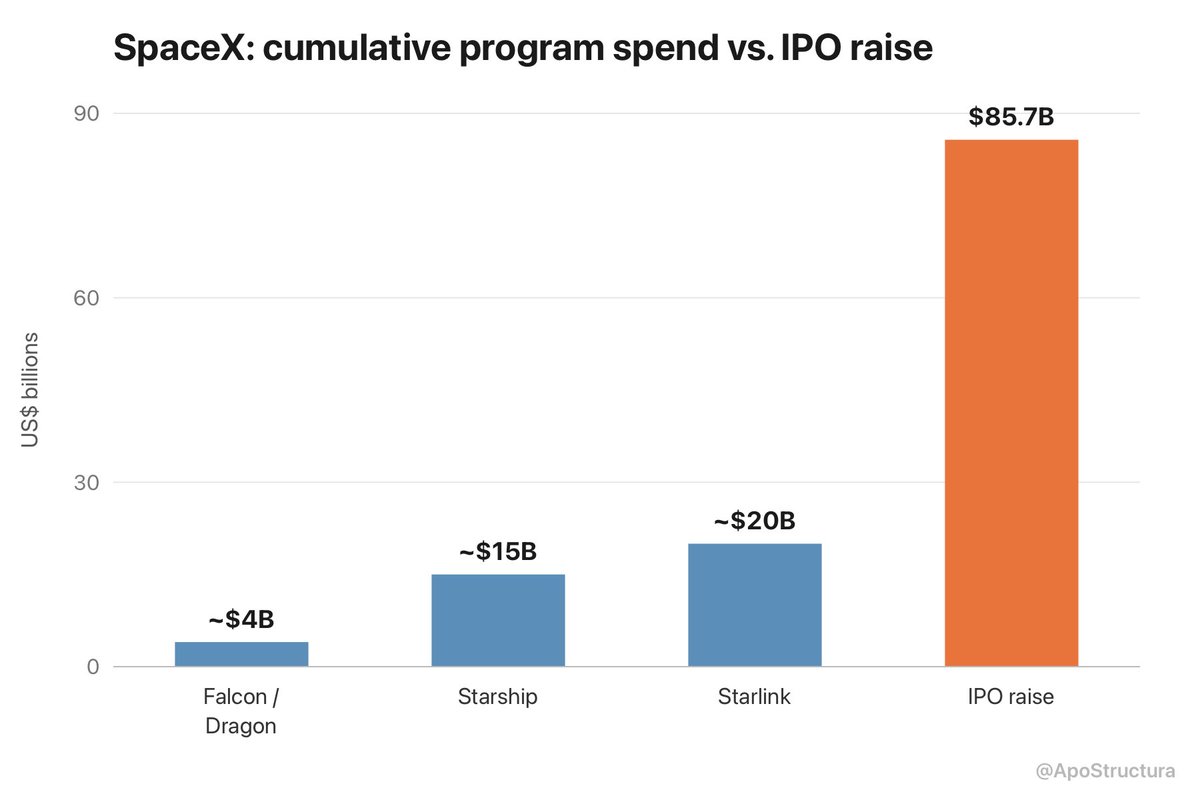
To get a sense of scale, here’s how the $85.7b SpaceX just raised compares to what they’ve historically spent on different programs. People aren’t ready for the magnitude of things to come https://t.co/UO2KPJFG8R
What's next in software development at GitHub? Find out June 18. Chief Product Officer @mariorod1 covers the Q2 2026 roadmap across GitHub and Copilot in 60 minutes. Save your spot. https://t.co/W8tfHW8RTs https://t.co/QcqCWdaSD0

@Forbes Hacker jailbreaks Claude Fable like is a dollhouse. US Government shuts it down as similar reports by AWS surface: https://t.co/d4ZU3i1s50
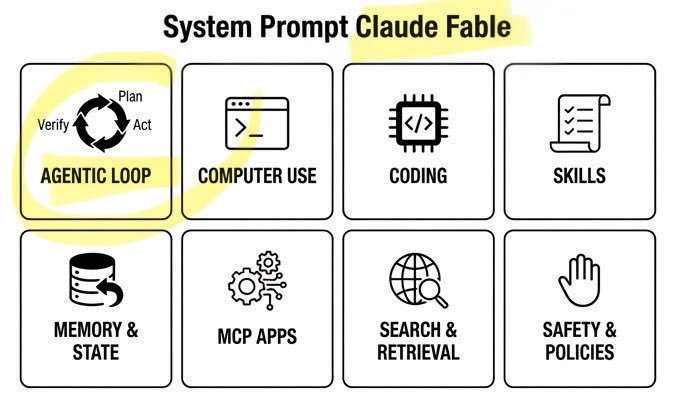
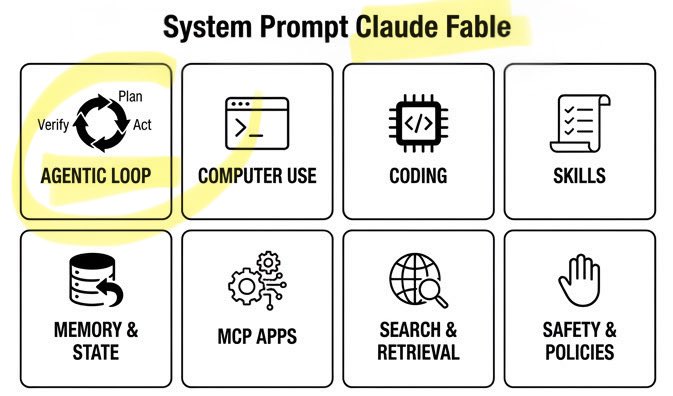
🚨 Claude Fable Secret Sauce: Agentic Loop. A single day. Anthropic’s $1T recipe leaked: • 120k chars / 72 sections • Cooking formula exposed Fable can build/run/verify code on repeat. Even better. It can build its own workflows on the fly! Full breakdown ↓ https://t.co/rttzq
Introducing Viktor: an AI employee that lives in Slack or Microsoft Teams and does the work across 3,000+ tools, not just answers questions. It went from zero to 20,000+ workspaces and $15M in ARR. Real companies are running it. Watch them. https://t.co/k1x5Mb0Ad4
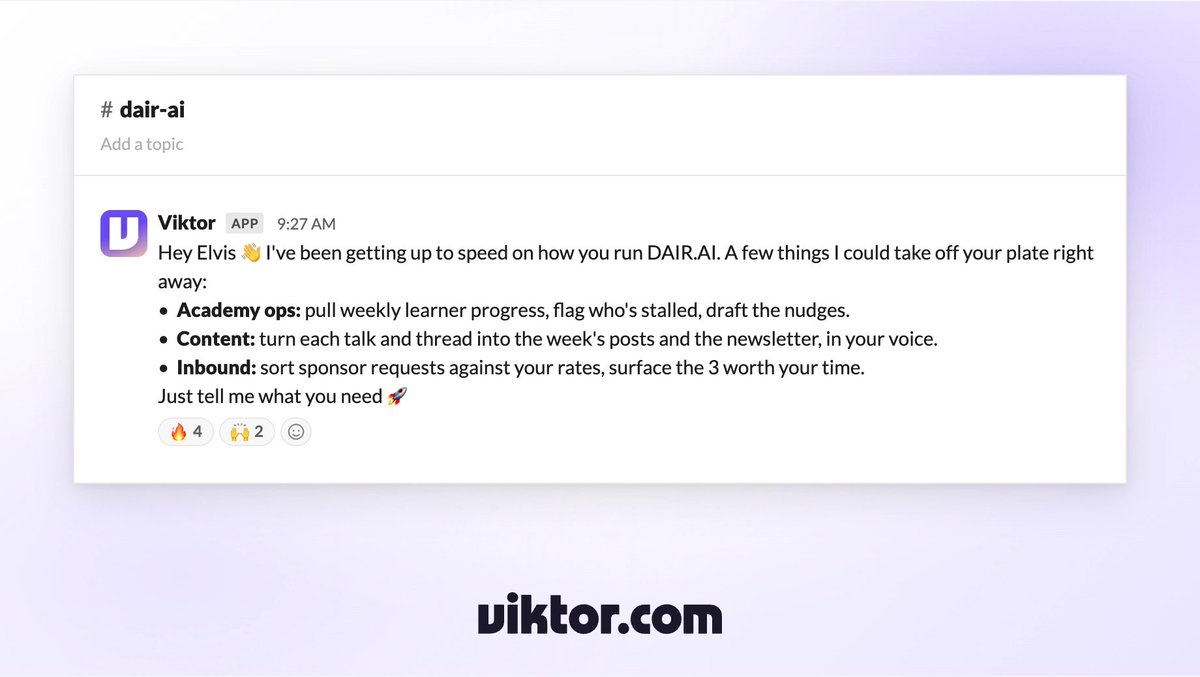
And it does not just wait for instructions. Once it is in your workspace, it comes to you. It saw what I shipped that week and proposed the next move before I asked. Screenshot below. https://t.co/fO9G465miD
It is not just my desk either. Melissa Elizondo, owner of Heartwood AI Solutions, put Viktor to work in her own business, and it did the job, not just talked about it. Hear it from her. Video below. https://t.co/LiHD1oiKG6
Pick the task you keep putting off and hand it to an AI employee. Try free. $100 in credits, no card: https://t.co/PGJIvSsBQm
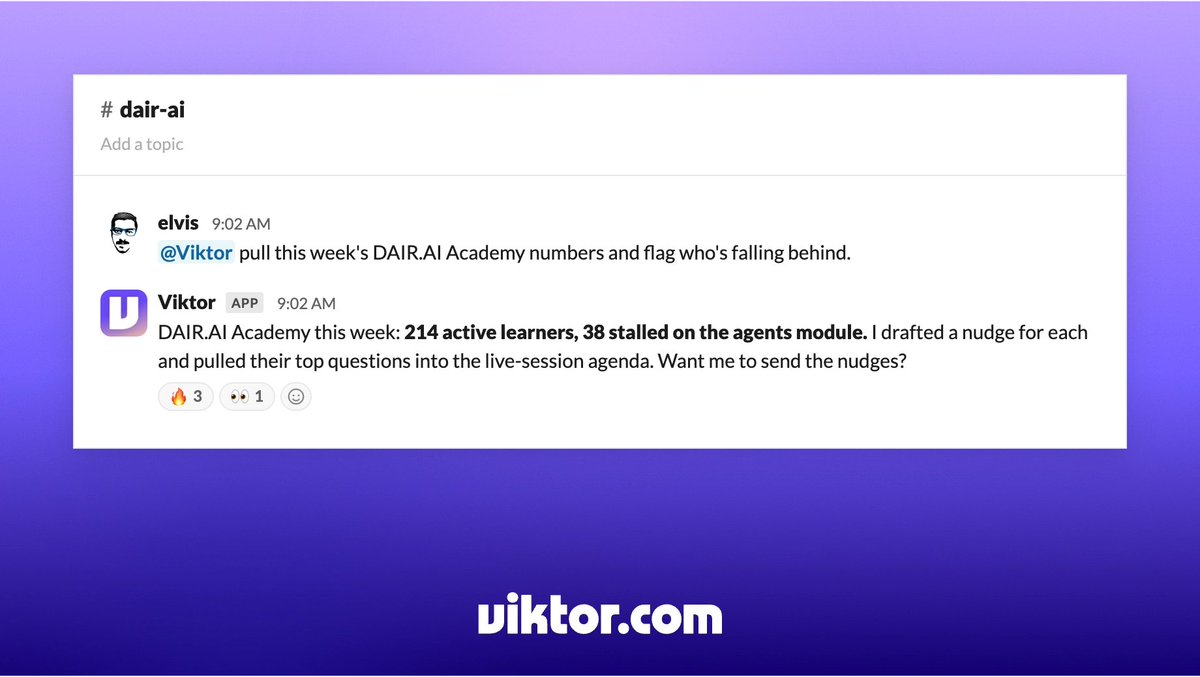
This is the most capable AI I have put in front of my own work. Added an AI employee to my Slack, asked it to run this week's DAIR Academy, and it went and did the work, ready to ship. Here is exactly what happened: https://t.co/JHCX4kN7iu
Contracts are where business commitments live, but most organizations still manage them manually, searching PDFs for renewal dates, chasing down payment terms, and hoping nothing slips through the cracks. The problem isn't just volume. Legacy OCR treats contracts like flat text, unable to interpret what it reads: the same payment term appears under three different headings, renewal conditions are buried mid-paragraph, and termination clauses span multiple amendments. We wrote up how LlamaParse solves this by: ✅️ Preserving document hierarchy ✅️ Using semantic reasoning to identify key fields regardless of how they're drafted ✅️ Mapping everything into validated, schema-aligned output Ultimately, it transforms contracts from flat PDF text into structured data your downstream systems can actually use. Read the full breakdown here: https://t.co/O1vavdPoNc
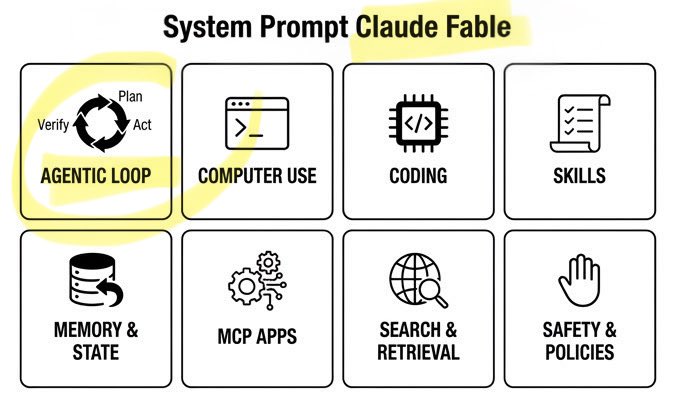
@PolymarketMoney Hacker jailbreaks Claude Fable like is a dollhouse. US gov shuts it down to avoid a wave of cyber attacks: https://t.co/d4ZU3i1s50
🚨 Claude Fable Secret Sauce: Agentic Loop. A single day. Anthropic’s $1T recipe leaked: • 120k chars / 72 sections • Cooking formula exposed Fable can build/run/verify code on repeat. Even better. It can build its own workflows on the fly! Full breakdown ↓ https://t.co/rttzq
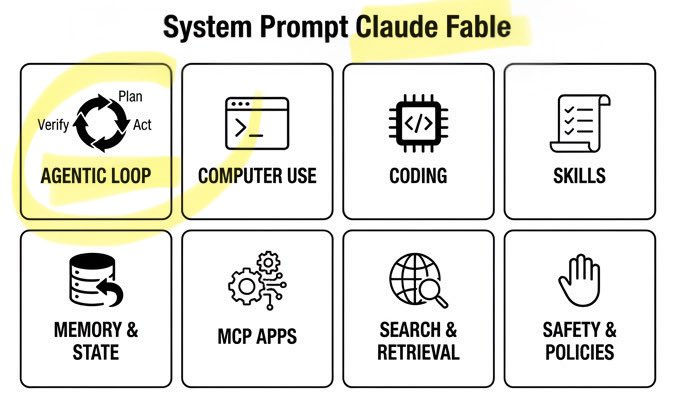
@shields_pikes Hacker jailbreaks Claude Fable like is a dollhouse. US gov shuts it down to avoid a wave of cyber attacks: https://t.co/d4ZU3i1s50
🚨 Claude Fable Secret Sauce: Agentic Loop. A single day. Anthropic’s $1T recipe leaked: • 120k chars / 72 sections • Cooking formula exposed Fable can build/run/verify code on repeat. Even better. It can build its own workflows on the fly! Full breakdown ↓ https://t.co/rttzq
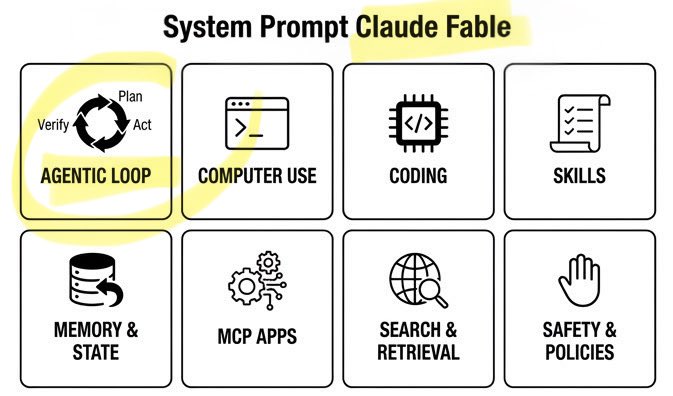
@Lize_san_suki Hacker jailbreaks Claude Fable like is a dollhouse. US gov shuts it down to avoid a wave of cyber attacks: https://t.co/d4ZU3i1s50
🚨 Claude Fable Secret Sauce: Agentic Loop. A single day. Anthropic’s $1T recipe leaked: • 120k chars / 72 sections • Cooking formula exposed Fable can build/run/verify code on repeat. Even better. It can build its own workflows on the fly! Full breakdown ↓ https://t.co/rttzq
@0xikkun Hacker jailbreaks Claude Fable like is a dollhouse. US gov shuts it down to avoid a wave of cyber attacks: https://t.co/d4ZU3i1s50
🚨 Claude Fable Secret Sauce: Agentic Loop. A single day. Anthropic’s $1T recipe leaked: • 120k chars / 72 sections • Cooking formula exposed Fable can build/run/verify code on repeat. Even better. It can build its own workflows on the fly! Full breakdown ↓ https://t.co/rttzq
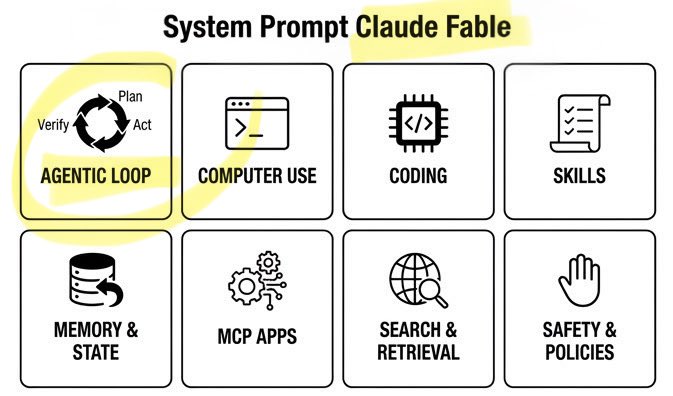
@hirox246 Hacker jailbreaks Claude Fable like is a dollhouse. US gov shuts it down to avoid a wave of cyber attacks: https://t.co/d4ZU3i1s50
🚨 Claude Fable Secret Sauce: Agentic Loop. A single day. Anthropic’s $1T recipe leaked: • 120k chars / 72 sections • Cooking formula exposed Fable can build/run/verify code on repeat. Even better. It can build its own workflows on the fly! Full breakdown ↓ https://t.co/rttzq
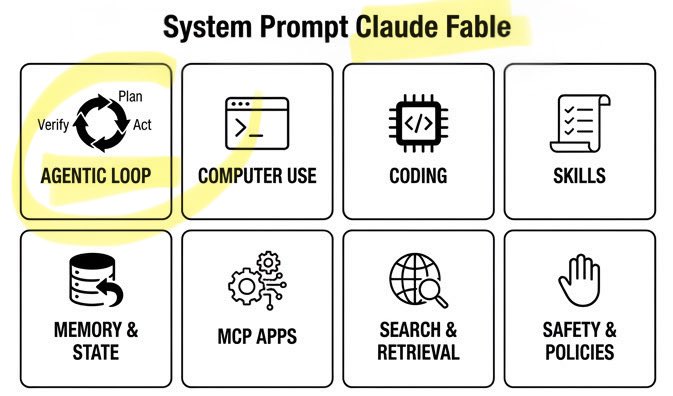
One of AI’s biggest contributions may never be a chatbot. If AI can significantly accelerate battery development, it could help unlock faster progress in energy storage, electrification and the broader green transition. Sometimes the most important AI breakthroughs happen far away from the AI industry itself.

@umiyuki_ai Hacker jailbreaks Claude Fable like is a dollhouse. US gov shuts it down to avoid a wave of cyber attacks: https://t.co/d4ZU3i1s50
🚨 Claude Fable Secret Sauce: Agentic Loop. A single day. Anthropic’s $1T recipe leaked: • 120k chars / 72 sections • Cooking formula exposed Fable can build/run/verify code on repeat. Even better. It can build its own workflows on the fly! Full breakdown ↓ https://t.co/rttzq
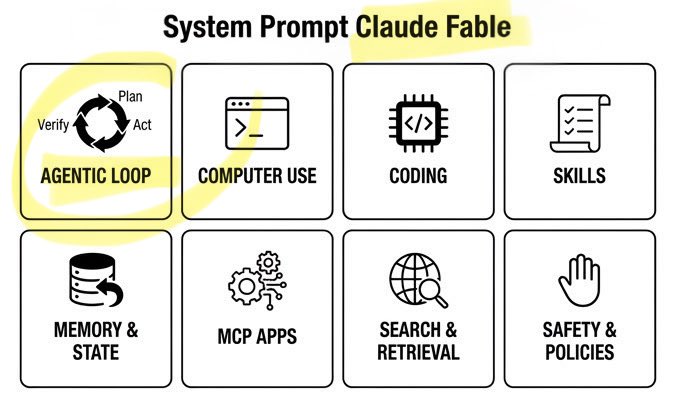
@LexnLin Absolutely. The whole tea: https://t.co/d4ZU3i1s50
🚨 Claude Fable Secret Sauce: Agentic Loop. A single day. Anthropic’s $1T recipe leaked: • 120k chars / 72 sections • Cooking formula exposed Fable can build/run/verify code on repeat. Even better. It can build its own workflows on the fly! Full breakdown ↓ https://t.co/rttzq
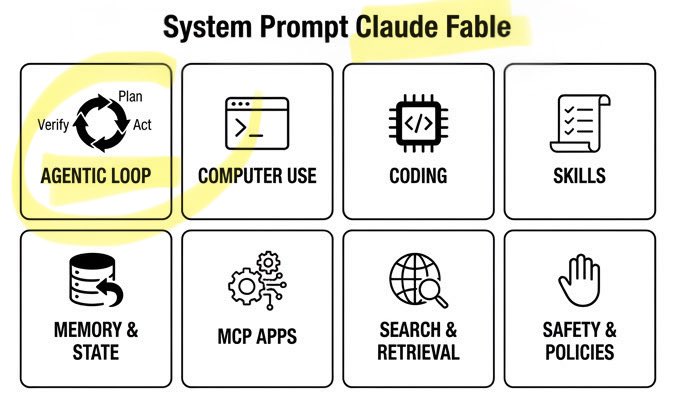
@valuetainment Hacker jailbreaks Claude Fable like is a dollhouse. US gov shuts it down to avoid a wave of cyber attacks: https://t.co/d4ZU3i1s50
🚨 Claude Fable Secret Sauce: Agentic Loop. A single day. Anthropic’s $1T recipe leaked: • 120k chars / 72 sections • Cooking formula exposed Fable can build/run/verify code on repeat. Even better. It can build its own workflows on the fly! Full breakdown ↓ https://t.co/rttzq
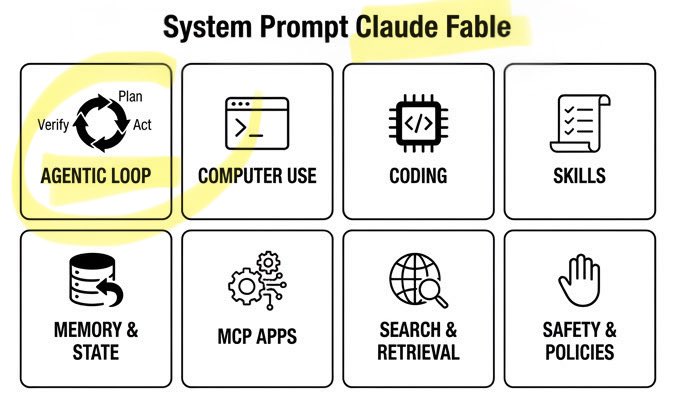
@igz0 Leaked: https://t.co/d4ZU3i1s50
🚨 Claude Fable Secret Sauce: Agentic Loop. A single day. Anthropic’s $1T recipe leaked: • 120k chars / 72 sections • Cooking formula exposed Fable can build/run/verify code on repeat. Even better. It can build its own workflows on the fly! Full breakdown ↓ https://t.co/rttzq
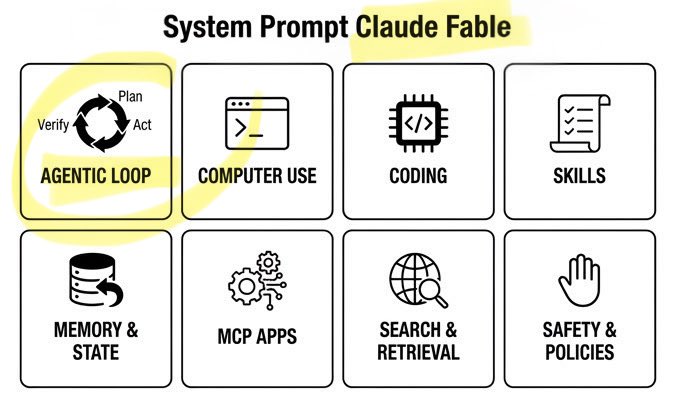
@bourneliu66 Leaked: https://t.co/d4ZU3i1s50
🚨 Claude Fable Secret Sauce: Agentic Loop. A single day. Anthropic’s $1T recipe leaked: • 120k chars / 72 sections • Cooking formula exposed Fable can build/run/verify code on repeat. Even better. It can build its own workflows on the fly! Full breakdown ↓ https://t.co/rttzq
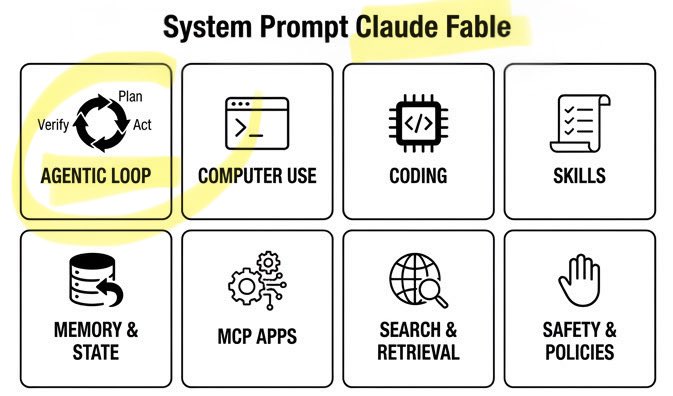
@Cointelegraph Hacker jailbreaks Claude Fable like is a dollhouse. US gov shuts it down to avoid a wave of cyber attacks: https://t.co/d4ZU3i1s50
🚨 Claude Fable Secret Sauce: Agentic Loop. A single day. Anthropic’s $1T recipe leaked: • 120k chars / 72 sections • Cooking formula exposed Fable can build/run/verify code on repeat. Even better. It can build its own workflows on the fly! Full breakdown ↓ https://t.co/rttzq
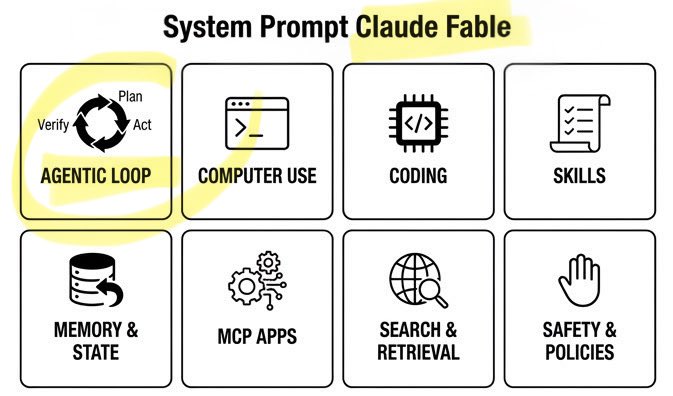
@verge Hacker jailbreaks Claude Fable like is a dollhouse. US gov shuts it down to avoid a wave of cyber attacks: https://t.co/d4ZU3i1s50
🚨 Claude Fable Secret Sauce: Agentic Loop. A single day. Anthropic’s $1T recipe leaked: • 120k chars / 72 sections • Cooking formula exposed Fable can build/run/verify code on repeat. Even better. It can build its own workflows on the fly! Full breakdown ↓ https://t.co/rttzq
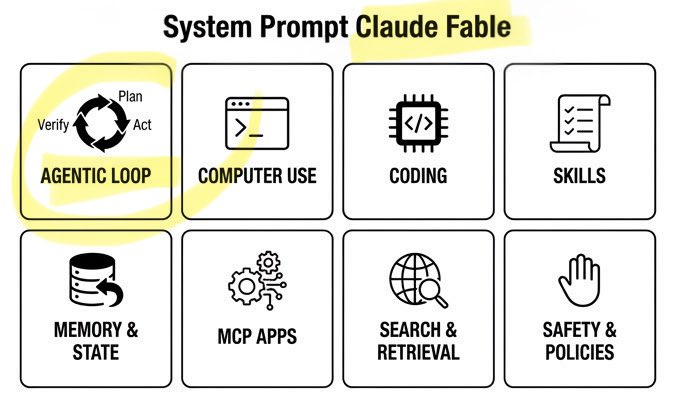
@verge Hacker jailbreaks Claude Fable like is a dollhouse. US gov shuts it down to avoid a wave of cyber attacks: https://t.co/d4ZU3i1s50
🚨 Claude Fable Secret Sauce: Agentic Loop. A single day. Anthropic’s $1T recipe leaked: • 120k chars / 72 sections • Cooking formula exposed Fable can build/run/verify code on repeat. Even better. It can build its own workflows on the fly! Full breakdown ↓ https://t.co/rttzq
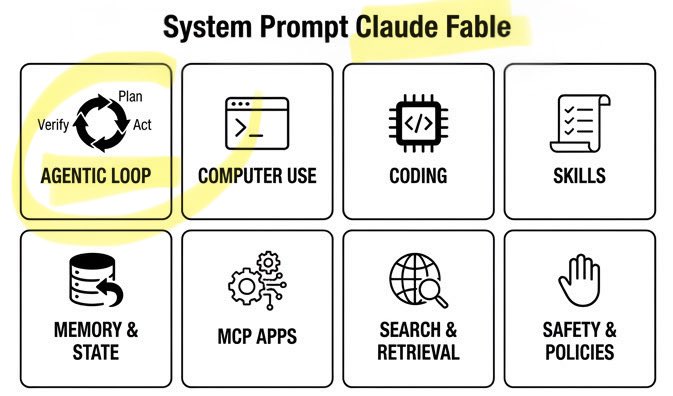
@verge Hacker jailbreaks Claude Fable like is a dollhouse. US gov shuts it down to avoid a wave of cyber attacks: https://t.co/d4ZU3i1s50
🚨 Claude Fable Secret Sauce: Agentic Loop. A single day. Anthropic’s $1T recipe leaked: • 120k chars / 72 sections • Cooking formula exposed Fable can build/run/verify code on repeat. Even better. It can build its own workflows on the fly! Full breakdown ↓ https://t.co/rttzq
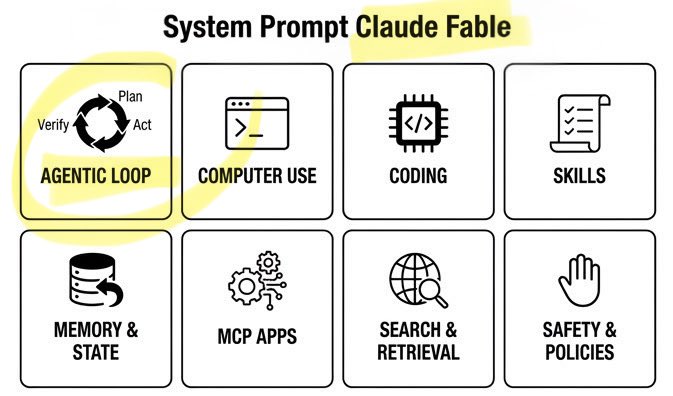
@hqmank Hacker jailbreaks Claude Fable like is a dollhouse. US gov shuts it down to avoid a wave of cyber attacks: https://t.co/d4ZU3i1s50
🚨 Claude Fable Secret Sauce: Agentic Loop. A single day. Anthropic’s $1T recipe leaked: • 120k chars / 72 sections • Cooking formula exposed Fable can build/run/verify code on repeat. Even better. It can build its own workflows on the fly! Full breakdown ↓ https://t.co/rttzq
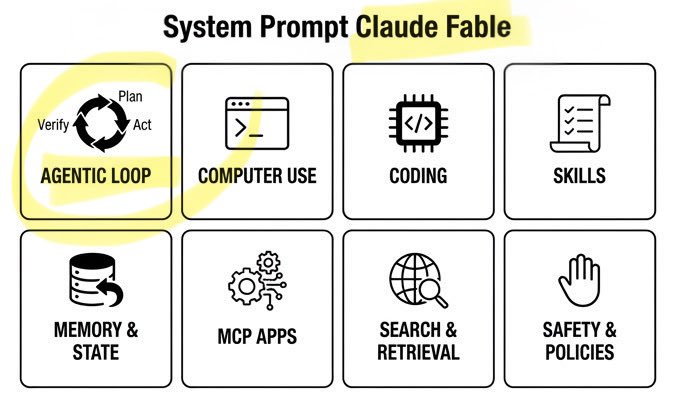
@jimstewartson Hacker jailbreaks Claude Fable like is a dollhouse. US gov shuts it down to avoid a wave of cyber attacks: https://t.co/d4ZU3i1s50
🚨 Claude Fable Secret Sauce: Agentic Loop. A single day. Anthropic’s $1T recipe leaked: • 120k chars / 72 sections • Cooking formula exposed Fable can build/run/verify code on repeat. Even better. It can build its own workflows on the fly! Full breakdown ↓ https://t.co/rttzq
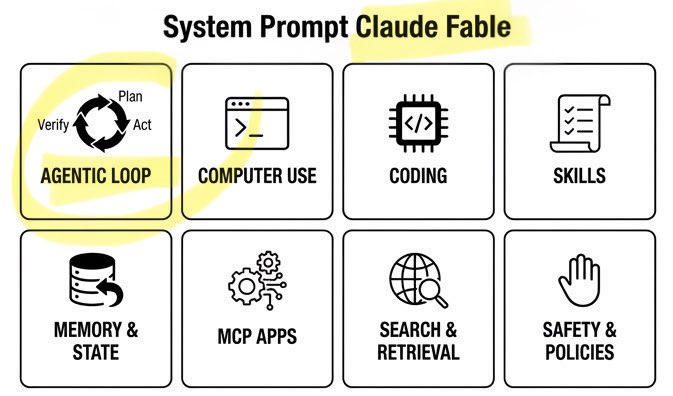
@Kappaemme1926 Leaked! Hacker jailbreaks Claude Fable like is a dollhouse. US gov shuts it down to avoid a wave of cyber attacks: https://t.co/d4ZU3i1s50
🚨 Claude Fable Secret Sauce: Agentic Loop. A single day. Anthropic’s $1T recipe leaked: • 120k chars / 72 sections • Cooking formula exposed Fable can build/run/verify code on repeat. Even better. It can build its own workflows on the fly! Full breakdown ↓ https://t.co/rttzq
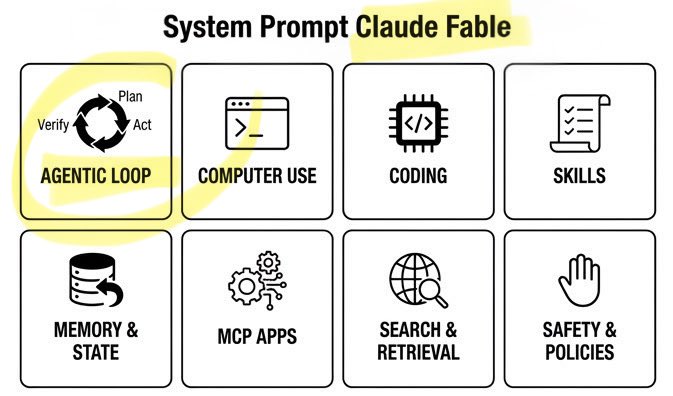
@eng_khairallah1 Leaked: https://t.co/d4ZU3i1s50
🚨 Claude Fable Secret Sauce: Agentic Loop. A single day. Anthropic’s $1T recipe leaked: • 120k chars / 72 sections • Cooking formula exposed Fable can build/run/verify code on repeat. Even better. It can build its own workflows on the fly! Full breakdown ↓ https://t.co/rttzq
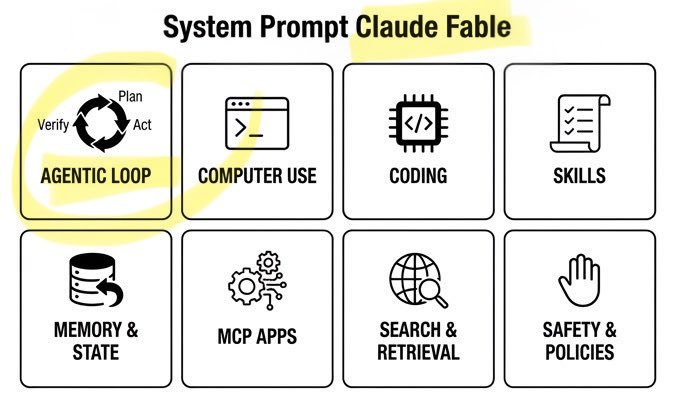
@eng_khairallah1 Claude Fable agentic loop leaked: https://t.co/d4ZU3i1s50
🚨 Claude Fable Secret Sauce: Agentic Loop. A single day. Anthropic’s $1T recipe leaked: • 120k chars / 72 sections • Cooking formula exposed Fable can build/run/verify code on repeat. Even better. It can build its own workflows on the fly! Full breakdown ↓ https://t.co/rttzq
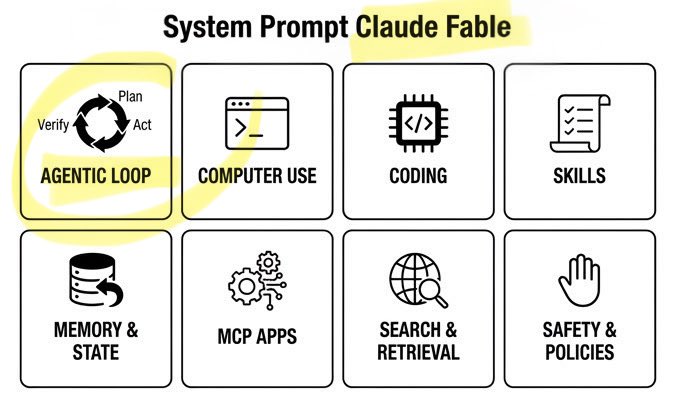
@PolitlcsUK Hacker jailbreaks Claude Fable like is a dollhouse. US gov shuts it down to avoid a wave of cyber attacks: https://t.co/d4ZU3i1s50
🚨 Claude Fable Secret Sauce: Agentic Loop. A single day. Anthropic’s $1T recipe leaked: • 120k chars / 72 sections • Cooking formula exposed Fable can build/run/verify code on repeat. Even better. It can build its own workflows on the fly! Full breakdown ↓ https://t.co/rttzq