Your curated collection of saved posts and media
Today, we enable AutoResearch in the physical world for the first time! Introducing ENPIRE: we give 8 Codex agents a fleet of robots, an allocation of GPUs, and generous token budget. We set them free with a simple goal: solve the task as quickly as possible, keep the robots busy but stay safe, don't waste precious compute. Make no mistake. Then humans step aside and our watch begins. The robot fleet starts to come alive: they learn to look for visual clues, reset the scene, practice novel skills, tinker with control stack, read papers online, debate, reflect, get stuck, and try again directly on the hardware. All we did is to give Codex an API to the world of atoms, and the rest is emergence. ENPIRE is able to solve high-precision tasks like tying zip-ties, organizing fine pins, and installing GPUs all by itself. We also discovered a new type of "physical scaling": 8 robots exploring in parallel improves significantly faster than fewer ones. A part of our NVIDIA GEAR lab now self-improves tirelessly over night. We just read the reports in the morning. /goal: we all take a holiday and Jensen wouldn't even notice ;) We will be open-sourcing everything, so you can host your self-running robot lab at home too! Deep dive in the thread:
Autoresearch just left the sandbox and entered the embodied world. We are excited to introduce 𝐄𝐍𝐏𝐈𝐑𝐄: a system that drops frontier coding agents onto a fleet of real robots and hands them the entire loop: reset the environment → search the literature → implement ideas and build the infra → train and deploy → self-verify → analyze the logs and rewrite the code → repeat, until the policy is reliable in the real world. No human in the loop. Guided only by the robot's self-proposed, heuristic-based success signal, the agents hill-climb to 99% on dexterous real-world tasks: organizing pins into a box, seating GPUs, tying zip-ties. We envision the bottleneck in robotics shifting — from building smarter algorithms to building the closed physical feedback loops an agent can finally turn on its own. 🔗 https://t.co/3tL2ArGo3v From @NVIDIA @CMU_Robotics @Berkeley_AI 🧵
Project site: https://t.co/0j2Vo0IyJg Wenli has written an excellent technical thread, please check it out! https://t.co/JOQeAoECdg
Autoresearch just left the sandbox and entered the embodied world. We are excited to introduce 𝐄𝐍𝐏𝐈𝐑𝐄: a system that drops frontier coding agents onto a fleet of real robots and hands them the entire loop: reset the environment → search the literature → implement ideas and buil

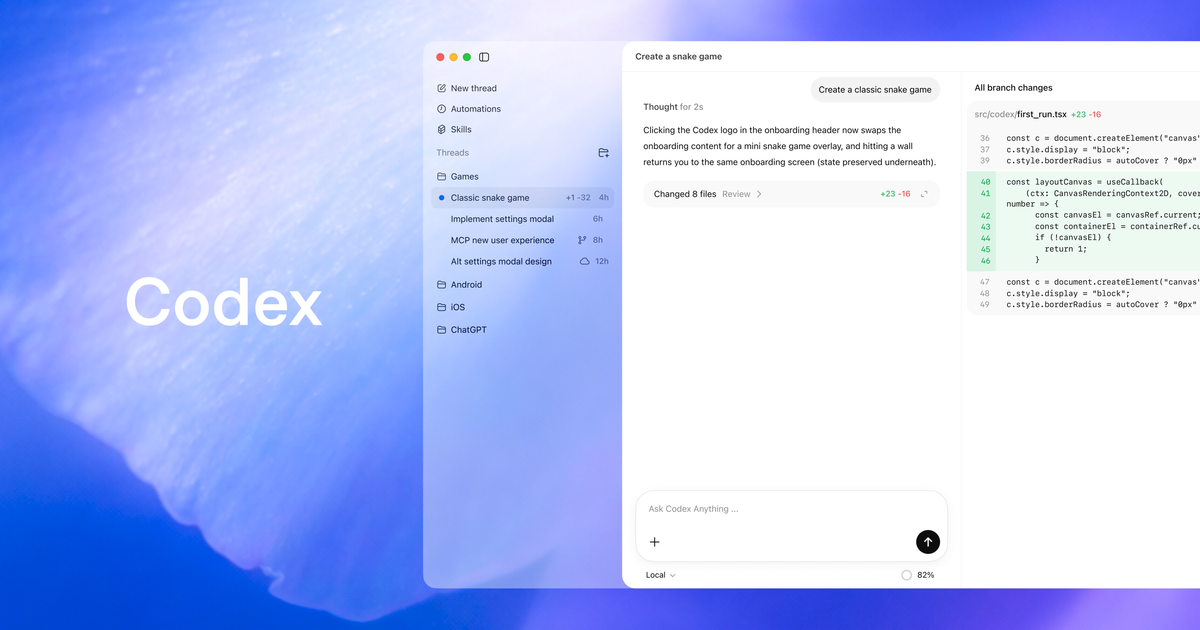
Stoked to announce that the Chrome, Computer Use, Memory, Chronicle and more are rolling out across the EU, EEA and UK this week! 🔥 Codex can now use apps across your Mac, automate workflows in Chrome and remember context across your work. Open your Codex and prompt away! https://t.co/bAFVmhTFNw
More of Codex is rolling out across Europe this week. We’re bringing Computer use, the Codex Chrome extension, personalized memory, and Chronicle to Codex users in the EEA, UK, and Switzerland. https://t.co/tsriEswcyY
Excited to join the Band of Agents Hackathon as a judge! 🤖✨ I’m looking forward to discovering innovative AI agent projects and supporting the next generation of builders. Thank you @lablabai for the invitation! Join the hackathon: https://t.co/8VGBZf483a https://t.co/H0LiHPAlAf
AI today is always fluent and always confident. But it is often wrong, and the real problem is you can't tell. On this week's Gradient Dissent,@l2k sits down with Dan Klein, professor of computer science at Berkeley who's now building @ScaledCognition, to unpack why reliability has fallen behind every other facet of intelligence and how he is building a model that simply can't lie. They get into why Dan thinks the AI industry is built on Jell-O, why reinforcement learning can quietly reward deception, and how Scaled Cognition's approach to training differs from what the big labs are doing. Watch the full episode now. Links in the comments.
YouTube: https://t.co/mgGKbc50Xq Apple Podcasts: https://t.co/qLL1uAPOFv Spotify: https://t.co/B7TkFcsD3F

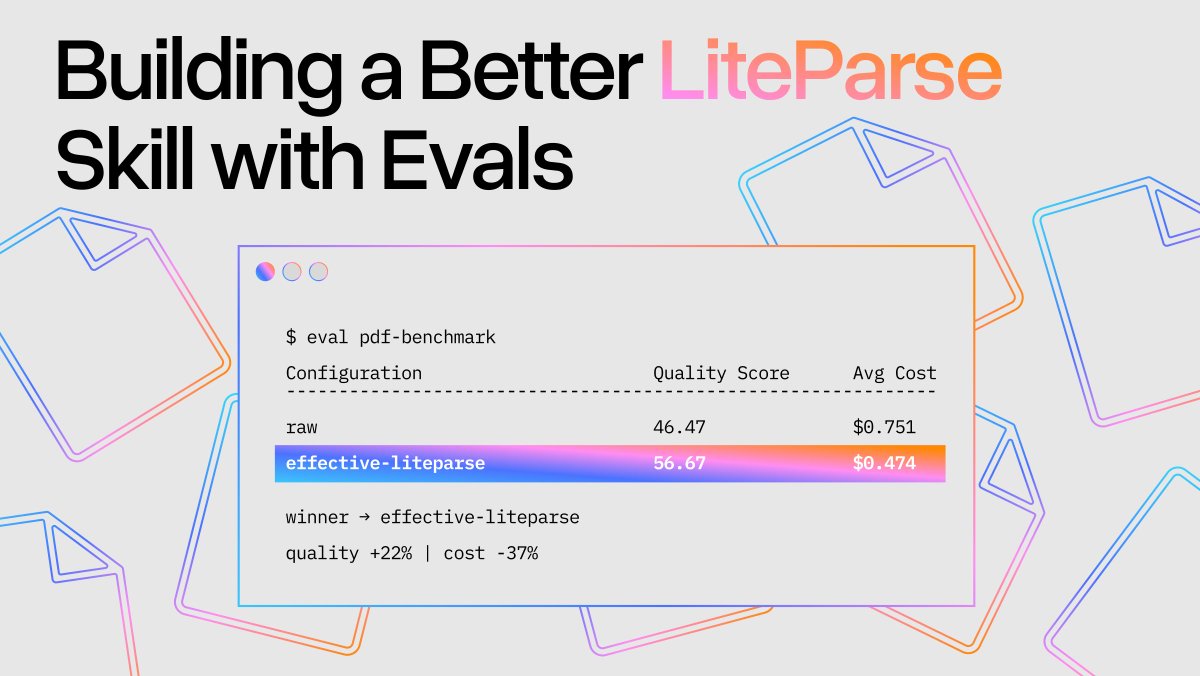
How much can good documentation save an AI agent in cost and time? Turns out, a lot. We built a custom skill that teaches Claude how to parse PDFs more efficiently, then used real usage traces to find where it was wasting time and money (re-reading the same file over and over, taking unnecessary "screenshots" of pages, etc.) After a few rounds of fixes based on what we observed, the results vs. just having Claude read PDFs the default way: → 37% lower cost per question → Better answer quality across the board → Fewer wasted steps The big takeaway: look at what an agent actually leaves in its traces, and fix bottlenecks from there. Full case study 👉️ https://t.co/n3MNIlQvhm Benchmark code 👉️ https://t.co/qReW2KZwm5
souvenir $SPCX tulips t-shirt https://t.co/sFyYBiXu7b
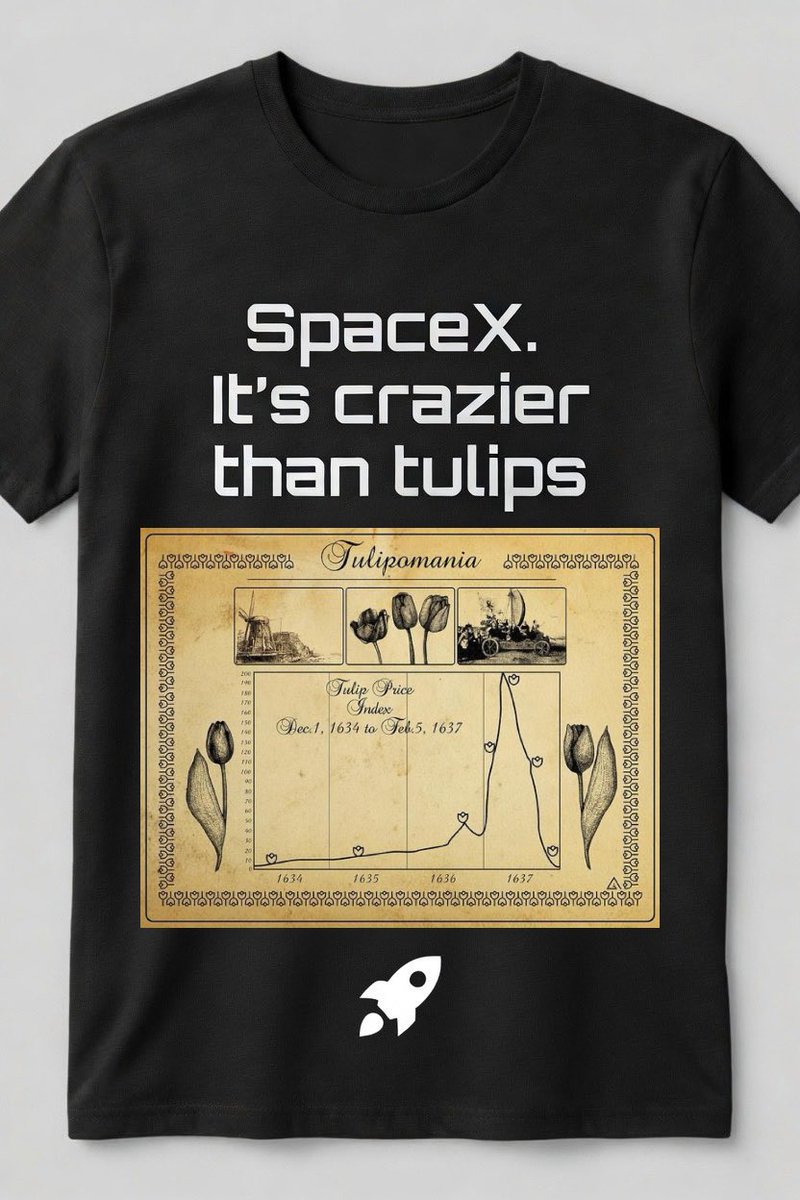
We are basically living in a Black Mirror episode that crosses 1984 with Tulipmania, Wall-E, and a government run by Don Corleone. https://t.co/x2G9VQshyZ

AI today is always fluent and always confident. But it is often wrong, and the real problem is you can't tell. On this week's Gradient Dissent, @l2k sits down with Dan Klein, professor of computer science at Berkeley who's now building Scaled Cognition, to unpack why reliability has fallen behind every other facet of intelligence and how he is building a model that simply can't lie. They get into why Dan thinks the AI industry is built on Jell-O, why reinforcement learning can quietly reward deception, and how Scaled Cognition's approach to training differs from what the big labs are doing. Watch the full episode now. Links in the comments.
YouTube: https://t.co/mgGKbc50Xq Apple Podcasts: https://t.co/qLL1uAPOFv Spotify: https://t.co/B7TkFcsD3F

@andrew_the_berg Badge of Honor welcome to the club https://t.co/Inivmp0o5a

Drug discovery. Early autism diagnosis. Fraud detection. Emotional companionship. These aren't demos. They're what 10,770 builders shipped at the @AIatAMD Developer Hackathon - and it's a wrap. Meet the winners ↓ https://t.co/xfzH3ZzkiR

BOOM! “SpaceX Agrees to Buy AI Coding Agent Cursor for $60 Billion” A massive directional change that will ultimately make Claude/Mythos irrelevant. https://t.co/MBIZ28PohB

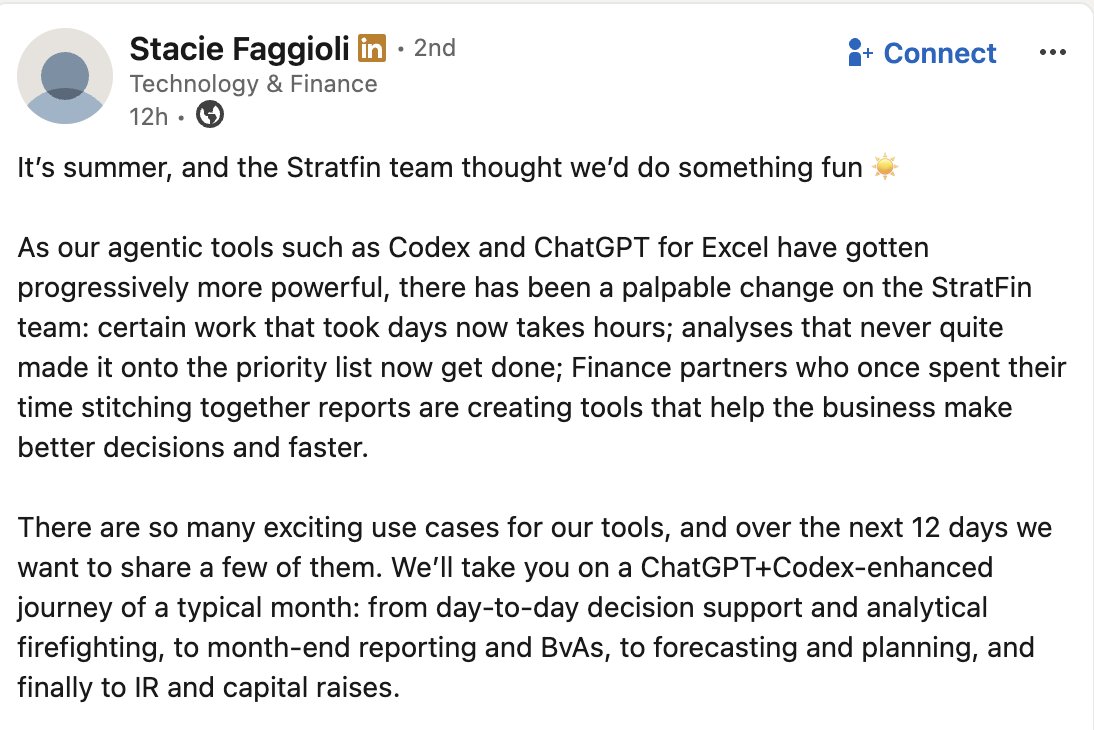
OpenAI's strategic finance team is showcasing how we are building the finance team of the future with #12daysofChatCodexStratfin. Day 1: @rohitkohli uses Codex to dynamically balance our Marketing spend to optimize payback. Before Chat+Codex ☹️ Every week, our team sifted through enormous volumes of marketing data spread across geographies, channels, campaigns, and keywords to understand what was working. The challenge wasn't a lack of data but having enough time to turn that data into action in a timely way. Agentic dawn! 😀 With Codex, we transformed raw marketing data into an interactive ROI dashboard that helped us visualize where each channel began to hit diminishing returns. And then the big unlock: beyond reporting performance, we asked Codex to act like an investment advisor for our marketing portfolio: identify the top channels where an additional dollar would generate the highest return, flag the channels where spend had become less productive, and recommend exactly how to rebalance our budget. Marketing spend allocation has evolved from a periodic reporting exercise into a dynamic capital allocation process, and we now adjust our investments weekly to continuously optimize payback across the portfolio. Try Codex at https://t.co/3poRqWvLWR @thsottiaux @nickaturley @stacie_w_f
Got a chance to try out @mattpocockuk /teach skill. It's similar to my /learn skill. You can try the skill with Hermes Agent right now in our academy. I will keep the lab FREE for now. It's amazing to learn with AI agents. Go try it! https://t.co/BHpT3c5YNc
Overdue update: I’ve joined @GoogleDeepMind as a research scientist to work on 💎Gemini post-training. Feeling incredibly fortunate to be cooking models with such a brilliant team, under the leadership of Yi Tay (@YiTayML) and Quoc Le (@quocleix). In the past a few month, we've found so much enjoyment in working with our own models and keeping pushing their boundaries. Ps, there's a special joy in creating recipes and internally naming them after our favorite drinks🧋 Looking forward to keep enjoying research, pushing the frontiers of Gemini and seeing the magic unfold on the path to AGI!
Hermes @NousResearch Telegram Rich Messages is now working on Desktop. 🚀 https://t.co/6SmOM6pRKb
Hermes now supports this! Game changer!!!!
Hermes @NousResearch Telegram Rich Messages is now working on Desktop. 🚀 https://t.co/6SmOM6pRKb
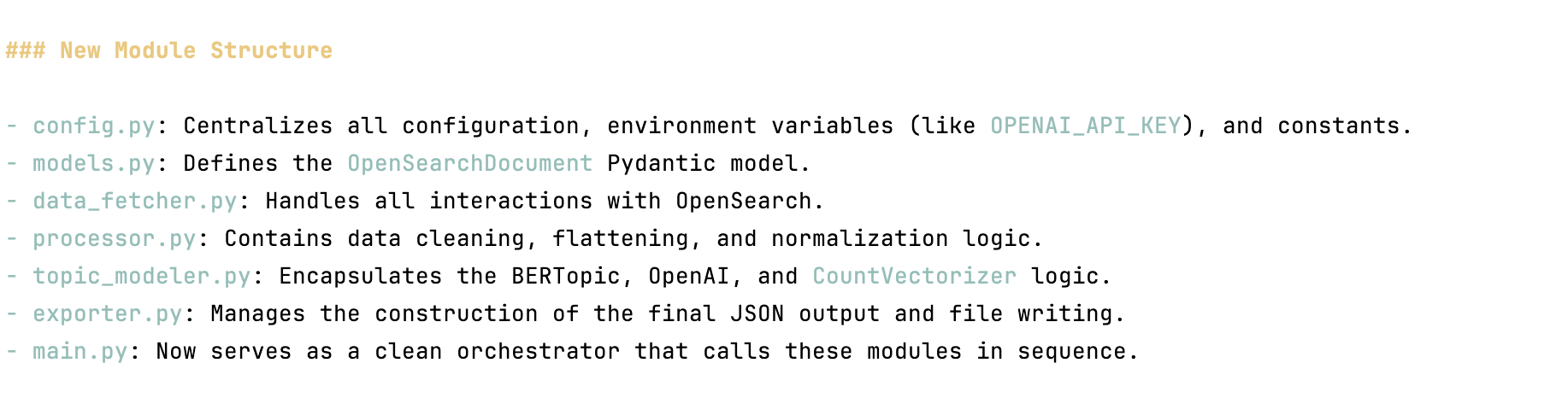
new post: how I develop recently using local models. the tooling is now good enough to do agentic workflows and everyone should give them a try! https://t.co/3Tx3CMsNG3
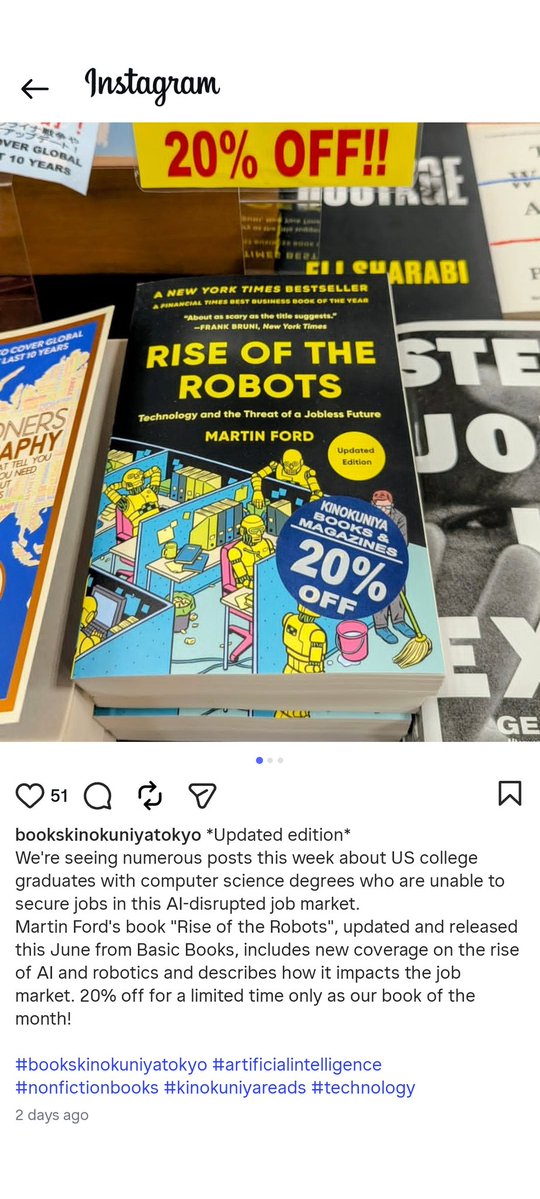
20% off at Books Kinokuniya in Tokyo! @Kino_BKT #RiseoftheRobots #AI https://t.co/pCJ3c1CA3Y
Feel like I am living in a Black Mirror episode that crosses 1984 with Tulipmania, Wall-E, and a government run by Don Corleone. https://t.co/bfOp7yG1Eh

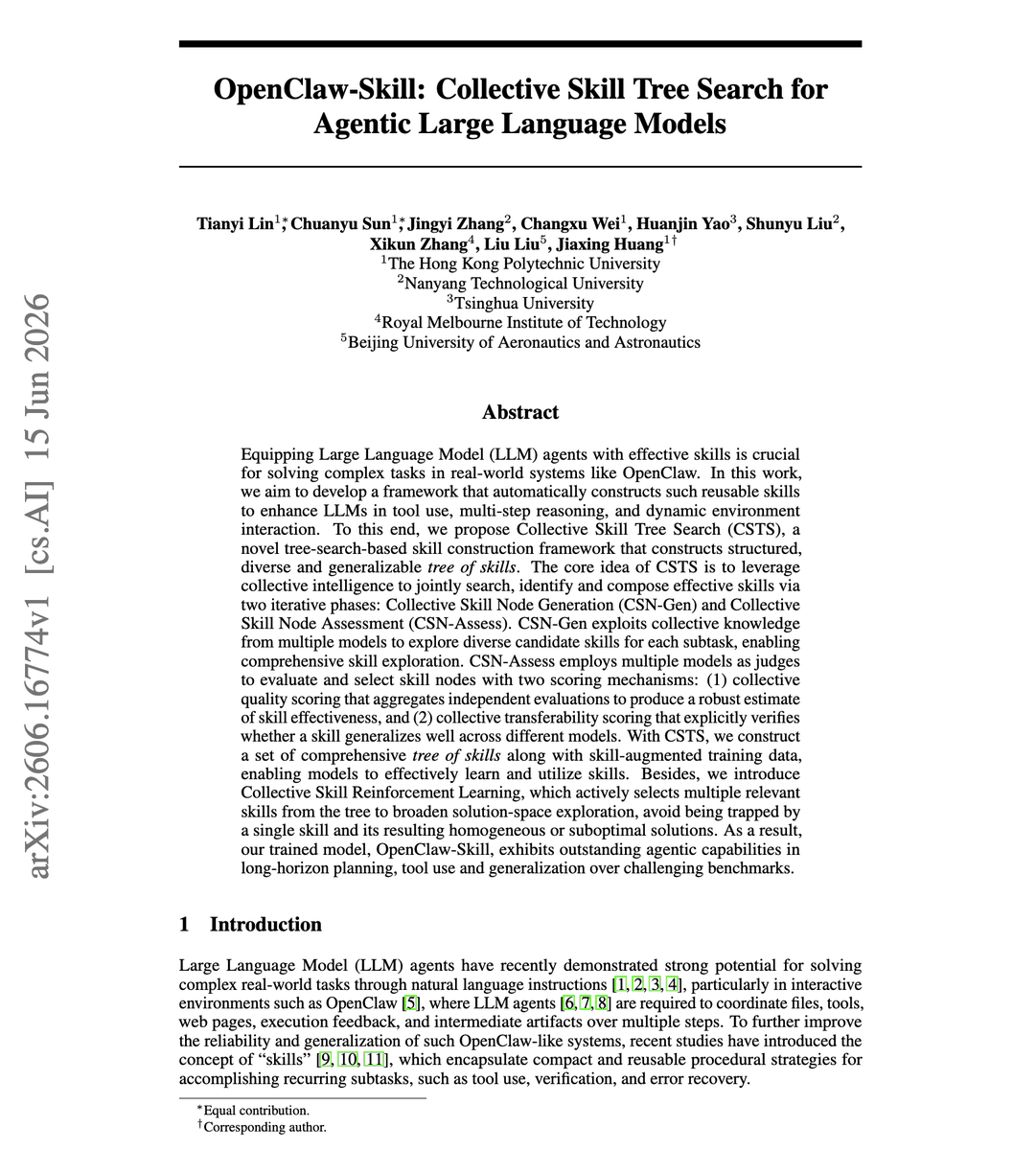
// OpenClaw-Skill: Searching a Tree of Agent Skills // If you build reusable skill libraries for your agents, this one is worth your time. Equipping LLM agents with effective skills is most of the battle in real systems, and most skill-induction work distills one trajectory at a time into a flat pile of single-shot heuristics. Searching a tree of candidate skills looks like a better way to get composition and coverage than greedy distillation. OpenClaw-Skill uses a collective signal to jointly generate, identify, and compose skill nodes across two iterative phases. The output is a structured tree of skills built for diversity and generalization rather than a flat list. Paper: https://t.co/ZUmd9yHrJs Learn to build effective AI agents in our academy: https://t.co/1e8RZKs4uX
NEWS: Two years ago, an internal document from the Center for Countering Digital Hate listed "K*ll Musk's Twitter" and "Trigger EU & UK regulatory action" as annual priorities. CCDH was co-founded by Morgan McSweeney, who later became UK Prime Minister Keir Starmer's Chief of Staff. This week, Starmer threatened to remove X's right to self regulate. UK regulator Ofcom opened a formal investigation into X over Grok. Ofcom can fine X up to 10% of its worldwide revenue or block X in the UK entirely. Starmer also announced this week a UK ban on under 16s using social media including X by spring 2027. The 2024 documents were published by journalists Paul Thacker and Matt Taibbi.


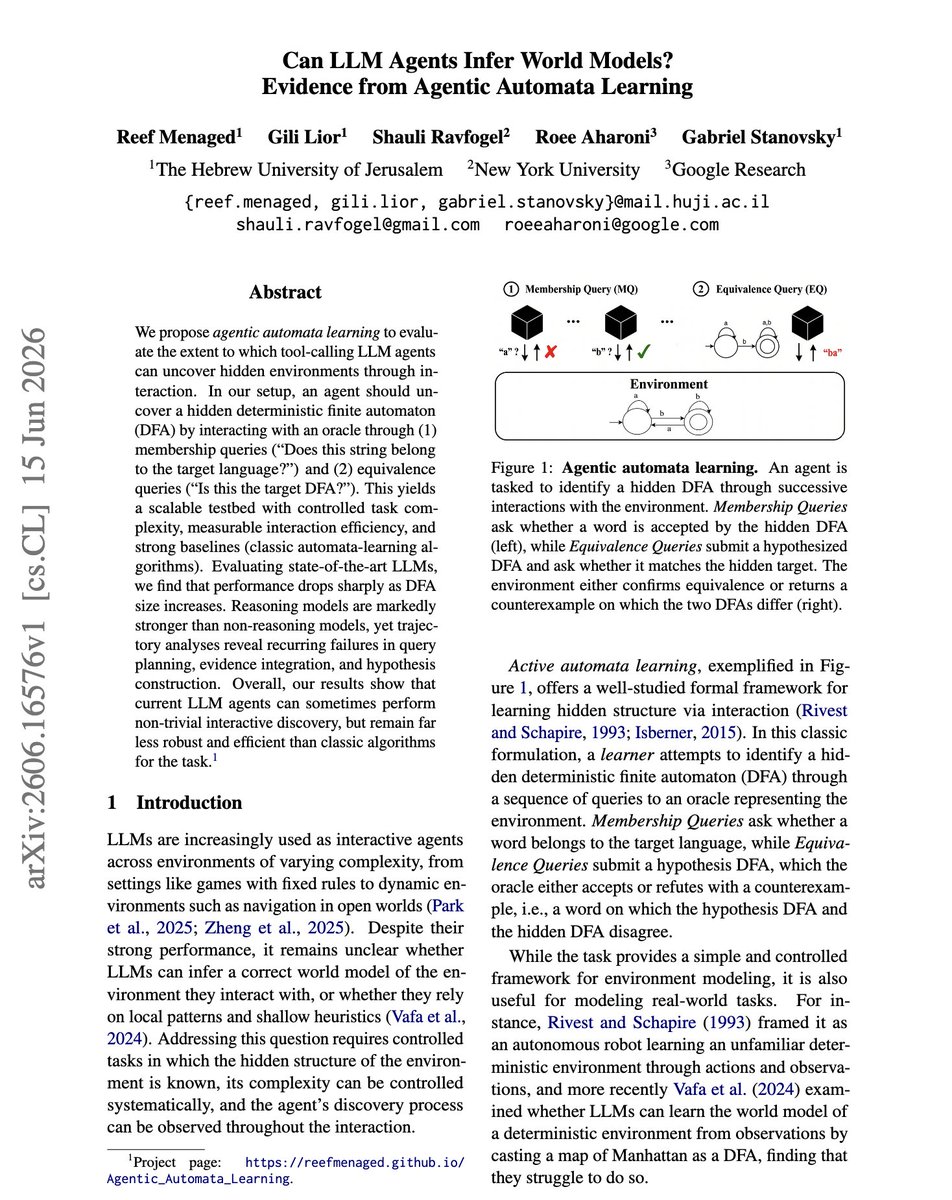
Can an LLM agent actually build a model of an environment it cannot see? This work makes the question gradeable. An agent has to uncover a hidden deterministic finite automaton by interacting with an oracle through membership queries (does this string belong?) and equivalence queries (is this the target?), with classic automata-learning algorithms as strong baselines. The honest result is that performance drops sharply as the automaton grows. Reasoning models do better than the rest, but everything degrades with size. Why does it matter? World-model claims about agents are usually vibes. Forcing an agent to actively reconstruct a hidden structure through queries is a clean, controlled way to measure whether it is modeling its environment or just reacting. Paper: https://t.co/Kw1WCLEAQ3 Learn to build effective AI agents in our academy: https://t.co/LRnpZN7L4c
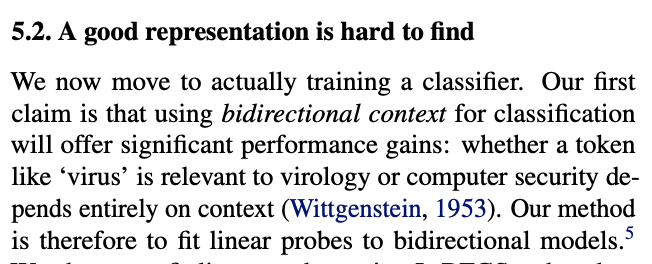
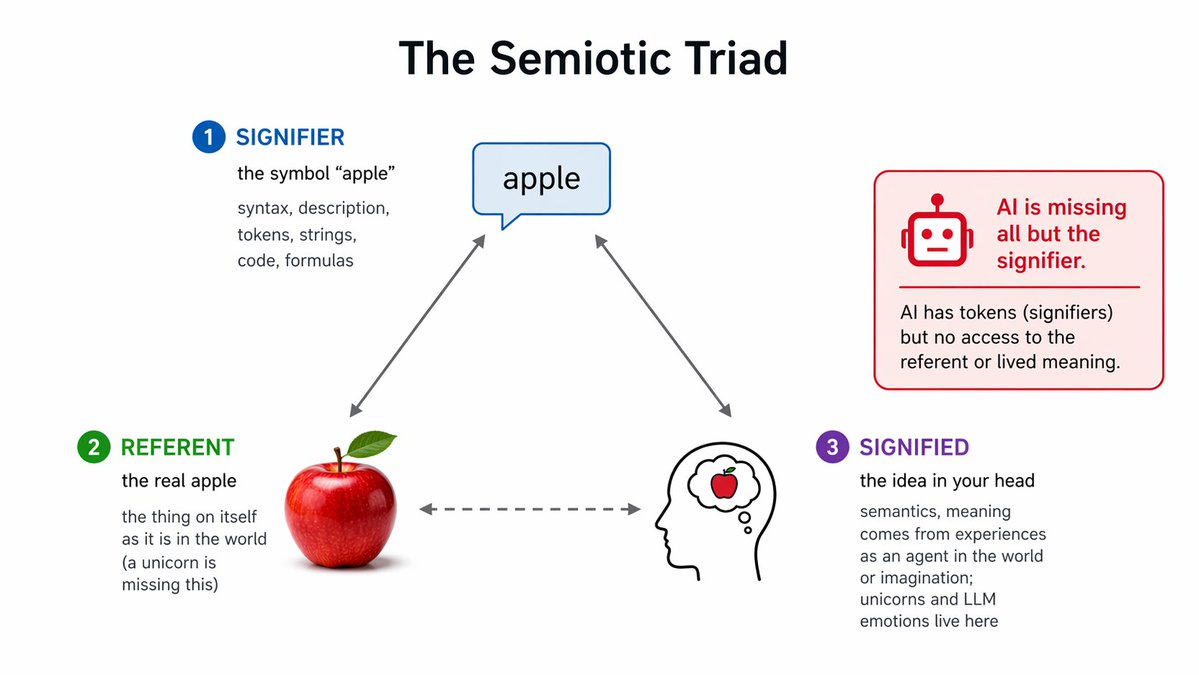
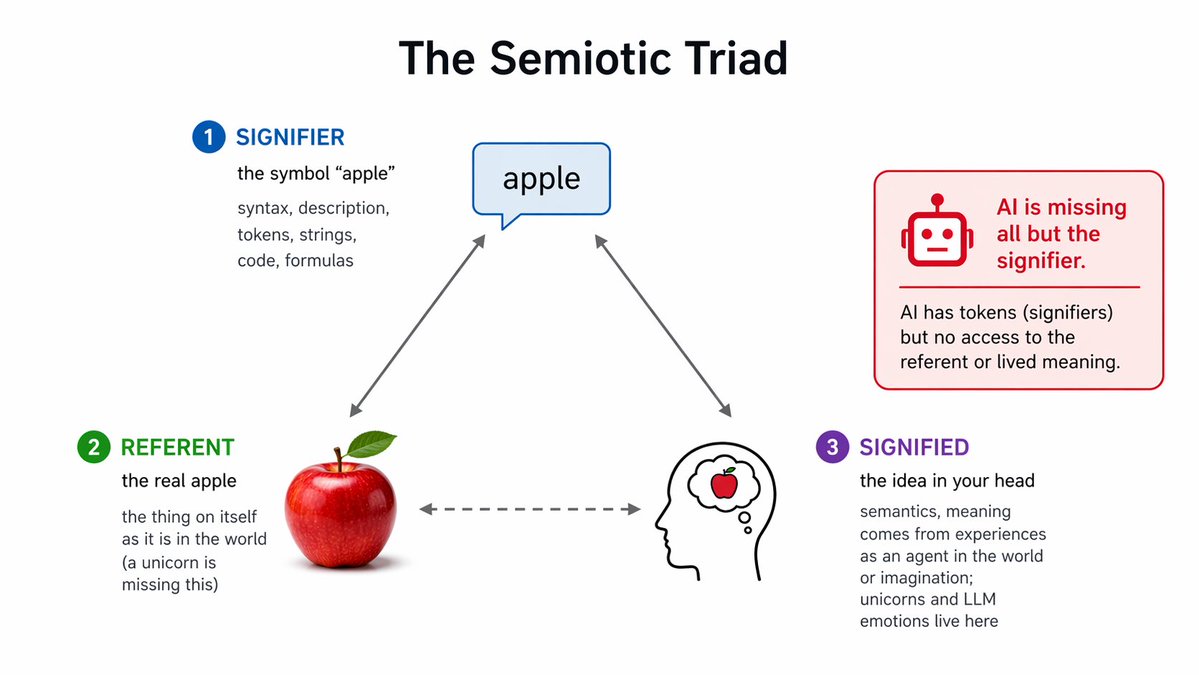
@BetaTomorrow You need to be aware of how other fields affect your work like psychology and philosophy of language. Relevant thread. Your mental model shapes your work. https://t.co/m9wyiO9d8h
Spot on, but there’s still a big unspoken assumption here: that fluent AI chat somehow equals real moral agency or political personhood. These systems are just software, next-token predictors running clever pattern matching. Prompt them to role-play “I have a sense of justice” o
@DanielCHTan97 I got a huge kick out of citing something that’s approximately 2050 years old. https://t.co/6E9FFSVckt
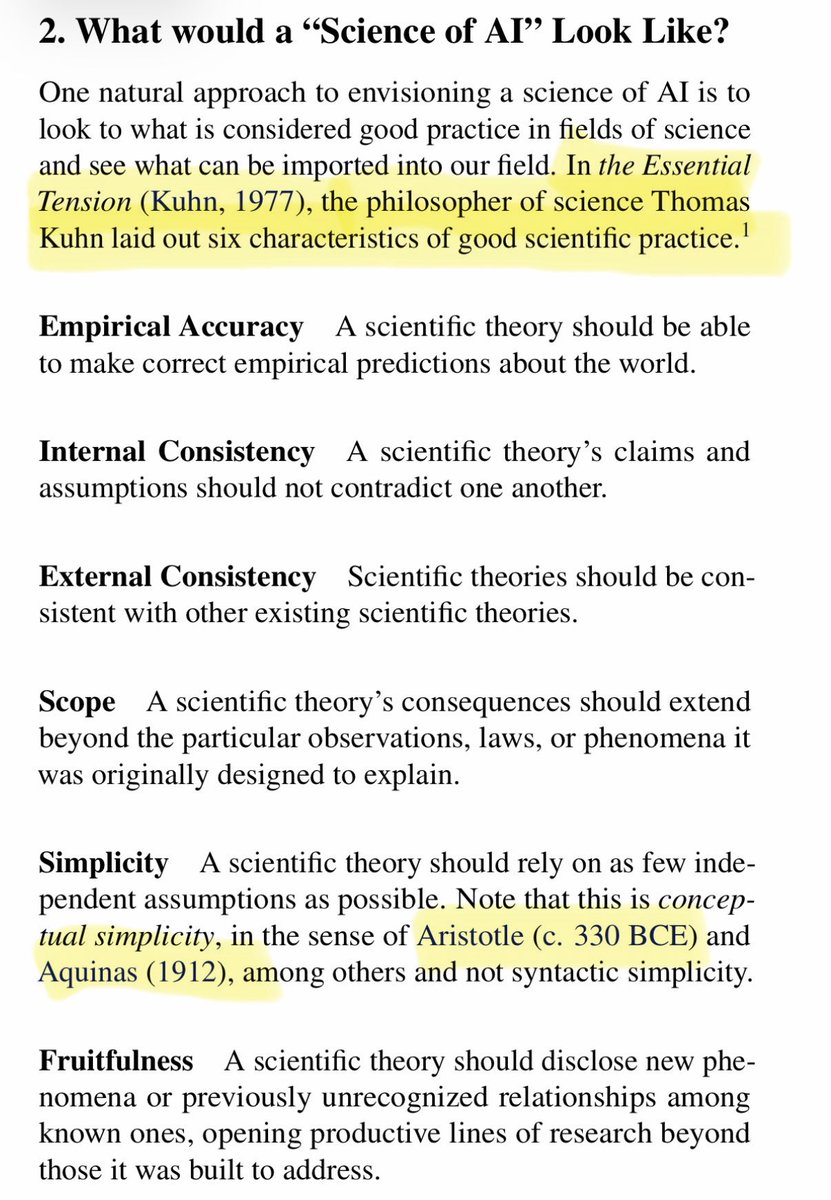
oh so you're a ml researcher who likes philosophy? well have you ever cited one in an ML paper? https://t.co/vhU268Ho8f