Your curated collection of saved posts and media
Eric Schmidt, ex-google CEO, said the quiet part out loud at Davos: "if you really want to make money, it's actually easy. found an agentic AI company." and he was specific. not a company that designs agents. one that builds an agent to actually do something. this 30-second clip is worth more than every AI thread you've bookmarked this year. agents. claude code. prompts. memory. skills. MCP. routines. learn the stack and you're early to the cheapest wealth window of the decade.
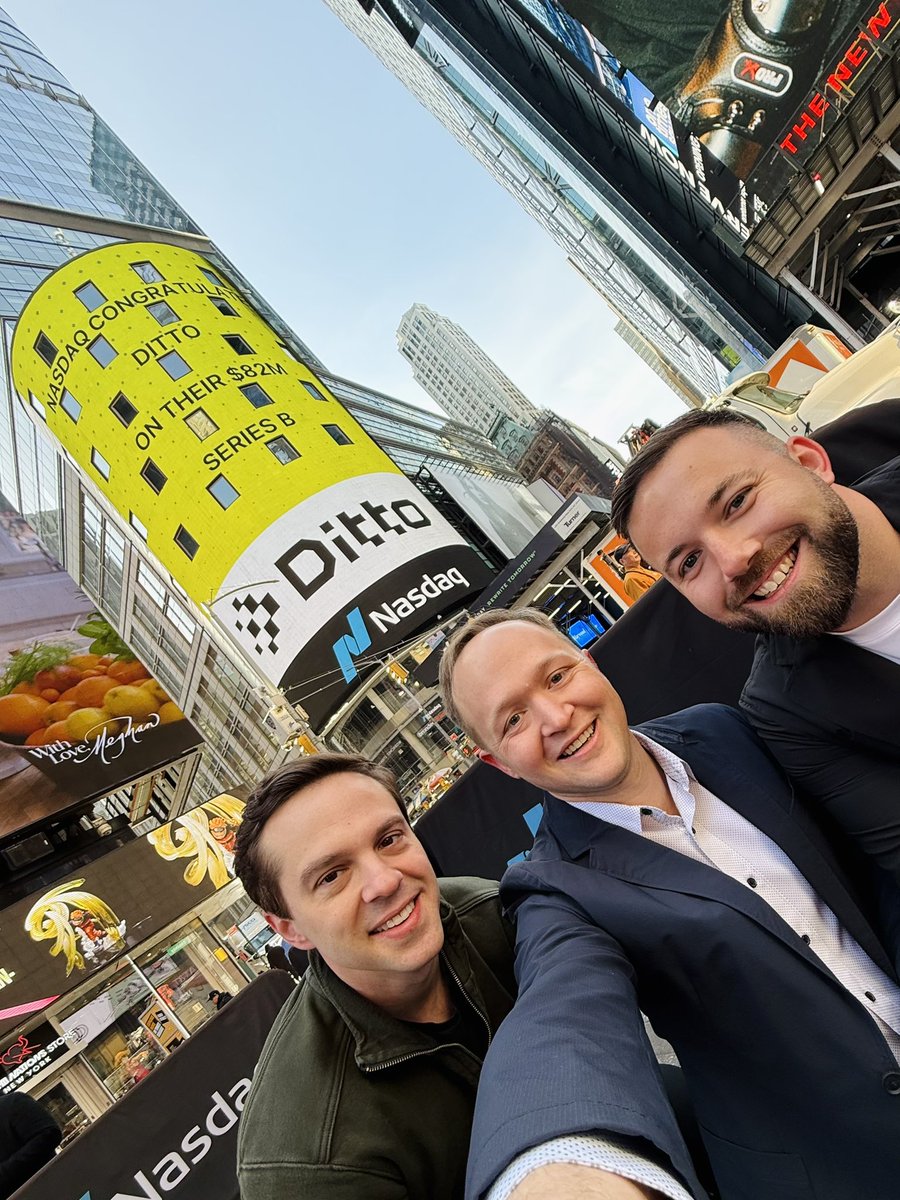
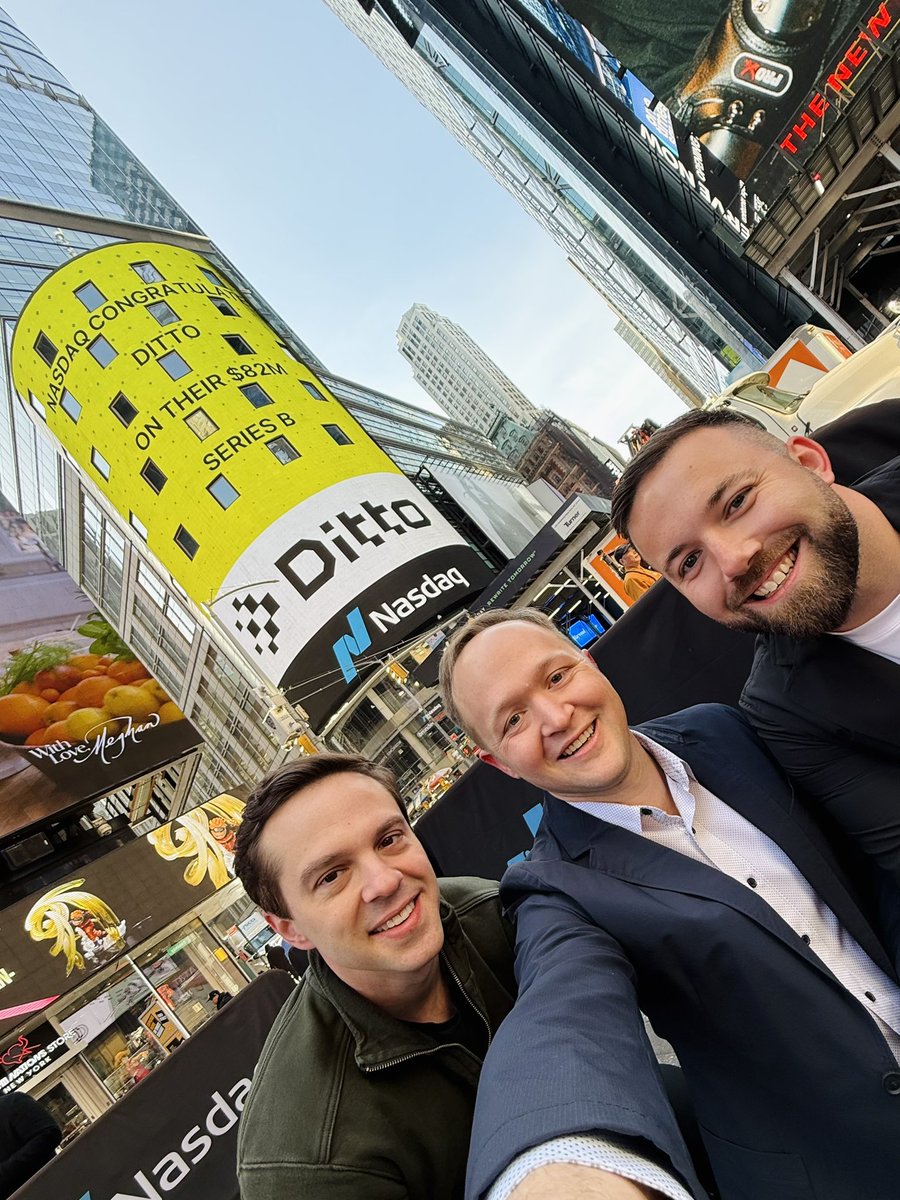
Proud day for @dittolive in NYC! https://t.co/TWHid4Hr8N
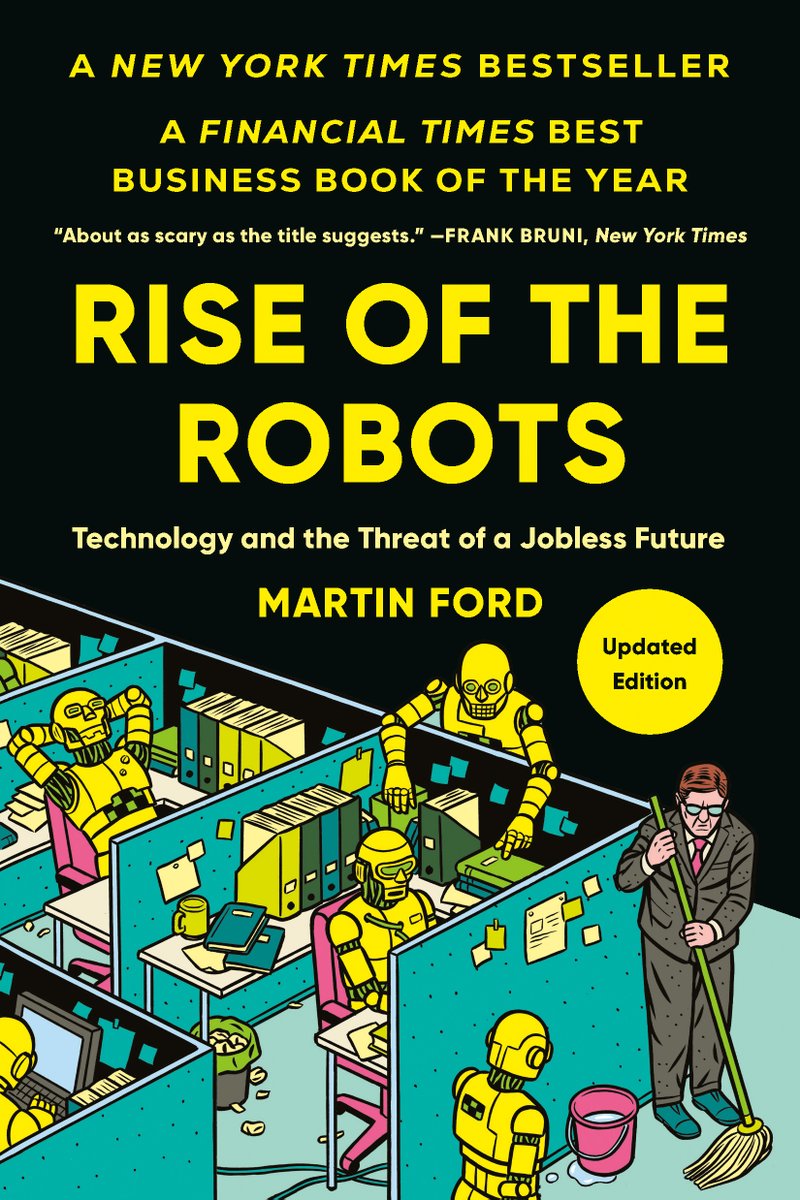
@theallinpod @Jason @DavidSacks New edition coming out on June 2: https://t.co/XxLiapVZRP
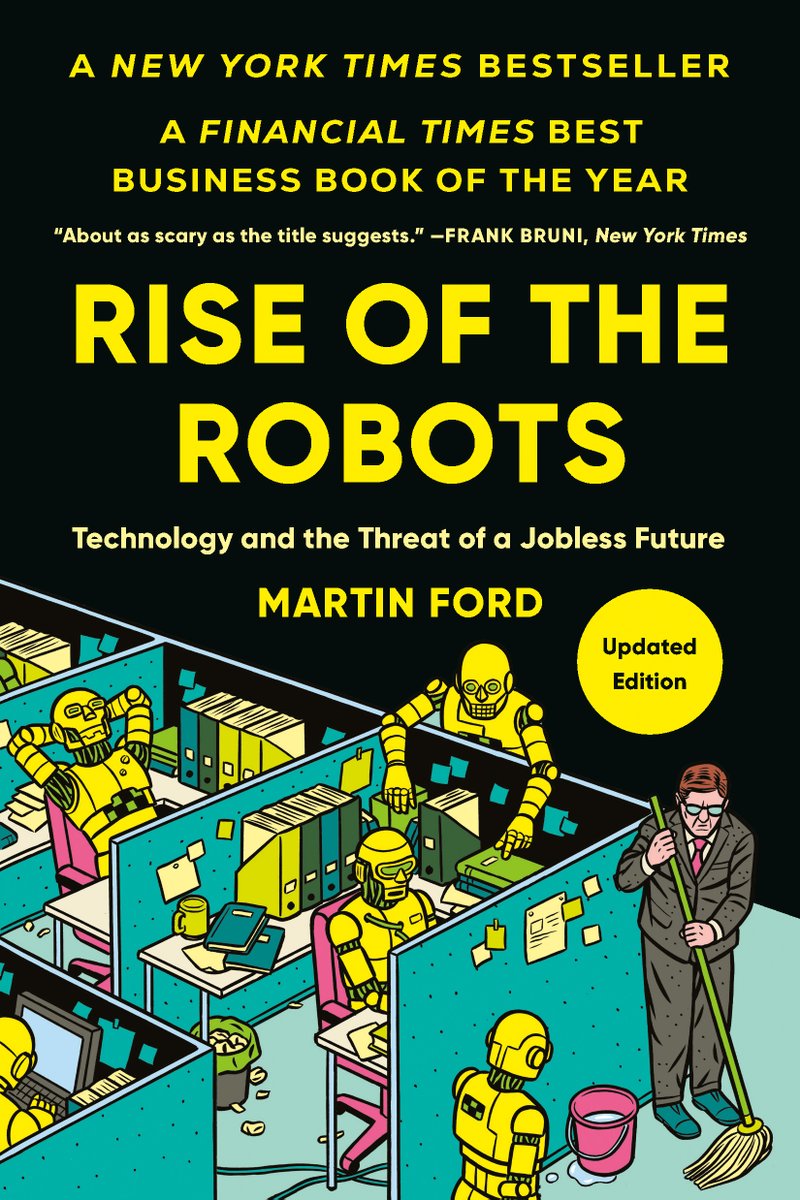
@TheEconomist New edition publishing on June 2 https://t.co/6zPNKYKaDr
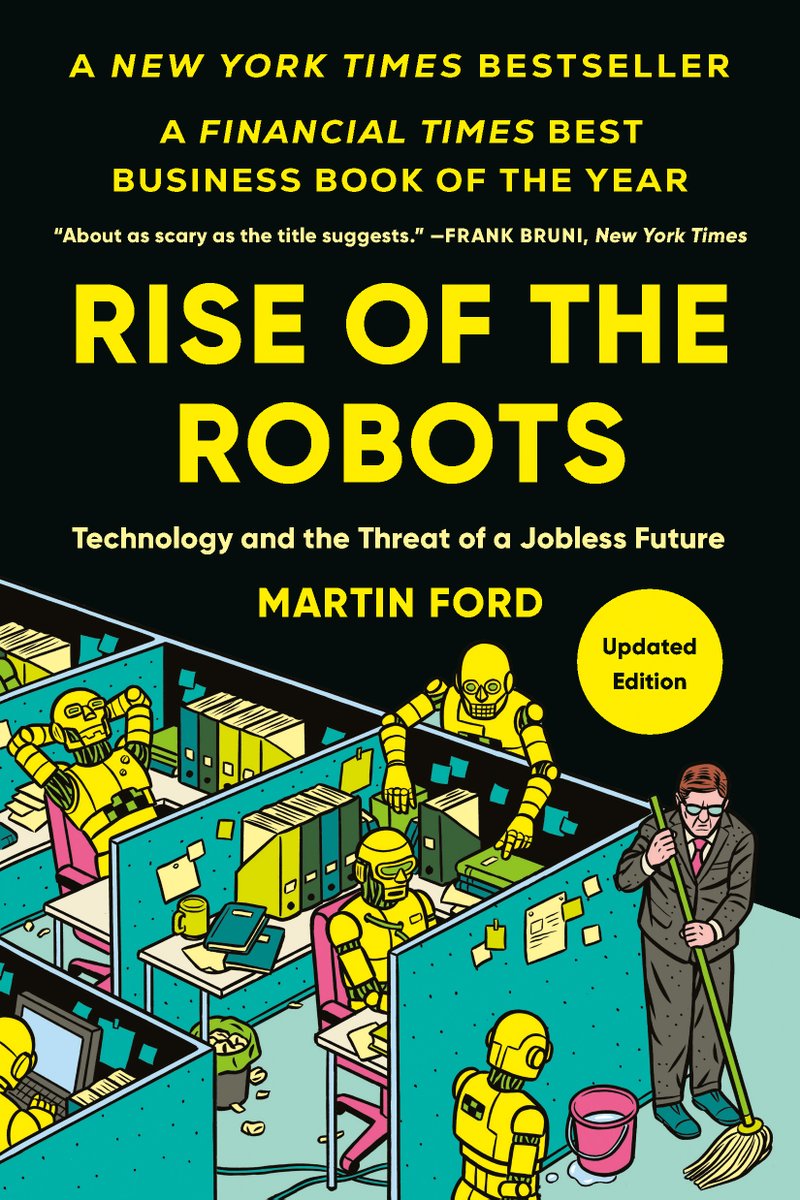
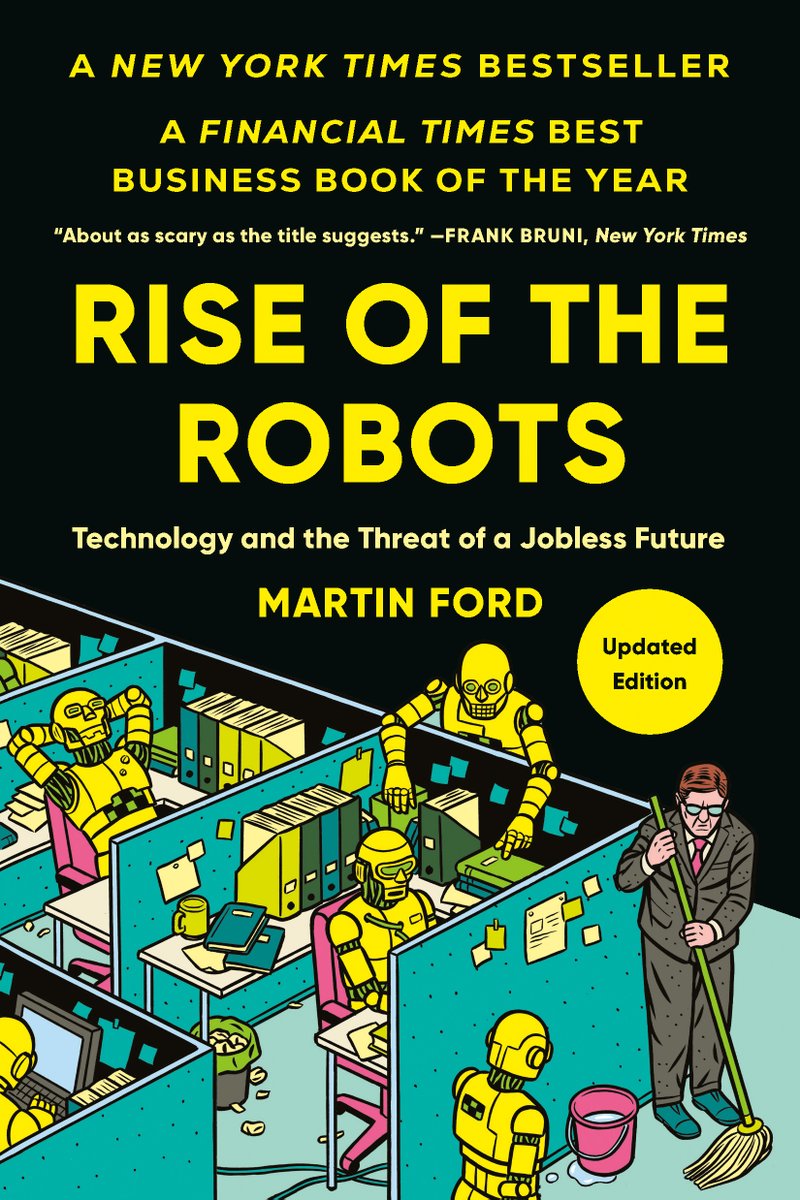
@axios The returns will arrive when #AI begins displacing highly paid white collar workers. New edition publishing June 2 https://t.co/hzGBMj0jnK
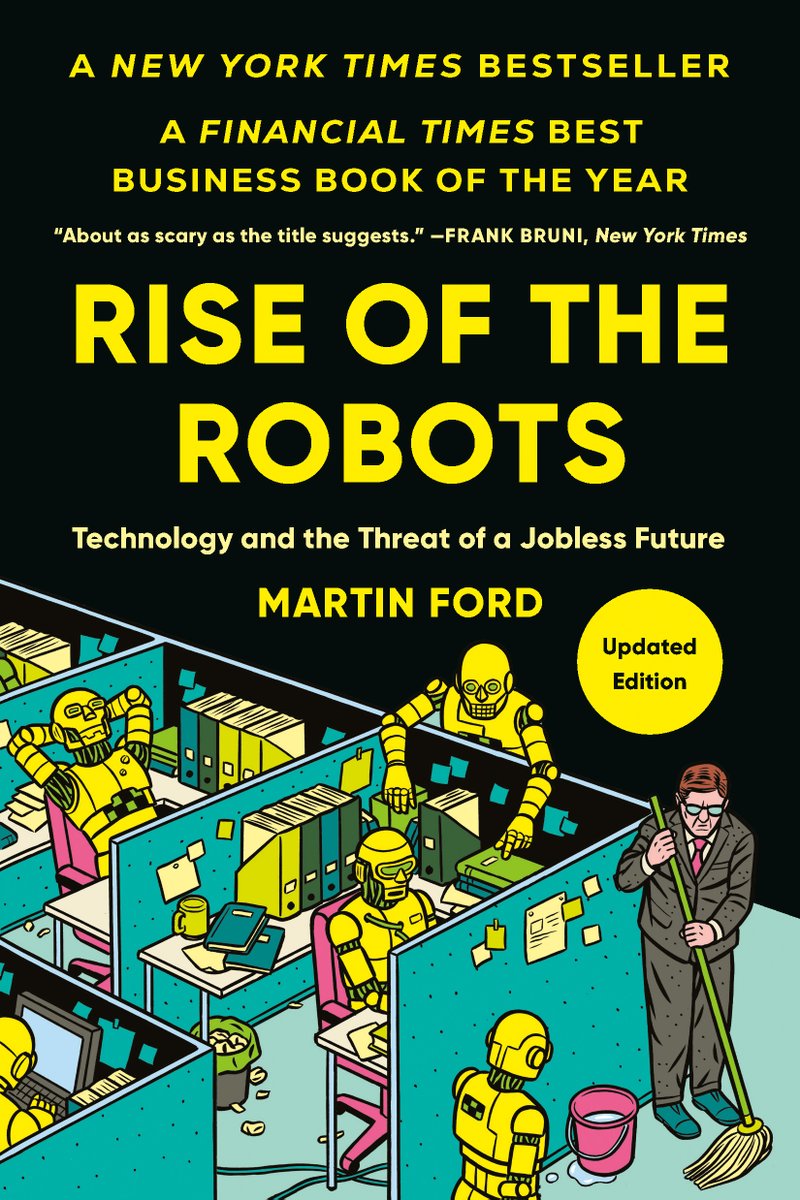
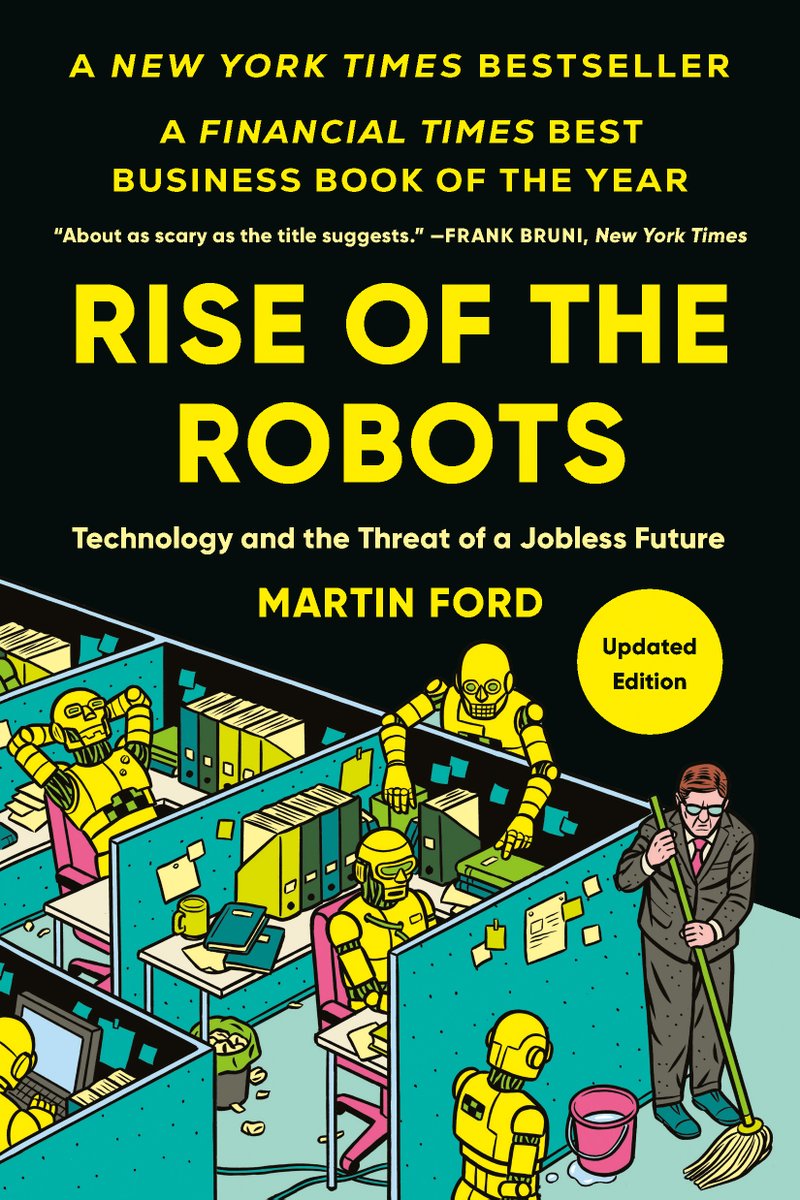
@zerohedge New edition publishing June 2 https://t.co/GS4dUv7b3k
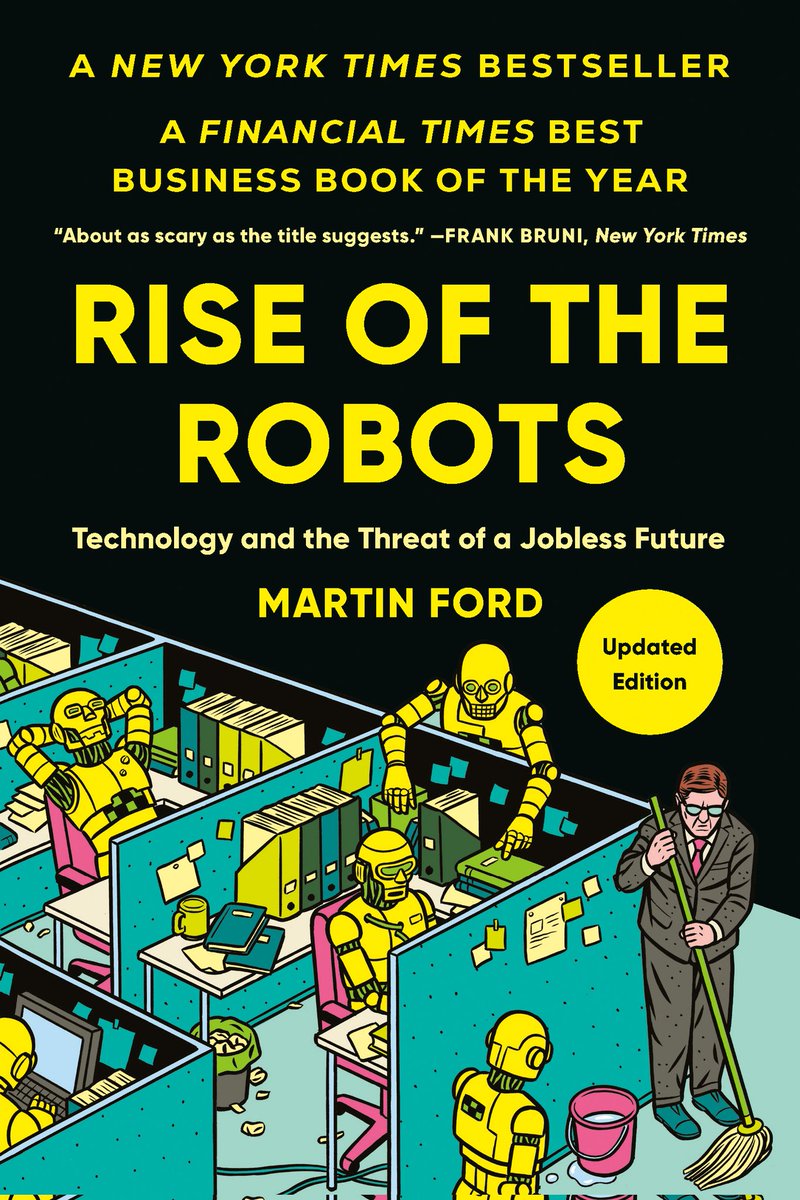
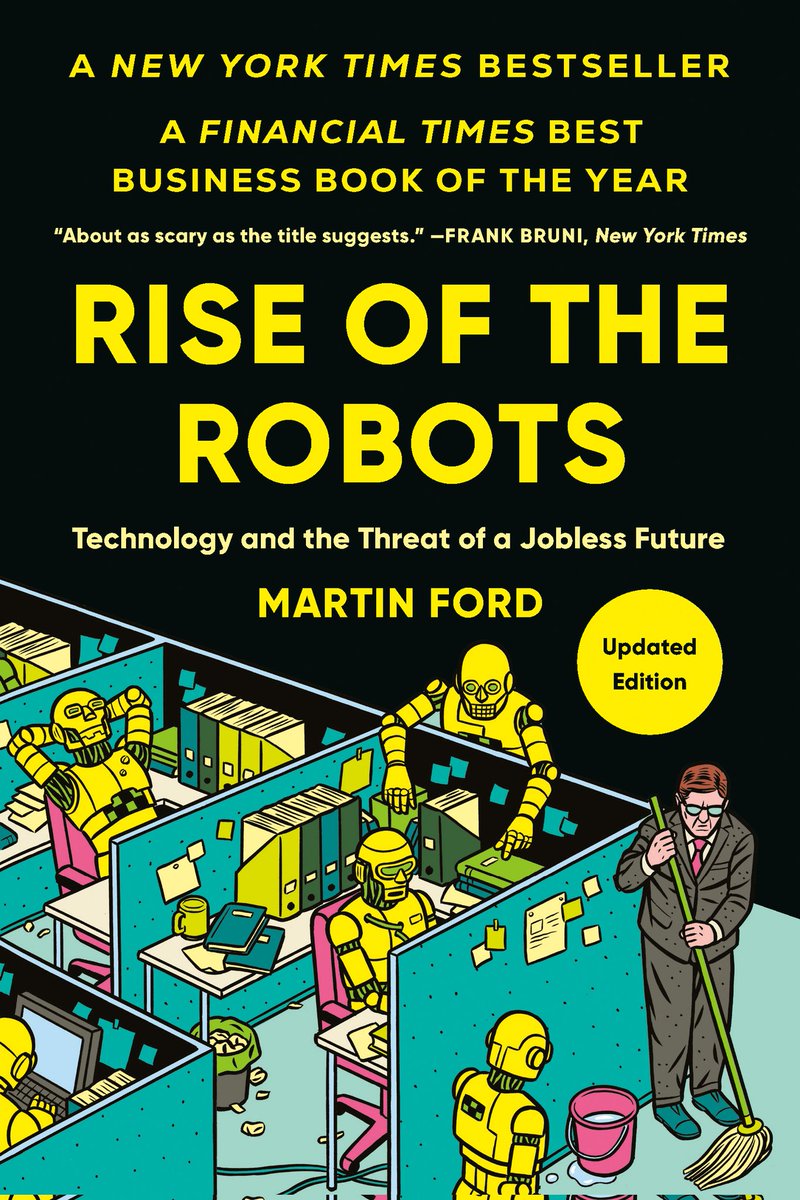
@FT New edition publishing on June 2. Extensively updated to cover the latest advances in #AI and robotics: https://t.co/VkAipOJuKx
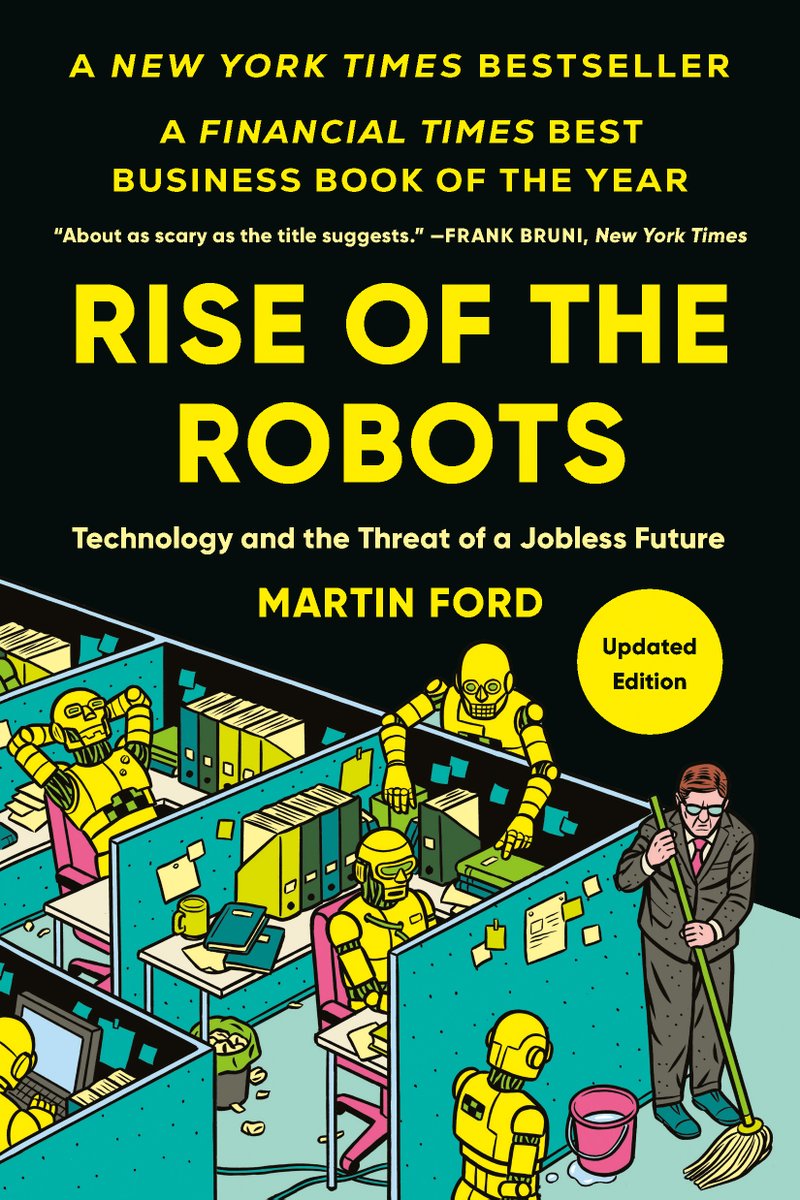

But surely if millions of jobs are lost to automation, that will have a dramatic impact on consumer spending. How can the economy grow at unprecedented rates if the demand side of the economy is collapsing? Are there any historical examples of a booming economy accompanied by elevated unemployment? New edition publishing on June 2:
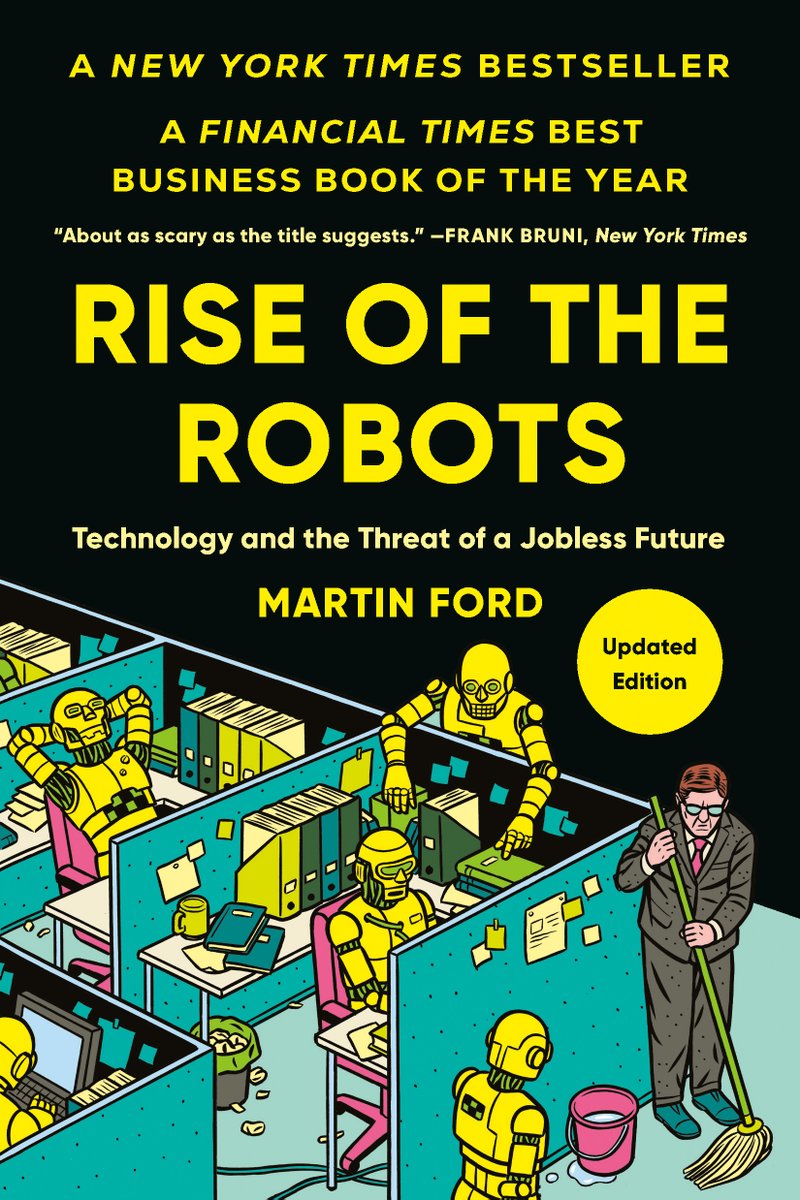
@jackcoder0 My book makes exactly this point. New edition publishing June 2 https://t.co/SdqOadk2ws
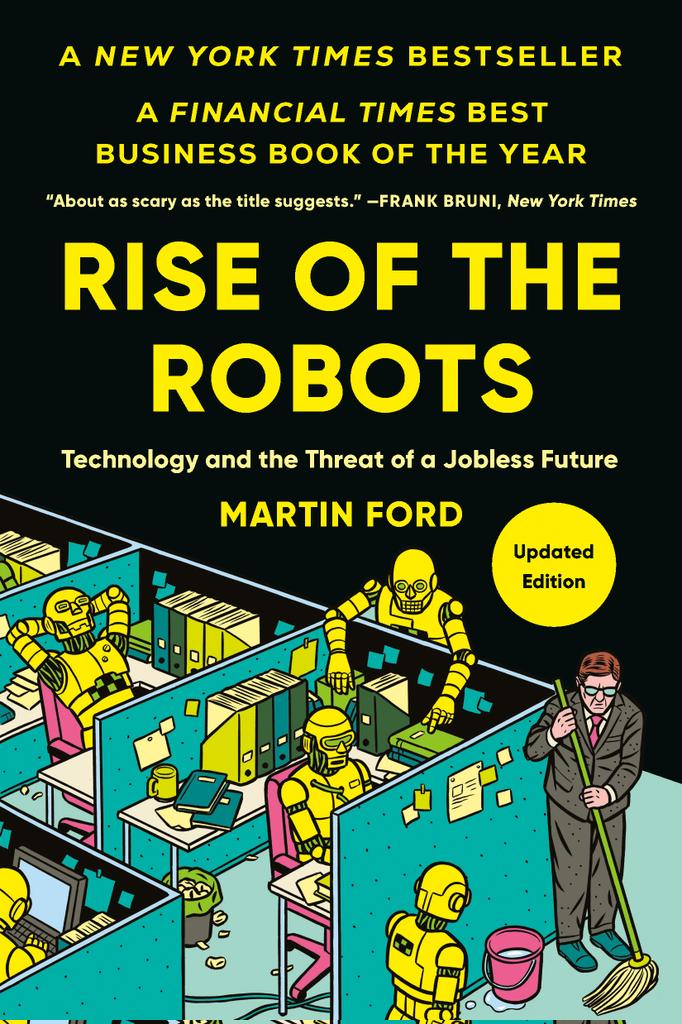
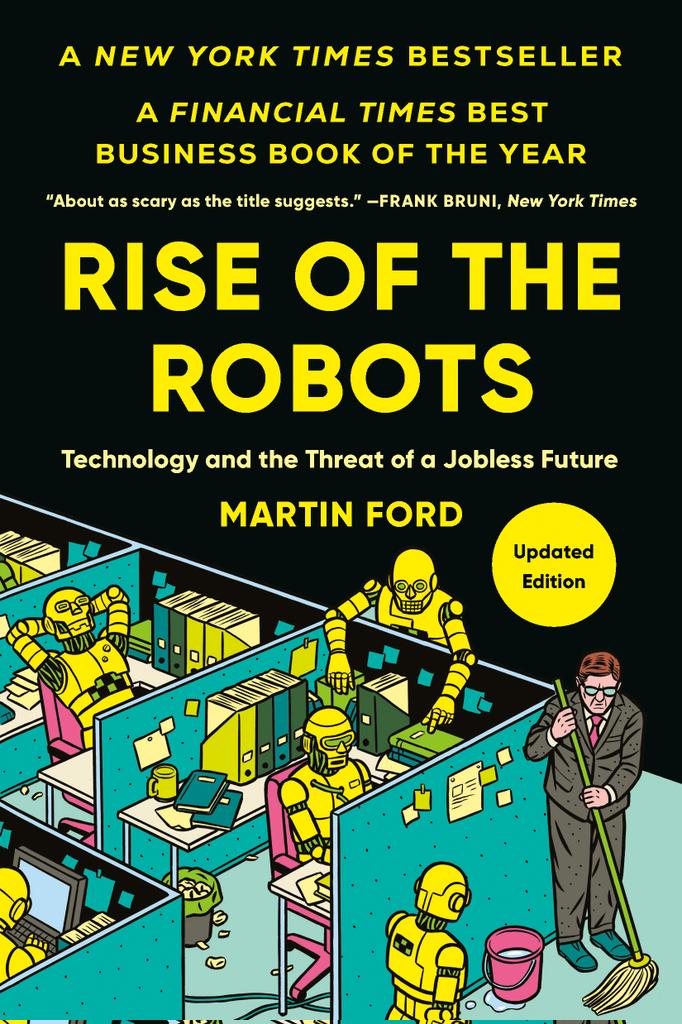
@MartinShkreli New edition publishing June 2 https://t.co/oKuyIad5r9
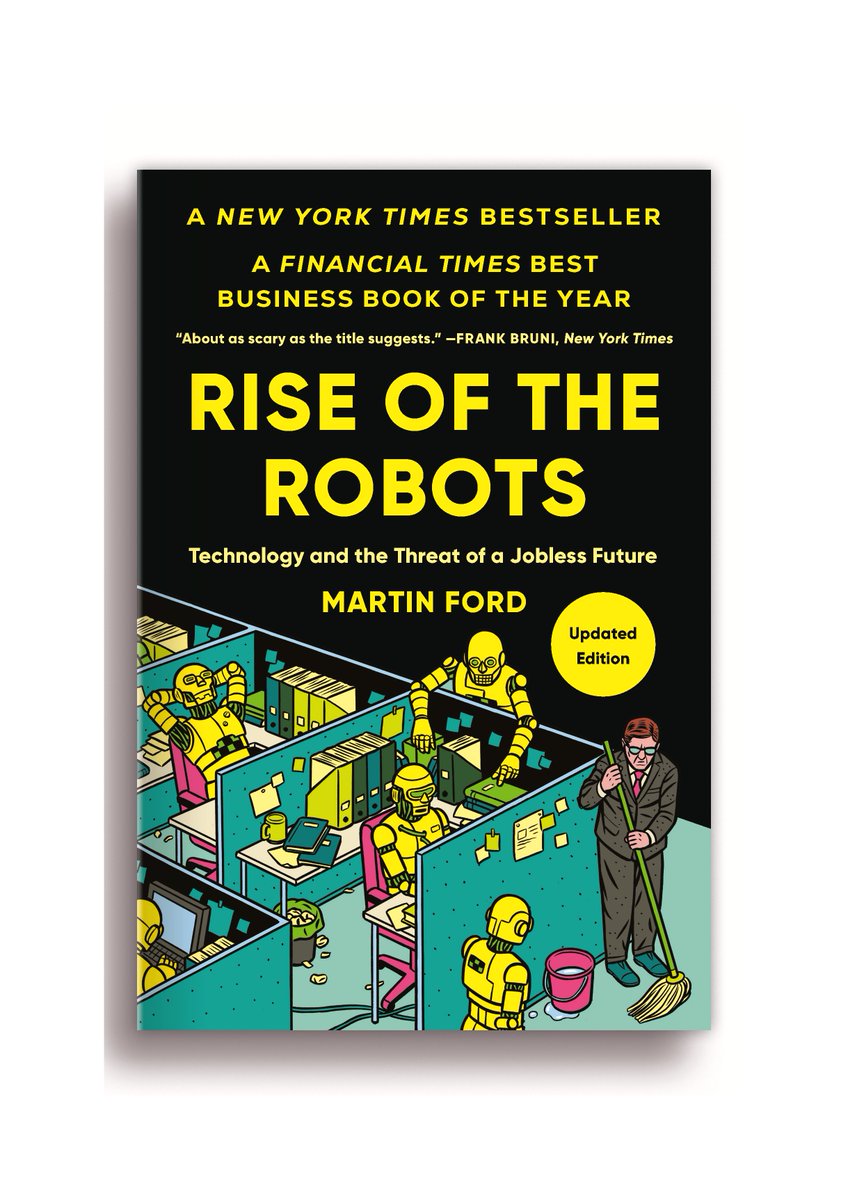
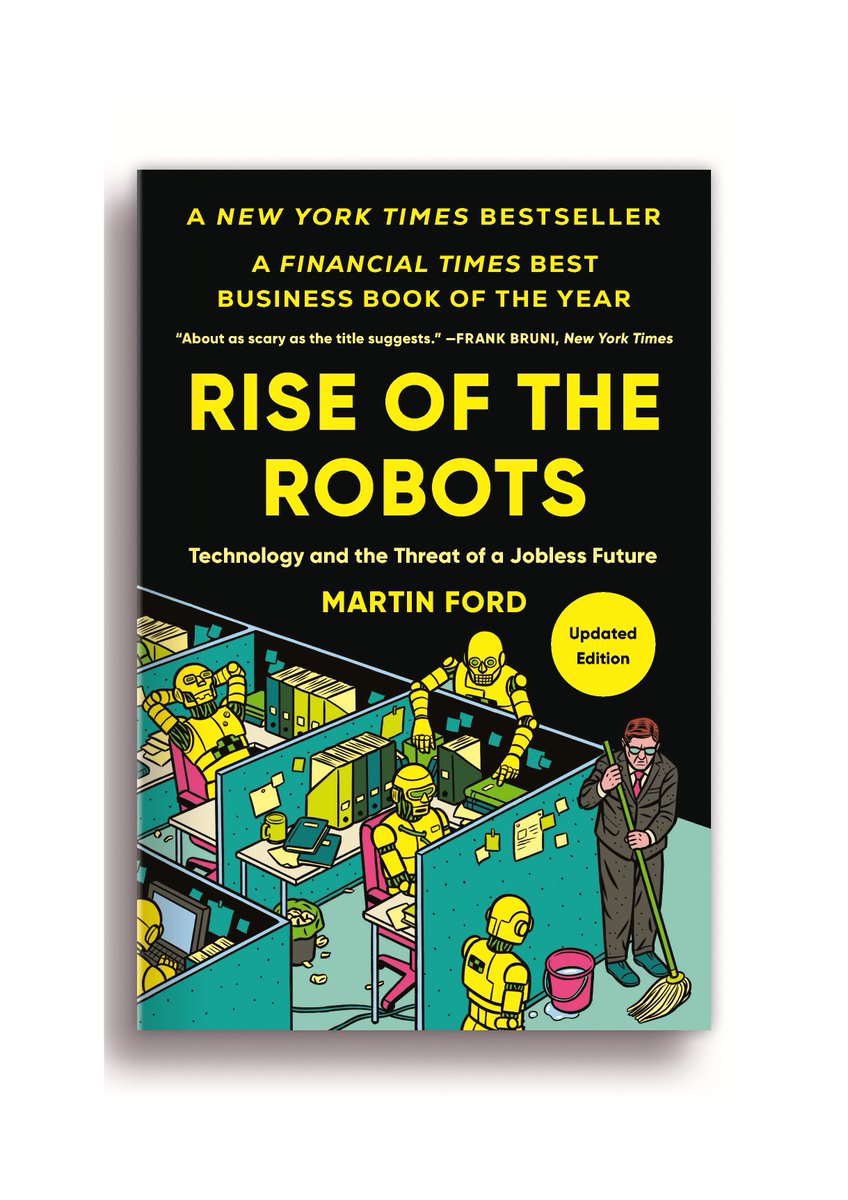
@DaveShapi New edition publishing June 2. Updated to cover the latest advances in #AI https://t.co/Xg3haRmx5I
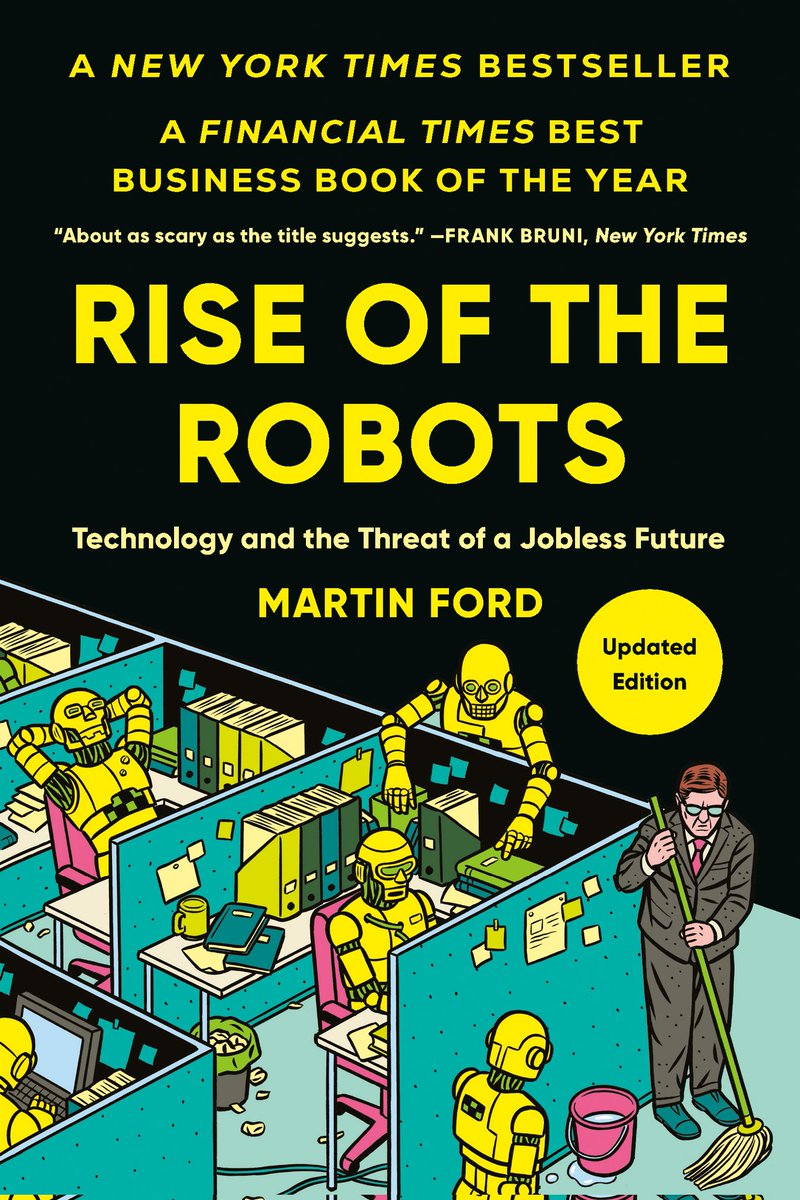
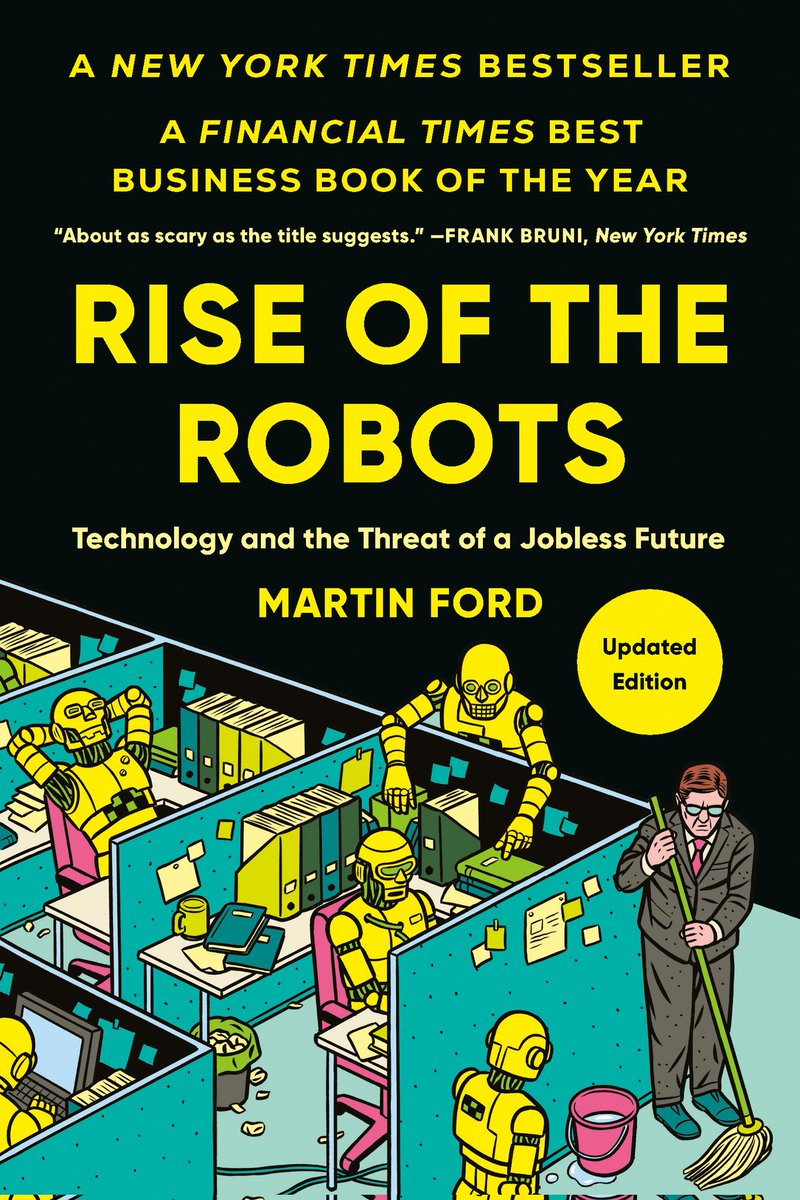
@sanjayuvacha My book makes a similar argument regarding the impact on consumer spending if jobs are lost to automation. Updated edition publishing on June 2: https://t.co/6baNlPg5bX
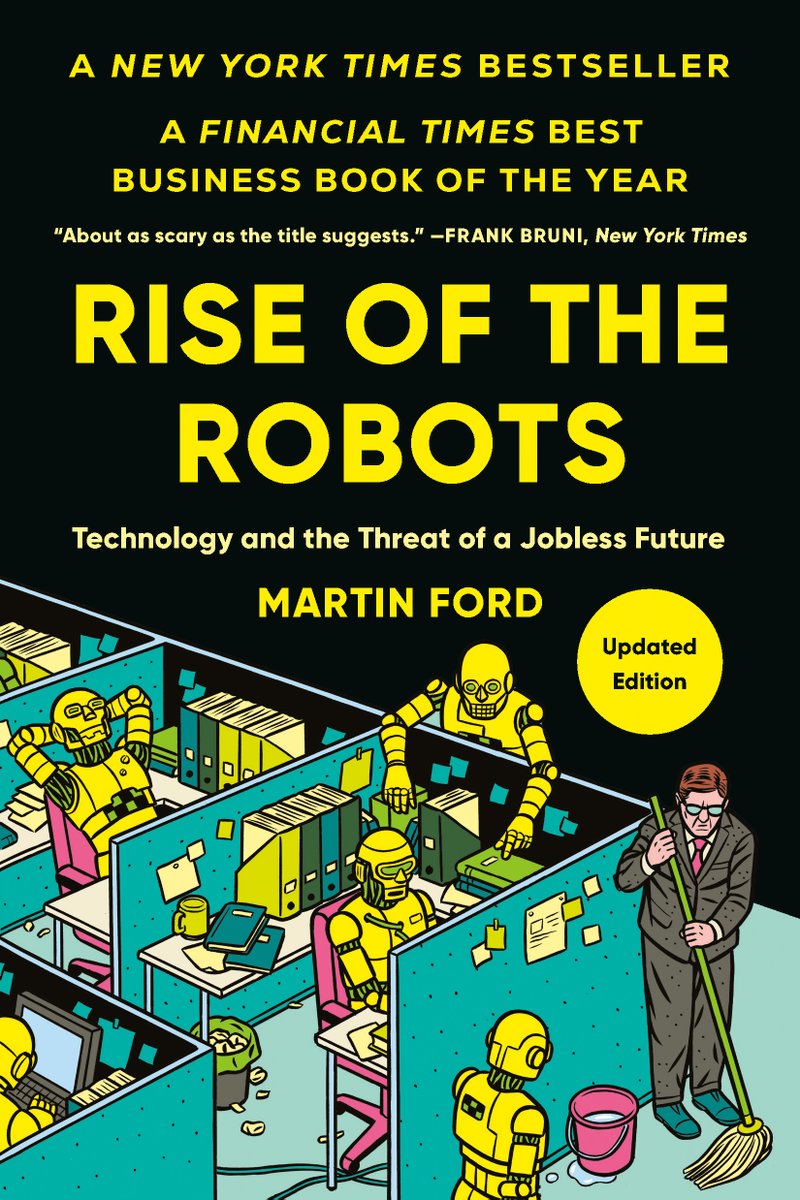
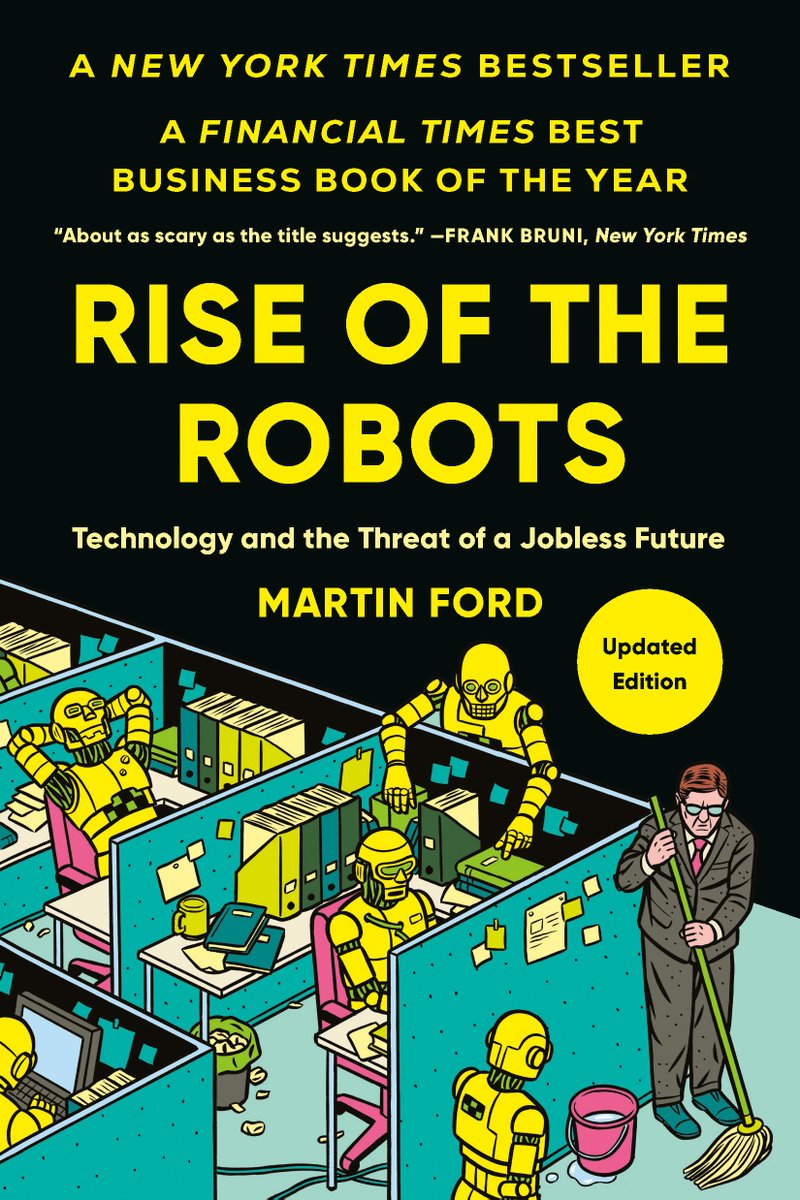
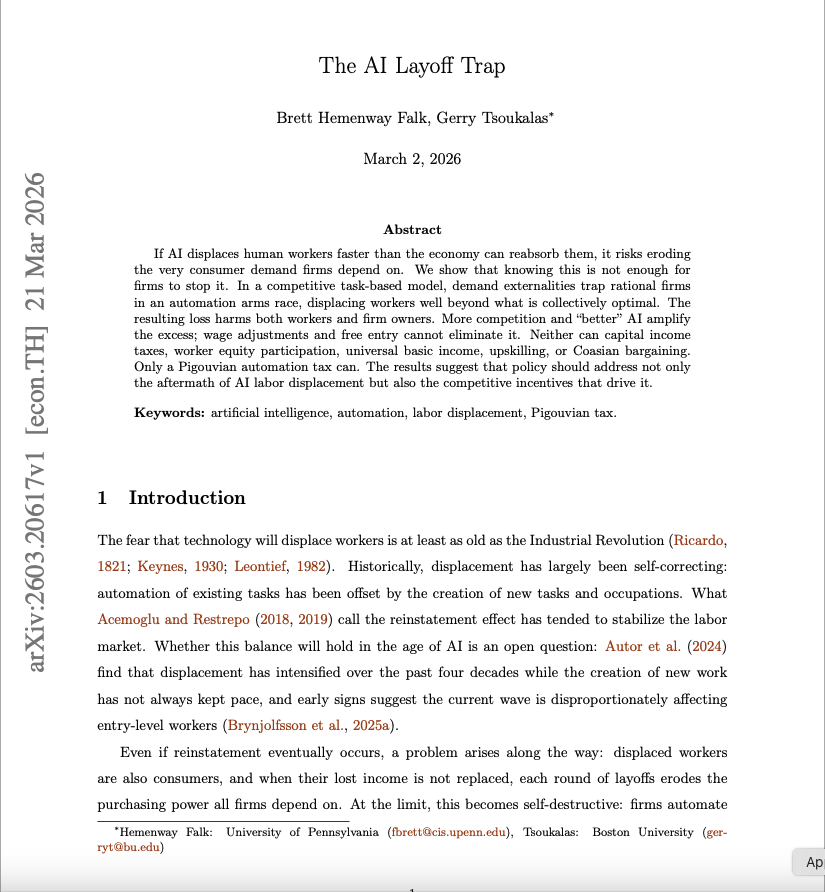
Two economists just published a mathematical proof that AI will destroy the economy. Not might. Not could. Will — if nothing changes. The paper is called "The AI Layoff Trap." Published March 2, 2026. Wharton School, University of Pennsylvania. Boston University. Peer reviewed. Mathematically modeled. The conclusion is one sentence. "At the limit, firms automate their way to boundless productivity and zero demand." An economy that produces everything. And sells it to nobody. Here is how you get there. A company fires 500 workers and replaces them with AI. A competitor fires 700 to keep up. Another fires 1,000. Every company is behaving rationally. Every company is following the incentives correctly. And every company is building a trap for itself. Because the workers who were fired were also customers. When they lose their jobs faster than the economy can absorb them, they stop spending. Consumer demand falls. Companies respond by cutting costs — which means automating more workers — which means less spending — which means more falling demand — which means more automation. The loop has no natural exit. The researchers tested every proposed solution. Universal basic income. Capital income taxes. Worker equity participation. Upskilling programs. Corporate coordination agreements. Every single one failed in the model. The only intervention that worked: a Pigouvian automation tax — a per-task levy charged every time a company replaces a human with AI, forcing them to price in the demand they are destroying before they pull the trigger. No government has implemented this. No major economy is seriously discussing it. Meanwhile the numbers are already tracking the curve. 100,000 tech workers laid off in 2025. 92,000 more in the first months of 2026. Jack Dorsey fired half of Block's workforce and said publicly: "Within the next year, the majority of companies will reach the same conclusion." Nobody is doing anything wrong. Companies are following their incentives perfectly. That is exactly the problem. Rational behavior. At scale. Simultaneously. With no mechanism to stop it. Two economists built the math. The math leads to one place. Source: Falk & Tsoukalas · Wharton School + Boston University ·
When railroads came along, many might have worried that horses would be displaced. But, in fact, trains increased demand for horses because they were needed to move people and cargo from the train station to the final destination. So horses seemed secure in the face of technological disruption! But then came cars, trucks and tractors. Suddenly horses could not compete because the internal combustion engine was better at nearly everything they could do. Consider the analogies: Railroad for horses == Computers for people Cars/trucks for horses == Advanced AI for people New edition of my book publishing on June 2:
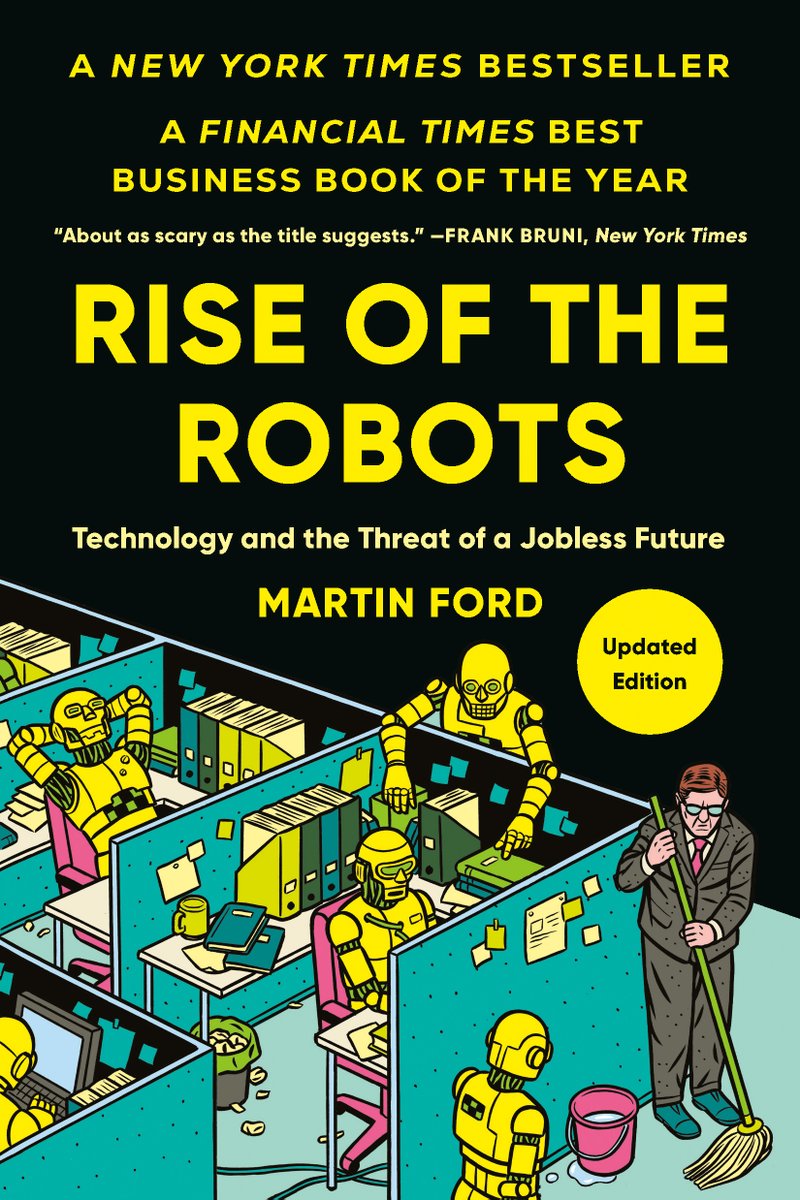
The new edition of "Rise of the Robots: Technology and the Threat of a Jobless Future" is now available! I have extensively updated the book to cover the latest advances in generative #AI and robotics and to examine the future economic and job market implications of the unfolding AI disruption. The book focuses on what we can do as individuals, and as a society, to successfully navigate the looming transition into the age of AI. Order from the link in the reply! @BasicBooks #RiseoftheRobots
I am an indie dev working on an anatomy pose reference app for artists. - Create custom poses - Customize the lighting - Switch between various anatomy models Would you use this for drawing? It is call HAELE 3D - Pose Studio Max. https://t.co/26GMnypbhq
Supabase has raised 500M series F at 10B valuation! This is all thanks to the amazing community we have, and we will continue striving to deliver the best developer platform in the world! https://t.co/7Z6tXZjPwx

🚀 The team at @Google just released the Agents API, a service for building and running custom agents inside a sandboxed Linux environment, and we built a template that gives these agents access to LlamaParse / LiteParse, enabling them to process unstructured documents automatically 📄⚡ Here’s how it works: 🔹 Configure a Git repository where data and outputs will be stored 🔹 Clone the repository into the agent sandbox 🔹 Install the LiteParse CLI, the LlamaParse SDK, and agent skills to use both 🔹 Prompt the agent with a task and watch it process documents autonomously 🤖 The result? An agent that can work directly with messy, real-world documents using LlamaParse and LiteParse within Google’s new agent runtime. Check out the GitHub repository: https://t.co/csJtQC7eu4 Get started with LlamaParse: https://t.co/wZjhFV1Brf
We're live at @googleio! Thanks, @OfficialLoganK for the shoutout in the developer keynote. Lots of exciting features comining to the @GeminiApp API🔥 and we're exciting to provide the document infrastructure for Google ecosystem builders. https://t.co/sv2xM2Jh0V
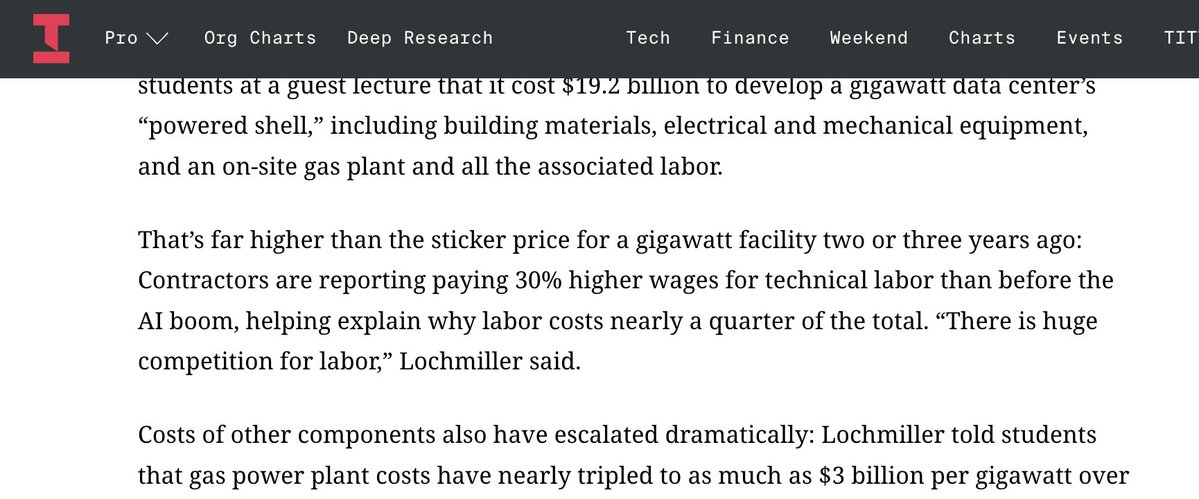
new: cost of developing OpenAI's Stargate & other AI data centers is going📈📈📈 https://t.co/n4uNWLBuCN
Part 1 of my "Pro-Human Manifesto" is now out! I'd love to know what you think. Link below. https://t.co/HKjKrCYra1
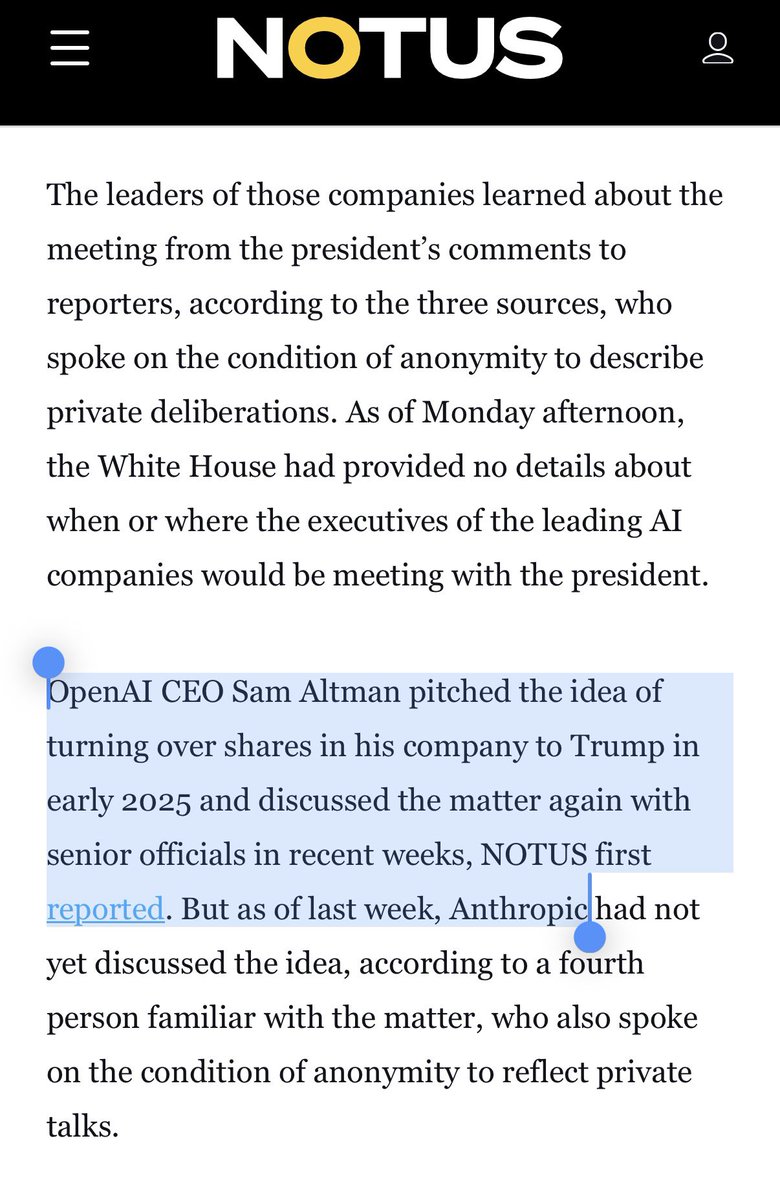
🚨 TRUMP’S AI NATIONALIZATION WAS SAM ALTMAN’S IDEA Trump: “I have spoken to ALL of them” >ai companies had no idea this was happening >they learned about this from the news >anthropic says they haven’t discussed it Turns out it was Altman who pitched equity stake idea to Trump in early 2025: >he has been privately lobbying for nationalization ever since >he discussed it again with senior officials in recent weeks Scam Altman strikes AGAIN.

a lot of fools and a lot of money shall soon be parted. https://t.co/4FSNItYQG4


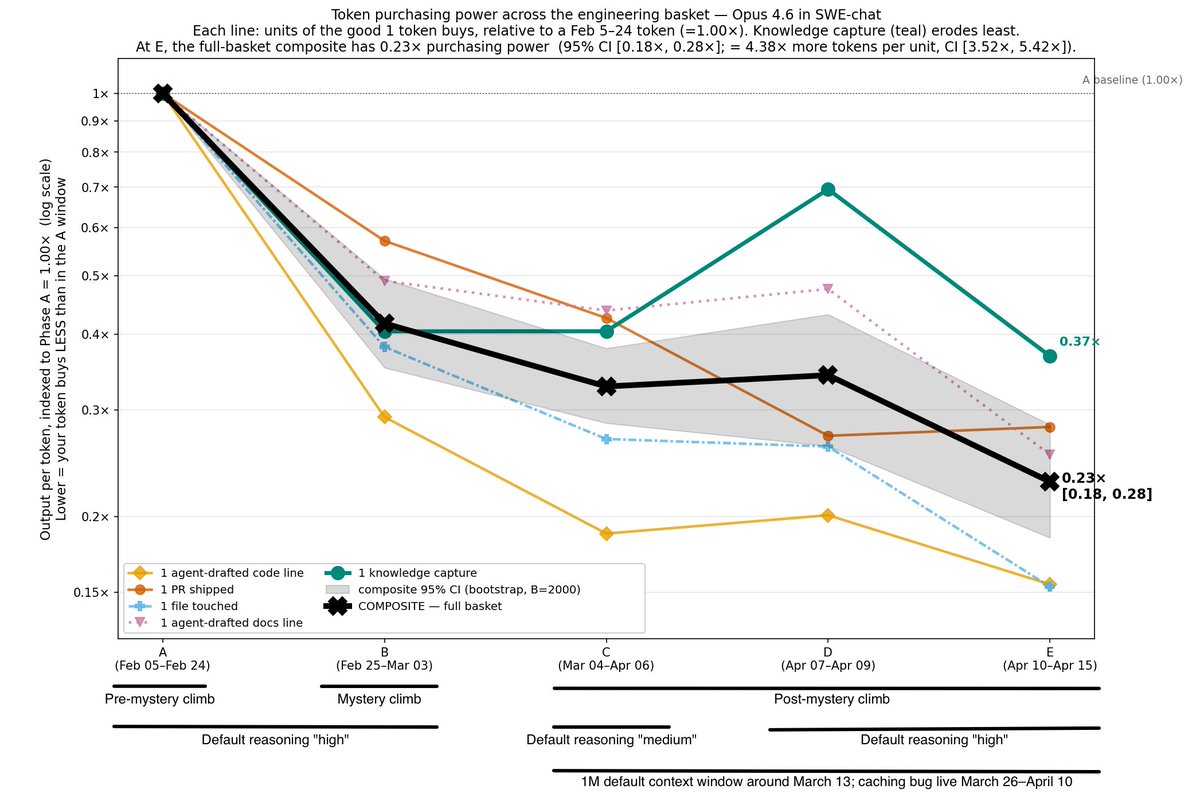
Does a token buy you more or less now than it did a few months ago? We built a consumer price index (CPI) for AI coding output from Anthropic's Opus 4.6 model in SWE-chat, Feb 5–Apr 15, 2026. What we find looks like tokenflation: https://t.co/mShMFHRbY5
🚨BREAKING: Jensen Huang just DECLINED Sen. Warren's invite to testify Thursday >Sen. Warren: You must testify under oath about NVIDIA's China sales >Jensen Huang: NO https://t.co/Eg7SX4kkpH


"Korean founders move fast, build with conviction, and don't wait for permission." 🫰 The energy at AWS Seoul Summit was incredible. Law&Company's SuperLawyer, powered by Bedrock, achieved 97.2% efficiency and won the Global LegalTech Awards. They are the first Korean company to do so.
Made in Seoul with AWS: Jaesung Jung, Co-founder & Deputy CEO, Law&Company. By building and running core services on AWS, this legal tech startup is helping lawyers work efficiently and productively. Competition is intense in Seoul! Jung discusses the benefits of Amazon Bedrock and the opportunities and challenges of operating in such a fast-moving city.
Seeing is no longer believing. Reality Defender (@DetectDeepfakes) is stepping in. Reality Defender is leading a cultural shift, helping businesses detect deepfakes in real time across voice and video. Built on AWS, the startup is scaling trust and security for financial institutions, governments & global organizations navigating the AI era.
We cooked. We ate. Literally (and figuratively). @Techweek_ in Boston had us sharing insights, ideas, and culinary experiences. At this exclusive Chef's Table event, startup founders and leaders were joined by award-winning celebrity chef Karen Akunowicz for an evening of connections, conversations and hands-on pasta-making. Sherry Karamdashti, GM of North America Startups at AWS, shares why moments like this matter and what founders are really thinking about right now.
Made in Seoul with AWS: Minyong Lee, CEO & Founder, Grey Box. In Seoul, “the pace is high and everything is local,” helping this startup connect with customers and innovate at speed. Minyong Lee shares his experience of building on AWS and growing a business in such a dynamic city.
It's never been faster for a startup to go from idea to revenue. Today, we're building on that momentum. Introducing AWS Startup Advisor + AI-powered migration. Built exclusively for founders. https://t.co/rJ9xqHvyGq
At @Techweek_ in New York, our AI Visionaries Forum brought together founders, VCs, and execs who are building the next generation of AI systems. These systems are ones that learn and improve in production, not just in the lab. We heard from the founders of @edra_ai and @ElorianAI on how they're scaling these systems, and got the investor take on why speed of improvement is becoming the defining metric for success. Amrita Sarkar, Frontier AI Startup GTM Leader at AWS, shares what's shifting and why it matters.