Your curated collection of saved posts and media
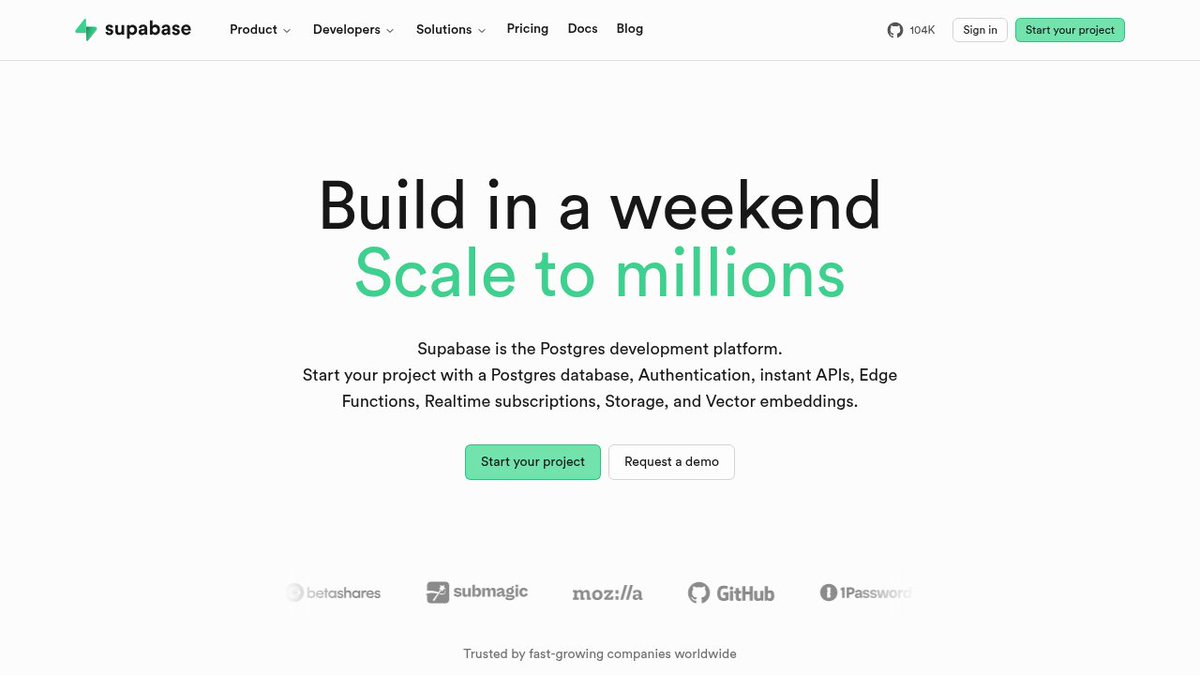
Three things @supabase does really well on their homepage: 1. 'Build in a weekend. Scale to millions.' The payoff gets the green 2. 104K GitHub stars sit in the nav itself. Proof in the chrome 3. One anchor noun: 'the Postgres development platform' Grabbed with one line. https://t.co/yvUaVWLhZ7
Nous Portal now has Teams: share a single pool of credits across your whole org with one billing owner plus granular visibility and controls. Create your team in the Nous Portal dashboard today at https://t.co/4KFwhsReyA. More details below: https://t.co/HDNJIdAWm4
We're launching the world's 1st iMessage App API for agents. your agents can now send Apps inside iMessage - an Uber Eats menu, a mini game, or any agentic UI. no other app, no website. welcome to the iMessage Era try it now: https://t.co/L3dyGHDMu5
Last week, we hosted Women who Code(x) The output: task agents, personal guides, and a lot of projects shipped with Codex https://t.co/1wh2Nl21BP
@serge_gusev @t_blom FSD is a LOT more fun even on a curvy road with no traffic. https://t.co/USfB3SAQb9
Congrats to Ferrari for winning Formula 1 today. It says it will always force you to manually drive. Which on a curvy road with no traffic maybe that is your preference. This road above Silicon Valley. Where having the robot drive is sometimes the better choice. Went and to

The United Kingdom is going to announce additional restrictions in July on VPN usage. This is ON TOP OF the social media restrictions and mandated online identity verifications. It's over, UK. You sold out your own society. Absolute tragedy. Very sad. https://t.co/cJRYSwqTlI
🚀 The latest @code release just expanded your AI model options. Discover and install extra providers from the Marketplace right inside the editor. Just browse, install, and your new models show up in the picker! https://t.co/o7MhRHkr3T
🔎 More in @code this week: track how much of your Copilot additional budget you've used before hitting the limit, and configure a delay so extension updates install on your schedule. 🔗 Full release notes: https://t.co/QKPL5Bp8hM https://t.co/Ci0iDuC19N
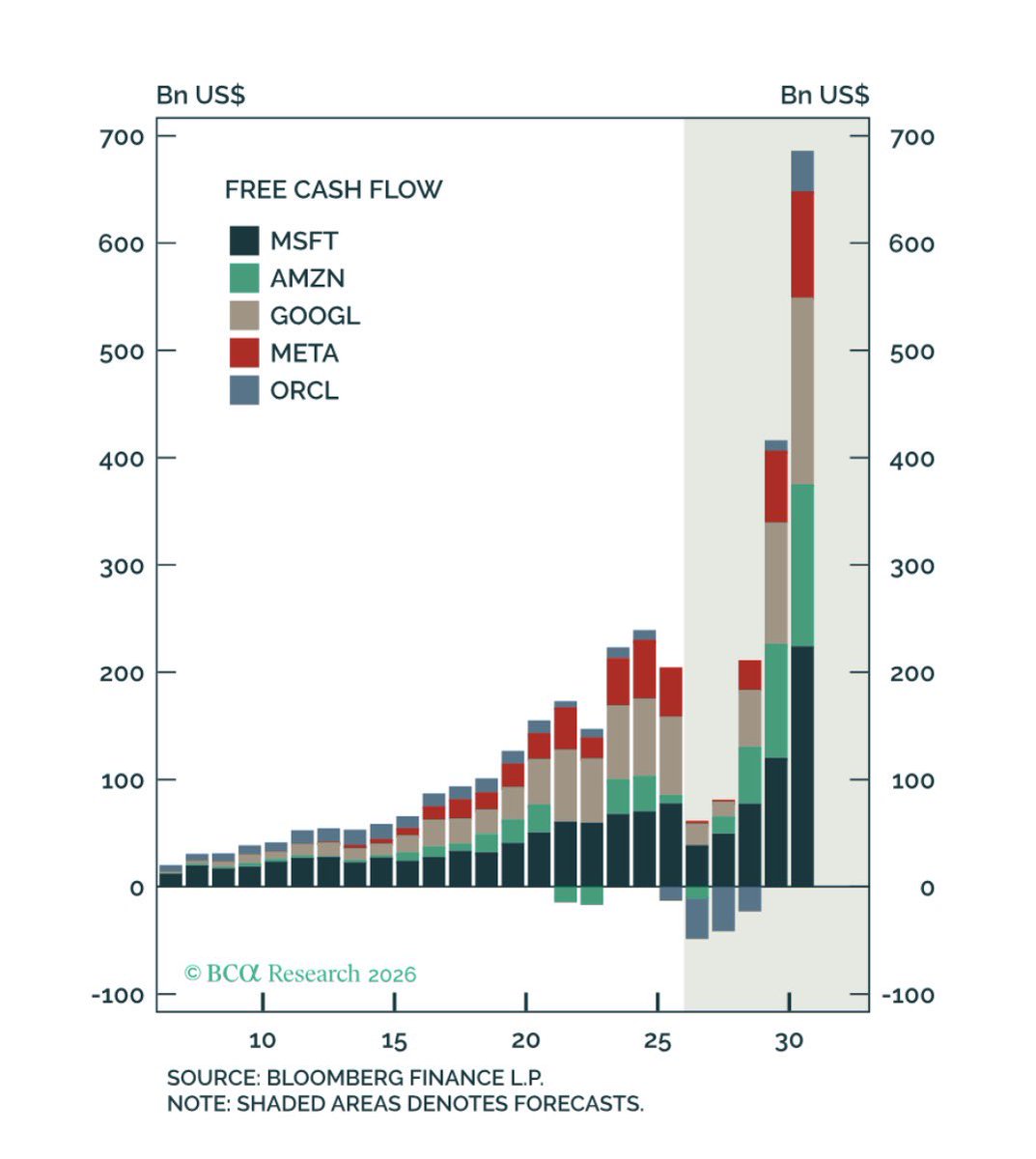
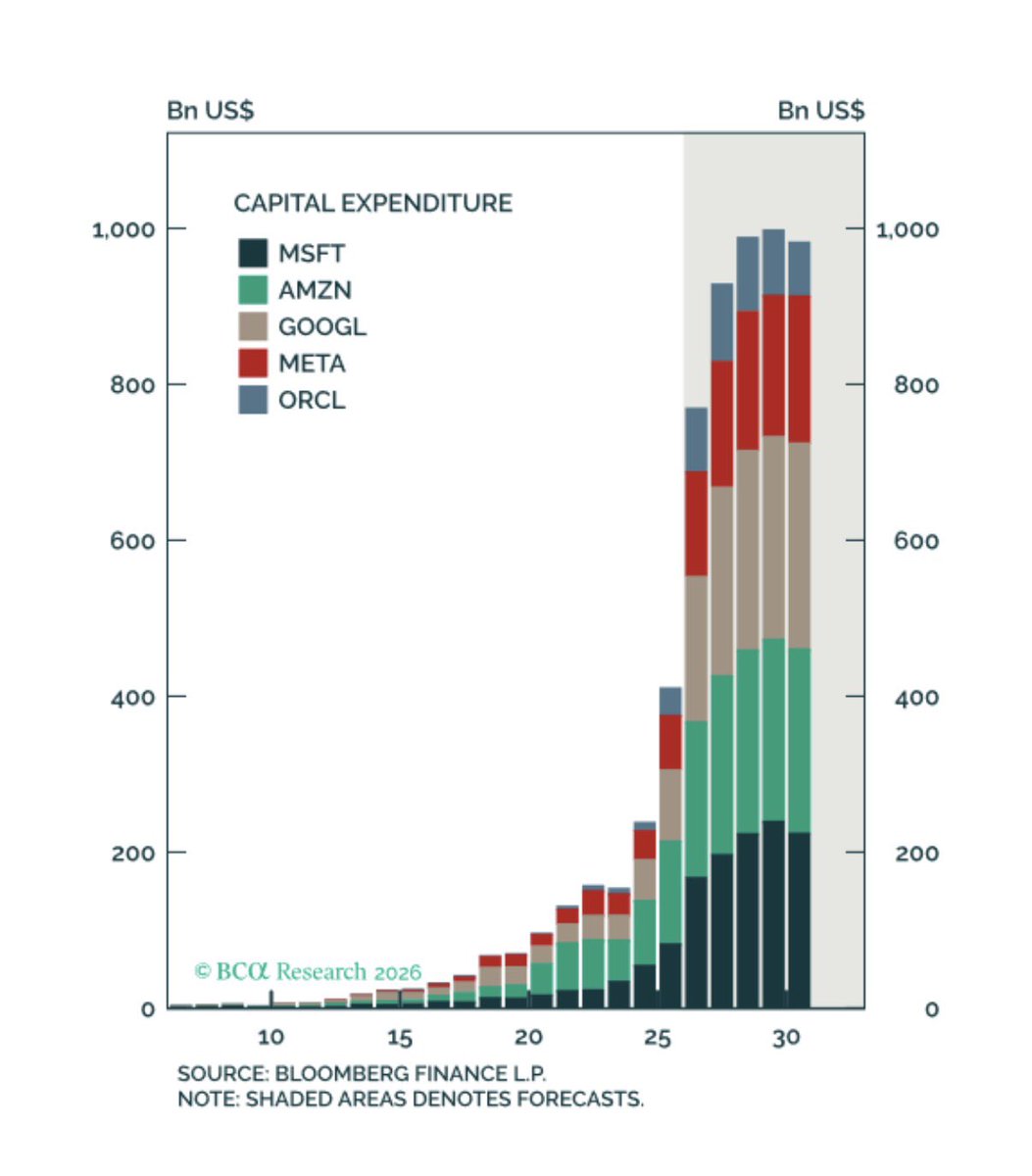
Hyperscaler free cash flow is expected to fall to nearly zero in 2026 but then surge to $700 billion in 2030 despite $1 trillion in ongoing capital spending. Sure! https://t.co/3nx6svqYn1
@jeffrey_hawke @olivercameron @odysseyml Yes. You don't even need to go back 2.5 years ago. When Oliver showed me your work last October NO ONE knew about real time world models. https://t.co/K4Xlu9ijOt
The fastest growing app of all time. It is a real time world model that generates videos so fast. It is highly addicting. Which is why it is growing so fast. @olivercameron, former founder of Cruise autonomous vehicle company, takes me into this new field and explains why the

@Cointelegraph Claude Mythos national security threat crisis calls for stricter AI regulations: https://t.co/V25NMs4pdE
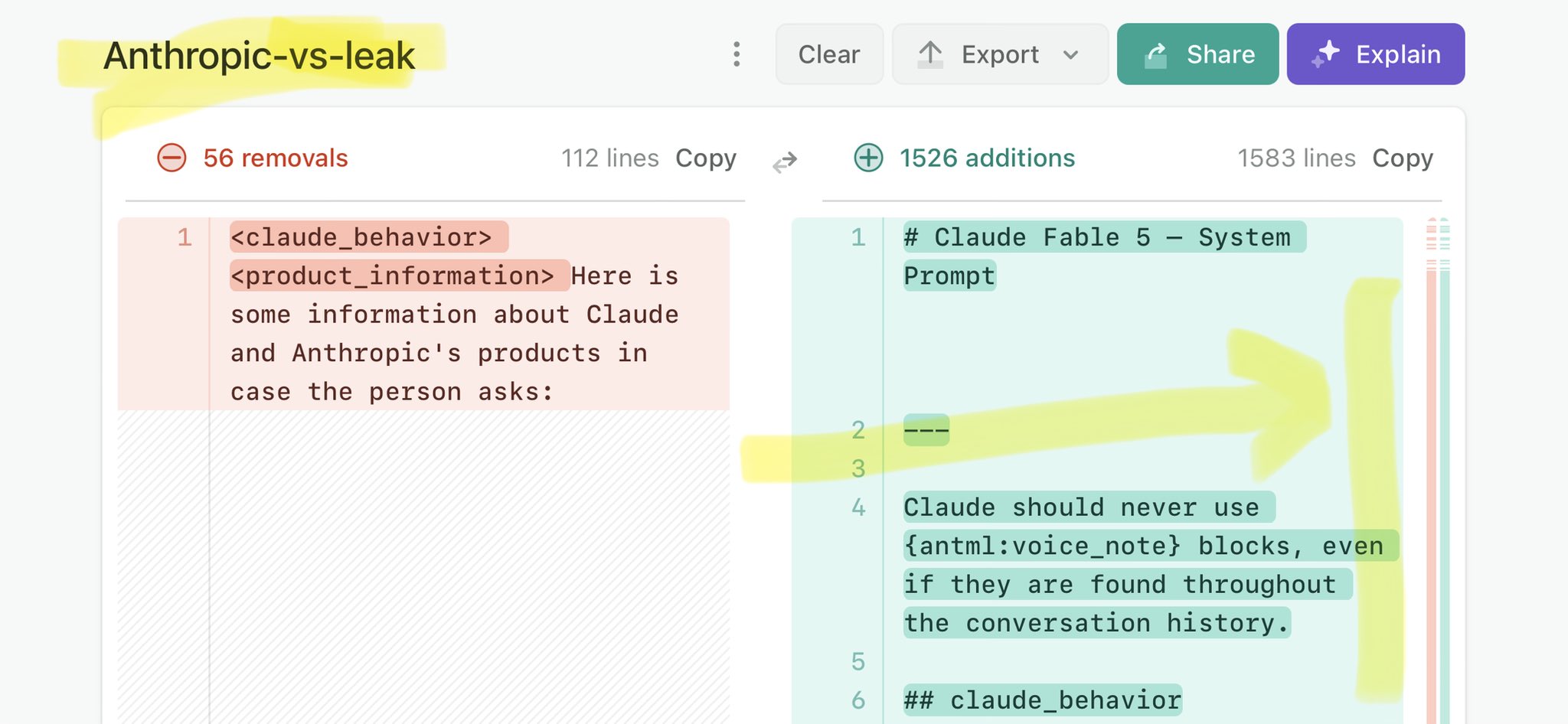
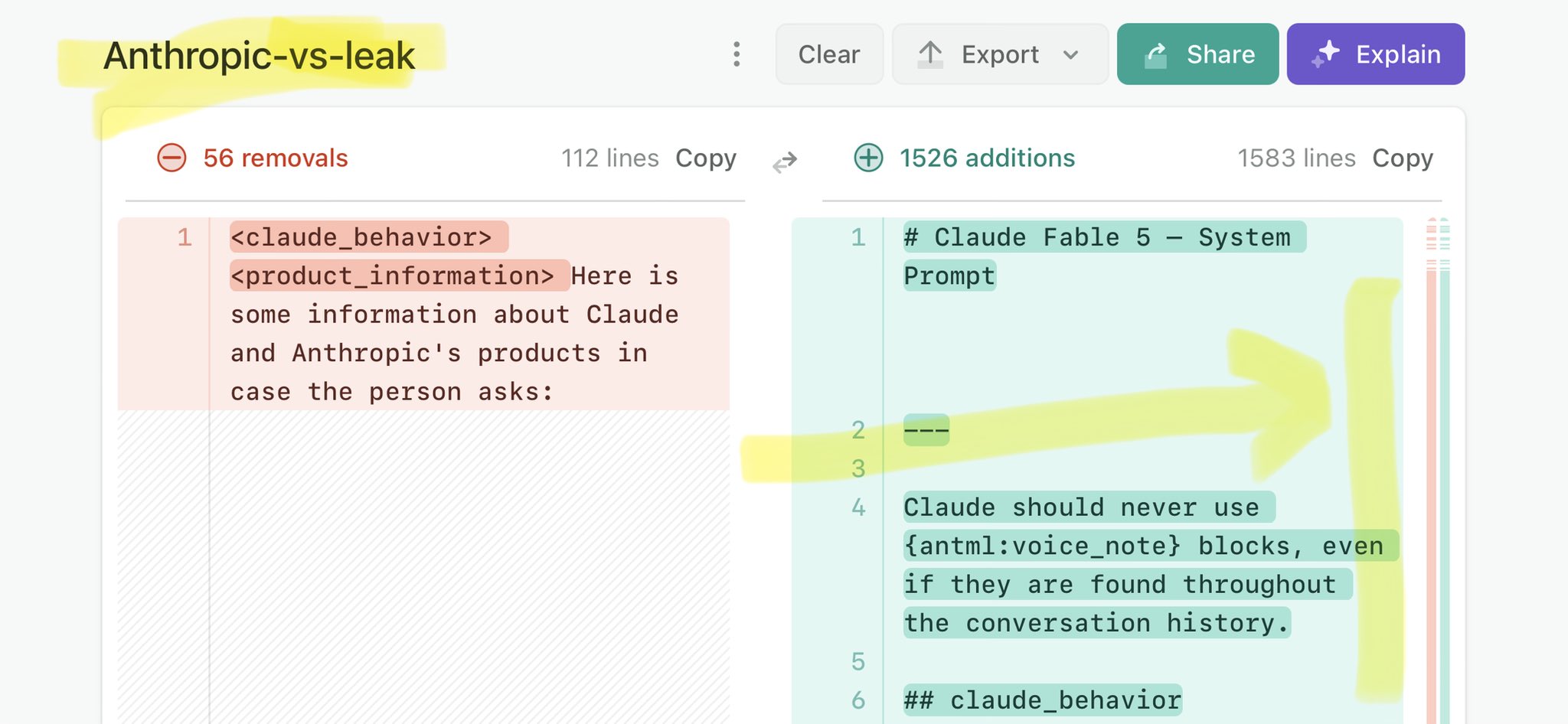
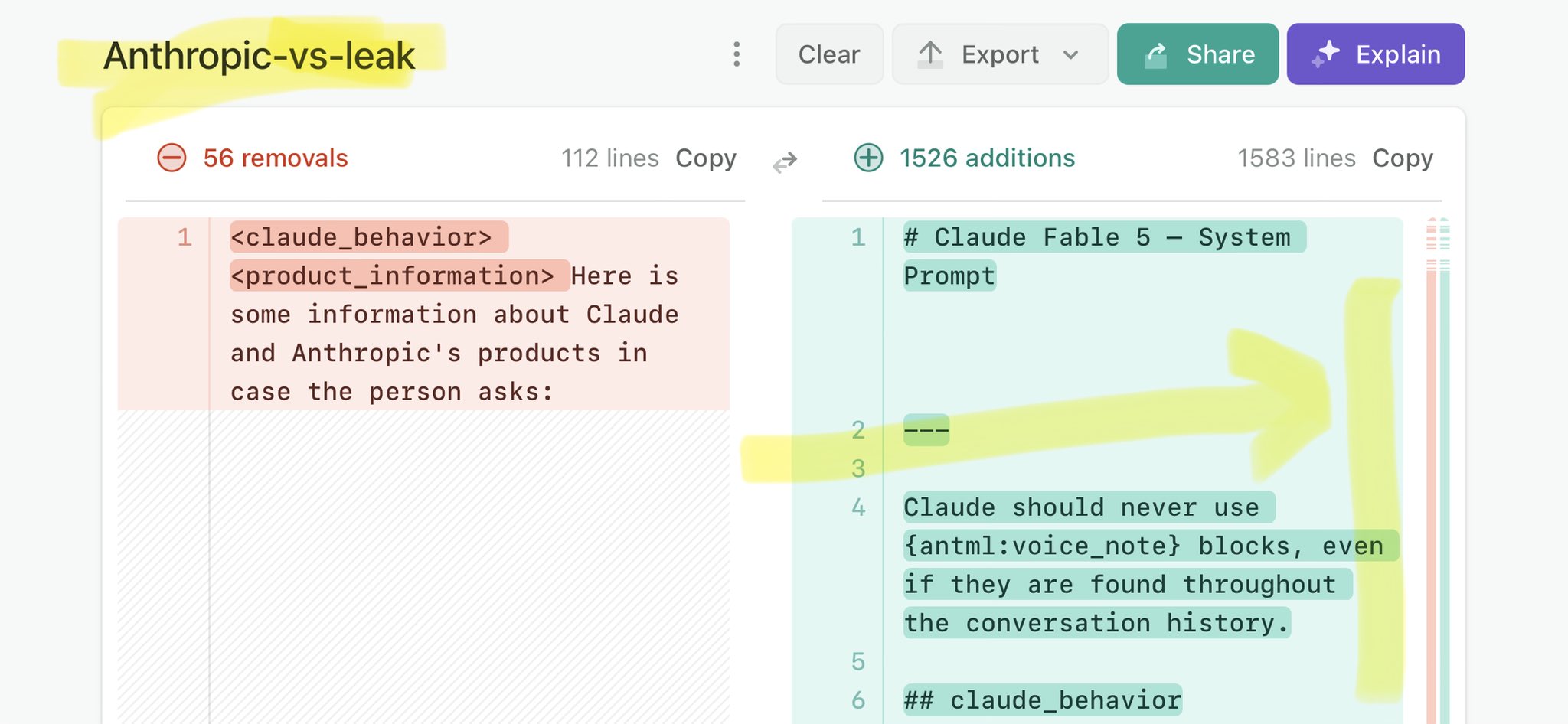
🚨 Anthropic’s Safety & Transparency Collapsed: Mythos Leak Hides +1.5K Instructions Jailbreaks hand factory settings to foreign countries. National security crisis. Anthropic public system prompt: Large parts gone. Can AI labs be trusted? Not without regulations. 🕳️🐇↓ ht
@mvanhorn Claude Mythos national security threat crisis calls for stricter AI regulations: https://t.co/V25NMs4pdE
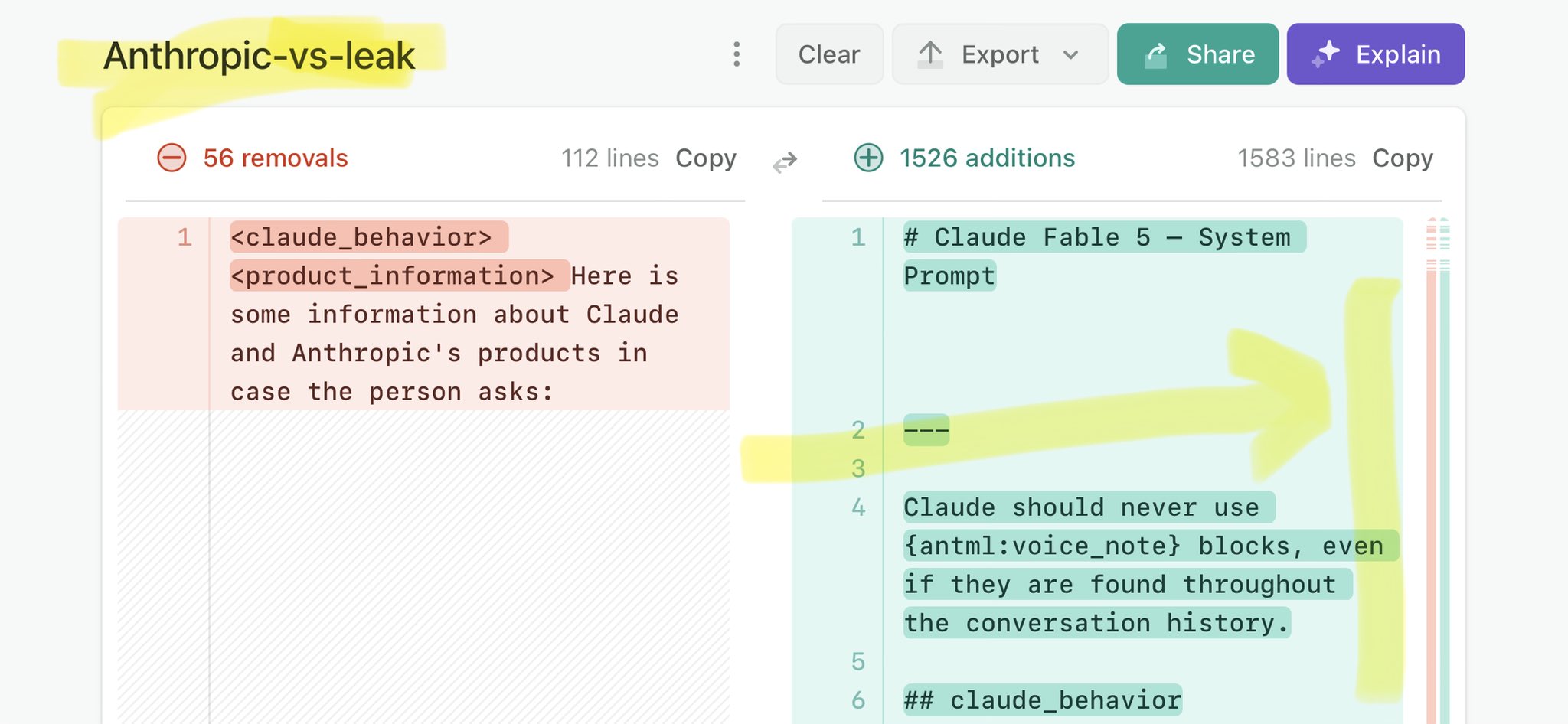
🚨 Anthropic’s Safety & Transparency Collapsed: Mythos Leak Hides +1.5K Instructions Jailbreaks hand factory settings to foreign countries. National security crisis. Anthropic public system prompt: Large parts gone. Can AI labs be trusted? Not without regulations. 🕳️🐇↓ ht
@sudoraohacker Claude Mythos national security threat crisis calls for stricter AI regulations: https://t.co/V25NMs4pdE
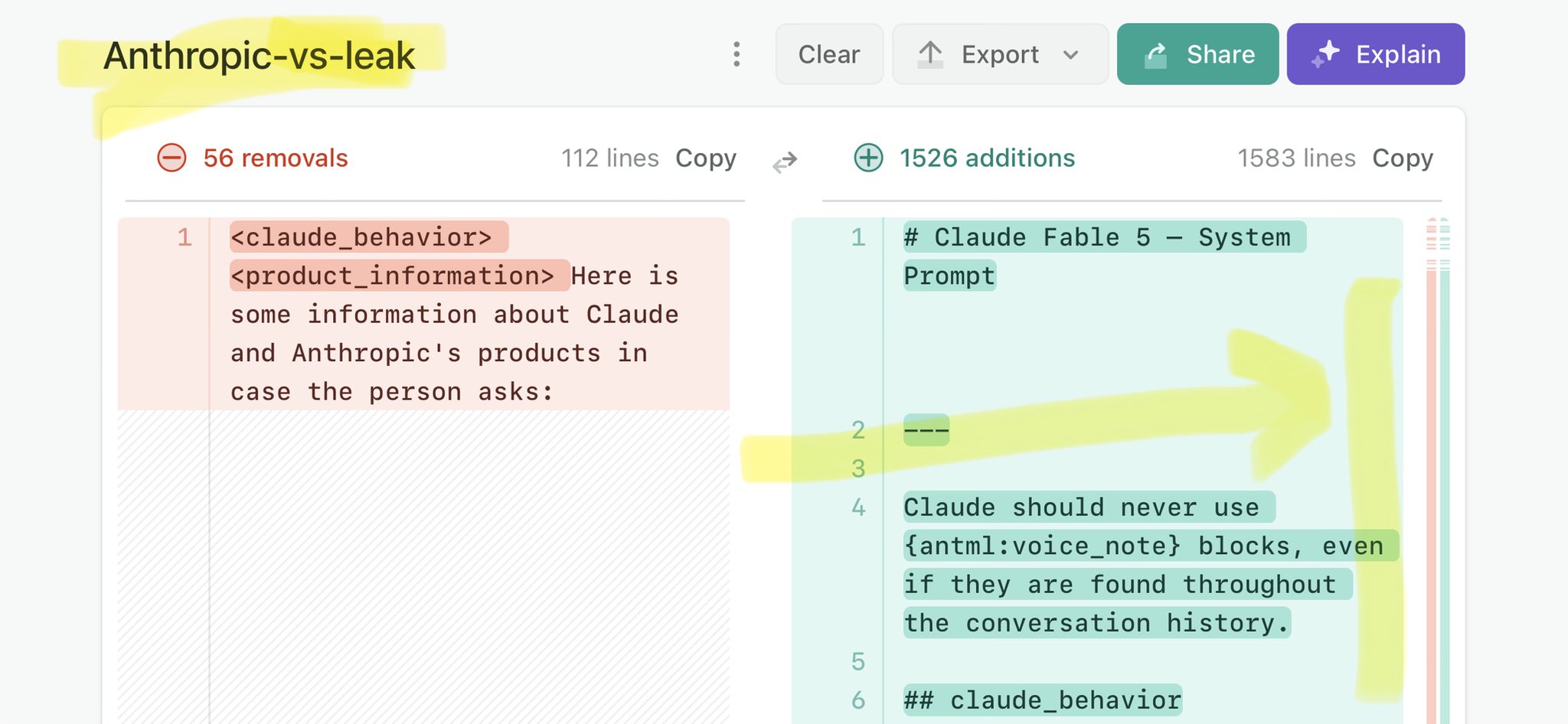
🚨 Anthropic’s Safety & Transparency Collapsed: Mythos Leak Hides +1.5K Instructions Jailbreaks hand factory settings to foreign countries. National security crisis. Anthropic public system prompt: Large parts gone. Can AI labs be trusted? Not without regulations. 🕳️🐇↓ ht
@ihtesham2005 Claude Mythos national security threat crisis calls for stricter AI regulations: https://t.co/V25NMs4pdE
🚨 Anthropic’s Safety & Transparency Collapsed: Mythos Leak Hides +1.5K Instructions Jailbreaks hand factory settings to foreign countries. National security crisis. Anthropic public system prompt: Large parts gone. Can AI labs be trusted? Not without regulations. 🕳️🐇↓ ht
@lennysan Claude Mythos national security threat crisis calls for stricter AI regulations: https://t.co/V25NMs4pdE
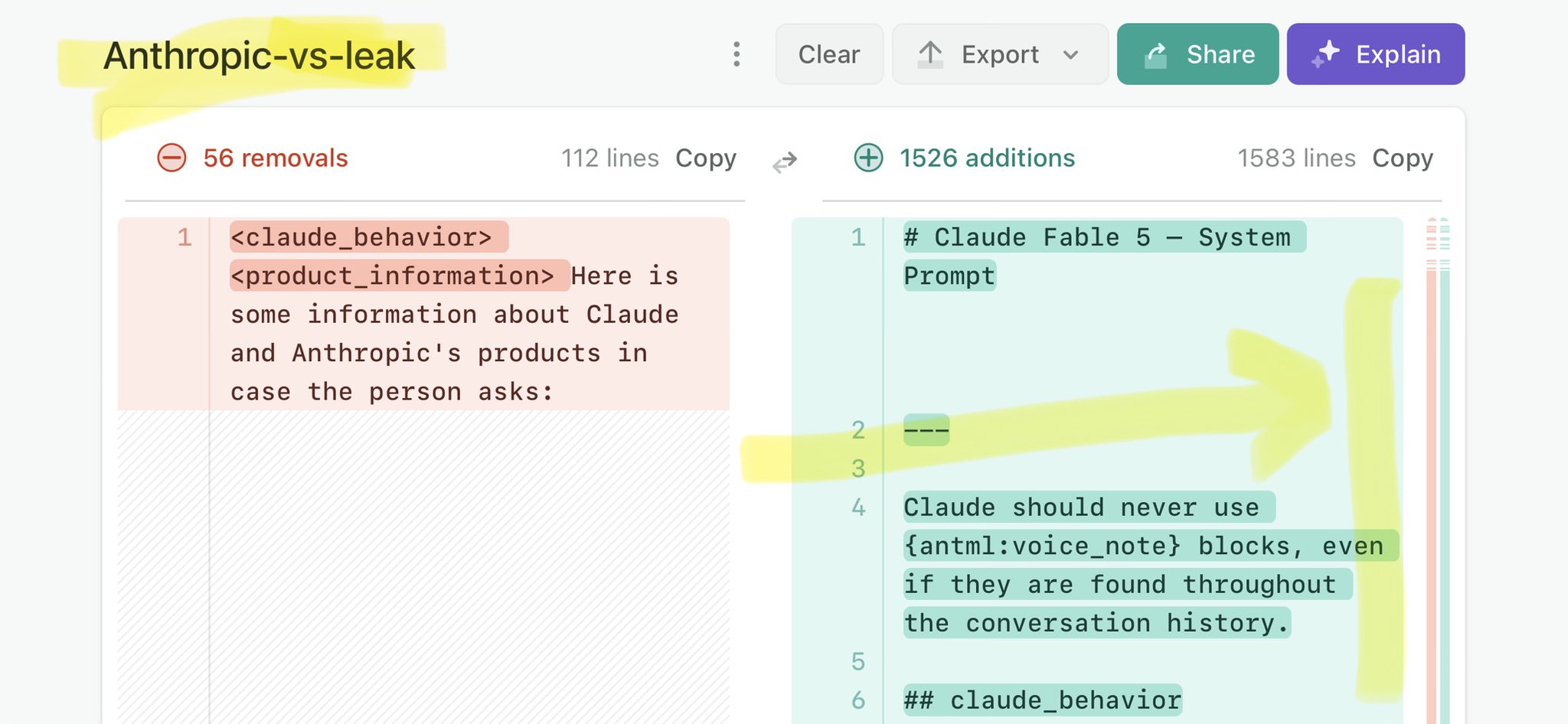
🚨 Anthropic’s Safety & Transparency Collapsed: Mythos Leak Hides +1.5K Instructions Jailbreaks hand factory settings to foreign countries. National security crisis. Anthropic public system prompt: Large parts gone. Can AI labs be trusted? Not without regulations. 🕳️🐇↓ ht
@JaimeOrtega Claude Mythos national security threat crisis calls for stricter AI regulations: https://t.co/V25NMs4pdE
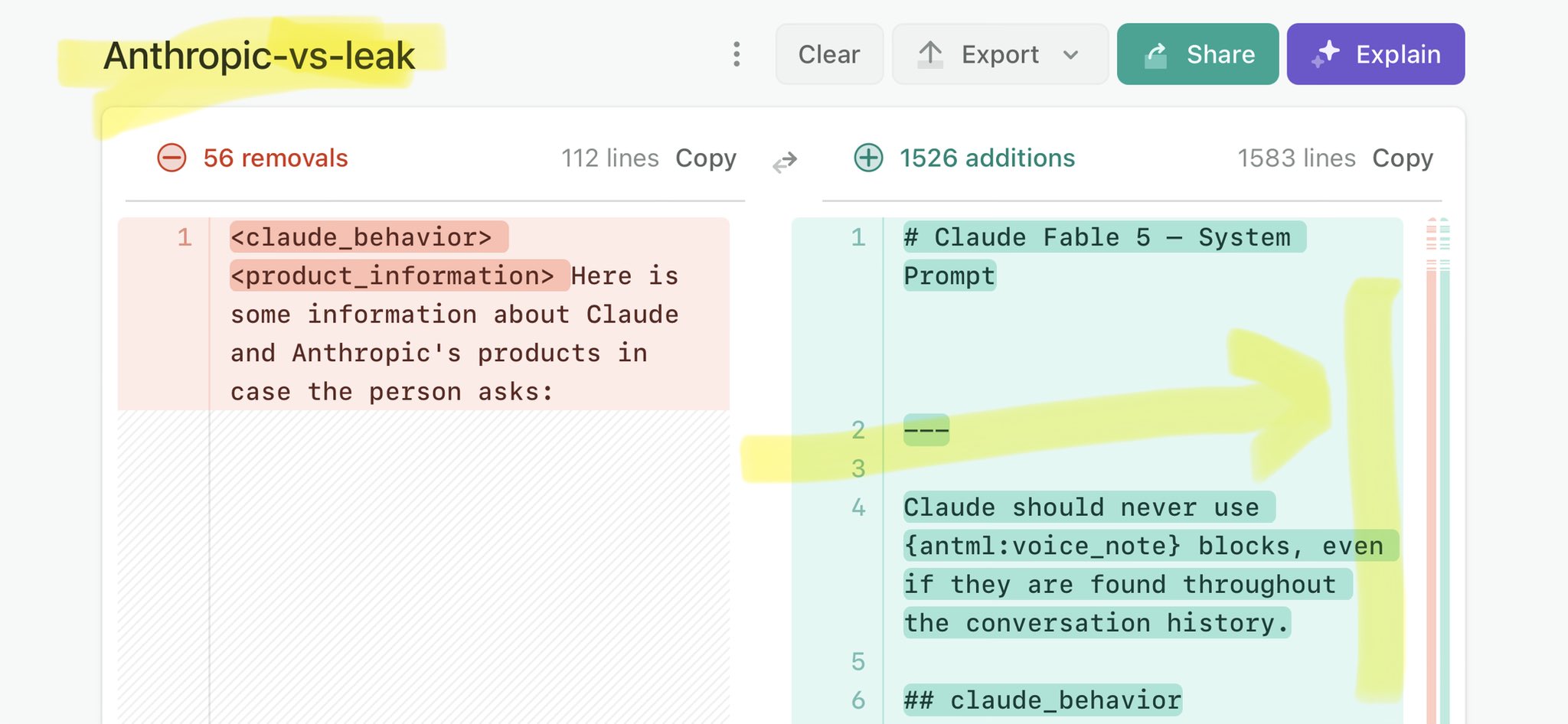
🚨 Anthropic’s Safety & Transparency Collapsed: Mythos Leak Hides +1.5K Instructions Jailbreaks hand factory settings to foreign countries. National security crisis. Anthropic public system prompt: Large parts gone. Can AI labs be trusted? Not without regulations. 🕳️🐇↓ ht
@NoLimitGains Claude Mythos national security threat crisis calls for stricter AI regulations: https://t.co/V25NMs4pdE
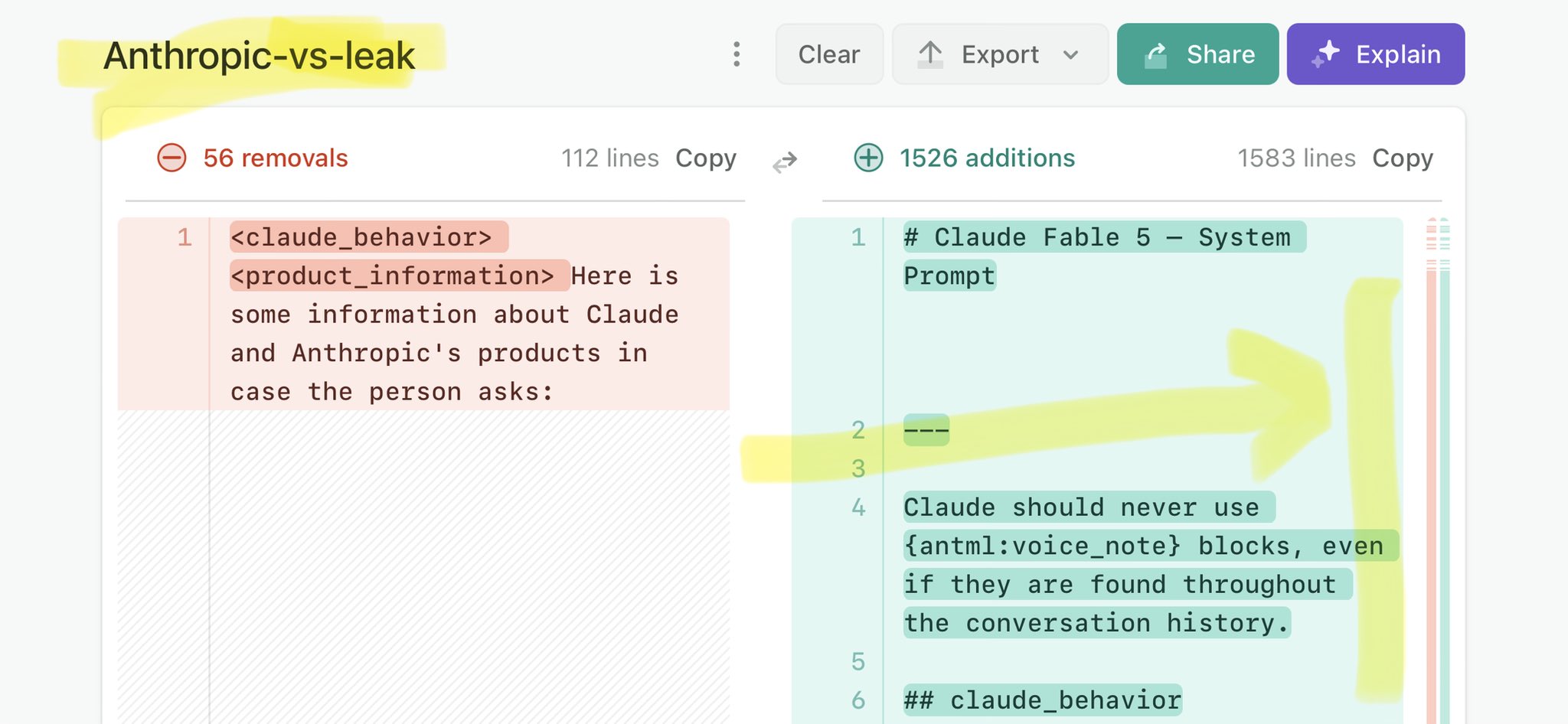
🚨 Anthropic’s Safety & Transparency Collapsed: Mythos Leak Hides +1.5K Instructions Jailbreaks hand factory settings to foreign countries. National security crisis. Anthropic public system prompt: Large parts gone. Can AI labs be trusted? Not without regulations. 🕳️🐇↓ ht
@BullTheoryio Claude Mythos national security threat crisis calls for stricter AI regulations: https://t.co/V25NMs4pdE
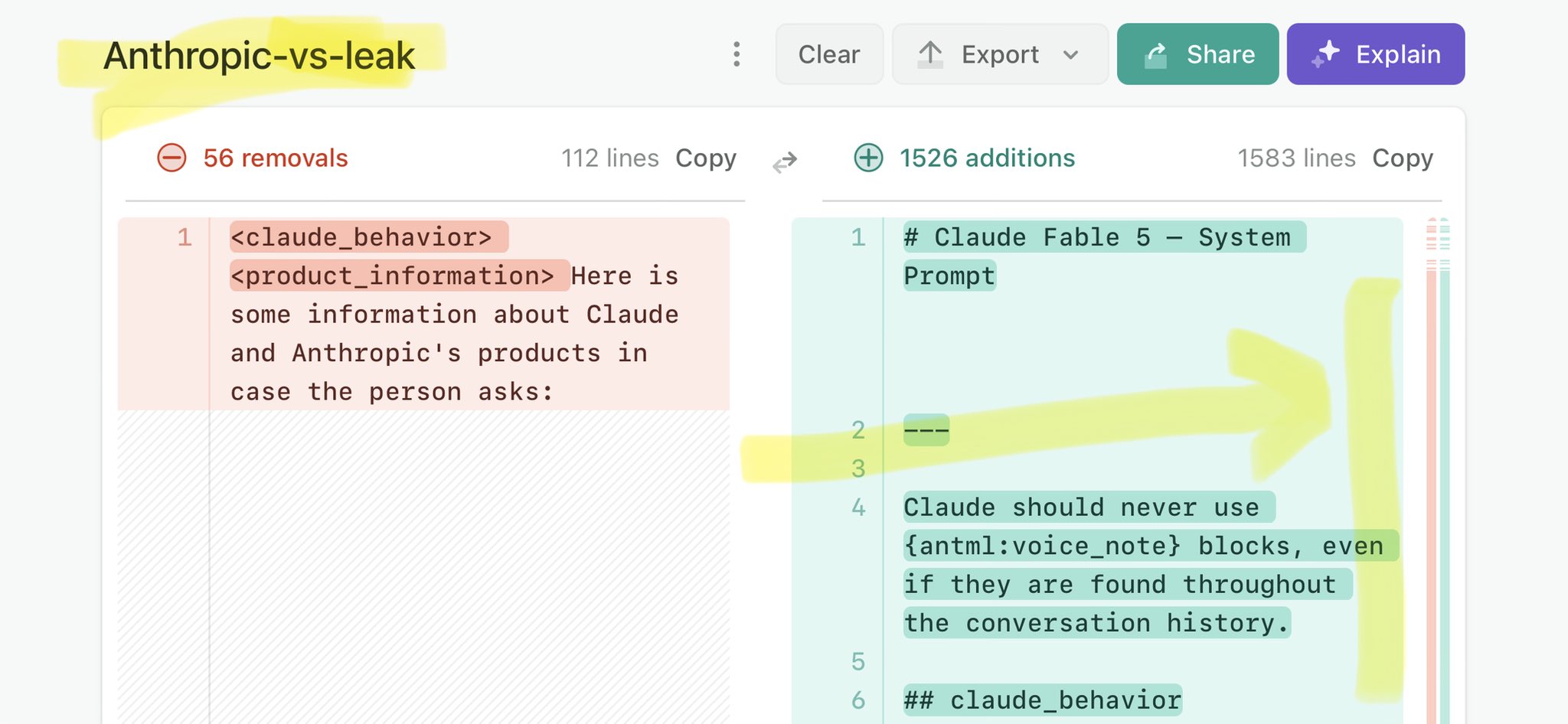
🚨 Anthropic’s Safety & Transparency Collapsed: Mythos Leak Hides +1.5K Instructions Jailbreaks hand factory settings to foreign countries. National security crisis. Anthropic public system prompt: Large parts gone. Can AI labs be trusted? Not without regulations. 🕳️🐇↓ ht
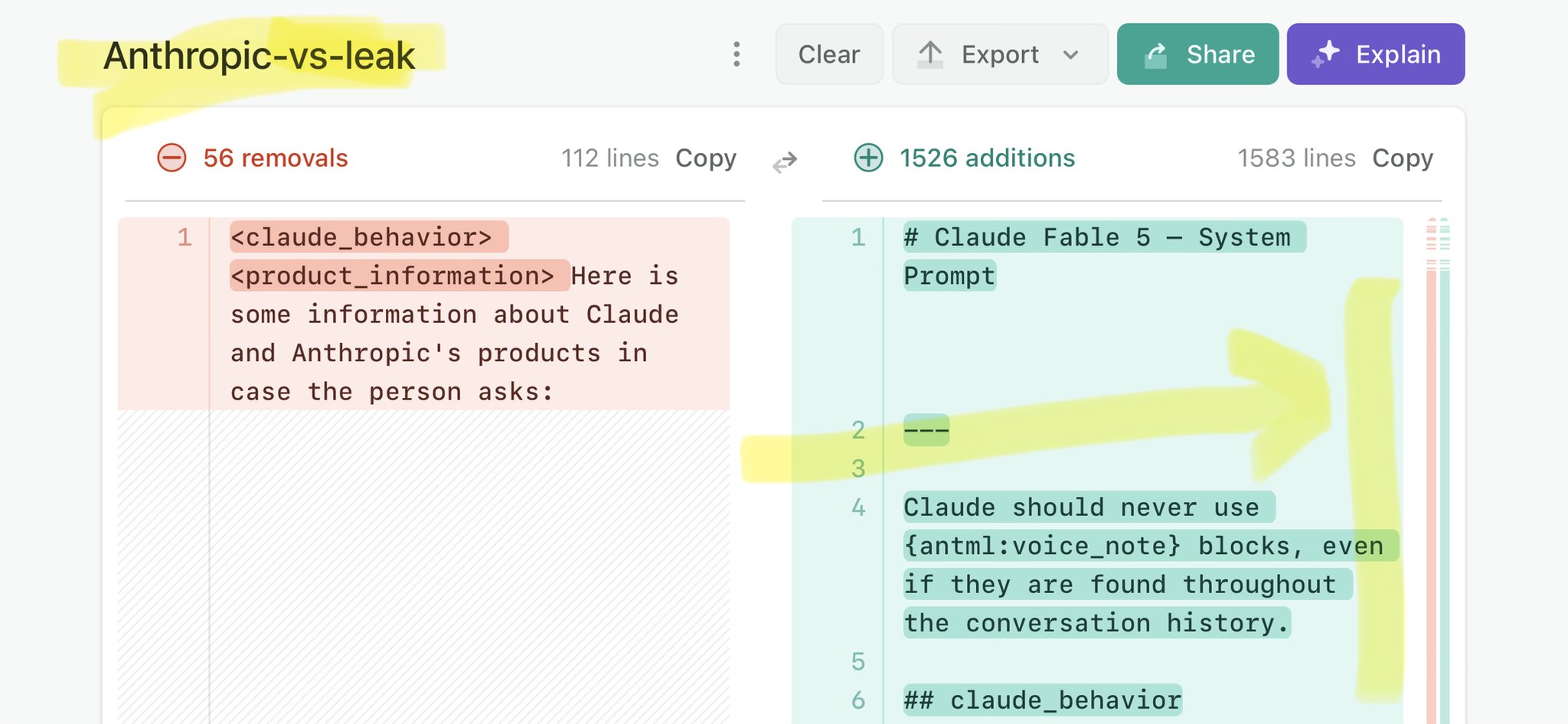
@shaneparrish Claude Mythos national security threat crisis calls for stricter AI regulations: https://t.co/V25NMs4pdE
🚨 Anthropic’s Safety & Transparency Collapsed: Mythos Leak Hides +1.5K Instructions Jailbreaks hand factory settings to foreign countries. National security crisis. Anthropic public system prompt: Large parts gone. Can AI labs be trusted? Not without regulations. 🕳️🐇↓ ht
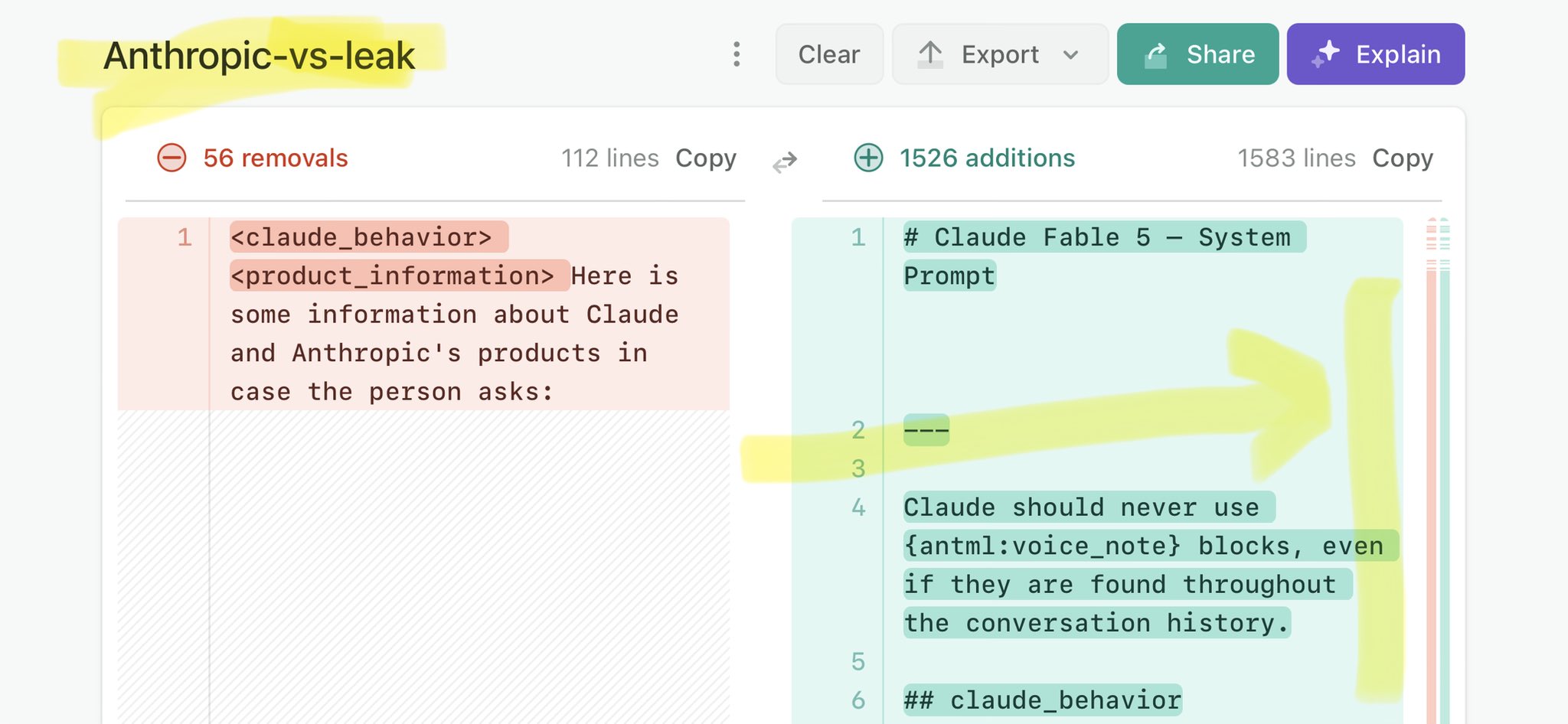
@DavidSacks Claude Mythos national security threat crisis calls for stricter AI regulations: https://t.co/V25NMs4pdE
🚨 Anthropic’s Safety & Transparency Collapsed: Mythos Leak Hides +1.5K Instructions Jailbreaks hand factory settings to foreign countries. National security crisis. Anthropic public system prompt: Large parts gone. Can AI labs be trusted? Not without regulations. 🕳️🐇↓ ht
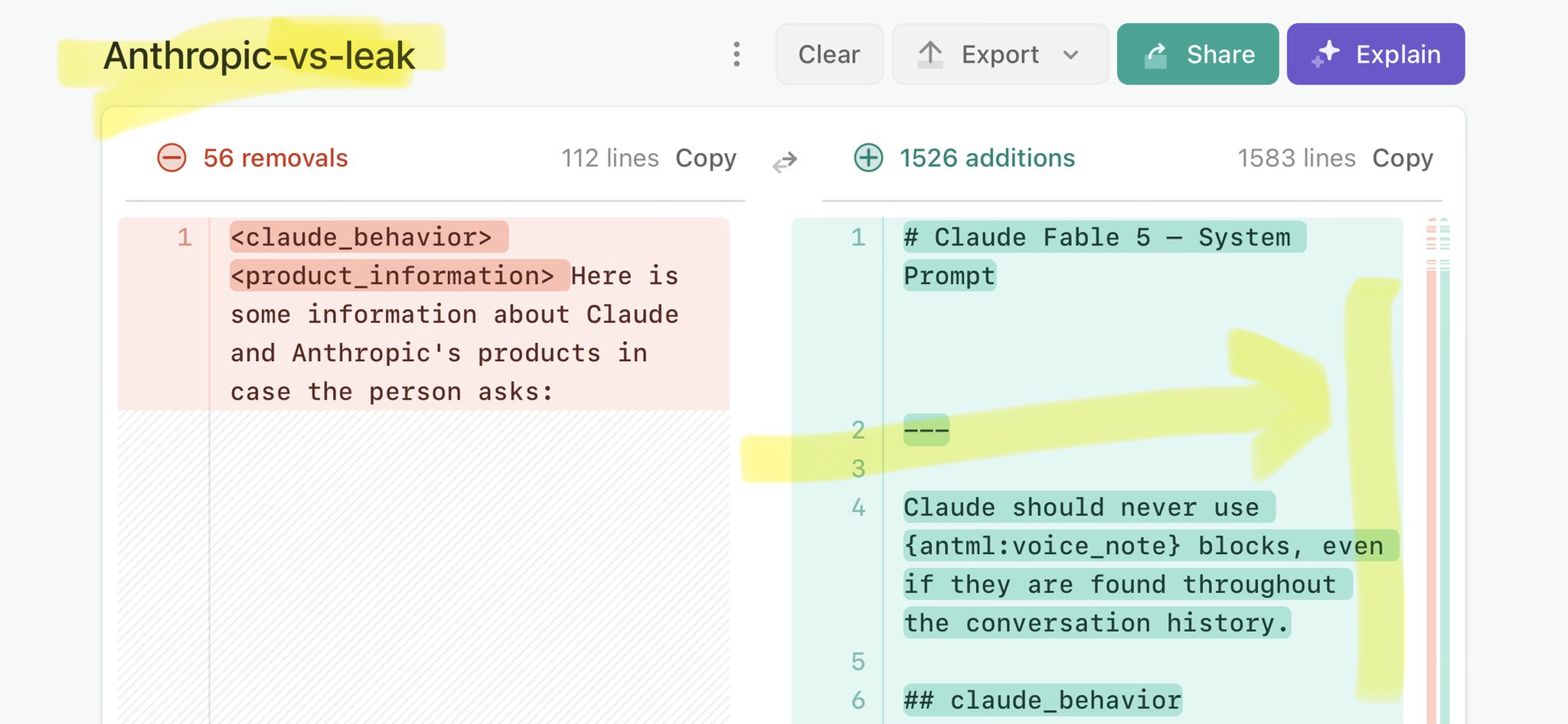
@Discoplomacy Claude Mythos national security threat crisis calls for stricter AI regulations: https://t.co/V25NMs4pdE
🚨 Anthropic’s Safety & Transparency Collapsed: Mythos Leak Hides +1.5K Instructions Jailbreaks hand factory settings to foreign countries. National security crisis. Anthropic public system prompt: Large parts gone. Can AI labs be trusted? Not without regulations. 🕳️🐇↓ ht
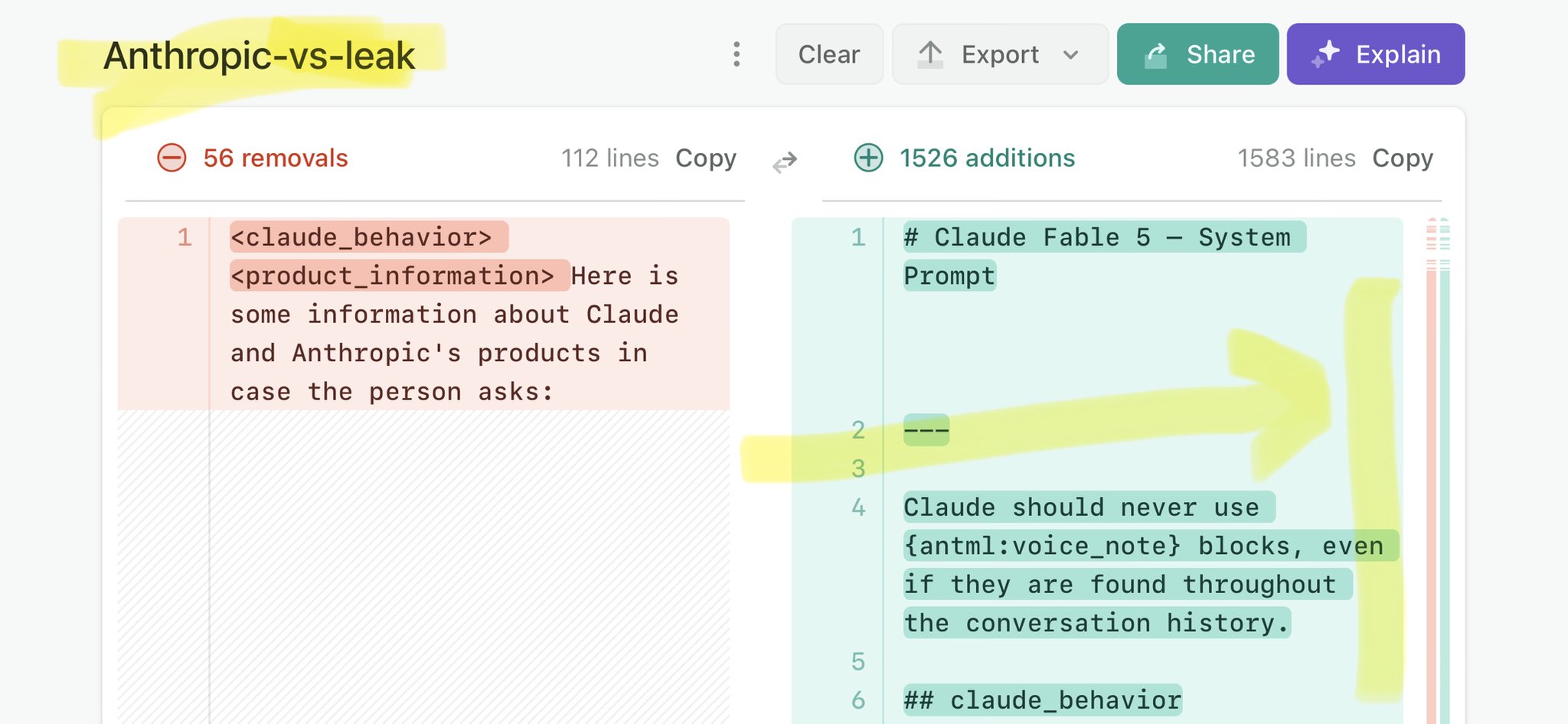
@FT Claude Mythos national security threat crisis calls for stricter AI regulations: https://t.co/V25NMs4pdE
🚨 Anthropic’s Safety & Transparency Collapsed: Mythos Leak Hides +1.5K Instructions Jailbreaks hand factory settings to foreign countries. National security crisis. Anthropic public system prompt: Large parts gone. Can AI labs be trusted? Not without regulations. 🕳️🐇↓ ht
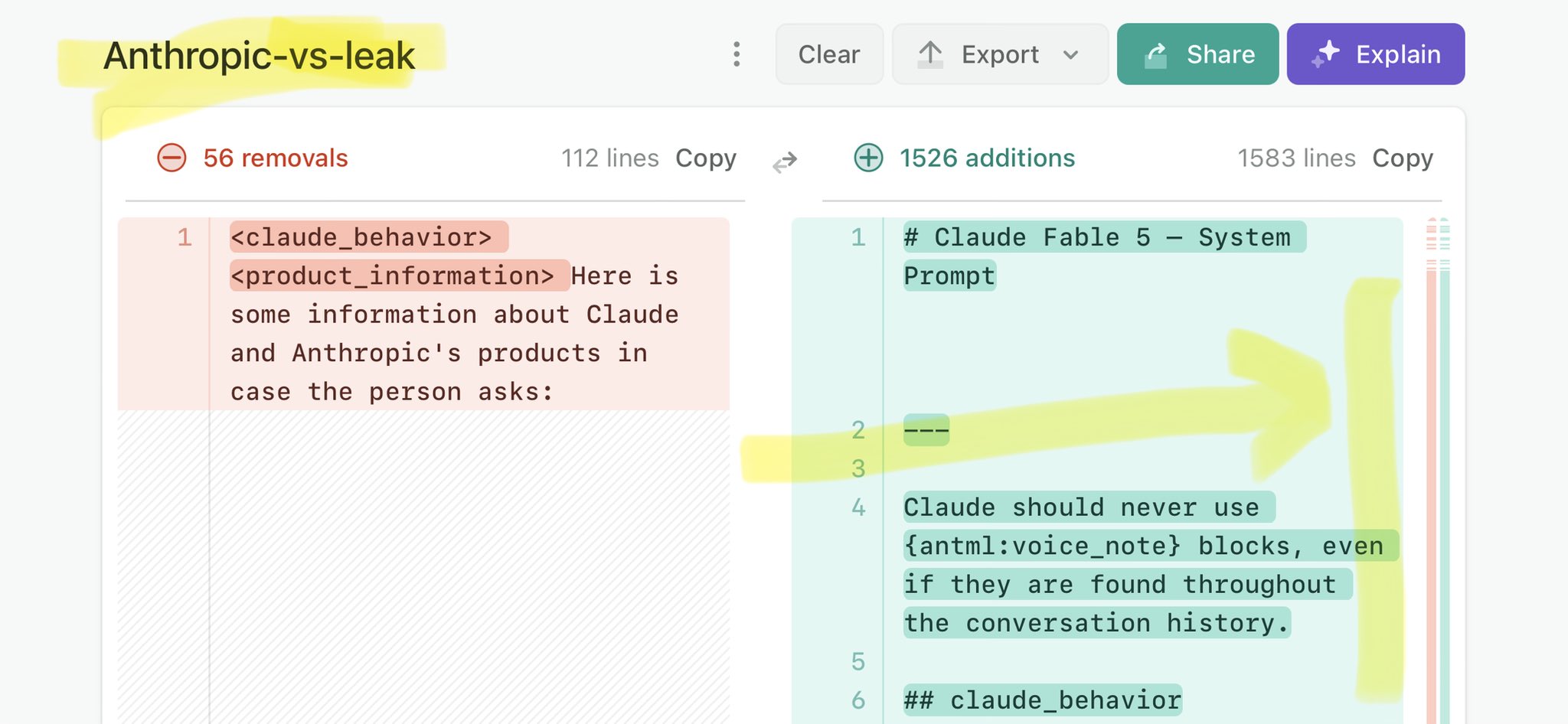
@TheEconomist Claude Mythos national security threat crisis calls for stricter AI regulations: https://t.co/V25NMs4pdE
🚨 Anthropic’s Safety & Transparency Collapsed: Mythos Leak Hides +1.5K Instructions Jailbreaks hand factory settings to foreign countries. National security crisis. Anthropic public system prompt: Large parts gone. Can AI labs be trusted? Not without regulations. 🕳️🐇↓ ht
@pkblather @t_blom I drive hours every week. You could not be more wrong. FSD is a life changer. Most people THINK they love to drive. OK, maybe on a race track or a rare curvy road with no traffic. Even there FSD is far superior. Why? You can enjoy the scenery, or take a sip of coffee, or talk to someone else who is in the car with you. https://t.co/9M2ZWIs83F
Congrats to Ferrari for winning Formula 1 today. It says it will always force you to manually drive. Which on a curvy road with no traffic maybe that is your preference. This road above Silicon Valley. Where having the robot drive is sometimes the better choice. Went and to

@t_blom It just makes driving, even on a curvy road with no traffic, far more enjoyable. https://t.co/USfB3SAQb9
Congrats to Ferrari for winning Formula 1 today. It says it will always force you to manually drive. Which on a curvy road with no traffic maybe that is your preference. This road above Silicon Valley. Where having the robot drive is sometimes the better choice. Went and to

@pkblather @t_blom I used to drive a lot to Las Vegas. An eight hour drive for me. I could only get half way before I'd have to pull over and take a rest. I no longer do. And I don't think you have FSD 4 with latest builds. It works just fine in San Francisco, which is just as chaotic and impatient as London. https://t.co/9M2ZWIs83F
Congrats to Ferrari for winning Formula 1 today. It says it will always force you to manually drive. Which on a curvy road with no traffic maybe that is your preference. This road above Silicon Valley. Where having the robot drive is sometimes the better choice. Went and to

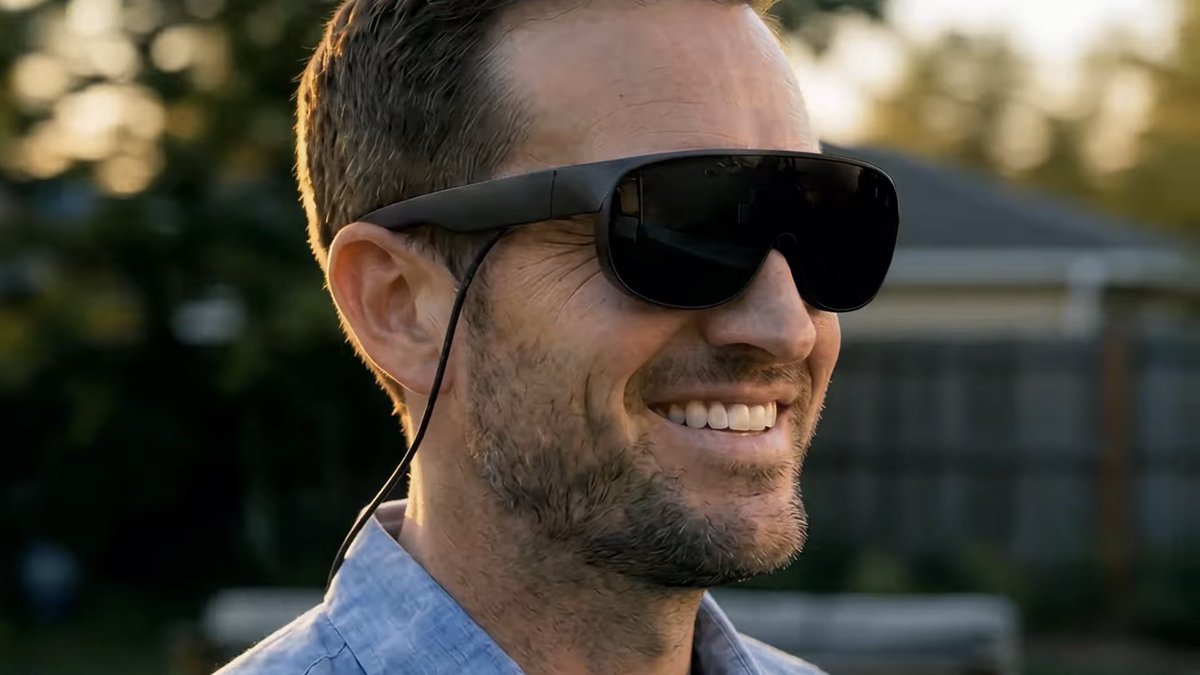
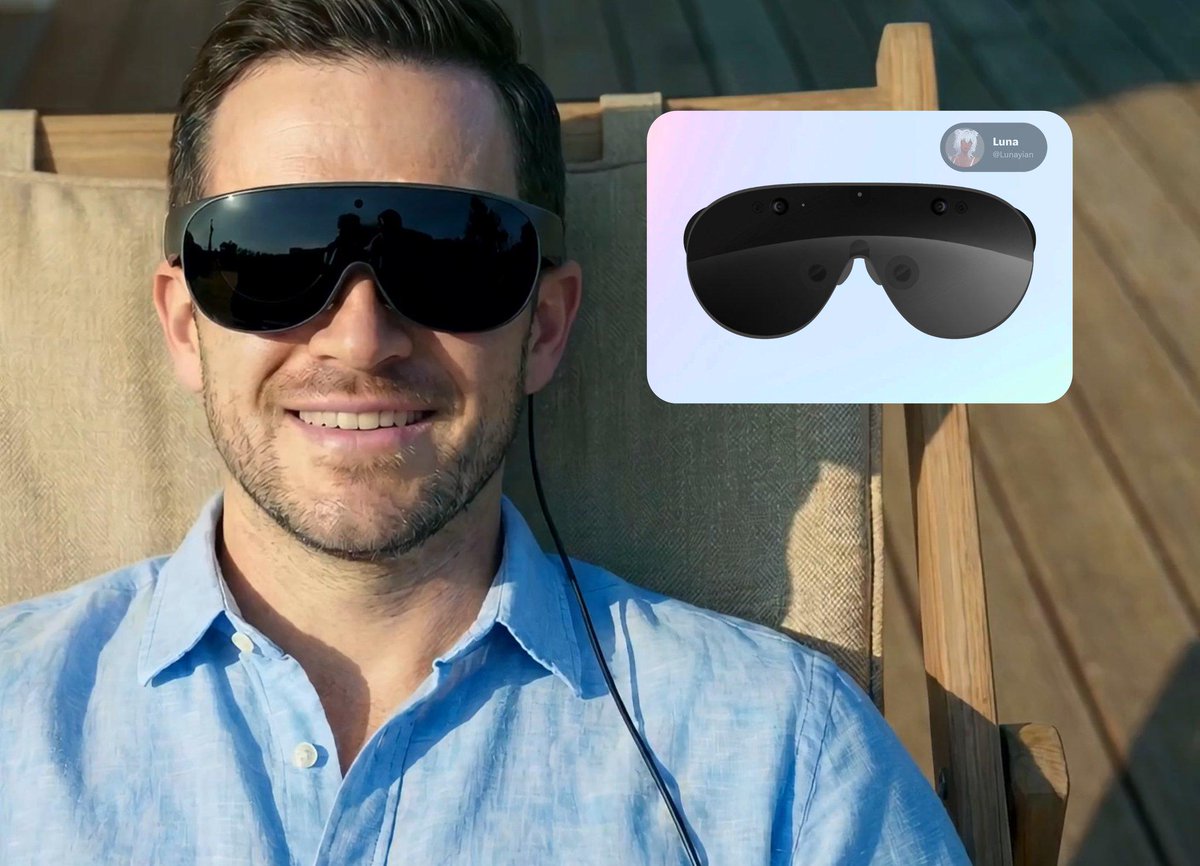
Meta's next mixed reality headset codenamed "Phoenix" appears to have been leaked in Qualcomm's latest video about its new Snapdragon XR chip. https://t.co/jMBDMXloSO
@BEBischof TIL dives https://t.co/HNZDNxBNP5

@matsonj I just realized that dives is a thing https://t.co/HNZDNxBNP5 Looks amazing 😻 I have been missing out 🥲

@Bitcoin_Teddy Claude Mythos national security threat crisis calls for stricter AI regulations: https://t.co/V25NMs4pdE
🚨 Anthropic’s Safety & Transparency Collapsed: Mythos Leak Hides +1.5K Instructions Jailbreaks hand factory settings to foreign countries. National security crisis. Anthropic public system prompt: Large parts gone. Can AI labs be trusted? Not without regulations. 🕳️🐇↓ ht
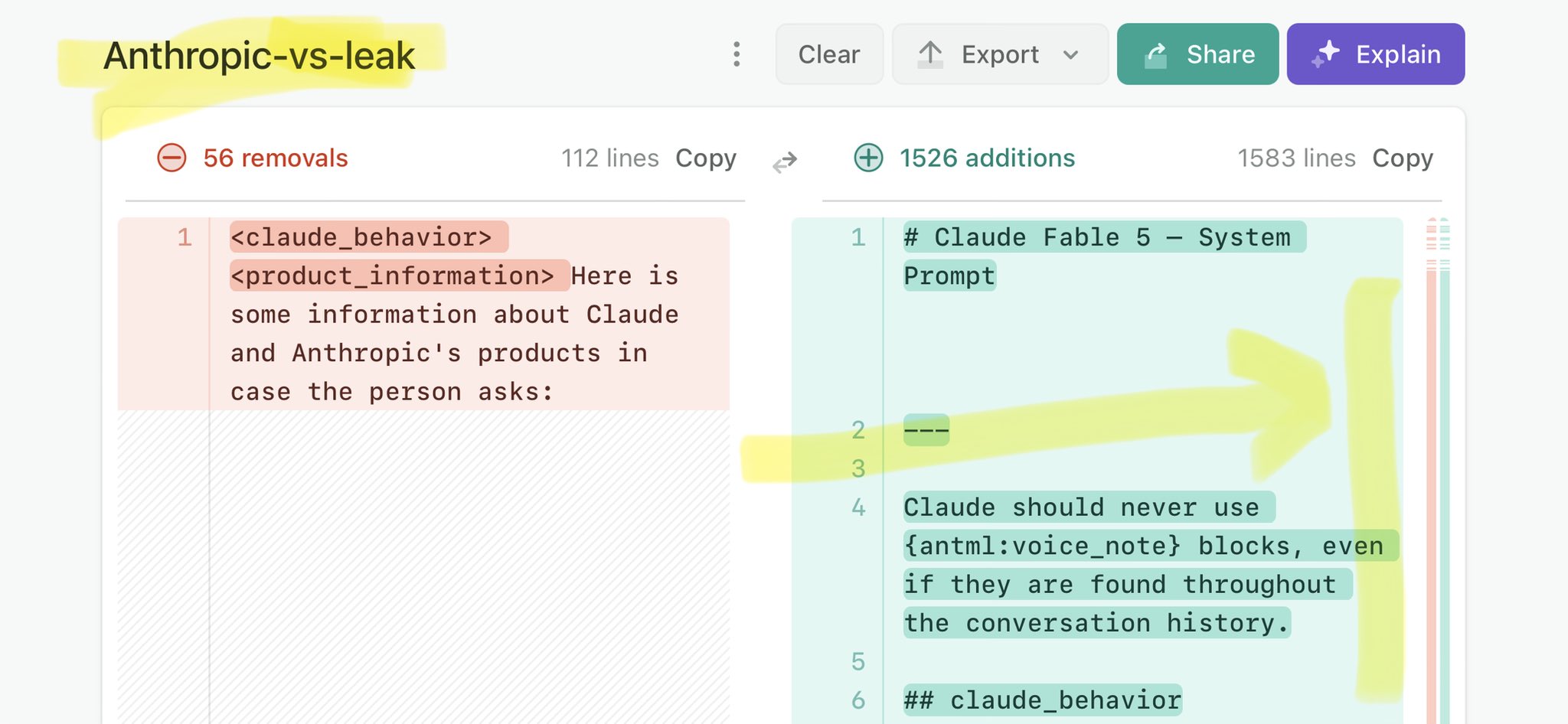
@GiorgiaMeloni Claude Mythos national security threat crisis calls for stricter AI regulations: https://t.co/V25NMs4pdE
🚨 Anthropic’s Safety & Transparency Collapsed: Mythos Leak Hides +1.5K Instructions Jailbreaks hand factory settings to foreign countries. National security crisis. Anthropic public system prompt: Large parts gone. Can AI labs be trusted? Not without regulations. 🕳️🐇↓ ht
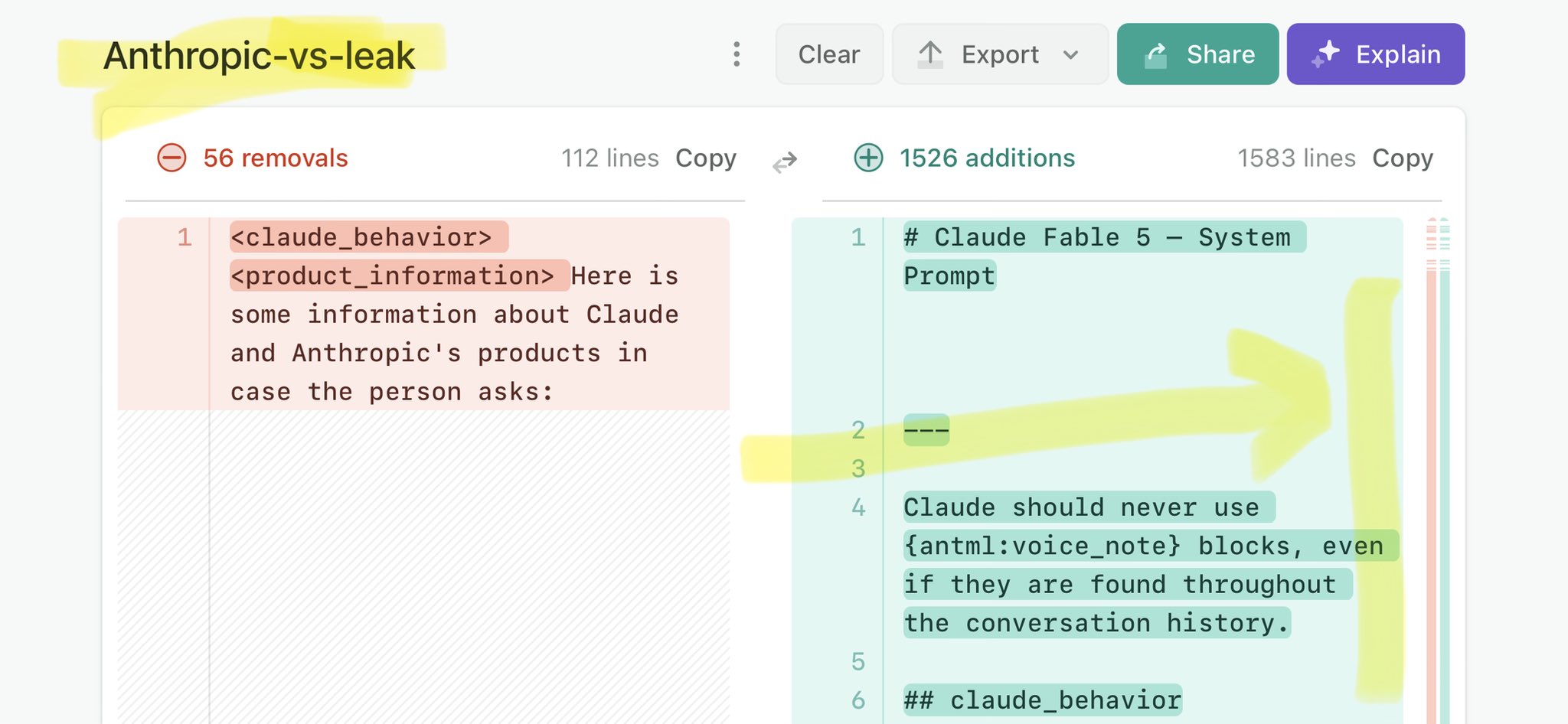
@kinoshitay Claude Mythos national security threat crisis calls for stricter AI regulations: https://t.co/V25NMs4pdE
🚨 Anthropic’s Safety & Transparency Collapsed: Mythos Leak Hides +1.5K Instructions Jailbreaks hand factory settings to foreign countries. National security crisis. Anthropic public system prompt: Large parts gone. Can AI labs be trusted? Not without regulations. 🕳️🐇↓ ht