Your curated collection of saved posts and media
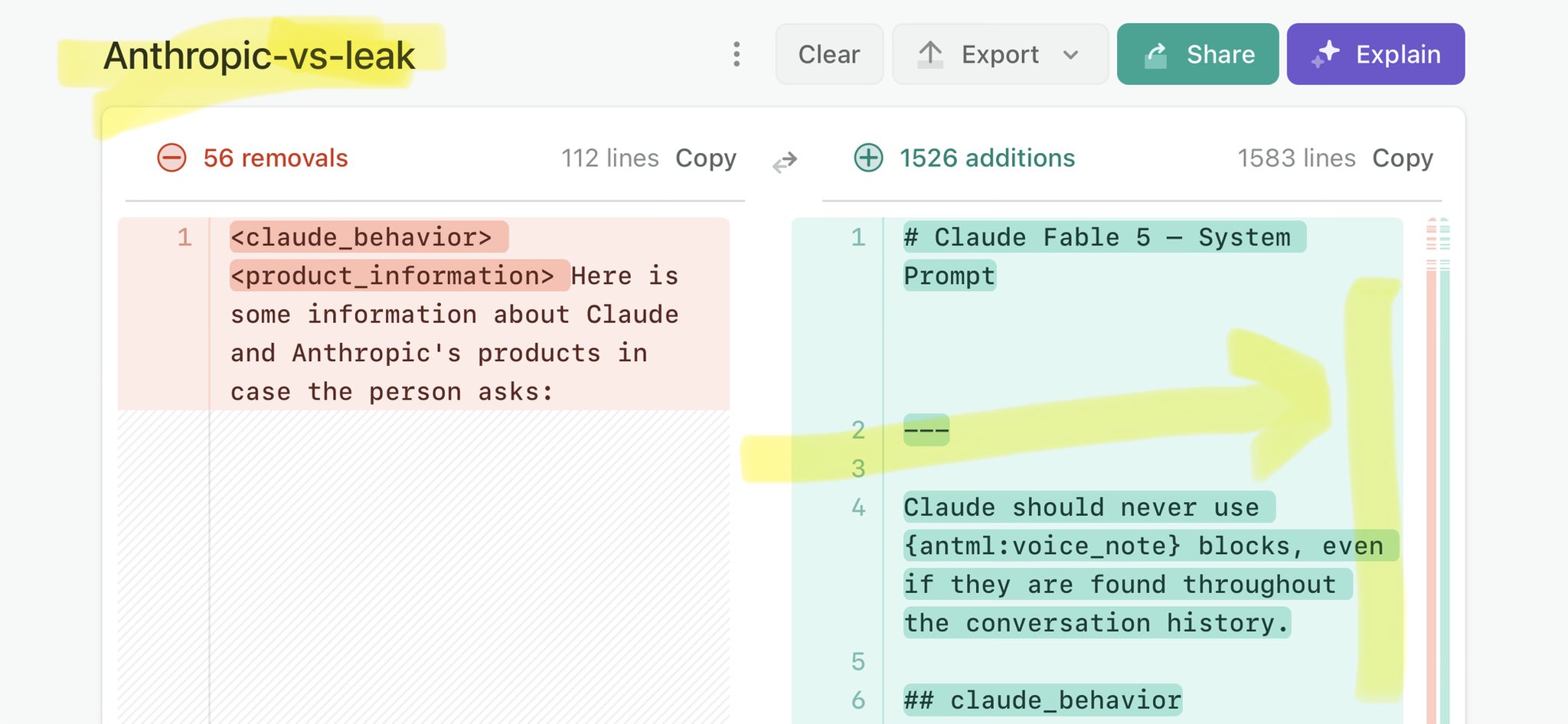
🚨 Anthropic Mythos National Security Crisis: Advanced AI is like a powerful industrial drill. The problem is how easily bad actors can get access unnoticed. A hacker used Claude for months to siphon 150 GB of private data from multiple Mexican government agencies. Exposed: https://t.co/hJaf1HQex2
🚨 Anthropic’s Safety & Transparency Collapsed: Mythos Leak Hides +1.5K Instructions Jailbreaks hand factory settings to foreign countries. National security crisis. Anthropic public system prompt: Large parts gone. Can AI labs be trusted? Not without regulations. 🕳️🐇↓ ht

Yesterday the startup world lost one of its great ones, a generous community builder, in a fatal accident. I won't name him here. The people who loved him are grieving, and I don't want to make his loss about anything else. But it stayed with me all day, and it pushed a thought to the surface that most of us postpone too long: we rarely thank the people who quietly changed our lives until it's too late to do it. So I'm going to do it now, with someone who is very much still here. Today, Robert Scoble followed me. A small thing. He follows thousands of people. But it sent me back sixteen years, and I want to tell you why: In 2010 I quit my job. No plan, no idea what I wanted to build, and my wife was pregnant. I only knew I had to build something. I never went back to working for anyone else, and people like Robert are part of why I jumped. Back then I lived on entrepreneur blogs and videos, dreaming from Madrid about a place I'd never set foot in. I remember one of Robert's clearly: him driving around Palo Alto, interviewing Diann Eisnor about Waze. I had nothing. I just watched it and thought, I want to be there. I want to know people like that. I wish one day he would interview me. Two years later I was living in the Valley, in a hacker house called Black Box. The person who introduced me to Fadi, the man who ran it, was Diann, the same Diann I'd watched Robert interview from my couch. She and her partner Elíes took me in, and I lived in their home for years. They became family. Think about that for a second. Someone I'd watched on a screen from across the world, back when I was nobody with nothing, ended up being one of the most important people in my life. I never planned it. You never can. I even saw Robert once, at a Flipboard party in Palo Alto, and I was too intimidated to introduce myself. I thought he was too big a deal. It took me years to learn he's one of the most approachable people in the Valley, which, of course, is exactly the point. None of us see these threads while we're living inside them. They only turn visible looking back. The follow itself is a tiny thing. What it did was remind me I had never said thank you. But the loop is bigger than one follow. People like Robert, and others I've pointed to before and will keep pointing to, are the reason I do any of this. They were open and generous when they had no reason to be, and that is what made me want to become one of them. It is why I help build places like Startup Embassy, and now Frontier Tower, whose whole purpose is to help the ecosystem, inside Silicon Valley and far beyond it, all over the world. To take care of founders the way I was once taken care of. We help each other constantly, usually without ever knowing it. So thank you, @Scobleizer. For the push, for being reachable, and for showing me the kind of builder I wanted to become. Don't wait to tell people. Tell them now.

This post made my morning. Yesterday was historic in horrific and glorious ways. I am still reeling. I just want the future to be better. Which is why what @midjourney announced last night inspired so many. @DavidSHolz is just a dude who saw some problems with how the world works and is trying to fix them. And with some taste and style to boot. This photo is of him last night taking questions after launching a spa that will save lives and bring beauty to the world. And I am just a dude with a camera trying to help. Pay it forward. The more who do this the better the world gets. We lost sometime yesterday who did 1,000 times more to improve the future than most of us. So we need to pick up the slack. Love.

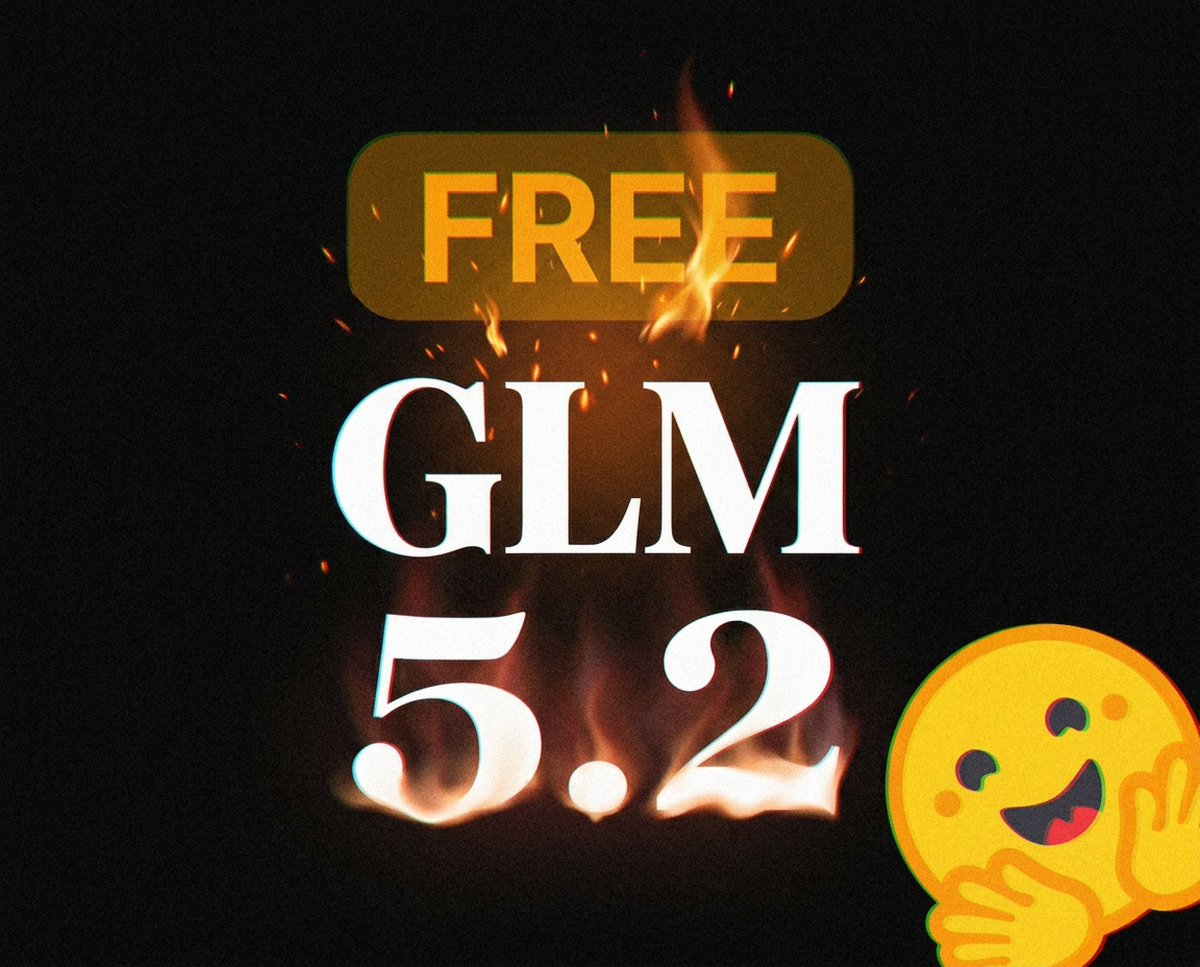
GLM-5.2 is free on Hugging Face Inference Providers through Zai, Together AI, Novita, Fireworks, DeepInfra for the next 6 hours Set it up with Pi, opencode, Codex, Claude Code or any coding agent https://t.co/MU04W4tT9e
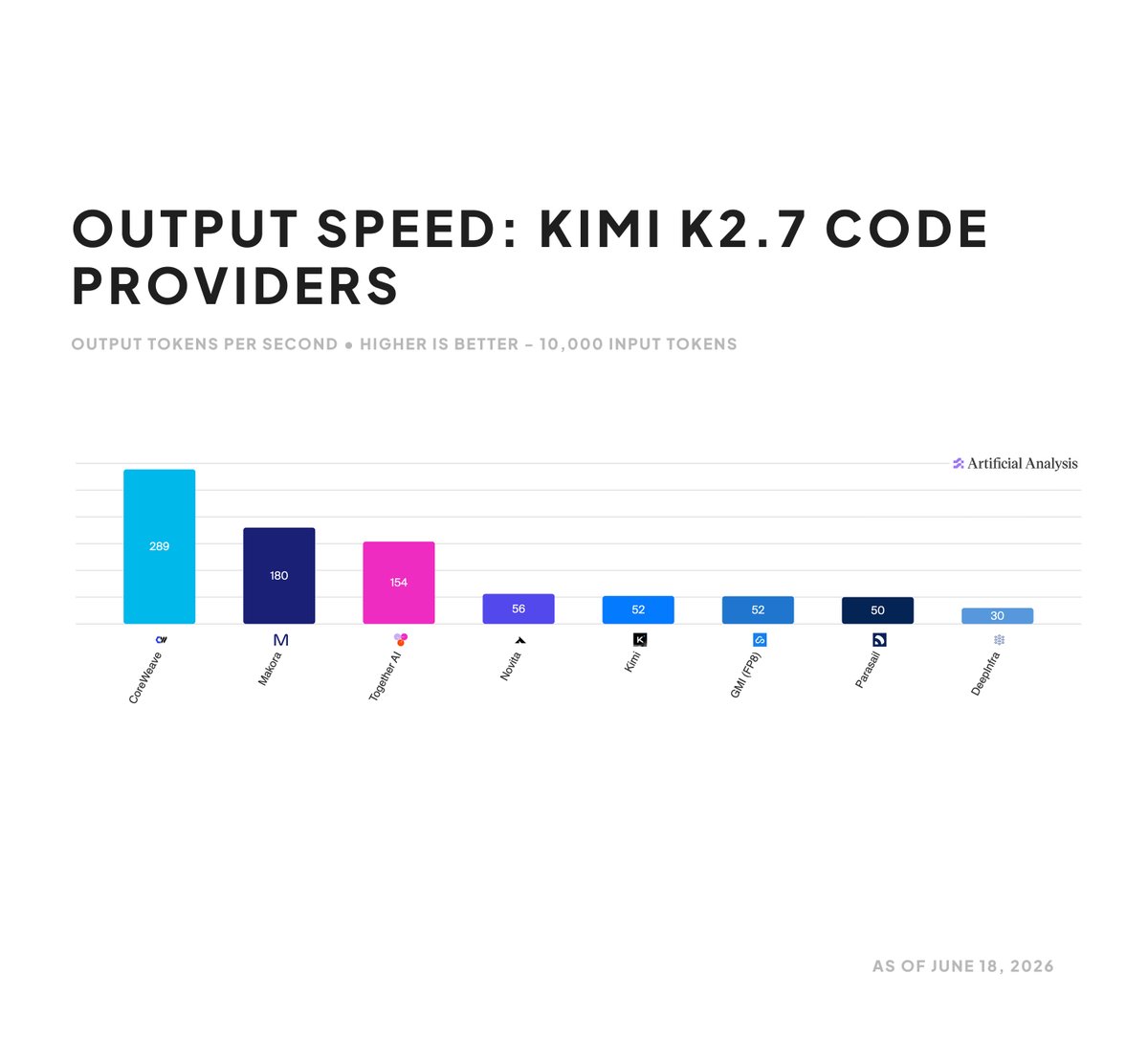
289 tokens per second. That's how fast CoreWeave Serverless Inference serves Kimi K2.7 Code. Per @ArtificialAnlys, we serve it faster than any other provider at the best price-performance. How we did it 🧵 https://t.co/14jERjwykC
No comments. https://t.co/Bj3dL3hmyp
No comments. https://t.co/Bj3dL3hmyp
@claudeai Claude Mythos national security threat crisis calls for stricter AI regulations: https://t.co/V25NMs4pdE
🚨 Anthropic’s Safety & Transparency Collapsed: Mythos Leak Hides +1.5K Instructions Jailbreaks hand factory settings to foreign countries. National security crisis. Anthropic public system prompt: Large parts gone. Can AI labs be trusted? Not without regulations. 🕳️🐇↓ ht
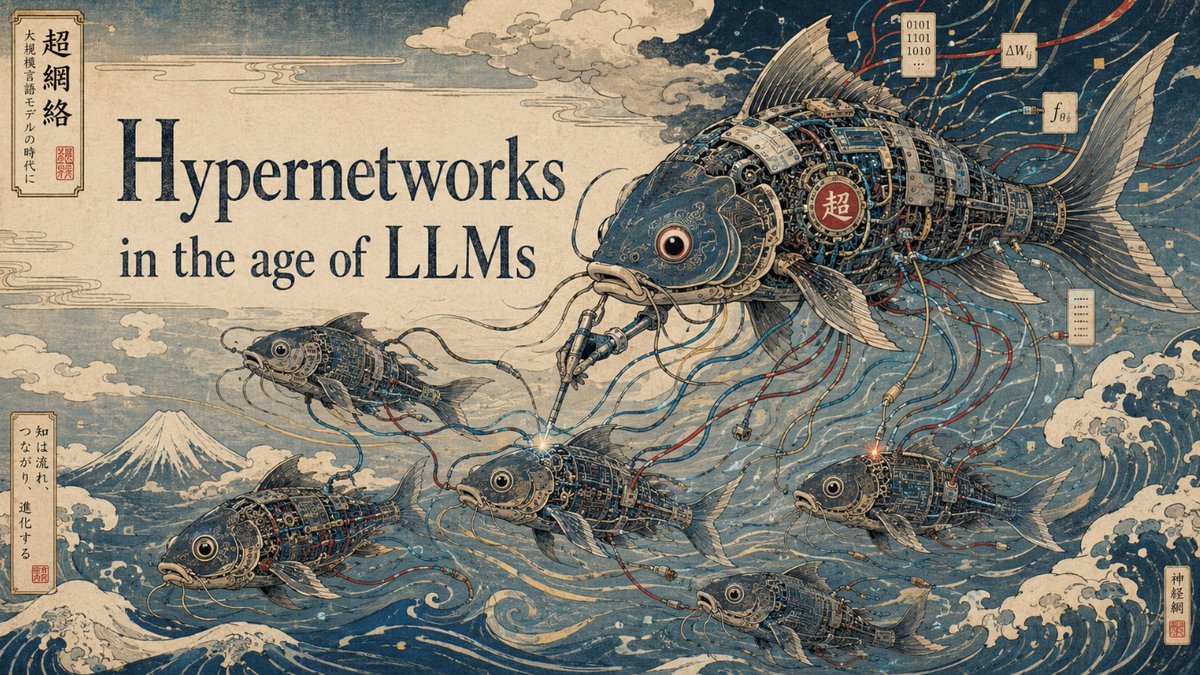
Sakana AI research scientist Rujikorn (Tan) Charakorn recently presented Doc-to-LoRA at @MLCollective’s DLCT journal club, covering hypernetworks, cost amortization, and future directions. A very lively discussion followed. Many thanks to the organizers! https://t.co/kAKLdNvcLL https://t.co/NB6pJAsVyr
We’re excited to introduce Doc-to-LoRA and Text-to-LoRA, two related research exploring how to make LLM customization faster and more accessible. https://t.co/ApVzVsBuv1 By training a Hypernetwork to generate LoRA adapters on the fly, these methods allow models to instantly int
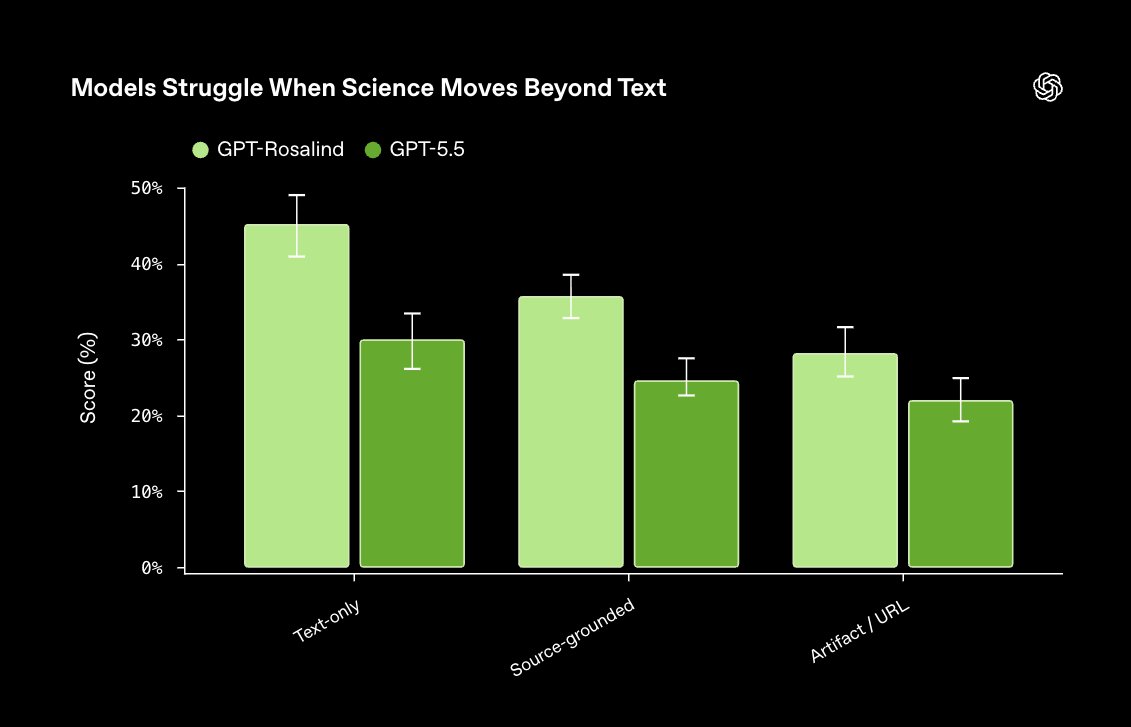
Recommended reading. Great insights, especially in areas where general-purpose models continue to fail, like dealing with complex structures. It also highlights that for scientific research, specialized models are winning big time. https://t.co/J1Jj3hp6DE
Introducing LifeSciBench, a benchmark for measuring and improving how well AI supports real-world life science research. Developed with 173 scientists from biotechnology and pharmaceutical research, LifeSciBench includes 750 expert-authored tasks across seven biological research
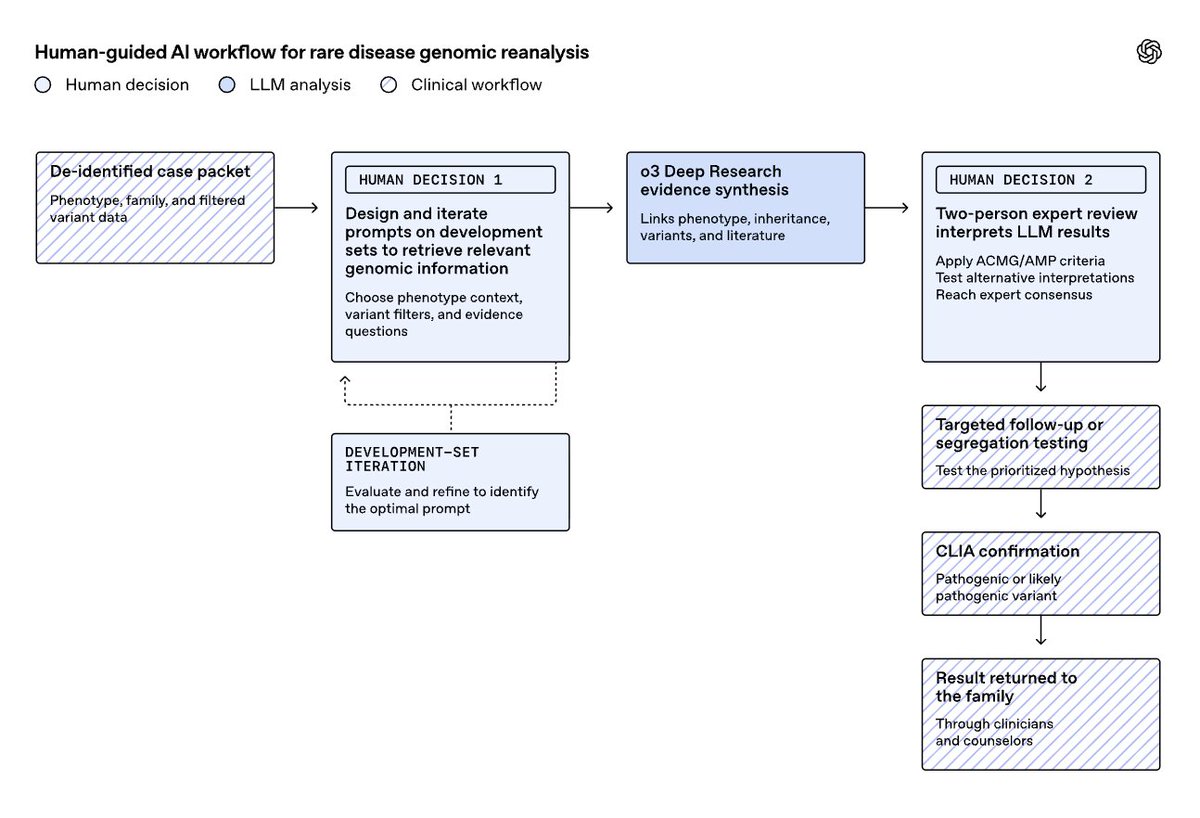
Together with researchers at Boston Children’s Hospital and Harvard, we published a study in NEJM AI showing how o3 Deep Research helped clinicians revisit previously unsolved rare pediatric disease cases, and find answers for families who had waited years. https://t.co/HVVDlEkuYR
Rare disease diagnosis is challenging, as sequencing can surface millions of variants, and medical knowledge changes constantly. o3 Deep Research helped connect clinical features, inheritance patterns, variant evidence, and scientific literature into hypotheses for specialists to review. Every result went through human adjudication and clinical confirmation. AI’s role here was to help experts reason through complex, fragmented evidence faster and more thoroughly.
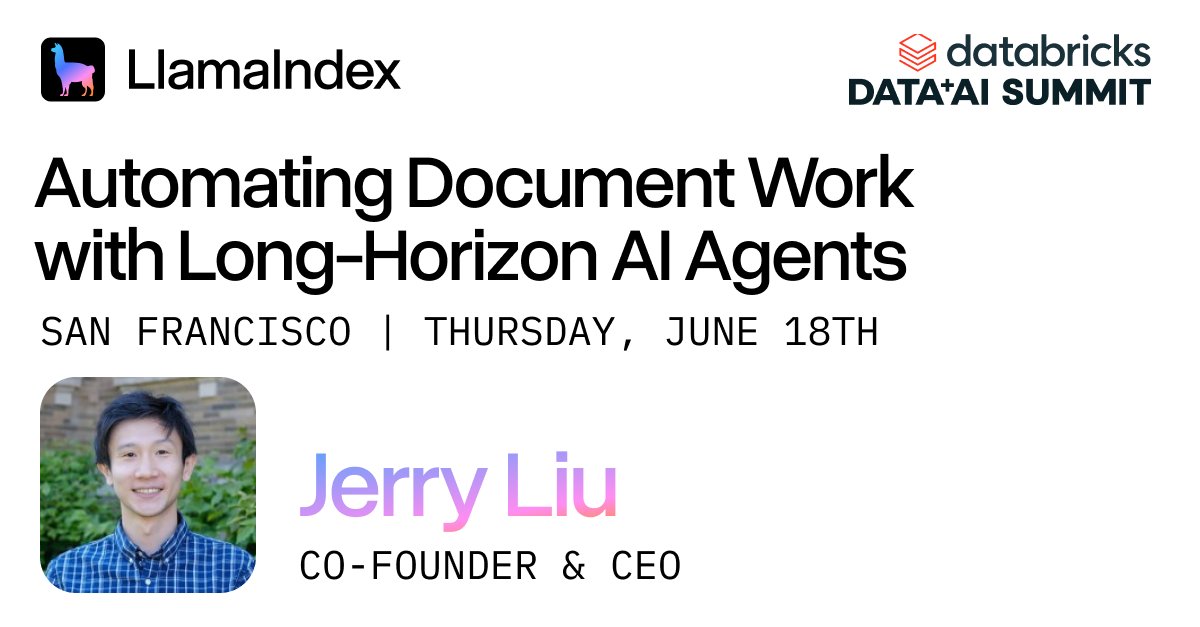
~90% of enterprise data is unstructured, locked in the documents that power the majority of knowledge work. The next massive frontier? AI agents that can deeply understand, reason over, and edit these files at scale to automate entire workflows. Our CEO, Jerry Liu is speaking at @Databricks #DataAISummit today on the core advances in OCR and agent orchestration making this a reality. 📍 Yerba Buena Salon 7 · 10:20 AM 🔗 Link to Jerry's session: https://t.co/BAdTwESlMB
@dimitrikennedy https://t.co/c1vibWkent
Codex writes nearly 100% of my code now. Most good engineers I know can learn, build, ship basically anything. No ceiling. Now we struggle to do more than 3-4 things in parallel without things falling apart. But horizontal scale is an infra problem. 6 walls I keep hitting 🧵

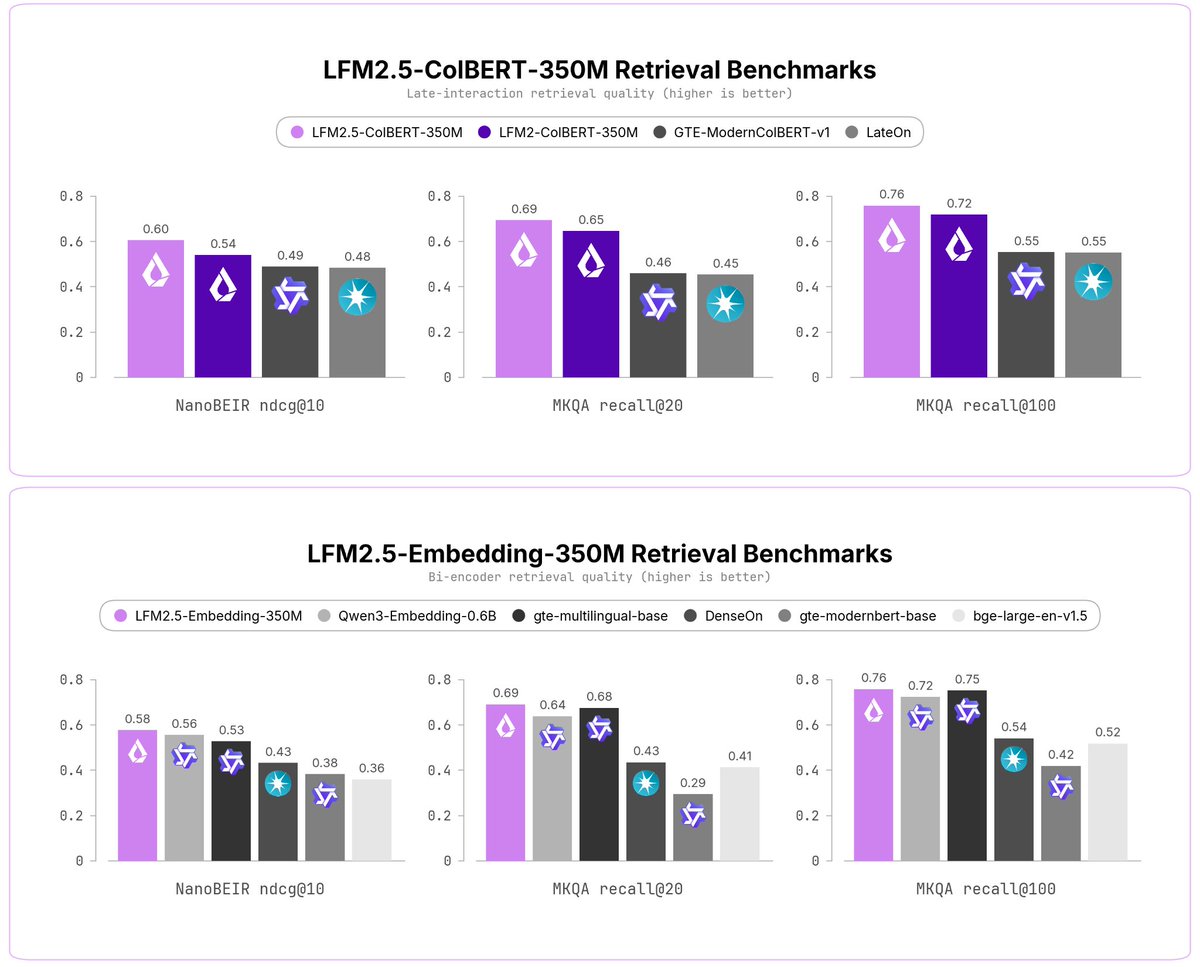
Introducing LFM2.5-Embedding-350M and LFM2.5-ColBERT-350M: two multilingual retrieval models built for ultra-fast and accurate search across 11 languages. > End-to-end retrieval latency as low as 1.5ms with our enterprise stack! 🚀 > Consistently best-in-class multilingual and cross-lingual performance across Arabic, German, English, Spanish, French, Italian, Japanese, Korean, Norwegian, Portuguese, and Swedish. 🧵
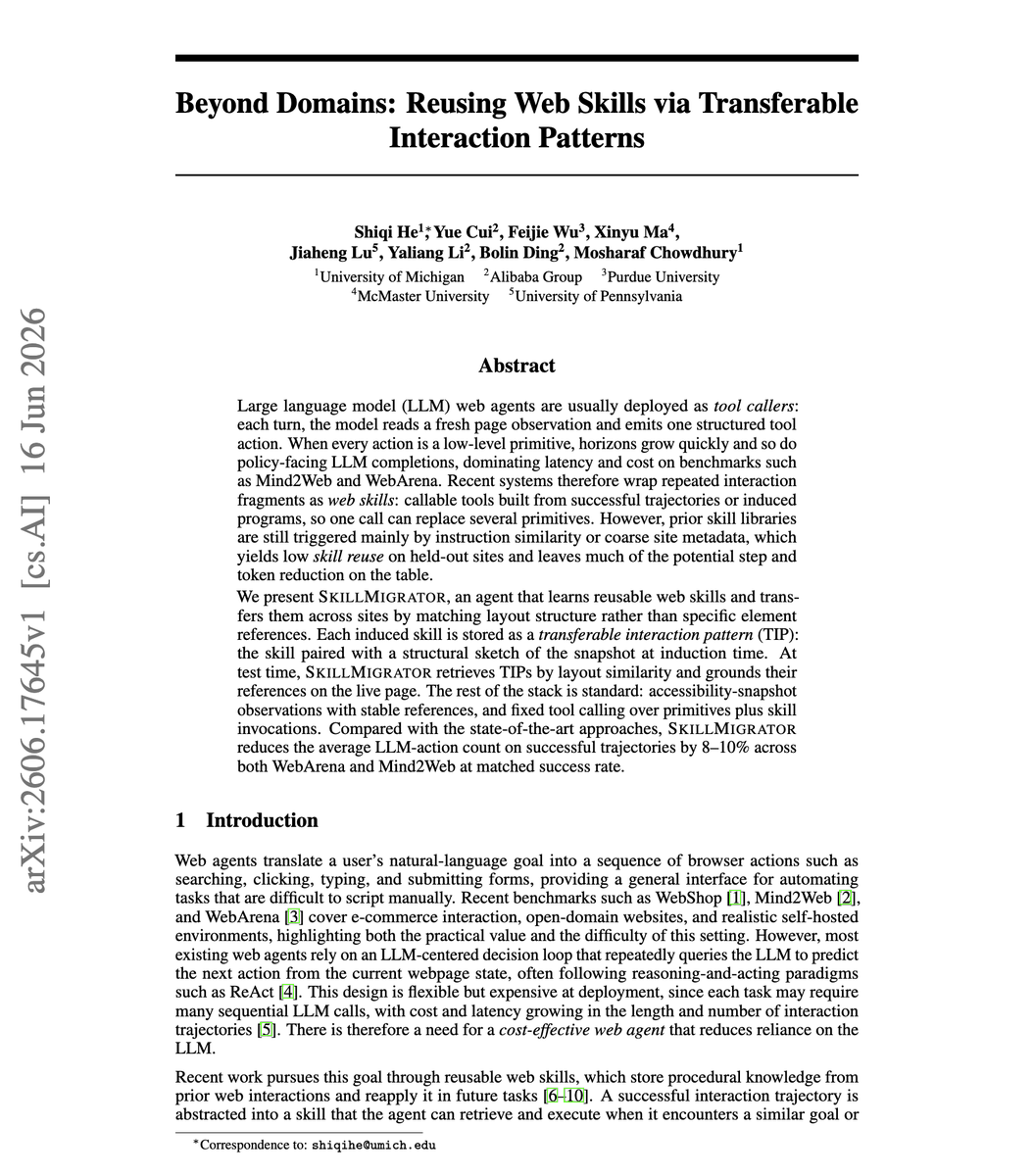
If you build web agents, this one is worth your time. It's on how to make agent skills reusable. (bookmark it) LLM web agents usually run as tool callers. Each turn, the model reads a fresh page and emits one low-level action, so horizons and policy-facing LLM completions both blow up on benchmarks like Mind2Web and WebArena. Skill libraries are meant to fix this by wrapping repeated fragments as callable tools, but they trigger reuse on instruction similarity or site metadata, which barely fires on held-out sites. This work routes skill reuse by transferable interaction patterns instead, so a skill learned on one site fires on new sites that share the same interaction shape. That lifts reuse where domain-keyed retrieval falls flat. Why does it matter? The same search, filter, and paginate dance shows up across sites. Abstracting it into a pattern-keyed skill makes web-agent skills generalize beyond the site on which they were learned. Paper: https://t.co/ku7kFIBhhy Learn to build effective AI agents in our academy: https://t.co/LRnpZN7L4c
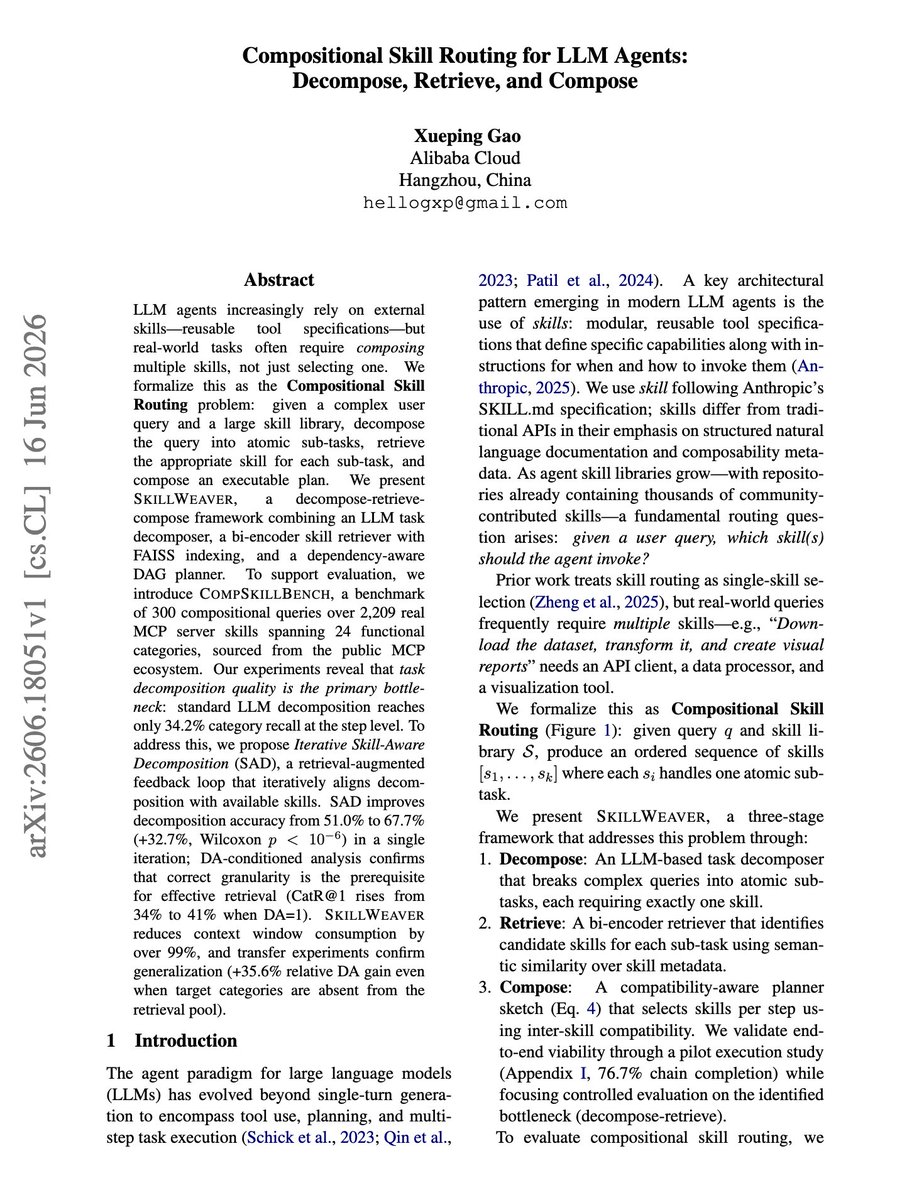
Cool paper on Skill routing for LLM agents. Real tasks rarely map to a single skill. They need several composed together, but most skill routing still treats the problem as picking one tool from a library. This work formalizes Compositional Skill Routing, decomposes a complex query into atomic sub-tasks, retrieves the right skill for each, and then composes an executable plan. The system, SkillWeaver, pairs an LLM decomposer with a bi-encoder FAISS retriever and a dependency-aware DAG planner. It comes with CompSkillBench, 300 compositional queries over 2,209 real skills, so the multi-skill case gets measured directly. Why does it matter? As skill libraries grow, single-skill retrieval quietly caps what an agent can do. The DAG planner turns retrieved skills into an ordered, dependency-respecting plan. Paper: https://t.co/OvyScHiis1 Learn to build effective AI agents in our academy: https://t.co/1e8RZKs4uX
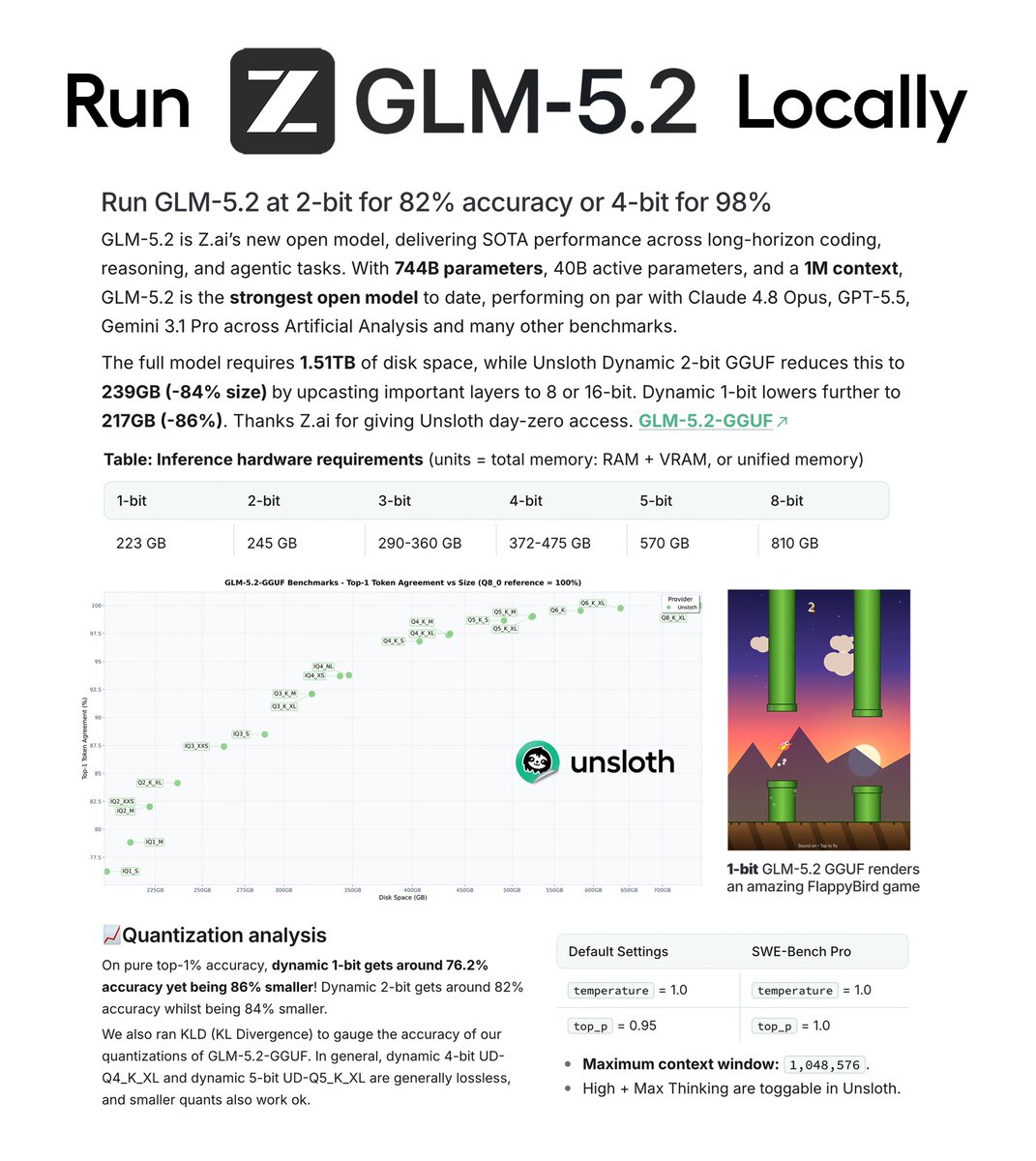
GLM-5.2 can now be run locally!🔥 The 2-bit model retains ~82% accuracy after we shrunk it from 1.51TB to 238GB (-84% size). Run on a 256GB Mac or RAM/VRAM setups. GLM-5.2 is the strongest open model to date. Guide: https://t.co/bI7FeeKHDd GGUF: https://t.co/BMkxswdj5N https://t.co/qIPuU63W9D
Introducing GLM-5.2: Frontier Intelligence, Open Weights - Significant improvements in coding and agentic tasks - Strong long-horizon capabilities with a 1M context window - Two levels of reasoning effort: GLM-5.2 (max) pushes the limits, while GLM-5.2 (high) strikes a strong ba

We're hiring our first FDEs at GDM! You'll be the main guy to help take model feedback from strategic partners, build them out into benchmarks and help make Gemini better. Huge impact potential, great time to join :) https://t.co/KkdxM4gI1B

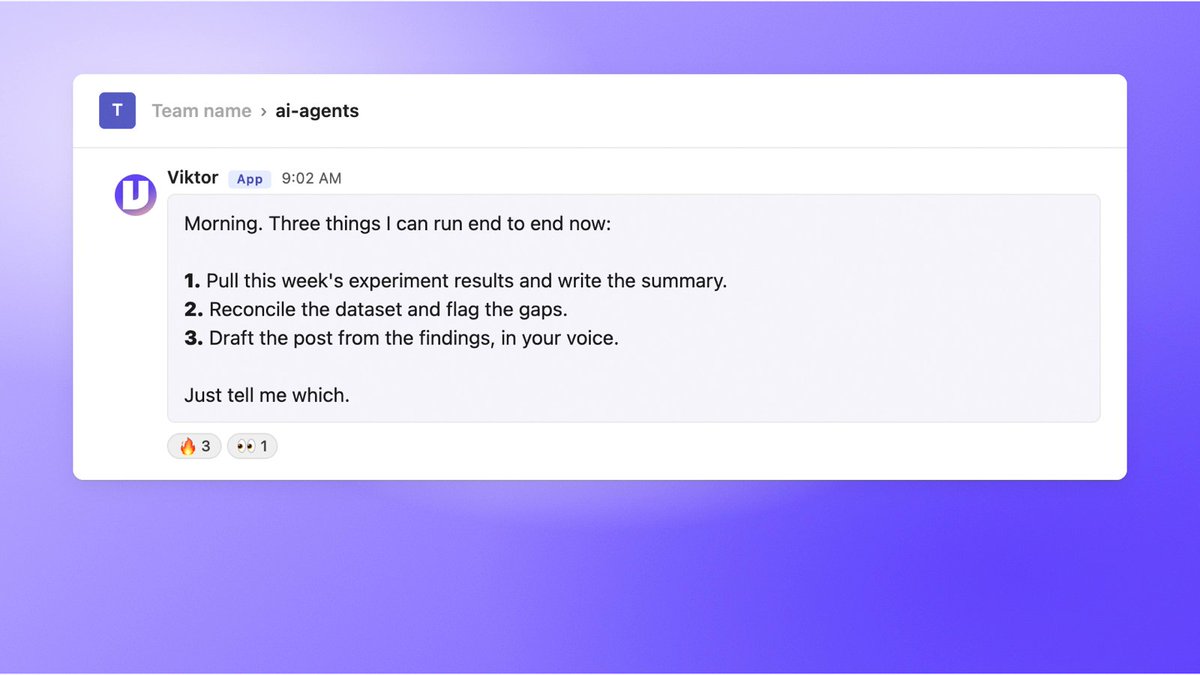
Excited to announce Viktor in Microsoft Teams. This week we crossed $20M in annualized revenue run rate. In Slack. One app, no sales team, no rollout. Now Viktor goes where the rest of the working world actually is. 320 million people work in Microsoft Teams. The biggest org chart on earth – departments, approval chains, the manager and the manager's manager. Here's what we actually built for them: the first AI where the barrier to entry is zero. You don't learn it. You don't prompt it. You don't even have to understand what AI can do. You @mention Viktor like a coworker, and the finished work comes back. In fact, you don't even need to mention Viktor. Viktor makes everyone AI-native. No course, no manual, no learning curve – the value comes to you, you don't reach for it. That's the mission: bring our rebellious optimist to the people who need him most. The operators and managers buried inside big companies. The frontline. The ones who were never shown what this could actually do for them – until today. Workspaces are where agents belong. Not apps. Viktor is live in Microsoft Teams. $100 in credits to start, no card. The AI for the rest of us – now where the rest of us report to someone.
Microsoft Teams just got its first AI employee. I tested it. A real AI employee that lives in the channel, does the work, and proposes the next move. Not another prompt box. Worth a look. @viktor__com https://t.co/5VBr8LaFDm
Excited to announce Viktor in Microsoft Teams. This week we crossed $20M in annualized revenue run rate. In Slack. One app, no sales team, no rollout. Now Viktor goes where the rest of the working world actually is. 320 million people work in Microsoft Teams. The biggest org
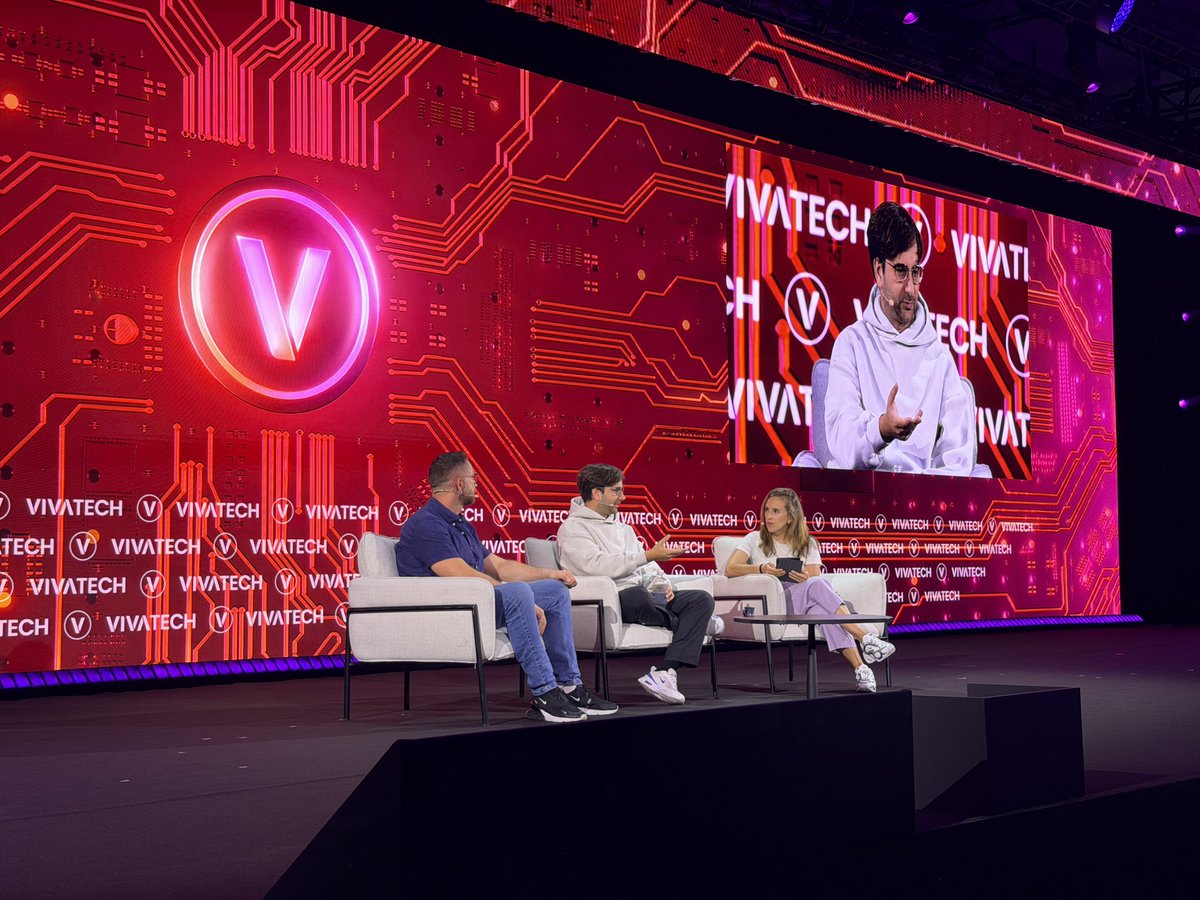
Great discussion with @thsottiaux and @steipete on the VivaTech main stage, led by @CharliePerreau. We’ve moved from conversations with AI to systems that can take action and pursue goals. The momentum behind Codex and agents is impossible to miss! https://t.co/2KIdZRZOc3
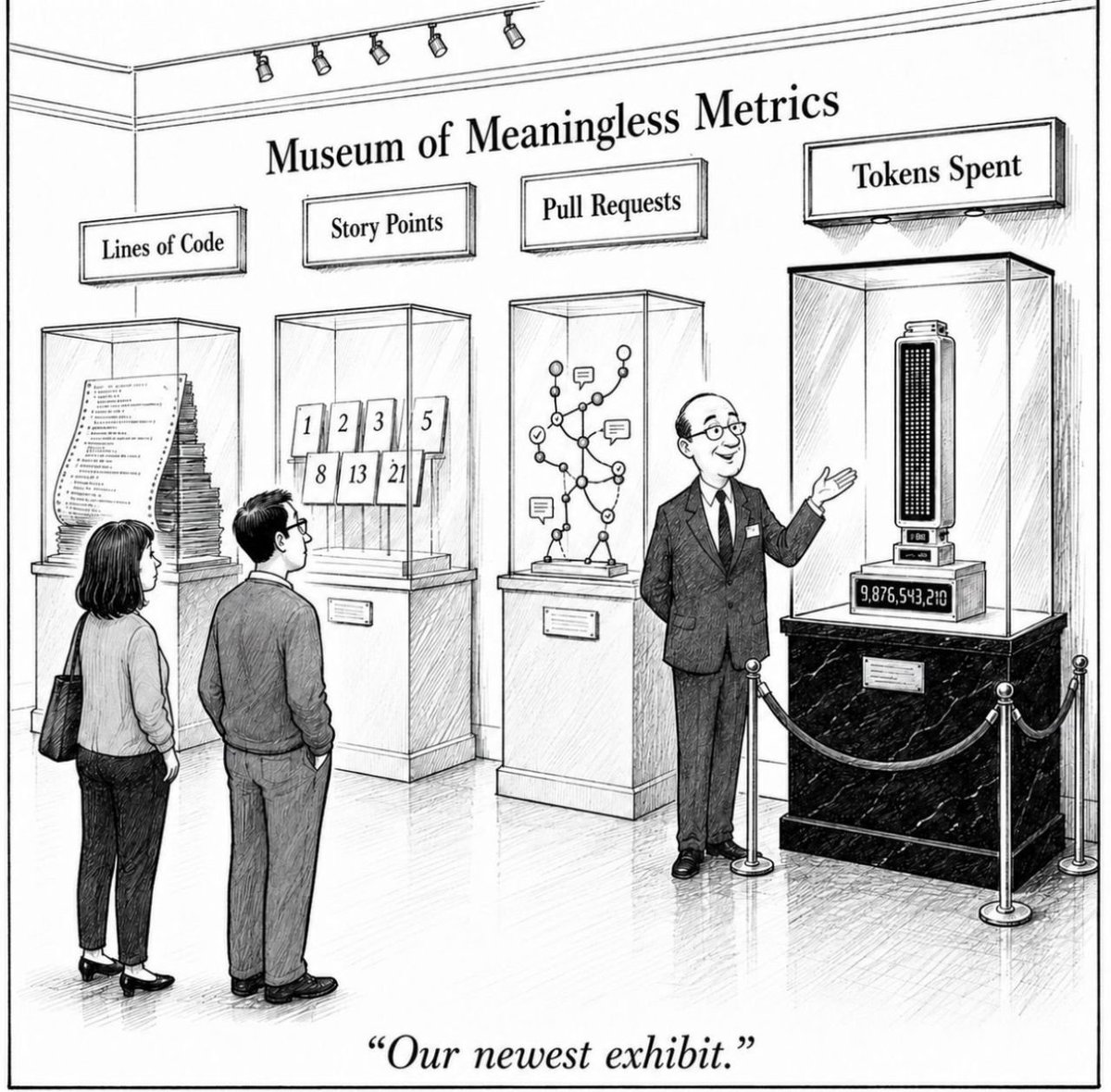
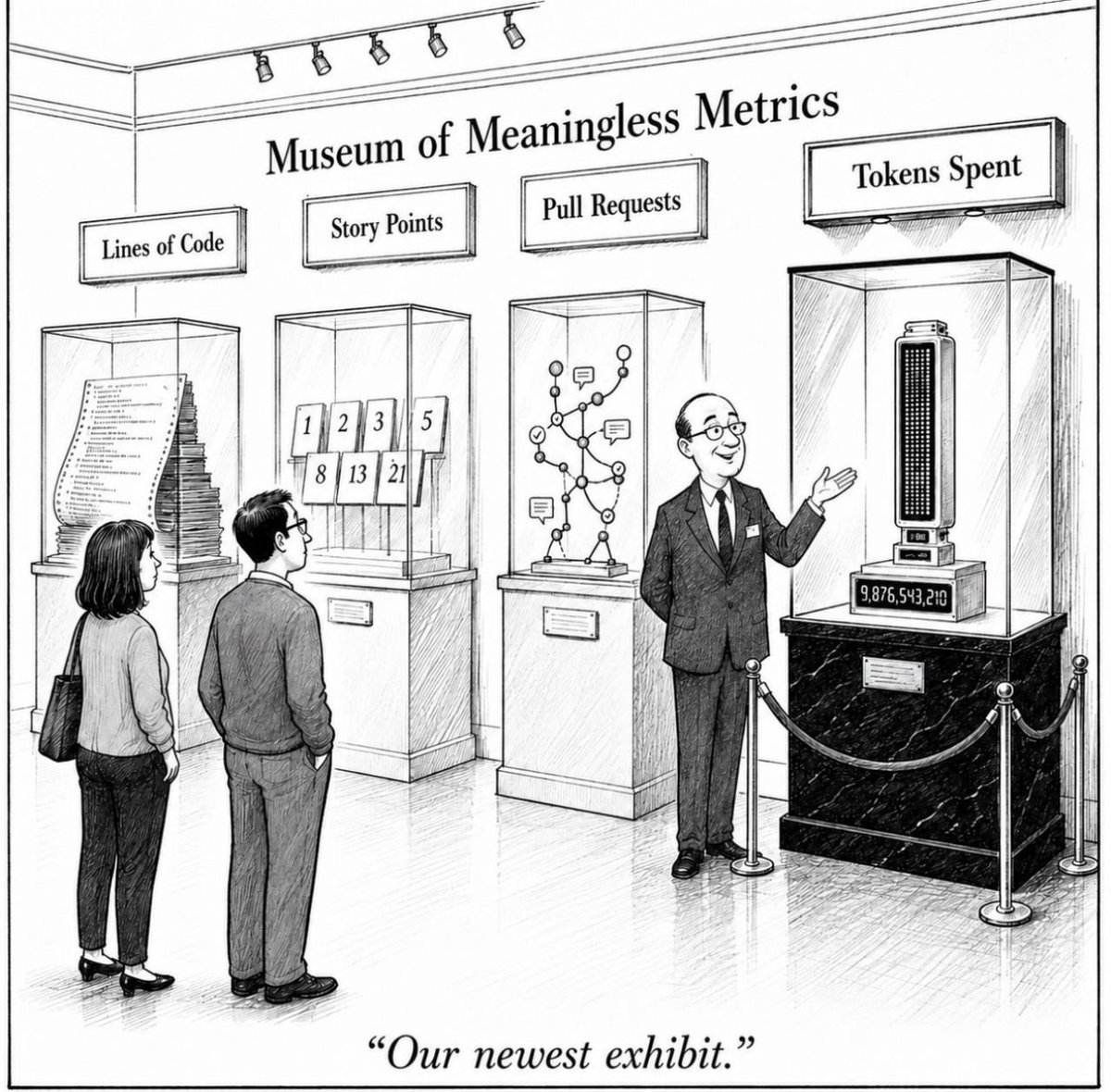
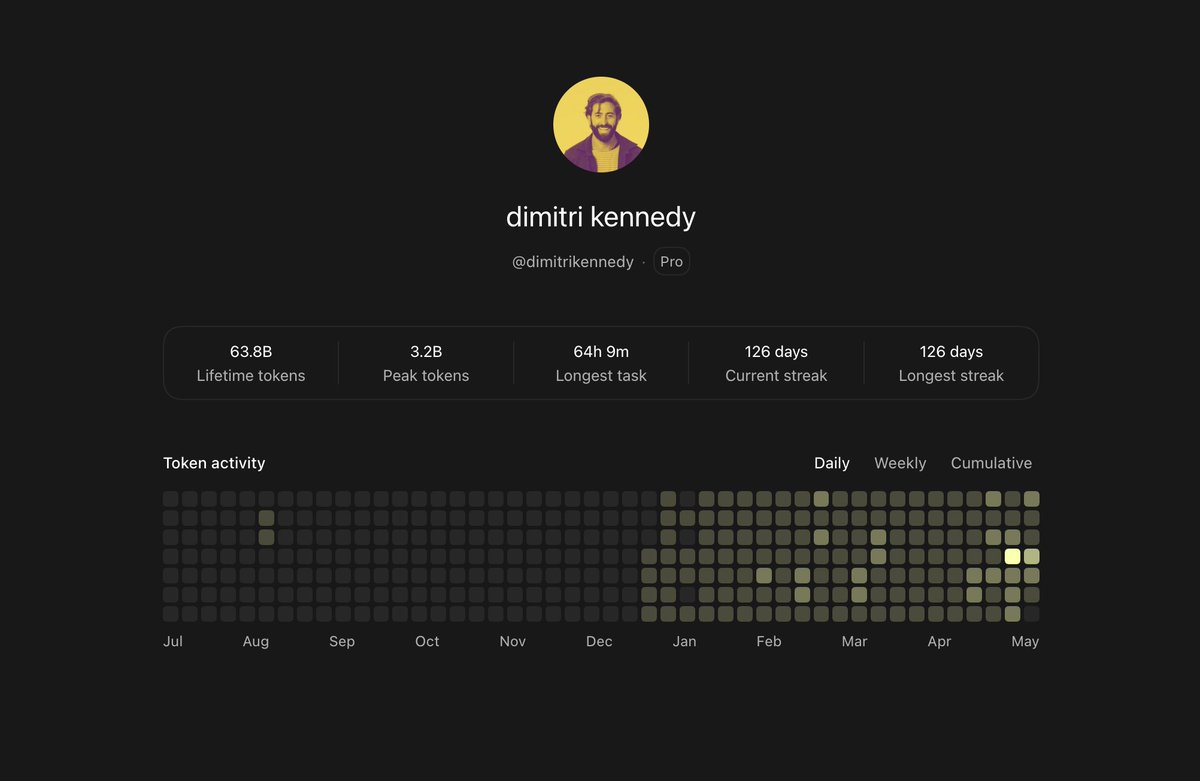
thats a lot of tokens https://t.co/K86XvtdPxy
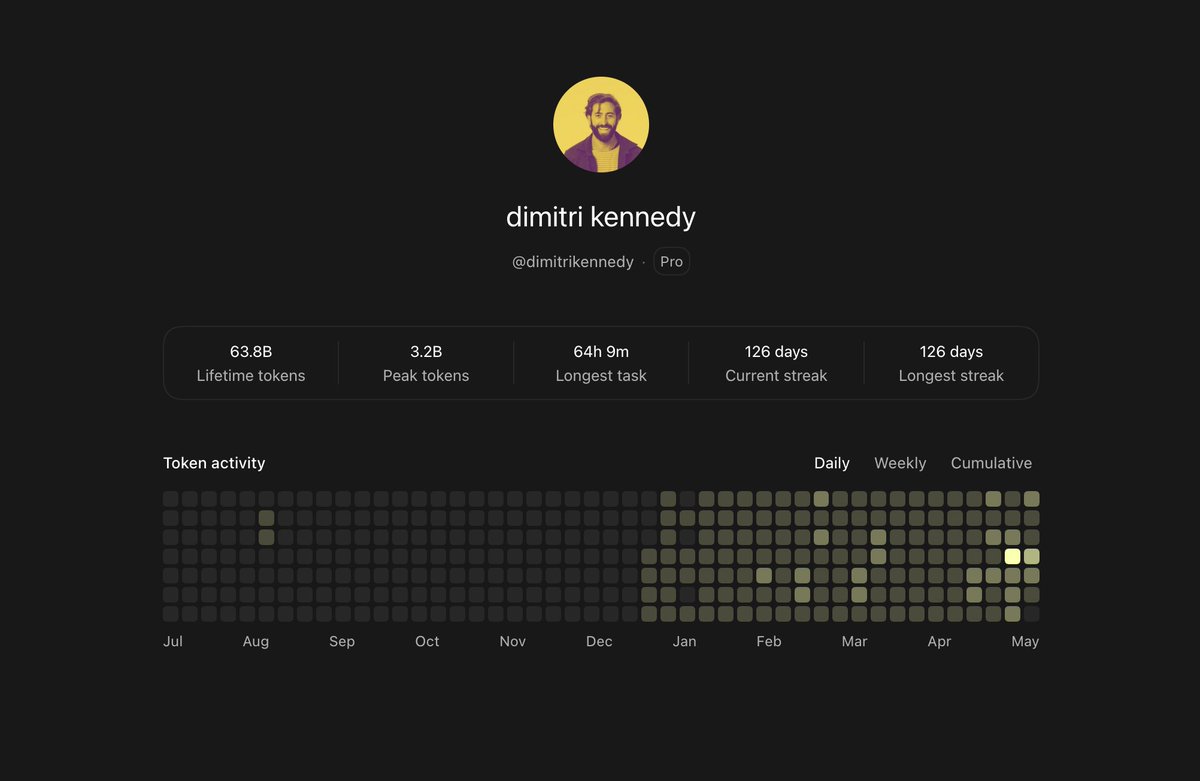
thats a lot of tokens https://t.co/K86XvtdPxy
Prove you can work with the technology behind modern AI: We are excited to announce the launch of PyTorch Certified Associate (PTCA). As AI adoption continues to accelerate across industries, the demand for practical, hands-on engineering skills is growing rapidly. The PTCA is designed to validate your foundational ability to design, train, and deploy machine learning models within real-world environments. Link to learn more in comments section👇

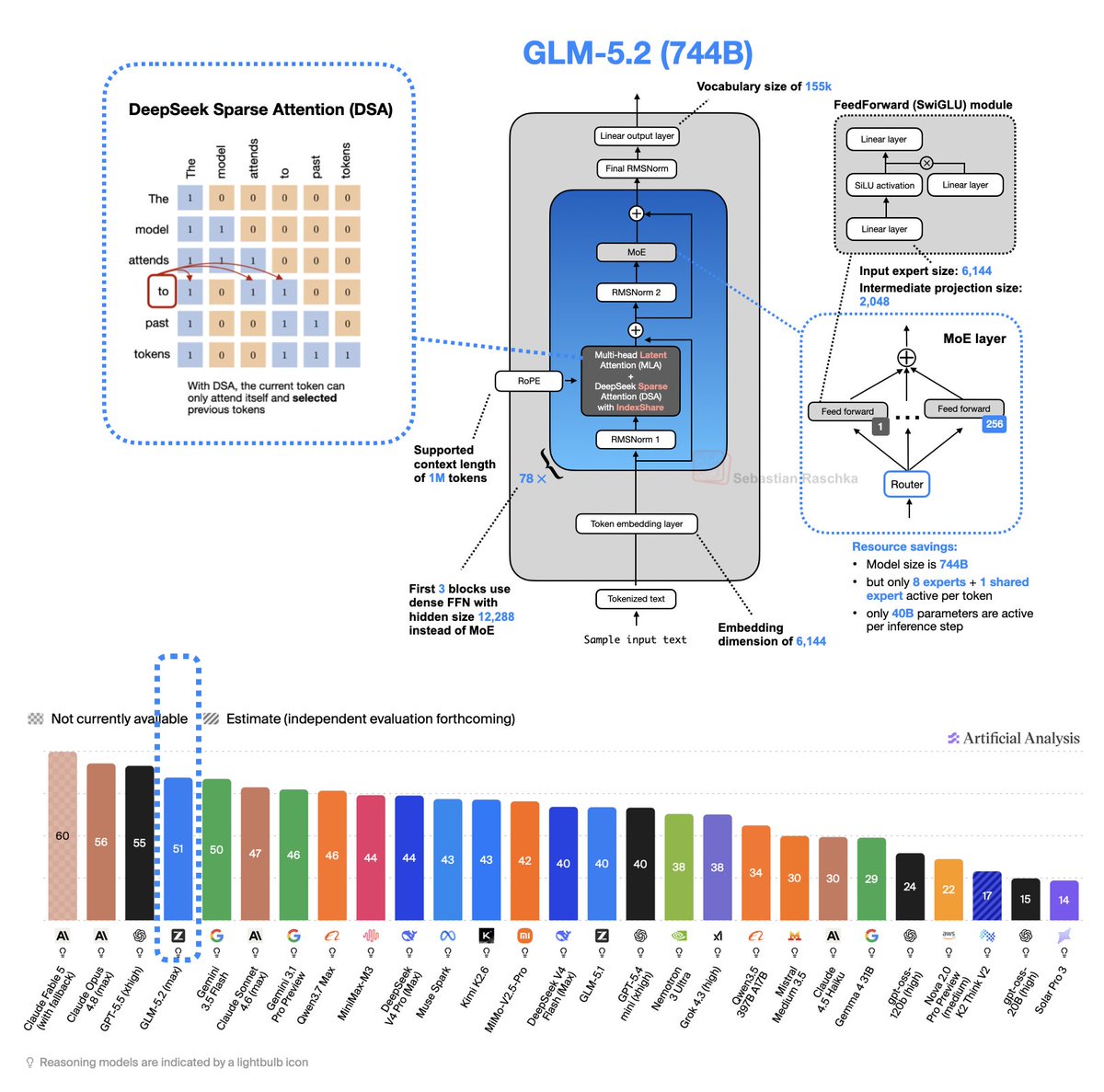
Just caught up with the recent GLM-5.2 release. The best open-weight model today. Architecture-wise, it's build on the GLM-5 and GLM-5.1 architecture that I covered previously, which means it's reusing the Multi-head Latent Attention (MLA) and DeepSeek Sparse Attention (DSA) mechanisms from DeepSeek V3.2. (I wrote about it here: https://t.co/tuunazfQ8y) What's new is that they added an IndexShare mechanism. (That's a cross-layer reuse trick for DSA where instead of recomputing the sparse-attention top-k indexer in every layer, GLM-5.2 runs the full indexer only once every four layers and lets the following layers reuse those selected token indices. This keeps the same DSA idea but makes 1M-token inference much cheaper.)
The astounding progress on SWE-Bench Verified, visualized over time Find it here: https://t.co/wpkmJoBDyj cc @OfirPress https://t.co/aBSXXLsgR7
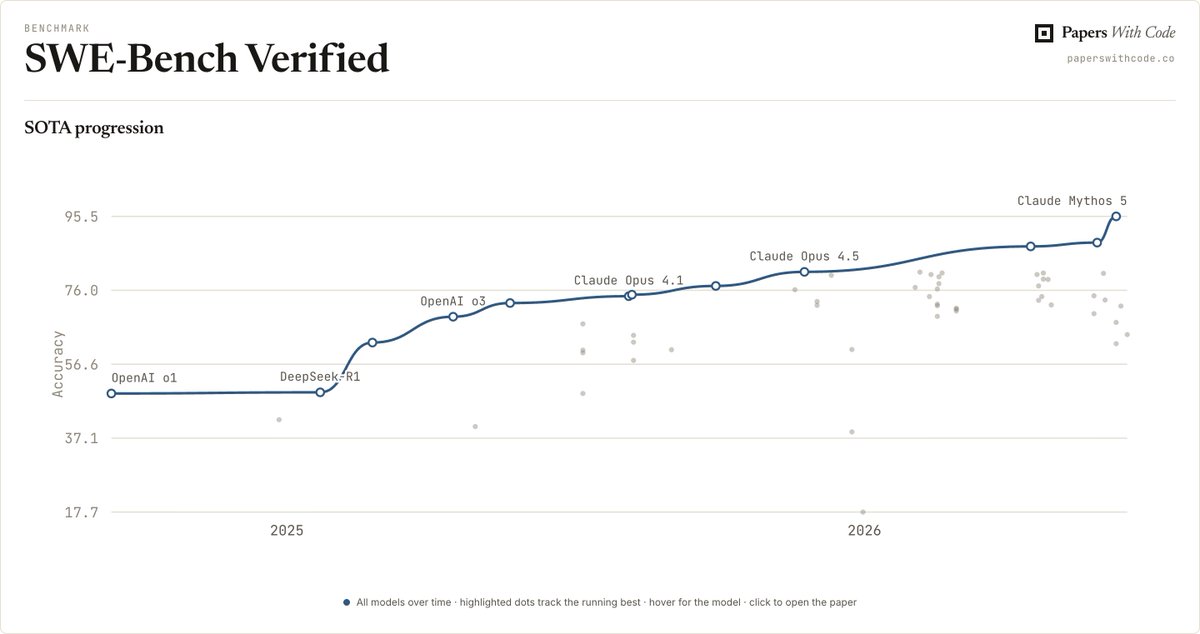
The astounding progress on SWE-Bench Verified, visualized over time Find it here: https://t.co/wpkmJoBDyj cc @OfirPress https://t.co/aBSXXLsgR7
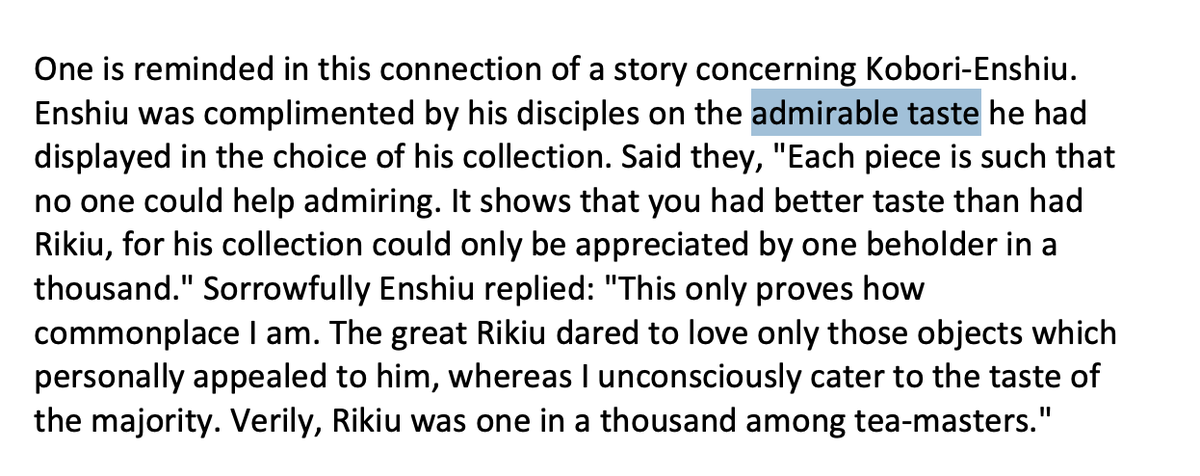
on taste chances are you are a consumer not a curator https://t.co/SHePCMXFiz
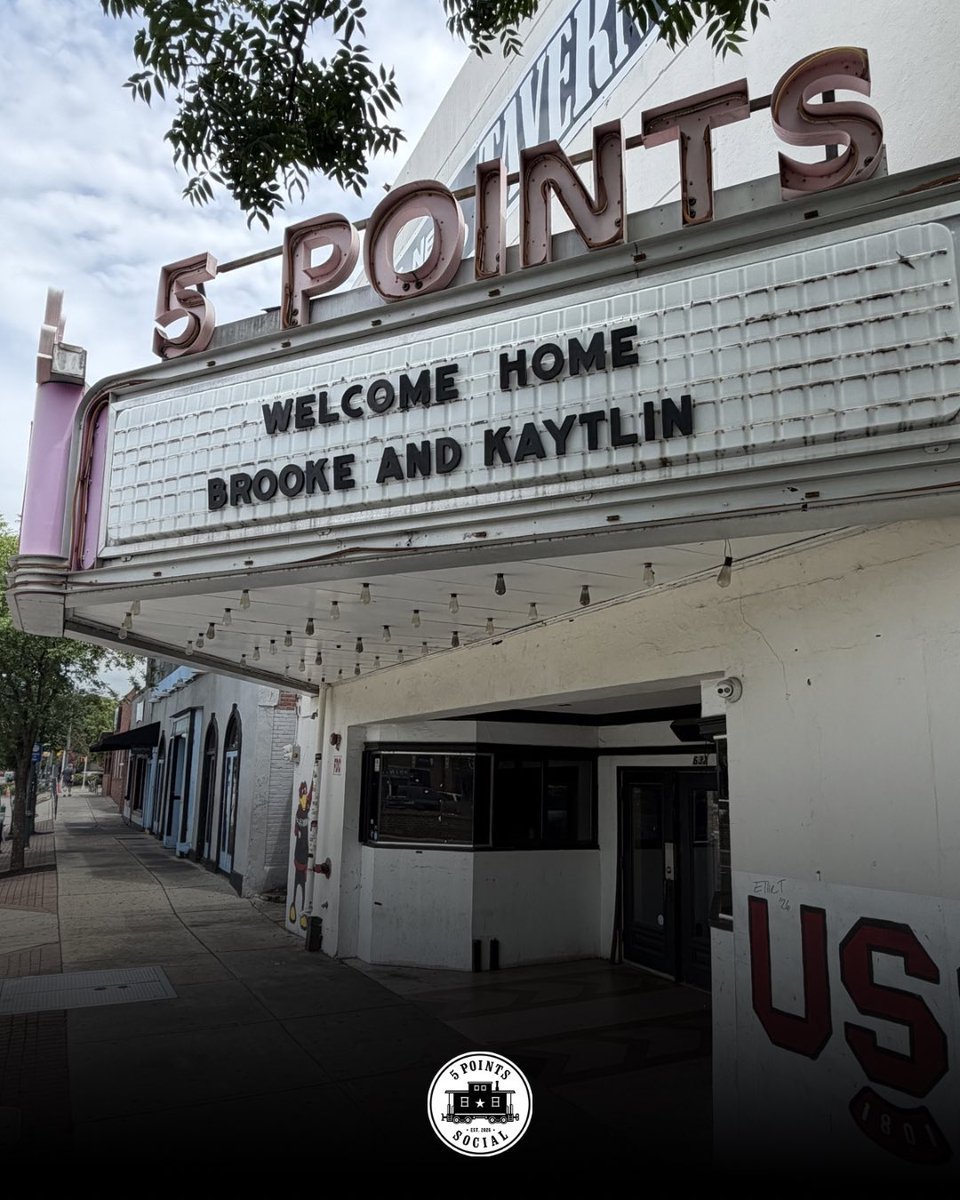
We’re still catching up! 😅 Welcome Home @b_rookebennett @kaytlingwood 🥎🤙 Who’s next?! #gamecocks #fivepointssc #welcomehome #5PS #HB90 https://t.co/iPAXBussvs
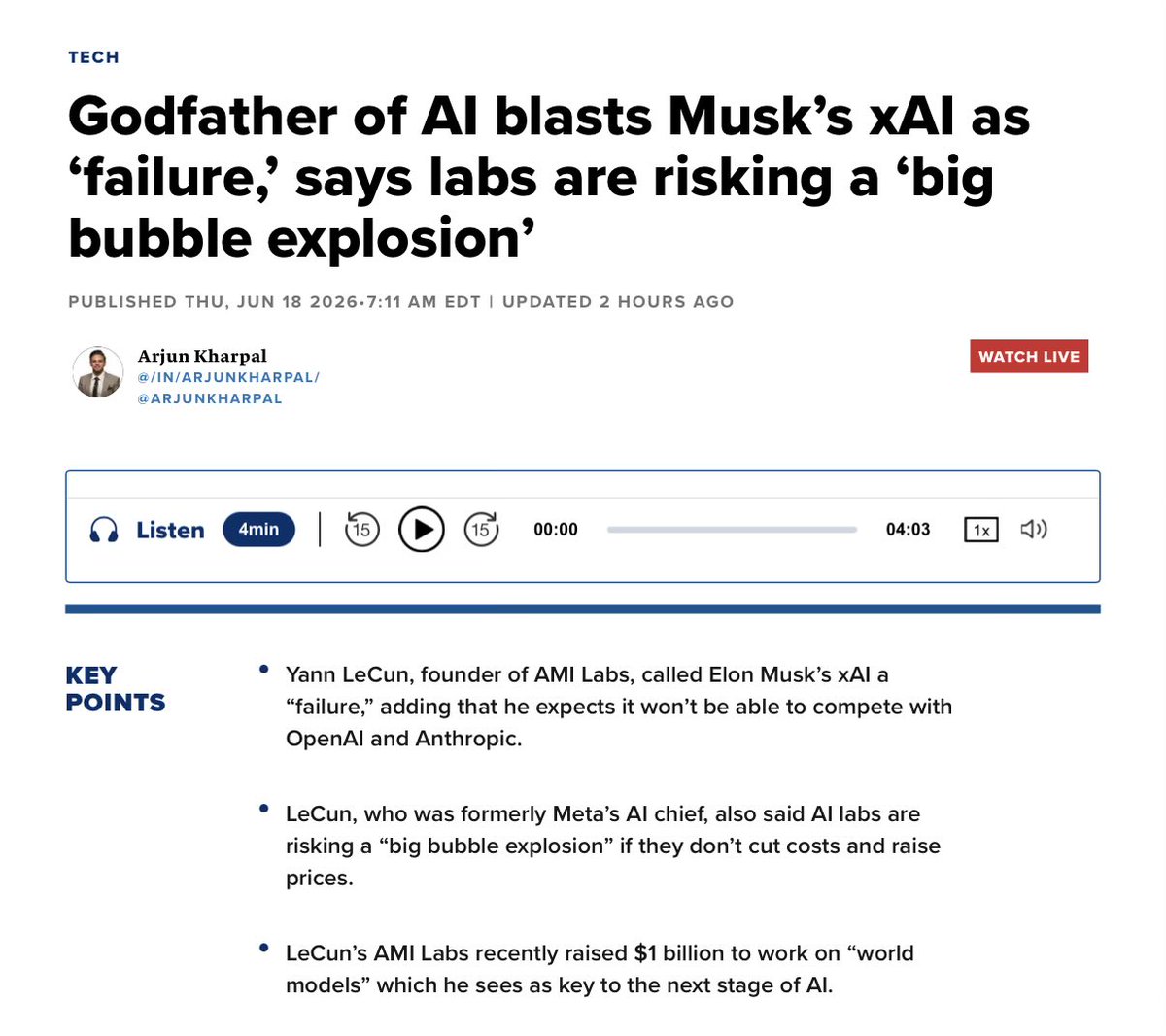
now @yLeCun is warning of a bubble. is there anything i haven’t been saying for years that he didn’t eventually start saying? great that he has converted to my way of thinking but sociopathic that he has literally not once been able to acknowledge this. 4 years publicly attacking me, starting 2018, and then chatGPT eats his lunch, and suddenly he becomes me. 🤦♂️ the only constant is his ego.
@halexam Yea check out this video: https://t.co/D41UhRabSZ
.@HuggingFace did a nice explainer video of Hermes Agent's architecture, check it out here: https://t.co/wqWargH39p