Your curated collection of saved posts and media
@ChrisJMcCormick The extrapolation is that your spec is something like microgpt (scalar valued python with for loops etc), everything else is just a matter of compilation and PyTorch etc is kind of a crappy IR
Louen Pottier氏開発の物理AI「LaGSplat」 🔹スマホ動画1本から物理法則(エネルギー散逸など)を自動学習 🔹事前に力を計測しなくても、動画内の物体を「押す」操作が可能 🔹現実の映像から直接物理シミュレータを作りロボット開発の応用への期待 Webブラウザで体験可能。情報元はリプ欄。 https://t.co/KpgNNIGN8m
Regarding Sentence Transformers v6.0 update: A dense model compresses a whole text into one vector, then compares two vectors. A multi-vector model keeps one vector per token, scores every query token against every document token, takes the best match for each, and sums those. https://t.co/ksnigtsLpm
🚨I've just released Sentence Transformers v6.0! MultiVectorEncoder joins the family: ColBERT-style late interaction models are now a first-class model type, for training, inference & interpretation, alongside dense, sparse & reranker models. Big thread 🧵 https://t.co/I
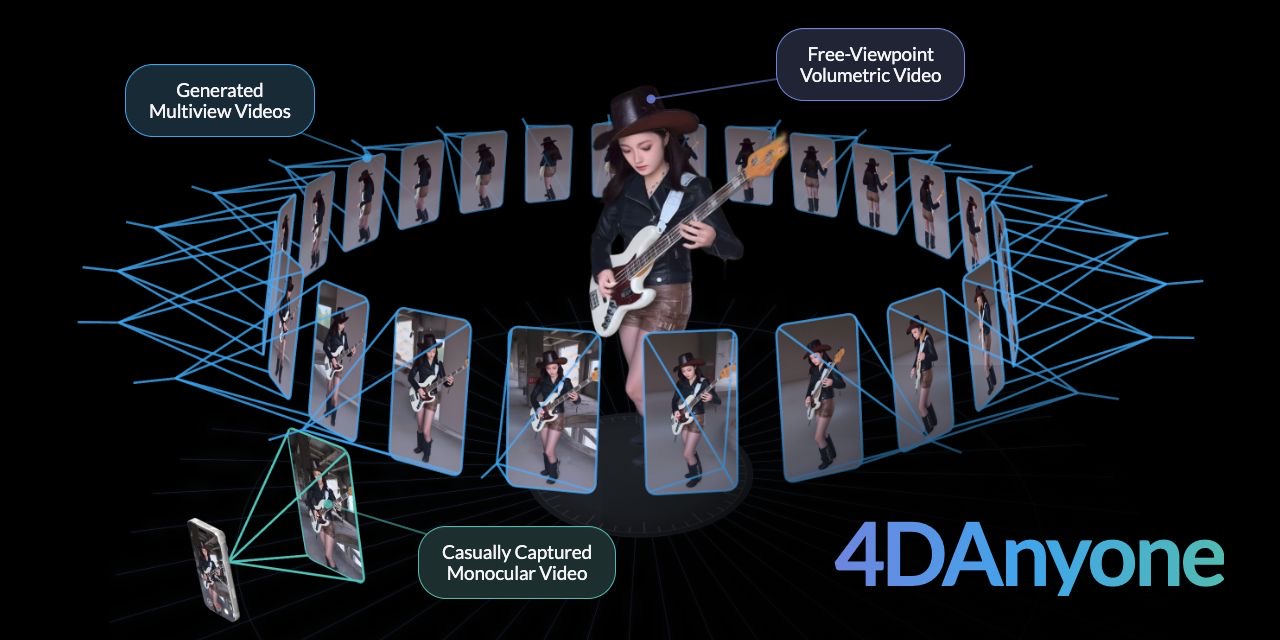
Single video in, 4D human out. 4DAnyone turns a casual monocular video into a 4DGS model. No camera rig, no calibration, no tripod. Project: https://t.co/hIArgF0YmQ https://t.co/JB3S9bqggd
Reminds me of novel locomotion policies discovered in MuJoCo environments, except that they work in the real world!
Slow-motion look at the 400m champion’s running form at the World Humanoid Robot Games. https://t.co/Yt2Vp8DLcx
one real issue I have with various agents now is "where is this code going to run" - does it need access to my local filesystem - can I fire it off from my phone and if so does it run on the cloud or needs my Mac mini fired up / synced? The current UX metaphors around this seem to need work.
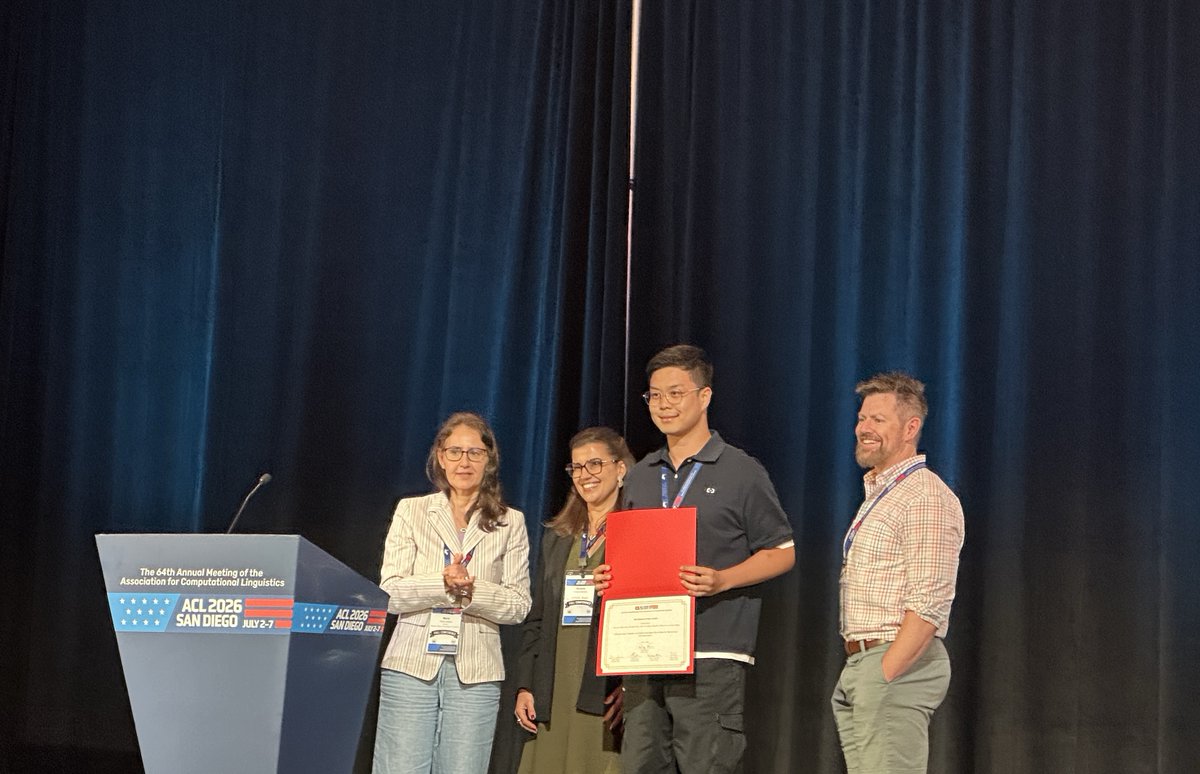
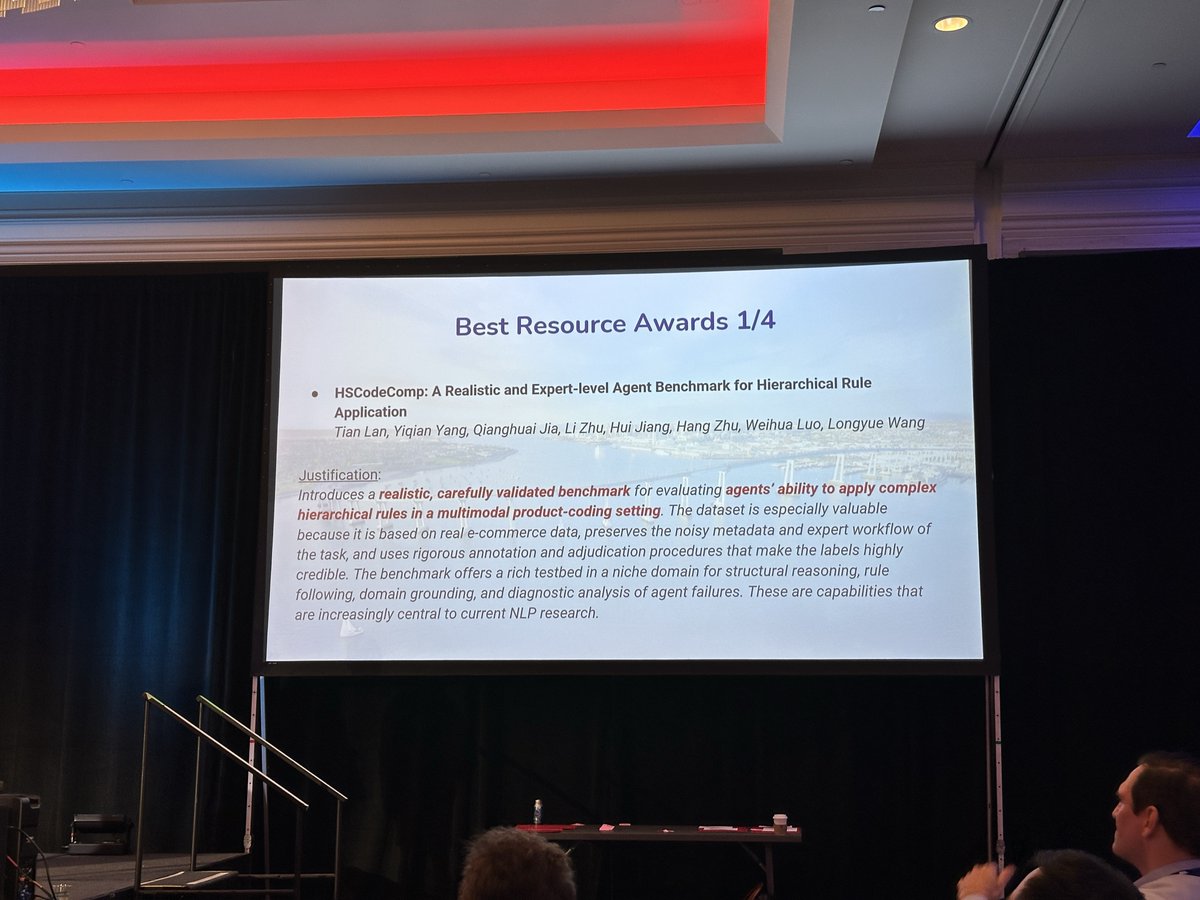
🏆 Best Resource Paper Award at #ACL2026 @aclmeeting 🚀Thrilled to share that our deep research benchmark paper "HSCodeComp: A Realistic and Expert-level Agent Benchmark for Hierarchical Rule Application" reveived a Best Resource Paper Award #ACL2026! 🎯 Hoping this sparks more focus on reliable AI Agents in the real world. https://t.co/ToFSPPaYb3
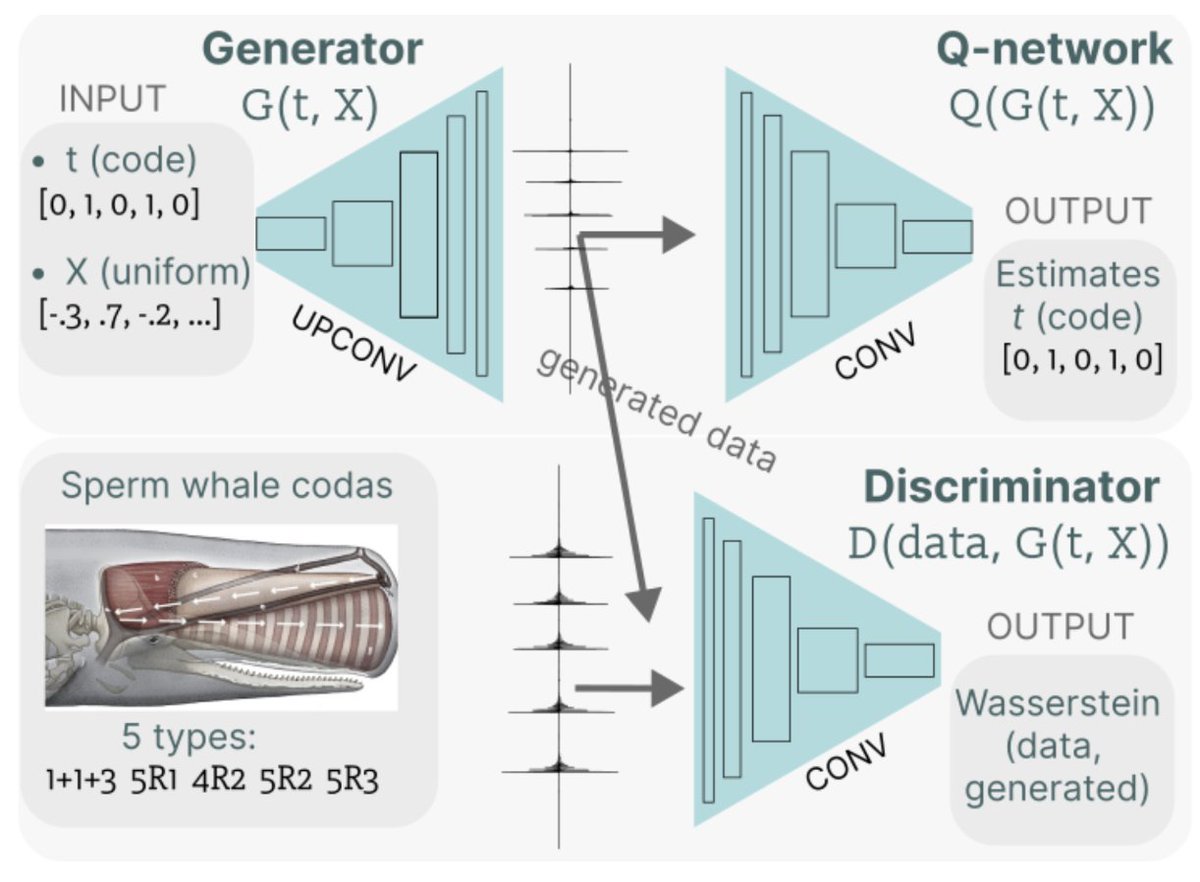
How to approach an unknown language in the ocean? Here’s one of the first cases of AI interpretability leading to a scientific discovery -- in whales. We built an artificial baby model that learns language directly from raw sound and trained it to imitate whale speech. Then we looked inside. Our interpretability method recovered the properties biologists already thought were meaningful and pointed out those that had not been considered before. This was the initial clue that eventually led to the discovery of vowels in sperm whales. Understanding AI and reframing language as informative imagitation can help us step outside our human biases and discover new realities about the natural world. Published in Royal Society Open Science.
FastAPI Conf speaker news! 📢 @jxnlco, creator of Instructor, the person that convinced AI Labs to provide structured output with Pydantic (automatic compatibility with FastAPI). He's bringing us some insights directly from the Codex team at @OpenAI 🤖 https://t.co/ioc3vjSHvX https://t.co/C1zlrff3aX
This is what faster-than-real-time video generation looks like.
A line in AI video was crossed, in my experiments with just the web interface, H3 Max can now create reasonably high quality AI video in less time than it takes you to watch it. This is realtime from the moment I pushed the "generate" button (and also includes prompt enhancement)