@oost_marcel
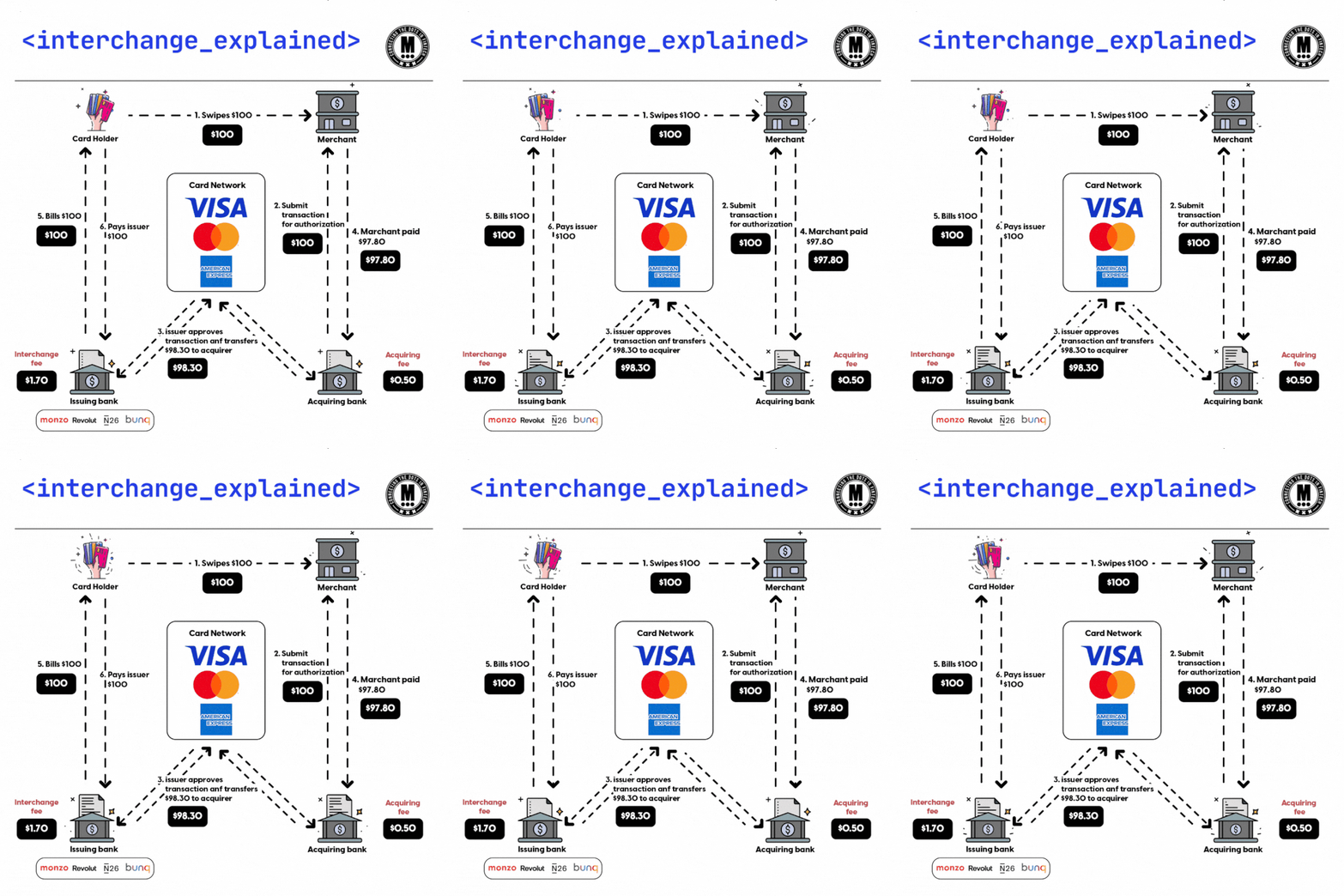
𝗪𝗵𝗮𝘁 𝗶𝘀 𝗶𝗻𝘁𝗲𝗿𝗰𝗵𝗮𝗻𝗴𝗲, 𝗮𝗻𝗱 𝘄𝗵𝗮𝘁 𝗳𝗮𝗰𝘁𝗼𝗿𝘀 𝗶𝗺𝗽𝗮𝗰𝘁 𝘁𝗵𝗲 𝗶𝗻𝘁𝗲𝗿𝗰𝗵𝗮𝗻𝗴𝗲 𝗿𝗮𝘁𝗲? Let’s break it down: Every time a consumer swipes a card to make a purchase, the merchant pays an interchange fee. Revenue from the fee gets divided among parties that facilitated the transaction: the banks that send and receive the payment, the card network, the payment processor, and—more recently—fintechs and businesses that embed payments. When you take the bird-eye view diagram below 👇 as an example: If a user swipes a card issued by a Neobank, $1.70 (interchange fee) goes to the issuing bank and the card network, $0.50 (acquiring fee) goes to the acquiring bank. Interchange fees are not always the same though. 𝗪𝗵𝗮𝘁 𝗳𝗮𝗰𝘁𝗼𝗿𝘀 𝗶𝗺𝗽𝗮𝗰𝘁 𝗶𝗻𝘁𝗲𝗿𝗰𝗵𝗮𝗻𝗴𝗲 𝗿𝗮𝘁𝗲? ► Credit vs. Debit Interchange rates on credit cards are significantly higher than those on debit cards. ► Rewards programs These benefits are financed through higher interchange rates, and have proven to be very popular with consumers. ► Online vs. Offline Online purchases are less secure than in-person purchases. ► Consumer vs. Commercial Cards associated with business or corporate accounts carry higher interchange rates than consumer cards. ► Merchant Category Code (MCC) Every merchant is categorized by the major card networks according to a Merchant Category Code (MCC). This means that there are different interchange rates depending on whether someone uses a card in a supermarket, a retail store, a gas station, or with some other form of merchant. ► The Card Network Different card networks charge different rates. Visa and Mastercard are known for charging lower rates. Other networks like AMEX are known for charging higher rates. ► Network partner programs Visa and Mastercard’s partner programs like VPP (Visa Partner Program) and MPP (Mastercard Partner Program) often give specific retailers interchange rates that are much lower than the networks’ published interchange rates. ► Size of the issuing bank (𝗢𝗡𝗟𝗬 in the US 🇺🇸) Larger banks are subject to a regulation called the Durbin Amendment that caps interchange rates on consumer debit transactions. Smaller banks are exempt. As a result, these smaller banks can earn more revenue from interchange rates, which benefits FinTechs and embedded finance businesses that partner with them. Read my complete source article for more info: https://t.co/8y9tAIbxH0